Choosing an LED Panel or Recessed Spot: Size, Power and Mounting
The LED panel is preferred in offices, shops and wet areas for the soft light spread across its wide surface. Compared with a point spotlight it gives fewer shadows and a more even level of light. Our collection holds 60 products.
Size: According to Your Ceiling System
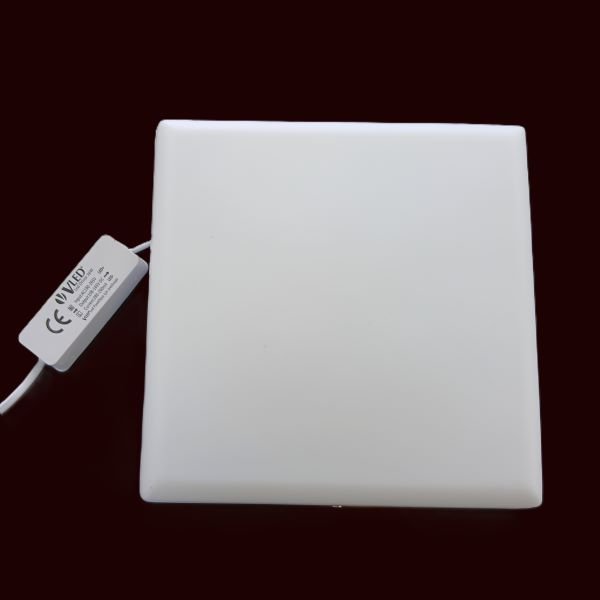
- 60x60 cm: the standard opening of a grid suspended ceiling. The panel drops straight into the opening and needs no extra work.
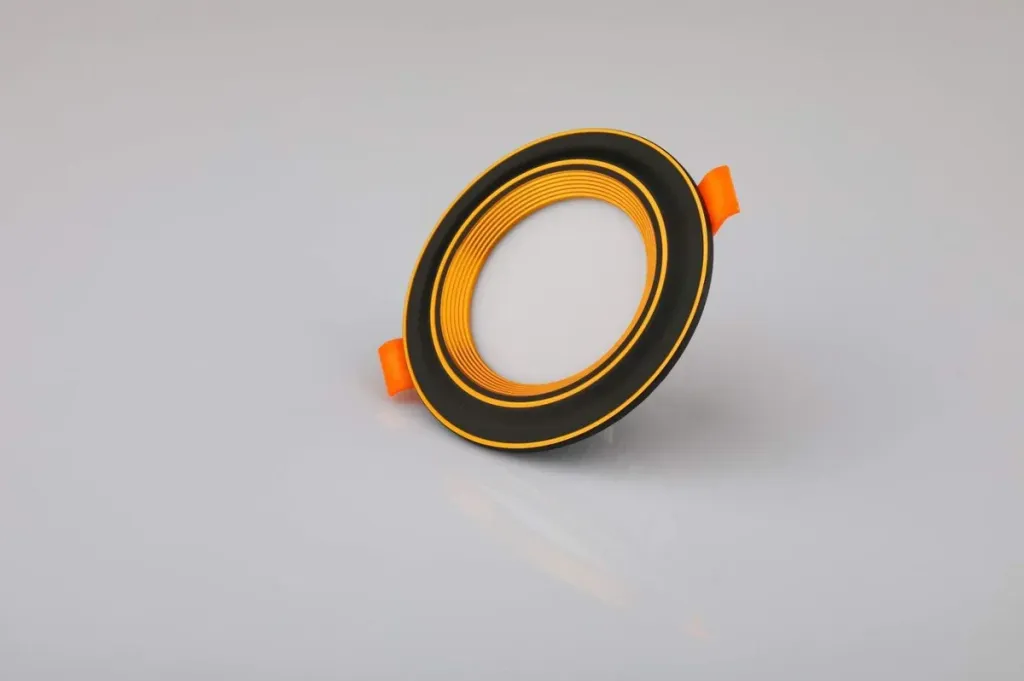
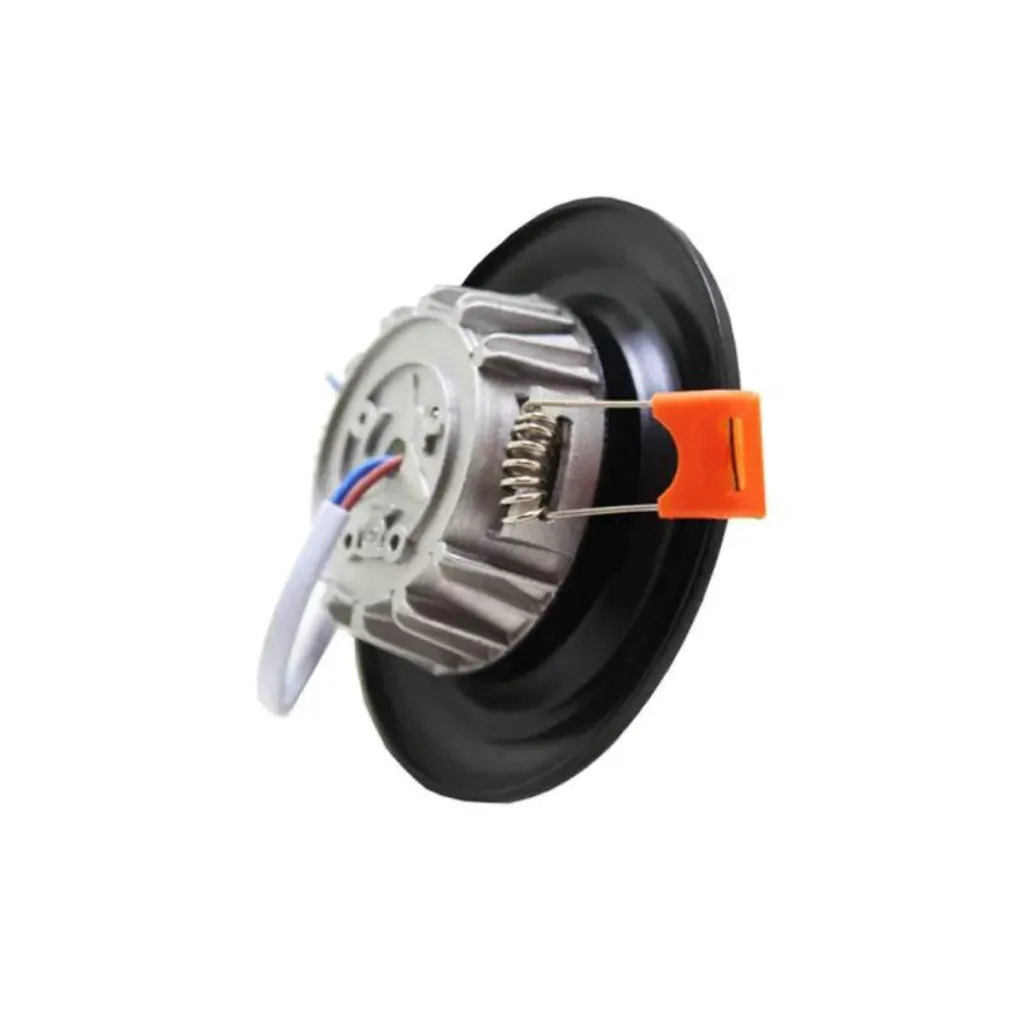
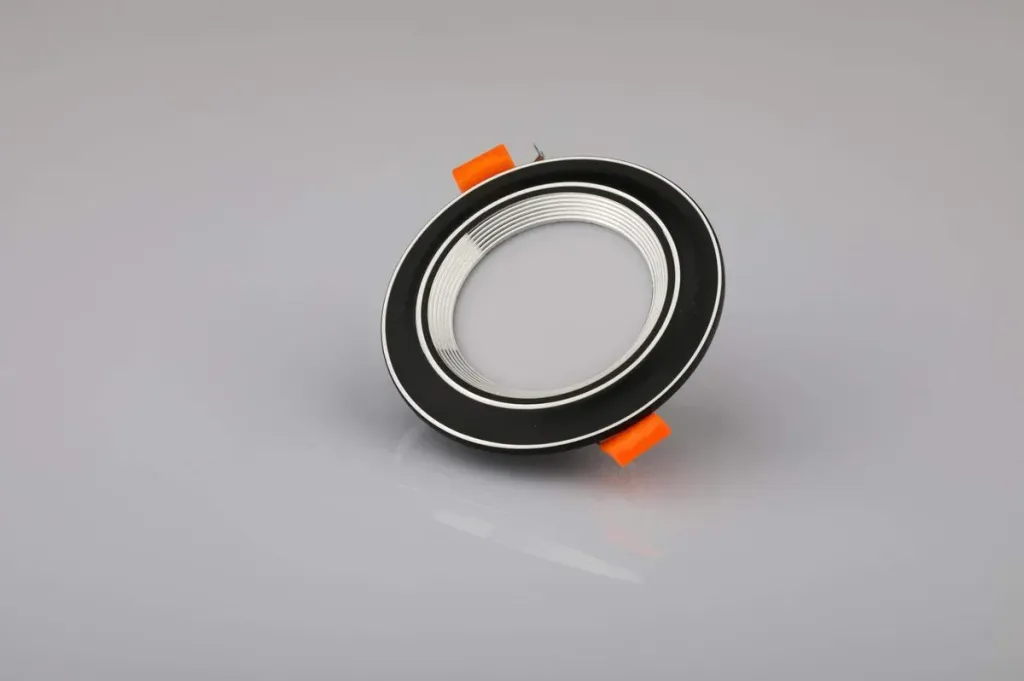
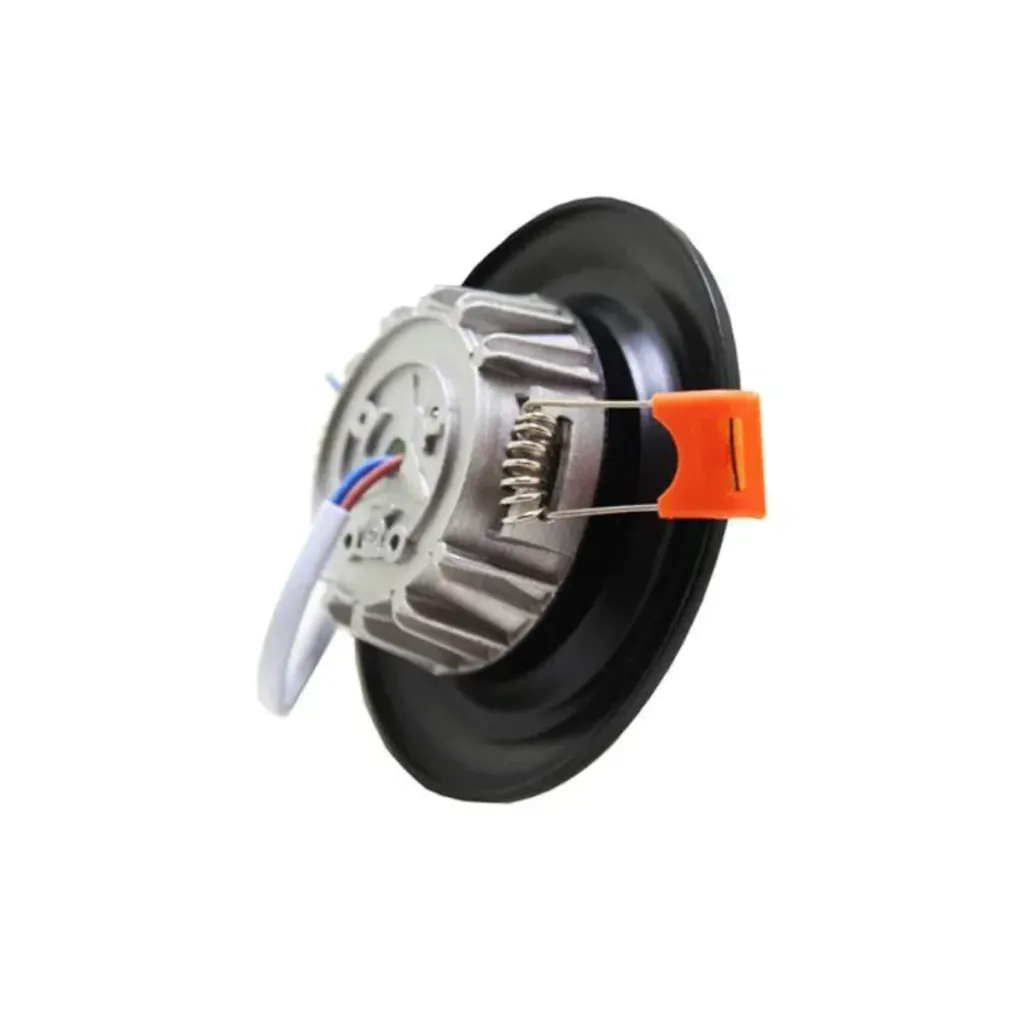
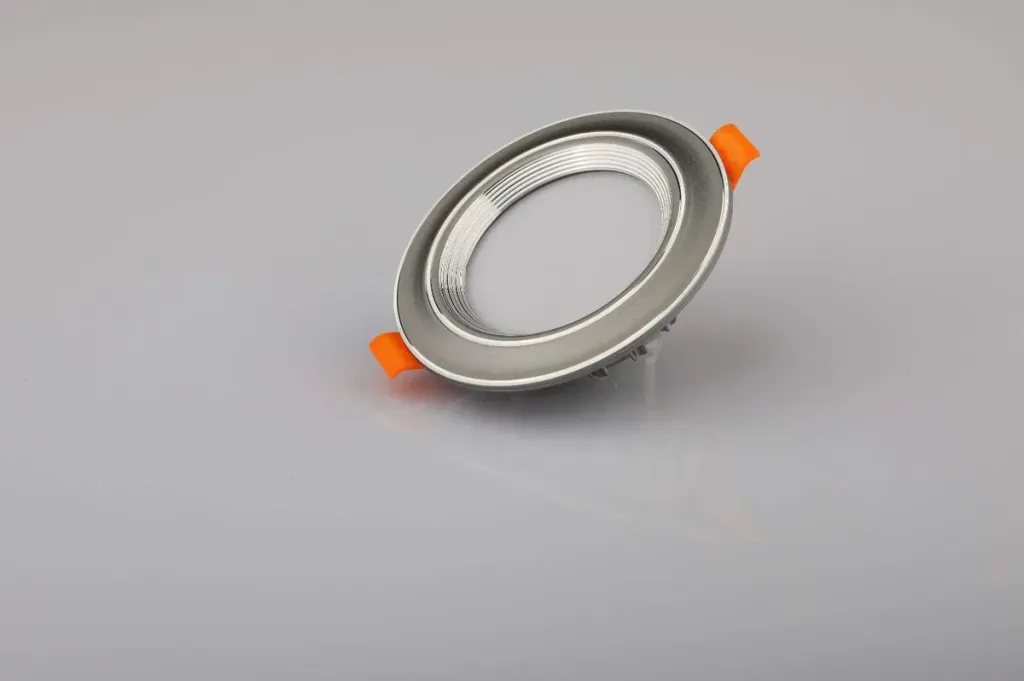
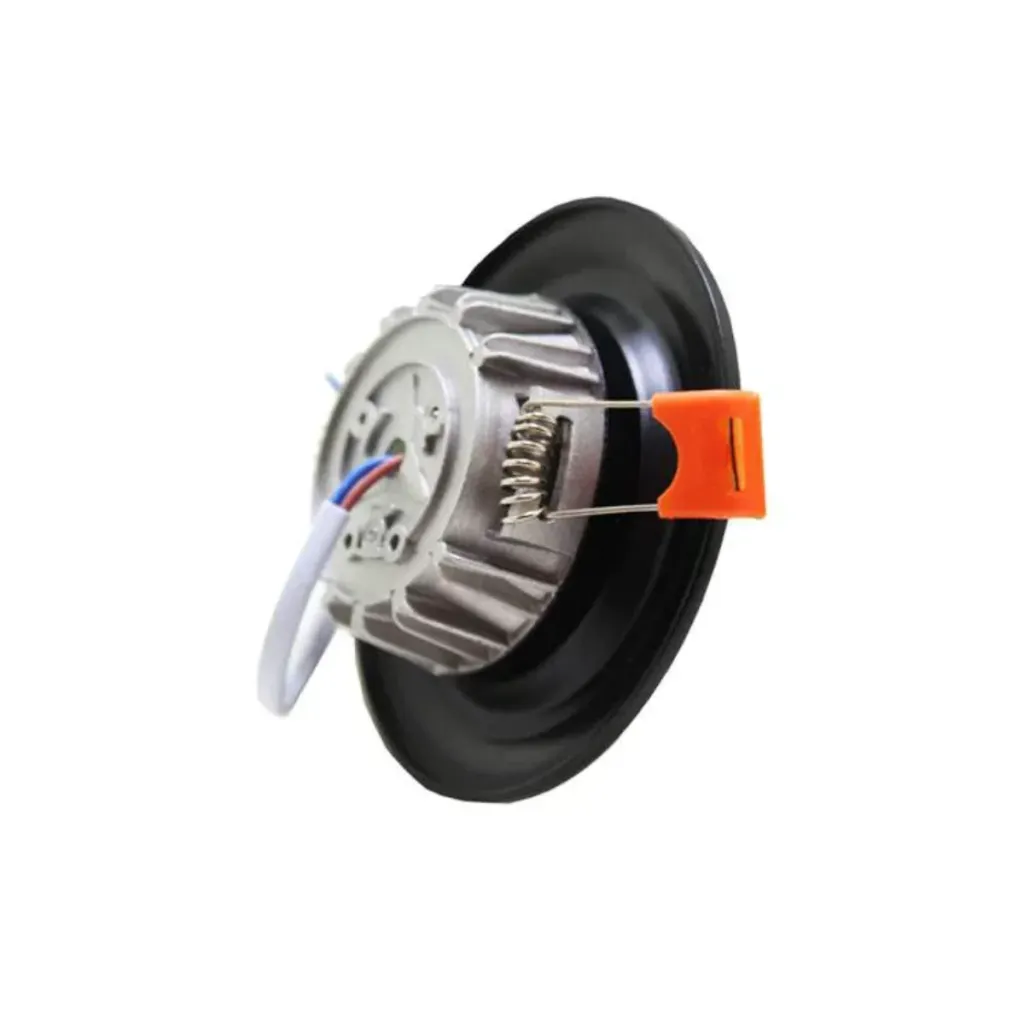
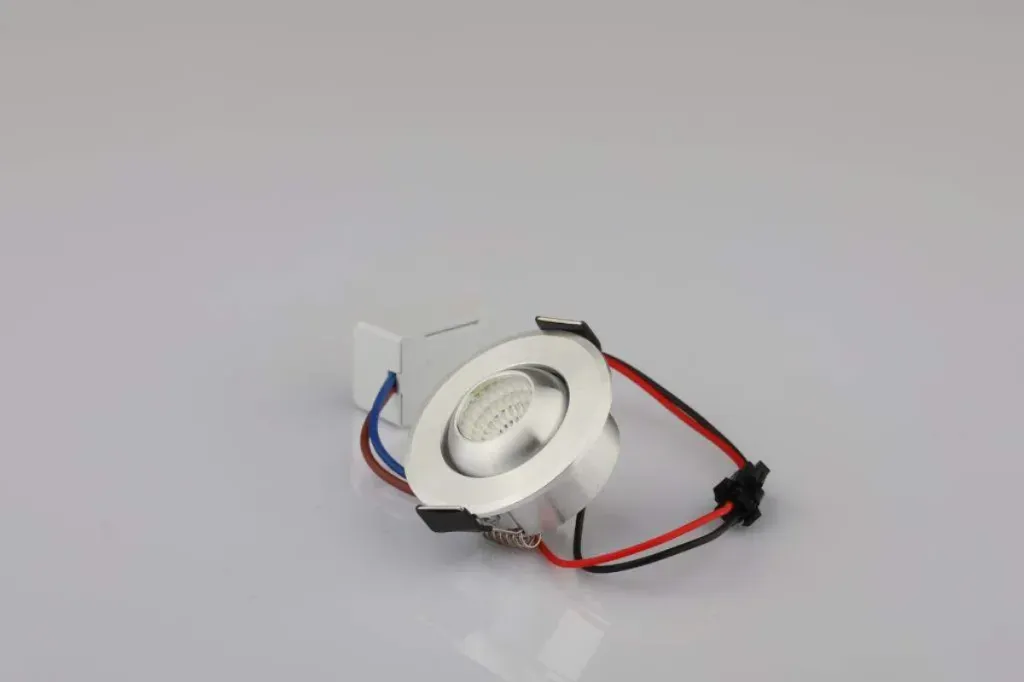
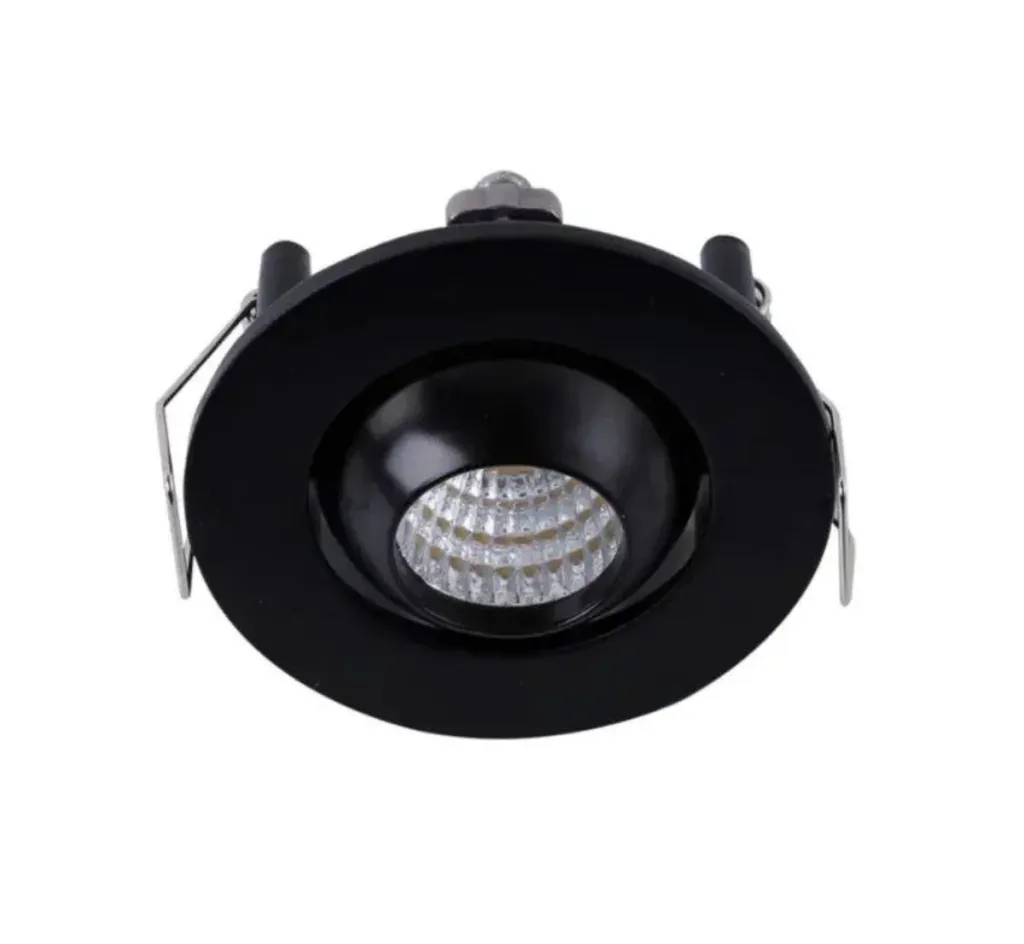
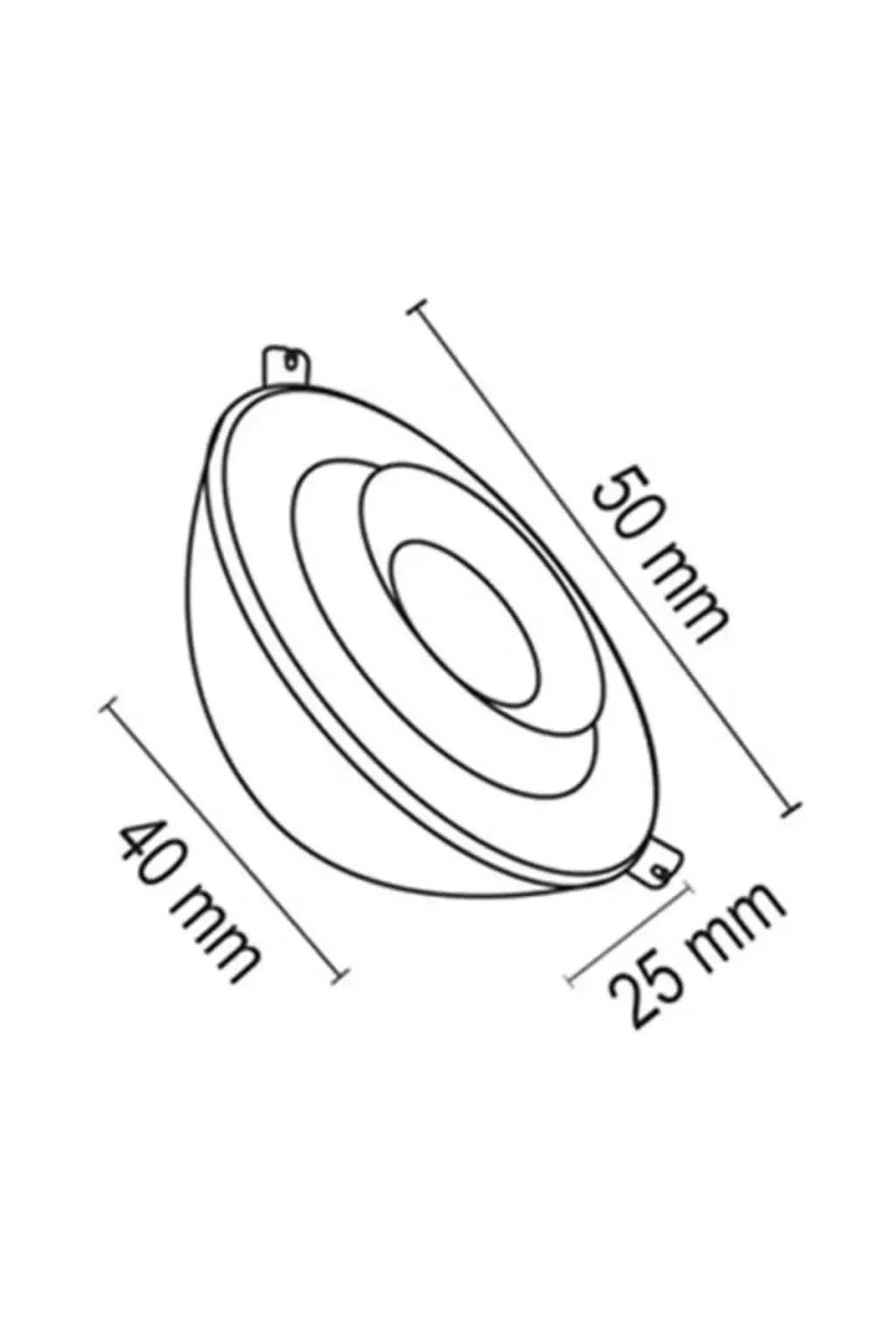
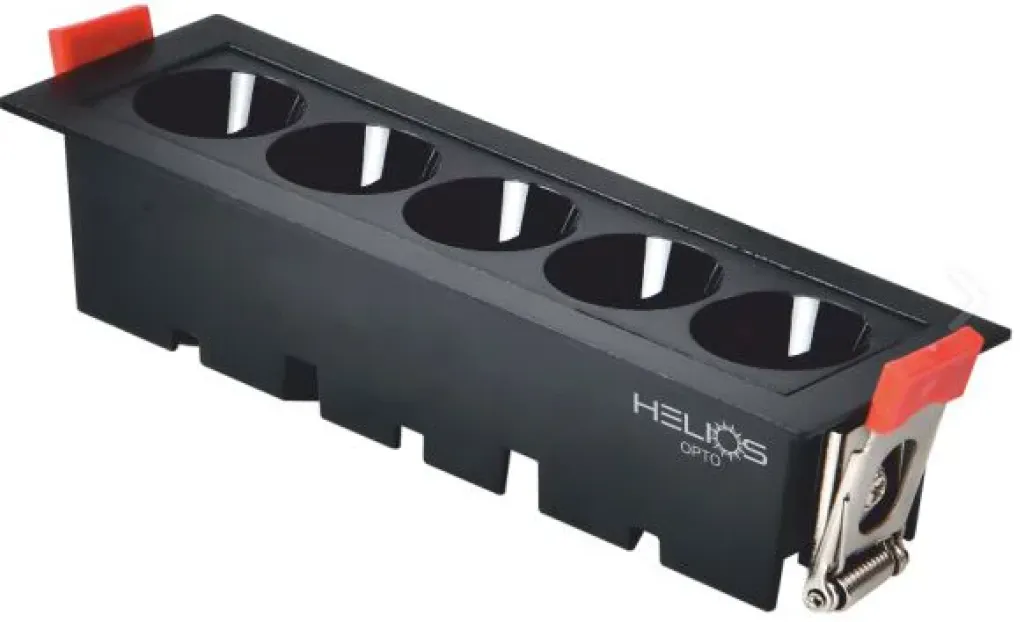
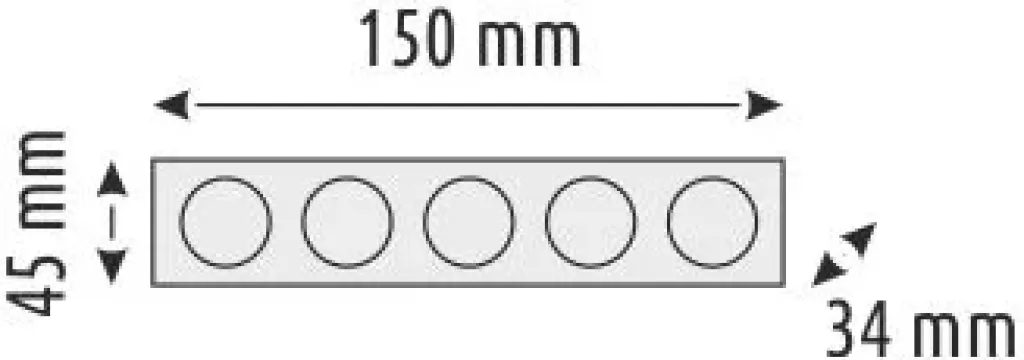
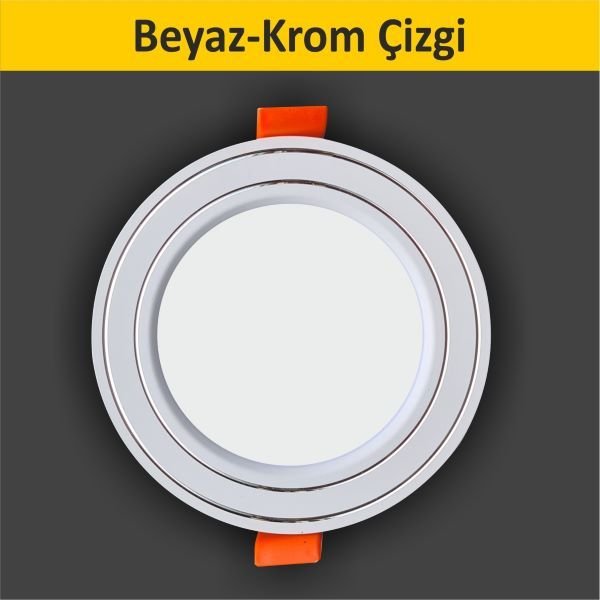
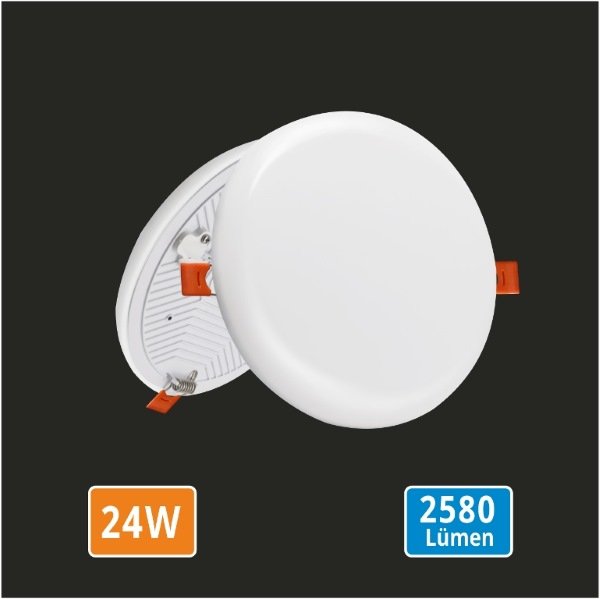
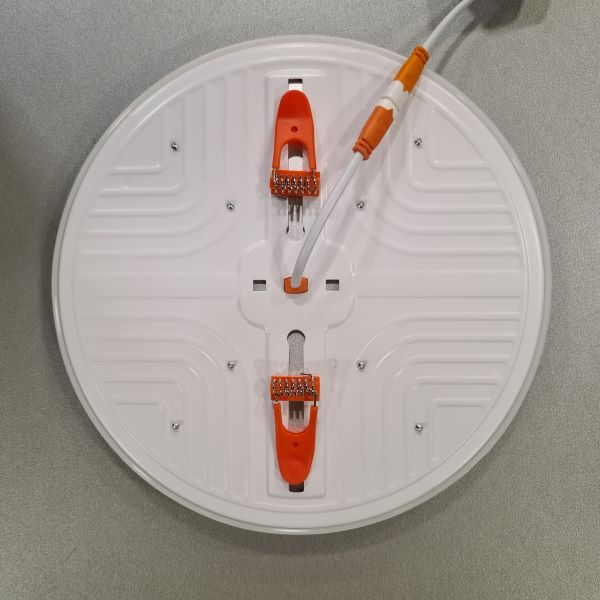
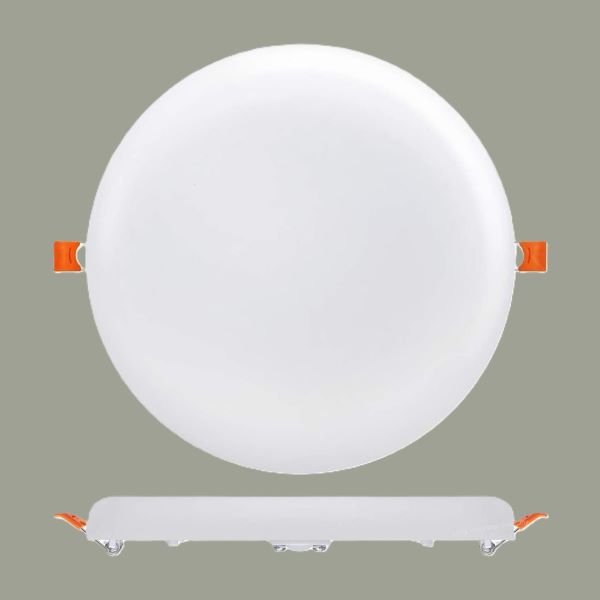
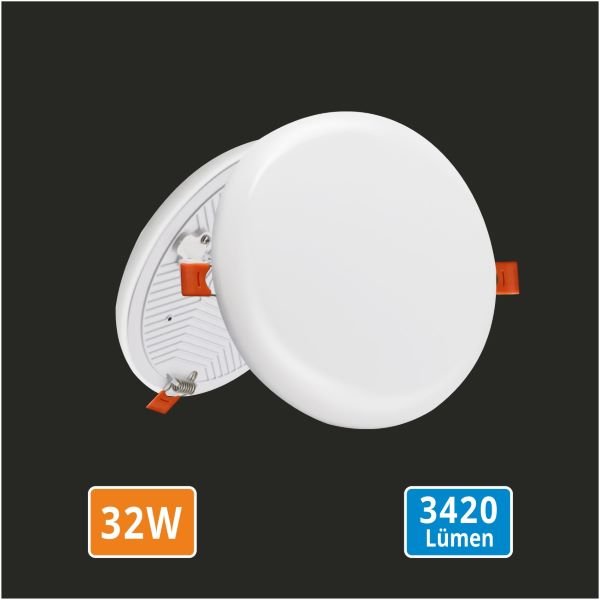
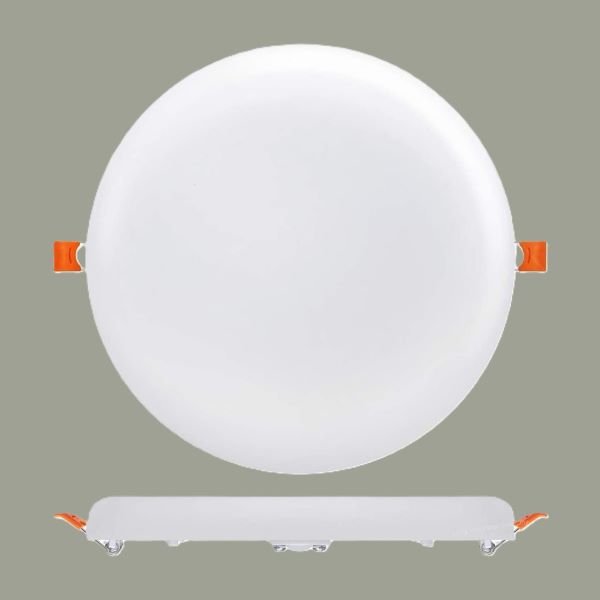
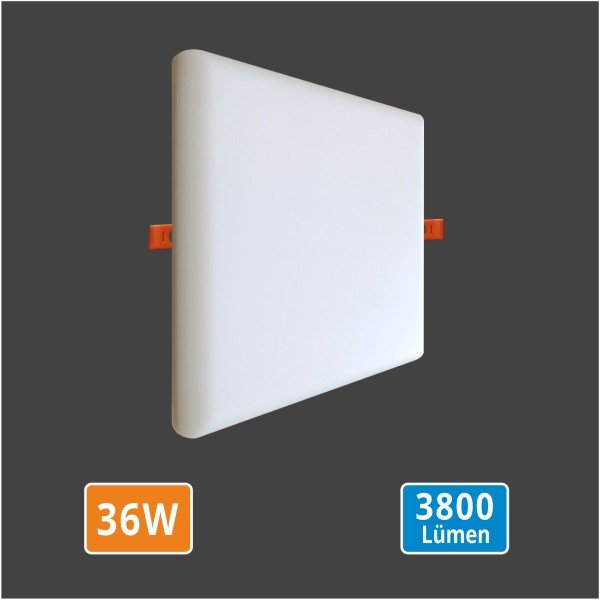
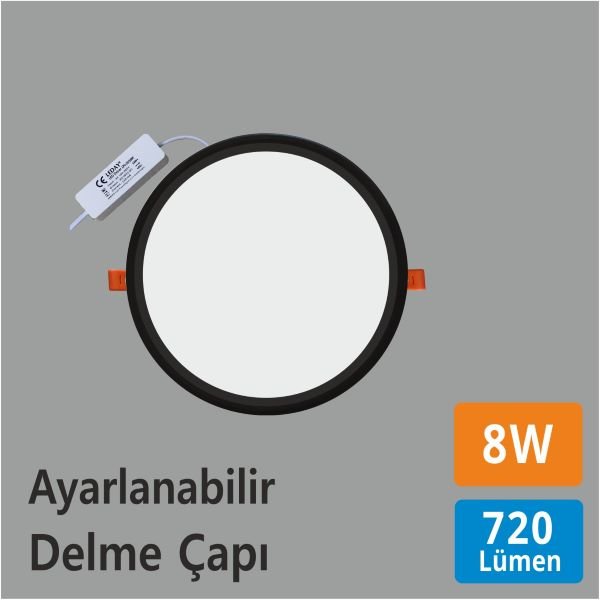
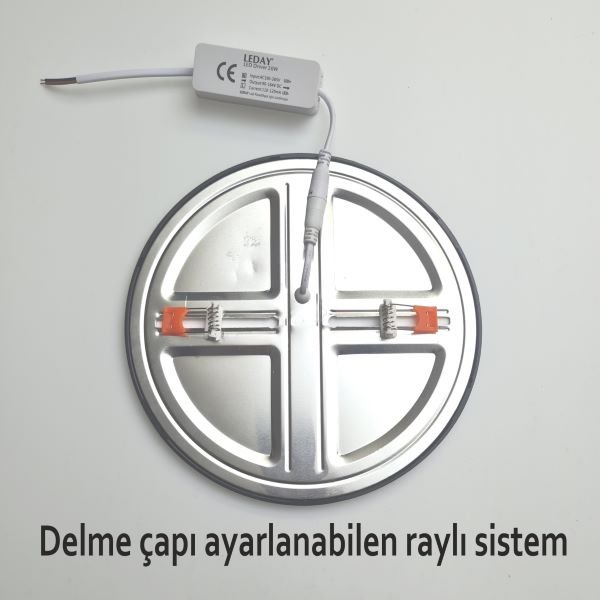
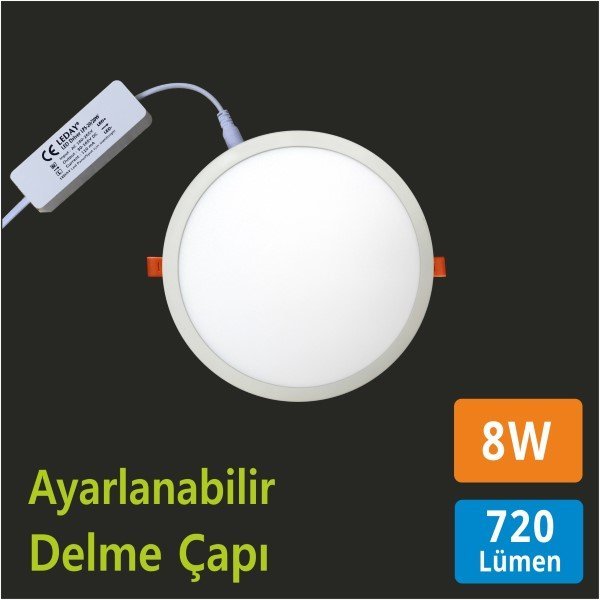
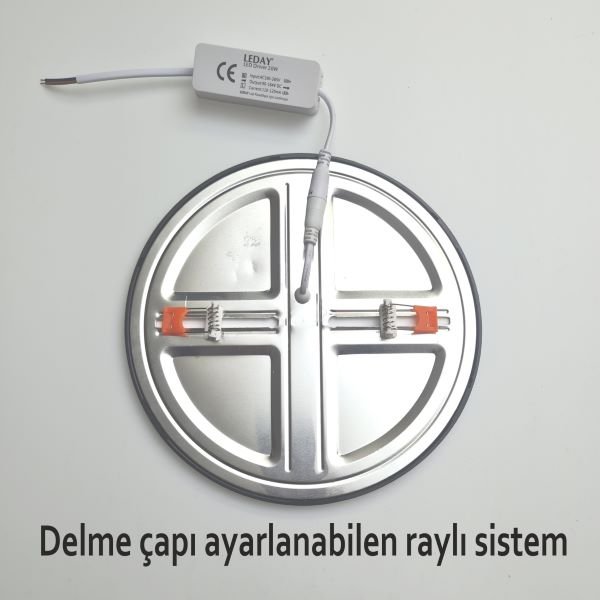
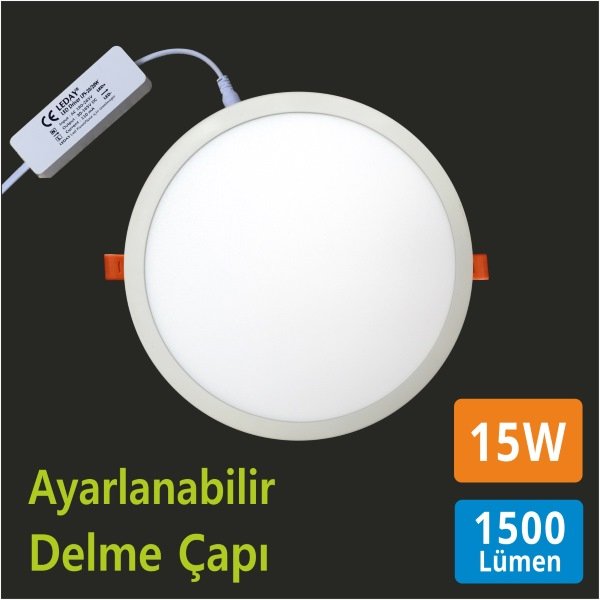
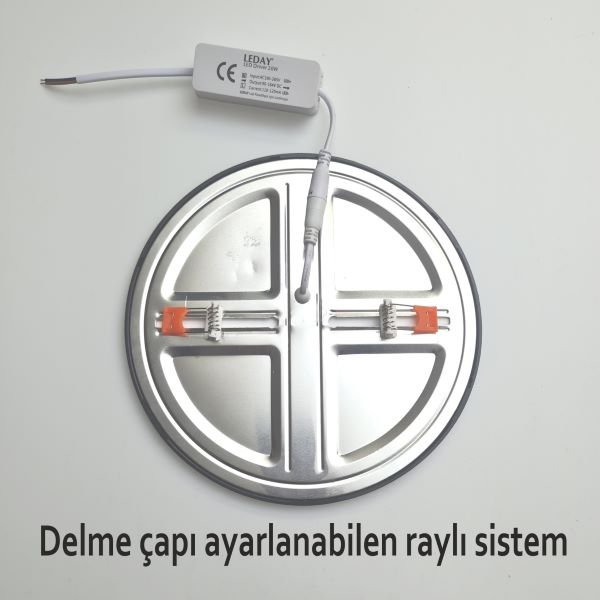
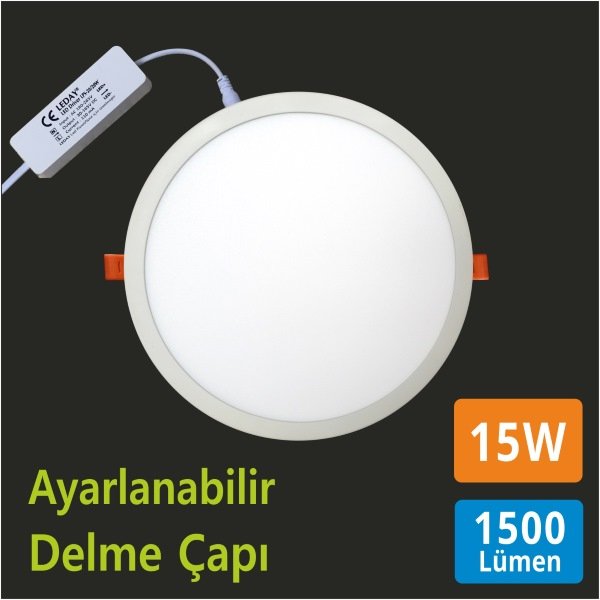
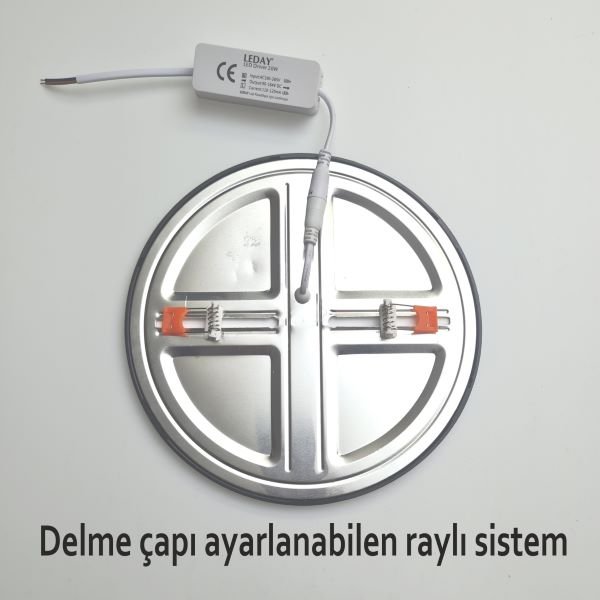
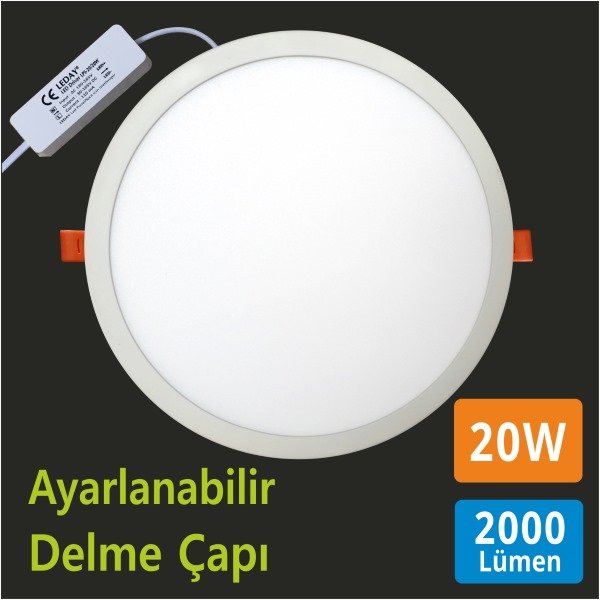
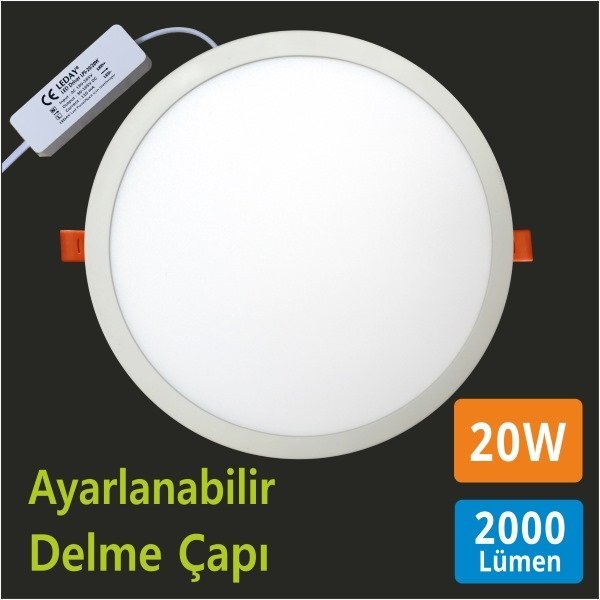
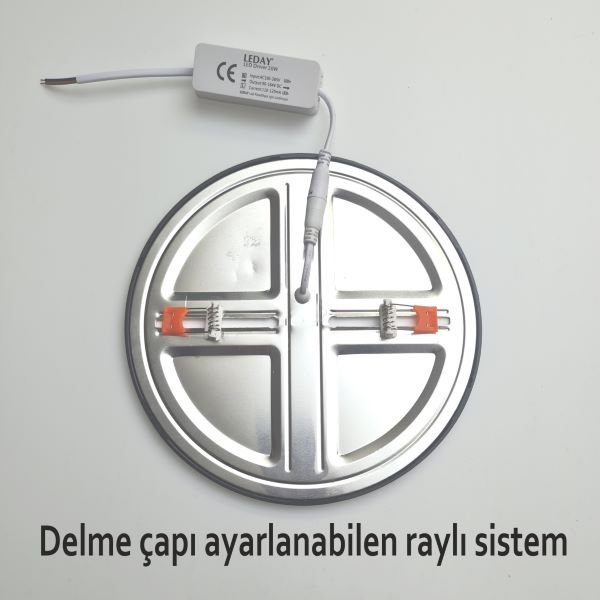
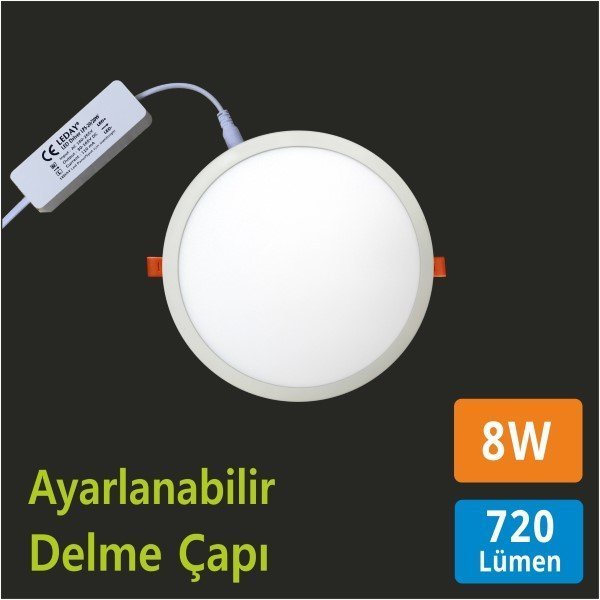
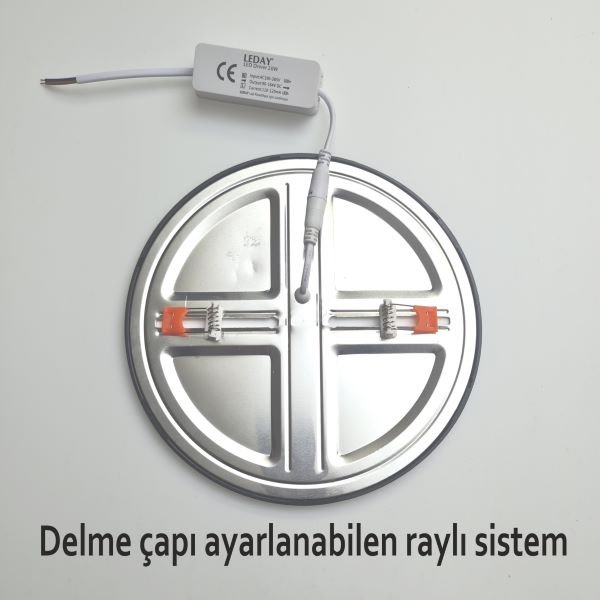
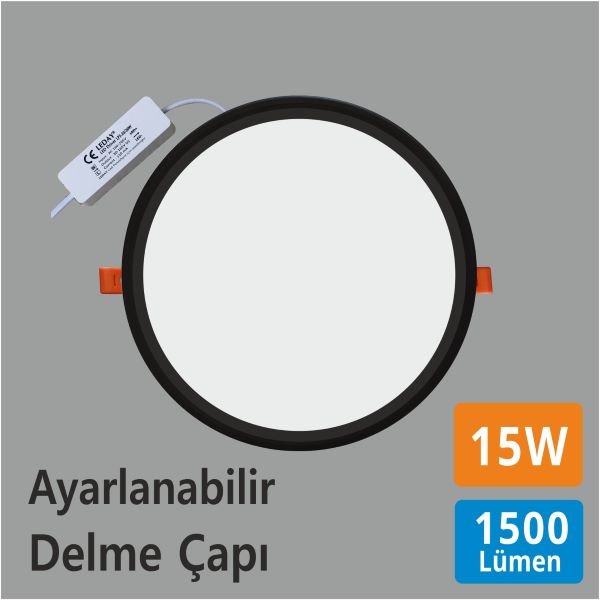
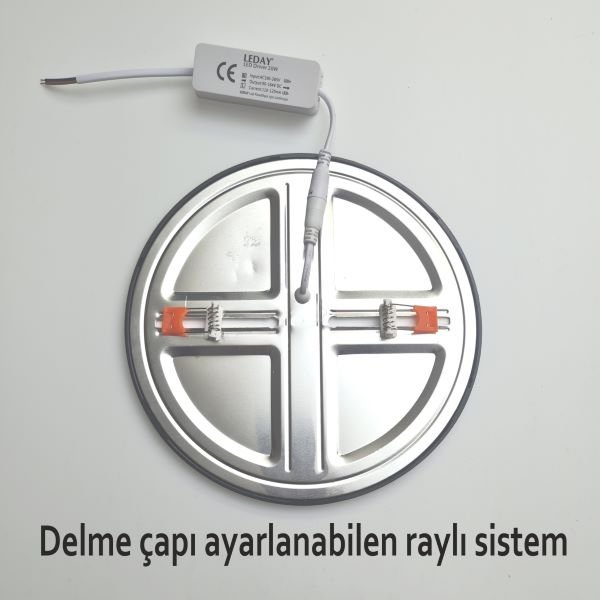
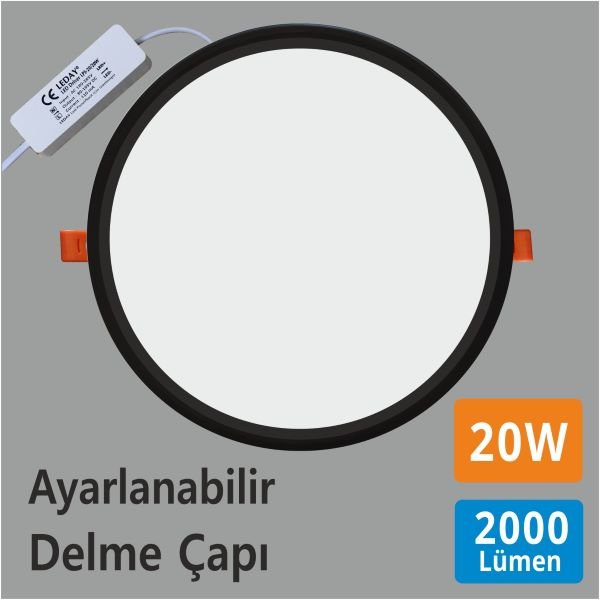
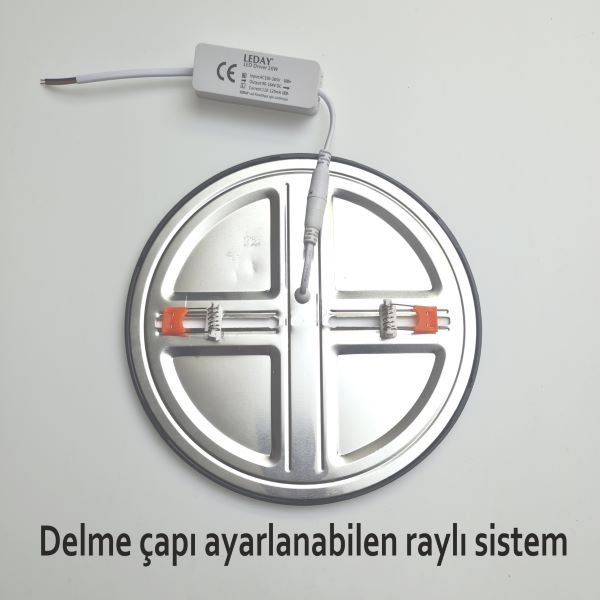
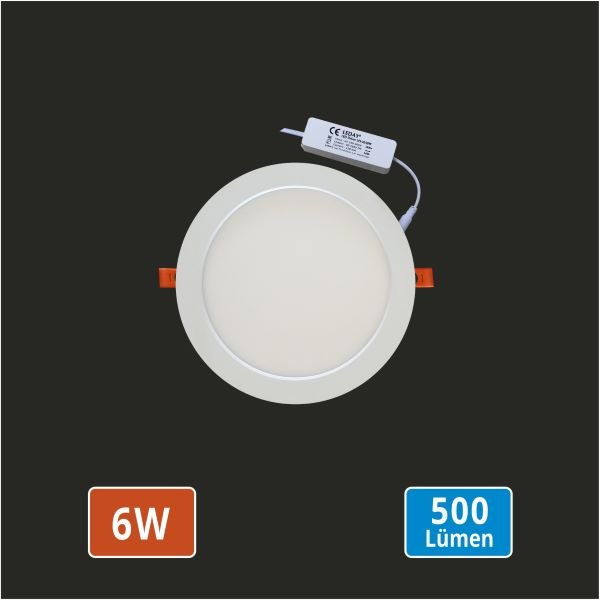
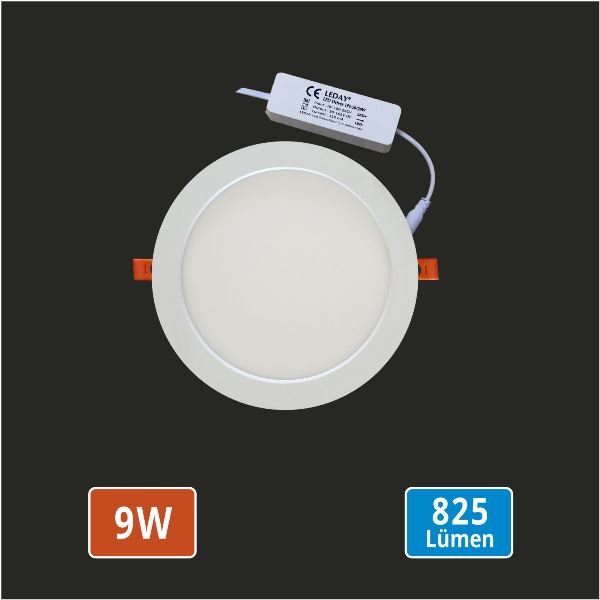
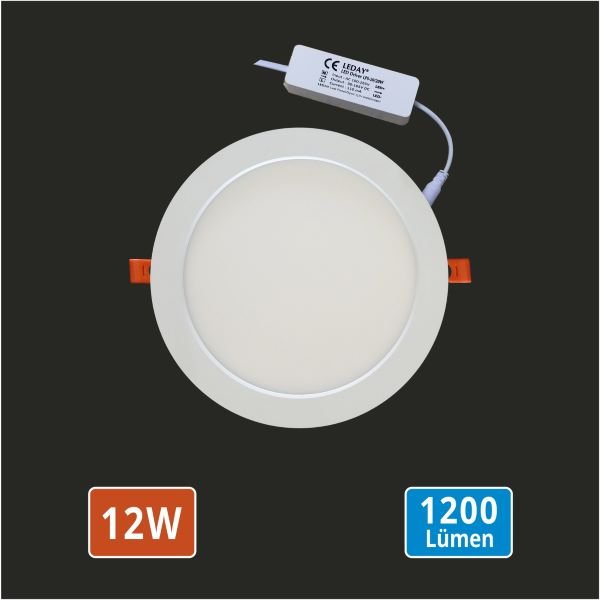
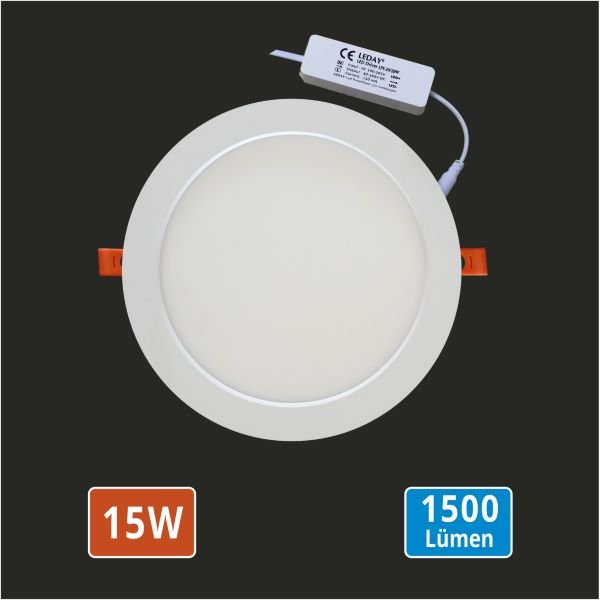
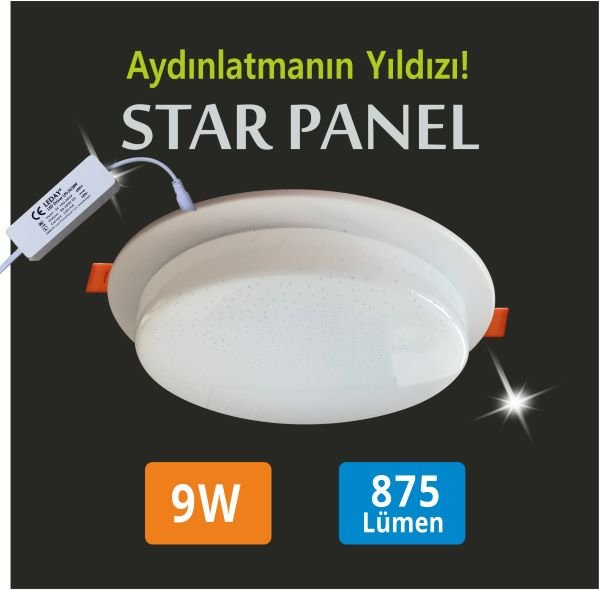
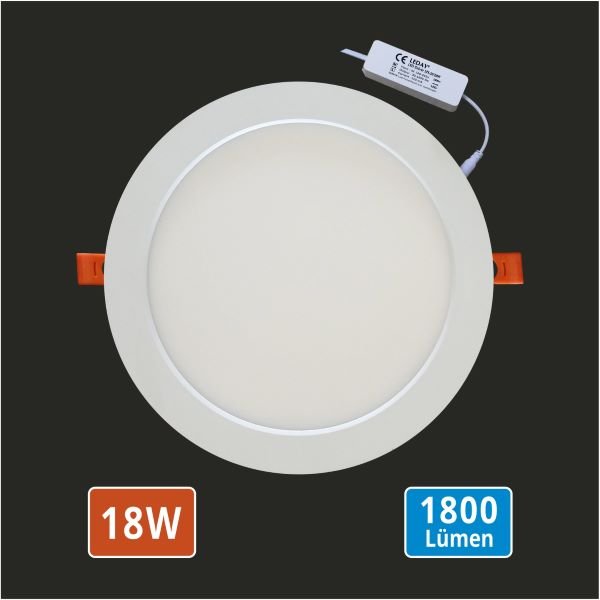
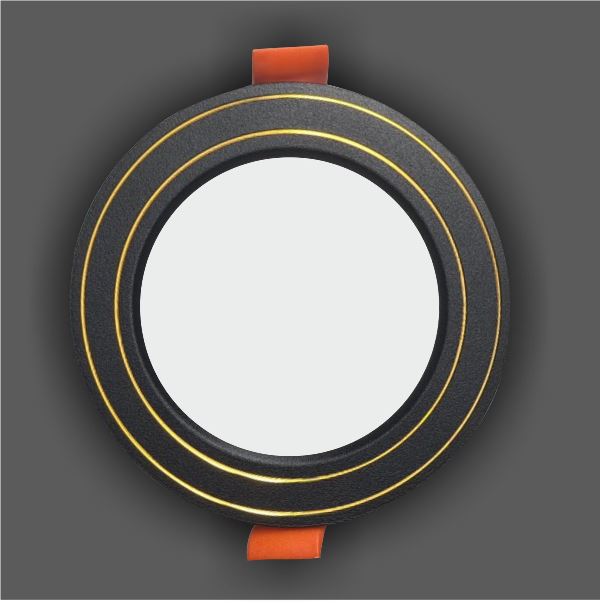
- Round and square recessed: fits the hole cut in a plasterboard ceiling. The hole diameter is stated in the product description.
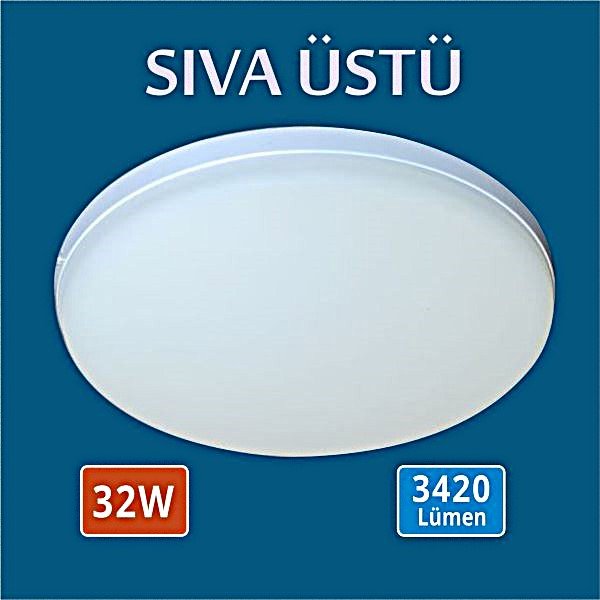
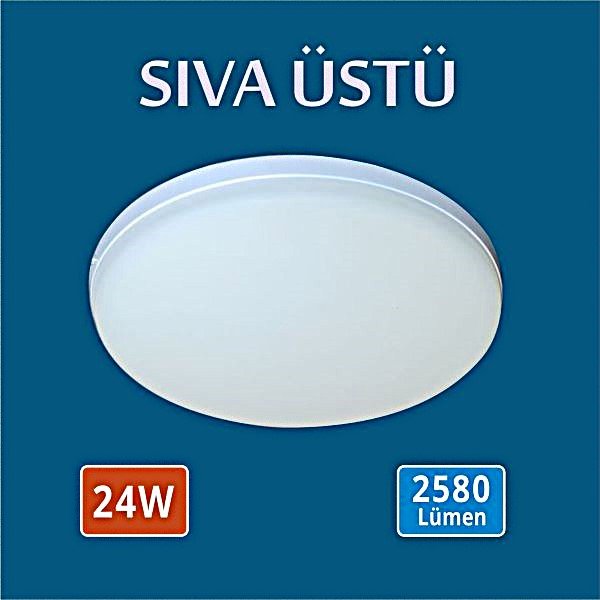
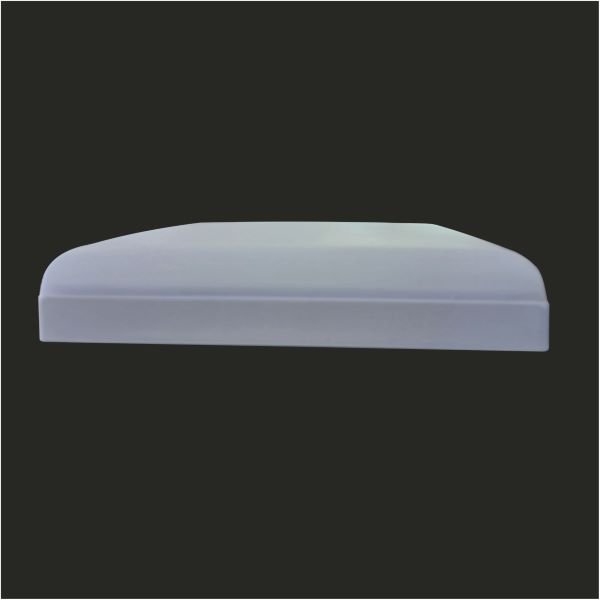
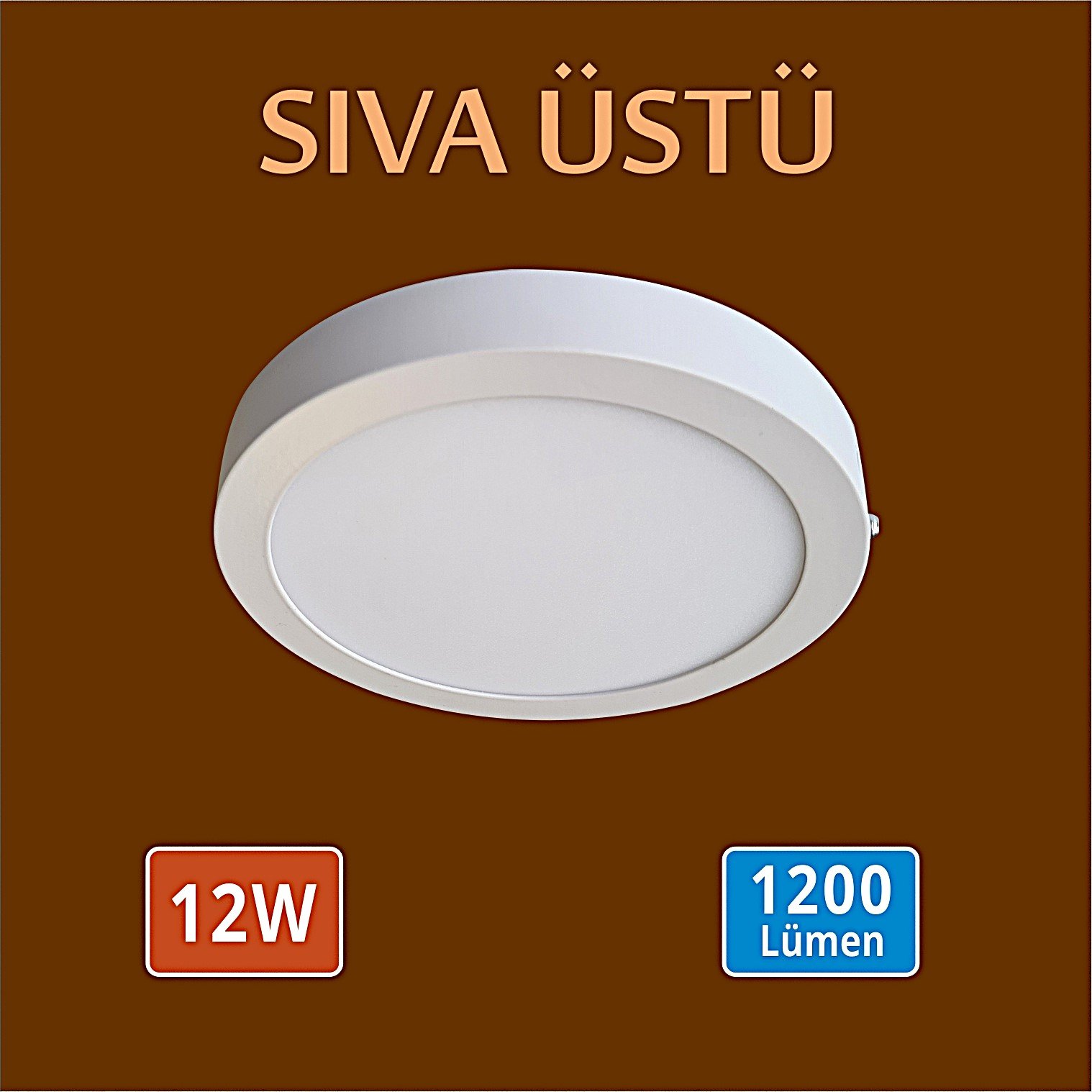
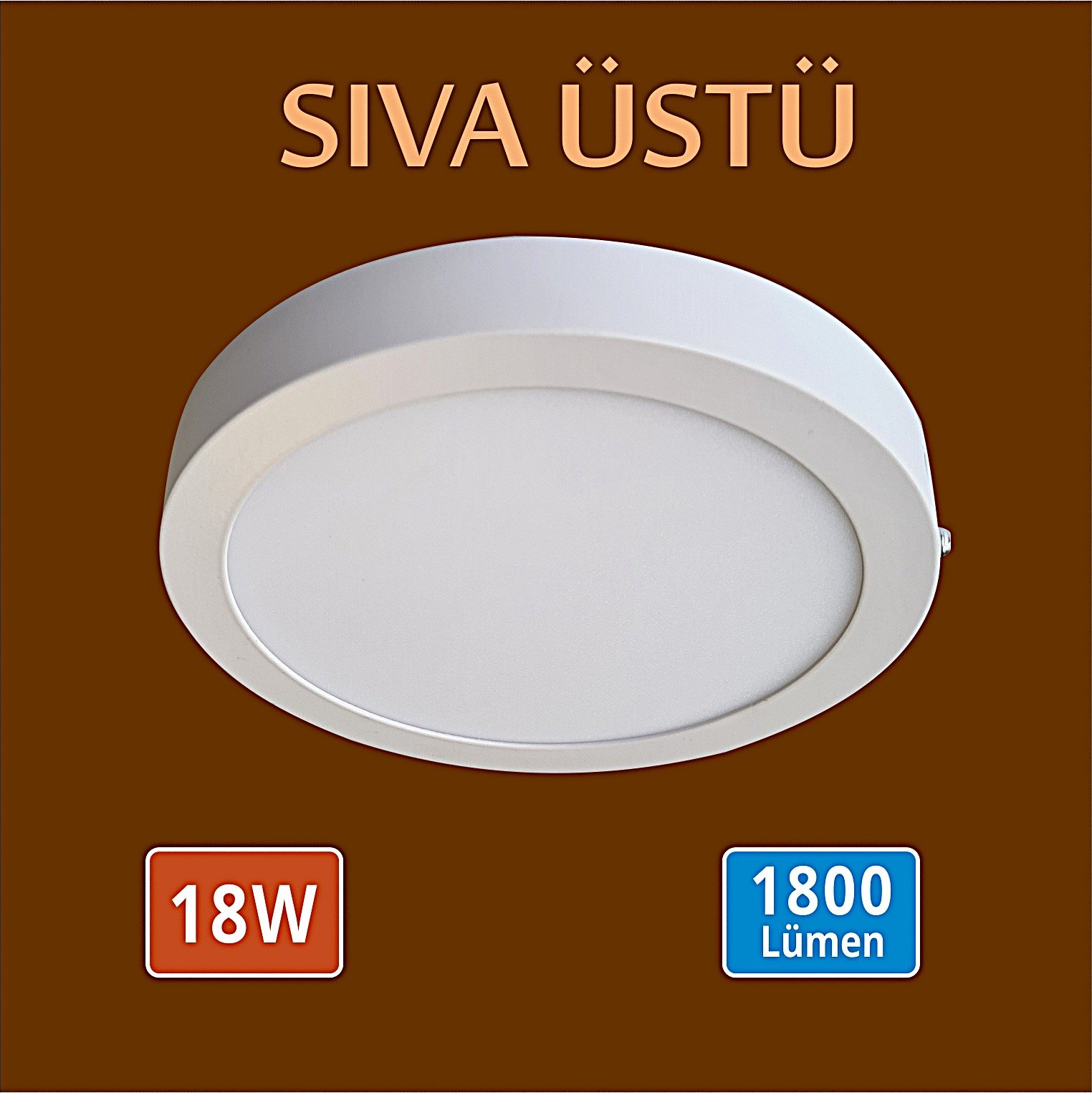
- Surface-mounted: fixed straight to a concrete ceiling; the only option where lowering the ceiling is not possible.
Choosing the Power
Our catalogue clusters in two main groups: 3–6 W for accent and fill, and 18–40 W for general lighting. In continuously occupied areas such as offices and shops, panels of the 36–40 W class are preferred; in transit areas such as corridors and stores a lower power is enough.
Light Colour
In work areas, neutral white (around 4000K) renders colours more accurately and is not tiring through the day. Warm white suits living spaces, and a higher Kelvin belongs in technical areas. Using a single tone within one space matters; two different Kelvin values side by side show up on the ceiling immediately.
Driver and Flicker
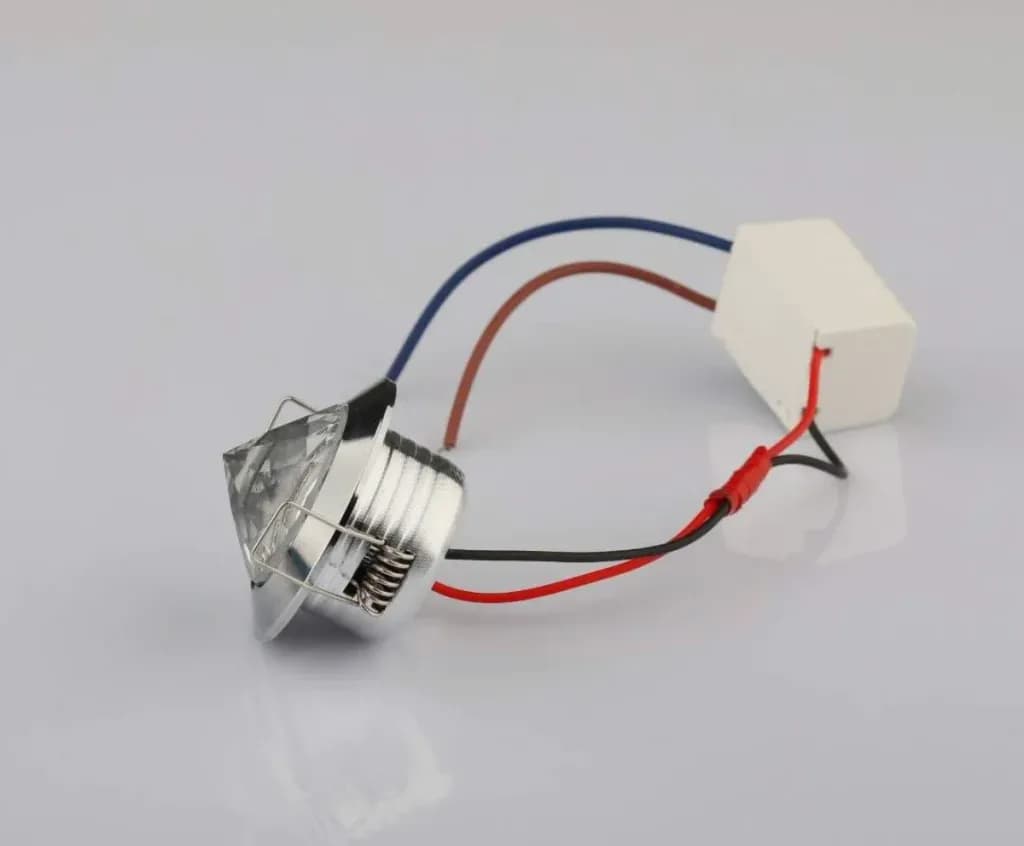
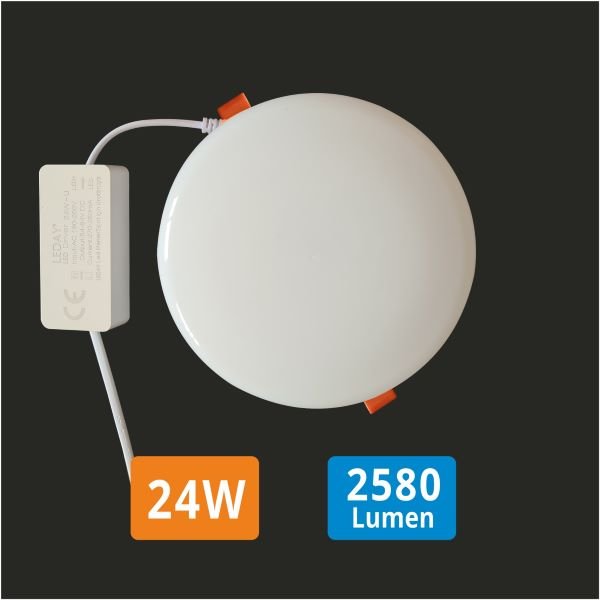
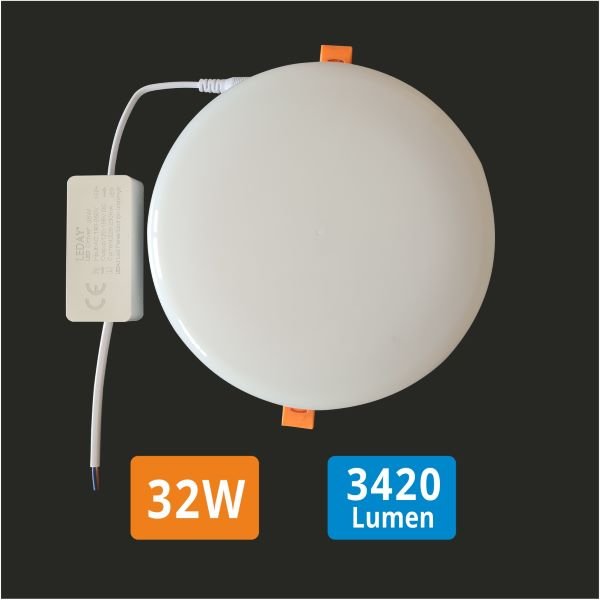
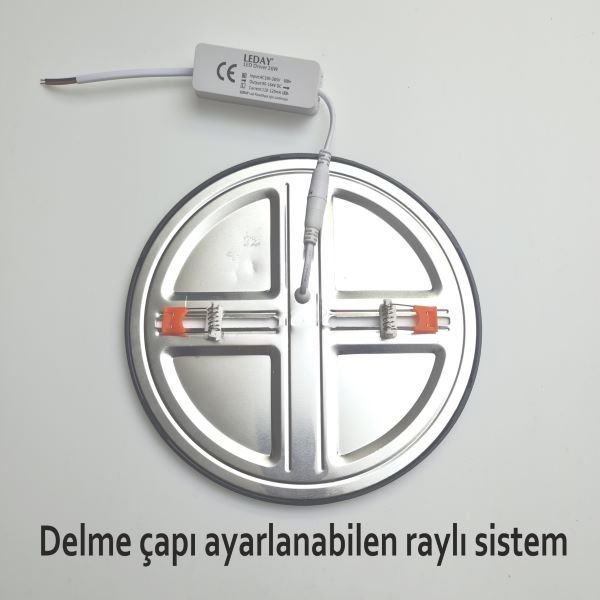
A panel's light is only as steady as its driver. With a low-quality driver the eye may not always notice, but a camera records banded flicker and long sessions become tiring. If the driver is a separate box, leave it at an accessible point in the ceiling void — so it can be replaced without taking the ceiling apart.
Budget
Our 19 products with a published price run from 1.26 EUR to 18 EUR, with a median of 6.21 EUR. For models priced by project quantity, the page shows a quote option.
How Many Panels Do You Need?
In a grid suspended ceiling the calculation is easy: assume each opening can take one panel and decide how many openings you want lit. In an office, a filled opening followed by an empty one usually gives enough light; filling the openings above the desks and leaving those over the corridor empty both saves energy and produces a less flat ceiling. In stores and technical areas an even distribution is preferred.