Gökyüzü Panel

Jewellery Display Lighting

15 products

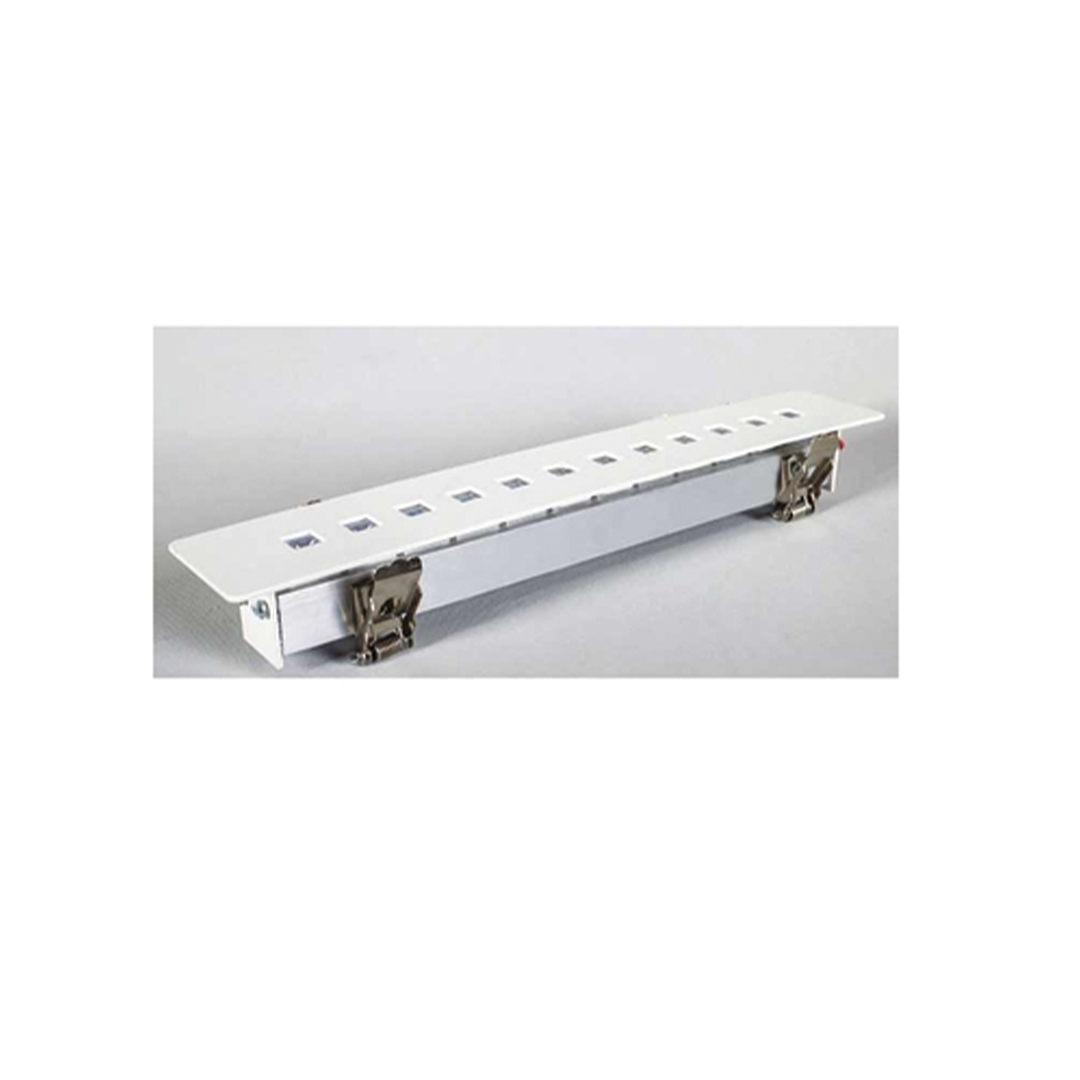
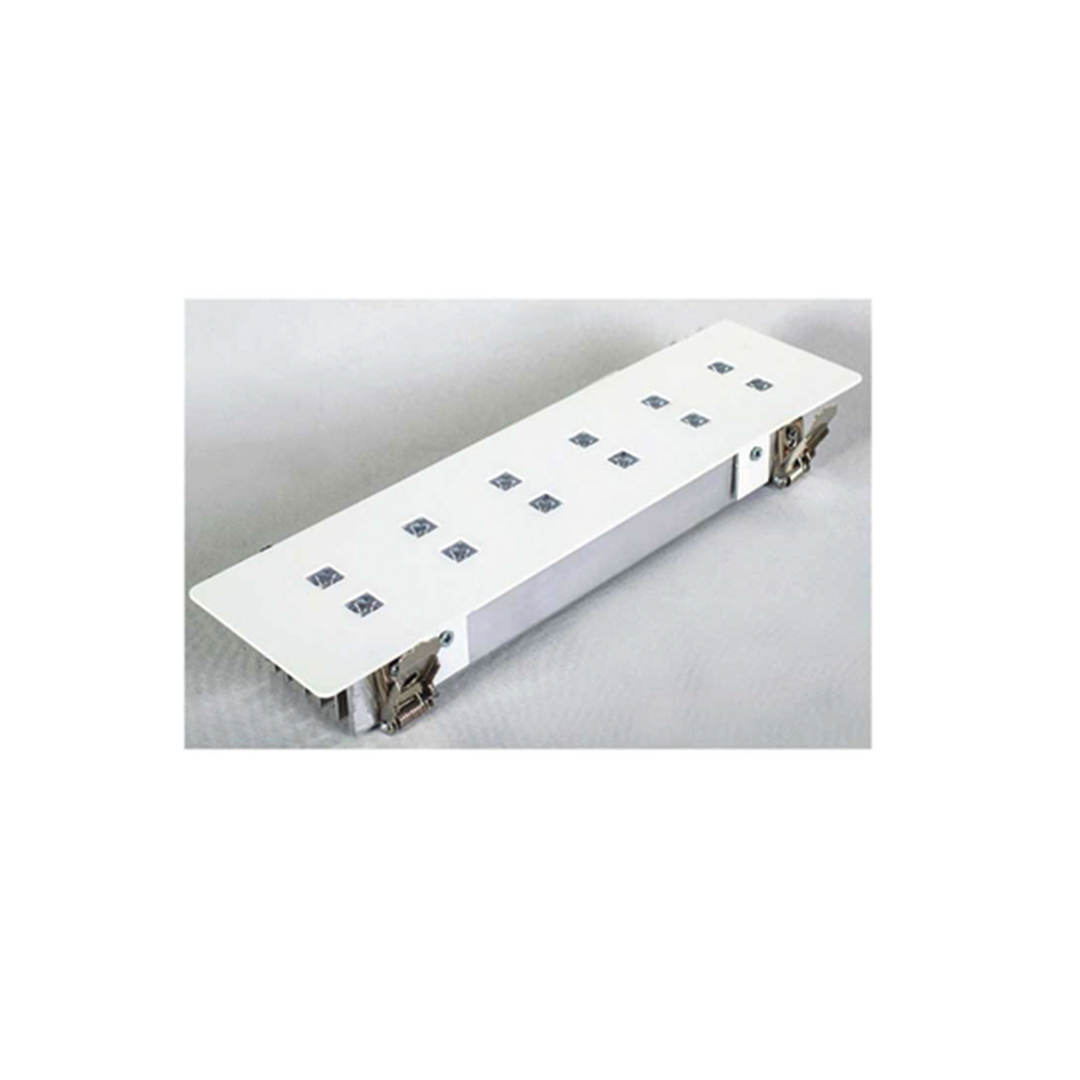
A jewellery display fixture is designed to convey the colour and sparkle of the item on show without distortion. What sets it apart from general lighting is that the light is concentrated on a small area and that colour accuracy comes first. Colour rendering (CRI) is the decisive figure in this category: under a low-CRI light, yellow gold looks washed out and a diamond looks dull. The choice of colour temperature also follows the product — yellow gold looks right under warmer light, silver and white gold under a more neutral one. Inside a display case, heat is the second deciding factor. Heat trapped in a closed case damages both the goods and the fixture's lifetime, so low-power models with resolved heat dissipation are preferred.

Hole· click to filter

Related Categories

Jewellery Display Lighting: Brightness, Colour and Heat

In a jeweller's display, lighting is not a decorative element — it is the sale itself: what makes the yellow of gold, the fire of a diamond and the white of silver visible is the light. A wrongly chosen fitting makes the very same piece look pale and lifeless. Our collection holds 15 products.

1. Colour Rendering (CRI) Is Decisive

CRI describes how closely a light source shows colours compared with daylight. In a display, products with a high CRI are preferred: at a low CRI gold turns grey and the play of colour in a diamond is lost. Even when two fittings have the same power and the same Kelvin value, a different CRI makes the display look completely different.

2. Colour Temperature: Gold and Silver Want Different Things

  • Warm tones: make yellow gold look fuller and warmer.
  • Neutral and cool tones: bring out the brilliance of white gold, silver and diamonds.

In mixed displays, using a different tone per compartment gives a better result than one uniform lighting scheme.

3. Heat: the Display's Invisible Problem

A closed display is a small volume and heat builds up quickly. A warm display is uncomfortable for the customer and shortens the life of the fitting. LED solutions that produce little heat, and fittings whose body is designed to spread it, should be preferred. Placing the driver outside the display lowers the internal temperature markedly.

4. Glare and Reflection

If the light source is directly visible in a glass-fronted display, the customer sees the reflection rather than the piece. The most common solution is to place the fitting at the front edge of the display, aiming the light inwards and downwards. A profile that hides the light source produces a far more professional result with the very same fitting.

Power

Common outputs in our catalogue range between 14 W and 55 W. The deeper the display, the less light reaches the rear compartment; in deep displays two lines give a more balanced result than a single powerful fitting.

Price Information

Because the price of the products in this section is set by display size and quantity, the page shows a "Request a quote" option instead of a figure. Share your display dimensions and the number of compartments through Live Support to receive a project-based price.

Frequently Asked Questions

Strip or fitting?

For narrow runs inside a shelf an LED strip is more flexible; for the main display lighting, adjustable fittings give a better result.

Can it be applied to my existing display?

Most solutions can be retrofitted to an existing display; the cable route and the driver position must be planned from the start.

Can it be built on a track system?

Yes — magnetic track or track spotlight systems give you the freedom to slide the fitting when the display layout changes.

Related Guides