Sensor LED Luminaires: Light That Comes On When It Is Needed
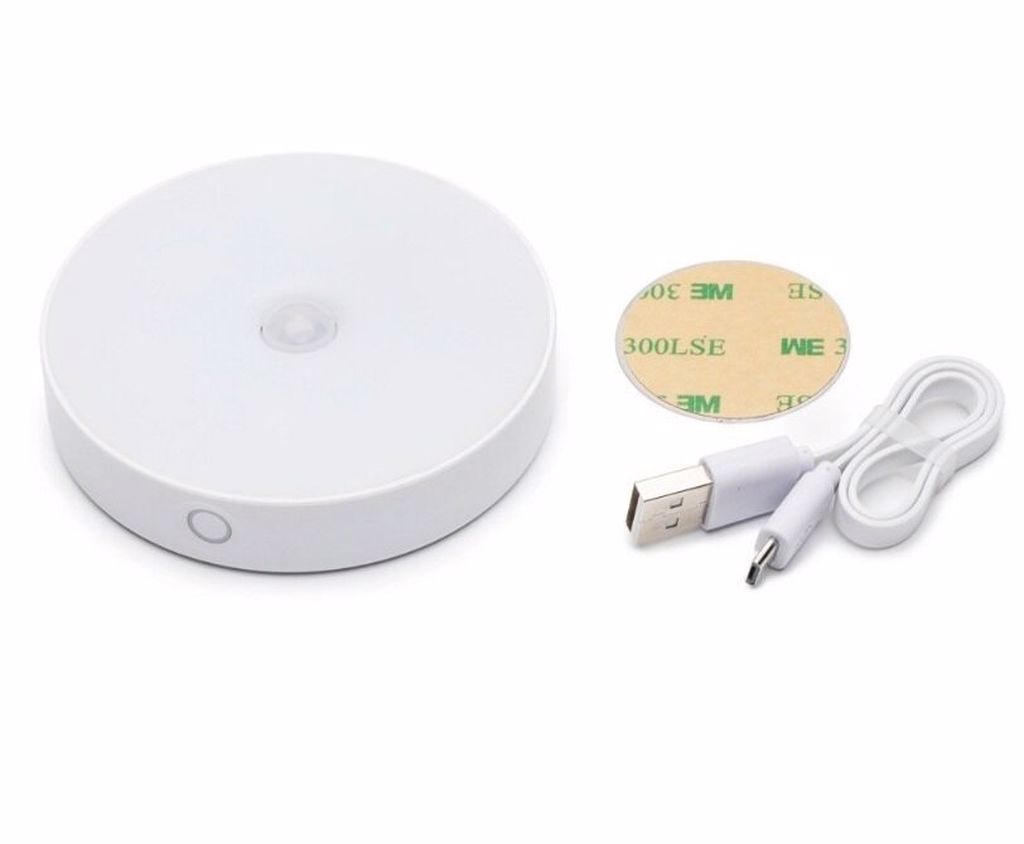
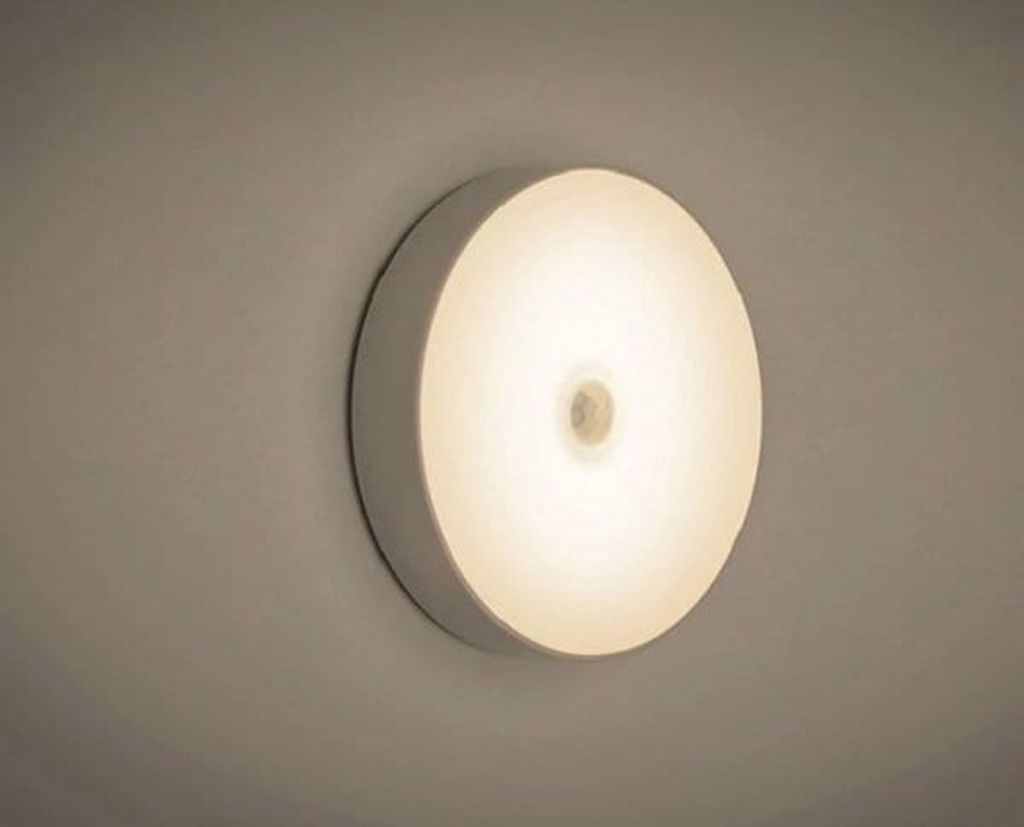
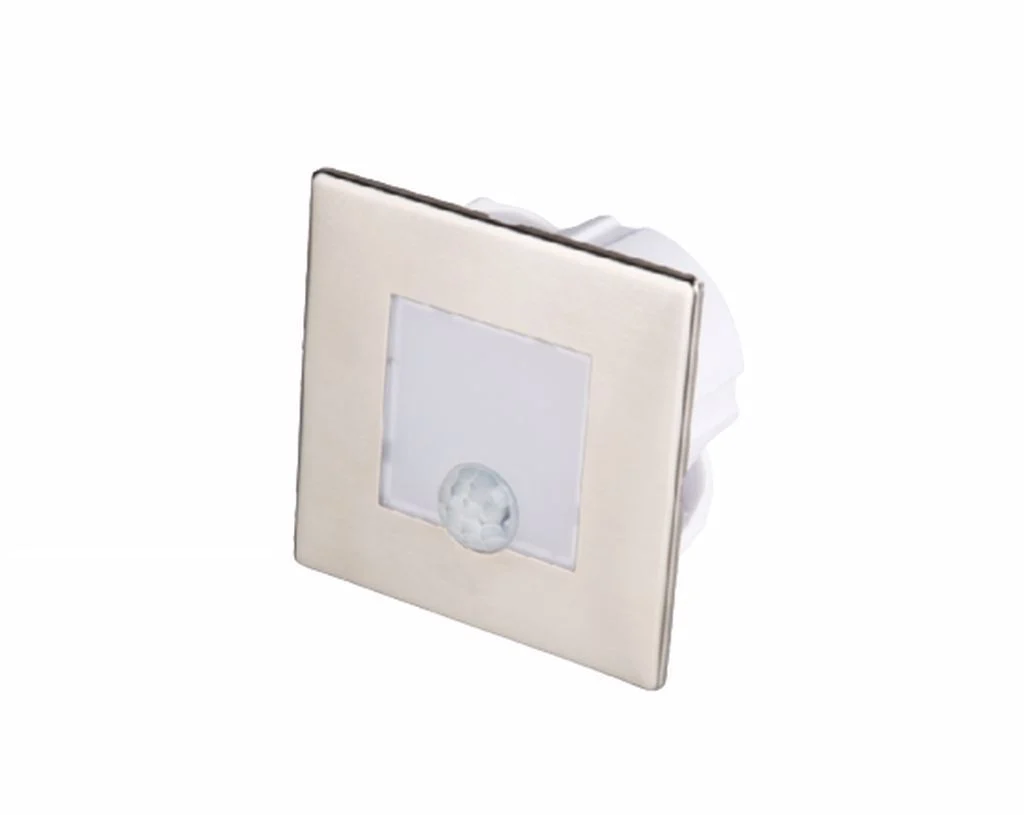
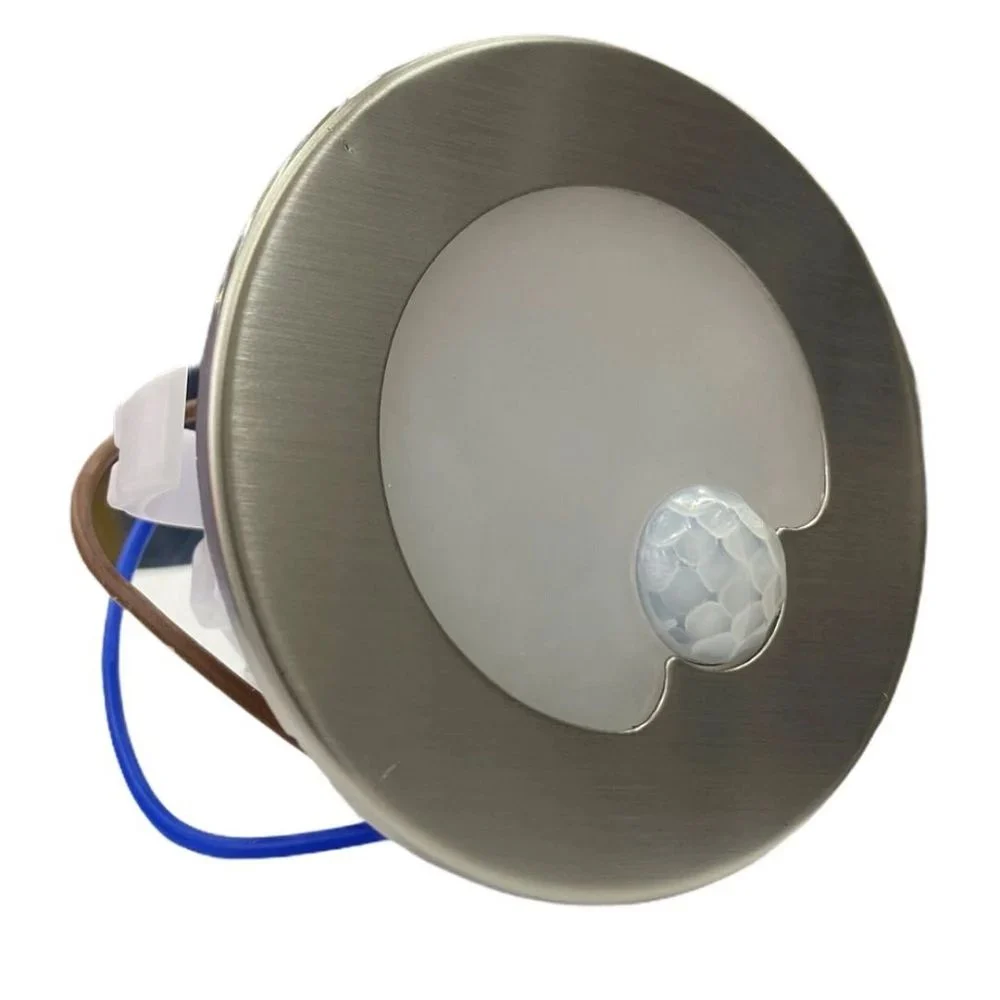
A sensor luminaire brings the detector and the light source together in one body. There is no need to run a separate sensor, add cable and deal with compatibility problems — it goes up and it works. Our collection holds 7 products.
Where Are They Used?
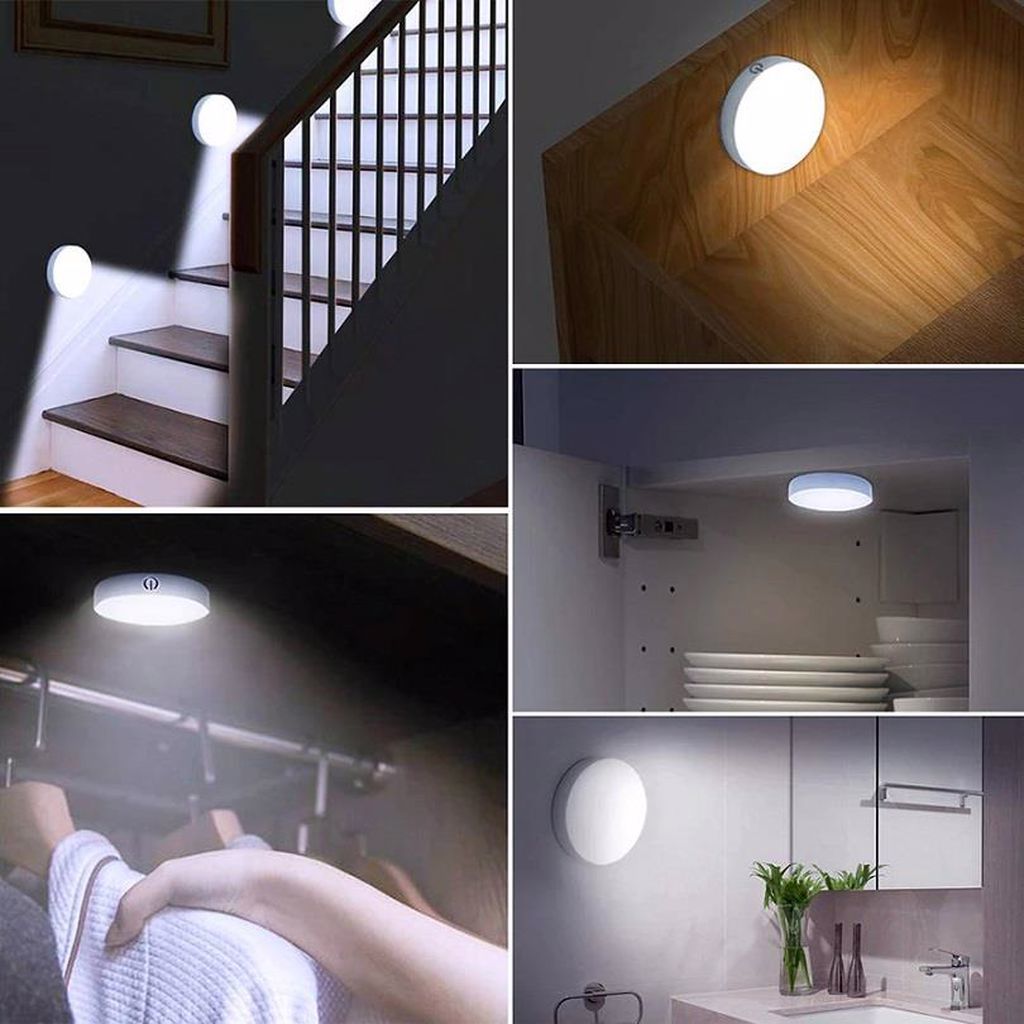
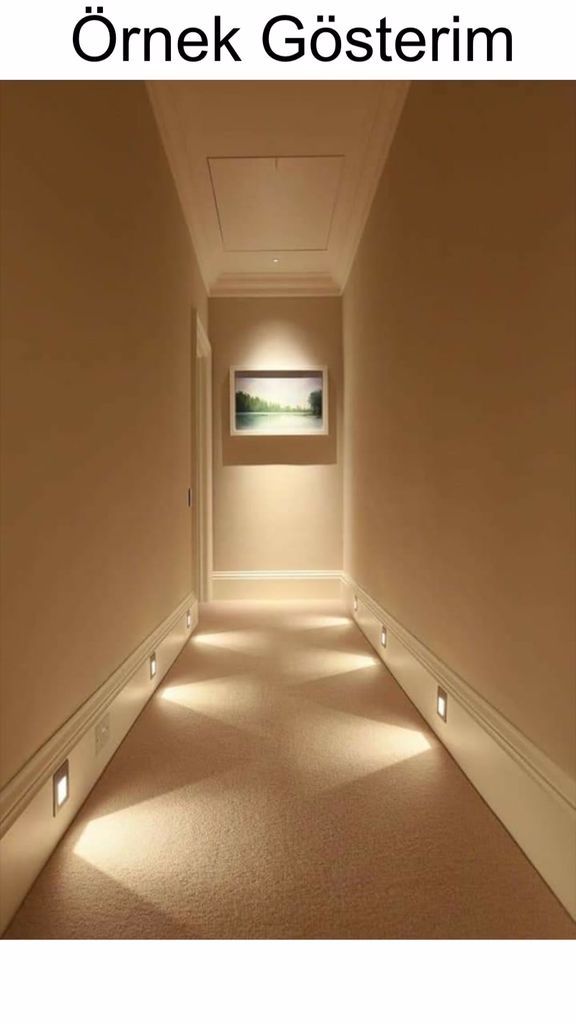
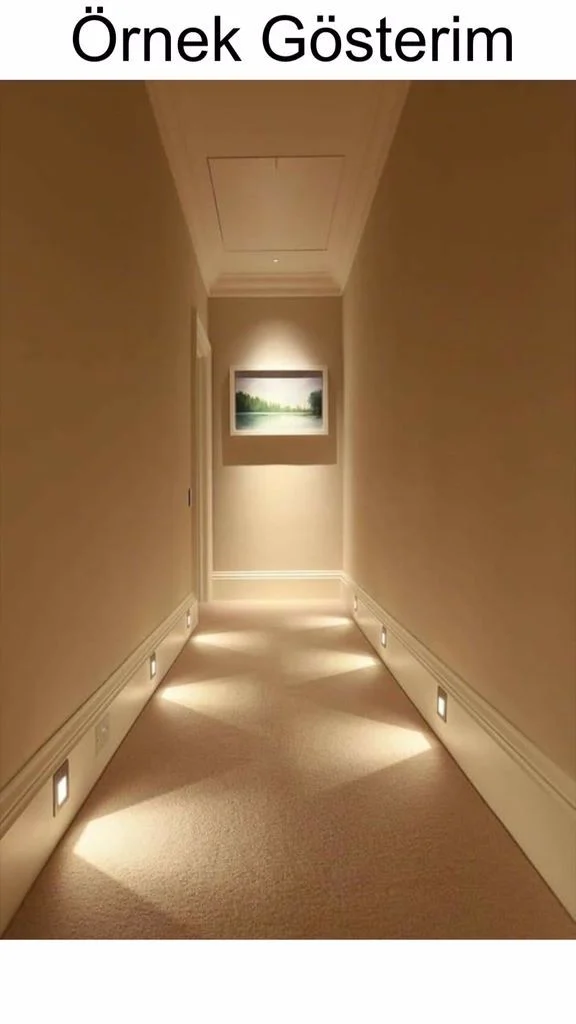
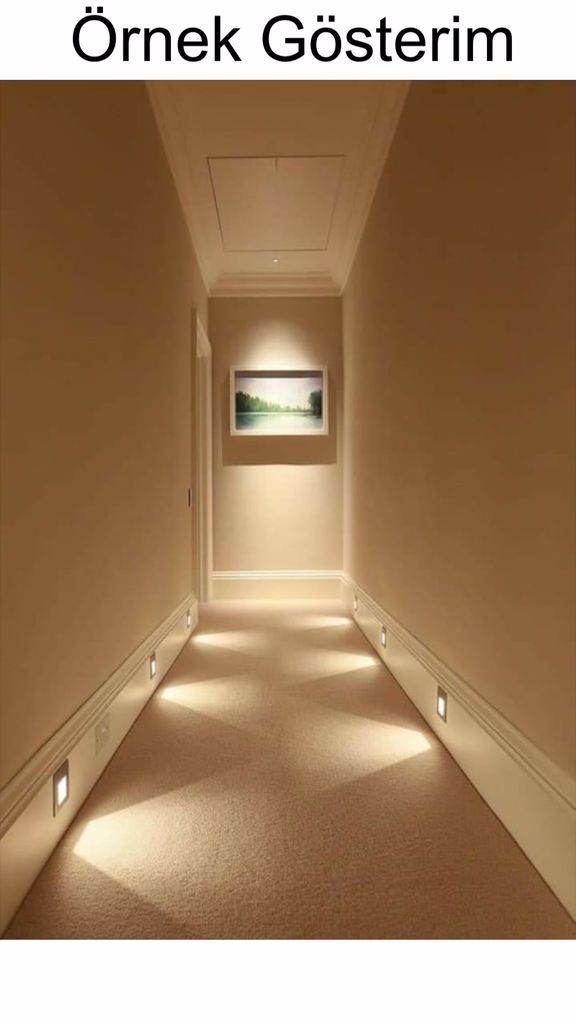
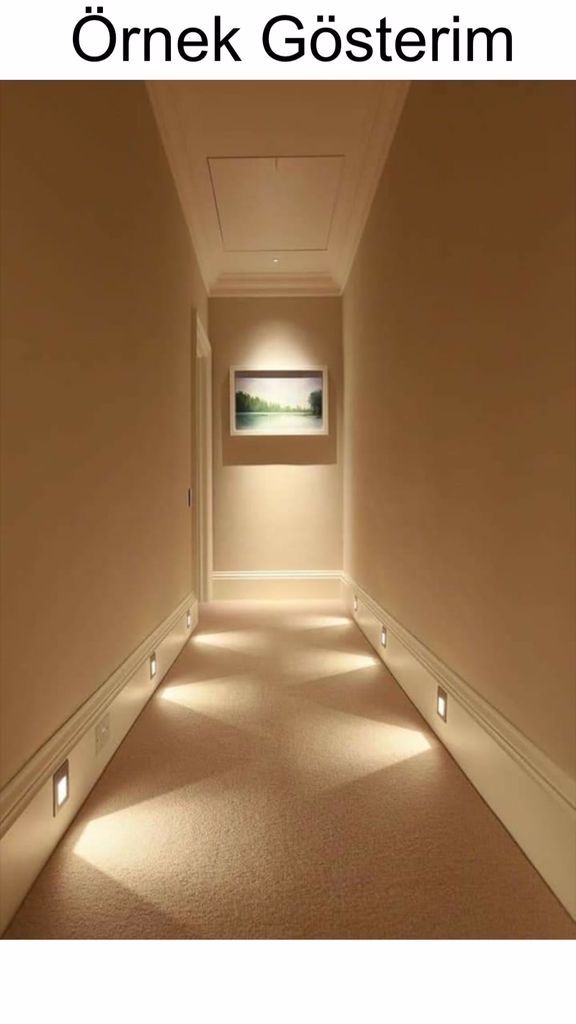
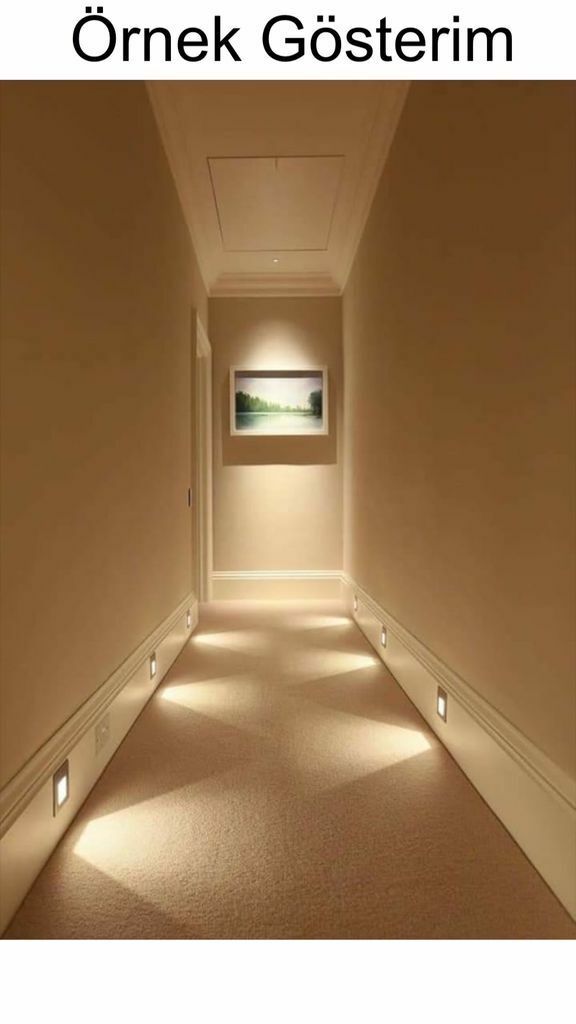
- Stairs and corridors: they remove the need for a switch on night-time journeys.
- Store rooms, pantries and garages: the most practical answer where you go in with your hands full.
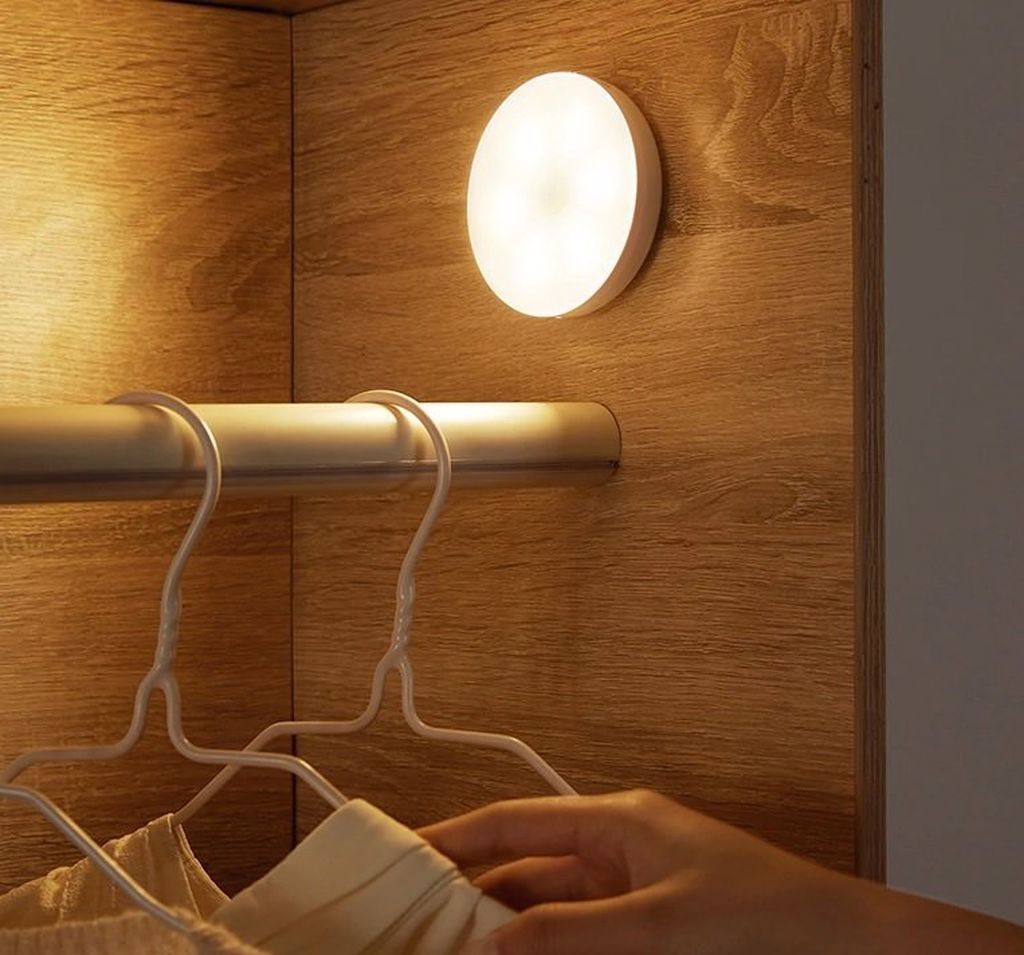
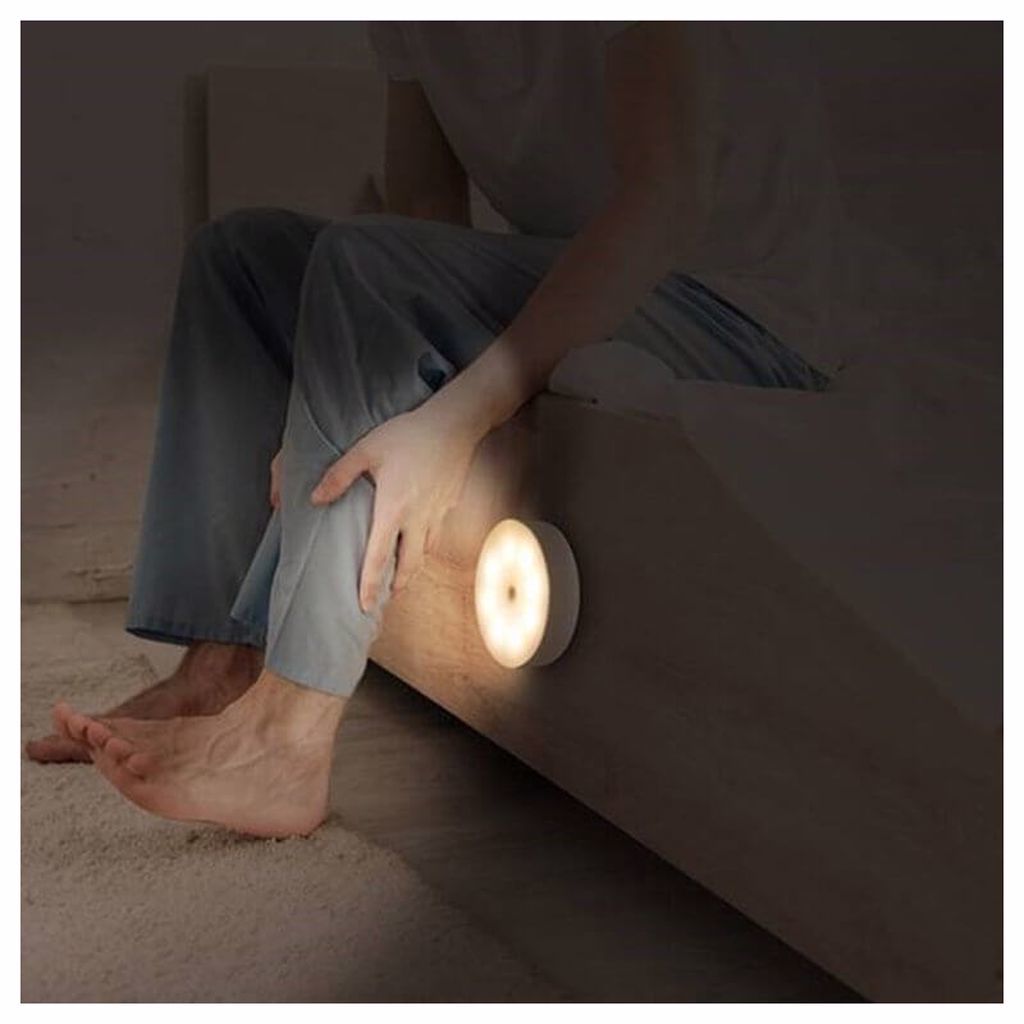
- Inside cupboards and wardrobes: small fittings that light up when the door opens.
- Building entrances: they take the place of lighting that is left on permanently.
The Sensor Type Comes With the Product
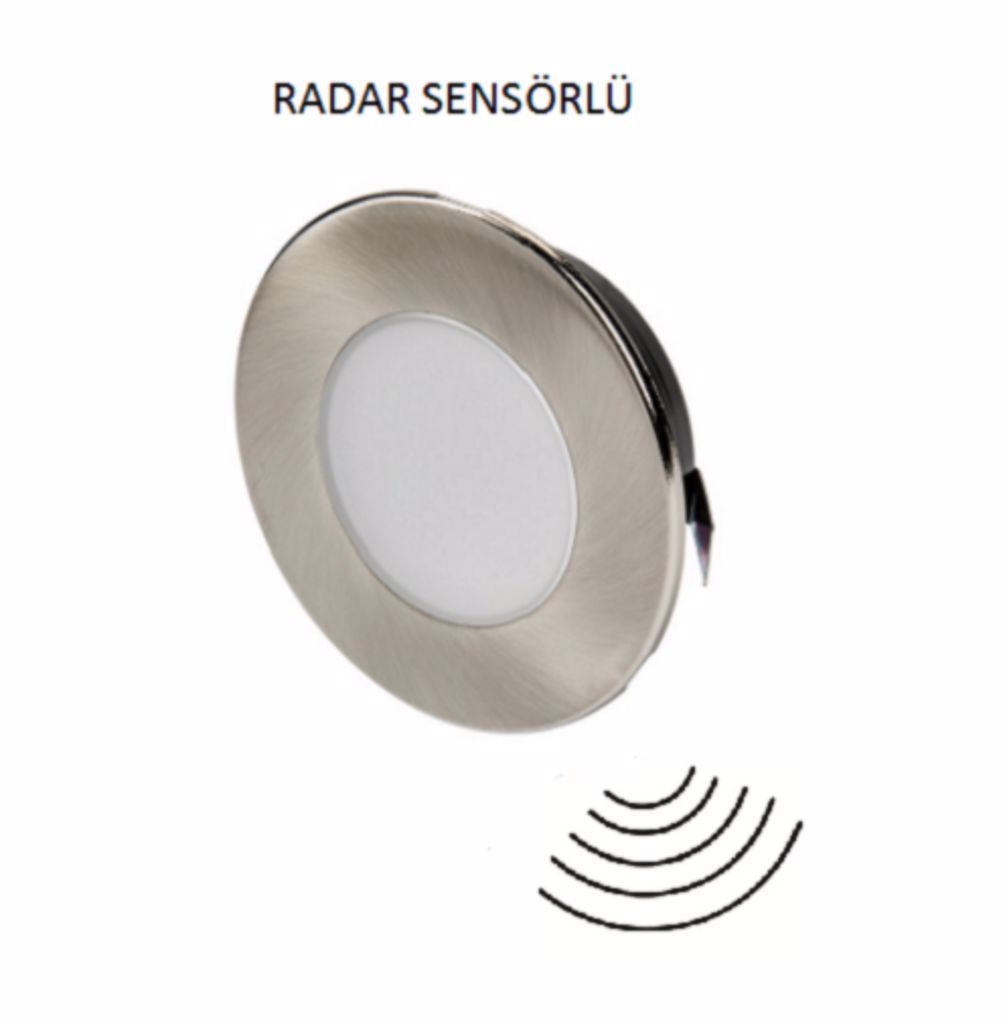
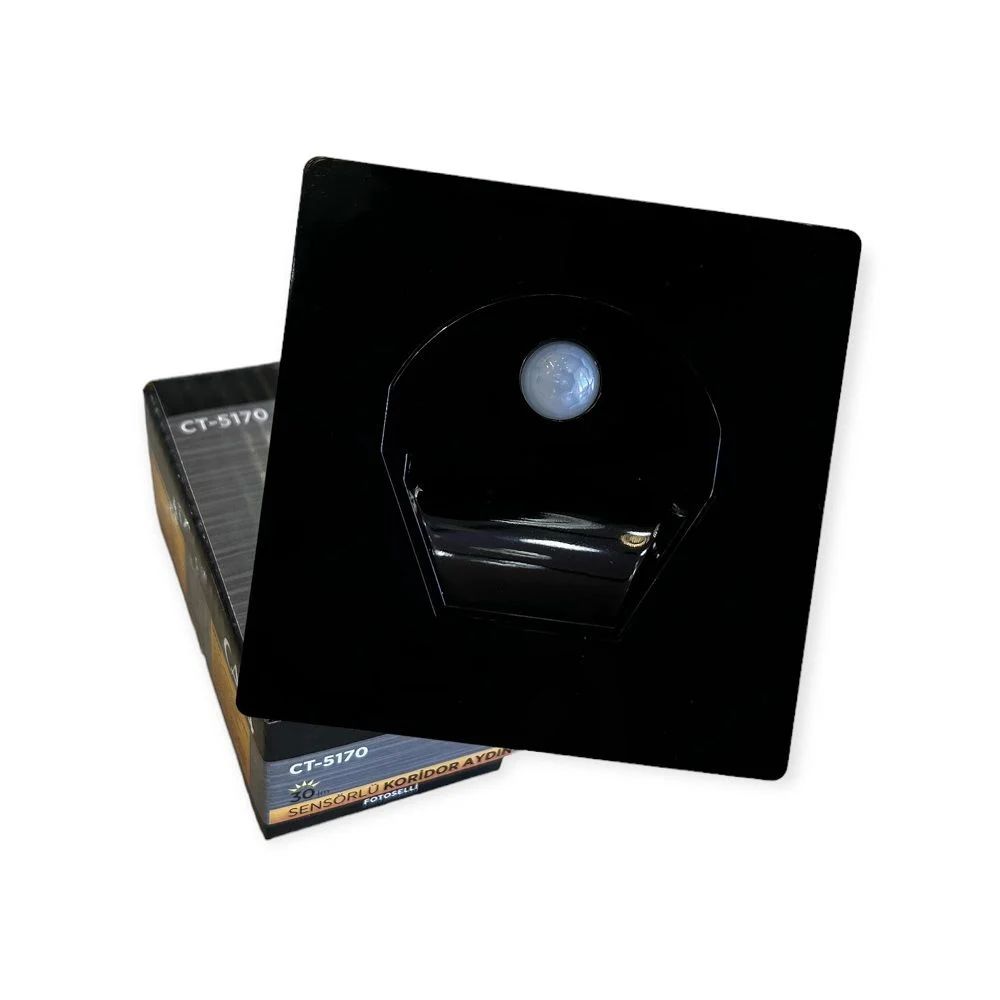
In these products the detector is built into the body; the PIR type reads changes in heat, the radar type reads movement from the reflection of a wave. Because the radar type also detects through thin surfaces, it has the advantage where the luminaire is concealed. The measured powers of the products in our catalogue run between 1 W and 18 W, from compact in-cupboard models to corridor luminaires.
Rechargeable or Mains-Connected?
Rechargeable models need no cable and are used stuck inside a cupboard; the battery has to be recharged at intervals. Mains-connected models run continuously and there is no charging to worry about, but a supply is needed at the mounting point. If use is frequent, the mains-connected model asks for less maintenance.
Hold Time and Position
Too short a hold time means the light going out while you are still there. Keeping the sensor from facing heat sources and surfaces in direct sun prevents false triggering.
Price Information
Because the price of the products in this section is set per quantity and per project, the page shows the option "Request a quote" instead of a figure. You can get a price by sharing your requirement through Live Support.
Mounting Height Decides the Detection
The most common mistake with sensor luminaires is mounting the product higher than needed. As the height increases the detection area widens but the sensitivity drops: someone passing close by is detected, while someone approaching from a distance is noticed late. In a corridor, placing the luminaire at right angles to the direction of travel lets it see a person approaching head-on earlier. For use inside a cupboard, the sensor has to see the movement directly when the door opens; a luminaire hidden behind a shelf never triggers at all.