Gökyüzü Panel

LED Strip

63 products

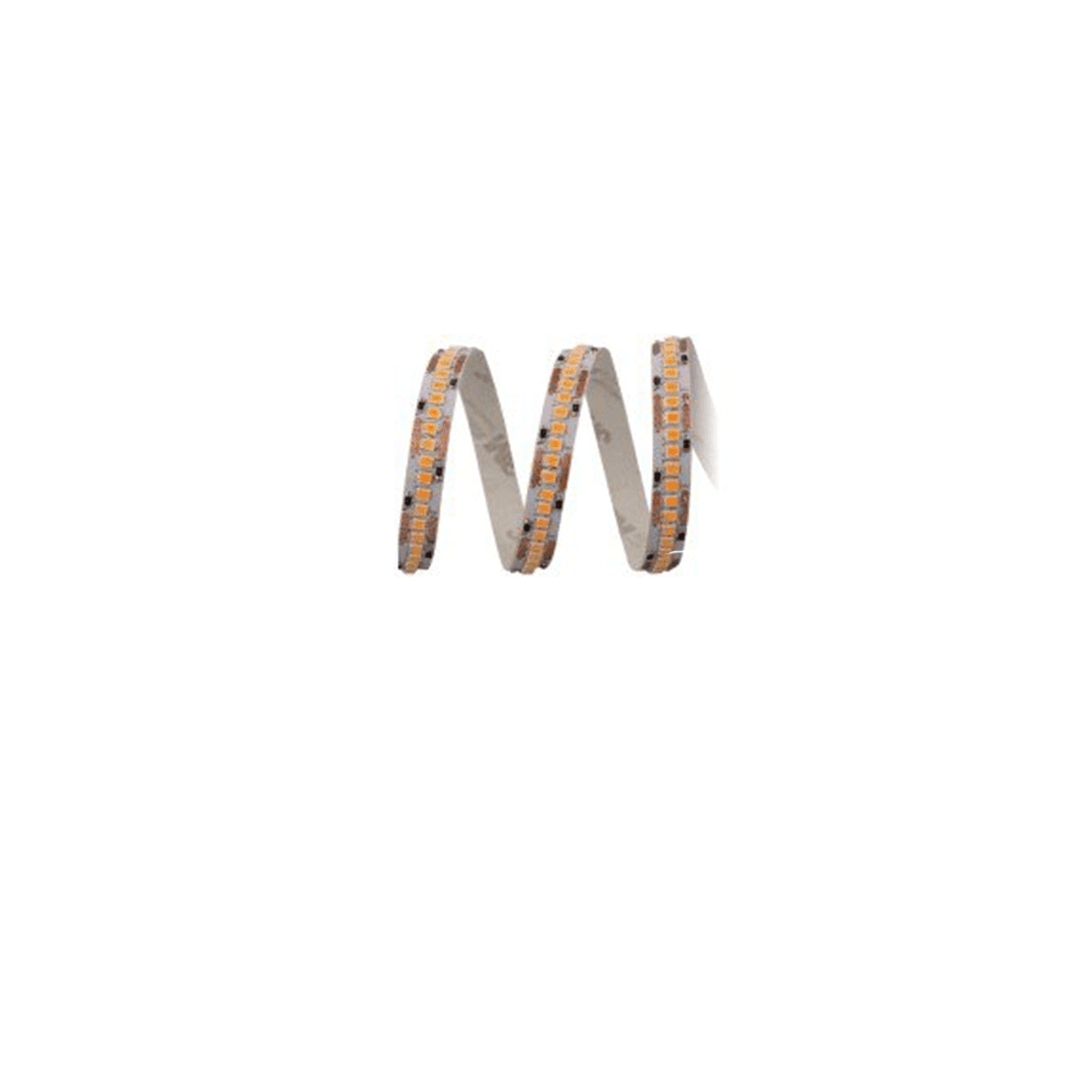
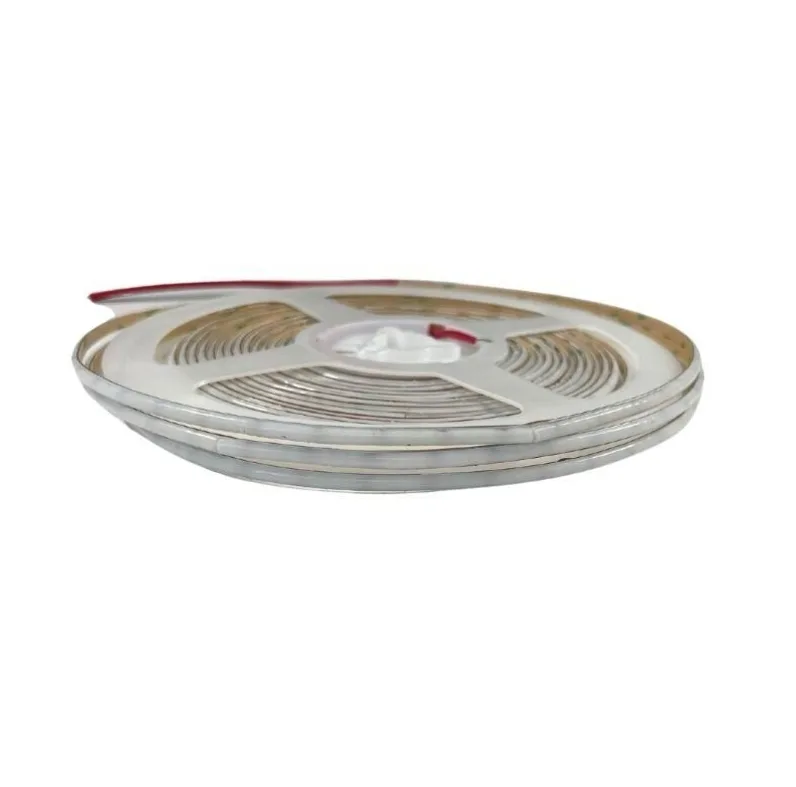
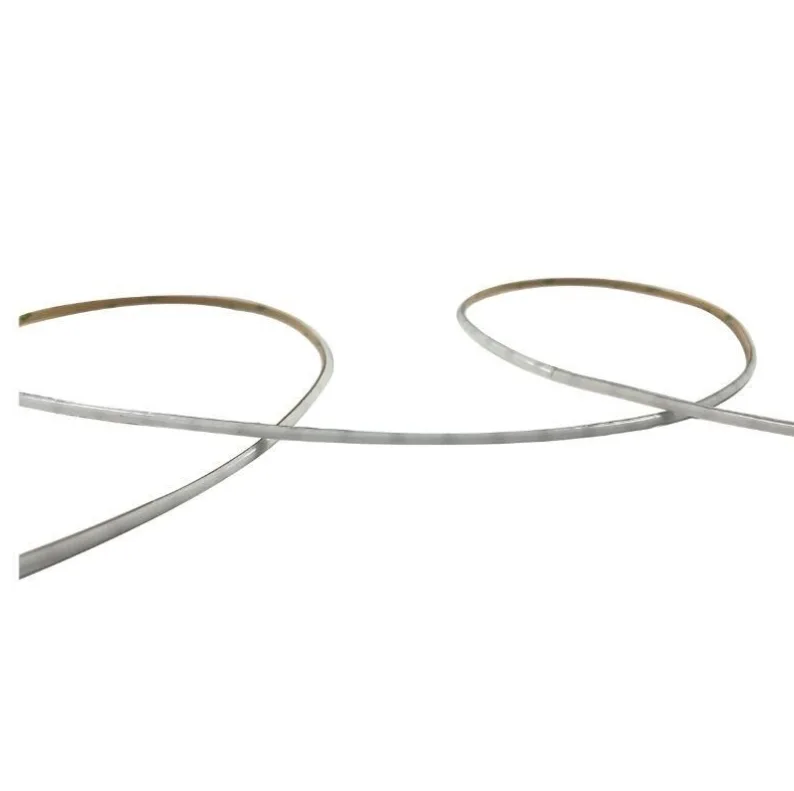
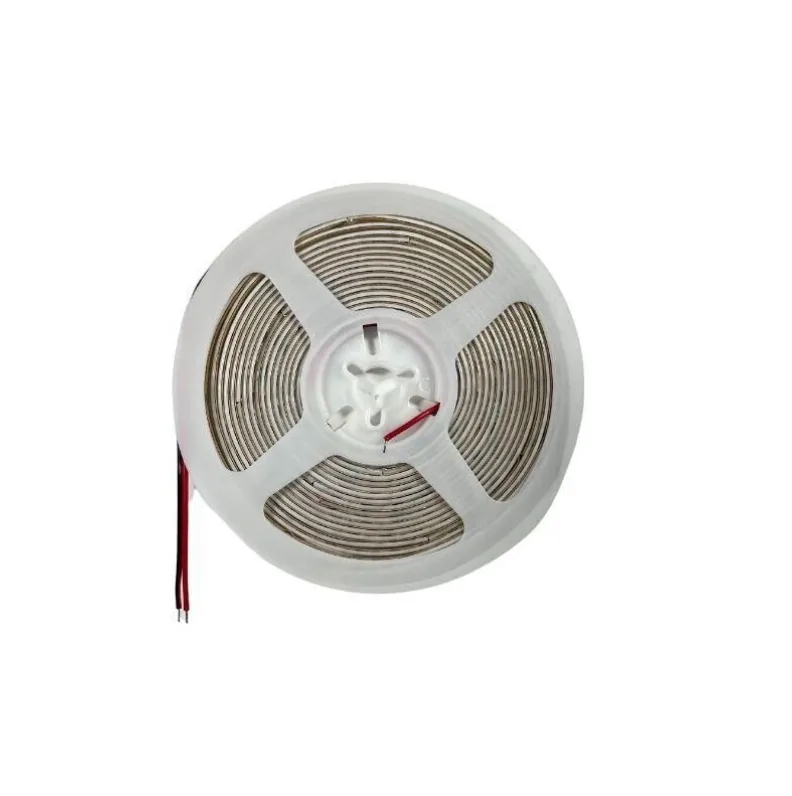
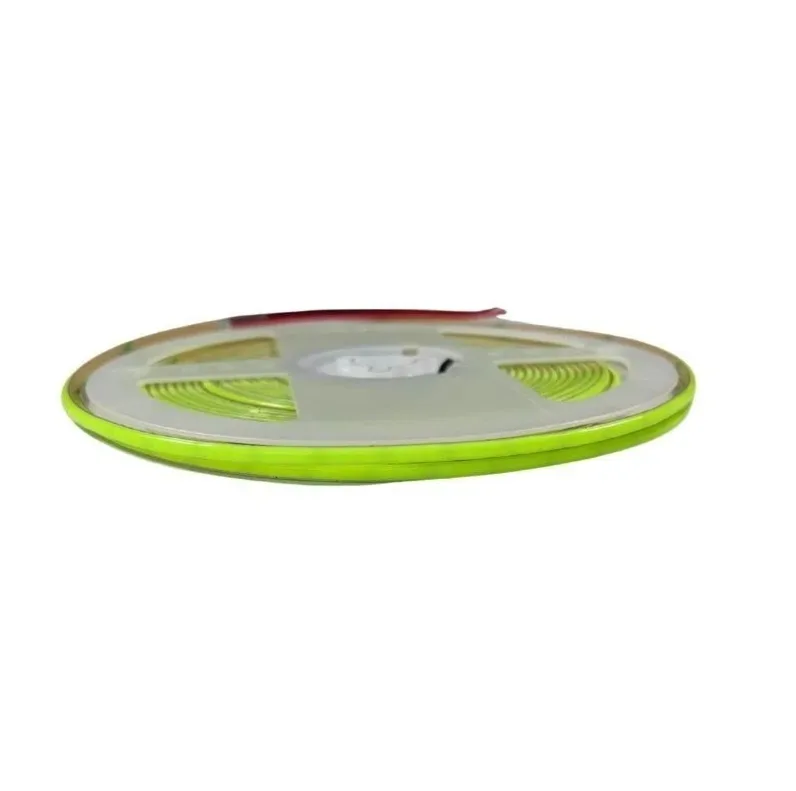
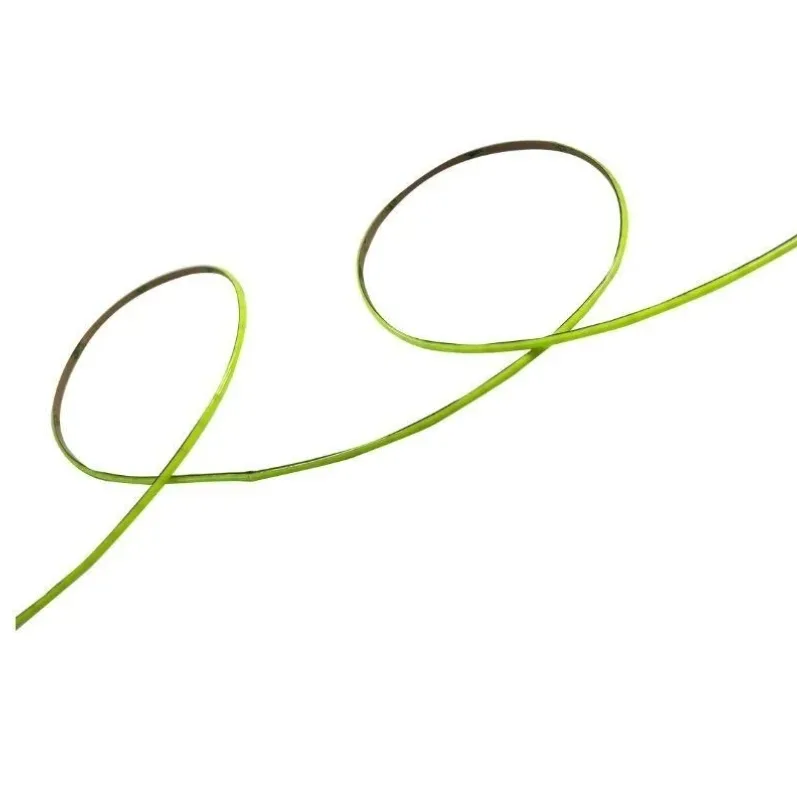
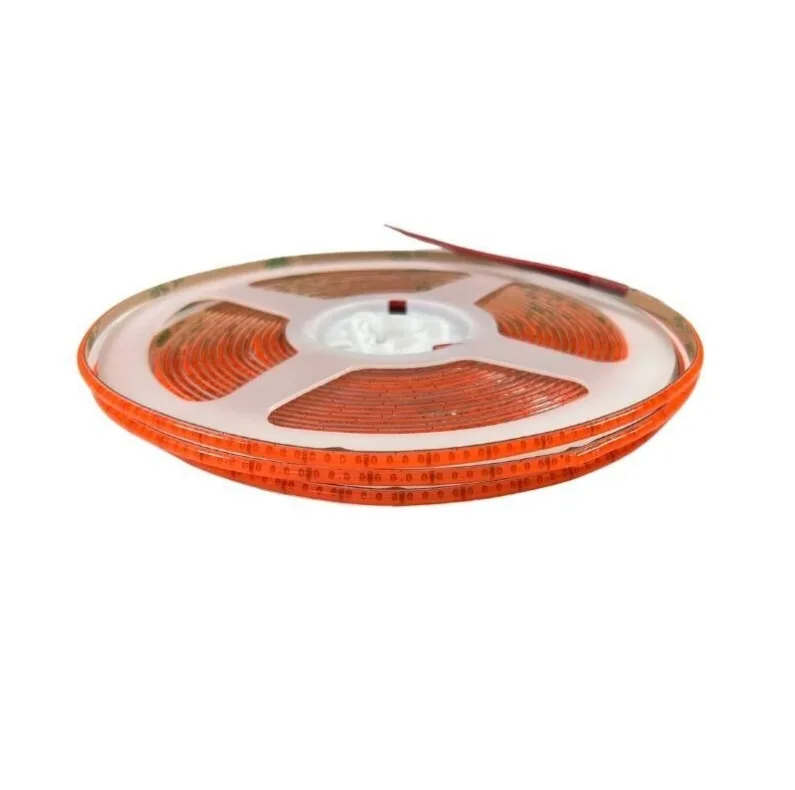
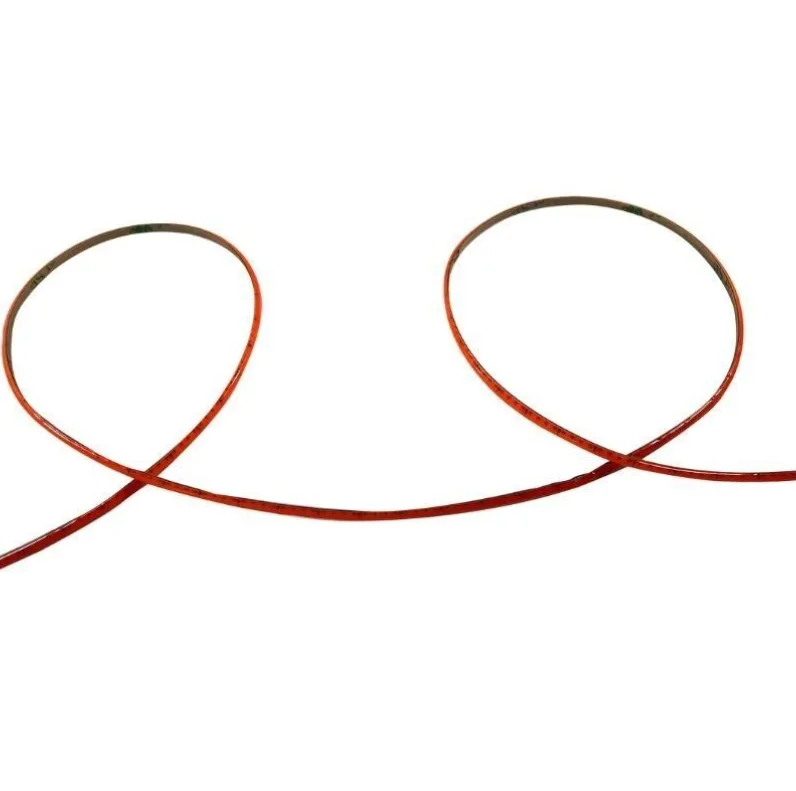
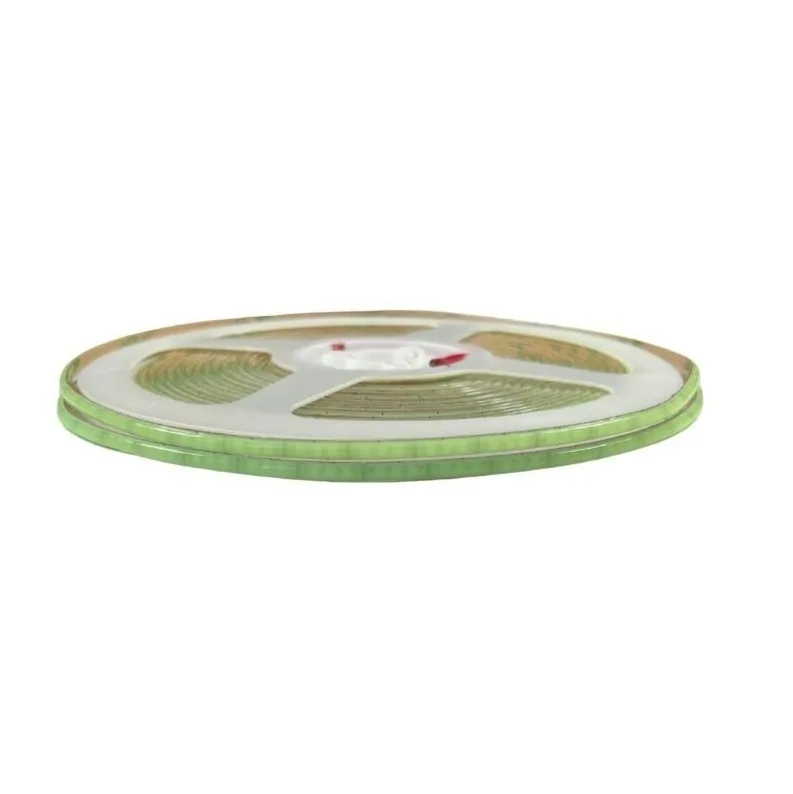
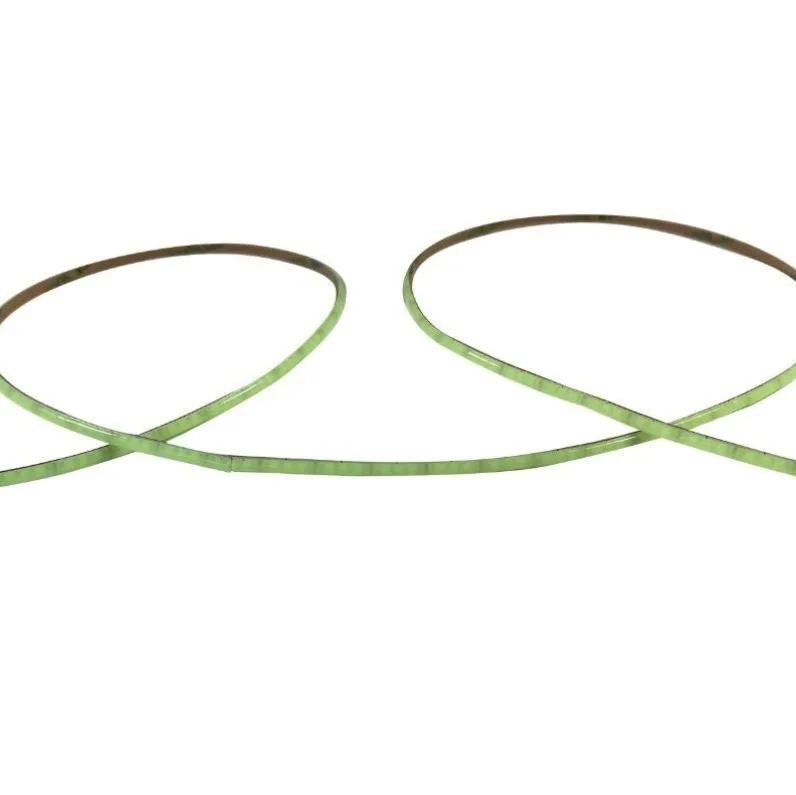
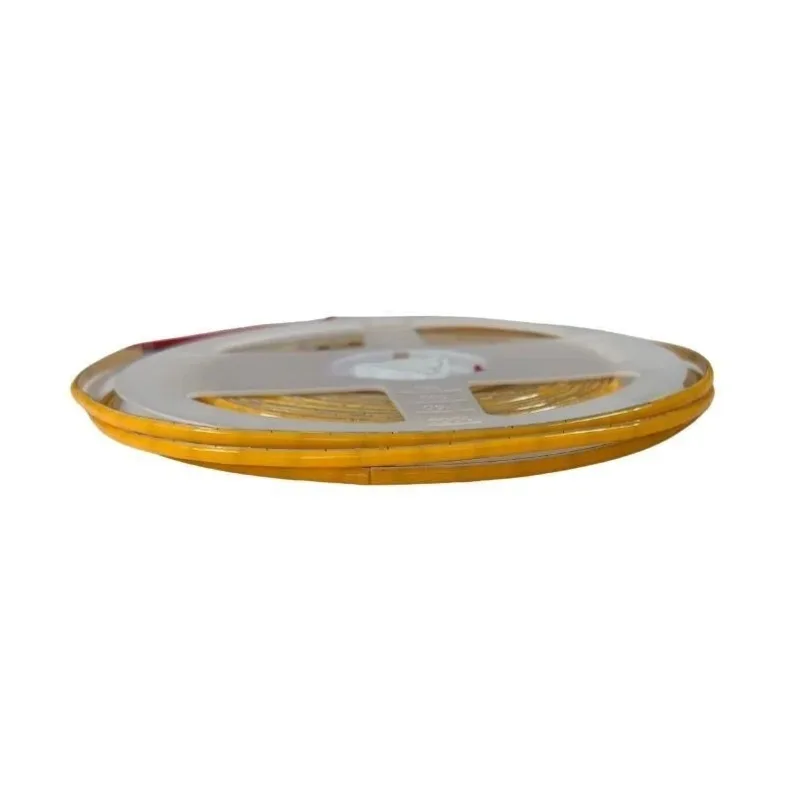
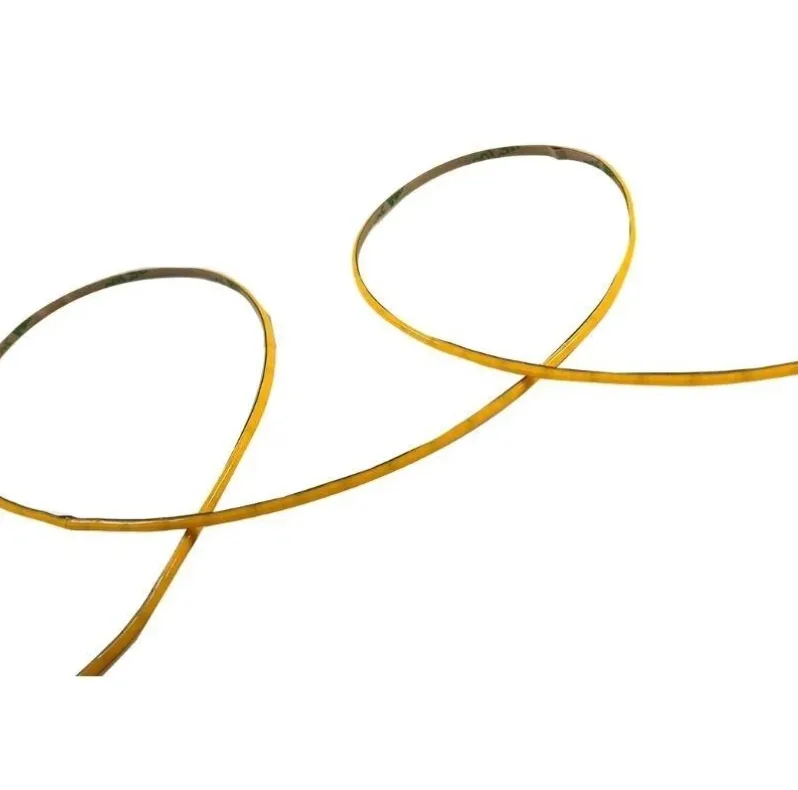
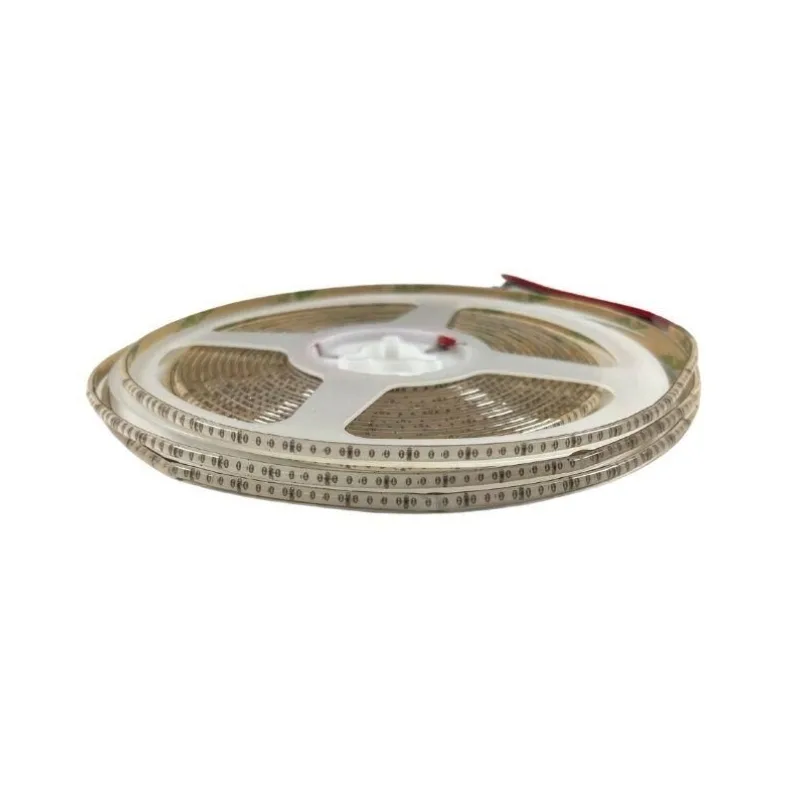
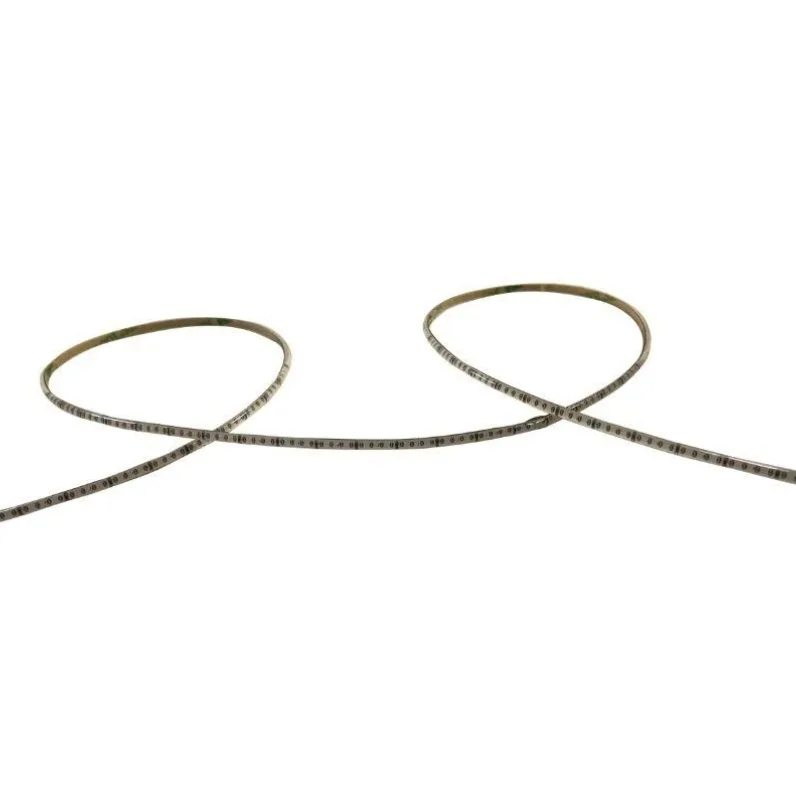
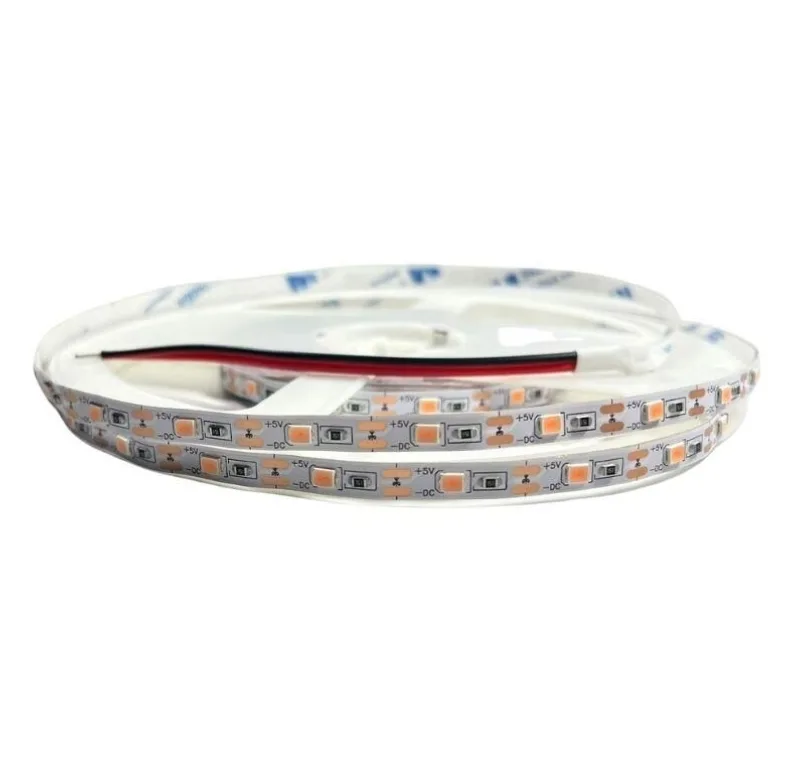
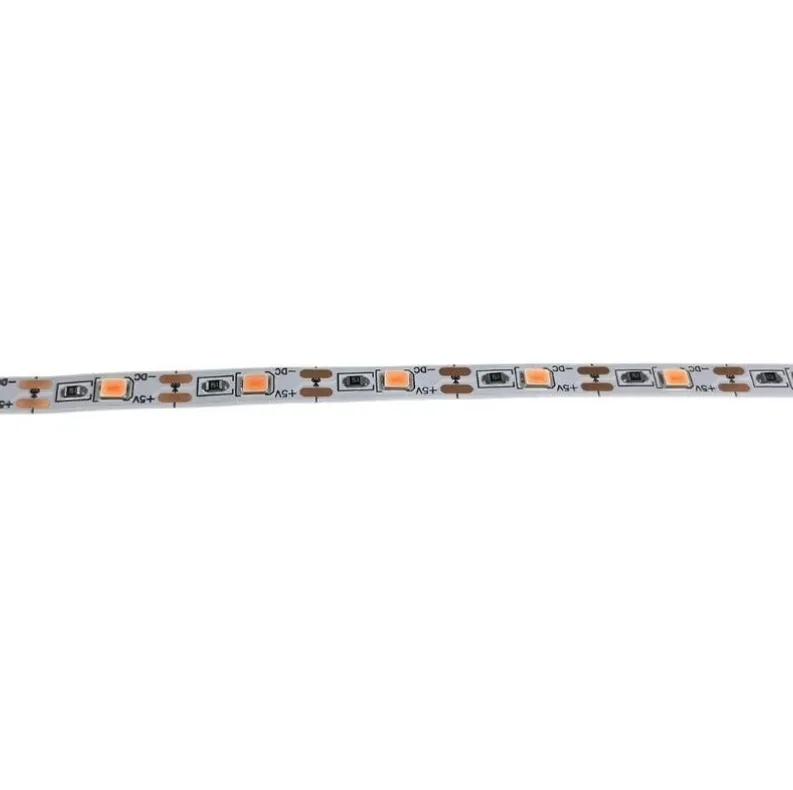
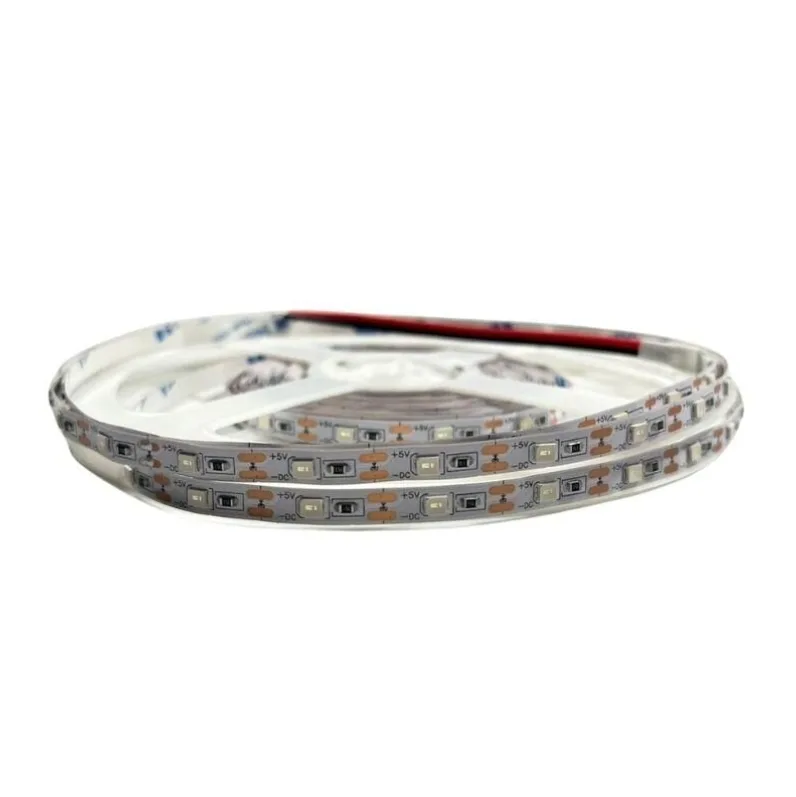
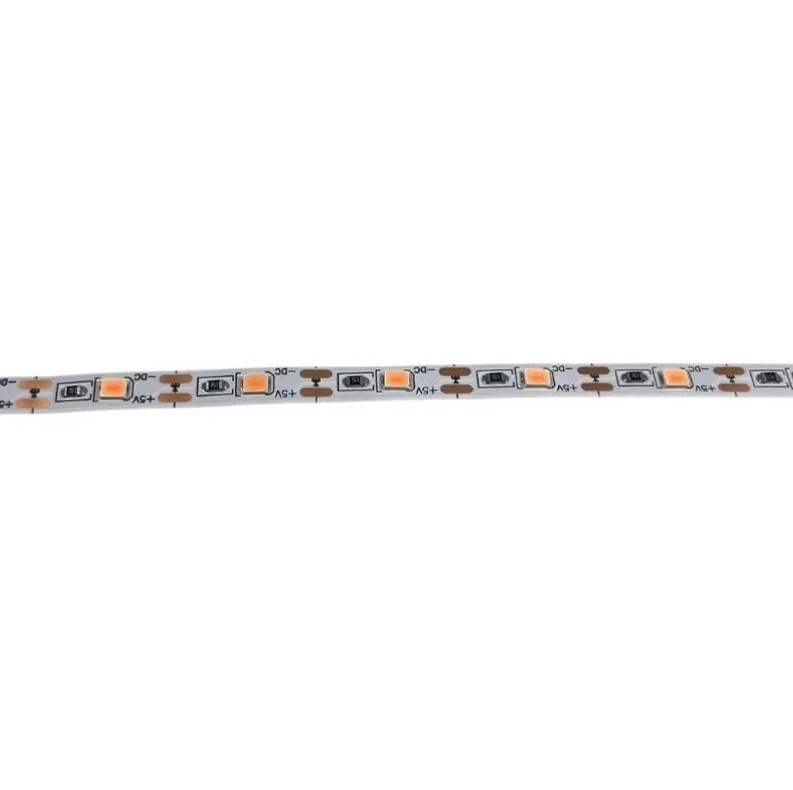
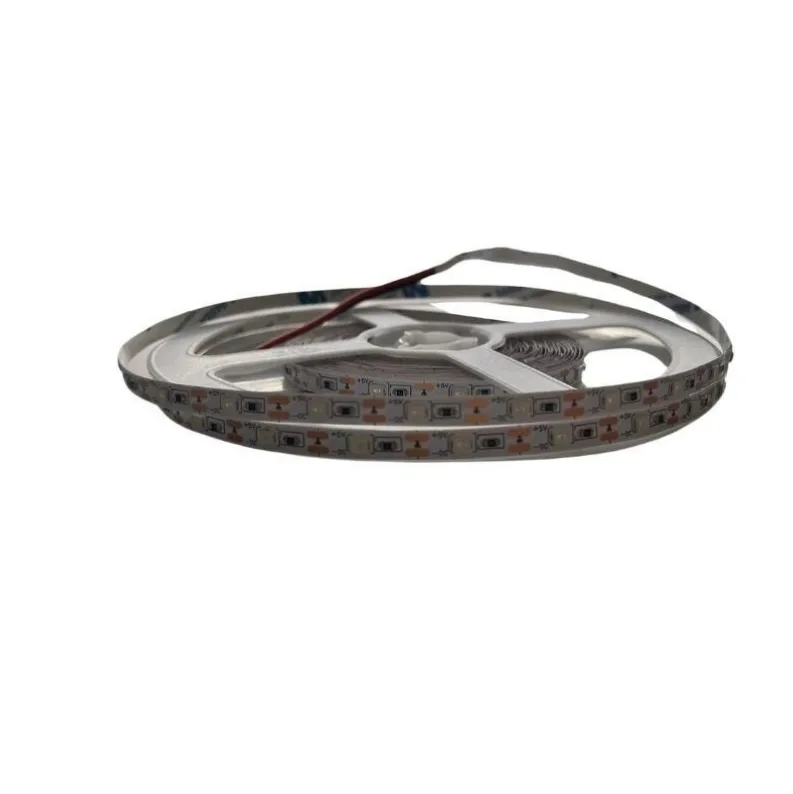
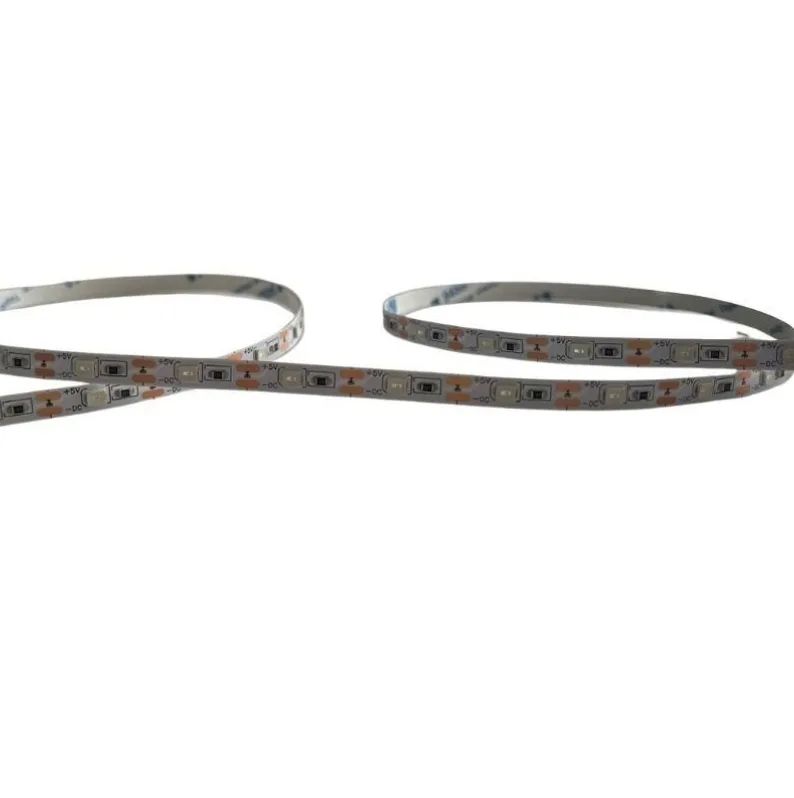
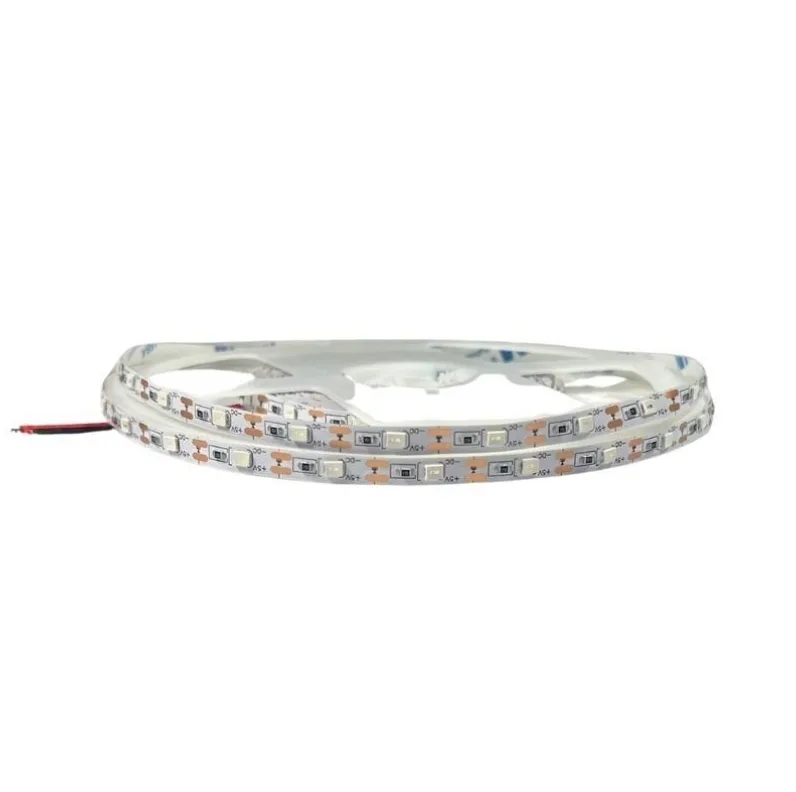
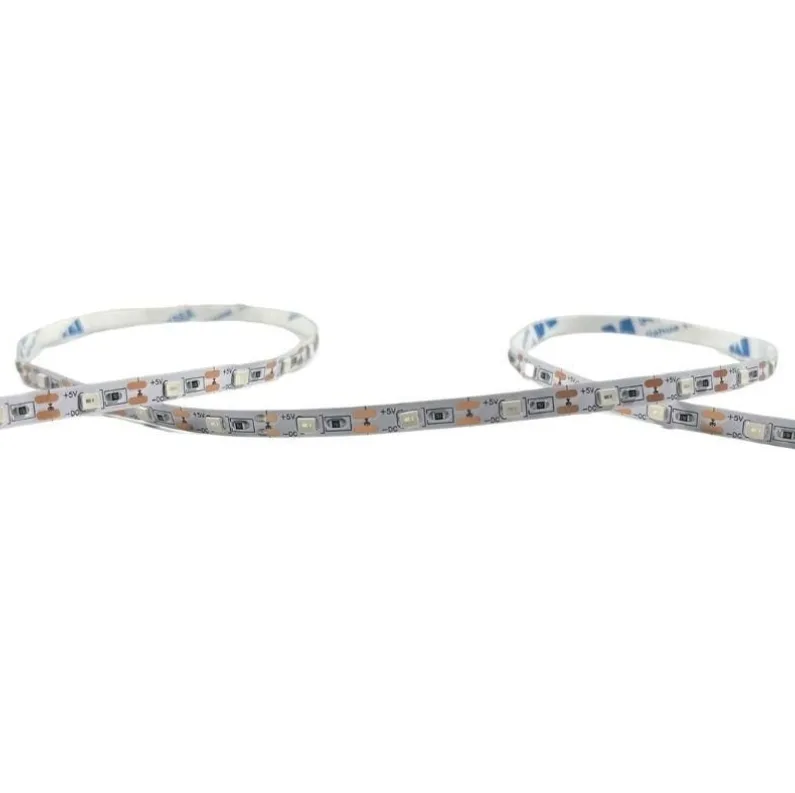
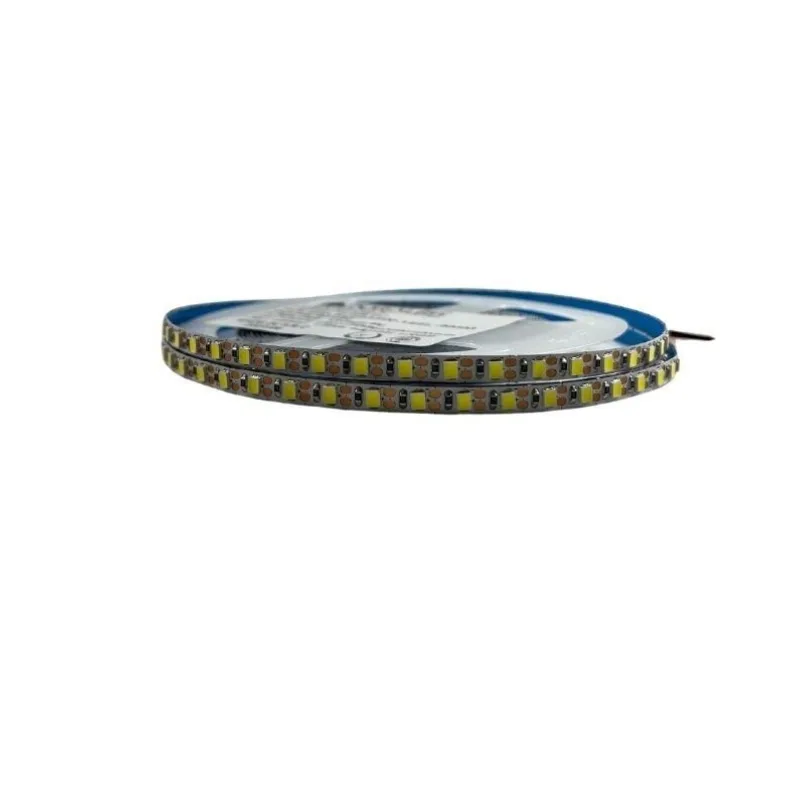
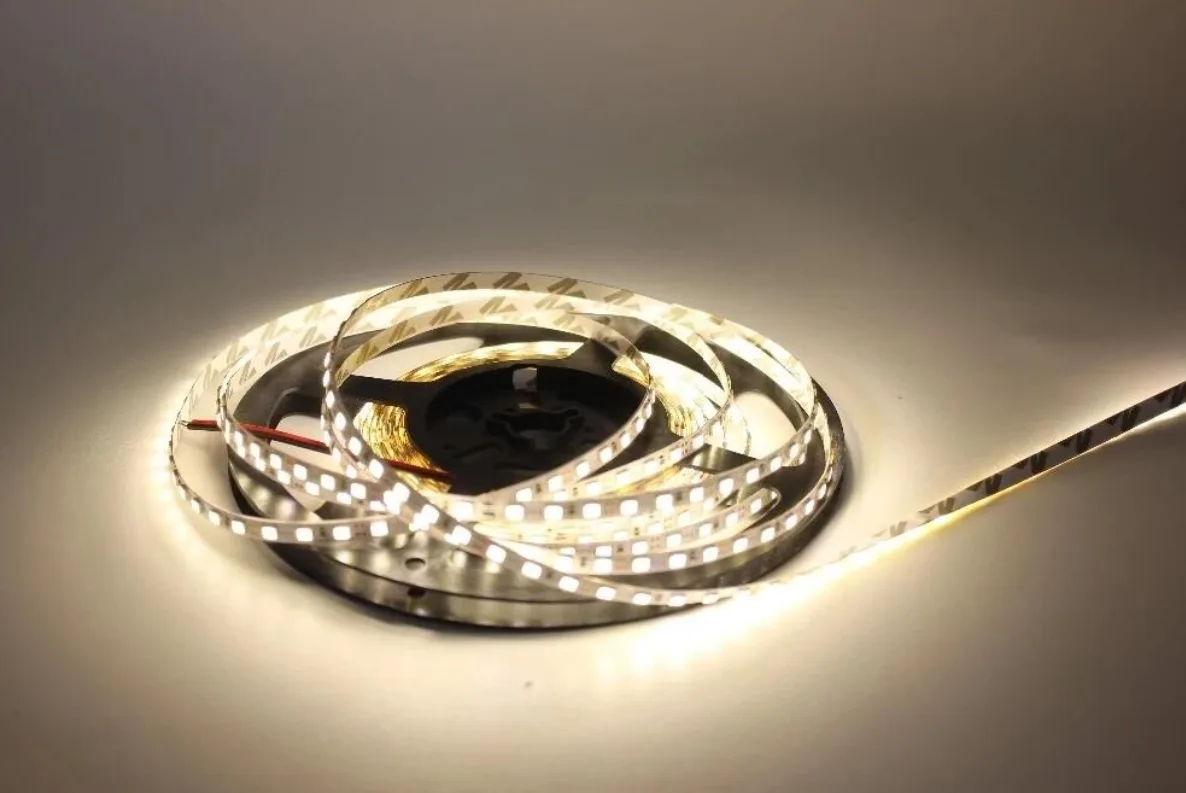
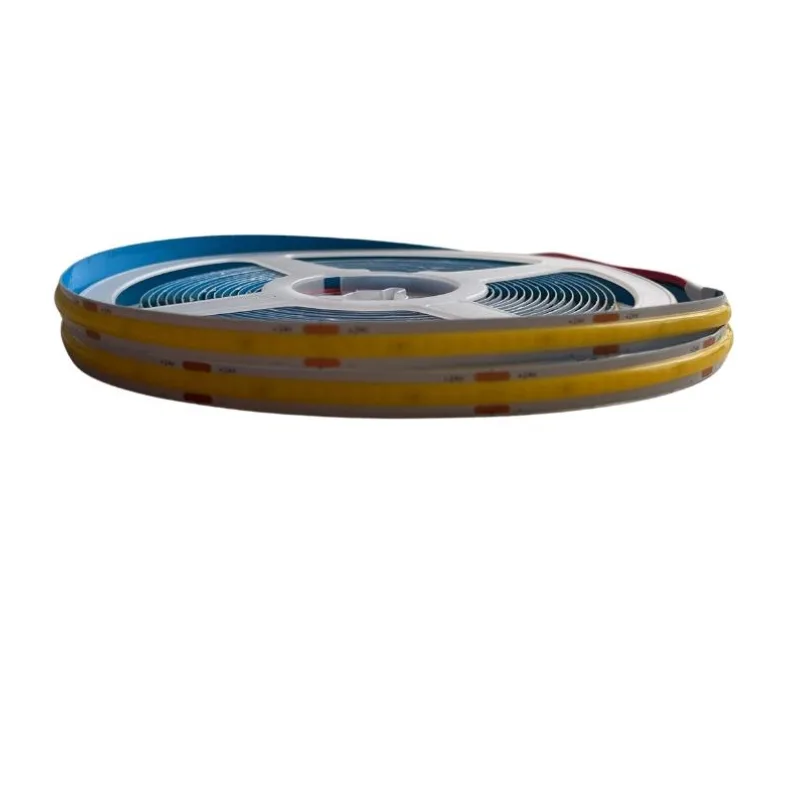
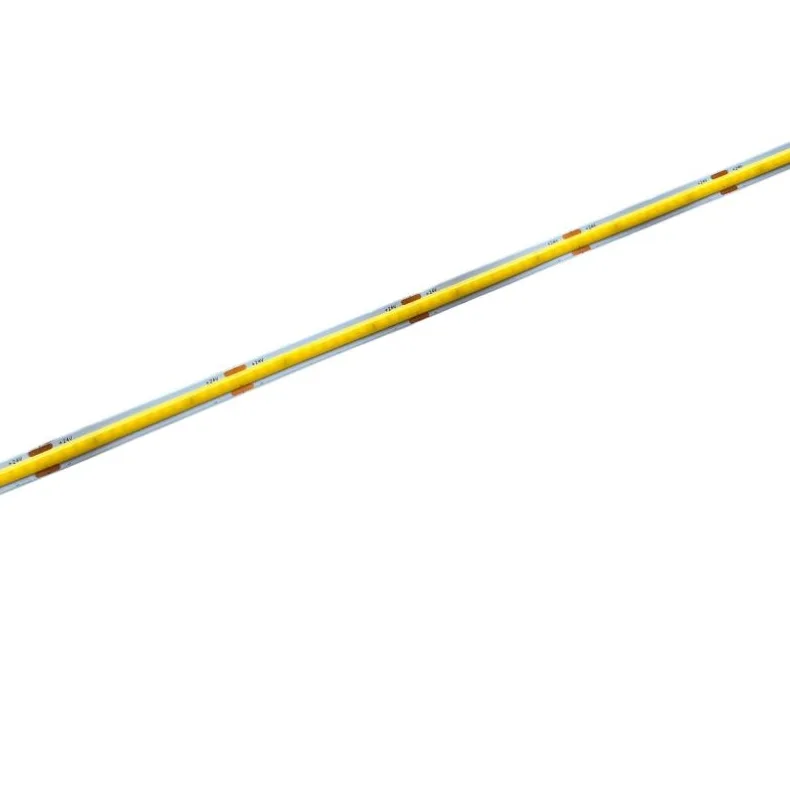
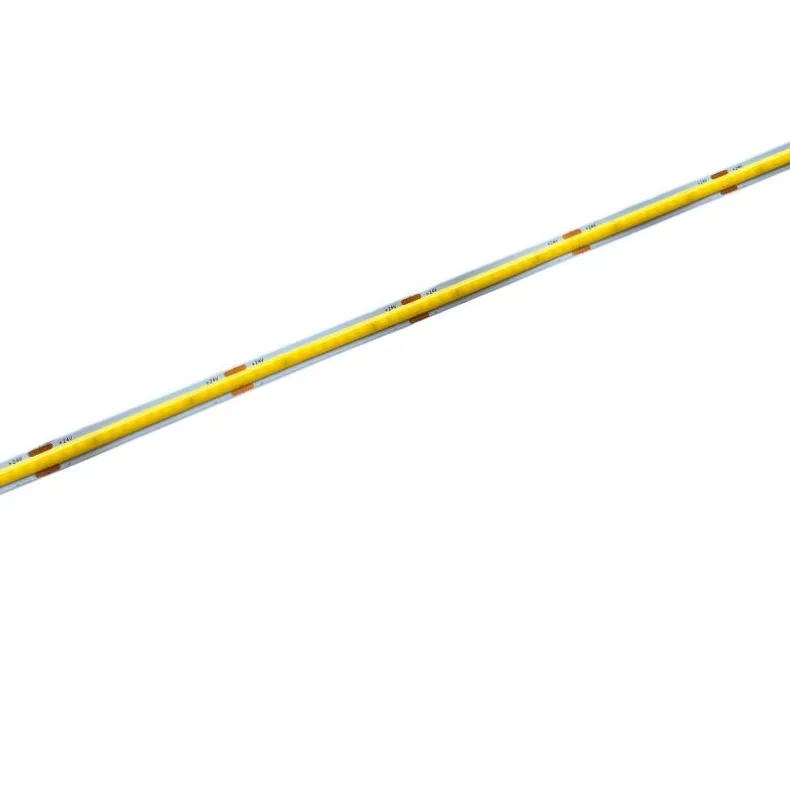
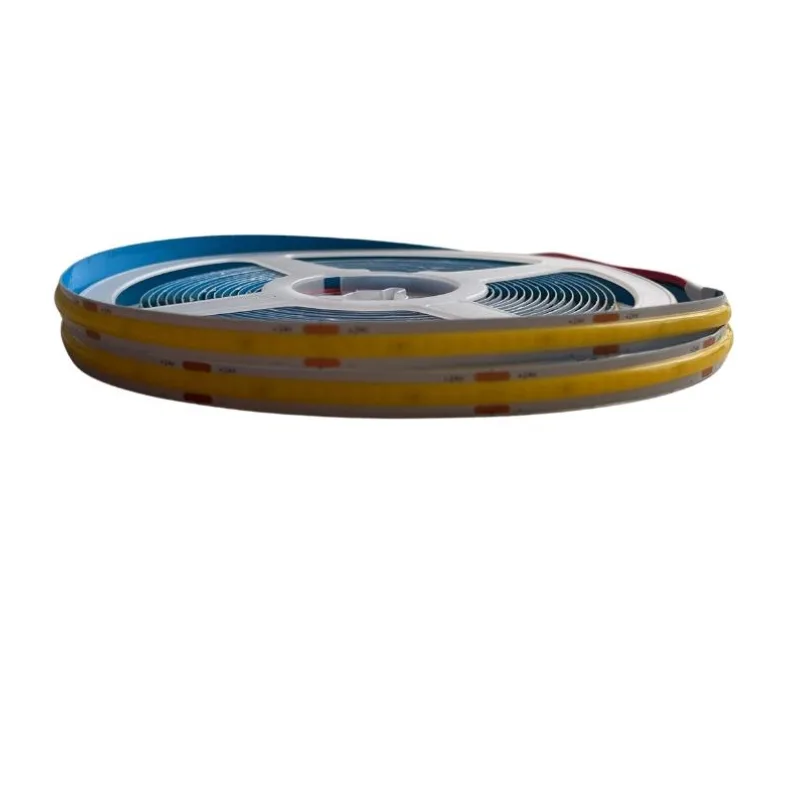
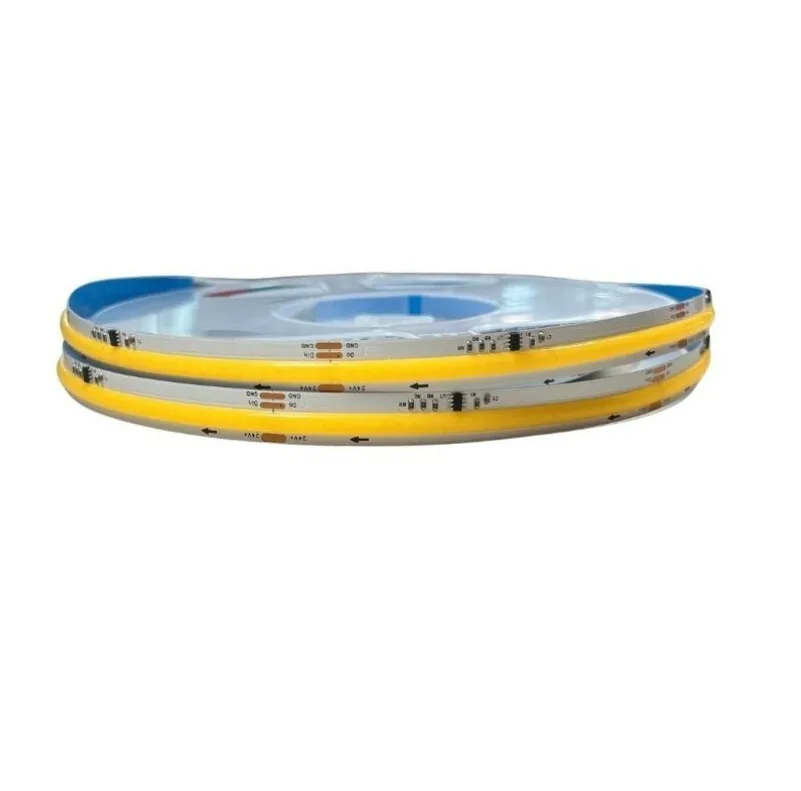
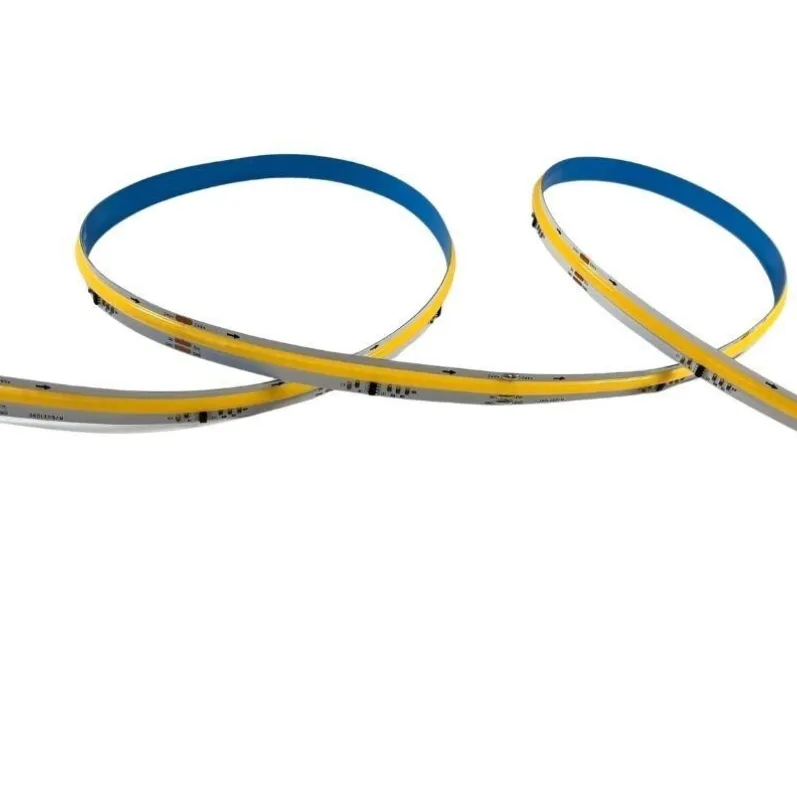
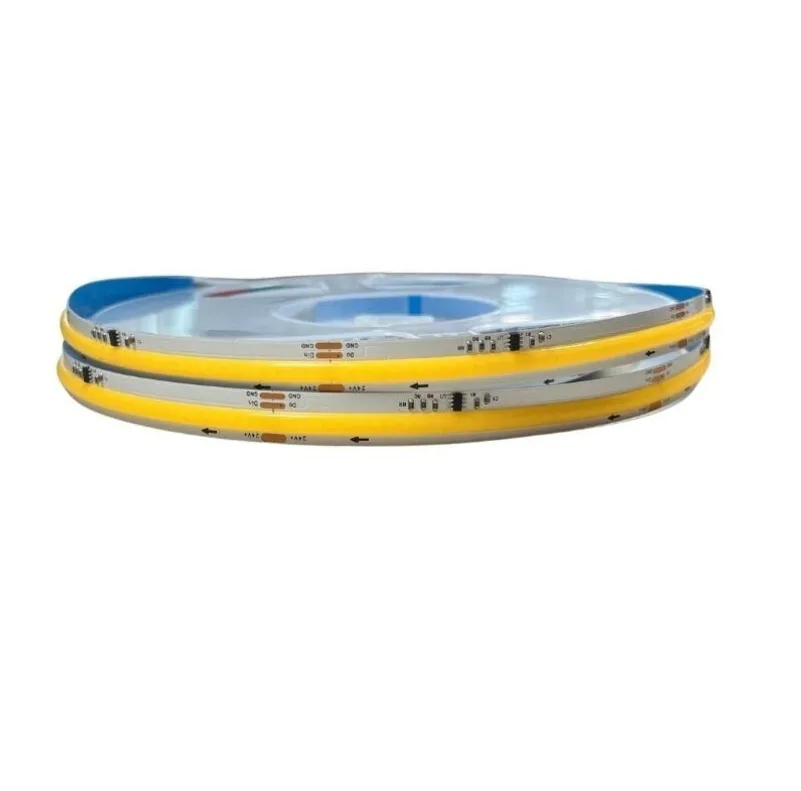
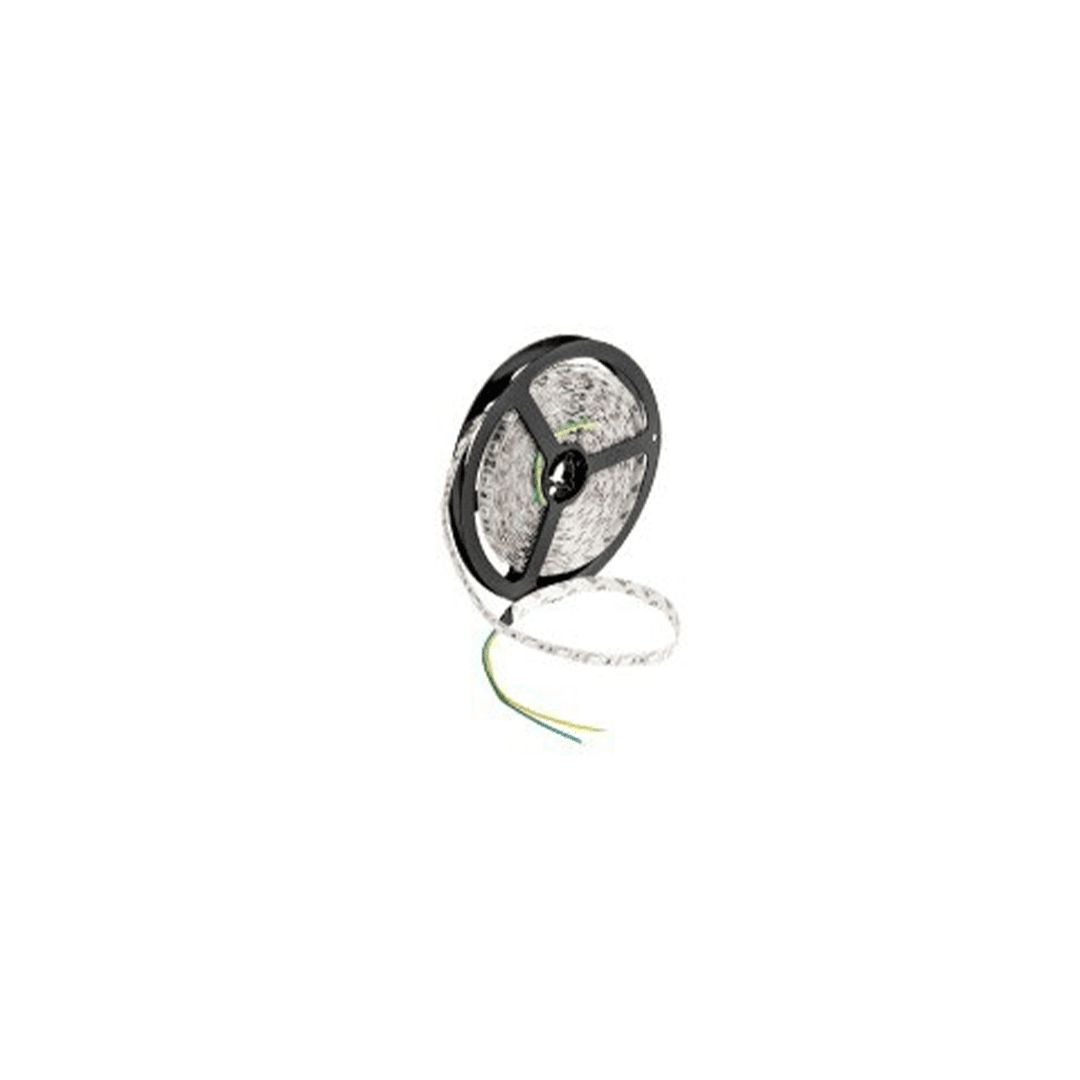
LED strip is a flexible board carrying a line of LEDs, with an adhesive back that holds on almost any surface. It is the usual answer for cove lighting, ceiling recesses, under-cabinet light and display cases. The choice between 12V and 220V decides the rest. 12V runs at extra-low voltage and is preferred in furniture and anywhere hands reach, but weakens beyond five metres in one run. 220V connects straight to the mains, needs no driver and carries far along a single run — at the cost of carrying mains voltage.

Operating Voltage· click to filter
Related Categories

Choosing an LED Strip: Voltage, Power per Metre and IP Rating
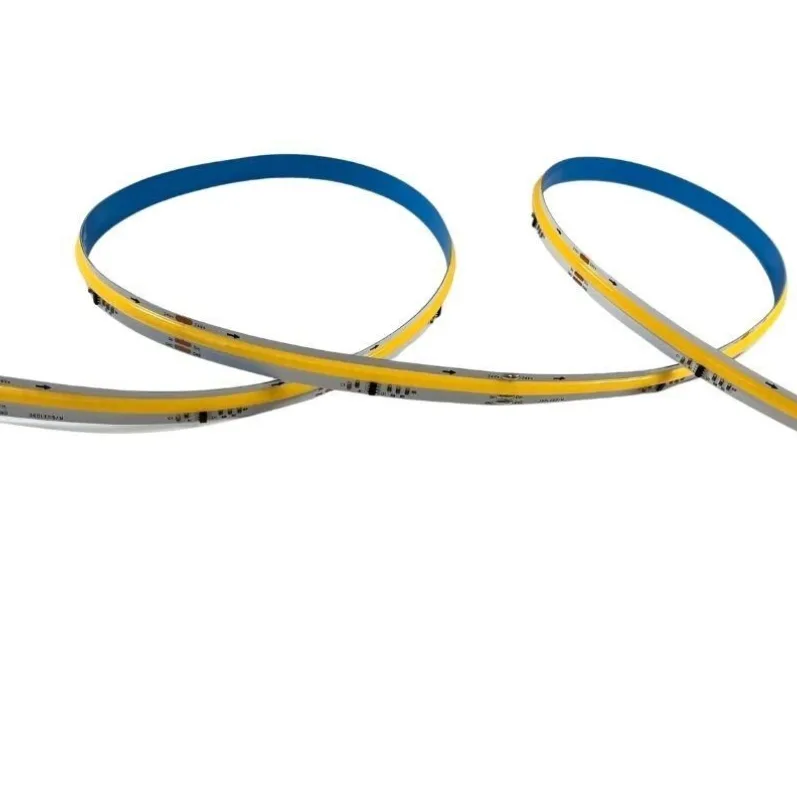
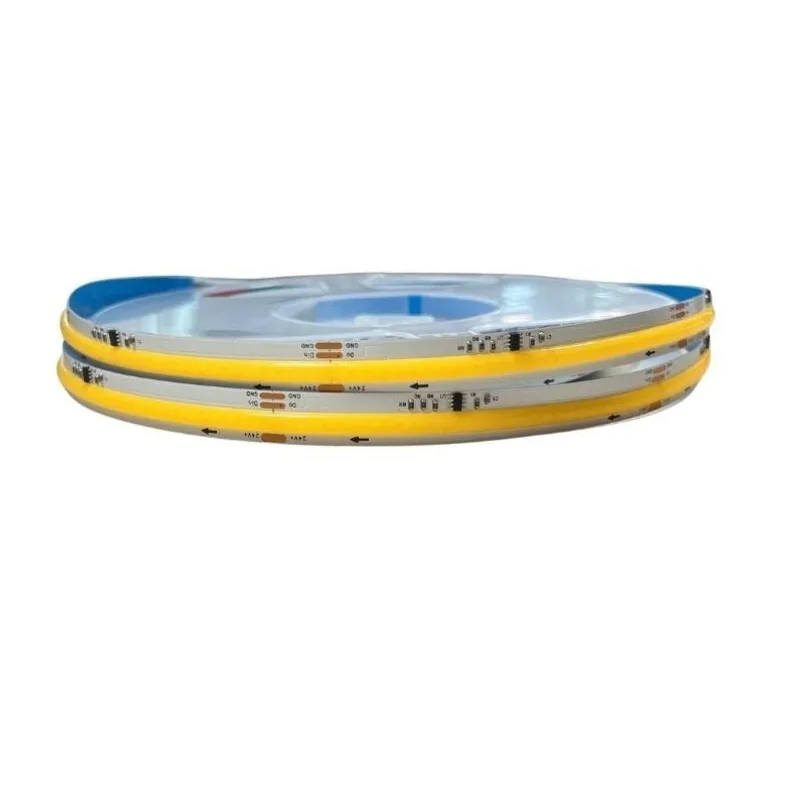
The LED strip is the most flexible solution there is, from a concealed light line to lighting inside furniture — but get three values wrong and the result disappoints: voltage, power per metre and IP rating. Our collection holds 63 products.

1. Voltage: 12V or 24V?

On short runs (2–3 metres) 12V is enough. On longer runs 24V is preferred: at the same power it draws less current, so the dimming seen towards the end of the run is reduced. Hose-type strips that run directly on 220V are preferred on long outdoor runs and need no separate power supply.

2. Power per Metre

The most common value in our catalogue is 14.4 W per metre. That is a class with a high chip density, capable of more than fill light. Lower-powered strips are enough for decorative accents; surfaces you actually work on, such as a worktop, need more power.

Driver sizing: work out the total load and add a 20% margin. For 5 metres × 14.4 W = 72 W, choose a supply of at least the 90 W class. You can identify a suitable model under LED modules, drivers and transformers.

3. IP Rating

  • IP20: dry interiors — a concealed light recess, inside a cupboard, a ceiling line.
  • IP65 and above: bathroom, under a kitchen worktop, facade, garden. The silicone coating protects the strip against moisture.

Light Colour

Four tones are evenly spread across our catalogue: 2700K and 3000K warm white (living spaces), 4000K neutral (kitchen, bathroom, office) and 6500K cool white (technical areas, stores). On RGB and colour-changing models the tone is set from the controller.

Cutting and Joining

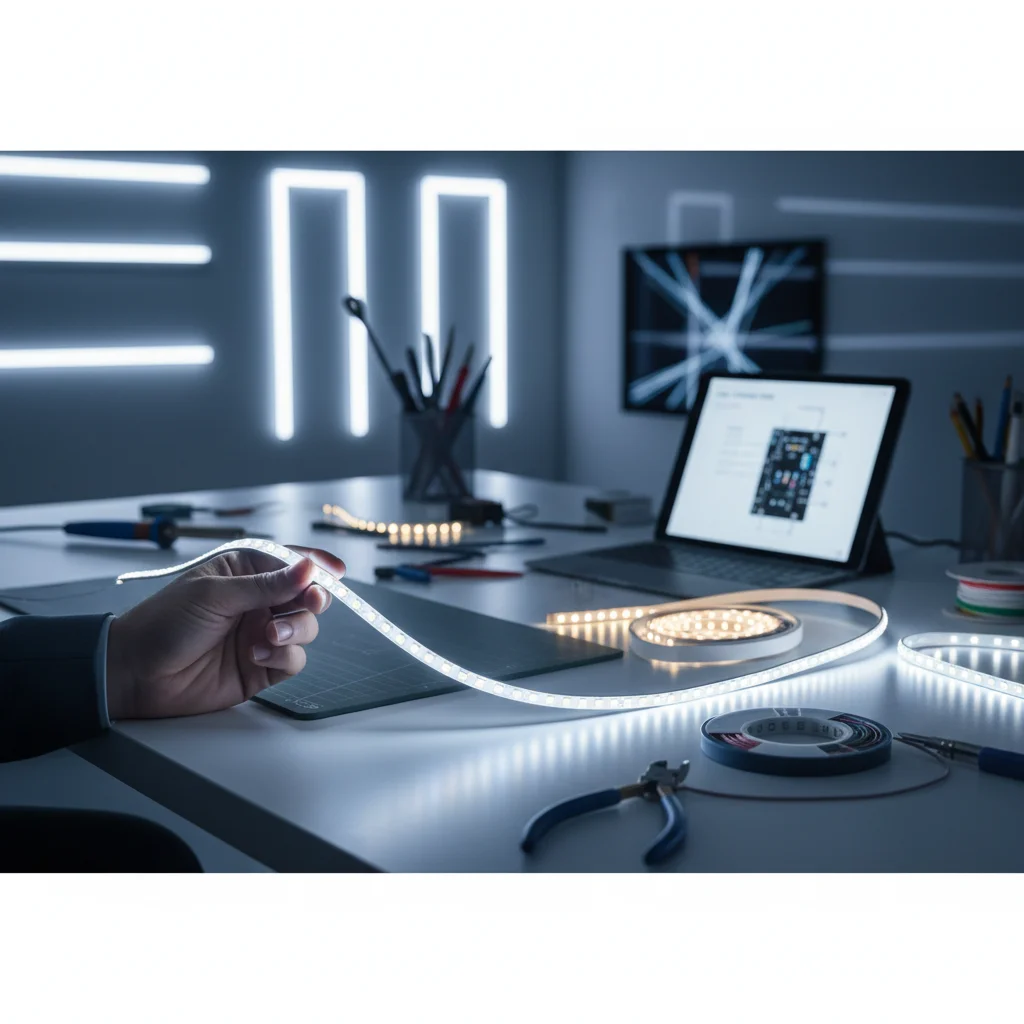
Strips are cut at the cut points marked on them; cutting anywhere else leaves that segment dead. For joining, use solder or a suitable clip connector. Fitting the strip inside an aluminium LED profile both spreads the heat and softens the visible dotting.

Budget

Our 50 products with a published price run from 0.42 EUR to 478 EUR, with a median of 35 EUR. Single accessories sit at the lower end of the range and long runs on a reel at the upper end.

Frequently Asked Questions

The strip gets warm — is that a problem?

Warmth is normal. If it is too hot to touch, either no profile has been used or the power supply is inadequate.

What do I need for a colour-changing strip?

An RGB strip requires a controller and a receiver; choose a compatible model under LED remotes and controllers.

Related Guides