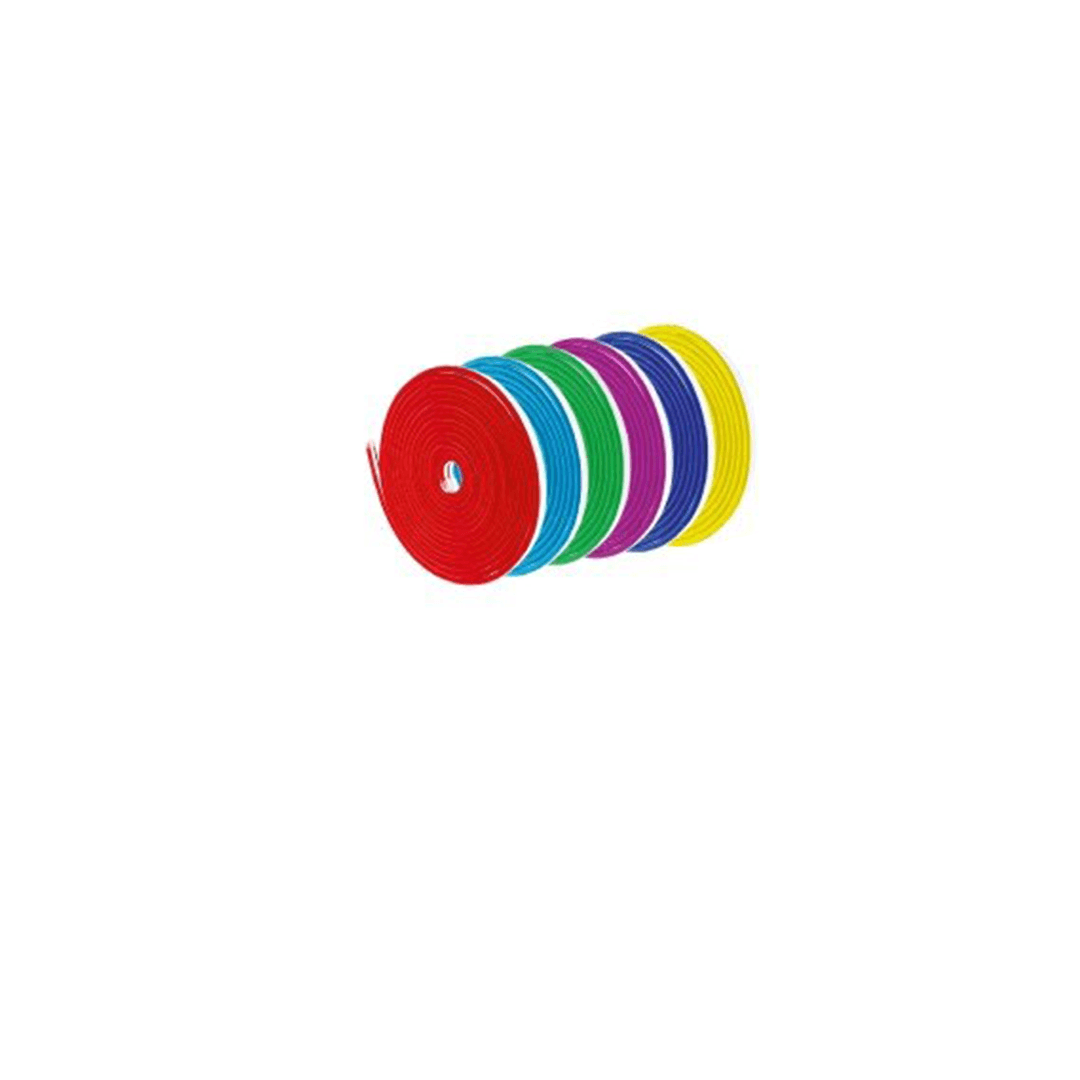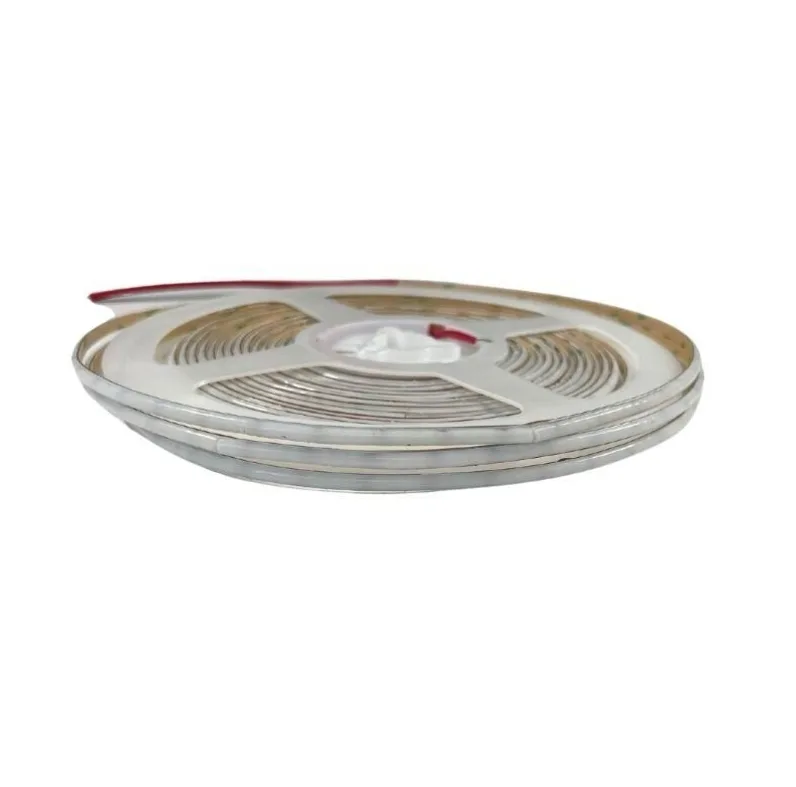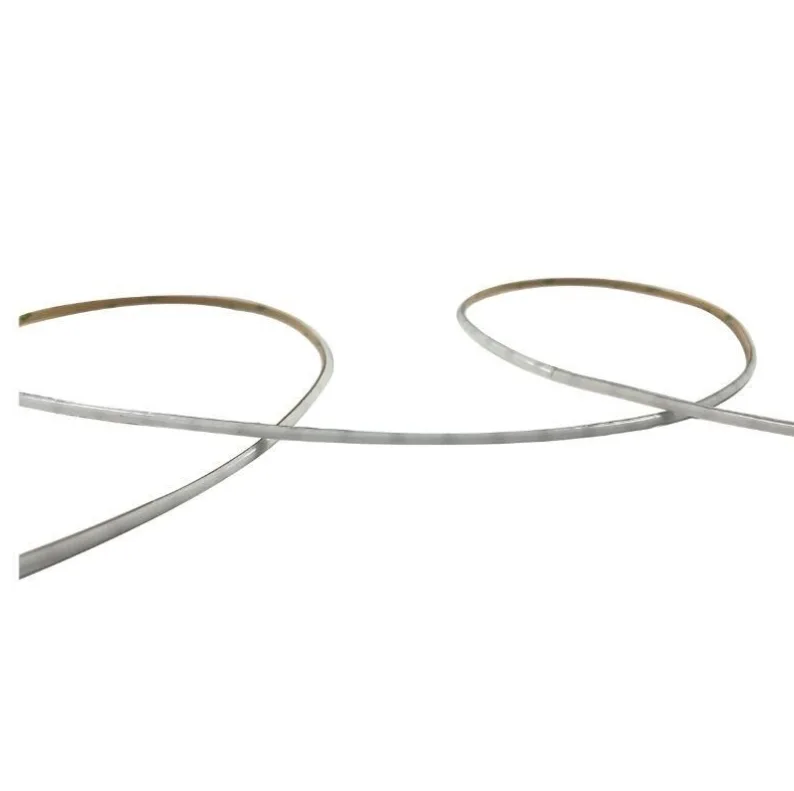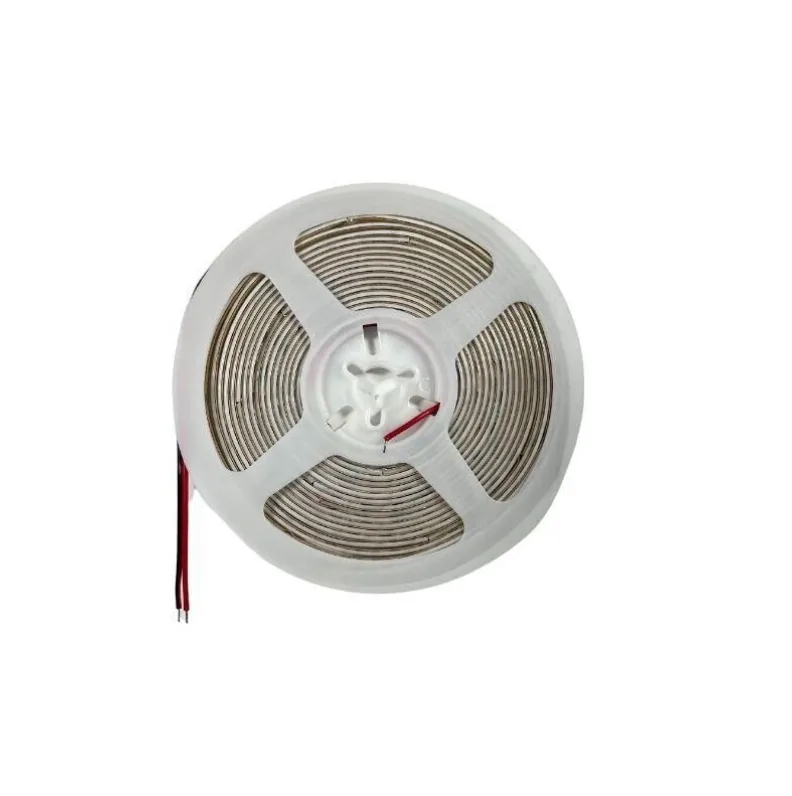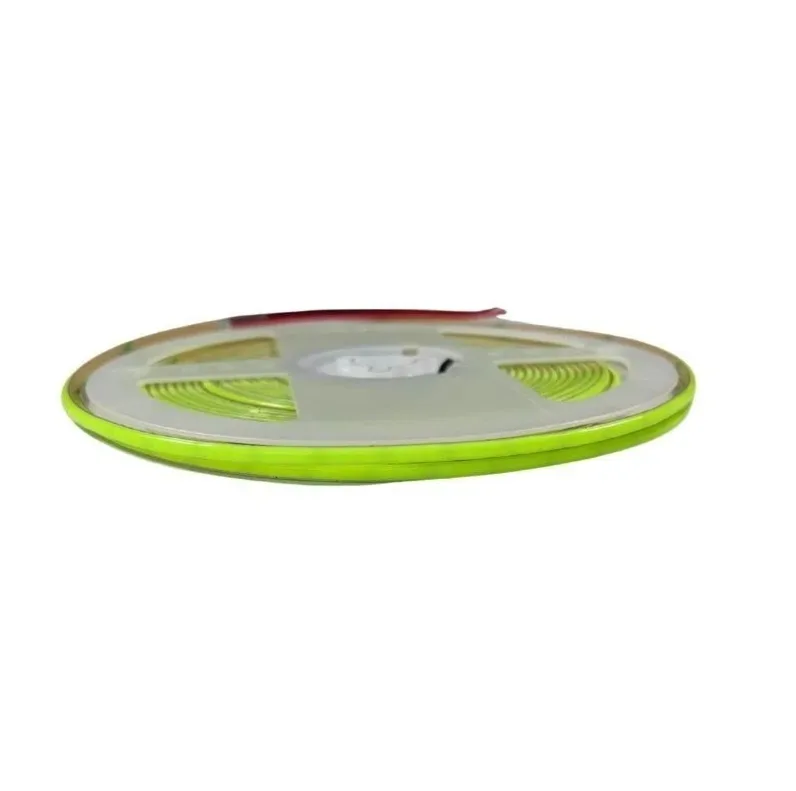
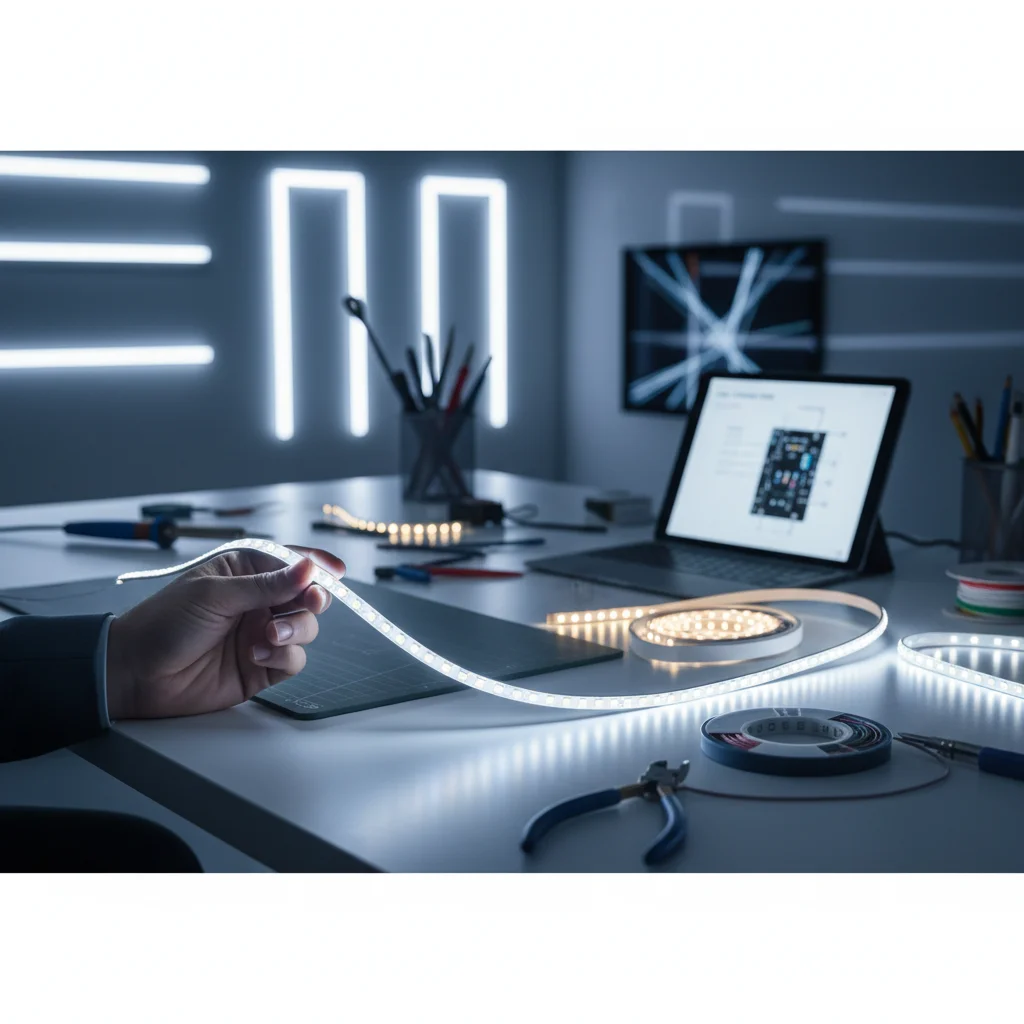
Choosing the right LED strip directly impacts the atmosphere and lighting quality of your space. To determine the most suitable strip for your needs, it is essential to understand technical criteria such as SMD type, light intensity, color temperature, CRI value, IP protection class, and voltage. This guide will help you find the most efficient and aesthetic solution according to your project's requirements.
Which SMD Type is Right for Your Needs?
SMD (Surface Mounted Device) chips, the heart of LED strips, directly determine light quality and intensity. The commonly available 2835, 5050, and COB (Chip on Board) types offer different features. 2835 chips stand out for their energy efficiency and slim design, while 5050 chips offer higher brightness and a wider beam angle.
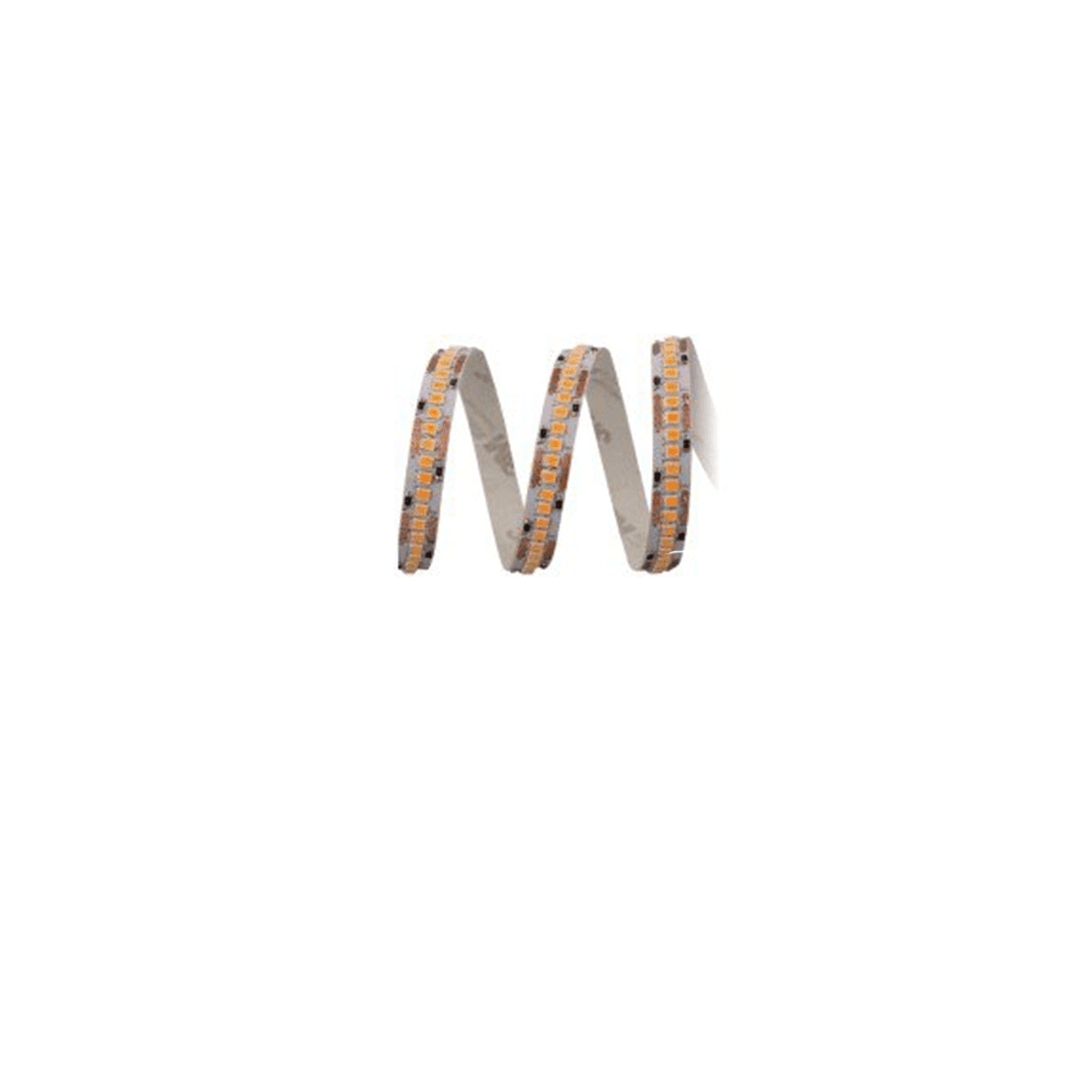
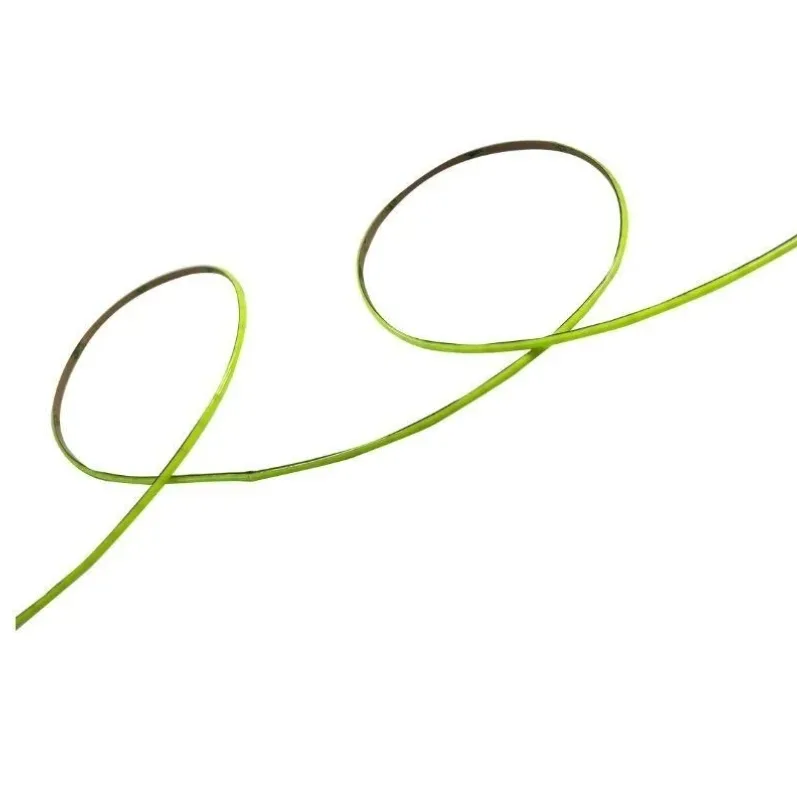
COB LED strips integrate chips directly onto a flexible circuit board, emitting a dot-free, homogeneous light. Thanks to this feature, they provide smooth illumination, especially in cove lighting applications or in aluminum profiles even without using a diffuser. This homogeneous distribution reduces eye strain, offers a superior aesthetic appearance, and is ideal for modern interior designs.
How to Determine Light Intensity and Brightness?
The light intensity of an LED strip is expressed by the number of chips per meter (LED/m), wattage (Watt/m), and lumen output (Lumen/m). High chip density (e.g., 120 LED/m or 240 LED/m) creates a more even and continuous light line. This is a critical factor, especially in cove lighting applications, to prevent shadowing.
While Watt/m indicates the strip's electrical consumption, Lumen/m expresses the actual light output, i.e., brightness. Focusing on Lumen/m instead of Watt/m when deciding how much an area needs to be illuminated allows you to choose the correct brightness level. For example, strips with 800-1200 Lumen/m are generally preferred for general lighting, while lower lumen values may suffice for decorative or accent lighting.
Why are Color Temperature and Color Accuracy Important?
Color temperature is measured in Kelvin (K) and determines the white tone of the light. 2700K-3000K warm white creates a relaxing and inviting atmosphere; 4000K-4500K natural white offers ideal, neutral light for daily tasks. 6000K-6500K cool white is preferred for a more energetic and modern environment. Choosing the right color temperature according to your space's purpose and desired ambiance fundamentally changes your lighting experience.
CRI (Color Rendering Index) measures how accurately light reveals colors. Expressed as a value between 0 and 100, a CRI of 100 represents the most natural color rendition (like daylight). LED strips with high CRI (>90 or >95) accurately reflect the colors of artworks, products, or food, making them appear as close to reality as possible. This is vitally important in places where color accuracy is crucial, such as retail spaces, kitchens, or dressing rooms.
How to Protect Your LED Strip Against Environmental Conditions?
The durability and lifespan of LED strips depend on the IP (Ingress Protection) rating chosen according to the environmental conditions they will be exposed to. IP20 rated strips are suitable only for dry indoor use and do not provide protection against dust or moisture. Such strips can be preferred in enclosed areas like cove lighting applications or in-furniture lighting.
For more humid or outdoor conditions, higher IP ratings such as IP44 (splash-resistant), IP65 (water jet-resistant), or IP67/IP68 (suitable for submersion) are required. For example, while IP44 or IP65 strips are generally sufficient for bathroom or kitchen under-cabinet lighting, choosing IP67 or IP68 protected products for facade lighting or poolside areas ensures long-lasting and safe use. Selecting the correct IP rating protects your strip against moisture, dust, and water, preventing malfunctions.
How Should You Choose Voltage and Cutting Interval?
LED strips typically operate with 12V or 24V DC voltage. 24V strips offer the advantage of minimizing voltage drop over longer distances, which means more consistent brightness and less heat generation. Especially in long-run cove lighting applications or projects where multiple strips will be powered by a single driver, choosing 24V increases system efficiency. 12V strips are suitable for shorter distances and smaller projects.
The cutting interval refers to the minimum unit at which an LED strip can be cut to the desired length. Typically, 12V strips have intervals like 2.5 cm or 5 cm, while 24V strips have 5 cm or 10 cm intervals. It is important to consider this interval to precisely adjust the strip according to your project's specific measurements. A strip cut in the wrong place may cause that section to malfunction, so careful planning is essential before installation.
Which Accessories Are Necessary for Aesthetics and Heat Management?
Heat management is critically important for the long-lasting and efficient operation of LED strips. Aluminum profiles dissipate heat emitted from LED strips, extending chip life and preventing overheating. Additionally, profiles protect the strip against physical impacts and simplify installation, offering a more aesthetic appearance. Profiles in various sizes and shapes adapt to diverse application areas such as cove lighting, in-furniture, or under-cabinet lighting.
Diffusers (covers) are mounted on top of the aluminum profile to soften the light and prevent the visibility of individual LED dots. This results in a more homogeneous and smooth light line. Although COB LED strips naturally offer dot-free light, using a diffuser further disperses the light, enhancing its aesthetic value. Frosted or opal diffusers optimize light distribution, while transparent diffusers maintain maximum brightness.
Which LED Strips Should Be Preferred According to Application Area?
Cove Lighting: For cove lighting applications used in ceiling or wall niches, COB LED strips are ideal due to their dot-free and homogeneous light emission. High chip density 2835 or 5050 strips can also be preferred. Generally, 3000K (warm white) or 4000K (natural white) color temperatures contribute to the overall ambiance of the space.
In-Furniture and Shelf Lighting: For furniture interiors such as bookshelves, cabinets, or display cases, thin and low-profile LED strips should be preferred. Low power consumption (e.g., 4.8W/m) strips with a color temperature between 3000K-4000K offer sufficient brightness to highlight objects. A short cutting interval makes it easier to adapt to custom measurements.
Under-Cabinet and Workspace Lighting: In areas such as kitchen countertops or desks, LED strips with high brightness (at least 800 Lumen/m) and high CRI (>90) are important. This ensures accurate color perception and clear task execution. In humid environments, IP44 or IP65 protected strips should be preferred, and COB strips or aluminum profiles with diffusers should be used for homogeneous light. Explore our wide range of products in our store for all your needs.
How to Properly Size an LED Strip Driver (Adapter)?
LED strips require a driver (adapter) to provide the correct voltage and current. Properly sizing the driver directly affects the LED strip's lifespan and performance. To select a driver, you first need to know the total length of the LED strip you will use and the strip's wattage consumption per meter. Total power consumption is calculated using the formula: (Strip Length in Meters) x (Watt/m).
You should determine your driver's capacity by adding an extra 15% to 20% safety margin to the total power consumption you calculated. For example, a 10-meter long strip consuming 10 Watts per meter requires a total of 100 Watts of power. In this case, a driver with at least 115-120 Watts capacity should be chosen. Also, remember that a 12V driver should be used for a 12V strip, and a 24V driver for a 24V strip. A driver with incorrect voltage or insufficient power capacity can cause the strip to malfunction or shorten its lifespan.
LED Strip SMD Types Comparison
| Criterion | SMD 2835 | SMD 5050 | COB |
|---|---|---|---|
| Chip Size | 2.8mm x 3.5mm (Small) | 5.0mm x 5.0mm (Medium) | Very small, directly on board |
| LED Density (LED/m) | Typically 60-240 LED/m | Typically 30-120 LED/m | Typically 320-528 LED/m |
| Brightness (Lumen/m) | 300-1200 Lumen/m | 400-1000 Lumen/m | 400-1500 Lumen/m (Very Homogeneous) |
| Power Consumption (Watt/m) | 4.8W - 14.4W/m | 7.2W - 14.4W/m | 5W - 15W/m |
| Light Homogeneity | Dot appearance possible | Distinct dot appearance | Dot-free, continuous line |
| Application Area | General lighting, cove lighting | Accent, general lighting | Cove lighting, modern decoration |
Related guides: What is Linear Lighting, Where is it Used?, What is a Magnetic Track Lighting System?, What is Color Temperature (Kelvin)? 3000K or 4000K?. For a turnkey application for your project, you can review our lighting service page.