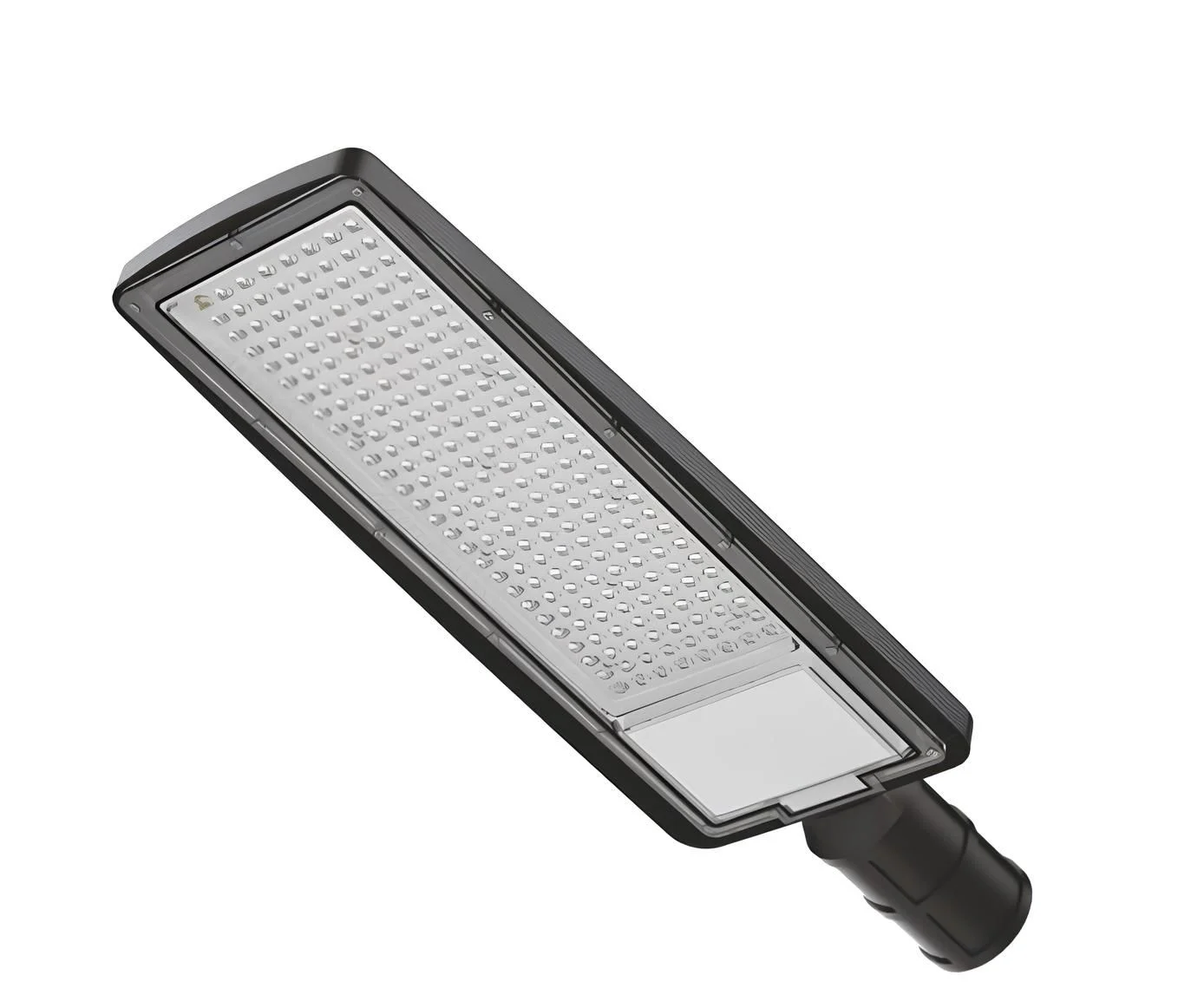
Choosing a Street Light: Pole Spacing, Power and Light Distribution
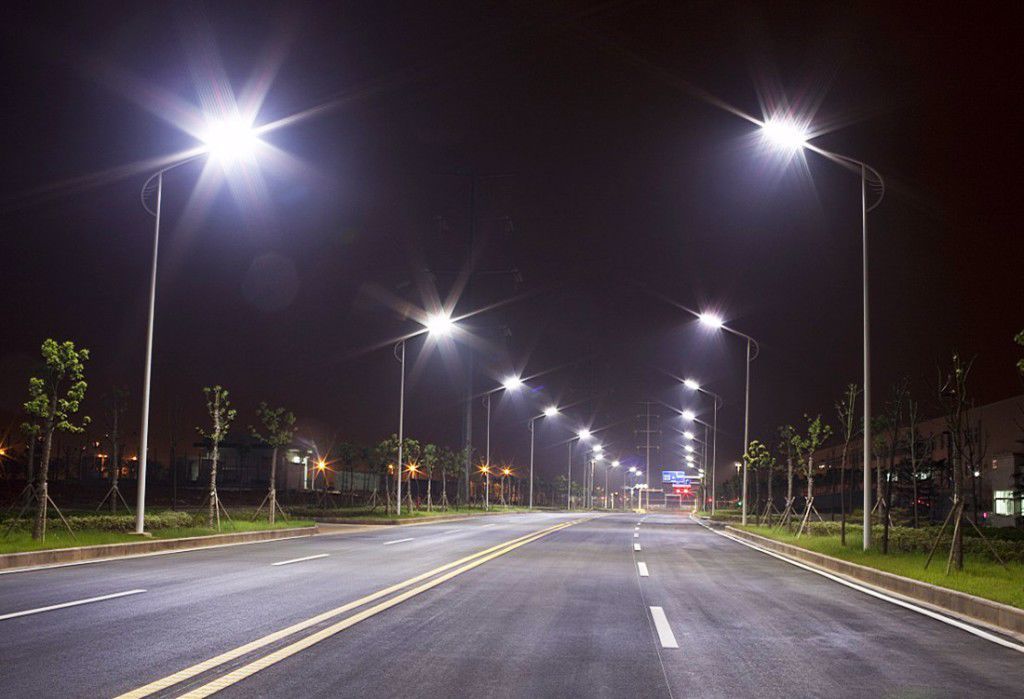
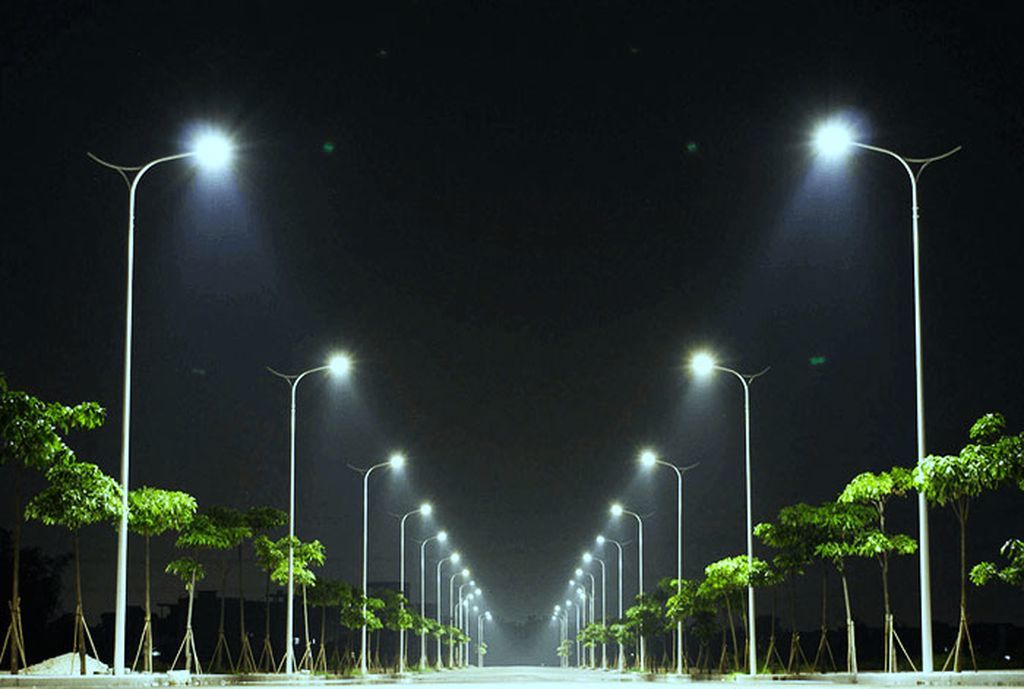
The aim in street and road lighting is to achieve an even and unbroken level of light on the surface. A run that leaves dark gaps is not safe, whatever its total wattage. Our collection holds 3 products.
Pole Spacing and Height
The spacing is set by the height of the pole and the light distribution of the fitting. The general approach is to choose the spacing as a certain multiple of the pole height: the higher the pole, the wider the area the same fitting covers, but the lower the light level on the surface. Height and spacing must be decided together — changing only one of them upsets the run.
Light Distribution
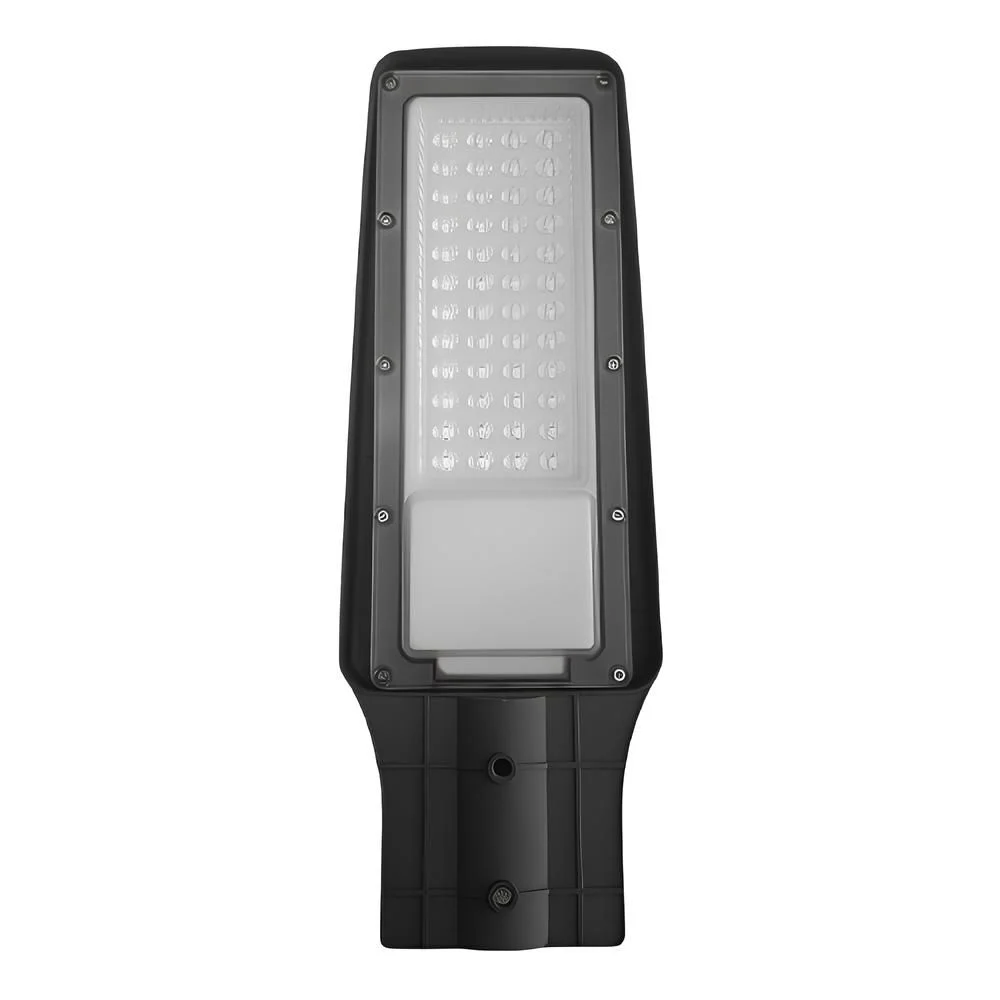
In street lights the light is distributed asymmetrically about the axis of the road: most of it falls on the road, while the amount spilling backwards and upwards is kept limited. Light escaping upwards neither lights the road nor pleases the neighbourhood; it also adds to sky glow. Shielded models are preferred to reduce light spill onto homes at the roadside.
Power
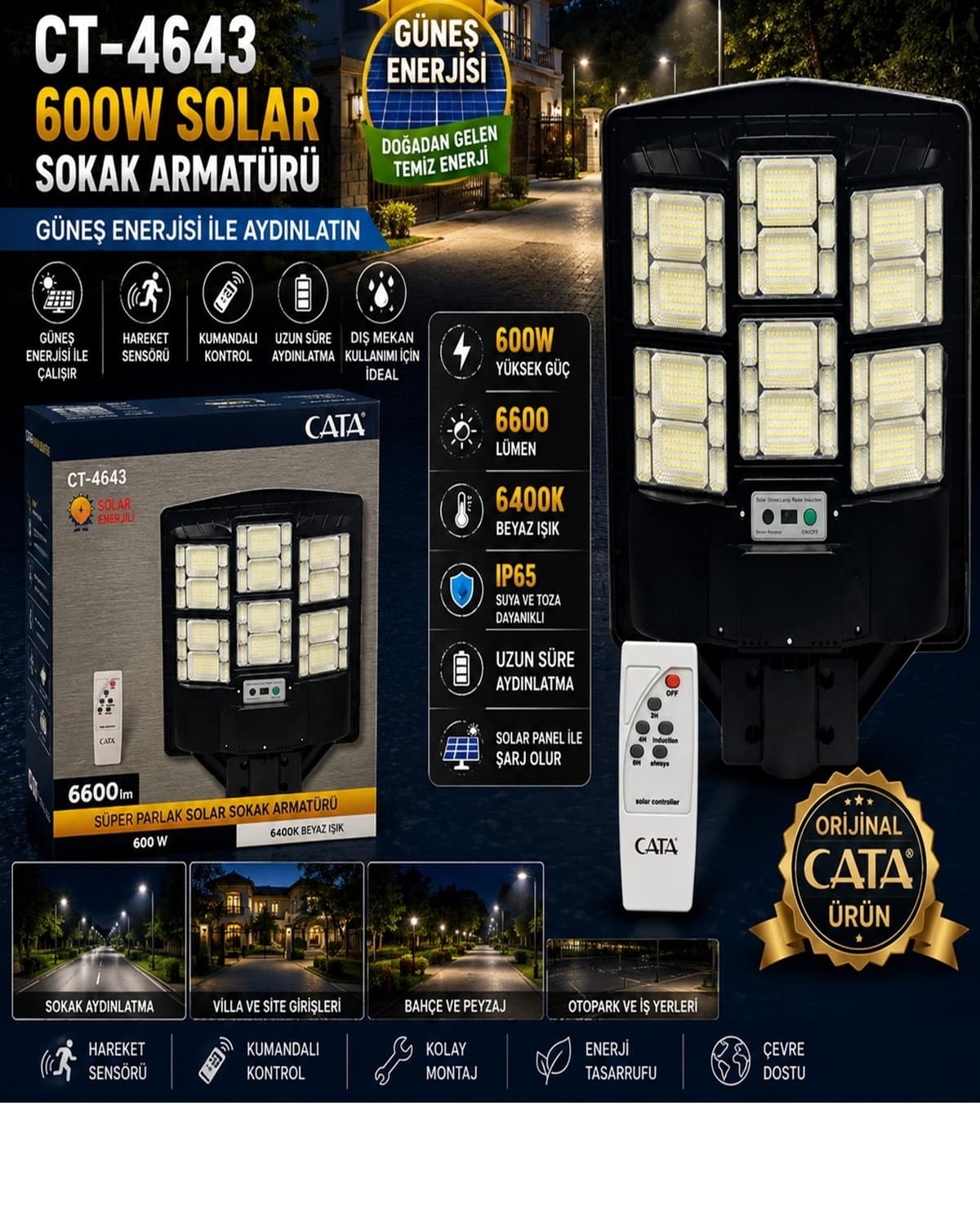
The measured powers in our catalogue are between 30 W and 90 W. A low power is enough on a narrow road inside an estate, while a wide two-lane road calls for more power and a taller pole.
IP Rating and Maintenance
A street light works in outdoor conditions continuously: rain, dust, temperature swings and vibration. Its protection rating must be adequate and the body must be able to shed heat. In annual maintenance, cleaning the optical surface visibly restores the light level — a dirty optic holds back a significant share of the light.
Price Information
Because the price of the products in this section is set per project and per quantity, the page shows the option "Request a quote" instead of a figure. You can get a price through Live Support with the road length, the pole height and the spacing.
Pole and Mounting Bracket
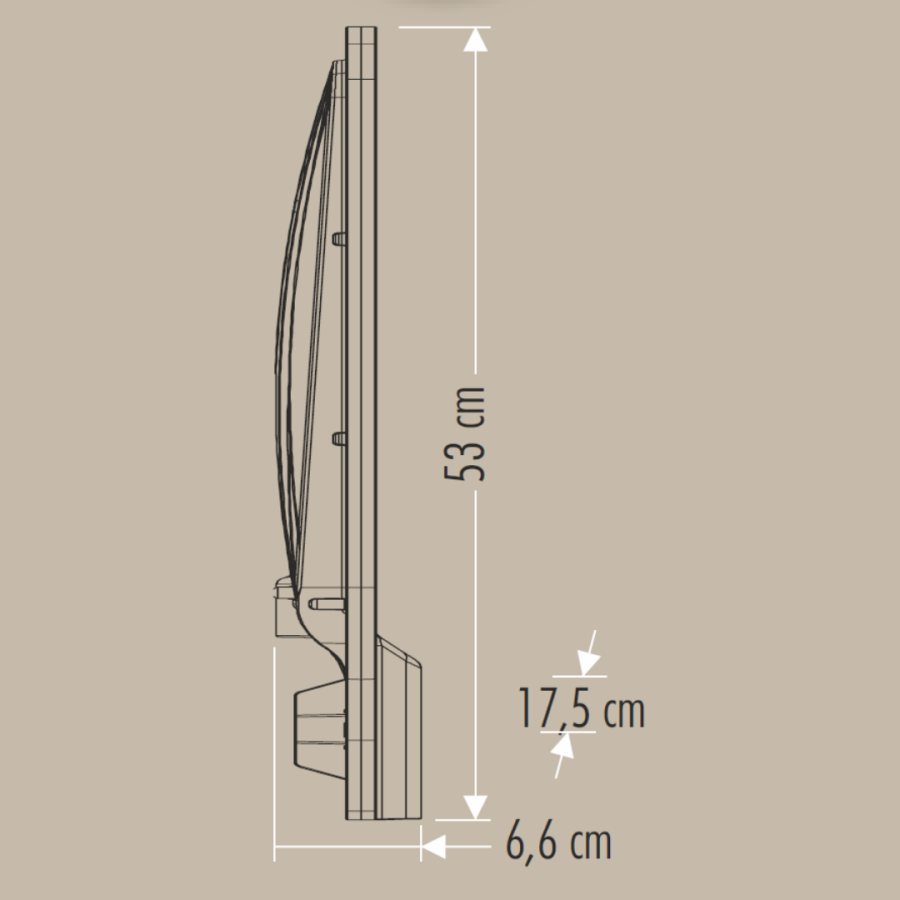
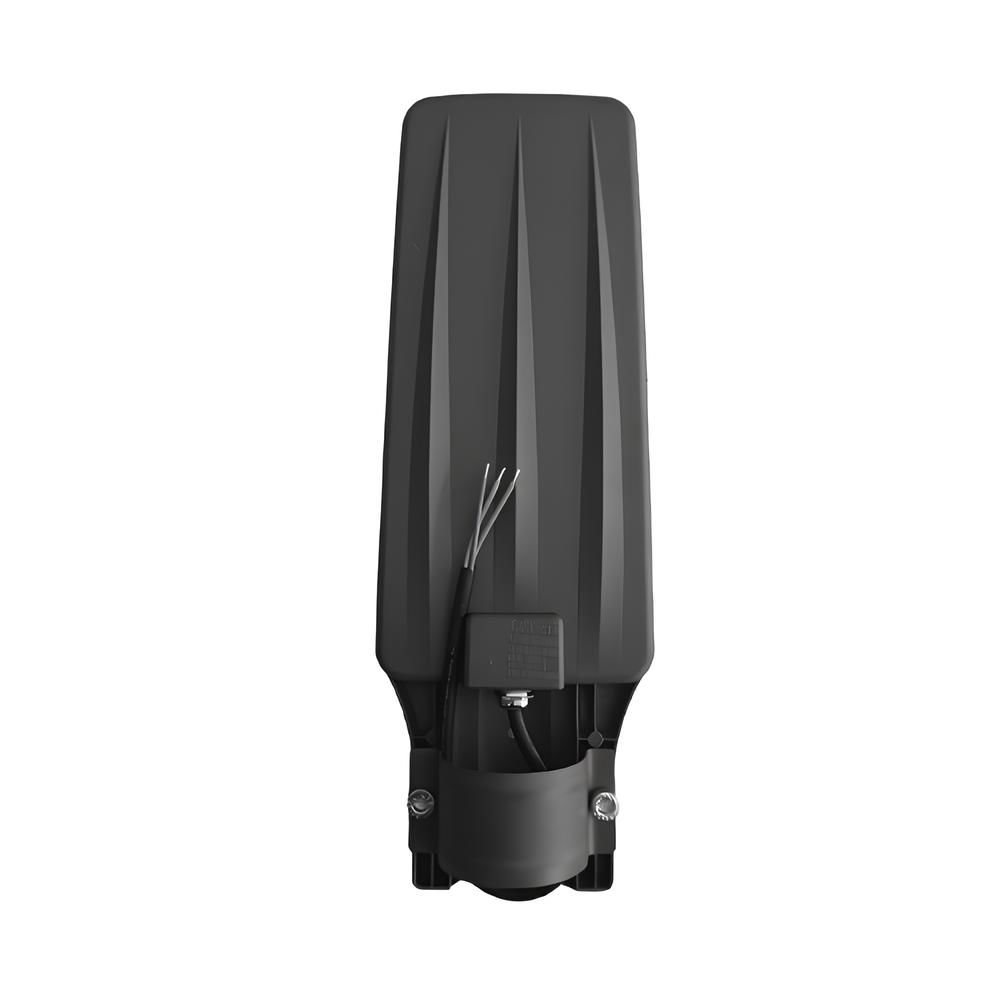
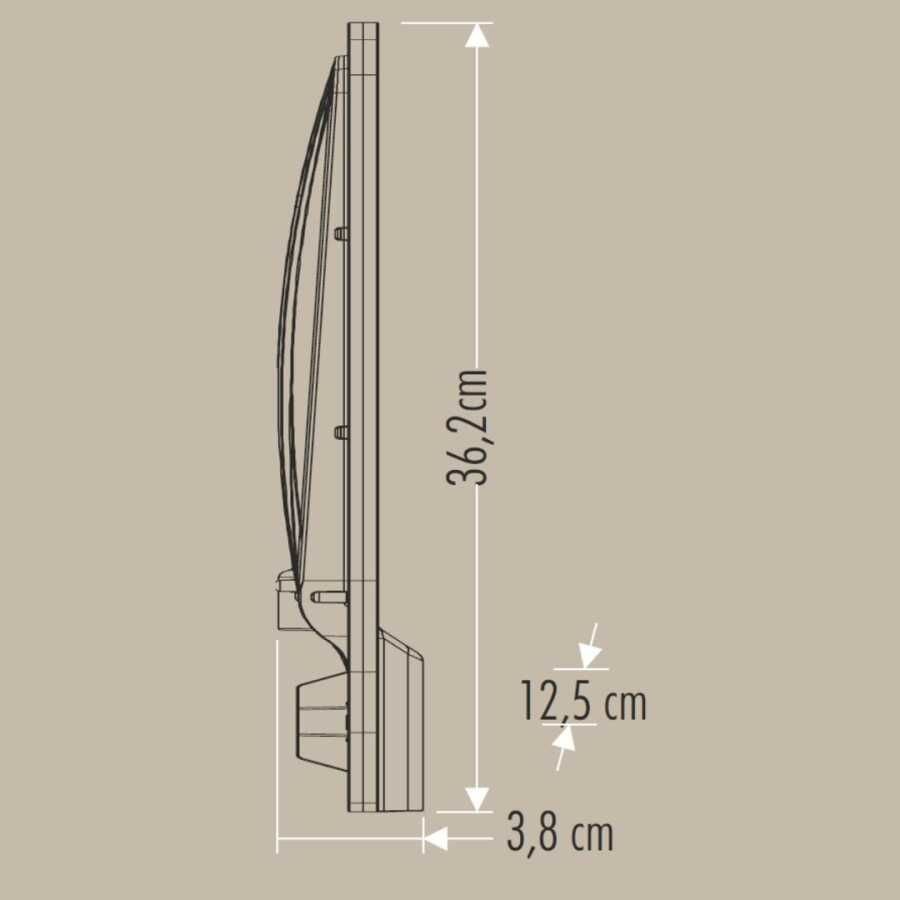
The pole and the connecting bracket are as much a part of the choice as the fitting. If the pole diameter does not match the clamp size of the fitting, the installation cannot be made; compare the two dimensions before ordering. On bracket-type connections the angle of the fitting relative to the road should be adjustable — a fixed-angle bracket puts the light in the wrong place when the width of the road changes. The pole height must also be decided together with the light distribution of the fitting; chosen separately, the run almost always comes out uneven.