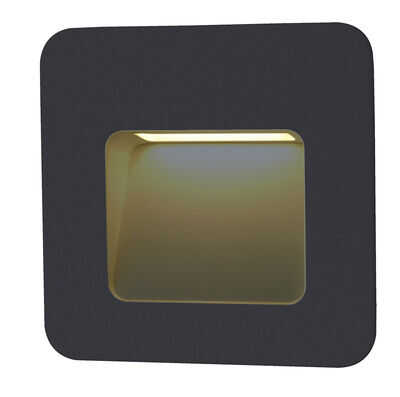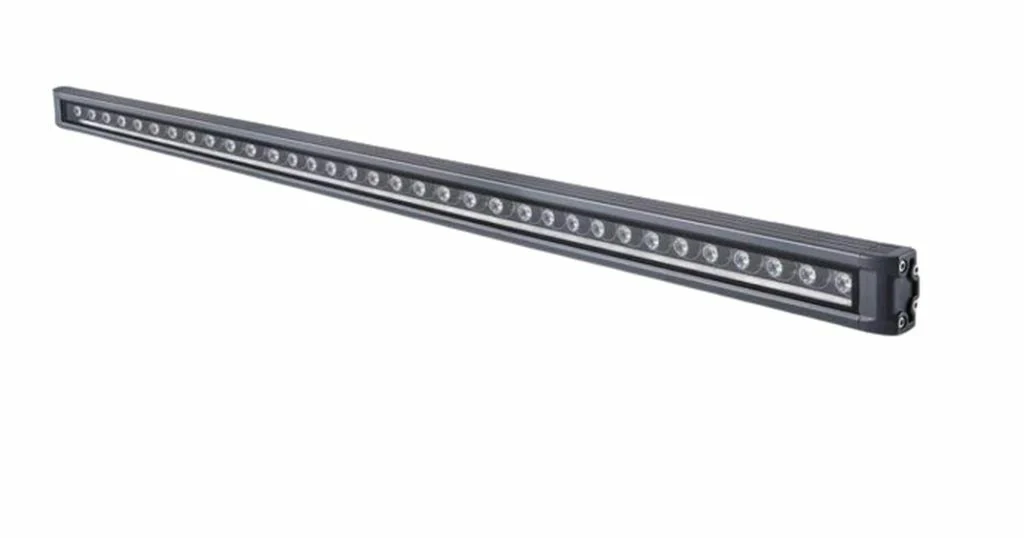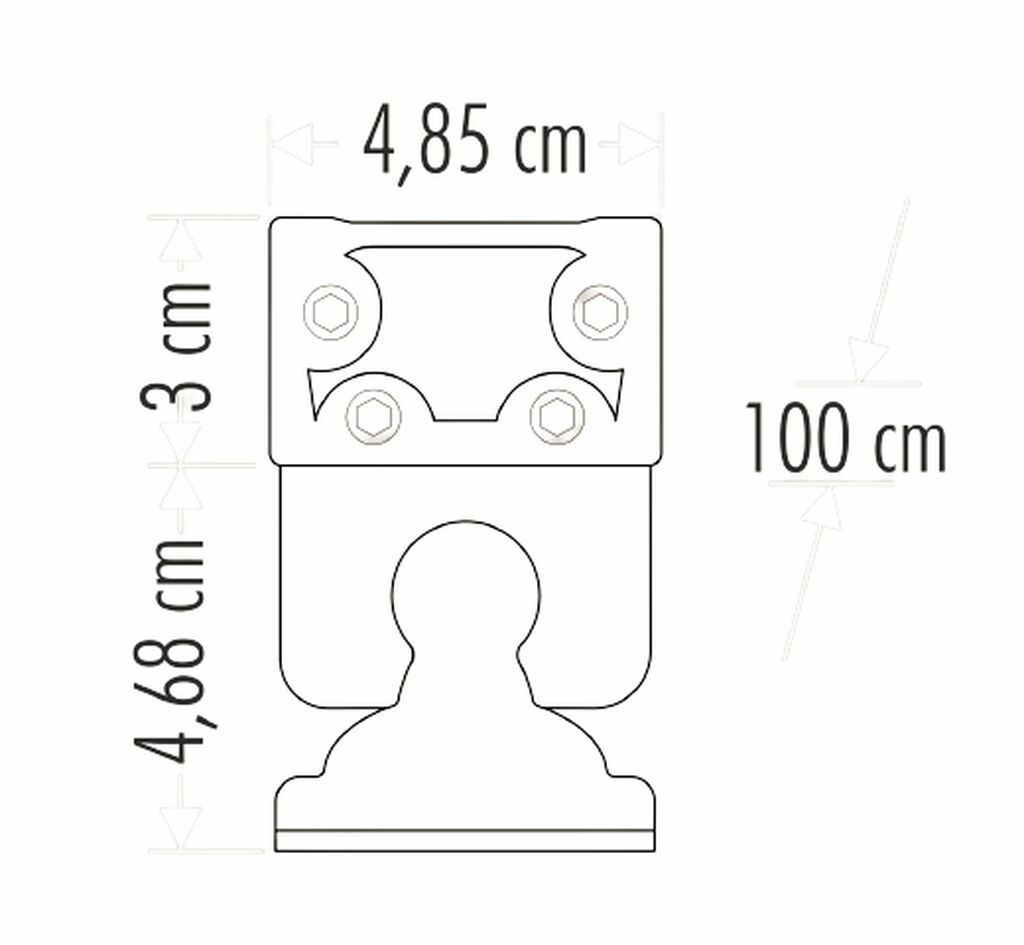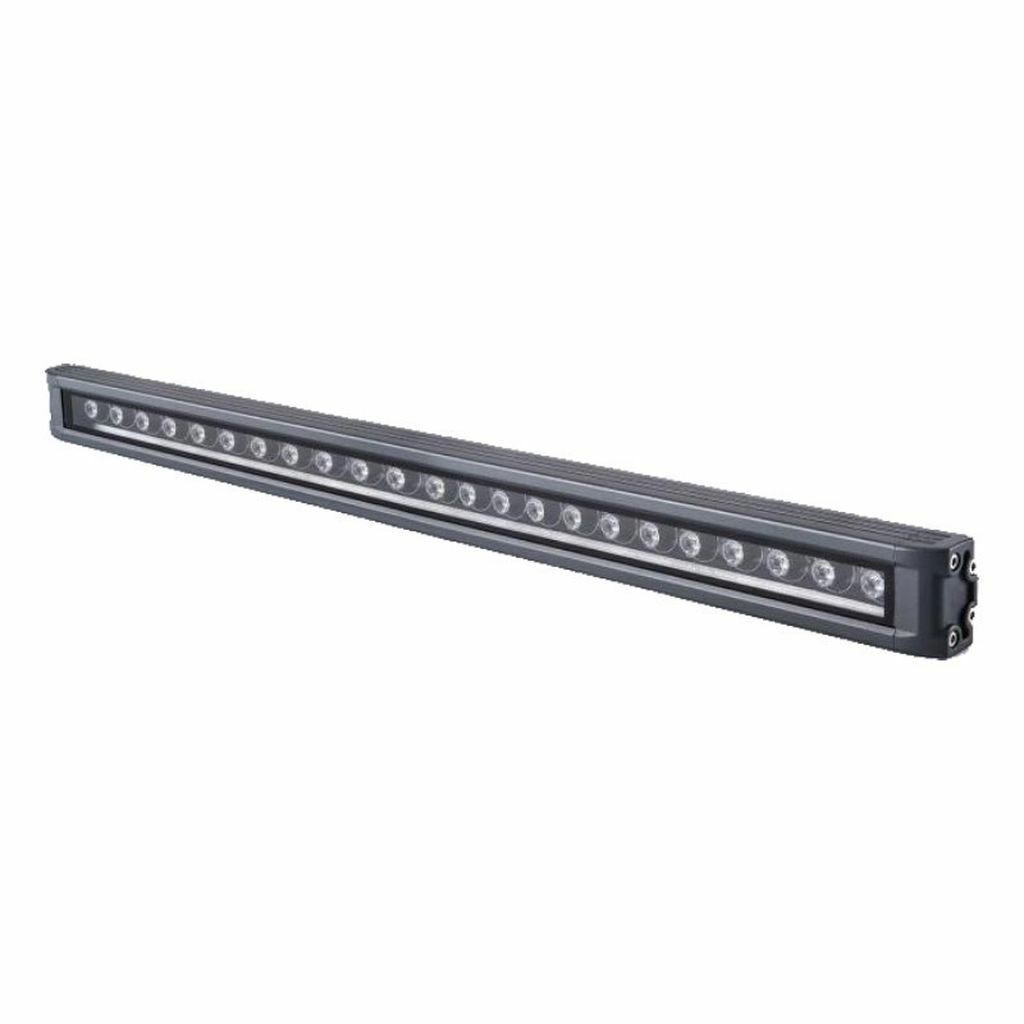
Gökyüzü Panel

Wall Lights

39 products

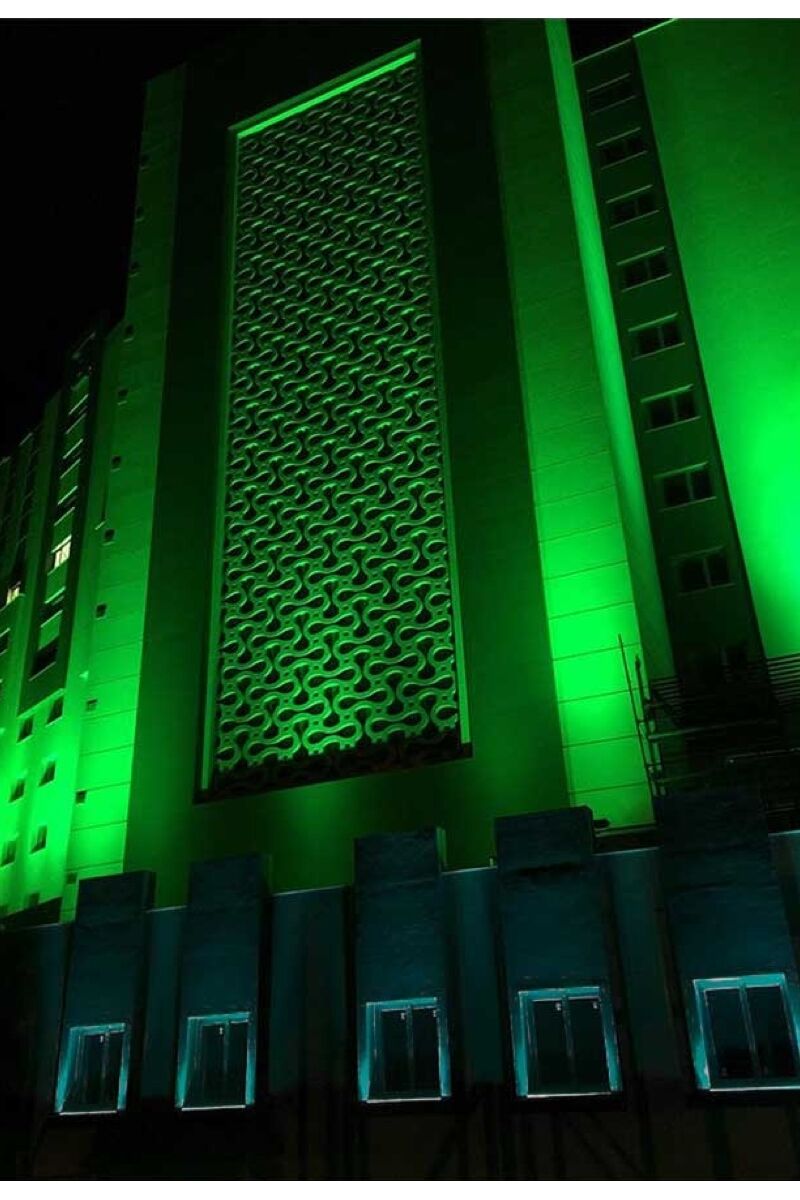
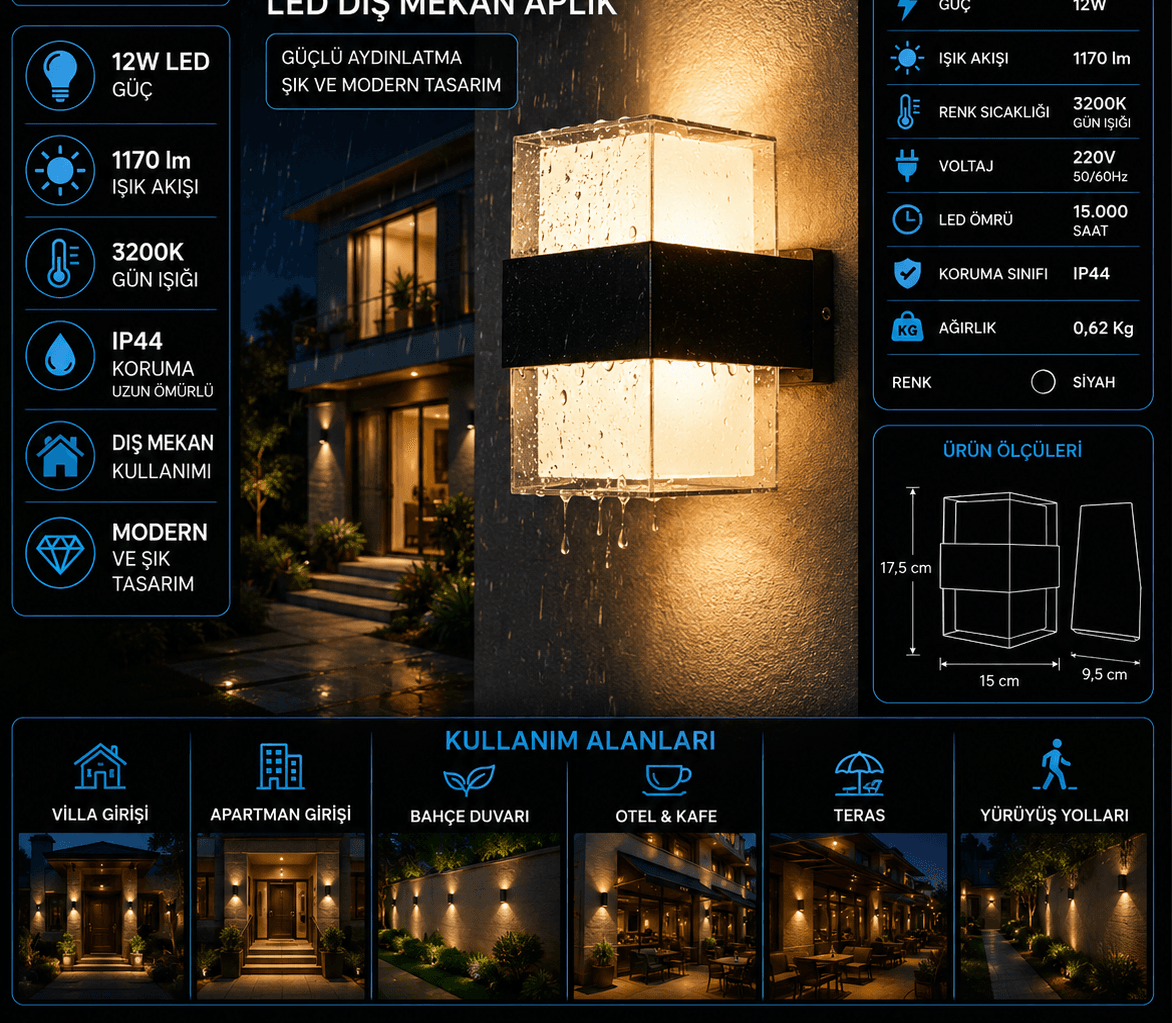
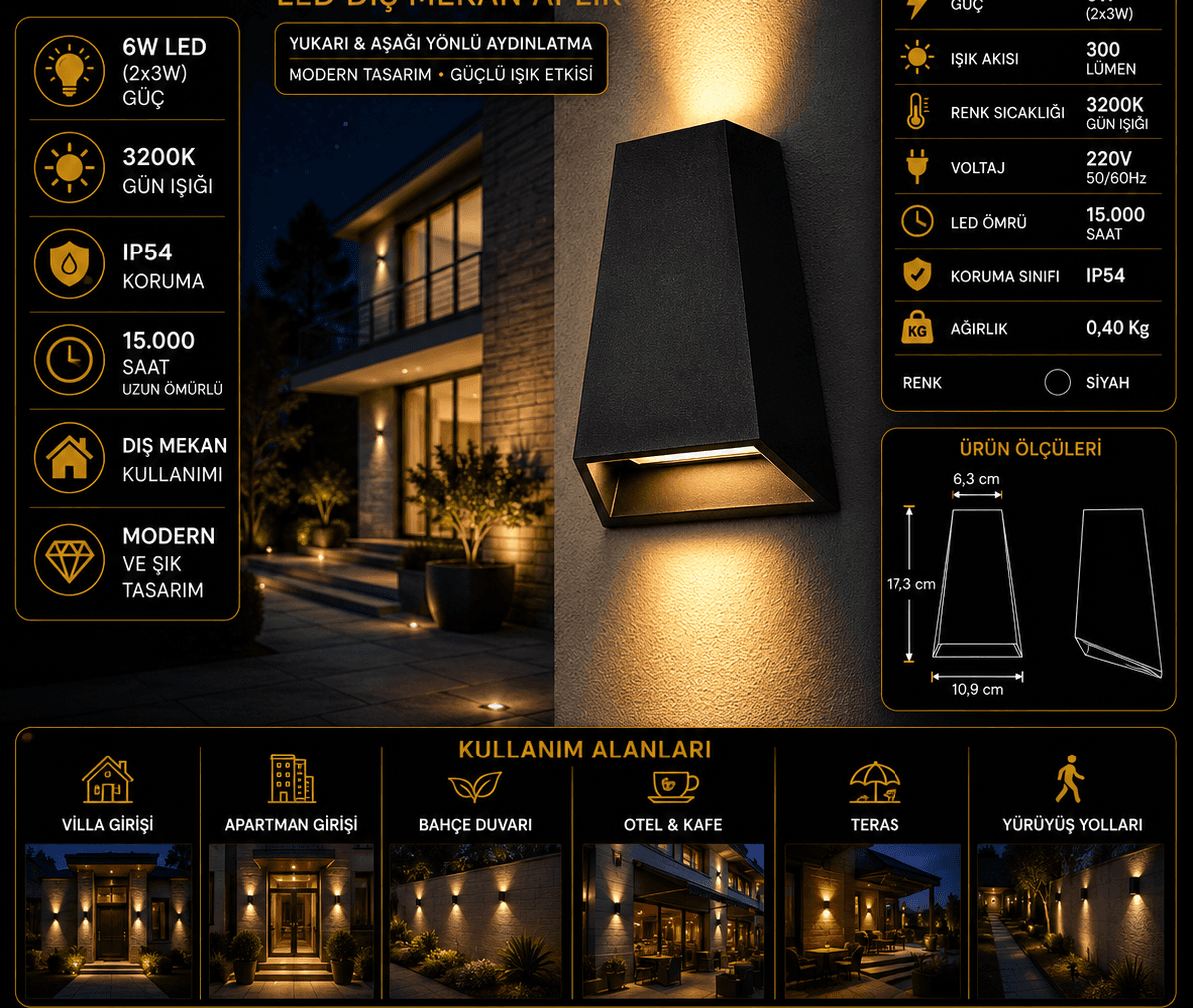
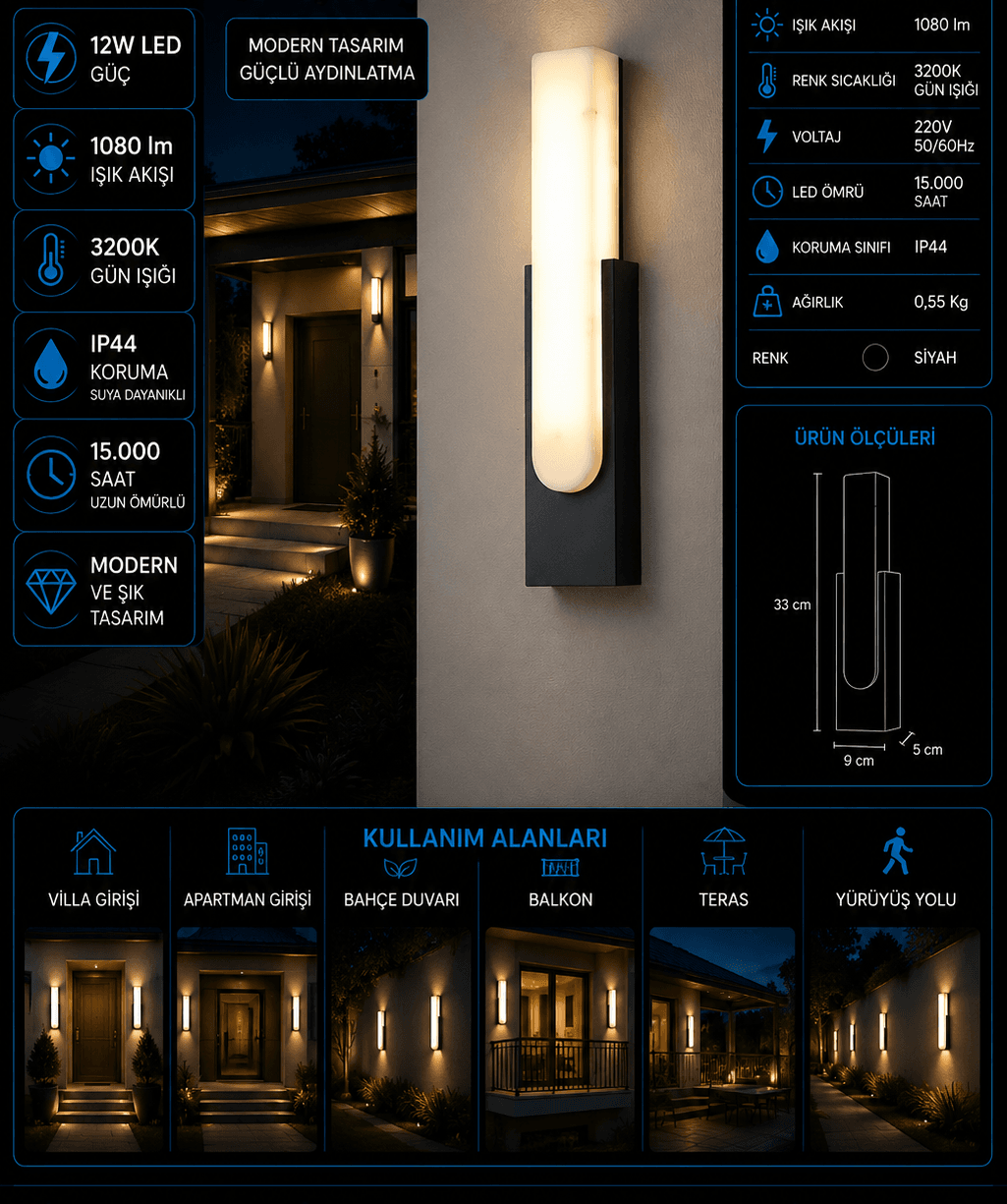
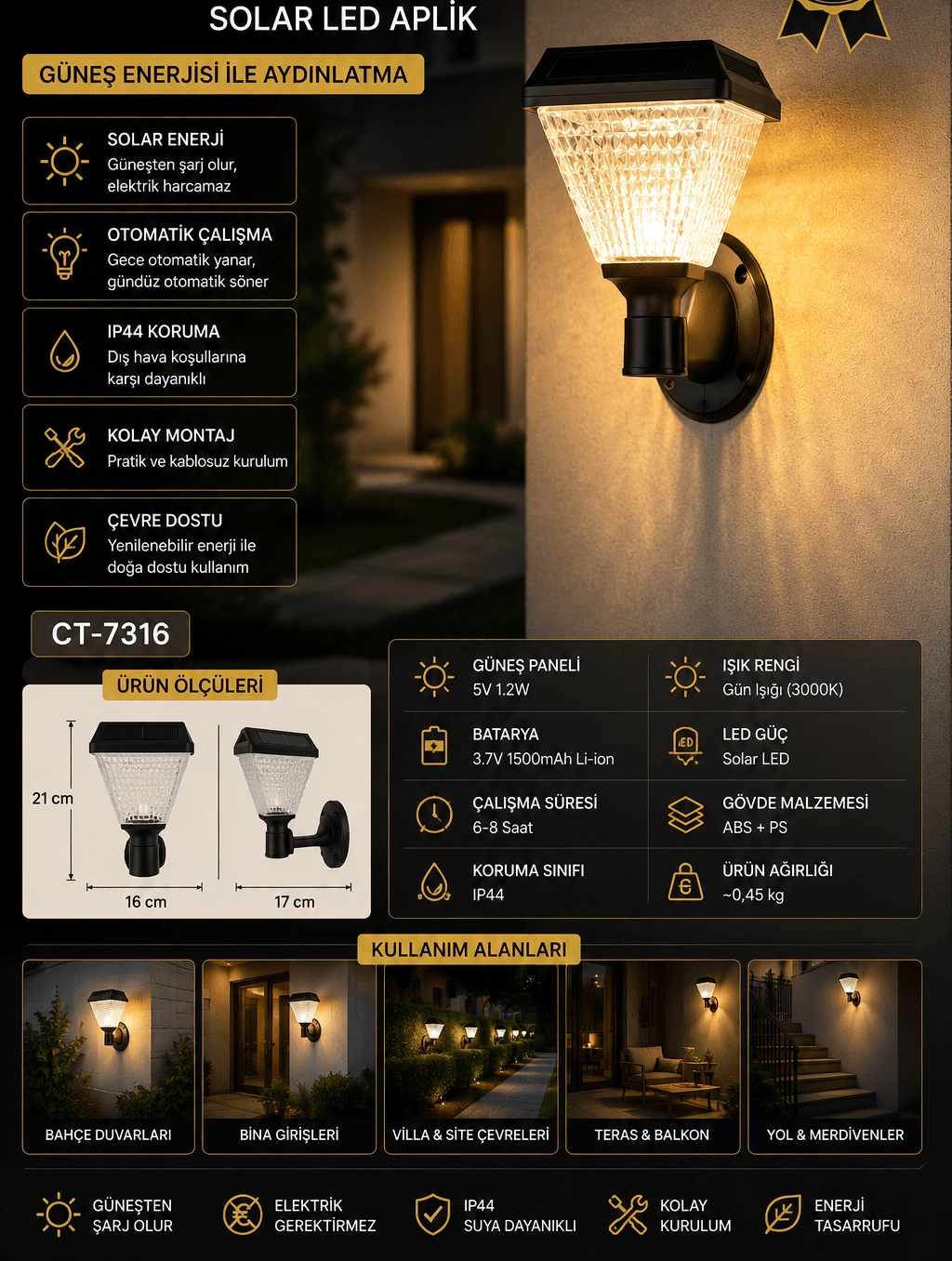
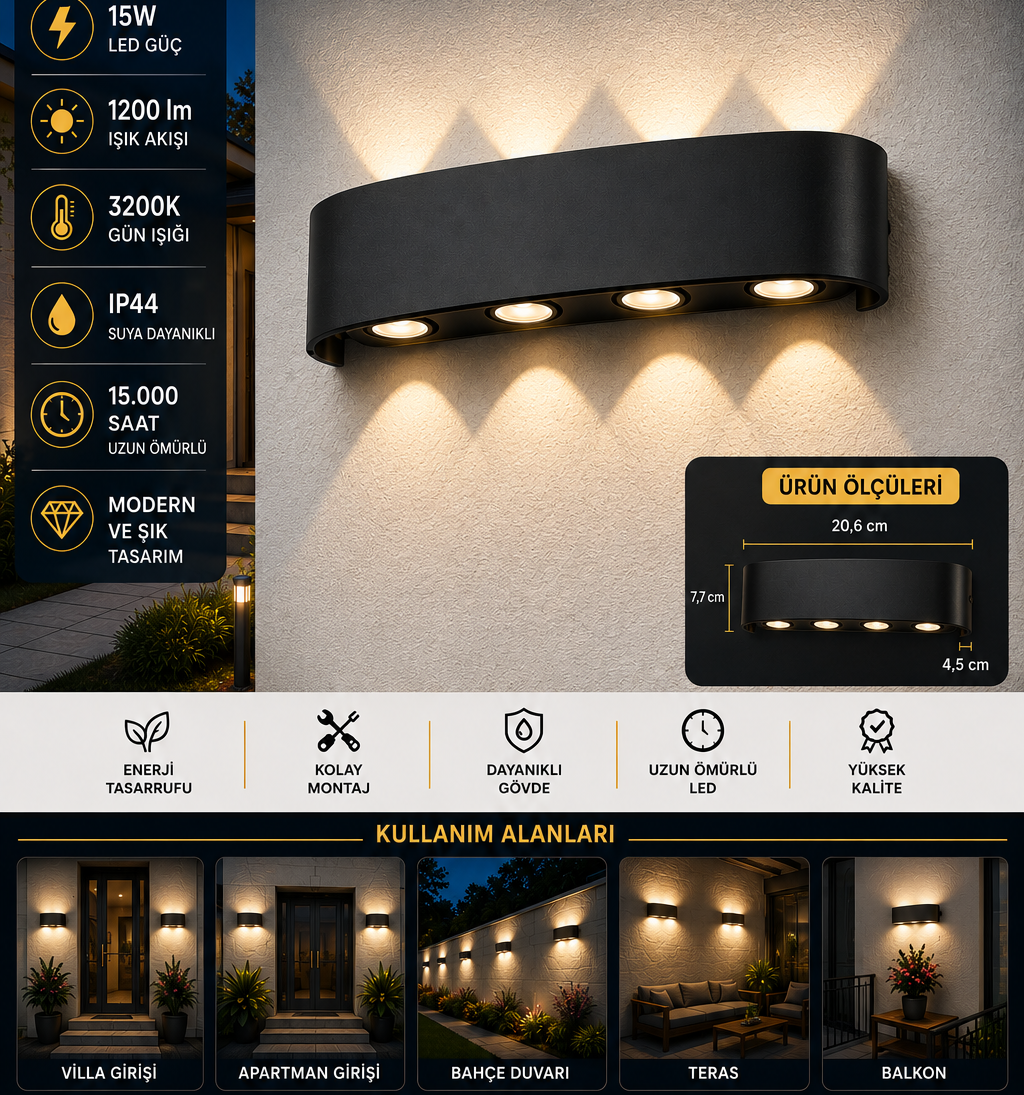
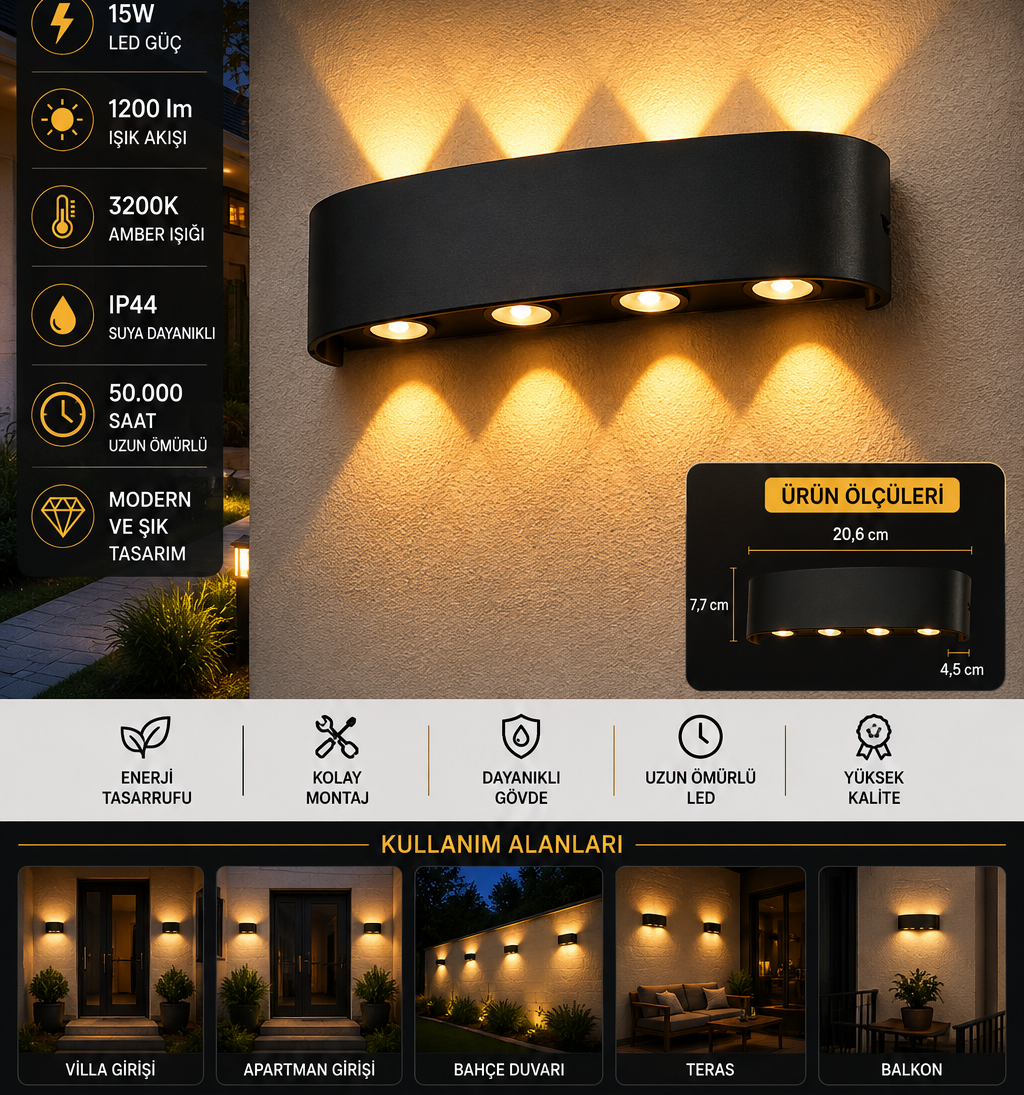
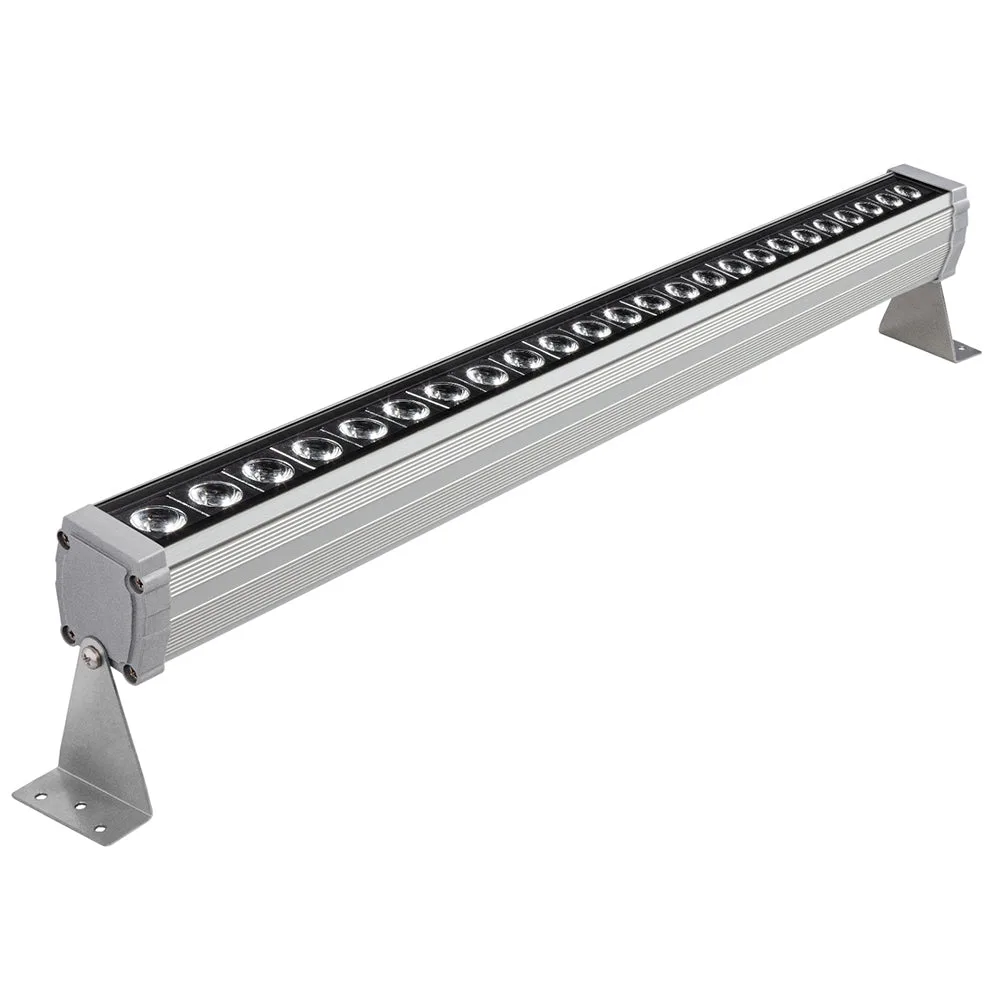
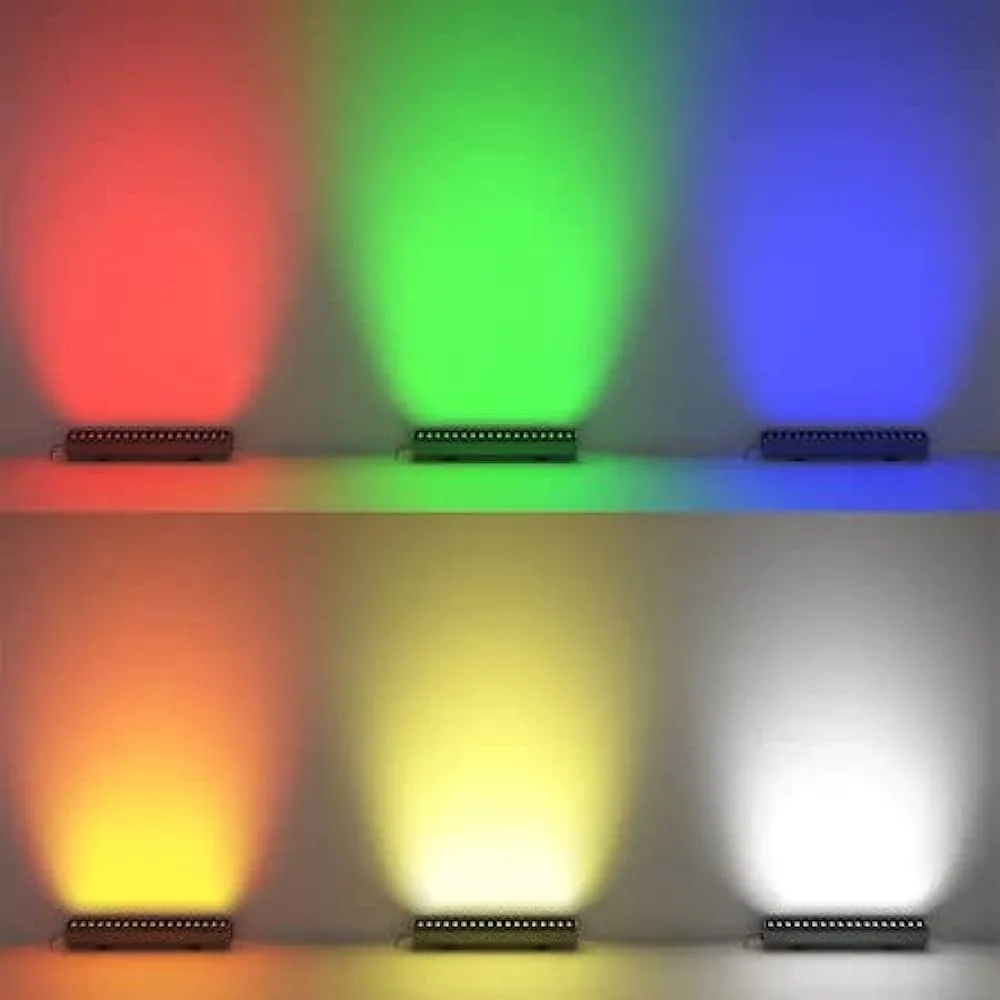
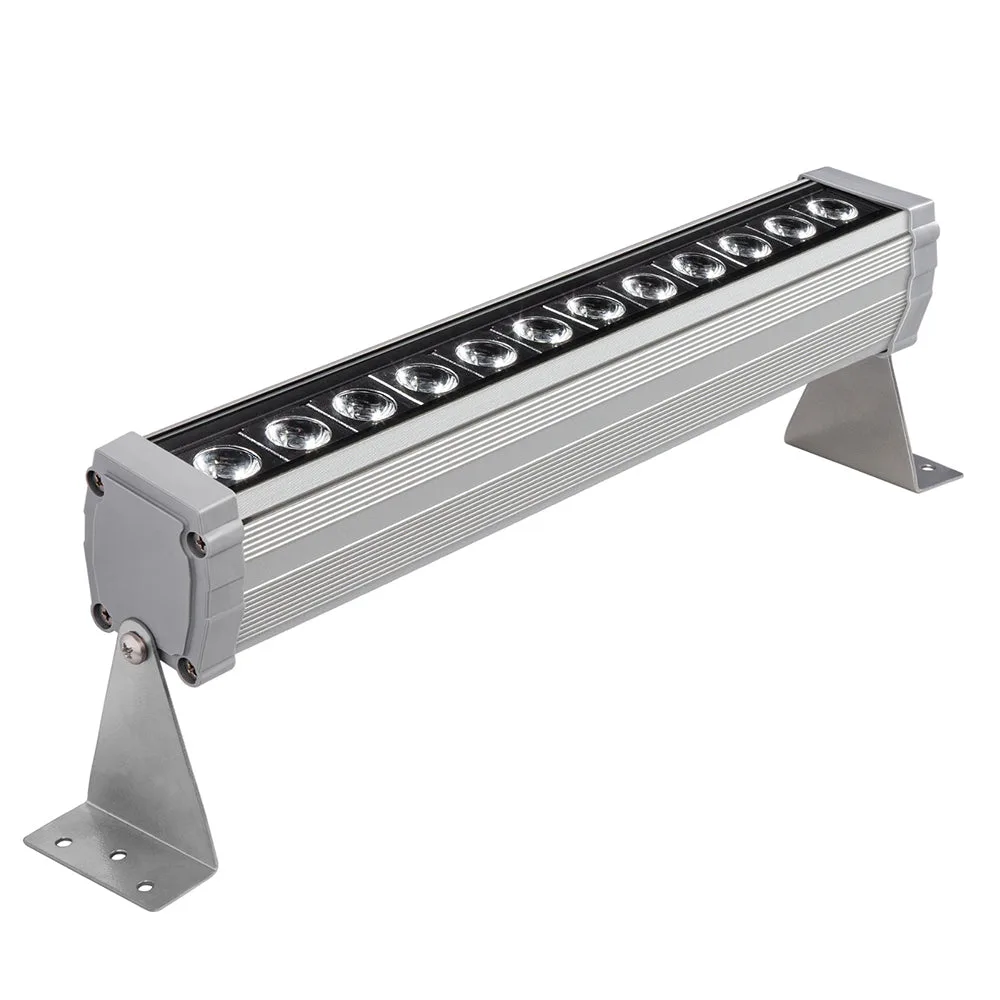
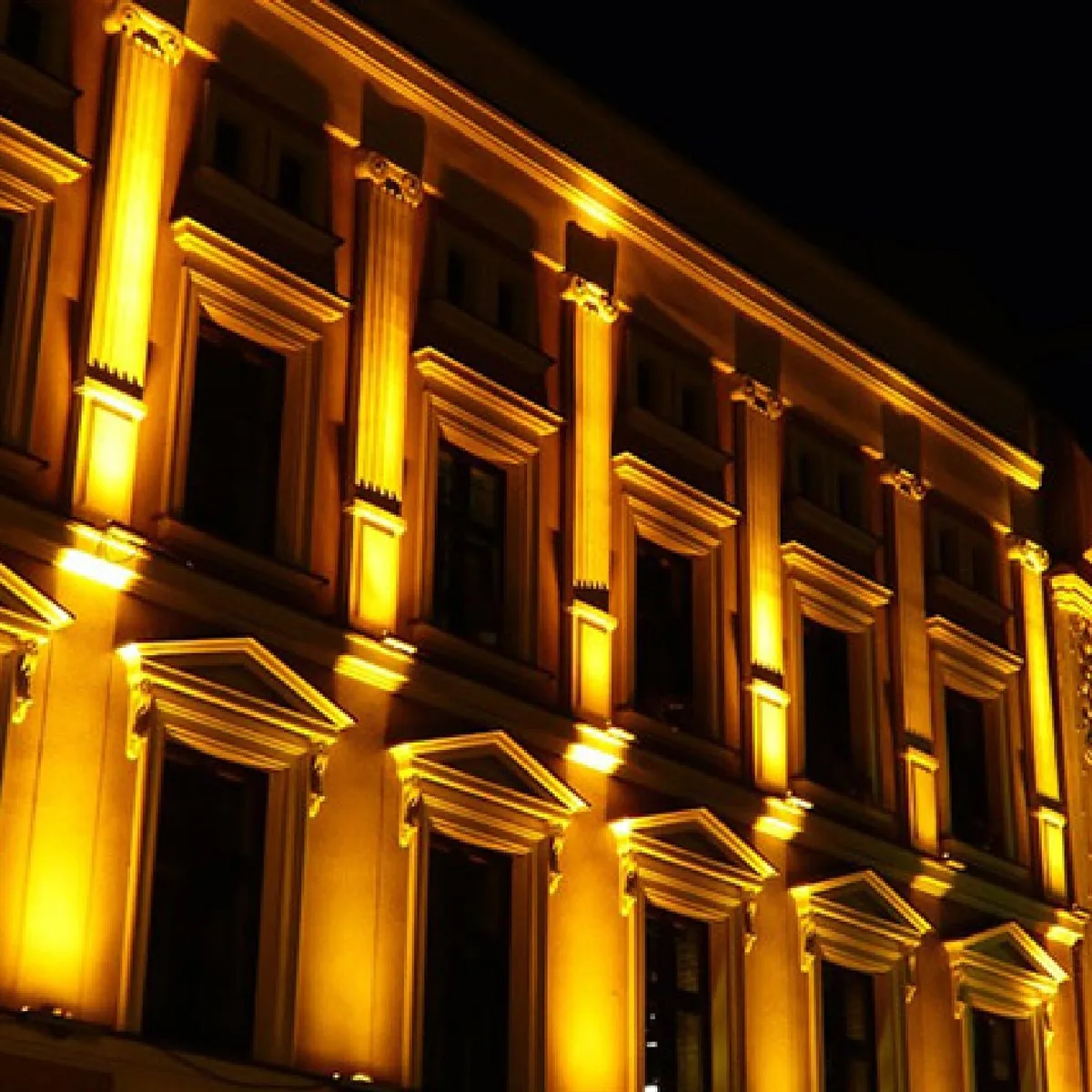
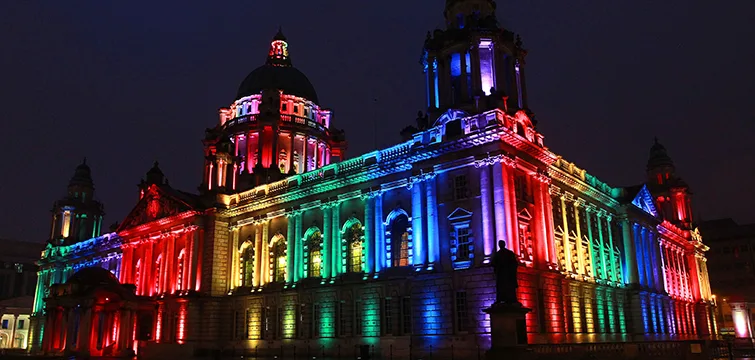
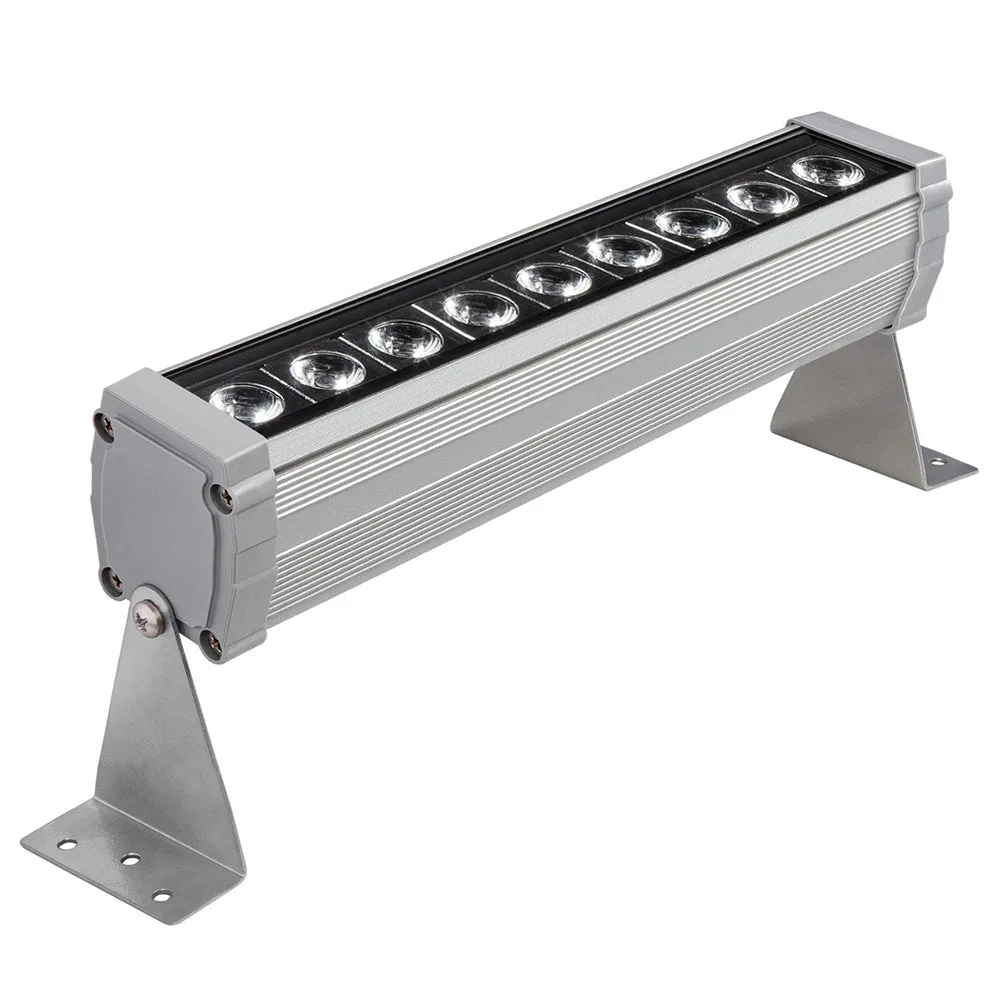
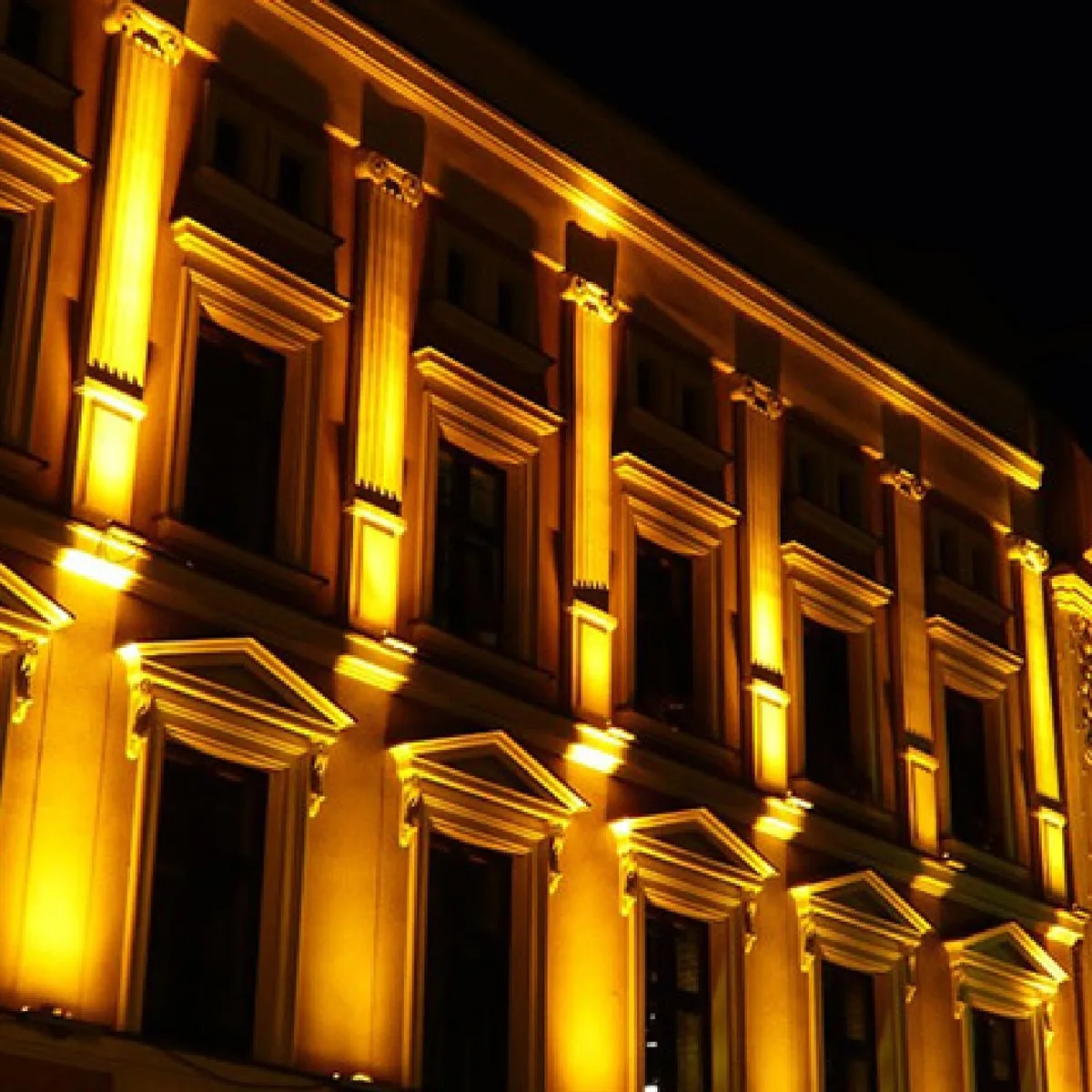
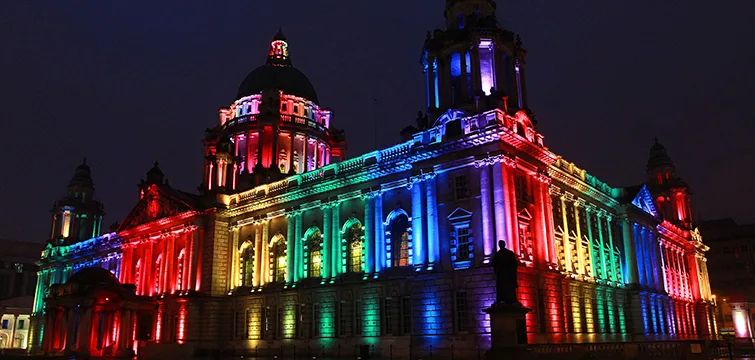
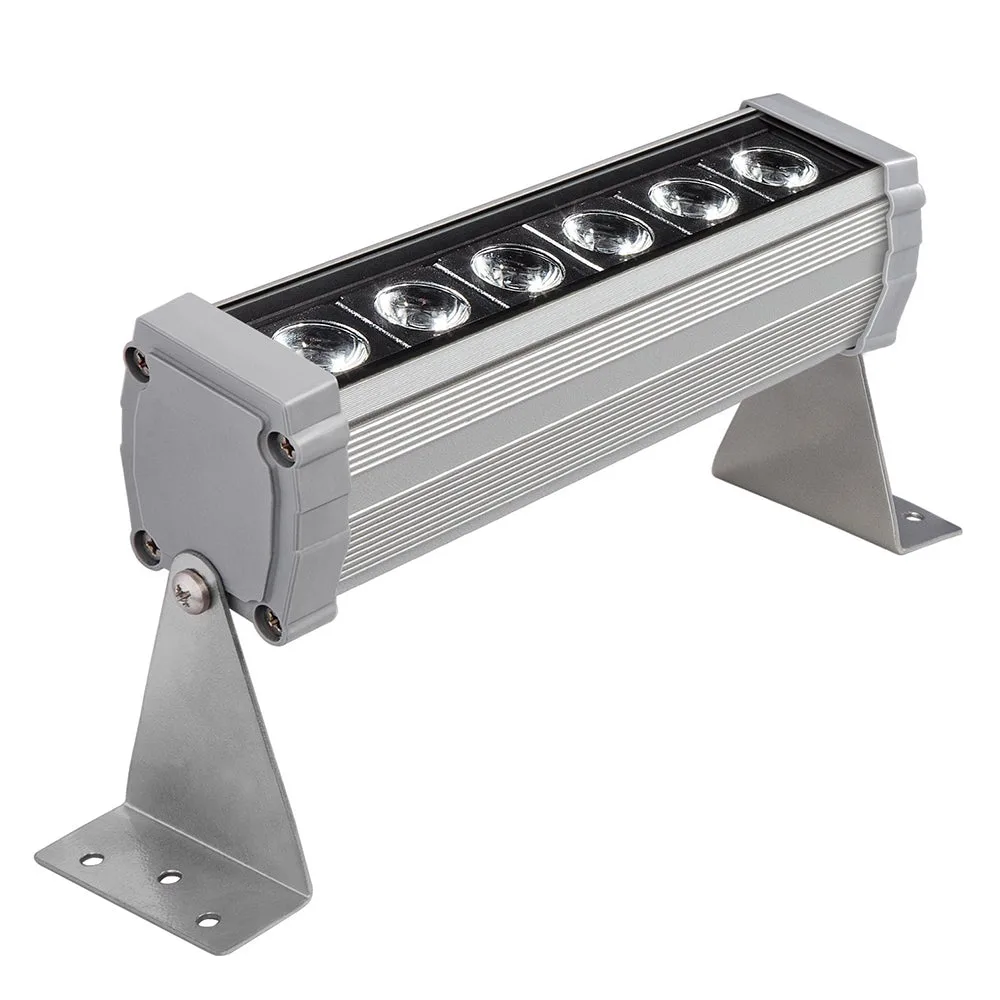
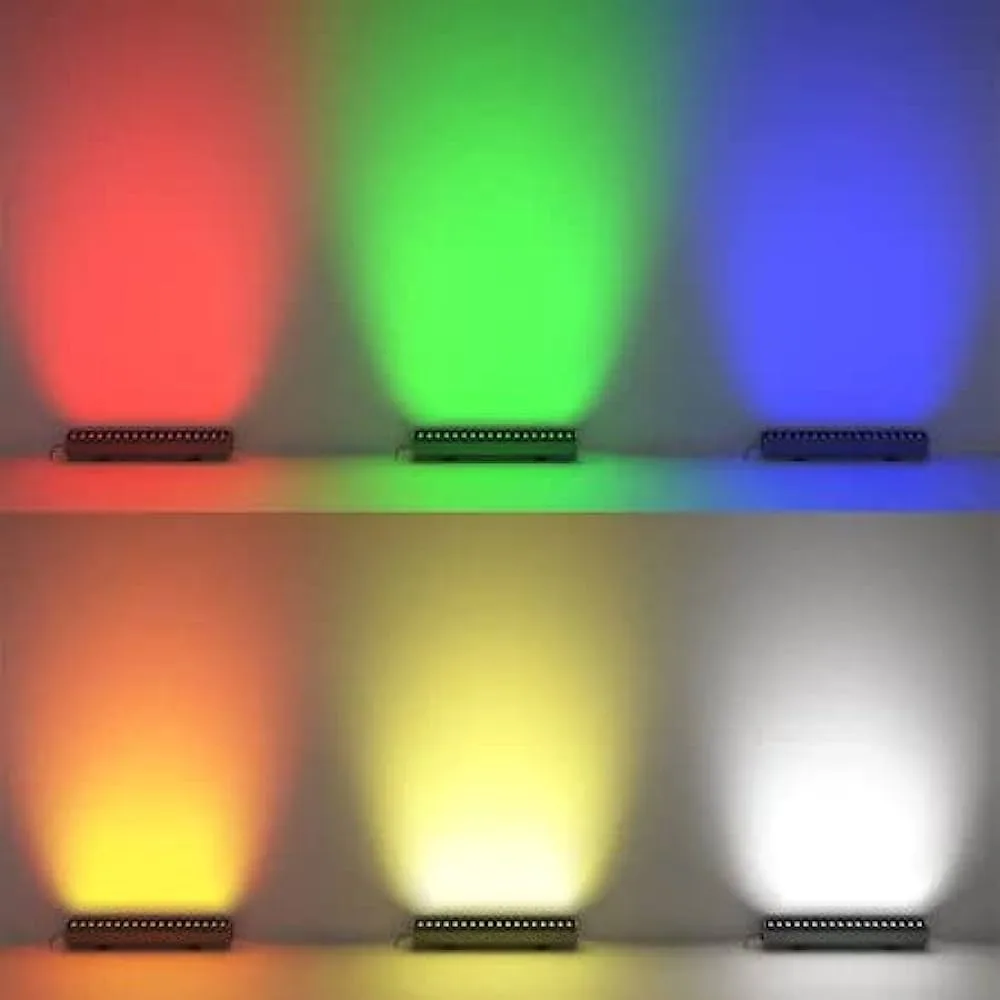
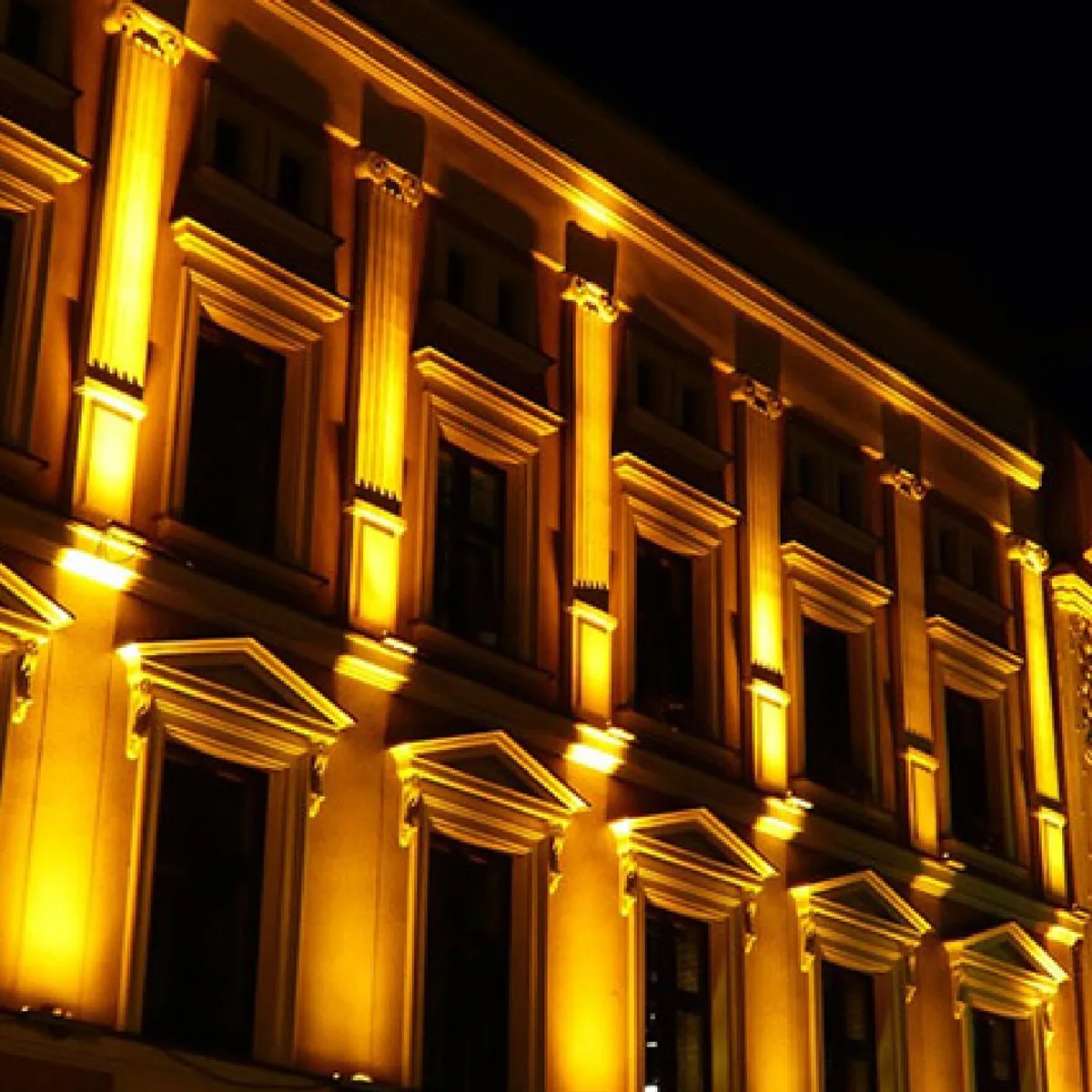
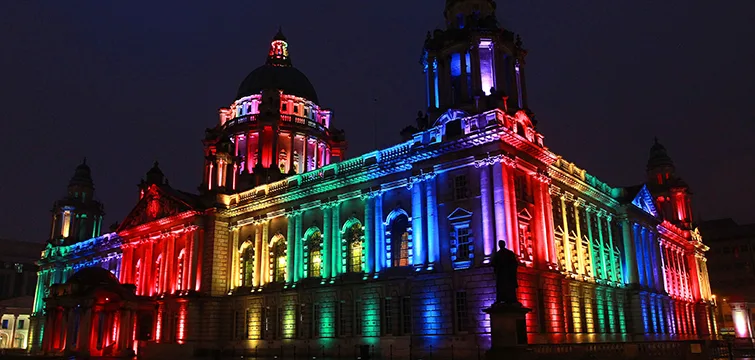
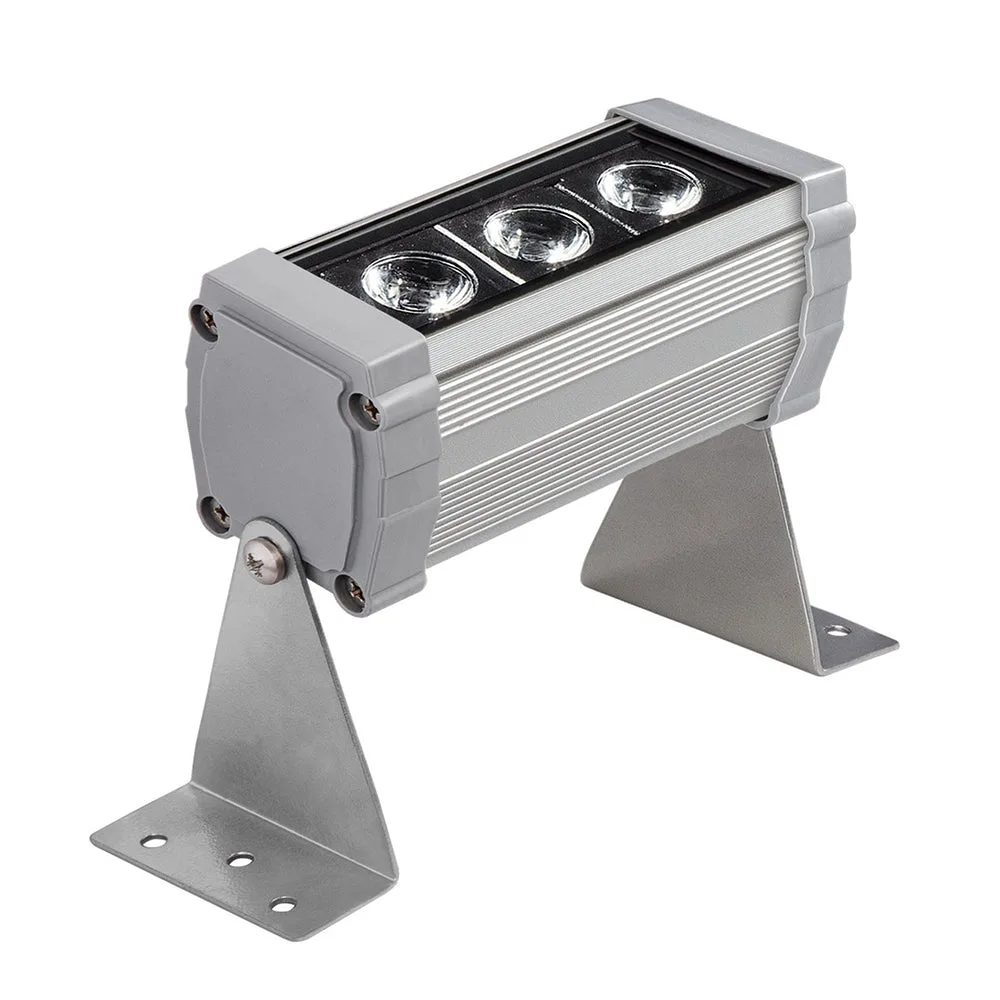
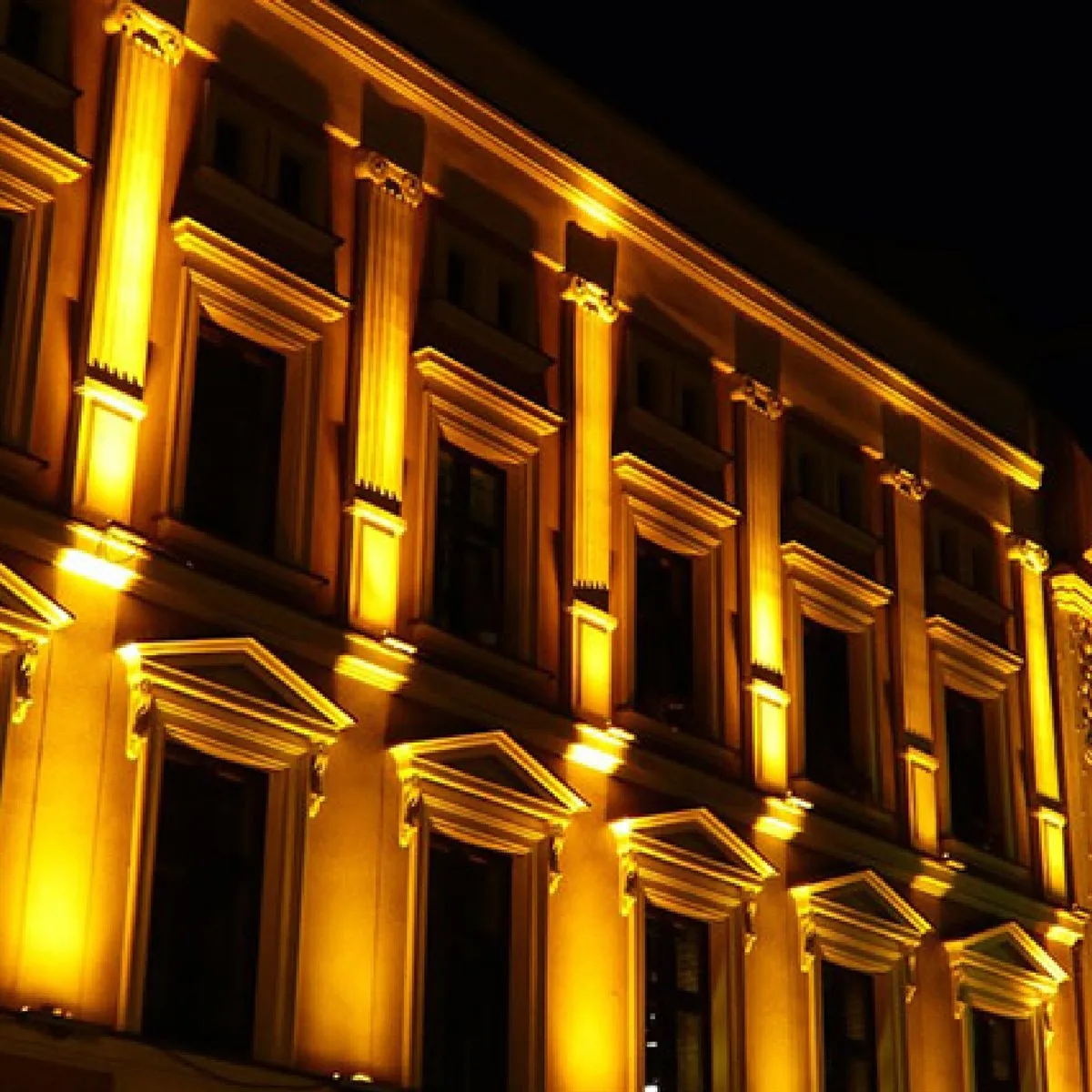
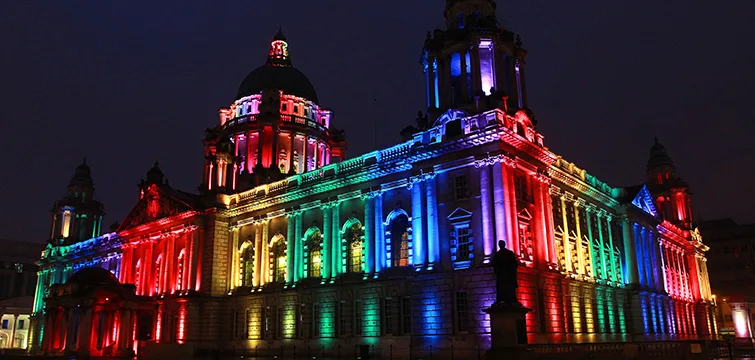
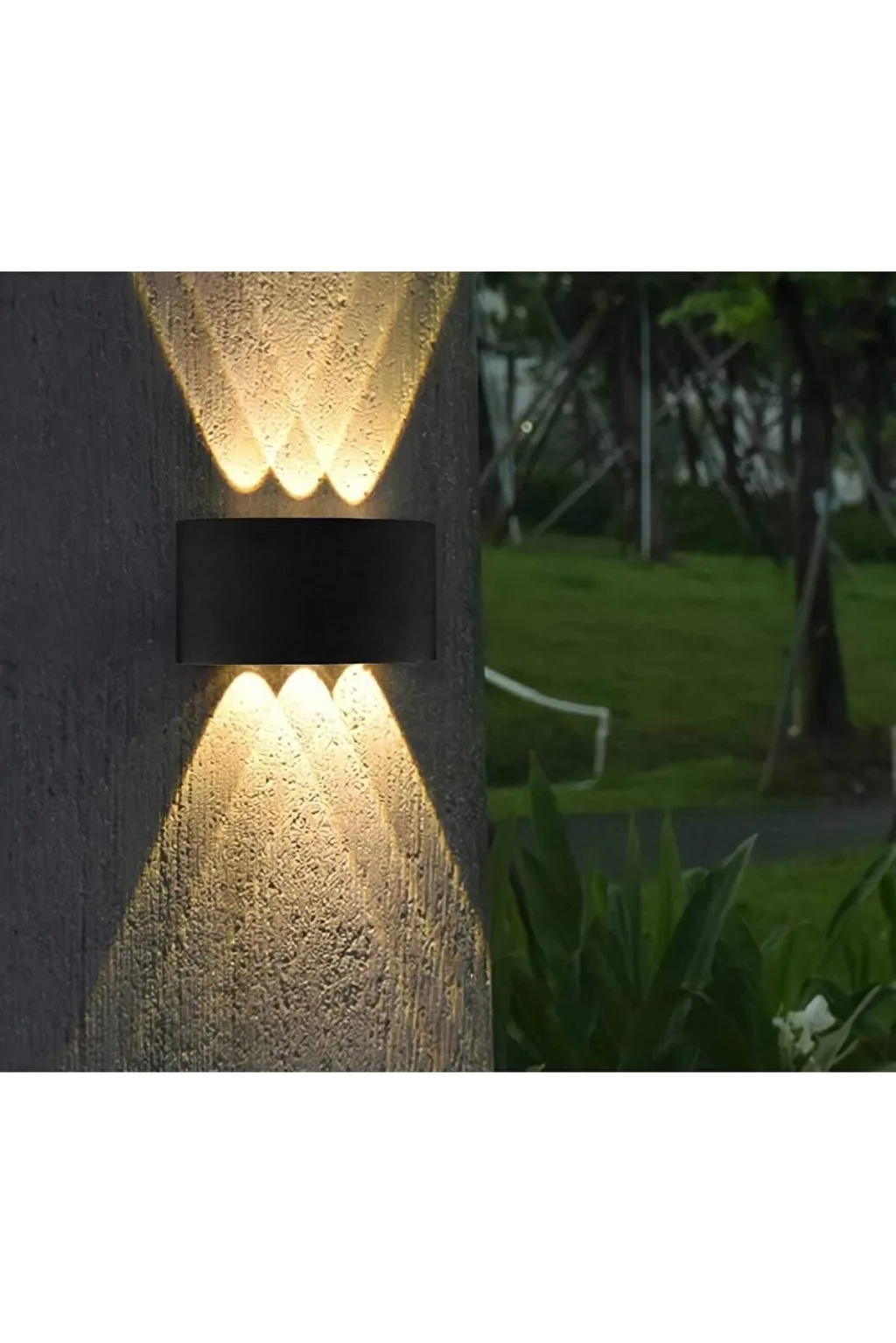
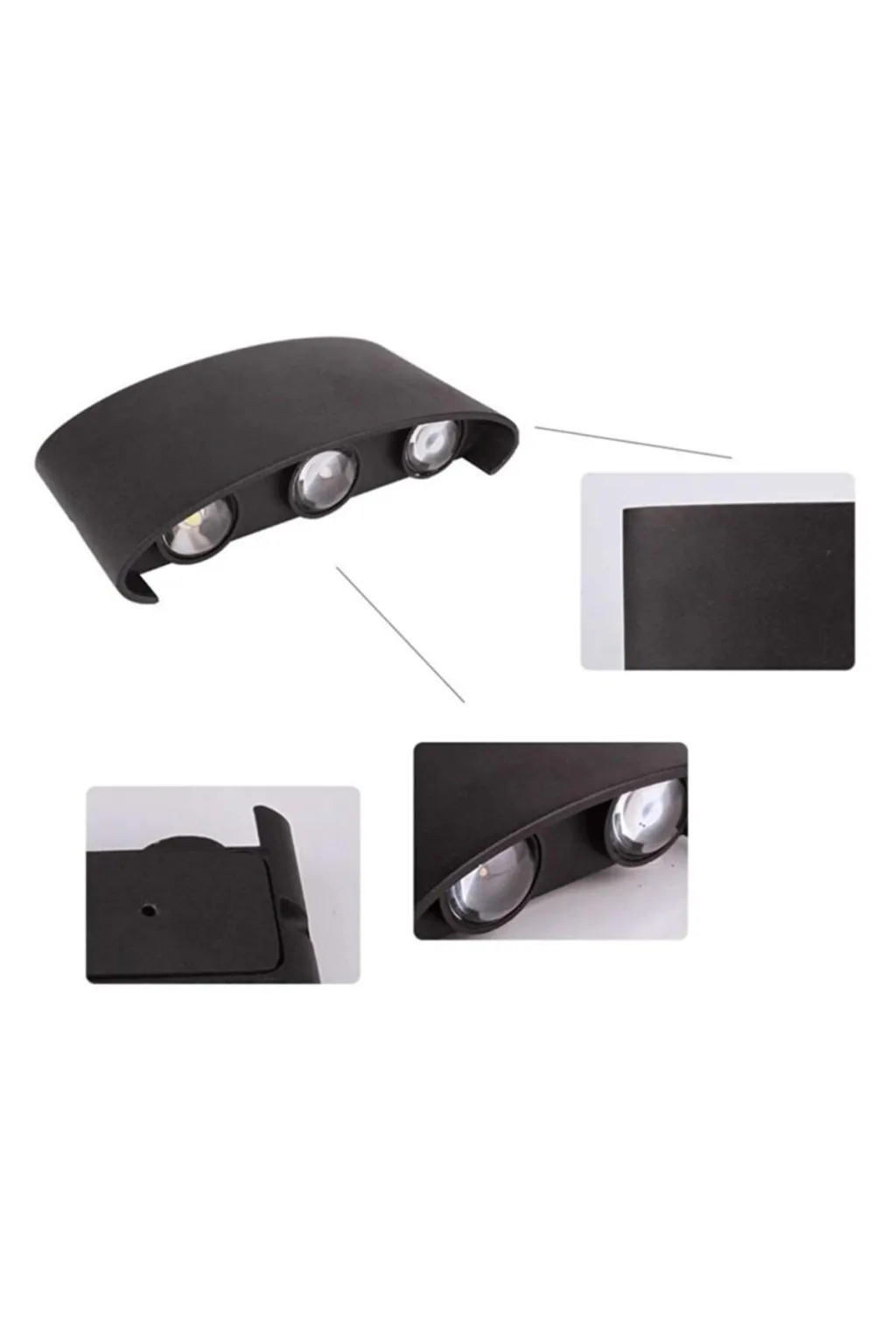
A wall light delivers light from the wall rather than the ceiling. Ceiling lighting illuminates a room as a whole; a wall light washes the surface and gives it depth and texture. Up-and-down models spread light in two directions and create a symmetrical band of brightness on the wall; single-direction models highlight one surface only. In corridors and stairwells, positioning them below eye level prevents glare. For outdoor use the IP rating is decisive: models rated IP65 and above can be exposed directly to rain.
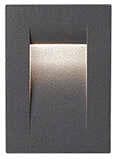
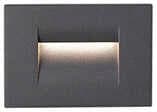
Related Categories

Choosing a Wall Light: Direction, IP Rating and Height

A wall light adds direction and depth to the general light coming from the ceiling. Chosen well, it turns a wall from a plain surface into part of the room. Our collection holds 39 products and every one of them has a published price.
Deciding the Direction

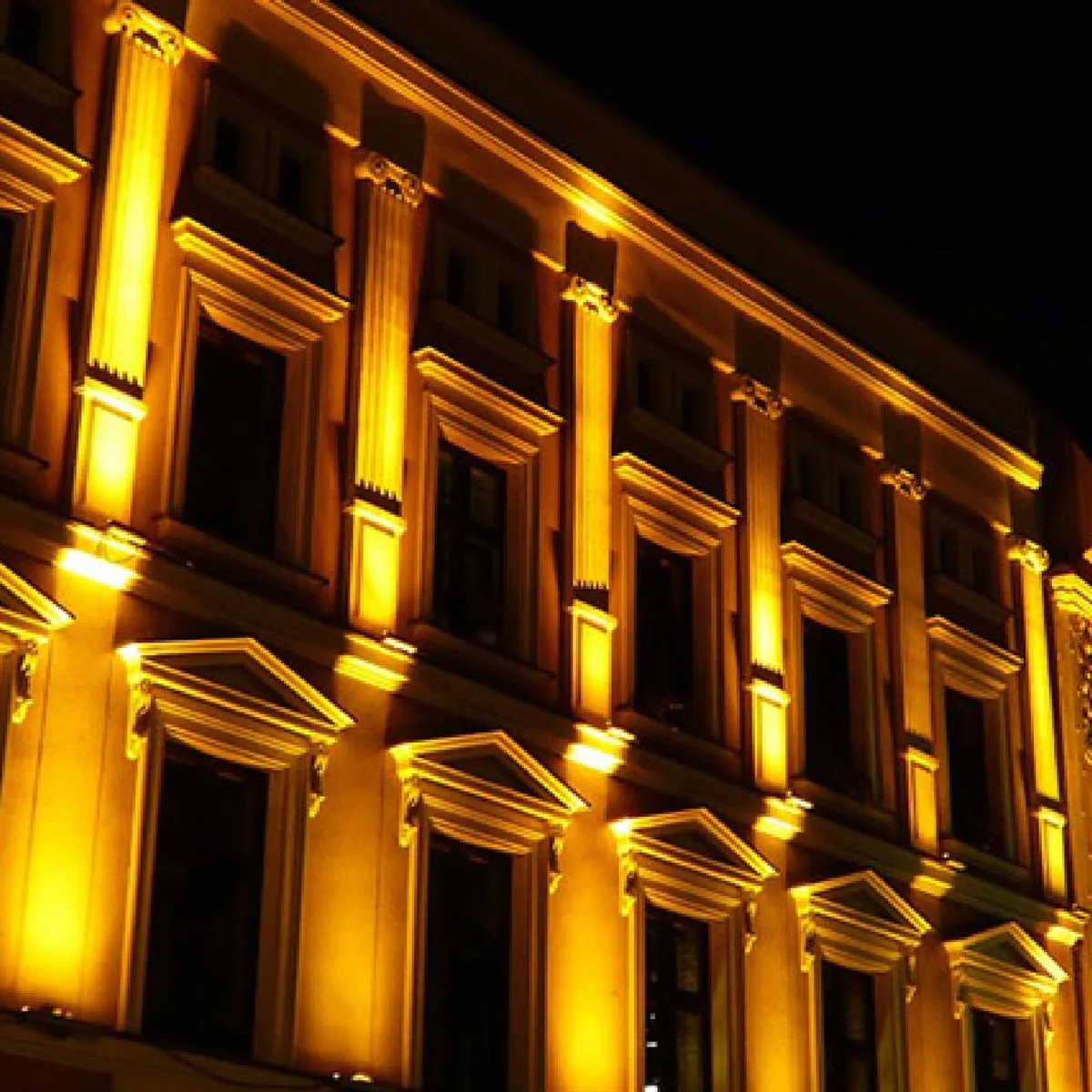
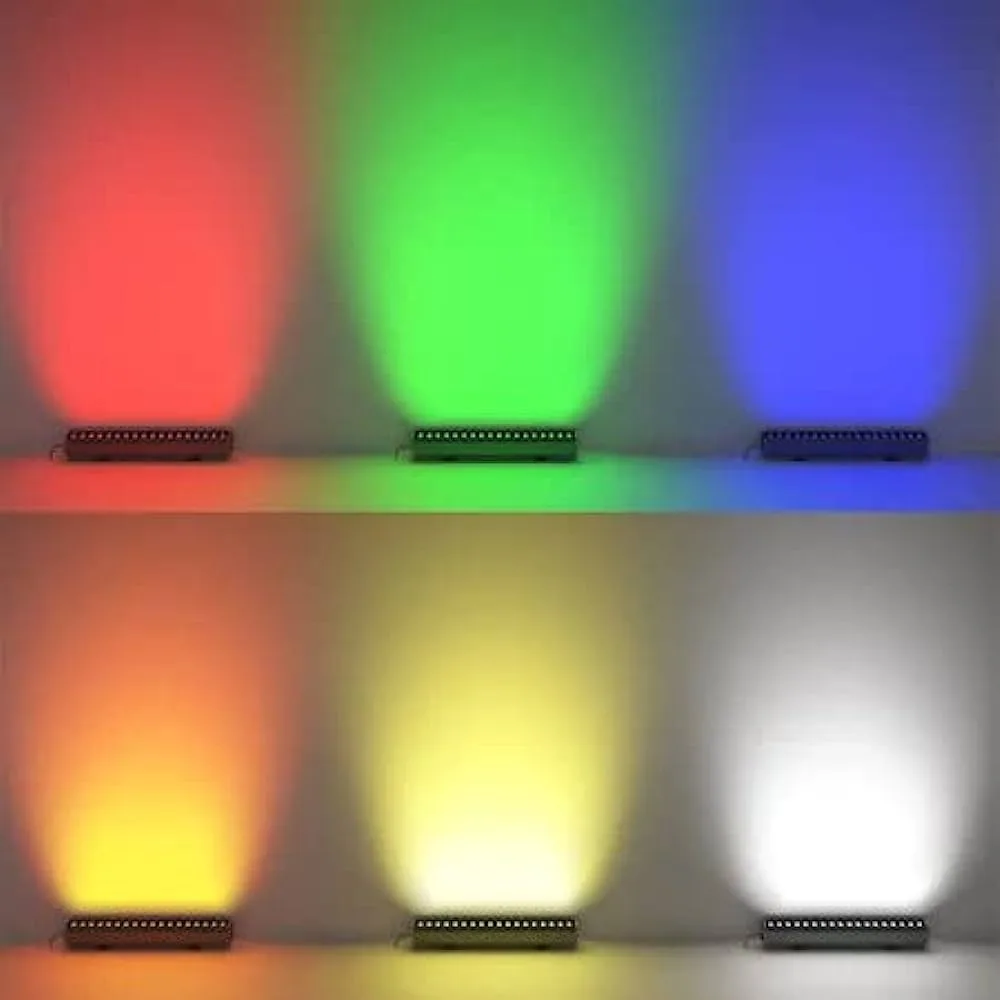
  • Up-and-down (two-way): forms two symmetrical cones of light on the wall. The most common arrangement in corridors, on facades and in stairwells.
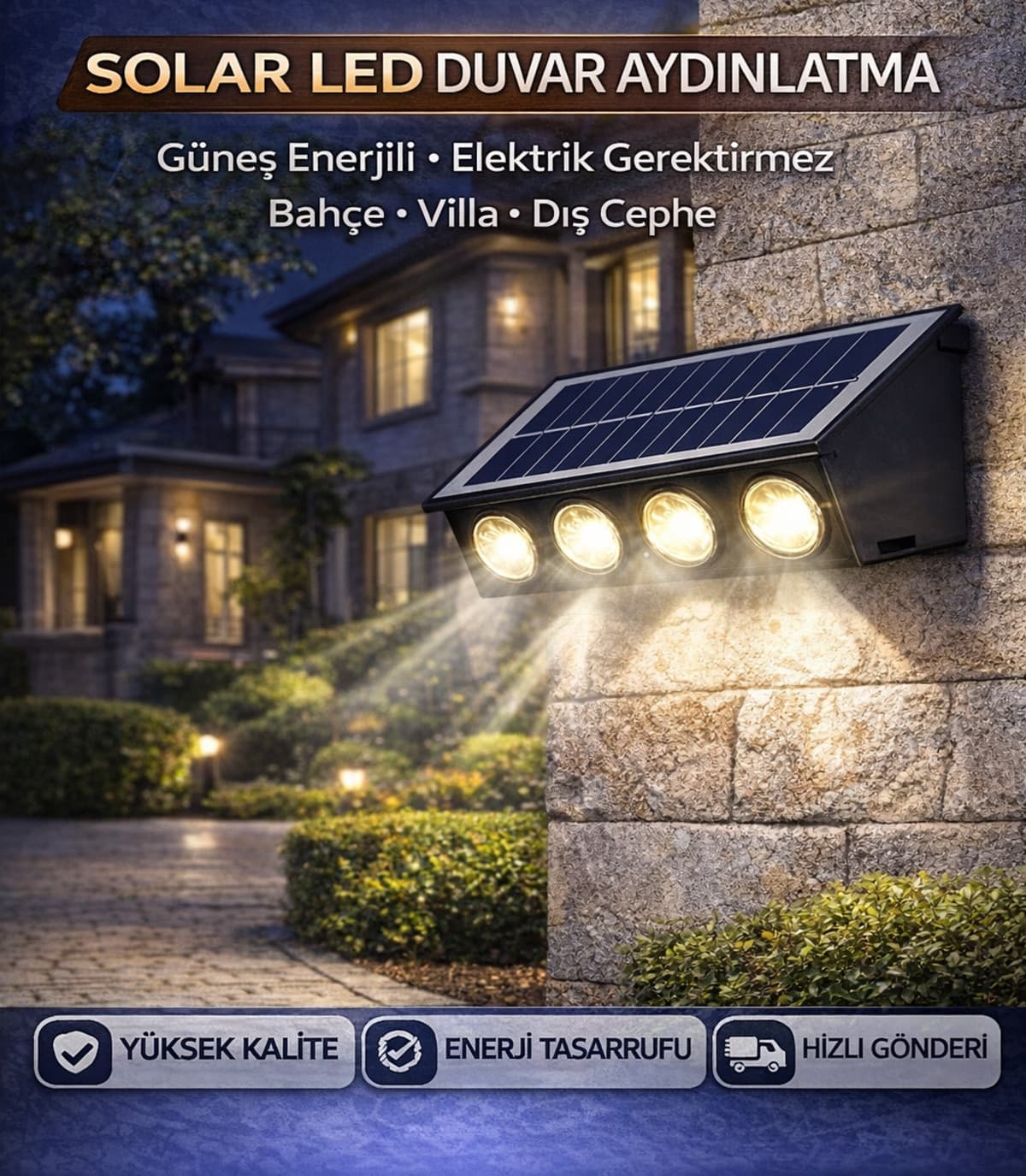
  • One-way (downward): lights the path without shining into the eye. Preferred on garden walls and beside an entrance door.
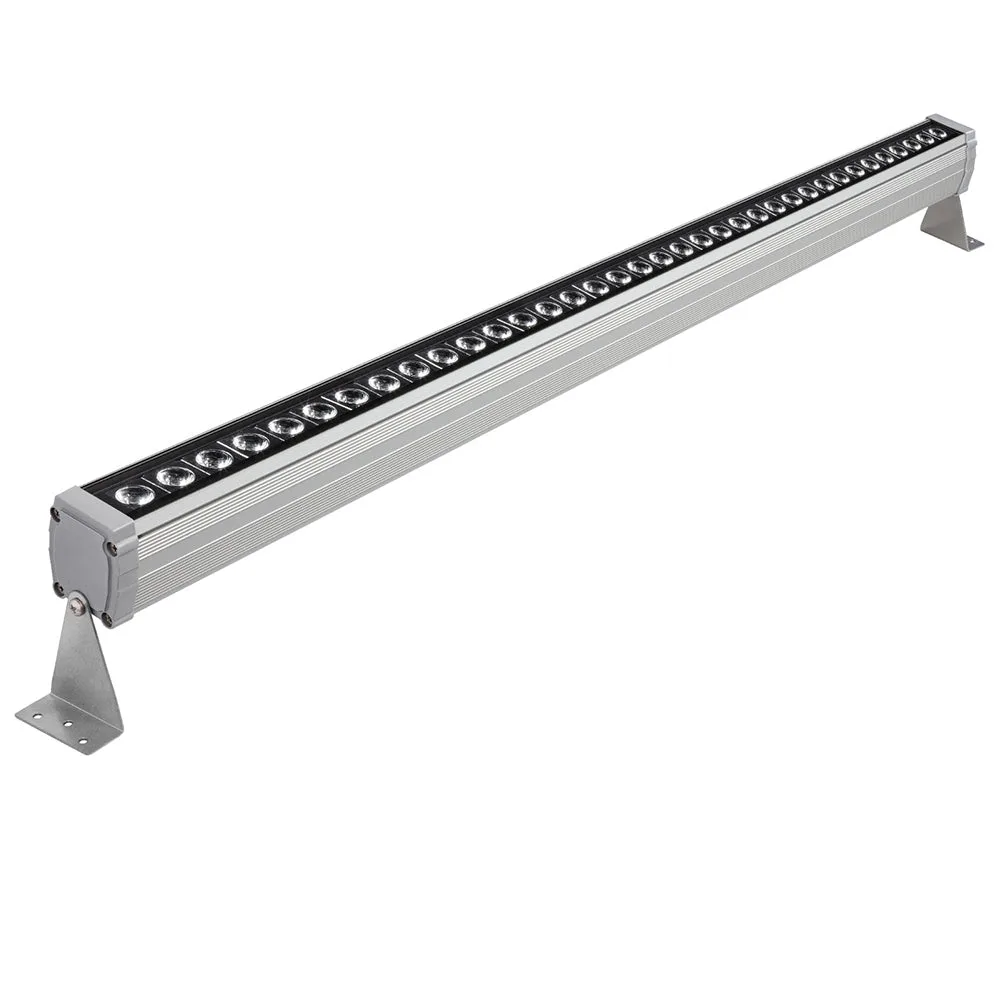
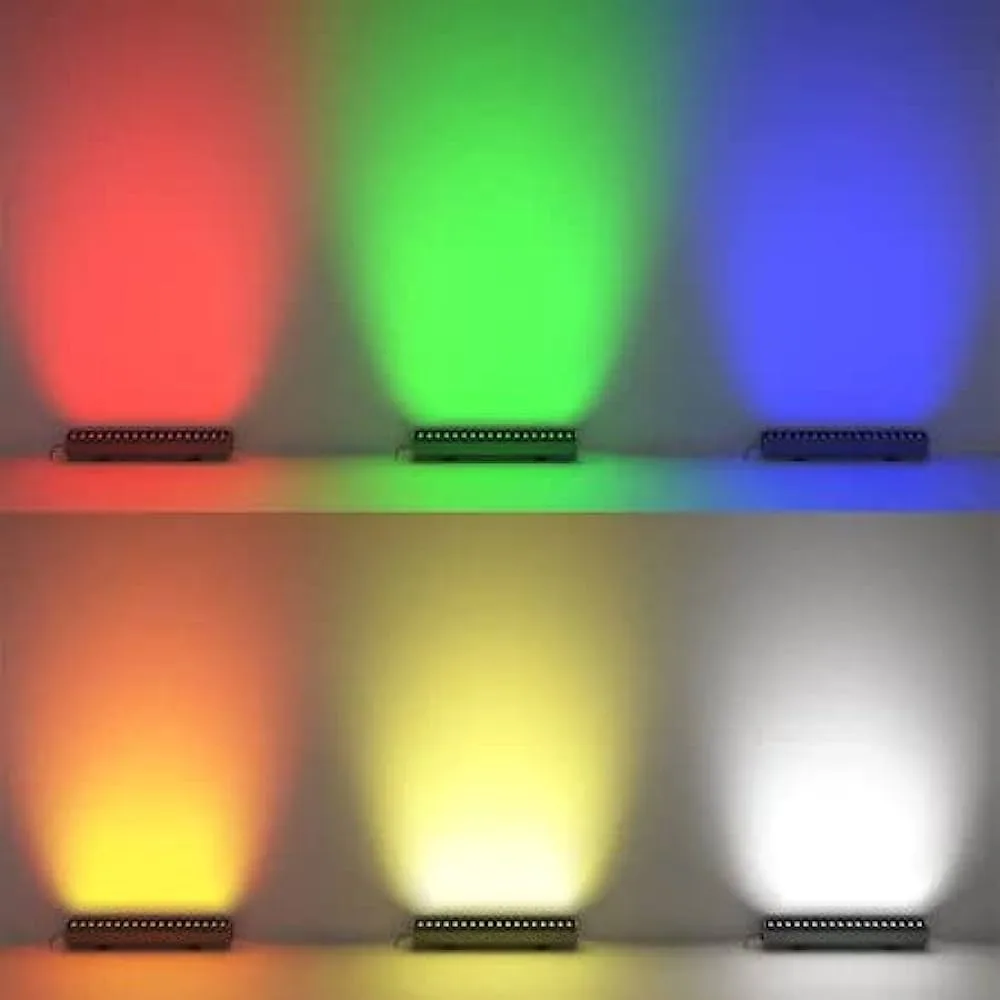
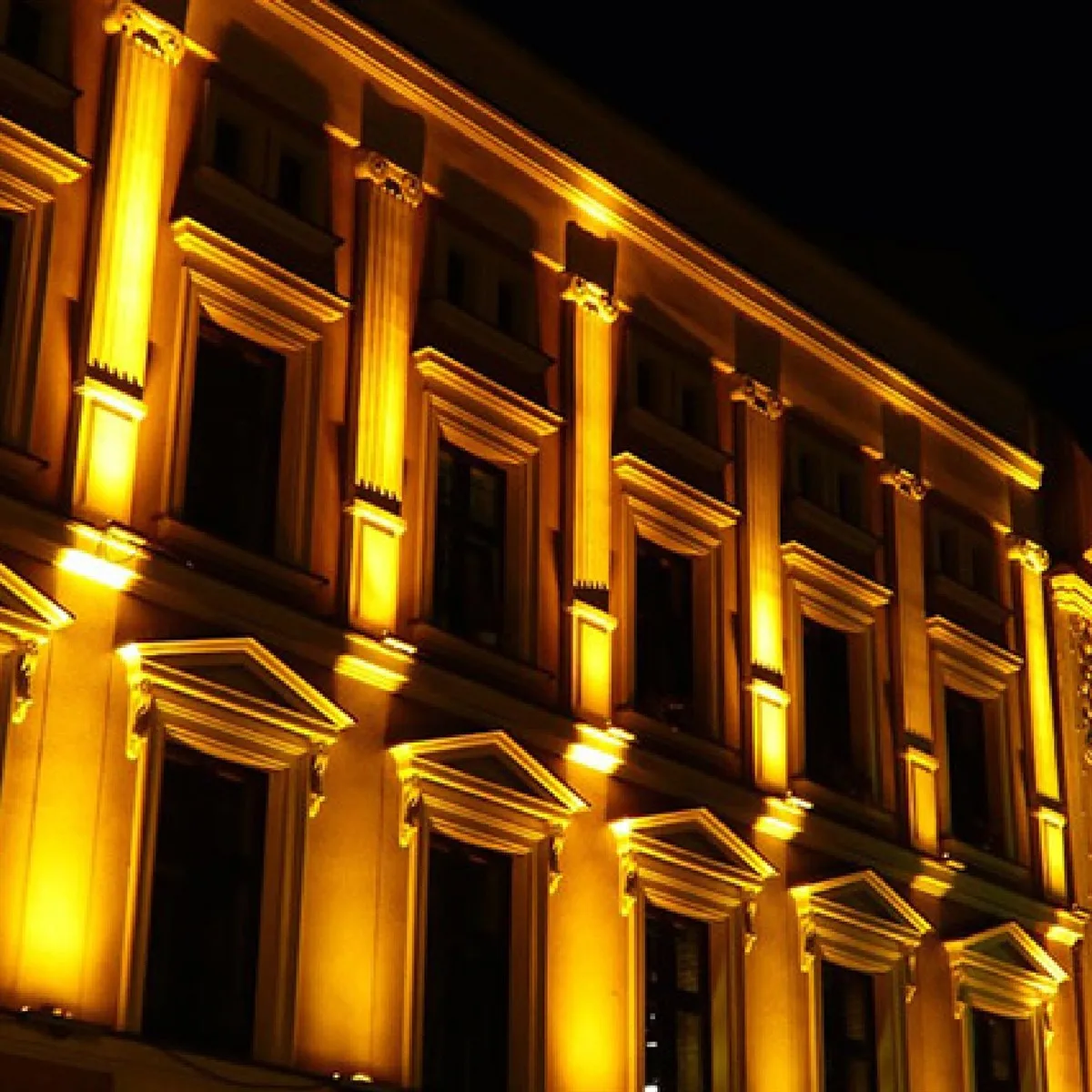
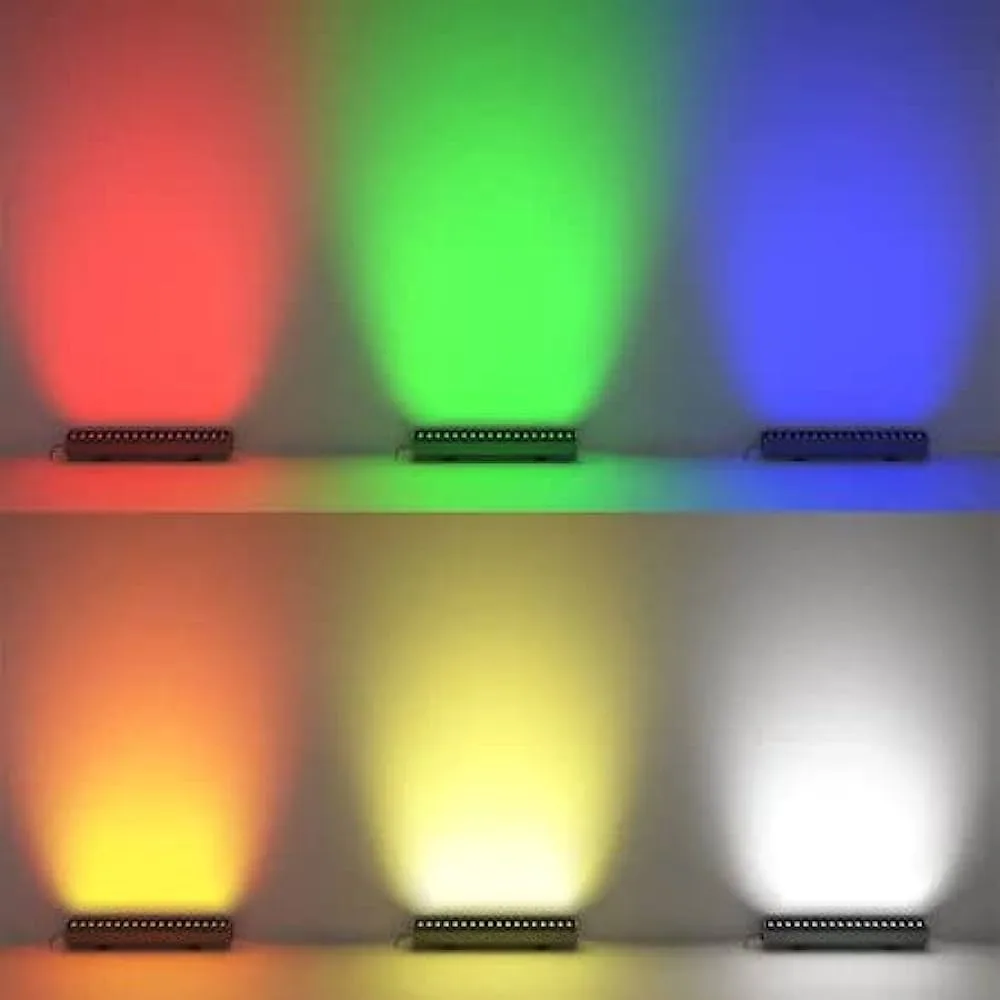
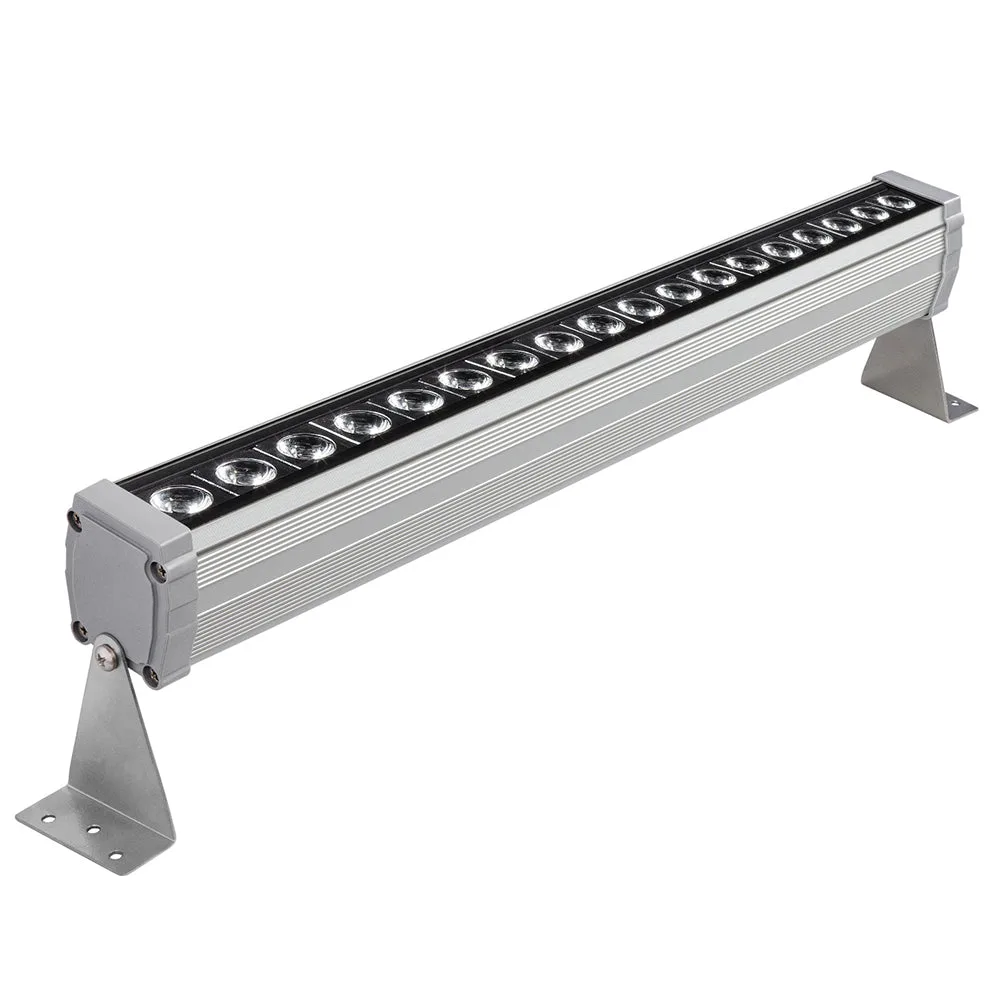
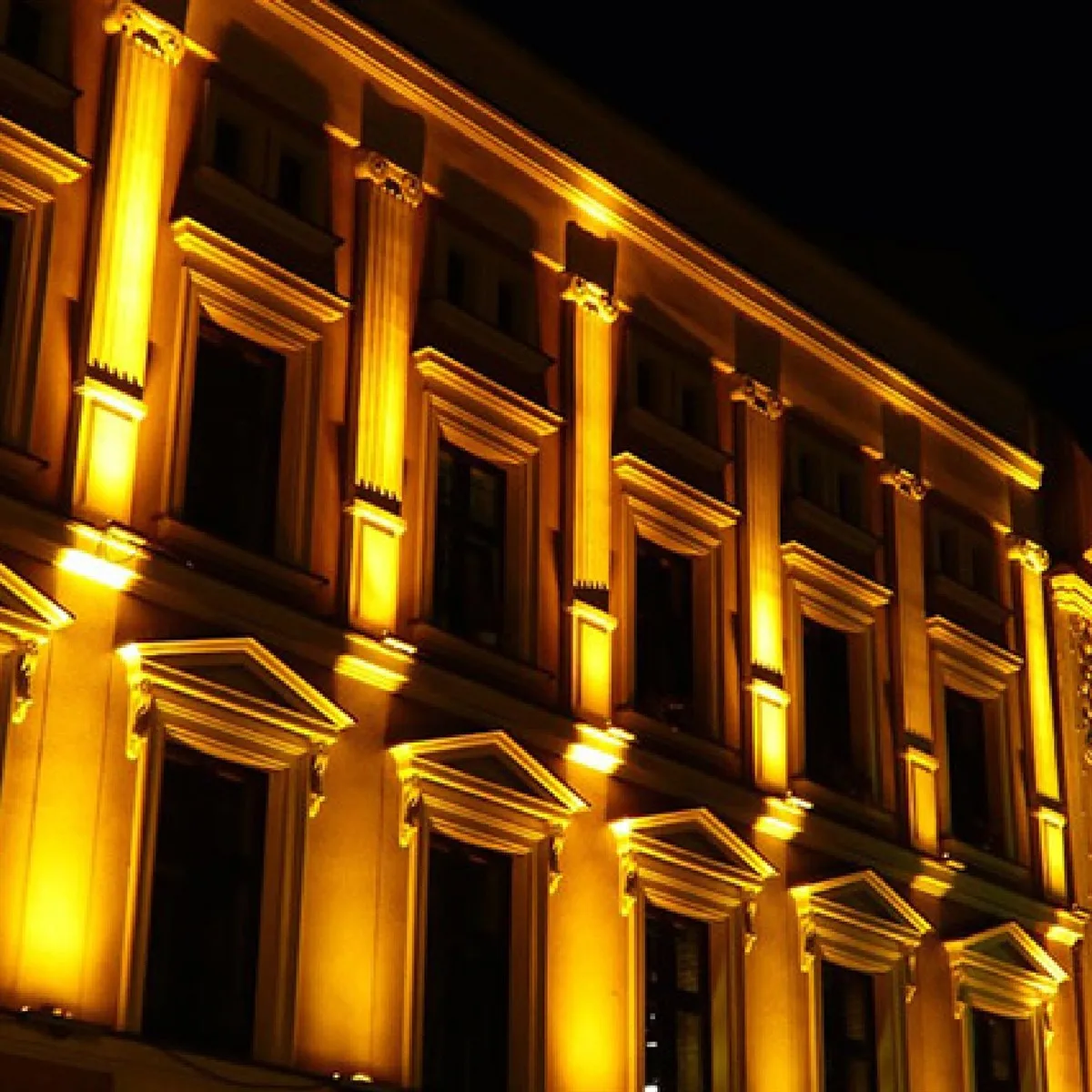
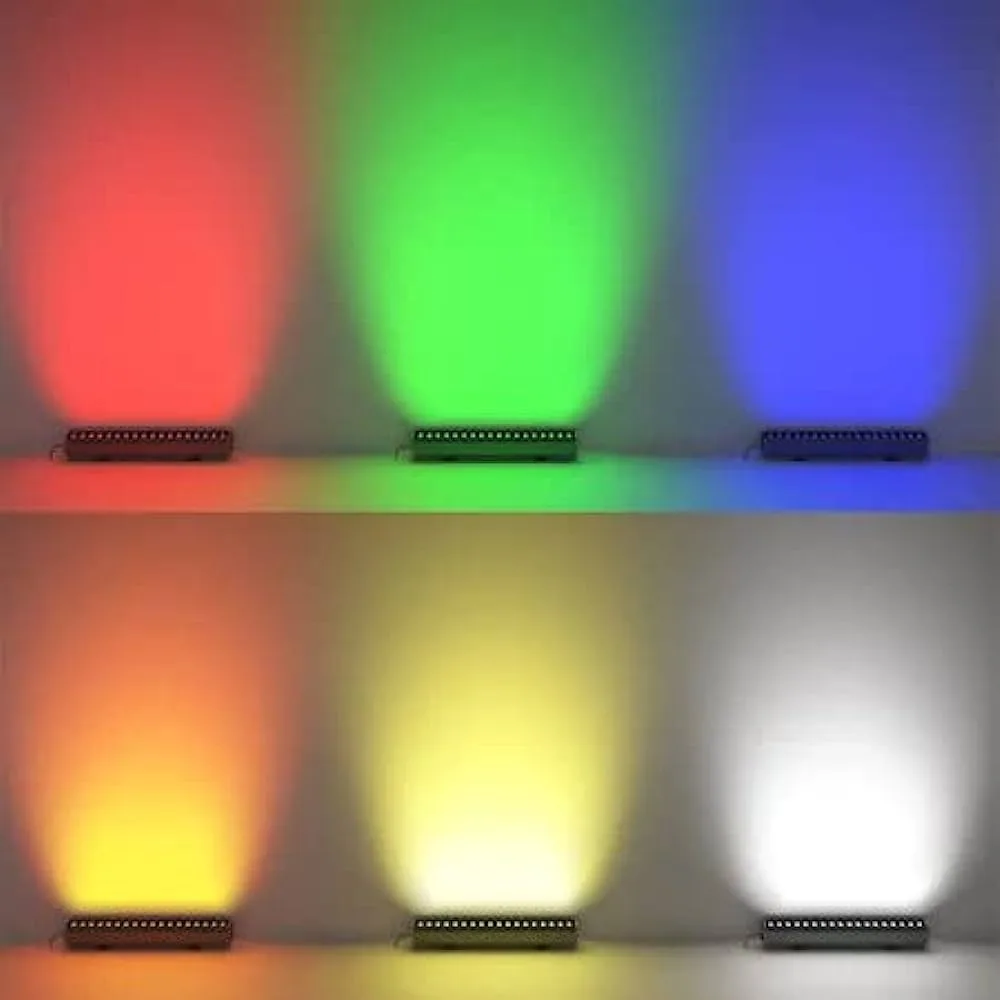
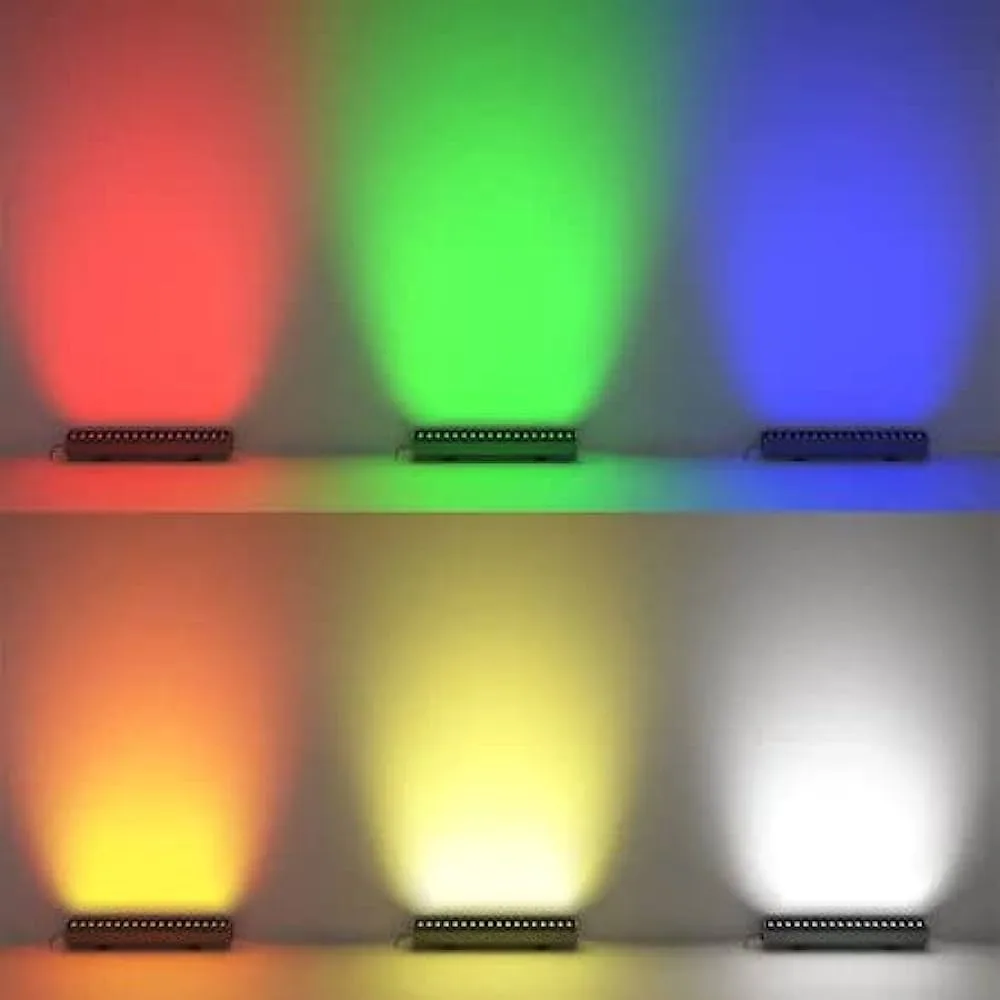
  • Wall washing: spreads light across the wall and brings out the texture. Effective on stone, brick and fair-faced concrete.

Mounting Height

Indoors, the centre of a wall light usually sits 180–200 cm above the floor; that is the band where the light stays out of the eye and the wall looks its best. On a staircase, fittings are spaced evenly so they follow the line of the steps. On a facade, the height is set by the size of the surface to be lit.

IP Rating: If You Are Using It Outdoors

On a facade, a balcony or in a garden, at least IP54 is expected; points exposed directly to rain need a higher rating. Using a fitting made for interiors outdoors means it takes in water and darkens within a short time.

Power

The most common values in our catalogue are 6 W and 12 W; for more demanding facade work there are 18 W and 24 W options. With a wall light the aim is not to light the room but to shape the surface — which is why low powers are enough in most spaces.

Budget

All 39 products are priced: from 2.31 EUR to 90 EUR, with a median of 11 EUR.

How Many, and at What Spacing?

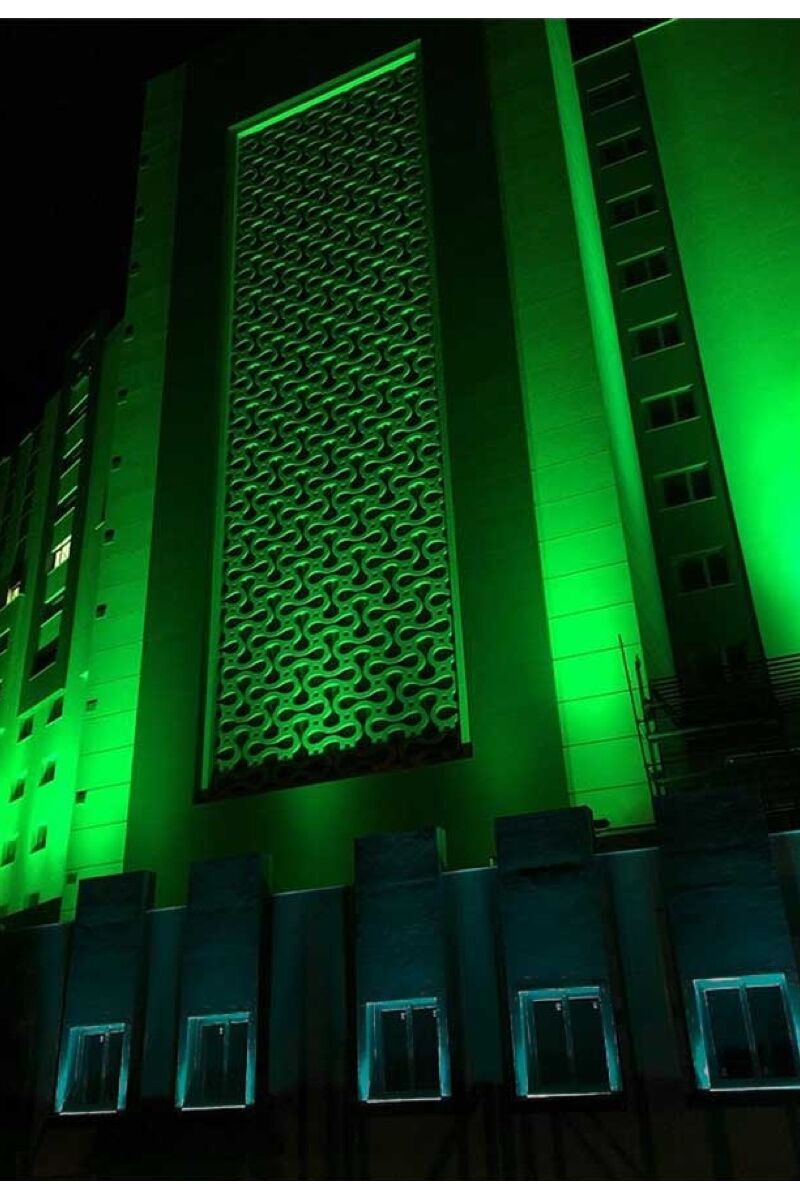
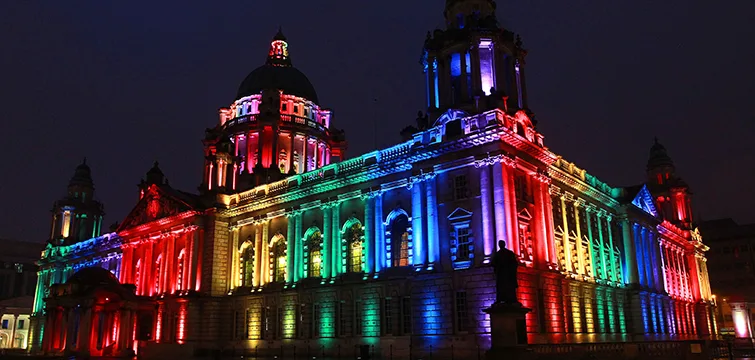
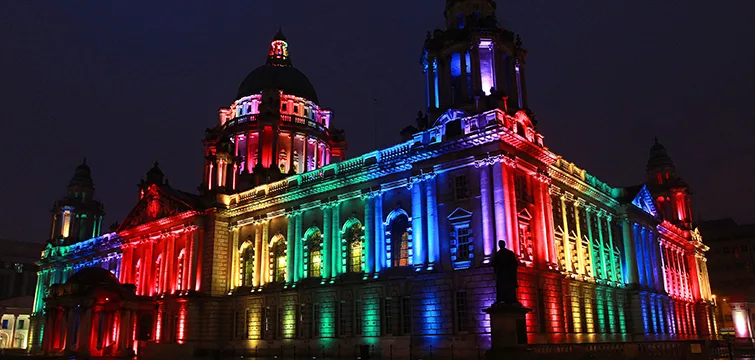
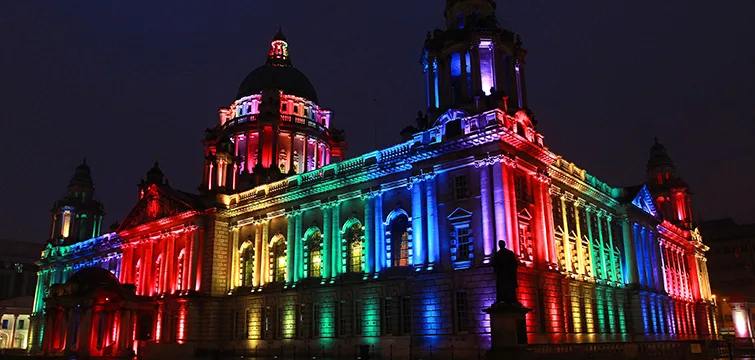
In a corridor the spacing between fittings is usually kept at 2–3 metres; placing them closer produces an unbroken band of light on the wall, placing them further apart produces distinct islands of light. Decide in advance which you want. On a facade the spacing is set by the width of the surface and the angle of the light cone: where the edges of the cones meet, the facade reads as continuous; where they do not, a rhythmic pattern appears.

Frequently Asked Questions

Are a wall sconce and a wall light the same thing?

They are close in use; wall sconces cover mainly decorative indoor products, while wall lights cover the more technical and outdoor-oriented ones.

Is it suitable for a garden?

Models with a sufficient IP rating are suitable; under the garden lighting heading you will find products designed for outdoor use.

Where should the cable outlet be?

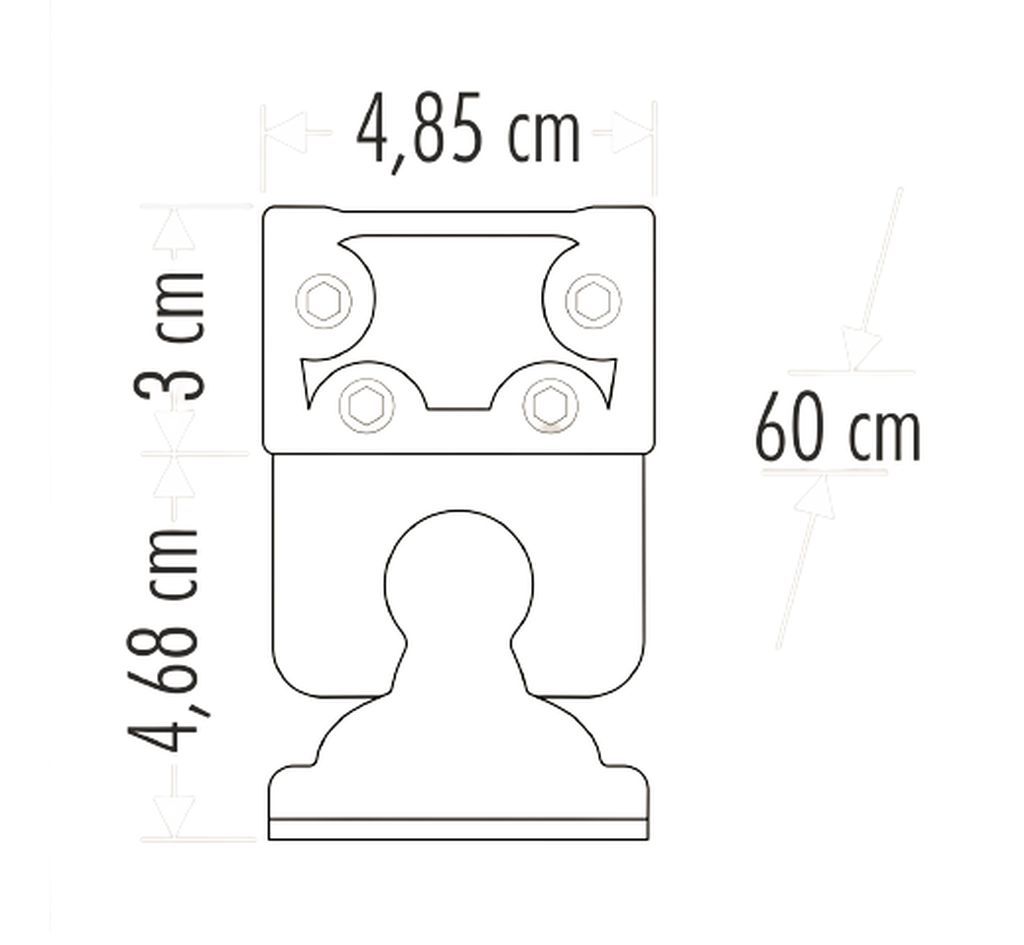
The back body of the fitting conceals the cable outlet; before installation, compare the product's box dimensions with your existing cable point.


Related Guides