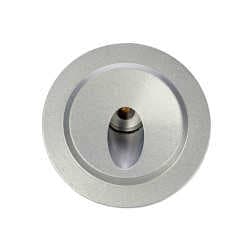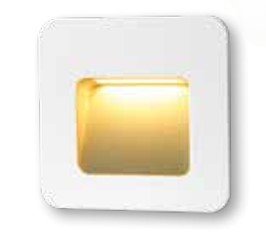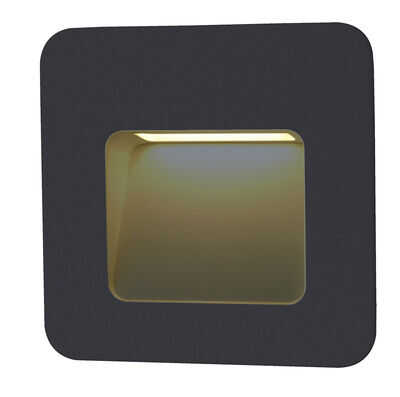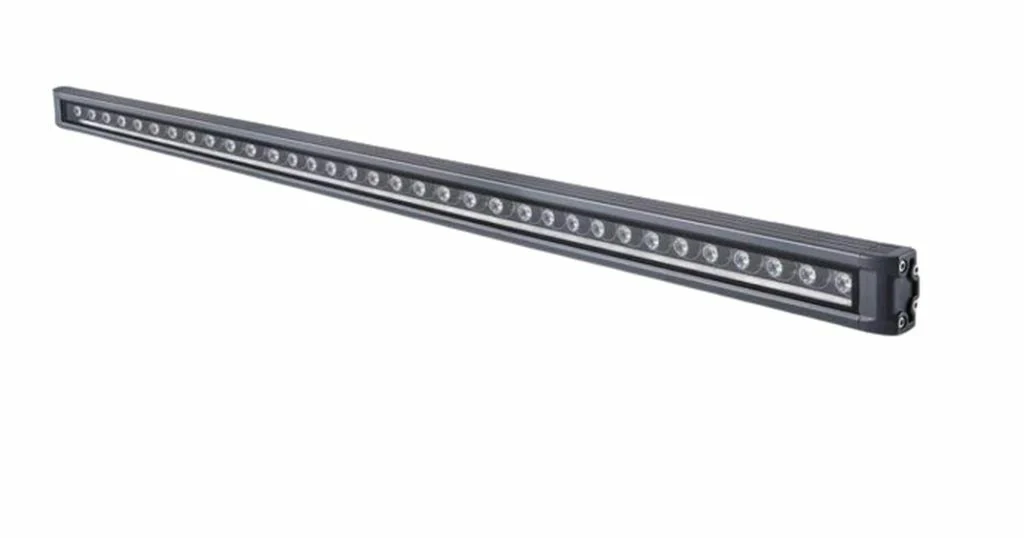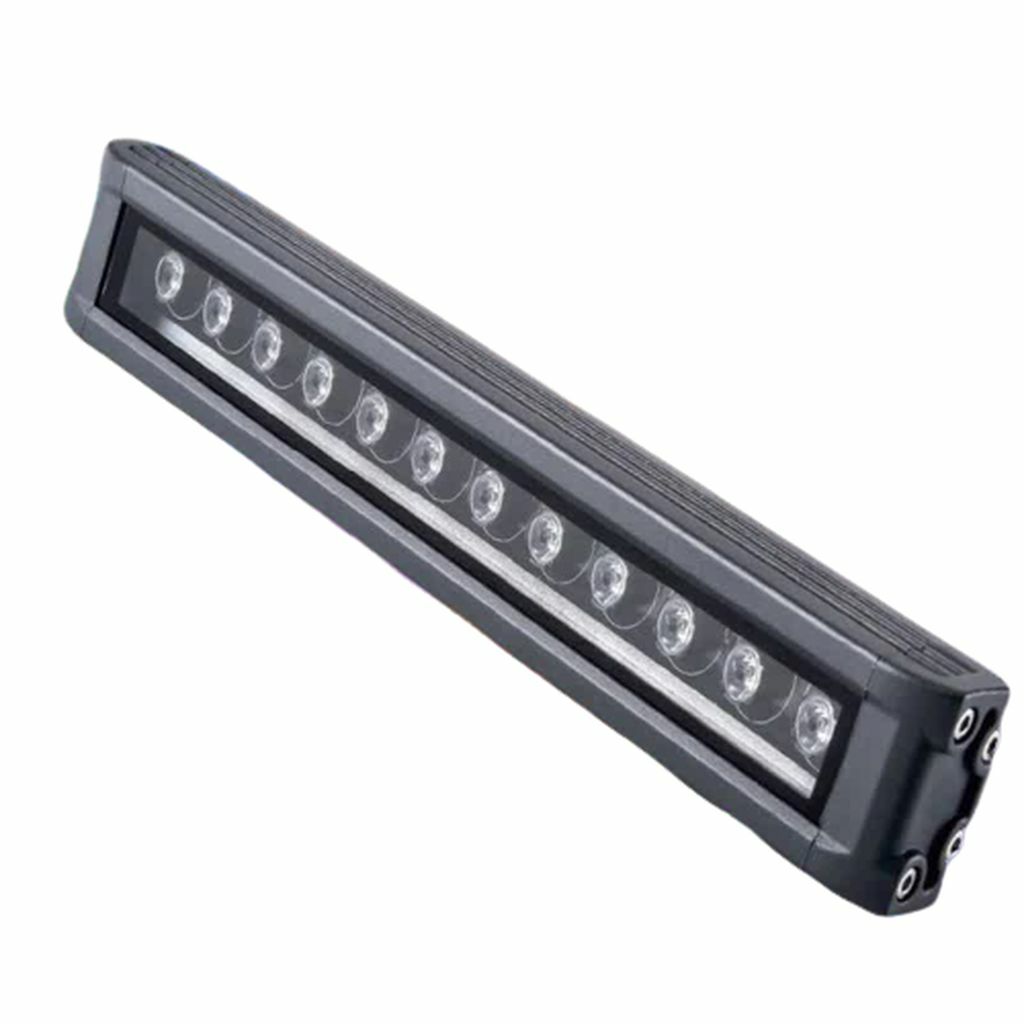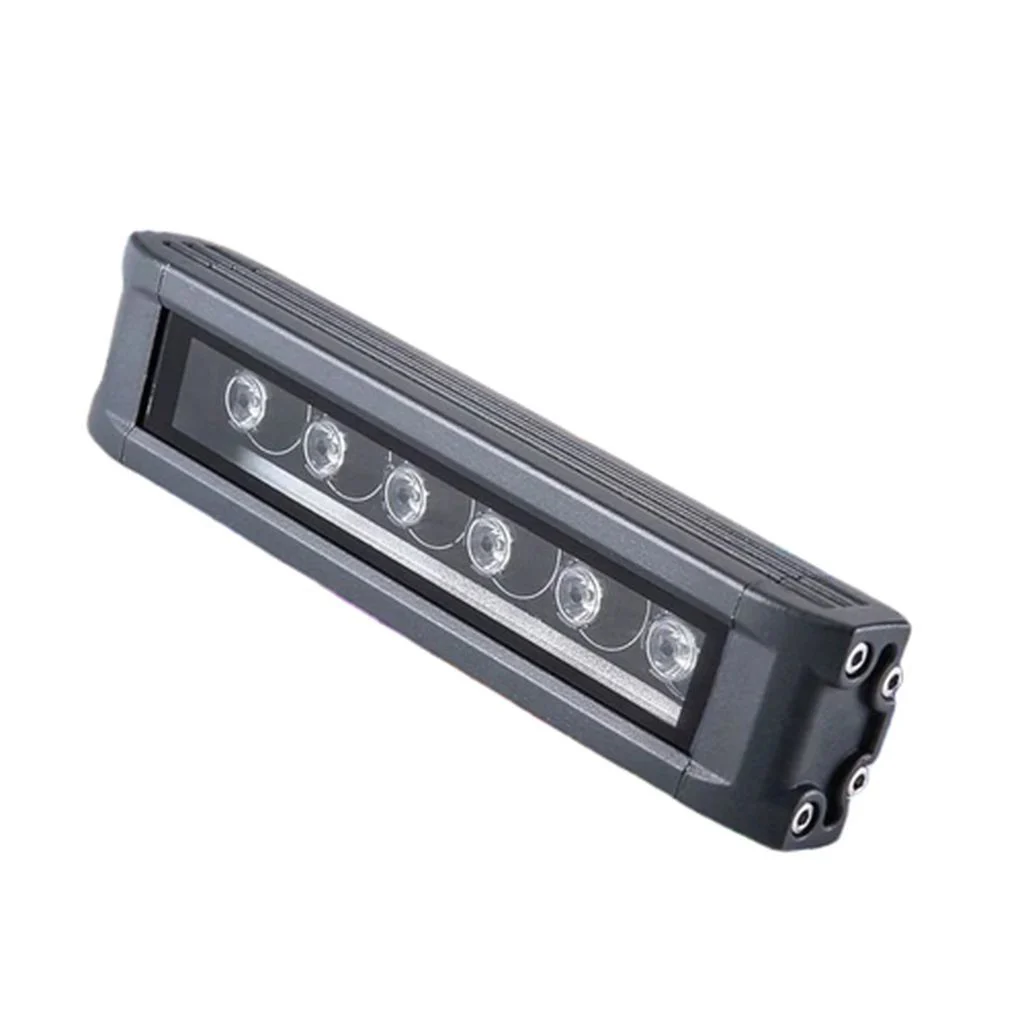

Ceiling lighting lights a room as a whole; a wall light washes the surface and gives it depth and texture. If a room has only a ceiling fitting, the walls stay dark and the space looks smaller than it is. A wall light closes exactly that gap — but which model suits where depends on the shape of the body and the distribution of the light.
Up-down or one-way?
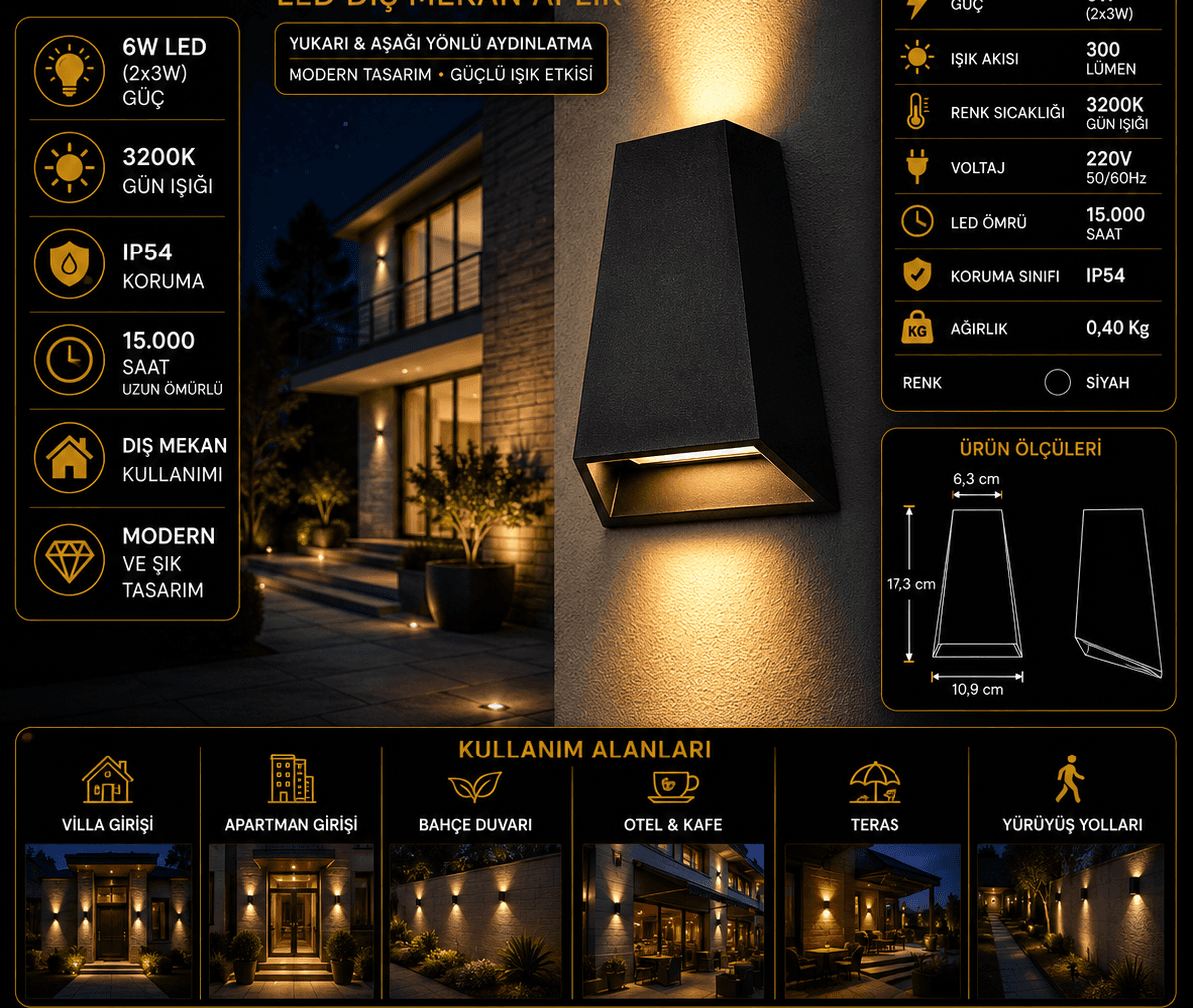
An up-down fitting sends light in both directions at once: a symmetrical band of brightness forms on the wall and the fitting itself becomes a design element. Used in a row along a corridor it creates a rhythmic effect.
A one-way fitting sends light in a single direction — usually upwards. In rooms with low ceilings, light thrown at the ceiling creates indirect illumination that does not tire the eye. On staircases, directing the light downwards is the safer choice for the steps.
- Up-down: corridor, living room, hotel lobby — symmetrical and decorative.
- One-way up: low ceilings, bedrooms — indirect and soft.
- One-way down: staircases, entrances — safety on steps and floor.
When is a wall washer the right choice?
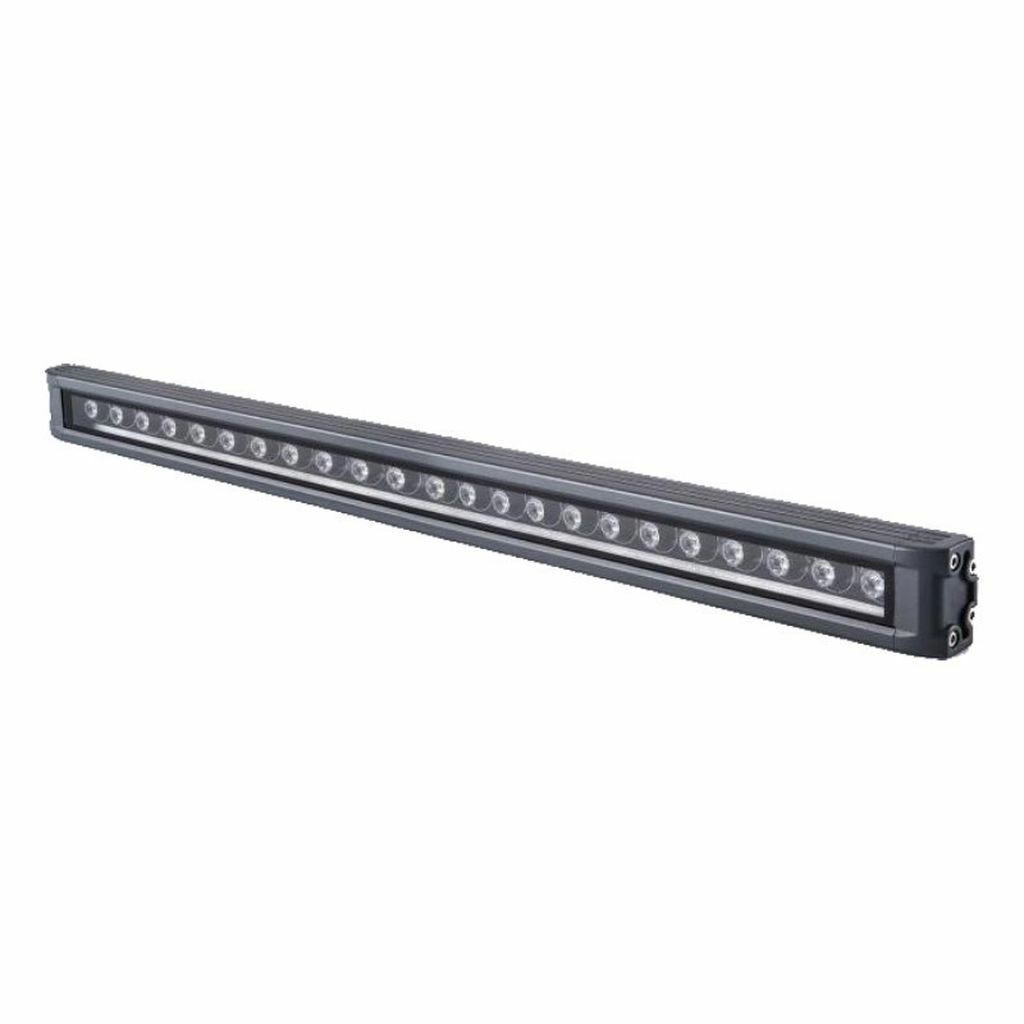
A wall washer spreads light evenly along a surface. A spot emphasises a point; a wall washer lights the whole wall from end to end at the same intensity.
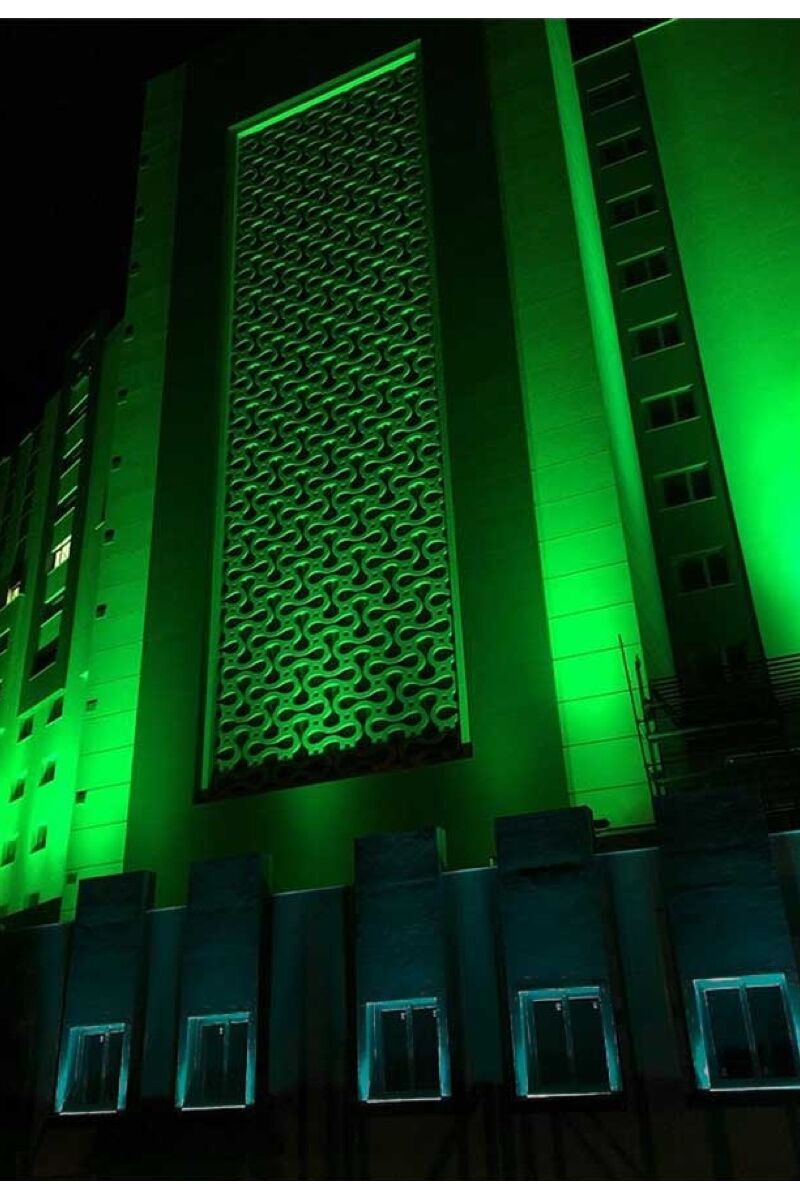
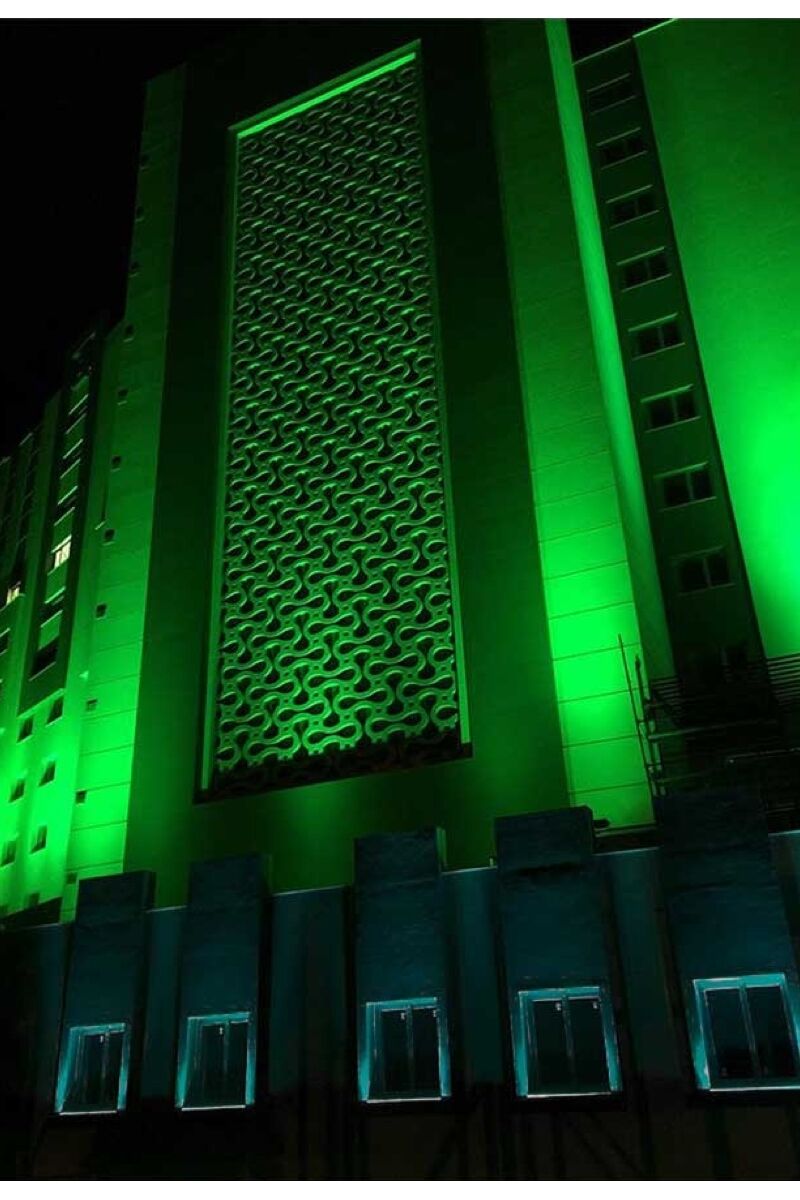
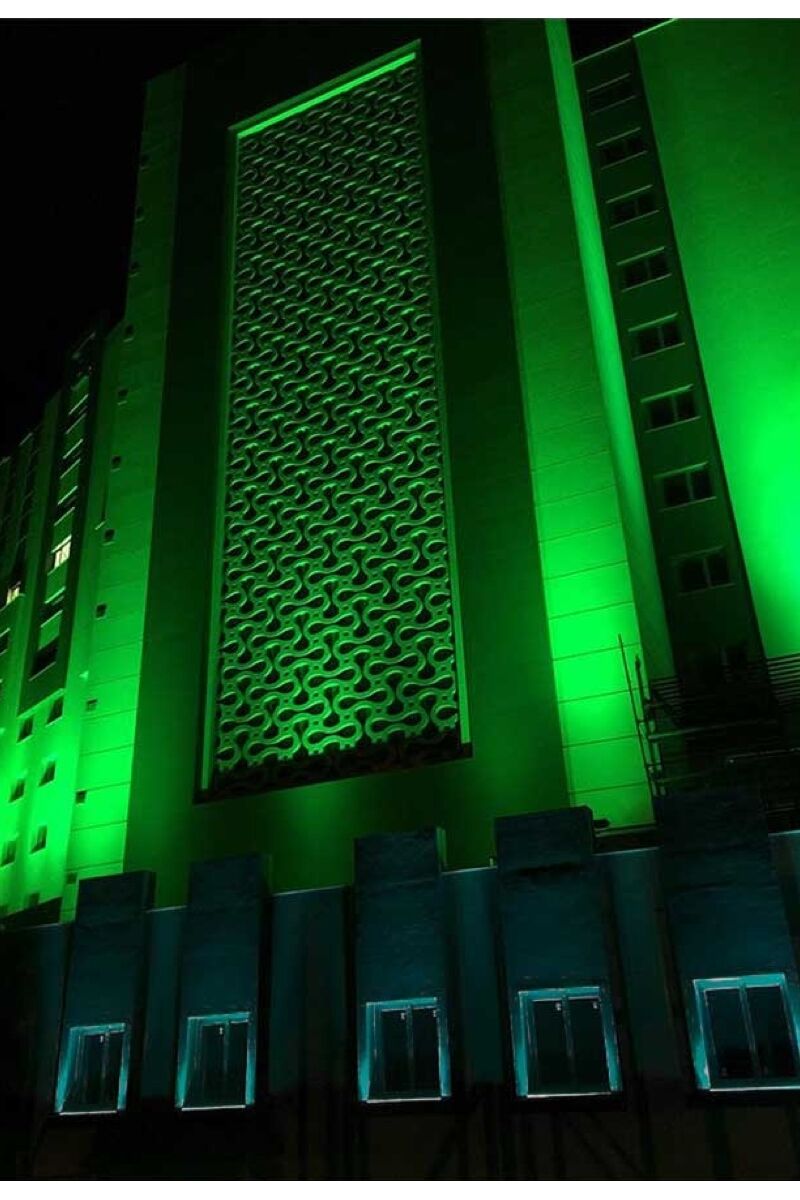
If there is a textured wall, stone cladding or a picture wall, a wall washer brings that surface forward as a whole. On a facade it washes the entire building and sharpens its silhouette at night.
The distance to the wall determines the evenness: place the fitting too close and you get a bright band at the top and darkness below. The general rule is to set the fitting away from the wall by about a quarter of the ceiling height.
Mounting height
The height of a wall light follows one principle: the light must not reach the eye directly. In living rooms and corridors, 180–200 cm from the floor keeps it above the eye level of a standing person and prevents glare.
For bedside fittings the criterion differs: the shoulder height of a person sitting up in bed is the reference, and a range of 120–140 cm from the floor suits reading. On staircases, 150–170 cm above the step both lights the step and keeps the eye comfortable.
Outdoors the IP rating decides
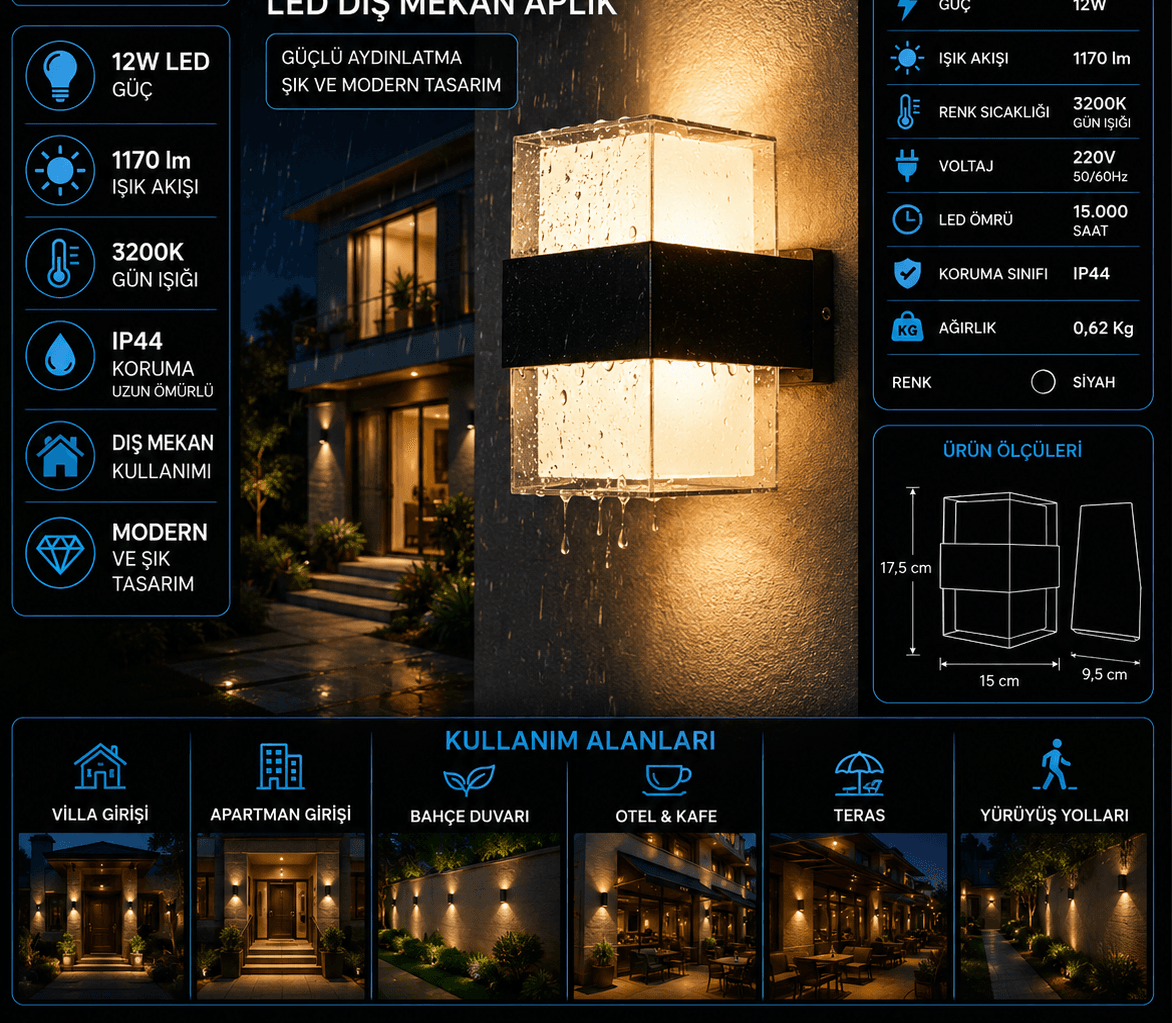
Use an indoor fitting outside and moisture gets into the body, and the electronics fail before long. On every fitting used outdoors the IP rating must be checked.
A body rated IP65 or above can be exposed directly to rain; in sheltered places such as under an eave, IP44 may be enough. In coastal areas with salt in the air the body material also matters — an aluminium body does not rust.
The two digits of an IP code describe different things: the first covers protection against solid objects (dust), the second against water. In IP65, the 6 means complete dust-tightness and the 5 means resistance to water jets from any direction. On a fitting that will meet a hose during garden watering, that second digit is the decisive one.
How many fittings, at what spacing?
Wall lights show their effect when used as a row rather than singly. In a corridor the spacing depends on the ceiling height and the beam angle of the fitting: with a standard ceiling of 2.4–2.7 m, a spacing of 2–2.5 m gives a balanced rhythm in most cases. As the spacing opens up, dark gaps appear on the wall and the row of light looks broken.
In a living room a single fitting does not provide general lighting; its job is to emphasise a surface or a corner. General lighting should come from the ceiling, with the wall light adding a layer on top. Substituting one for the other produces either glare or too little light.
Symmetry is read immediately by eye: with an even number of fittings on a wall they are spaced equally; with an odd number the middle one falls on the centre. Leaving equal distances to door and window edges completes the arrangement.
Types of wall light
| Type | Light distribution | Best suited to | Watch out for |
|---|---|---|---|
| Up-down | Symmetrical, both directions | Corridor, living room, lobby | Leaves a mark on the wall — the surface must be flat |
| One-way (up) | Indirect, onto the ceiling | Low ceilings, bedrooms | Does not provide general lighting on its own |
| One-way (down) | Direct, onto the floor | Staircases, entrances | Height is set relative to the step |
| Wall washer | Even along the surface | Textured wall, facade | Distance to the wall determines evenness |
Related guides: IP Ratings for LED Fixtures: Bathroom, Kitchen and Outdoors, Choosing an LED Panel: Watts, Lumens and How Many You Need, Ceiling Lighting Types: Spot, Linear, Cove Lighting, and Chandelier. For product options for your project, see our Wall Lights page.