
Two questions come up more than any others when choosing an LED panel: how many watts should I buy, and how many panels do I need? Both start from the same place — watts are not a measure of light. Below you will find what the right measure is, how to work out the number from floor area, and which power range suits which space.
Watts or lumens — which one matters?
Watts are the electrical power a fixture draws; they say nothing about how much light it gives. Two panels rated at the same 24W can produce noticeably different amounts of light because their efficiency differs. Light is measured in lumens (lm).
Efficiency is expressed as lumens per watt: the panel that delivers the same light from less energy is the more efficient one. When comparing, look at lumens first and, at equal lumens, prefer the lower wattage.
There is a third value: lux (lx). Lux is the illuminance falling on a surface and relates lumens to area. Whether a space is "bright enough" is discussed in lux, not lumens.
How many LED panels does a room need?
The calculation has three steps and the arithmetic is simple. First find the area (width × length). Then choose the illuminance target for that type of space. Multiplying the two gives the total lumens required. In the last step you divide that total by the lumen output of the panel you have chosen.
Take a 20 m² living room as an example. A lower target is generally chosen for a seating area; if part of the room holds a desk, that zone is supported separately. Once the total lumens are known the panel count follows, and any fraction is rounded up — under-lighting is the most expensive mistake to correct afterwards.
This calculation is a starting point. Wall and ceiling colours, ceiling height and the darkness of the furniture all change the result: a dark room looks dimmer at the same lumen output.
- 1. Area = width × length (m²)
- 2. Choose the illuminance target (by type of space)
- 3. Total lumens required = area × target
- 4. Panel count = total lumens ÷ lumens per panel (round up)
- 5. Support task areas (worktop, desk) separately
Where are 18W, 24W, 35W and 45W panels used?
Power ranges correspond roughly to room size and ceiling height. Lower-output panels spaced closely give a more even brightness; higher-output panels reach the same total with fewer fixtures but can produce harder shadow transitions.
In practice the choice is made together with ceiling height: the higher the ceiling, the more the light spreads before it reaches the surface, so more lumens are needed for the same illuminance. A low hallway suits low-output panels closely spaced, while a tall retail space commonly uses more powerful ones.
How does colour temperature change the result?
Colour temperature is given in kelvins (K) and directly shapes how a space reads. Lower values are closer to yellow and restful; higher values are closer to white and alerting.
In homes, warm tones are generally preferred in living areas and more neutral tones over kitchen worktops and desks. In commercial spaces what matters is that the goods appear in their true colour, so the choice follows what is being sold.
Avoid mixing colour temperatures within one space. Two tones side by side make fixtures that look faultless on their own appear unkempt together.
Surface-mounted or recessed?
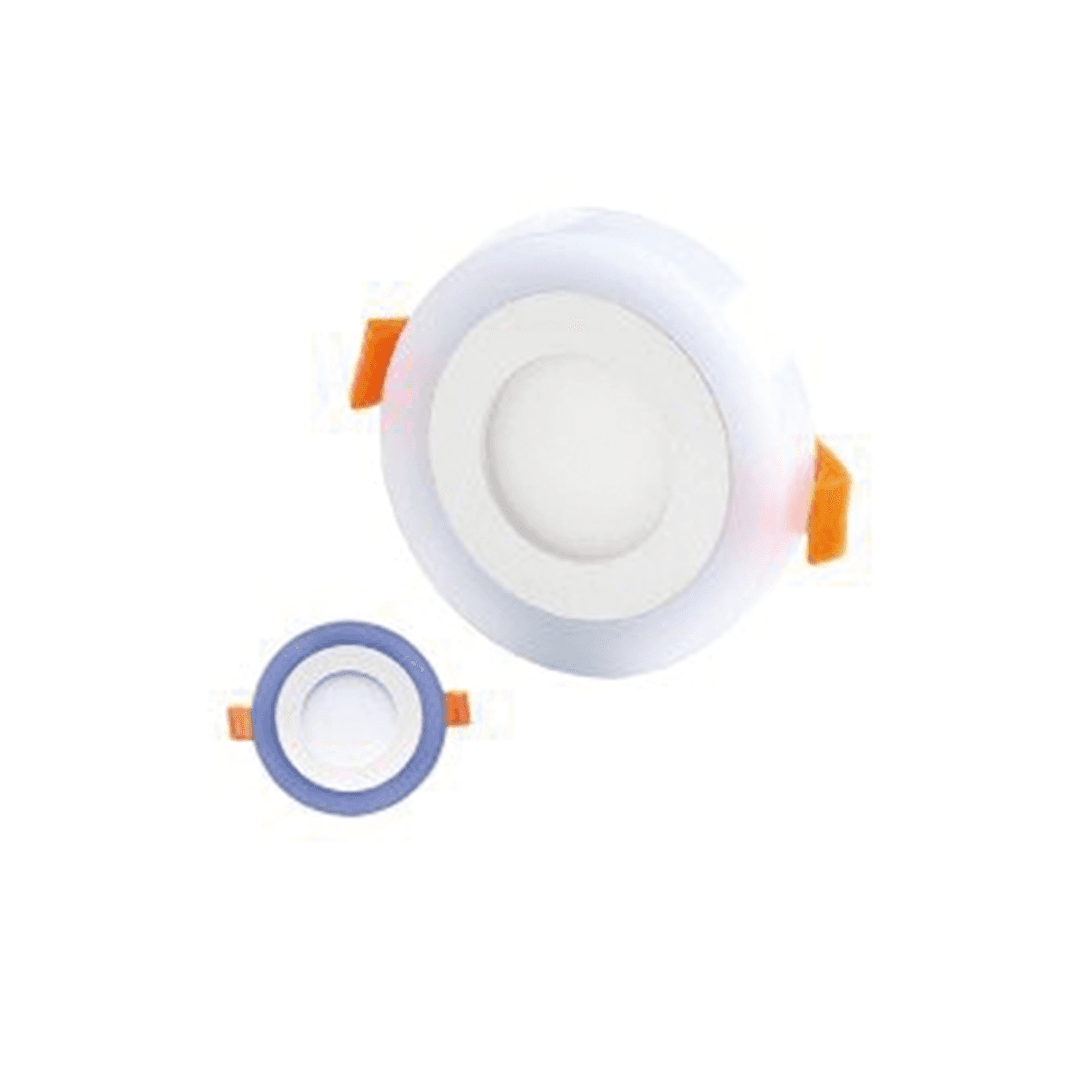
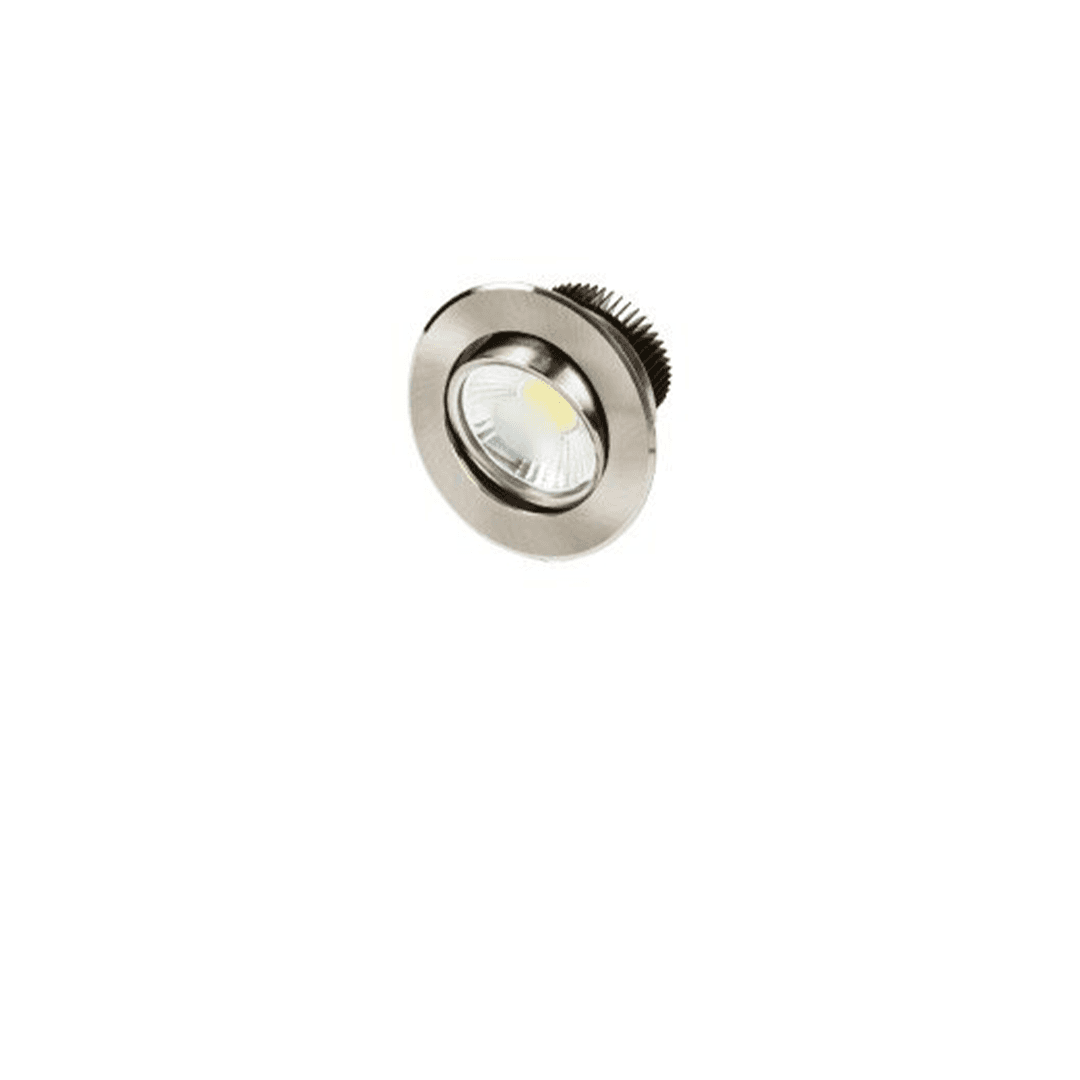
Recessed panels sit inside the ceiling and finish flush with the surface, which requires a suspended ceiling or a suitable void. Surface-mounted panels fit directly onto the existing ceiling and need no void at all.
The decision usually comes from the building: fitting a recessed panel into a concrete ceiling means building a suspended ceiling first, which is a far larger job than the lighting budget. In homes where the existing ceiling is to be kept, surface-mounted models are the practical answer.
What else should you check?
Beyond light output and colour, a few points determine how the panel behaves over the long term.
- Driver: must match the panel; the driver often reaches the end of its life before the panel does.
- Dimmability: not every panel dims; if dimming is wanted, compatibility must be confirmed in advance.
- Flicker: it tires the eyes even when invisible; a good driver reduces it.
- Light distribution: diffused panels give more even light, exposed LEDs a sharper one.
- Mounting depth: recessed models have to fit the ceiling void.
- Surface-Mounted Round LED Panel 18W — 26 cm, 1800 Lumens
Panel power and typical use
| Power range | Typical use | Spacing | Note |
|---|---|---|---|
| 18W | Hallway, bathroom, small room | Closely spaced | Even light under low ceilings |
| 24W | Bedroom, single office | Medium spacing | General purpose |
| 35W | Living room, large room | Widely spaced | Same total from fewer fixtures |
| 45W | High ceilings, commercial | Widely spaced | Watch shadow transitions |
Related guides: IP Ratings for LED Fixtures: Bathroom, Kitchen and Outdoors, Choosing an LED Driver and Dimmer: A Practical Guide. For your project you can review for product options see our surface-mounted LED panels or for turnkey installation see our office ceiling lighting solutions.