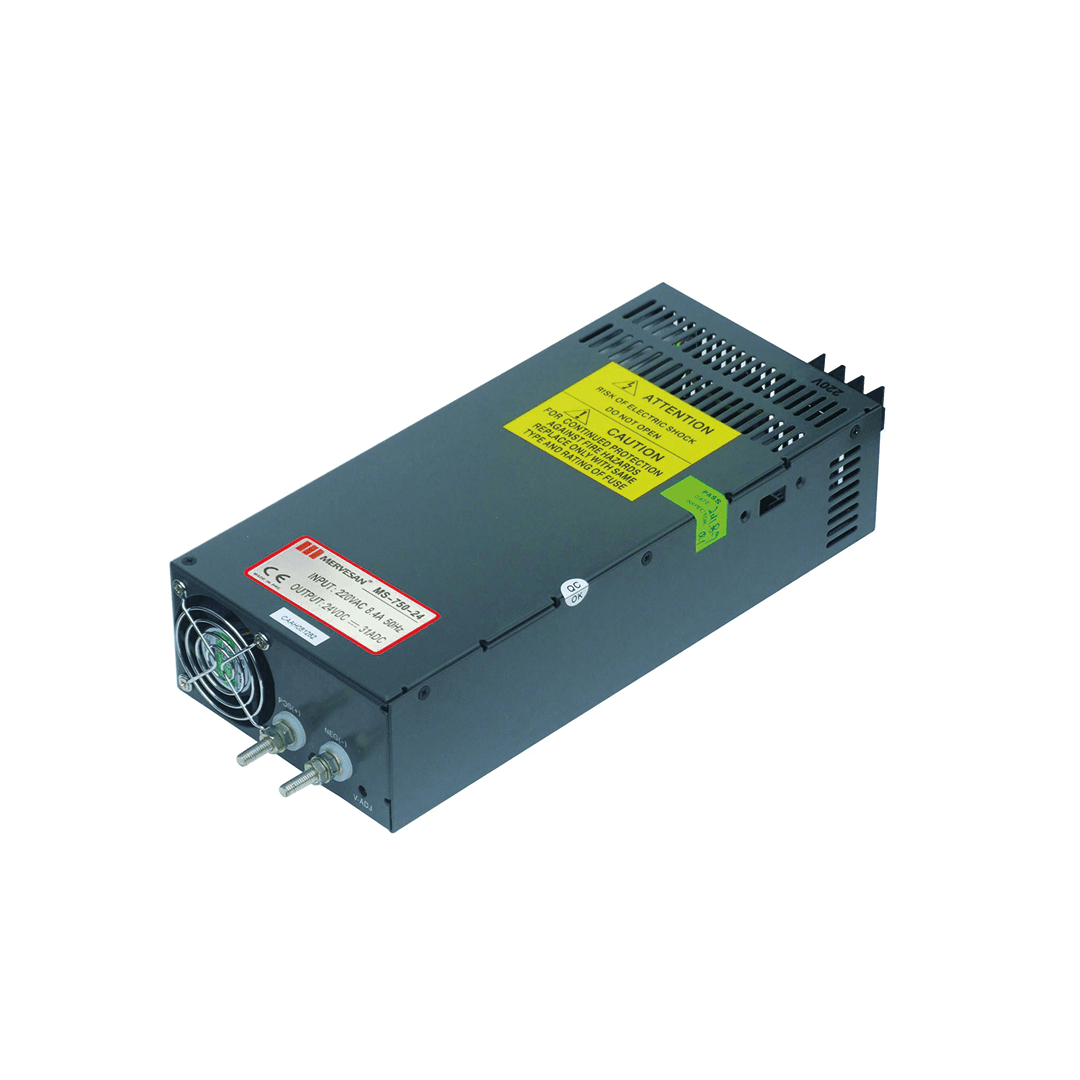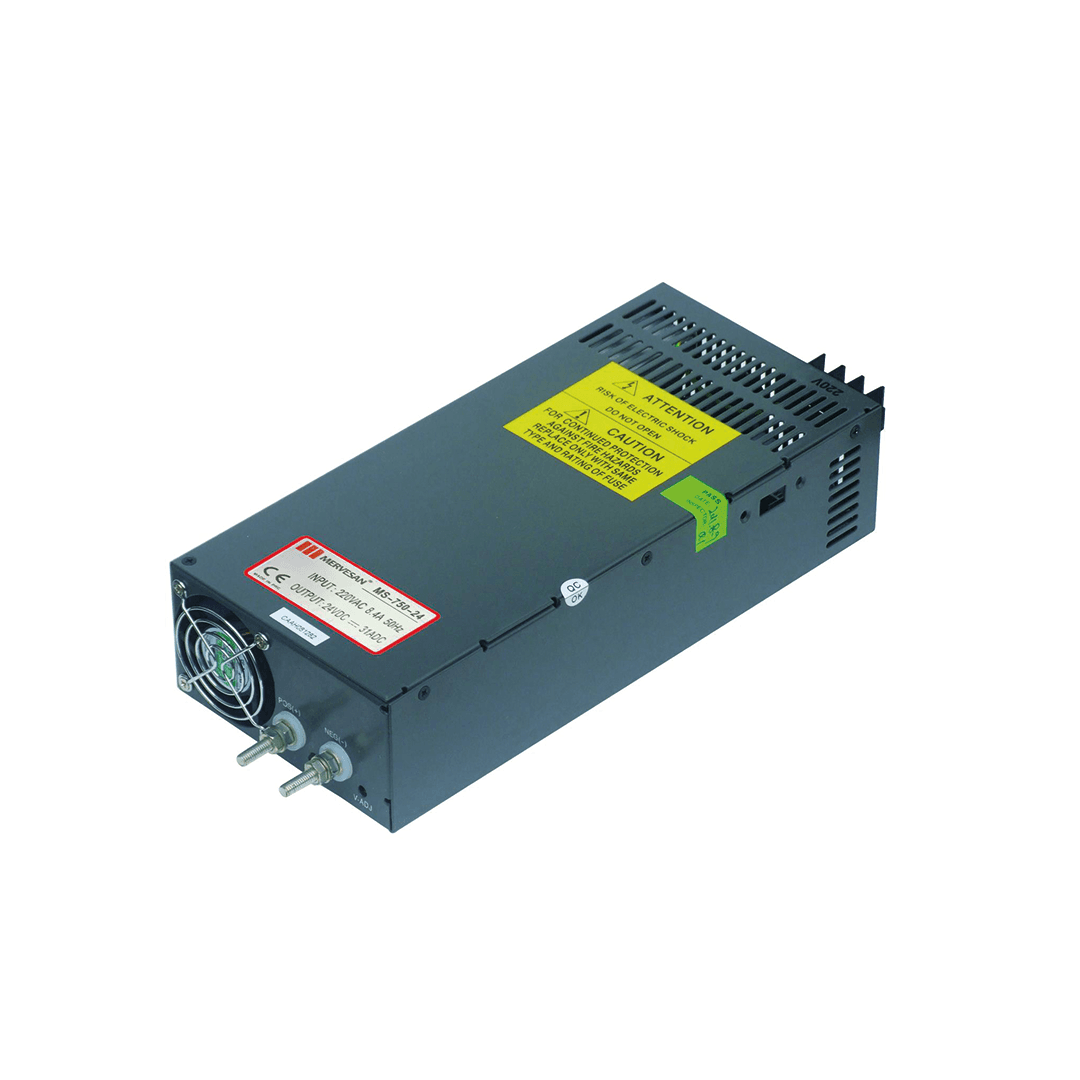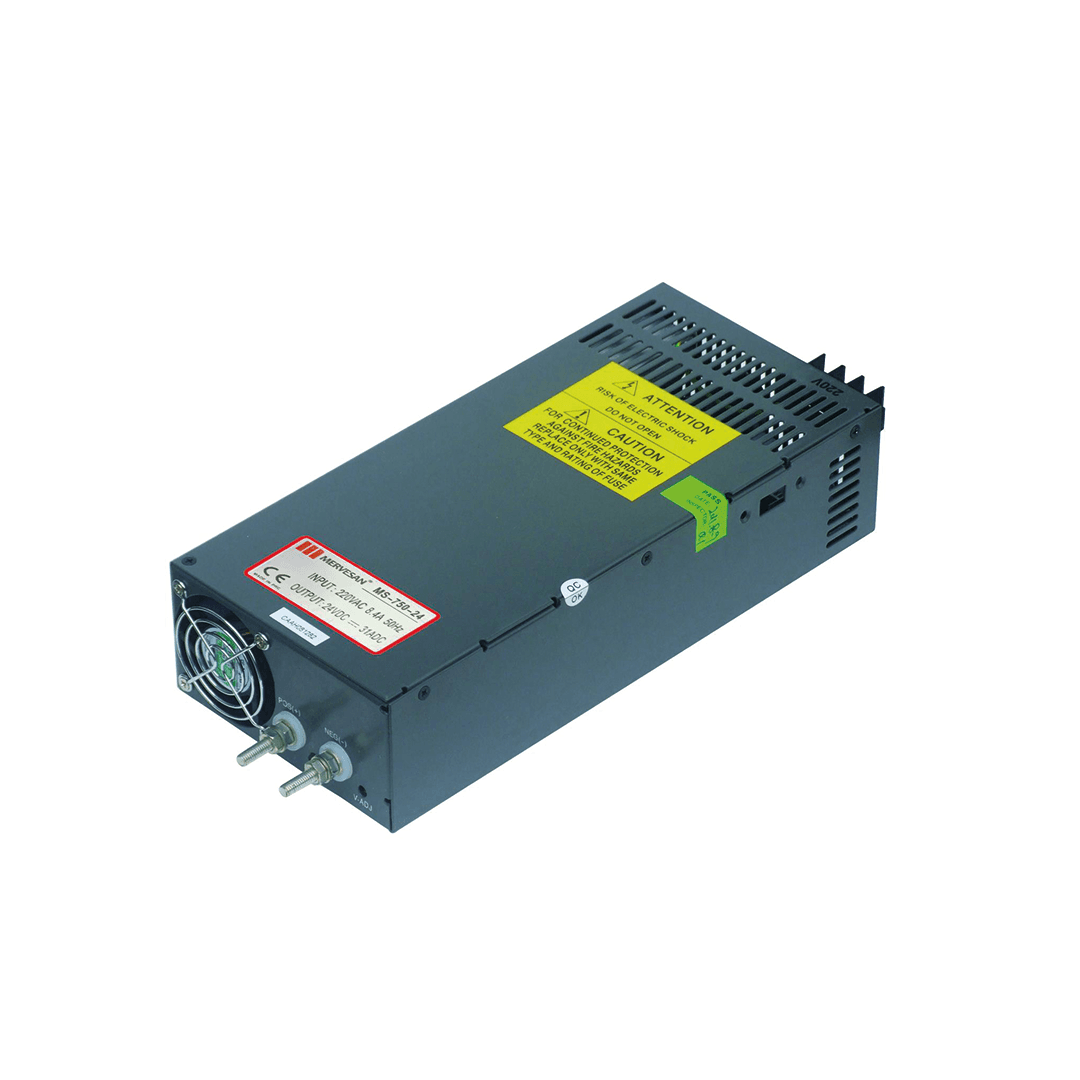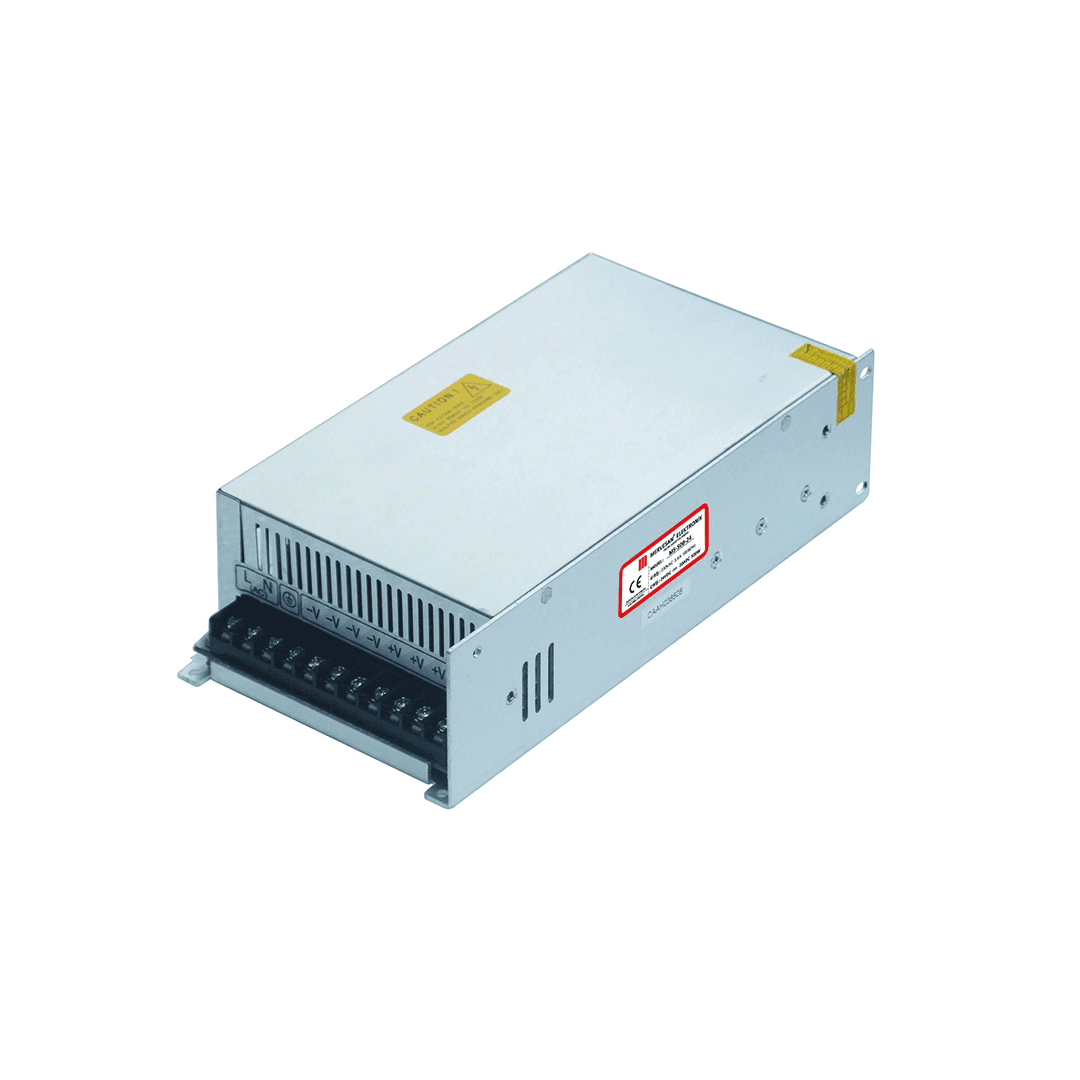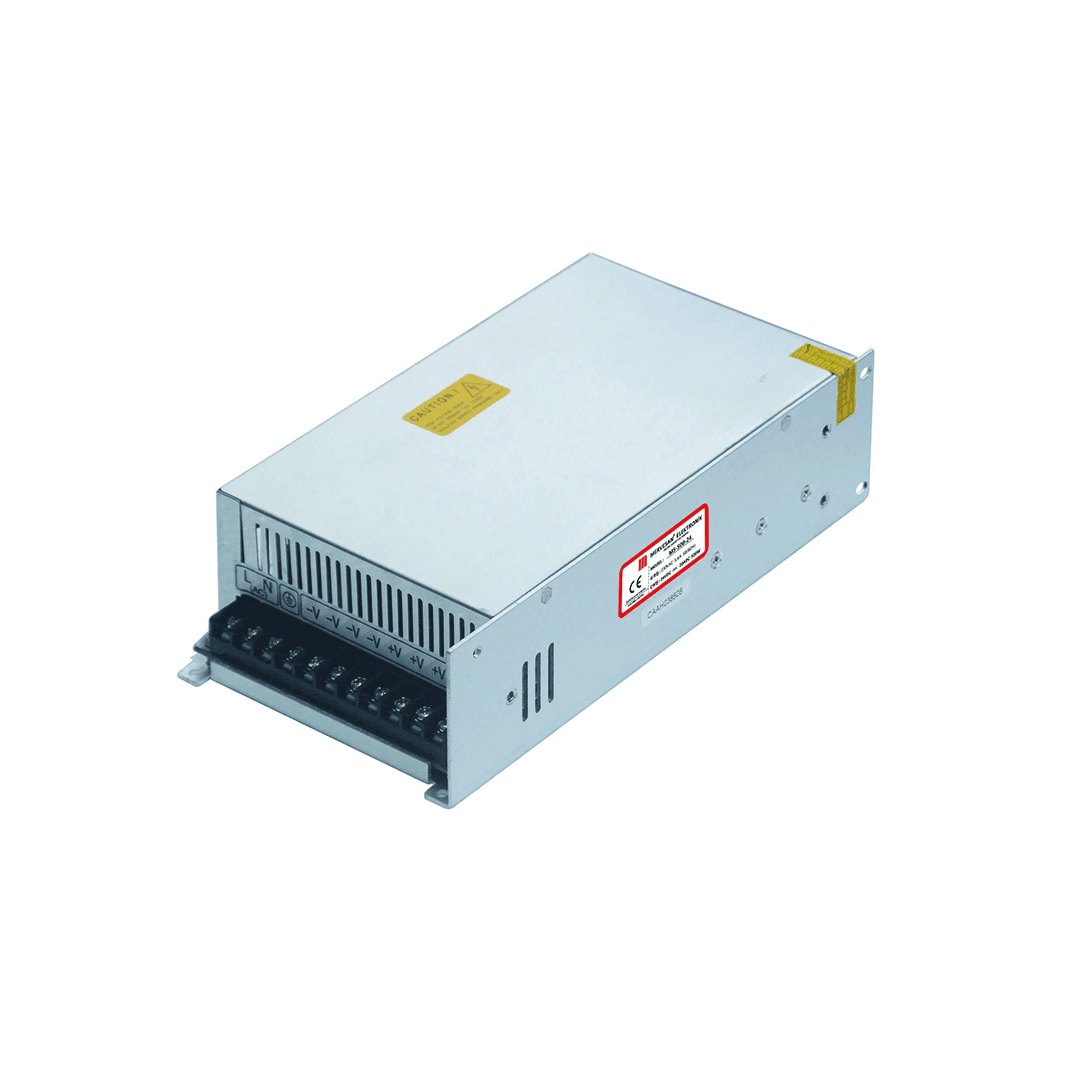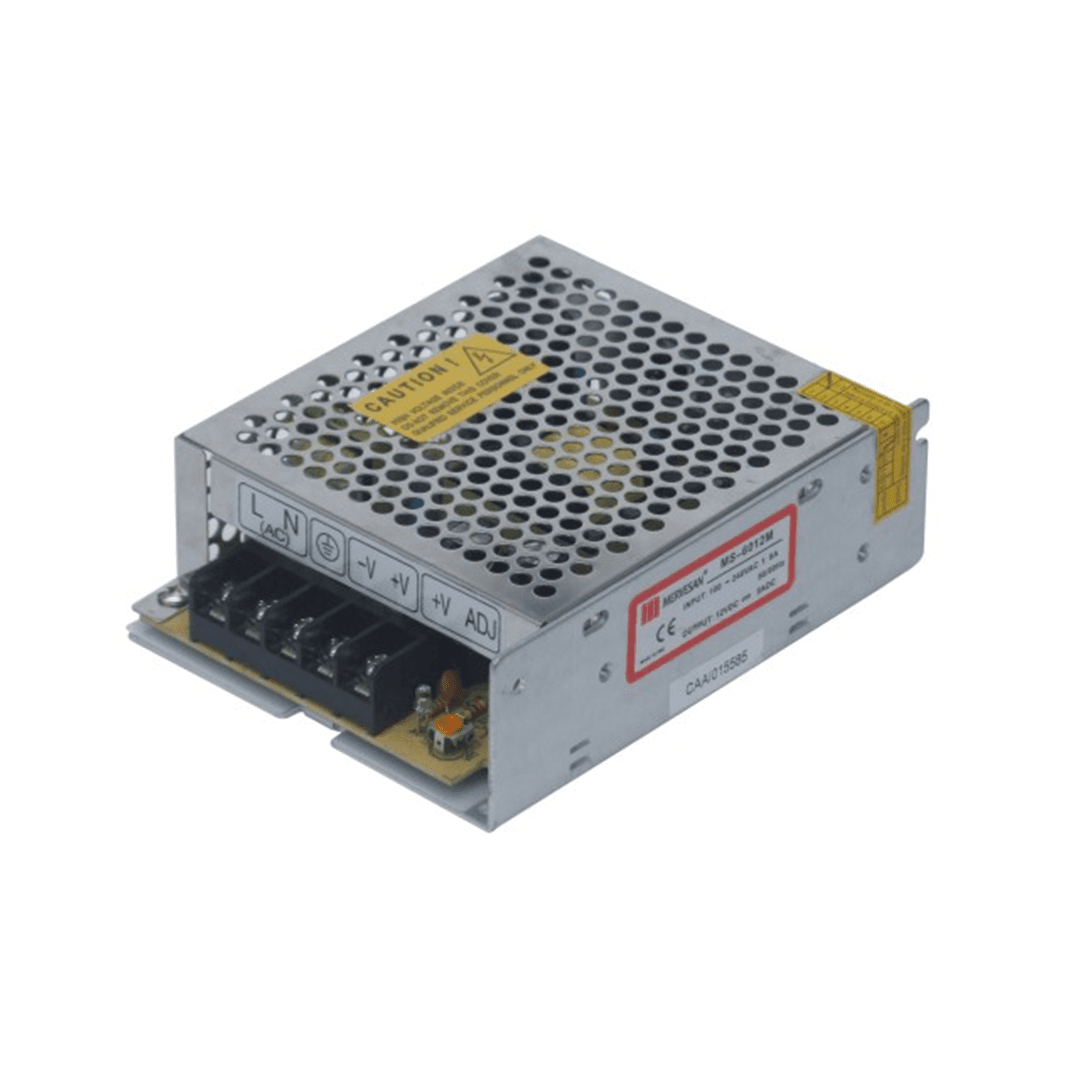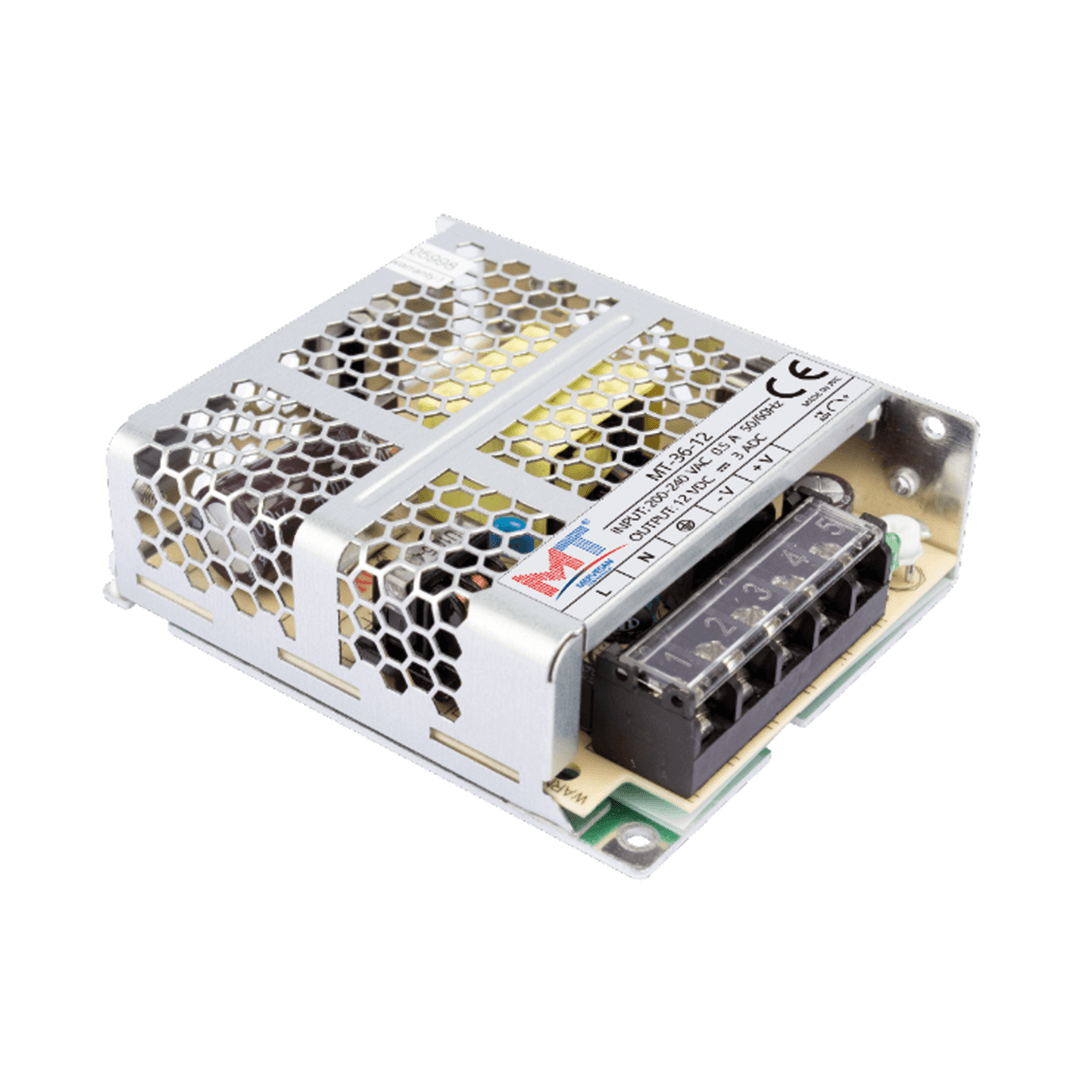
The part most often overlooked in LED lighting is the driver. Panels and strips get compared at length, while the driver is treated as a detail that comes in the box. In fact it largely determines the life of the system and the stability of the light. Below you will find what the driver does, how it is chosen, and why dimming needs to be treated as a separate question.
What does an LED driver do?
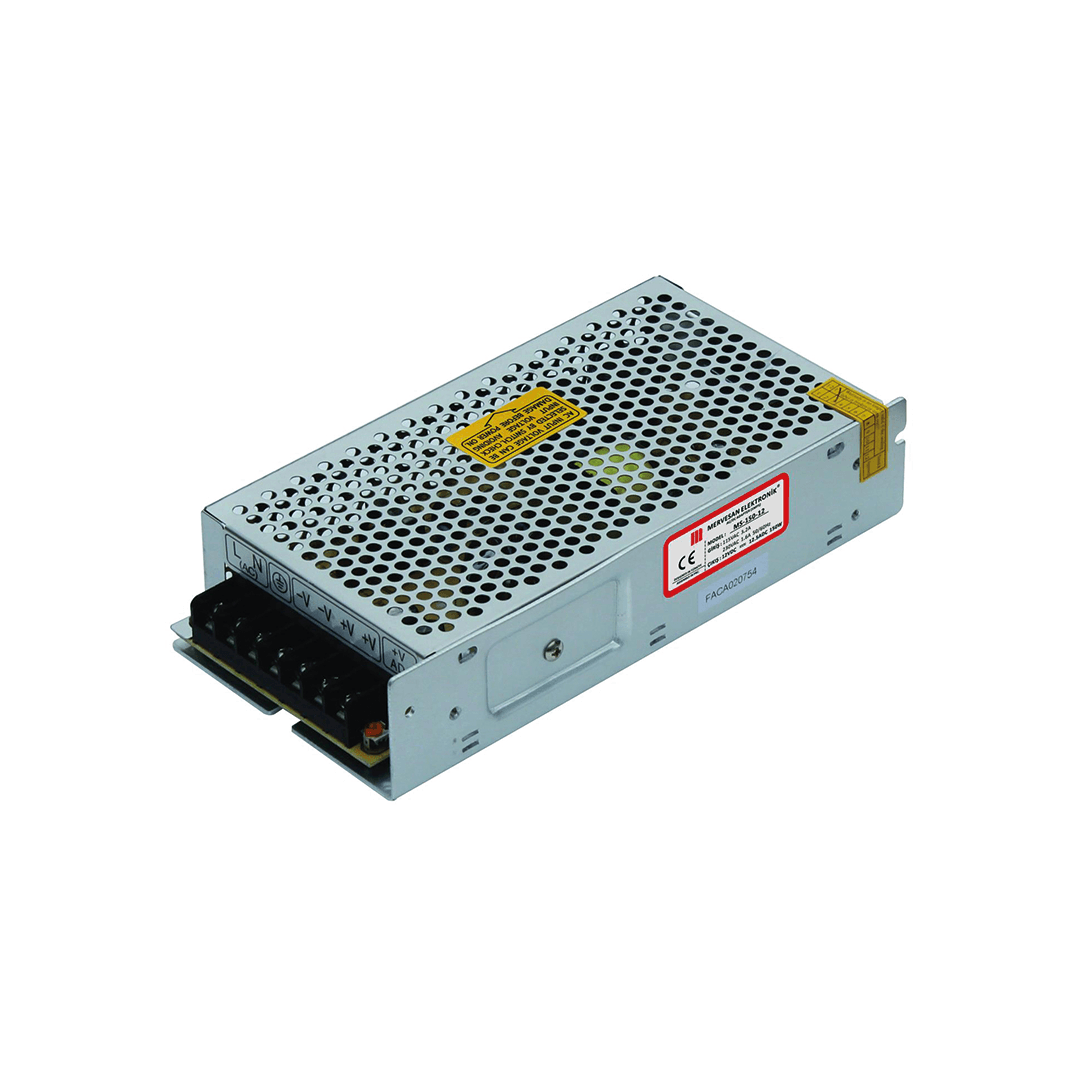
LEDs are components that run at low voltage and at a specific current. Mains voltage is far above that and fluctuates. The driver brings the voltage down to the level the fixture expects and holds the current steady.
Holding the current steady is not only a safety matter: both the amount of light an LED produces and its colour depend on current. An unstable supply produces a flicker that often goes unnoticed but tires the eyes, and a colour shift over time.
What wattage should the driver be?
The rule is simple: the driver's capacity must exceed the total power of the fixtures connected to it. A driver run at its limit heats up and its life shortens.
Common practice is to leave headroom above the total load. That headroom reduces heating and also means the driver does not have to be replaced when a fixture is added to the system later.
Voltage matching is a separate and non-negotiable point: a 12V fixture cannot be run from a 24V driver. When that pairing is wrong the result is usually immediate and permanent damage.
- Output voltage must MATCH the fixture (12V / 24V).
- Capacity must EXCEED the total load.
- Leave headroom: a driver at its limit runs hot.
- For dimming, choose a dimmer-compatible model.
- The driver's location must allow ventilation.
- LED Driver and Transformer — 12V Power Supply, 5A–30A
Why is dimmer compatibility a separate question?
"LED dimmable" on its own is not enough information, because dimming is done in more than one way and not every fixture supports every method. The most common result of a mismatch is flicker at low levels, or light that stops dimming beyond a certain point.
The second frequent problem is the lower limit: some systems cannot go below a certain percentage, so the dimming request is simply not met. That is incompatibility, not a fault.
If dimming is wanted, three parts therefore have to be confirmed together: the fixture, the driver and the dimmer. If any one of them does not support it, the system will not dim.
What causes flicker?
Flicker comes from instability in the current reaching the LED. Some of it is visible; a significant part is not, and is felt instead as headaches and eye strain.
There are three common causes: a driver running at the edge of its capacity, an incompatible dimmer, and a poor-quality supply stage. On long strip runs, voltage drop produces both a loss of brightness and instability towards the far end.
There is a practical way to check for flicker: point a phone camera at the fixture. If horizontal bands travel across the screen, flicker is present even when the eye cannot see it. This is not a precise measurement, but it is a clear warning and useful when comparing products.
It matters more in work and reading areas: the eye continually compensates for unstable light, and that effort accumulates as fatigue. The same fixture may cause no trouble in a circulation area.
Why does voltage drop matter on long runs?
As a strip or module run gets longer, resistance in the cable means the voltage reaching the far end is lower than at the start. The result is visible: brightness differs between the beginning and the end of the run, and the far end looks yellowed.
This does not come from a faulty product; it comes from physics. The usual answer is to feed the run from both ends, or to split it and feed each section separately. The effect is more pronounced on 12V systems; a 24V run shows less drop over the same length.
When planning a long run, cable cross-section and feed points therefore matter as much as the choice of fixture. Correcting this afterwards means taking the run down.
What matters in wiring and placement?
A driver produces heat and has to be able to shed it. A driver placed in a completely sealed, unventilated void will have a short life even when running below its capacity.
Access matters too. The driver is the part of the system renewed earliest; one buried in a suspended ceiling beyond reach means opening the ceiling when it fails. An access hatch, or simply a reachable position, makes a large difference later.
Cable cross-section is the third point and usually the last to be considered. A thin cable on a long run increases voltage drop and heats up; the cross-section is chosen for the current carried and the distance. Connections must also be tightened properly: a loose terminal causes no trouble at first and appears months later as unstable light.
Finally, where several drivers sit together in an enclosure, leave air space between them. Drivers packed side by side raise each other's temperature, and a capacity that looks sufficient on its own falls short as a group.
Three mandatory matches when choosing a driver
| Aspect | Criterion | If it is wrong |
|---|---|---|
| Voltage | Same as the fixture (12V / 24V) | Immediate, permanent damage |
| Power | Above the total load, plus headroom | Overheating, short life |
| Dimming | Fixture + driver + dimmer all compatible | Flicker or no dimming |
Related guides: Choosing an LED Panel: Watts, Lumens and How Many You Need, IP Ratings for LED Fixtures: Bathroom, Kitchen and Outdoors. For your project you can review for product options see our LED drivers and accessories or for turnkey installation see our LED lighting solutions.