
Ceiling Mounting Accessories
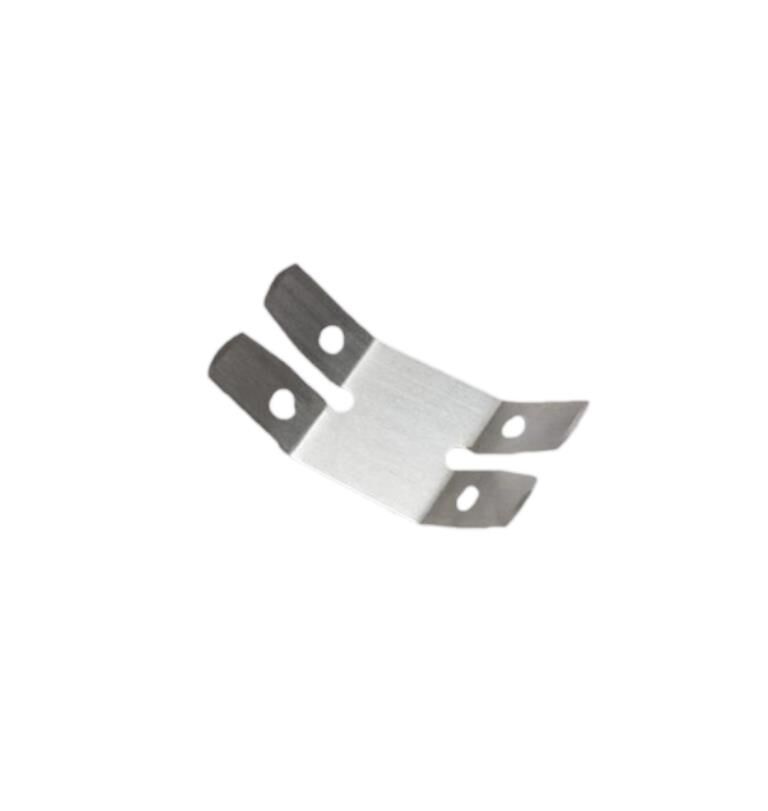
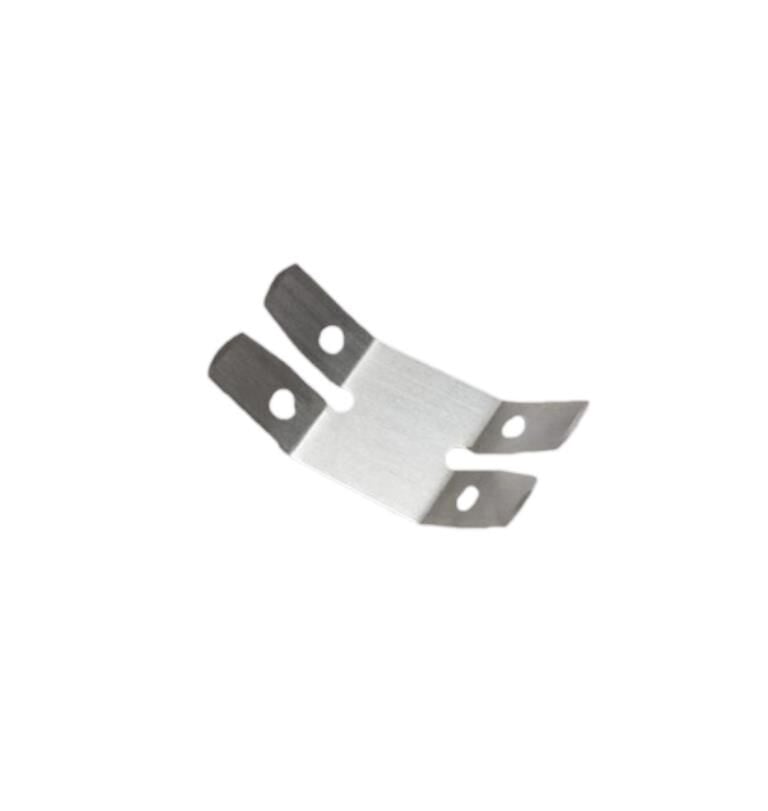
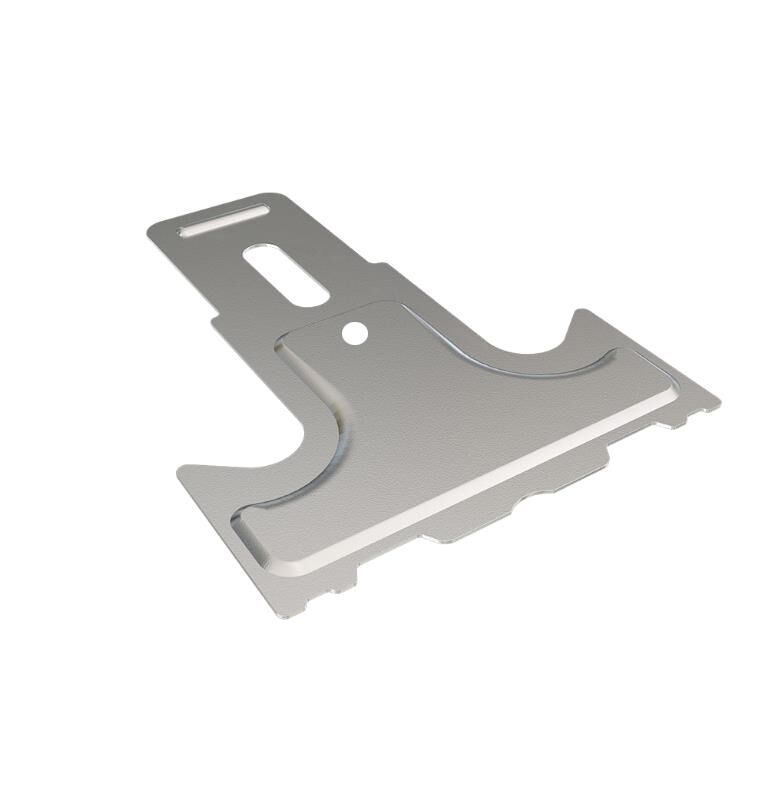
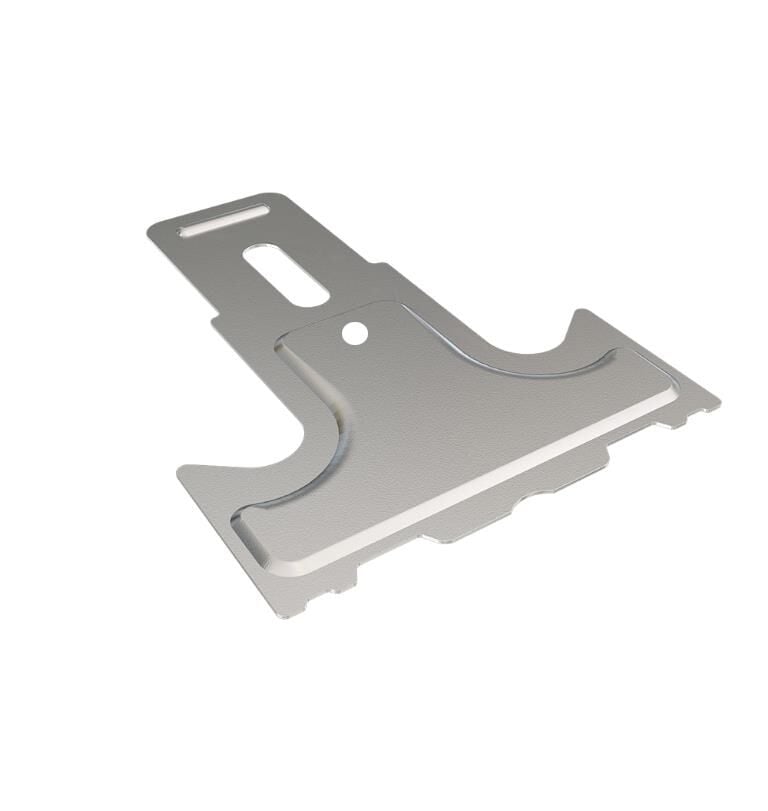
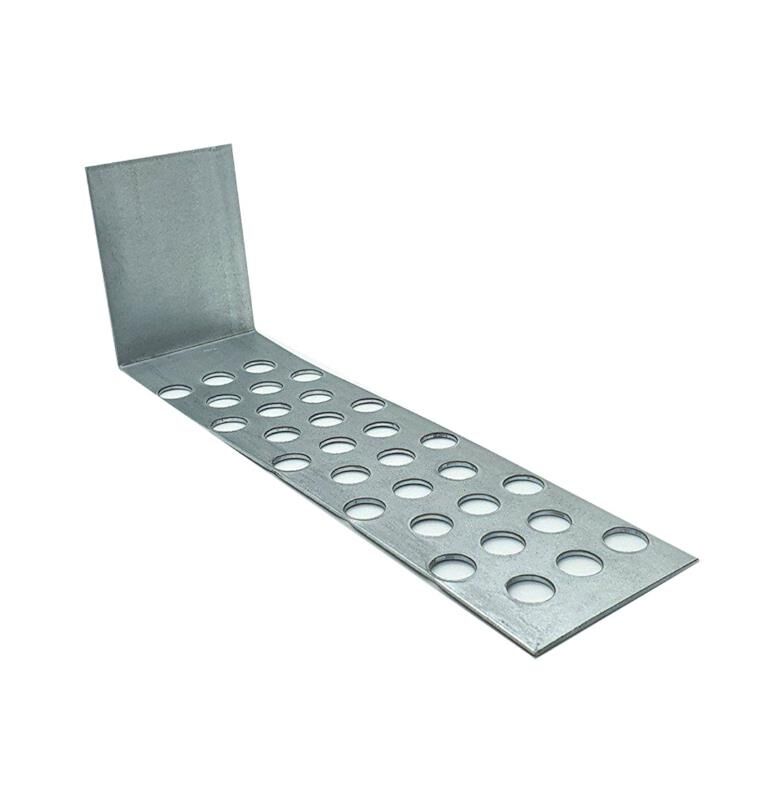
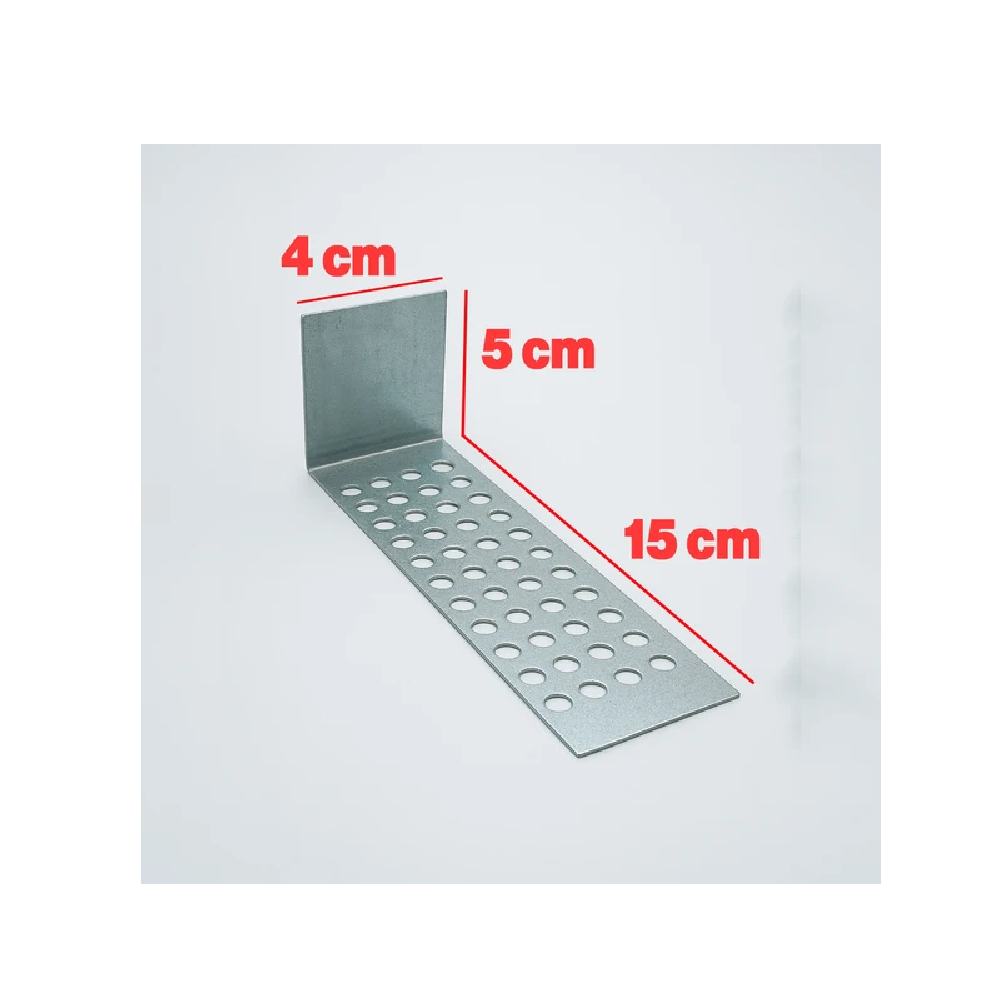
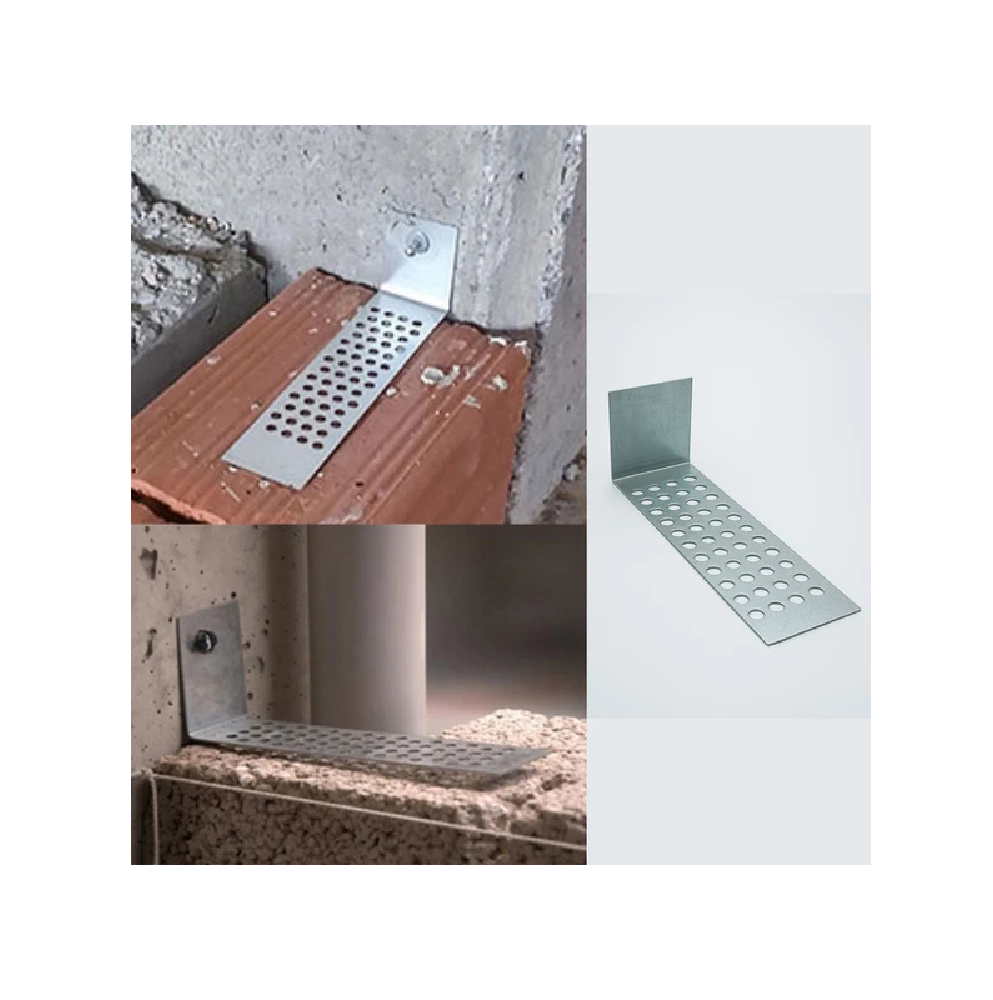
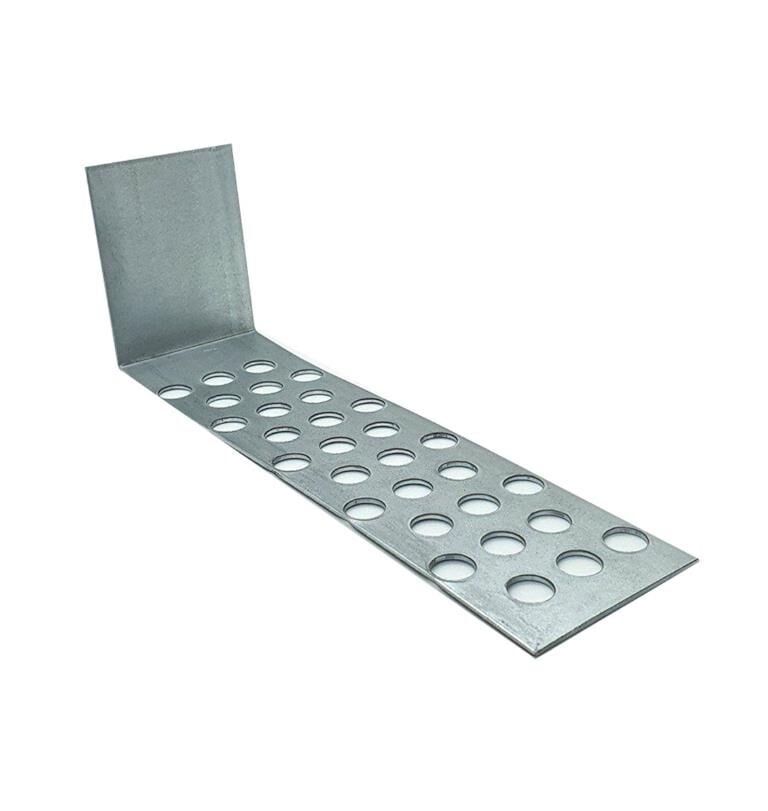
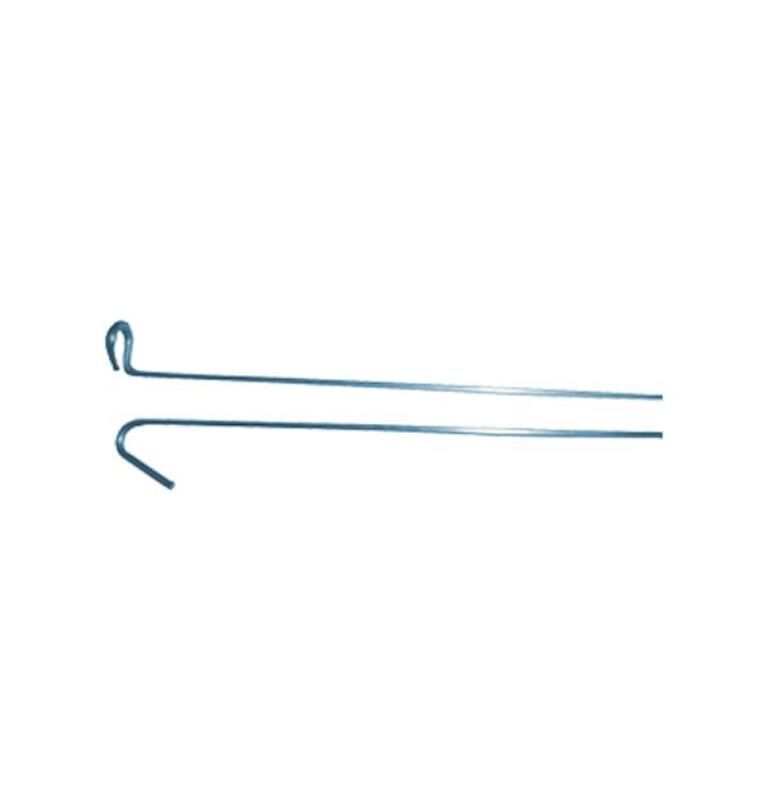
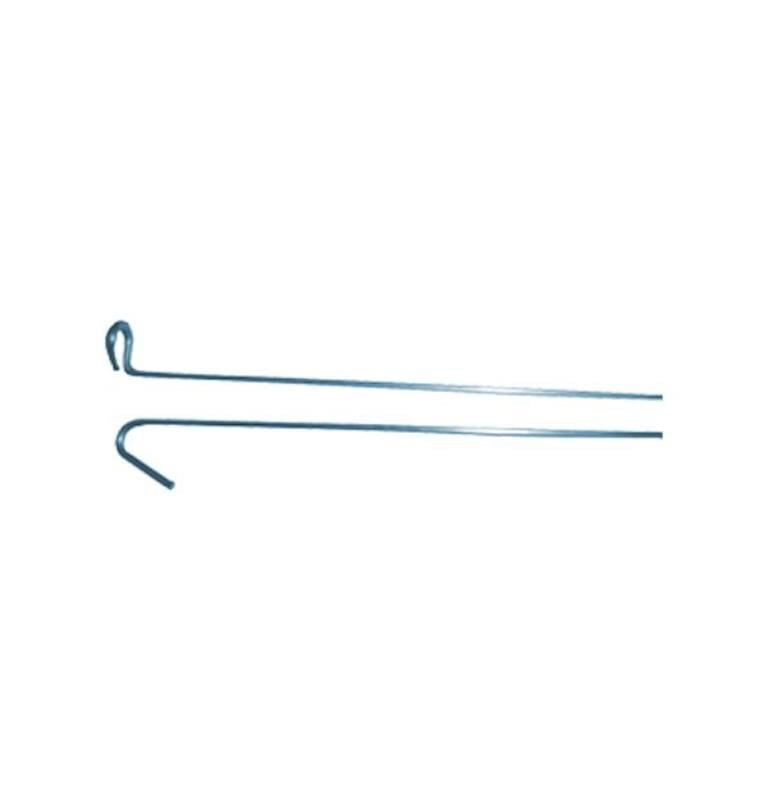
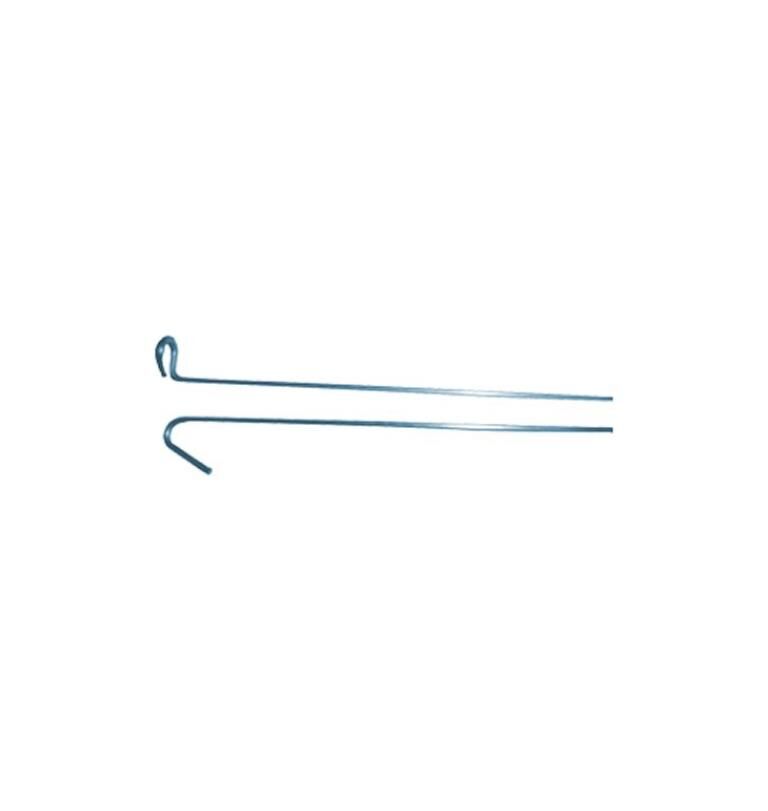
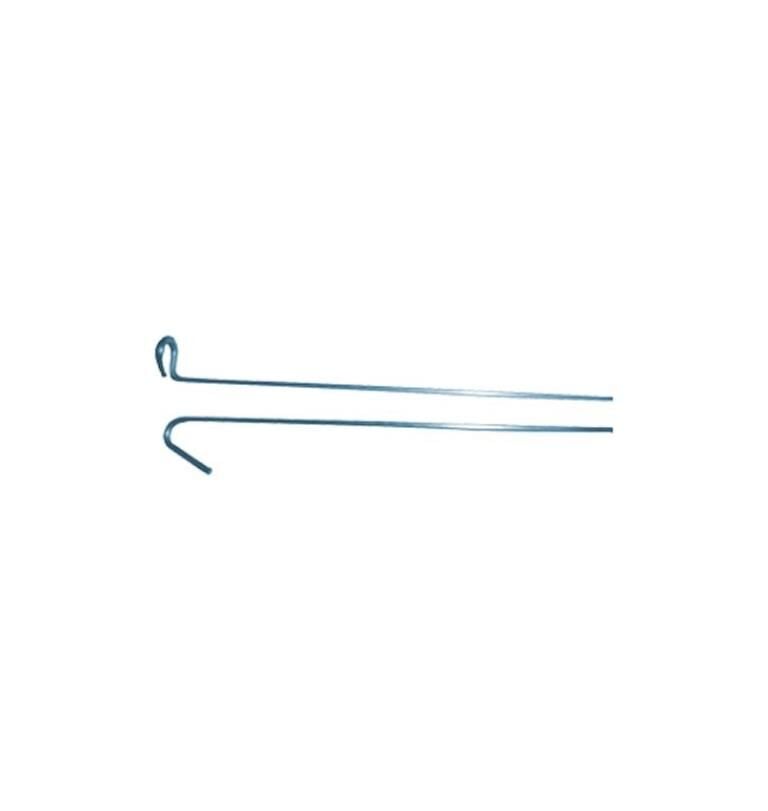
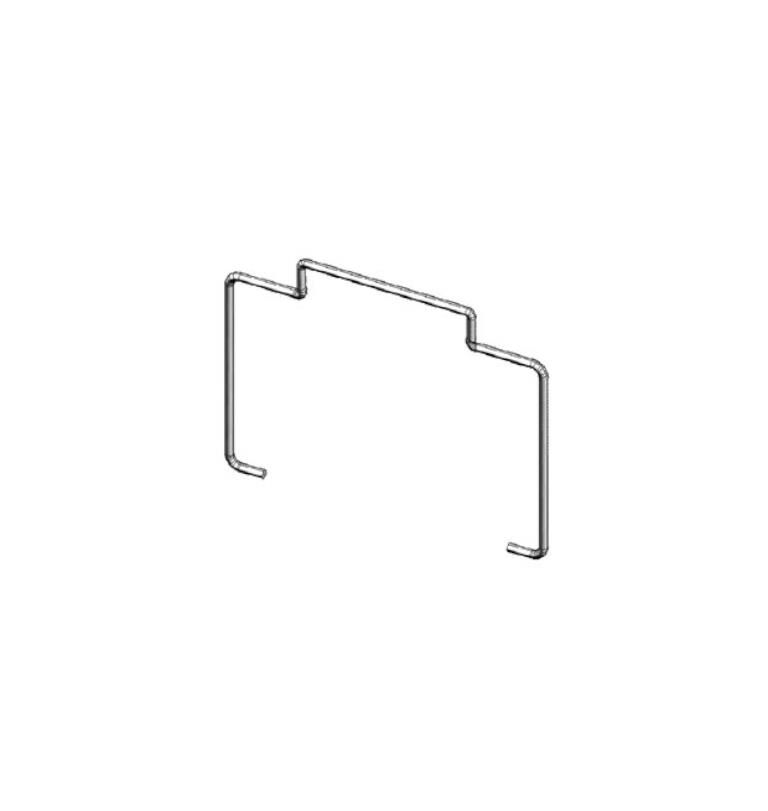
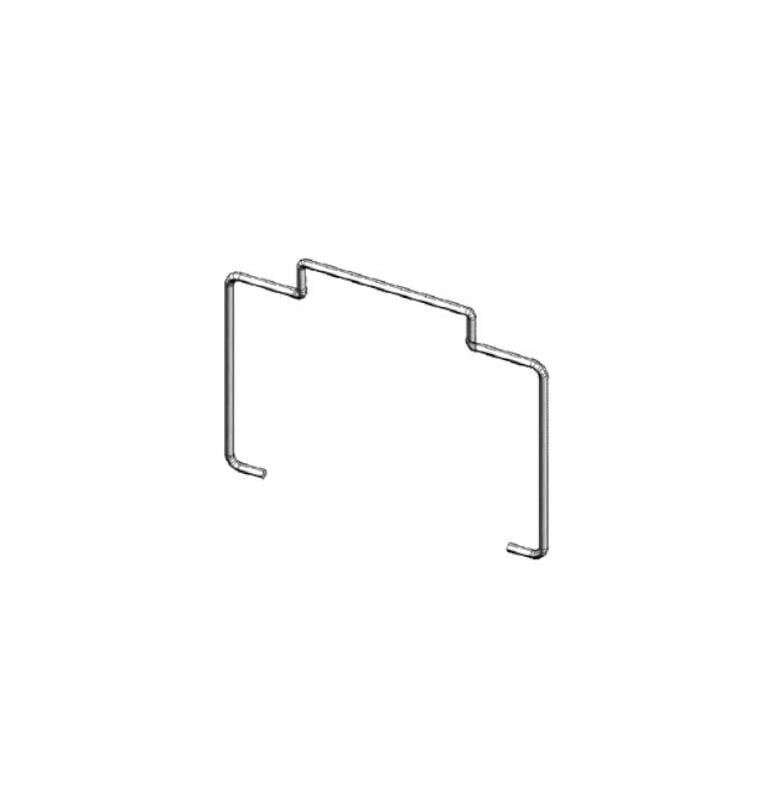
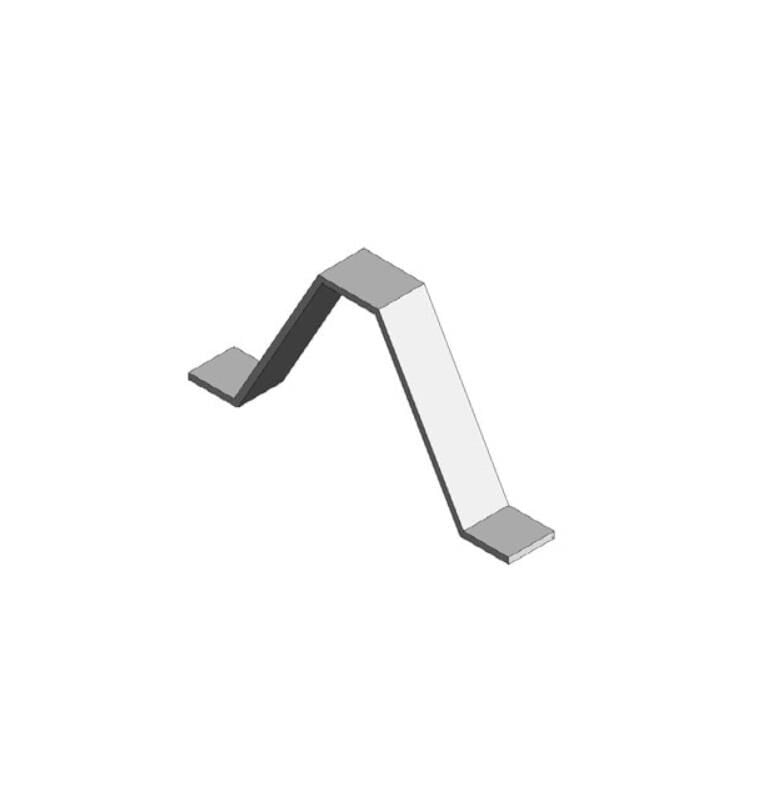
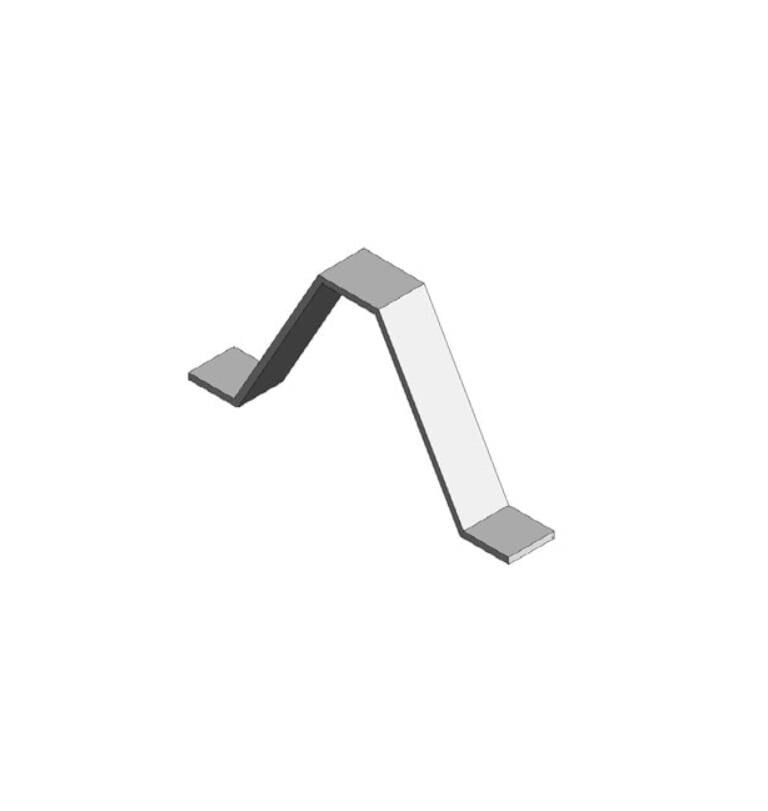
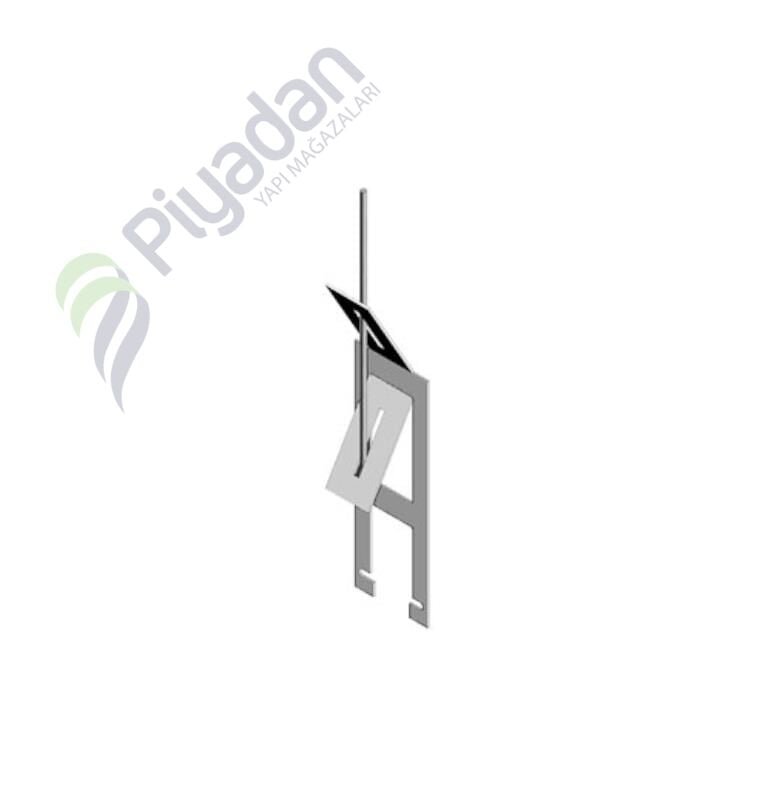
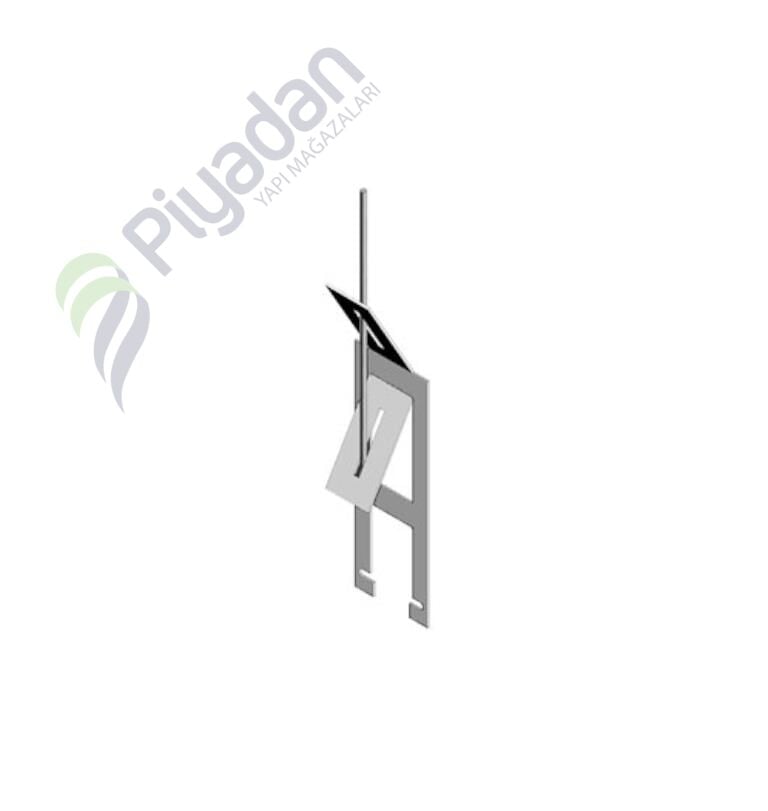
The weight of a suspended ceiling reaches the structure through these parts. The hanger wire hangs the profile from the slab; its length is chosen to suit the depth of the ceiling void. The aerated-concrete anchor plate is used where the soffit is aerated concrete or pumice block rather than dense concrete — it spreads the load in a porous material where a plug cannot grip. Clips and the double-spring clamp connect the wire to the profile; the sprung version allows height adjustment and makes levelling the ceiling far easier.
Related Categories
Frequently Asked Questions
Which carrier is it compatible with?
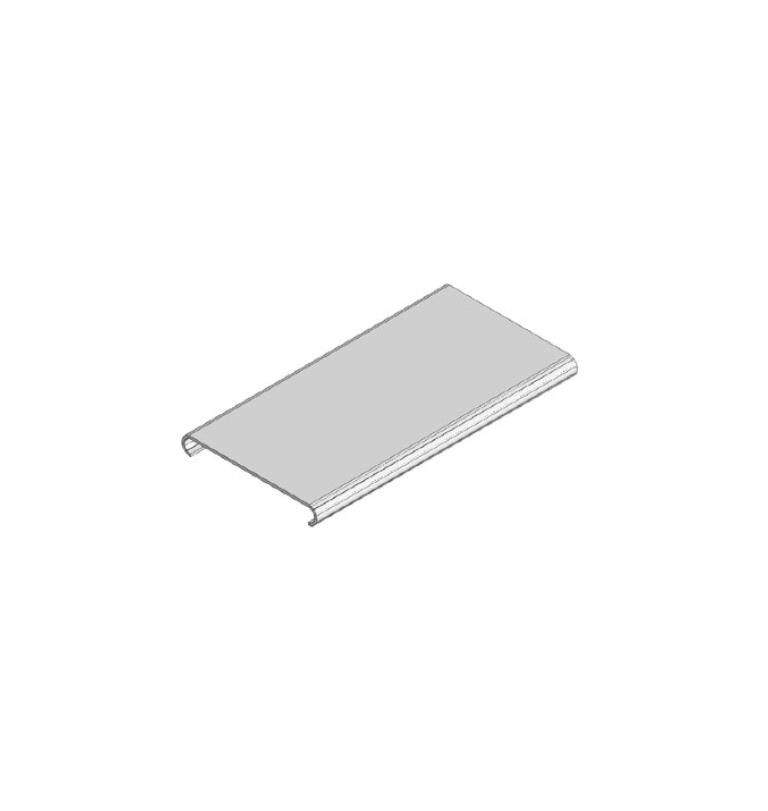
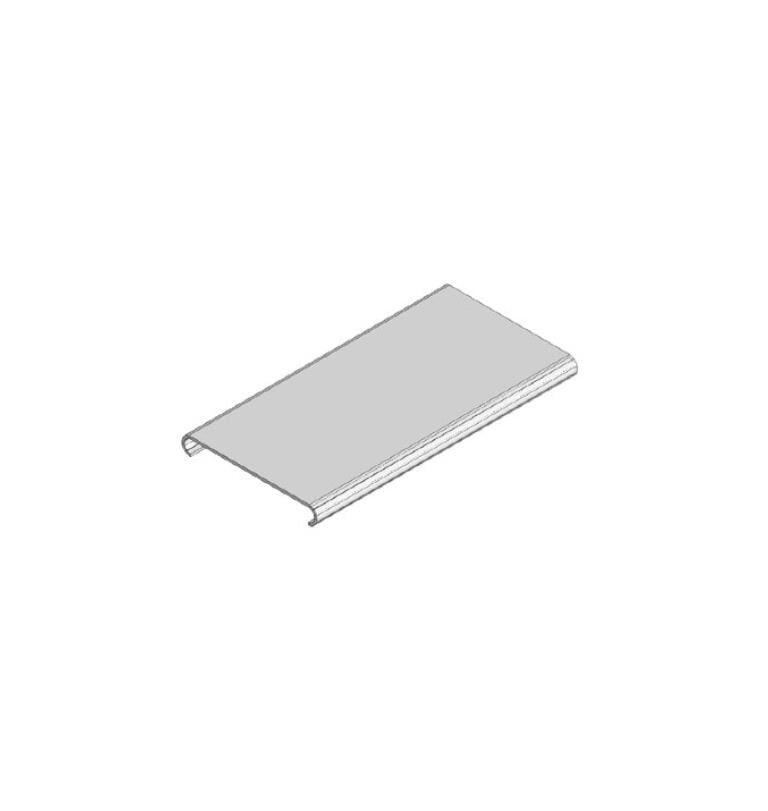
Splices and clips are chosen to match the profile section; consider them together with the products under suspended ceiling profiles.
Are they used in plasterboard ceilings too?
The plasterboard framework has its own hangers and connectors: plasterboard profiles.
How much load do they carry?
The capacity depends on the anchor type and the quality of the concrete; heavy fittings need local reinforcement.
Related Guides
7 Factors Affecting Suspended Ceiling m² Price (2026 Guide)
~9 min read
What is a Metal Suspended Ceiling? Advantages and Areas of Use
~7 min read
LED Sky Panels: What Are the Different Sizes and Mounting Options?
~10 min read