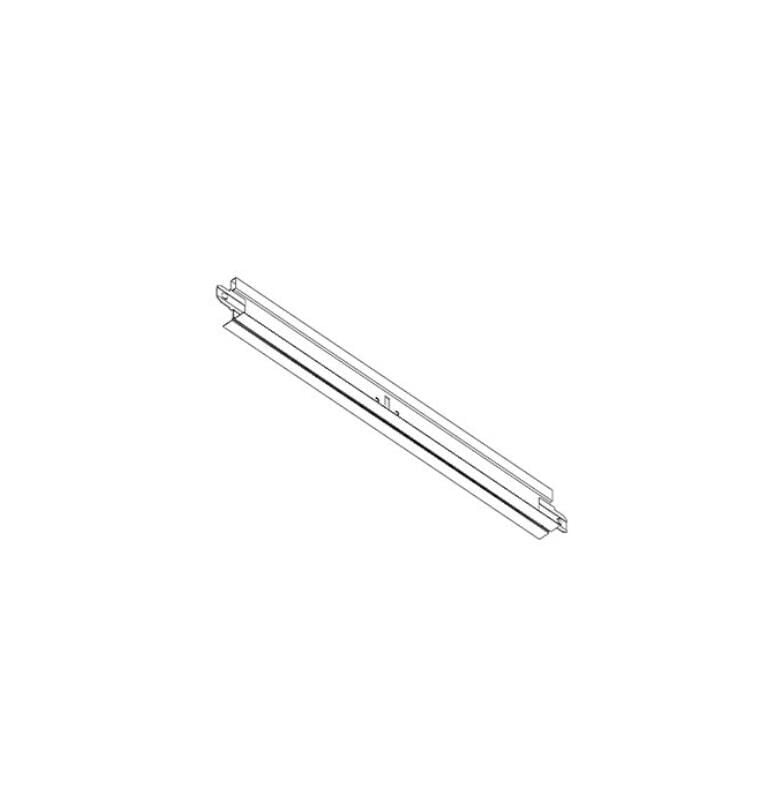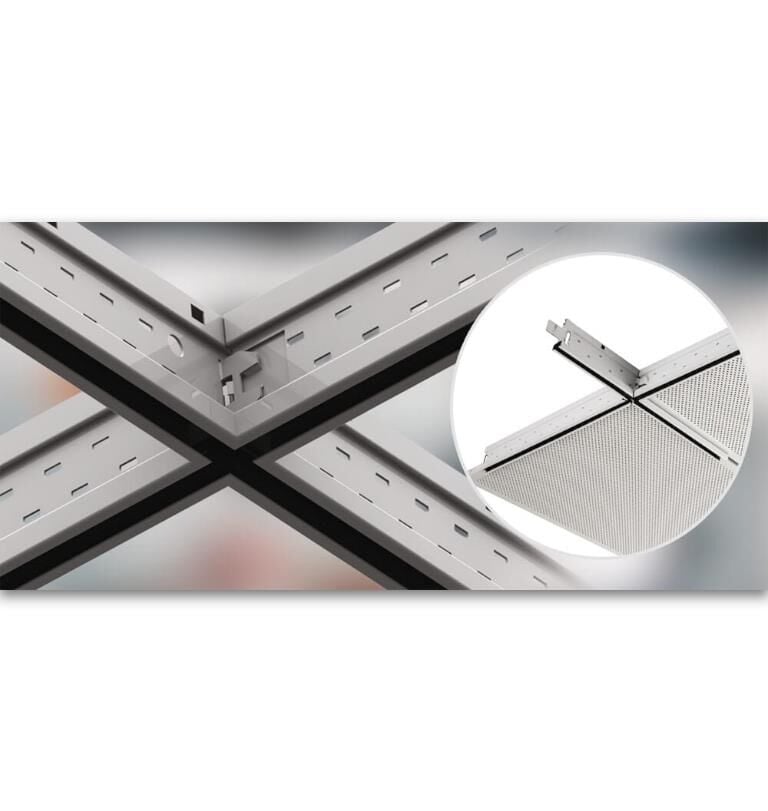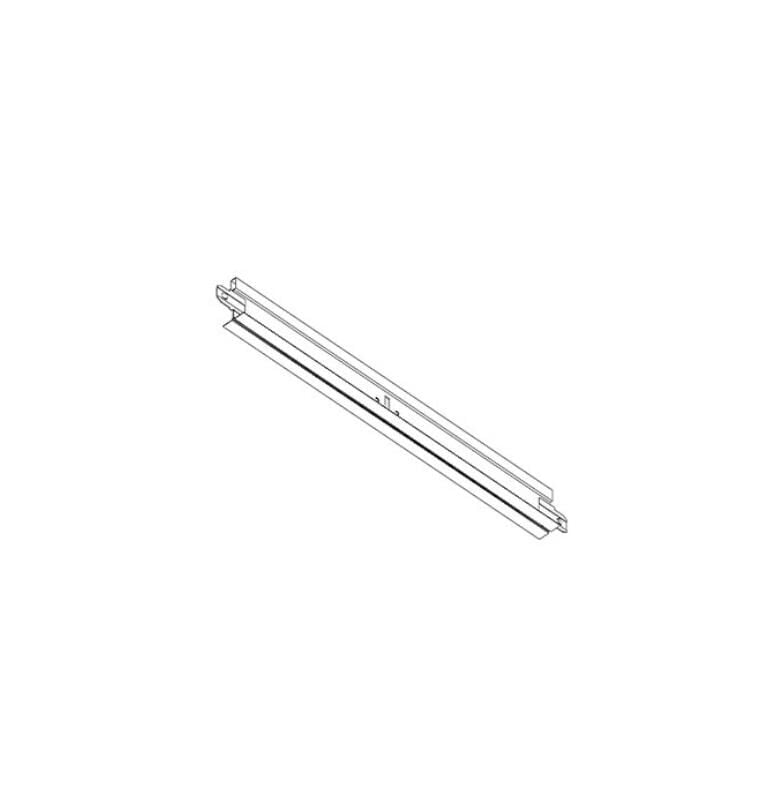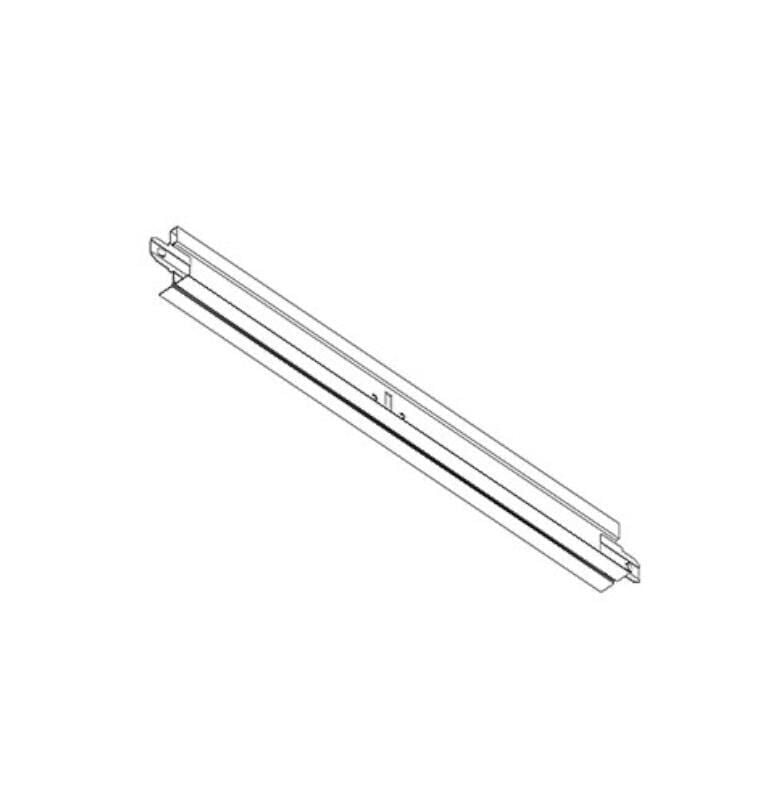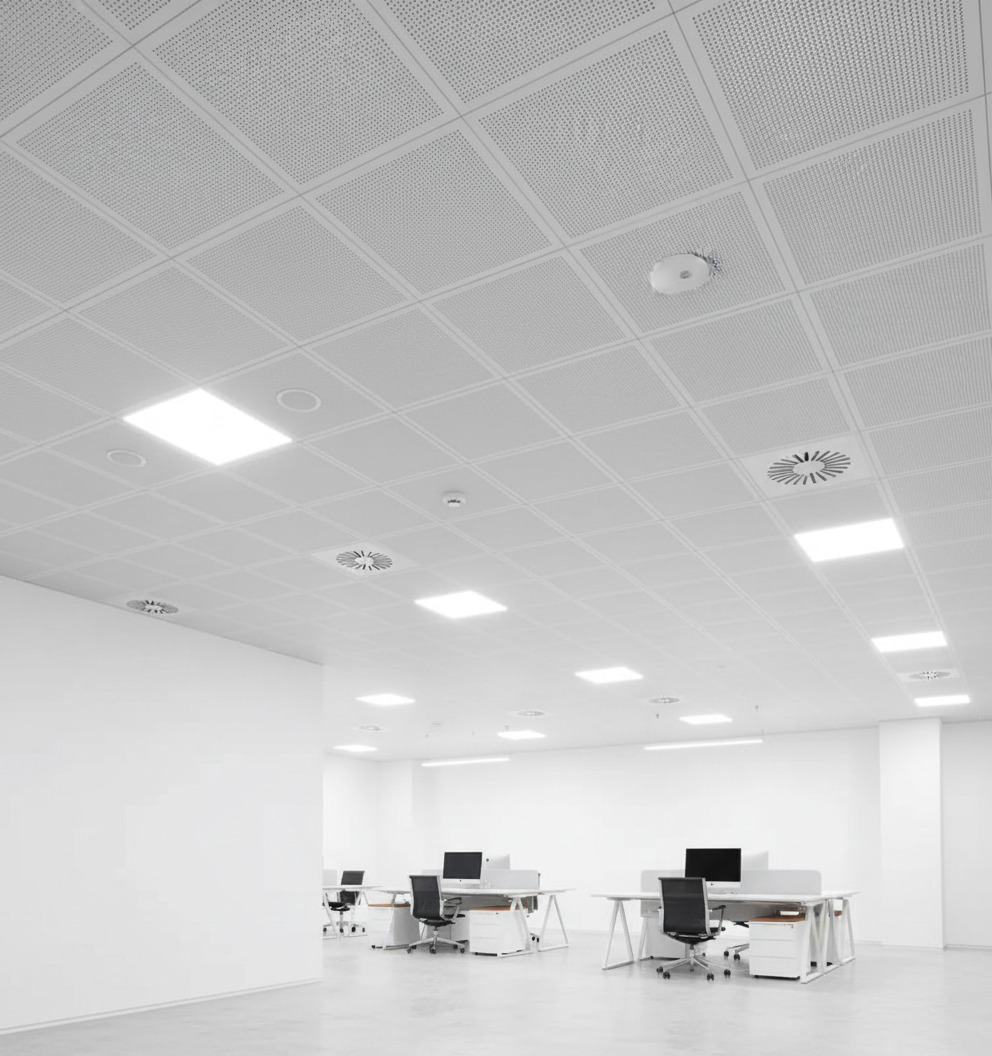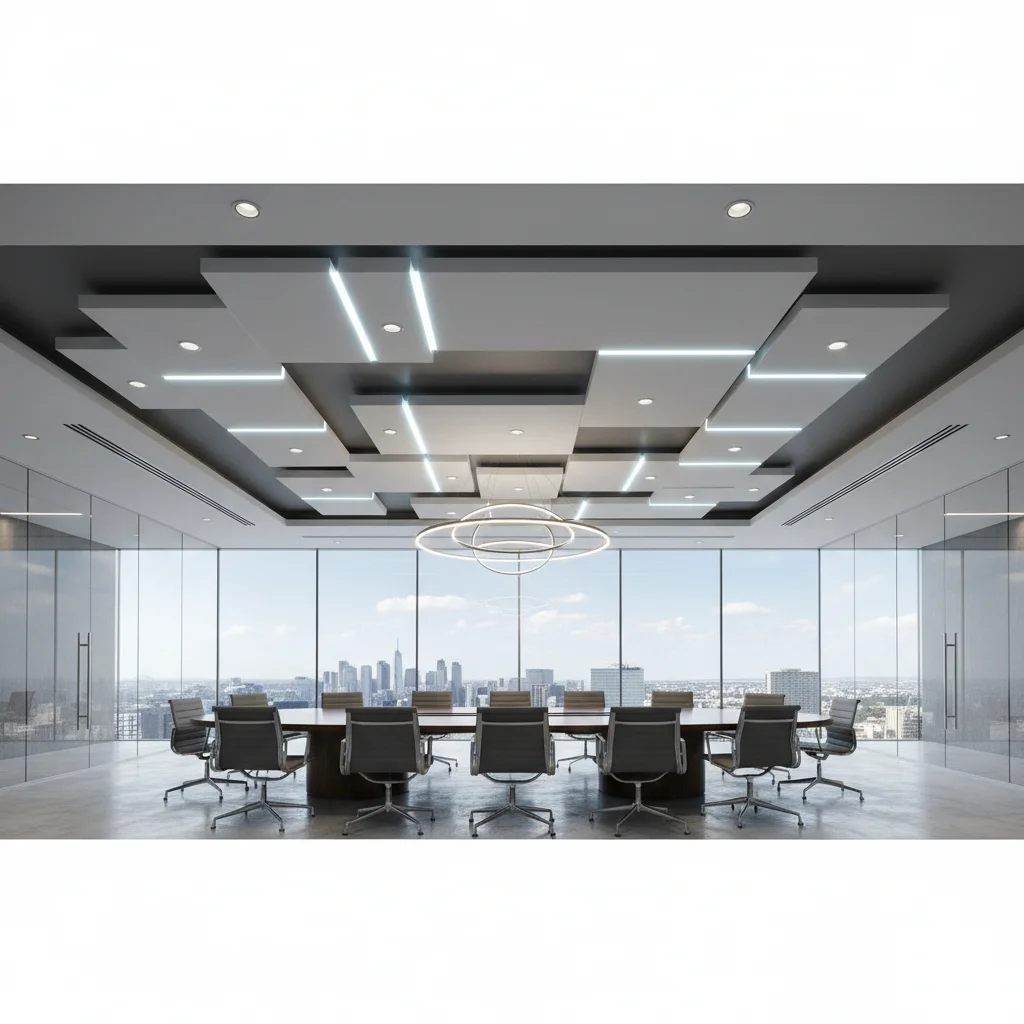
Metal suspended ceilings are innovative ceiling systems that combine aesthetic appearance, durability, and functional advantages in today's modern architecture. These solutions offer significantly more performance compared to traditional ceilings, enhancing the visual quality of spaces while providing practical answers to technical needs. Especially preferred in commercial and public areas, metal suspended ceilings stand out with their long-lasting and hygienic structure.
What is a Metal Suspended Ceiling and What Types Are Available?
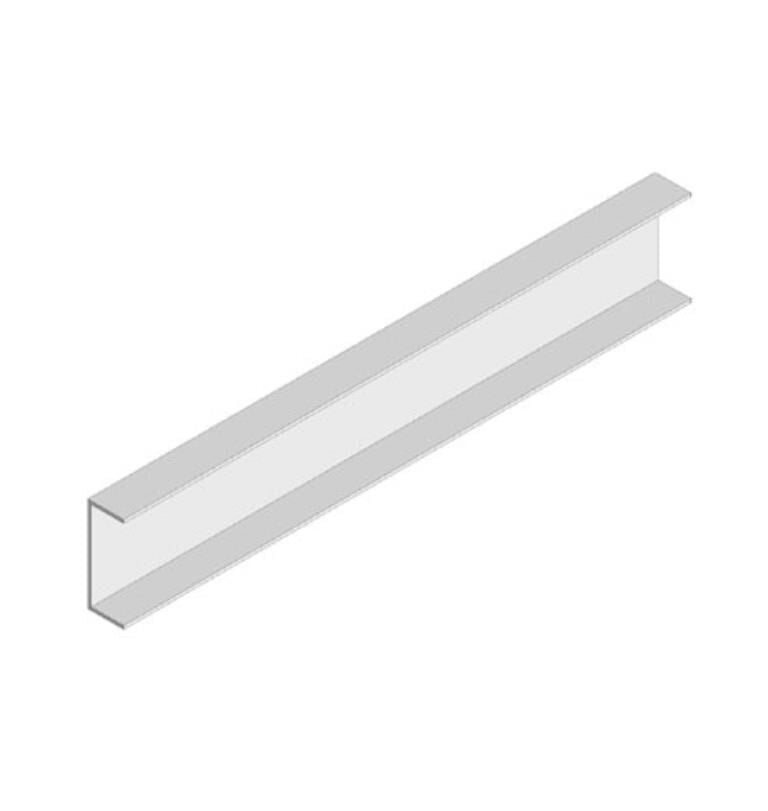
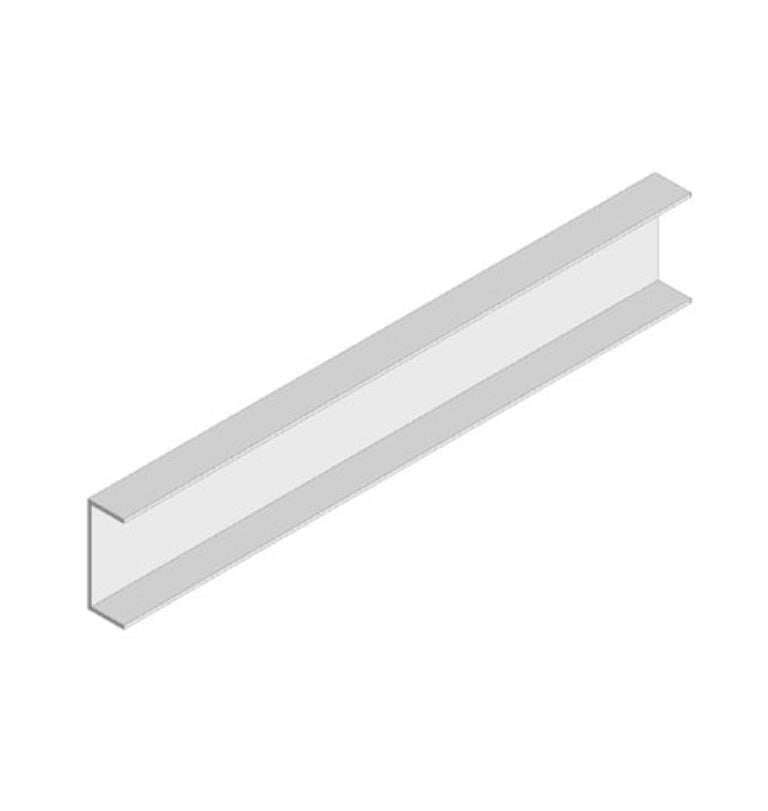
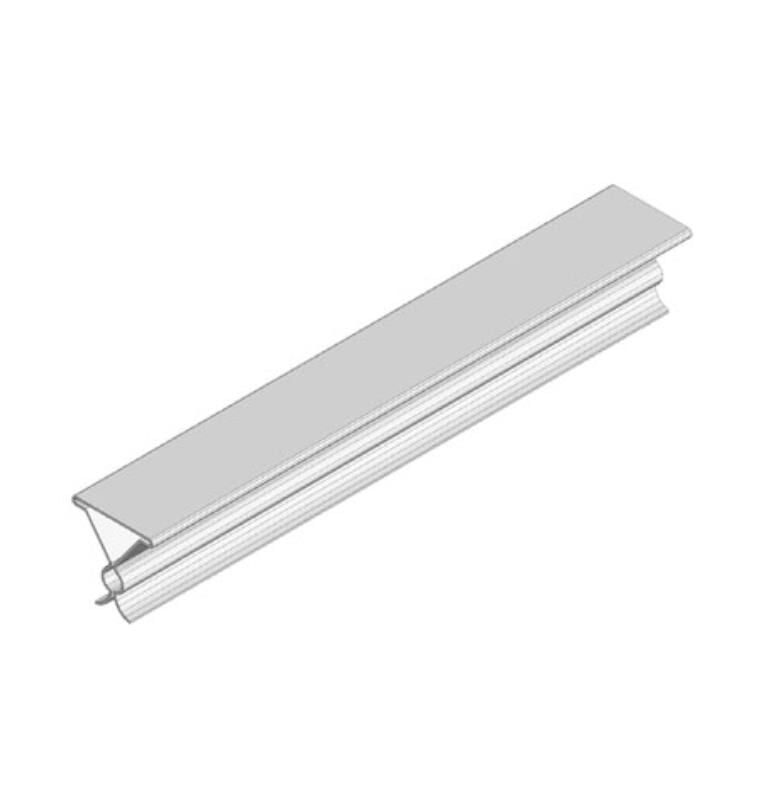
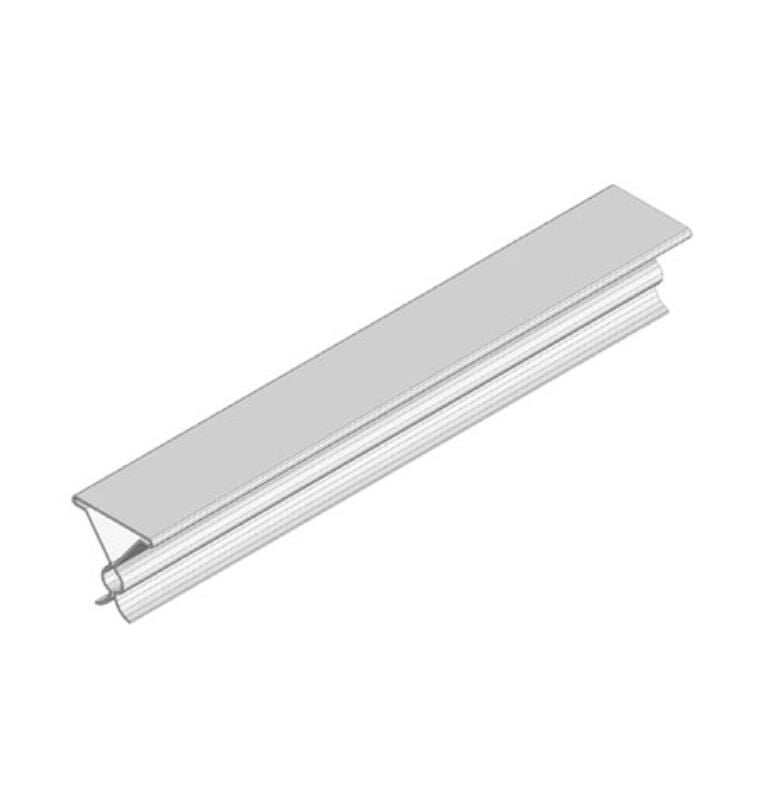
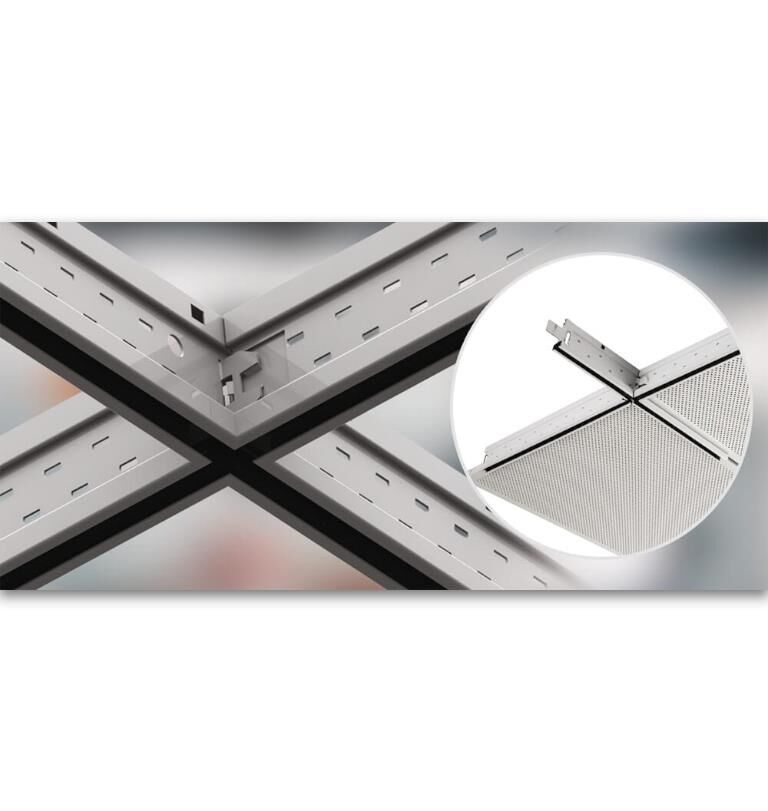
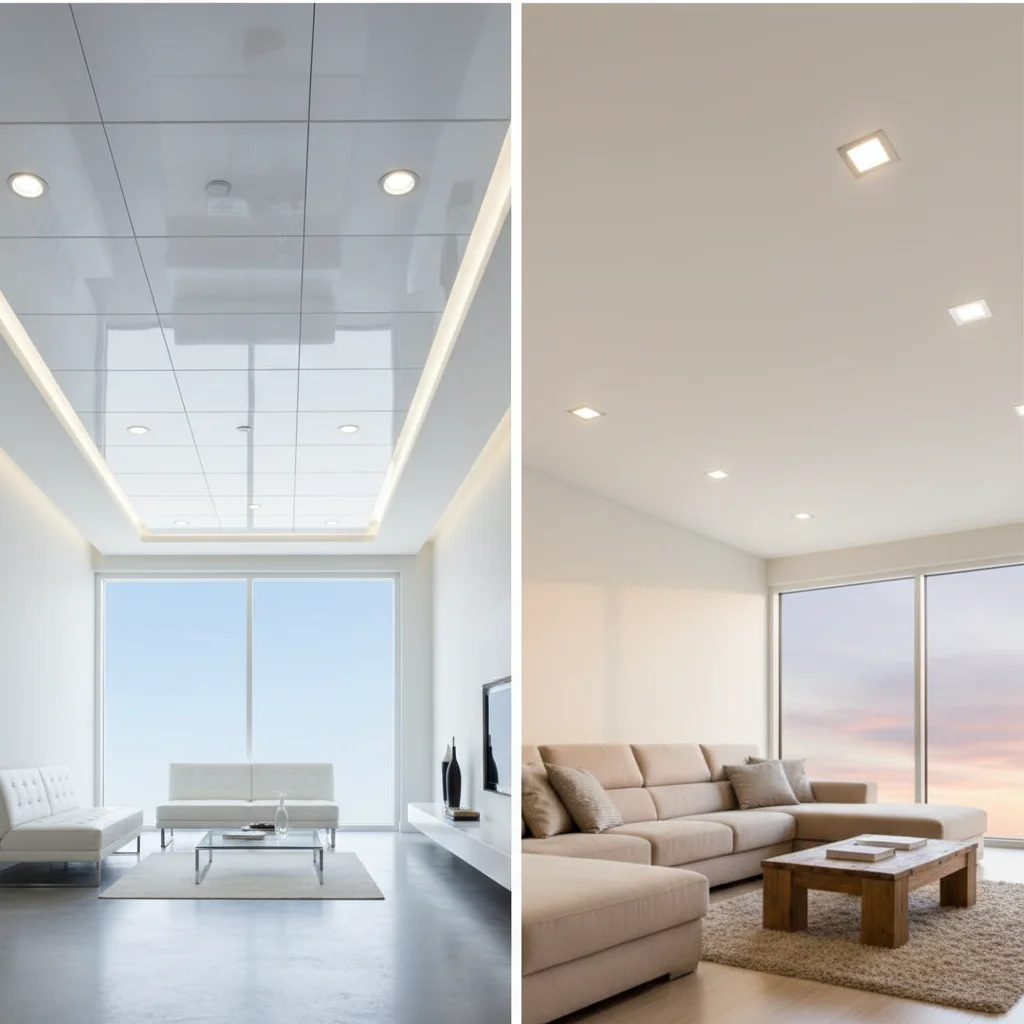
A metal suspended ceiling is a secondary ceiling system installed below the main ceiling slab via a suspension system, typically formed by panels made of aluminum or galvanized steel. These systems conceal infrastructure elements such as electrical wiring, ventilation, and plumbing within the ceiling void, while giving spaces a modern and tidy appearance.
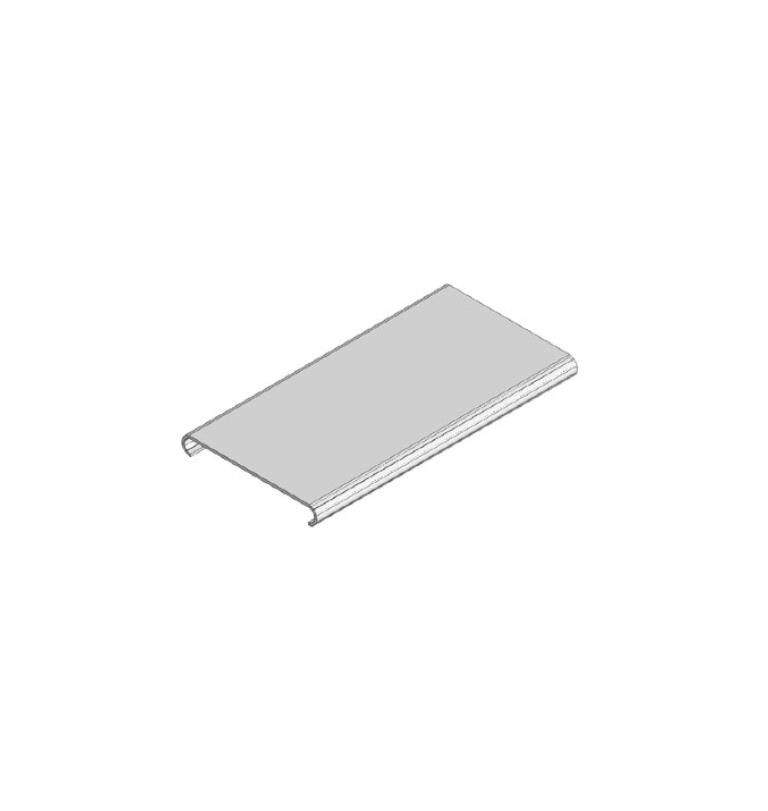
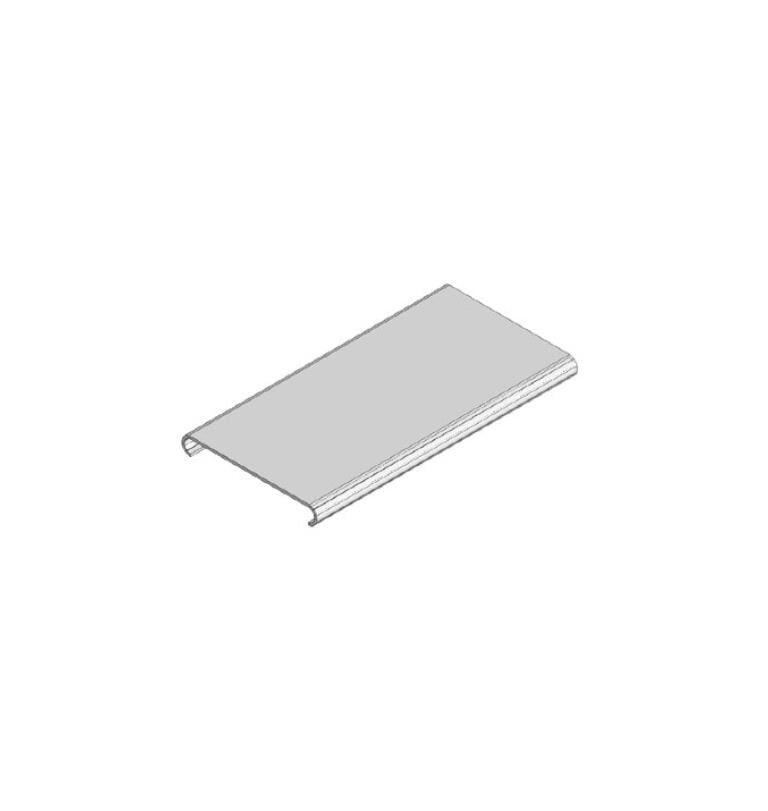
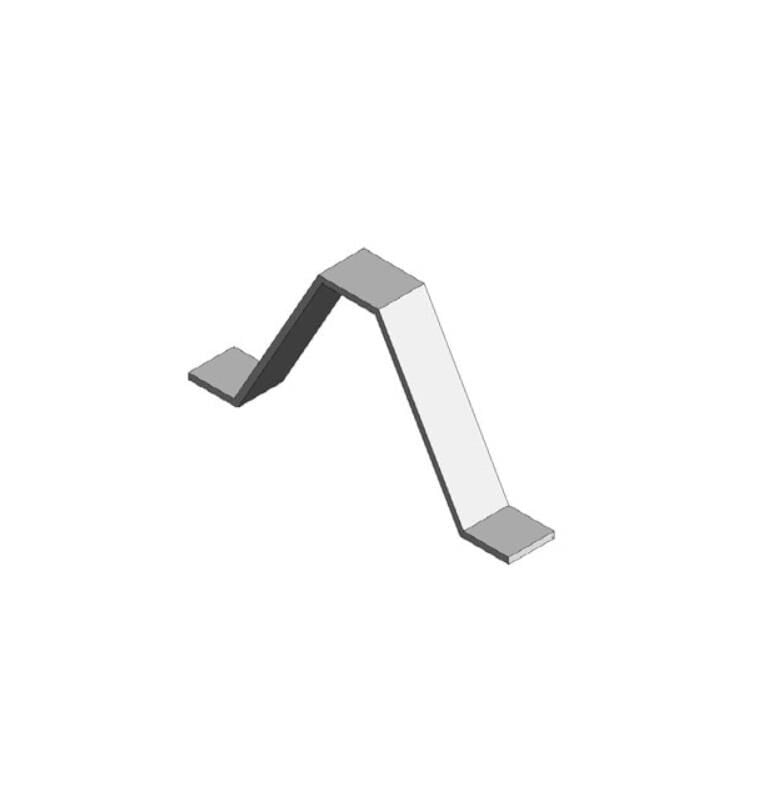
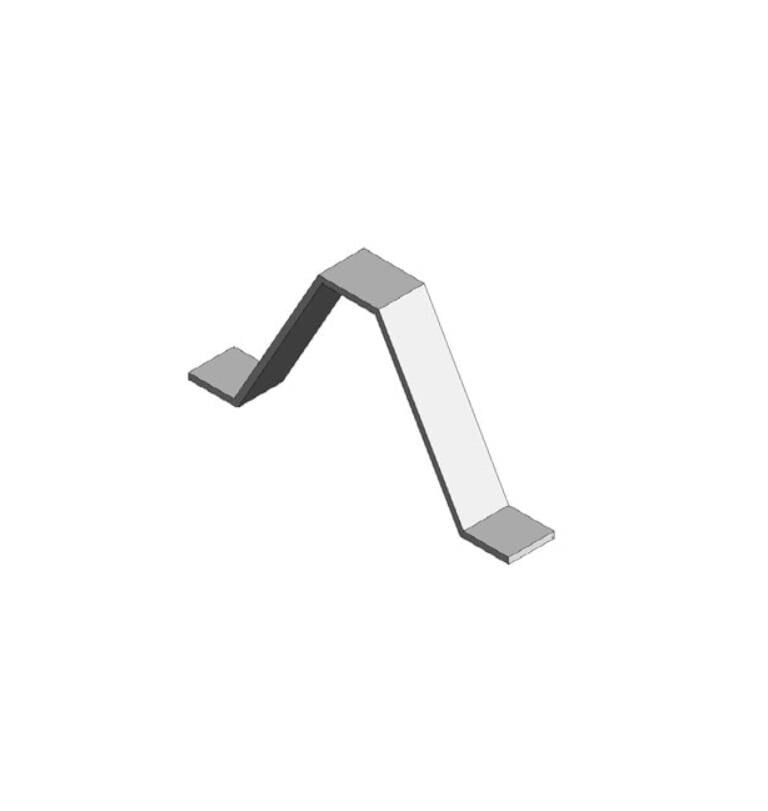
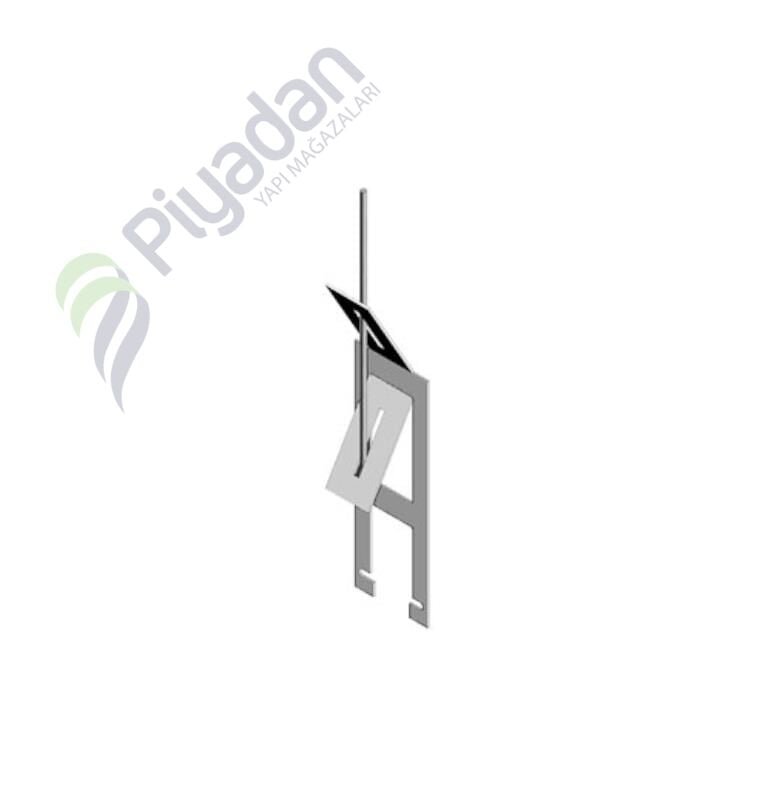
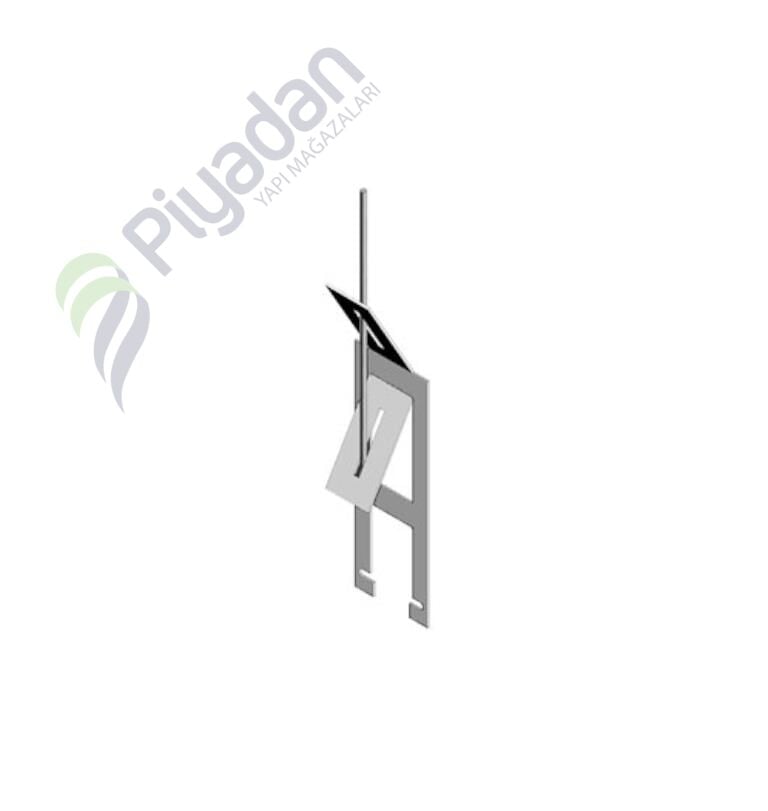
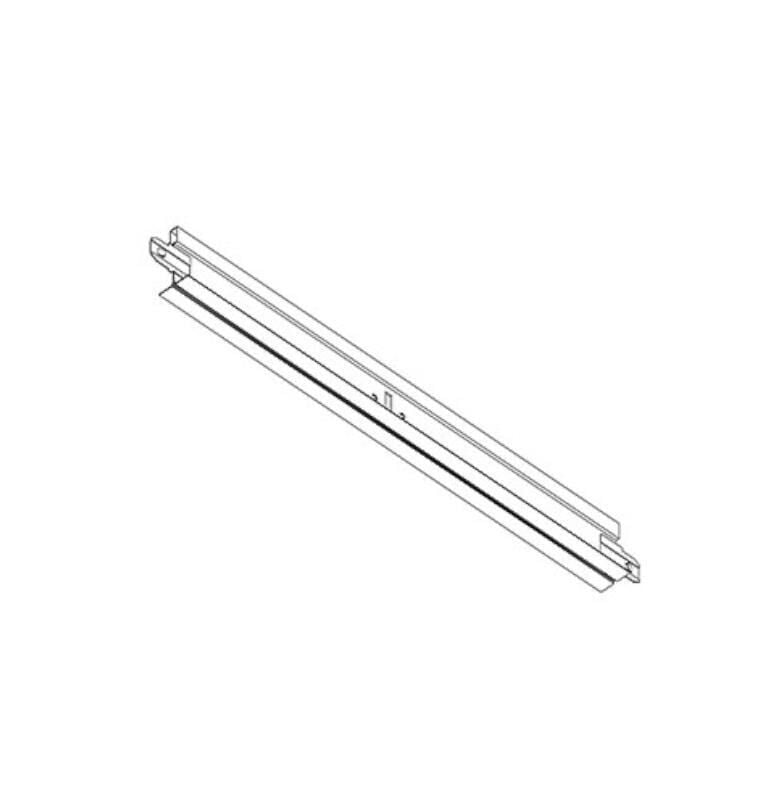
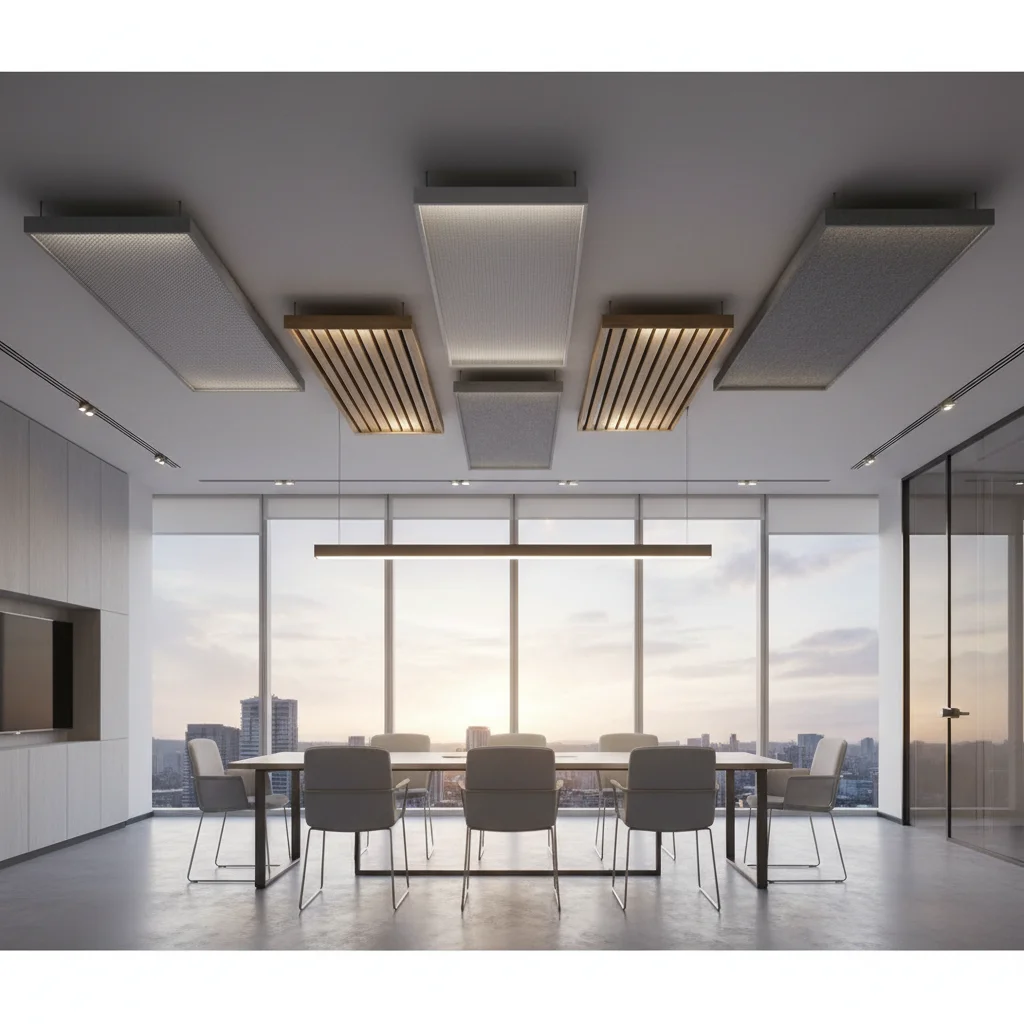
There are commonly four main types of metal suspended ceilings on the market: Clip-in, Lay-in, Baffle, and Hook-on. Clip-in systems create a smooth and seamless surface by discreetly attaching panels to the suspension system. Lay-in systems, on the other hand, offer a structure where panels are seated into a visible grid, allowing for easy removal and reinstallation. Baffle ceilings consist of vertically suspended strips and are particularly used to enhance acoustic performance in spaces with high ceilings. Hook-on systems involve panels hung onto the suspension system with special hooks, often preferred in areas requiring larger dimensions and custom designs.
What Are the Differences Between Aluminum and Galvanized Metal Suspended Ceilings?
Metal suspended ceiling panels are generally produced from two main types of materials: aluminum and galvanized steel. Both materials offer different advantages. Aluminum panels provide ease of installation due to their lightness and have a natural resistance to corrosion. These properties are the primary reasons for their preference, especially in humid or indoor applications close to outdoor conditions. Additionally, aluminum can offer more aesthetic flexibility with a wide range of color and surface finish options.
Galvanized steel panels, on the other hand, are produced by coating steel with zinc using hot-dip or electrolytic galvanization methods. This coating makes the steel highly resistant to rust and increases the overall durability of the material. Galvanized steel panels generally have higher impact resistance than aluminum and offer a more economical solution. Both materials are notable for their long-lasting and low-maintenance properties, but the appropriate one should be chosen based on project requirements and budget.
How Do Metal Suspended Ceilings Contribute to Fire Safety?
Fire safety is a critical factor in building material selection, and metal suspended ceilings offer significant advantages in this regard. Metal is inherently a non-combustible material and is highly resistant to high temperatures. This property means that metal ceiling systems help delay the spread of flames during a fire and do not emit toxic smoke or gases.
Metal suspended ceilings typically have an A1 or A2 non-combustibility rating according to the TS EN 13501-1 standard. This indicates that they are non-combustible or contribute very little to a fire. This high fire reaction class is of great importance for life and property safety, especially in buildings with high human traffic such as shopping malls, airports, hospitals, and schools. Metal ceilings are a reliable option for complying with fire safety regulations.
Are Metal Suspended Ceilings Suitable for Humid Environments?
Moisture resistance is a vital characteristic for ceiling systems, especially in spaces with high humidity levels such as bathrooms, kitchens, swimming pools, or industrial facilities. Metal suspended ceilings offer an excellent solution for such environments. While aluminum panels naturally have high resistance to corrosion, galvanized steel panels are also protected against rust due to their zinc coatings.
This high moisture resistance ensures that metal ceilings do not deform over time and prevent the formation of mold or mildew. Furthermore, special paints and coatings typically applied to the surface of ceiling panels create an additional protective layer against the adverse effects of moisture and steam. As a result, metal suspended ceilings can maintain their aesthetic and functional performance for many years in humid and wet areas.
How Do Perforated Metal Suspended Ceilings Offer a Solution for Acoustic Performance?
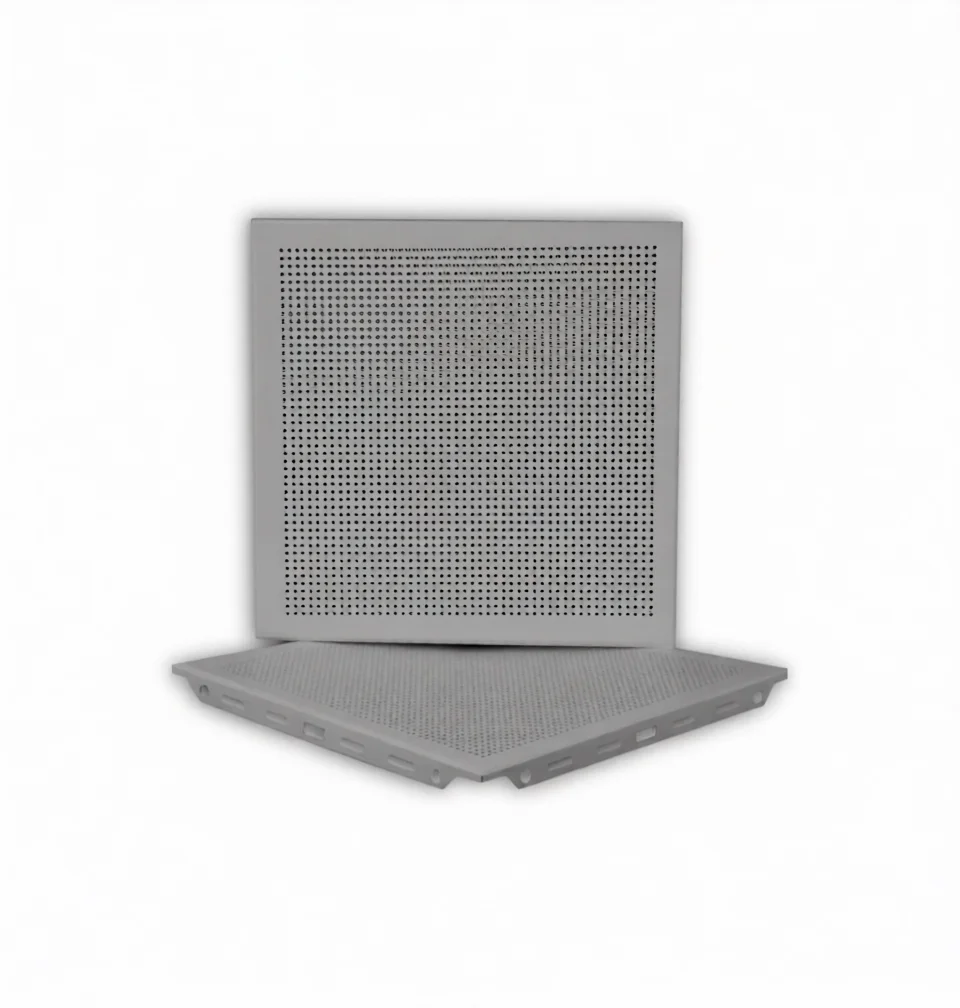
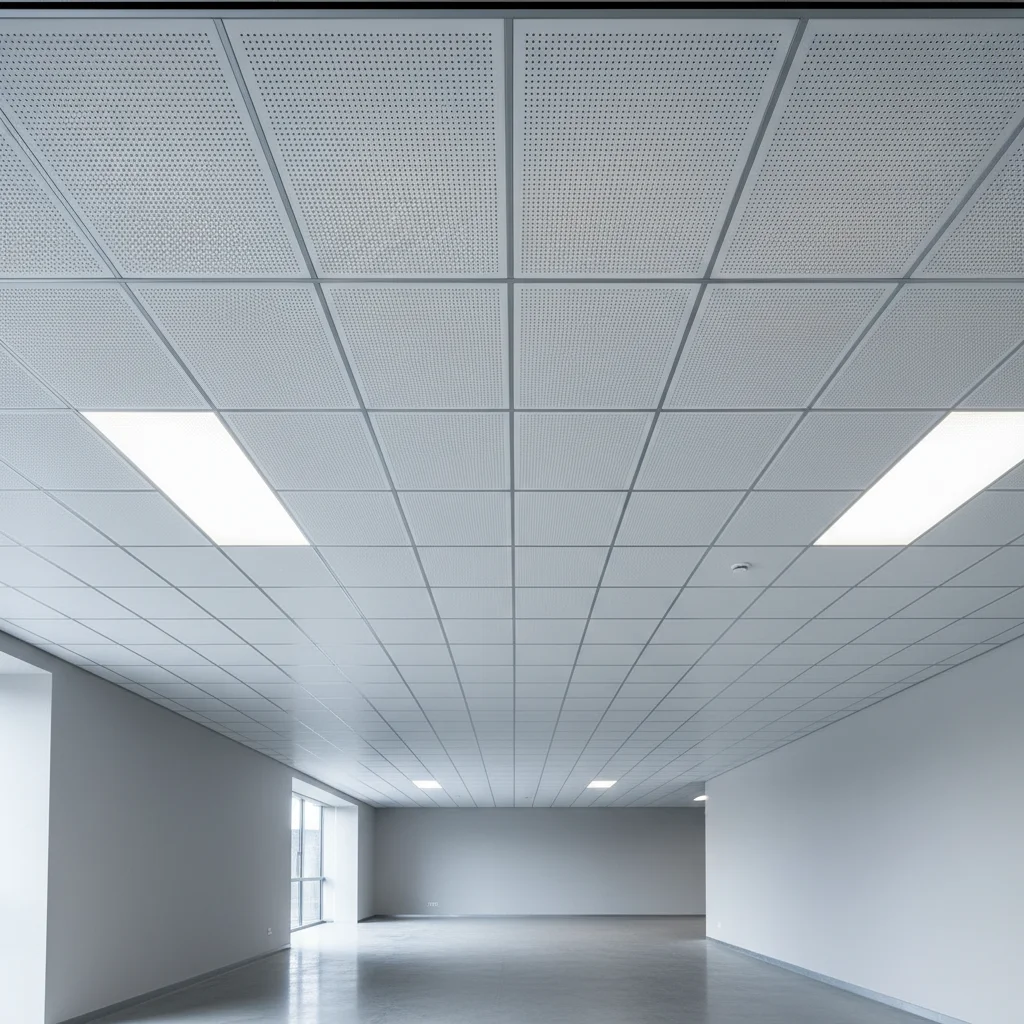
In modern spaces, sound comfort is of great importance for productivity and user satisfaction. Metal suspended ceilings provide an effective answer to this need with their acoustically perforated options. Micro-perforations opened at specific intervals on the panel surfaces absorb sound waves, reducing reverberation and lowering noise levels within the space.
Acoustic felt or similar sound-absorbing materials are typically placed behind these perforated panels. This combination significantly increases the sound absorption coefficient (NRC value), creating an ideal acoustic environment, especially in areas where noise needs to be controlled, such as offices, conference halls, educational institutions, and airports. Perforated acoustic metal ceilings offer both an aesthetic appearance and optimize the sound quality of spaces.
Do Metal Suspended Ceilings Provide Hygiene and Ease of Maintenance?
Hygiene is an indispensable feature for ceiling systems, especially in areas such as hospitals, laboratories, industrial kitchens, and food production facilities. Thanks to their smooth and non-porous surfaces, metal suspended ceilings do not create an environment conducive to the growth of bacteria and microorganisms. These properties make them easy to clean and disinfect.
Maintenance of metal panels is extremely simple. They can usually retain their original appearance by being wiped with a damp cloth or cleaned with mild detergents. This easy maintenance reduces operating costs in spaces with high usage and strict hygiene standards, providing a significant long-term advantage. Thanks to their long-lasting and durable structure, they do not require frequent renovation or repair.
What Are the Installation and Access Advantages of Metal Suspended Ceilings?
Metal suspended ceiling systems provide practical solutions by offering ease of installation and access to the ceiling void. Thanks to their modular structure, panels can be installed quickly and efficiently. This shortens construction time and helps reduce labor costs. This speed is critically important for timely project completion, especially in large-scale projects.
One of their most significant advantages is the easy access they provide to the ceiling void. Electrical cables, ventilation ducts, plumbing pipes, and other infrastructure elements are concealed above the suspended ceiling. In case of any malfunction, maintenance, or the need to add new installations, panels can be easily removed to access the ceiling void. This eliminates costly and time-consuming processes such as completely demolishing or damaging the ceiling.
In Which Areas Should Metal Suspended Ceilings Be Preferred?
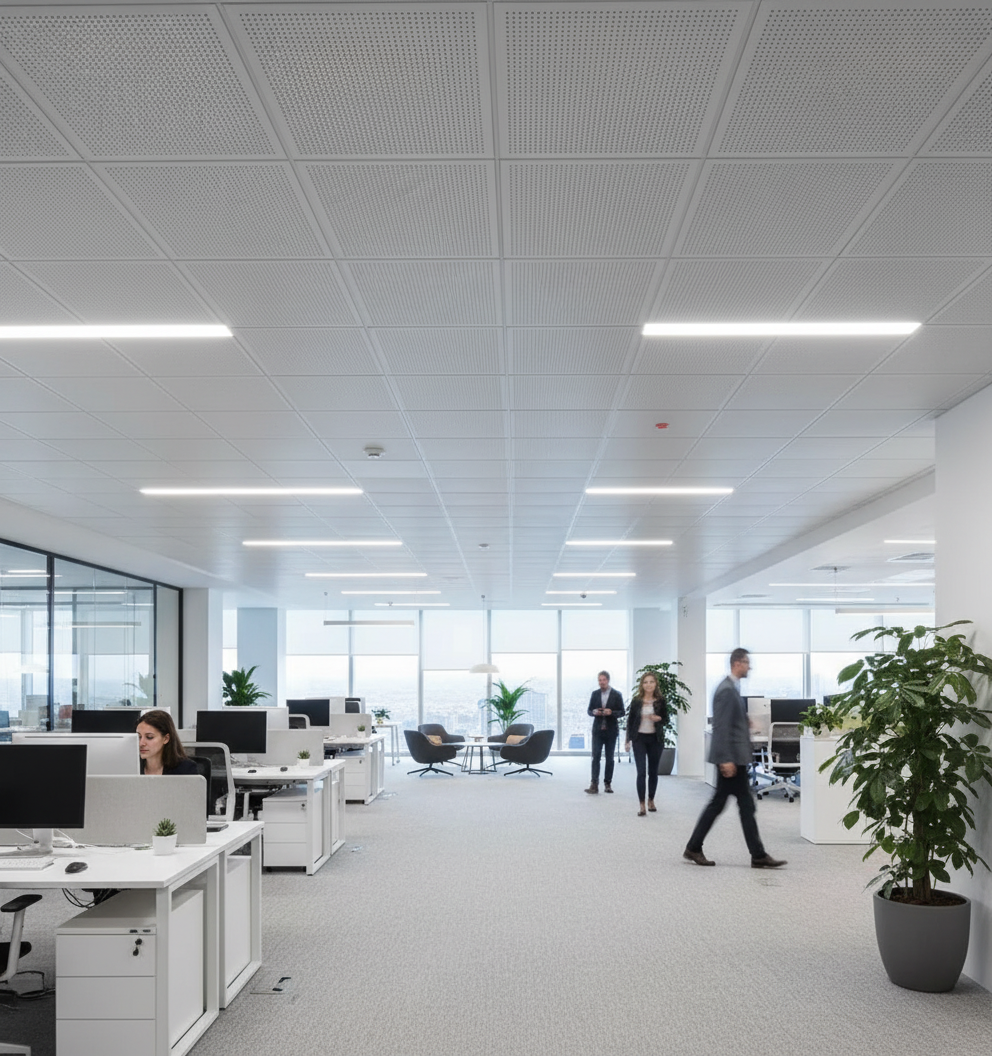
Metal suspended ceilings have a wide range of applications due to their aesthetic, durable, and functional advantages. They are an ideal choice, especially in commercial and public areas with high human traffic and demanding high performance. Shopping malls, airports, hotels, and office buildings frequently prefer these ceiling systems for their modern and stylish appearance.
Hospitals, laboratories, and industrial kitchens, where hygiene is critical, are also primary areas of use for metal suspended ceilings. Their easy cleanability, moisture resistance, and protection against bacterial growth are indispensable for such spaces. Furthermore, they are preferred in educational and social facilities such as schools, universities, sports halls, and conference centers due to their acoustic performance and durability advantages. To discover the most suitable metal suspended ceiling solutions for your projects, you can explore the wide range of products in our store.
Related guides: What is a Suspended Ceiling? Types, Materials, and Areas of Use, 7 Factors Affecting Suspended Ceiling m² Price (2026 Guide), PVC Suspended Ceiling or Gypsum Board Suspended Ceiling? A Comparison. For product options for your project, you can explore our Metal Ceiling products or for turnkey application, our metal ceiling service page.