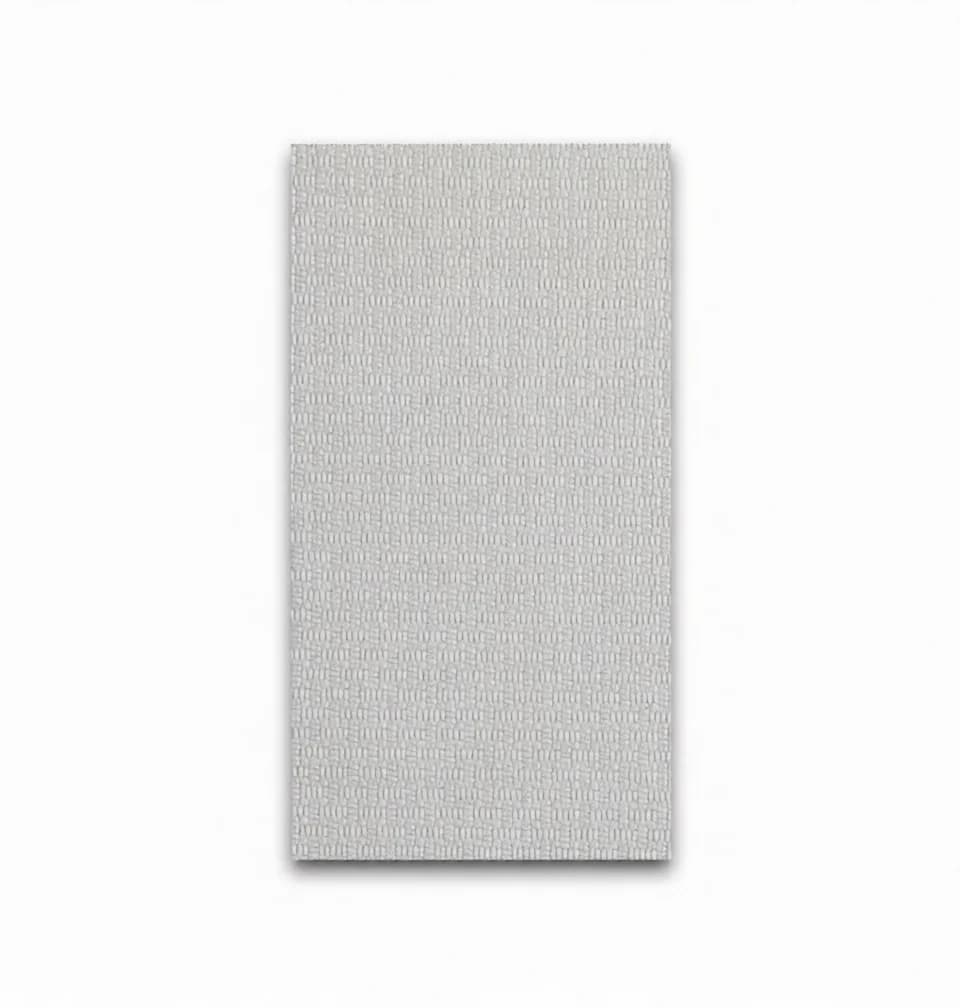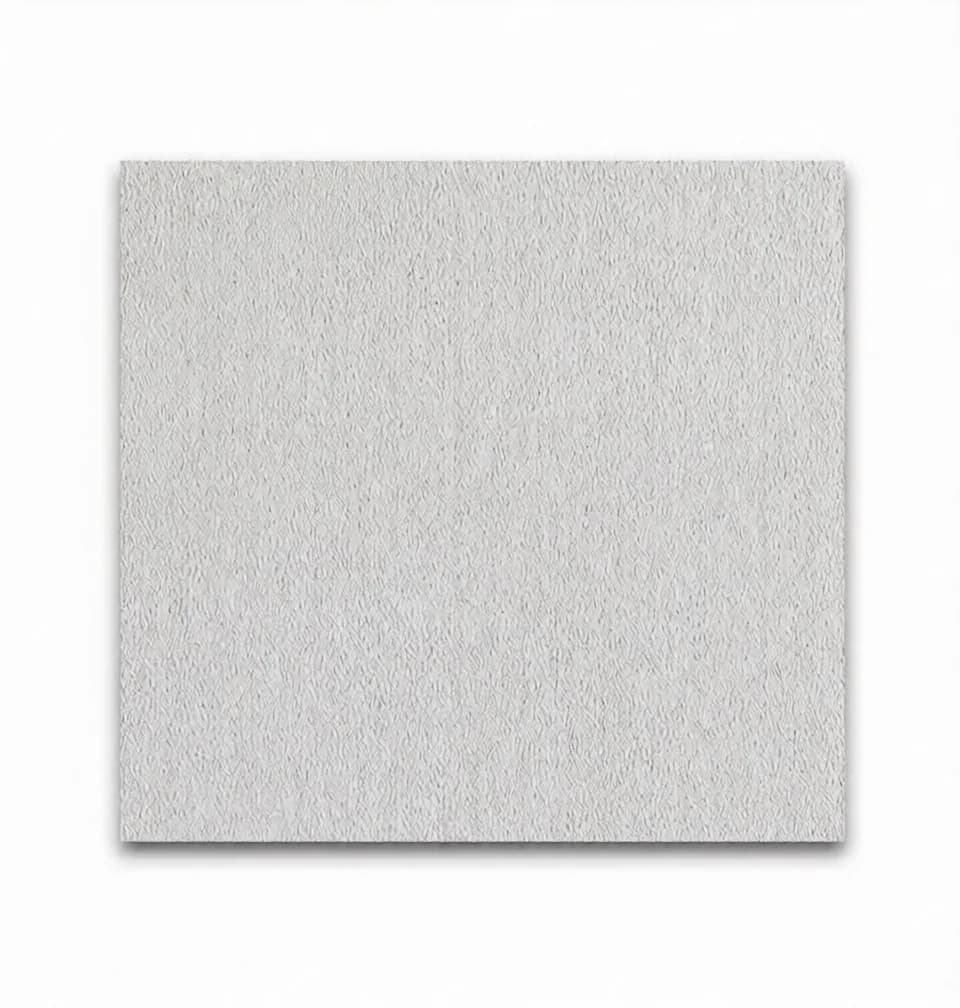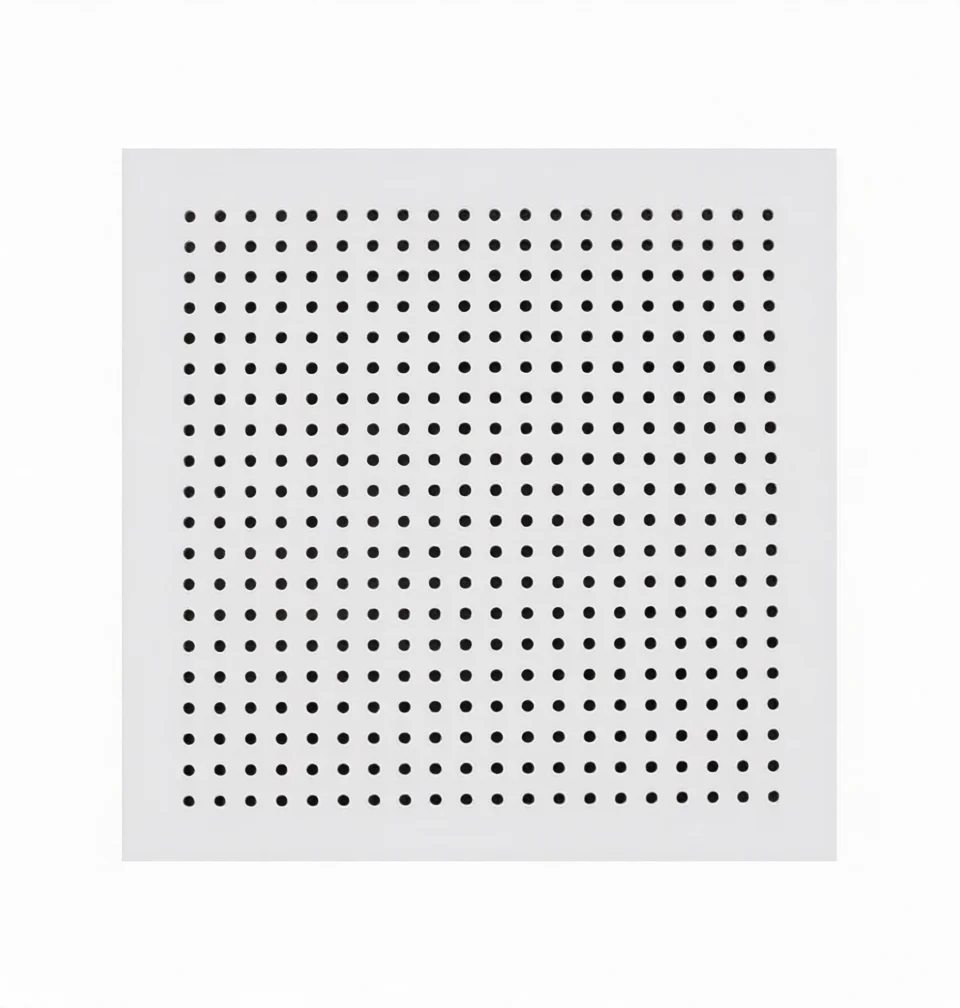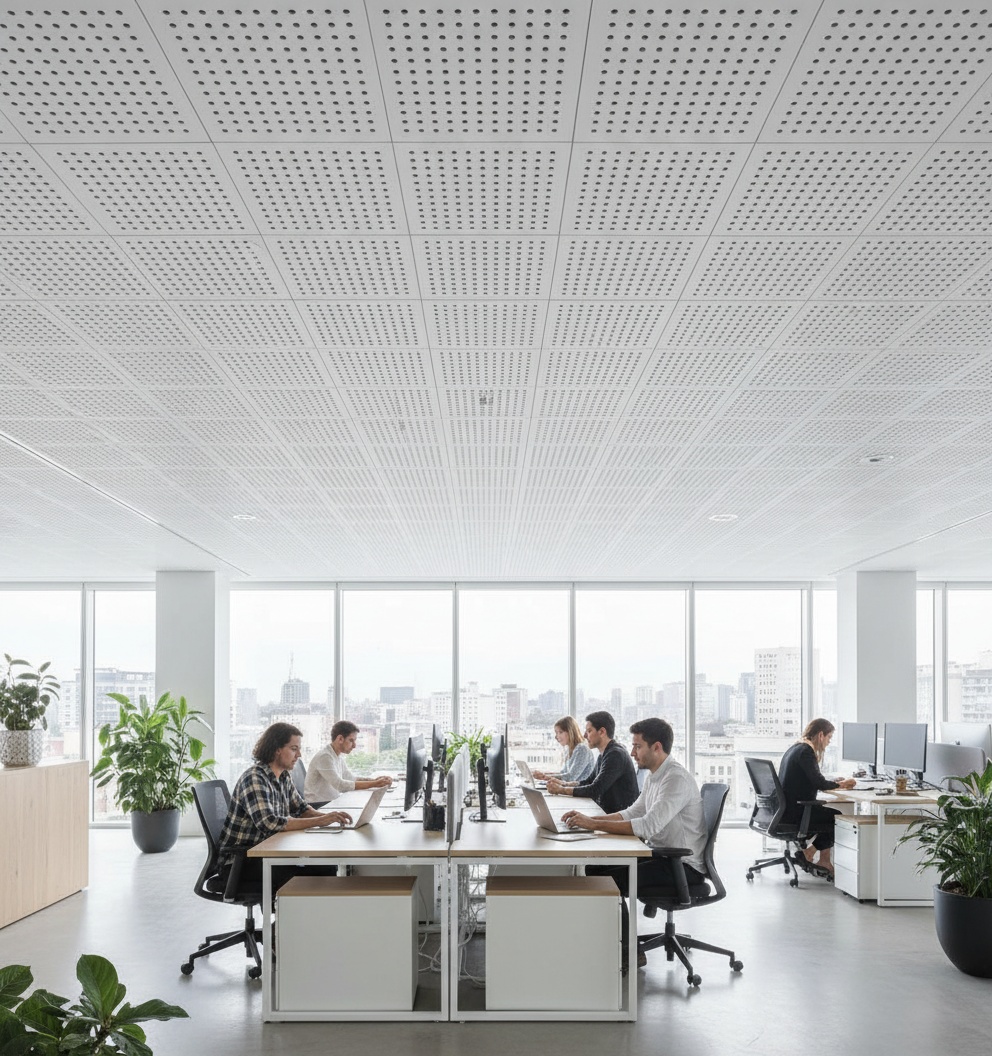
Suspended ceilings are an indispensable element of modern interior design. This secondary ceiling system, installed with a specific gap below the existing ceiling, offers numerous aesthetic and functional advantages. While concealing electrical installations, ventilation ducts, and other infrastructure elements, it also contributes to sound and thermal insulation. With the right material selection, it provides tailored solutions for every space's needs.
What is a Suspended Ceiling and Why is it Preferred?
A suspended ceiling is a secondary ceiling surface created below the primary ceiling slab, using metal profiles and suspension wires. This system leaves a gap (plenum space) between the main ceiling and the suspended ceiling, allowing for the aesthetic concealment of utility elements such as electrical cables, water pipes, and ventilation ducts. This gives spaces a more organized and modern appearance.
Key reasons for preferring suspended ceilings include aesthetic appearance, improved acoustic performance, contribution to thermal insulation, and increased fire safety. Furthermore, they offer easy access to concealed utilities, simplifying maintenance and repair processes. Their modular structure allows for quick installation and easy disassembly when needed, making suspended ceilings an attractive solution for both residential and commercial projects.
What is the Structure of Suspended Ceiling Systems?
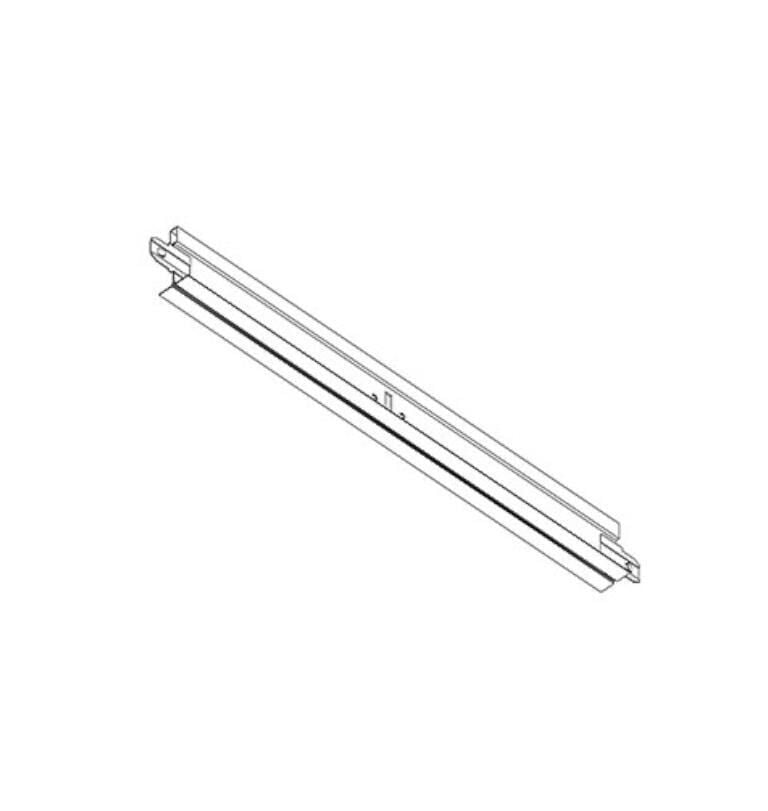
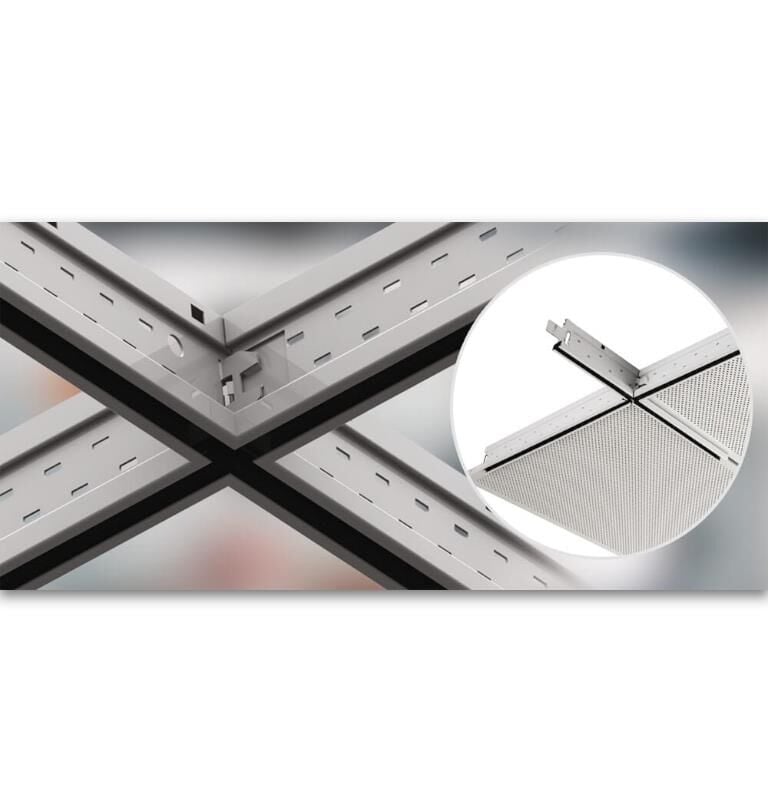
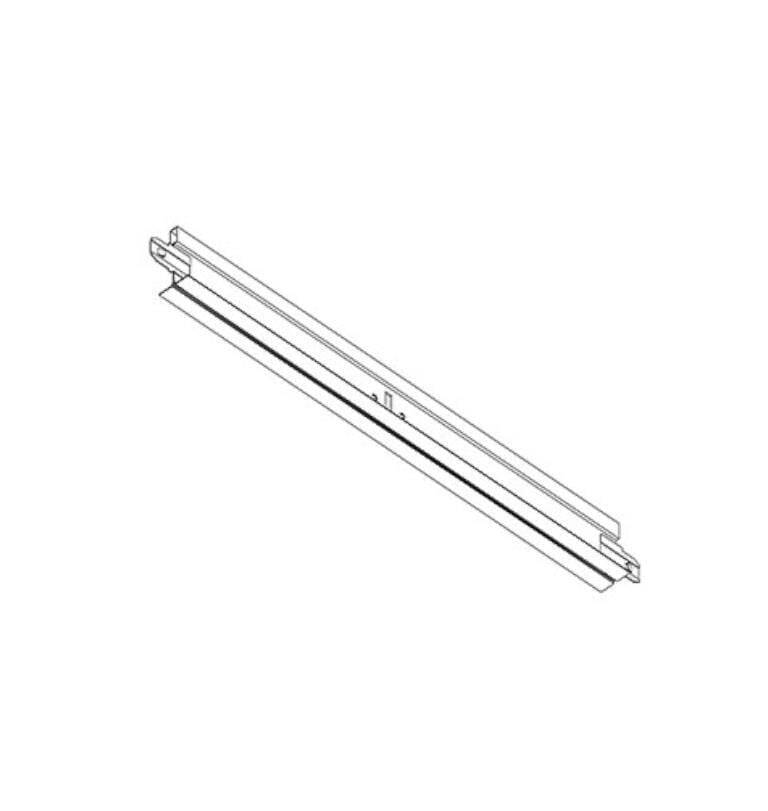
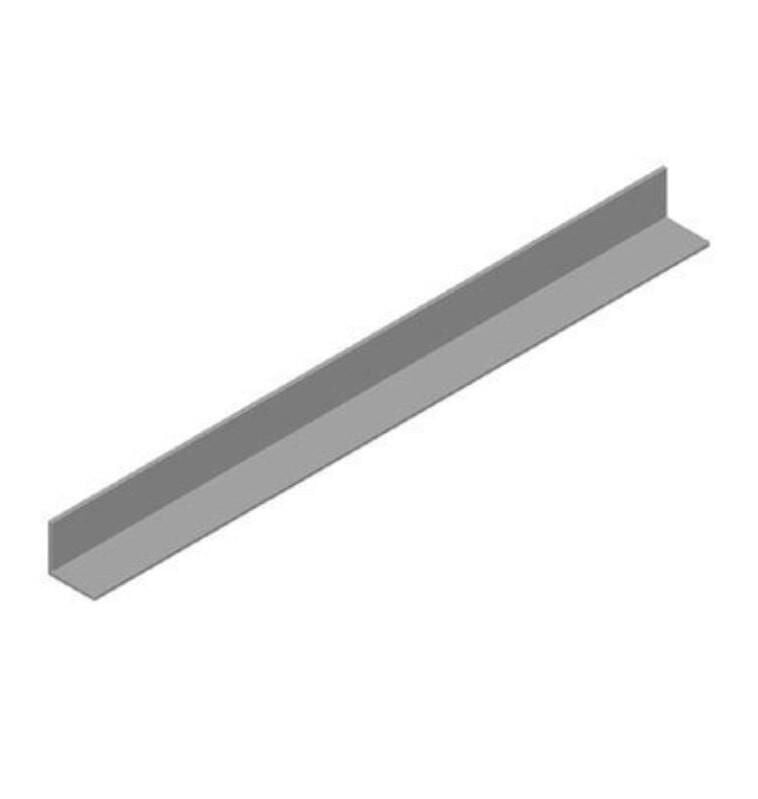
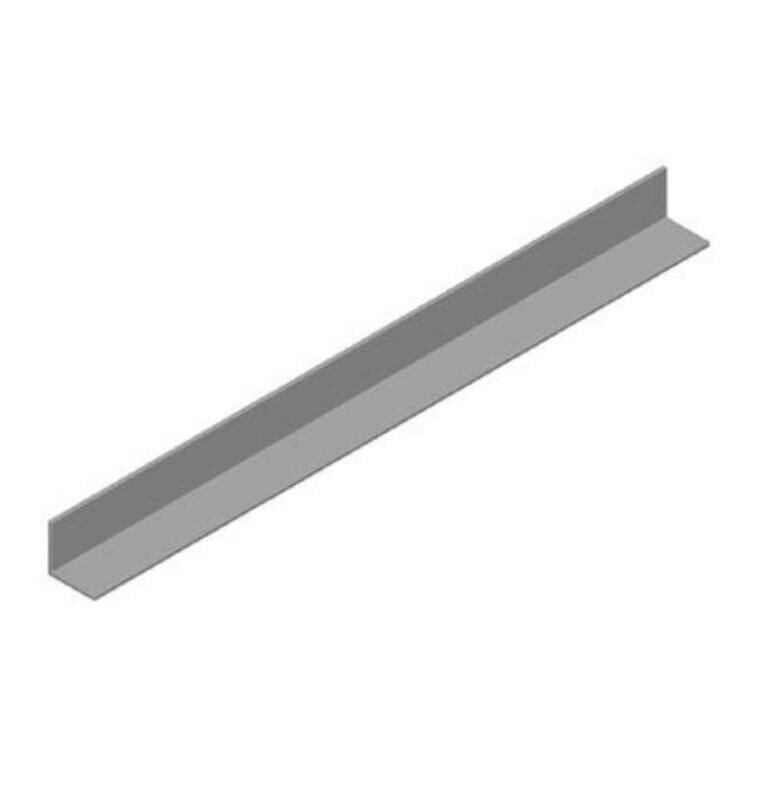
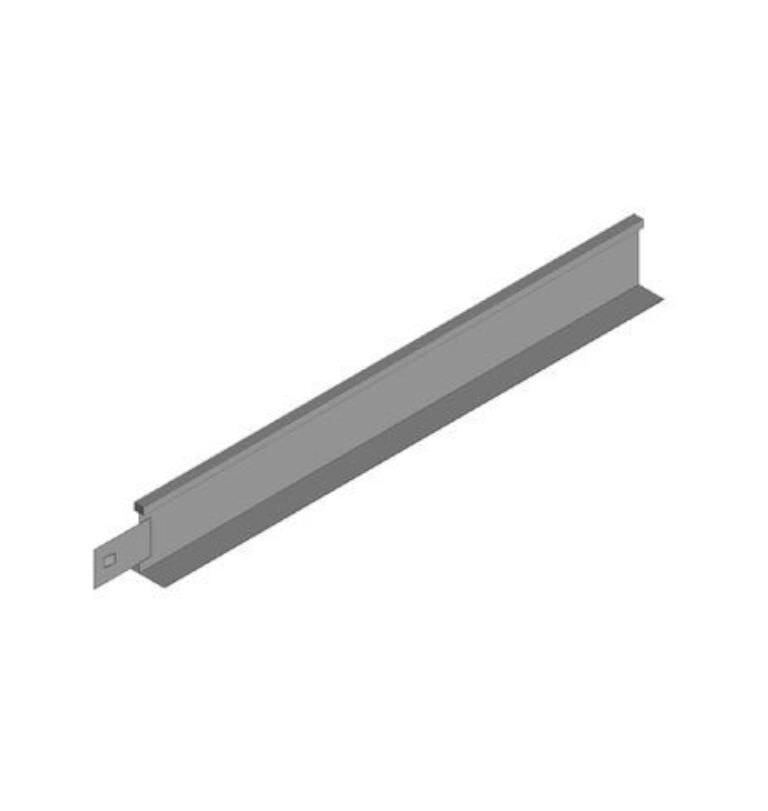
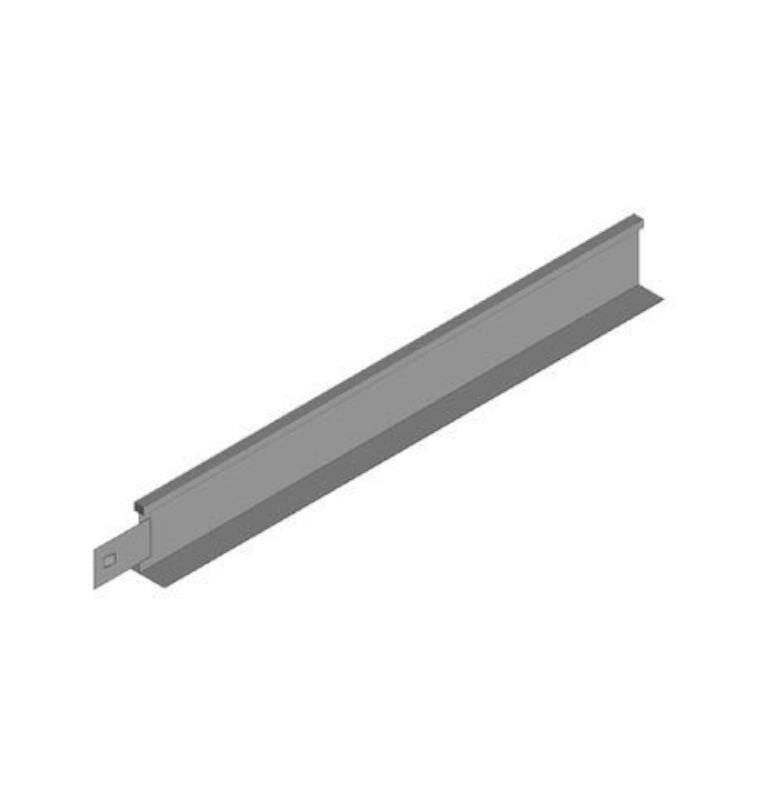
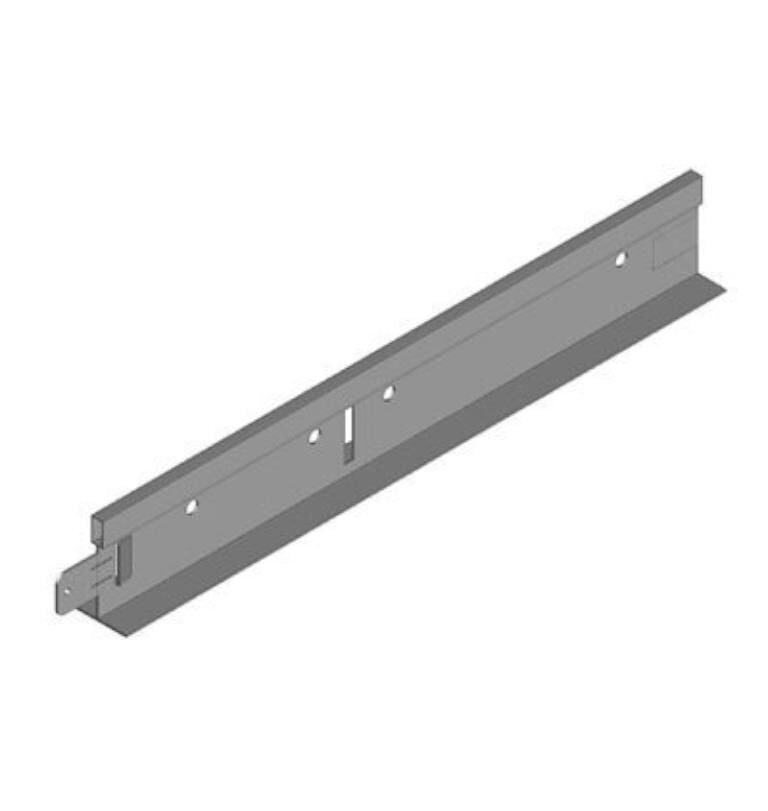
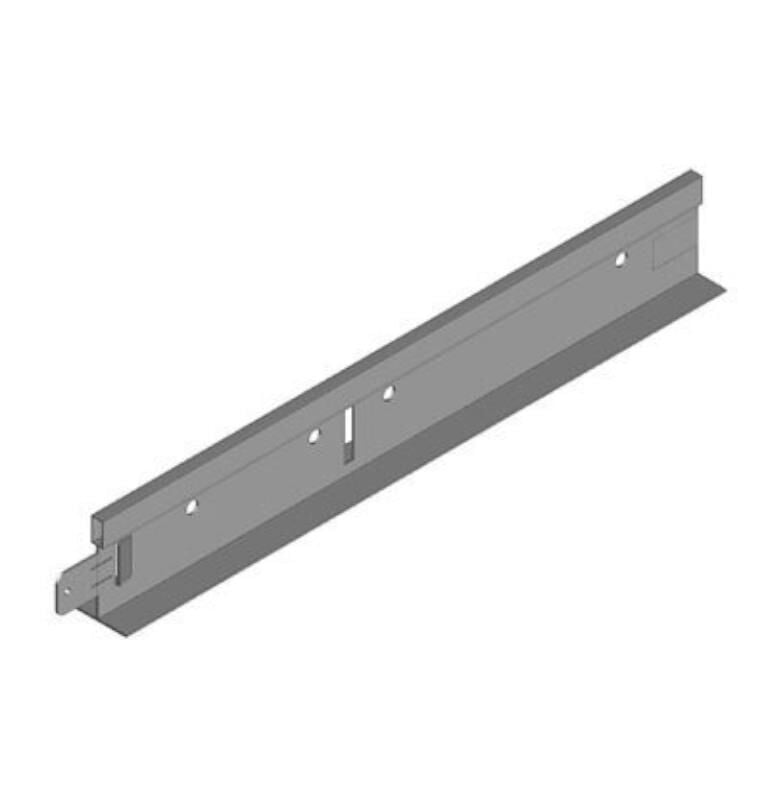
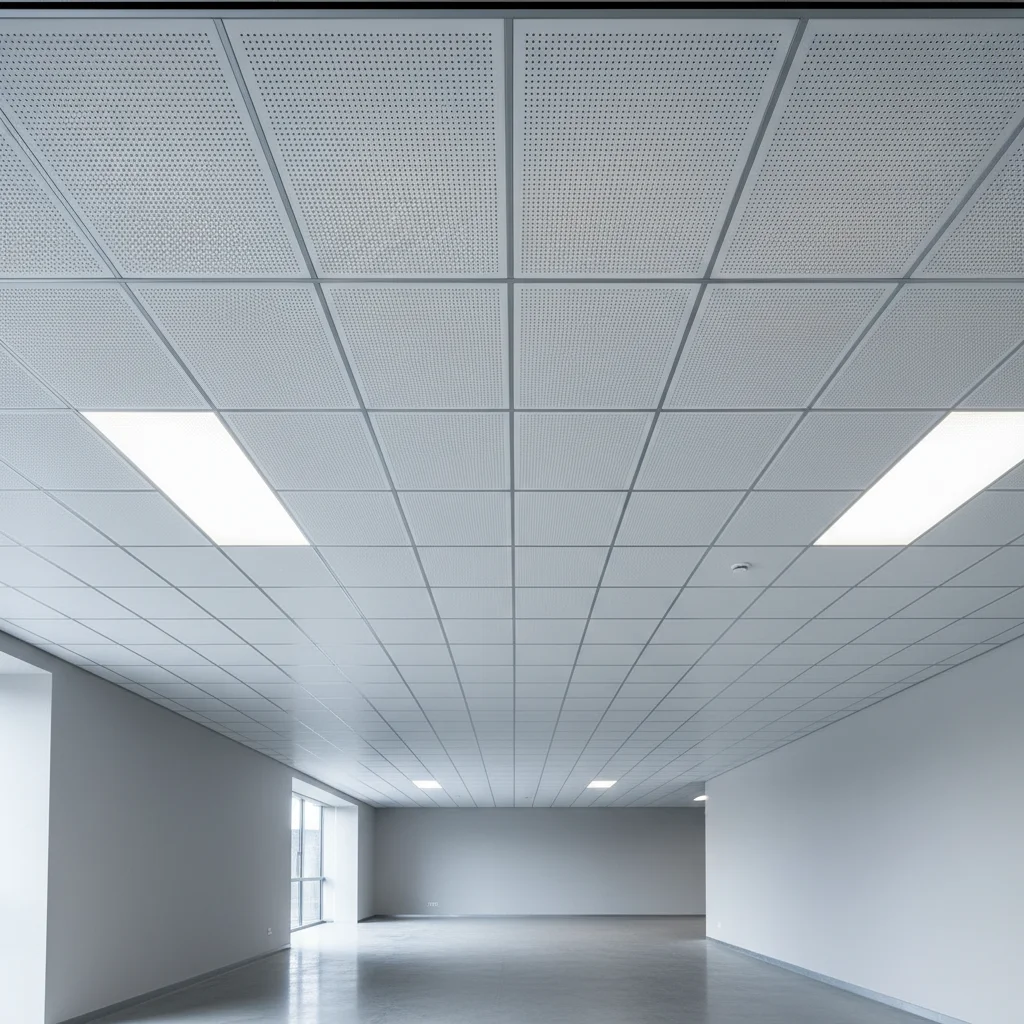
Suspended ceiling systems typically consist of support profiles made from galvanized steel, suspension wires, and ceiling panels mounted onto these profiles. The support system begins with the main support profiles (main T-profiles) being fixed to the existing ceiling with suspension wires. Then, intermediate support profiles (short T-profiles) are inserted into these main profiles to create a modular grid structure. L-profiles (wall angle profiles) are used along the wall edges.
This grid structure evenly distributes the weight of the ceiling panels placed upon it, creating a stable surface. Thanks to the easy placement and removal of panels, accessing concealed utilities becomes highly practical. The system's flexibility allows it to adapt to different room sizes and design needs, enabling both flat and layered or sloped ceiling designs.
What are Suspended Ceiling Materials and Their Characteristics?
Suspended ceilings are manufactured from various materials depending on their intended use and the characteristics of the space. Among the most common types available on the market are PVC, gypsum board (drywall), mineral wool acoustic tiles, metal (clip-in/lay-in), and styrofoam panels. Each material has its unique advantages and application areas.
Material selection directly impacts the ceiling's aesthetic appearance, acoustic performance, moisture resistance, fire safety, and installation time. For example, while there are materials specifically designed for humid environments, acoustic panels are preferred for areas where sound insulation is critical. This variety allows for providing customized and optimized solutions for every project.
Which Spaces Are Suitable for PVC Suspended Ceilings?
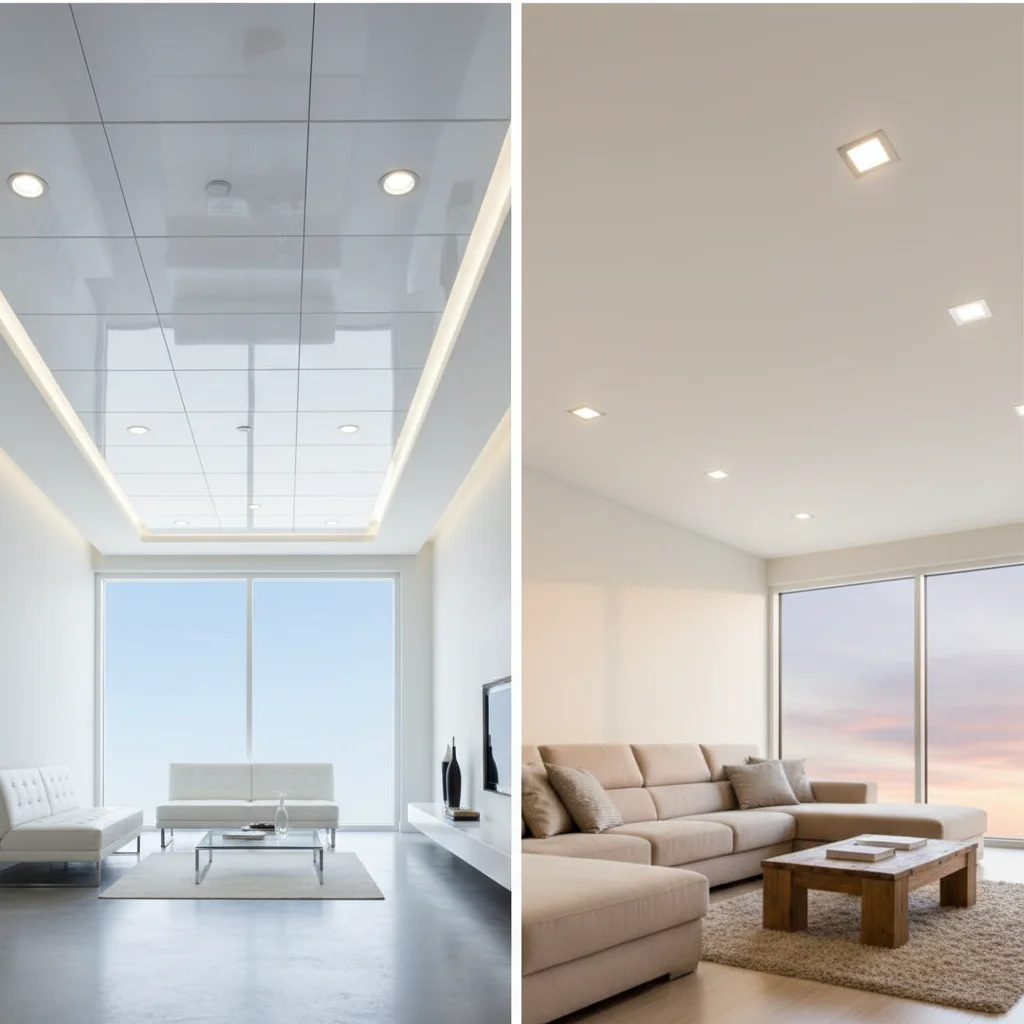
PVC (polyvinyl chloride) suspended ceilings are an ideal solution, especially for humid environments and spaces where hygiene is a priority. Due to their high moisture resistance, they are frequently preferred in areas such as bathrooms, kitchens, laboratories, and healthcare facilities. Their smooth and easy-to-clean surfaces are resistant to bacteria and mold formation, which elevates hygiene standards.
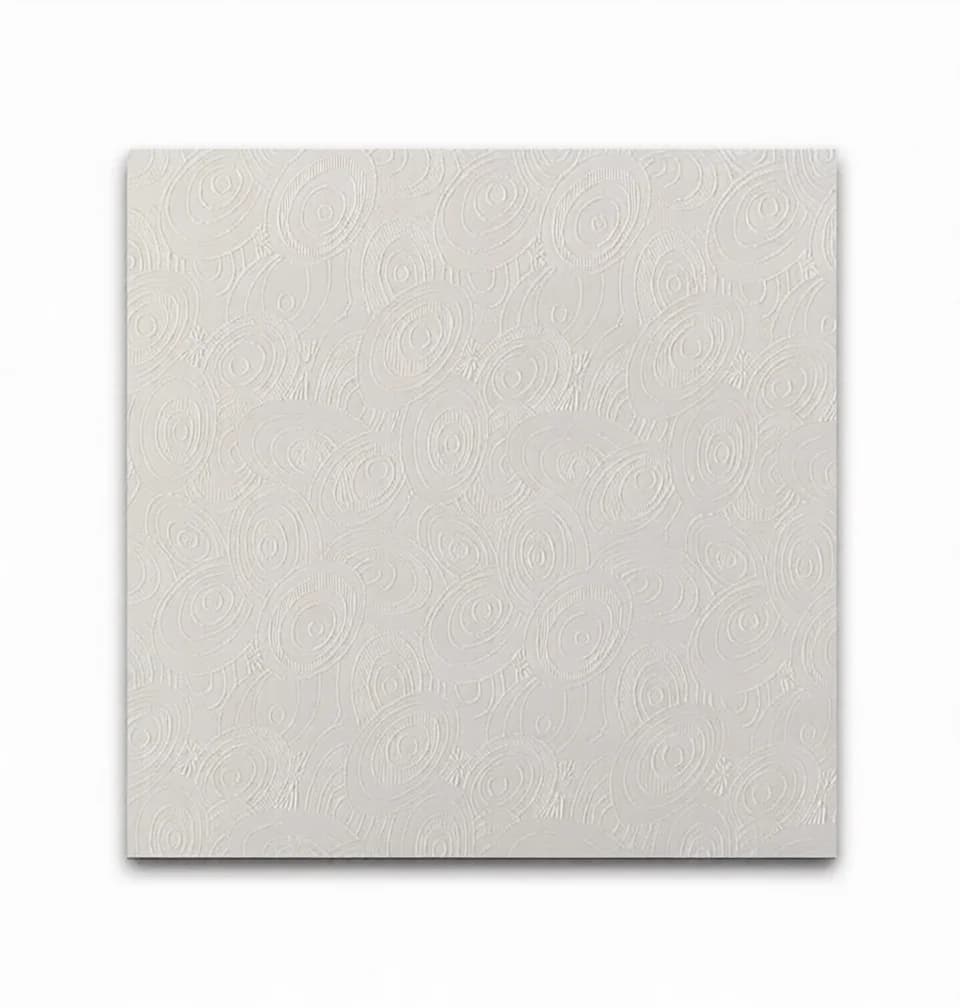
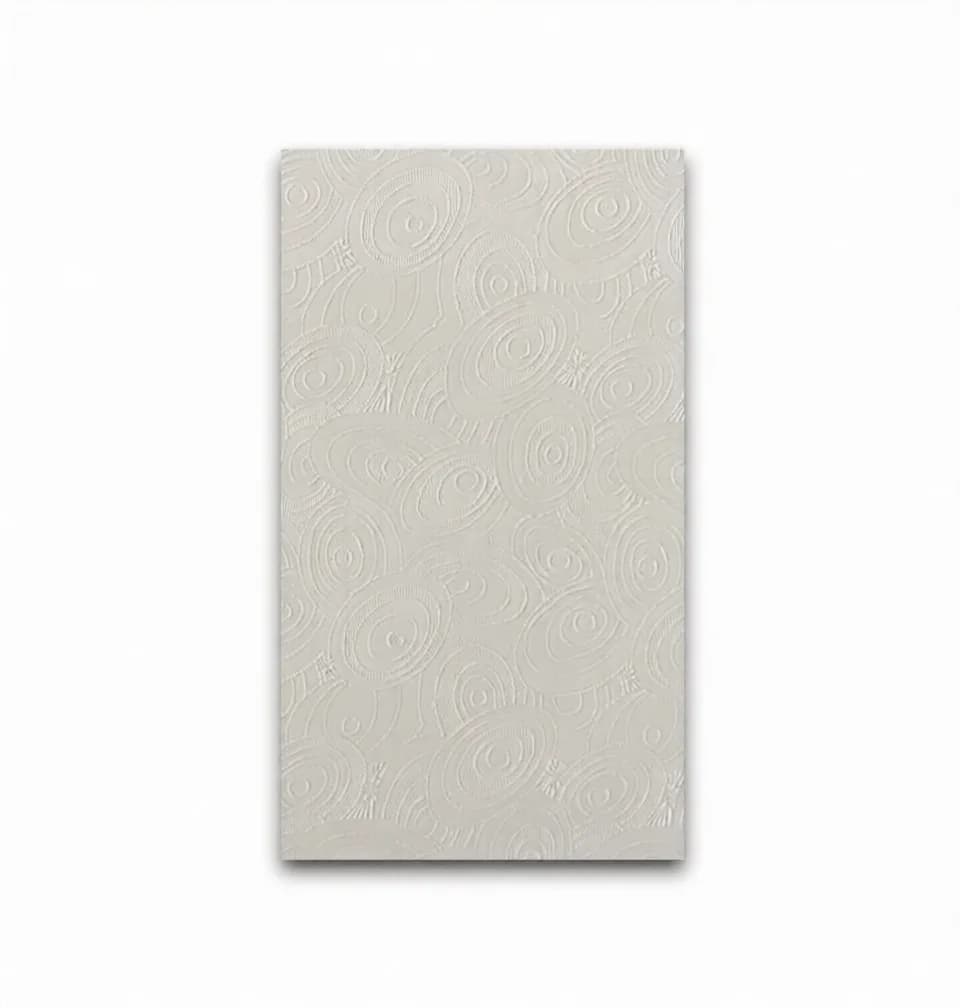
Aesthetically, PVC panels are generally offered with glossy or matte surface options, in various colors and patterns. This gives spaces a modern and fresh appearance. Thanks to their lightweight structure, installation is quite fast and practical. Typically, a 100 square meter area can be completed within 1-2 days. While they do not offer specific performance in terms of sound insulation, they stand out with their advantages in moisture resistance and ease of maintenance.
Do Gypsum Board (Drywall) Suspended Ceilings Offer Design Flexibility?
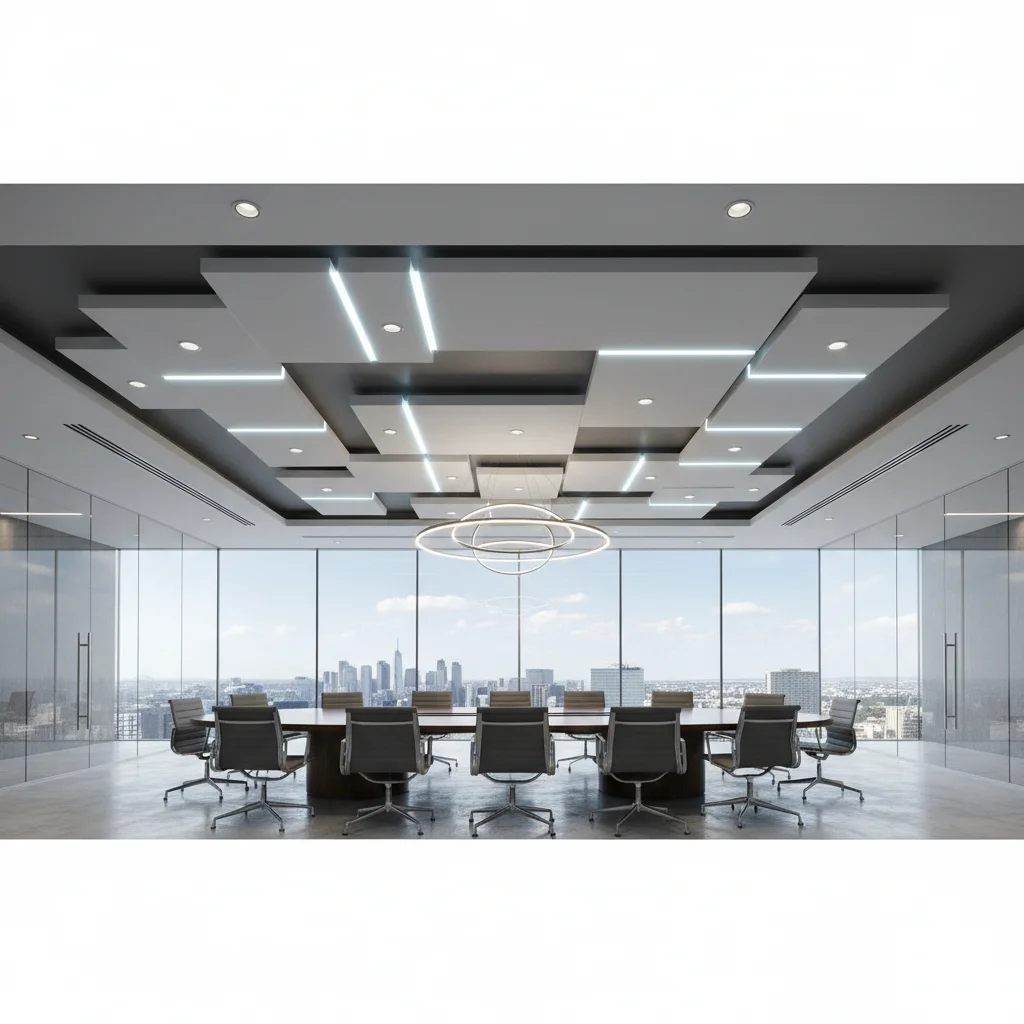
Gypsum board suspended ceilings stand out with their design flexibility and smooth, monolithic appearance. The combination of joint filling and painting applications on gypsum board panels creates a flat, modern surface on the ceiling with no visible seams. Thanks to this feature, they are ideal for meeting aesthetic expectations in living areas such as living rooms and bedrooms in residential homes, as well as in offices.
Gypsum board's cuttable and shapable nature allows for the creation of multi-level ceilings, niches, cove lighting strips, and recesses for special lighting fixtures. Special types of gypsum board with high fire resistance are also available. To enhance sound insulation, soundproofing materials (rock wool, glass wool) can be placed between gypsum board panels. Installation time, including finishing processes, is generally longer than other modular systems, averaging 3-5 days for 100 square meters.
How Do Acoustic Suspended Ceiling Tiles Enhance Sound Comfort?
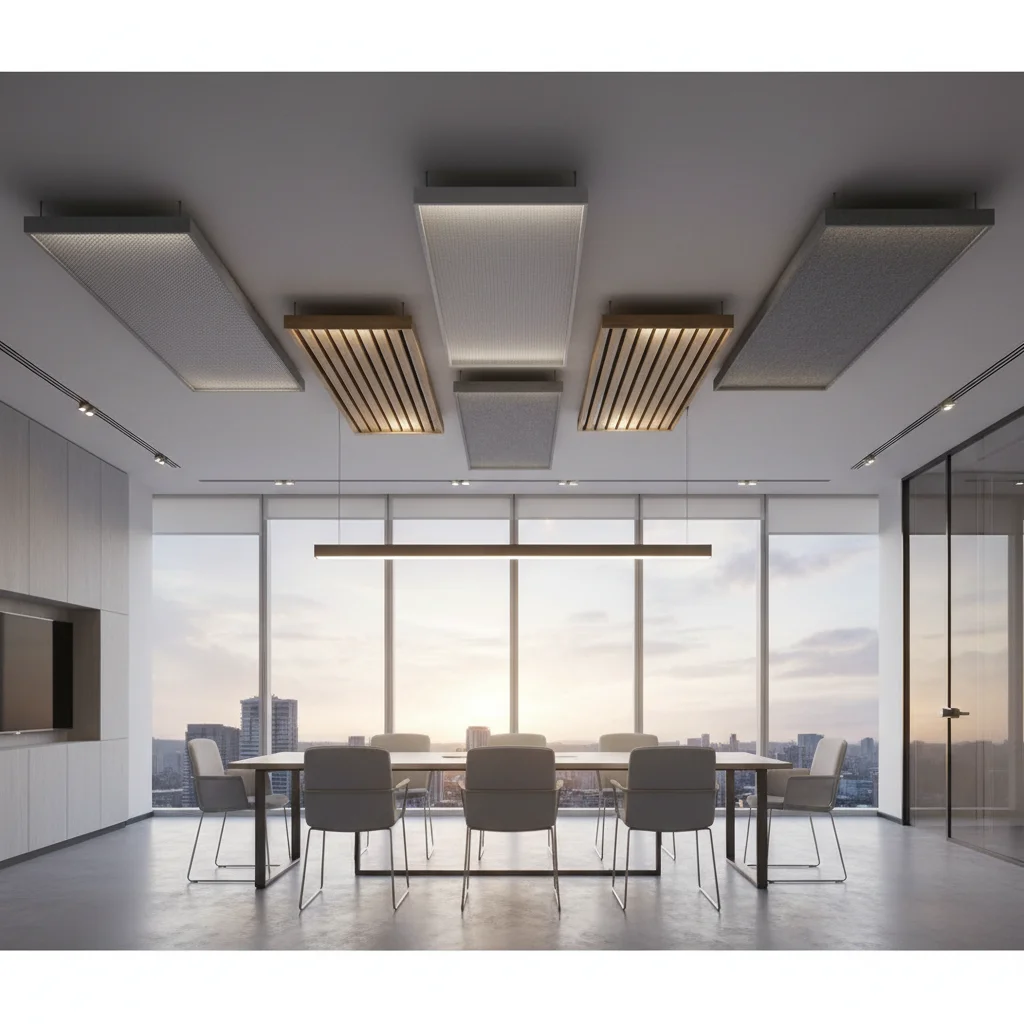
Mineral wool or rock wool acoustic suspended ceiling tiles are specifically designed for spaces where sound absorption and insulation are critical. These panels, thanks to their high sound absorption coefficients (NRC values typically ranging from 0.60 to 0.90), reduce reverberation, lower ambient noise levels, and improve speech intelligibility. These features provide great comfort in crowded and noisy environments such as offices, call centers, conference halls, schools, and hospitals.
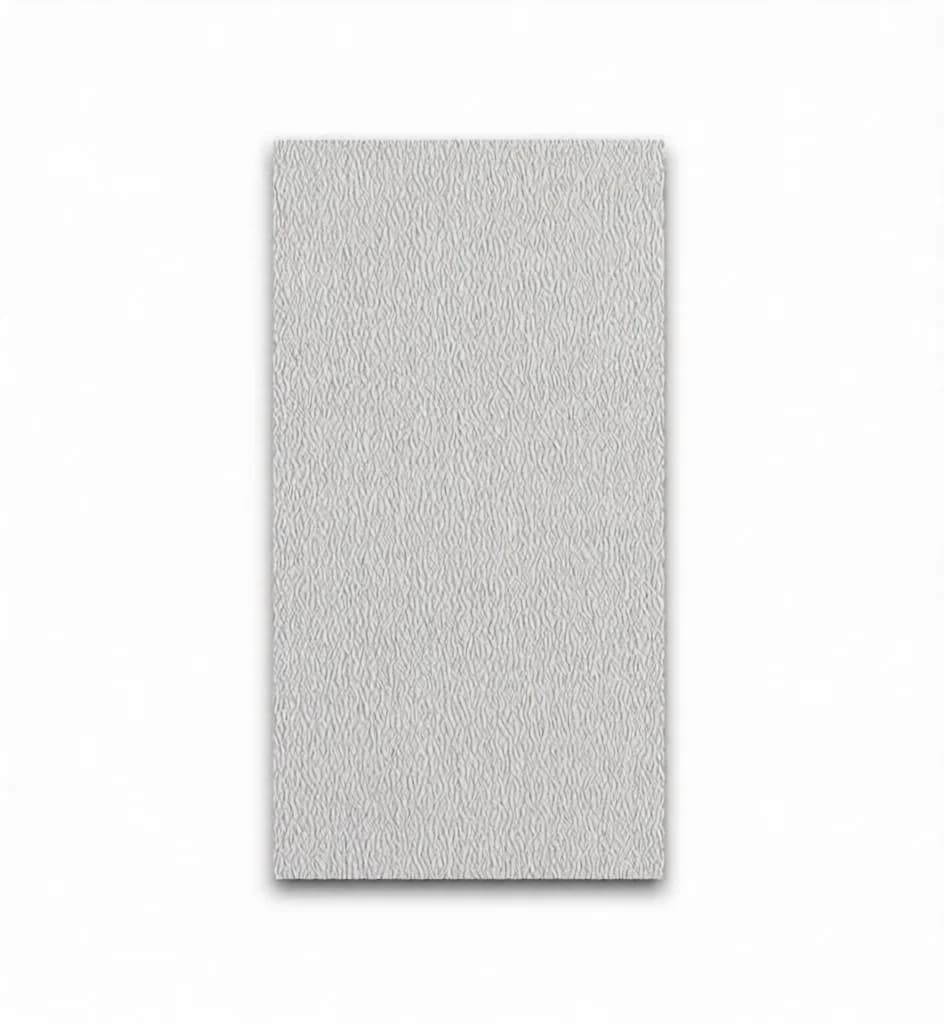
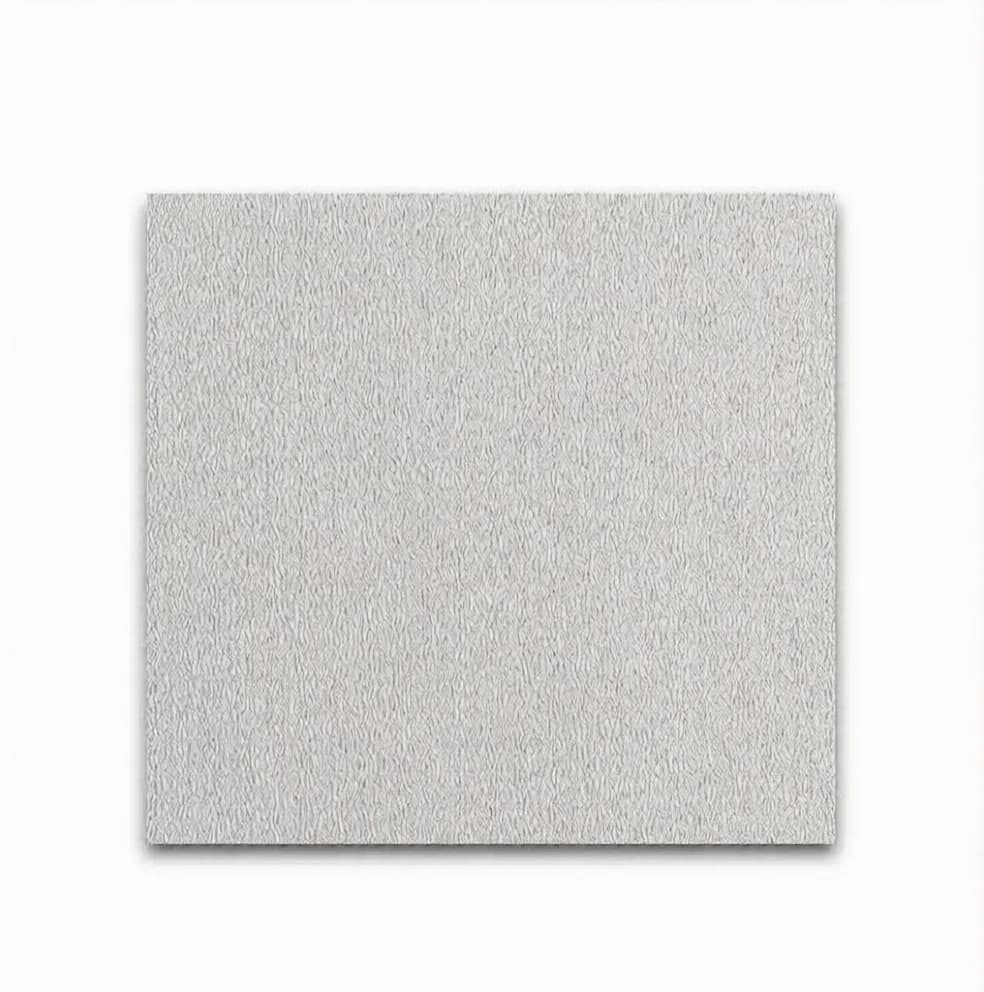
Acoustic panels also offer good thermal insulation performance and generally have high fire resistance. Thanks to their modular structure, installation is fast, and they provide easy access to utilities. Aesthetically, they are offered with various surface textures and color options, making it possible to combine functionality with design. Installation speed is typically around 2-3 days for 100 square meters.
How Do Metal Suspended Ceilings Combine Durability and Modernity?
Metal suspended ceilings are manufactured from materials such as aluminum or galvanized steel, offering high durability, longevity, and a modern aesthetic. They can be applied as clip-in (concealed grid) or lay-in (exposed grid) systems. They are particularly preferred in high-traffic commercial areas, data centers, industrial kitchens, and airports.
Metal panels are known for their resistance to moisture and corrosion, making them suitable for wet areas. Their easy-to-clean surfaces provide an advantage in hygienic environments. They have high fire resistance and generally offer a modern, minimalist appearance. Perforated models can enhance sound absorption when acoustic felt is placed behind them. Installation speeds are quite high due to their modular structure, typically completed within 2 days for 100 square meters.
Are Styrofoam Suspended Ceilings an Economical Solution?
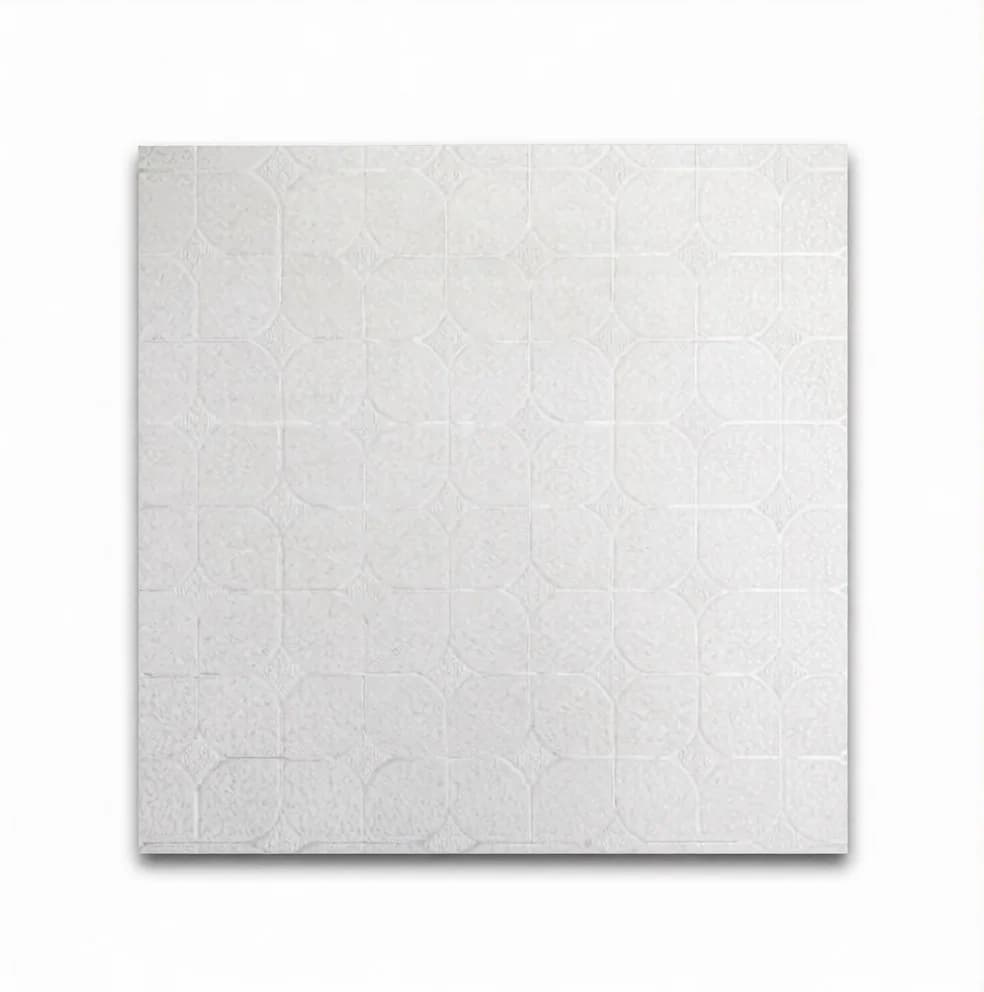
Styrofoam (expanded polystyrene) suspended ceiling panels are one of the most economical and lightweight suspended ceiling solutions on the market. Thanks to their easy-to-cut and adhesive structure, installation is extremely fast and simple, often achievable even without professional help. This feature makes them attractive for residential projects or temporary spaces seeking budget-friendly and quick solutions.
In addition to being lightweight, styrofoam panels can also provide a certain level of thermal insulation. However, their aesthetic variety is more limited compared to other materials, and their impact resistance is low. They are generally available in white and simple patterns. They do not perform as well as other materials in terms of sound insulation and fire resistance. Therefore, they are mostly preferred in areas where aesthetic expectations are low, and cost and ease of installation are priorities.
How Do You Choose the Most Suitable Suspended Ceiling for Your Space?
When choosing a suspended ceiling, it is important to consider factors such as the space's purpose, humidity level, sound insulation needs, aesthetic expectations, and budget. For example, if aesthetics and design flexibility are priorities in residential homes, gypsum board suspended ceilings are ideal. In wet areas like bathrooms or kitchens, high moisture-resistant PVC or metal suspended ceilings should be preferred.
In areas where sound comfort is critical, such as offices, call centers, or educational institutions, mineral wool acoustic tiles reduce reverberation and increase productivity. Stores and commercial spaces can evaluate either the design flexibility of gypsum board or the modern appearance and longevity of metal ceilings for both aesthetics and durability. To make the most suitable choice and find solutions tailored to your needs, you can explore our wide product range in our store.
Comparison of Suspended Ceiling Materials
| Criterion | PVC | Gypsum Board (Drywall) | Acoustic Tile | Metal (Clip-in/Lay-in) | Styrofoam |
|---|---|---|---|---|---|
| Moisture Resistance | Very High | Low (Except special types) | Medium (Moisture-resistant types available) | High | Low |
| Sound Insulation | Low | Medium (Increases with insulation) | Very High (Sound absorbent) | Medium (Increases with perforated models) | Low |
| Aesthetics | Modern, glossy/matte | Monolithic, design flexibility | Functional, textured | Industrial, modern | Simple, economical |
| Installation Speed | Very Fast | Medium (Including finishing processes) | Fast | Fast | Very Fast |
| Fire Resistance | Low (Flame-retardant types available) | High (Special types) | High | Very High | Low (Easily flammable) |
| Cost | Medium | Medium-High | High | High | Low |
Related guides: 7 Factors Affecting Suspended Ceiling m² Price (2026 Guide), PVC Suspended Ceiling or Gypsum Board Suspended Ceiling? A Comparison, What is a Metal Suspended Ceiling? Advantages and Applications. For product options for your project, you can review our Suspended Ceiling products or for turnkey application, our suspended ceiling service page.