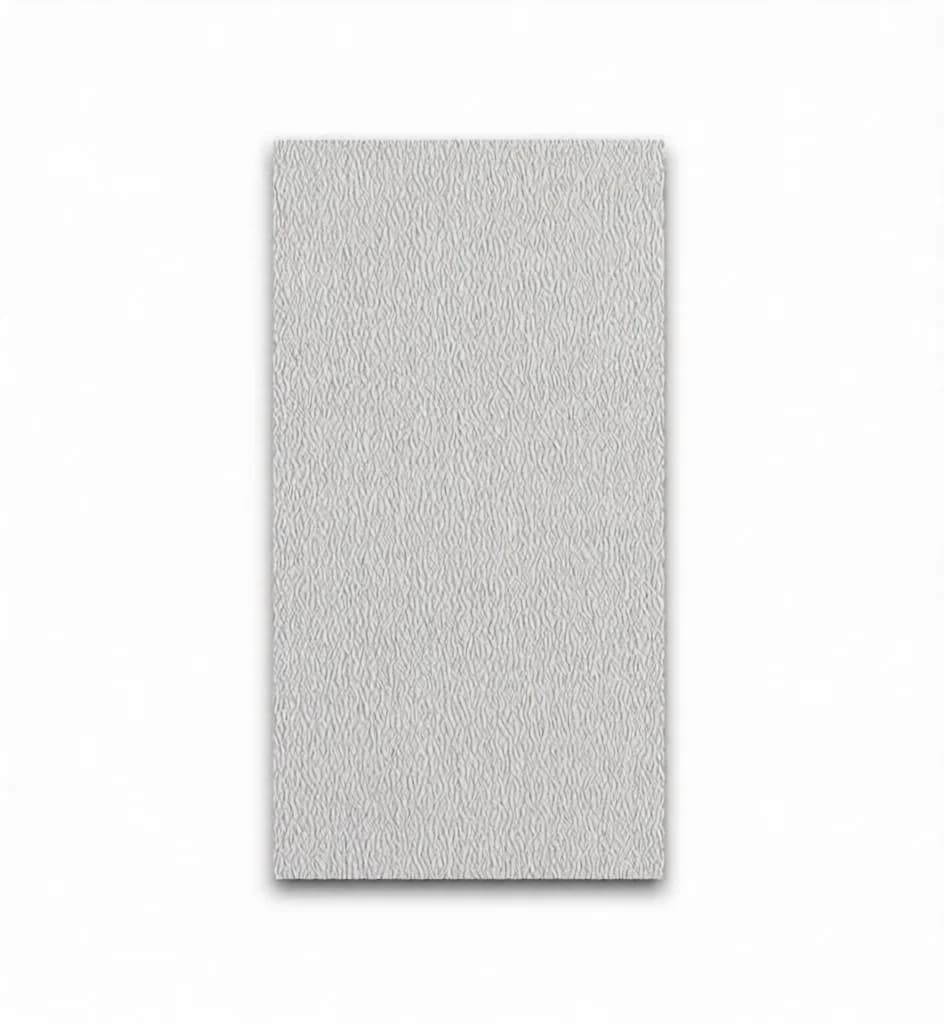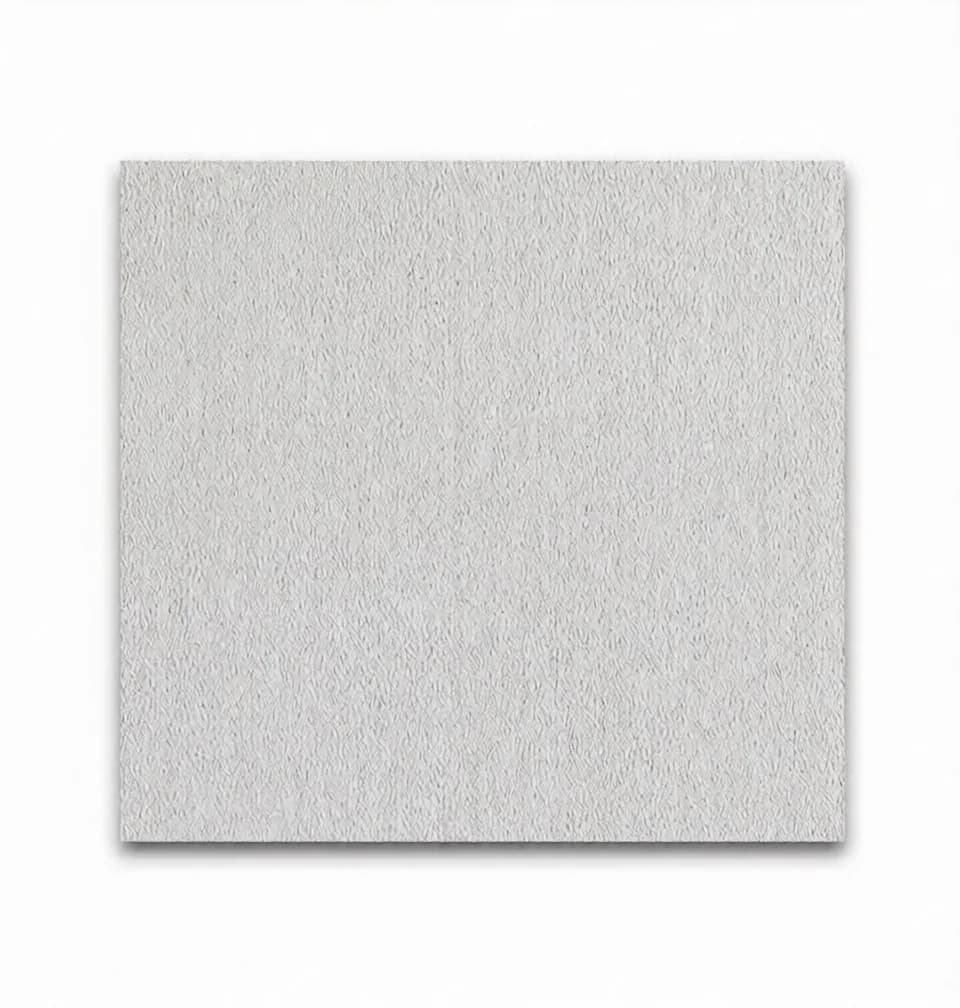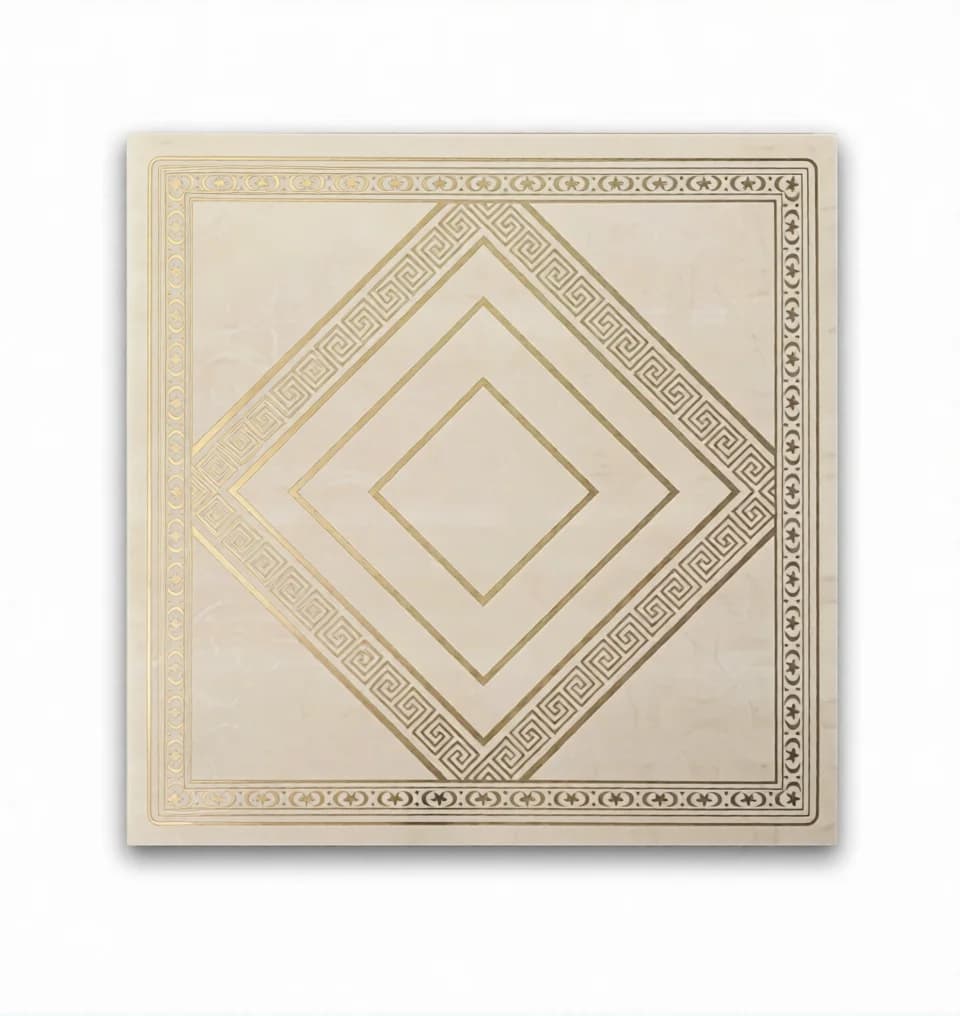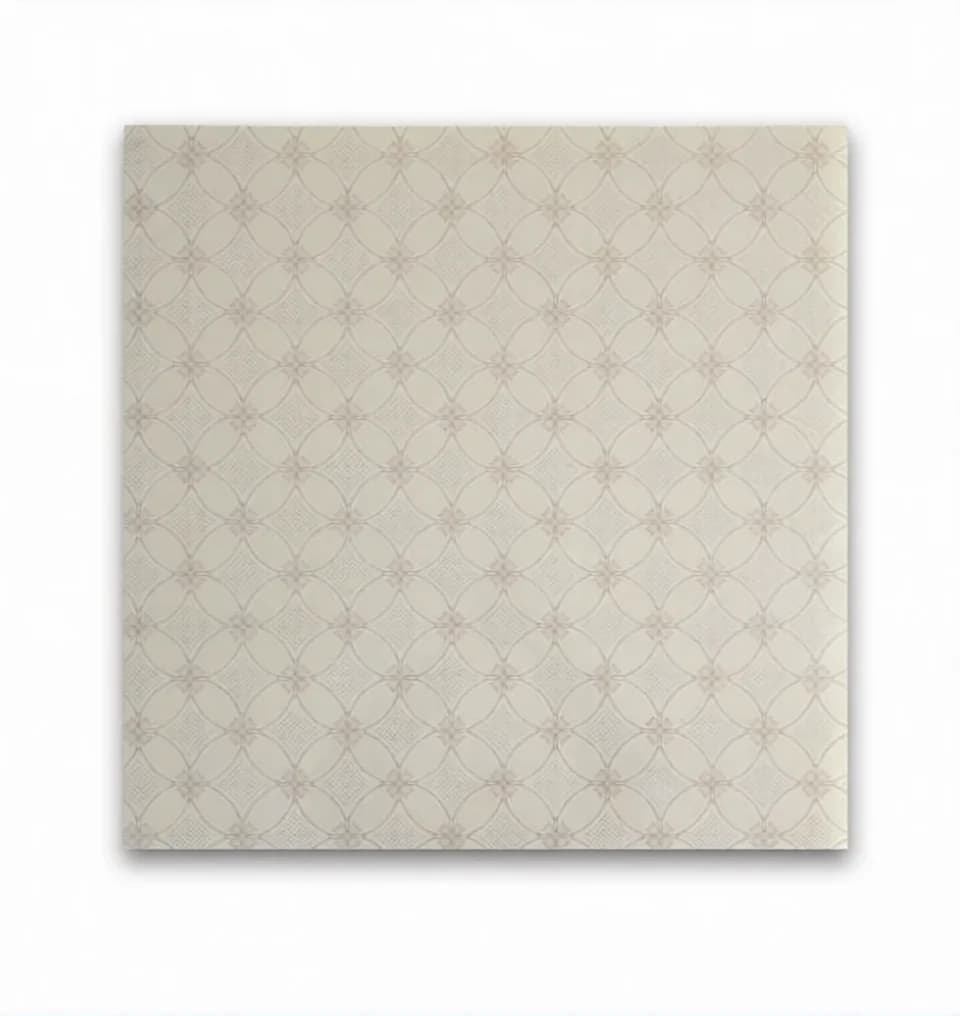
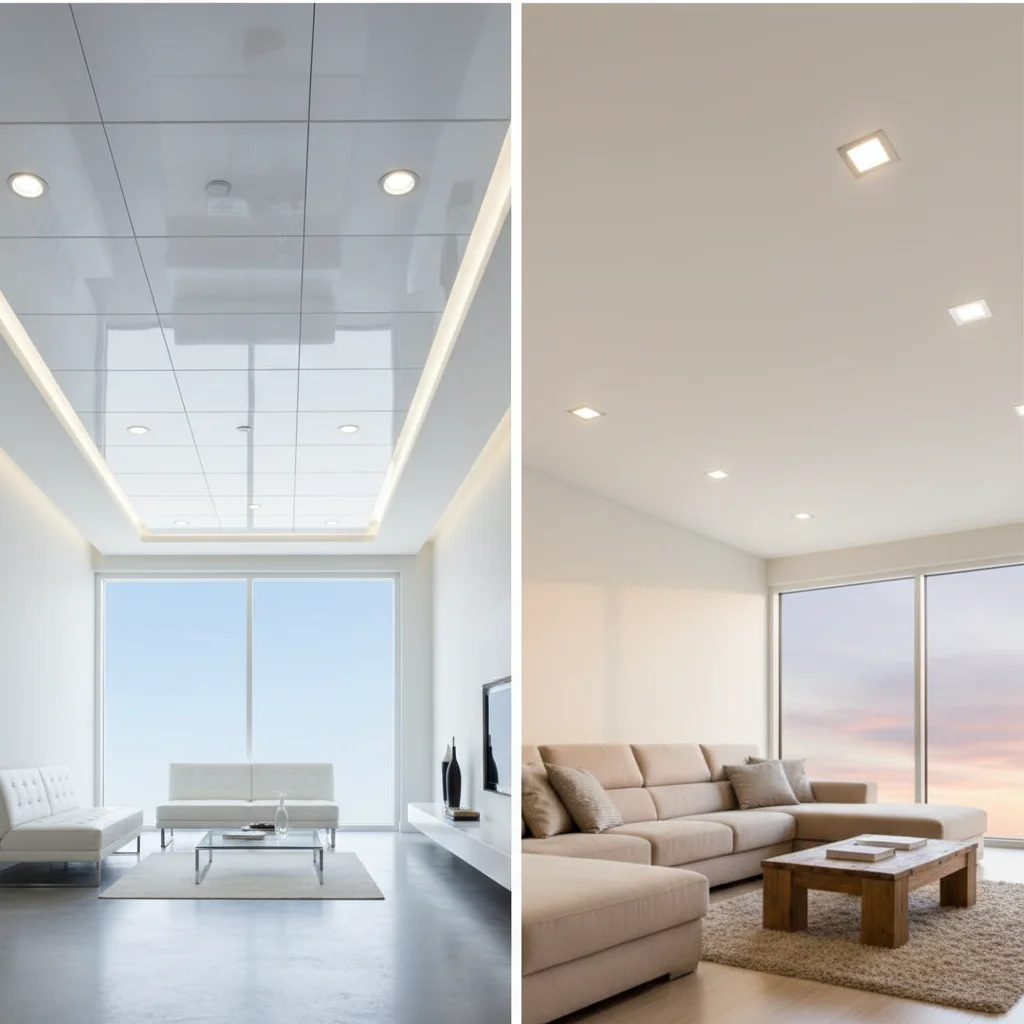
Choosing a suspended ceiling is an important decision that directly affects the functionality and aesthetics of a space. Specifically, PVC suspended ceilings and gypsum board suspended ceilings are the two most preferred options in the market. While PVC panels stand out with their resistance to water and moisture, gypsum board suspended ceilings meet aesthetic expectations with their design flexibility and smooth surfaces. This guide will compare both systems in detail to help you make the right choice.
What is a PVC Suspended Ceiling and What are its Advantages?
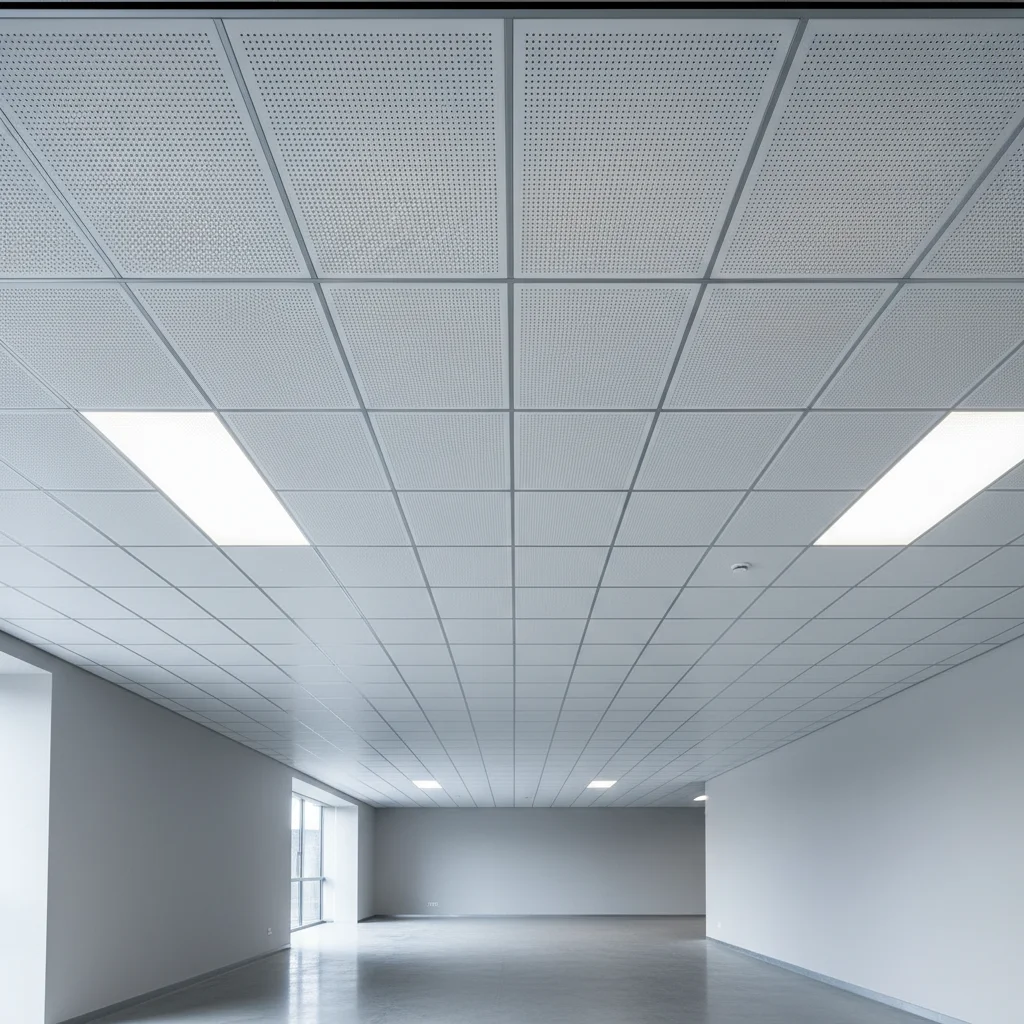
PVC suspended ceilings are ceiling systems made from polyvinyl chloride (PVC) material, typically installed as modular panels. These panels, thanks to their lightweight structure, are easily mounted beneath the existing ceiling and offer an ideal solution for concealing installations, cables, and other elements. Their high resistance to moisture and water makes them indispensable for certain areas.
The biggest advantage of PVC panels is their 100% water resistance. This feature prevents mold, rust, and bacterial growth in wet areas such as bathrooms, kitchens, and laundry rooms, where humidity and vapor are high. Additionally, their smooth surfaces allow for easy wiping, ensuring a hygienic environment. Their installation is generally fast and practical, which can reduce labor time and cost.
What is a Gypsum Board Suspended Ceiling and What are its Advantages?
Gypsum board suspended ceilings are ceiling systems created by mounting gypsum boards onto a metal framework. These systems allow for a completely smooth and seamless appearance on the ceiling surface. Gypsum board, with its cuttable and shapeable nature, offers designers and users extensive aesthetic freedom.
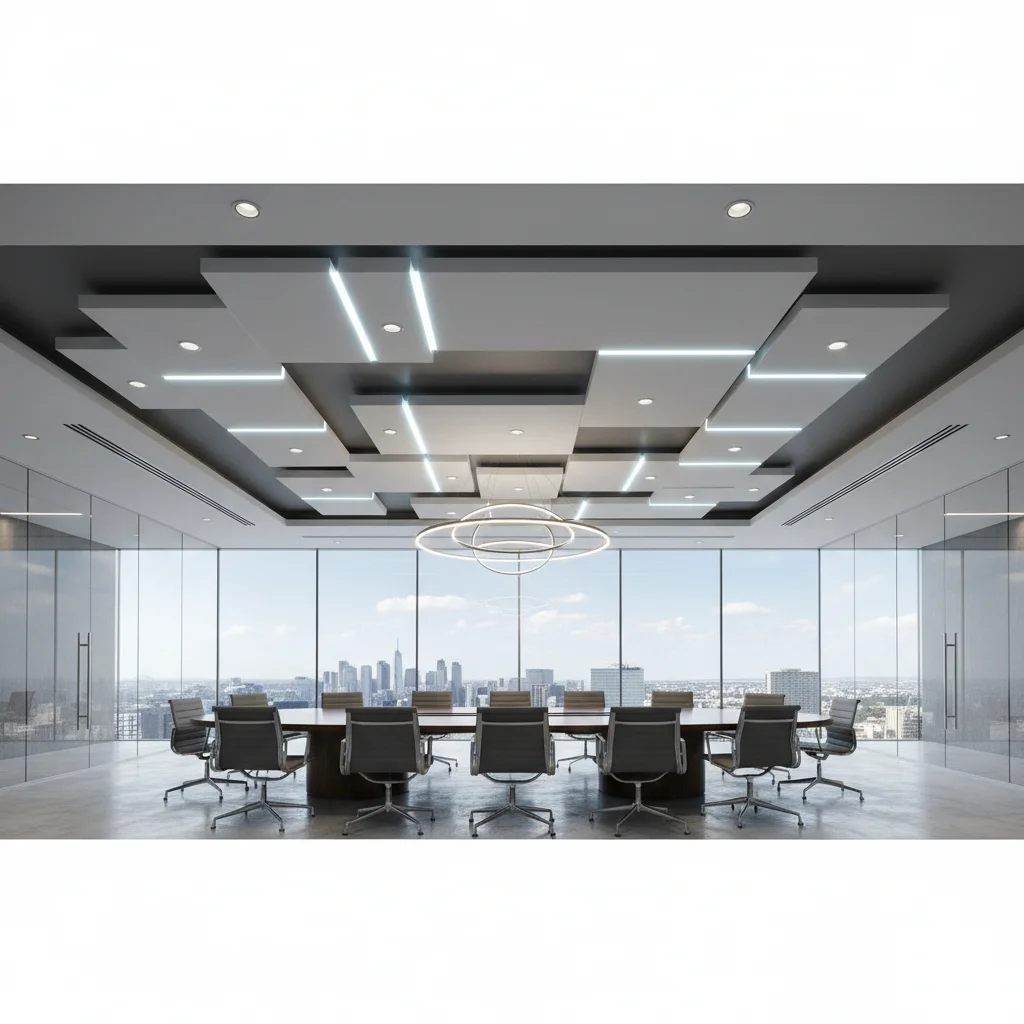
The most significant advantage of gypsum board is its design flexibility. Cove lighting strips, multi-layered ceiling designs, niches, and special forms can be easily implemented with gypsum board. Special gypsum boards can be used to enhance sound and thermal insulation properties. Its paintable surface allows it to be painted in any desired color to match the general decoration of the space or covered with wallpaper, increasing aesthetic diversity.
Which Suspended Ceiling is More Suitable for Wet Areas?
Wet areas, such as bathrooms, kitchens, and toilets, are exposed to high humidity and water vapor. In such environments, the ceiling material's resistance to moisture and water is critically important. PVC suspended ceilings offer a clear superiority in this regard.
PVC panels, with their 100% water-resistant structure, prevent deformation, mold, and bacterial growth caused by moisture. They do not experience issues like swelling, cracking, or discoloration when exposed to water splashes or vapor. Gypsum board suspended ceilings, when used with standard boards, can be affected by moisture; even if water-resistant (green) gypsum boards are used in such areas, it is difficult for them to reach the natural water resistance level of PVC, and additional insulation measures may be required.
Which Offers More Flexibility in Terms of Design and Aesthetics?
Aesthetic appearance and design freedom are important factors in suspended ceiling selection. In this area, gypsum board suspended ceilings offer a wider range than PVC panels. The cuttable, shapeable, and joinable nature of gypsum board allows for the implementation of architectural details and special lighting solutions.
With gypsum board, complex designs such as cove lighting strips, multi-level ceiling layers, circular or oval forms can be easily created. Its surface can be painted or enriched with different coatings. PVC panels, on the other hand, typically come in standard panel sizes and patterns; their aesthetic variety is limited to printed patterns or different color options. While suitable for a modern and minimalist look, they cannot achieve the artistic and customized design potential offered by gypsum board.
What are the Differences in Installation Process and Ease of Maintenance?
The installation time of suspended ceiling systems and subsequent maintenance needs are important for users in terms of practicality. PVC suspended ceilings can generally be installed faster and with less mess. The easy fastening of panels with interlocking or screw systems shortens labor time. They do not require additional processes like painting or plastering after installation.
In terms of maintenance, PVC panels are also very practical; thanks to their smooth, waterproof surfaces, they can be easily cleaned by wiping with a damp cloth and do not require special maintenance. The installation of gypsum board suspended ceilings, however, may require more labor and time. It involves stages such as cutting the boards, fixing them to the framework, joint taping, sanding, and painting. For maintenance, repair and repainting may be necessary for cracks that may occur over time.
What is the Situation Regarding Cost Trend and Long-Term Durability?
Both initial cost and long-term durability play an important role in suspended ceiling selection. The unit cost of PVC suspended ceiling panels can generally be more affordable than gypsum boards. Furthermore, their faster and less labor-intensive installation can reduce the total installation cost. PVC panels are durable due to their resistance to water and moisture and can maintain their original appearance for years when used under proper conditions.
The initial cost of gypsum board suspended ceilings varies depending on the type of gypsum board used (standard, water-resistant, fire-resistant) and the quality of the metal framework. However, the main cost difference arises from labor for installation and surface finishing (plastering, painting). Although their long-term durability is good, there is a risk of deformation if water-resistant gypsum board is not used in humid environments. Additionally, hairline cracks that may appear over time or their susceptibility to impact can create additional maintenance costs.
Which Suspended Ceiling Should I Choose for Which Space?
The choice of suspended ceiling is directly related to the intended use of the space and your expectations. If you are applying a ceiling to a high-humidity area or one with a risk of water splashes, such as a bathroom, kitchen, toilet, or laundry room, PVC suspended ceilings are the most logical and economical solution. Their water resistance, easy cleanability, and quick installation offer long-lasting and hygienic use in these areas.
For dry areas where aesthetics and design flexibility are paramount, such as living rooms, bedrooms, offices, or corridors, gypsum board suspended ceilings are ideal. If you are looking for cove lighting, multi-layered designs, special forms, and a smooth, paintable surface, gypsum board offers limitless design possibilities. You can evaluate the aesthetic solutions offered by gypsum board to add a modern and stylish atmosphere to your space.
PVC Suspended Ceiling and Gypsum Board Suspended Ceiling Comparison Table
| Criterion | PVC Suspended Ceiling | Gypsum Board Suspended Ceiling |
|---|---|---|
| Moisture/Water Resistance | High (100% water resistant) | Low (Standard), Medium (with water-resistant board) |
| Suitability for Wet Areas | Very Suitable (Bathroom, kitchen) | Limited (Possible with water-resistant board, additional insulation may be required) |
| Installation Speed | Fast and practical | Longer and more detailed |
| Maintenance-Cleaning | Very easy (Can be wiped with a damp cloth) | Medium (Paintable, crack repair may be needed) |
| Design Flexibility | Limited (Panel patterns and colors) | Very high (Cove lighting, different forms, paintable) |
| Durability | High against moisture and water, medium against impact | Low against moisture and water (standard), medium against impact |
| Cost Trend | Generally more affordable initially | May be higher initially and with labor |
Related guides: What is a Suspended Ceiling? Types, Materials, and Areas of Use, 7 Factors Affecting Suspended Ceiling m² Price (2026 Guide), What is a Metal Suspended Ceiling? Advantages and Areas of Use. For product options for your project, you can review our comparison products or our comparison service page for turnkey applications.