Angle Trims & Beads
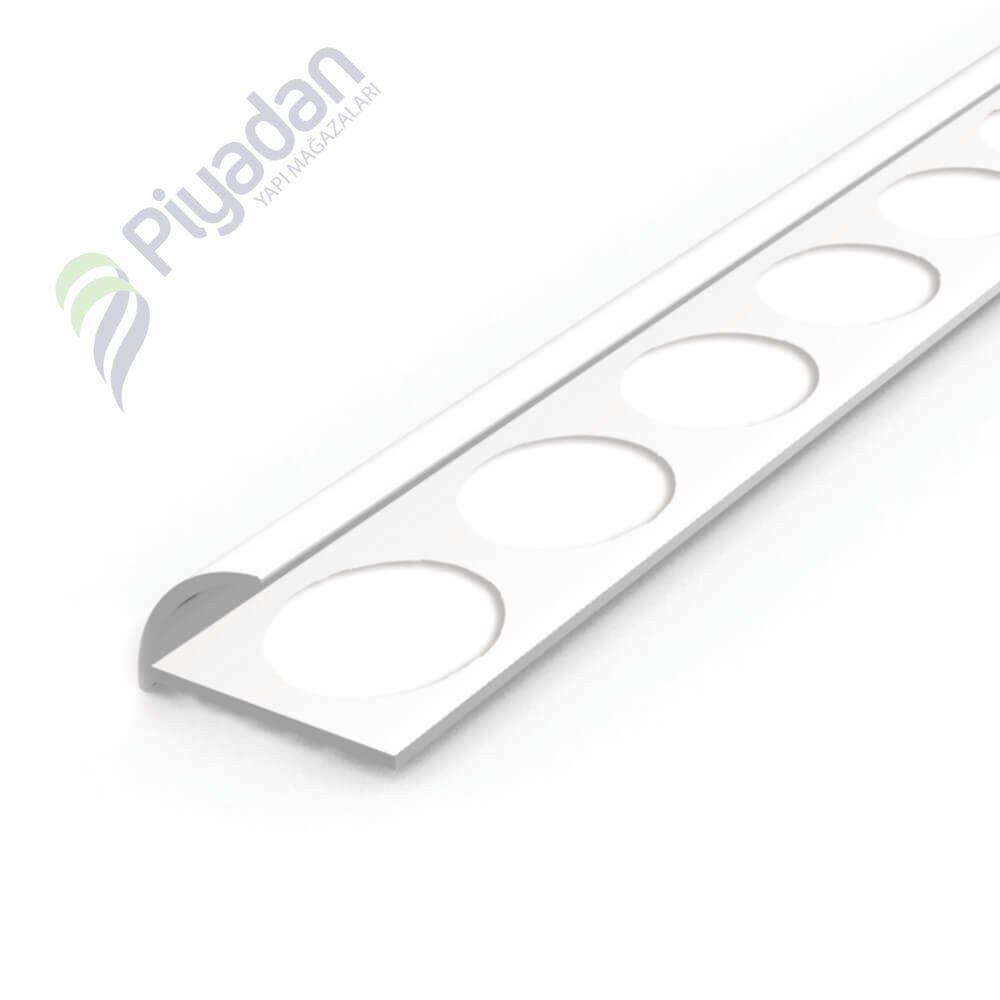
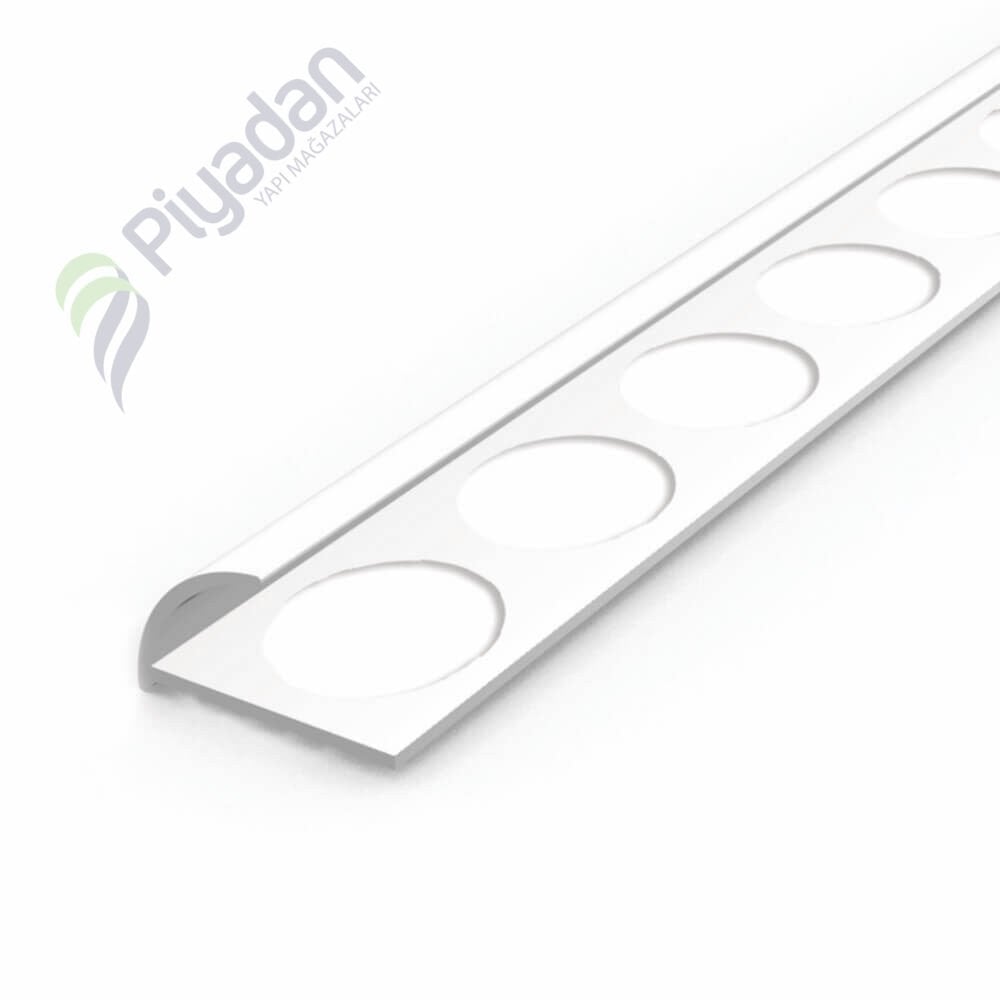
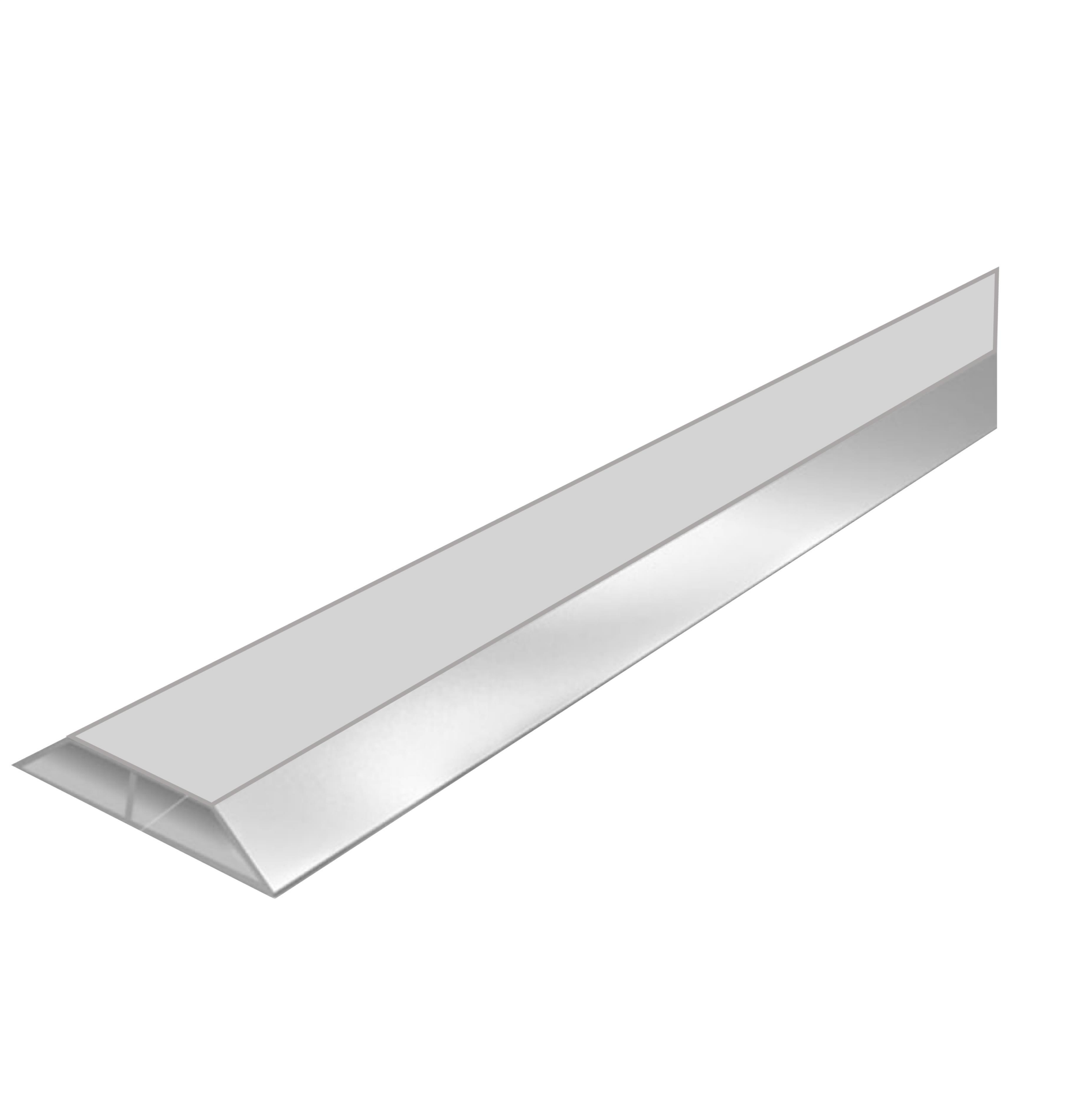
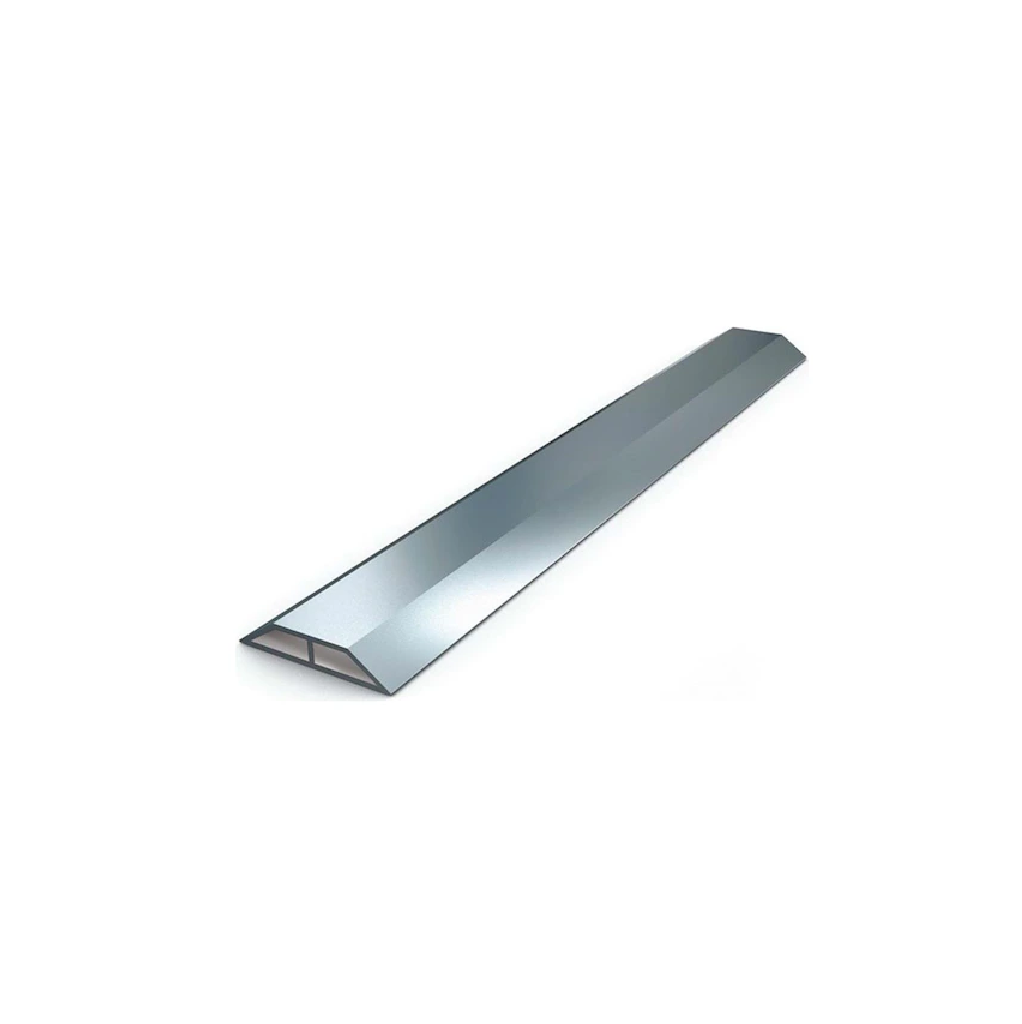
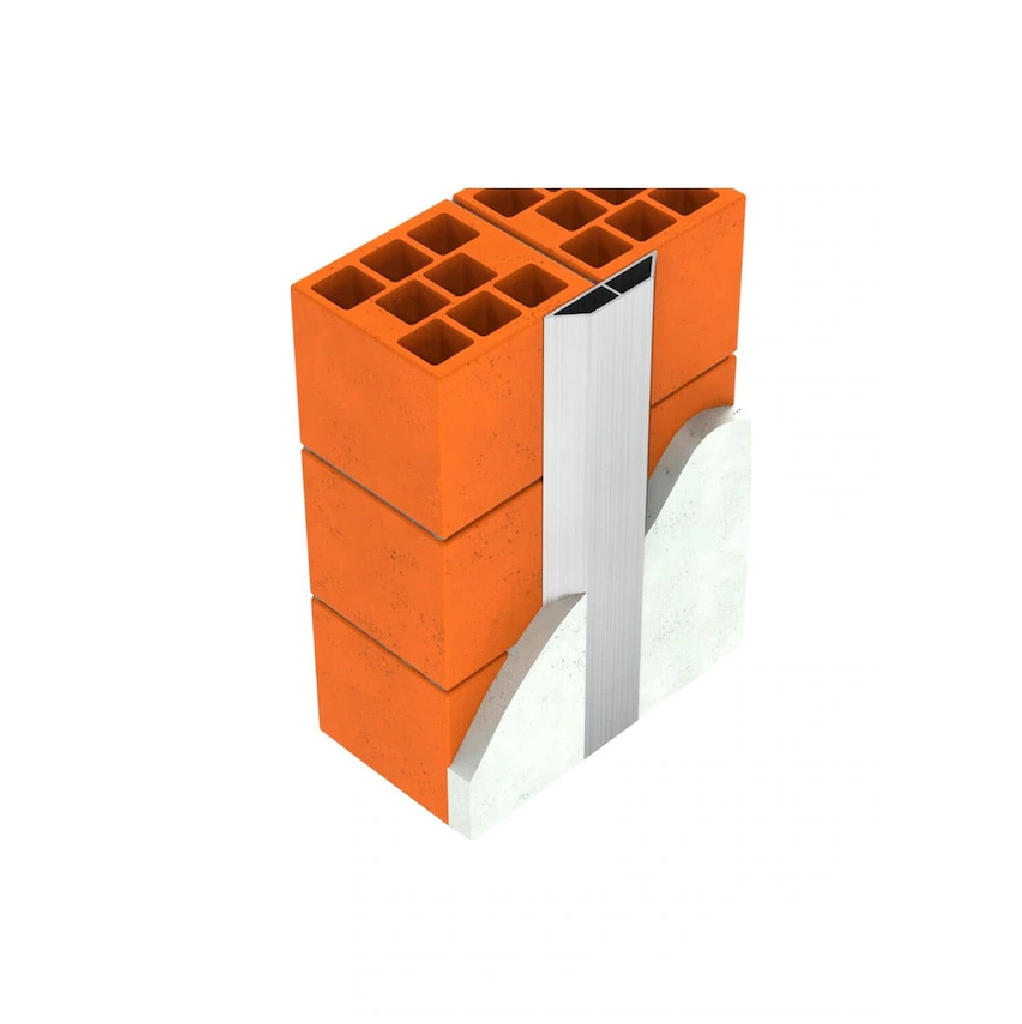
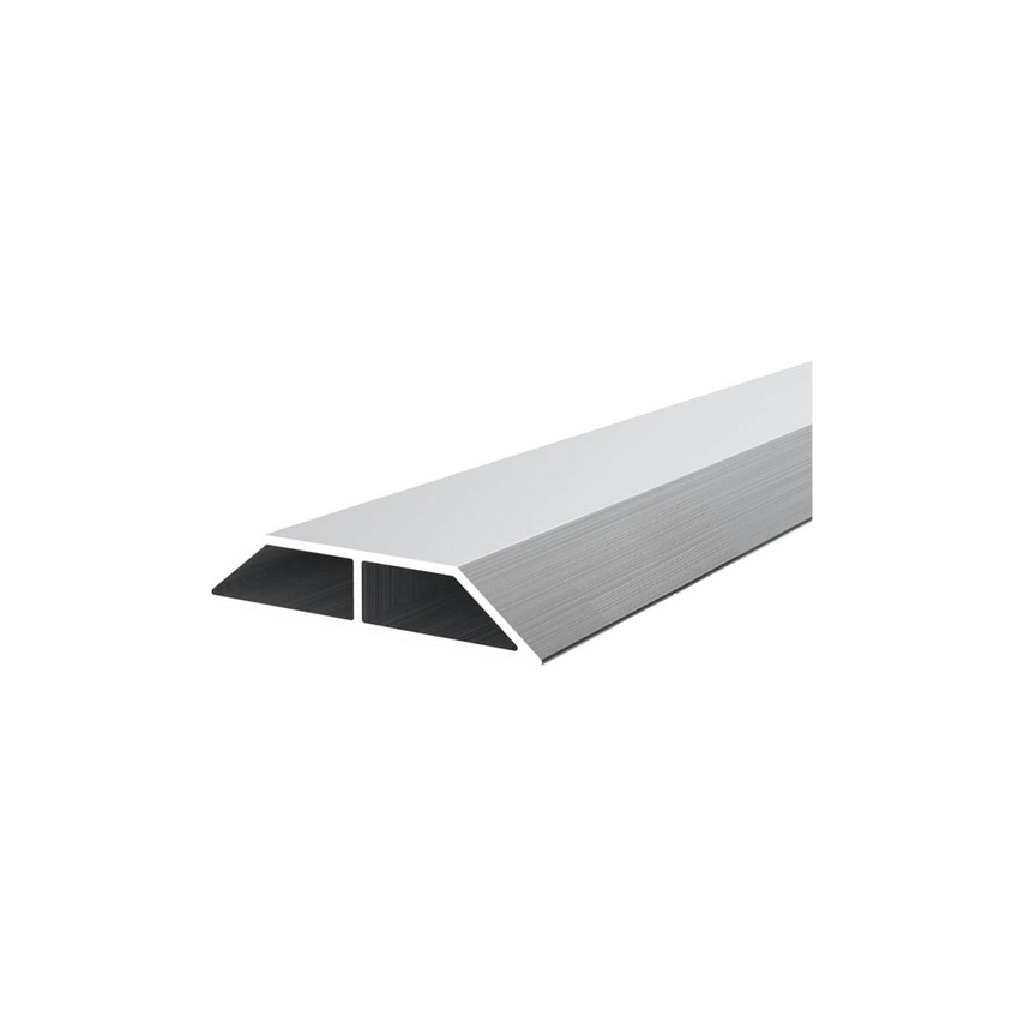
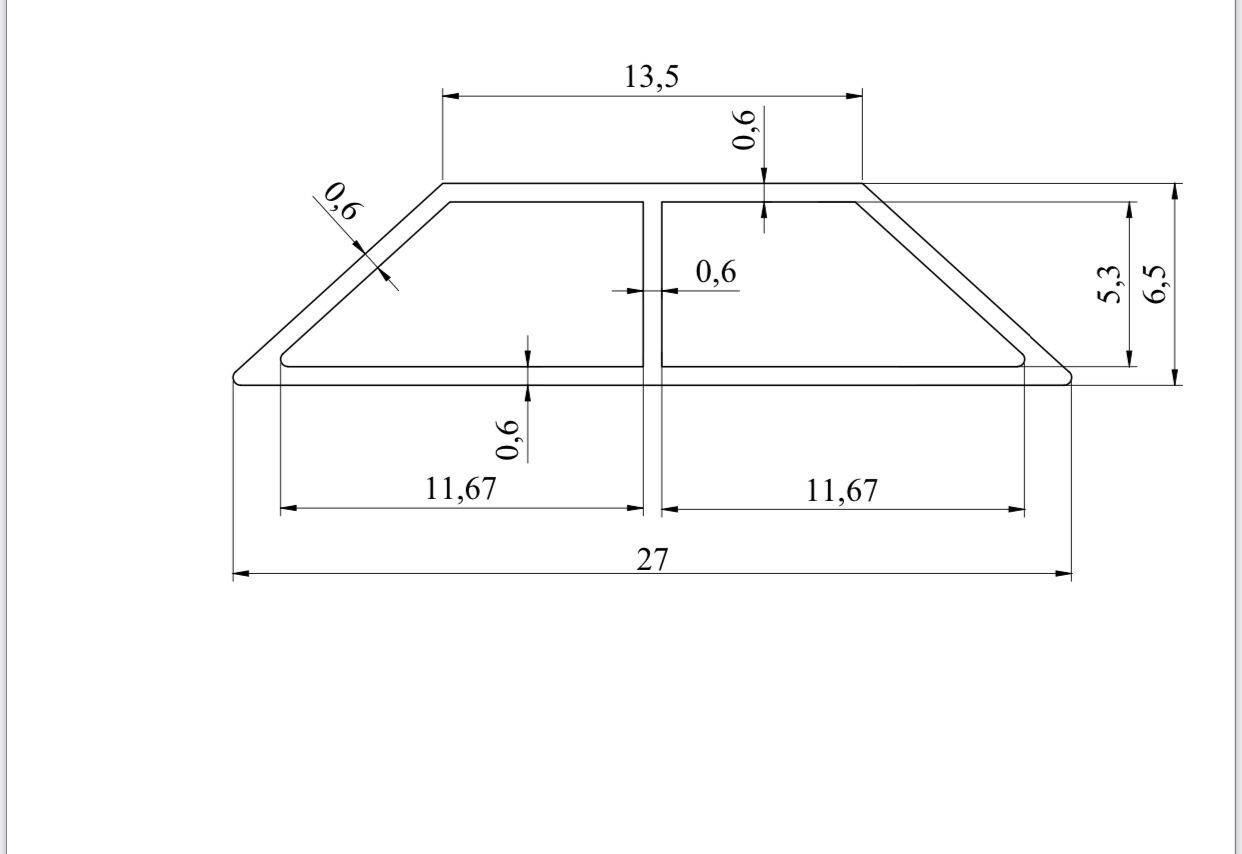
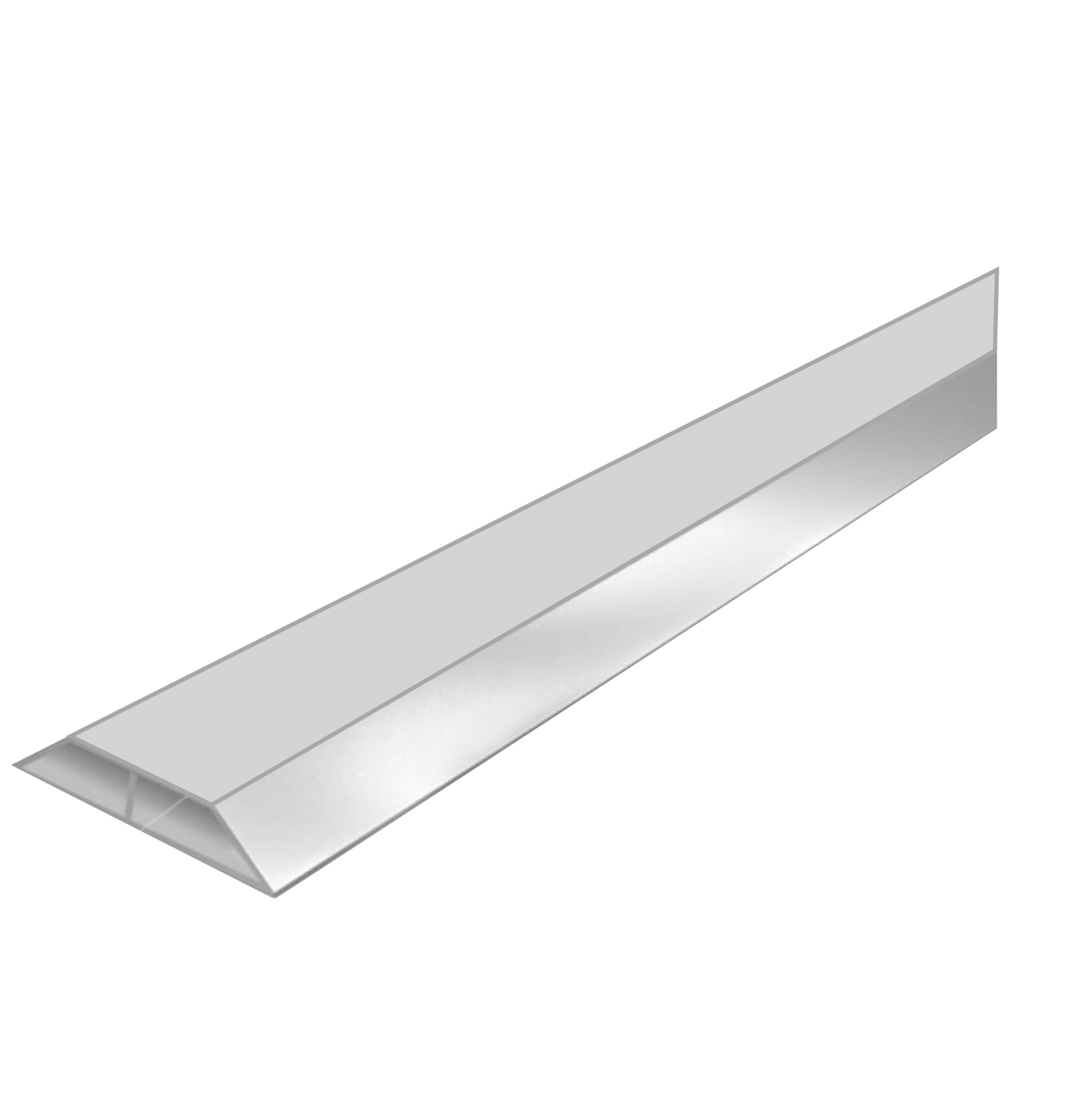
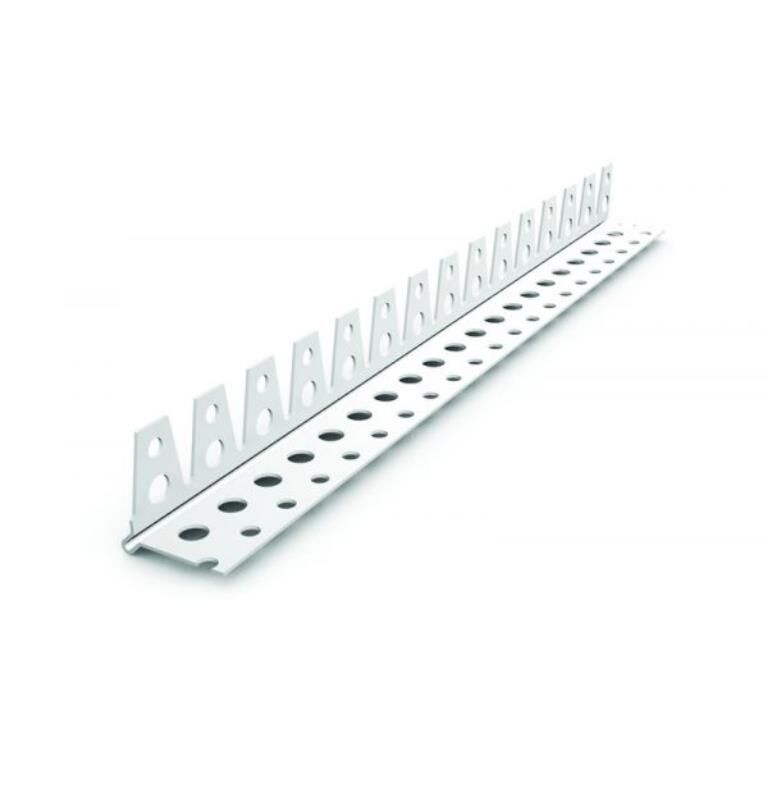
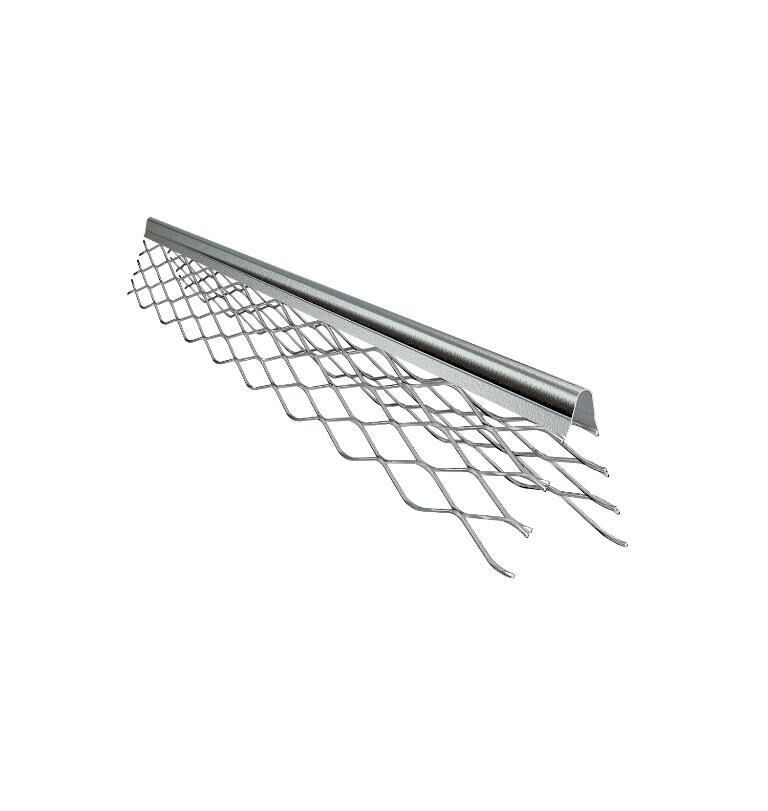
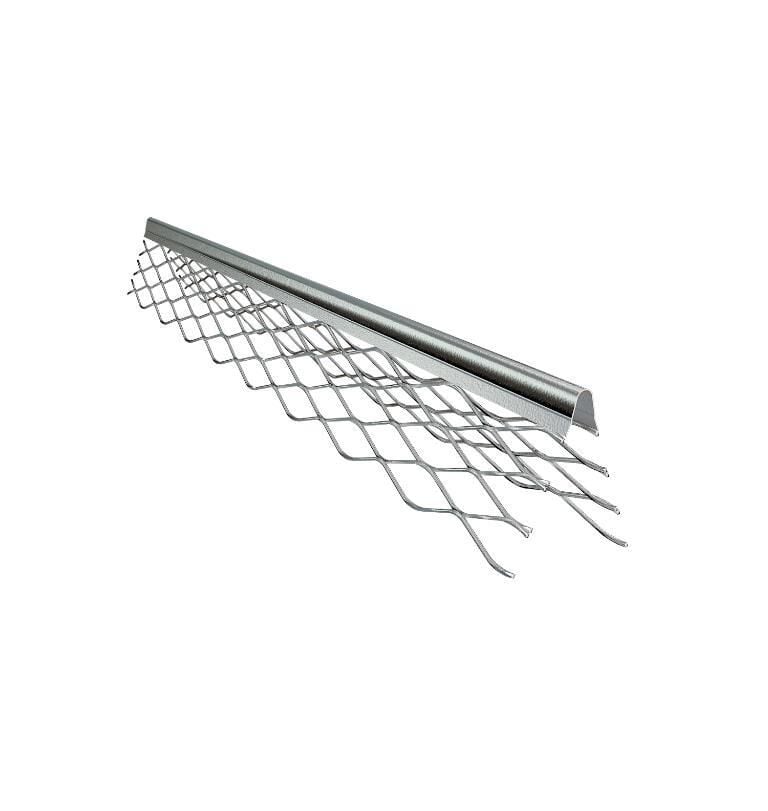
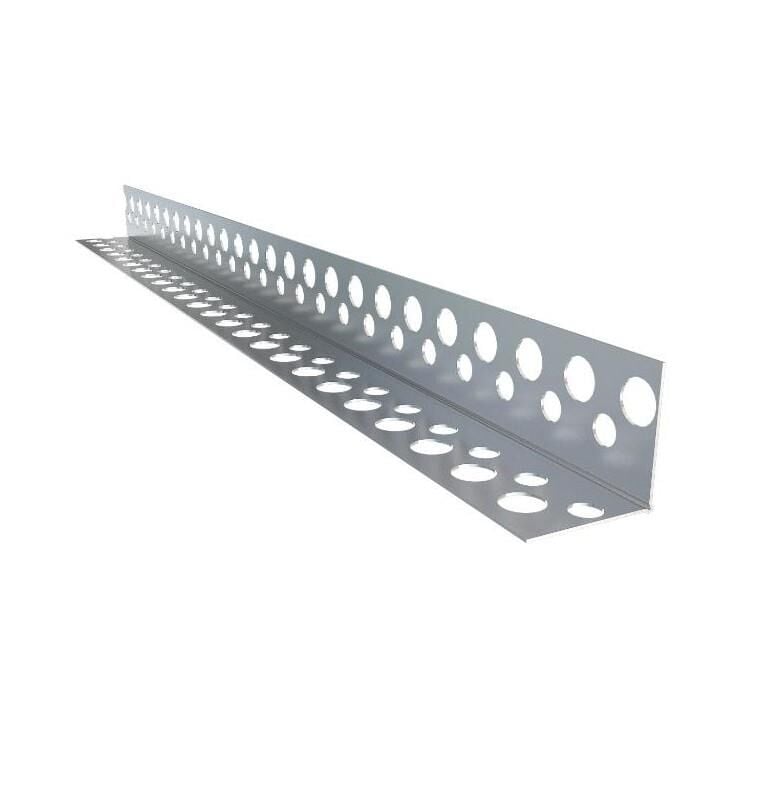
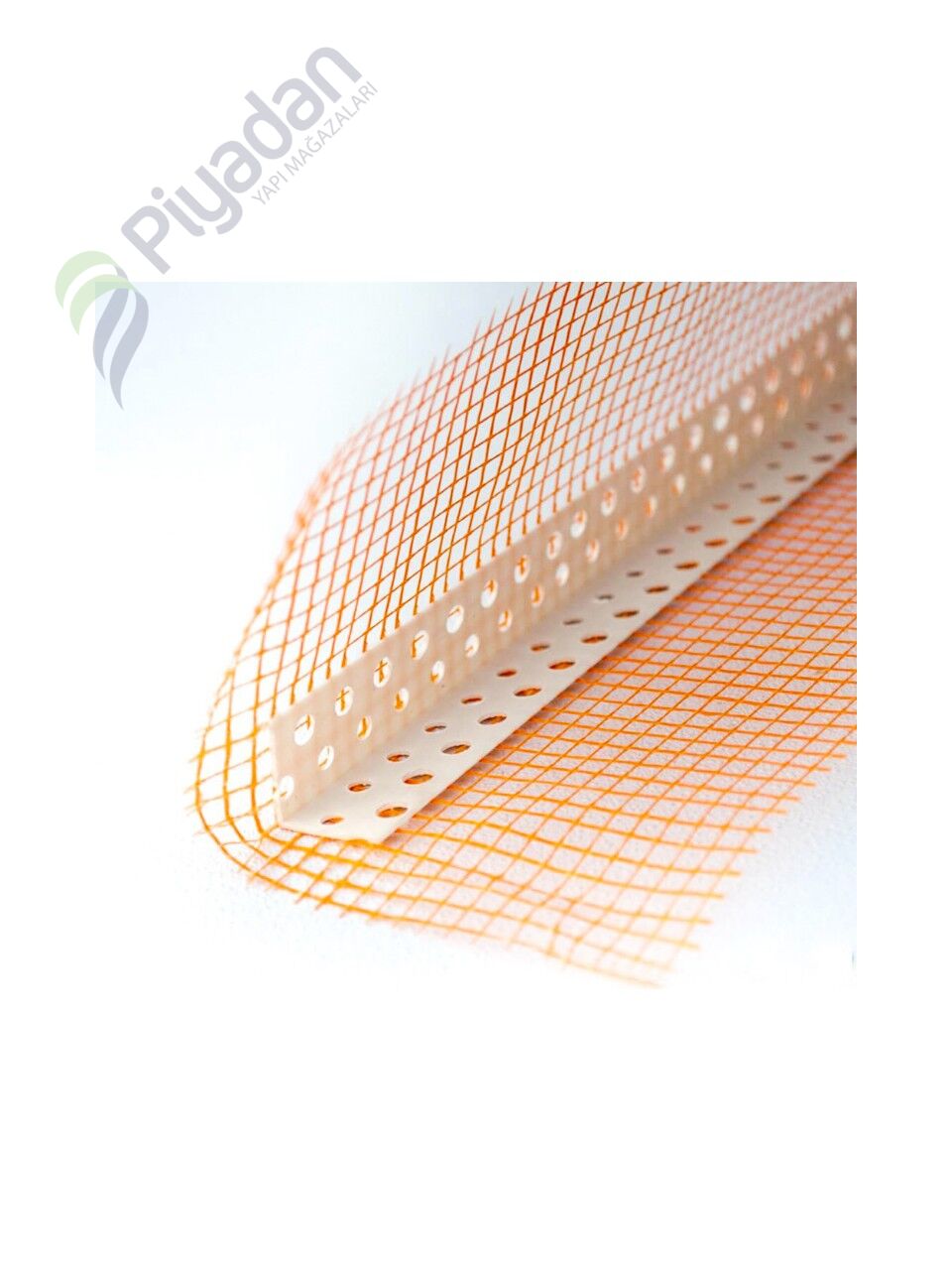
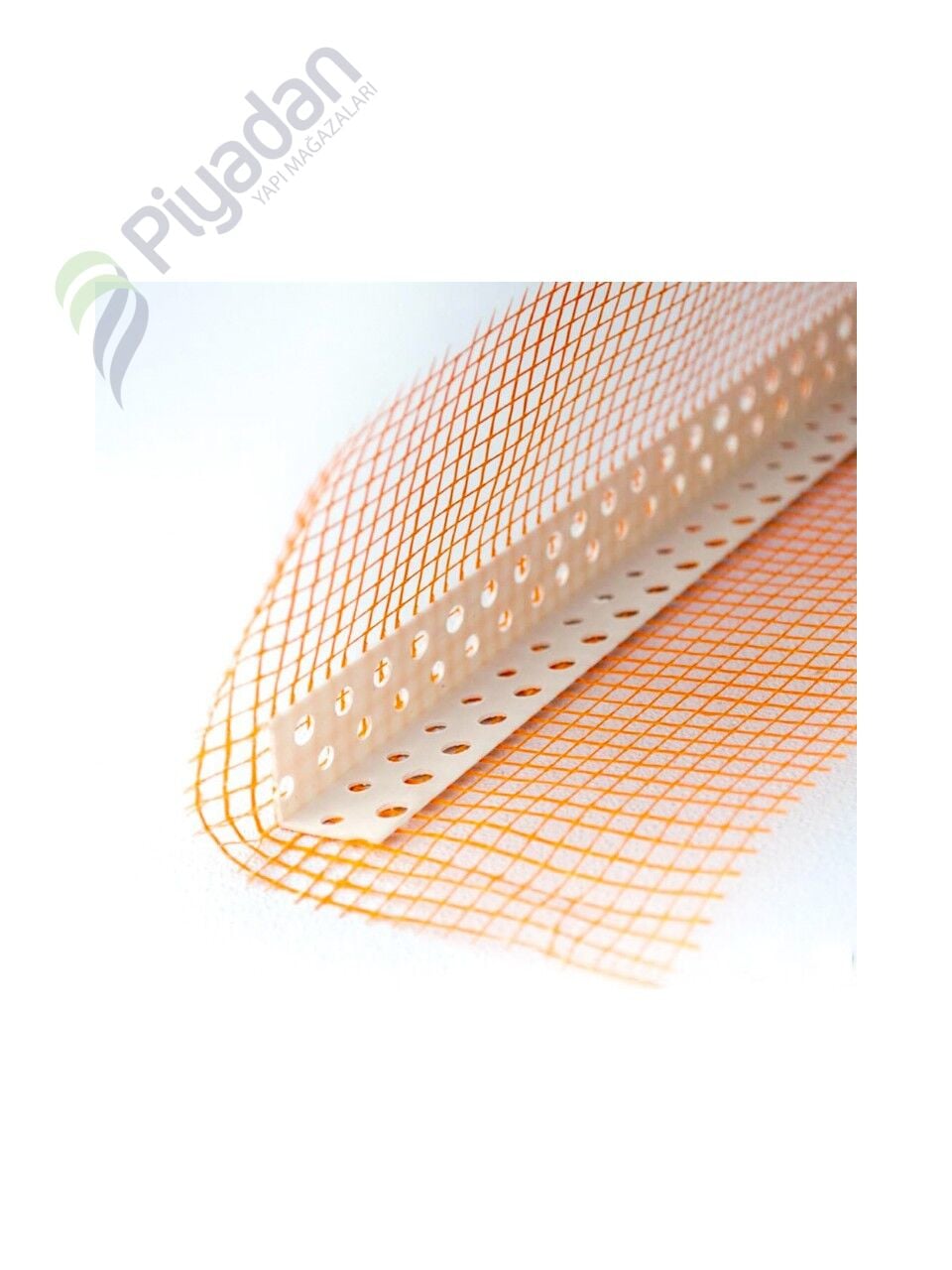
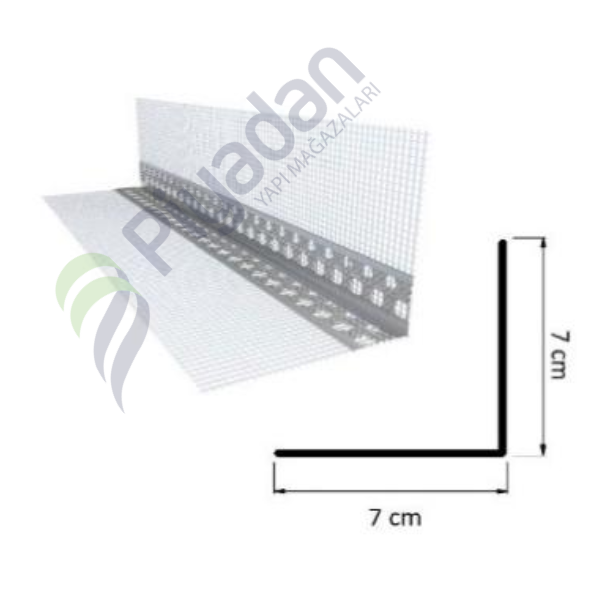
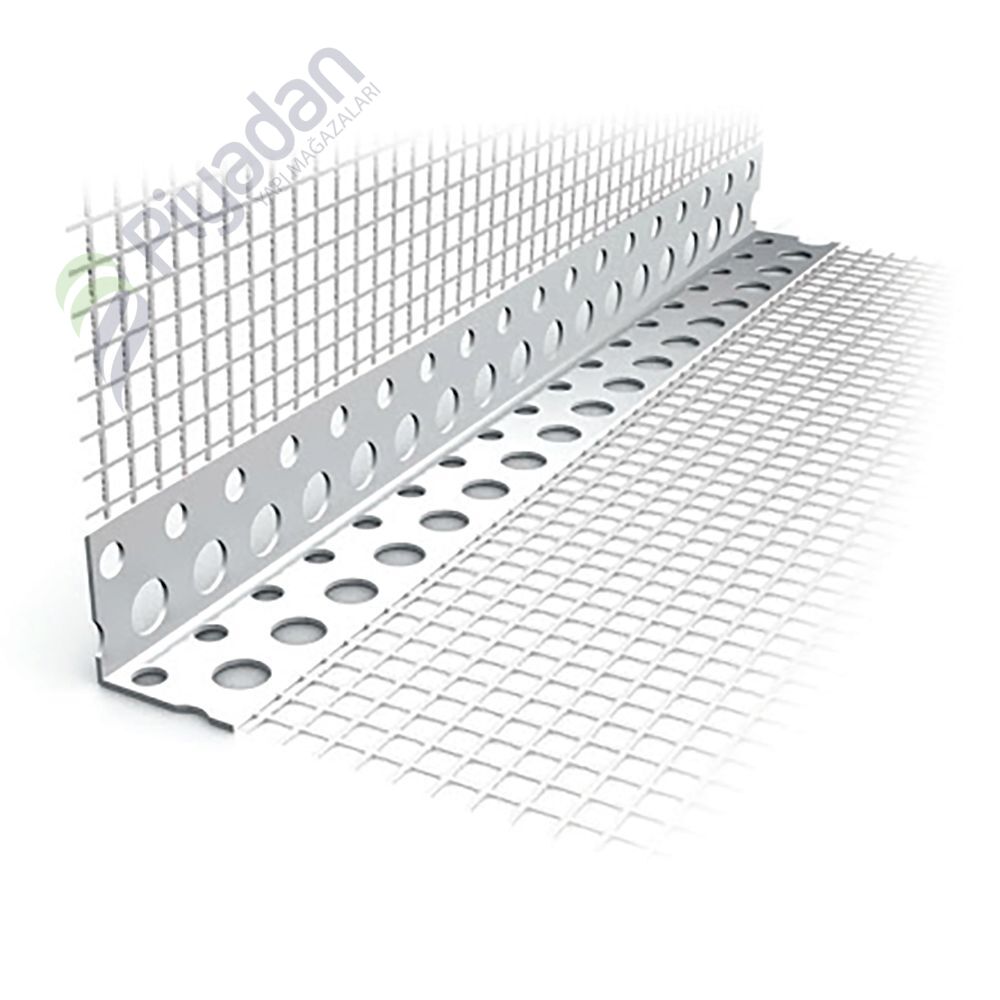
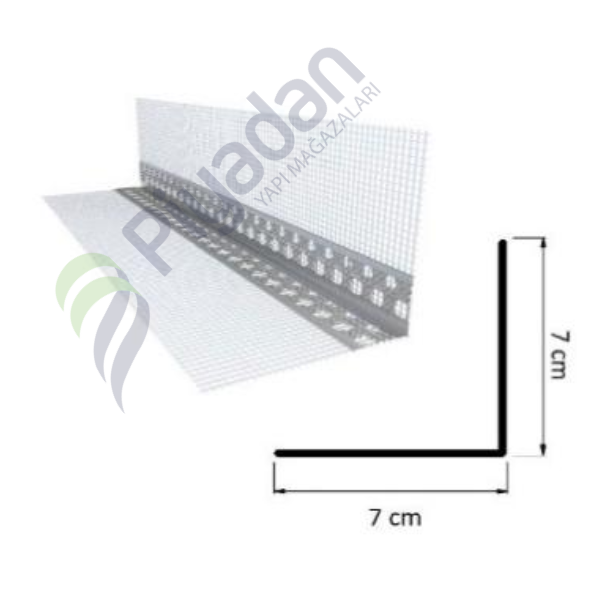
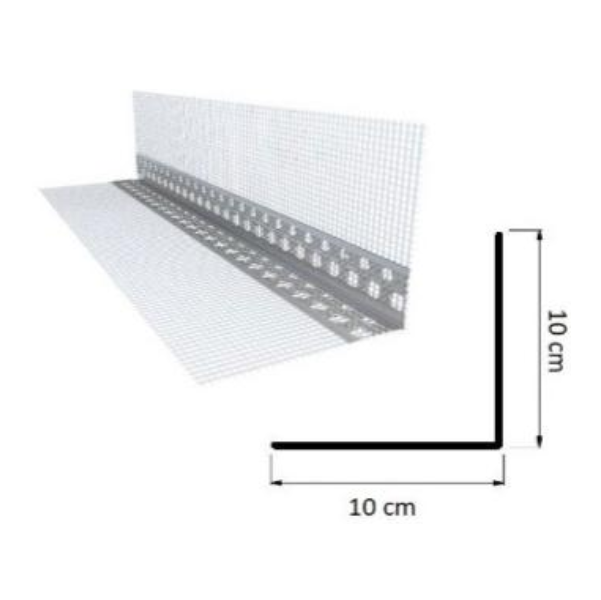
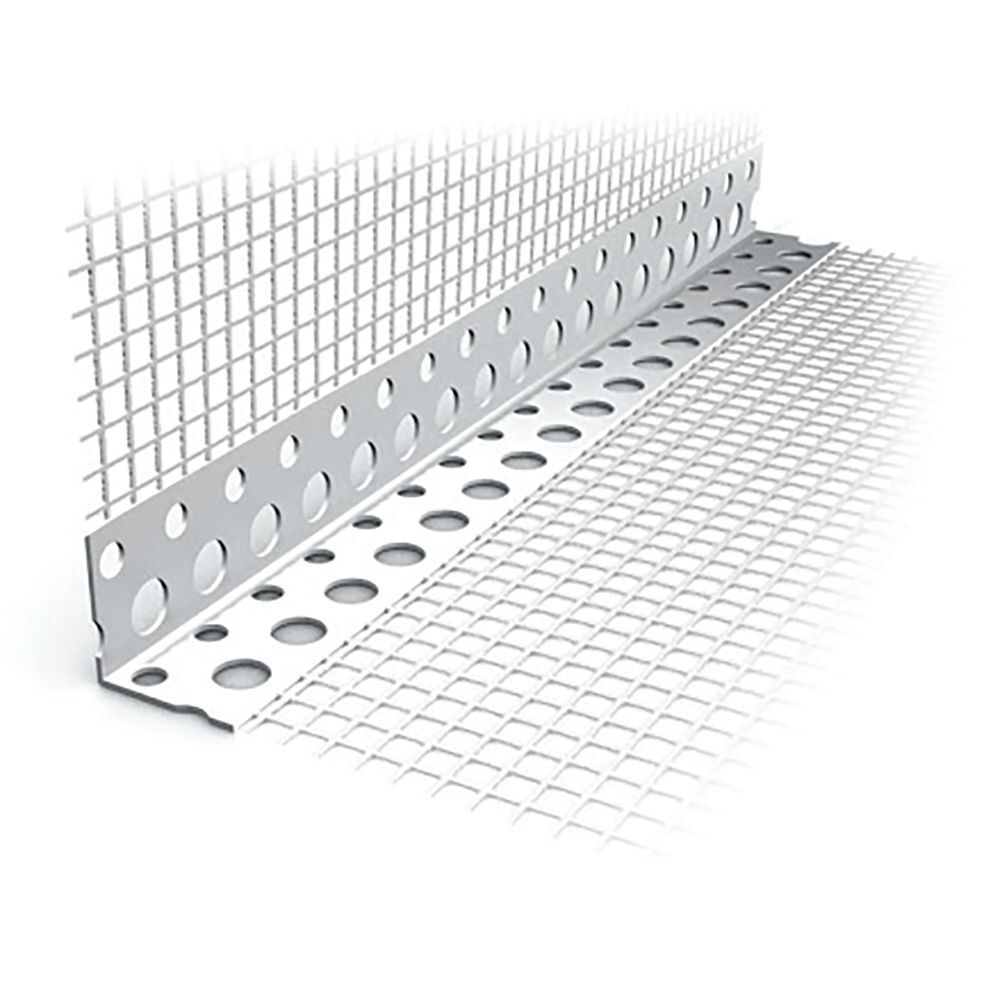
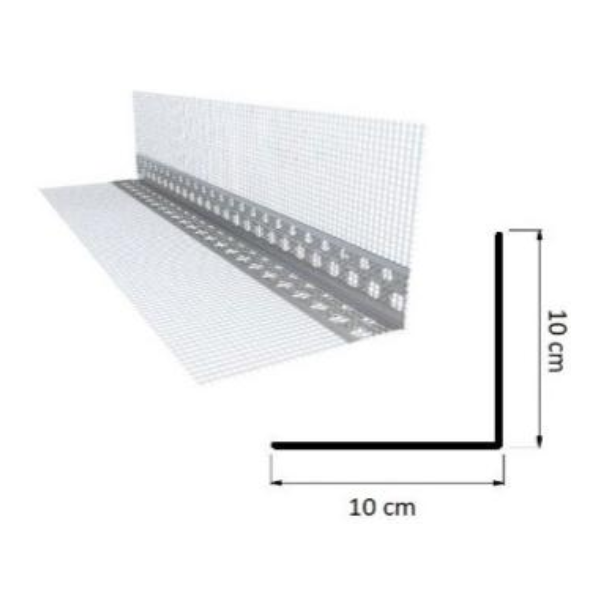
The corner is the part of a wall that takes the most knocks. The PVC mesh bead is used on plasterboard corners: the mesh is bedded into the jointing compound while the PVC profile both straightens and protects the corner — and it cannot rust. The galvanised plaster bead works in thin plaster, the machine-plaster bead in thick machine-applied render. The arch bead has slotted wings so it can be bent around curves and arches. The screed bead is the depth rule that sets the plaster thickness.
Related Categories
Frequently Asked Questions
What lengths are available?
Our catalogue holds standard lengths such as 2.50 m and 2.70 m; the length is stated in the product name.
Which one for wet rooms?
The PVC mesh bead does not rust and is safer than galvanised steel in damp areas.
Where are the support profiles?
The framework parts are under Plasterboard Profiles and Plasterboard Support Profiles.
Related Guides
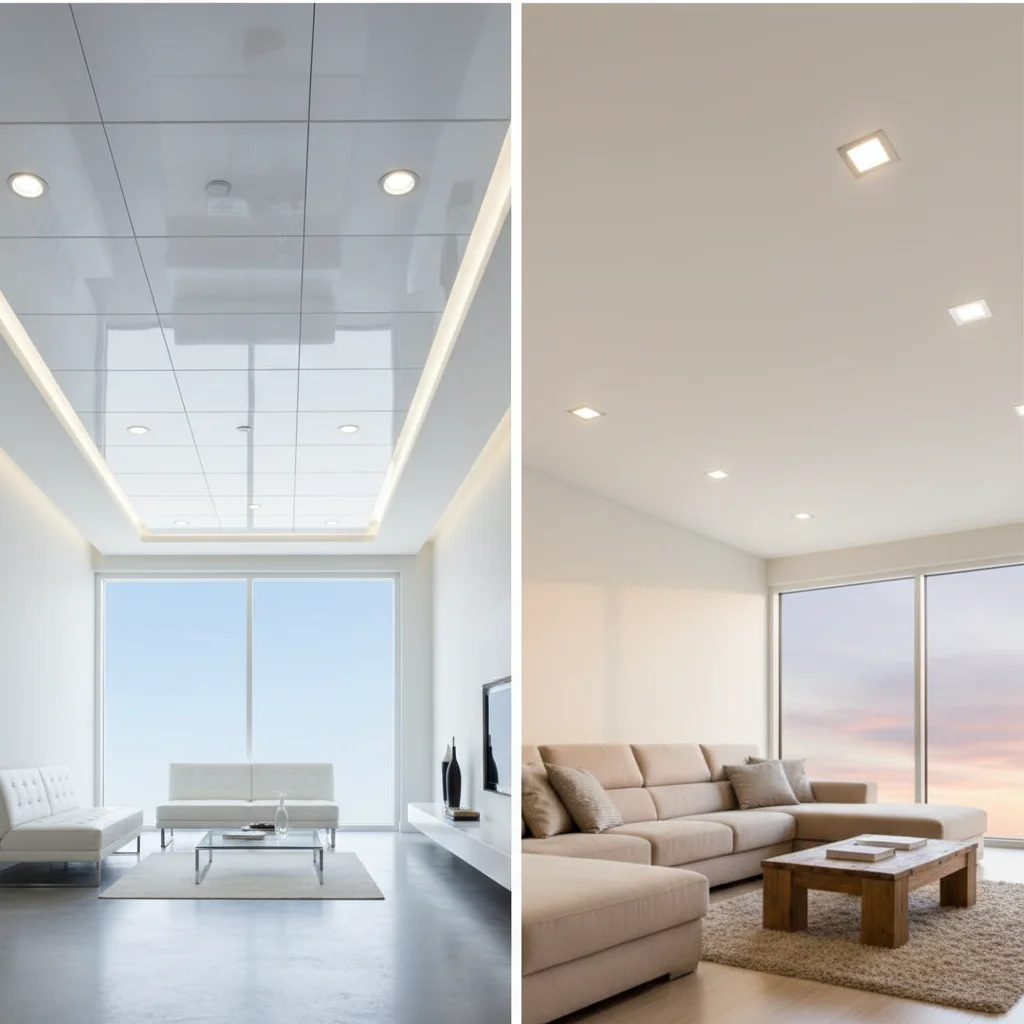
PVC Suspended Ceiling vs. Gypsum Board Suspended Ceiling: A Comparison
~8 min read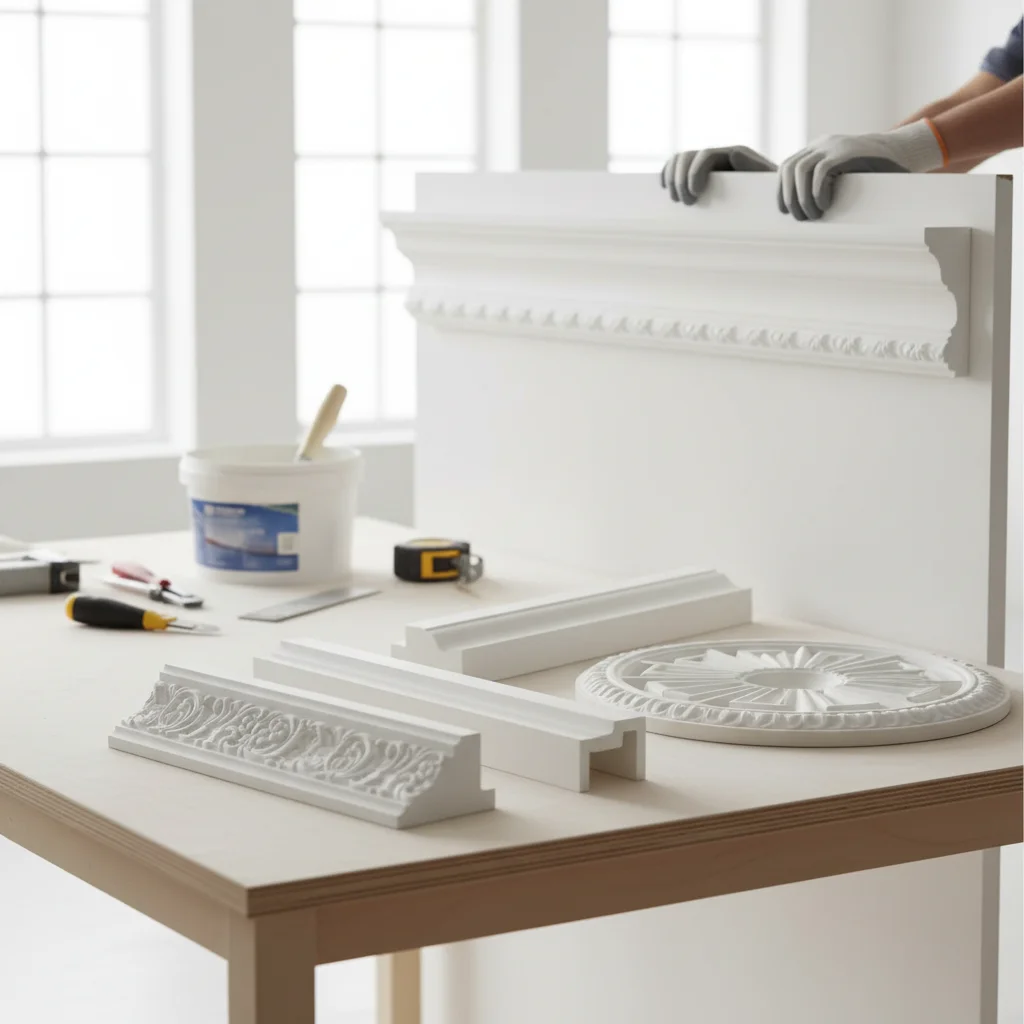
What is Cornice/Coving? Types and Installation
~6 min read
LED Sky Panels: What Are the Different Sizes and Mounting Options?
~10 min read