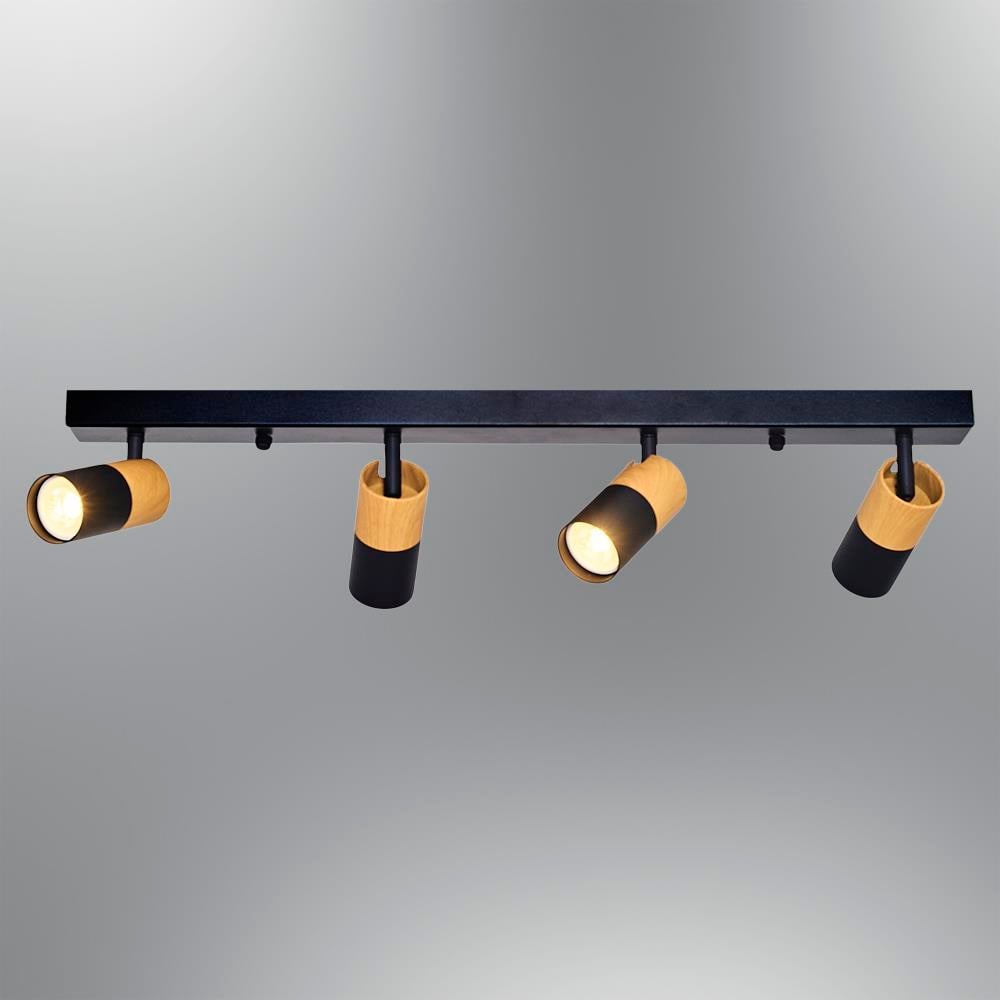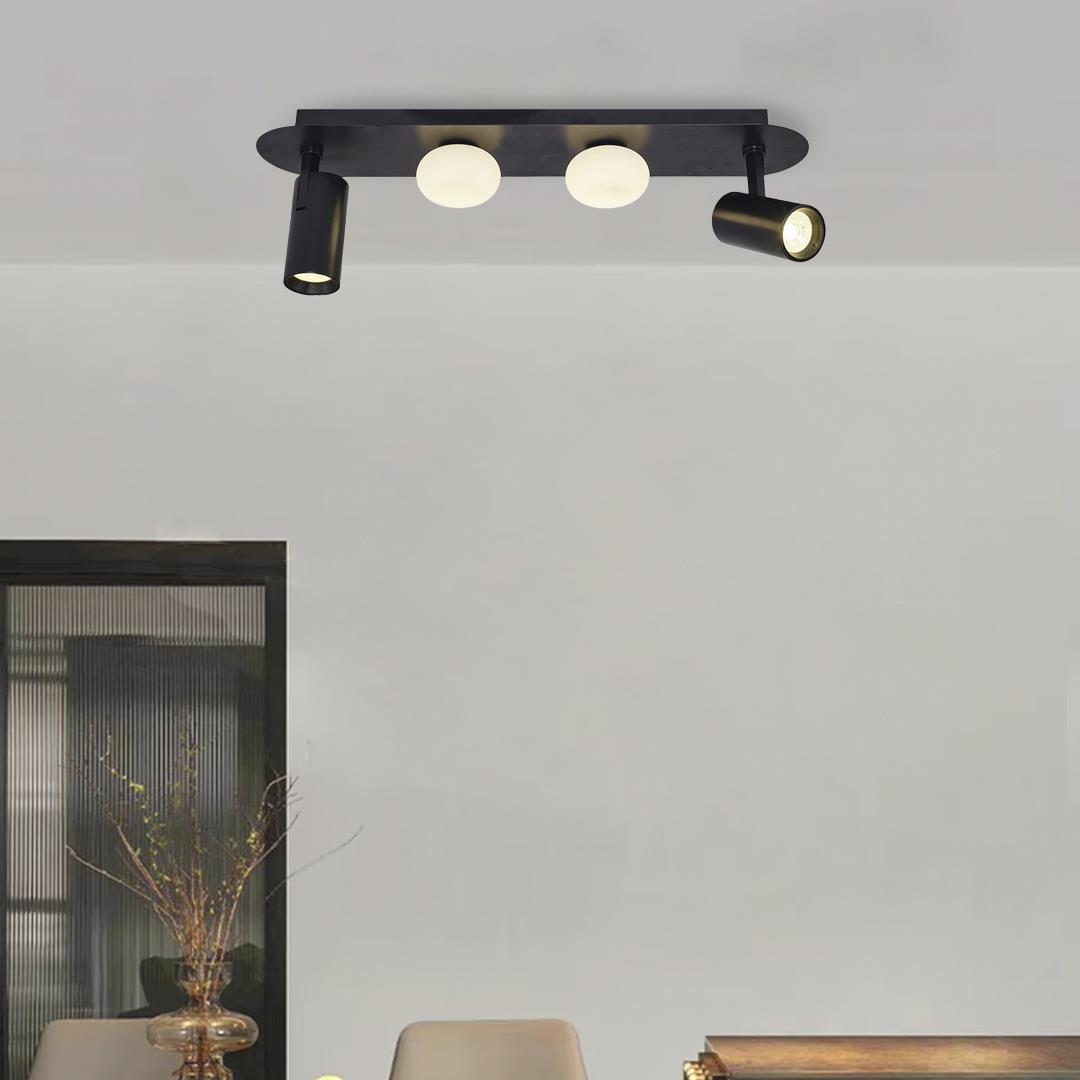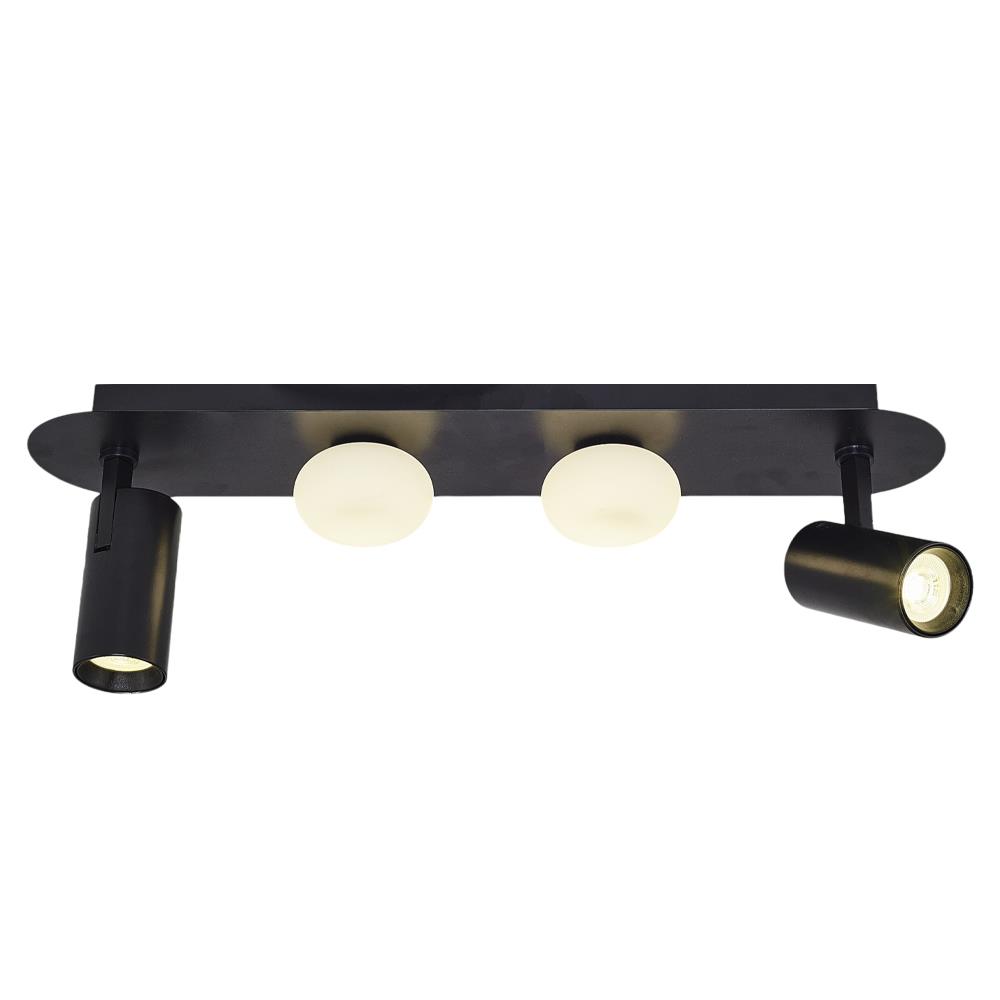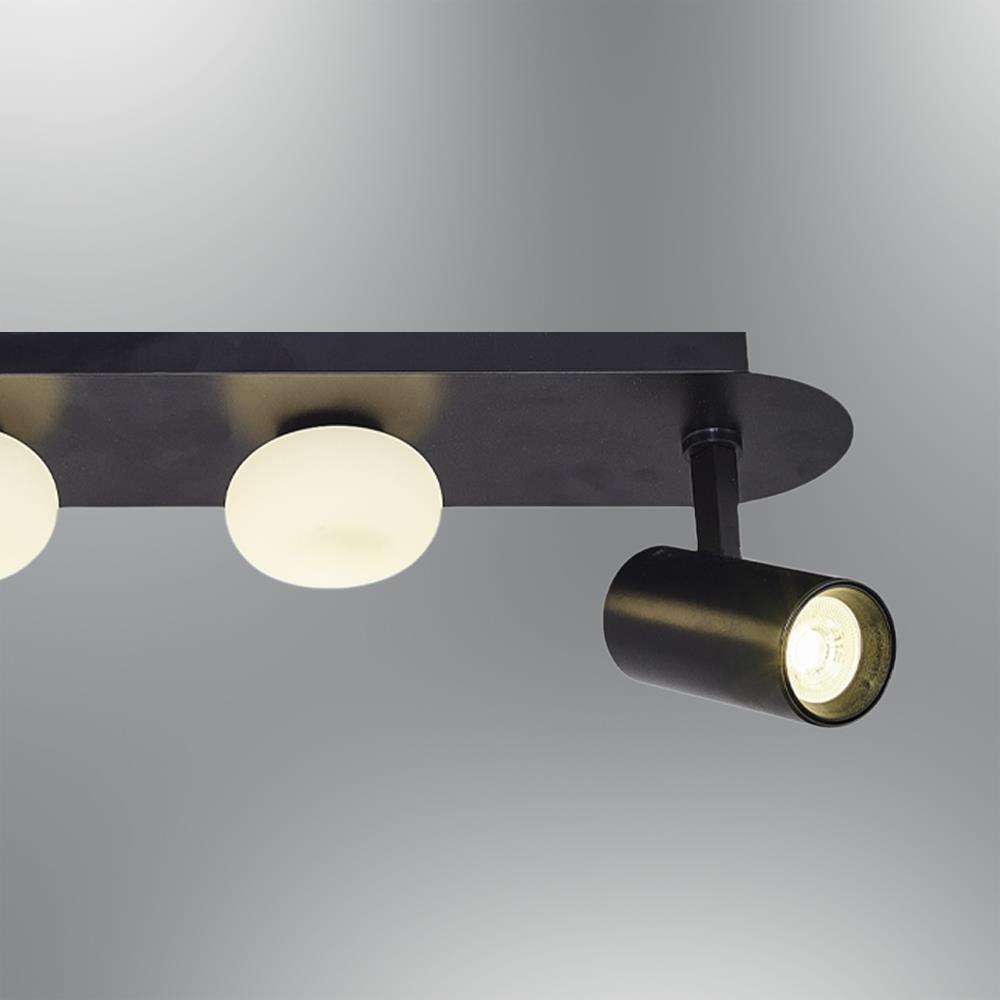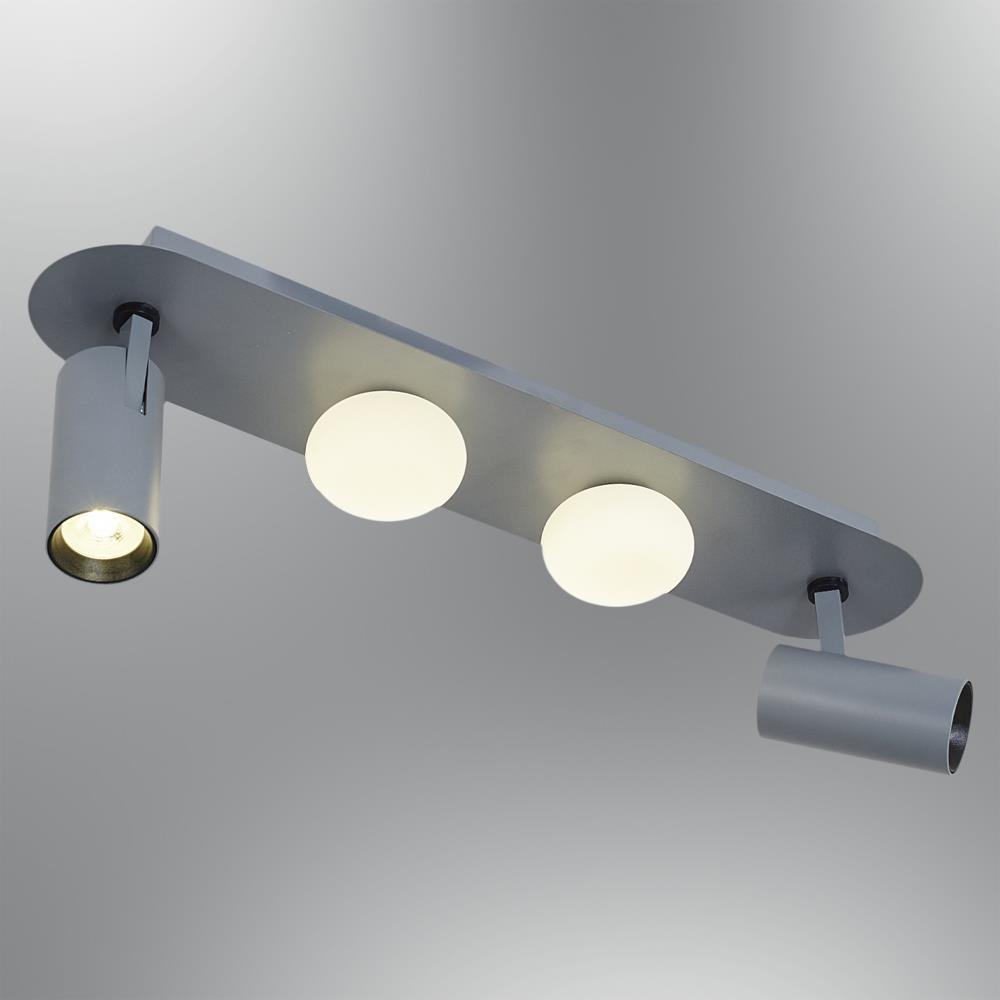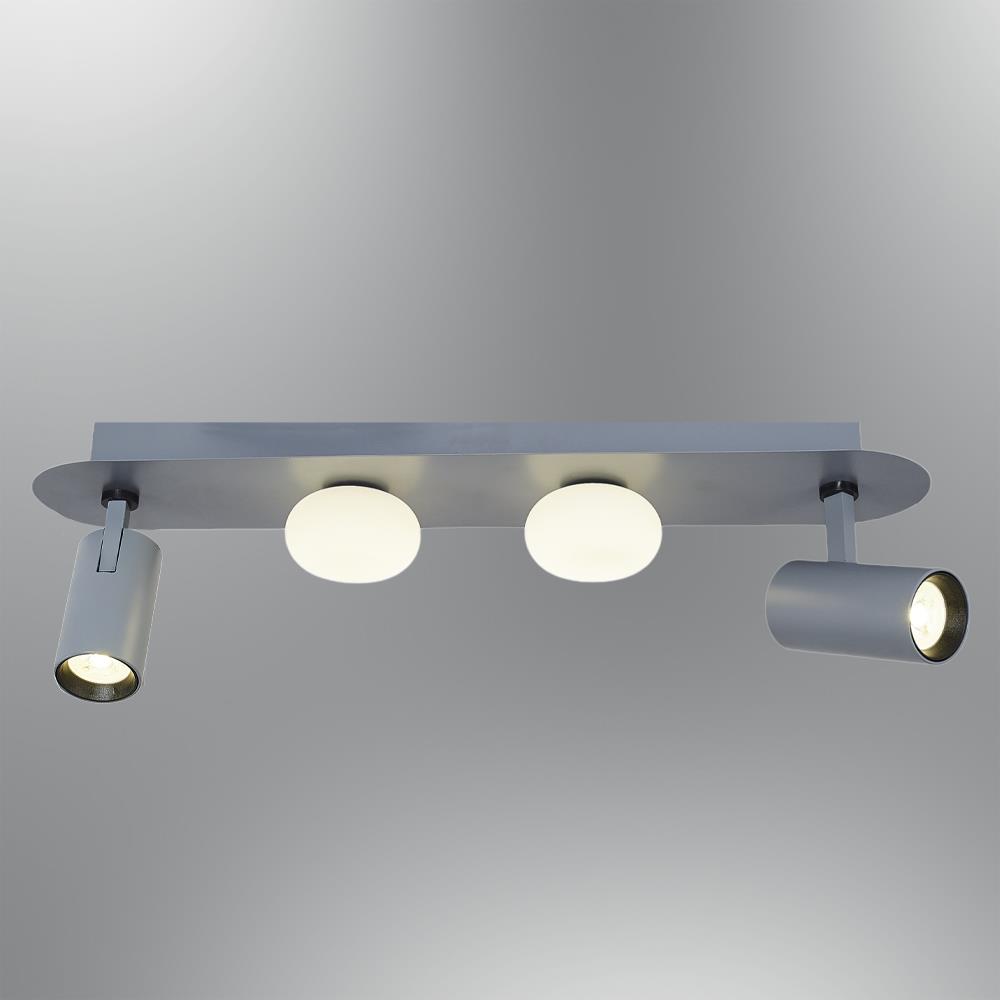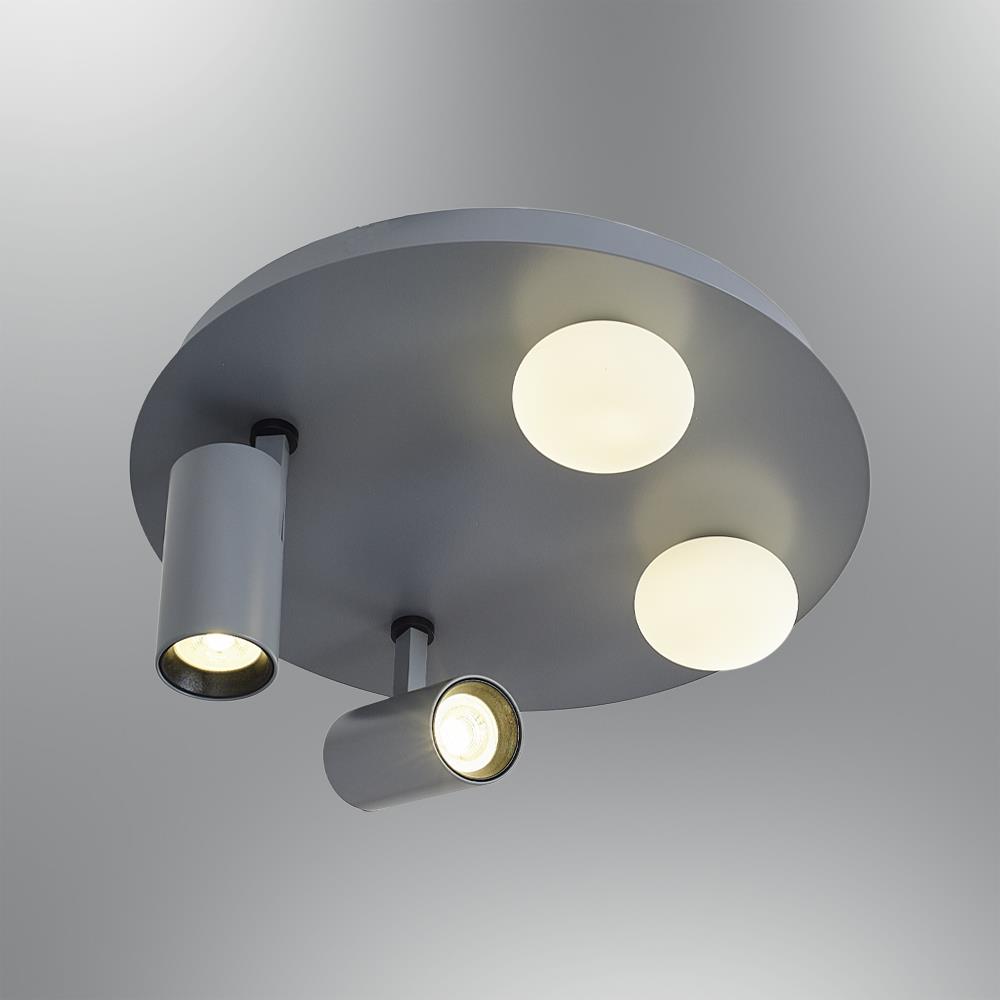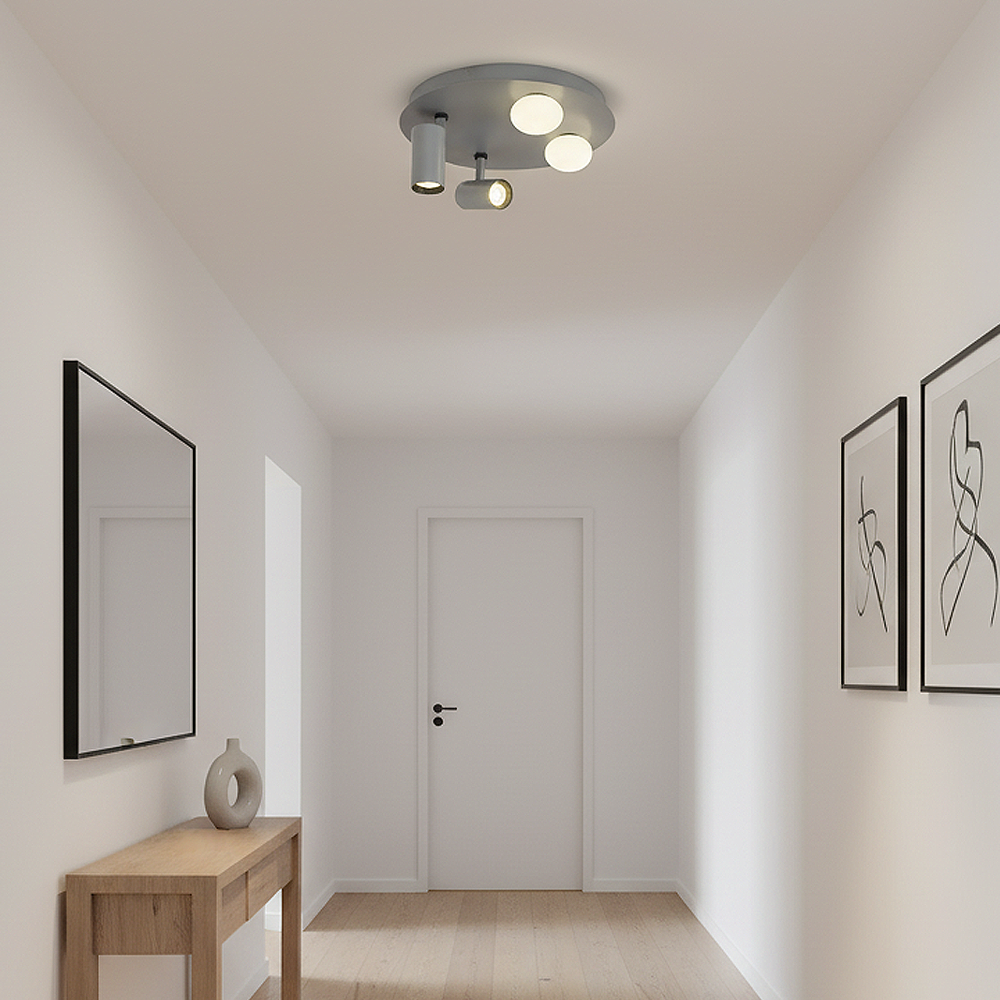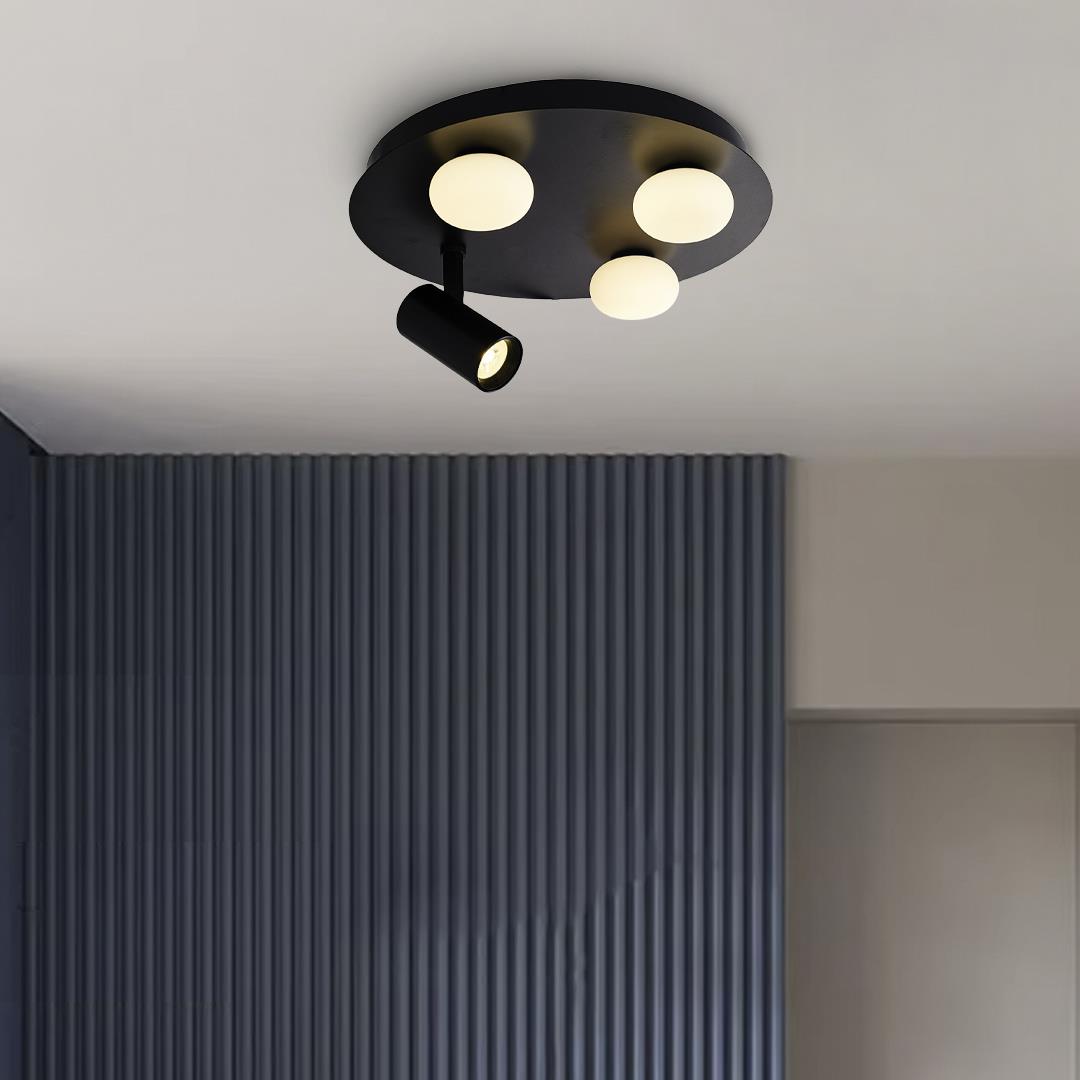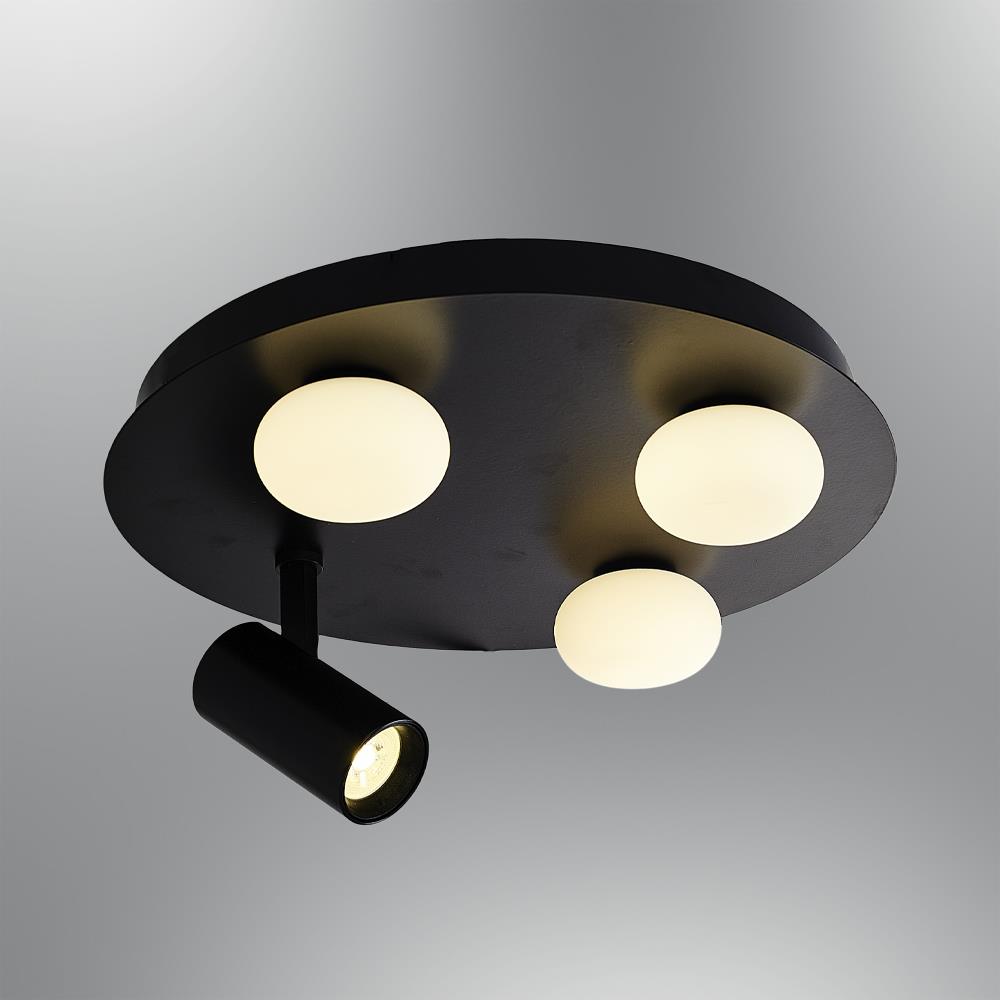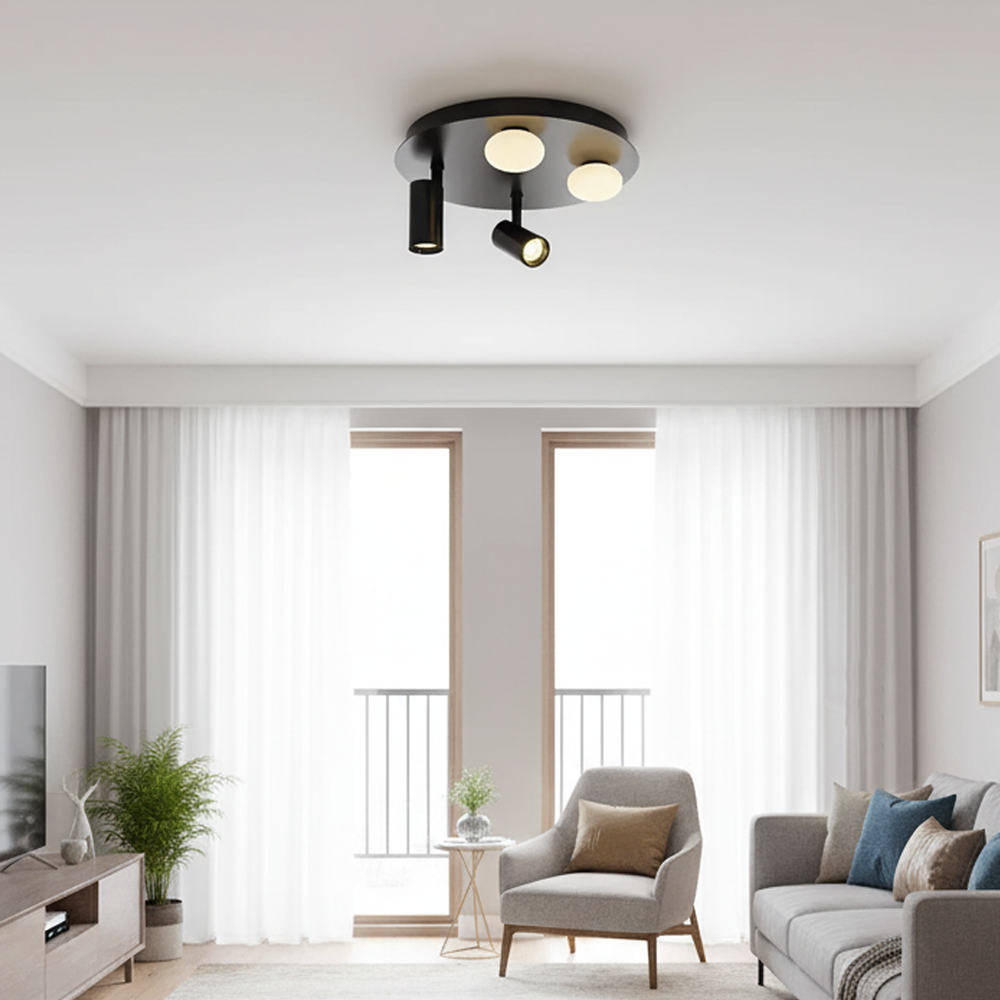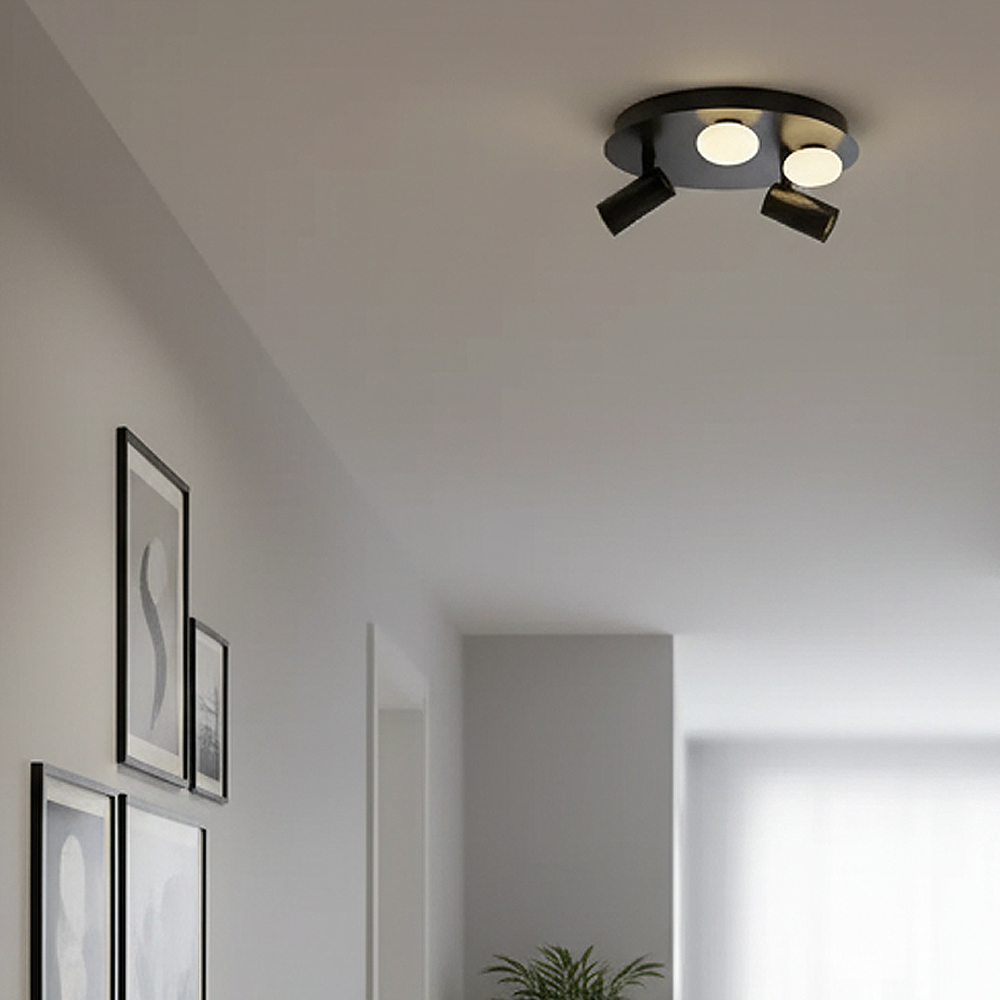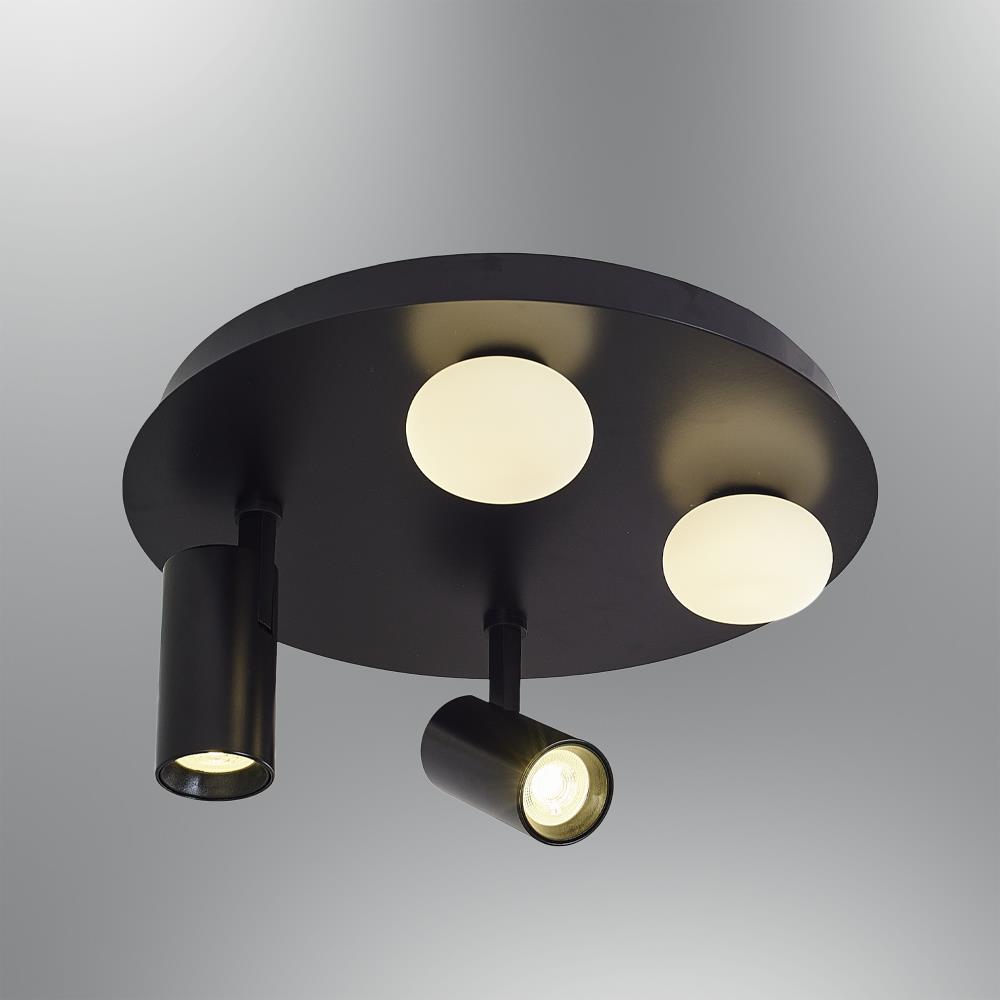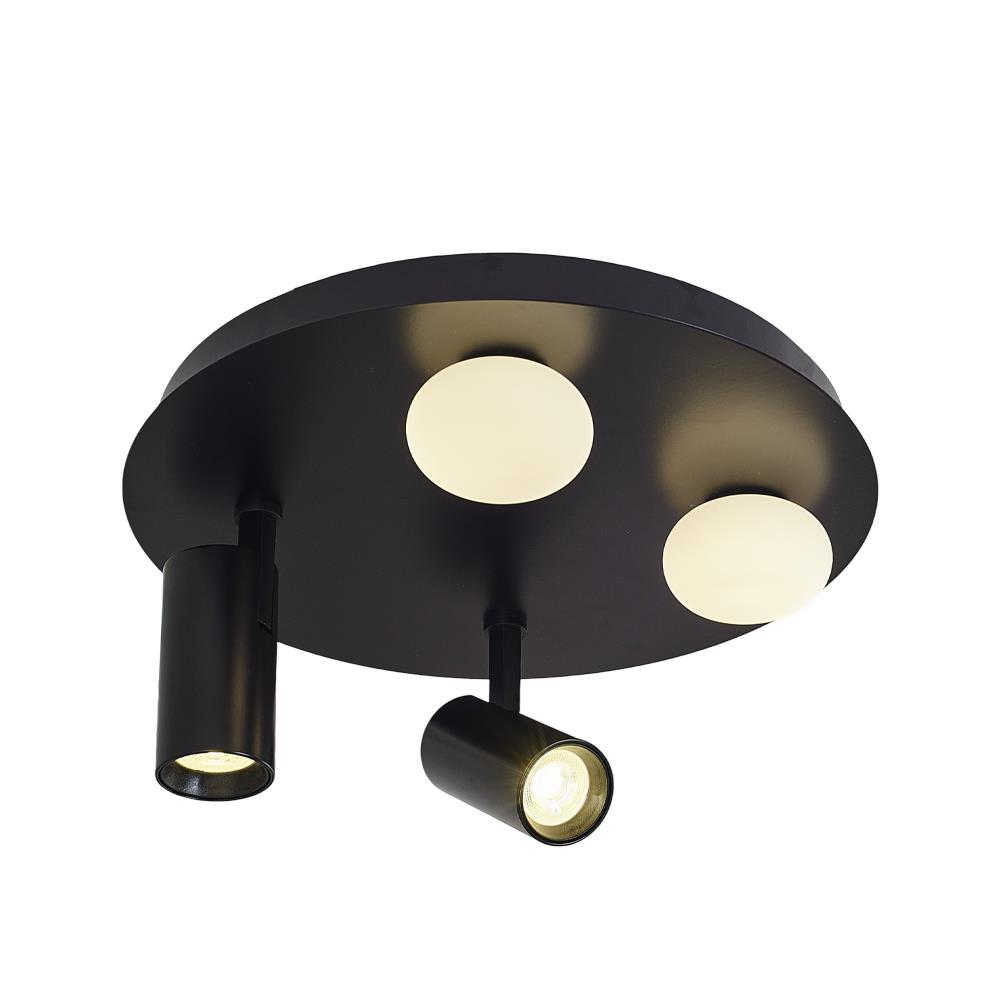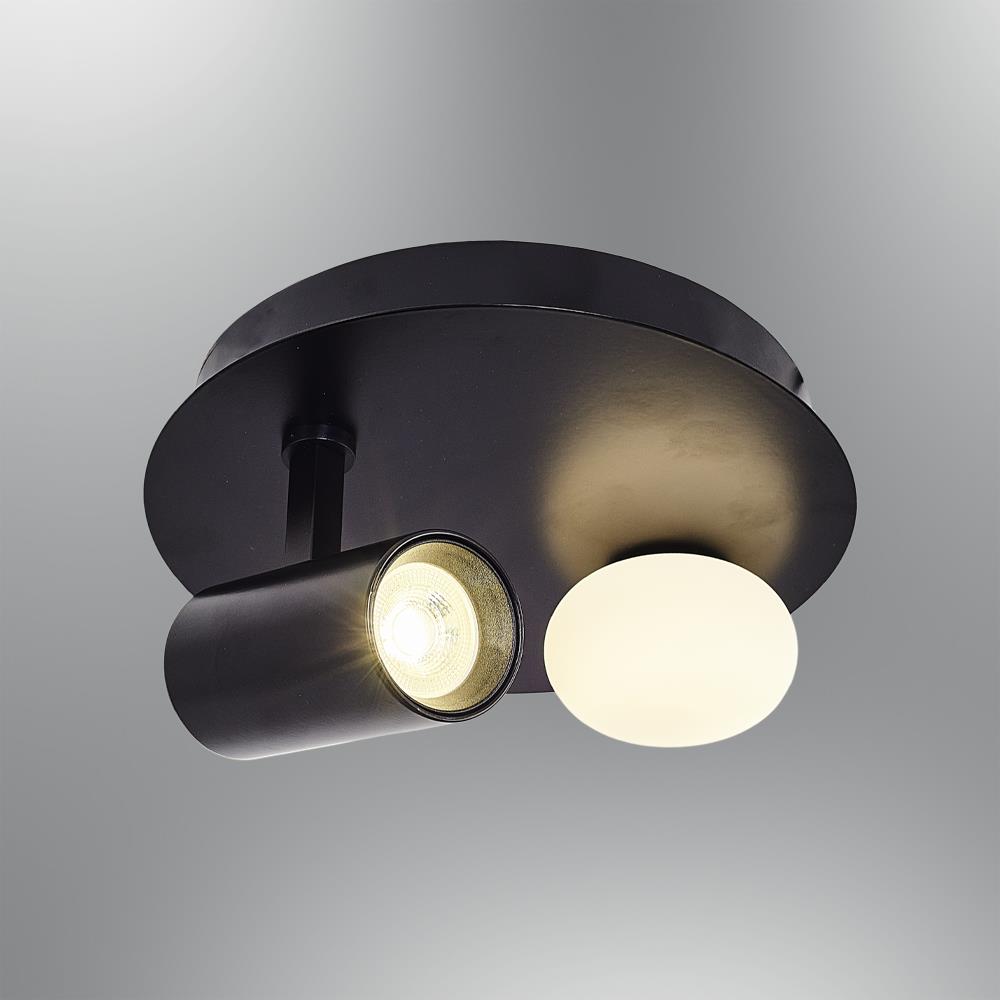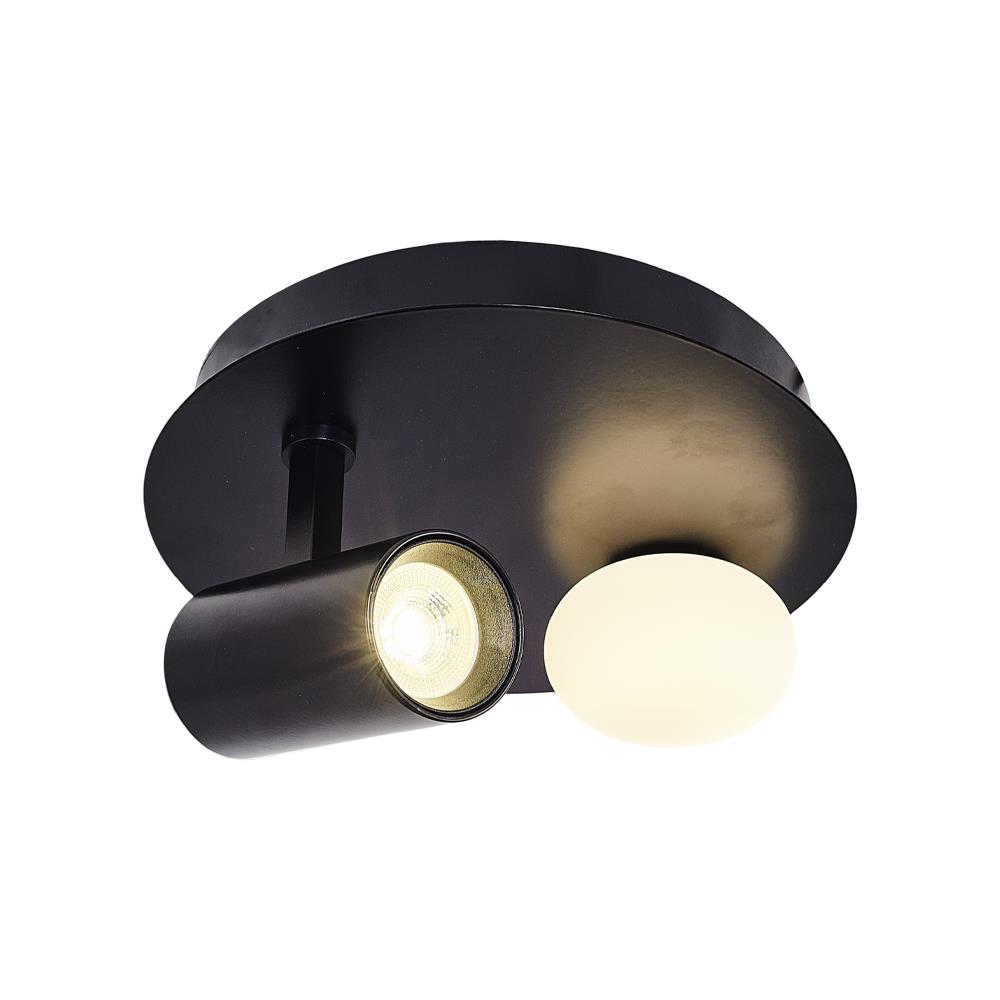
Ceiling lighting, reflecting the soul of spaces, is a functional necessity beyond aesthetics. A correctly chosen lighting solution can fundamentally alter a room's size, atmosphere, and purpose. You will encounter many options, from recessed spotlights and modern linear systems to ambiance-creating cove lighting and striking chandeliers. This guide will help you make an informed choice by detailing different ceiling lighting types, their functions, and the most suitable LED lighting solutions for your space.
What is Layered Lighting and Why is it Important?
Lighting is not just a light source; it is a fundamental design element that determines a space's atmosphere, comfort, and functionality. The principle of layered lighting aims to create a versatile lighting scheme by combining different lighting types rather than relying on a single light source in a room. This approach consists of three main layers: general lighting (ambient), task lighting, and accent lighting.
General lighting illuminates the entire room evenly, providing basic visibility; it is usually achieved with ceiling fixtures or recessed lights. Task lighting offers intense and focused light required for a specific activity (reading, cooking, working); desk lamps or under-cabinet LEDs are examples. Accent lighting is used to highlight artworks, architectural details, or decorative objects; spotlights are ideal for this purpose. Combining these three layers provides ideal illumination for every moment.
Recessed Spotlights and Downlights: How to Integrate Them into Spaces?
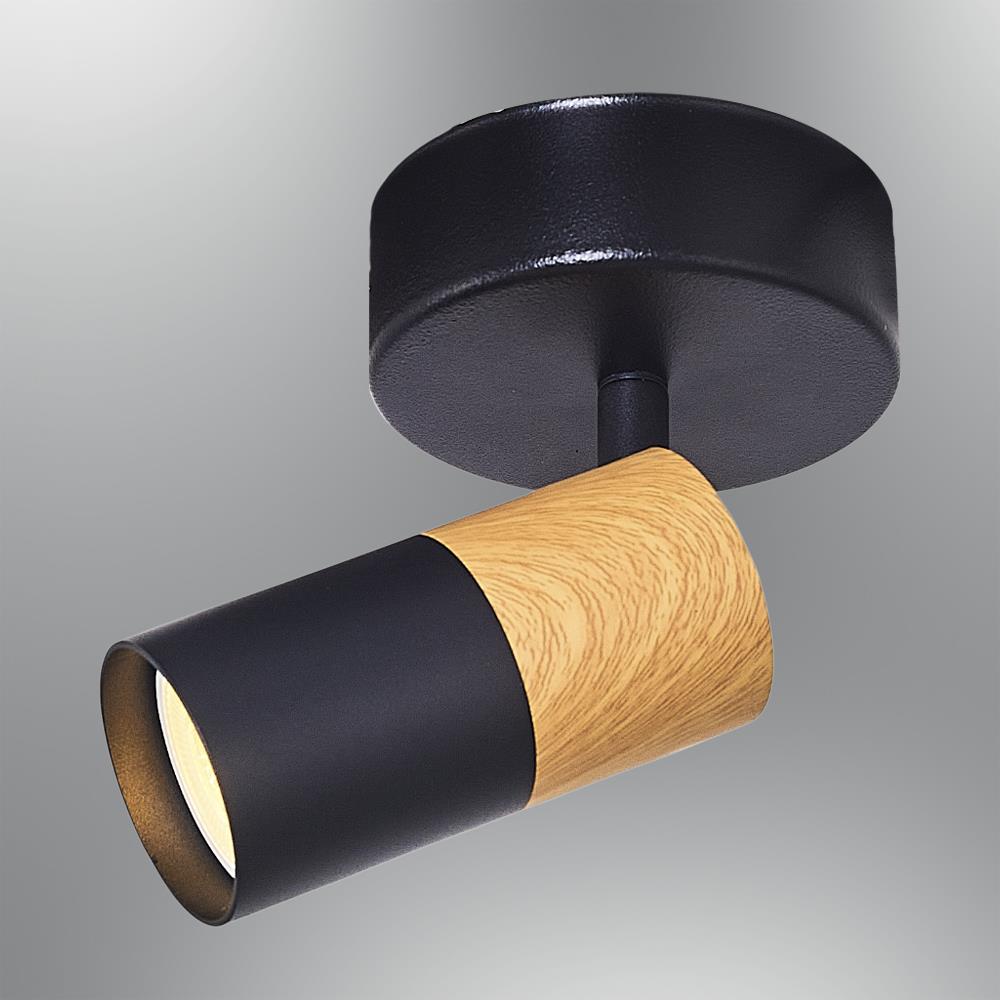
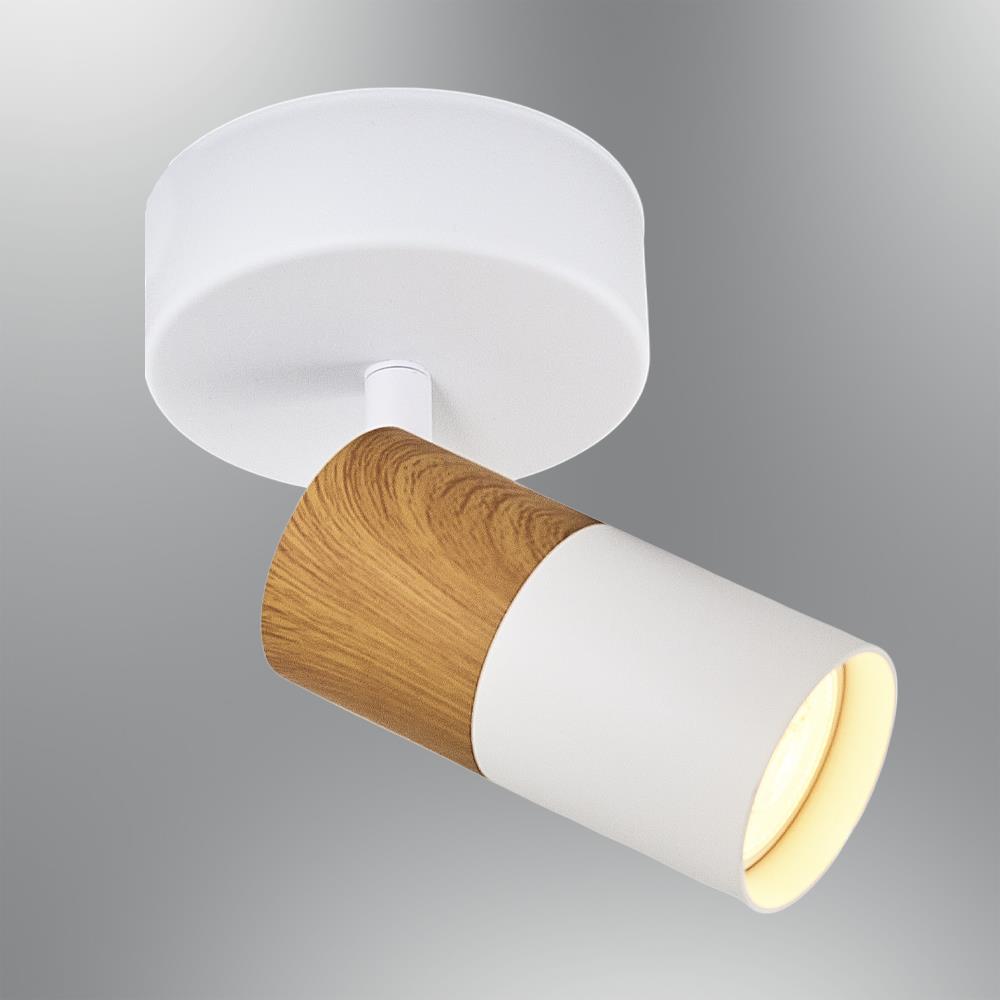
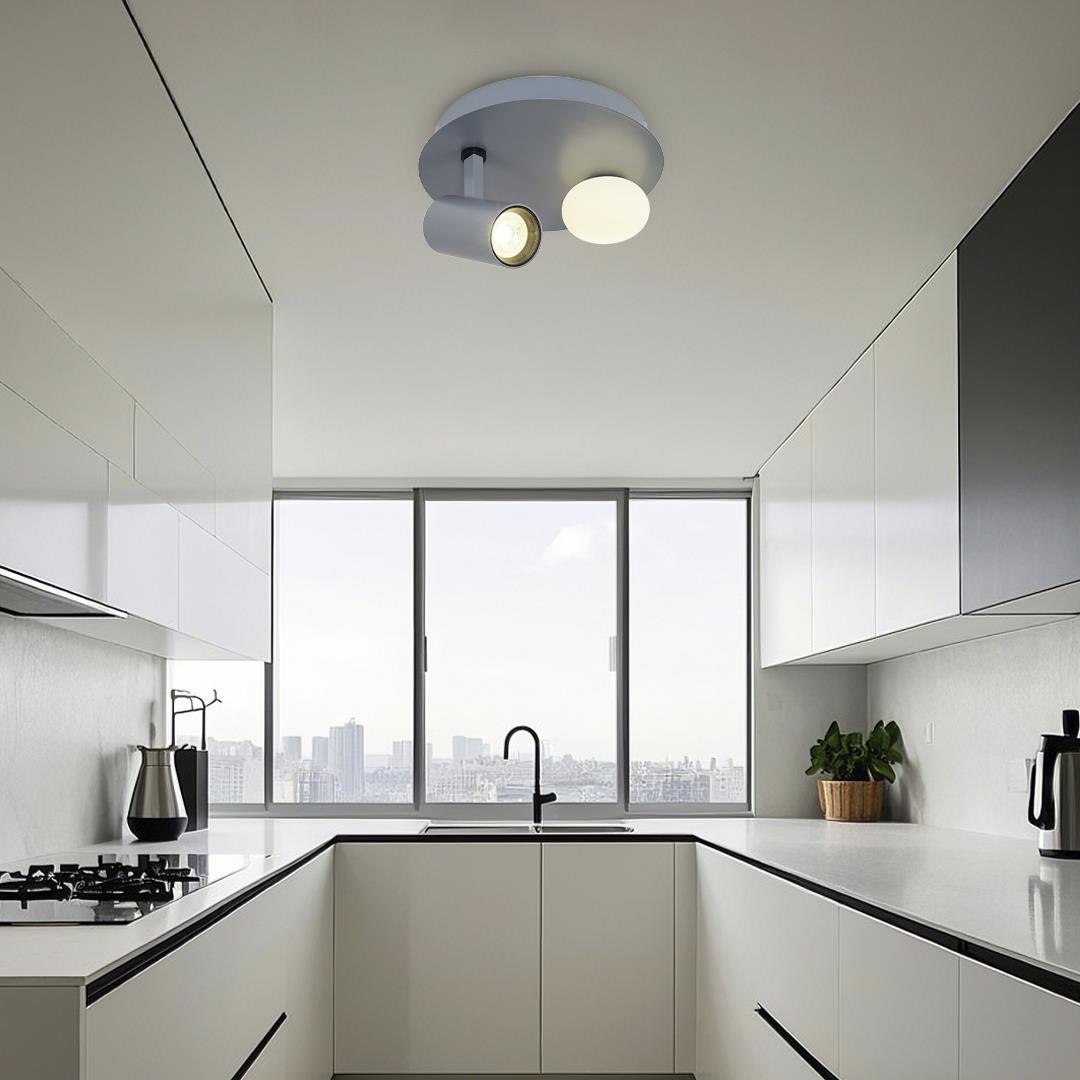
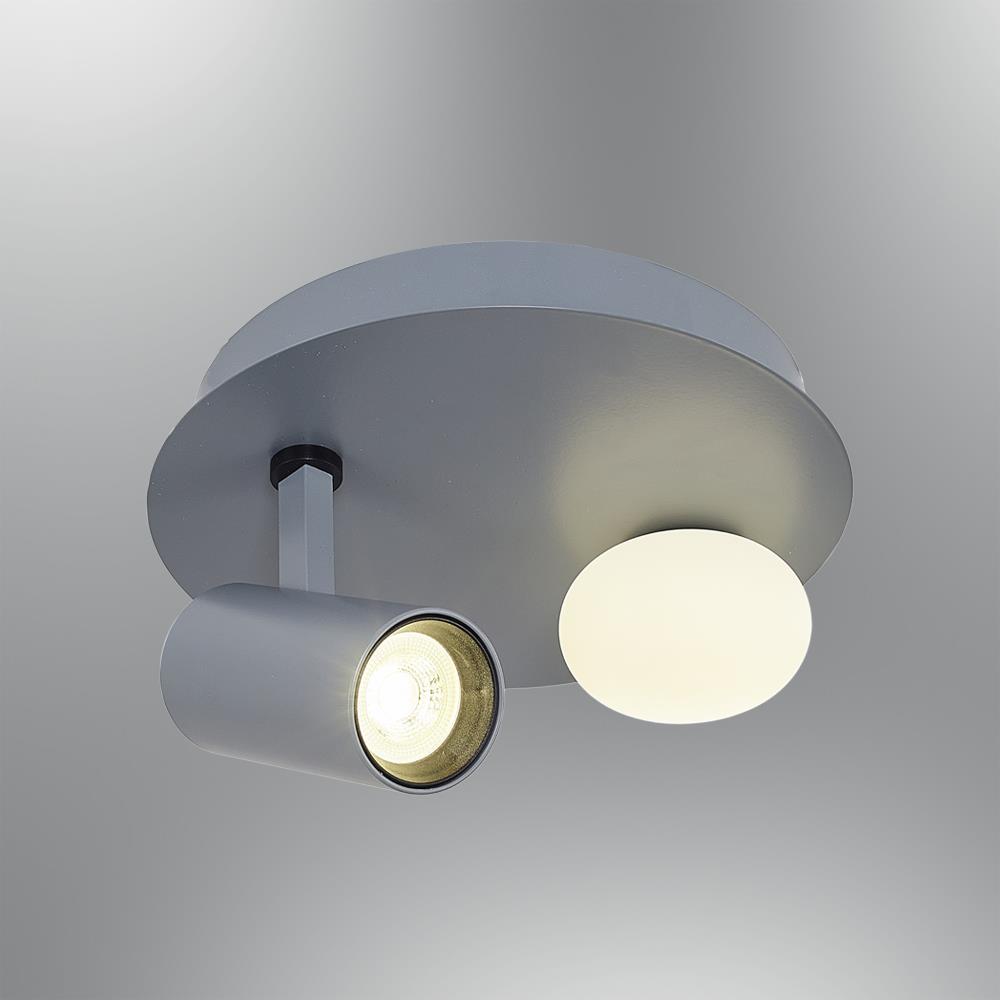
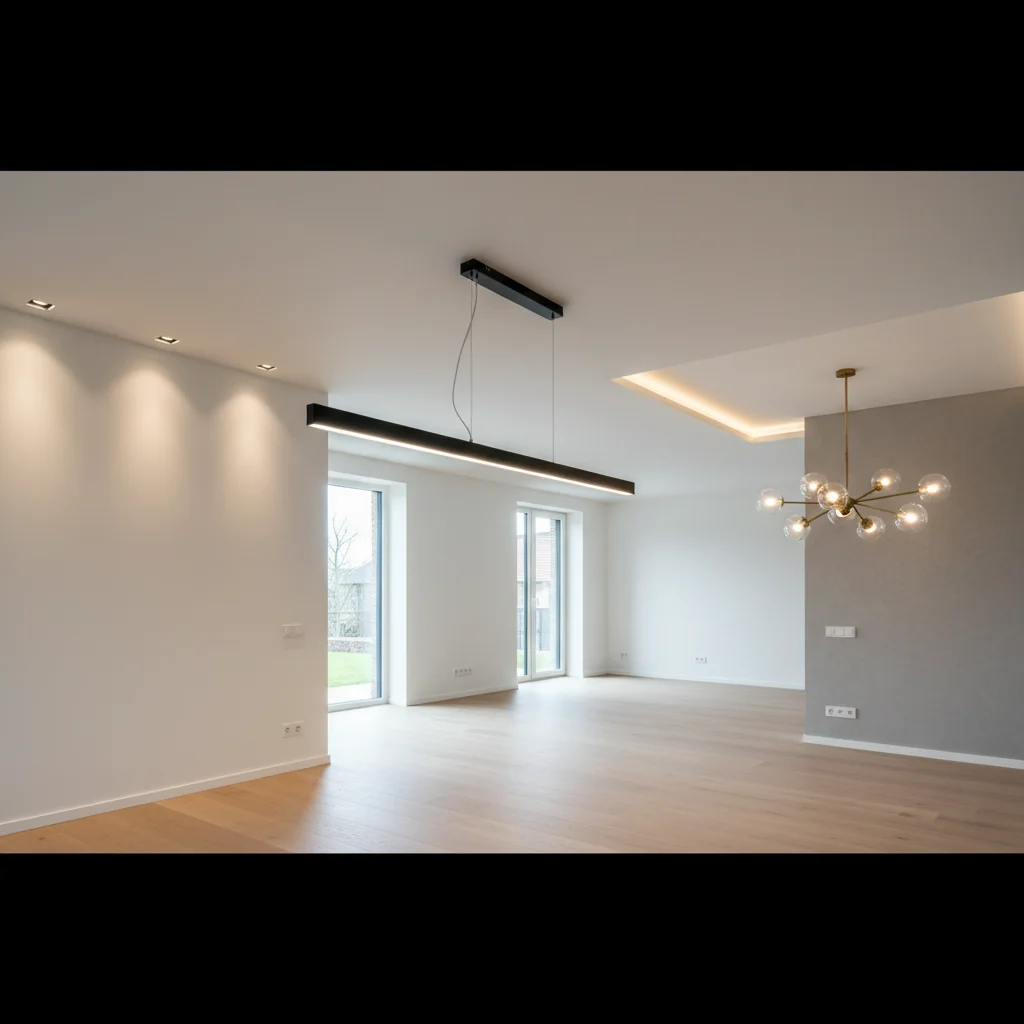
Recessed spotlights and downlights are popular ceiling lighting solutions that offer a minimalist and modern look by integrating into the ceiling surface. With their often adjustable design, they are used for both general illumination and to highlight specific areas or objects. Thanks to LED technology, these fixtures provide high energy efficiency and long lifespan, creating a spacious feel, especially in rooms with low ceilings.
These types of lighting are perfectly compatible with suspended ceiling systems. The suspended ceiling void provides the necessary space for fixture installation and wiring, ensuring that only the light source remains visible on the ceiling surface. Preferred in many areas such as bathrooms, kitchens, hallways, and living rooms, spotlights can meet a space's general lighting needs by providing homogeneous light distribution or function as accent lighting when directed towards specific corners.
Linear Lighting Systems: The Key to Modern Design?
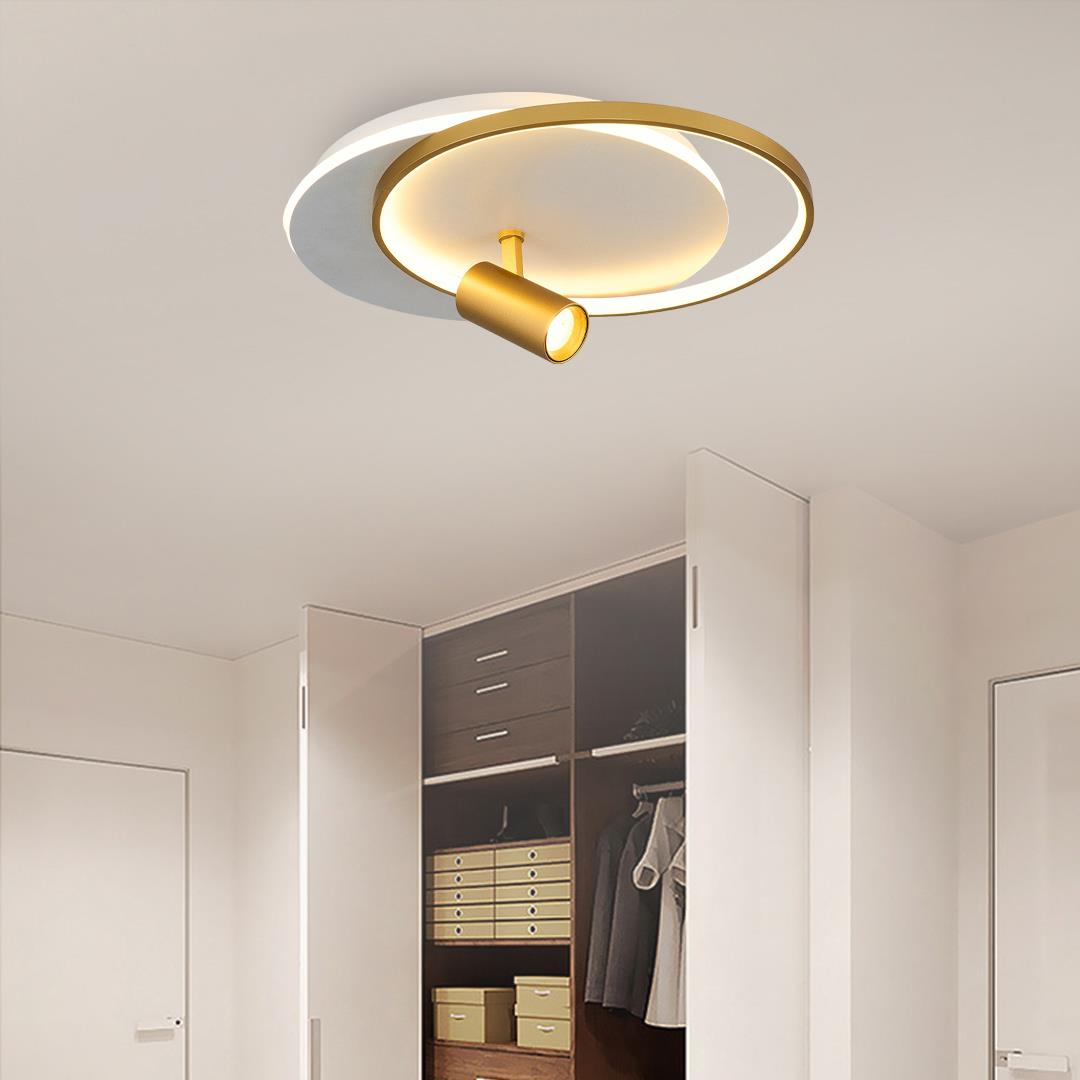
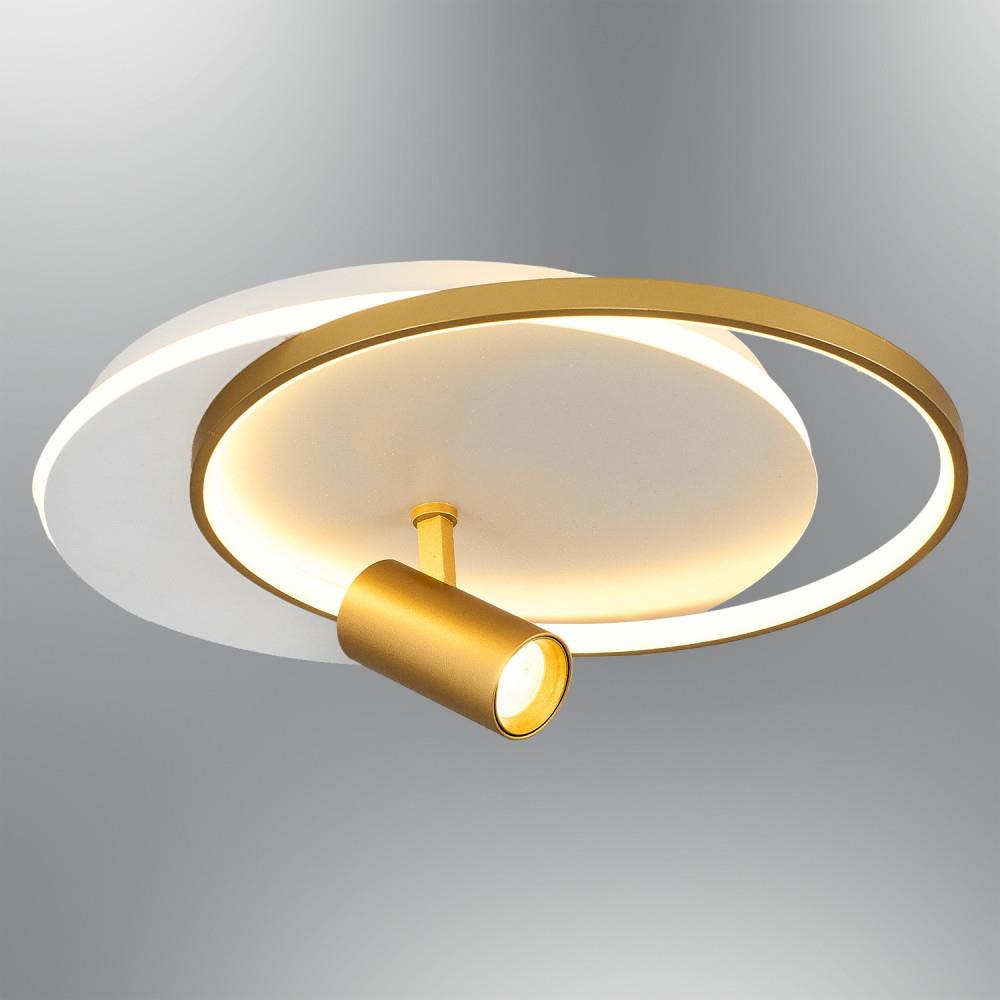
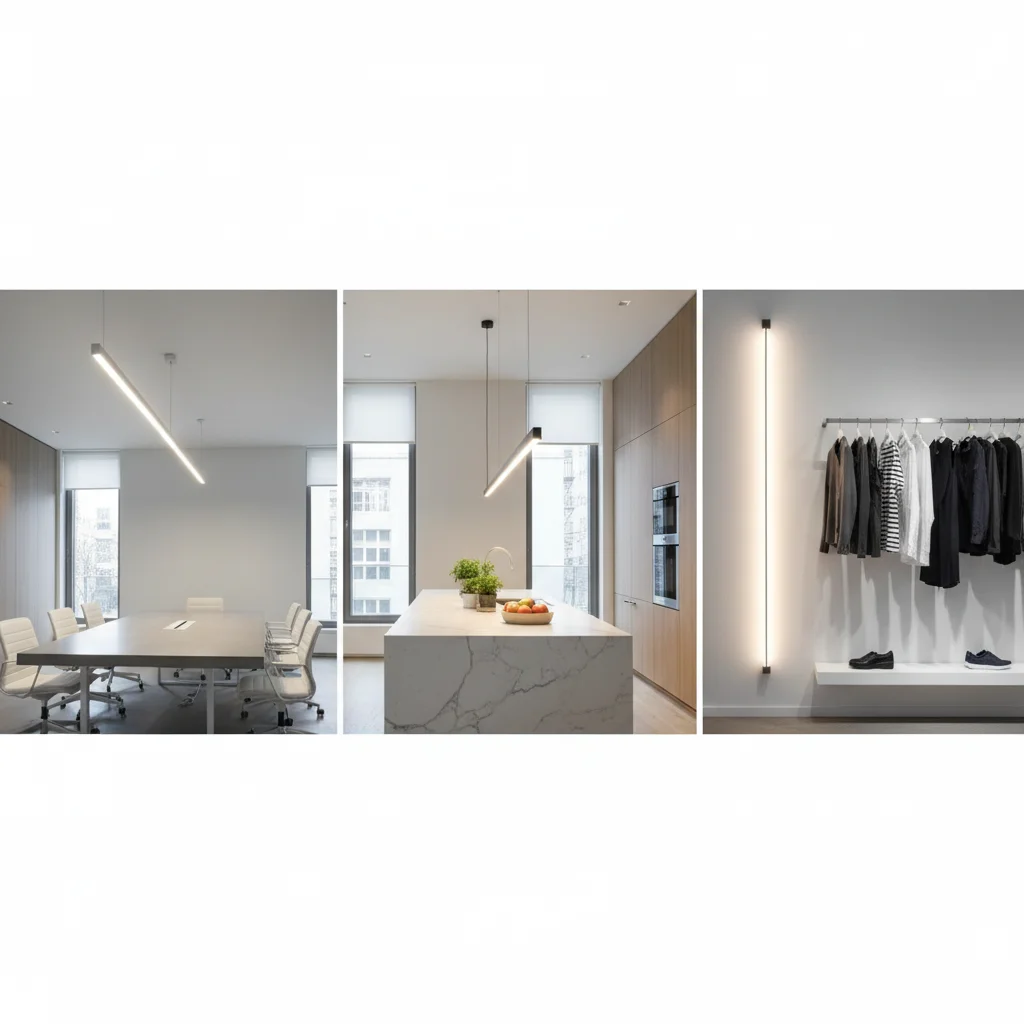
Linear lighting systems are increasingly finding their place in modern interior designs by offering a long and uniform line of light. These systems, typically operating with LED strips or integrated LED modules, provide homogeneous and continuous illumination. They can be mounted recessed, surface-mounted, or suspended from the ceiling, which gives them high design flexibility.
Linear luminaires are preferred as general or task lighting, especially in offices, corridors, kitchen countertops, and large living areas. They are ideal for highlighting architectural details, illuminating a long table, or providing guidance along a corridor. In suspended ceilings, they can be completely concealed by creating special channels or left exposed as a decorative element.
Cove Lighting: How to Add Depth to a Space?
Cove lighting is a technique that provides indirect and soft illumination, typically through LED strips placed behind ceiling edges, niches, or cornices. While the light source itself remains invisible, the reflected light enriches the overall ambiance of the space and creates a spacious atmosphere by making the ceiling appear higher. This method is particularly preferred in areas where a relaxing environment is desired, such as relaxation zones and bedrooms.
Cove lighting can be easily integrated into suspended ceiling applications by creating special channels. These channels ensure that the light spreads evenly across the ceiling or wall. Although cove lighting alone may not be sufficient for general illumination, when combined with other lighting layers, it adds depth and visual interest to the space. With their often dimmable features, they offer the ability to adjust light intensity and, consequently, the mood of the environment.
Pendants and Chandeliers: How Do They Combine Aesthetics and Function?
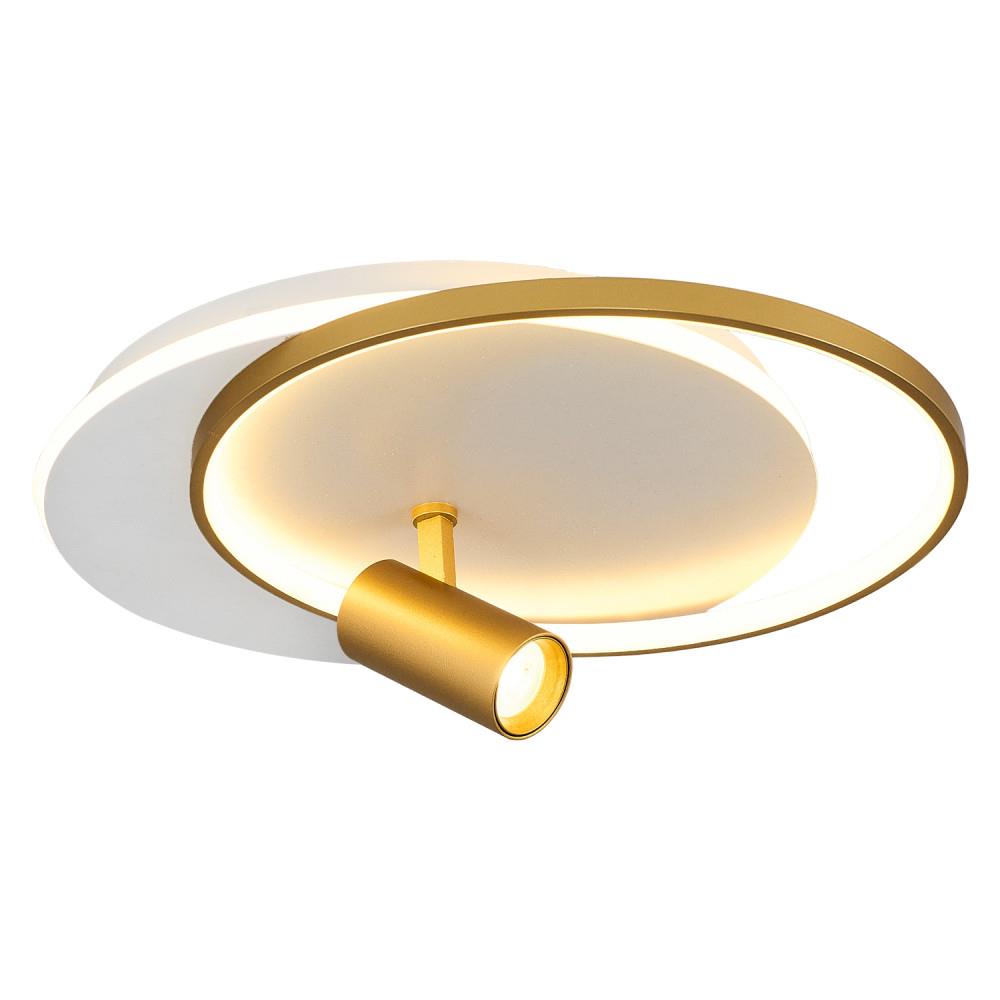
Pendant lamps and chandeliers are among the most decorative and focal point elements of ceiling lighting. While adding character to a space, they can also provide powerful general illumination or task lighting over a specific area. They create an aesthetic emphasis in places such as above a dining table, in the center of a seating area, or in an entryway.
Chandeliers are generally larger and more ornate, creating a magnificent effect in high-ceilinged and spacious rooms, while pendant lamps can be used in single or multiple groups with more minimalist designs. These fixtures can be mounted directly to the ceiling, whether there is a suspended ceiling or not. When making a selection, the size of the space, ceiling height, and overall decoration style should be taken into account.
Magnetic Track Lighting: Does It Offer Flexibility and Design Freedom?
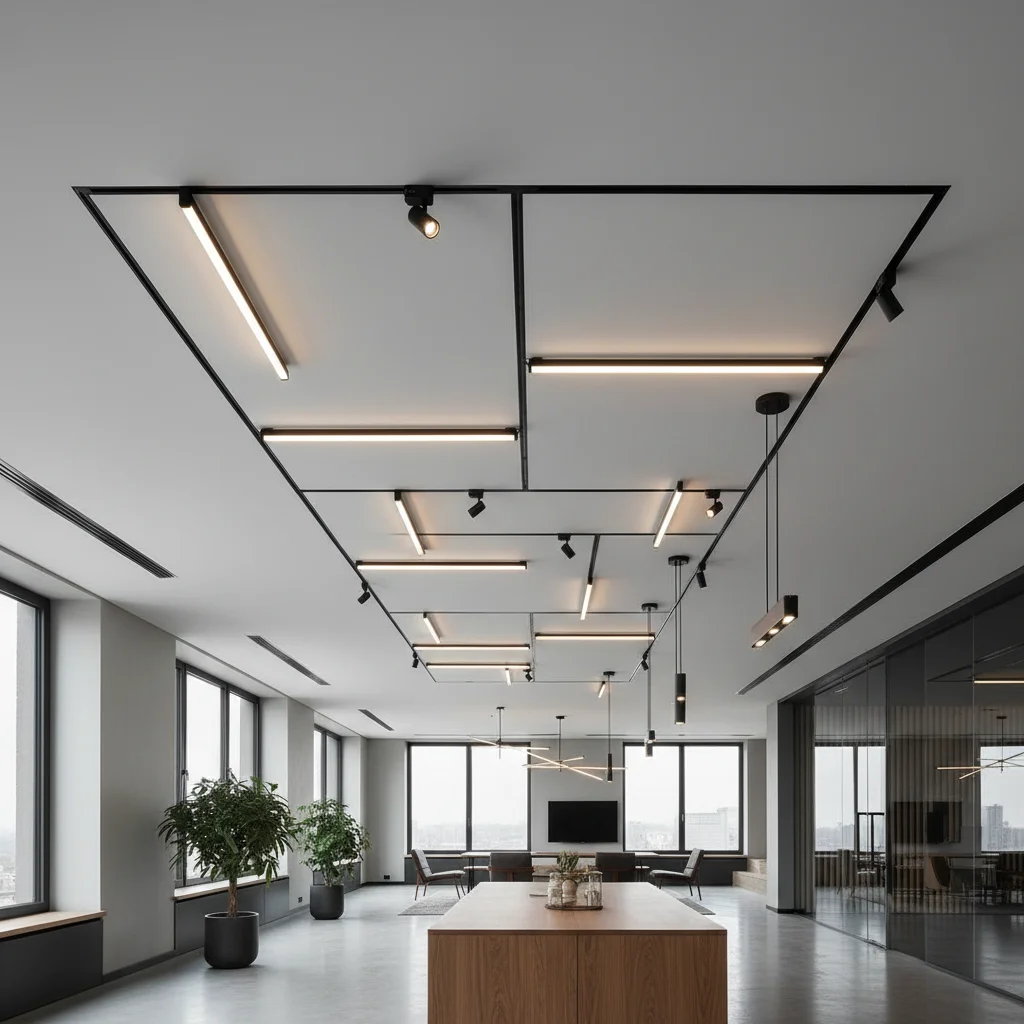
Magnetic track lighting systems are an innovative solution gaining popularity in modern interiors. Thanks to magnetically connected fixtures placed within a track mounted on the ceiling surface, light sources can be easily changed, added, or removed. This flexibility allows for instant adaptation of the lighting layout to the changing needs of the space.
These systems can combine different lighting modules, such as spotlights, linear lights, and even small pendant fixtures, on a single track. They are ideal for both general and accent lighting. They are an excellent option, especially for galleries, retail spaces, and dynamic living areas. They can provide a modern look when recessed into suspended ceilings or surface-mounted.
How to Integrate Suspended Ceilings and Lighting?
Suspended ceilings offer an ideal platform for seamlessly integrating modern lighting solutions into a space. The void created between the ceiling and the main slab allows for the concealment of wiring, transformers, and fixture bodies. This gives the ceiling surface a clean and aesthetic appearance. Recessed spotlights, linear lighting systems, and cove lighting applications, in particular, are perfectly compatible with suspended ceilings.
Cove lighting channels are specially designed along the edges or in the center of the suspended ceiling, creating an ideal base for indirect lighting. For spotlights, openings are made at predetermined points, and the fixtures are mounted into these openings. Magnetic track systems also offer a modern aesthetic by being recessed into or surface-mounted on the suspended ceiling. The structure of the suspended ceiling provides greater freedom and flexibility in lighting design.
Which Lighting Solution is Suitable for Which Ceiling Type?
The choice of ceiling lighting depends on factors such as the space's ceiling height, general architecture, and intended use. In high-ceilinged, spacious rooms, large chandeliers or long pendants create both an aesthetic impact and provide sufficient general illumination. Magnetic track systems also offer flexibility in such spaces.
In rooms with low ceilings, recessed spotlights, surface-mounted linear lighting, or cove lighting systems should be preferred. These solutions maintain ceiling height, creating a spacious feel. Where suspended ceilings are present, integrated spotlights, cove lighting channels, and recessed linear fixtures offer both aesthetics and functionality. In any case, you can find the highest quality LED lighting solutions tailored to your space's needs and your personal taste in our store.
Comparison of Ceiling Lighting Types
| Criterion | Recessed Spot | Linear Lighting | Cove Lighting | Pendant/Chandelier | Magnetic Track |
|---|---|---|---|---|---|
| Function (General/Task/Accent) | General, Accent | General, Task | Ambiance, Indirect | General, Task, Accent | General, Task, Accent |
| Aesthetics | Minimalist, Modern | Modern, Industrial | Soft, Calm | Decorative, Focal Point | Dynamic, Flexible |
| Installation Difficulty | Medium | Medium | High | Low/Medium | Medium/High |
| Suspended Ceiling Compatibility | High | High | High | Medium | High |
| Suitability for Ceiling Height | Low, Medium | Low, Medium | Low, Medium | High | Medium, High |
Related guides: What is Linear Lighting, Where is it Used?, What is a Magnetic Track Lighting System?, LED Strip Selection Guide: How to Choose the Right LED Strip?. For turnkey application for your project, you can review our lighting service page.