Gökyüzü Panel

Sensors

12 products

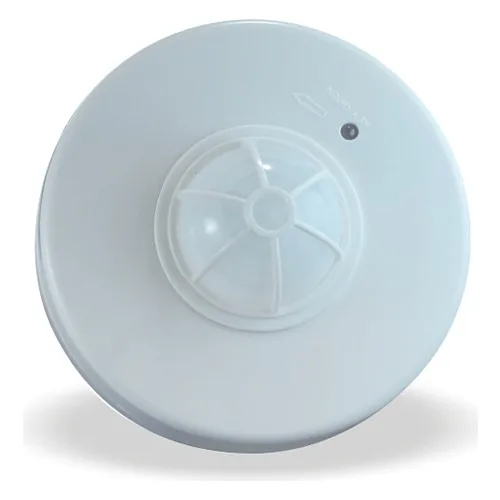
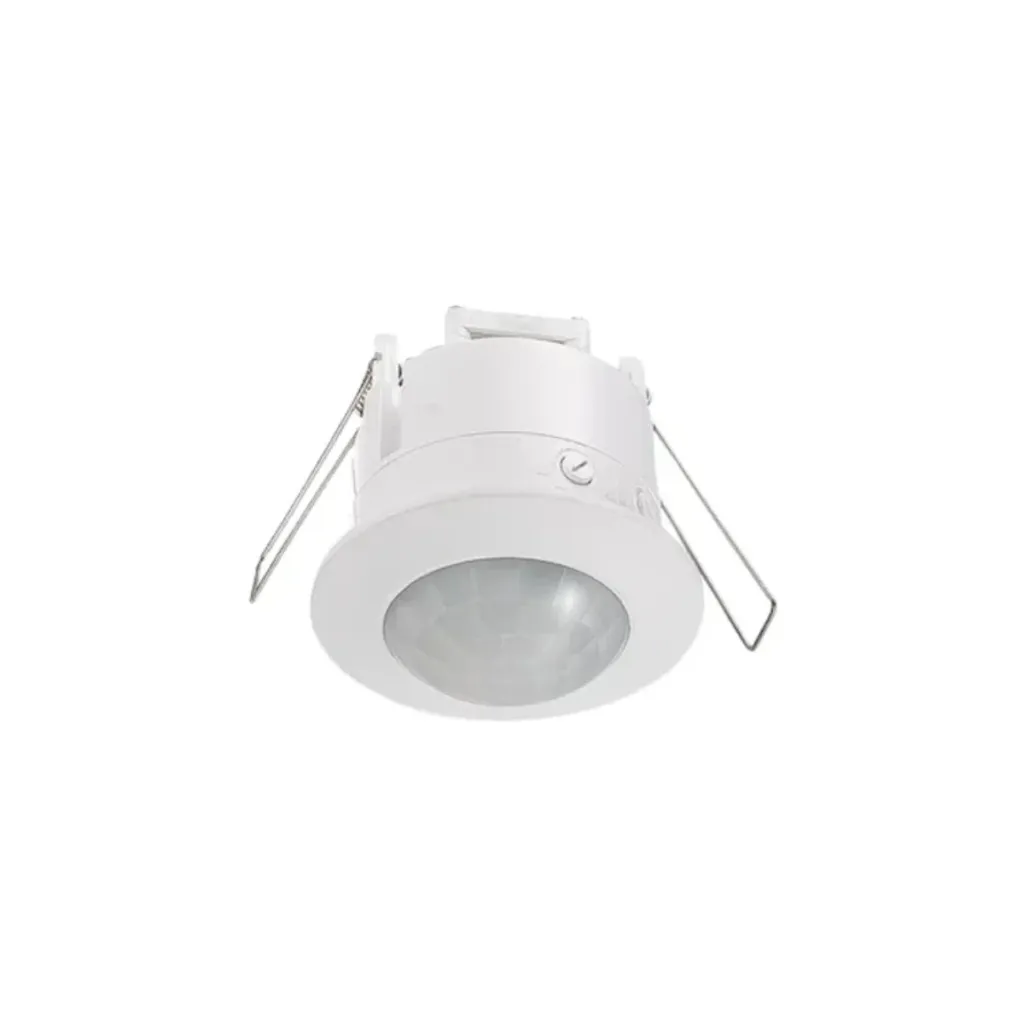
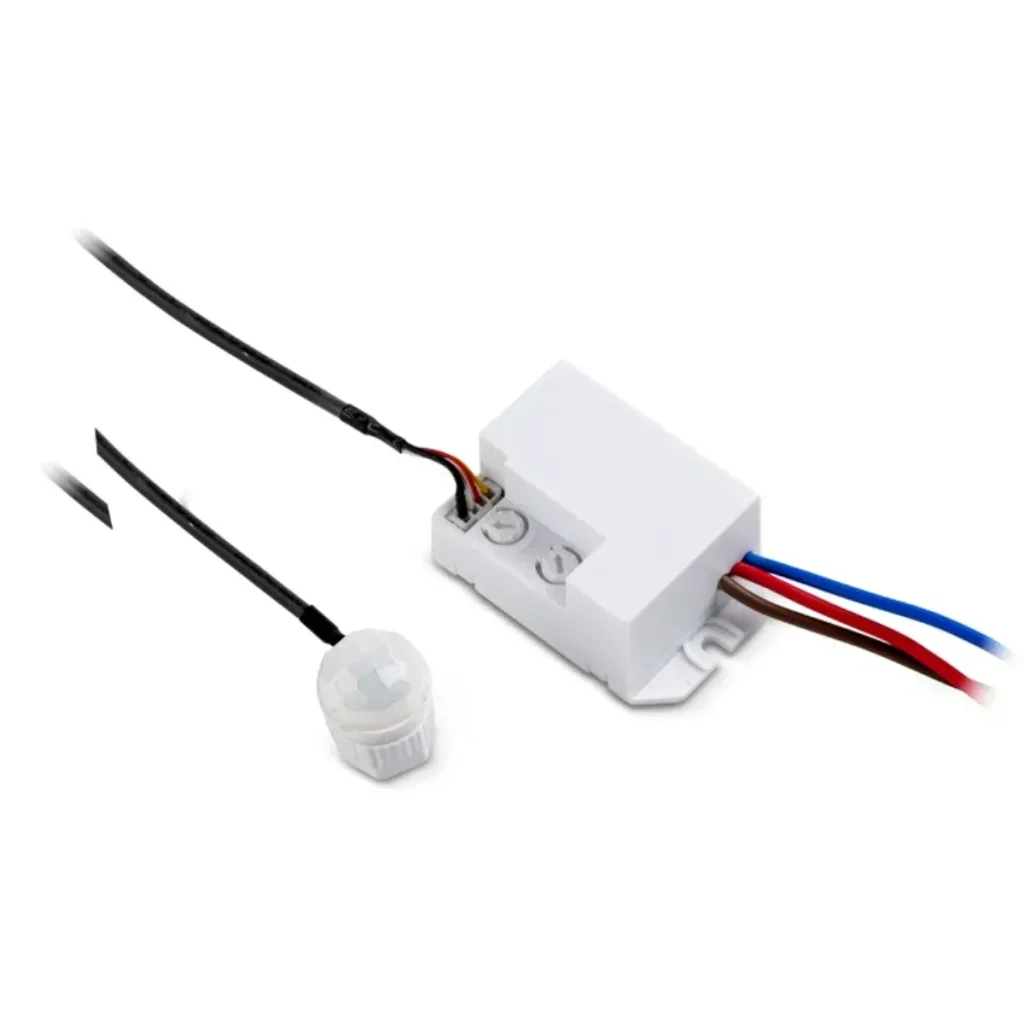
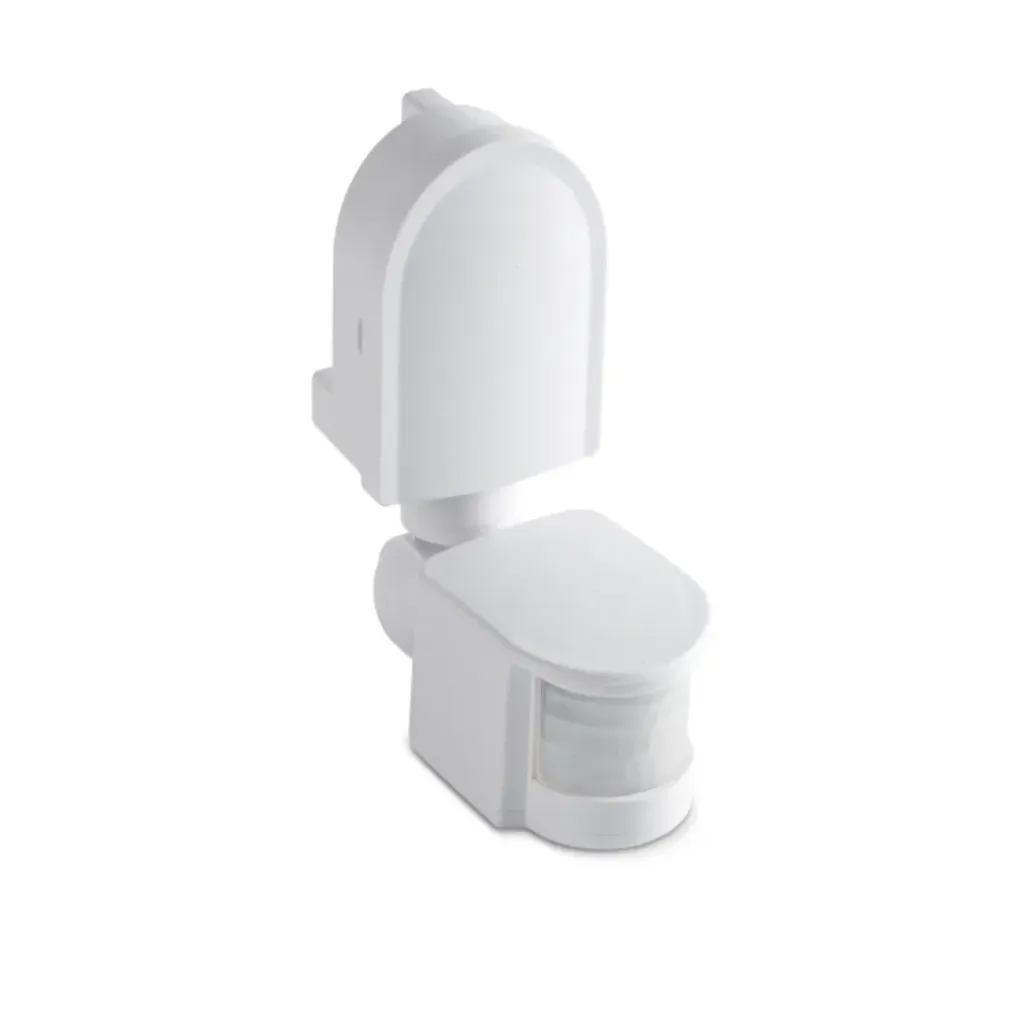
A sensor is the element that runs the lighting by condition rather than by hand. A motion sensor switches the lamp on when someone is present and switches it off after a set delay; a dusk-to-dawn sensor reads the ambient light and turns on in the dark, off in daylight. Used in corridors, stairwells, storerooms and gardens, it brings both convenience and energy savings. Detection range and angle depend on mounting height; a sensor fitted too high can miss movement close by.

Related Categories

Choosing a Sensor: Motion, Daylight and Time Control

A sensor takes lighting out of "always on" and makes it on when needed. Chosen well, it both lowers the electricity bill and extends the life of the fitting. Our collection holds 12 products.

Sensor Types

  • PIR (passive infrared motion): detects the change in body heat. The most common type in indoor corridors, stairwells and stores. It does not work through glass.
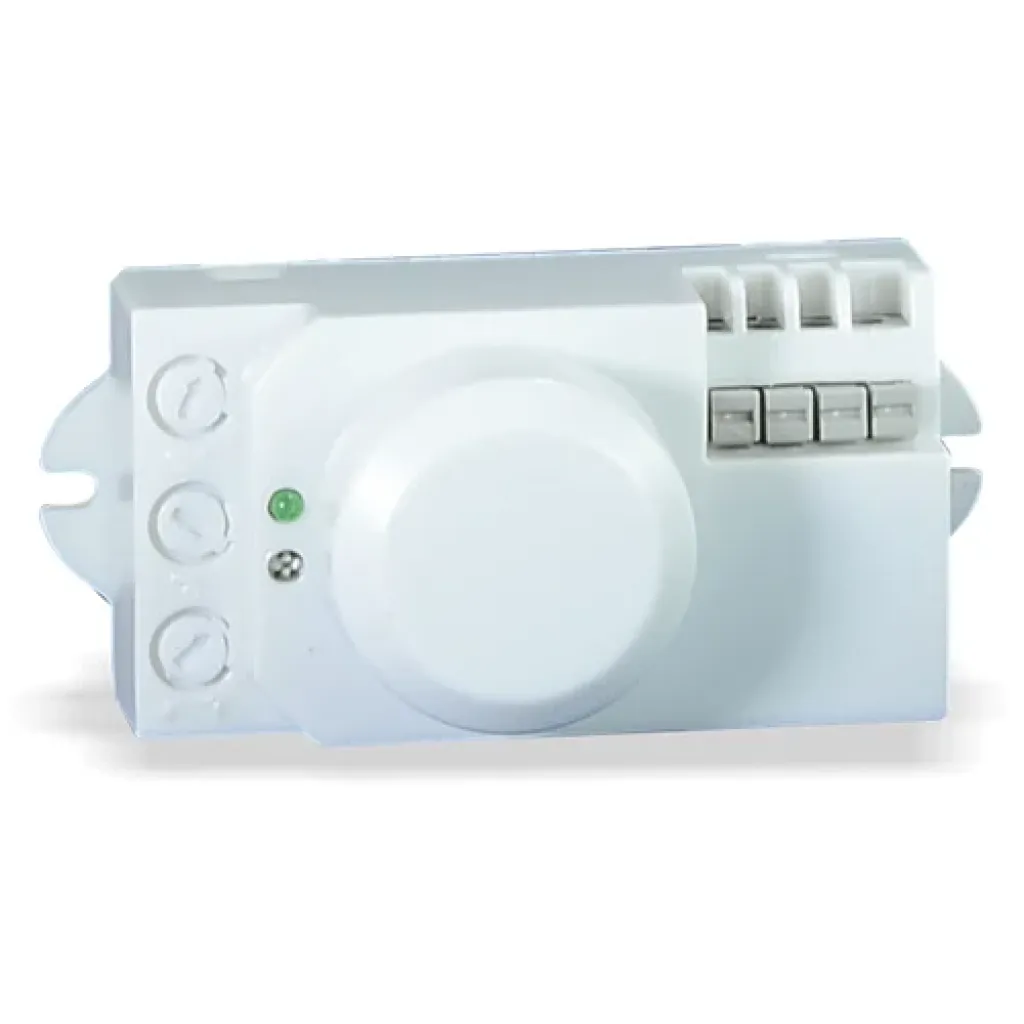
  • Radar (microwave): reads movement from the reflection of a wave; it detects through a thin wall and through a fitting's housing. More stable over wide areas.
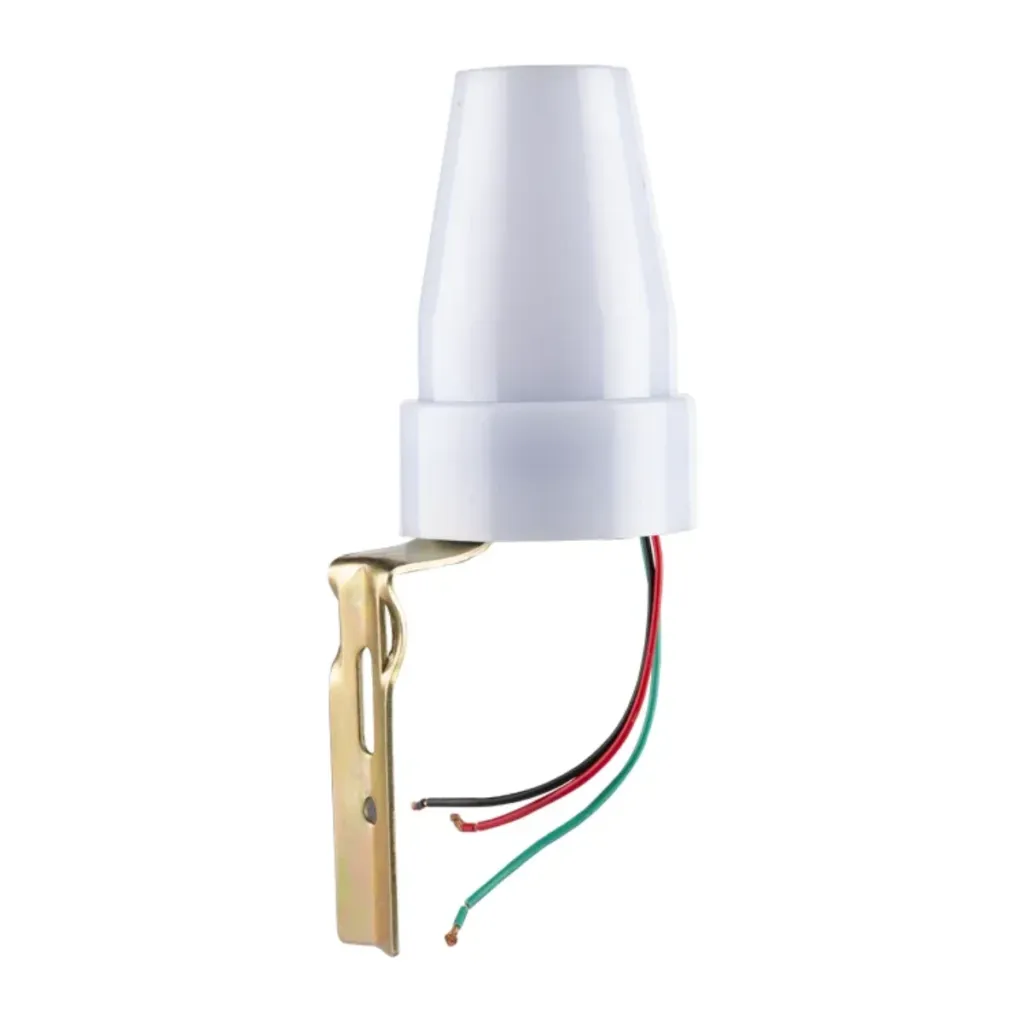
  • Photocell (daylight): measures ambient light and switches on in the dark. Used in street, garden and sign lighting.
  • Time switch: switches on and off to a schedule, independent of movement. Suitable for displays and signs.

Range and Detection Angle

A sensor's range depends on its mounting height: the same product sweeps a wide area at 2.5 metres but sees a narrower circle at 4 metres. In a corridor, positioning the sensor perpendicular to the direction of travel lets it detect someone approaching sooner — movement coming straight towards it is noticed later than movement crossing its field.

Hold Time

If the time is too short the light goes out while you are still there and you have to keep waving; if it is too long the point of saving is lost. In a corridor 30–60 seconds is usual, on a staircase enough to cover the crossing, in a store enough to cover the working time.

Avoiding False Triggering

An air-conditioning outlet, the top of a radiator and surfaces in direct sun all cause false triggering in PIR sensors. Position the sensor so that it does not face heat sources or a moving curtain.

Budget

Our 6 products with a published price run from 2.85 EUR to 7.84 EUR, with a median of 5.70 EUR.

Frequently Asked Questions

Can I add a sensor to my existing fitting?

External sensors are wired in series into the existing circuit; the total power of the fitting must not exceed the sensor's capacity.

Is there a product with the sensor built into the body?

Yes — ready-made solutions are under LED fittings with sensor.

Can it be used in a garden?

Only outdoor models with a suitable IP rating should be used.

Related Guides