Choosing a Security Camera: Field of View, Night Vision and Recording
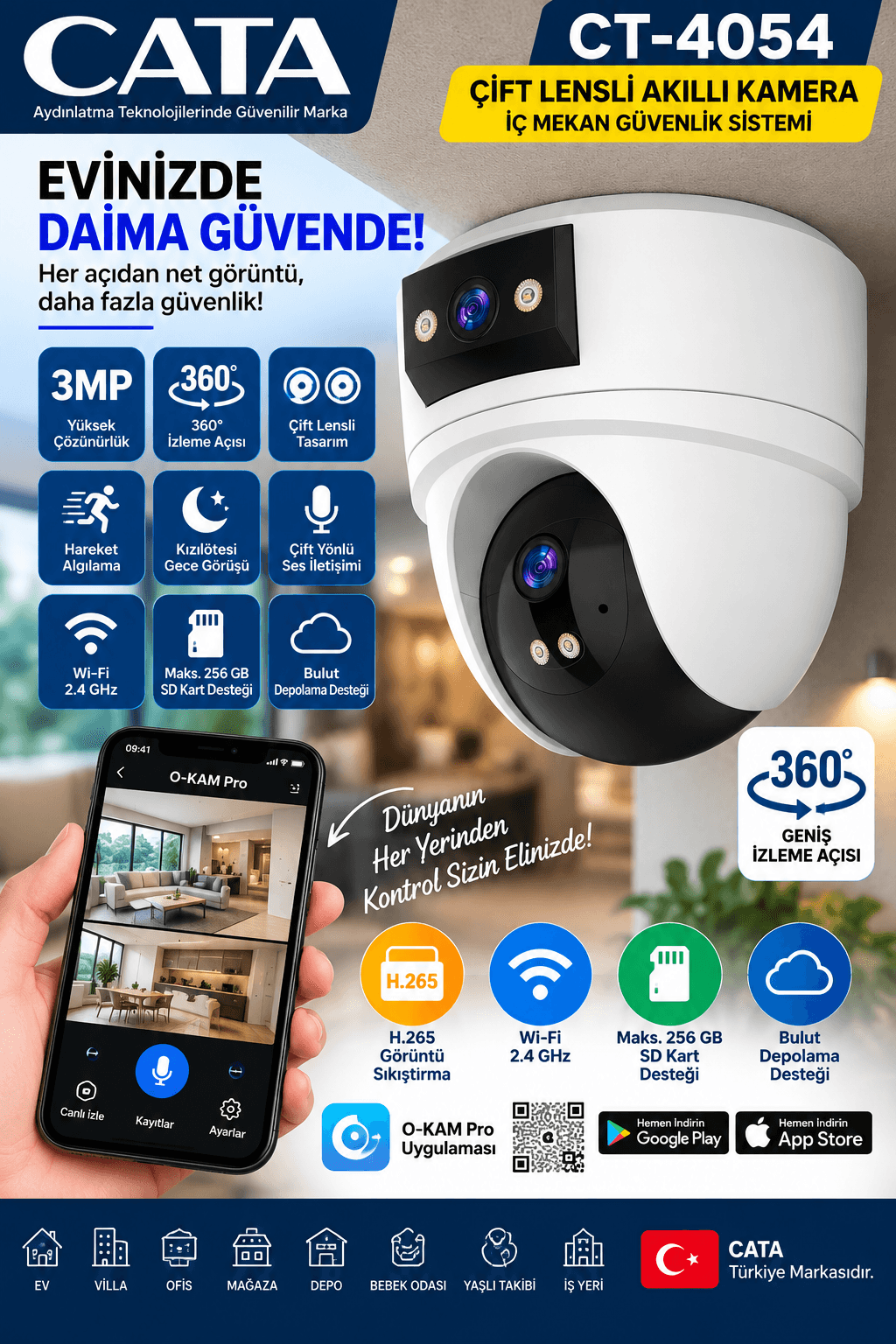
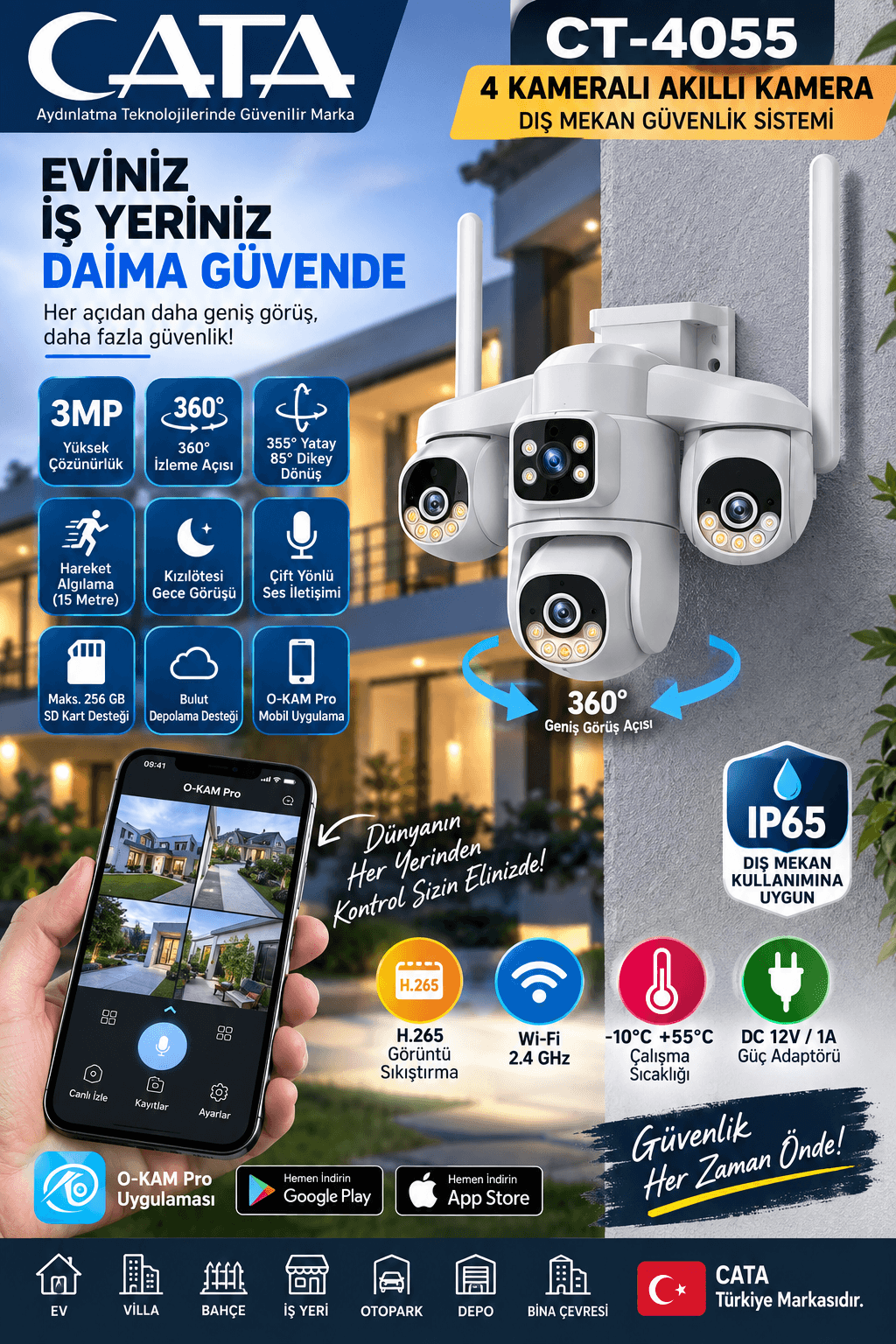
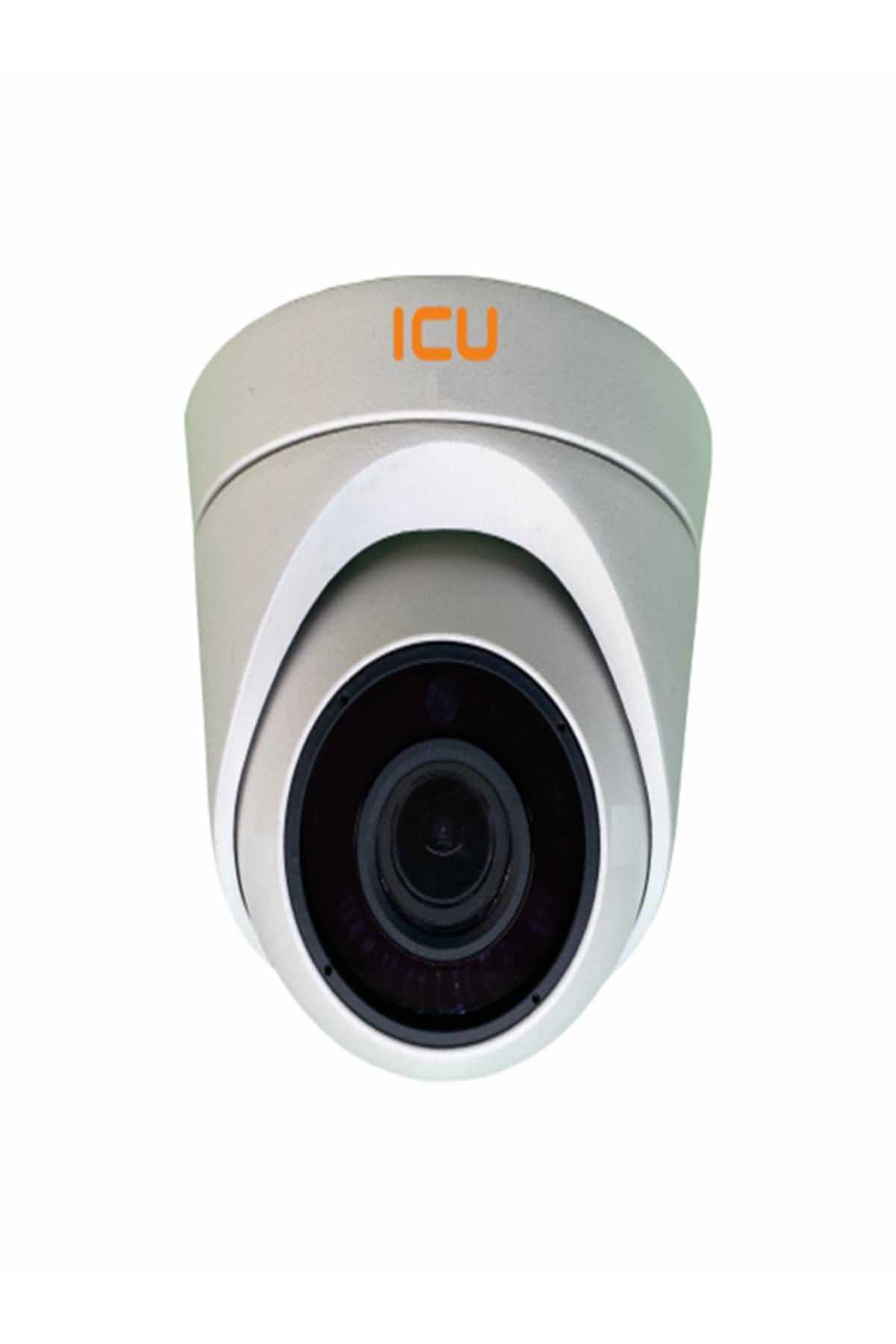
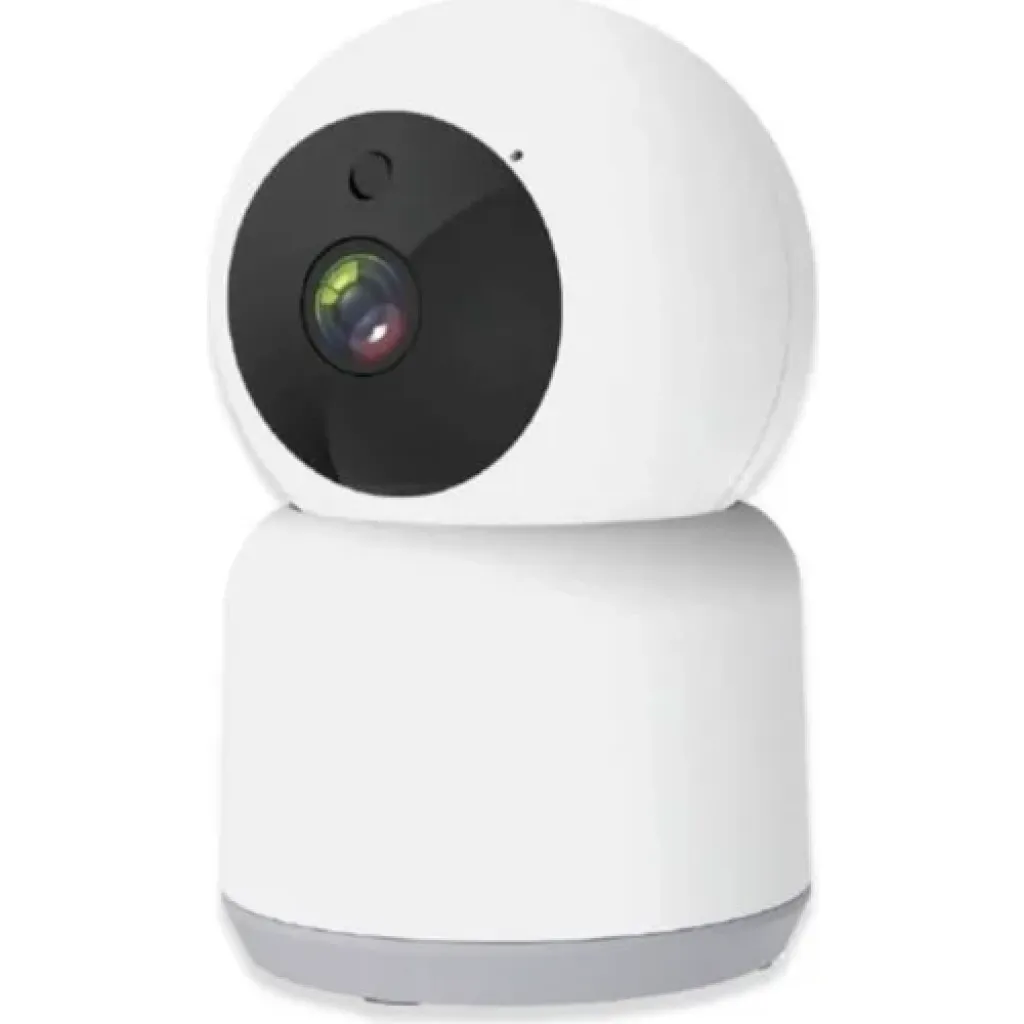
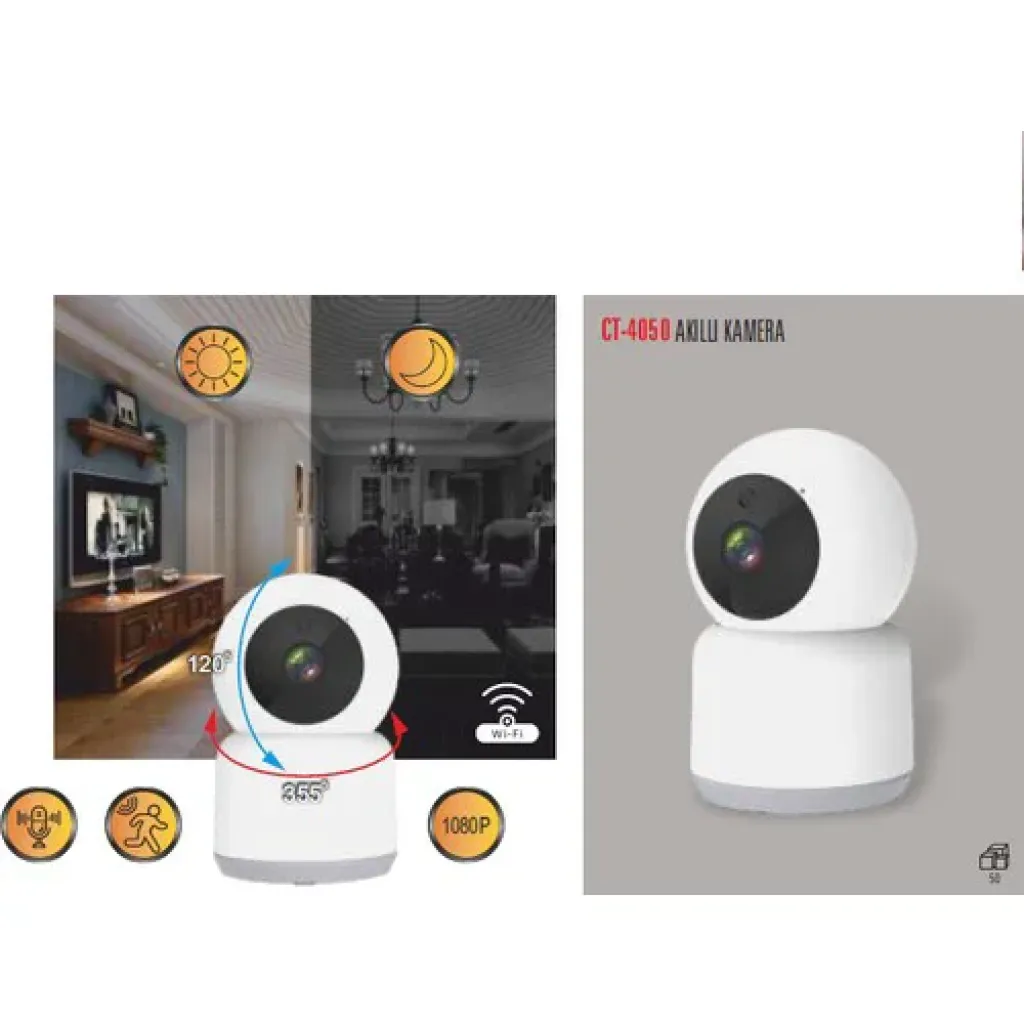
The most common mistake with security cameras is to focus on resolution and skip over the field of view and the night performance. A high-resolution camera set at the wrong angle is less useful than an ordinary one set at the right angle. Our collection holds 2 products and both have a published price.
Decide First What You Will Watch
- General surveillance: a wide angle sees the whole area but faces and plates cannot be distinguished.
- Identification: a narrow angle and a close position. Installed at bottlenecks such as a doorway or in front of a till.
Night Vision
Infrared illumination gives a black-and-white image in the dark and its range is limited. If colour night vision is wanted, some ambient light is needed; that can be provided by a separate LED Floodlight or by a sensor-controlled fitting. If the camera's own infrared light reflects off glass or a nearby wall, the image whites out — that reflection must be checked during installation.
Positioning
Pointing the camera straight at the sun or at a strong light source makes the daytime image unusable. A height out of reach adds security, but mounting too high produces an image seen only from above and insufficient for identification.
Legal Obligation
Camera recording is the processing of personal data. This field is governed by local data protection legislation, which differs from country to country; informing people in the monitored area, keeping the recordings limited to their purpose and deleting them after a defined period are generally expected. Not filming a neighbouring property or public space unnecessarily is another point to watch. We do not declare that any installation complies with regulations; that assessment is the responsibility of the data controller.
Budget
Both of the 2 products are priced: from 47 EUR to 81 EUR.
Retention and Storage
The number of cameras, the resolution and the retention period together determine the storage needed: as resolution rises, the same disk holds a shorter period. Recording on motion detection instead of continuously reduces the storage requirement markedly, but the moments that pass without movement are not recorded. How long a recording is kept is not only a technical decision but a legal one: a period limited to the purpose and reasonable is expected; indefinite retention is not.