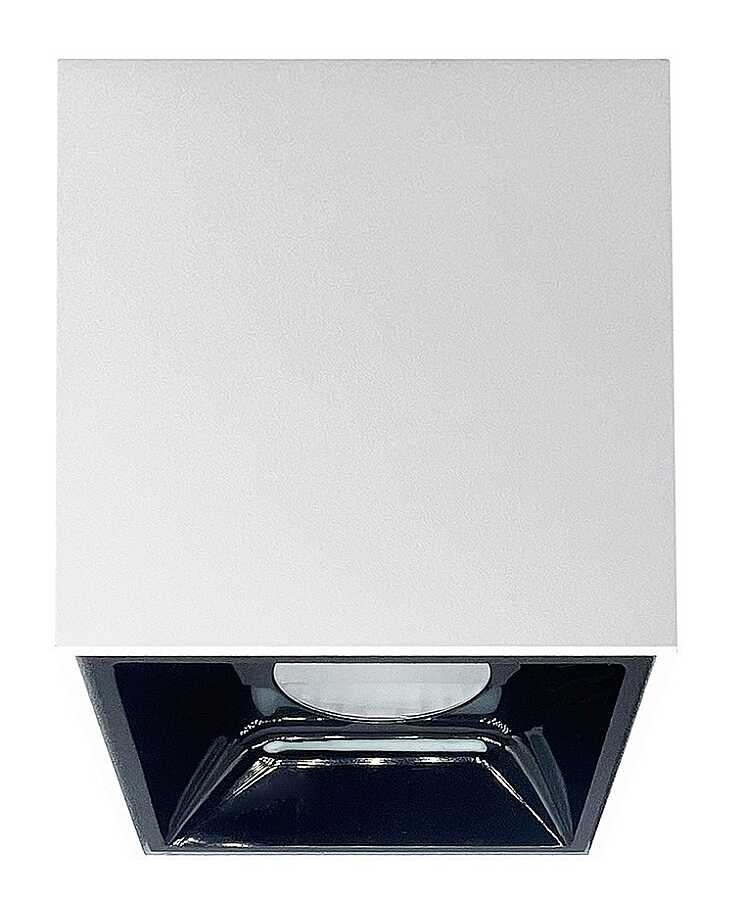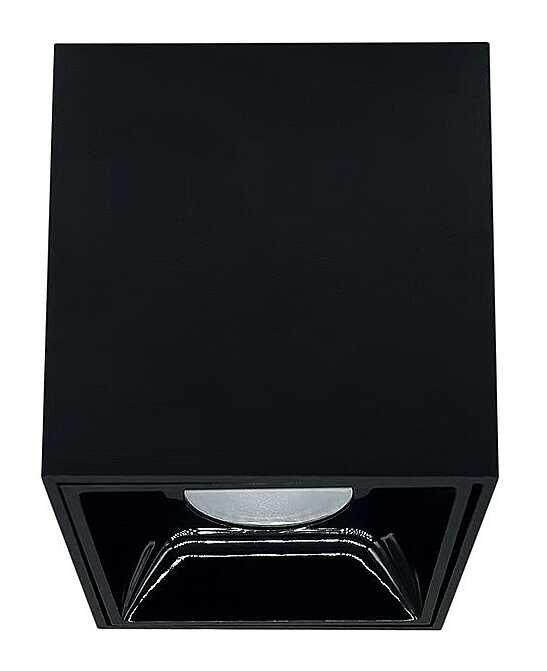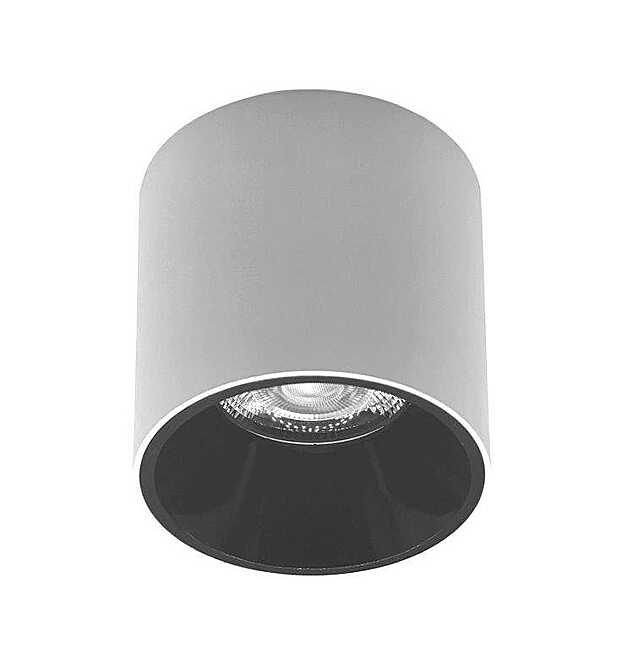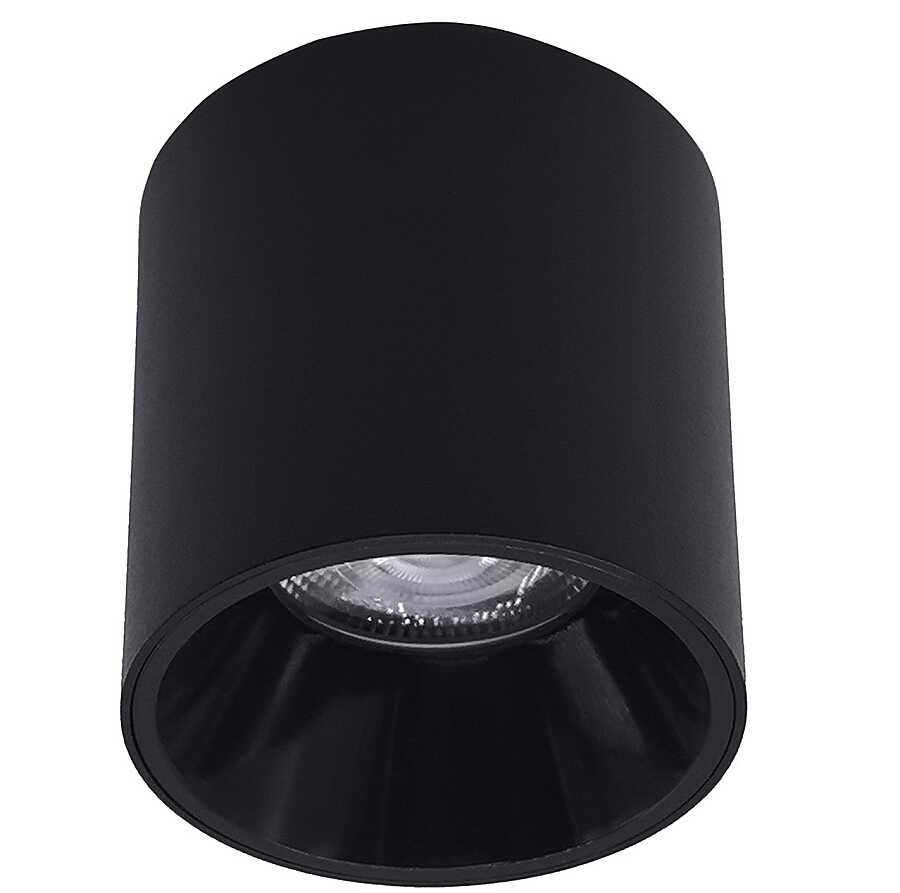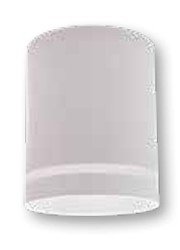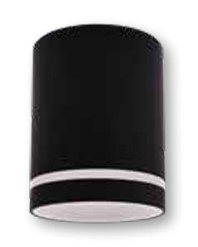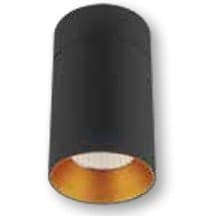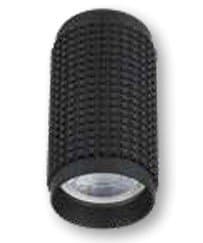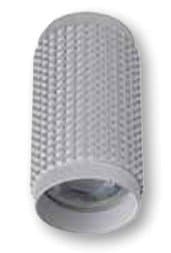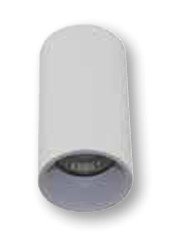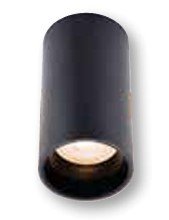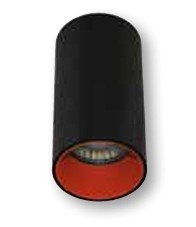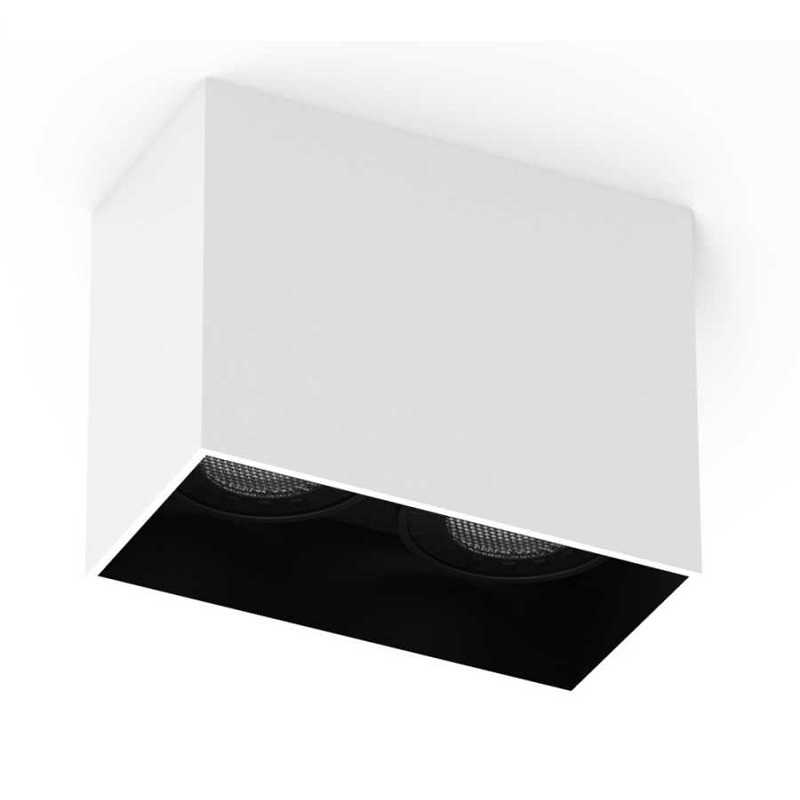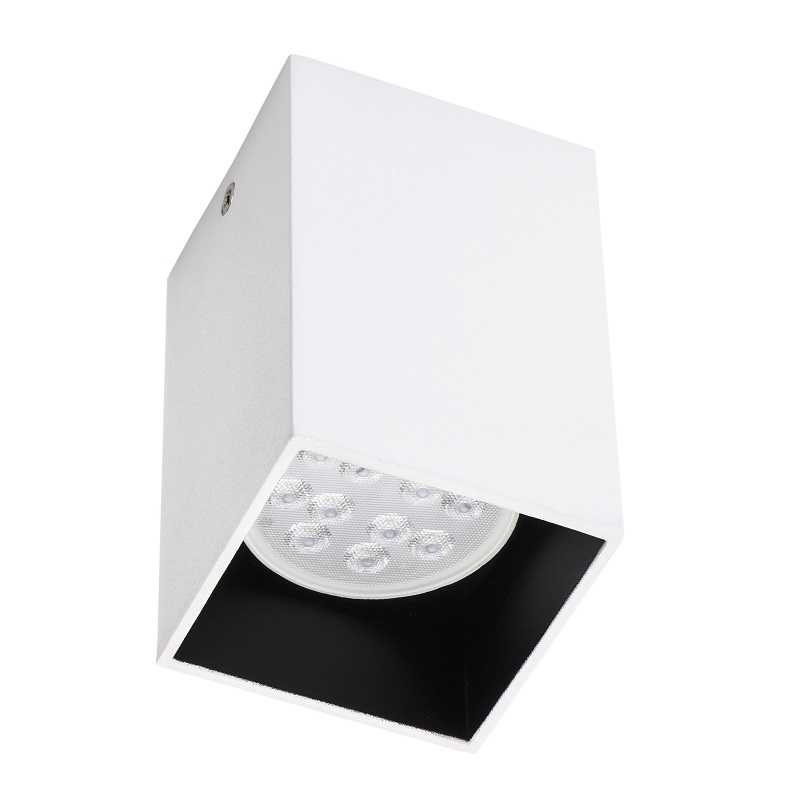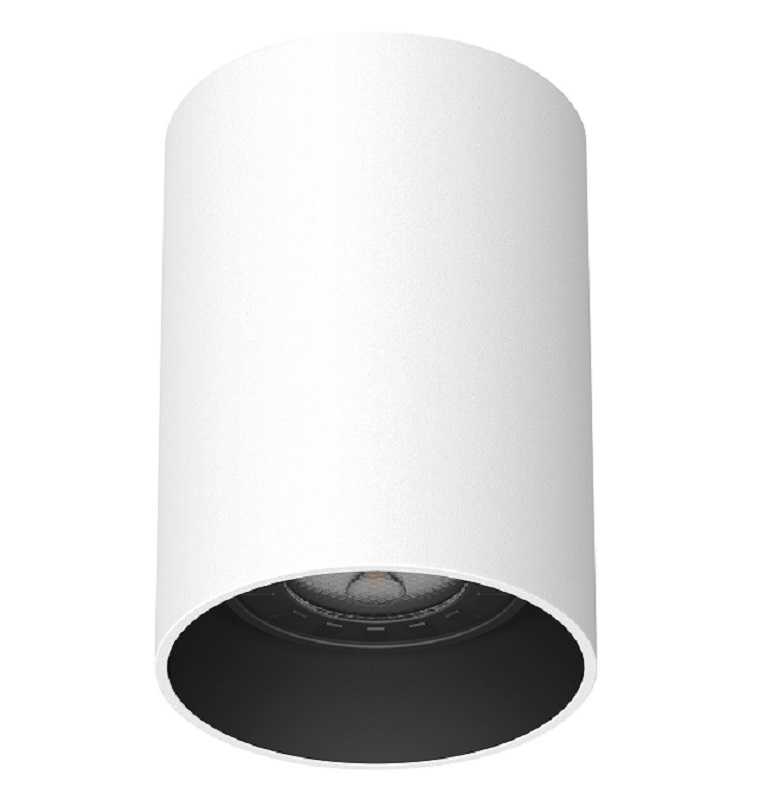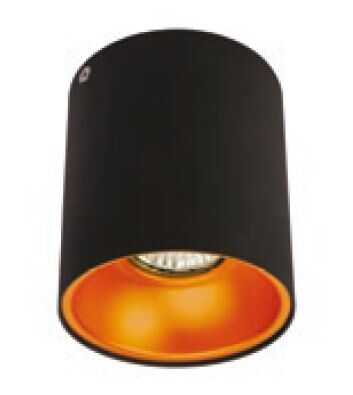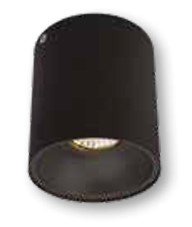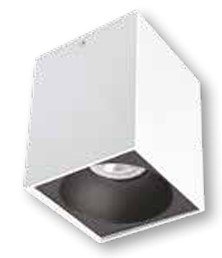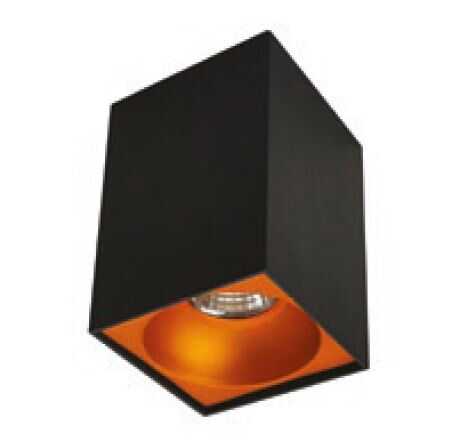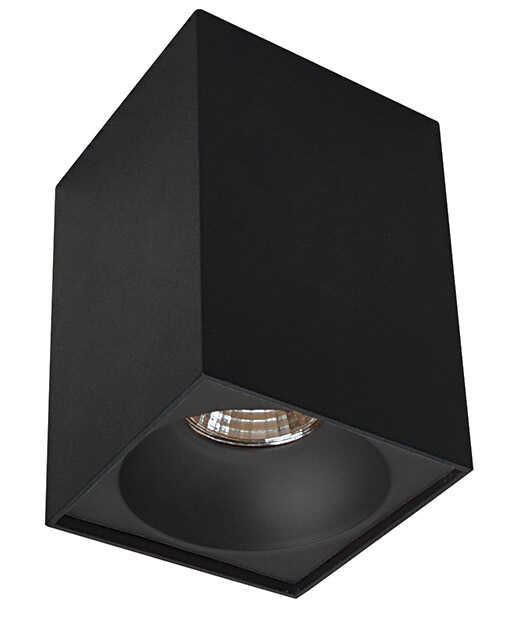

Not every room can take a chandelier. Where the ceiling is under two and a half metres, where there is heavy through traffic, or where cupboard doors reach close to the ceiling, a hanging fixture looks cramped and gets in the way day to day. The ceiling light fills exactly that gap: it sits flush or drops only a few centimetres, takes up no volume, and can carry the ambient lighting on its own. Sitting flush does not make the choice easier, though — it only changes the criteria. This guide works through diameter, light output, colour temperature, dimmability and mounting conditions in turn.
What is a ceiling light, and how does it differ from a pendant?
A ceiling light has a body that sits directly against the ceiling or stands only a few centimetres away from it. Pendants and chandeliers, by contrast, drop down on a cable, chain or rod. The difference is not only appearance but function: a pendant brings light close to a specific point, while a ceiling light spreads it evenly over a wide area.
That is why a ceiling light is a fixture designed for ambient lighting. Because the light comes from ceiling level, shadows are softer and reach the whole room more evenly. If you want to emphasise a dining table or a reading corner, however, a ceiling light cannot do it alone; there the job belongs to a pendant or an adjustable spot.
The second difference is maintenance. A body sitting against the ceiling offers less dust surface than a hanging fixture and is easier to clean. In models with a closed diffuser the light source is also protected from dust — a direct advantage in rooms with air movement and steam, such as a kitchen.
- A ceiling light is an ambient lighting fixture; it spreads light evenly over a wide area.
- A pendant emphasises a specific surface; a ceiling light does not do that on its own.
- A body sitting against the ceiling collects less dust and is easier to clean.
- A closed diffuser protects the light source from dust and steam.
Ceiling height: which fixture at which height?
The decision rests on a single calculation: how high above the floor does the fixture end? At any point people walk under, that figure should not drop below about two metres ten. Subtract it from the ceiling height and what remains is the overall height available to the fixture.
With a ceiling of two metres forty that leaves roughly thirty centimetres, which in practice is not enough for a pendant. Above two metres seventy a pendant can be considered comfortably. In between, the use of the room decides: if it is a circulation area, a ceiling light; if it is a seating or dining area that nobody walks under, a short pendant.
In rooms with a suspended ceiling the calculation uses the finished ceiling height, not the structural one. A suspended plasterboard ceiling usually lowers the height by anything from a few to more than ten centimetres, and that difference can reverse a borderline decision. Always measure from the finished surface.
In children's rooms and play areas there is one more criterion: the chance of an impact. A body sitting flush against the ceiling is clearly safer in those spaces than a pendant that swings and can be knocked.
- Available fixture height = ceiling height − about 2.10 m.
- At 2.40 m a ceiling light in practice; above 2.70 m a pendant is comfortably possible.
- Measure from the finished ceiling; account for the suspended ceiling allowance.
- In children's rooms and circulation areas a flush body is safer.
Diameter and lumen requirement by room size
For the diameter of a ceiling light the addition rule again gives an upper limit: add the short and long sides of the room in metres and read the result as centimetres. Because a ceiling light sits flush and its whole body reads as a single surface, a diameter slightly under that limit looks more balanced in most rooms.
Light output, on the other hand, is a calculation independent of diameter and is measured in lumens. Common starting ranges are: living room 100 to 150 lumens per square metre, kitchen ambient lighting 150 to 200, bedroom 75 to 150, bathroom ambient lighting 150 to 200, hallway and entrance around 100. These are starting points; with dark wall colours, a high ceiling or little daylight, move towards the upper end.
The calculation is simple: multiply the room's area by the range you have chosen and share the total lumens between the fixtures. For a bedroom of twelve square metres, 100 lumens per square metre gives roughly 1,200 lumens in total. You do not have to load that whole figure onto one fixture — leaving part of it to a bedside lamp gives a more comfortable result.
The lumen value is printed on the label or given in the product description. Wattage is a power consumption figure and says nothing about light output; two products with the same wattage can have markedly different lumen values.
- Upper limit for diameter: short side + long side (in metres) → read as centimetres.
- Total lumens = room area × the chosen lm/m² range.
- Dark walls, high ceilings and little daylight push towards the upper limit.
- Compare using the lumen value on the label, not wattage.
Colour temperature: how many kelvin in each room?
Colour temperature is measured in kelvin and sets the character of the light between yellowish and white. Low kelvin values give warm, yellow-leaning light; high values give cool, white-leaning light. The choice depends entirely on what the room is for: warm light where people relax, neutral light where they work.
For bedrooms and living rooms the range 2700 to 3000 kelvin is common; it creates a relaxing atmosphere in the evening. In functional spaces such as kitchens, bathrooms and hallways, neutral white around 4000 kelvin gives the better result, because it does not pull colours towards yellow and shows surfaces clearly.
Rely on the kelvin figure rather than the name on the packaging. Labels such as "daylight" are used differently from market to market and do not correspond to a single kelvin range; the number, by contrast, is unambiguous and comparable.
Keeping the colour temperatures of the fixtures in one room close to each other is the invisible but most effective rule of selection. A room with warm light on the ceiling and cool light on the wall looks unbalanced even when both sources are right in themselves. Models with adjustable colour temperature remove that risk.
- 2700–3000 K: bedrooms, living rooms, relaxation corners.
- Around 4000 K: kitchen, bathroom, hallway, work area.
- Look at the kelvin figure, not the name on the label.
- Keep the colour temperatures of fixtures in one room close together.
Dimmability and remote-controlled models
A dimmable ceiling light makes the same fixture suitable for different tasks through the day: soft living-room light in the evening, full output while cleaning. The dimming function is either built into the fixture's own electronics or provided by a compatible wall dimmer. The two must not be confused — if dimmer compatibility is not explicitly stated in the product description, do not assume it.
Remote-controlled models offer colour temperature changes, timers and saved scenes alongside dimming. These provide real comfort, but they also introduce a dependency: if the remote is lost or fails, access to all the fixture's settings can be cut off.
So when buying a remote-controlled product, ask two questions. First: is a replacement remote available, and can a new remote be paired with the fixture? Second: without the remote, can the fixture at least be switched on and off from the wall switch? If the answer to the second is no, losing the remote makes the fixture completely unusable.
On some models, switching the wall switch off and on in quick succession steps through colour temperature or brightness settings. That is a backup control path without the remote, described in the instruction manual; it is a detail worth checking at the point of purchase.
- If dimmability is not stated in the product description, do not assume it.
- With a remote-controlled product the first question is: is a pairable replacement remote available?
- The second question: can it be switched on and off from the wall switch without the remote?
- Models that change settings from the switch provide a fallback if the remote is lost.
Hallway, entrance, children's room and balcony
Hallways and entrances are circulation areas used briefly; what is needed there is not high brightness but quick, even illumination. In narrow hallways several small ceiling lights at equal spacing distribute light along the whole length and close up dark spots. Depth matters too: in a tight passage a fixture that stands far off the ceiling comes closer to eye level.
In a children's room two criteria come to the fore: resistance to breakage and freedom from glare. Models with a closed diffuser and a rigid plastic body stand up better to impact and do not expose the light source directly. Adding a desk lamp on top of the ambient lighting for play and homework is healthier than over-specifying a single ceiling fixture.
On balconies and terraces the outdoor conditions decide. On a glazed, enclosed balcony an indoor fixture can be used; on a surface exposed to rain, dust and wind, the product's IP rating and body material are decisive. Balconies assumed to be enclosed but taking rain from the side are the most common source of error.
In all three spaces the switch position is part of the selection. In a hallway, wiring that can be operated from both ends makes night-time use directly easier; that is independent of the fixture but must be planned together with it.
- In a long hallway use several small evenly spaced ceiling lights rather than one large fixture.
- In a children's room a closed diffuser and an unbreakable body take priority.
- On a semi-open balcony do not use an indoor fixture; check the IP rating.
- Switch position and two-way switching are planned together with the fixture.
IP rating in wet areas
Bathrooms, shower areas, the space above a kitchen worktop and outdoor locations are places where a fixture can meet water and moisture. In these spaces the product's IP rating is decisive. The first digit of the IP value covers protection against solid objects and the second against water; in fixtures for dry interiors this value is low and not sufficient for a wet area.
Electrical installation rules divide a bathroom into zones according to distance from the water source and require a different level of protection for each zone. A bathroom is therefore not a single space: the point directly above the shower tray is not judged by the same standard as a corner near the door. Before choosing a fixture, establish which zone its mounting point falls into and what level of protection that zone requires.
The point to watch is this: an IP value printed on a product's label does not mean the product can be used at every point in a wet area. The required level is set by the building's installation and the applicable rule; the product only declares its own measured value. Comparing those two pieces of information belongs before installation.
In a kitchen, steam and grease count as much as water. For fixtures above a hob or worktop, models with a closed, easily wiped diffuser need far less maintenance than open bodies and stay clean longer.
- The second digit of the IP value shows protection against water; a dry-room value is not enough for a bathroom.
- A bathroom is divided into zones — establish the mounting point first.
- The IP value on the label is a measurement; the required level is set by the installation rule.
- In a kitchen, a closed, wipeable diffuser cuts maintenance noticeably.
Mounting: junction box, surface and flush wiring, cupboard doors
Mounting a ceiling light starts with the position of the junction box in the ceiling. The fixture's mounting plate has to cover that box, and the cable connection has to sit behind the plate. If the box is off-centre relative to the fixture, the body cannot be centred; that is a matter to resolve at planning stage, not during installation.
The distinction between surface and flush wiring describes whether the installation runs above or below the wall or ceiling surface. With surface wiring the cable is visible inside a trunking, and the fixture connection is positioned relative to that trunking. With flush wiring the cable sits below the surface and the fixture connects directly to the box. In both cases the connection point must be covered by the fixture plate.
On a suspended plasterboard ceiling, light ceiling fixtures can usually be fixed to the board with suitable plugs, but as weight increases the load has to be transferred to the supporting profile or the structural ceiling. The board is a cladding; it is not expected to take structural load.
The last measurement is often skipped and produces the most annoying mistake: the cupboard door. The opening arc of a wardrobe, a wall cabinet or a pantry door can strike a fixture sitting close to the ceiling. Opening every door fully before installation and checking the planned position removes that error in a few minutes.
- The fixture plate must fully cover the junction box; measure the box position beforehand.
- With surface wiring, position the fixture relative to the trunking outlet.
- On plasterboard, as weight rises the load moves to the supporting profile or the structural ceiling.
- Open all cupboard doors before installation and check for collision.
Ceiling light by room
| Room | Starting lumen range | Colour temperature | Key criterion |
|---|---|---|---|
| Living room | 100–150 lm/m² | 2700–3000 K | Dimmability and even distribution |
| Kitchen (ambient) | 150–200 lm/m² | around 4000 K | Separate task lighting for the worktop |
| Bedroom | 75–150 lm/m² | around 2700 K | Closed diffuser to prevent glare |
| Bathroom | 150–200 lm/m² | 3000–4000 K | IP rating matched to the zone |
| Hallway and entrance | around 100 lm/m² | 3000–4000 K | Even distribution via several small fixtures |
| Children's room | 150–200 lm/m² | 3000–4000 K | Unbreakable body, closed diffuser |
| Glazed balcony | 100–150 lm/m² | around 3000 K | Body that withstands moisture and temperature change |
Related guides: IP Ratings for LED Fixtures: Bathroom, Kitchen and Outdoors, Ceiling Lighting Types: Spot, Linear, Cove Lighting, and Chandelier, Choosing a Wall Light: Up-Down, Wall Washer and IP Rating, Choosing an LED Bulb: Base Type, Watts, Lumens and Colour Temperature. For product options for your project, see our LED Ceiling Light page.