
In portable lighting the buying decision is usually reduced to a single number: the lumen figure. Yet what decides whether a torch is any use is where it can send that light and for how long. The brightest model is useless if it dies an hour into a power cut; the longest-running model is equally useless if it cannot light the spot you are looking at. This guide sets out what each figure actually tells you when choosing a torch or searchlight, which property comes first in which use, and what has to be done for a torch to go on working for years.
Lumens and range are not the same thing
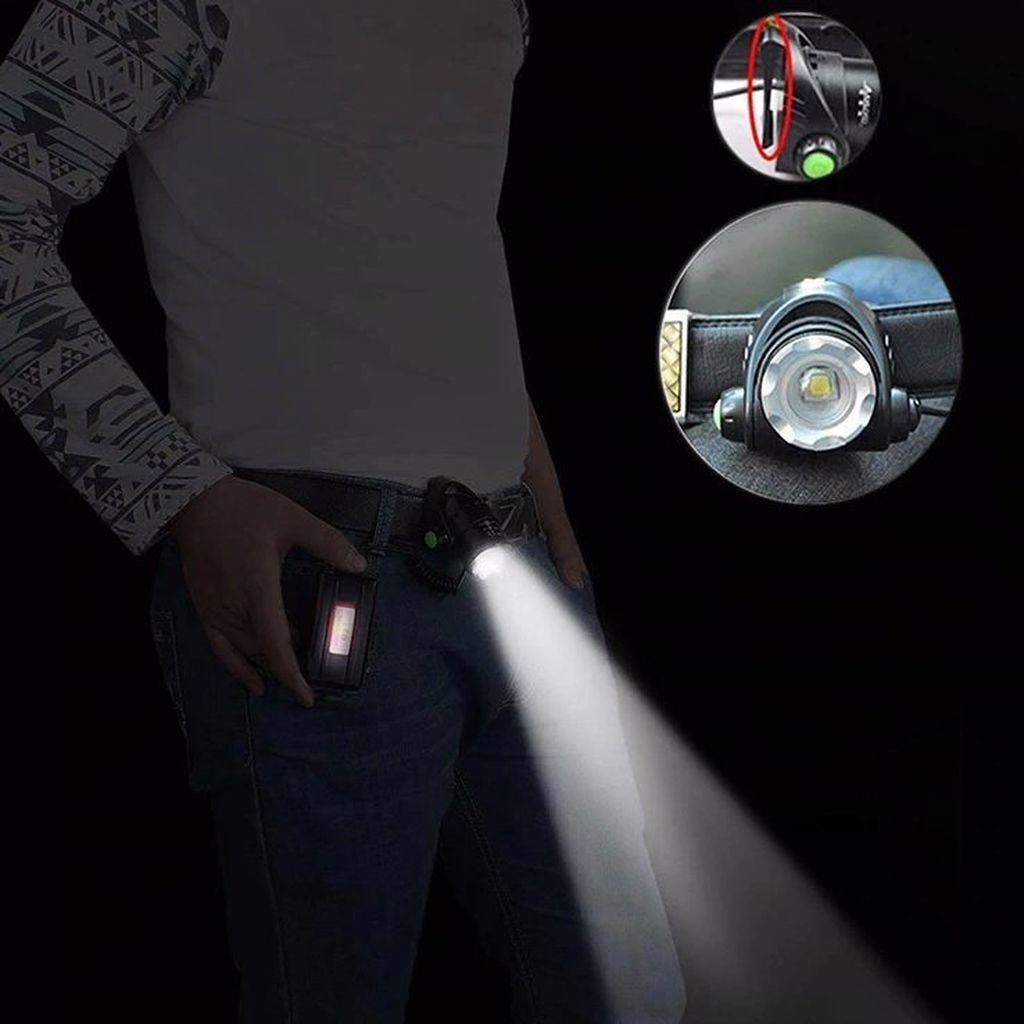
The lumen describes the total light a source gives out in all directions. Range says how far that light reaches, and it is the work of the optics. Of two torches with the same lumen figure, the one that gathers its light into a narrow beam lights much further away; the one that spreads it over a wide area lets you see nearby better.
Lumens alone are therefore not a measure of quality. In a torch to be used indoors during a power cut, a wide beam is more useful: you see the room as a whole and can make out the walls while walking in the dark. In fieldwork, searching and checking at distance, a narrow beam and long range decide the matter.
Models with an adjustable focus combine both needs in one product; where the focus is fixed, the beam width is stated in the product description. The range figure is also given on the label in metres and is measured in a dark environment; it does not give the same result under city lighting.
- Lumens describe the total light, range how far that light goes.
- Indoors during a cut a wide beam serves better, in the field a narrow one.
- Adjustable-focus models meet both needs in one product.
- The range on the label is for a dark environment; in a city it is shorter.
Runtime and output levels
A torch's runtime is not a single number; it depends on the level it is used at. The same battery gives light for a short time on the highest level and far longer on a low one. The long runtimes given in product descriptions are usually for the low level, and that distinction is not always stated plainly.
The highest level is also the one that produces the most heat. Many torches reduce brightness automatically when the body temperature rises; that is not a fault but behaviour that protects the light source. For work needing steady brightness over a long time, the choice is made against a sustainable middle level, not the highest one.
During a power cut the right strategy is to run at the lowest level that will do. For an eye adapted to darkness, a low level is usually enough and gives many times the runtime from the same battery. How the levels are stepped through matters too: a torch that starts on maximum every time you switch it on dazzles you when you pick it up in the middle of the night.
- The long runtime on the label is usually for the low level.
- On the highest level brightness can drop because of heat; that is normal.
- In a power cut, a low level gives many times the runtime from the same battery.
- Which level a torch starts on directly affects night use.
Rechargeable or battery-powered?
Rechargeable models are cheaper in daily use and end the search for batteries. Their weakness shows up at exactly the moment they are most needed: when the power fails, the ability to charge fails with it. A rechargeable torch is only useful in a cut if it was full before the cut.
With battery models there is no time limit as long as spare cells are at hand, and the longer the cut runs, the larger that advantage grows. Against that, batteries self-discharge over time, and cells left in for a long period can leak and damage the contacts. Taking the cells out of a battery torch that will not be used for a while and storing them separately is a simple habit that saves the torch.
The practical answer is to keep both: a rechargeable torch for daily use, and a battery torch stored with its spare cells for long outages. On rechargeable models, using a widespread connector type matters too; a torch that shares a cable with the household's other devices does not become unusable when its own cable goes missing.
- A rechargeable torch cannot be charged during a cut; it has to be kept full.
- A battery torch runs indefinitely on spares but carries a leakage risk.
- Take the cells out of a torch that will not be used for a while and store them separately.
- Keeping one rechargeable and one battery torch at home is the most balanced answer.
Water and impact resistance
In portable lighting, durability gets tested more often than light output: a torch is dropped, soaked, covered in mud. The IP code describes protection against water and dust and appears on the label. What matters here is that being suitable for use in rain and going on working after being dropped in water are different levels of protection.
Impact resistance is a matter of body material and design. Metal bodies are more robust but heavier and stick to the hand in the cold; hard plastic bodies are lighter and absorb the energy of a fall better. The lens area is the most fragile part; a body that stands slightly proud of the lens protects it in face-down falls.
Extra details gain weight according to where the torch is used. Beside water and on a boat, models with a floating body are preferred; in a vehicle or a workshop, models with a magnetic base or a hanging hook free both hands at once.
- Withstanding rain and withstanding immersion are different levels of protection.
- The lens area is the most fragile part; a proud body edge protects it.
- A metal body is robust but heavy, a plastic one light but more forgiving.
- A magnet, a hook and a floating body decide the matter by place of use.
When a head torch is the right choice
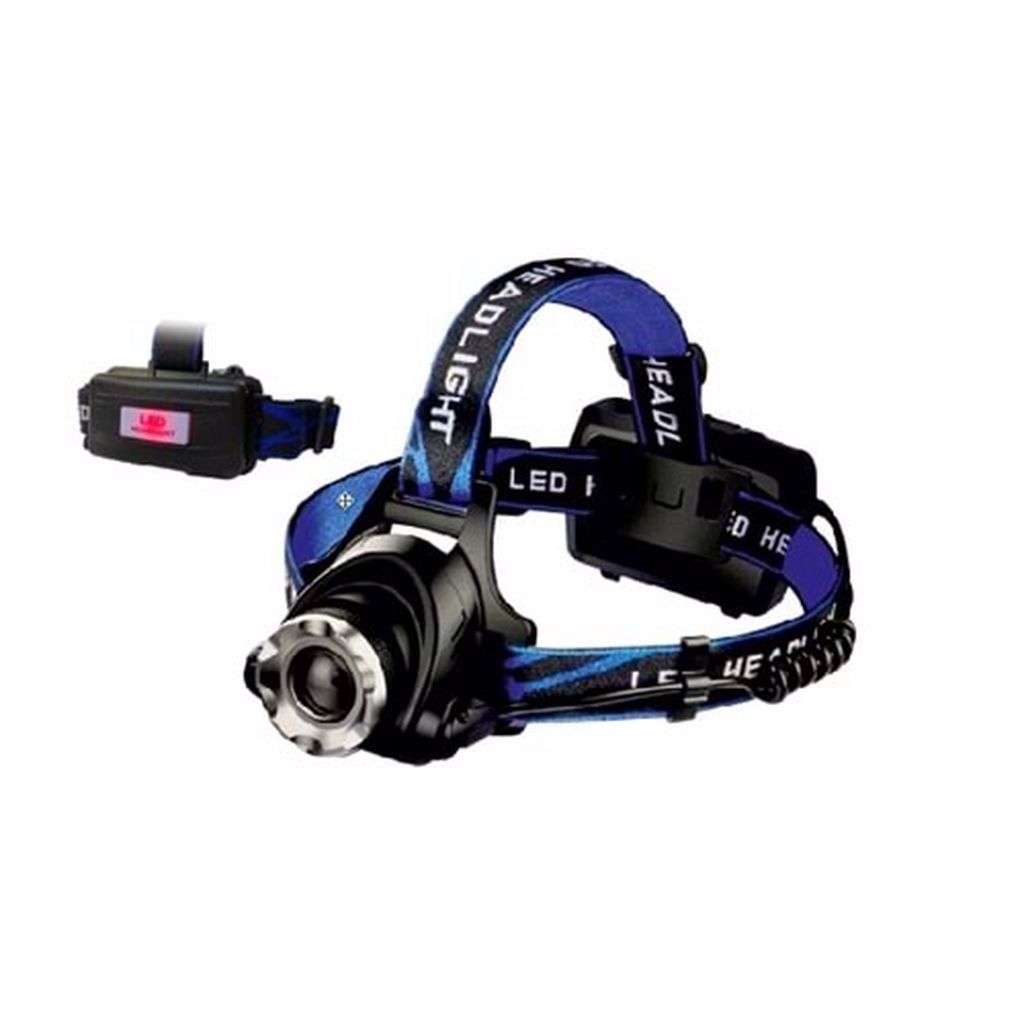
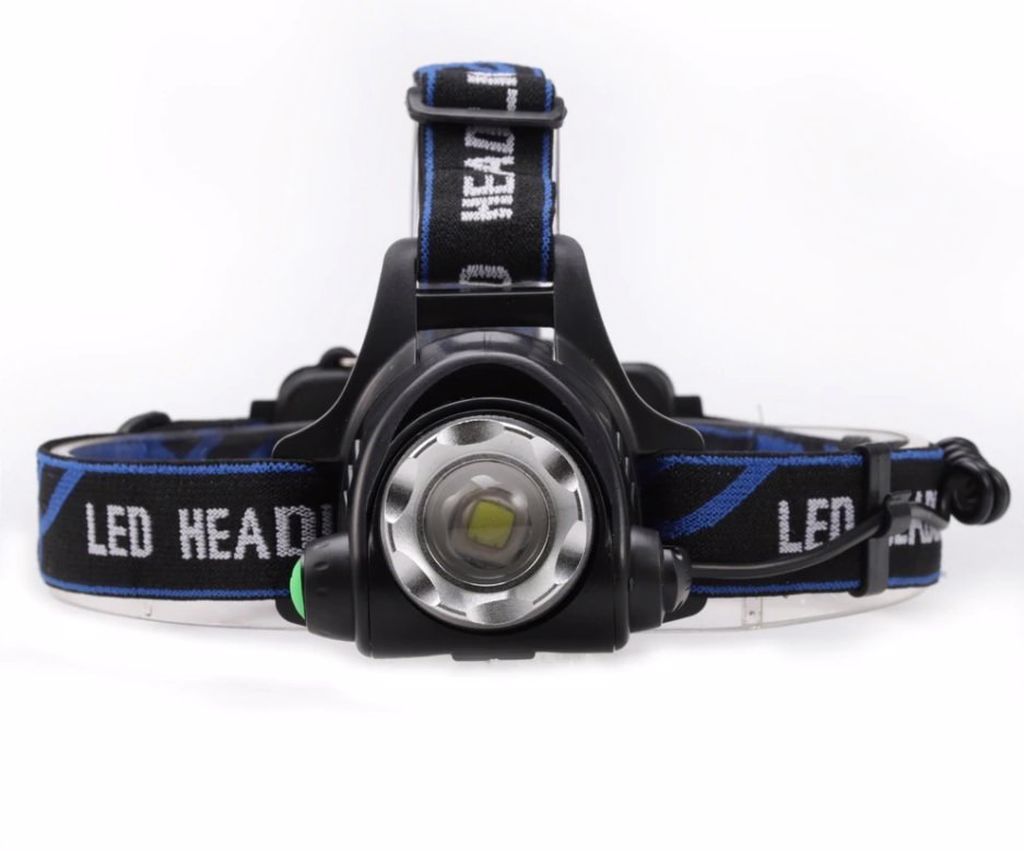
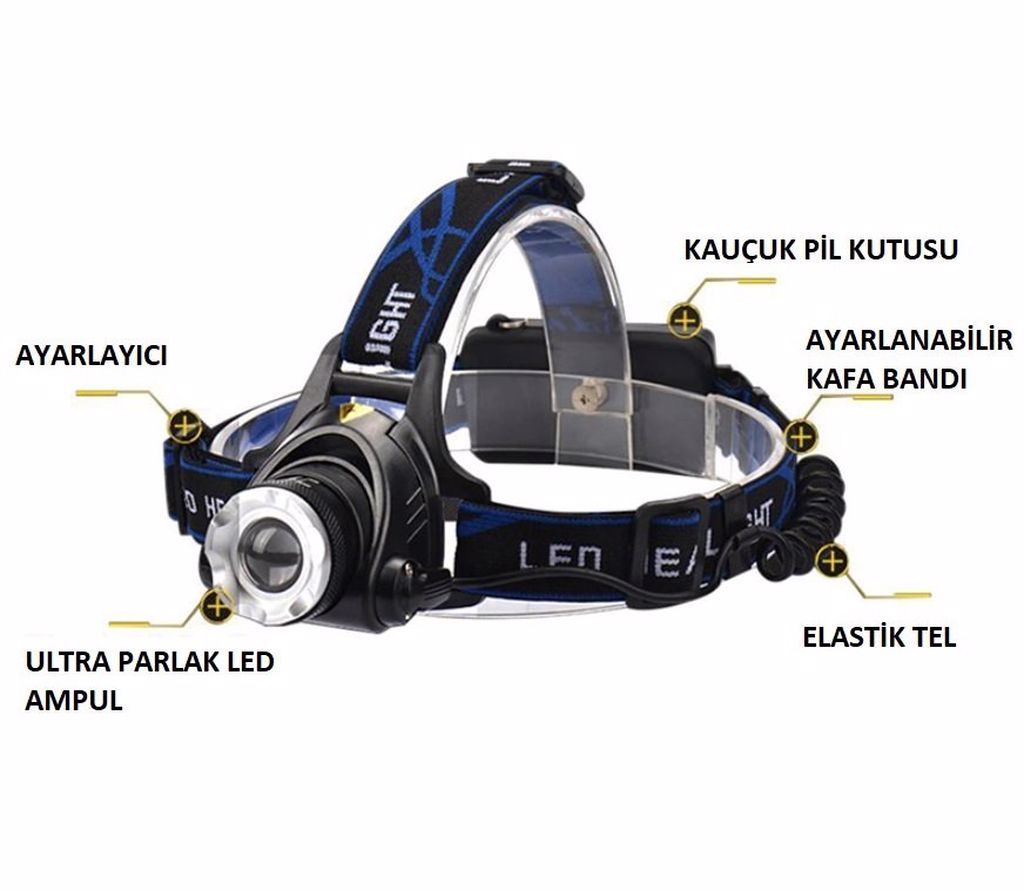
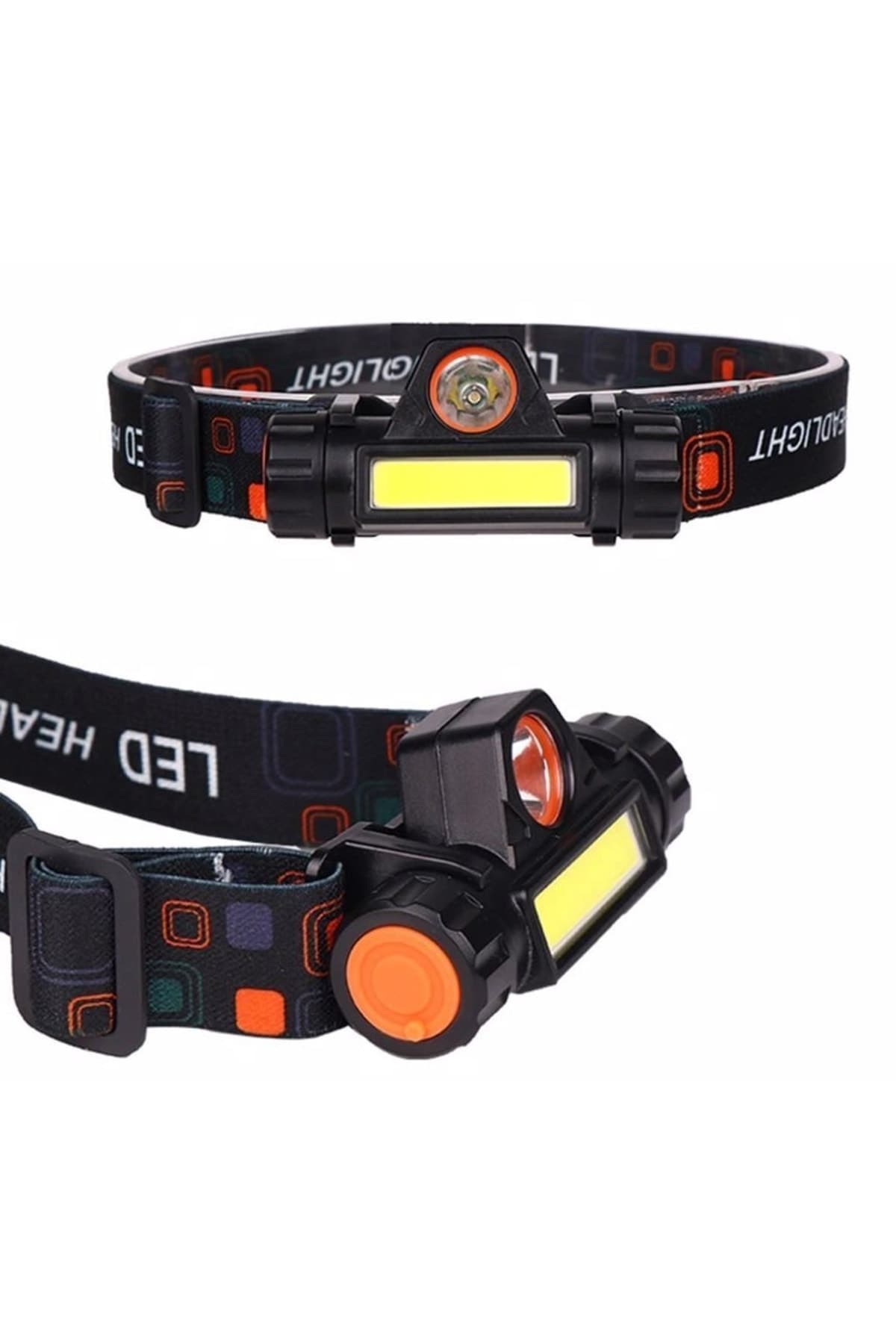
A head torch has one advantage, but a very strong one: it frees both hands. In electrical work, servicing under a vehicle, renovation, camping, night walking and getting things done indoors during a power cut, that advantage outweighs any difference in lumens.
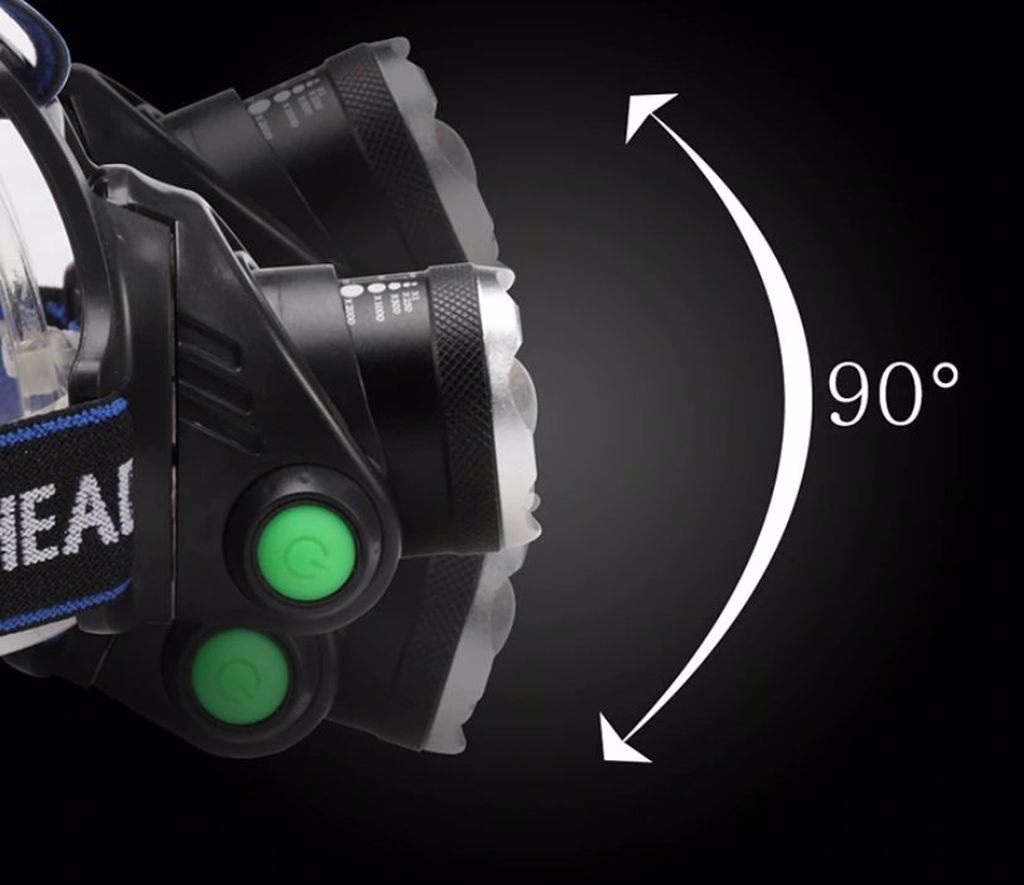
With a head torch the light follows the direction you look, which is a great convenience in close work. Against that, a very narrow and very bright beam produces glare at close range; models with a wide beam and dimming are more comfortable for close tasks. Models with a red light mode let you see without spoiling an eye that has adapted to the dark.
Comfort details decide how long it can be worn. Models where the weight sits at a single point on the forehead become uncomfortable over long use; models with the battery moved to the back, or with the weight balanced, can be worn far longer. Strap width and whether it can be washed also make a difference in daily use.
- The real gain of a head torch is having both hands free.
- For close work, a wide beam and dimming reduce glare.
- A red light mode protects an eye adapted to the dark.
- Over long use, weight balance decides more than brightness.
What to keep at home for a power cut
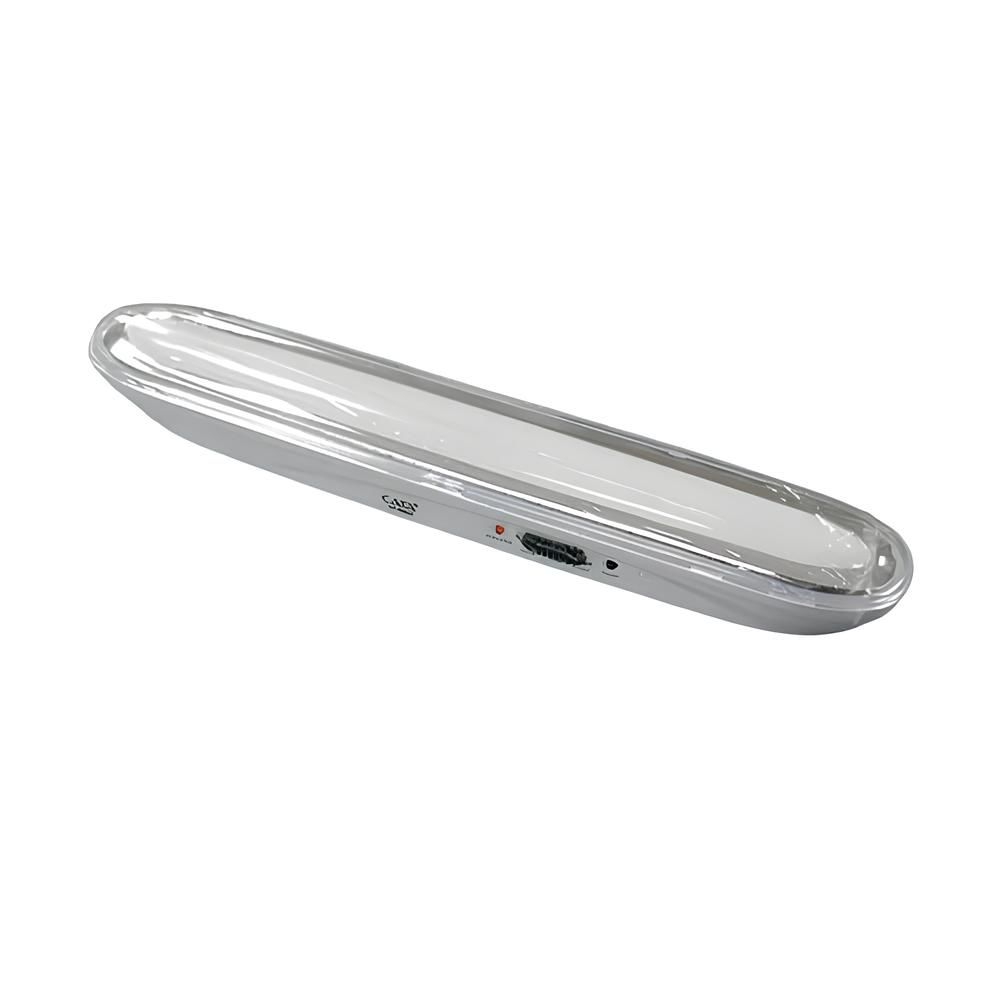
For a torch to be of use, it has to be findable in the dark. A single torch at the bottom of a drawer costs time while it is hunted for during a cut. The right approach is to keep the torch at a fixed point that can be reached by feel in the dark: the bedroom bedside, the hall entrance, the kitchen and near the consumer unit are the places that serve best.
Using candles during a cut is a common habit and carries a serious fire risk; a portable torch does the same job without producing that risk. If there are older people or children in the house, keeping a separate simple, light torch for them to use prevents falls at points such as stairs and thresholds.
Keeping a separate torch in the vehicle is also sensible; when stopped at the roadside, models with a red warning mode provide visibility. All of this works only with regular checking: unless the charge of rechargeable torches and the cells of battery torches are checked at intervals, none of them work when needed.
- The torch has to sit at a fixed place that can be found by feel in the dark.
- A torch instead of a candle does the same job without a fire risk.
- Keep a separate, light, simple torch for older people and children.
- Without checking charge and cells at intervals, none of them work.
Battery and cell care
Two things shorten battery life most in rechargeable torches: leaving them fully discharged for long periods and storing them in high temperatures. A torch left in a car's glovebox through the summer can lose a significant part of its capacity without ever being used.
A rechargeable torch that will not be used for a long time should be stored partly charged rather than fully discharged, and charged from time to time. There is no need to make a habit of running it flat either; charging when the light visibly weakens is enough.
In battery torches, not mixing cells of different brands and different states of depletion, taking out leaking cells at once and keeping the contacts clean decide the lifespan. The residue a leaked cell leaves behind creates resistance at the contact, and the torch burns weakly even with new cells. As long as that residue is not cleaned off, the problem continues.
- Storing in a hot place lowers battery capacity without any use.
- A battery for long storage is left partly charged, not fully discharged.
- Cells of different brands and states of depletion are not used together.
- Unless the residue from a leaked cell is cleaned, the torch stays weak even with new cells.
Portable lighting by place of use
| Use | Suitable type | Beam | Leading criterion |
|---|---|---|---|
| Power cut indoors | Rechargeable or battery torch | Wide | Long runtime and easy to find |
| Keeping in a vehicle | Battery torch | Medium | Heat resistance and a warning mode |
| Electrical and renovation work | Head torch | Wide, dimmable | Both hands free |
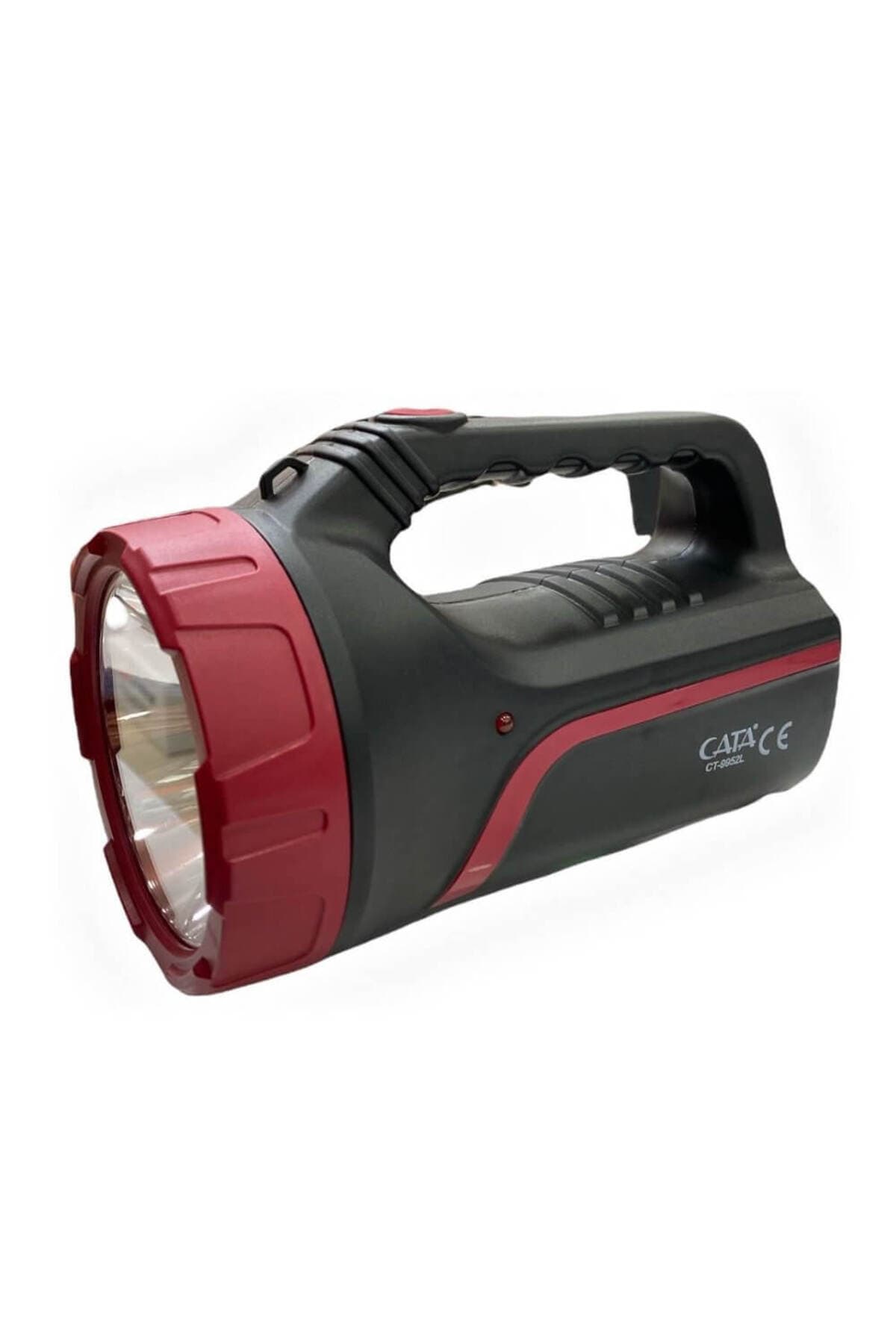
| Field and searching | Searchlight | Narrow | Range and body durability |
| Camping and night walking | Head torch | Adjustable | Weight balance and red light mode |
| Garden and site checks | Searchlight | Narrow and wide together | Water protection and charging time |
Related guides: Choosing a Wall Light: Up-Down, Wall Washer and IP Rating, Choosing an LED Bulb: Base Type, Watts, Lumens and Colour Temperature, IP Ratings for LED Fixtures: Bathroom, Kitchen and Outdoors, Ceiling Lighting Types: Spot, Linear, Cove Lighting, and Chandelier. For product options for your project, see our Torches & Searchlights page.