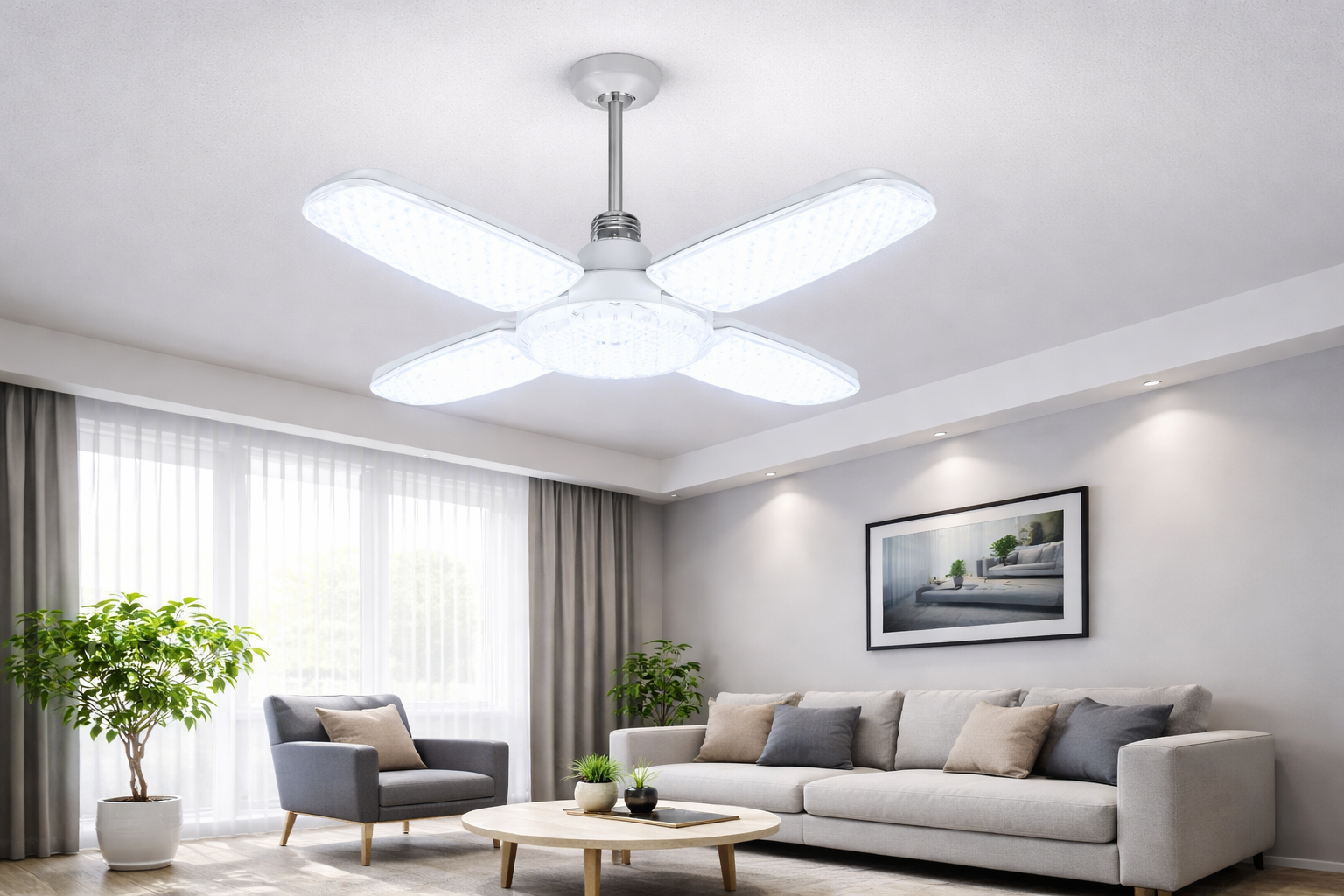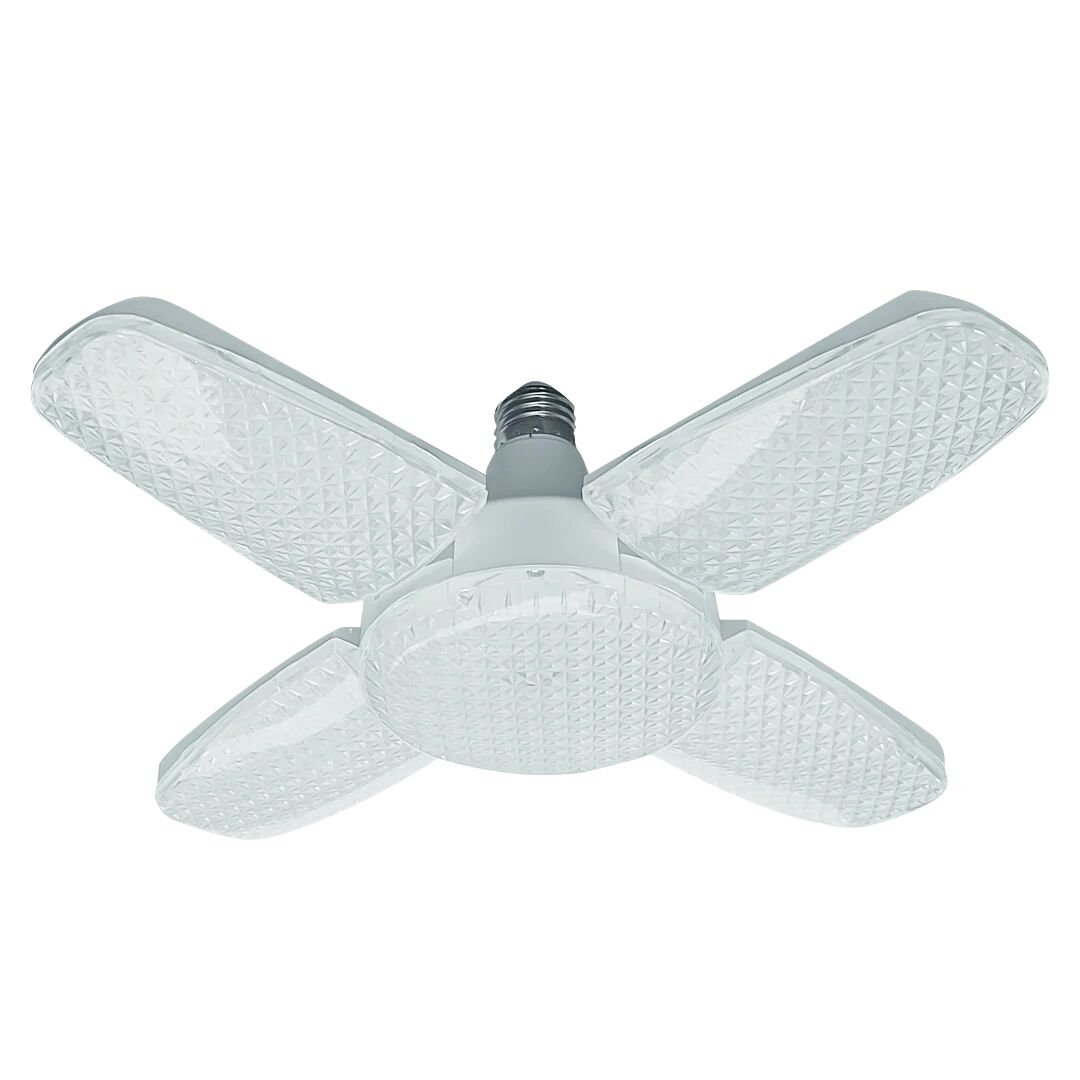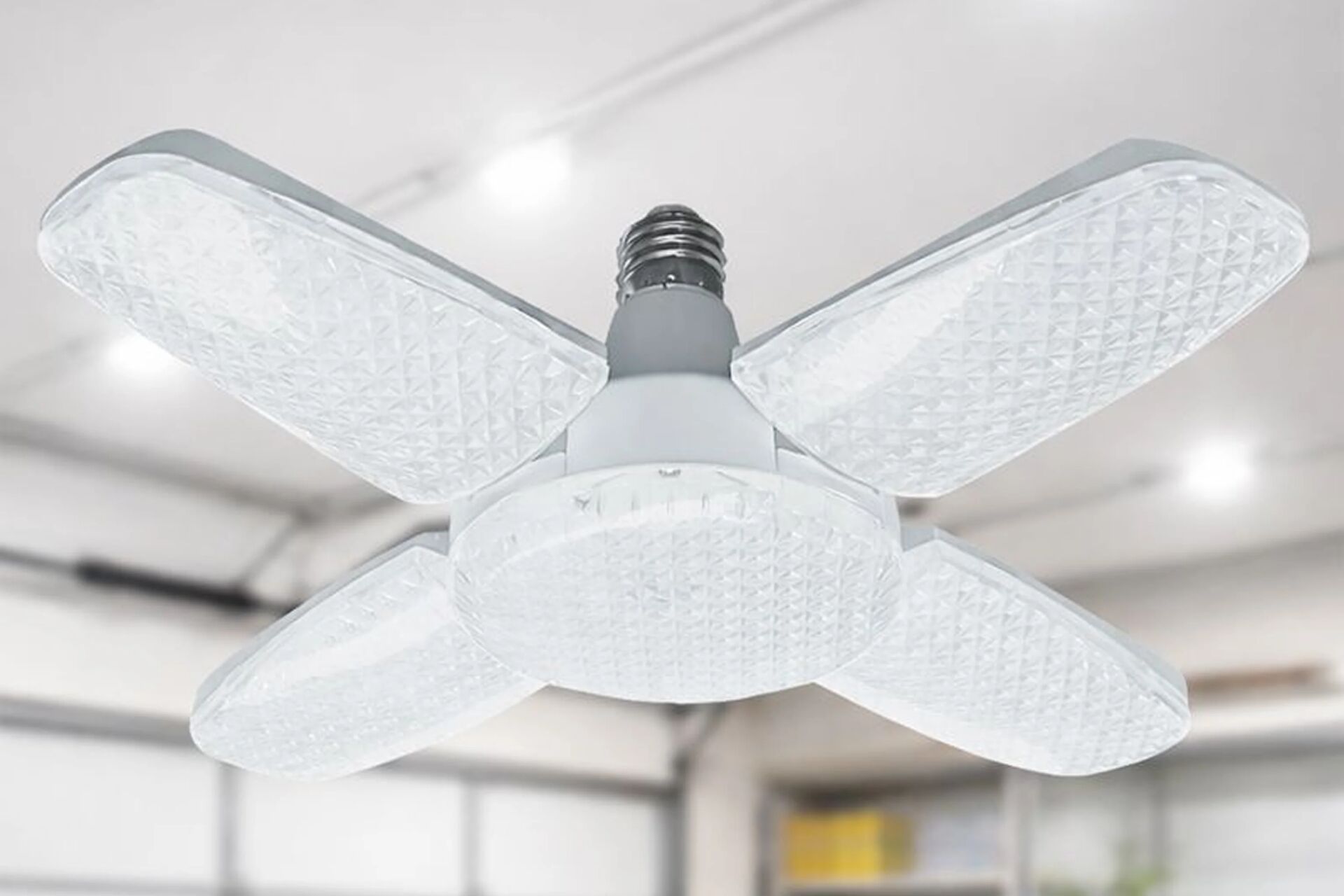

In the days of incandescent bulbs one number was enough: watts. With LED, watts describe the energy consumed rather than the light produced, and two bulbs of the same wattage can give very different light. Choosing therefore means looking at four values — base type, lumens, kelvin and dimmability.
Base type: it has to fit the fitting physically
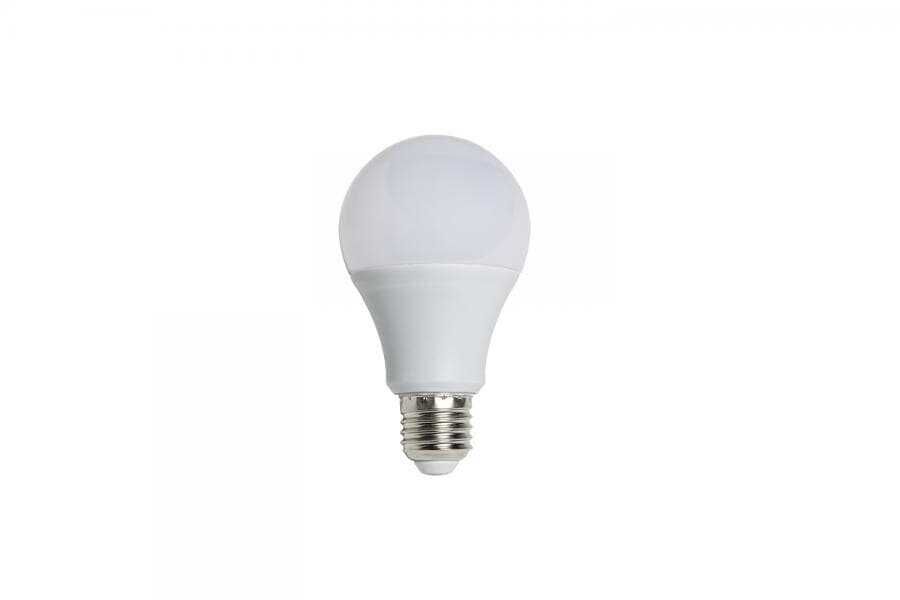
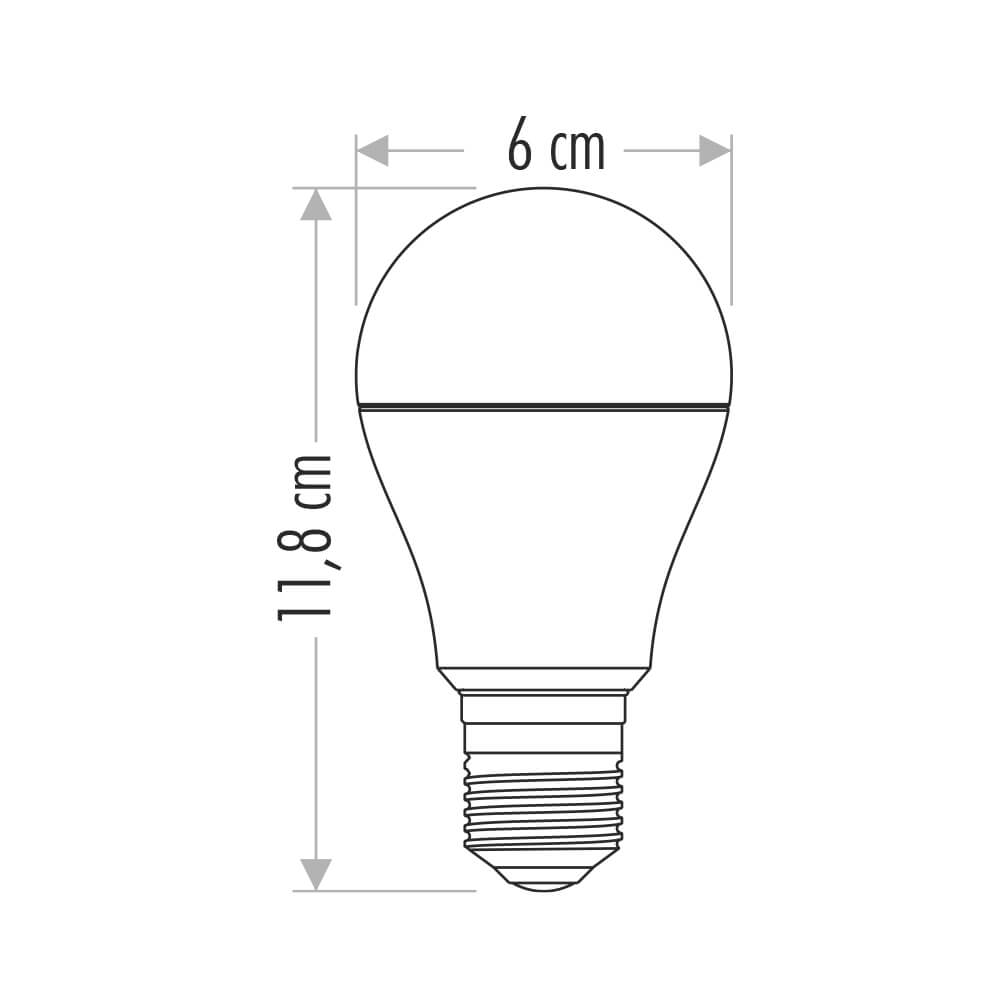
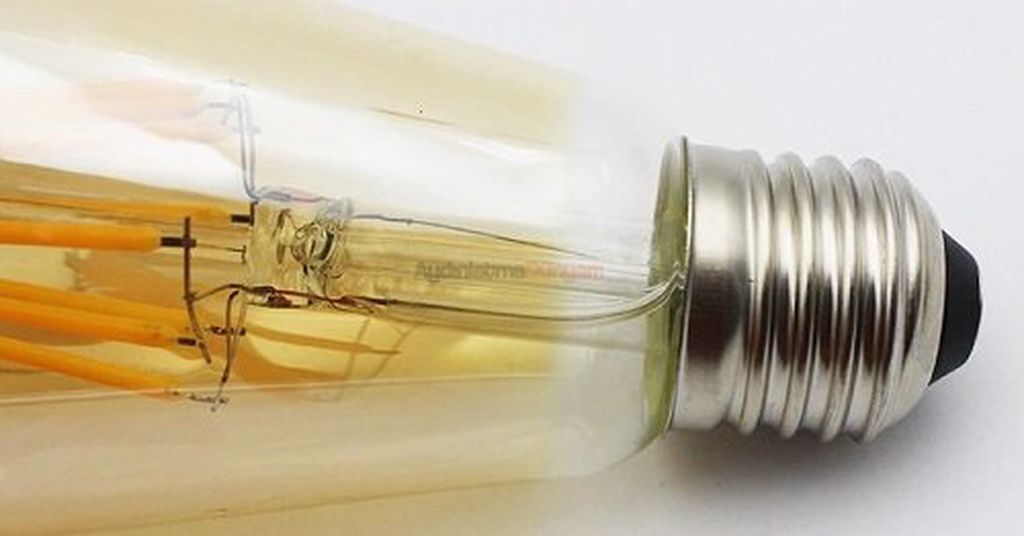
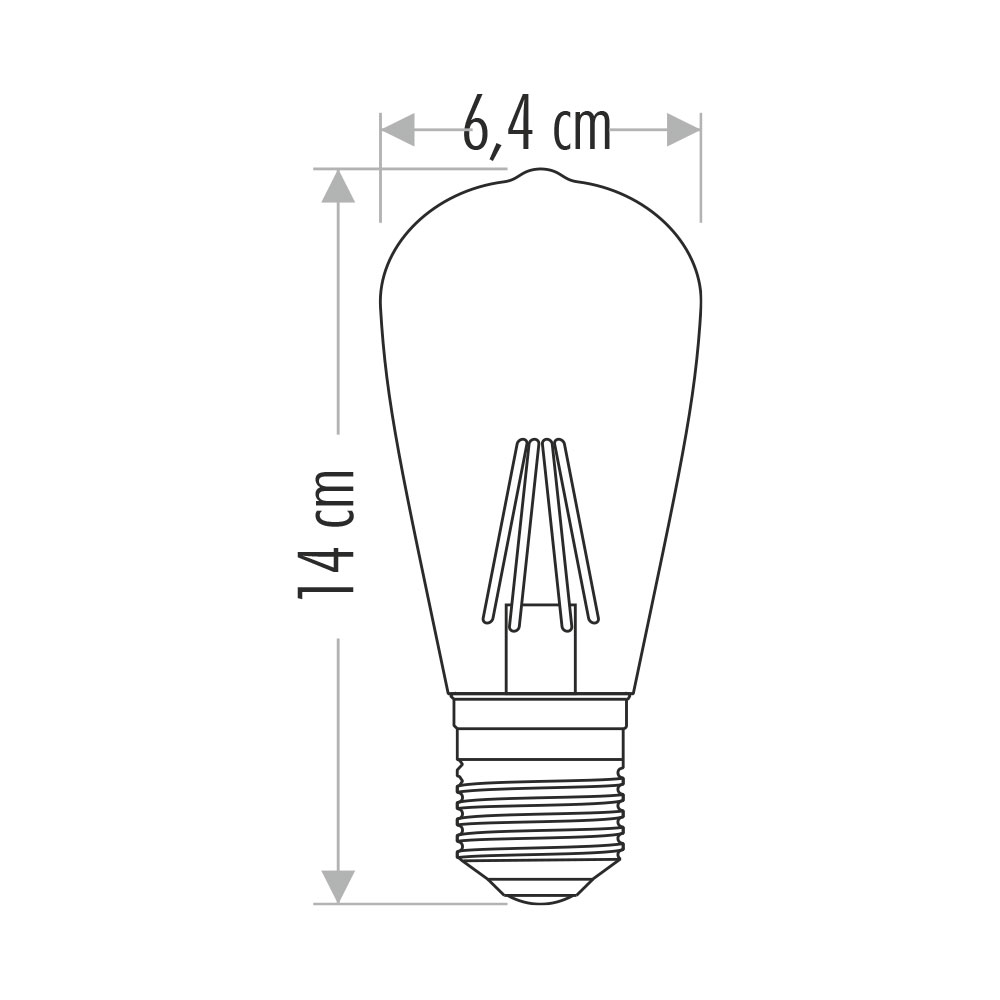
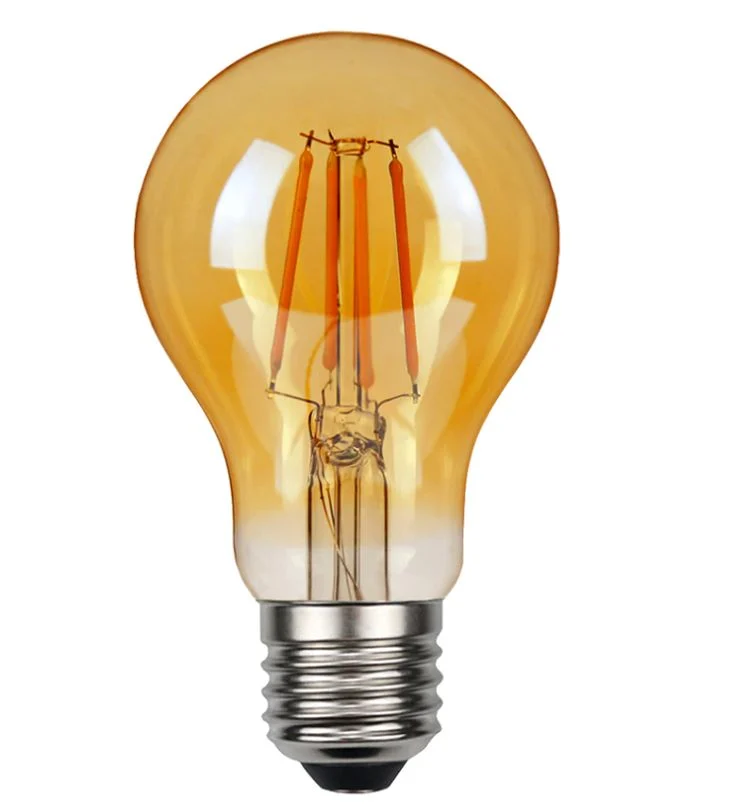
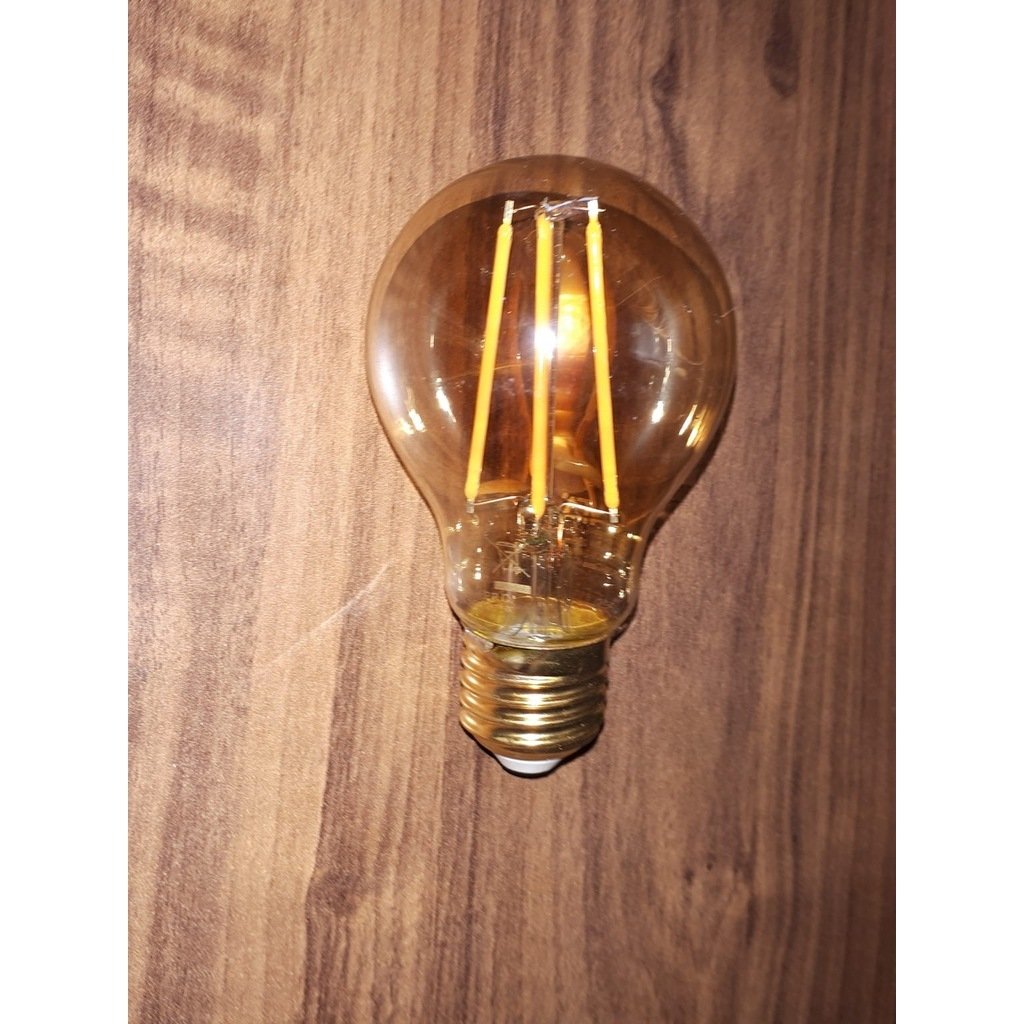
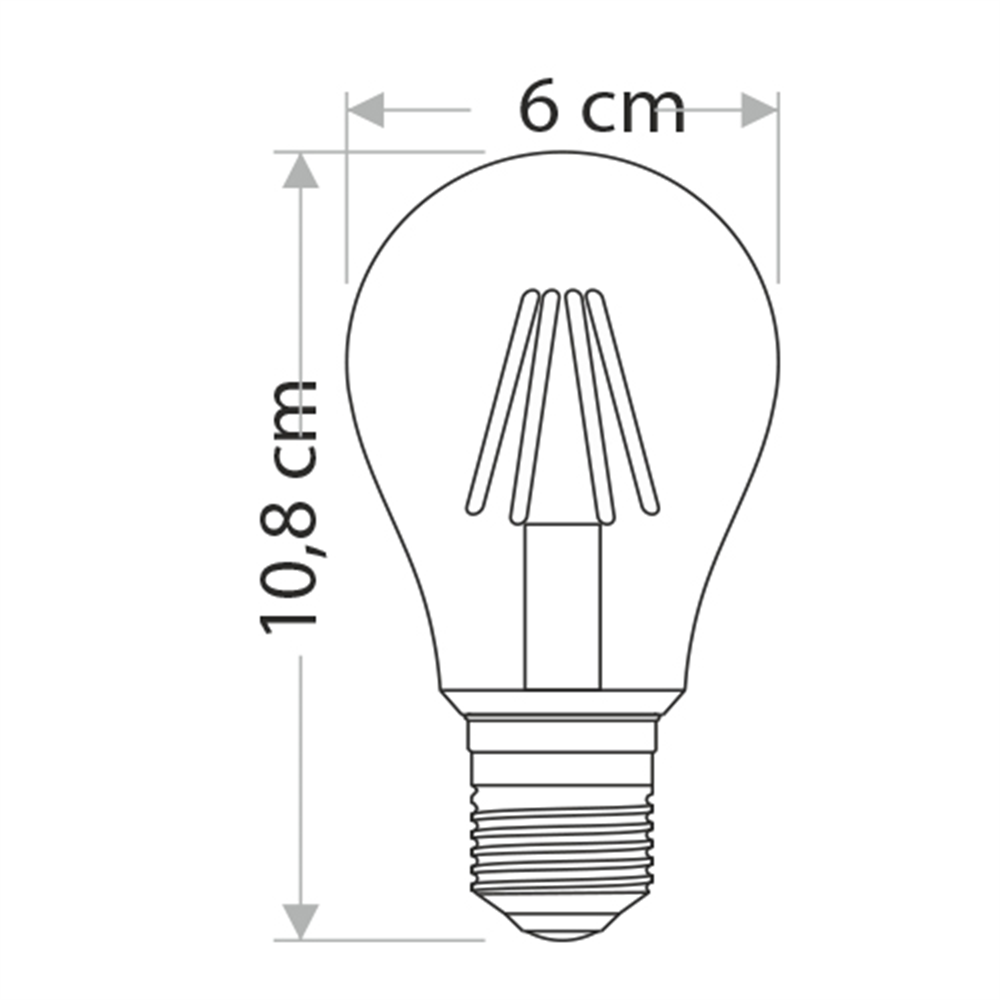
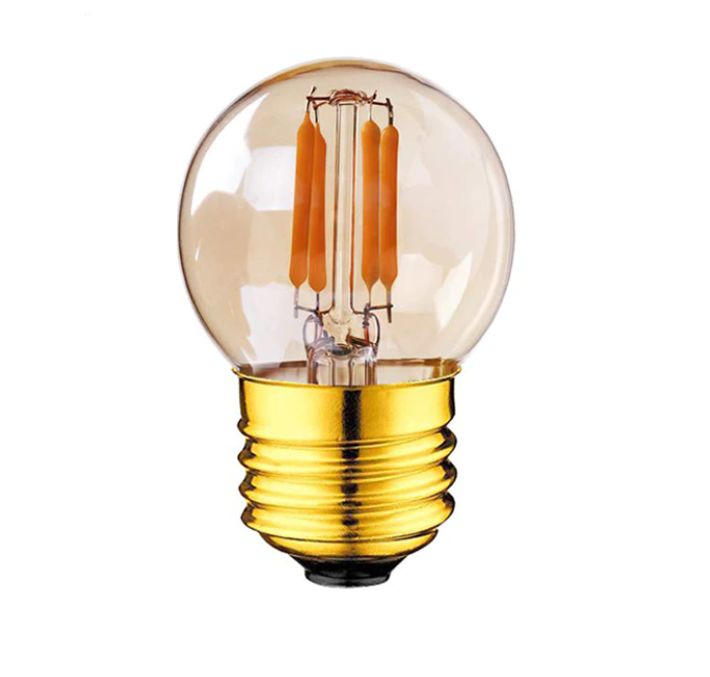
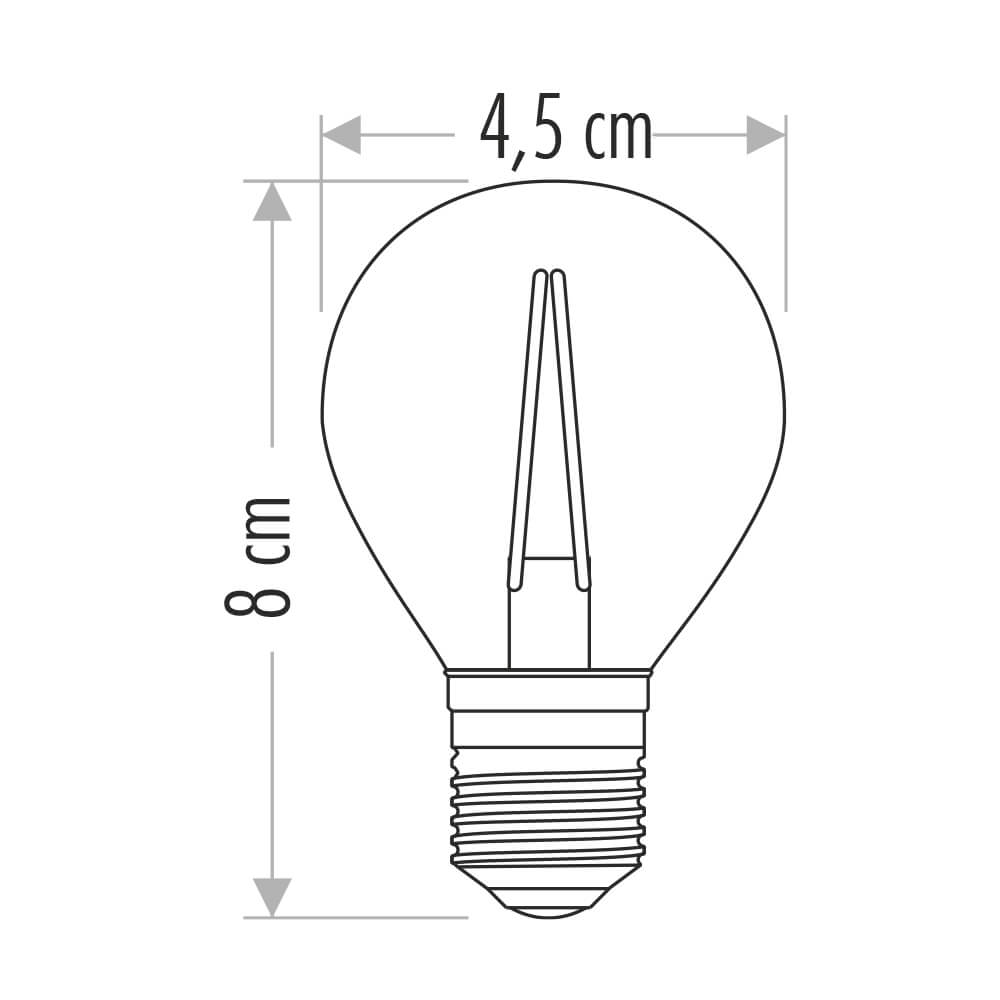
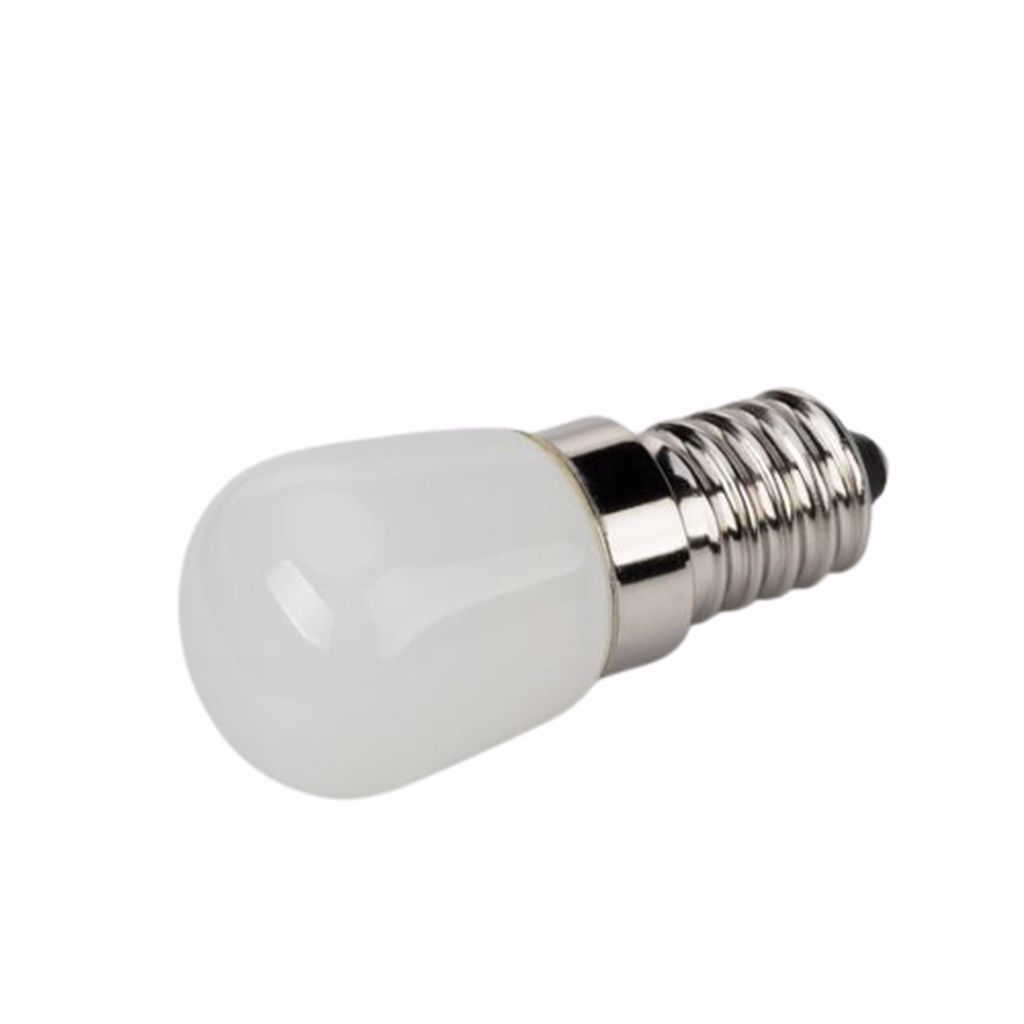
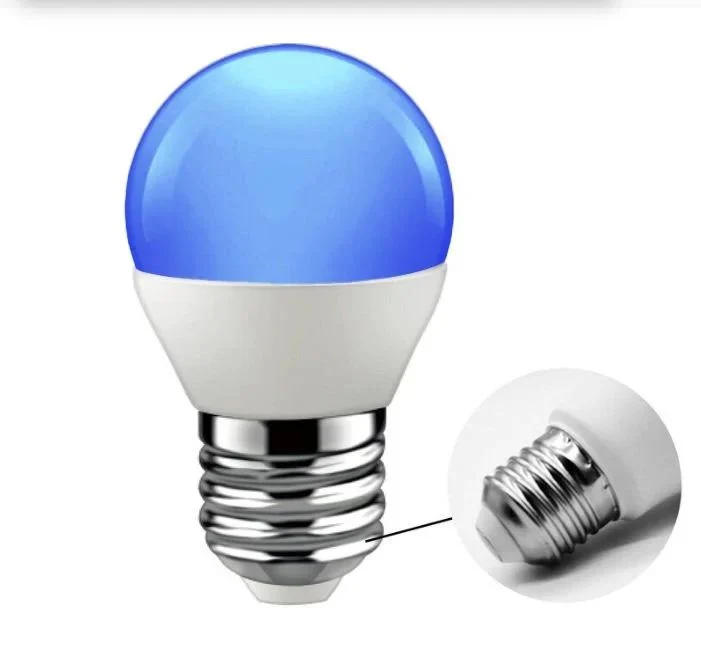
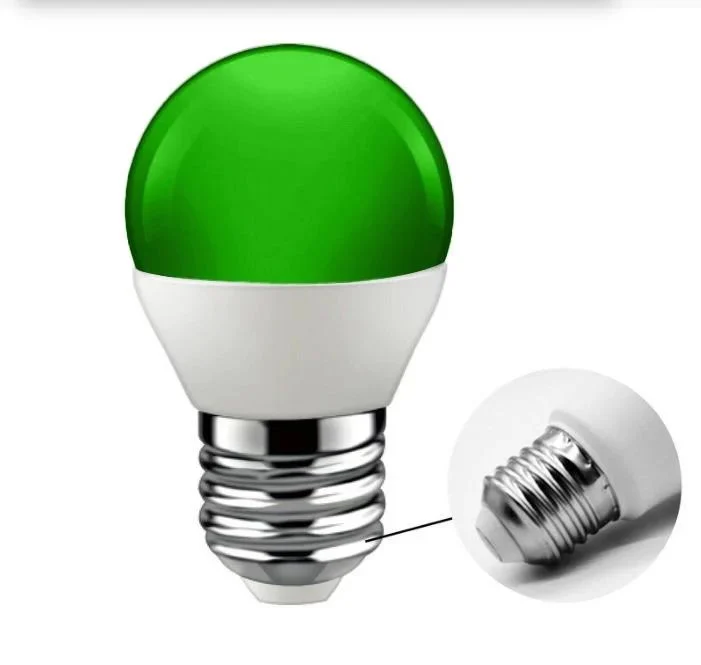
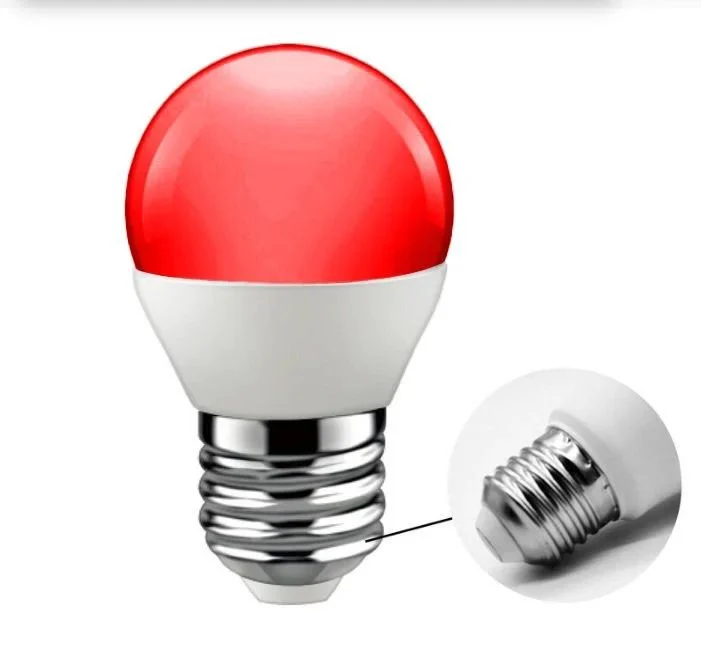
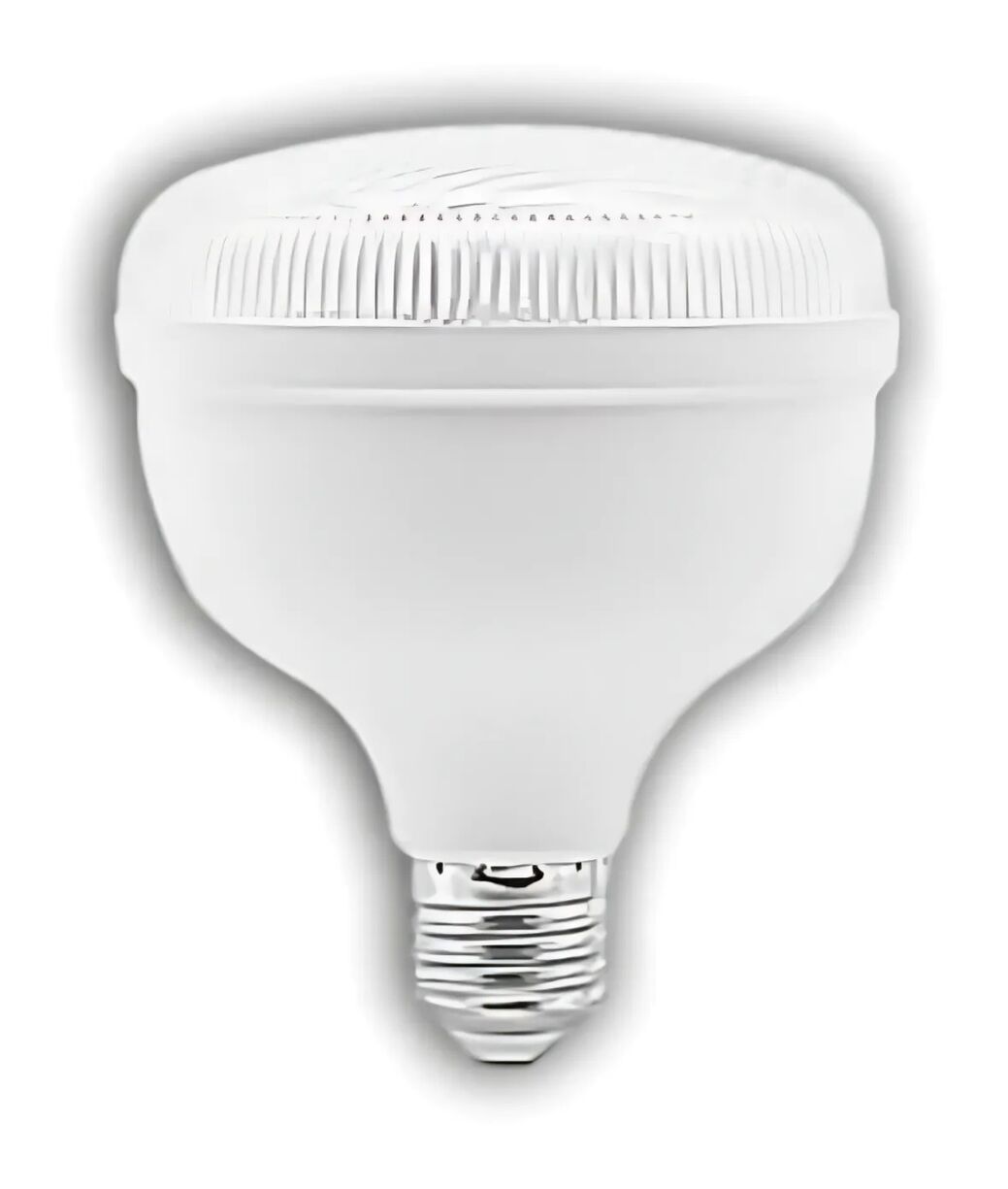
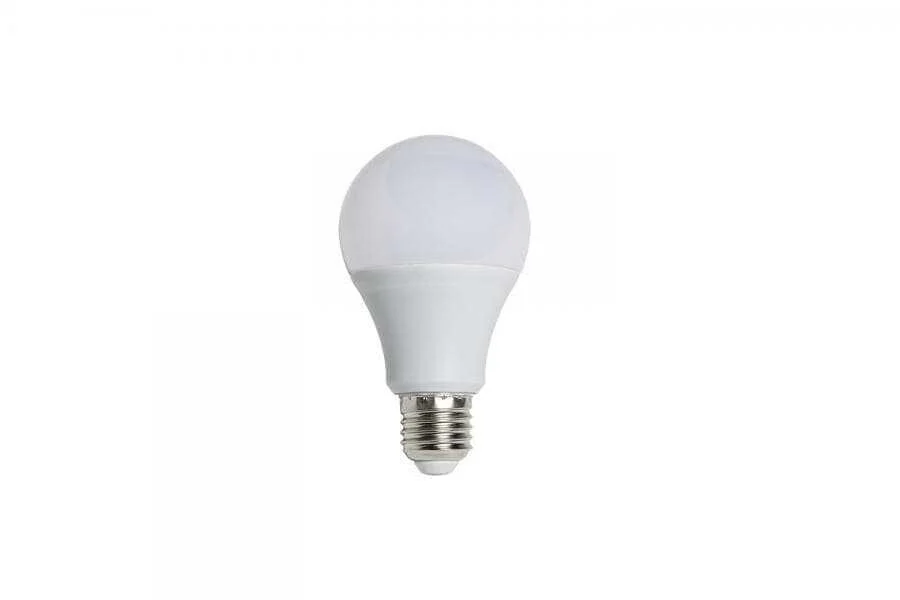
The base is where the bulb attaches to the fitting, and the wrong choice makes the bulb unusable. E27, the screw base, is the most common; it is found in most table lamps, chandeliers and pendants. E14 is the smaller version of the same screw design and is used in small chandeliers and wall lights.
GU10 is not a screw but a twist-lock base and is the standard in spotlight fittings. The bulb is seated and turned a quarter turn. If you are buying a bulb without changing the fitting, checking the base of the existing bulb is the surest way.
Lumens, not watts
Lumens are the total light output of a bulb; watts are the energy it consumes. Because LED delivers the same light with far less energy, the old habit of thinking in watts misleads.
The rough equivalents are these: a 40 W incandescent ≈ 450 lumens, 60 W ≈ 800 lumens, 75 W ≈ 1100 lumens, 100 W ≈ 1600 lumens. So in a fitting where you previously used a 60 W bulb, an LED bulb of 800 lumens gives a similar brightness.
How many lumens a room needs depends on its floor area and its function: 100–150 lumens per square metre is enough in a living room, while the figure rises markedly on working surfaces such as a desk or a kitchen worktop.
Colour temperature: from 3000K to 6500K
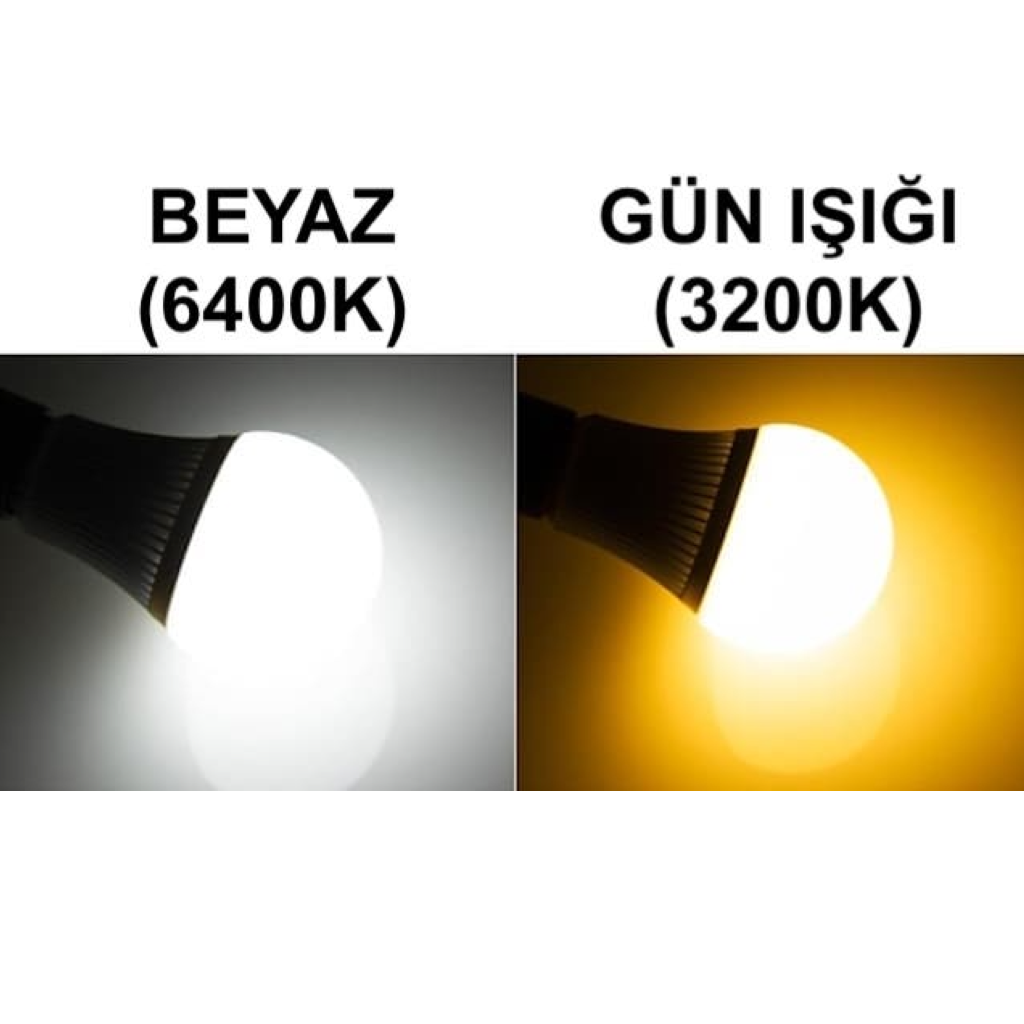
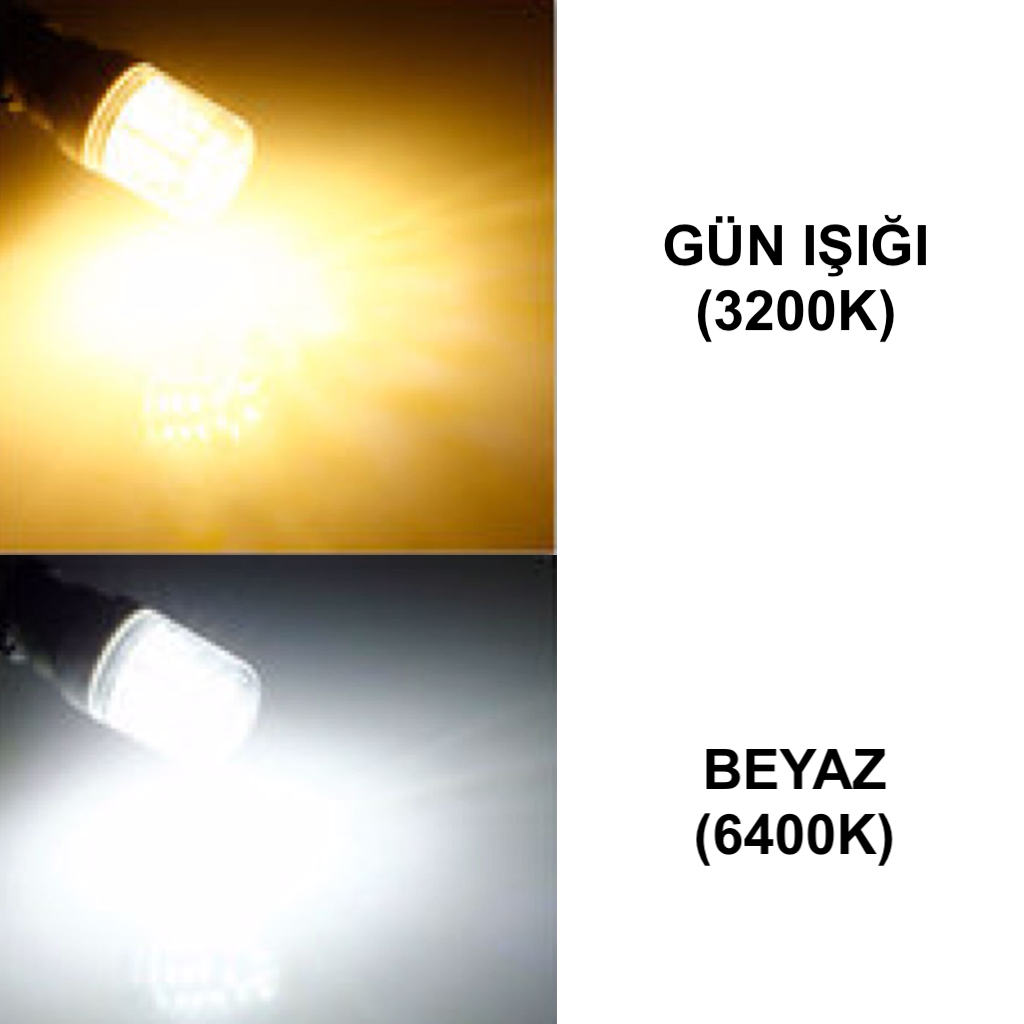
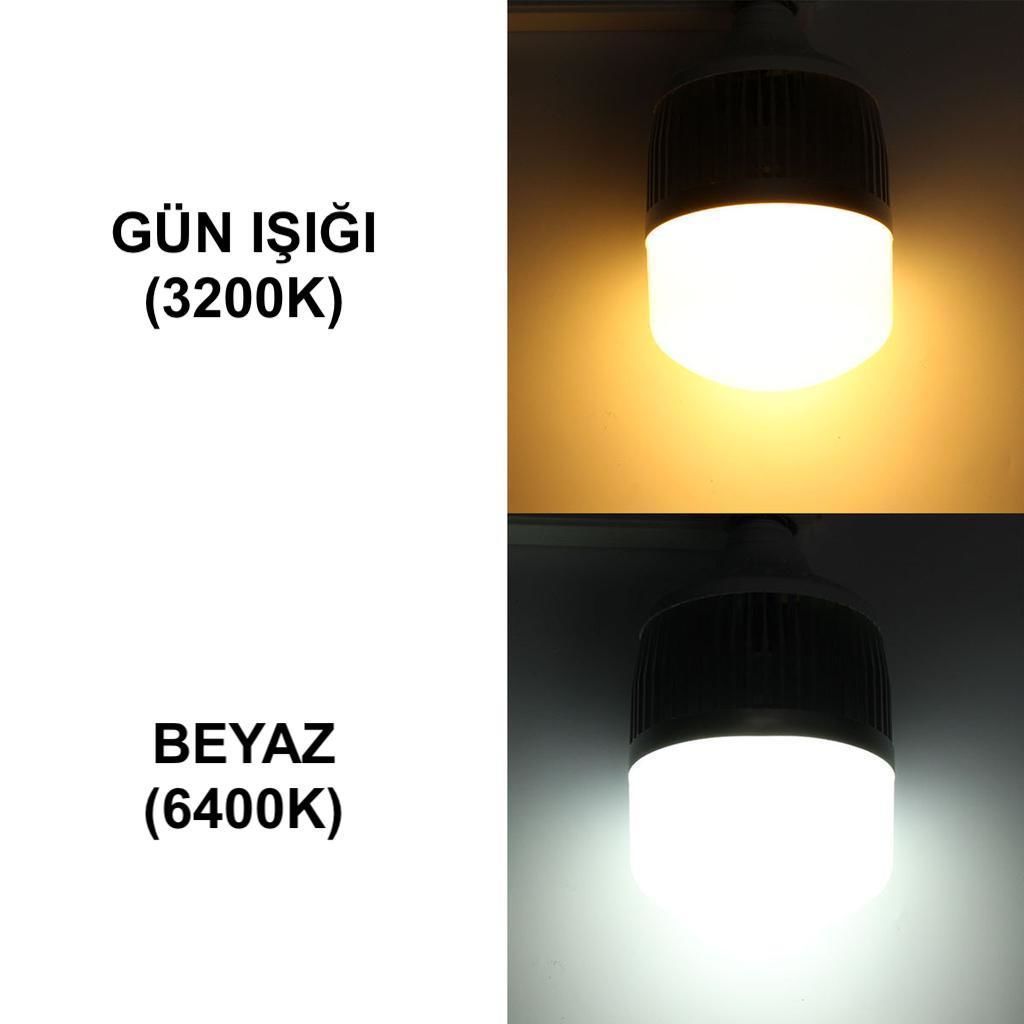
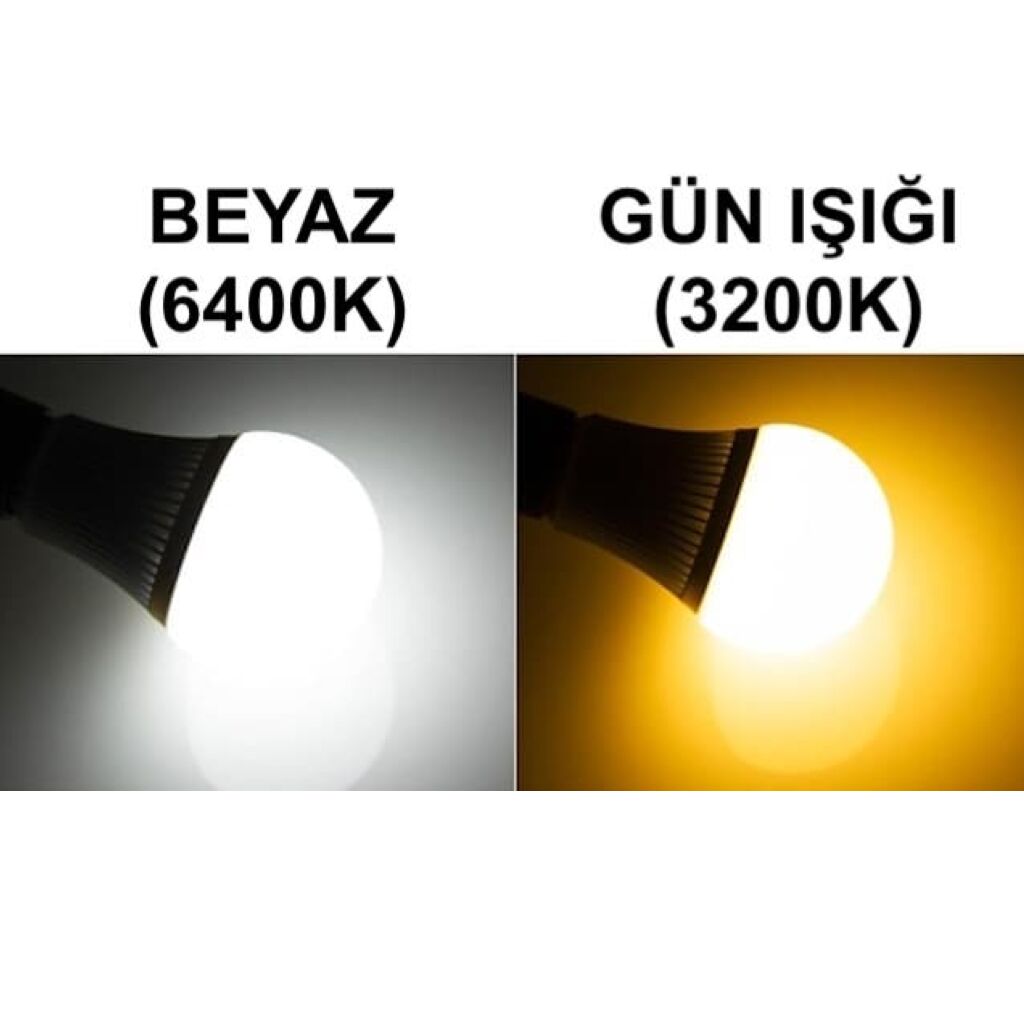
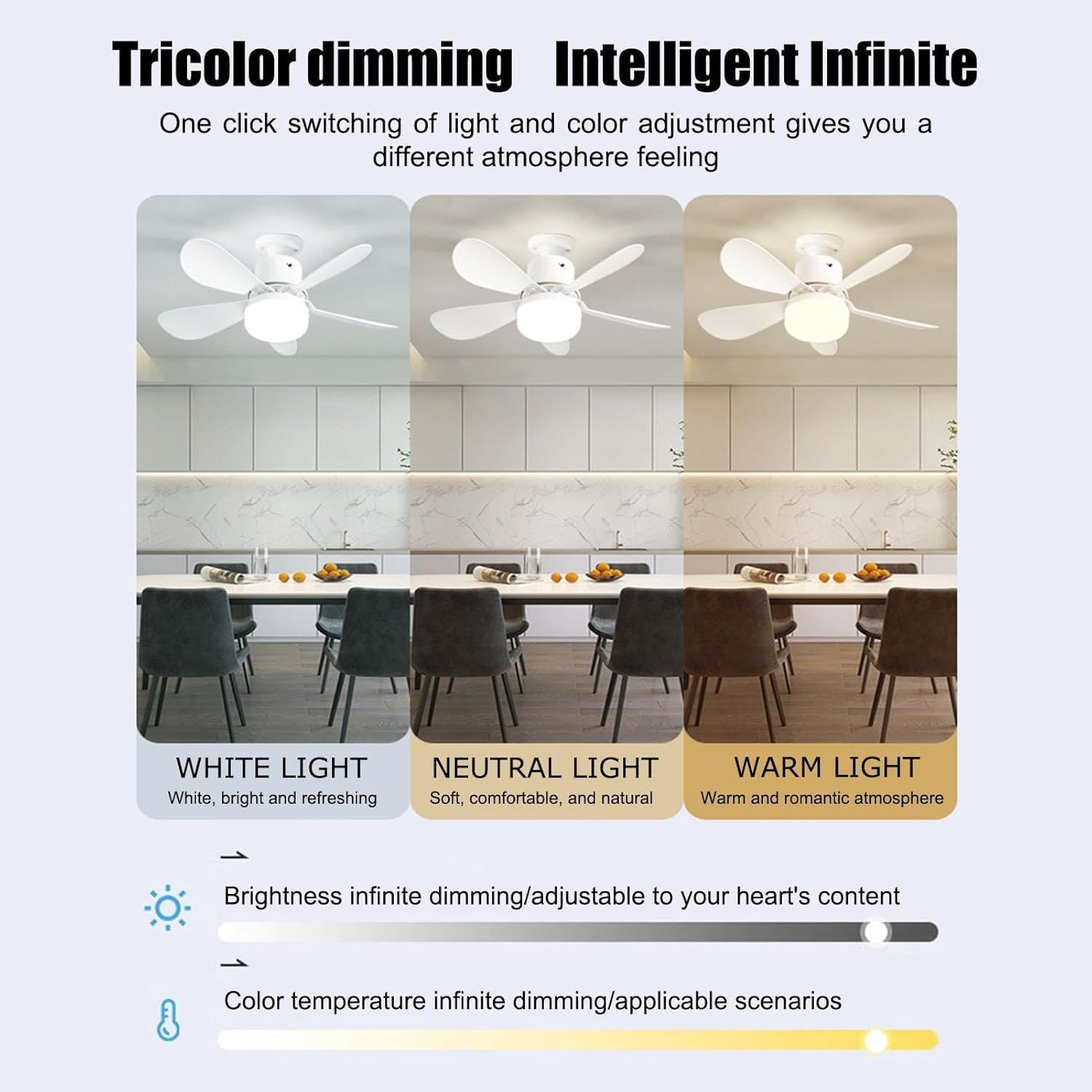
Kelvin (K) describes the colour of the light. Low values lean yellow, high values lean blue. 2700–3000K is warm white and suits areas for relaxing; 4000K is neutral white and a balanced choice for working areas and kitchens; 6500K is the coolest end and is used in technical spaces.
Rely on the kelvin figure rather than the name printed on the box: names such as "daylight" are used differently from market to market and do not correspond to a single range. Mixing different kelvin values in the same room, on the other hand, produces a mismatch the eye notices immediately — staying with a single colour temperature in one space is the safest course.
Dimmer compatibility
Not every LED bulb is dimmable. Fit a non-dimmable bulb into a dimmed circuit and you get flicker, buzz or no light at all; the bulb may also fail before long.
If a dimmer is to be used, the box must state clearly that the bulb is dimmable. The dimmer must also be LED-compatible: dimmers made for incandescent bulbs do not work properly with low-power LED loads.
If a circuit holds several bulbs, all of them have to be dimmable; a single incompatible bulb causes flicker across the whole circuit. Dimmers also have a minimum load — three 7 W LEDs may fall below the minimum an older dimmer needs to work at all.
Beam angle and beam type
Two bulbs of the same lumen output give very different results when they spread the light over different angles. A wide-angle bulb (100° and above) lights a room generally; a narrow-angle spot bulb (24–38°) gathers the light onto one point.
In spotlight fittings the angle follows the ceiling height: as the ceiling rises the beam widens before it reaches the floor, so a higher ceiling calls for a narrower angle. At a ceiling of 2.4 m, 38° is a typical choice; at 3.5 m and above, 24° gives a tidier pool of light.
In display-case and picture lighting a narrow angle sharpens the emphasis. In general lighting, however, a narrow angle leaves broken circles of brightness on the floor and makes the room look uneven.
Bulb life and the real cost
The life in hours on an LED bulb's label (for example 25,000 hours) is measured under laboratory conditions. Two things decide the real life: heat and the number of switching cycles. Heat building up in an enclosed, unventilated fitting wears the electronics and shortens the life noticeably.
The cost calculation is not made on the purchase price alone. Using an 8 W LED in place of a 60 W incandescent means the same light for roughly one seventh of the energy; even though the bulb itself costs more, the difference closes on the electricity bill within a few months.
On circuits that switch on and off frequently — a corridor with a motion sensor, for instance — models with high switching endurance should be preferred; that information is usually given on the box as a number of cycles.
Incandescent → LED equivalents
| Old incandescent | Light (lumens) | LED power (approx.) | Where |
|---|---|---|---|
| 40 W | ≈ 450 lm | 4–5 W | Night light, wall light |
| 60 W | ≈ 800 lm | 7–9 W | Living room, bedroom |
| 75 W | ≈ 1100 lm | 10–12 W | Kitchen, study |
| 100 W | ≈ 1600 lm | 13–16 W | Large living room, workshop |
Related guides: IP Ratings for LED Fixtures: Bathroom, Kitchen and Outdoors, Choosing an LED Panel: Watts, Lumens and How Many You Need, Ceiling Lighting Types: Spot, Linear, Cove Lighting, and Chandelier. For product options for your project, see our LED Bulbs page.