
The promise of a sensor luminaire is simple: the light comes on only when somebody is there. In practice that promise rests on three settings printed on the product label — the detection method, the hold time and the lux threshold. When those three are not matched to the space, a sensor luminaire either leaves someone in the dark halfway up the stairs or switches on and off all night on a draught. This guide sets out the questions to ask before buying, which detection method suits which space, and where the problems that appear after installation come from.
Where a sensor luminaire pays off, and where it does not
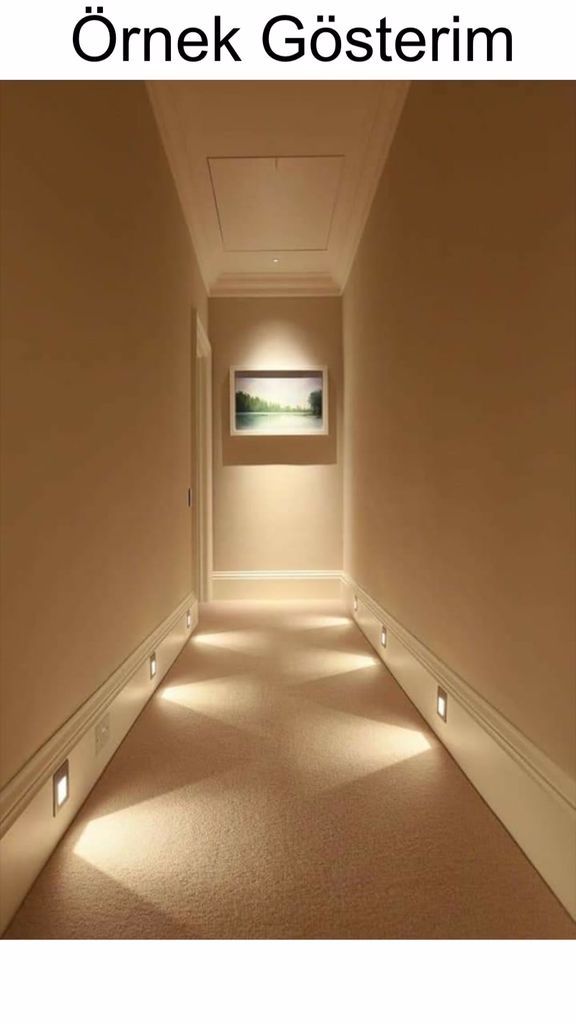
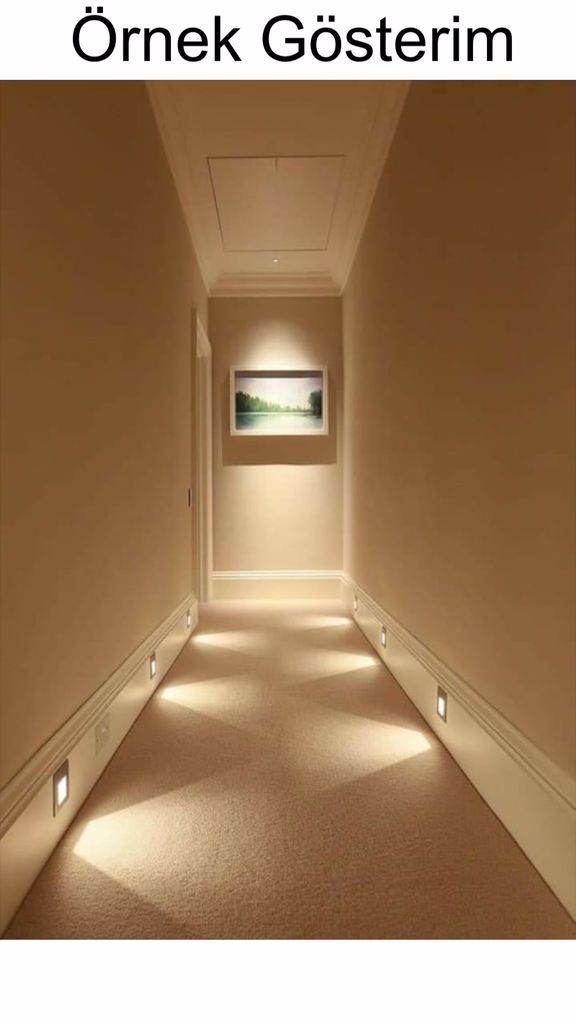
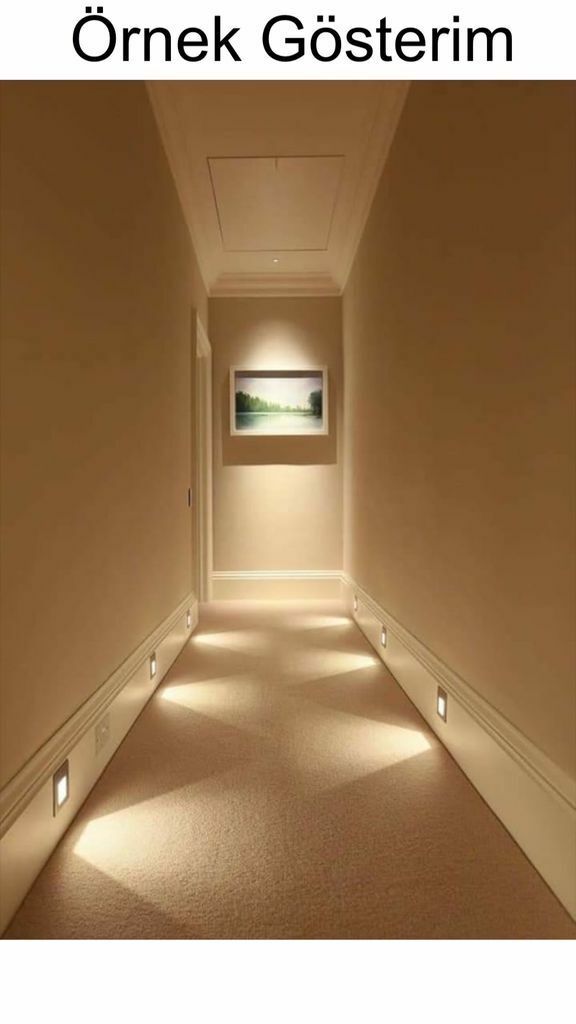
The saving from a sensor luminaire comes from the time the light would otherwise burn for nothing. That time is high in spaces that are not in constant use — corridors, stairwells, storerooms, archives, plant rooms and covered car parks; in these places leaving the light on is the rule, not the exception.
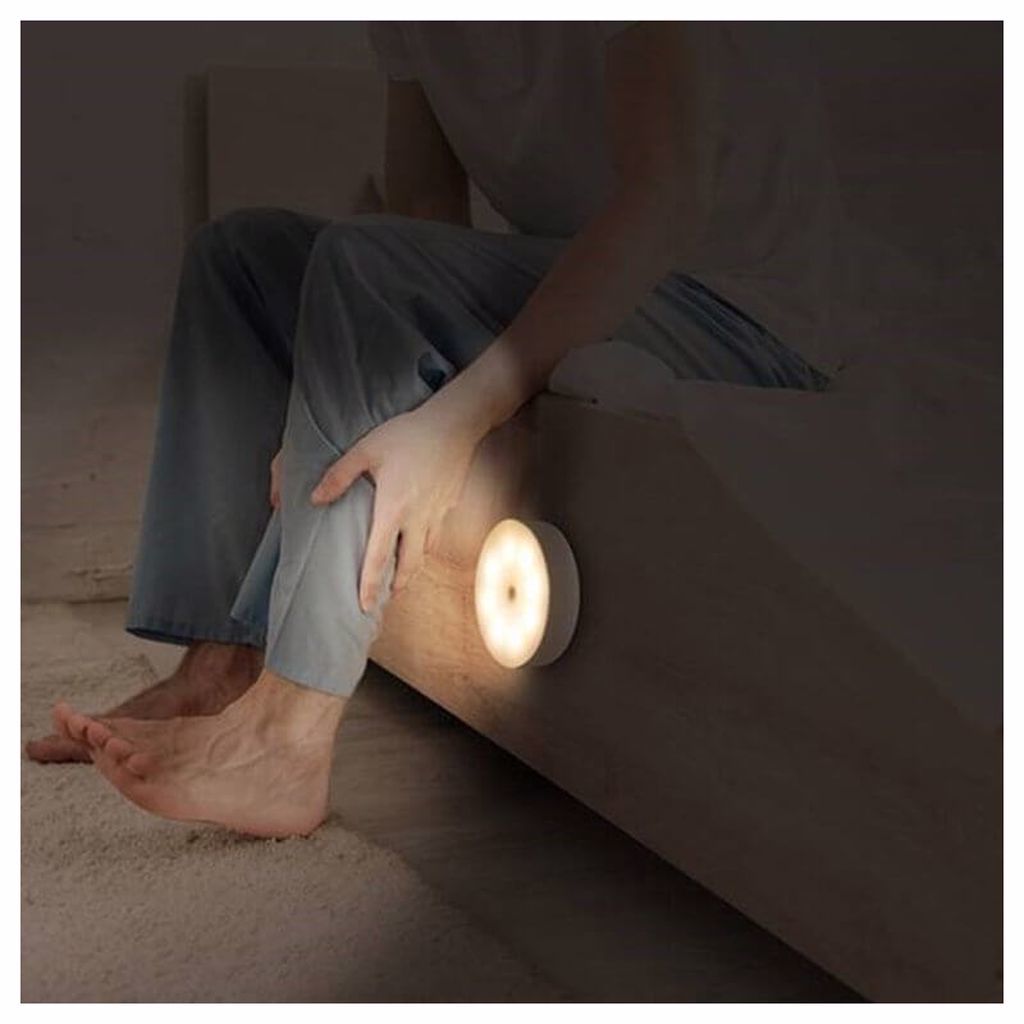
The gain is not only energy. For someone whose hands are full, not having to look for a switch is a matter of comfort; on a dark staircase, having the light on before the first step is a matter of safety. In shared areas a sensor luminaire also removes the argument over whose responsibility the switch is.
Against that, spaces where people stay still for long periods are where sensor luminaires are weakest. Somebody sitting at a desk, reading a book or standing still in a bathroom can fall below the detection threshold, and the light can go out abruptly. In these spaces you either choose a sensor type with finer detection or extend the hold time to suit.
- The greatest gain is in transit and storage areas where the light gets left on.
- In shared areas the sensor removes the question of who is responsible for the switch.
- Spaces where people remain still for long periods are difficult for a sensor.
- A light that goes out by itself is the fault users find most irritating.
The difference between PIR and microwave
The passive infrared sensor, known as PIR, detects changes in temperature within its field of view. The human body has to be at a different temperature from its surroundings, and there must be no obstacle between the sensor and the target. Those two conditions decide directly where PIR luminaires work well and where they are weak.
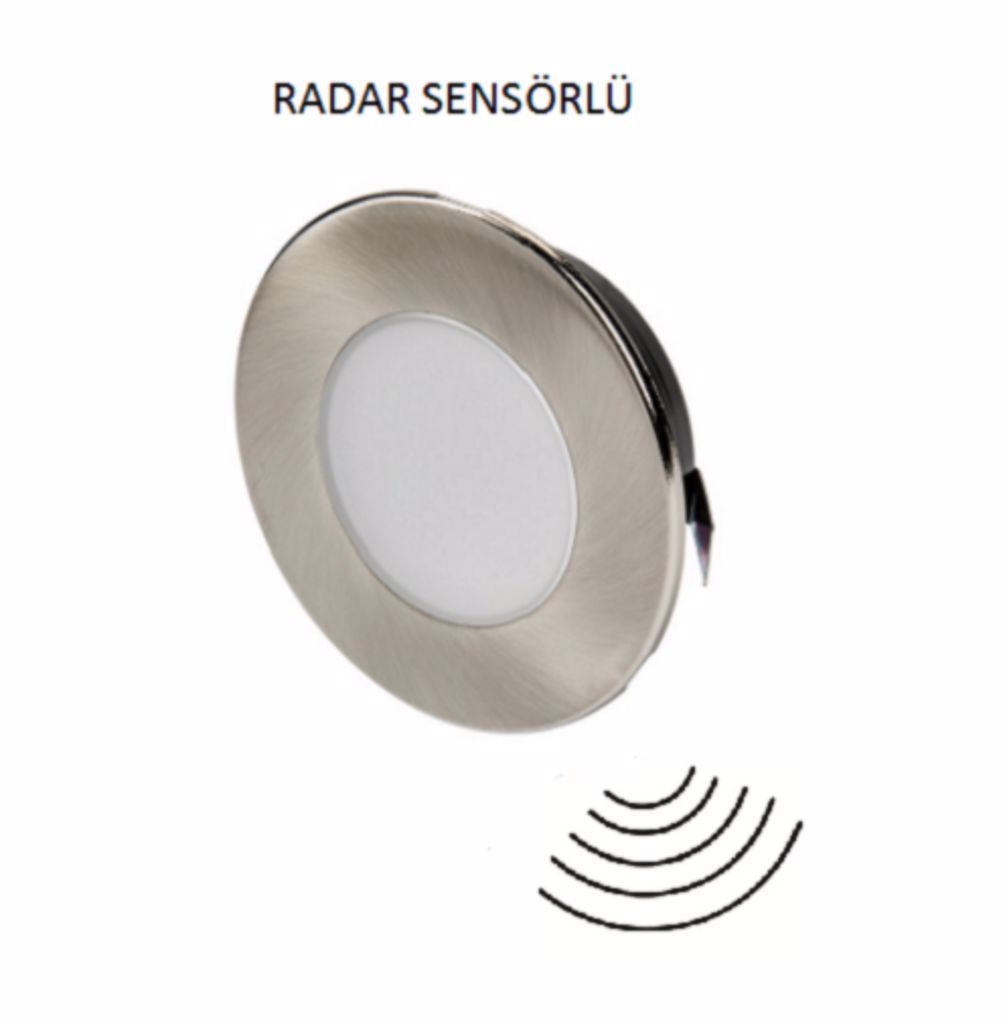
The microwave sensor, often called a radar sensor, sends a weak signal into the space and detects movement from the change in the returning signal. It does not need a temperature difference; it works through a thin cover, a luminaire housing or a material such as plasterboard. That is why it behaves reliably in recessed and covered installations.
This strength of the microwave sensor is also its weakness: it can pick up movement behind a thin wall and switch the light on for someone passing along the next corridor. For that reason, sensitivity is the setting to watch on microwave luminaires, and the sensor's line of sight is the detail to watch on PIR luminaires.
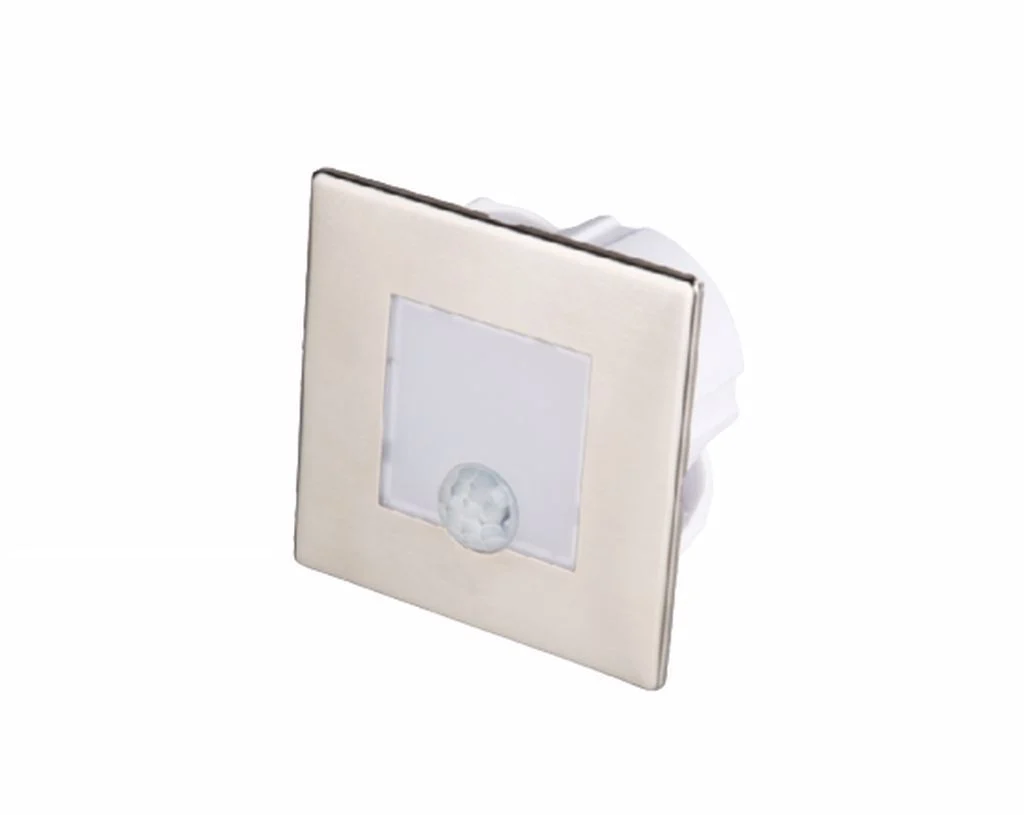
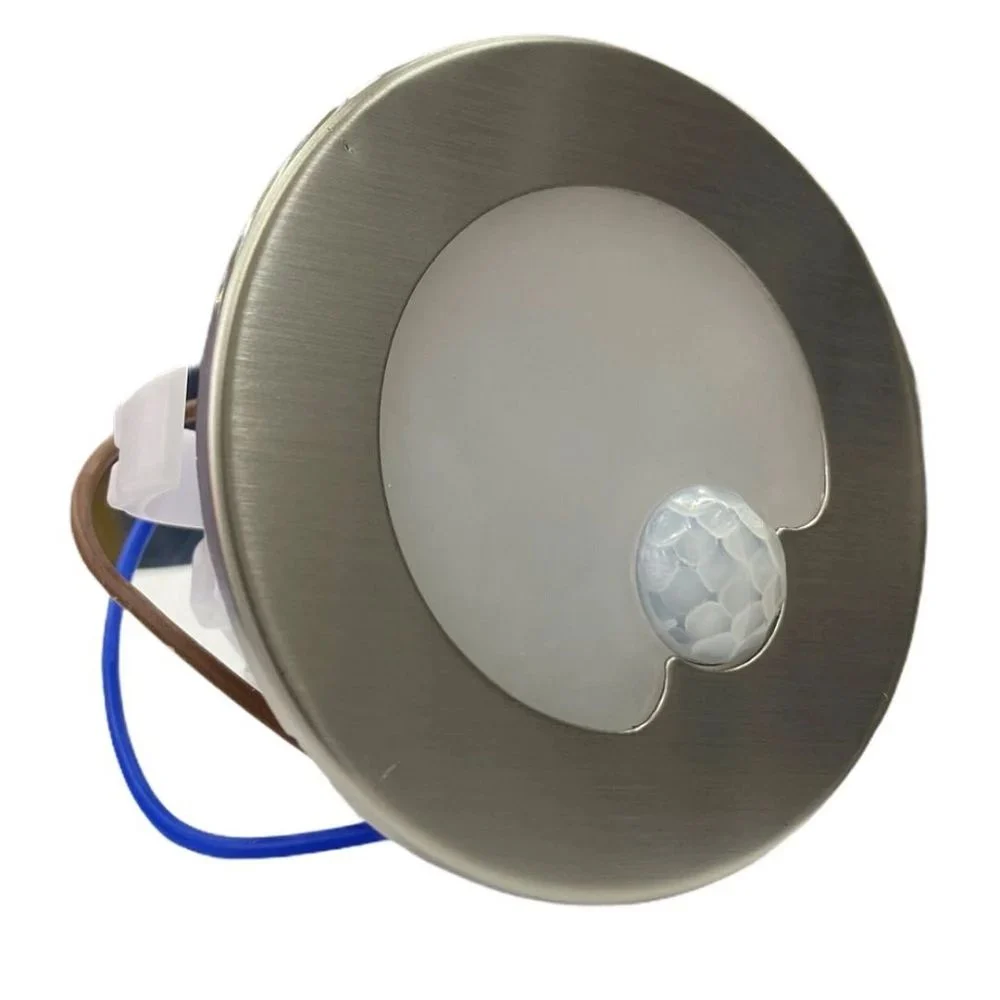
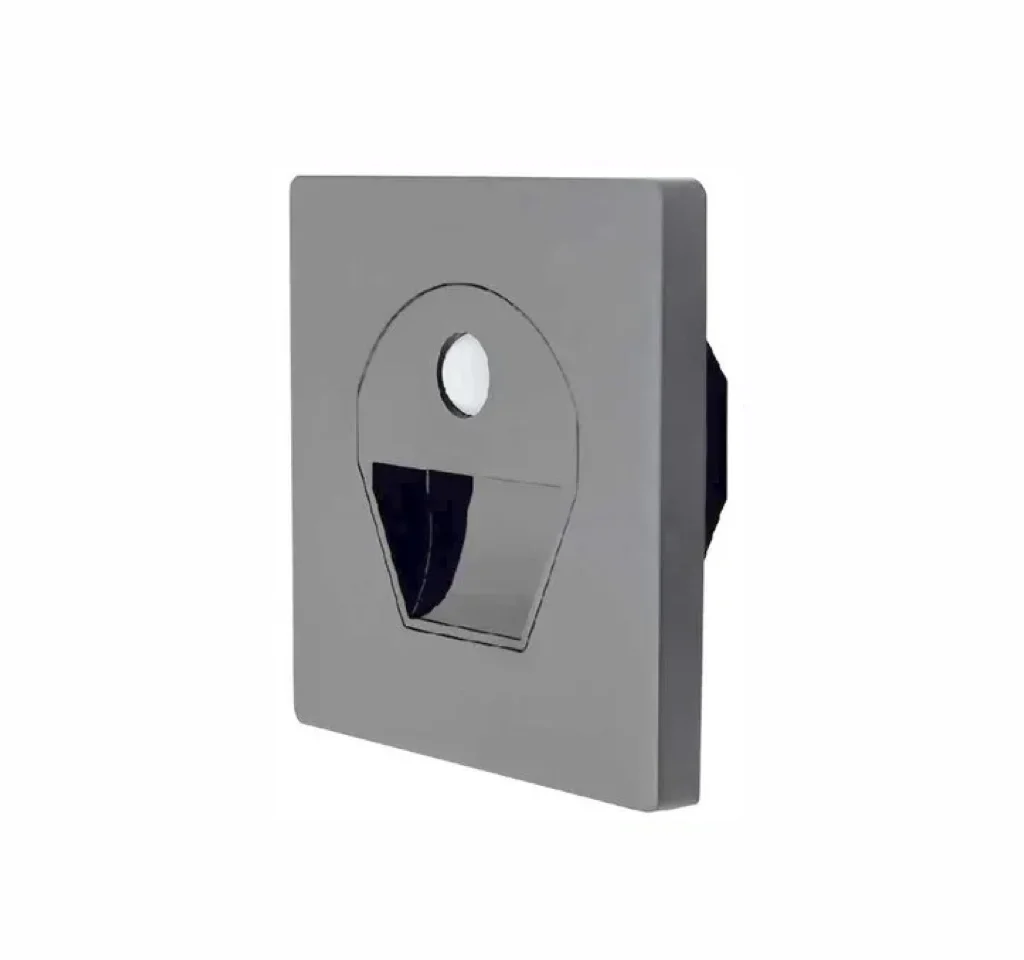
The criterion that makes the choice easier is this: if the sensor sits outside the housing and is visible, PIR is enough for most uses. If the sensor will sit behind a cover, a diffuser or a decorative surface, choose microwave.
- PIR needs a temperature difference and a line of sight; an obstacle stops detection.
- Microwave works through a thin cover or housing and is reliable in recessed installations.
- If microwave sensitivity is left high, it also detects movement in the neighbouring space.
- If the sensor is visible choose PIR; if it is hidden, microwave is the right starting point.
Detection angle and range depend on mounting height
The detection area of a sensor can be thought of as a cone: as the luminaire goes higher, the circle swept on the floor grows, but the same movement looks smaller to the sensor and sensitivity falls. The range figure on the label is therefore not a number hanging in the air; it is given for a particular mounting height.
If the mounting height differs from that figure, so does the range. In a high-ceilinged store, a luminaire made for a low corridor detects someone coming through the door late; the user takes a few steps before the light comes on. Where the product description gives a mounting height range, that range is not advice — it is the condition under which the stated range holds.
The direction of movement changes the result too. PIR sensors notice a person walking straight towards the sensor later than one crossing the detection area sideways. In long corridors, positioning the luminaire so that it cuts across the line of walking, rather than sitting along it, speeds up detection noticeably.
- The range on the label applies to a particular mounting height.
- As height increases the area grows and sensitivity falls.
- PIR detects movement across its field faster than movement straight towards it.
- Shelving, columns and door leaves cut into the sensor's field of view.
Hold time: the most complained-about setting
The hold time sets how long the light stays on after the last movement detected, and it starts again with every new movement. The setting is usually made with a small dial on the luminaire or with a remote control; the range is given in the product manual.
Too short a time is the most dangerous choice. A light going out halfway up a staircase creates a risk of falling; going out inside a store leaves the user in the dark between the racks. A short time saves energy, but that saving loses its meaning with the first fall.
Too long a time removes the sensor's reason for being: the light goes on burning long after the space has emptied. The right time follows from how the space is used. A corridor someone walks through wants a short time, a store that is worked in a longer one, and a car park where vehicles and pedestrians mix the longest of all.
The best answer, where the product supports it, is stepped behaviour: when movement stops, instead of going out completely the light drops to a low brightness and switches off a while later. Nobody is left in the dark and consumption still falls. Whether a product has this feature is stated in its description.
- The time is counted from the last movement and resets with every movement.
- On stairs and in stores, a short time costs more than the energy it saves.
- Choose the time by how the space is used, not by the lowest available value.
- Where stepped dimming is supported, that is the most balanced answer.
Lux threshold: no burning for nothing in daylight
Most sensor luminaires have a lux threshold setting. It keeps the luminaire off when the surroundings are above a certain light level, even if movement is detected. In corridors with windows, daylit stores and garden entrances, most of the saving comes from this setting.
The threshold works from the brightness the luminaire's own sensor sees. The position of the luminaire therefore affects the setting directly: a luminaire near a window sees the space as brighter than it is, one at the far end of a corridor as darker. Two luminaires in the same corridor may need different settings.
A common mistake when setting it is to do so at the brightest hour of the day. The right time is dusk: set the threshold at the light level at which you want the lamp to come on, then check it both by day and by night.
- The lux threshold is the setting that prevents needless operation in daylight.
- The brightness the sensor sees varies with where the luminaire is placed.
- Set it at dusk, then check by day and by night.
- A luminaire that sees its own light can mislead the threshold.
Why it triggers falsely, and why it sometimes does not trigger at all
The most common cause of false triggering is moving air. Warm and cold air from a radiator, an air-conditioning outlet or an open window is a temperature change to a PIR sensor, and the sensor counts it as movement. Not placing the luminaire opposite an outlet or a radiator solves most of this problem at source.
The second cause is direct sunlight and moving shadows. Sun striking through a glass door, a branch swaying in the wind or a curtain changes the temperature pattern the sensor sees. Pets are also a frequent cause of triggering in PIR sensors mounted low; masking the downward-looking part of the sensor or reducing sensitivity solves it.
With microwave sensors the picture is different: movement behind a thin wall, a turning fan, running water or a vibrating pipe can produce false triggering. Here the first step is to reduce sensitivity in stages and to change the direction the luminaire faces.
The reasons for no triggering at all are usually simpler: an obstacle in front of the sensor, a dirty or dusty dome, mounting higher than the product allows, and very warm environments. As the ambient temperature approaches body temperature, detection becomes harder for a PIR sensor; that is why range shortens on hot summer days.
- Do not place the luminaire opposite a radiator or an air-conditioning outlet.
- Direct sun, moving shadows and pets trigger PIR sensors.
- With microwave, the first step is to reduce sensitivity in stages.
- PIR range shortens in heat; dust and obstacles stop detection altogether.
Sensor and hold time by space
| Space | Suitable detection | Hold time tendency | Watch out for |
|---|---|---|---|
| Apartment corridor | PIR or microwave | Short | Light going out before the door is opened |
| Stairwell | Microwave | Medium and above | Risk of being left dark mid-step |
| Store and archive | PIR | Medium | Racking cutting into the field of view |
| Covered car park | Microwave | Long or stepped | Detecting movement inside a vehicle |
| Bathroom and WC | Microwave | Long | Going out when someone stays still |
| Garden and building entrance | PIR | Short | Setting the lux threshold correctly |
Related guides: Choosing a Wall Light: Up-Down, Wall Washer and IP Rating, Choosing an LED Bulb: Base Type, Watts, Lumens and Colour Temperature, IP Ratings for LED Fixtures: Bathroom, Kitchen and Outdoors, Ceiling Lighting Types: Spot, Linear, Cove Lighting, and Chandelier. For product options for your project, see our Sensor LED Luminaires page.