Choosing an LED Batten Luminaire: Length, Power and Where It Is Used
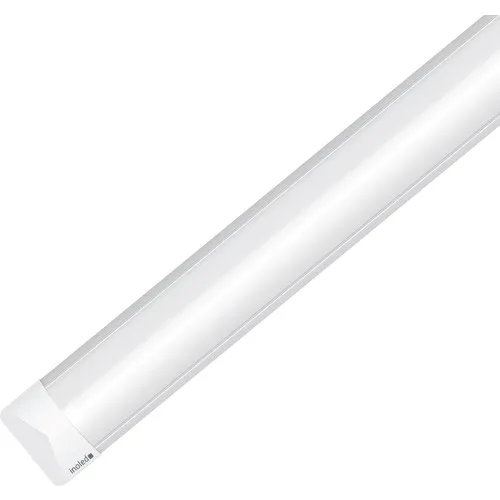
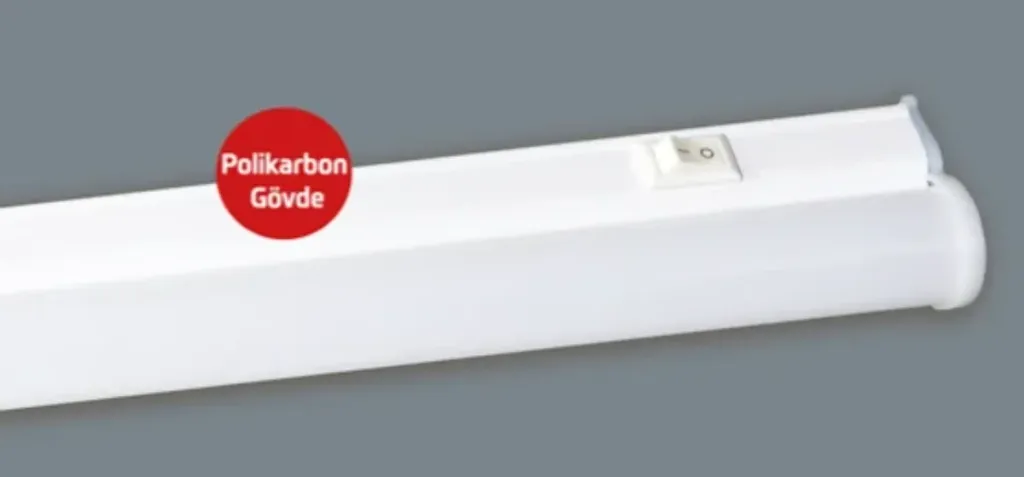
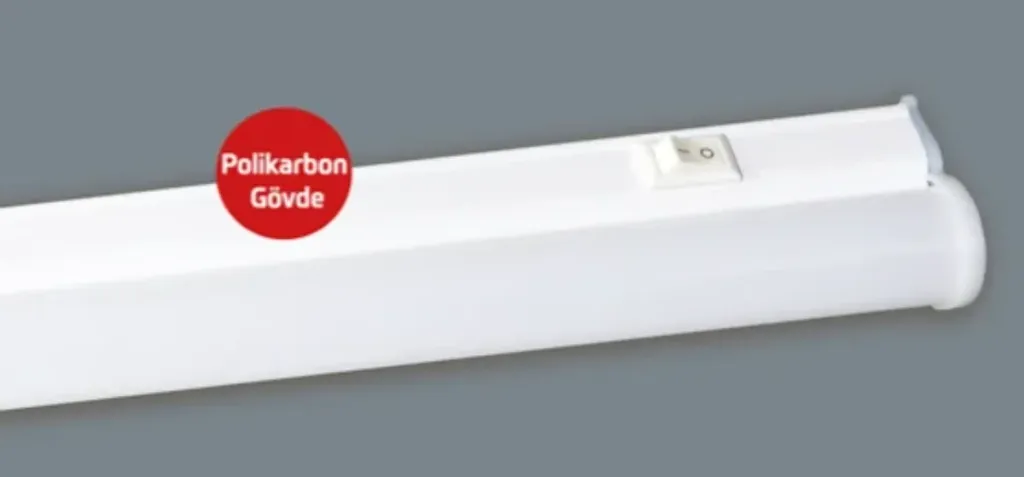
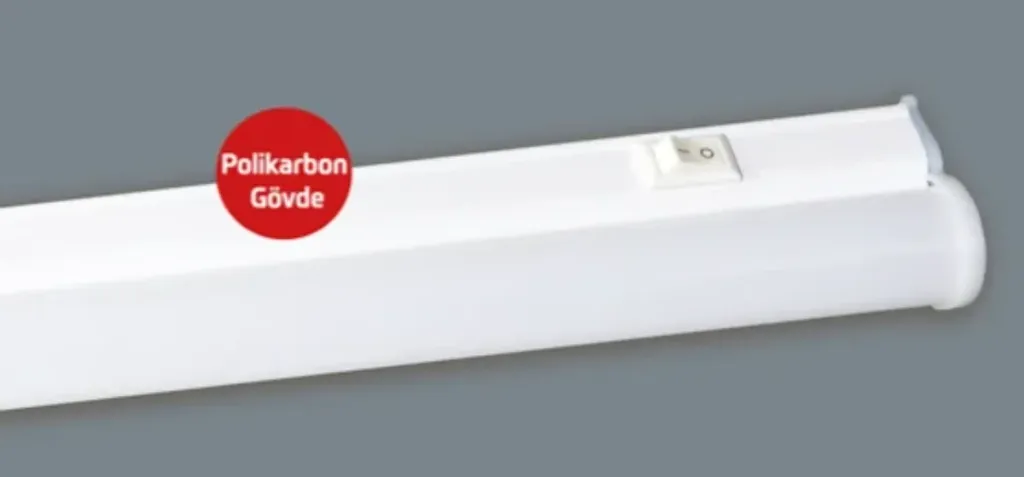
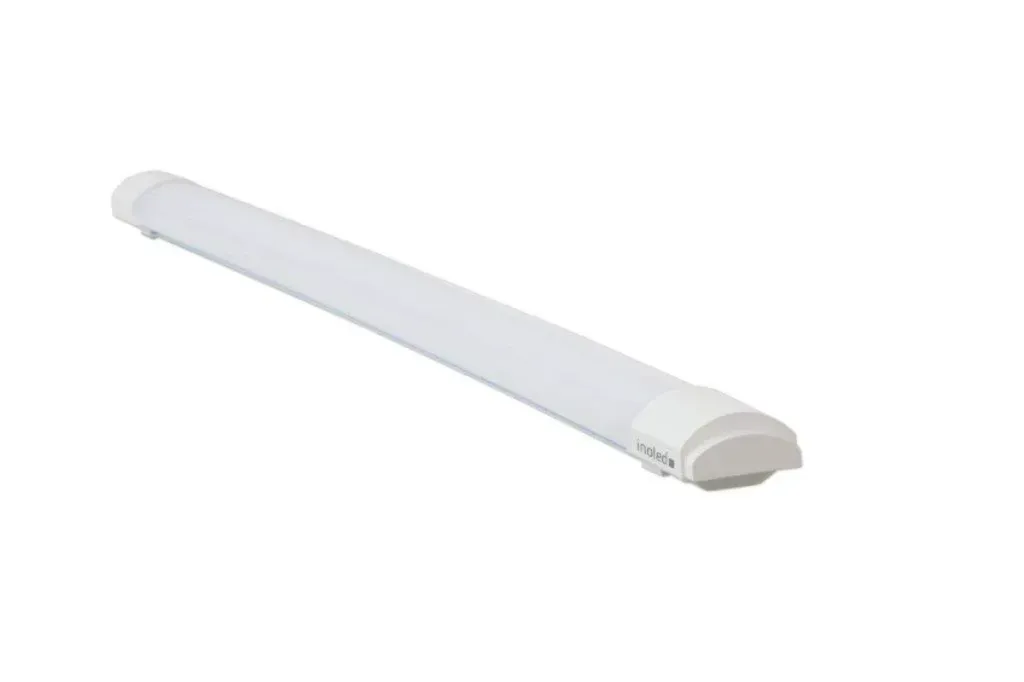
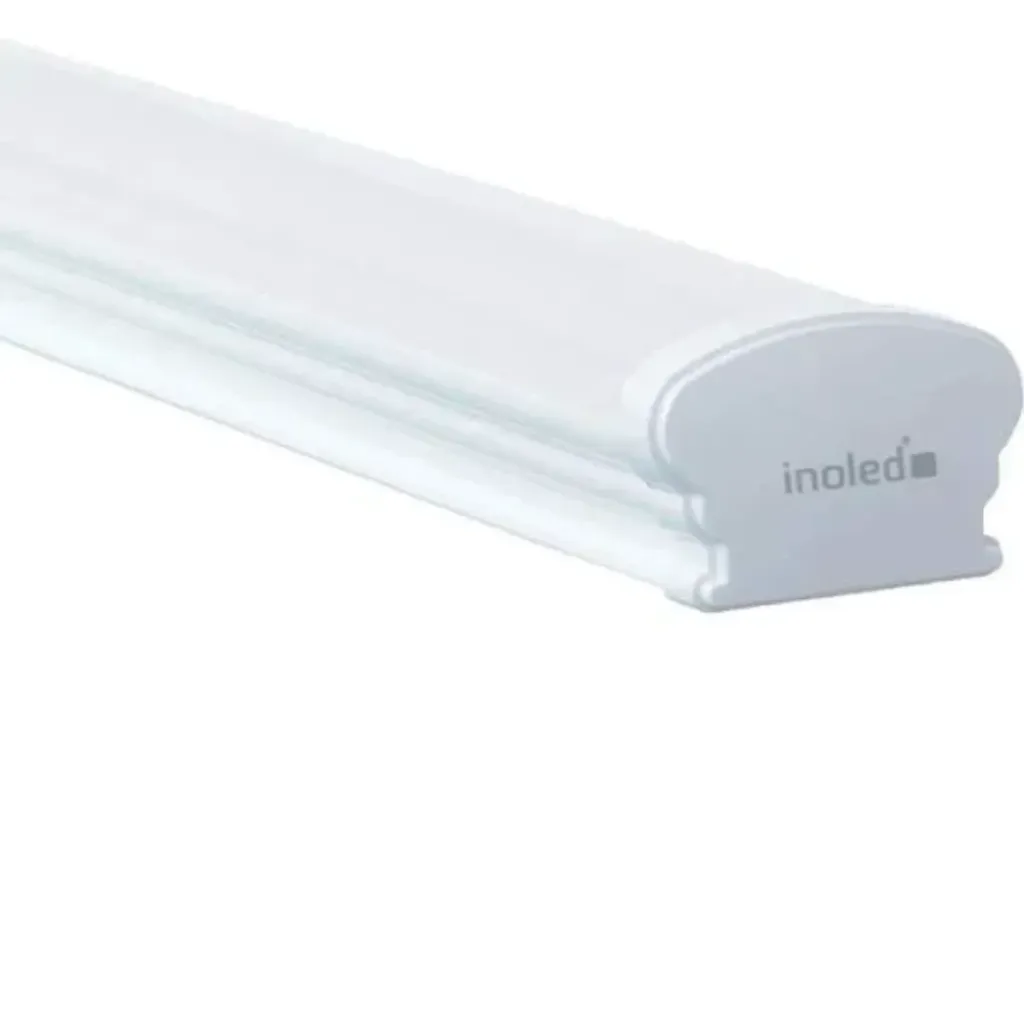
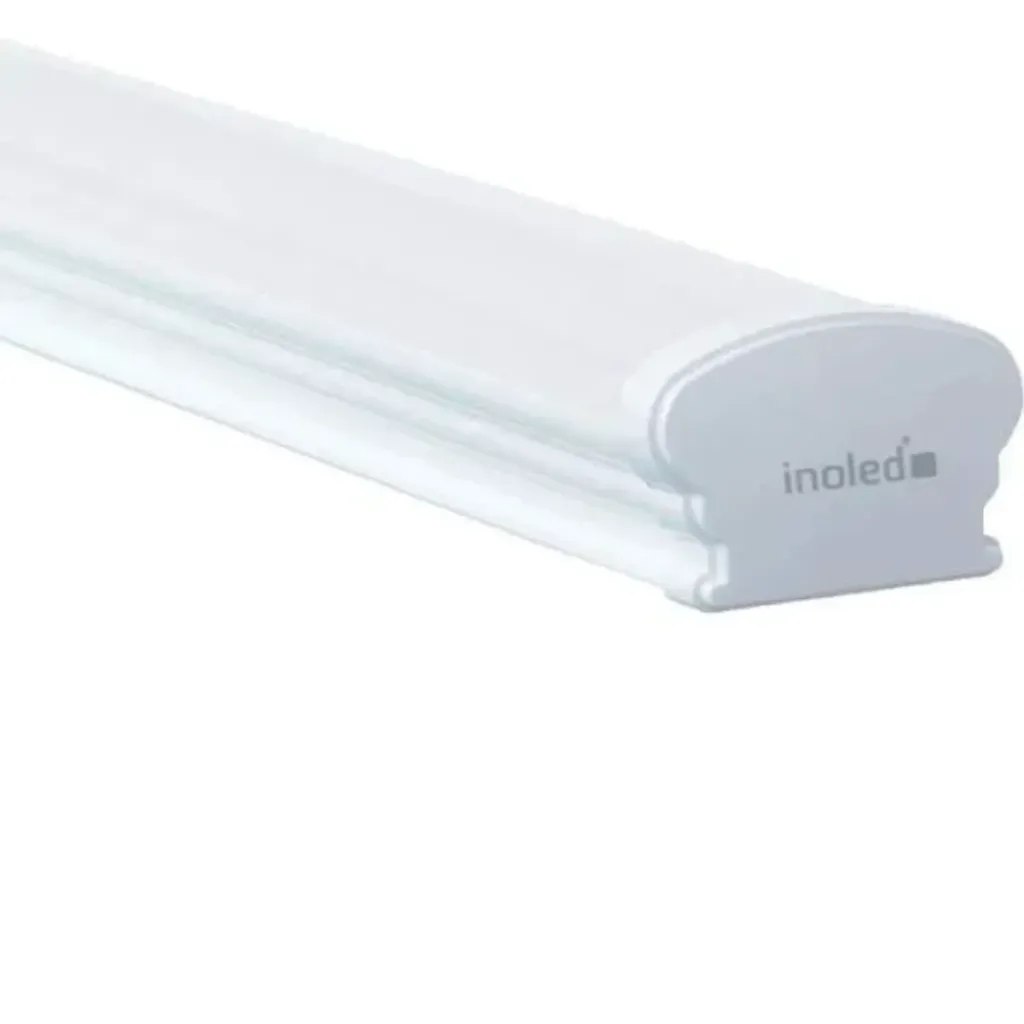
A batten luminaire is the ready-made, protected form of an LED strip: the housing, the driver and the light source are one piece. It cannot be cut and rejoined like a strip, but it installs far more quickly and is protected against the elements. Our collection holds 21 products.
Where Is It Used?
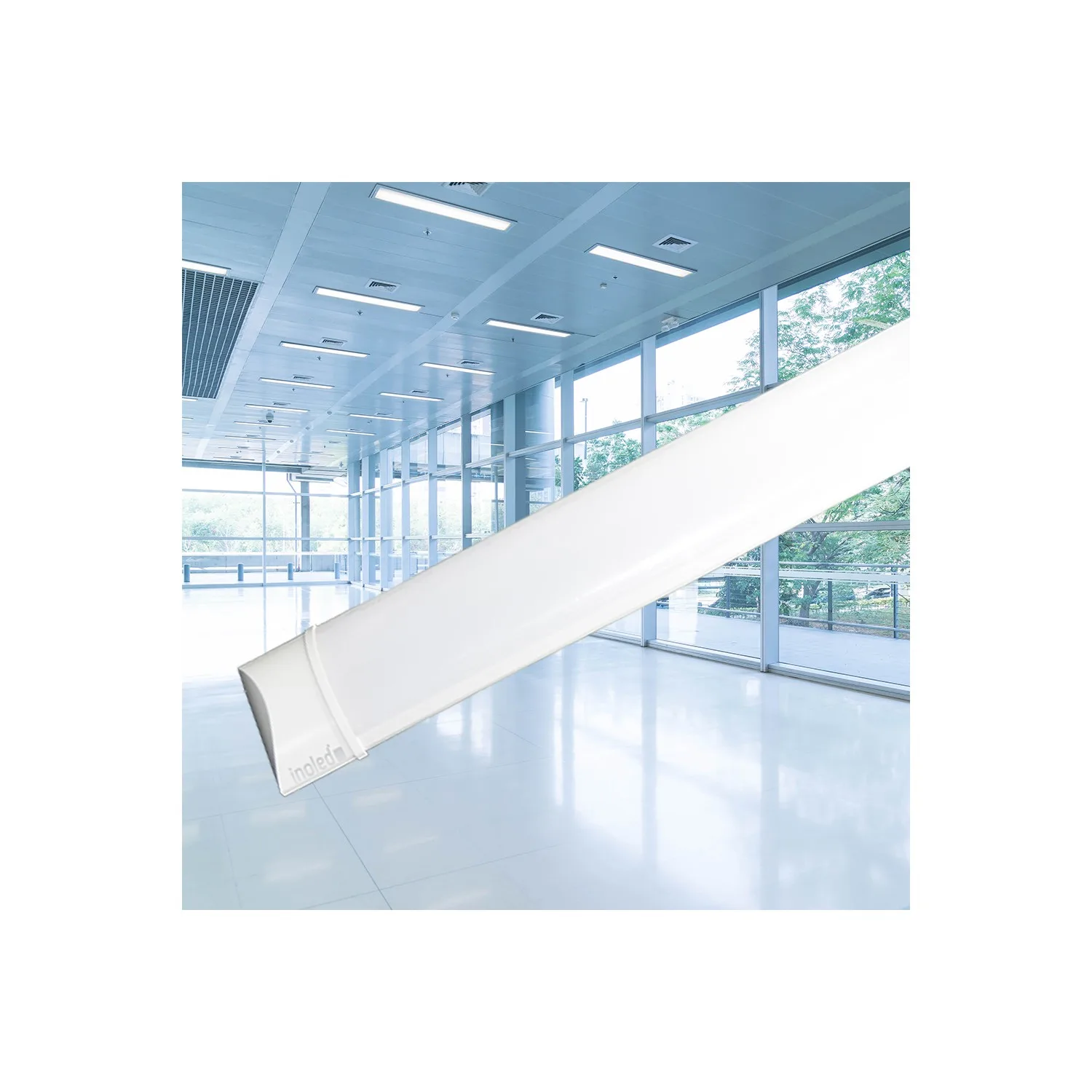
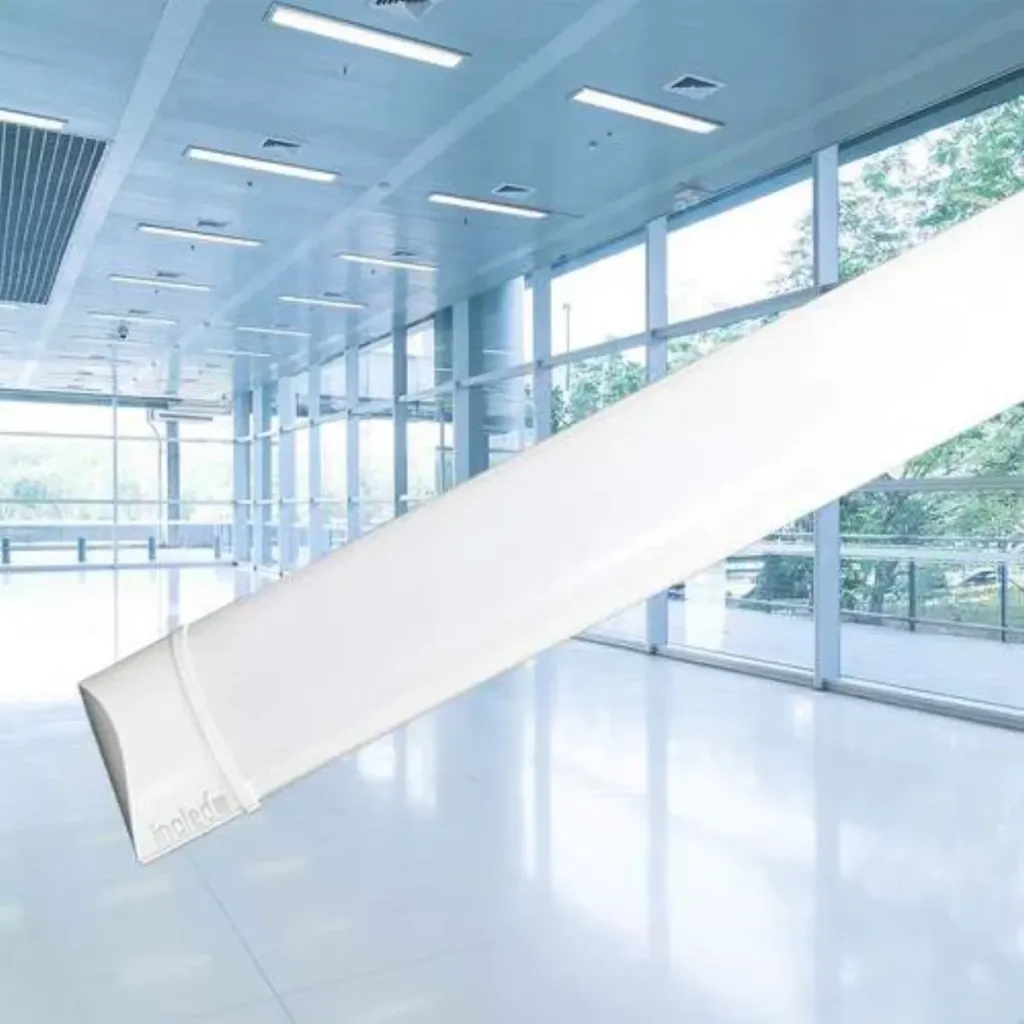
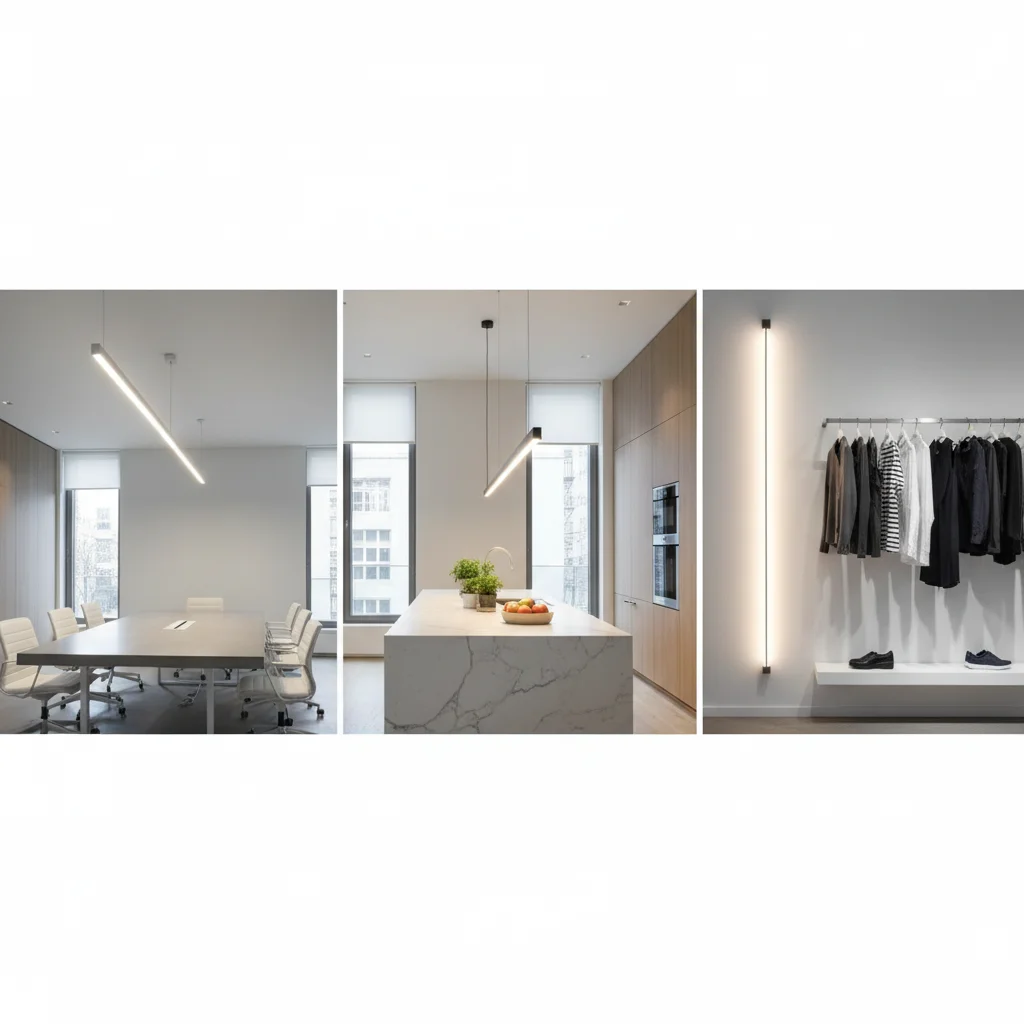
- Car parks, stores and plant rooms: gives even light in long continuous runs.
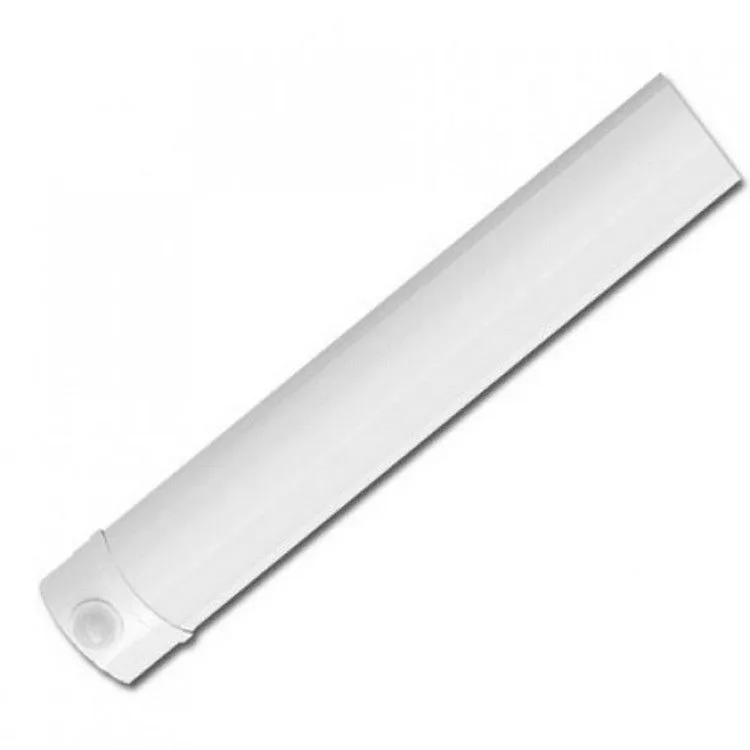
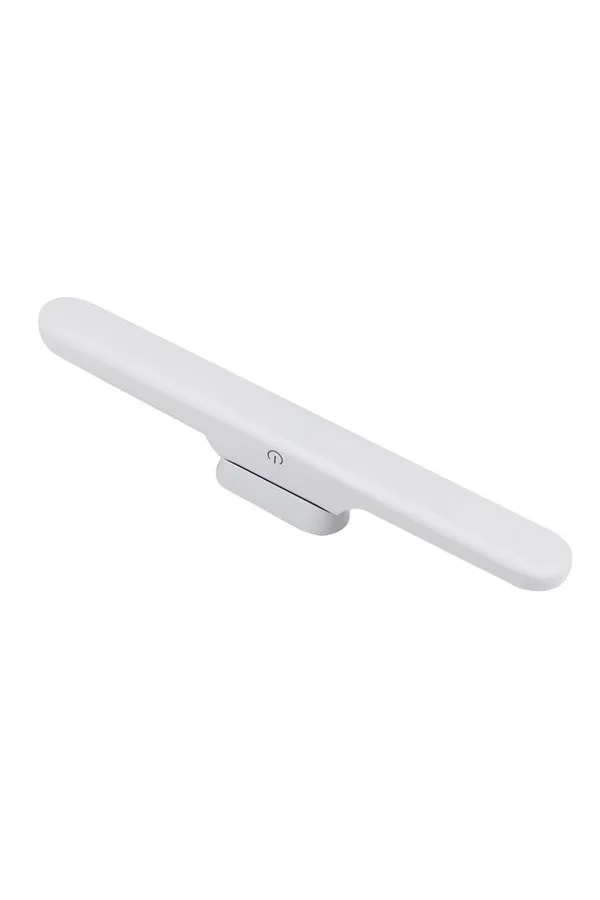
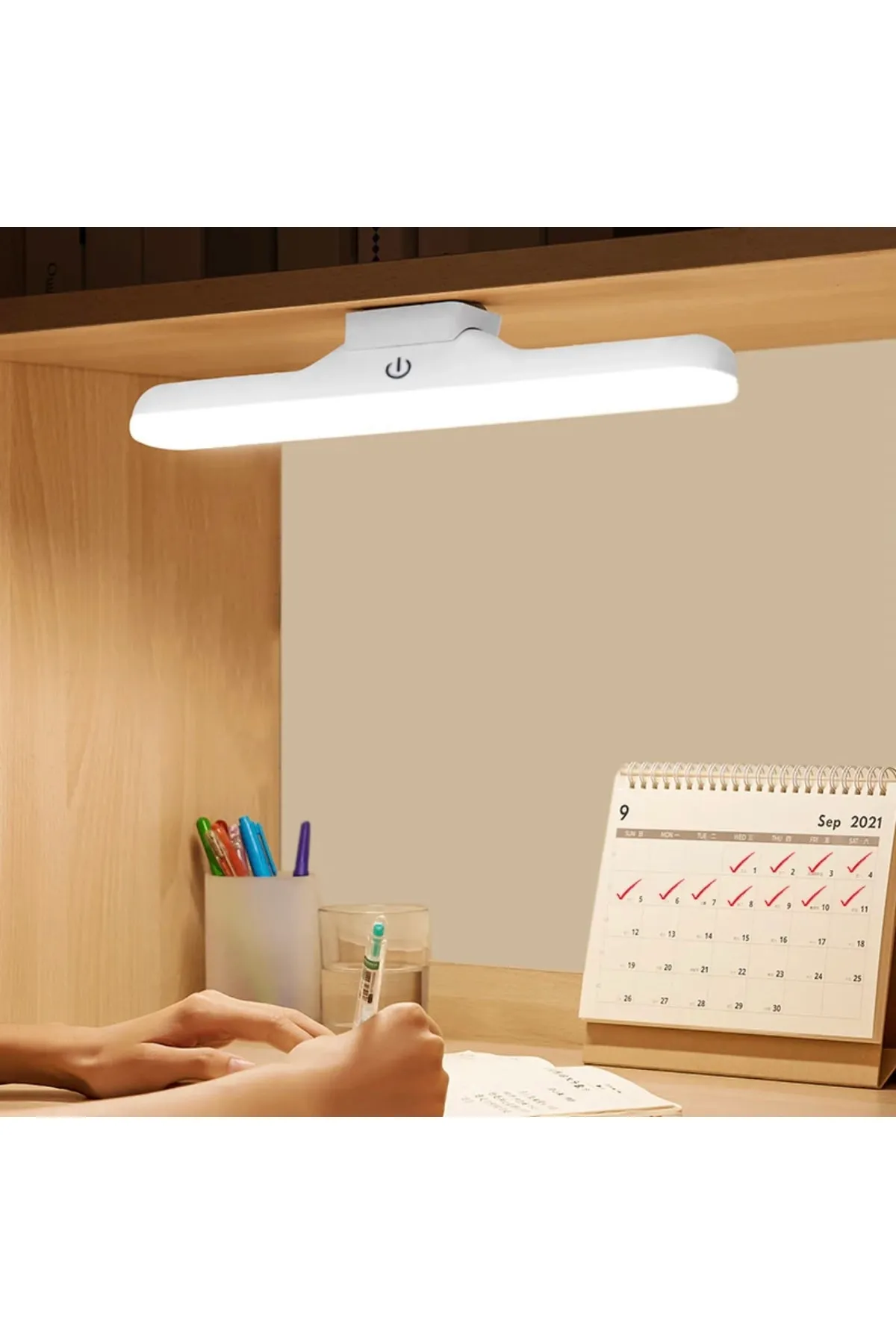
- Under kitchen worktops and inside cupboards: slim-bodied models work without being seen.
- Displays and shelving: lights the face of the product without shadows.
- Damp environments: models with a suitable IP rating can be used in wet areas.
Power and Length
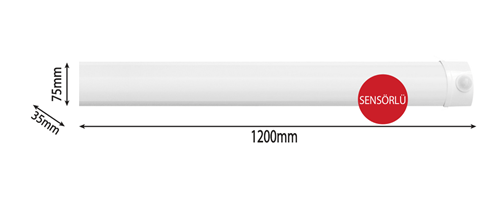
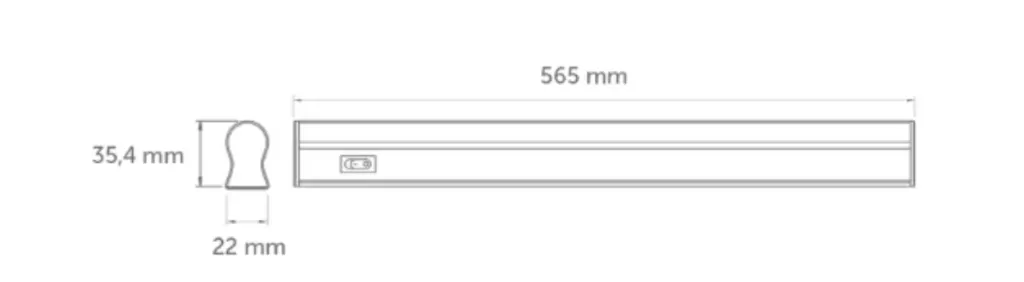
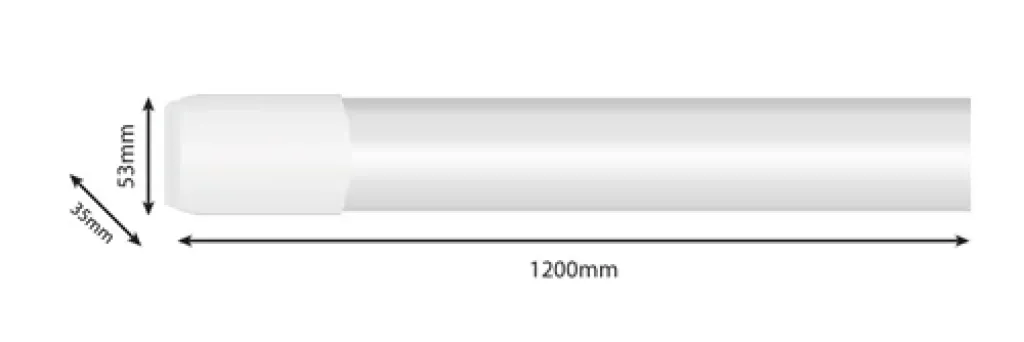
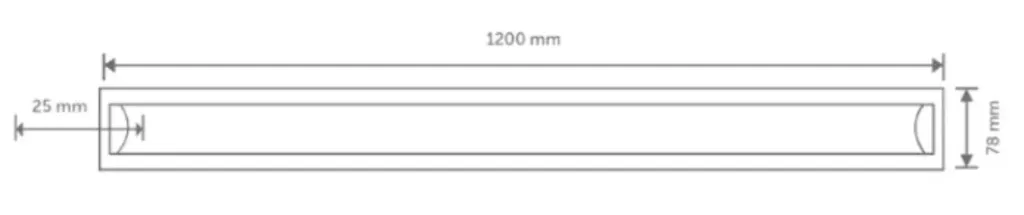
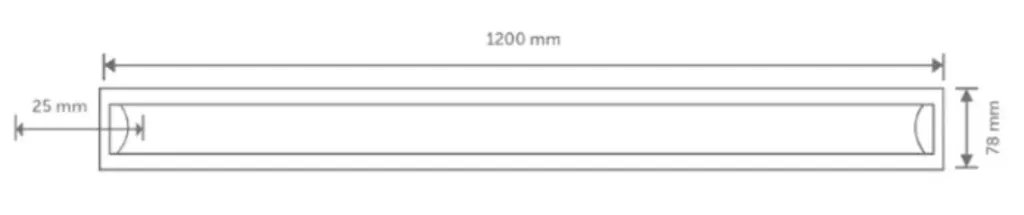
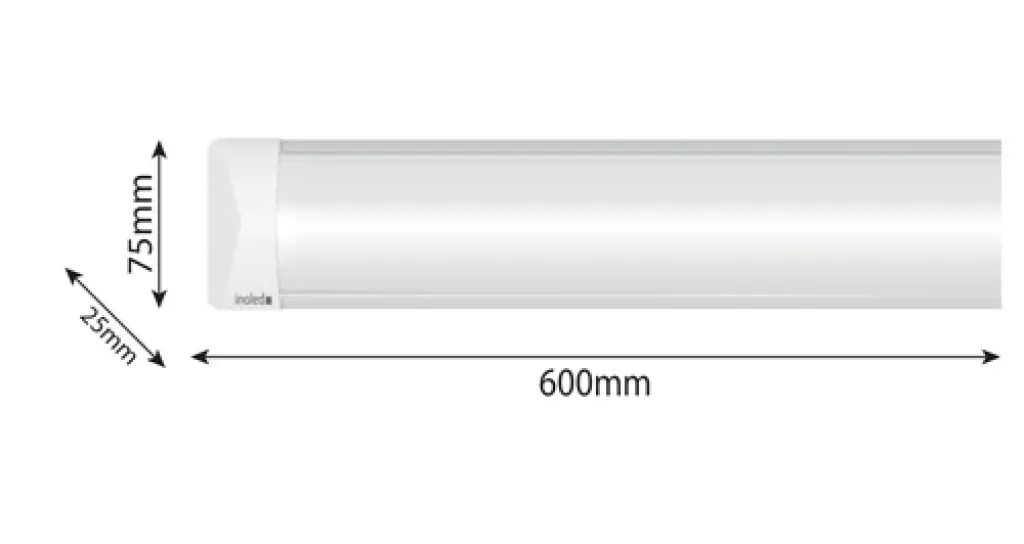
Our catalogue covers a wide range: 8–16 W for inside cupboards, 18–45 W for general lighting and 60 W for large areas. In a batten luminaire, power and length rise together; spreading the same power over a longer body gives a softer light per metre.
Connection and Linking End to End
Many batten luminaires can be linked end to end so that a long run is fed from a single point. How many can be chained is stated in the product description and that limit must not be exceeded — beyond it, the fittings at the end of the run burn dimmer.
Strip or Batten?
If you are building a run that has to be cut to size, curved or concealed, an LED strip is more flexible. If you want a straight, long run with quick installation and durability, a batten luminaire suits better; you also avoid the need for extra parts such as a driver, a profile and connectors.
Budget
Our 11 products with a published price run from 7.78 EUR to 44 EUR, with a median of 15 EUR. For the remaining products the page shows a quote option.
Mounting Surface and Heat
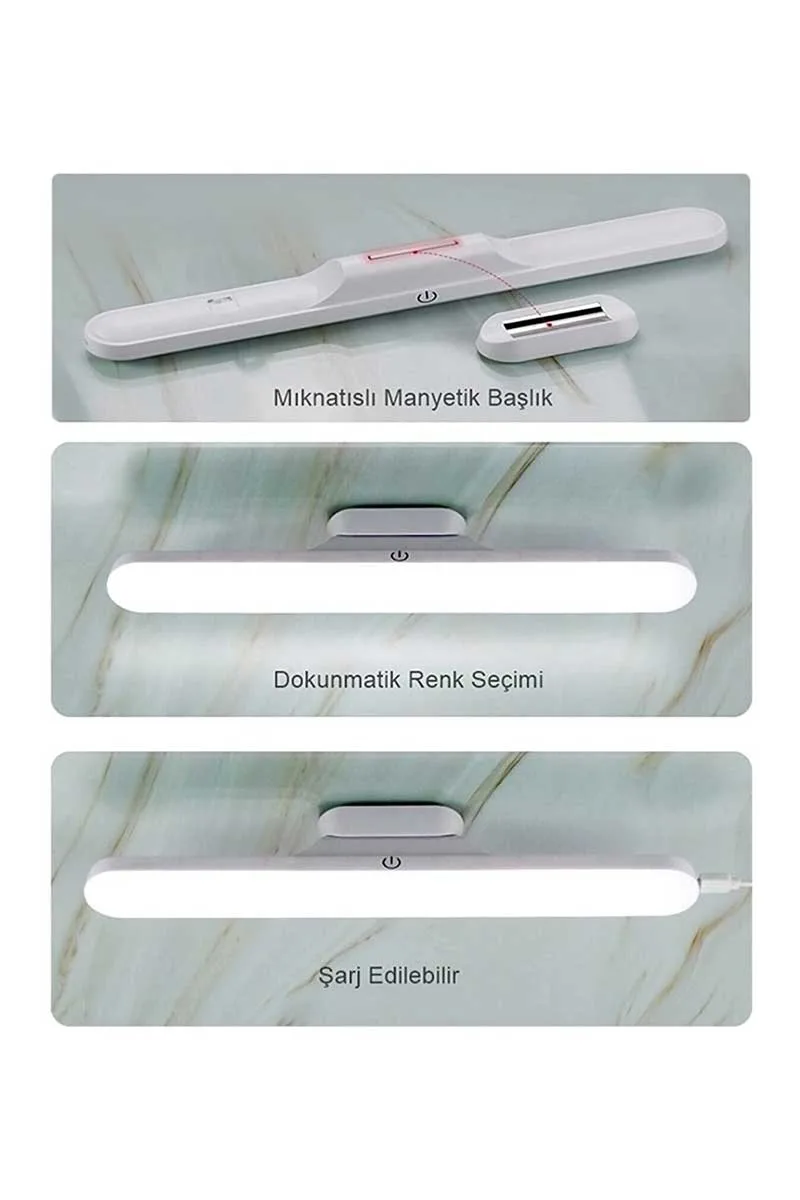
Batten luminaires are fixed to a ceiling or under a cupboard with screws or clips. Because the housing is designed to shed heat, covering the top of the fitting with insulation shortens its life. Under a wooden cupboard, leaving a few millimetres between the fitting and the surface reduces both the heat and the risk of staining. On long runs, using a string line or a laser level to keep the fittings aligned gives a far cleaner line than aligning by eye.