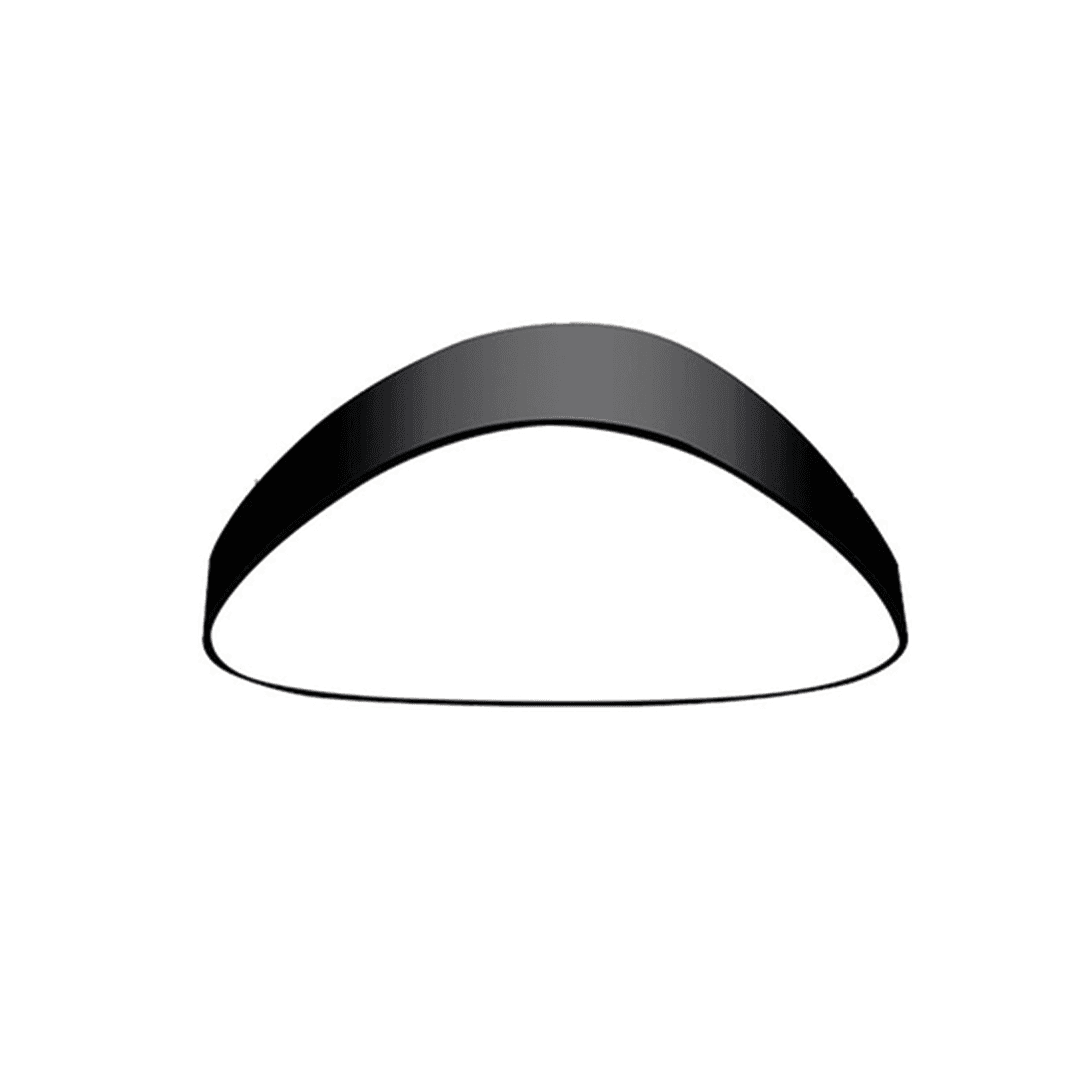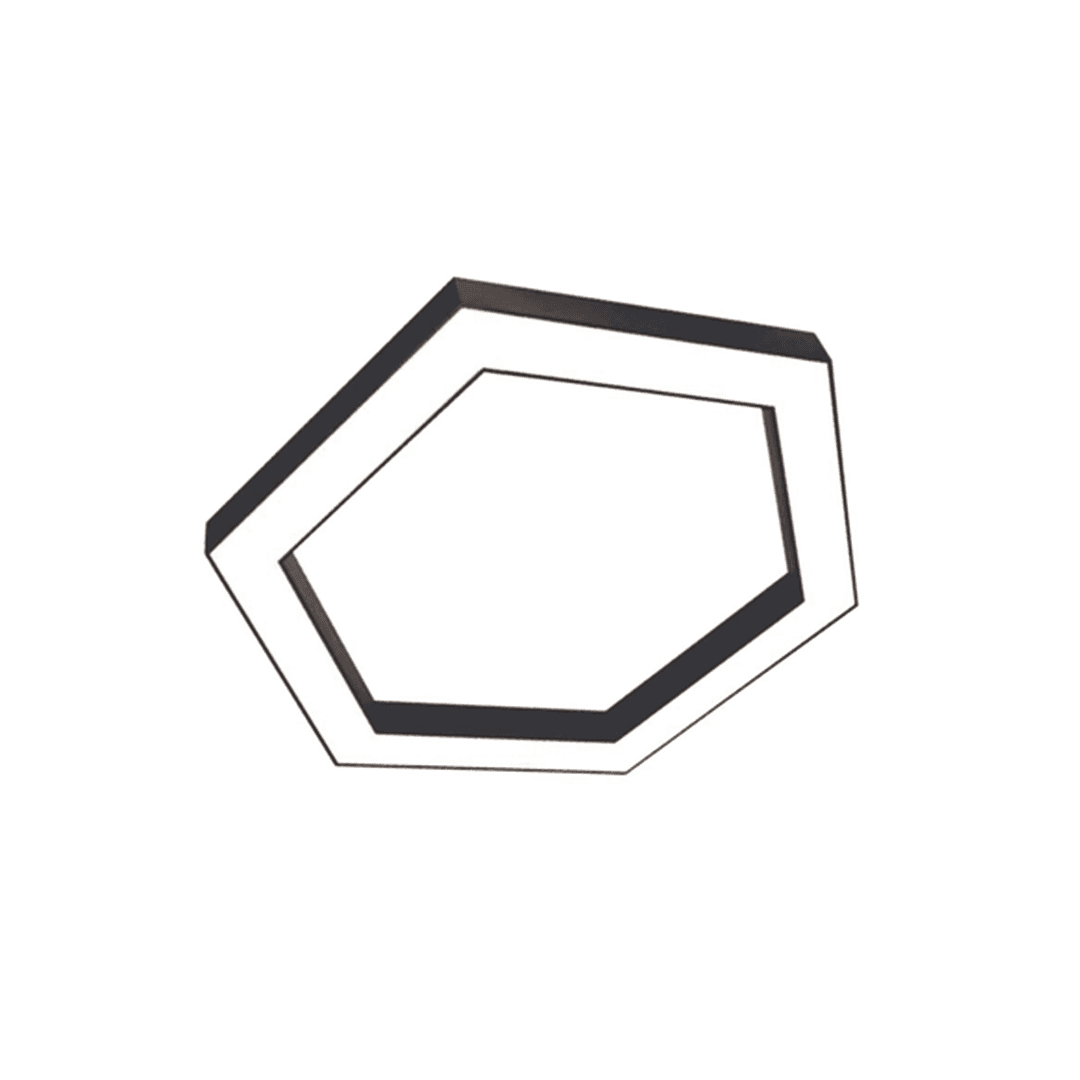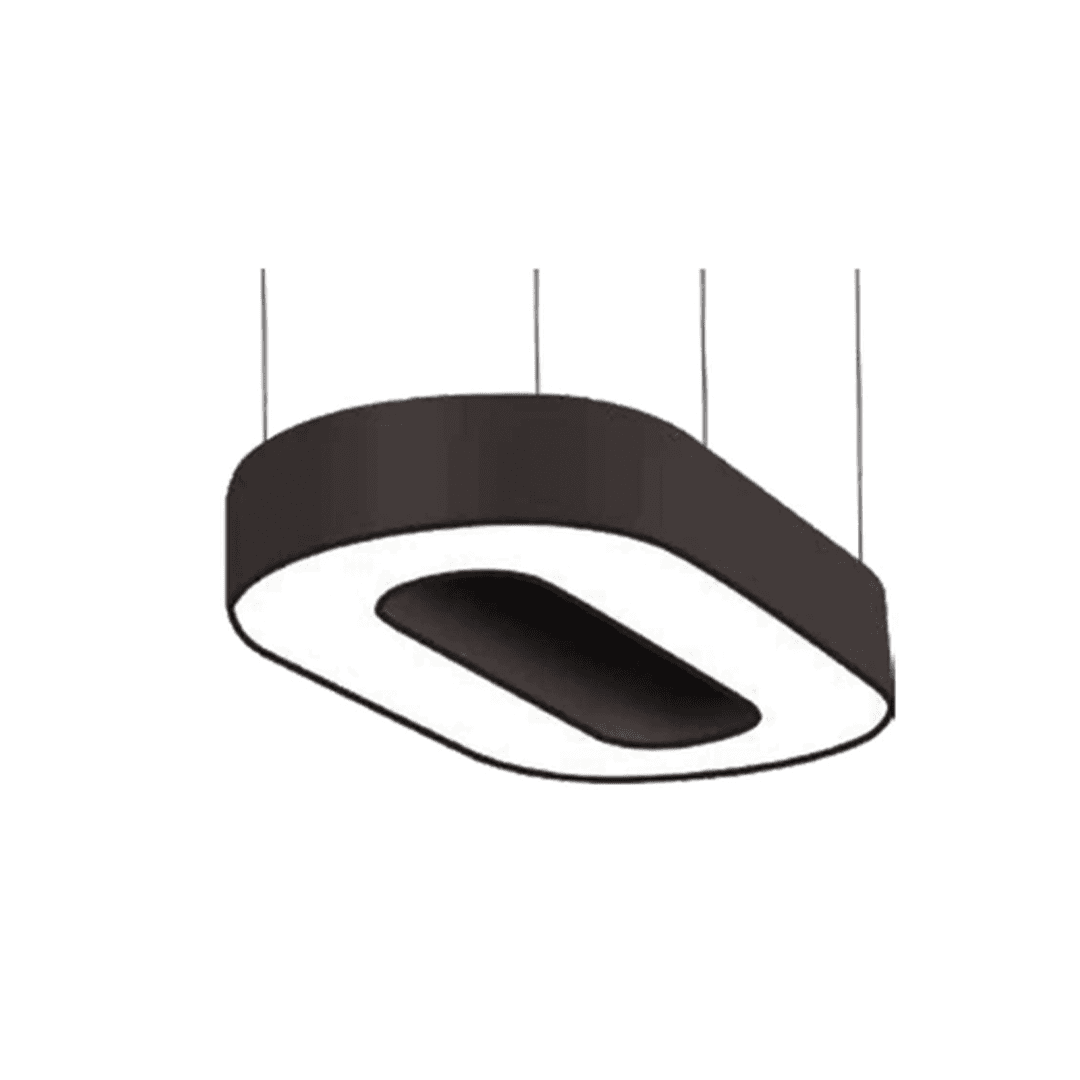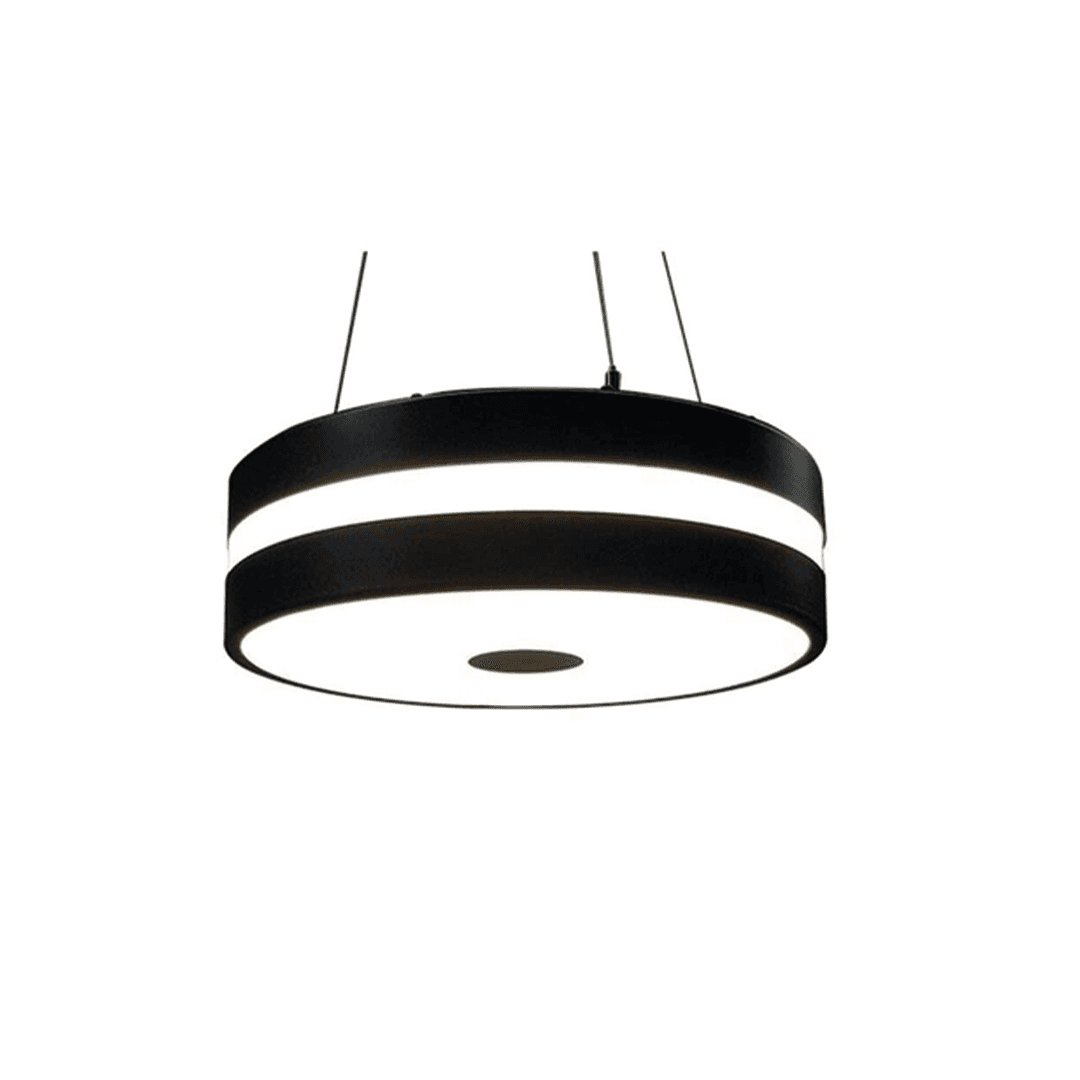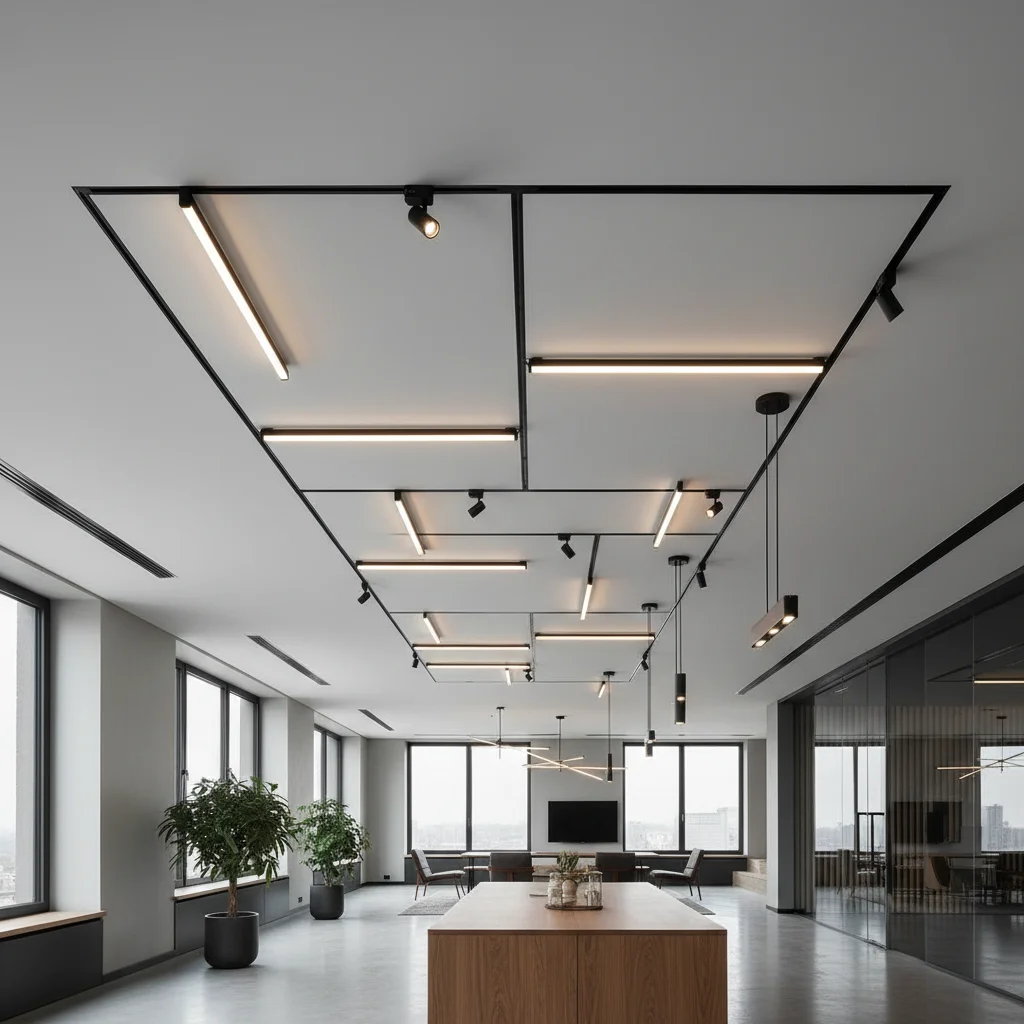
Linear lighting systems are LED-based lighting solutions that provide a continuous and homogeneous line of light, increasingly preferred in modern interior design. This innovative approach offers high functionality alongside an aesthetic appearance, fundamentally transforming the atmosphere and perception of spaces. Thanks to the advantages it offers compared to traditional lighting solutions, it both enhances visual comfort and provides energy efficiency, leading to significant long-term savings.
What Exactly is Linear Lighting and How Does It Work?
Linear lighting, as its name suggests, refers to modern lighting fixtures that emit light in a long, continuous line. It is fundamentally created by placing high-efficiency LED strips within specially designed aluminum profiles. These profiles are completed with diffuser covers that distribute light homogeneously. Thanks to its modular structure, it can be combined in various lengths, seamlessly integrated into architectural details, and offers flexible solutions suitable for the overall design of the space.
These systems provide high light efficiency with much lower energy consumption compared to traditional lighting products. The long lifespan offered by LED technology (typically up to 50,000 hours), instant full light performance, and low maintenance requirements make linear lighting both an environmentally friendly and economical option. Aesthetically, it lends a modern, minimalist, and sophisticated look to spaces.
What Mounting Types are Available for Linear Lighting Systems?
Linear lighting systems are offered in three main mounting types, depending on the architecture of the application area and the desired aesthetic. Each type provides a different visual effect and functional advantage. When making a choice, the ceiling structure, room height, and design expectations should be considered.
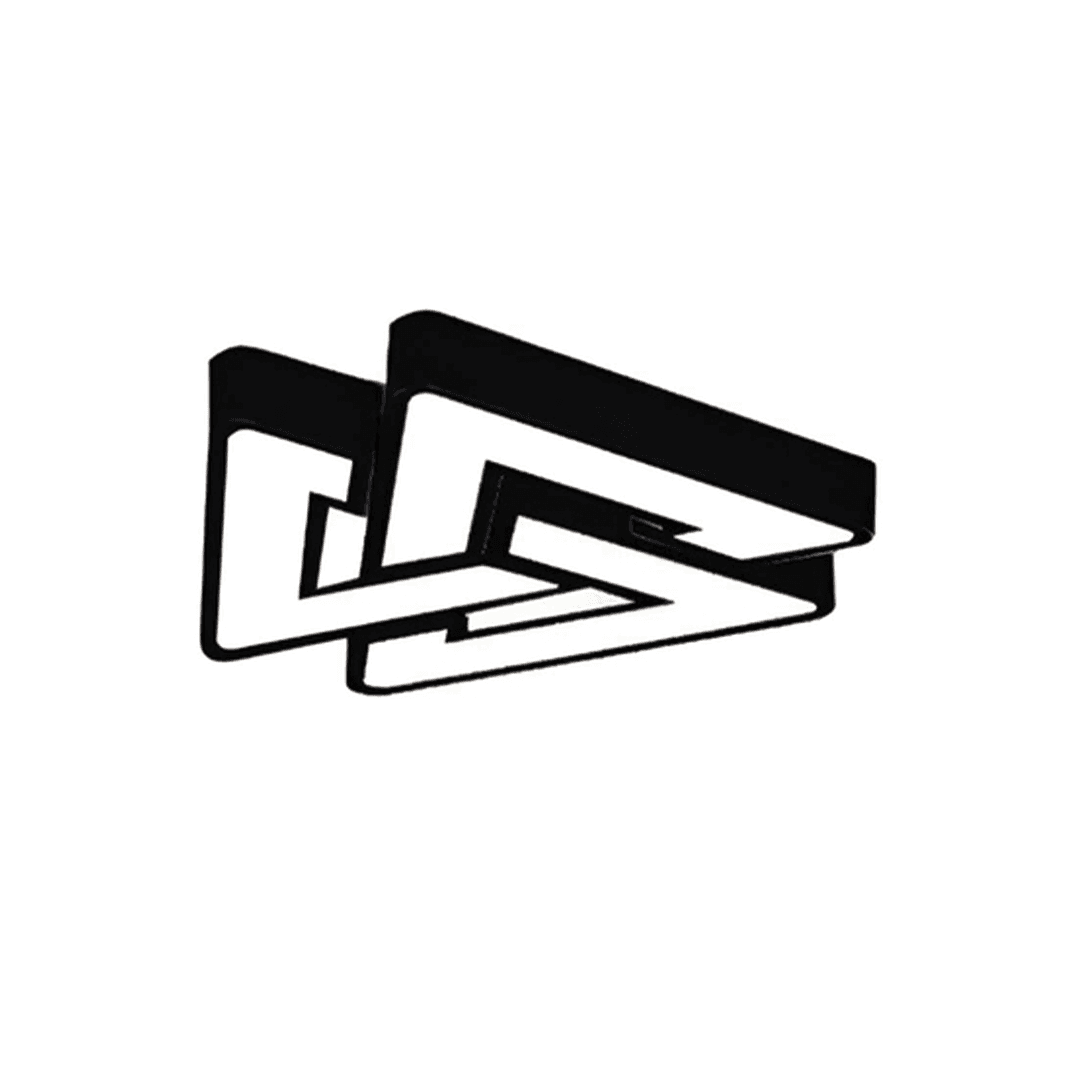
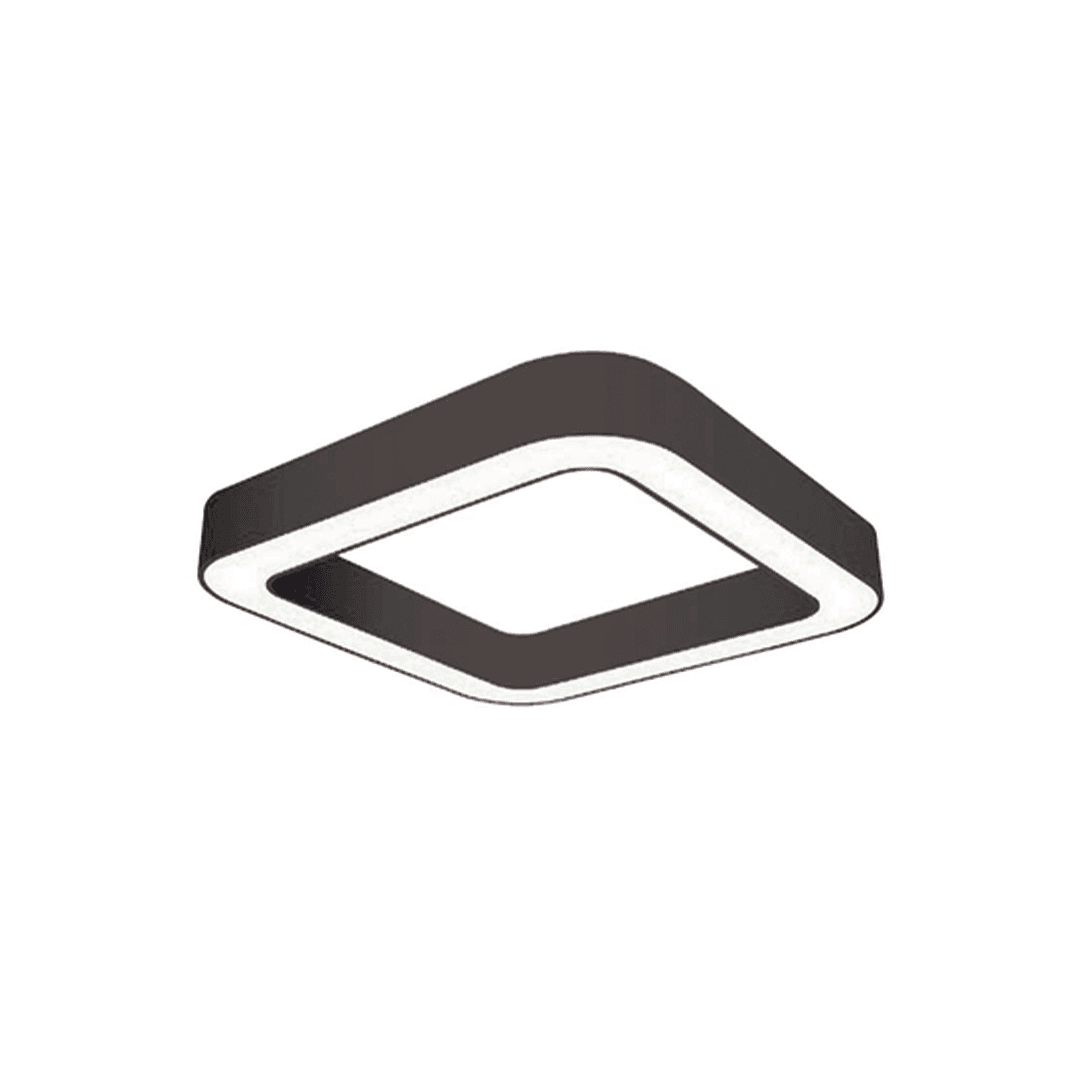
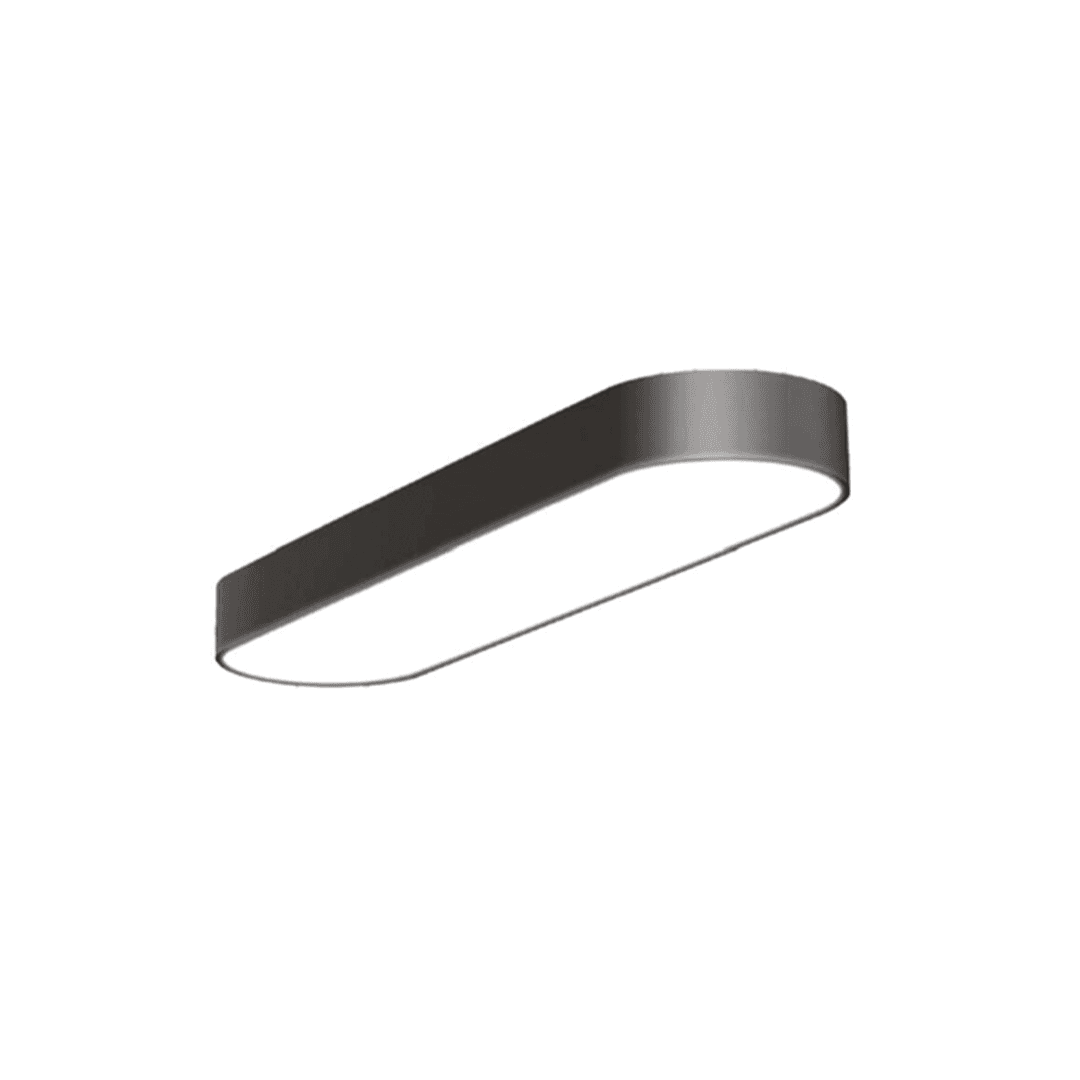
Surface-Mounted: This type is directly installed on the ceiling or wall surface. Installation is generally easier, and the lighting fixture itself stands out as a prominent element in the space's design. It is frequently preferred in industrial or modern designs.
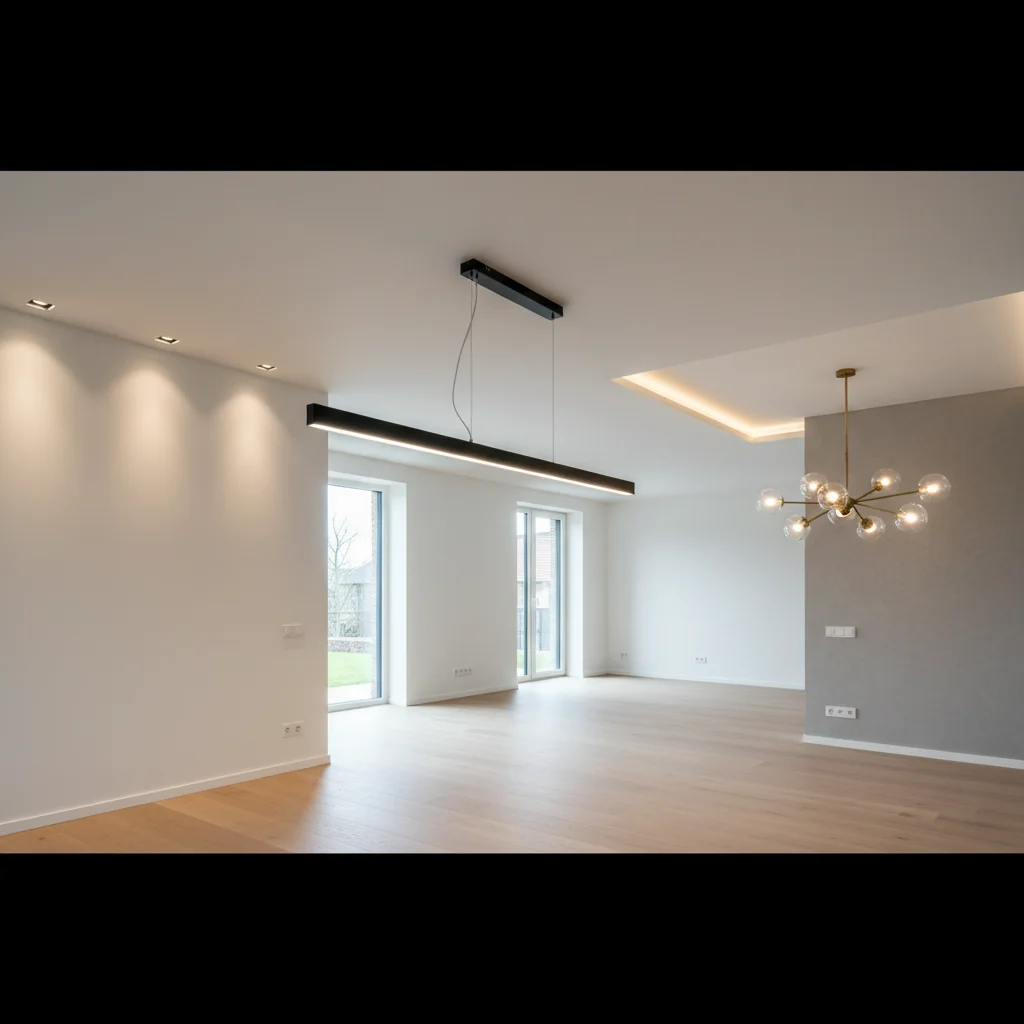
Recessed: Offers an integrated look and allows the lighting fixture to blend seamlessly with the surface. It is installed by creating special openings in drywall (gypsum board) ceilings or walls. This achieves a minimalist and clean aesthetic, where the light source is hidden, and only the light itself is emphasized.
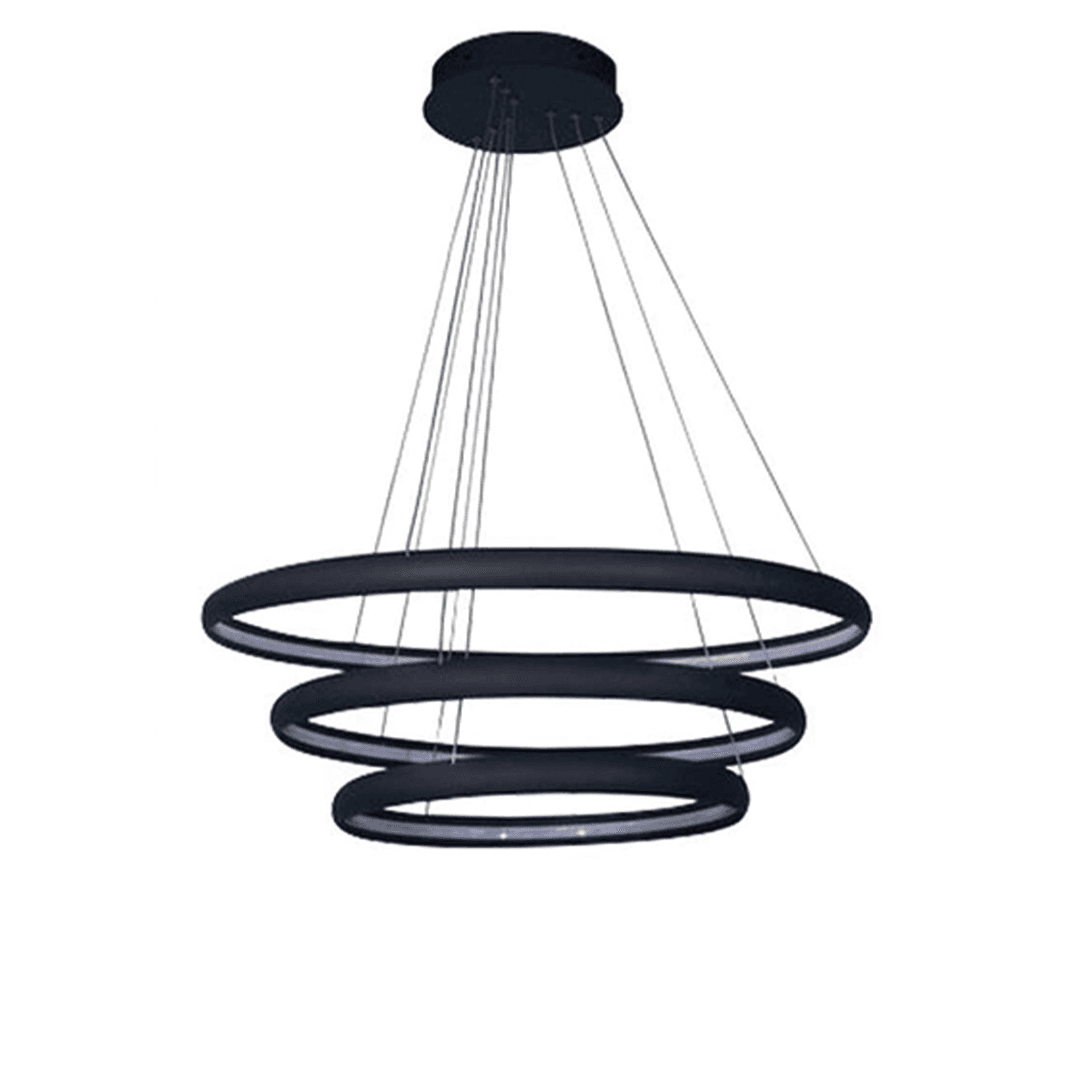
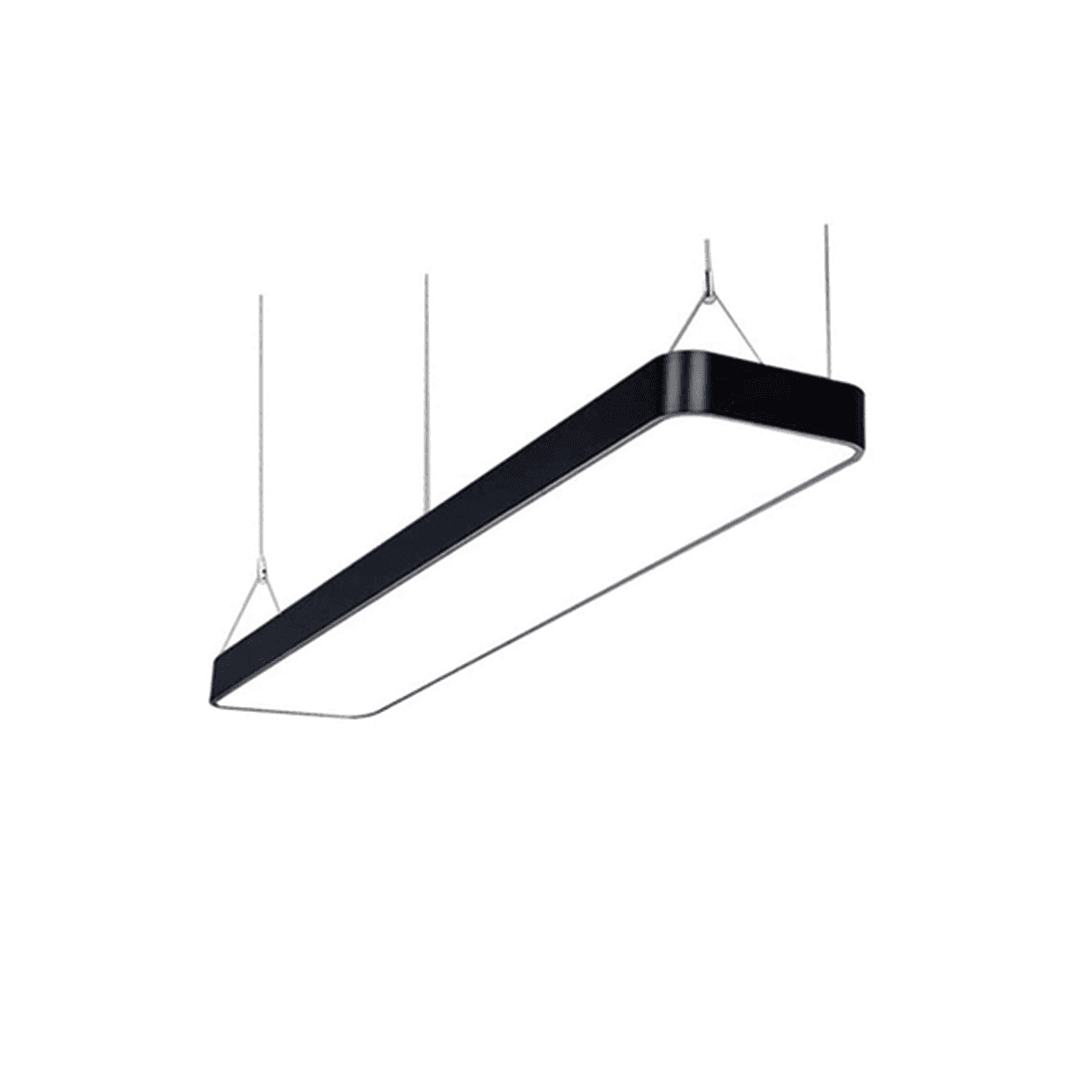
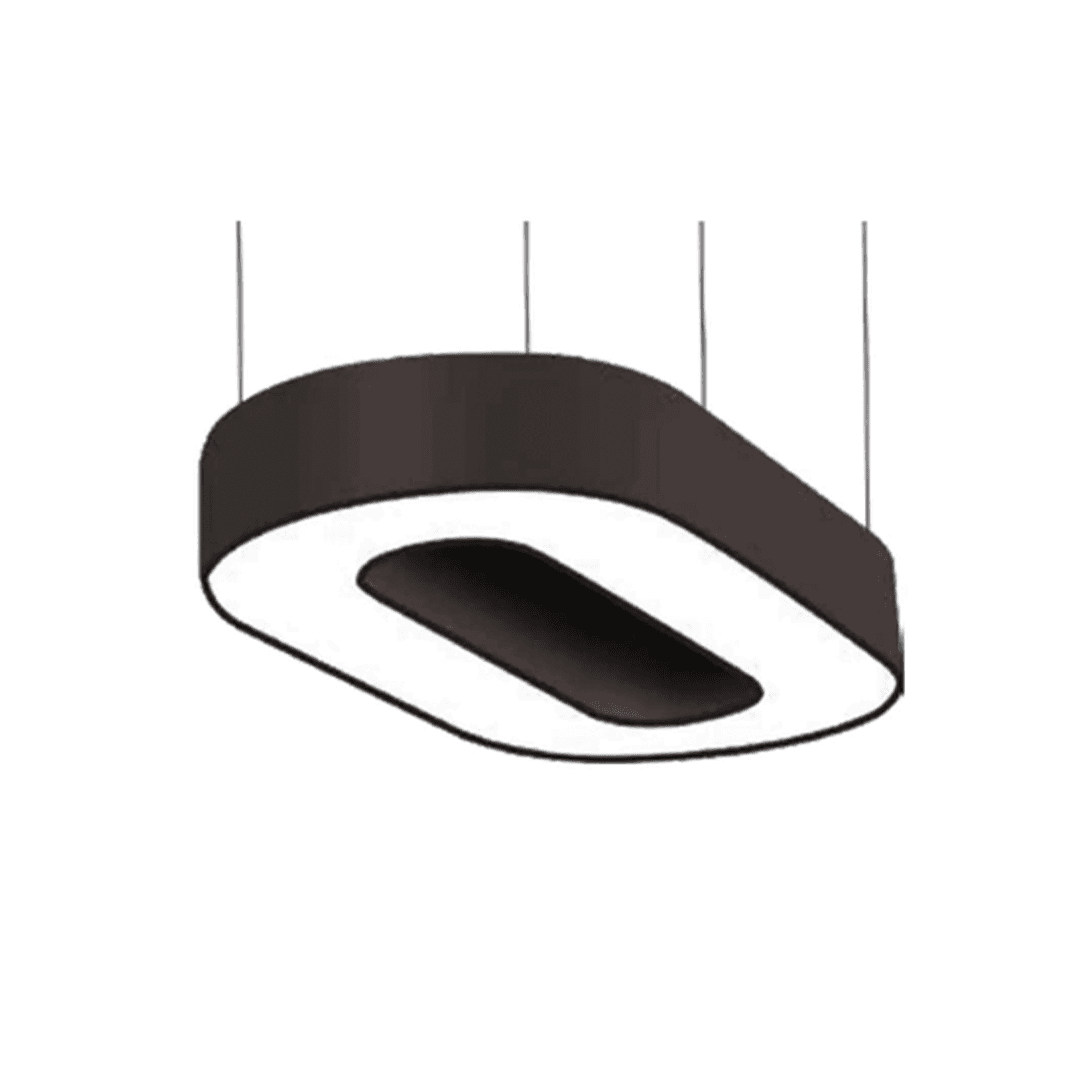
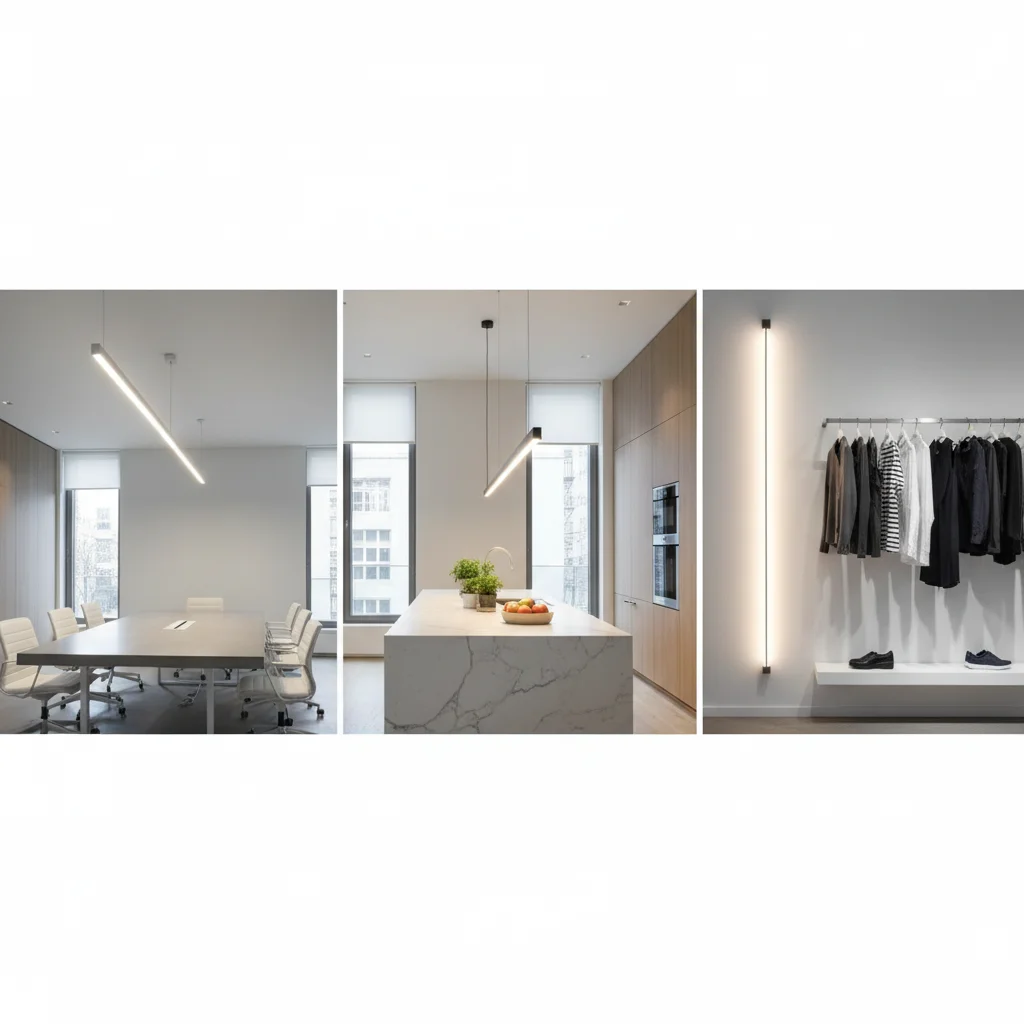
Suspended (Pendant): In spaces with high ceilings or specific work areas, it is hung from the ceiling via cables to provide direct and focused lighting. It is particularly used in offices, meeting rooms, or above dining tables, offering both functional illumination and adding a modern touch to the space.
What are the Main Aesthetic and Functional Benefits Linear Lighting Adds to Spaces?
Beyond being merely a light source, linear lighting offers numerous aesthetic and functional advantages to spaces. One of its most prominent features is creating a continuous line of light within a space, imparting a sense of depth and continuity. This highlights architectural details, strengthens the perception of the space, and creates a modern atmosphere.
Functionally, it provides homogeneous and glare-free illumination. Thanks to special diffusers, light is evenly distributed, and the glare (UGR - Unified Glare Rating) level, which causes eye strain, is minimized. Especially in office and work environments, a UGR value typically below 19 enhances visual comfort and supports productivity. Furthermore, the high energy efficiency offered by LED technology provides up to 50% energy savings compared to traditional lighting, reducing operating costs, and its long lifespan of up to 50,000 hours significantly minimizes maintenance expenses.
Where Can Linear Lighting Be Used Effectively?
The flexibility and aesthetic advantages offered by linear lighting make it an ideal solution for a wide variety of spaces. It is particularly an indispensable element of modern architecture and interior design.
Offices and Workspaces: Provides eye comfort thanks to its low UGR value, offering efficient and aesthetic lighting in meeting rooms, open-plan offices, and corridors. Stores and Commercial Areas: Used to highlight product displays, illuminate corridors, and create a modern, inviting atmosphere for customers. Kitchens and Countertops: Provides shadow-free and sufficient lighting on work surfaces, making kitchen tasks easier; ideal for under-cabinet or countertop applications.
Corridors and Hallways: Creates safe and aesthetic transition areas by extending spatial perception and providing guidance. Bathrooms and Humid Areas: Offers water and moisture-resistant solutions with products having appropriate IP ratings. Residences (Living Room, Bedroom): Adds a modern and stylish touch to homes by using indirect lighting, creating ambiance, or highlighting architectural details.
What Technical Specifications Should Be Considered When Choosing Linear Lighting?
Selecting a product with the correct technical specifications is crucial to get the best performance from linear lighting systems.
Watts/Meter (Power Consumption) and Lumens (Luminous Flux): Watts/meter indicates the power consumed by one meter of linear lighting, while lumens refer to the total amount of light emitted. Power options typically range between 10W/m and 30W/m. For areas with high light requirements, such as offices, higher lumen values like 1500-2500 lumens per meter are generally preferred, while lower values may suffice for ambient lighting or decorative purposes.
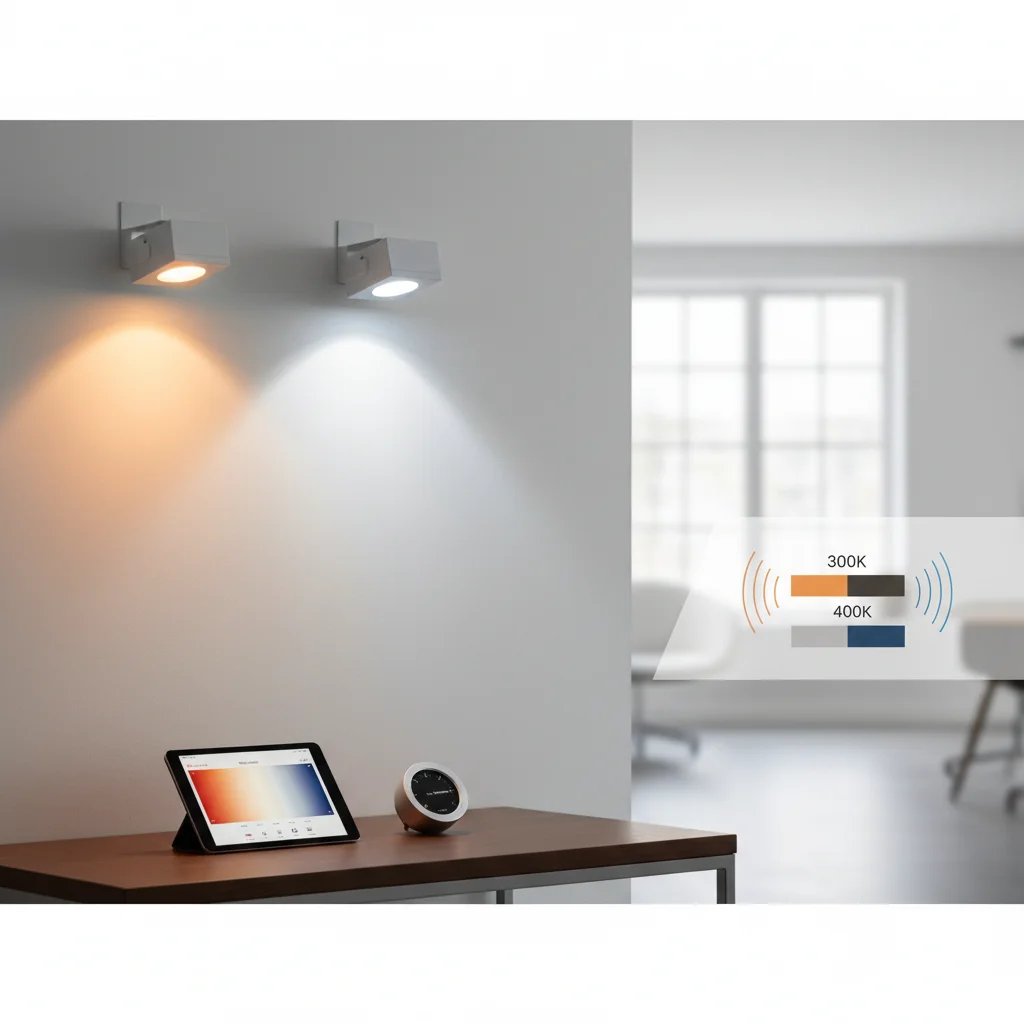
Color Temperature (Kelvin): Determines the color of the light. 2700K-3000K warm white is ideal for a relaxing atmosphere; 4000K natural white is suitable for offices and workspaces; while 6000K-6500K daylight white can be preferred for more energetic and attention-demanding environments. Glare Rating (UGR): For visual comfort, especially in work environments, a UGR value below 19 is recommended. Dimmability: Offers the ability to adjust light intensity, adapting to the different needs of a space and contributing to energy savings. IP Rating: Indicates resistance to dust and water; high IP-rated products should be chosen for humid or dusty environments like bathrooms or outdoor areas.
The Role of Linear Lighting in Spatial Perception and How Architectural Emphasis is Achieved?
Beyond being merely an illumination tool, linear lighting plays a powerful role in shaping the overall perception and architectural features of a space. Long and continuous lines of light can optically alter the dimensions of a space. For instance, linear lighting extending along a corridor can make it appear longer and wider, while applications along the ceiling line can emphasize ceiling height.
This linear emphasis can also function as a wayfinding tool within a space, guiding visitors towards a specific area or exit. It is possible to draw attention to architectural details, niches, columns, or special ceiling designs by illuminating them, thereby enhancing their aesthetic value. An indispensable element of modern and minimalist designs, linear lighting adds a sophisticated touch to contemporary interiors with its clean lines and simple appearance, while offering the opportunity to use light itself as a design element.
Related guides: What is a Magnetic Track (Magnet) Lighting System?, LED Strip Selection Guide: How to Choose the Right LED Strip?, What is Color Temperature (Kelvin)? 3000K or 4000K?. For a turnkey solution for your project, please review our lighting services page.