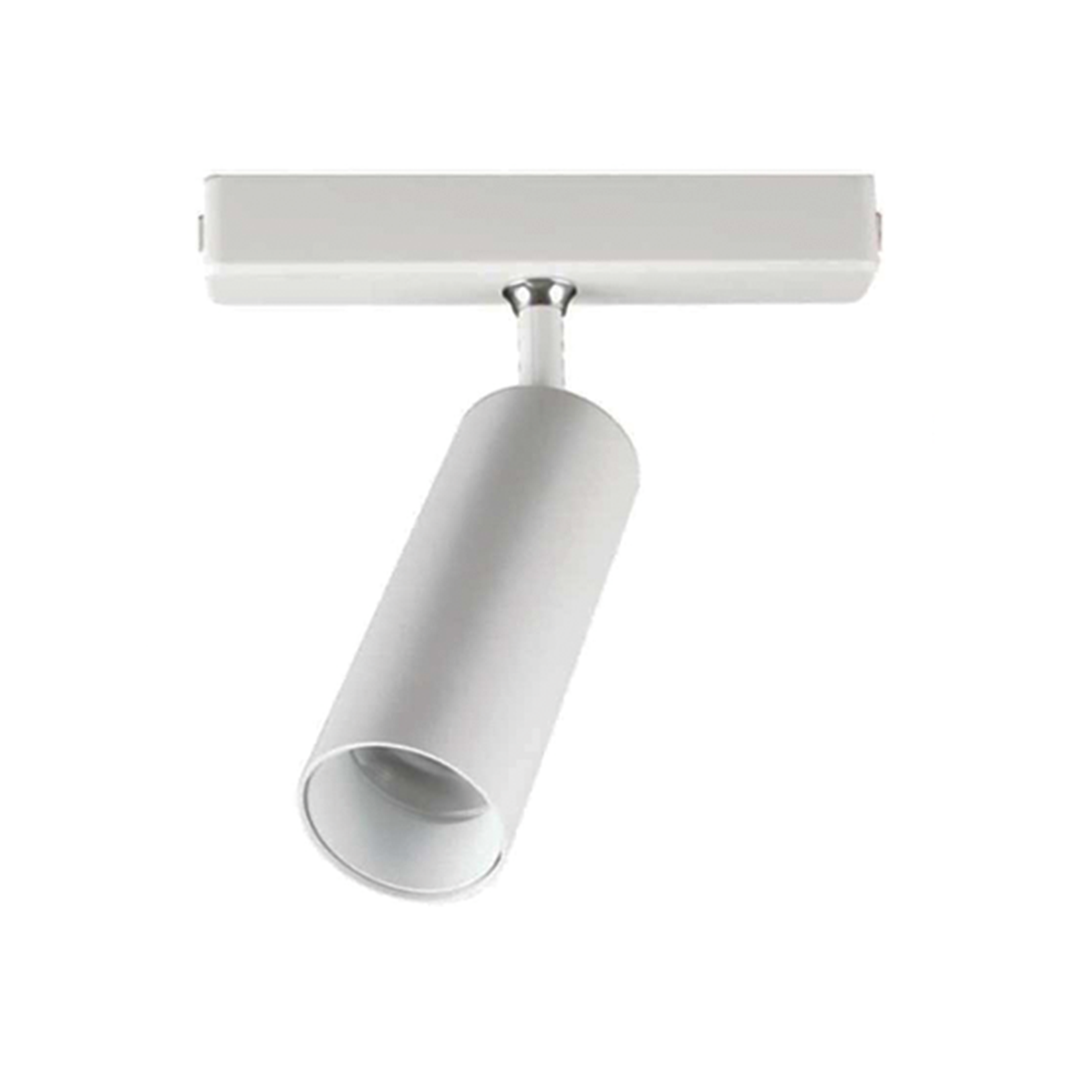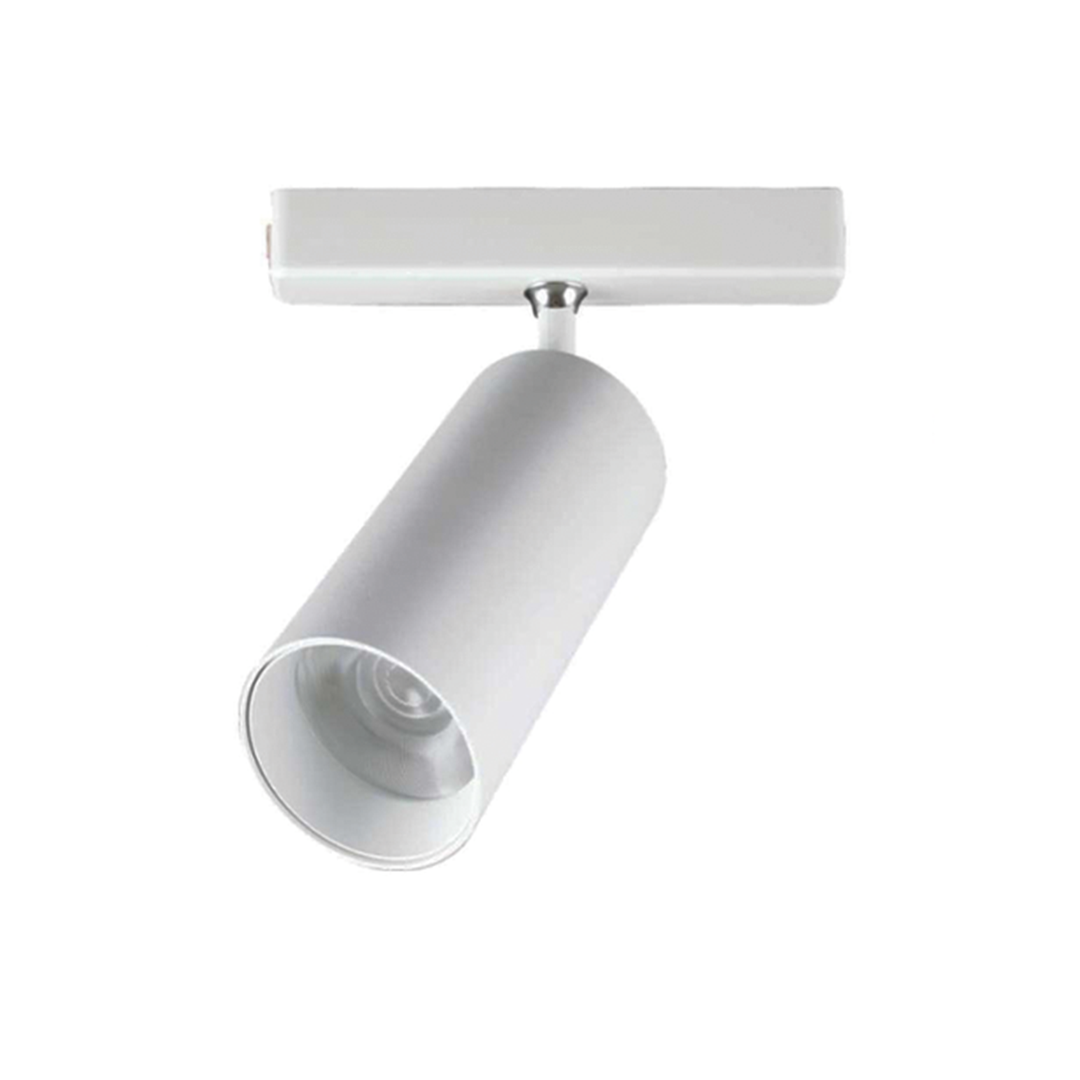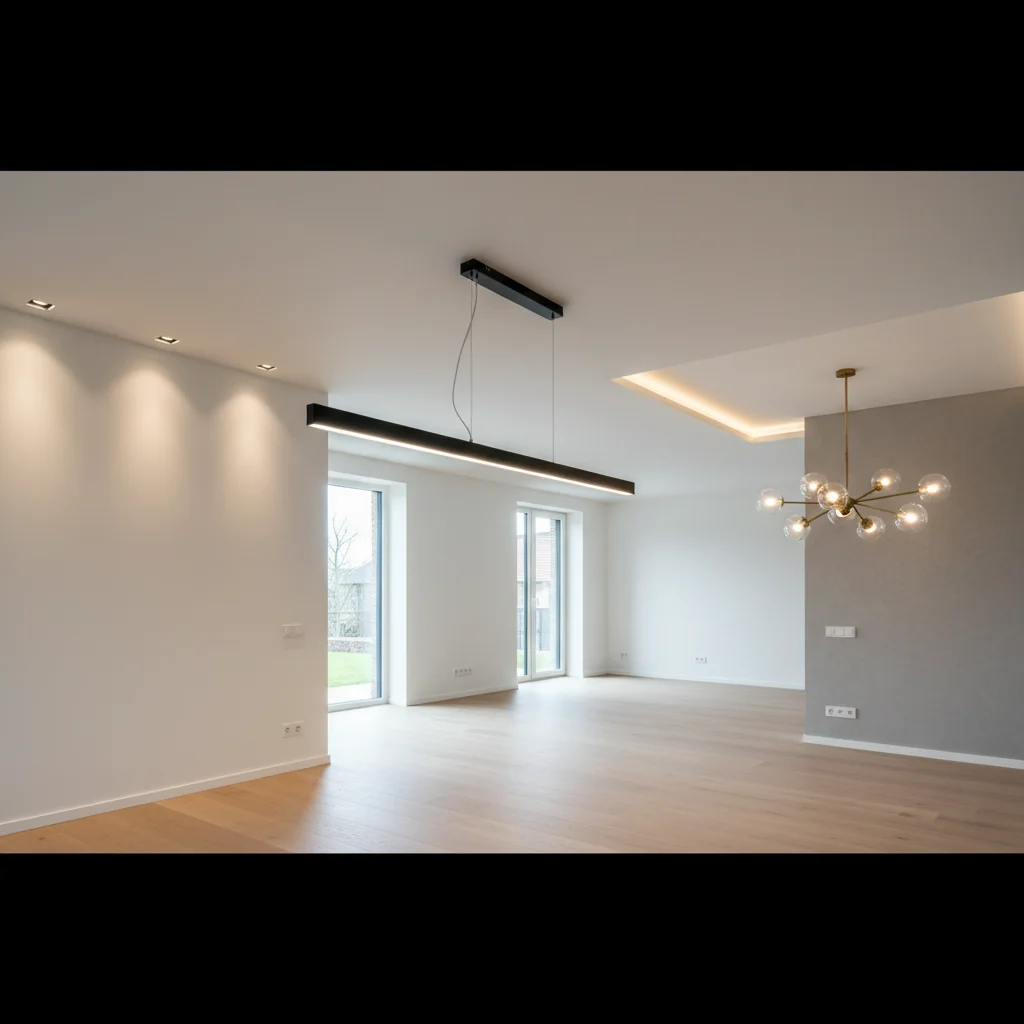
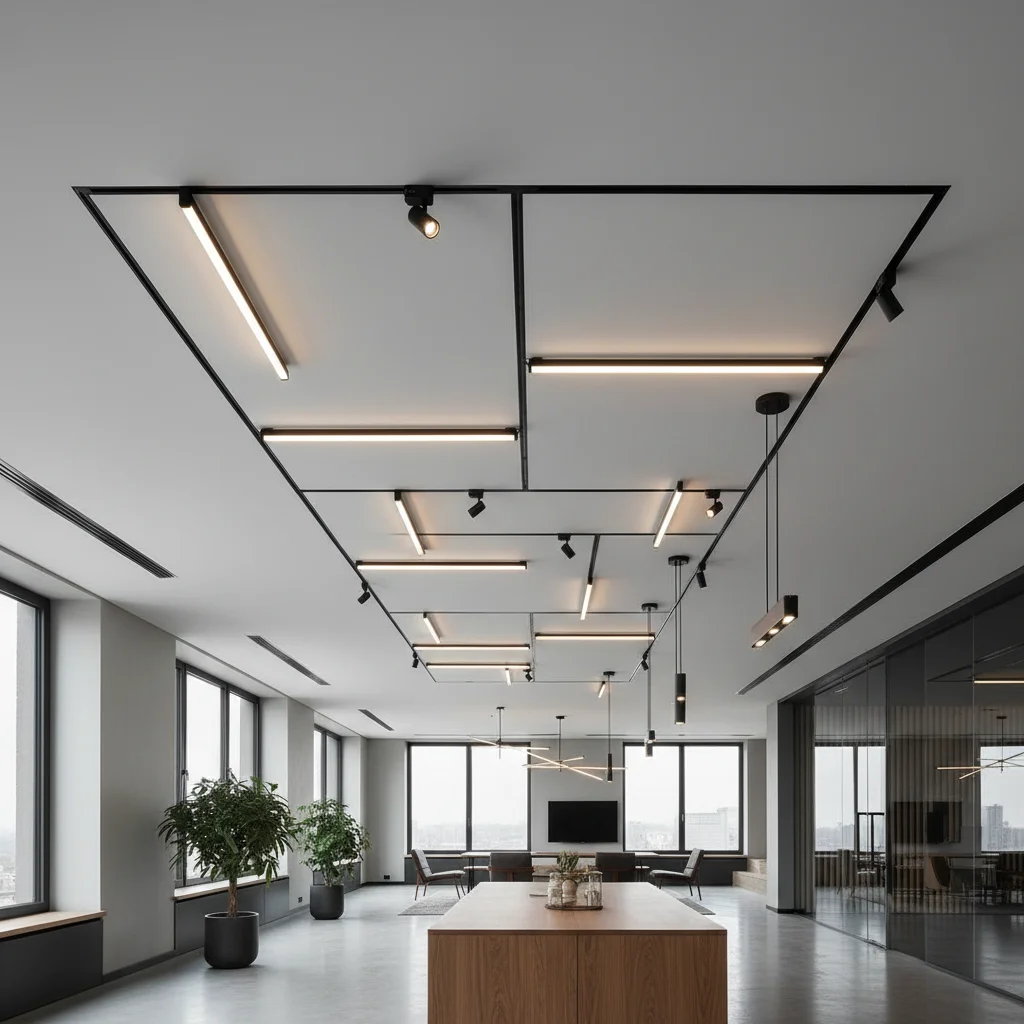
A magnetic track (magnet) lighting system is an innovative LED lighting solution that has become indispensable in modern interior designs, combining aesthetics with functionality. This system operates on 48V low voltage and allows various lighting modules (spot, linear, pendant) to be easily attached, removed, and repositioned on the track via magnets. This offers users unparalleled flexibility and design freedom.
What Exactly is a Magnetic Track (Magnet) Lighting System?
A magnetic track lighting system is a structure composed of a specially designed track profile and lighting modules positioned on this track via magnets. It is typically powered by a low direct current (DC) voltage, such as 48V. This low voltage makes the system safer while allowing modules to easily establish electrical connections at any point on the track.
The fundamental operating principle of the system is that the conductive lines integrated into the track and the magnets in the lighting modules provide both physical adhesion and electrical transmission. This allows different types of LED lighting modules, such as spot, linear, or pendant, to be placed, slid, or removed from the track in seconds without the need for special tools. This modular structure enables the lighting arrangement to be changed according to immediate needs.
Offering a minimalist and modern appearance, magnetic track systems can be surface-mounted, recessed, or suspended. Recessed applications, in particular, integrate with the ceiling or wall, providing an almost invisible aesthetic. With these features, they offer a much more dynamic and flexible lighting experience compared to traditional lighting solutions.
How Do Magnetic Track Lighting Systems Work?
At the heart of a magnetic track lighting system is a transformer or driver that provides 48V DC power. This transformer converts mains electricity (typically 220V AC) into a low and safe DC voltage. This converted power is transferred to copper conductive lines embedded within the track profile. The track, through these conductive lines, distributes energy to all lighting modules placed upon it.
The lighting modules contain powerful neodymium magnets and electrical contacts within their structure. When a module is placed on the track, the magnets firmly secure the module to the track surface. Simultaneously, the module's electrical contacts make immediate power connection by touching the conductive lines in the track. This dual-function structure achieves both mechanical fastening and electrical connection in a single motion.
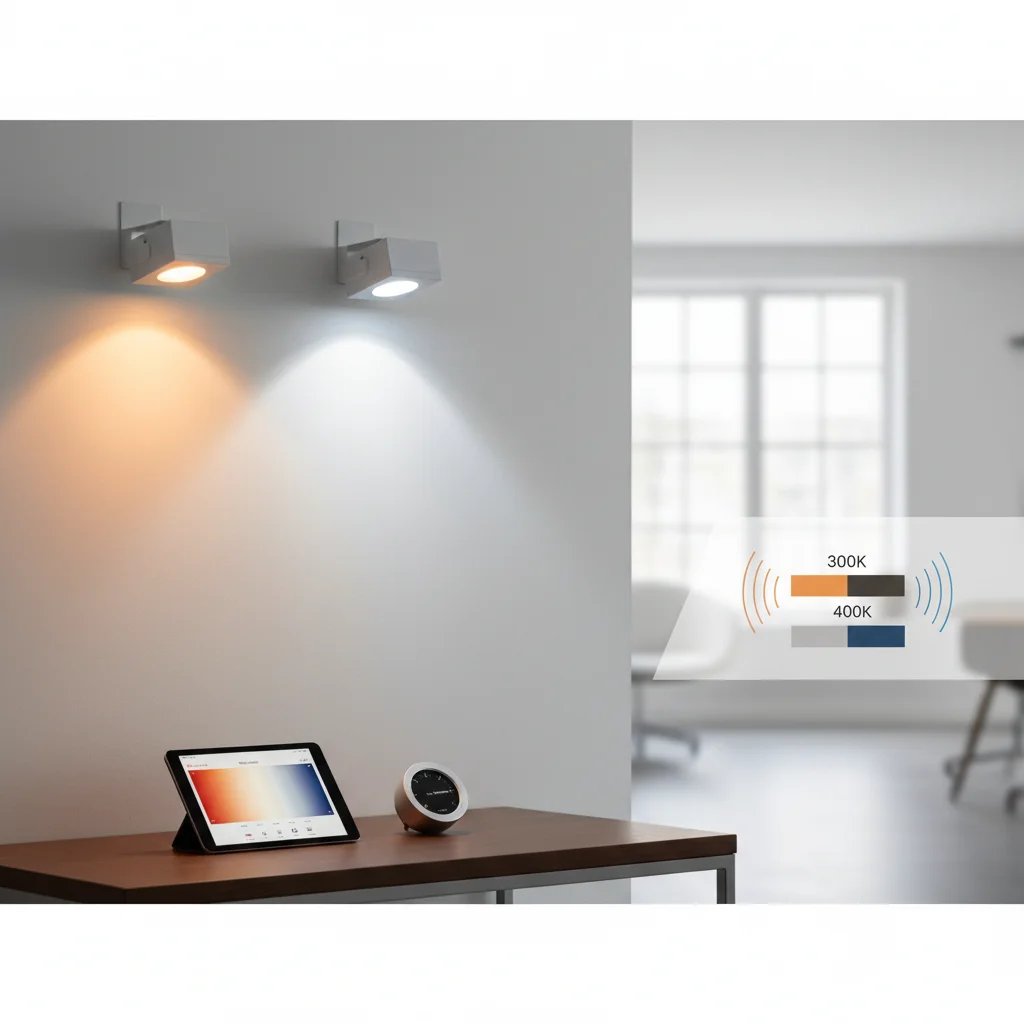
Thanks to this clever design, users or designers can slide lighting modules along the track as desired, swap them with different modules, or add additional ones. All these operations can be performed safely and easily, without any wiring or complex assembly. The system is typically designed to be compatible with smart home systems and dimmable (light intensity adjustable) features.
What Are the Main Advantages of Magnetic Track Lighting Systems?
Magnetic track lighting systems offer many significant advantages for modern spaces. Their most prominent benefit is undoubtedly the unparalleled flexibility they provide. You can slide lighting modules along the track as you wish, change their positions, or instantly swap them with different types of modules. This allows for easy adaptation of the lighting arrangement according to the space's purpose or decoration.
From a design perspective, magnetic track systems offer a minimalist and contemporary aesthetic. Recessed track options, in particular, integrate with the ceiling or wall, providing a clean and seamless appearance. They eliminate cable clutter and elevate the overall perception of the space. Furthermore, thanks to LED technology, they offer high energy efficiency and long-lasting use, reducing operating costs.
Safety is also a significant advantage; operating on 48V low voltage minimizes the risk of electric shock. This provides additional assurance, especially for homes with children or commercial areas with high foot traffic. The system is typically designed to be compatible with smart home automation systems and various dimming protocols, offering a high level of comfort and personalization in lighting control.
What Lighting Modules Are Used in Magnetic Track Systems?
Magnetic track lighting systems offer a wide range of modules to meet every lighting need. One of the most commonly used modules is 'spot' lighting. These modules provide focused and directional light to highlight specific areas or objects. They are ideal for showcasing artworks, display products, or architectural details.
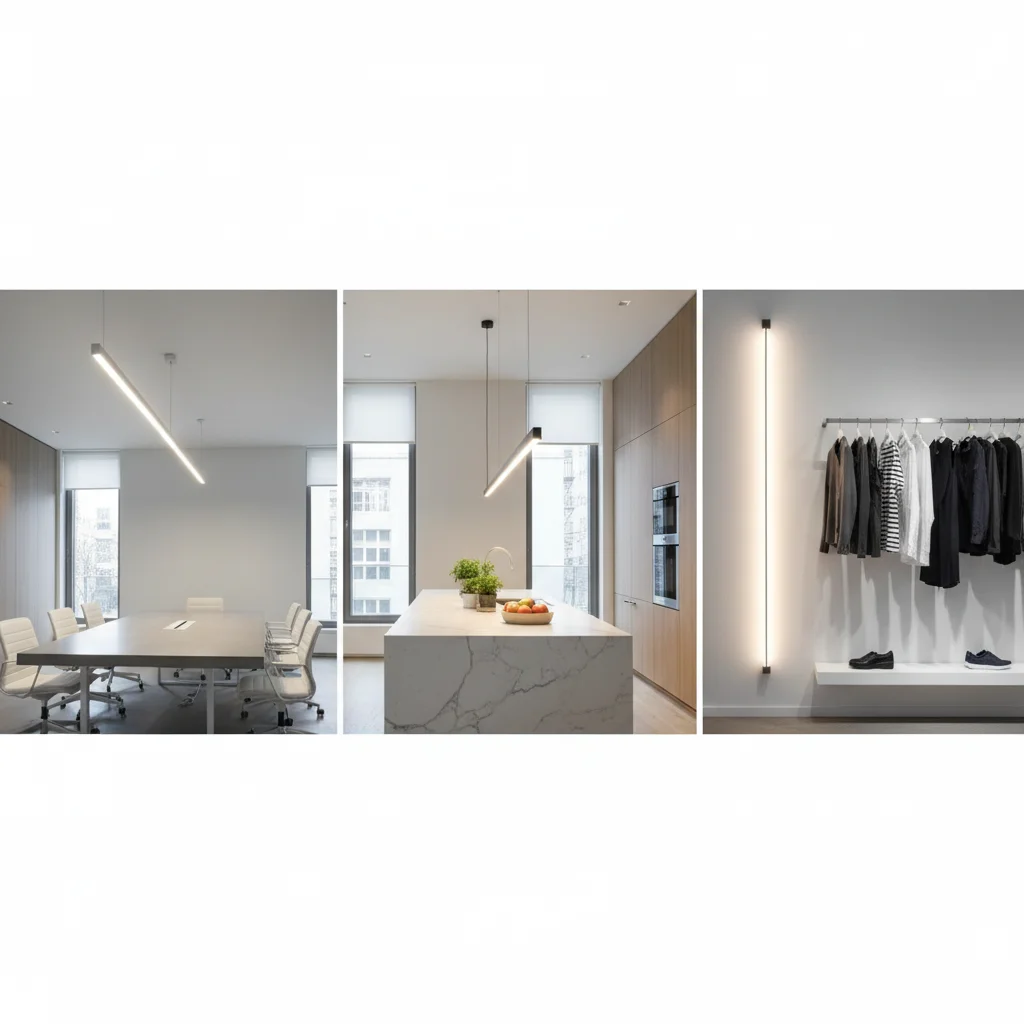
Another popular module type is 'linear' lighting. These long, strip-shaped modules are used to provide homogeneous and general illumination in large areas. In offices, corridors, or spacious halls, they create a modern and continuous line of light, adding an airy feel to the space. They are available in various lengths and light outputs.
The system also includes 'pendant' lighting modules. These modules, with their designs hanging downwards from the track, offer both functional and decorative lighting. They are preferred for providing atmospheric light over dining tables, bar counters, or seating areas. The ease with which modules can be attached and removed allows for quick changes to the space's lighting scenario.
In Which Areas Are Magnetic Track Lighting Systems Suitable for Use?
Magnetic track lighting systems can be successfully applied in a wide variety of spaces thanks to the flexibility and aesthetic advantages they offer. In residential projects, they are preferred, especially in living rooms, kitchens, corridors, and bedrooms with modern and minimalist designs. Homeowners can instantly personalize the ambiance of their living spaces by easily changing or adjusting the positions of the lighting modules.
In commercial areas, magnetic track systems have virtually become a standard. Stores and showrooms utilize the flexibility offered by these systems to the maximum extent, as product display arrangements frequently change. While spot modules highlight products, linear modules provide general illumination. Cafes, restaurants, and hotels also prefer these systems for both general lighting and to emphasize specific tables or seating areas.
Offices, galleries, and museums also benefit from the dynamic lighting solutions offered by magnetic track lighting. While providing sufficient and homogeneous light in workspaces, spot lighting can be easily adjusted to highlight the details of exhibited artworks in galleries. This wide range of applications clearly demonstrates the system's adaptability and the value it adds to modern spaces.
What Differences Do Magnetic Systems Offer Compared to Classic Track Spot Lighting?
There are fundamental differences between magnetic track lighting systems and classic track spot lighting. Classic systems typically operate on 220V mains voltage, whereas magnetic systems have a 48V low voltage. This makes magnetic systems safer and minimizes the risk of electric shock during module installation and removal. Furthermore, while modules in classic systems are usually fixed onto the track with a mechanical locking mechanism, in magnetic systems, magnets provide both adhesion and electrical connection.
In terms of flexibility, magnetic systems are clearly superior. While removing or repositioning a module in classic track spots usually requires more effort and care, magnetic modules can be slid, removed, or replaced with new ones on the track in seconds, without the need for special tools. This allows for adapting the space's lighting arrangement to immediate needs.
Aesthetics and ease of installation are also significant differences. Magnetic tracks generally have a thinner and more minimalist design, especially in recessed applications, integrating with the ceiling to offer a much cleaner appearance. Classic tracks, on the other hand, are usually more prominent and surface-mounted. Although magnetic systems require a transformer/driver connection for installation, the integration of modules onto the track is much simpler and offers superiority in terms of design freedom.
What Should Be Considered During Magnetic Track Lighting Installation?
The installation of magnetic track lighting systems involves several fundamental steps and points to consider. Firstly, due to the system operating on 48V low voltage, an appropriately powered transformer or driver is required to convert mains electricity to this voltage. The power of this transformer must be selected to meet the total power of all lighting modules to be used. Power calculation is critical for the stable and efficient operation of the system.
The structure of the surface where the track will be mounted (ceiling or wall) and the track type (recessed, surface-mounted, suspended) must be determined in advance. Recessed applications require appropriate channels to be opened in the ceiling or wall, while surface-mounted installation is simpler. Electrical connections should be made in accordance with safety standards and typically by a professional electrician. The transformer/driver is usually placed at the start of the track or in a concealed area.
Once the installation is complete, the lighting modules are easily placed onto the track. Positioning the modules in the correct direction and at desired angles directly impacts the lighting quality of the space. If a dimmable or smart control system-compatible installation is planned, the integration of these systems should also be considered during the installation phase. All these steps are important for achieving maximum efficiency and aesthetic benefits from the system. For all your magnetic track lighting needs, you can visit our store.
Magnetic Track Lighting vs. Classic Track Spot Lighting Comparison
| Criterion | Magnetic Track Lighting | Classic Track Spot Lighting |
|---|---|---|
| Operating Voltage | Typically 48V DC (Low Voltage) | Typically 220V AC (Mains Voltage) |
| Module Connection | Magnetic, easy to attach/detach and slide | Mechanical lock, generally more fixed |
| Flexibility | High (module type and position can be changed instantly) | Medium (module position can be changed but less practical) |
| Aesthetics | Minimalist, integrated appearance with recessed options | Generally more prominent, surface-mounted design |
| Safety | High safety due to low voltage | Requires more careful use due to mains voltage |
| Installation | Requires transformer/driver, simple module mounting | Direct mains connection, module mounting relatively more cumbersome |
| Application Area | Residential, retail, showroom, office, cafe (modern and flexible designs) | Residential, retail, office (general and accent lighting) |
Related guides: What is Linear Lighting and Where is it Used?, LED Strip Selection Guide: How to Choose the Right LED Strip?, What is Color Temperature (Kelvin)? 3000K or 4000K?. For turnkey application for your project, you can review our lighting services page.