Lighting does more than just illuminate a space; it also dictates its mood and functionality. This is where 'Color Temperature' or 'Kelvin' value, which defines the color of light, comes into play. So, what exactly is Kelvin, and why is choosing between 3000K and 4000K so crucial? This guide provides all the necessary information to make informed lighting choices.
What is Color Temperature (Kelvin) and Why is it Important in Lighting?
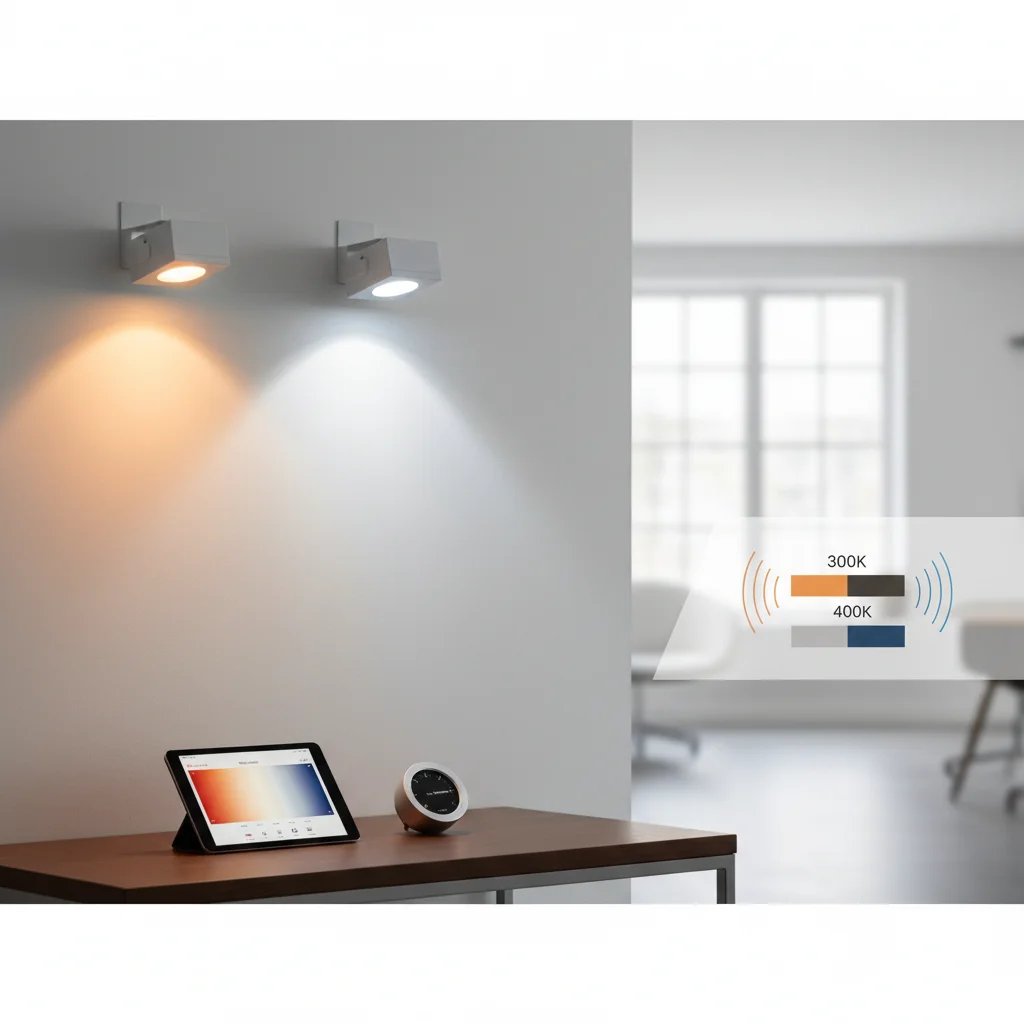
Color temperature is expressed in Kelvin (K), a unit used to measure the color of light emitted by a light source. This concept allows light to be perceived in warm (yellowish) or cool (bluish) tones. Low Kelvin values represent warm, inviting tones similar to candlelight or sunset, while high Kelvin values indicate cooler, more energetic tones like midday sun or a cloudy sky.
In lighting design, color temperature directly influences a space's overall atmosphere, users' mood, and even the perception of colors within the space. An incorrect Kelvin choice can make a room appear smaller, gloomier, or excessively bright than it is. Therefore, selecting the appropriate Kelvin value for each area's specific needs and desired ambiance is vitally important for lighting comfort and aesthetics.
Warm White (2700K-3000K): Which Spaces Should It Be Preferred In?
Color temperatures between 2700K and 3000K are referred to as 'Warm White.' Light in this range contains yellow and slightly orange tones, giving it the warm and inviting feel of traditional incandescent bulbs. Warm white light evokes a sense of relaxation and peace, making spaces feel more intimate and comfortable.
This Kelvin range is generally preferred in relaxation and socialization areas such as living rooms, bedrooms, and dining rooms. It creates an ideal atmosphere for reading nooks, fireplace areas, or romantic dinners. Warm white light enhances the beauty of wooden furniture and warm-colored decor elements, adding depth to the space.
Natural White (4000K): Which Areas Is It Most Suitable For?
A 4000K color temperature is known as 'Natural White' or 'Neutral White.' This light is neither too warm nor too cool; it offers the closest tone to natural daylight. Providing balanced illumination without prominent blue or yellow tones, it supports the natural appearance of colors and clear perception of details.
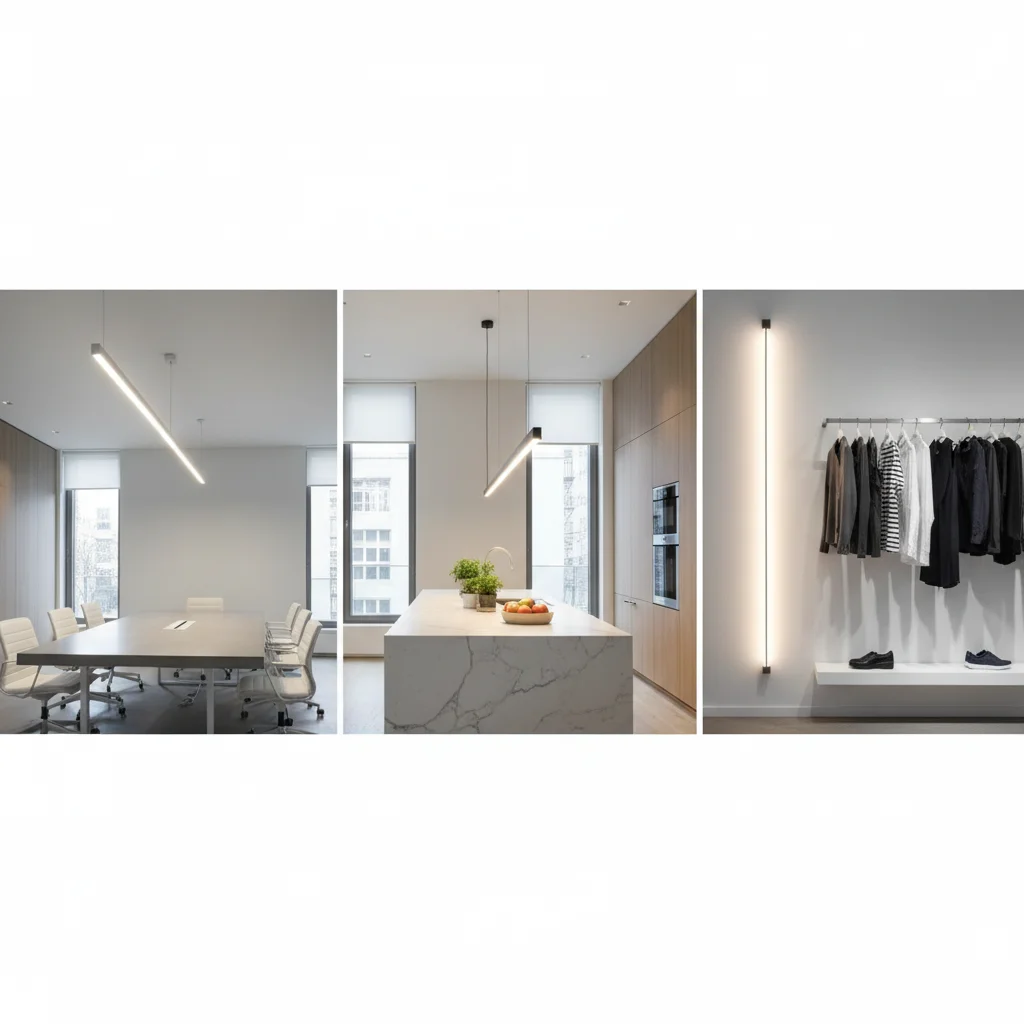
Natural white light is an excellent choice for spaces where focus and task-oriented activities take place, such as kitchens, bathrooms, home offices, and workspaces. This light increases alertness, reduces visual fatigue, and supports work efficiency. It is also frequently used in commercial areas like stores and galleries, where products or artworks need to display their true colors.
Cool White and Daylight (5000K-6500K): When Should They Be Used?
Color temperatures of 5000K and above are referred to as 'Cool White' or 'Daylight.' This light contains a distinct bluish tone and offers the brightest, sharpest illumination. It is ideal for specific applications due to its high contrast and detail perception, but it is generally not preferred in living spaces.
Cool white light is typically used in technical areas requiring high visibility and a sterile environment, such as garages, workshops, warehouses, hospitals, and laboratories. This type of lighting provides maximum clarity for detailed work or security-sensitive areas. In a home setting, it might be preferred in specific functional areas like laundry rooms or hobby rooms.
What is the Relationship Between CRI (Color Rendering Index) and Color Temperature?
Along with Color Temperature (Kelvin), another important factor determining lighting quality is CRI (Color Rendering Index). CRI measures how accurately a light source renders the colors of objects it illuminates. Natural daylight has a CRI value of 100 and is considered the reference point. A light source with a high CRI value (generally 80 or above, ideally 90+) displays colors more vibrantly and realistically.
While color temperature expresses the 'color' of light (warm or cool), CRI expresses the 'quality' of light (how accurately it renders colors). These two parameters are independent but, when considered together, provide the ideal lighting experience. For example, both a 3000K warm white and a 4000K natural white LED lamp can have a high CRI value. Achieving accurate color perception in your space, especially in areas like kitchens and dressing rooms, is possible by choosing products with a high CRI value.
Why is Consistent Kelvin Usage Critical in a Single Space?
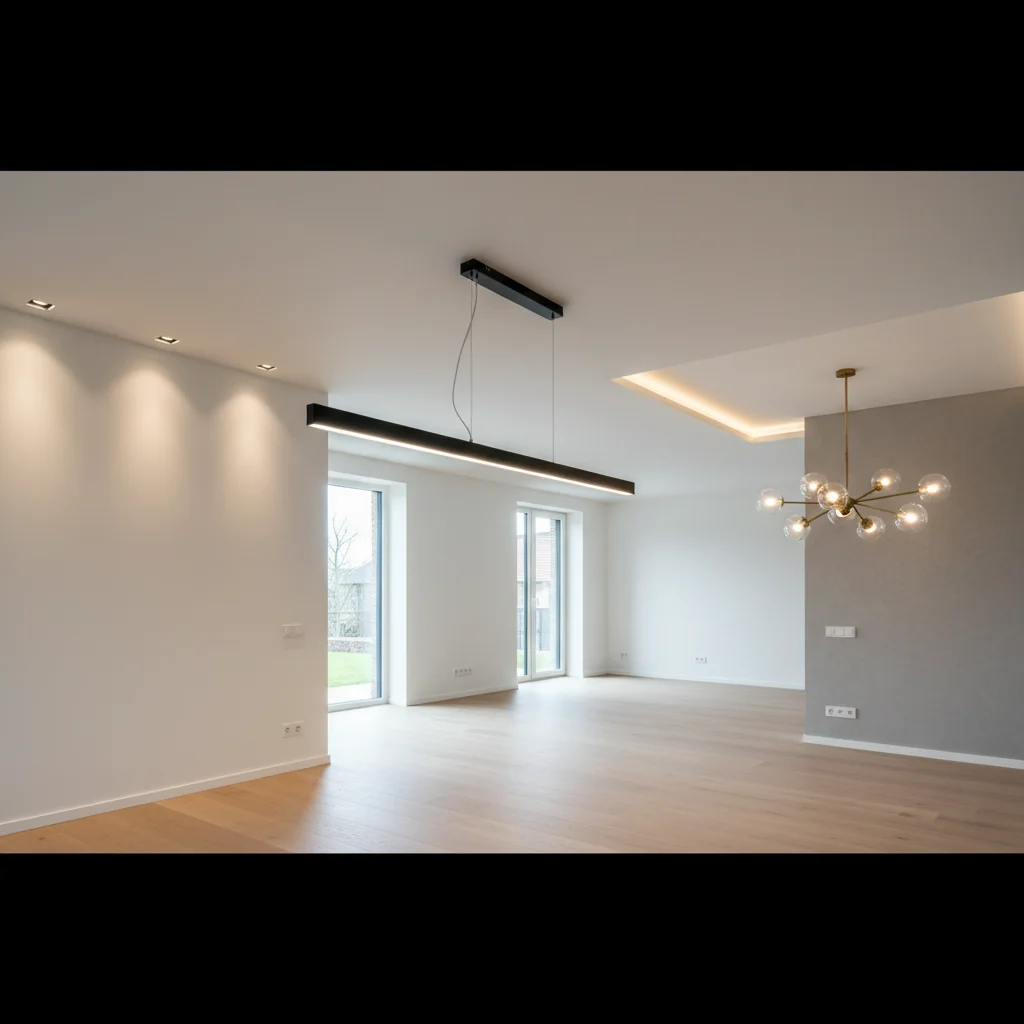
Inconsistent color temperatures from different light sources within a space can lead to visual clutter and an uncomfortable atmosphere. For example, using both 3000K warm white and 4000K natural white light in one room can make the space appear unbalanced and disjointed. Our eyes constantly try to adapt to different color temperatures, leading to fatigue and, in the long term, eye strain.
Using a consistent Kelvin value preserves the integrity and aesthetics of a space. Lamps with the same color temperature provide homogeneous light distribution in a room, creating a more harmonious and inviting environment. This is especially important in open-plan living areas or interconnected rooms. Ensuring all your lighting fixtures have the same Kelvin value helps achieve a professional and balanced look in your space.
How Do You Choose the Most Suitable Kelvin Value for Your Space?
When choosing the correct Kelvin value, first consider the primary function of the area to be illuminated. Is it for relaxation, work, or dining? This question is the first step in determining whether you need warm or neutral light. Subsequently, the space's overall decor style and wall colors can also influence your choice; warm tones may harmonize better with warm light, while cool tones might suit neutral or cool light.
If you find it difficult to decide, some lighting products offer adjustable color temperature options. Such products allow you to change the light's color according to different times of day or varying moods. Remember, ideal lighting is also closely related to personal preferences. To find the most suitable Kelvin value for your space and transform your living areas, you can visit our store to explore our wide range of products.
Recommended Color Temperatures (Kelvin) by Space
| Space | Recommended Kelvin Range | Feeling Created |
|---|---|---|
| Living Room, Bedroom, Dining Room | 2700K - 3000K | Warm, Relaxing, Intimate, Calm |
| Kitchen, Bathroom, Study, Office | 3500K - 4000K | Natural, Focused, Energetic, Clear |
| Garage, Workshop, Warehouse, Technical Areas | 5000K - 6500K | Sharp, Bright, Productive, Detail-Oriented |
Related guides: What is Linear Lighting and Where is it Used?, What is a Magnetic Track Lighting System?, LED Strip Selection Guide: How to Choose the Right LED Strip?. For turnkey application for your project, you can review our lighting services page.