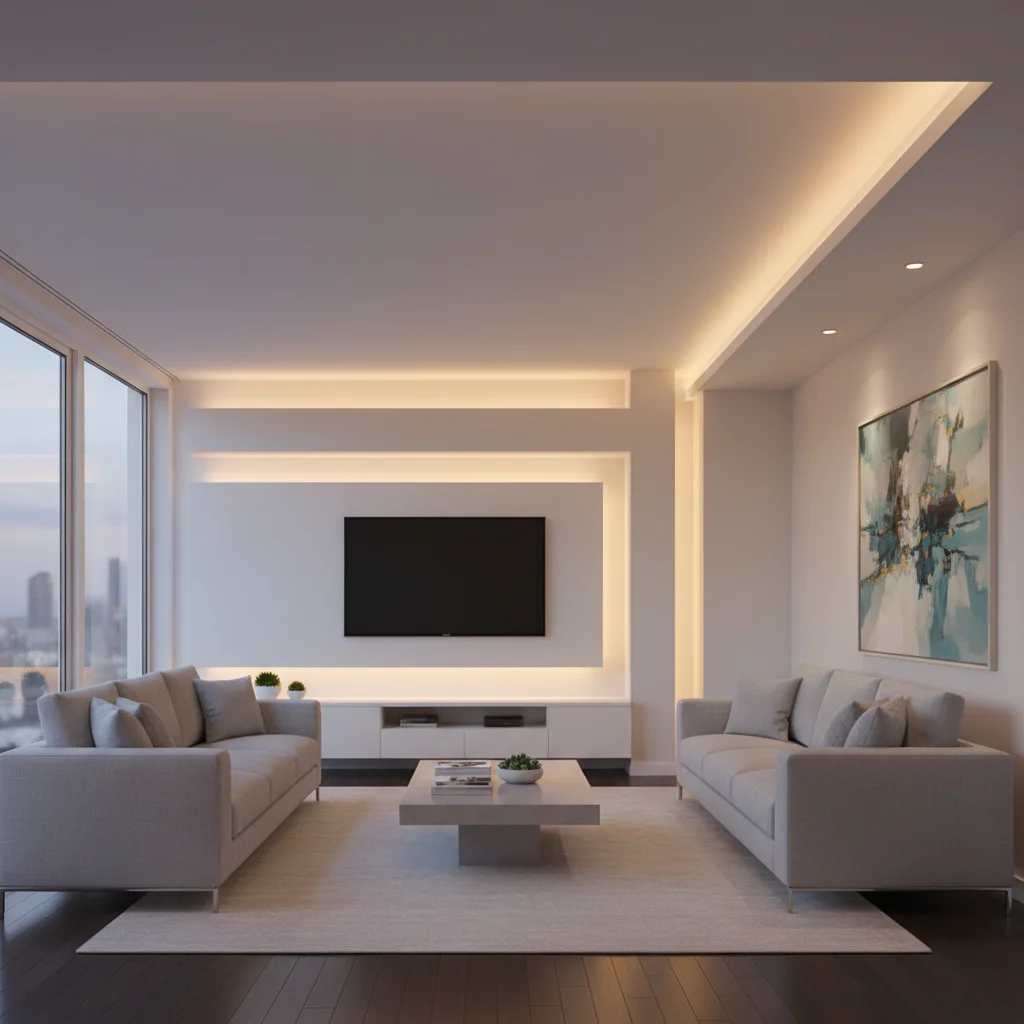
Cove lighting, also known as hidden lighting, is an aesthetic and functional illumination technique frequently preferred in modern interior design. This system is a method where the light source is not directly visible, but light is reflected off the ceiling, wall, or another surface to provide soft and indirect illumination. Especially with the development of LED strip technology, cove lighting applications offer significant advantages in terms of both energy efficiency and design flexibility.
What is Cove Lighting and Why Should it be Preferred?
Cove lighting is based on the principle that LED strips are placed within gypsum niches, cornices/covings, or specially designed ceiling details, allowing light to diffuse into the space by reflecting off a surface rather than directly. This indirect lighting offers a glare-free and homogeneous light distribution that reduces eye strain. The concealed light source provides a modern and sophisticated look without disrupting the overall aesthetics of the space.
This type of lighting is ideal for spaces where a relaxing atmosphere is desired, such as relaxation areas, bedrooms, and living rooms. It adds depth to a space, makes the ceiling appear higher, and highlights textures on walls. Thanks to energy-efficient LED strips, it offers low operating costs, and its long-lasting structure minimizes maintenance requirements. Furthermore, control options such as color temperature and brightness adjustment provide the flexibility to easily change the mood of the space.
What Materials are Required for Cove Lighting Installation?
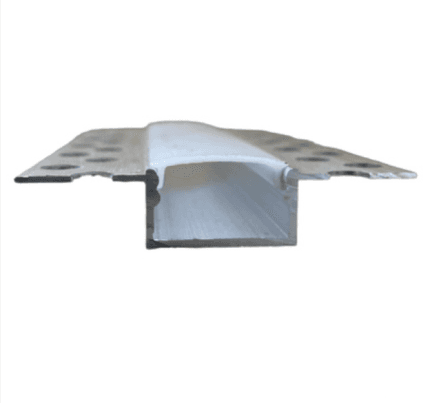
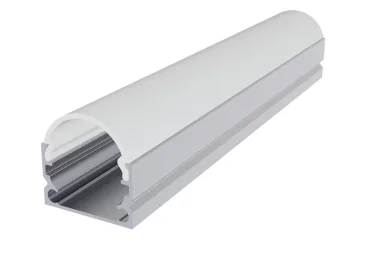
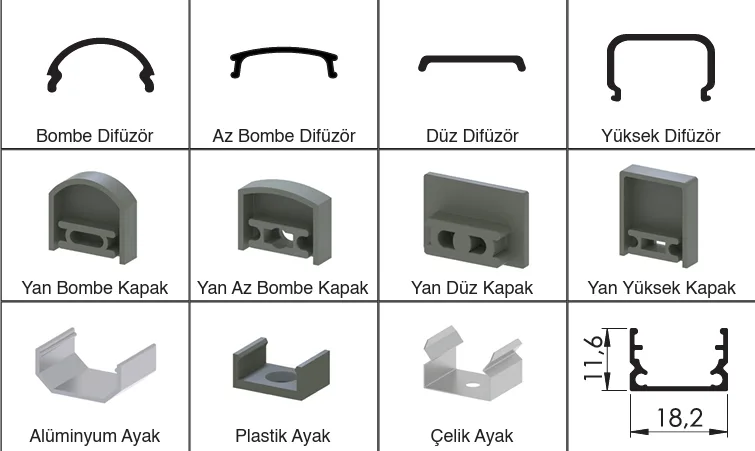
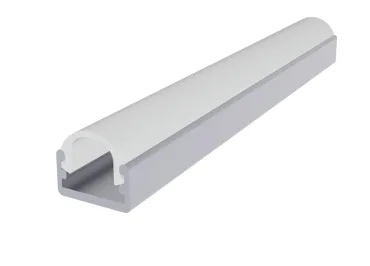
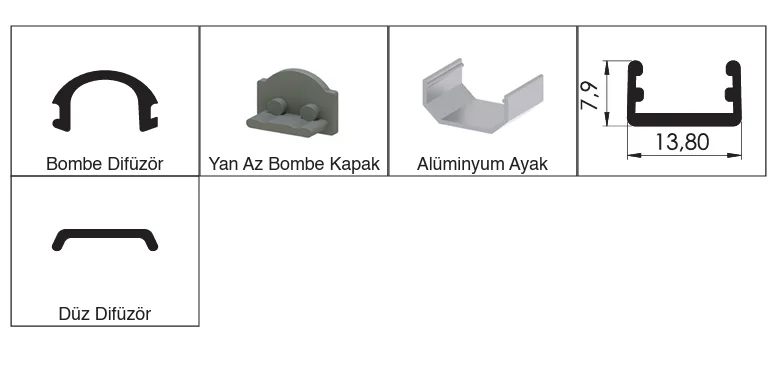
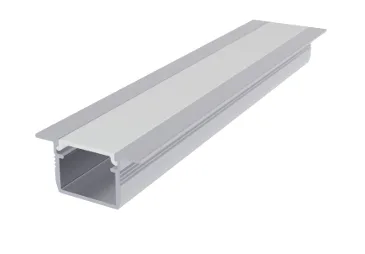
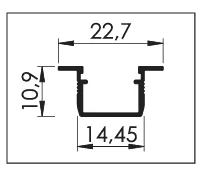
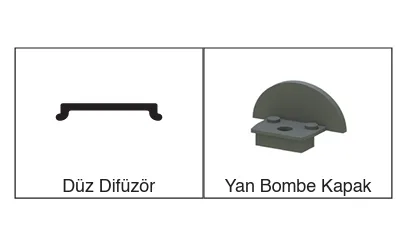
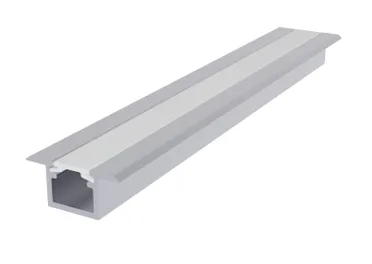
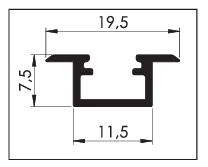
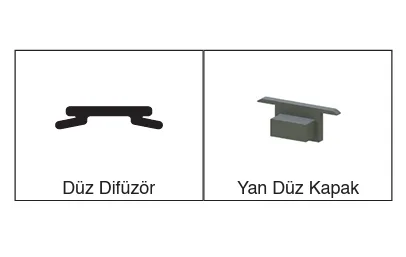
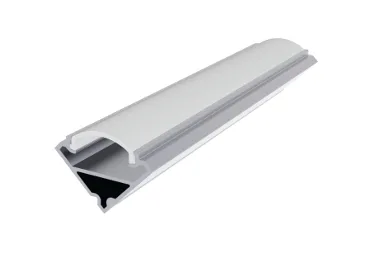
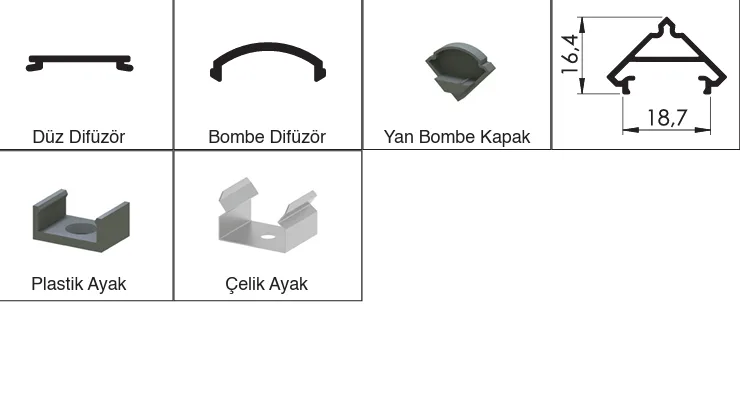
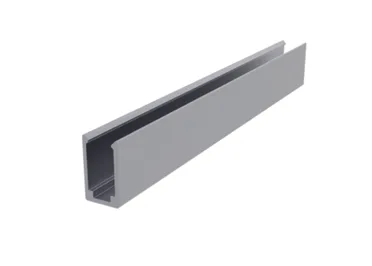
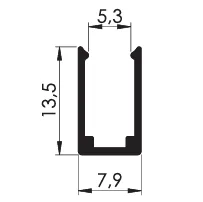
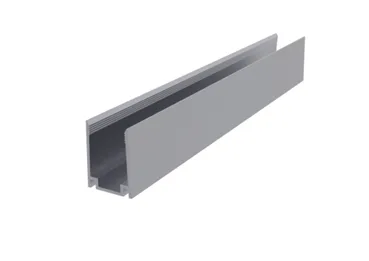
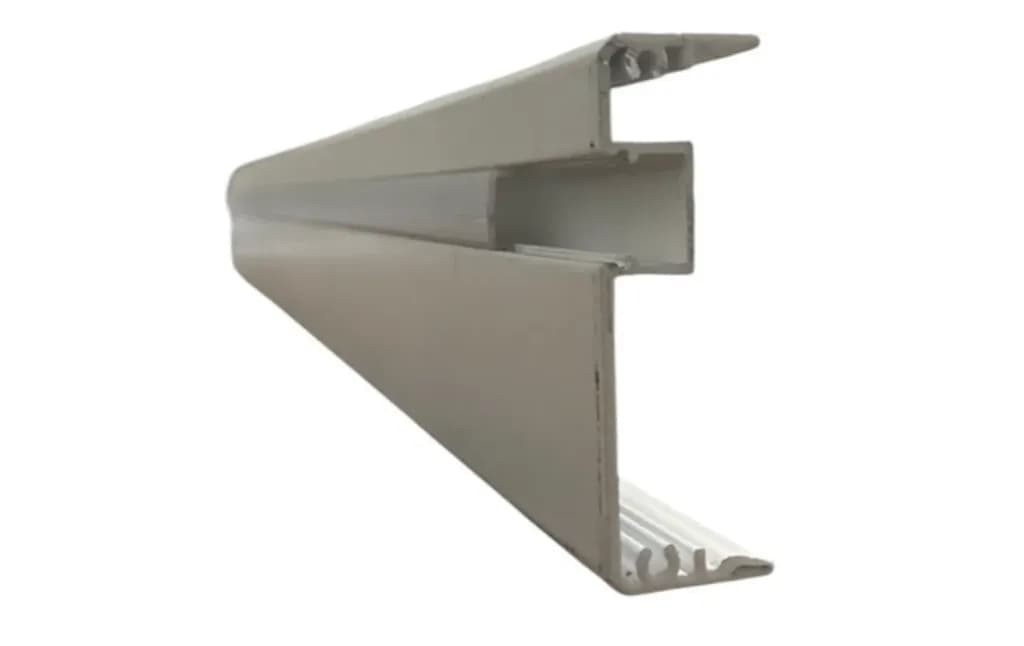
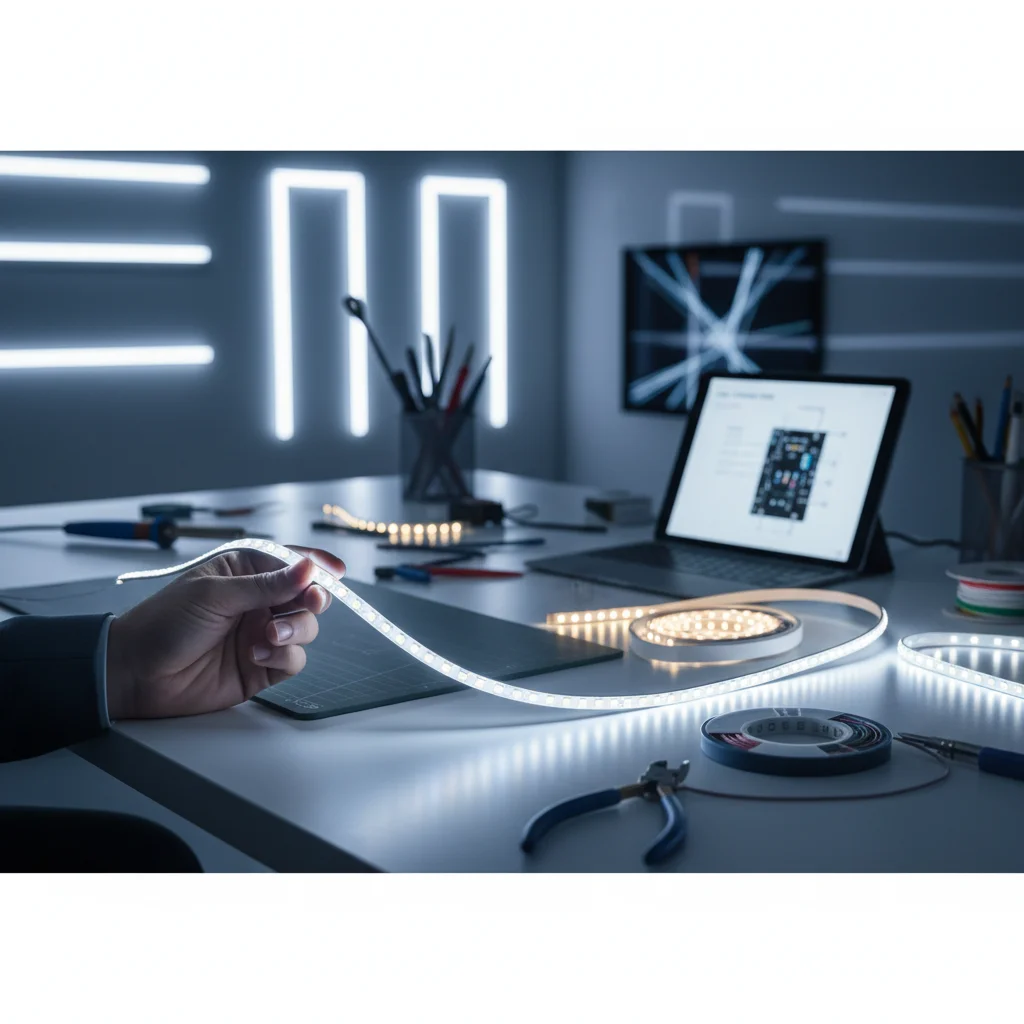
When installing a cove lighting system, selecting the right materials is critical for the project's success. Essentially, high-quality LED strips, aluminum profiles to house these strips, diffusers to evenly distribute the light, an appropriately powered driver (transformer) necessary for the LED strips to operate, and connection cables are required. Additionally, if you wish to adjust light intensity or color temperature, a dimmer or controller should also be included in the equipment list.
The choice of LED strip directly affects the lighting quality of the project. Features such as LED density per meter (e.g., 120 LEDs/meter), light output (lumen value), and color temperature (in Kelvin) should be carefully examined. Aluminum profiles dissipate heat from LED strips, extending their lifespan, and diffusers ensure the light appears softer and more continuous. You can procure all these components from our store and find the most suitable solutions for your project.
How Should the Channel and Geometry Be Determined in Cove Lighting Installation?
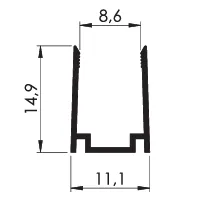
In cove lighting applications, the channel and geometry are fundamental elements that determine how light will reflect and what effect it will create in the space. Areas such as niches created in gypsum ceilings, cornice/coving details, or behind wooden panels are typically used. The depth and width of the channel should be designed to prevent the LED strip from being directly visible and to ensure that light spreads homogeneously across the surface. For example, the distance between the ceiling and the edge of the niche should generally be around 10-15 cm.
The direction of light is also important: will it reflect towards the ceiling, towards the wall, or both? This choice directly affects the overall ambiance of the space. Ceiling reflection provides general ambient lighting, while wall reflection can be used to highlight wall textures or artworks. The inner surface of the channel being light-colored and matte increases light reflection, providing more efficient illumination.
What Should Be the Ideal Distance Between the LED Strip and the Illuminated Surface?
To achieve a homogeneous and continuous light line, the distance between the LED strip and the surface from which the light will reflect (ceiling or wall) is a critical factor. Generally, this distance ranges between 10 to 20 cm to eliminate the visibility of individual LED dots on the strip and to diffuse the light with a soft transition. Shorter distances can cause LED dots to become noticeable, while excessively long distances can reduce light efficiency.
This ideal distance is also related to the lumen value and LED density of the LED strip used. High-density (e.g., 120 or more LEDs per meter) and high-lumen strips can provide a smoother light line even at shorter distances. Before installation, testing the light distribution at different distances with a small test piece will help you achieve the best result. This way, an aesthetic appearance is ensured by preventing the undesirable 'dot effect'.
How to Choose LED Strips and Color Temperature for Cove Lighting?
In cove lighting applications, the choice of LED strip plays a key role in creating the desired atmosphere. Features such as the strip's lumen value (light output), LED density per meter, and color temperature should be considered. For general lighting, high-lumen (e.g., 1000-1500 lumens/meter) strips are preferred, while lower-lumen strips may suffice for accent lighting. The higher the LED density, the more continuous and homogeneous the light line appears.
Color temperature directly affects the ambiance of a space. Warm white (2700K-3000K) is generally ideal for relaxing areas such as bedrooms and living rooms, creating a warm and inviting feel. Natural white (4000K-4500K) is preferred in more functional spaces like kitchens or workspaces, providing clearer and more focused illumination. Our store offers a wide range of LED strips with various lumen and color temperature options.
What Should Be Considered When Choosing a Driver (Transformer)?
Selecting an appropriate driver (transformer) is vital for the correct and safe operation of LED strips. The driver's power should be at least 20-25% higher than the total power consumption of the LED strip length to be used. For example, for a 10-meter LED strip consuming 10W per meter, a total of 100W power is required; in this case, a driver with at least 120-125W power should be chosen. This '20 percent rule' prevents the driver from being overloaded and extends its lifespan.
Drivers typically have 12V or 24V output voltage. The voltage value of the LED strip you choose must be compatible with the driver's output voltage. Additionally, the driver's IP protection class should be determined according to the environment it will be used in; higher IP rated drivers are required for damp or outdoor applications. The size of the driver should also be considered in situations where installation space is limited. You can find drivers suitable for all these technical details in our store.
What are Common Mistakes in Cove Lighting Installation?
One of the most common mistakes encountered in cove lighting applications is the distinct visibility of LED strip dots. This usually results from the distance between the LED strip and the reflective surface being too short, or from using low-density LED strips. For a homogeneous light line, strips with at least 120 LEDs per meter should be preferred, and the ideal distance setting should be made. The use of aluminum profiles and opal diffusers also significantly reduces this dot effect.
Another common mistake is choosing a driver with incorrect power or voltage. An underpowered driver can cause LED strips not to illuminate at full brightness or shorten their lifespan. An overpowered driver, on the other hand, means unnecessary cost and space occupation. Additionally, loose or incorrect cable connections during installation can lead to flickering light or the system not working at all. To avoid all these mistakes, quality products and correct installation steps are of great importance.
Where Can Cove Lighting Be Used and What Effects Does It Create?
Cove lighting, thanks to its flexible structure, can be effectively used in a wide variety of spaces. In living rooms, it is preferred as general ambient lighting or behind TV units to reduce eye strain. In bedrooms, when applied along ceiling edges, it creates a relaxing and warm atmosphere, promoting rest. In commercial spaces such as hotel rooms, restaurants, and lobby areas, it is ideal for providing a luxurious and inviting environment.
When used as under-cabinet lighting in kitchens or around mirrors in bathrooms, it offers both functional and aesthetic contributions. Cove lighting adds depth and dimension to a space, while also having the potential to highlight architectural details. With correct color temperature and brightness settings, it can be easily adapted to the function and desired mood of the space. With our wide range of products in our store, you can discover cove lighting solutions suitable for all your spaces.
Related guides: What is Linear Lighting, Where is it Used?, What is a Magnetic Track (Magnet) Lighting System?, LED Strip Selection Guide: How to Choose the Right LED Strip?. For a turnkey application for your project, you can examine our lighting service page.