Aluminium Skirting: Height, Fixing and Concealed Light
Aluminium skirting turns the junction between wall and floor into a crisp line. What sets it apart from wood and PVC equivalents is that it does not react to moisture and does not change shape over time. Our collection holds 15 products.
Choosing the Height
The height of the skirting changes the proportions of a room: in rooms with a high ceiling a taller skirting sits in balance, while in standard rooms a slim profile makes the space read wider. Matching the thickness of the door frame and architrave matters too — when the skirting is thicker than the architrave, an untidy step forms at the junction.
Fixing Types
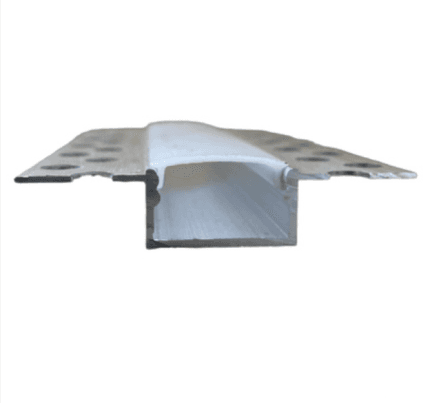
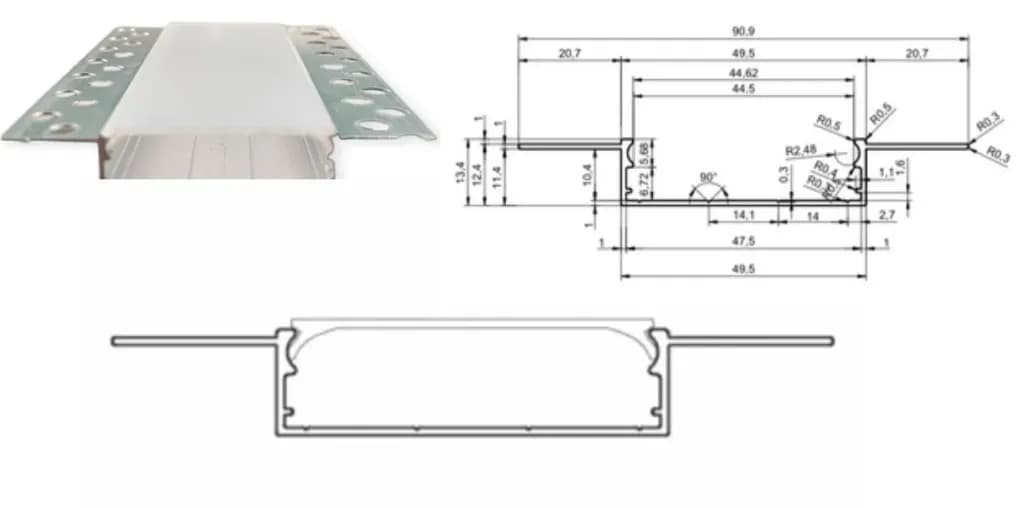
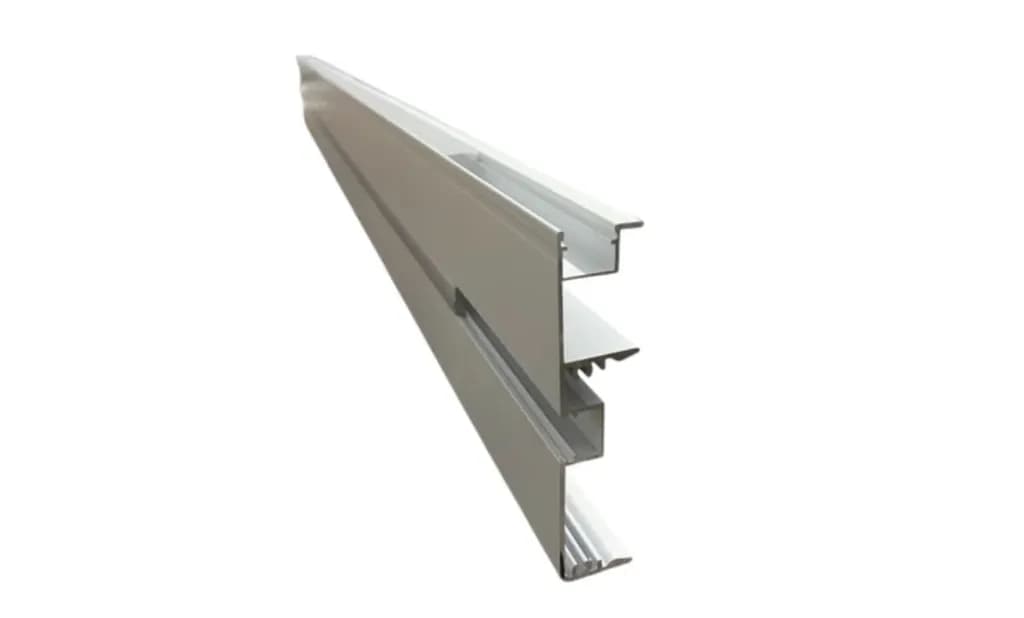
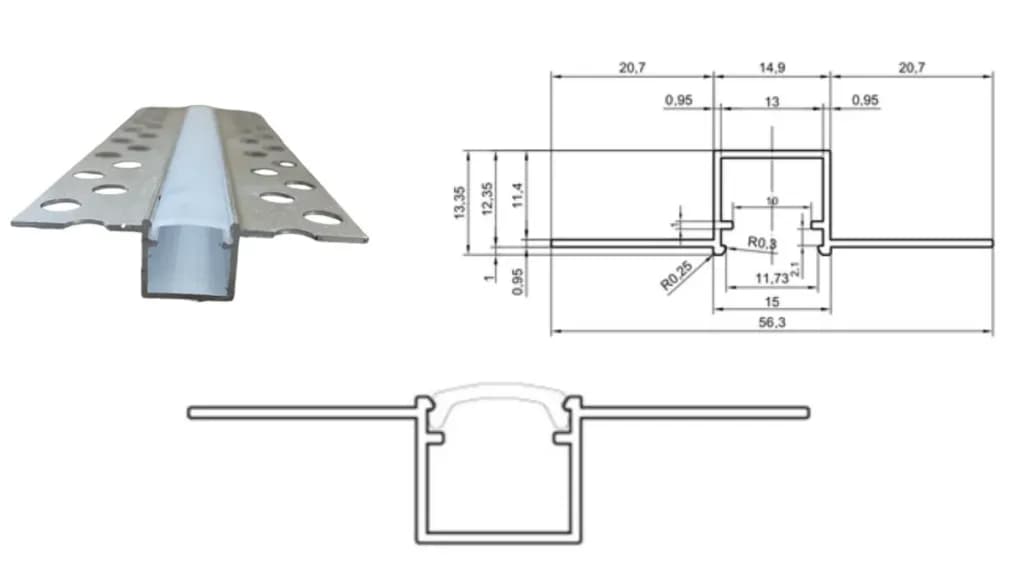
- Flush (into the plaster): sits level with the wall and gives the plainest look; it has to be planned together with the plastering.
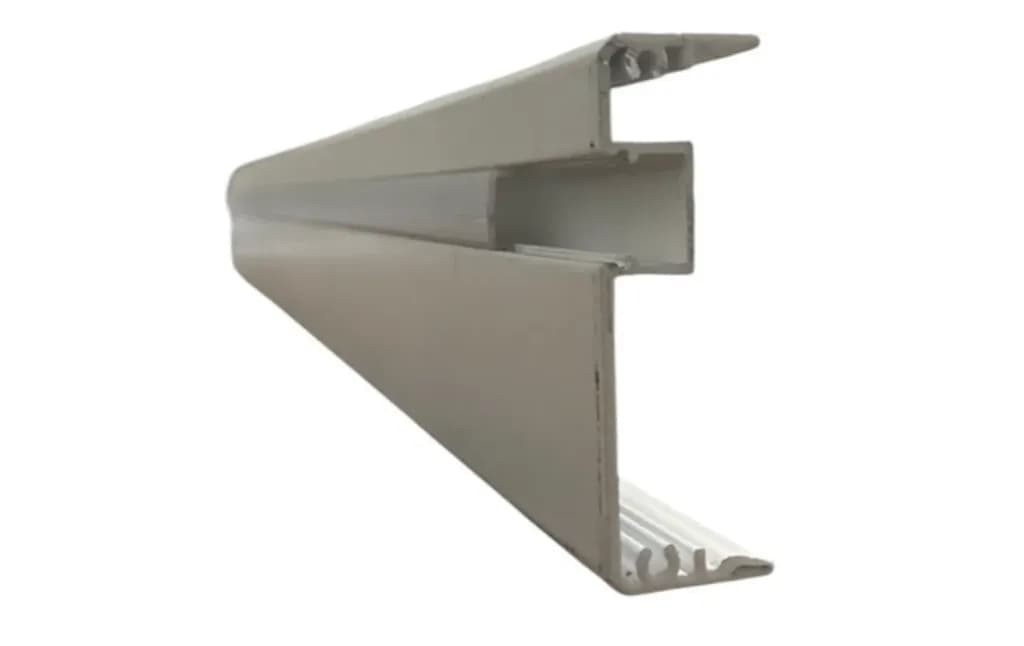
- Surface-fixed: applied to an existing wall with clips or adhesive, with no building work.
Channelled Models for Concealed Light
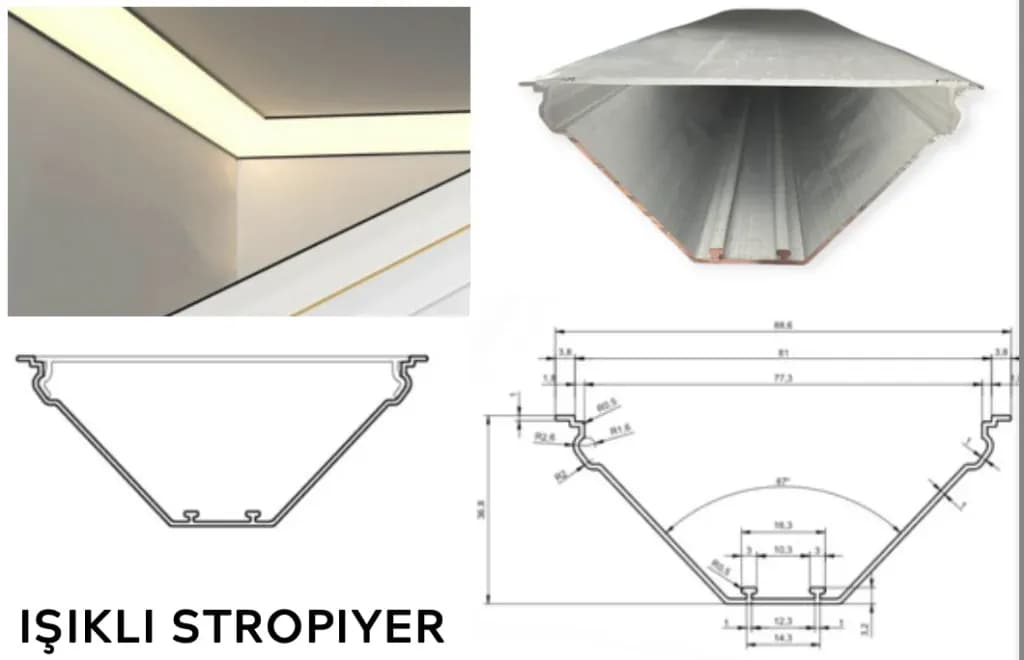
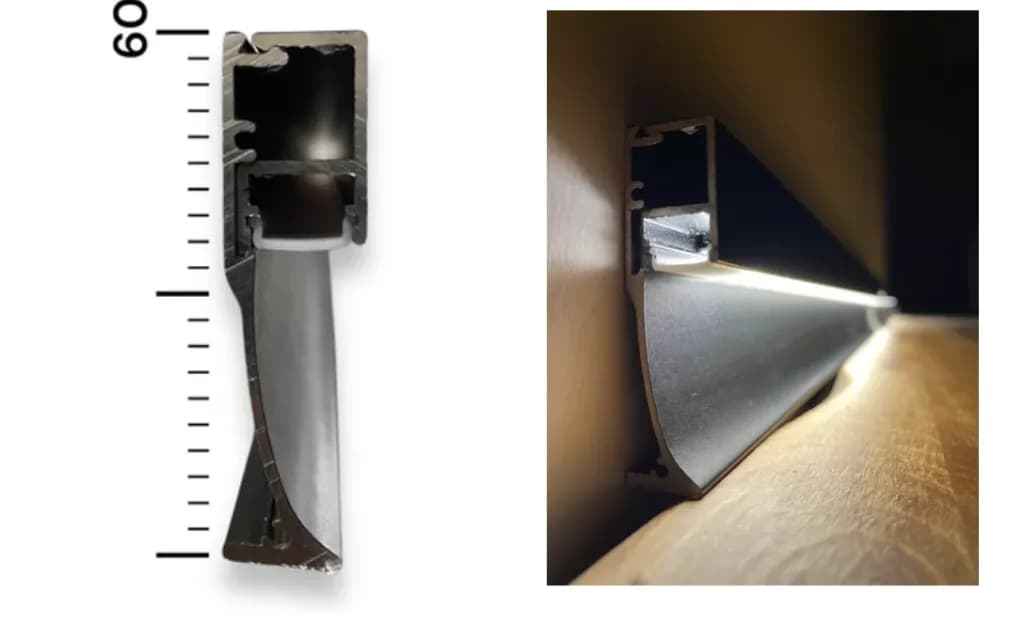
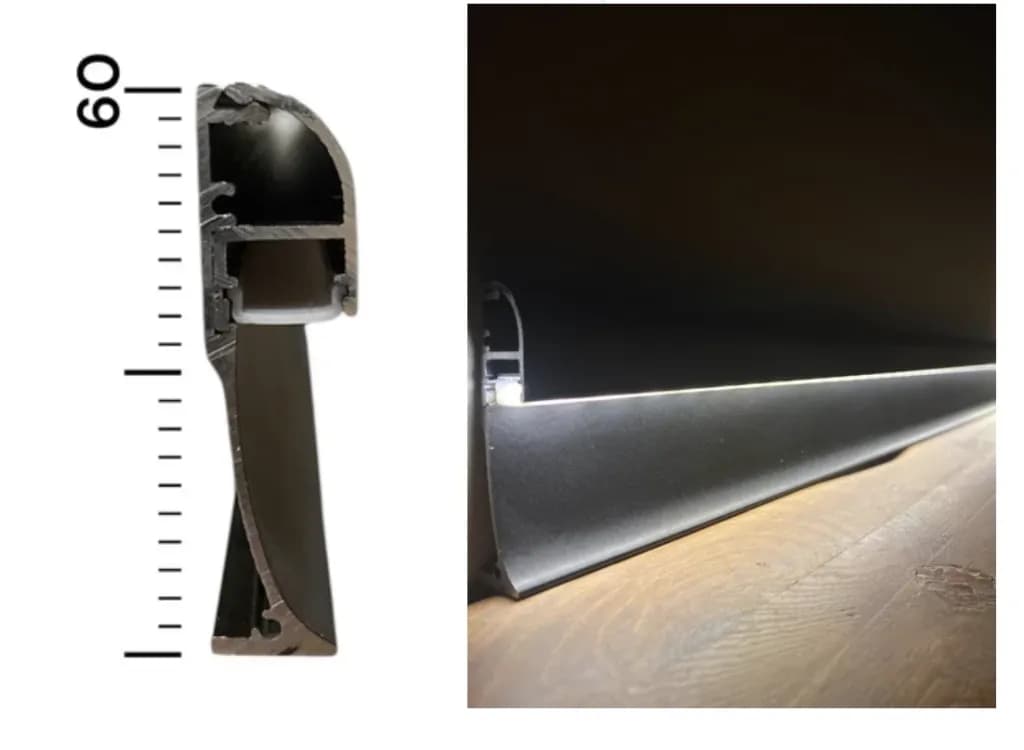
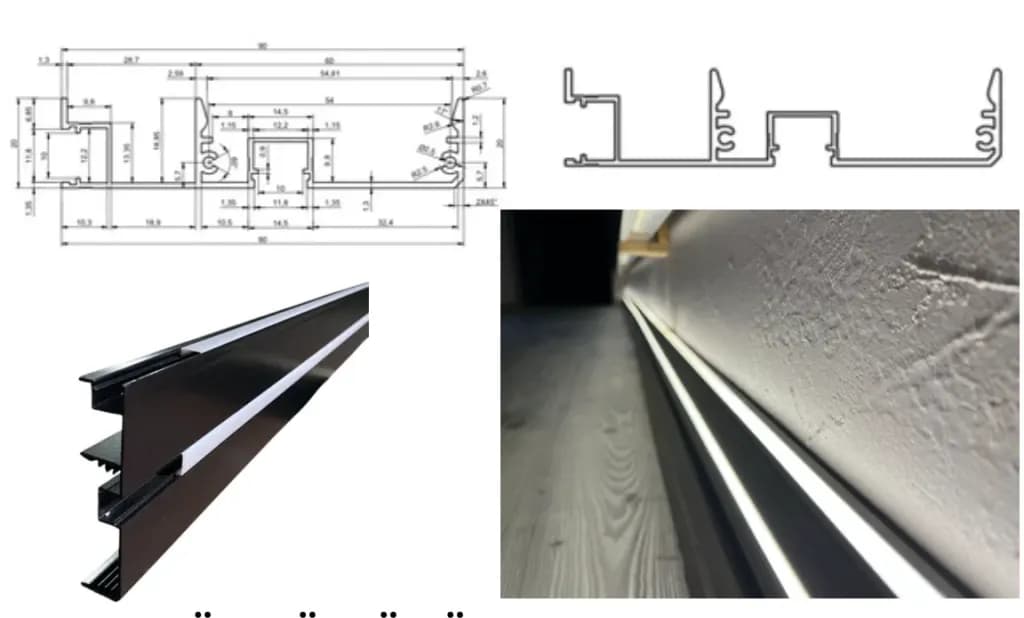
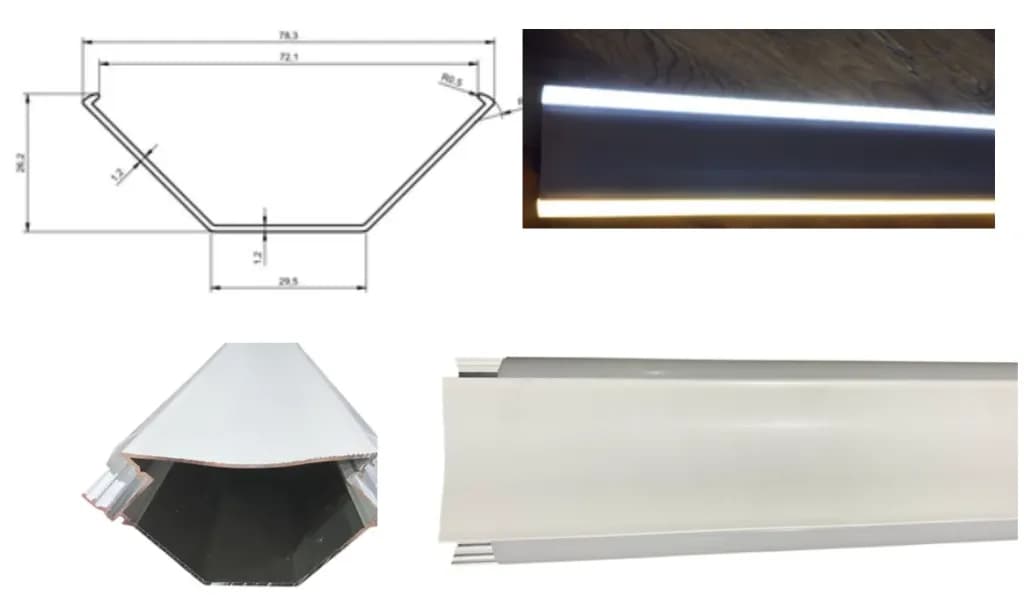
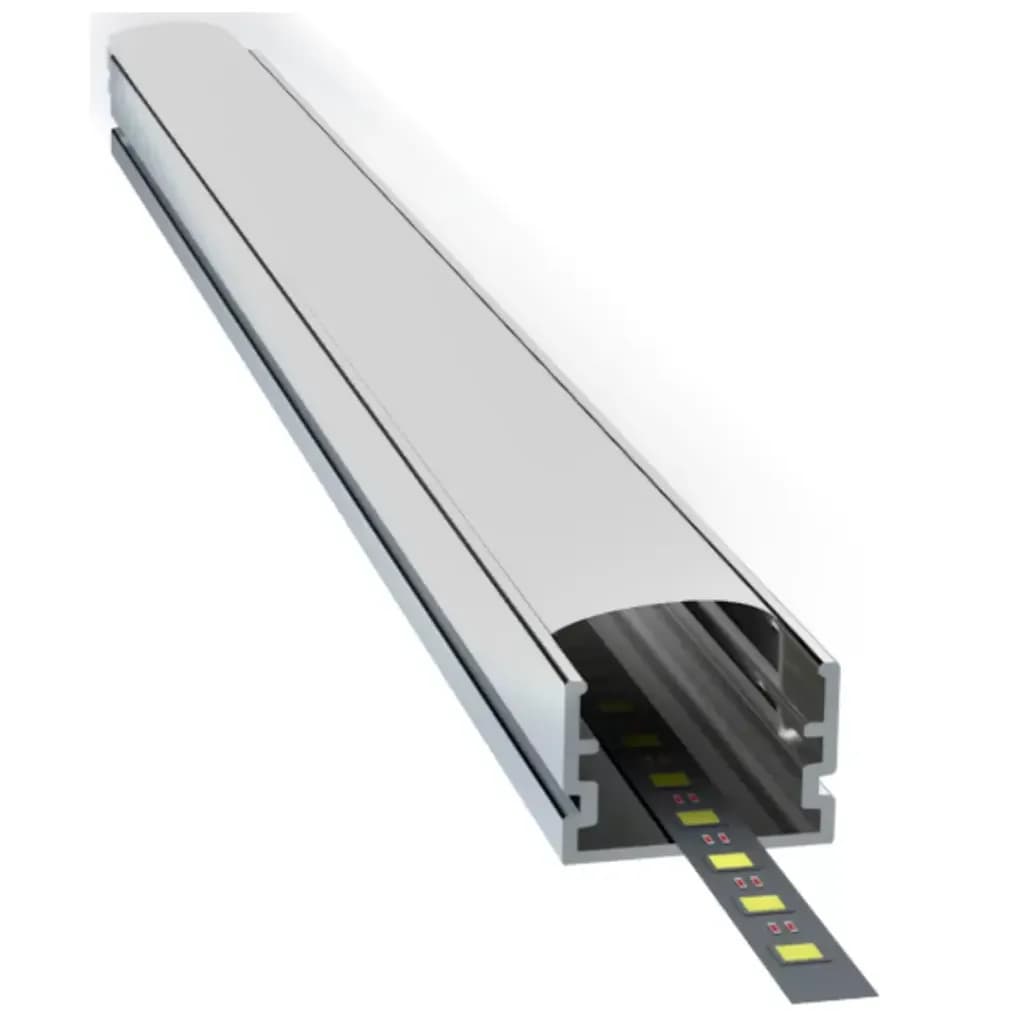
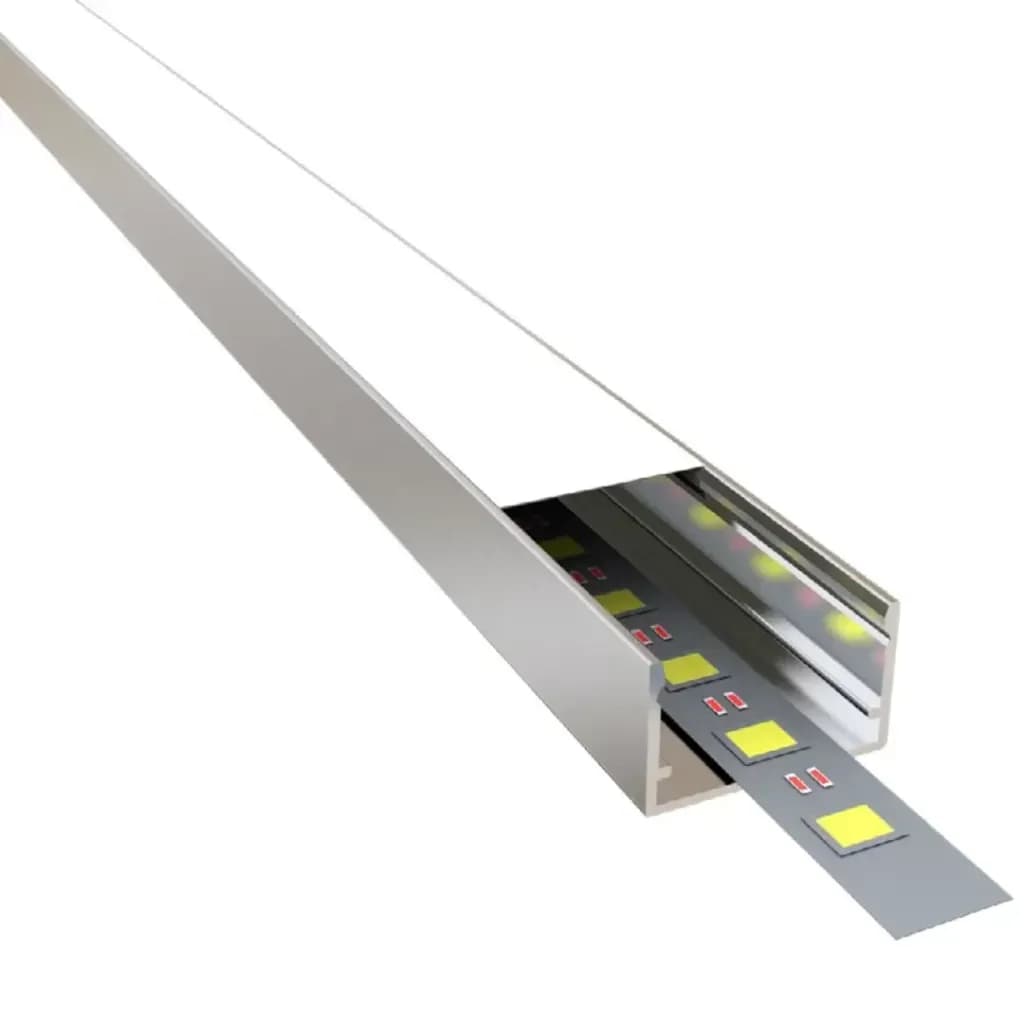
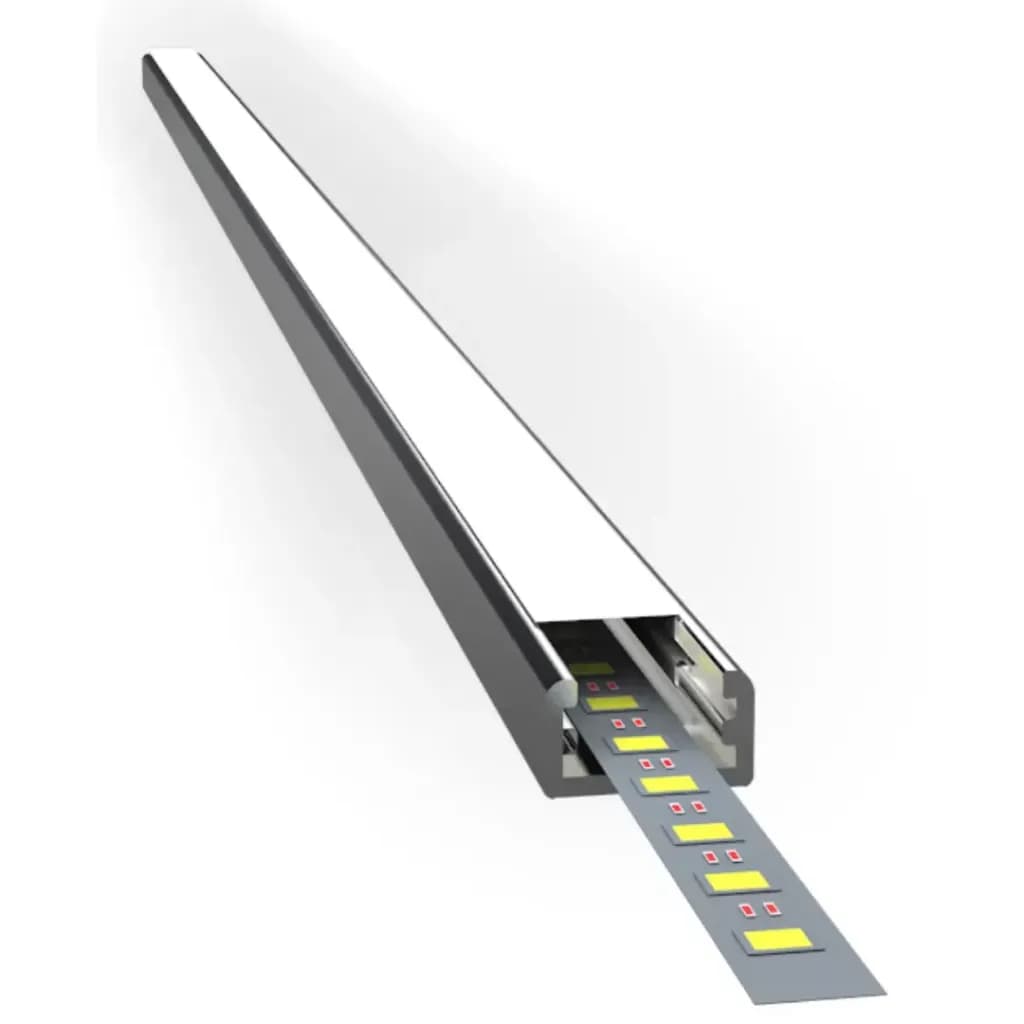
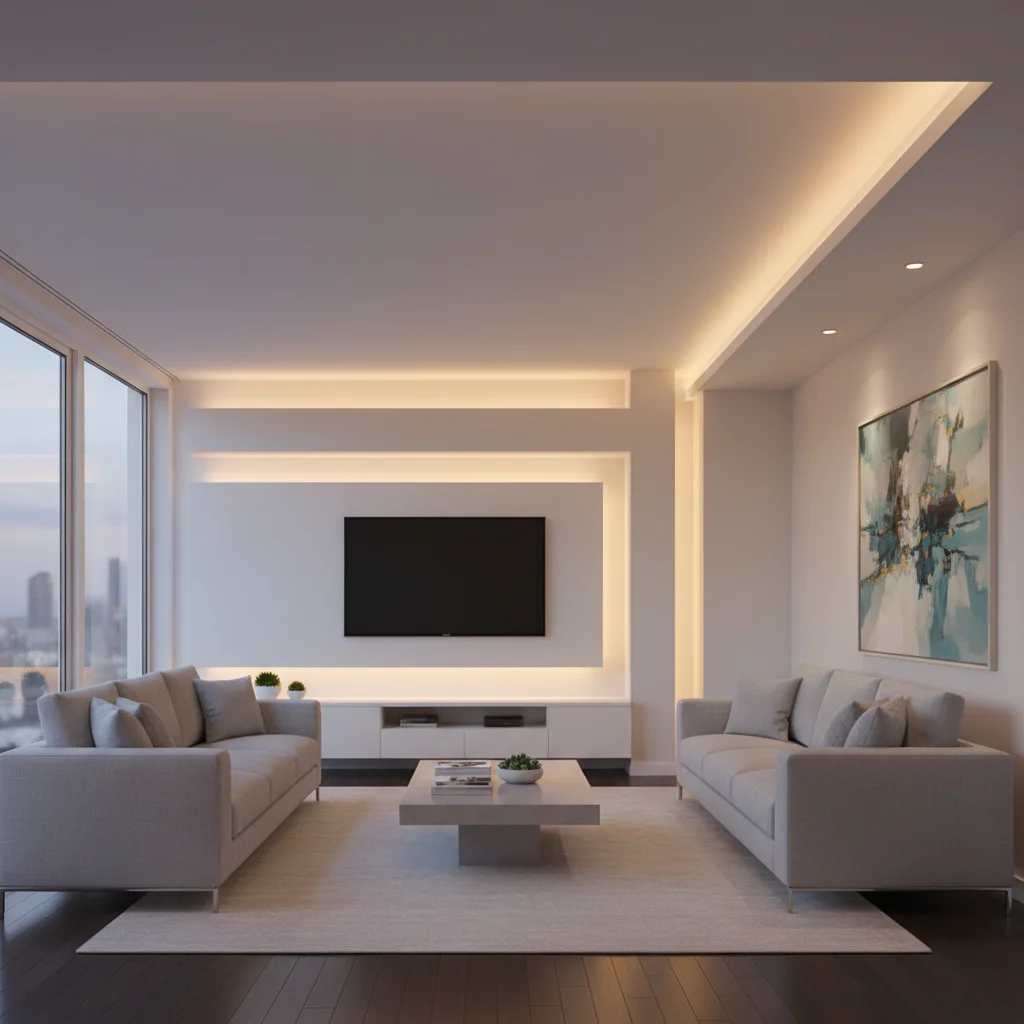
Some profiles carry a channel that takes an LED strip. That fill light washing across the floor is very effective as night lighting in a corridor or on a staircase. If you choose a channelled model, plan the strip and the power supply as well: you can find suitable products under LED strip and LED drivers.
Cutting and Joining
A 45-degree mitre at the corners looks far cleaner than a butt joint. Aluminium profile is cut with a mitre saw; if the burr is not removed after cutting, a fine gap remains at the joint. Where the wall is not perfectly straight, a thin shim behind the profile stops the line from waving.
Budget
Our 5 products with a published price run from 24 EUR to 52 EUR, with a median of 43 EUR. For the remaining products the price is set by length, so the page shows a quote option.
Colour and Finish
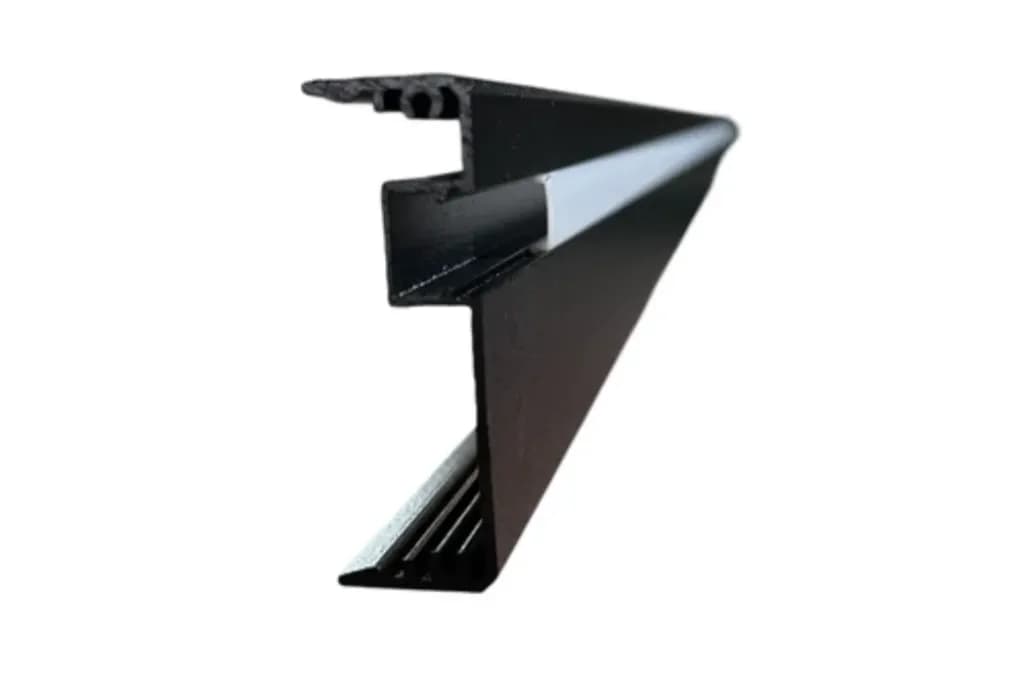
Anodised aluminium keeps its natural metal look and resists scratching; matt black and anthracite surfaces hide the line against dark floors, while white surfaces merge with the wall. Decide in advance whether you want contrast between floor and wall: with high contrast the room reads more deliberate and sharper, with low contrast the space feels wider. Staying within the same colour family as the door architrave and the cabinet plinths avoids a scattered look.