
Track Spotlights
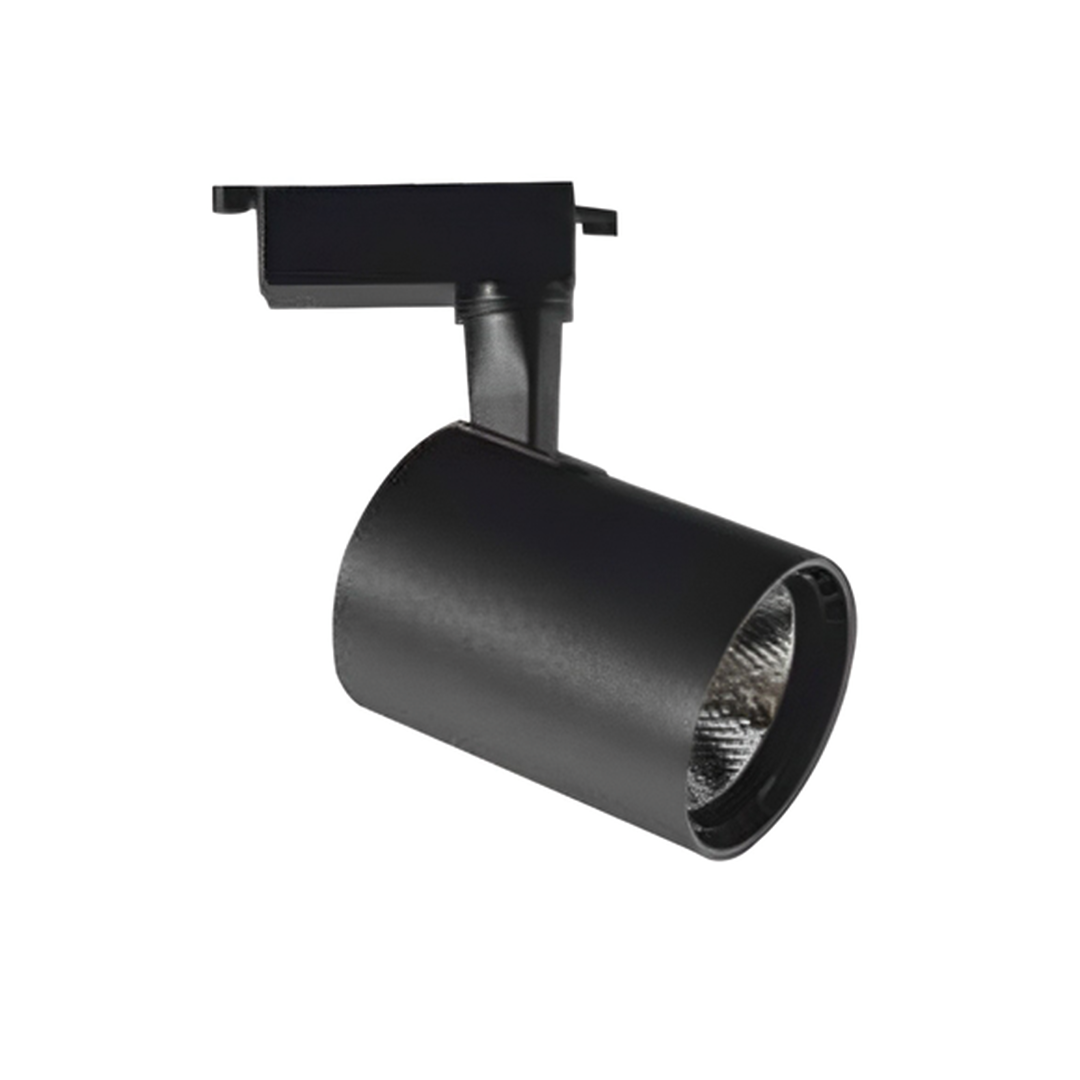
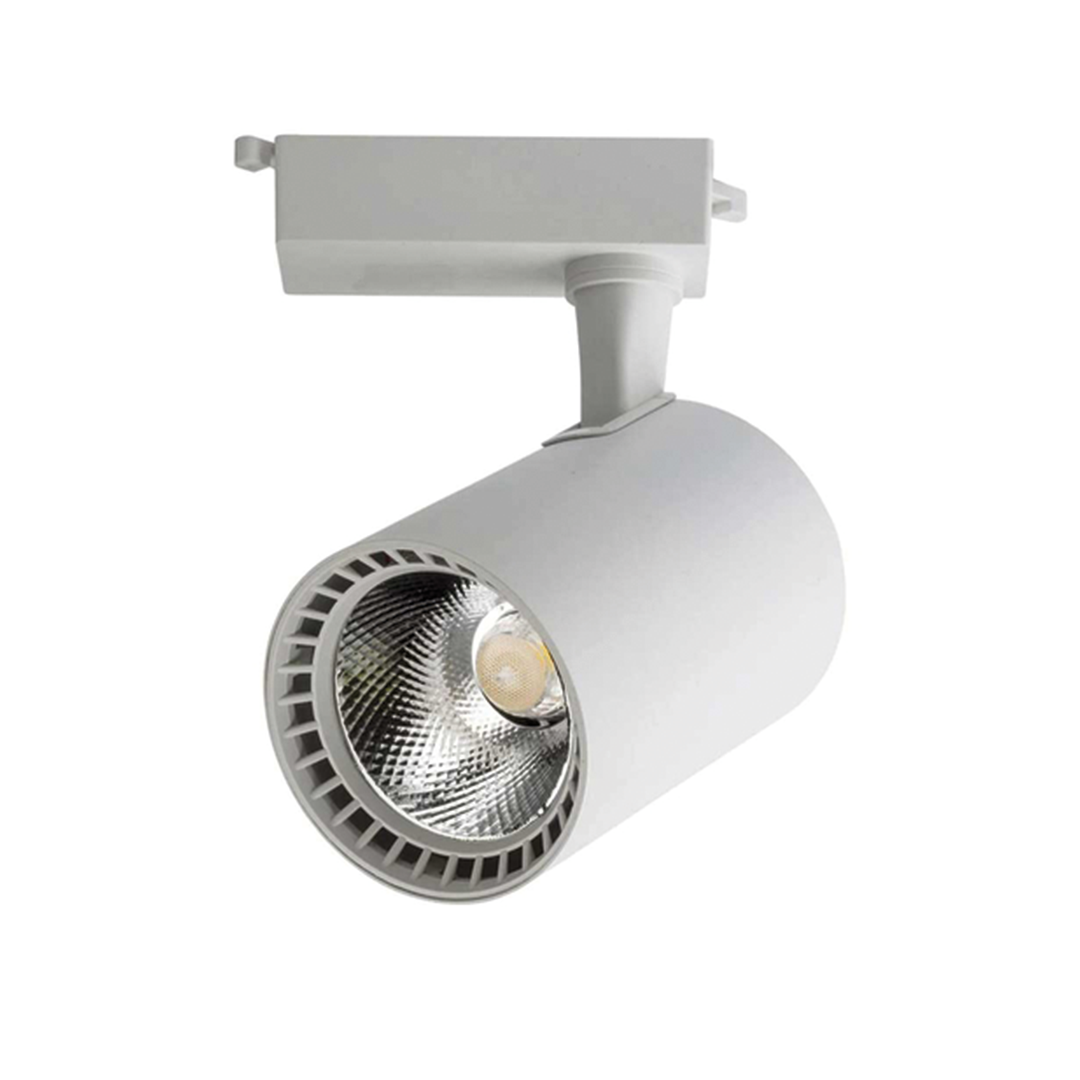
A track spotlight travels along a track fixed to the ceiling and can be aimed wherever it is needed. That is what separates it from a fixed spot: when the product layout changes, the lighting moves with it. In shops and galleries it is used to accent displays and individual products. With a narrow beam it lifts a single item out; with a wide beam it covers a larger area. Track length and the number of spots follow the area to be lit; as a rule of thumb, allow one spot for every product group you want to accent.





Related Categories
Frequently Asked Questions
Is it the same as a magnetic track system?
No. In a classic track spot the fitting locks mechanically onto the track; in a magnetic track system it sits by magnet and runs on low voltage. Parts of the two systems do not fit together.
Can the track be extended?
The run can be extended with straight and corner connectors; plan the position of the feed point from the outset.
Can it be dimmed?
If dimming is intended, the fitting and the control must support the same method.
Related Guides
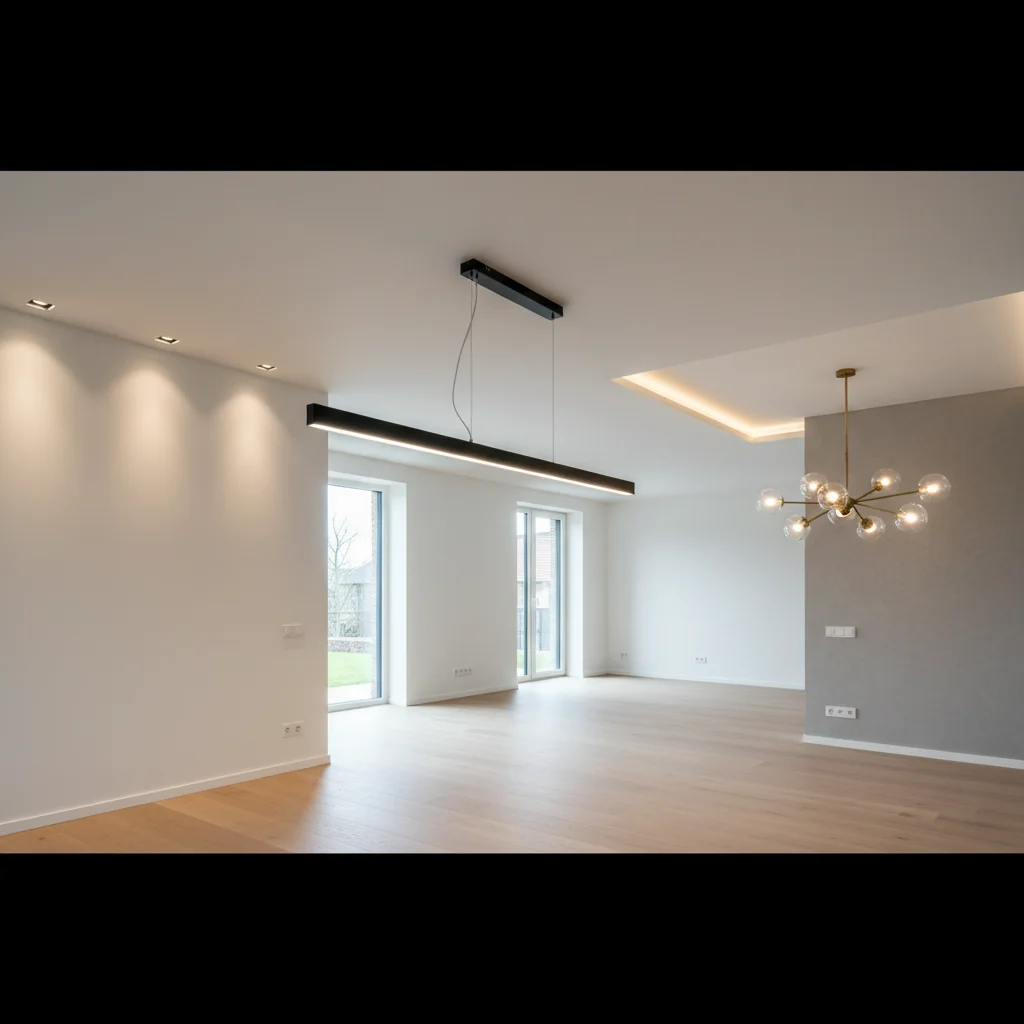
Ceiling Lighting Types: Spot, Linear, Cove Lighting, and Chandelier
~7 min read
Rechargeable Table Lamp Guide: Battery, Charging Time and Where to Use It
~5 min read
Colour Temperature and Lumen Calculation: A Room-by-Room Guide
~15 min read