Choosing Explosion-Proof Light Fixtures: Zone Class, Power and Installation
An explosion-proof light fixture is made for use in areas where explosive gas, vapour or dust may be present. The housing, glass and cable entries are designed so that a fault inside cannot ignite the explosive mixture outside. That is why the choice is not made only by power and light colour, as with an ordinary fixture.
Zone class first
Hazardous areas are divided into zones according to how often an explosive atmosphere occurs. For gases, Zone 1 means an explosive atmosphere can occur in normal operation, while Zone 2 means it occurs only in a fault and for a short time; for dusts the equivalents are Zone 21 and Zone 22. The zone of an area is set in the site's explosion protection document. The class on the fixture label must cover that zone; a fixture made for Zone 2/22 is not used in a Zone 1/21 area.
Fixture type
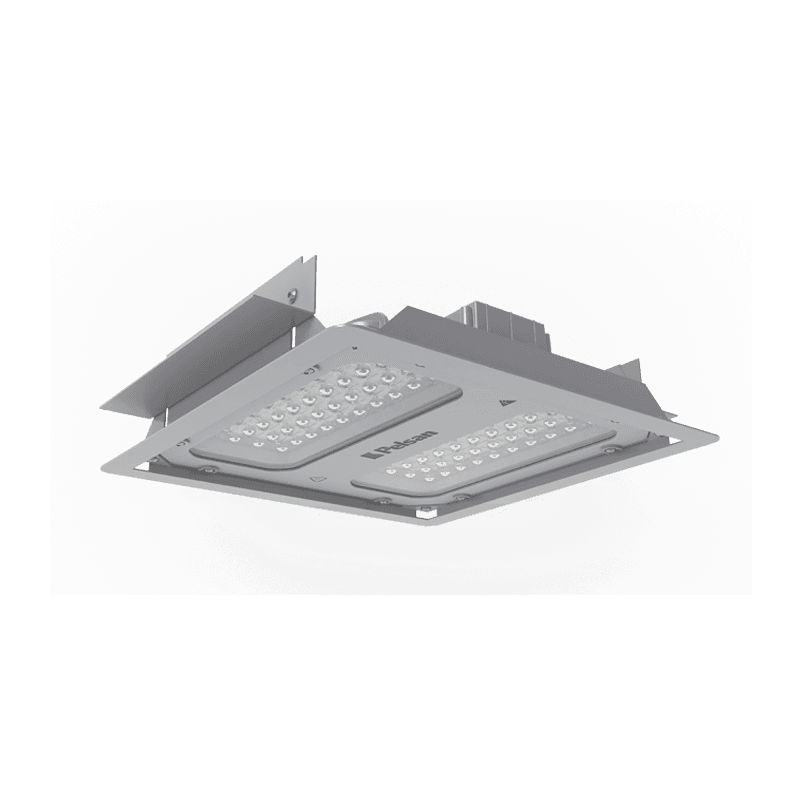
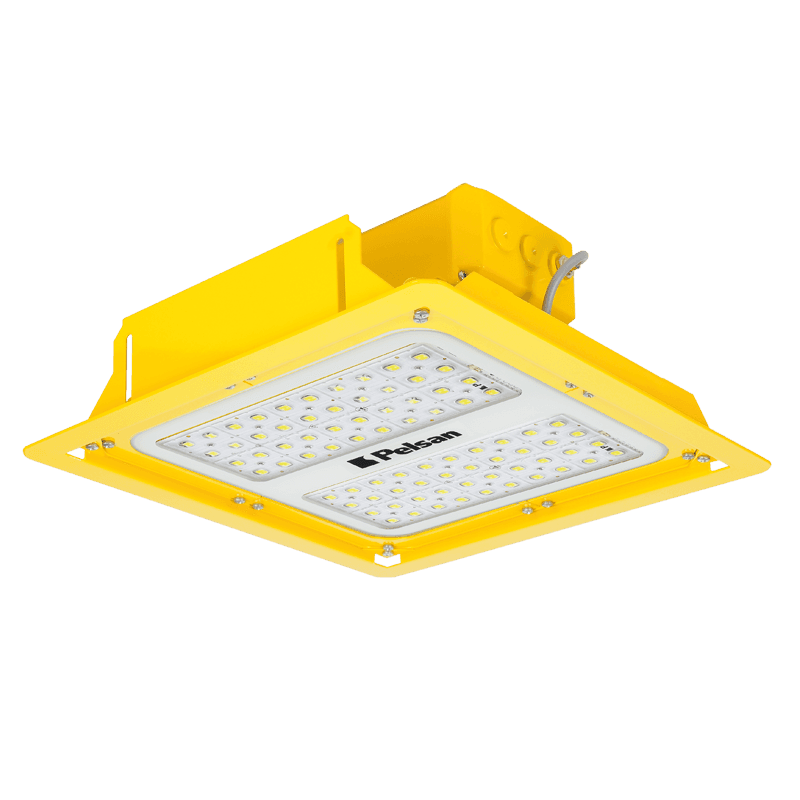
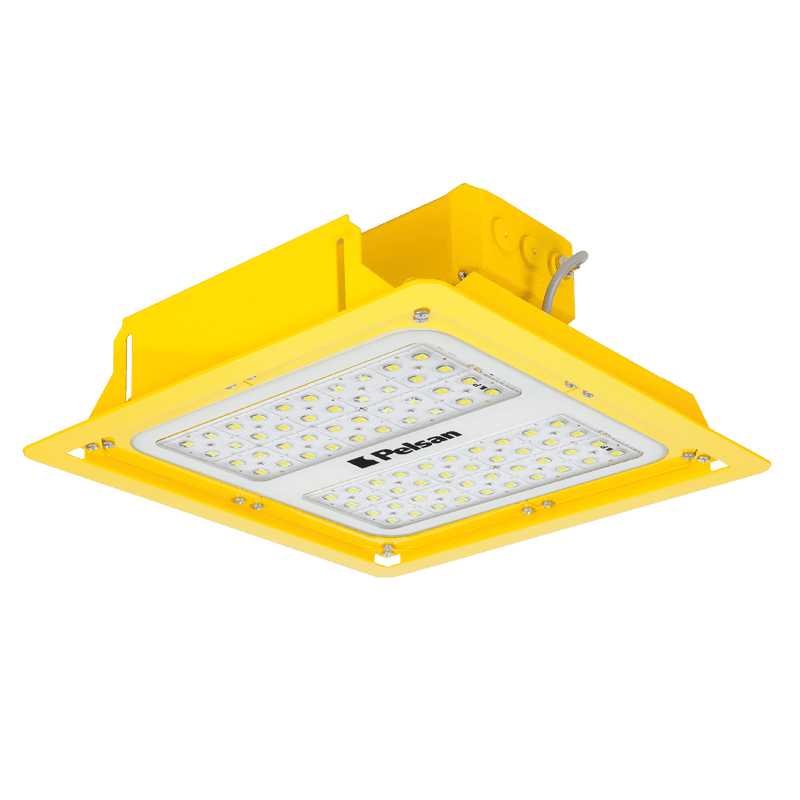
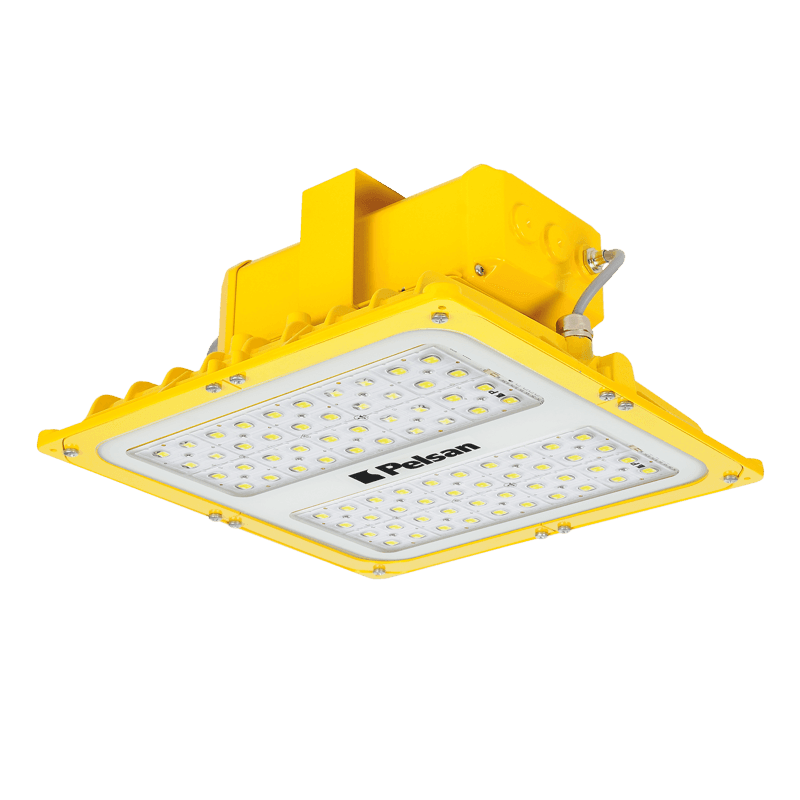
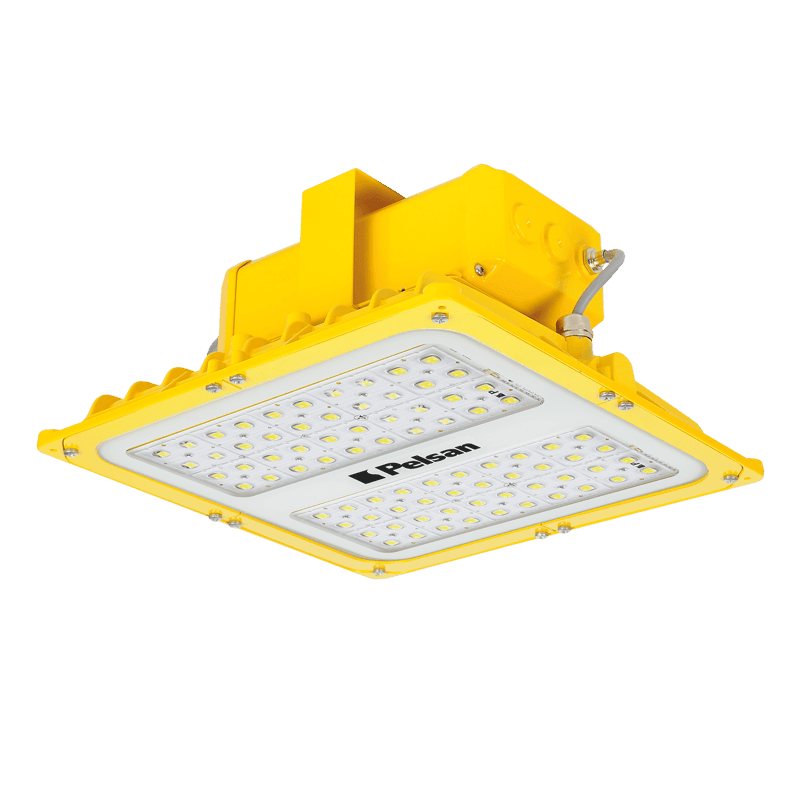
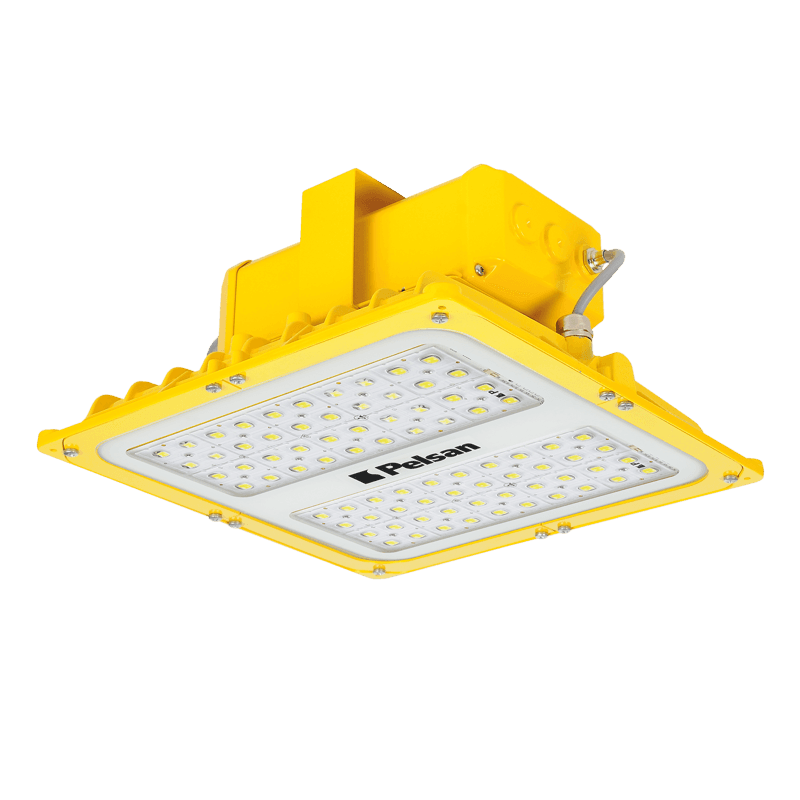
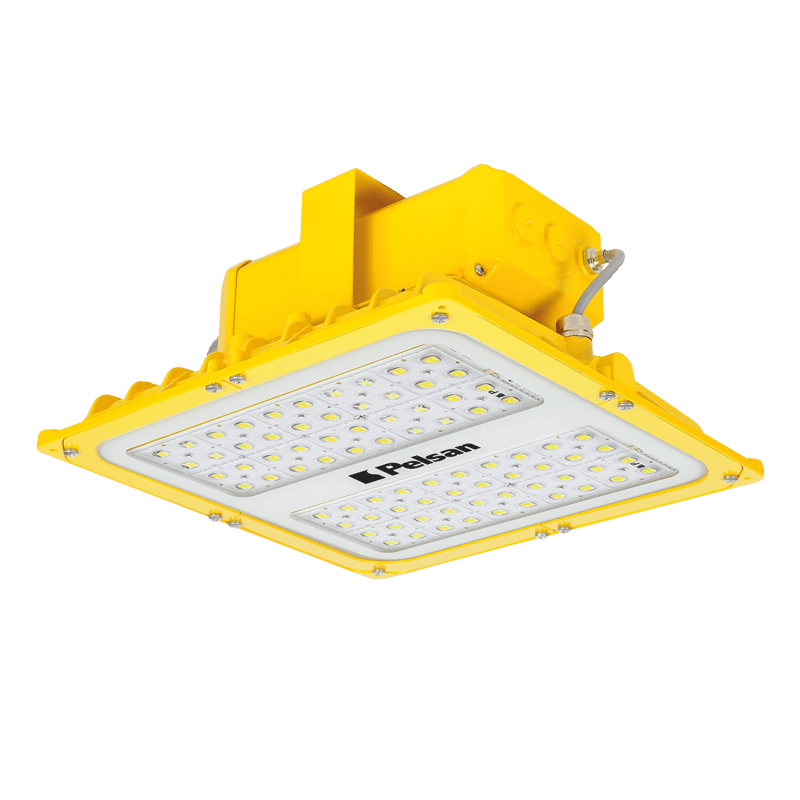
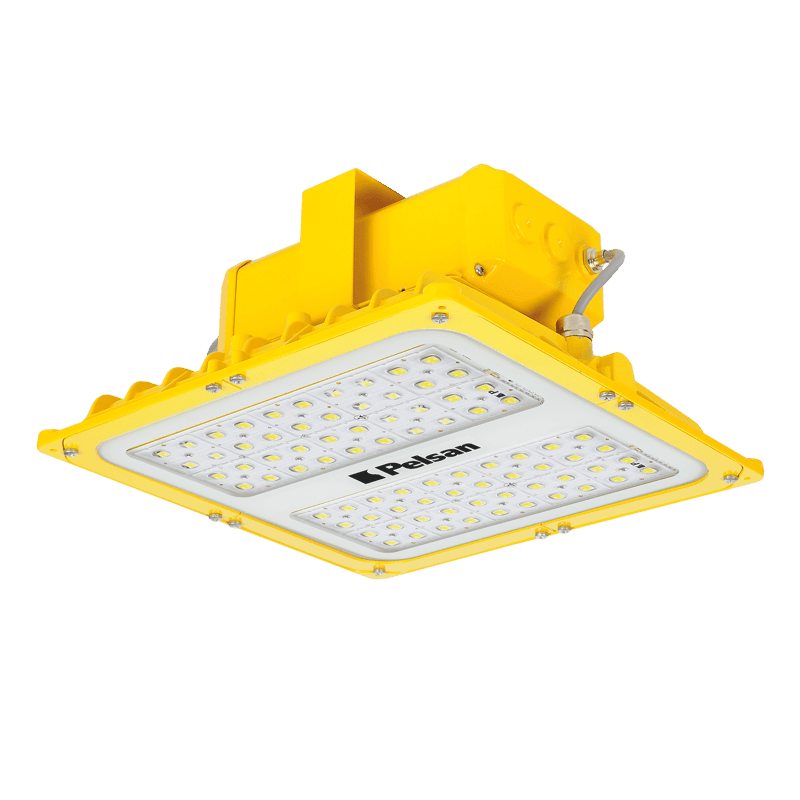
- High bay fixture: for enclosed high-ceiling areas such as warehouses, hangars and production halls.
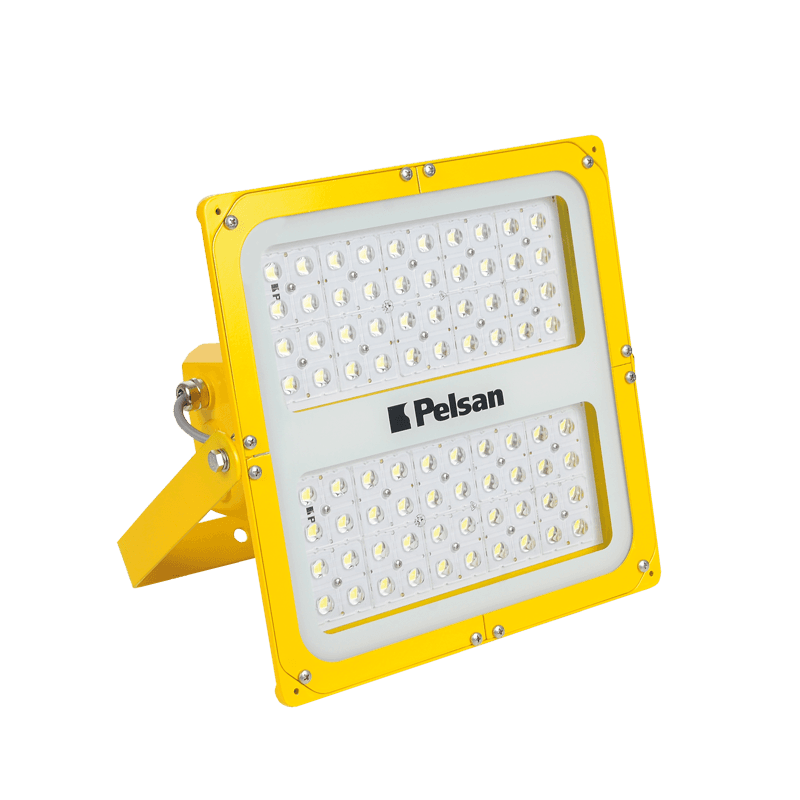
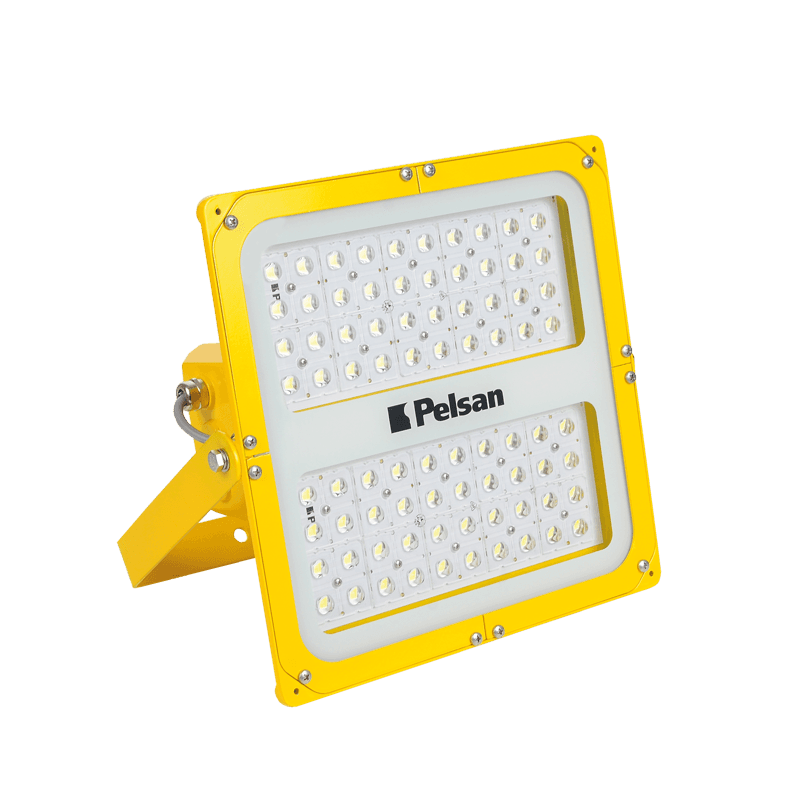
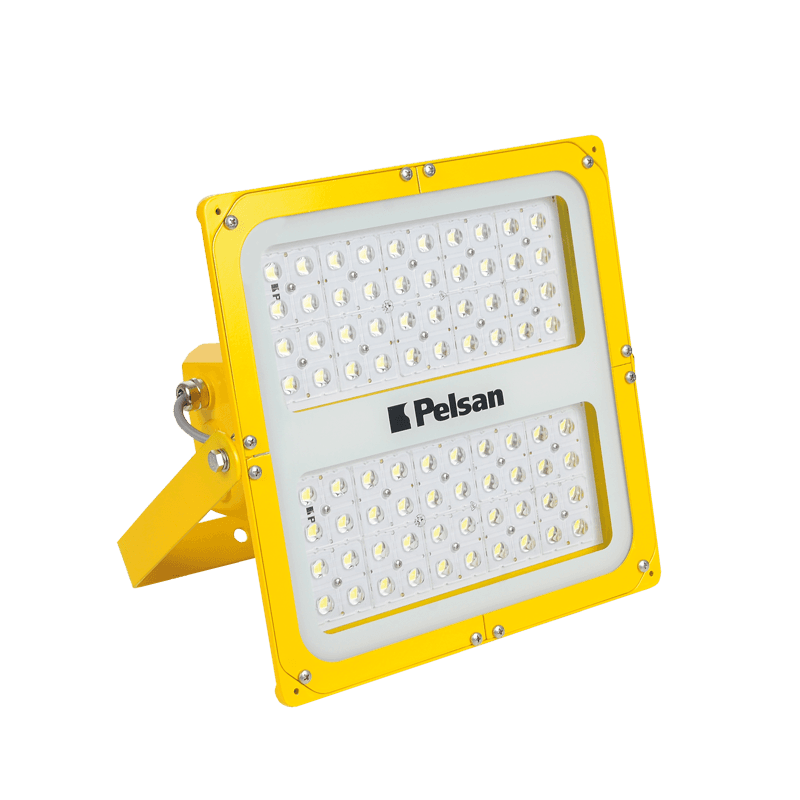
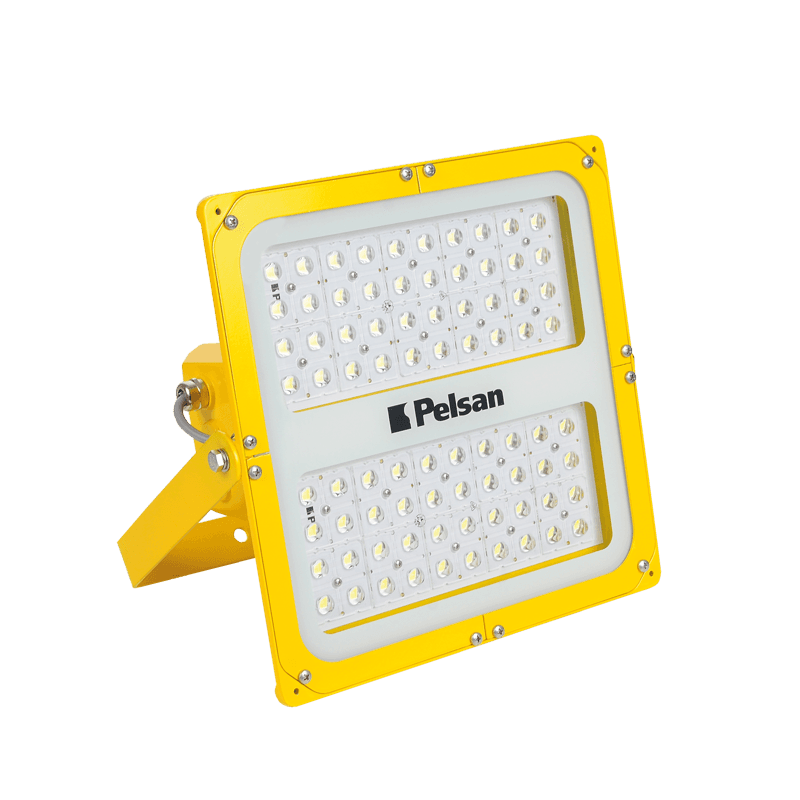
- Floodlight: for wide areas such as fuel station canopies, filling yards and open tank areas.
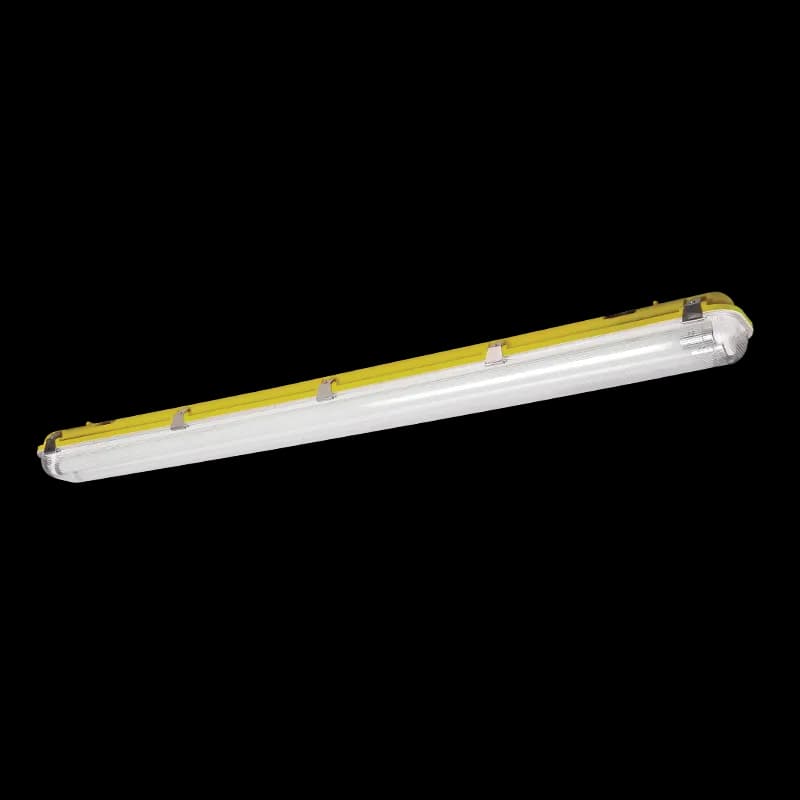
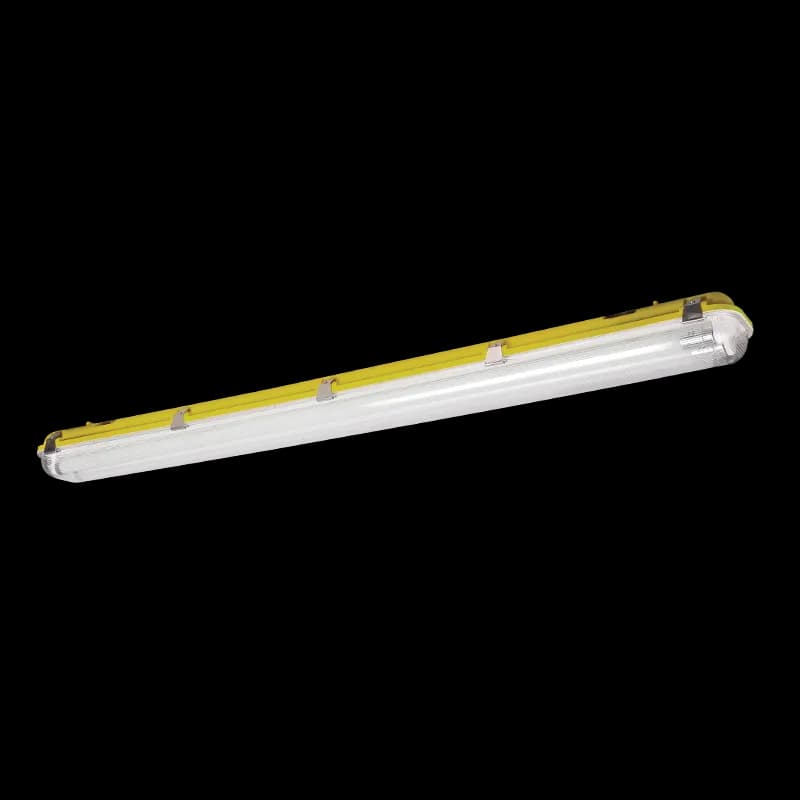
- Vapour-tight (tube) fixture: for corridors, pump rooms and narrow technical spaces.
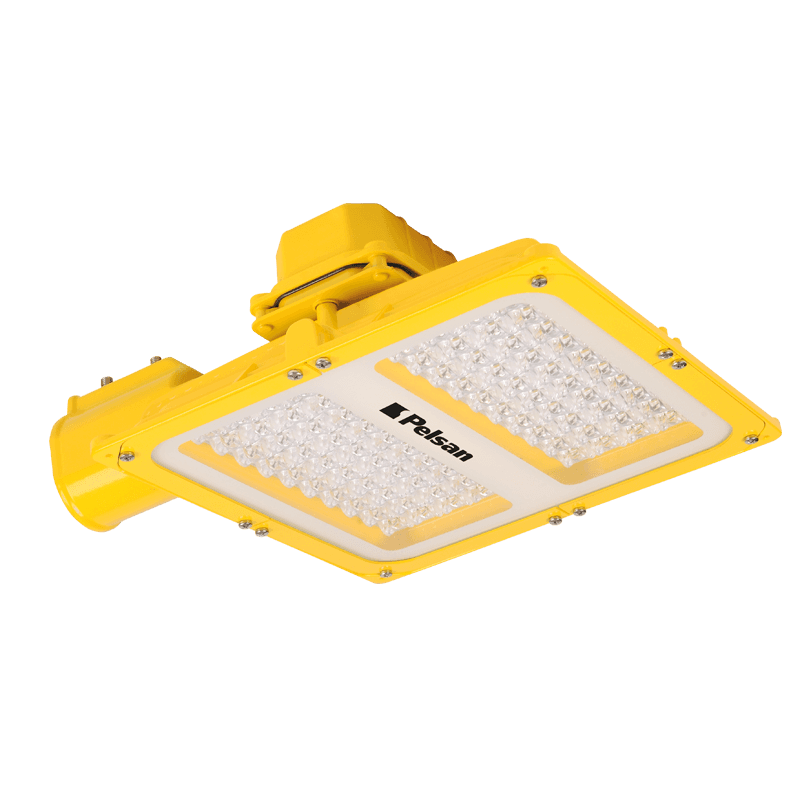
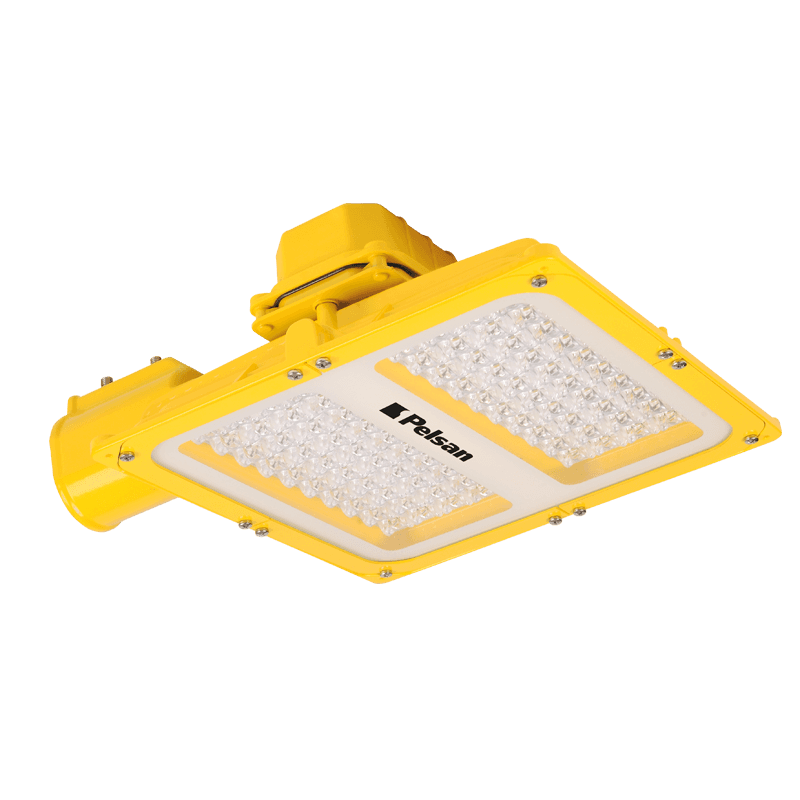
- Street fixture: for roads inside the site and perimeter lighting.
Power and luminous flux
The light level needed depends on the type of work; luminous flux (lumens) and mounting height are assessed together. Using more medium-power fixtures instead of fewer high-power ones reduces shadowed areas.
Light colour, protection rating and housing
Most hazardous areas are also dusty, damp or washed down, so the fixture's protection rating (IP) is checked as well. Outdoors and on washed floors, IP65 or higher is preferred. The housing material must withstand the chemicals present; an aluminium housing spreads heat well and a polycarbonate diffuser resists impact. For the light colour, neutral white (around 4000 K) shows colours and labels correctly in work areas, while very cold light can increase eye strain during long shifts. Where the area must not go completely dark in an emergency, models with a battery-backed emergency module are considered.
Installation and maintenance
Installation and cable entries must be carried out by an electrician competent in hazardous-area installations. Cable glands and seals are used as specified by the manufacturer; after the housing is opened, check that the seals are seated correctly. Periodic maintenance covers cleaning the glass and checking the housing for damage.
Note: This page explains what to look at when choosing; whether a fixture is suitable for a particular area must be assessed by the operator according to the site's zone classification and the product's certificate.