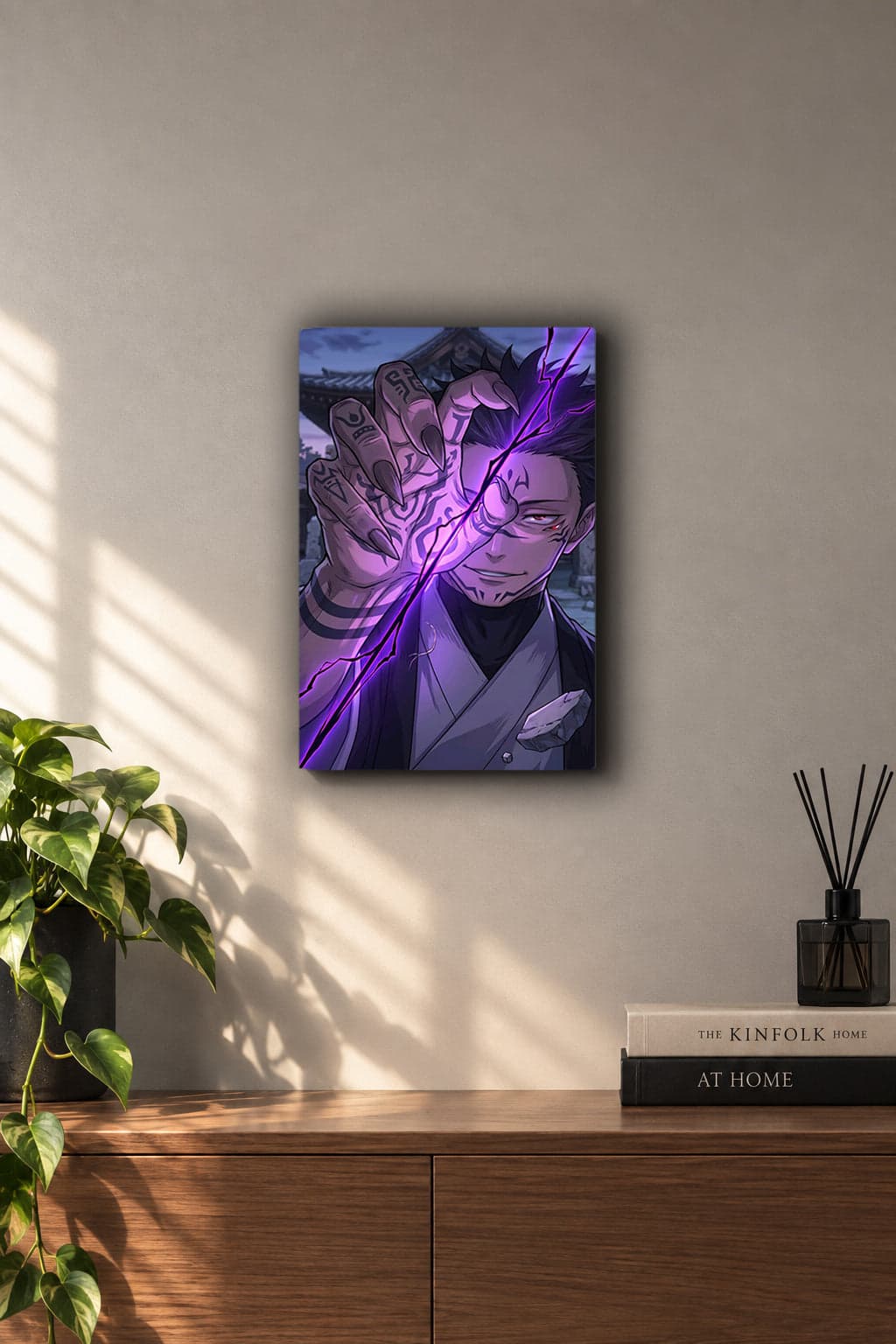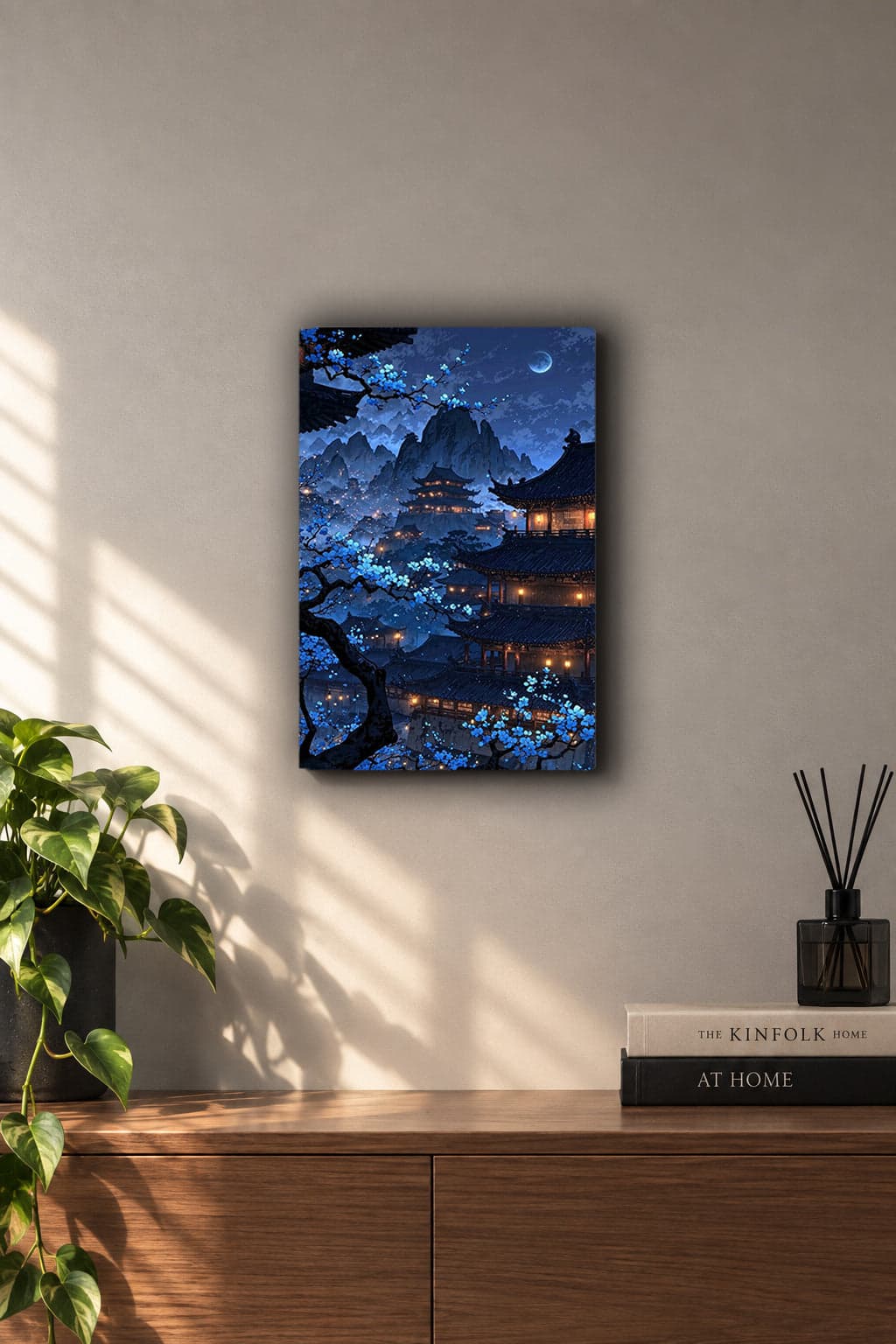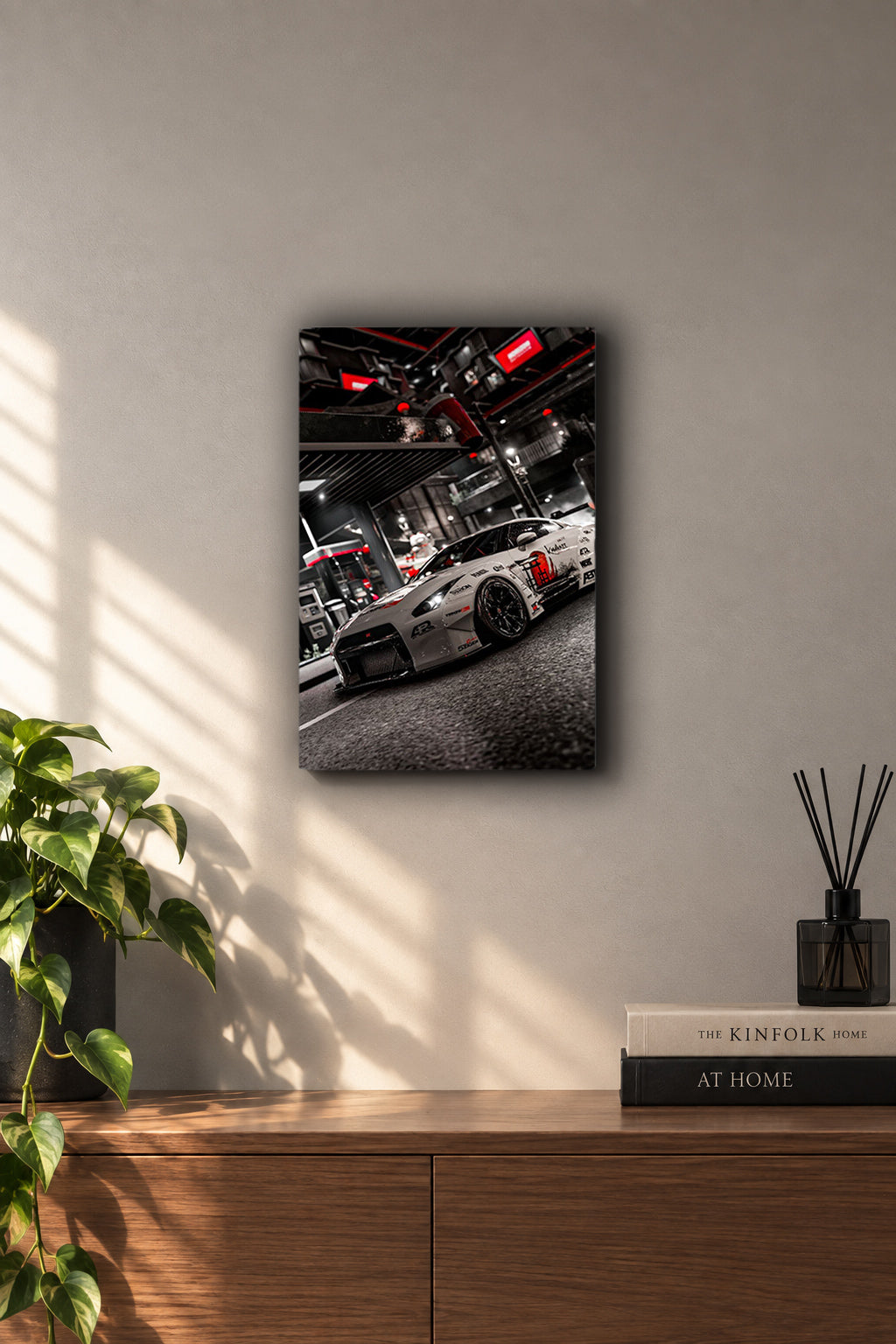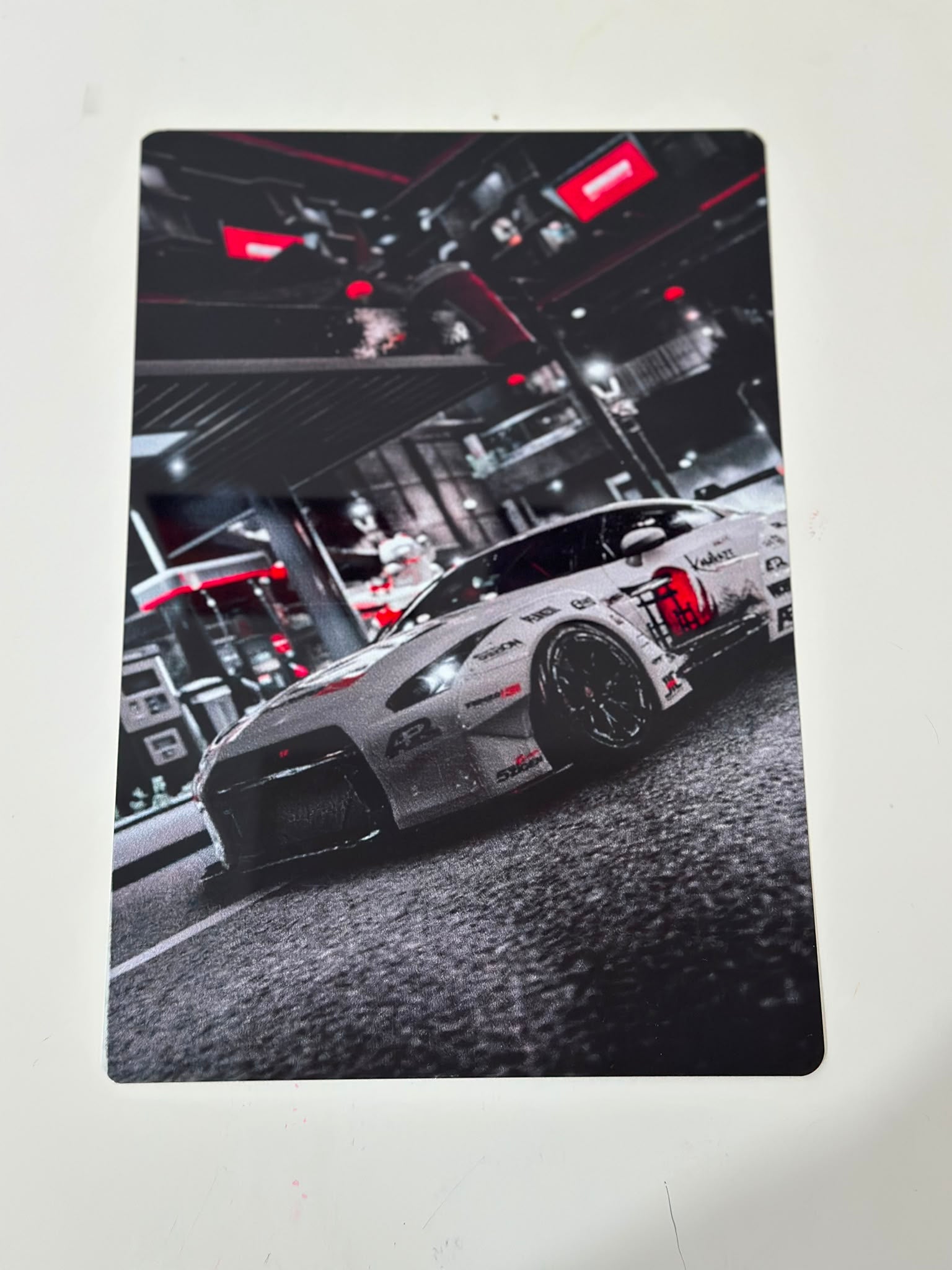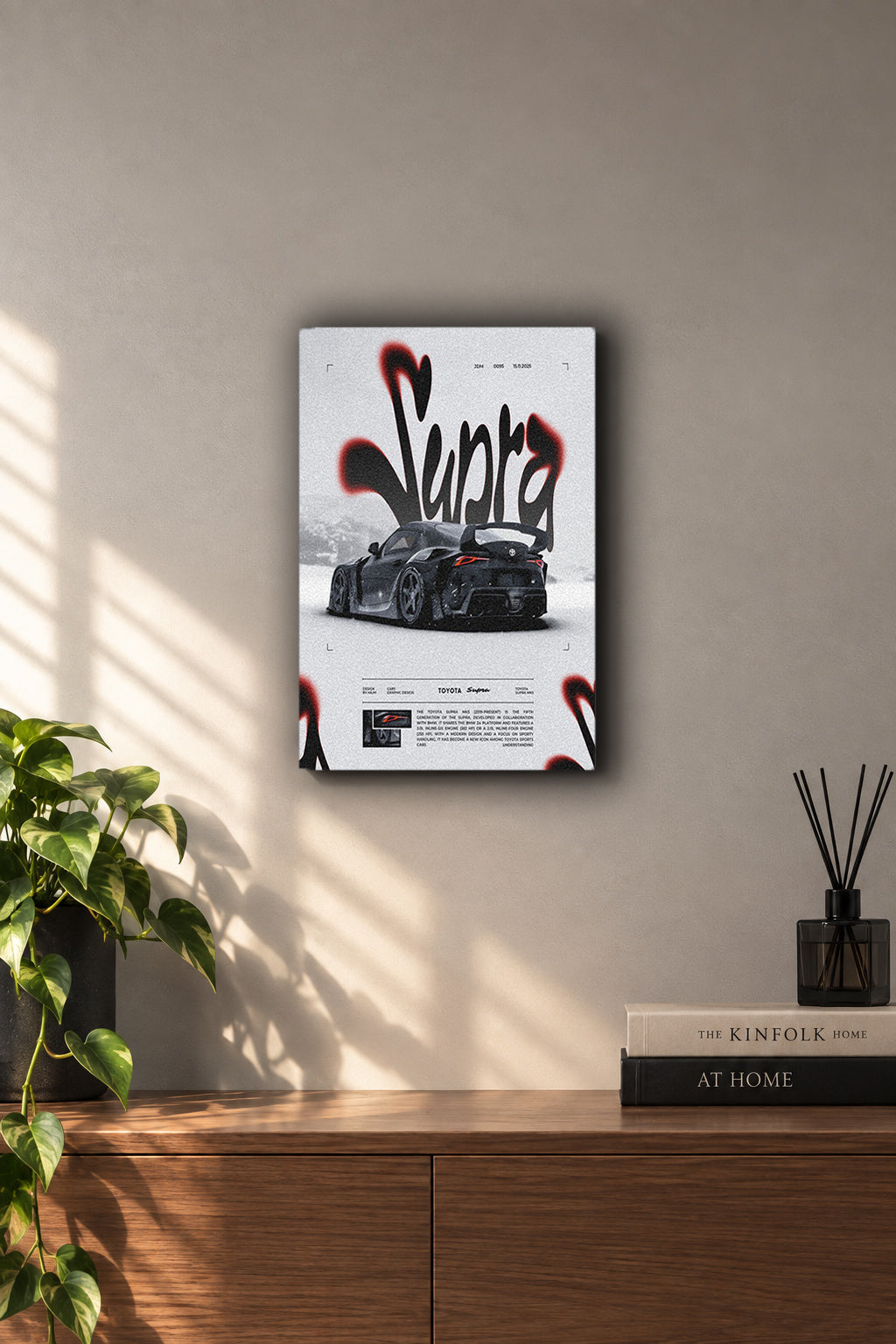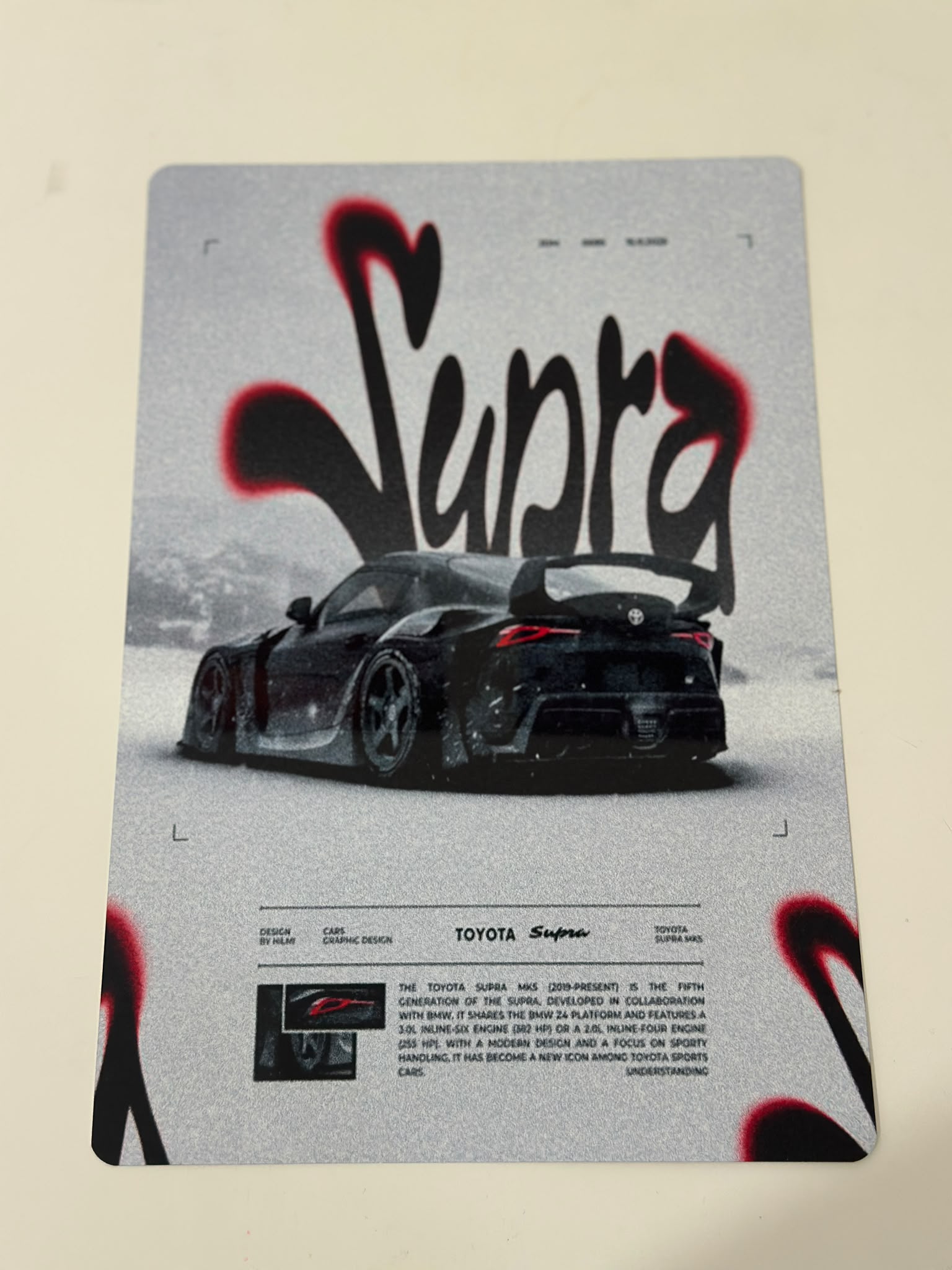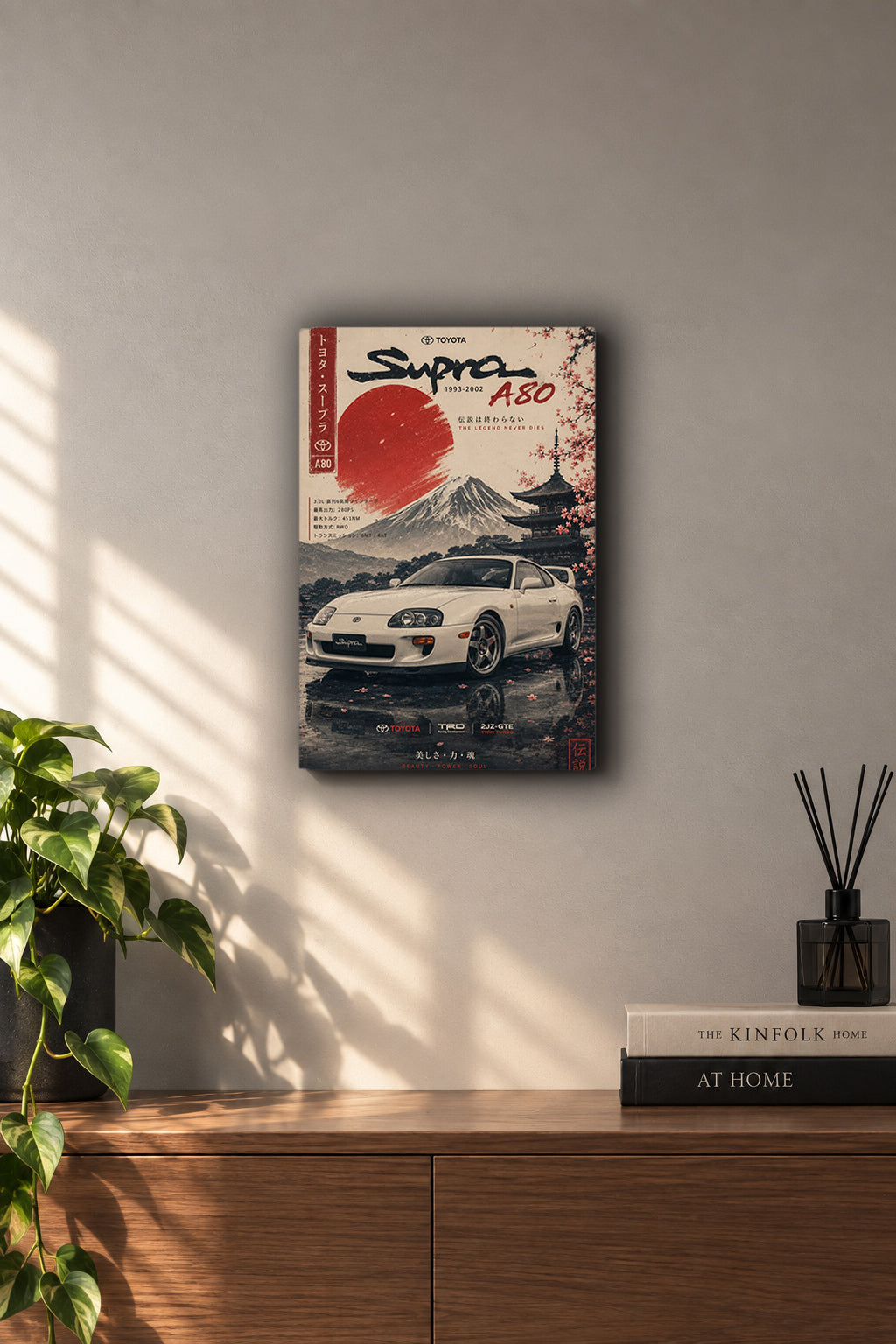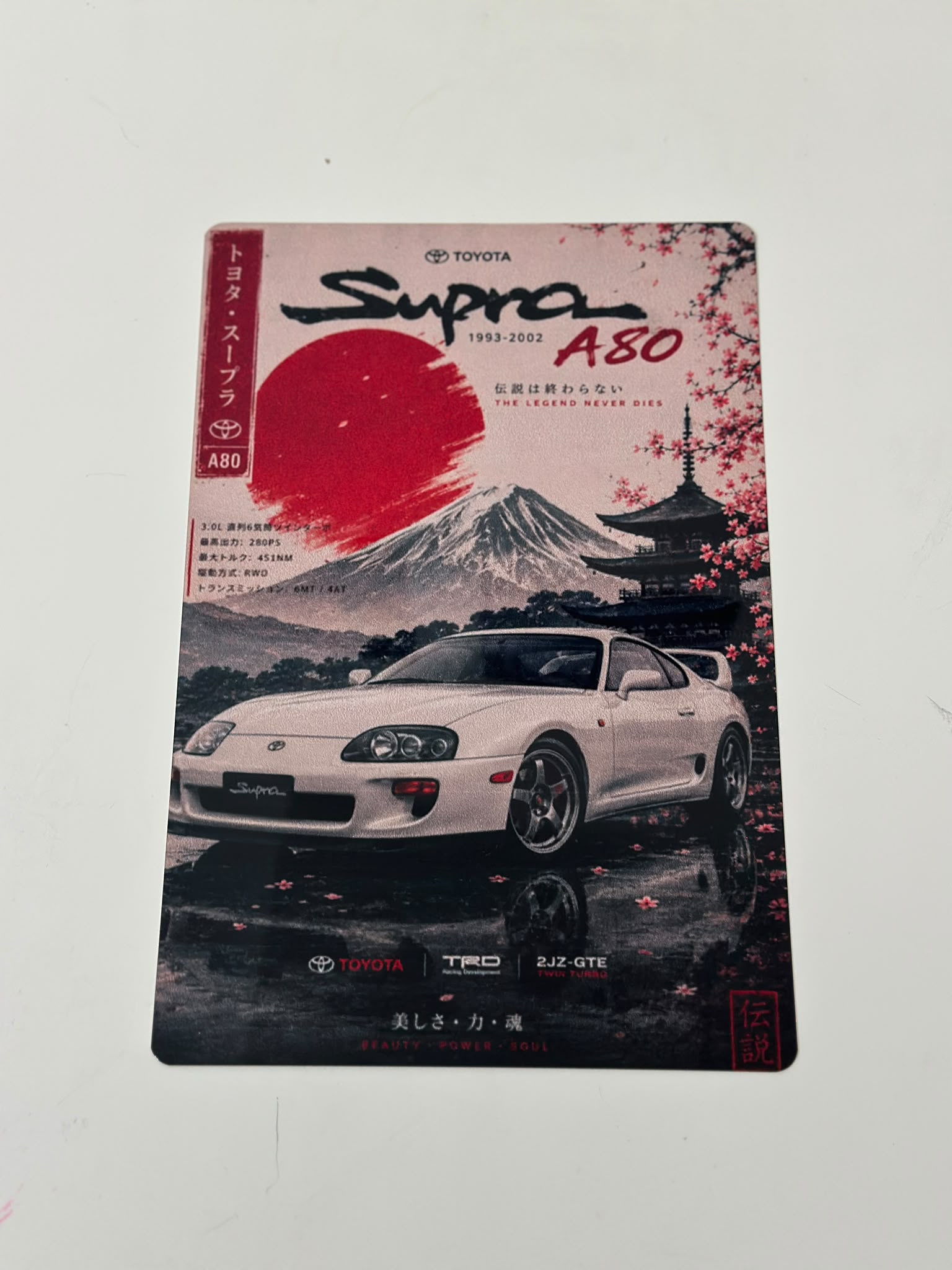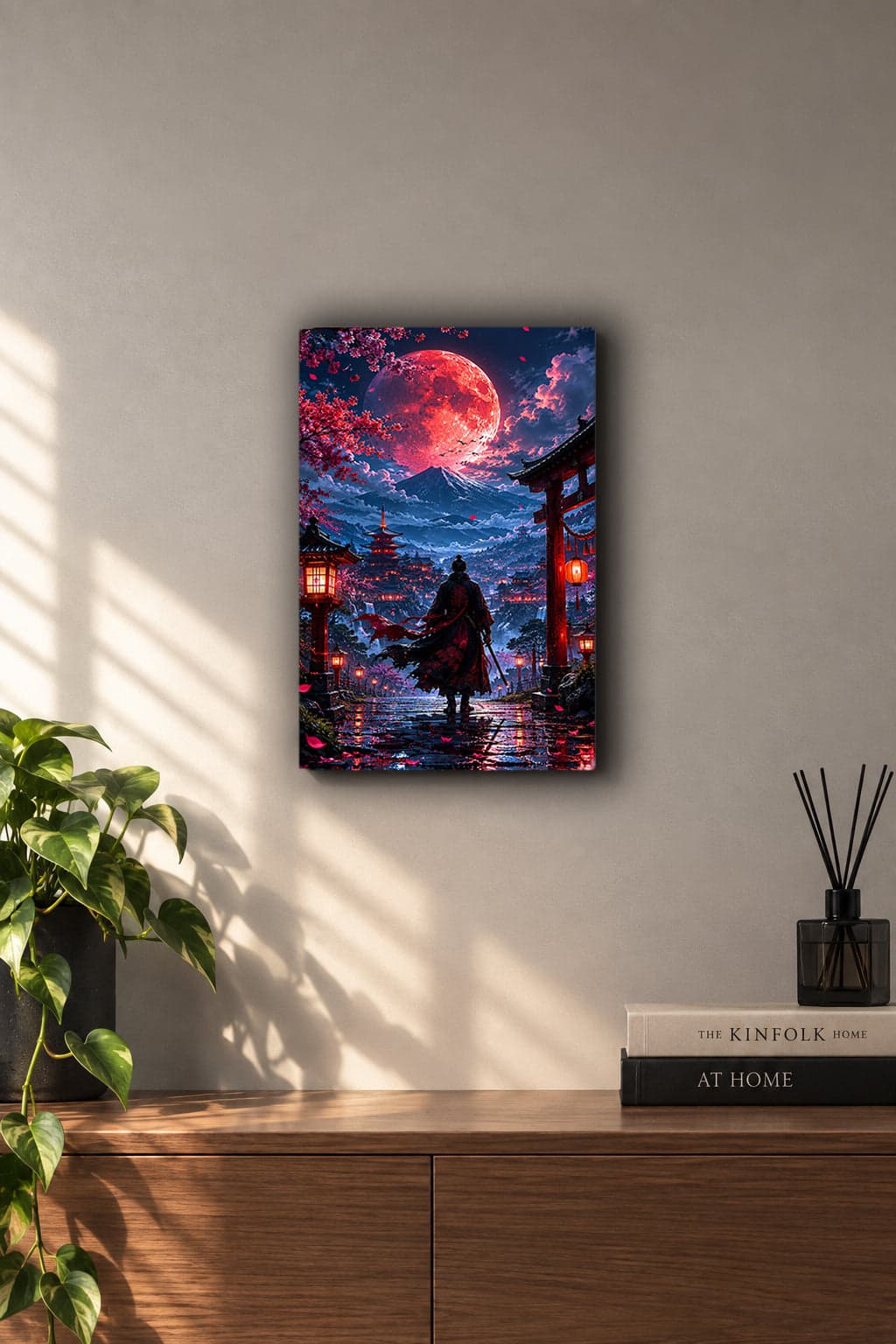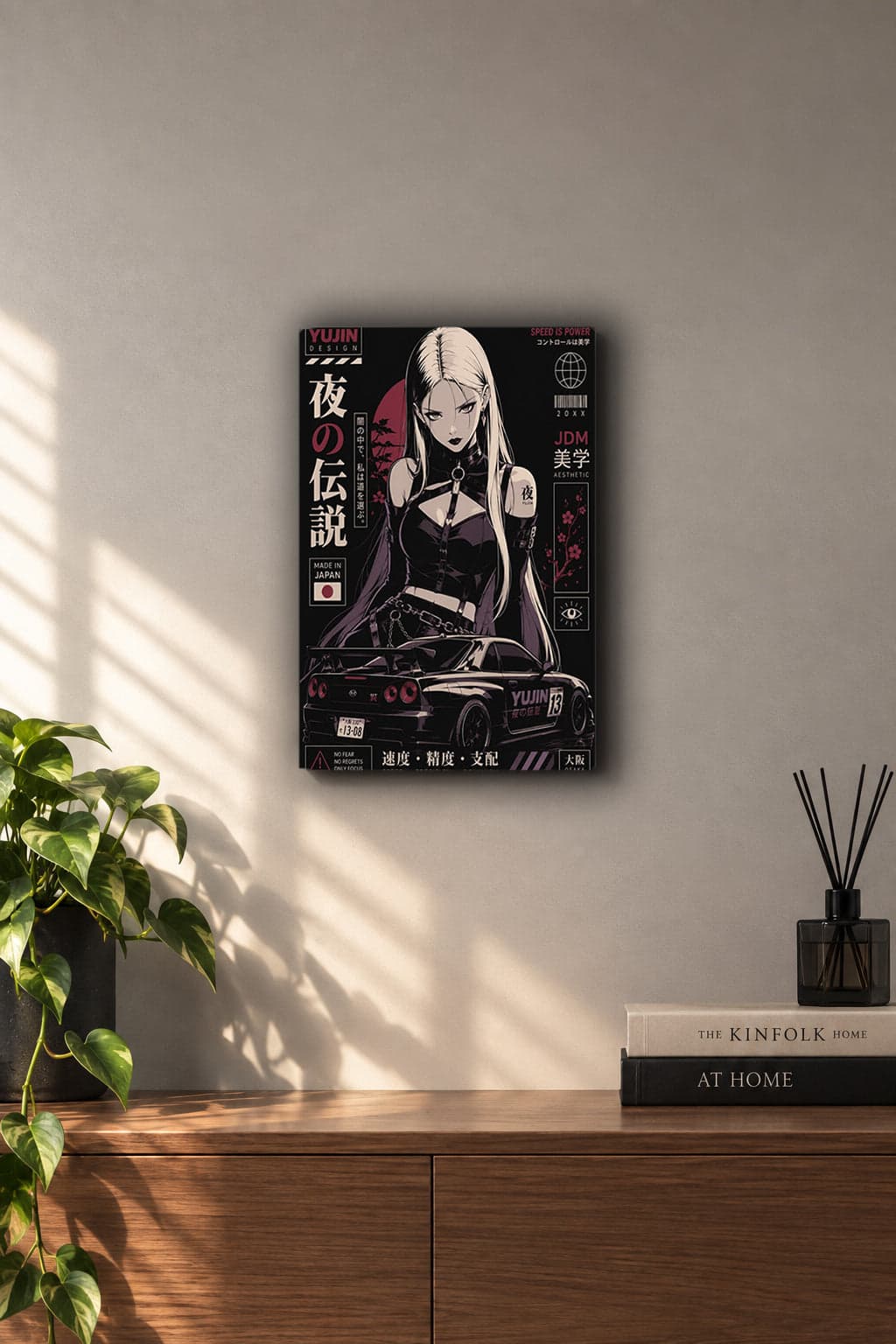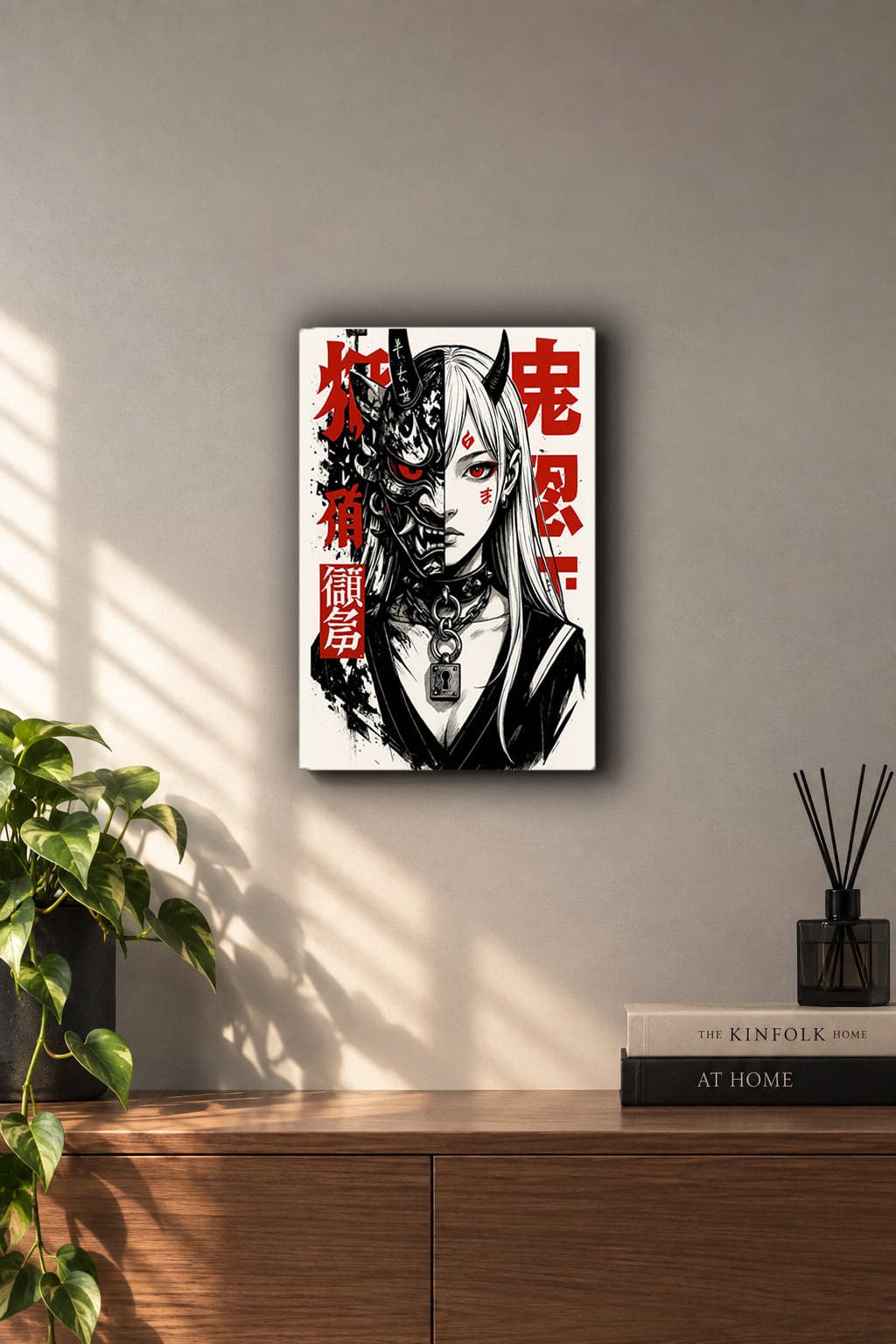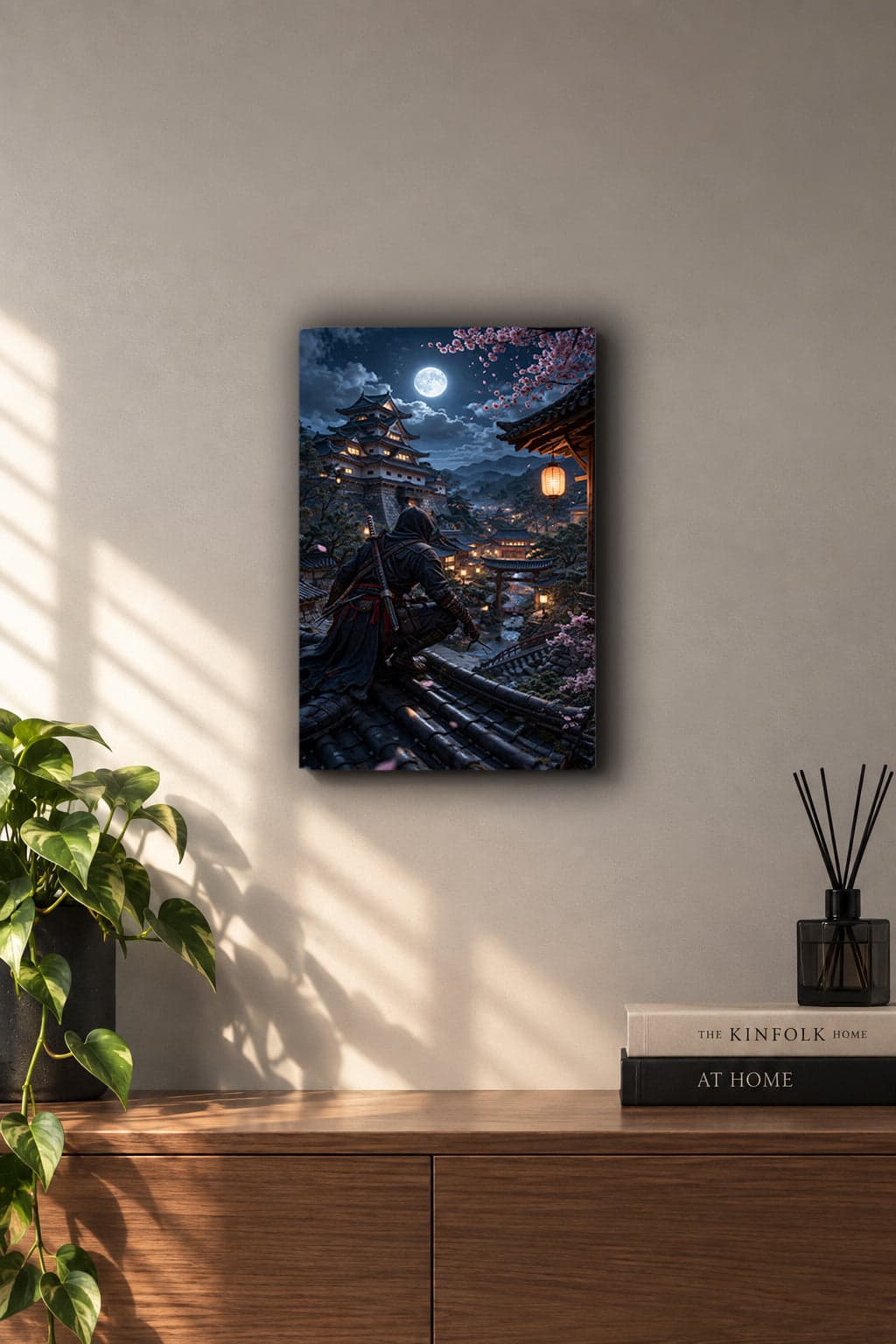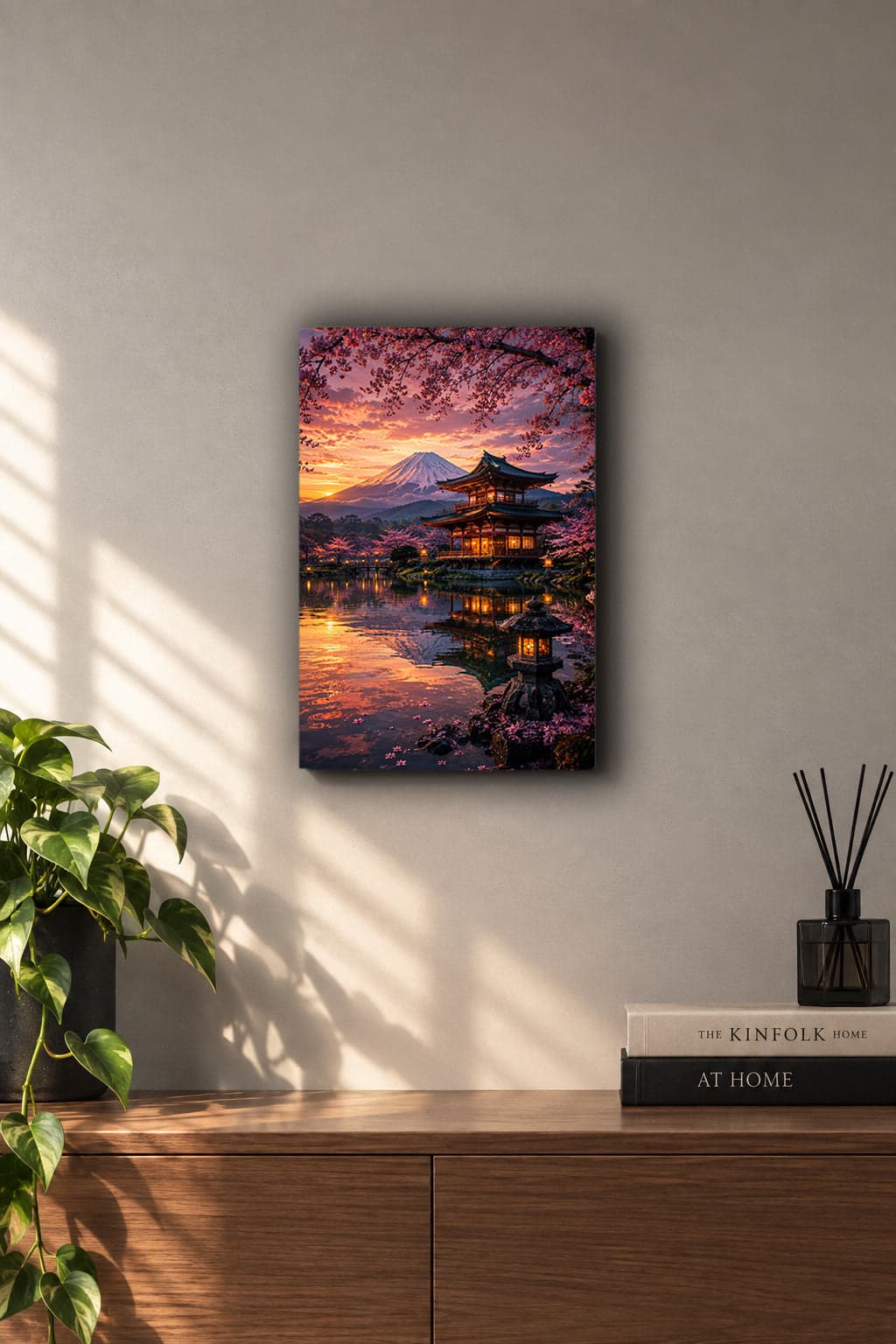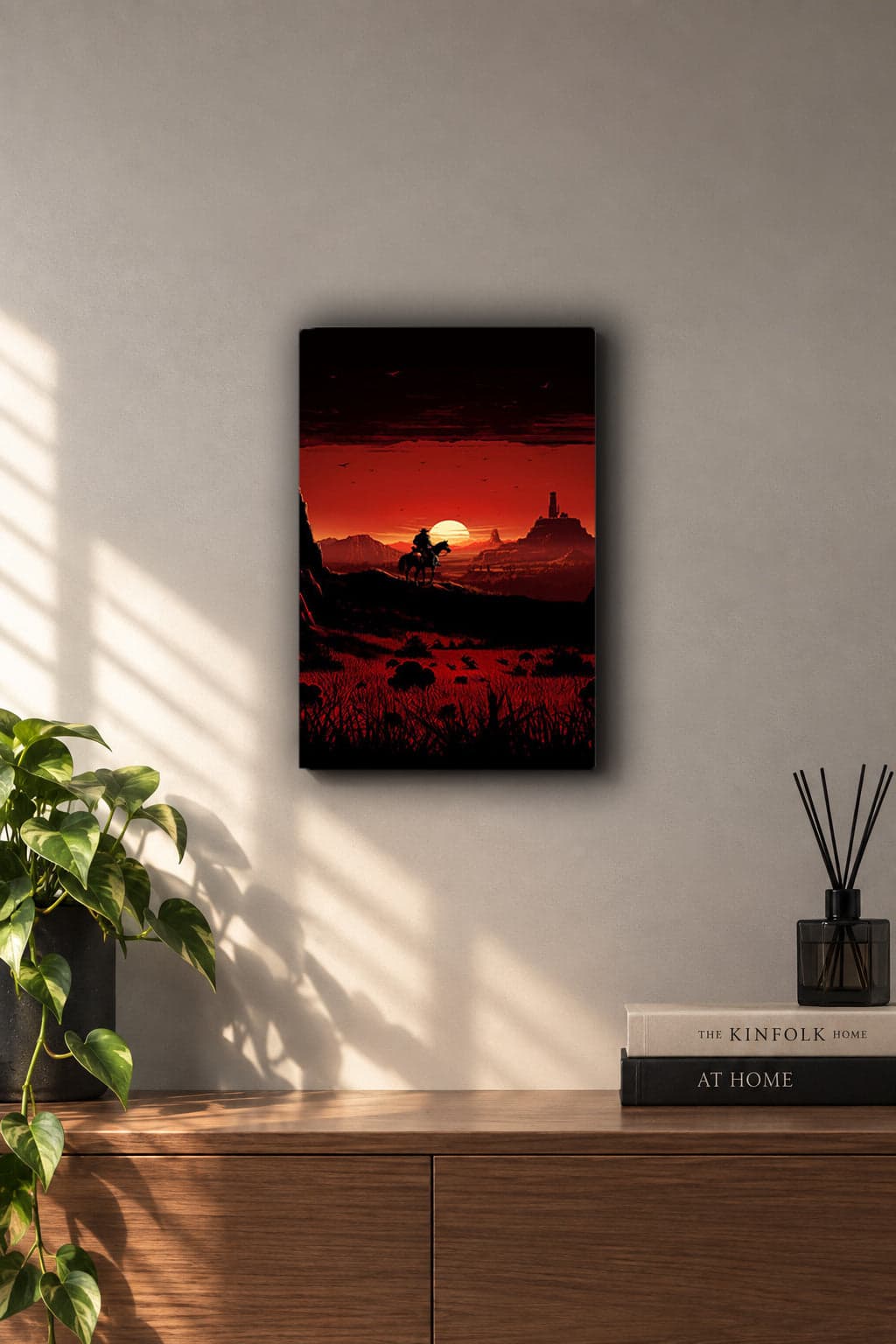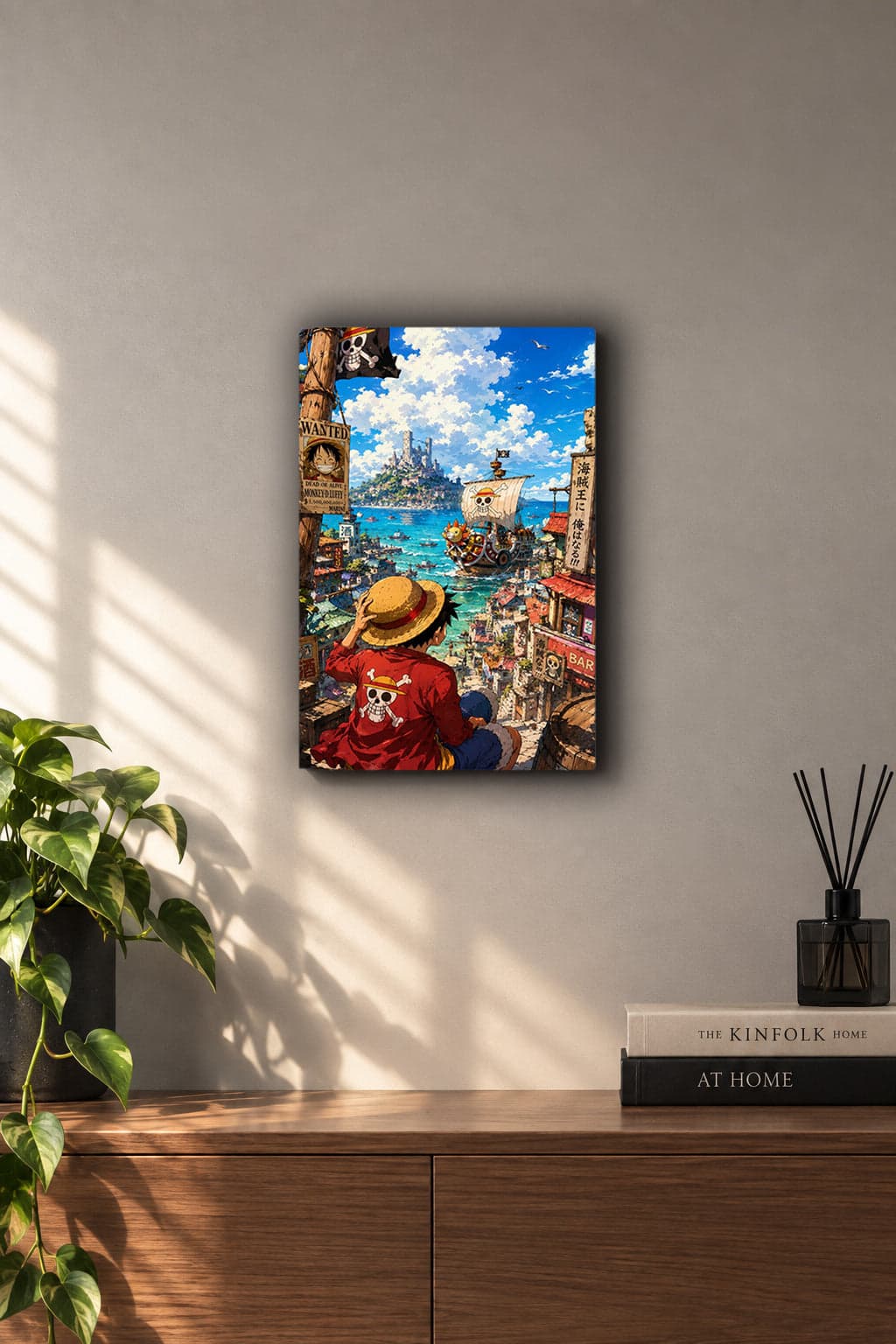

When choosing an image for a wall, the real decision is not the image but the material it is printed on. A paper poster is cheap but suffers from damp and sun; a canvas print looks warm but needs a frame and slackens over time; metal art hangs without a frame, does not fade and does not deteriorate in a damp room. This guide compares the three materials and explains how metal art is made and where it fits.
What is sublimation printing, and why does it not fade?
In metal wall art the print goes into the material, not onto its surface. In this method, called sublimation, the dye turns directly into a gas under heat and pressure and enters the coating layer of the aluminium panel. Because there is no layer of ink sitting on the surface, the print does not peel, does not scratch and does not fade in normal interior conditions.
On paper and canvas prints the ink sits on the surface. Rubbing, a damp cloth or direct sun therefore lightens the colour over time. On metal art the same cleaning motion does no harm to the print — what you wipe is the surface, and the print is beneath it.
Why aluminium?
The body is aluminium: light, rust-free and non-absorbent. The low weight decides the mounting — a wall plug is enough in plasterboard, and the special hanging system a heavy framed picture needs is not required.
Not rusting decides where it can be used. In kitchens, bathrooms, cafés and shops, where damp and temperature shift, a paper poster ripples and a canvas slackens; the aluminium panel is unaffected.
- No frame or glass is needed — there is no breakage risk, so it also suits a child's room.
- Wipe with a damp cloth; do not use abrasive cleaners or solvents.
- The panel is its own support; it hangs straight on the wall from the fixing on its back.
Matt or gloss: it follows the light in the room
The surface choice is not a matter of taste but of legibility. A gloss surface makes colours look more saturated but mirrors light; under a direct spot, or on a wall facing a window, the reflection makes the piece unreadable.
A matt surface scatters light and looks equally clear from every angle. Watching the intended wall at two different times of day and seeing where the reflection lands is the most practical way to decide.
Size and arrangement on the wall
For a single piece, the size is chosen in proportion to the empty wall behind it: it sits in balance when it takes up roughly between a third and a half of the wall's width. The eye-level rule is that the centre of the piece should be 145–155 cm from the floor — the natural line of sight for someone standing.
Where several pieces hang together, leave 5–10 cm between them. That gap lets separate pieces read as one composition; wider, and the wall looks scattered.
Where a piece hangs above a sofa or a console, its lower edge should be 20–30 cm above the top of the furniture; closer looks cramped, further looks disconnected.
Mounting: what is actually needed?
Metal art needs no frame, glass or mount; it hangs as it comes out of the box. A plastic plug and screw are enough in plasterboard, a standard plug in concrete. Because the weight is low, no track hanging system is needed.
Marking the fixing point on the back of the piece onto the wall with a pencil before hanging gets the position right with a single hole. Where several pieces are going up, laying out a trial arrangement on the wall with newspaper or paper first saves unnecessary holes.
Where is it used?
Living rooms and studies are the most common places. In offices it is chosen for meeting rooms and corridor walls, and in cafés and shops for themed walls — being unaffected by damp is decisive in commercial spaces.
In children's and teenagers' rooms, containing no glass stands out on safety grounds. It is also a frequent gift choice: being unbreakable, it carries no risk in transit.
Metal art · canvas print · paper poster
| Property | Metal art | Canvas print | Paper poster |
|---|---|---|---|
| Fading | Print inside the material — does not fade | On the surface — lightens over time | On the surface — lightens quickly |
| Damp | Unaffected | Can lose its tension | Ripples |
| Frame | Not needed | Stretcher needed | Frame needed |
| Breakage | No glass — no risk | No glass | Frame glass can break |
| Cleaning | Damp cloth | Dry brush | Cannot be wiped |
| Mounting | One fixing, a plug is enough | Stretcher fixing | Frame fixing |
Related guides: How to Plan Living Room Lighting, Ceiling Lighting Types: Spot, Linear, Cove Lighting, and Chandelier. For product options for your project see our Metal Wall Art models, or for a turnkey installation our wall decoration solution.