
Our solutions
Metal Wall Art Solutions
Turning an empty wall into the focal point of a room
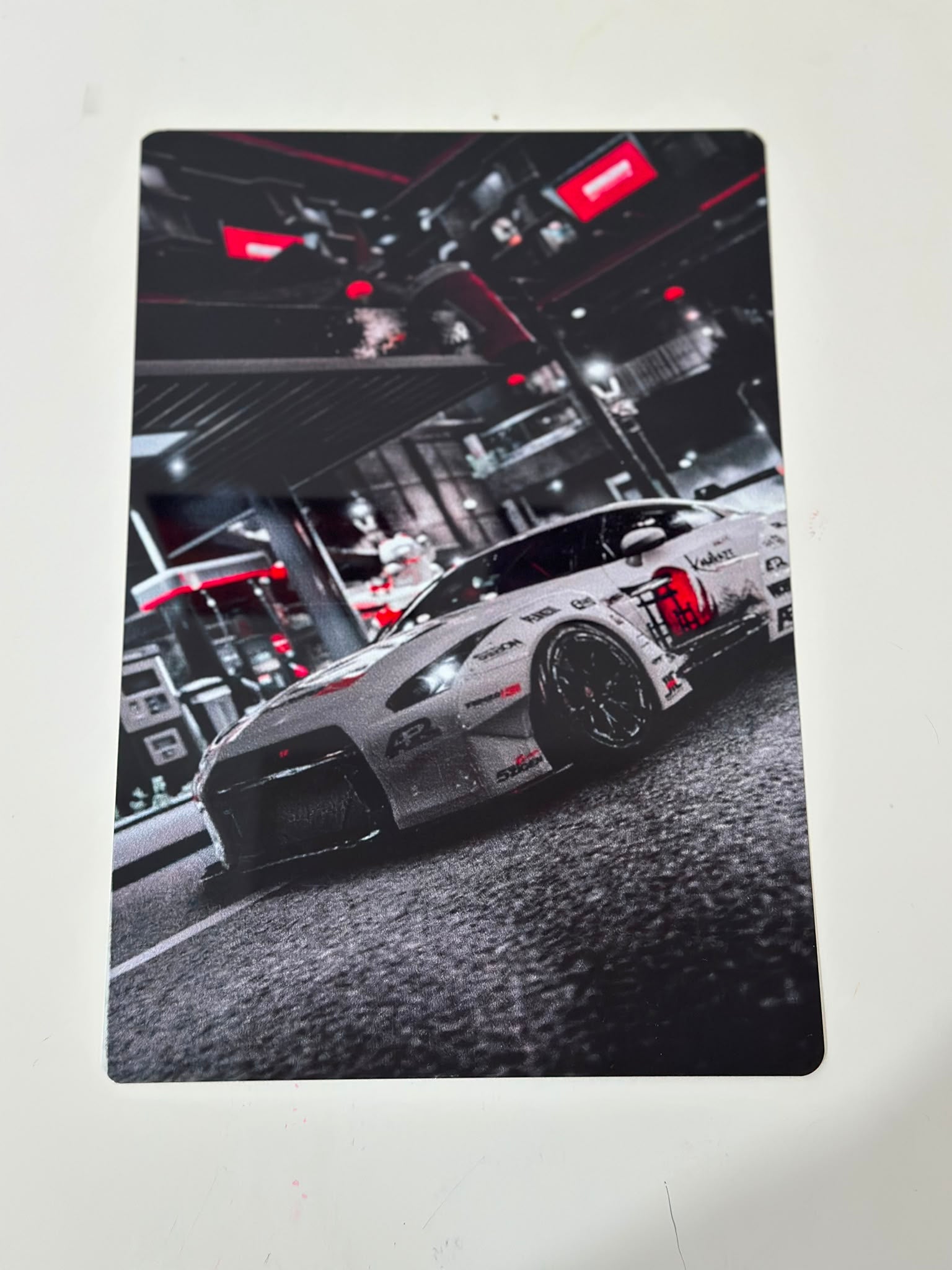
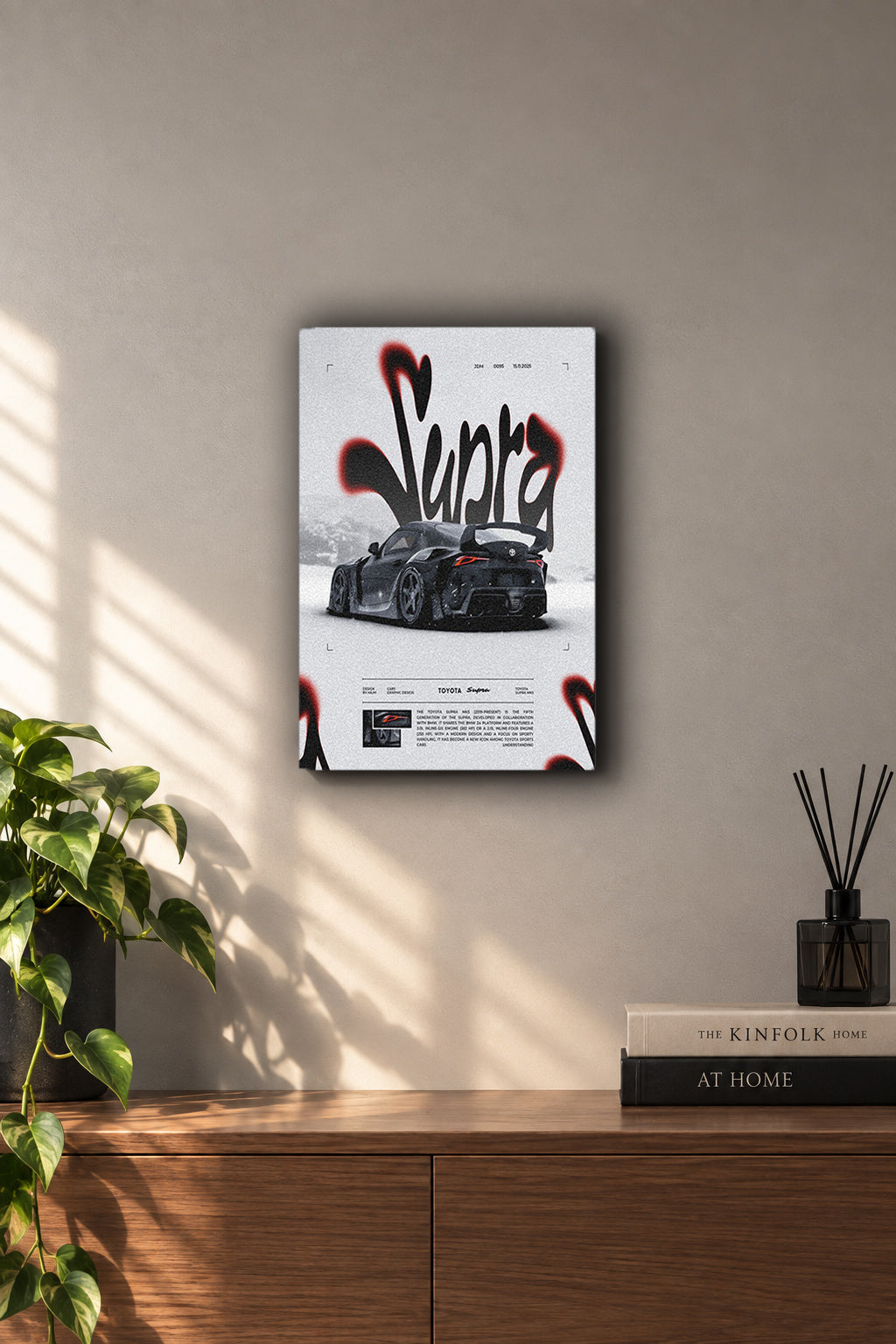
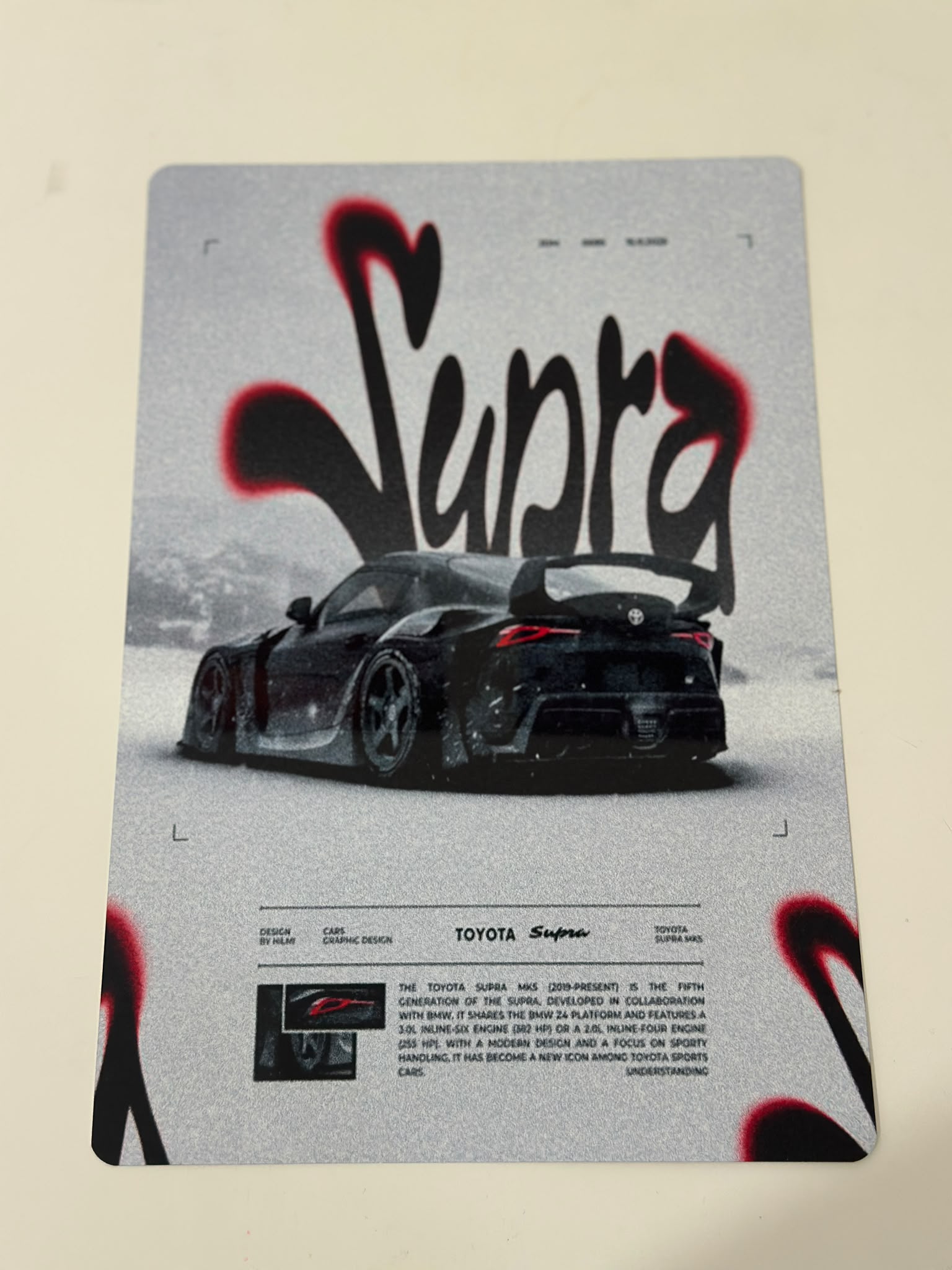
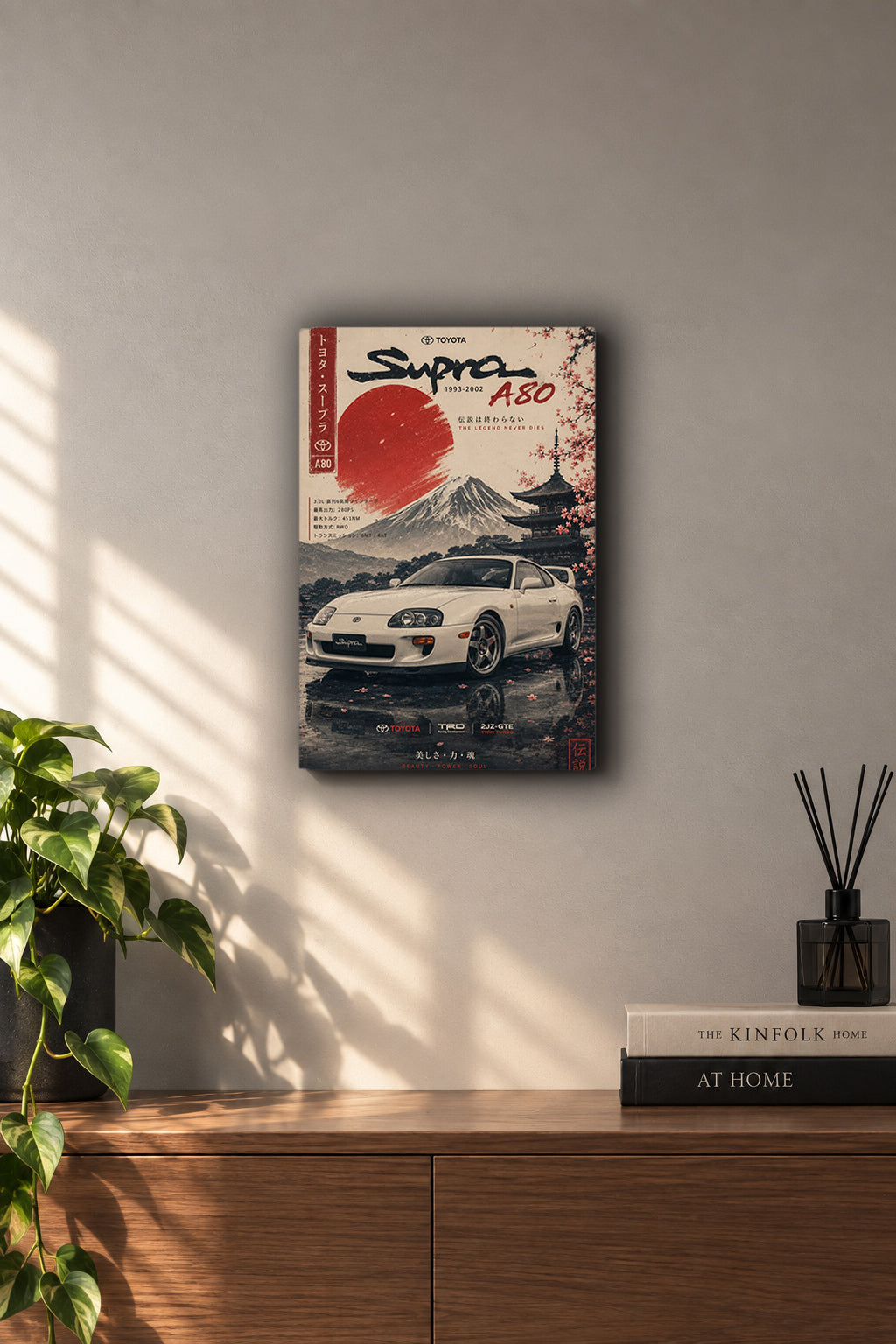
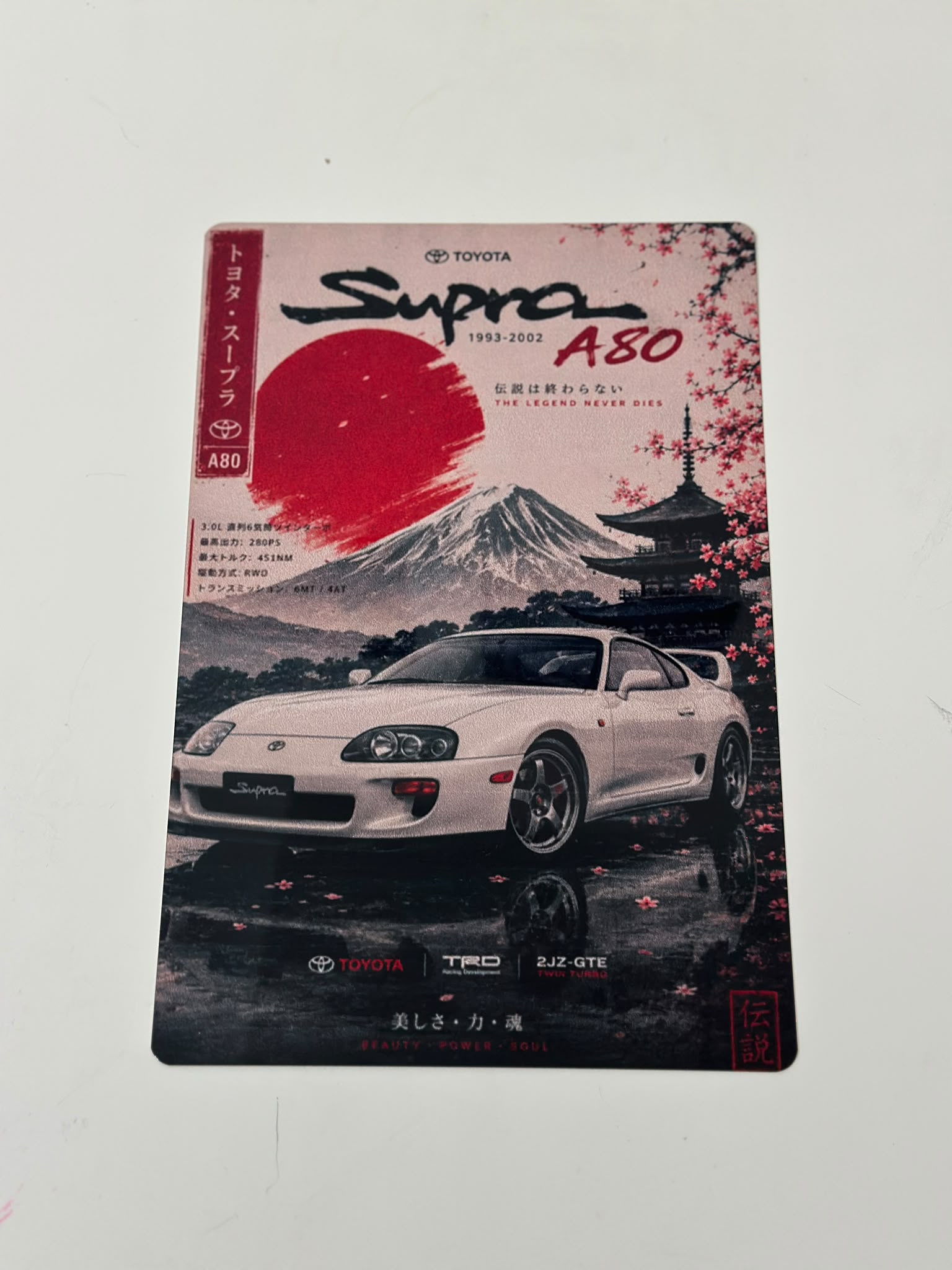
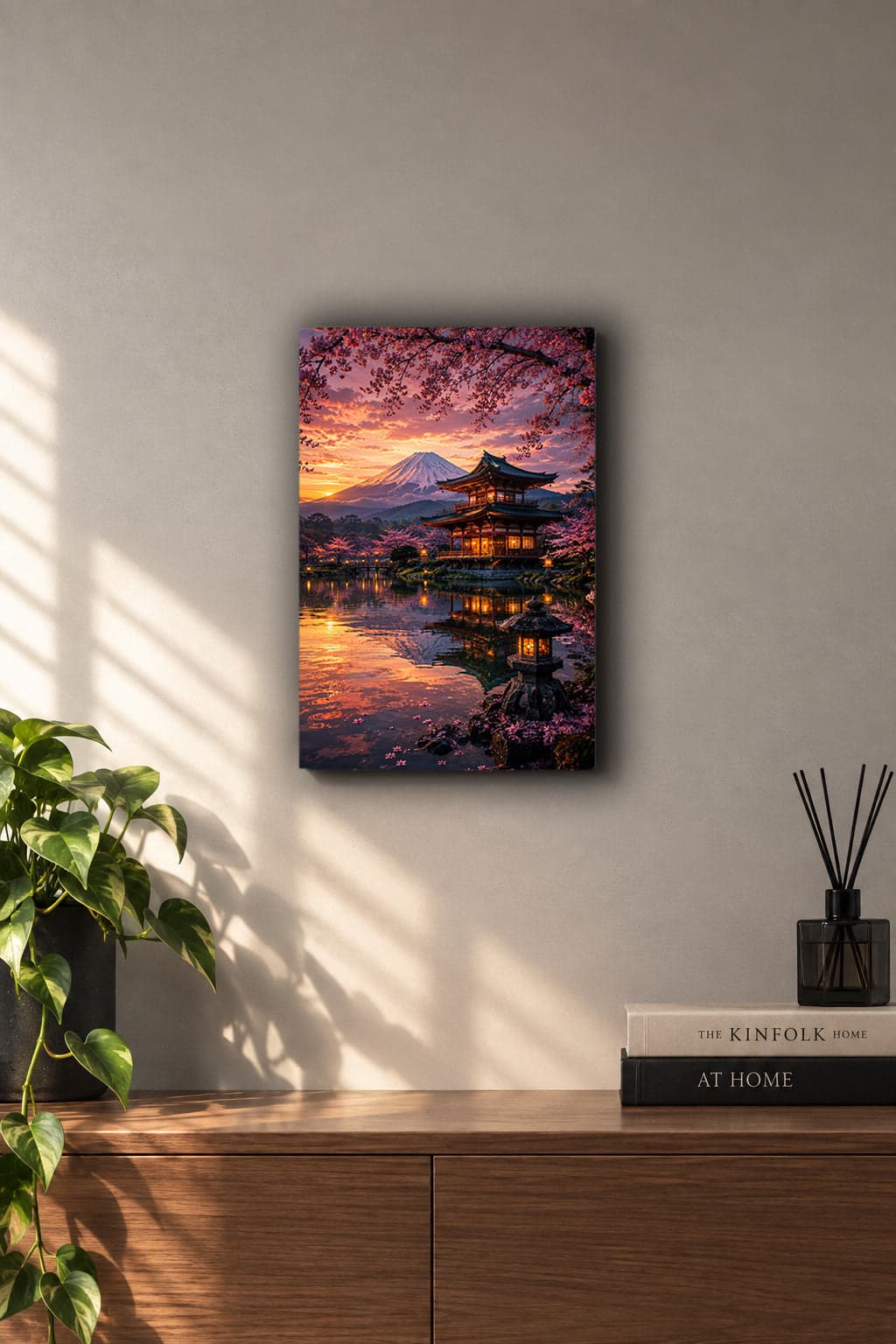
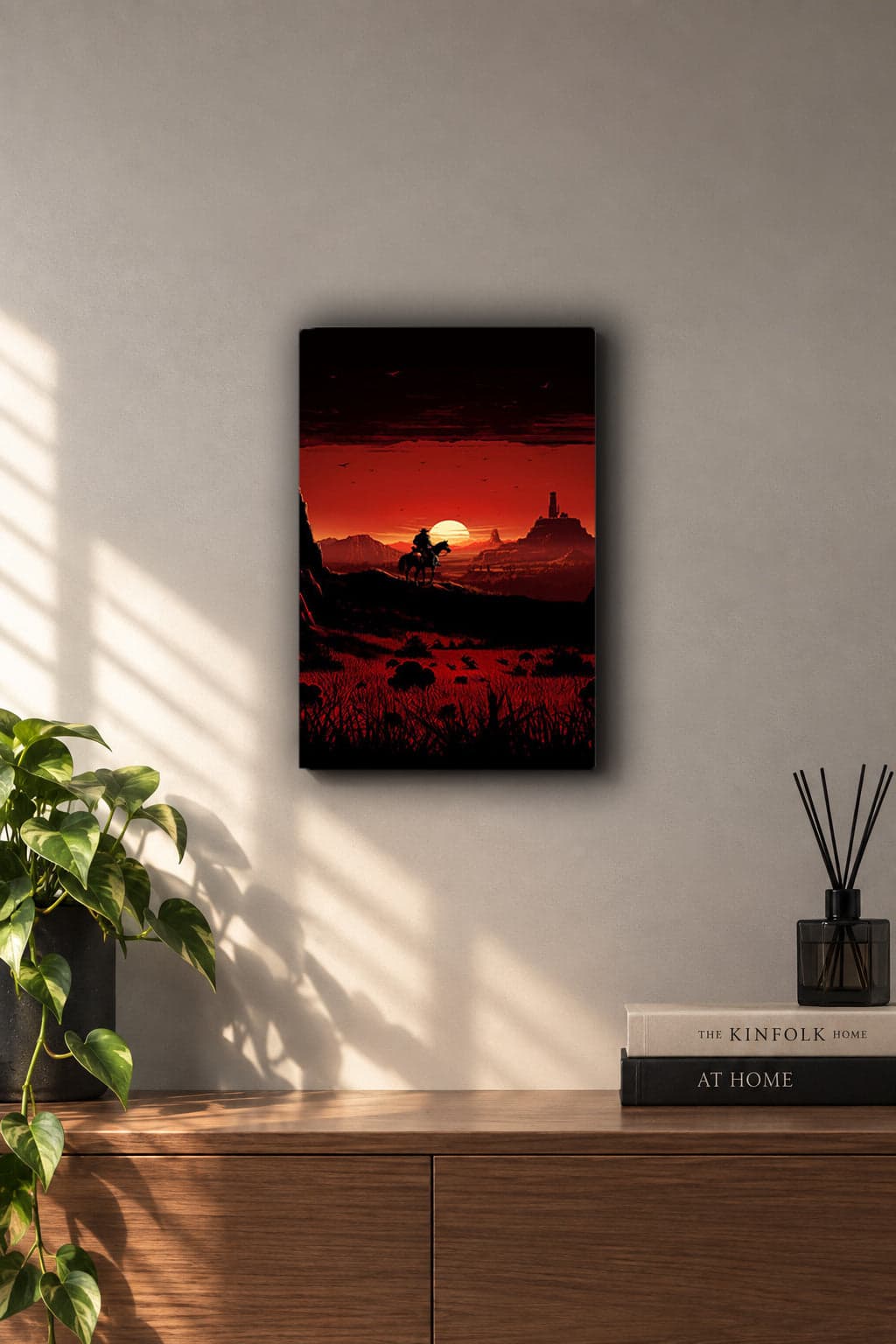
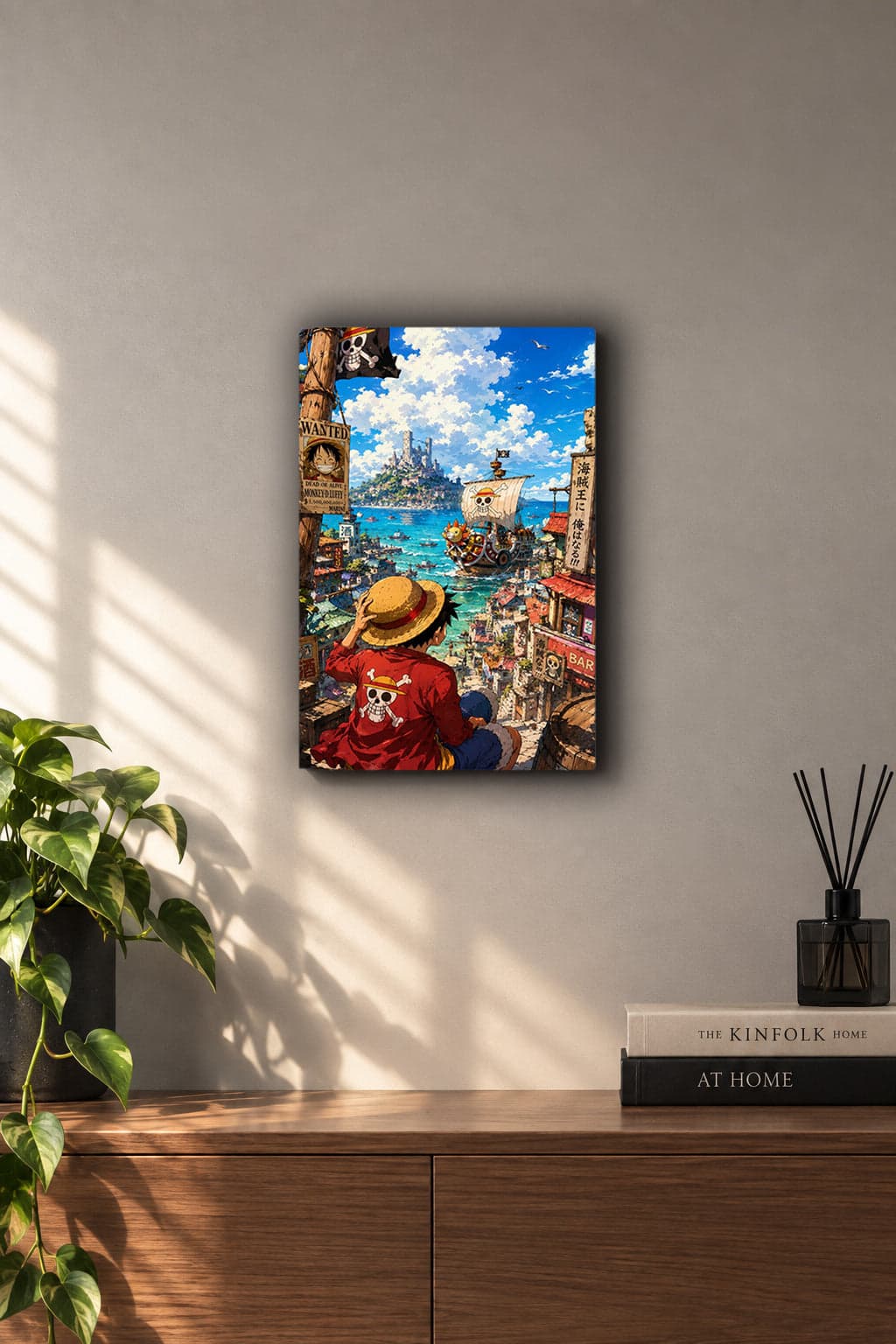
Metal wall art is a wall piece printed directly onto a metal sheet. It needs no frame and no glass, its matt surface scatters light instead of reflecting it, and it is less affected by humidity than a framed print. Three things decide the choice: the empty area of the wall, the viewing distance, and whether the piece will be a single panel or a multi-piece layout. The collection holds 102 designs.
- designs
- 102
- layout styles
- 3
- framing needed
- 0
Key features
Printed metal surface
The image is applied directly to the sheet — no glass, no frame, and noticeably lower weight.
Matt finish
Scatters light, so it does not glare on a wall facing a window and reads from every angle.
Single-panel layout
On a wide, uninterrupted wall one large piece establishes the focal point in a single move.
Multi-piece layout
Groups of two or three build rhythm on narrow walls and in hallways.
Range of themes
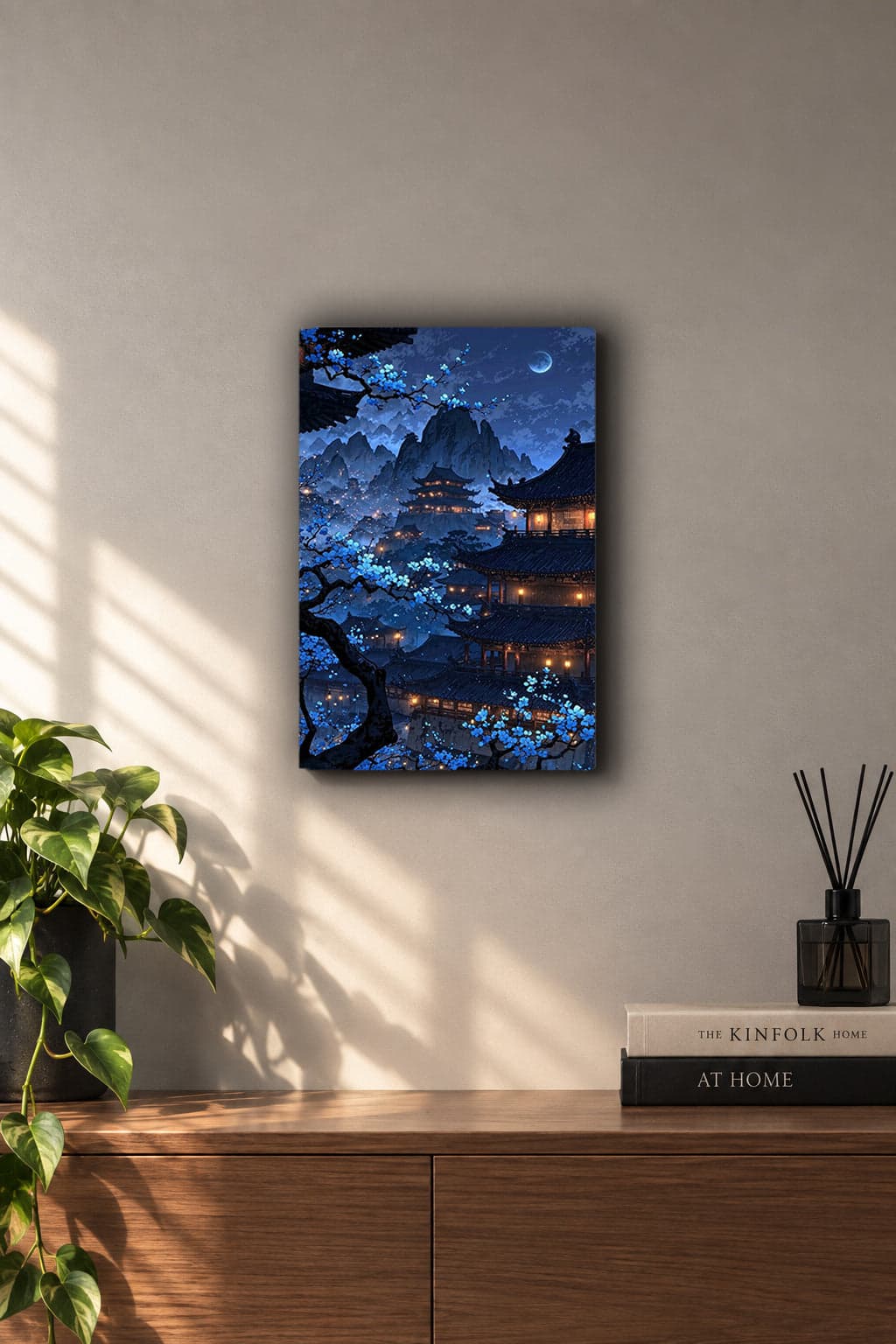
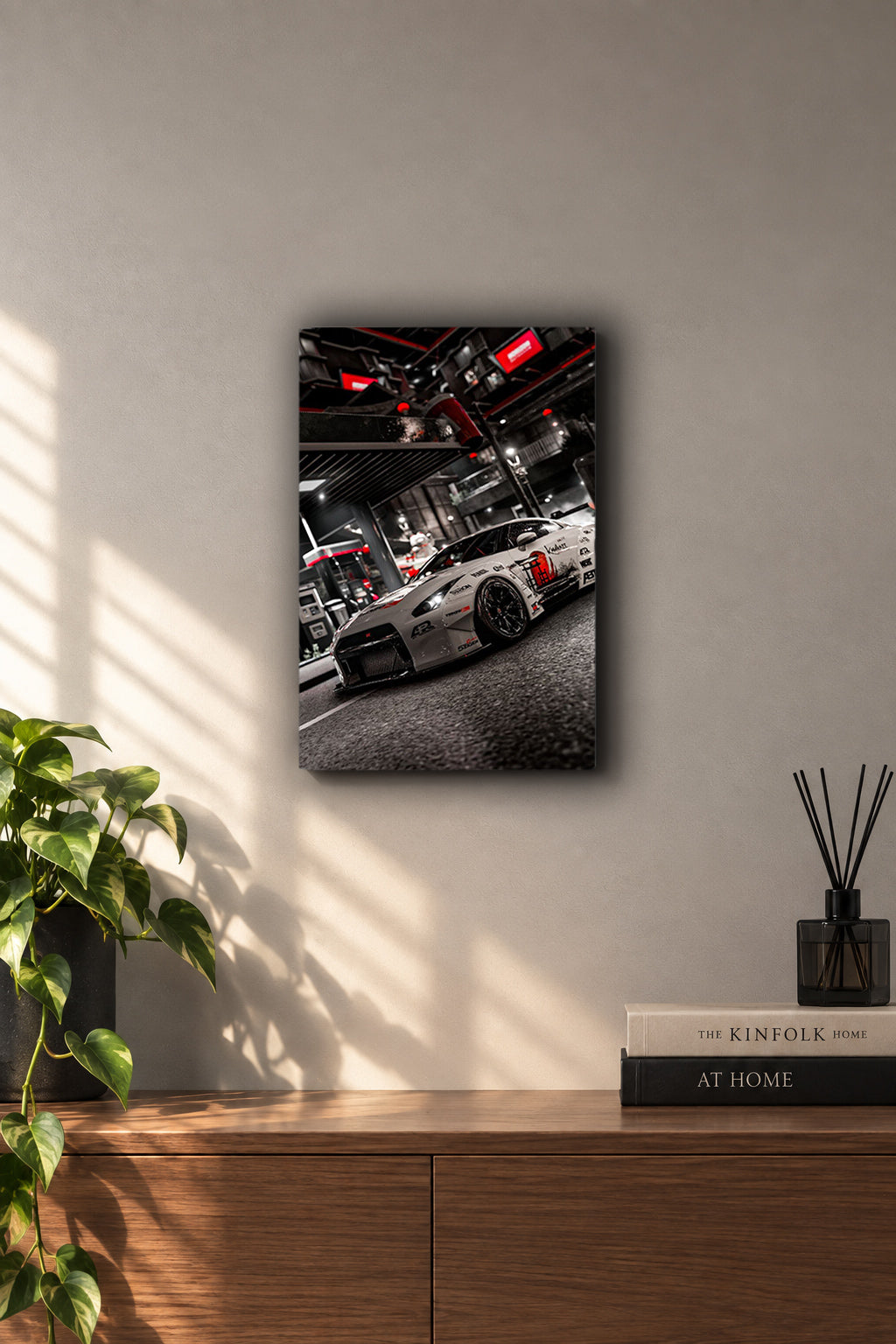
Automotive, anime, cinema, abstract, botanical, typography and landscape.
Simple mounting
The low weight means ordinary hanging hardware is enough on most walls.
Products for this service
Explore products →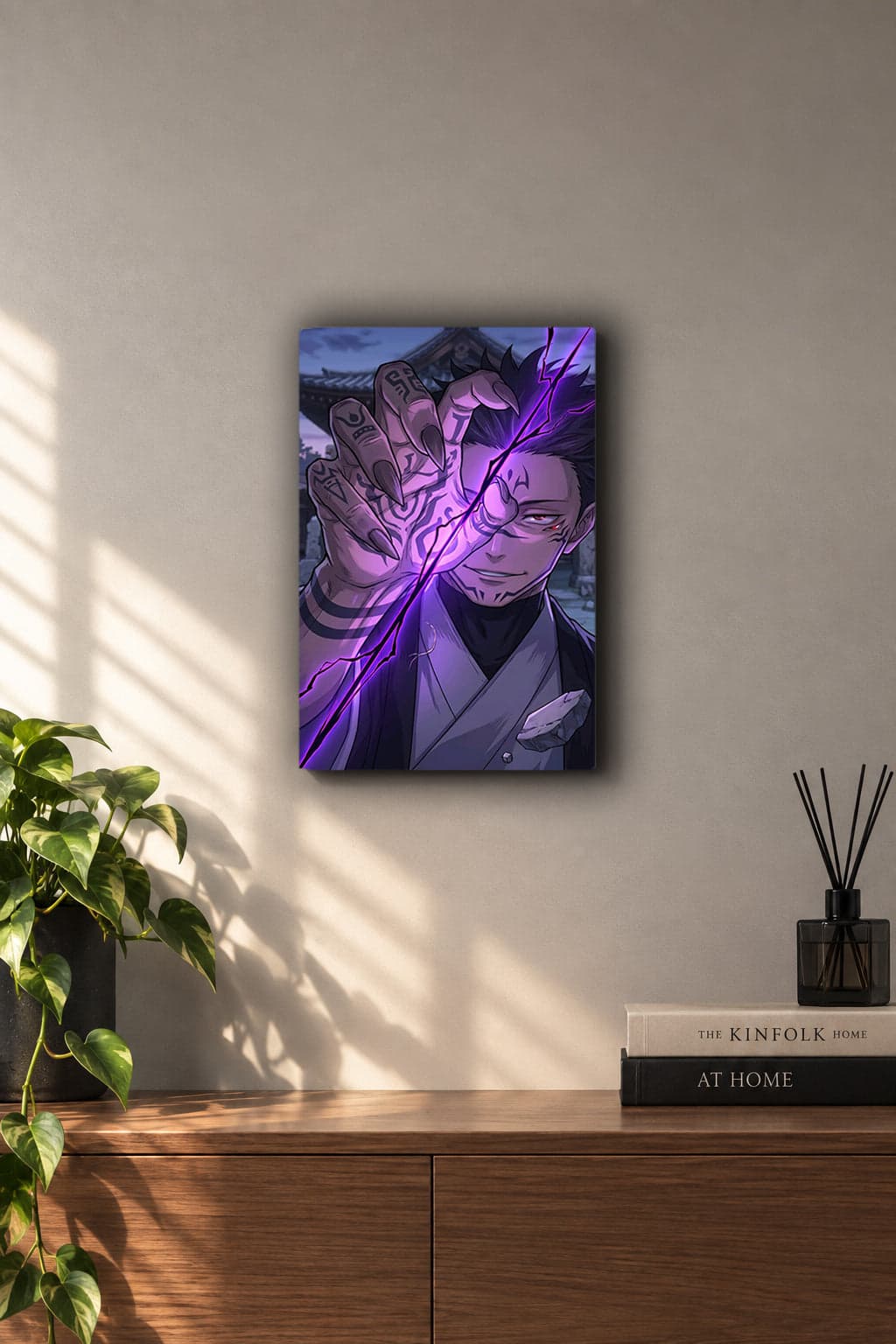
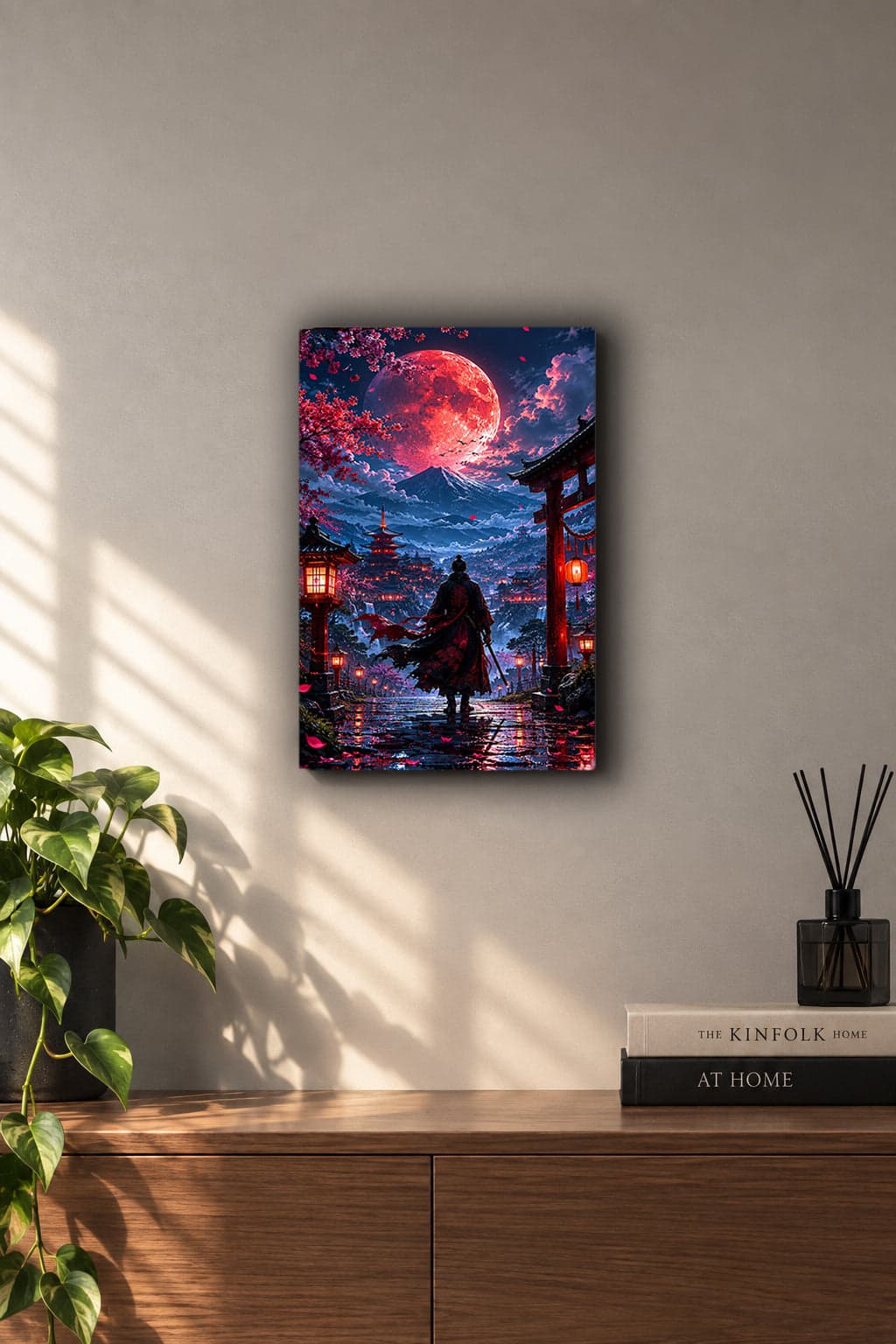
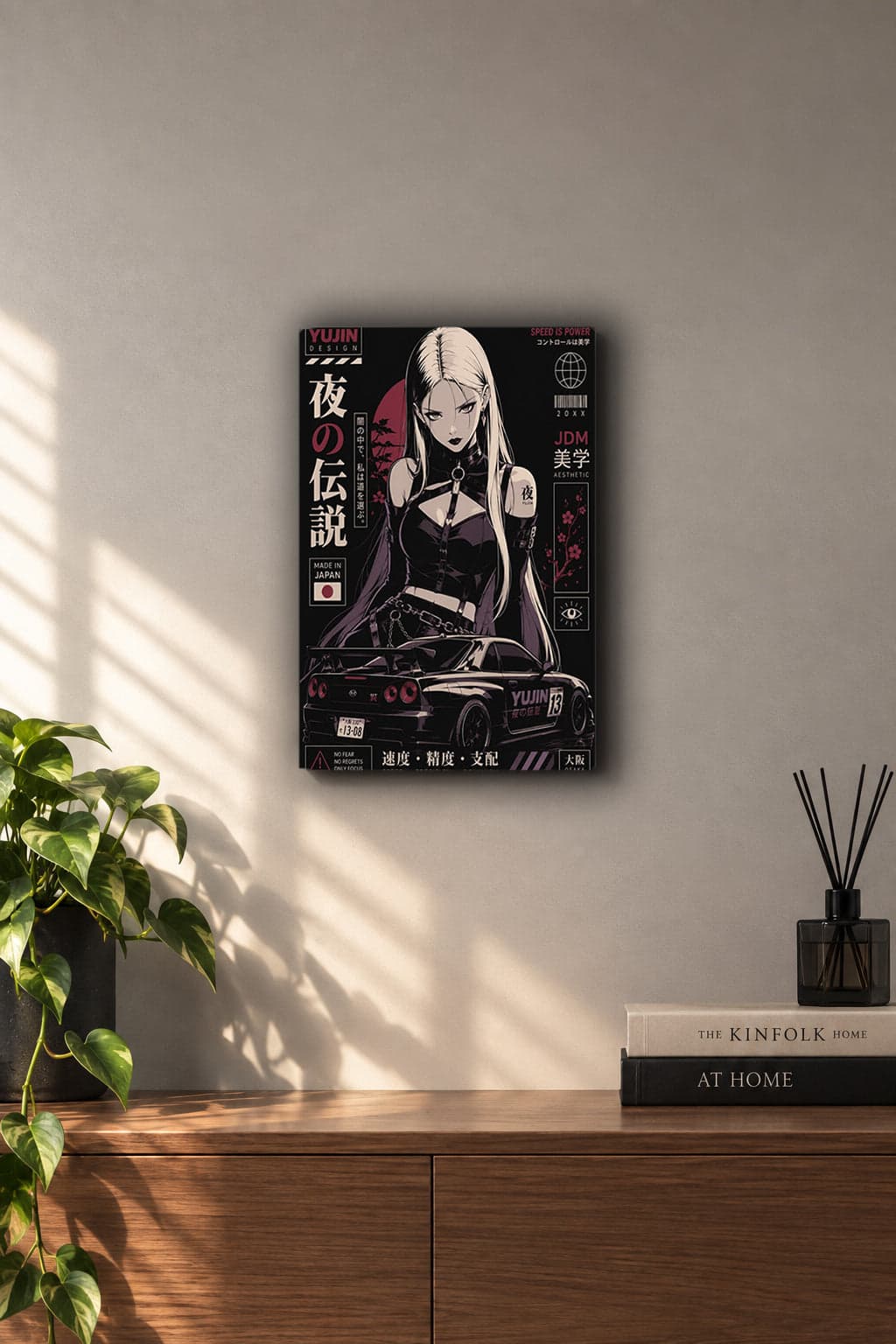
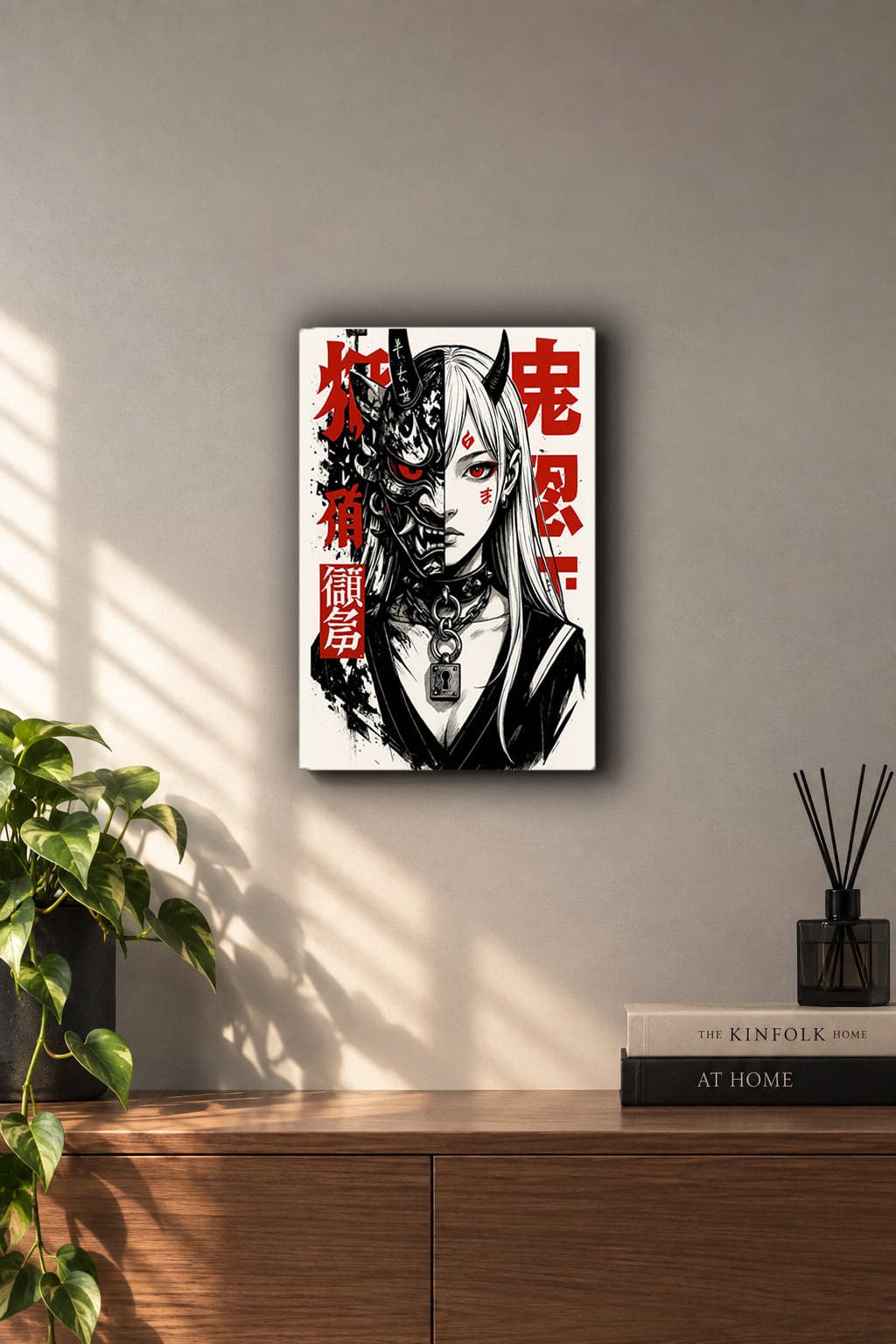
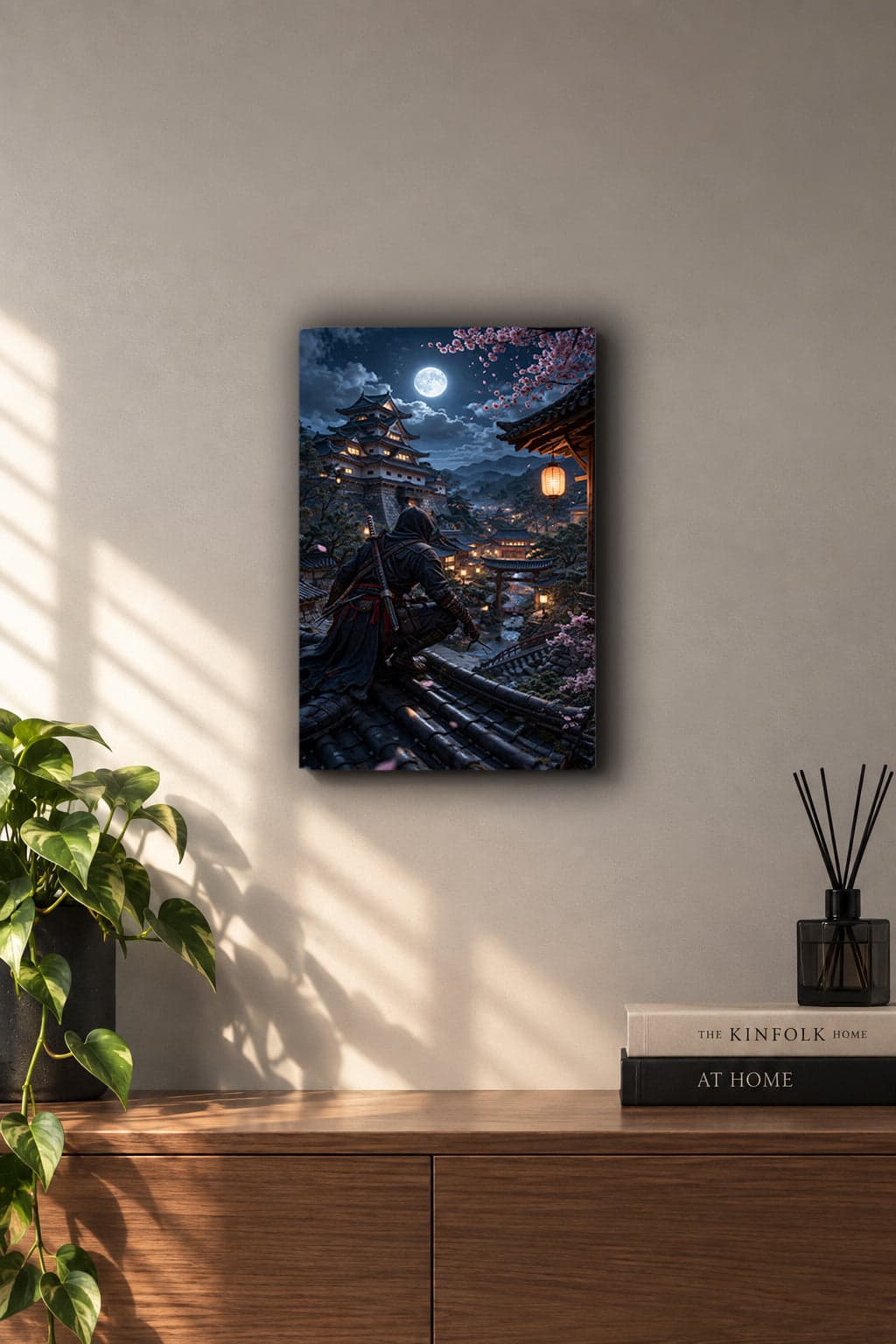
How do you choose the size?
Size follows the EMPTY area of the wall, not the wall itself. Above a sofa or a console the common guide is about two thirds of the furniture width; that ratio keeps the piece from looking lost and from crowding the wall.
Viewing distance is the second criterion. Where people stand close, such as a hallway, small and medium sizes bring detail forward; on a surface seen from across a living room, a large size with a simple composition reads better.
The accepted rule is to place the centre of the piece about 145–150 cm from the floor, which is eye level. Above furniture the measure changes: leave roughly 15–20 cm between the bottom edge and the furniture.
Single panel or a triptych?
A single panel creates one focal point and is the simplest answer. On a wide, uninterrupted wall a correctly sized single piece stands stronger than a multi-piece group.
Multi-piece layouts suit narrow walls, hallways and stairwells: two or three pieces of the same theme build rhythm and widen a tight space horizontally. Equal gaps make the group read as one whole; 5–8 cm gives a balanced result at most sizes.
Which theme for which room?
In a living room the piece is seen from a distance and accompanies the general language of the room; landscape, abstract and botanical themes work well at that distance. On a study or office wall, typography and minimal compositions establish character without pulling attention away.
In a games room, hobby space or teenager's room, automotive, anime and cinema themes speak to an interest directly; here the piece is less a decorative object than a statement of personal taste. Hallways and stairwells are the best surfaces for multi-piece layouts.
Mounting and care
Metal art weighs less than a framed print behind glass, which makes mounting markedly easier. Suitable plugs on plasterboard and standard hanging hardware on masonry are enough. Avoid fresh plaster and surfaces exposed to direct water.
Care is limited to dusting: a dry or slightly damp soft cloth is enough. Do not use abrasive cleaners or solvents — they dull the printed surface permanently.
Who is it for?
New homes
Empty walls are the fastest way to finish a home; size selection starts here.
Gift buyers
The range of themes makes it easy to match the recipient's own interest.
Offices and businesses
In waiting areas and corridors a multi-piece layout brings visual order.
Frequently asked questions
Does metal wall art need a frame?+
No. The image is printed directly onto the metal sheet; there is no frame and no glass. That lowers the weight and simplifies mounting.
At what height should I hang it?+
The accepted rule is to place the centre about 145–150 cm from the floor, which is eye level. Above furniture, leave 15–20 cm between the bottom edge and the furniture.
How do I choose the size?+
Look at the empty area of the wall rather than its total width. Above furniture, about two thirds of the furniture width is balanced. On walls seen from a distance, a large size with a simple composition reads better.
How wide should the gaps be in a triptych?+
Equal gaps make the group read as one whole. At most sizes 5–8 cm is balanced; as the pieces grow the gap can be increased a little.
Can it be used in a bathroom or kitchen?+
A metal surface is less affected by humidity than a framed print, but surfaces exposed to direct water and fresh plaster should be avoided. In a kitchen, a spot directly above the hob is not suitable because of oil vapour.
How is it cleaned?+
A dry or slightly damp soft cloth is enough. Abrasive cleaners and solvents must not be used; they dull the printed surface permanently.
Let us work out the right size for your wall
Tell us the empty area of the wall and the viewing distance; we will send our recommendation for a single panel or a multi-piece layout.
📍 Turkey · Europe