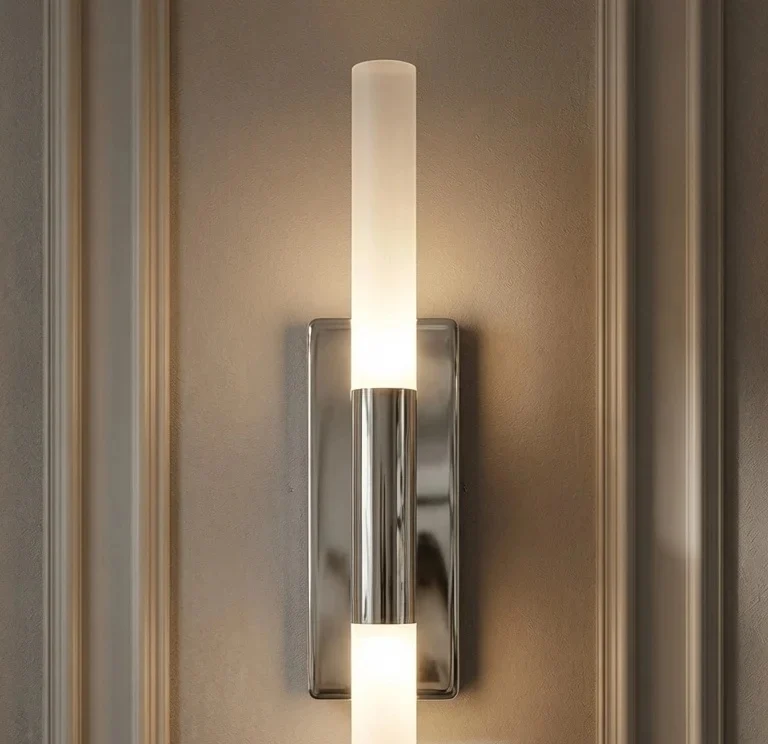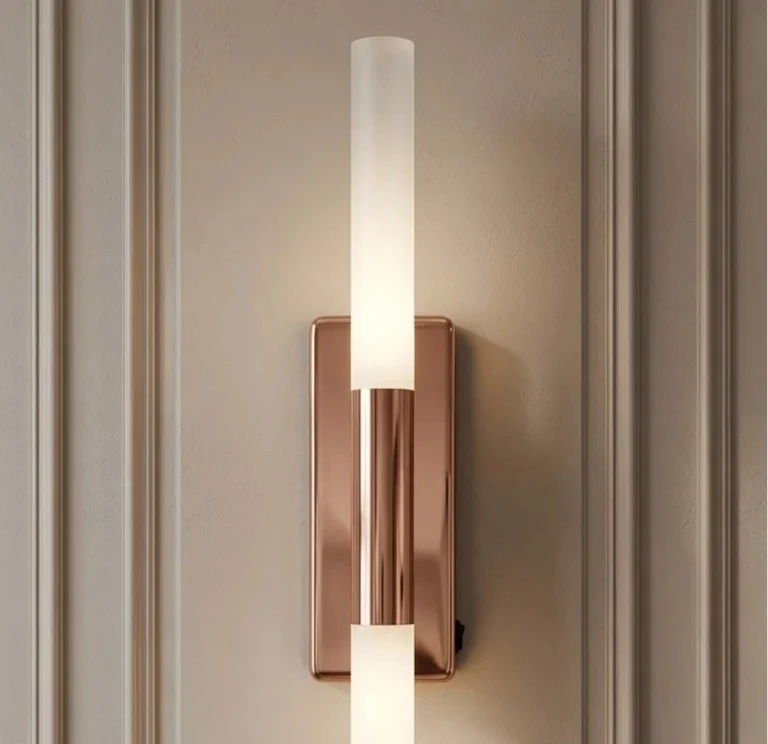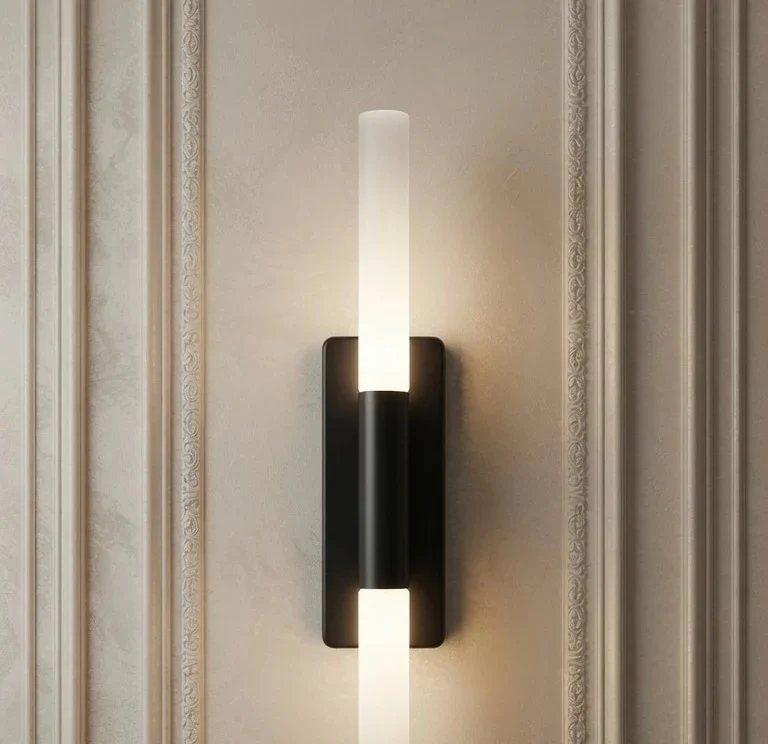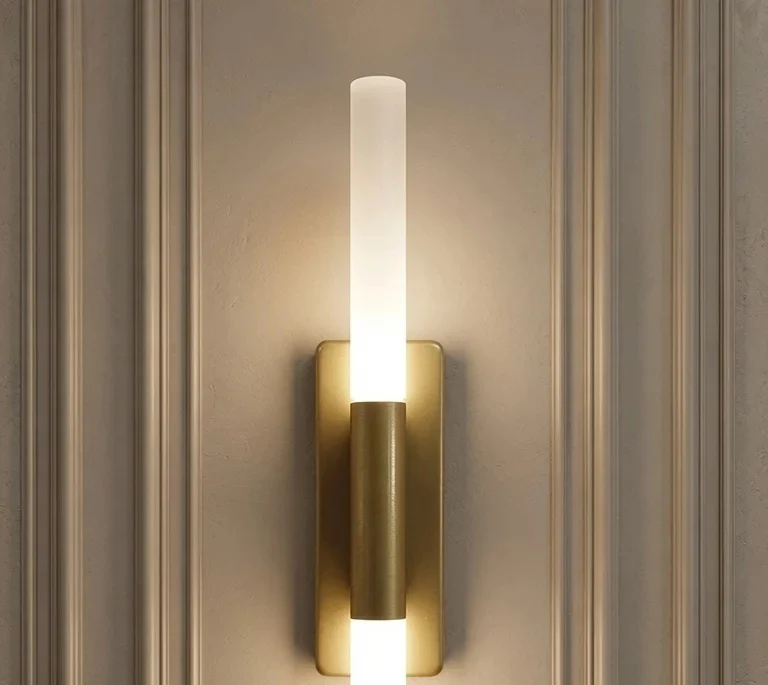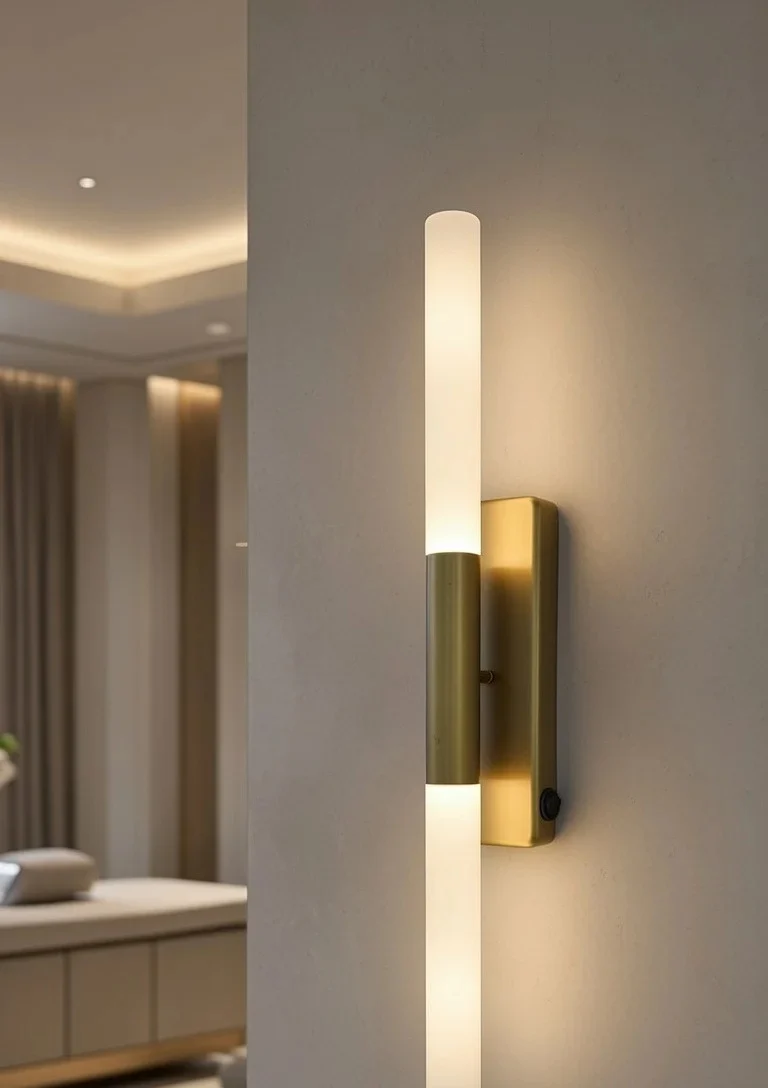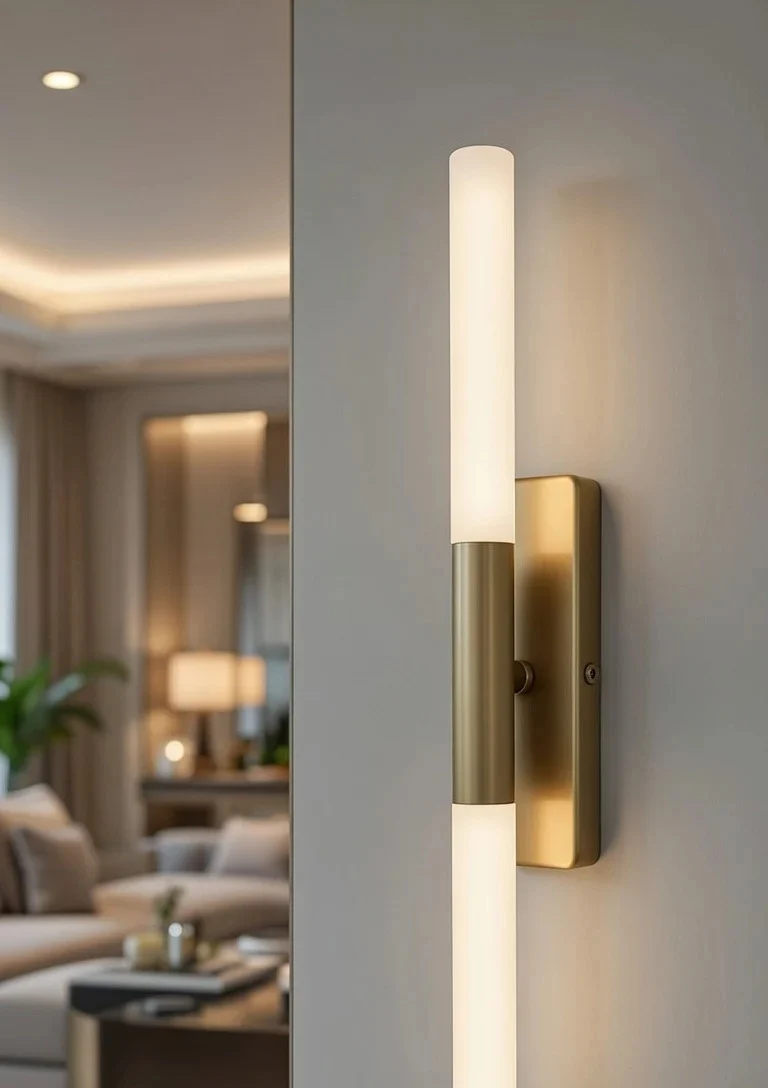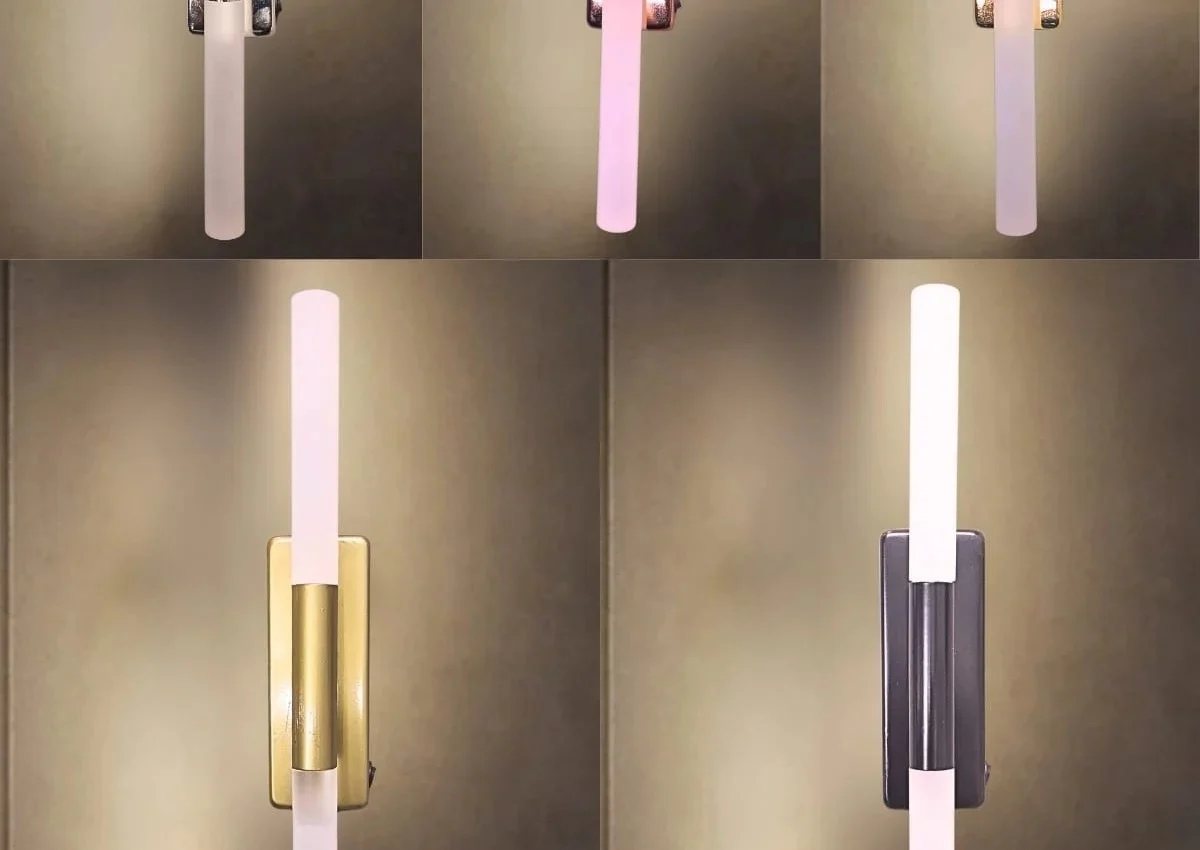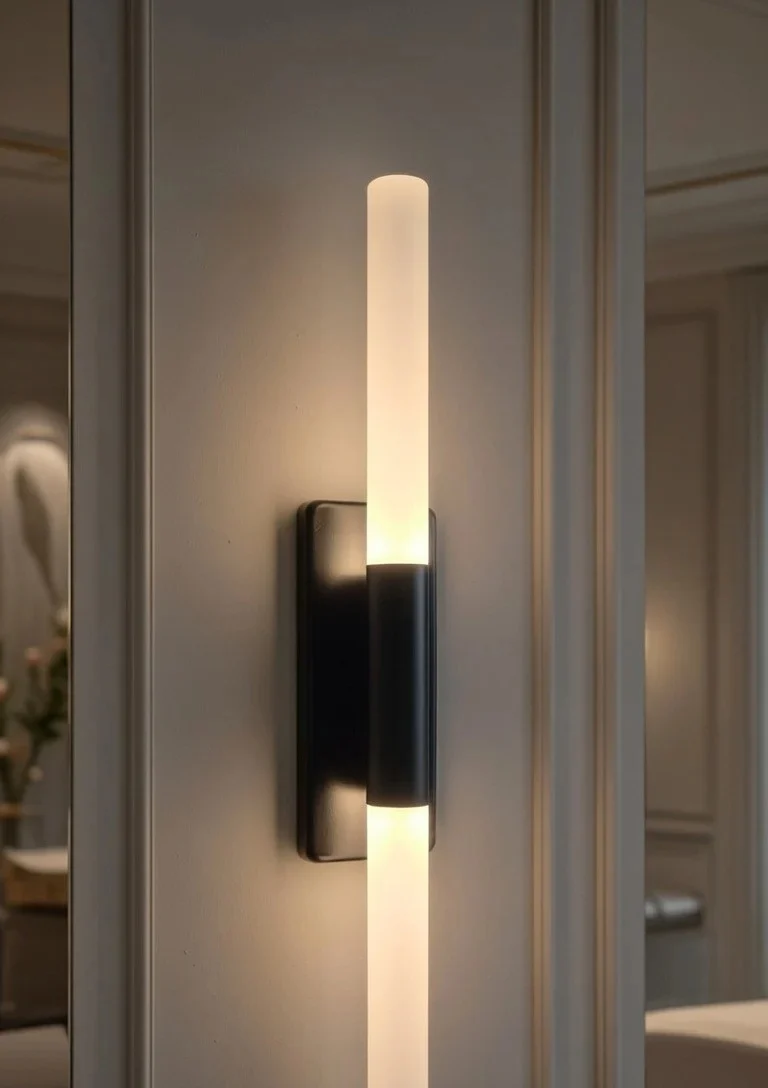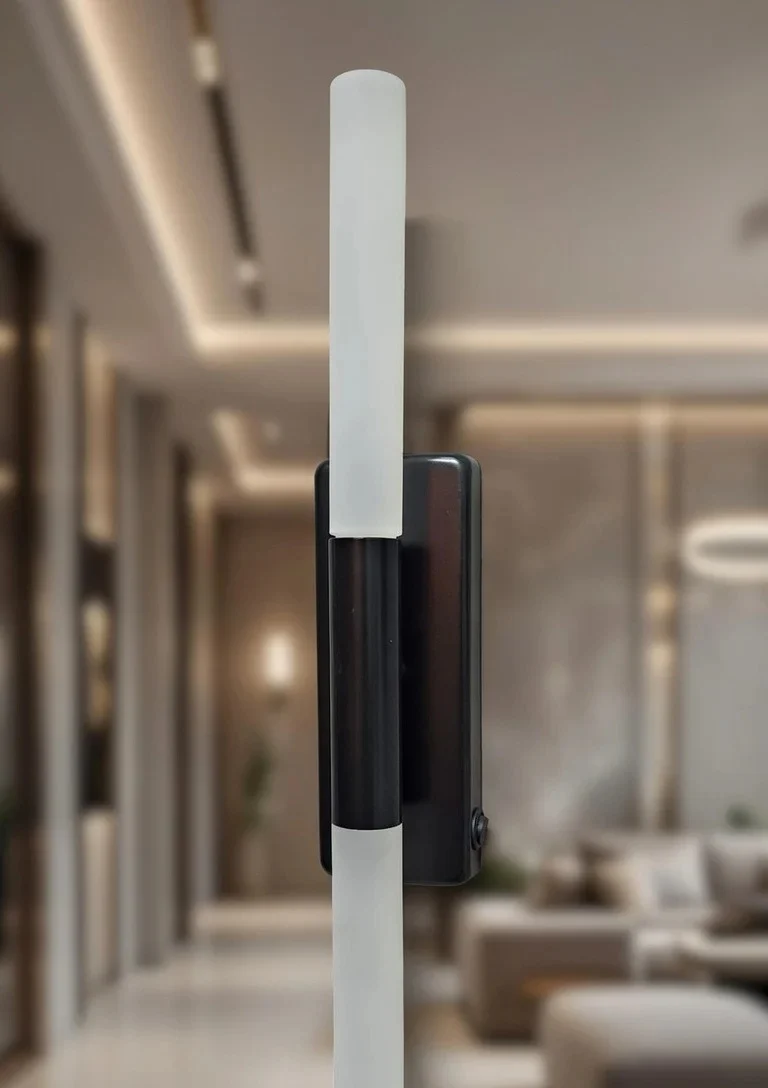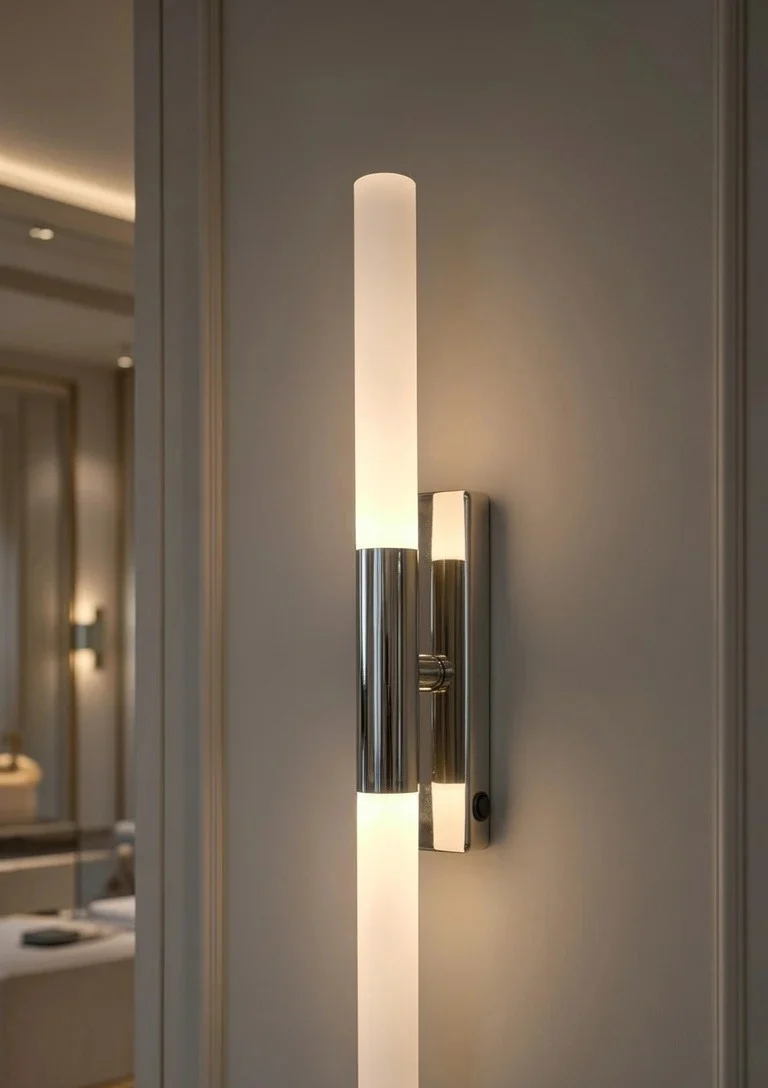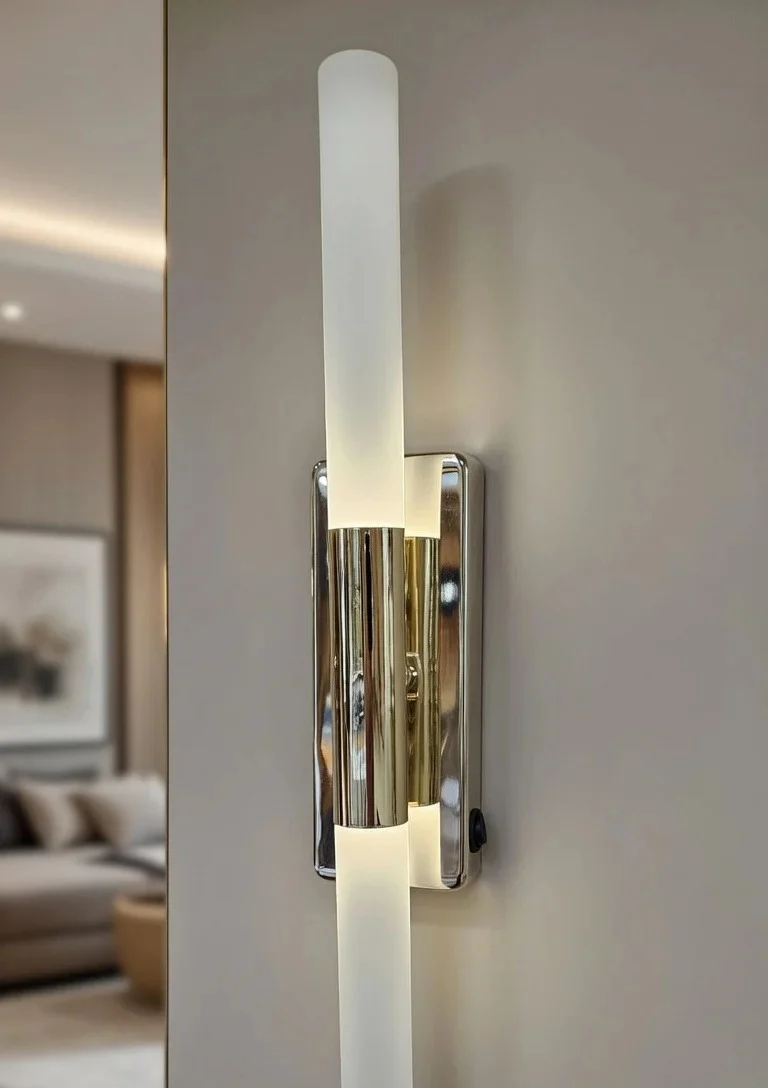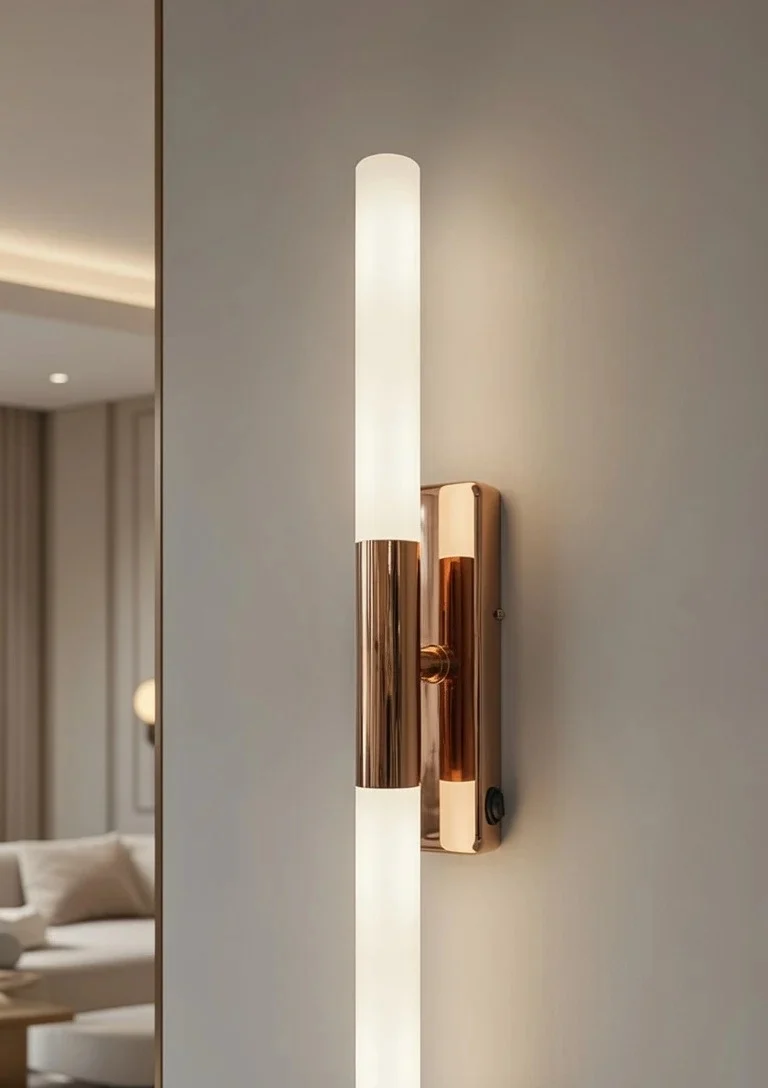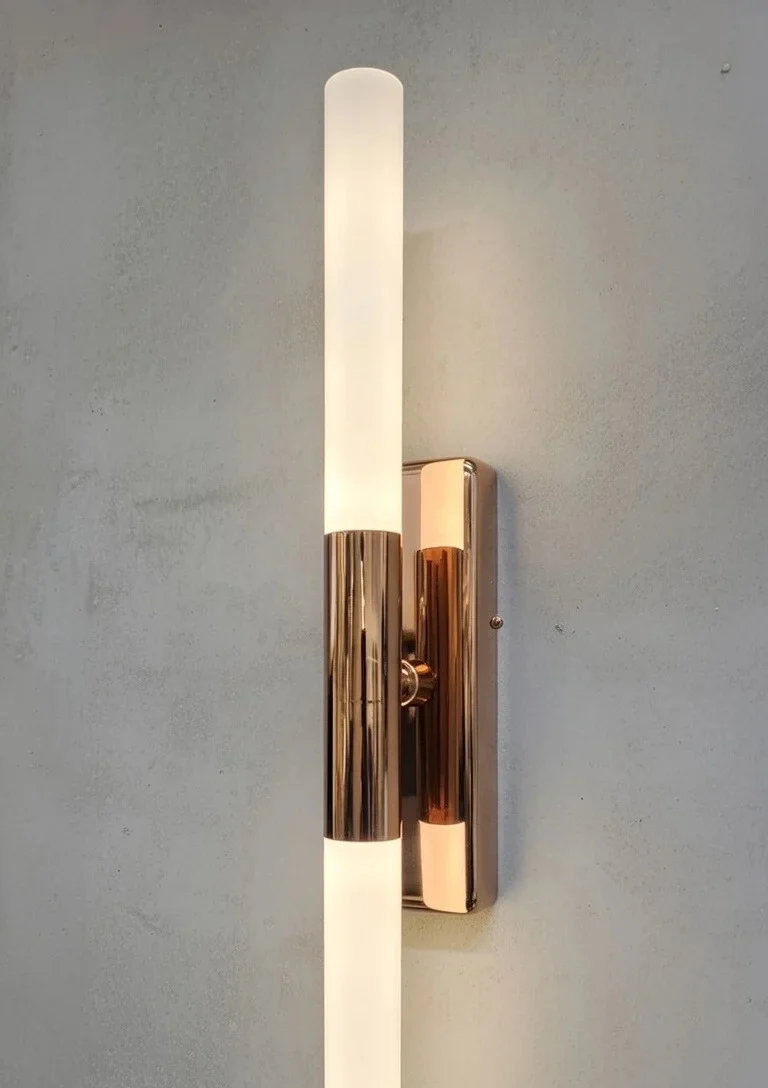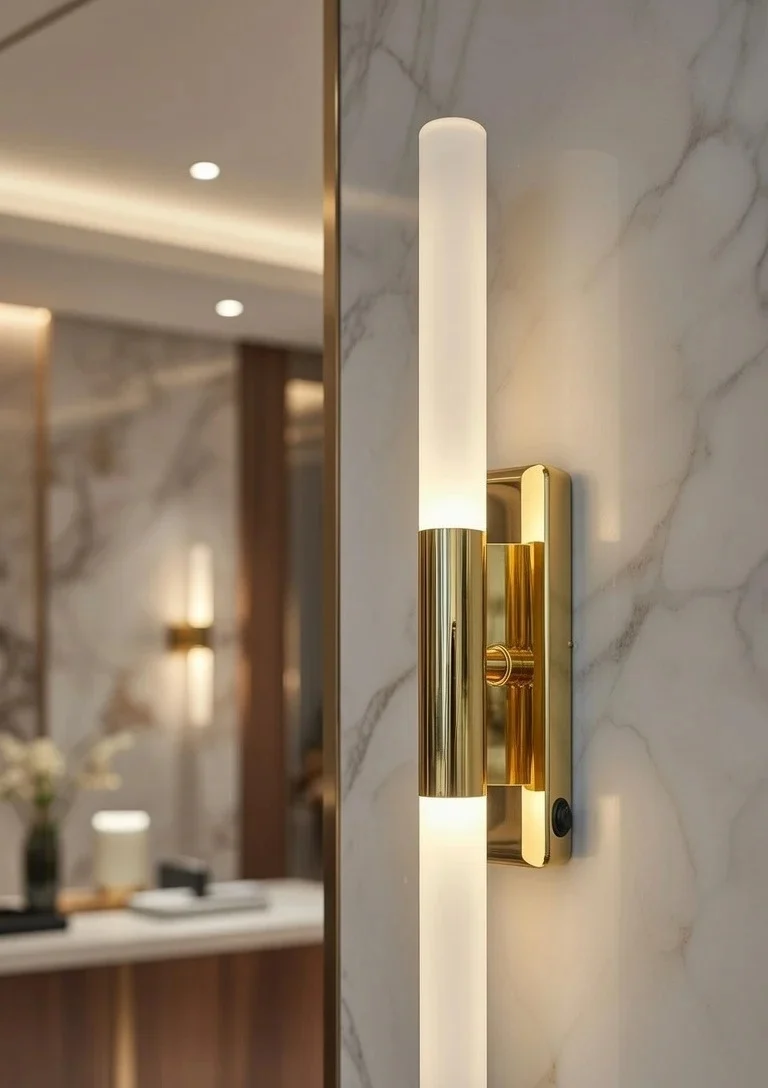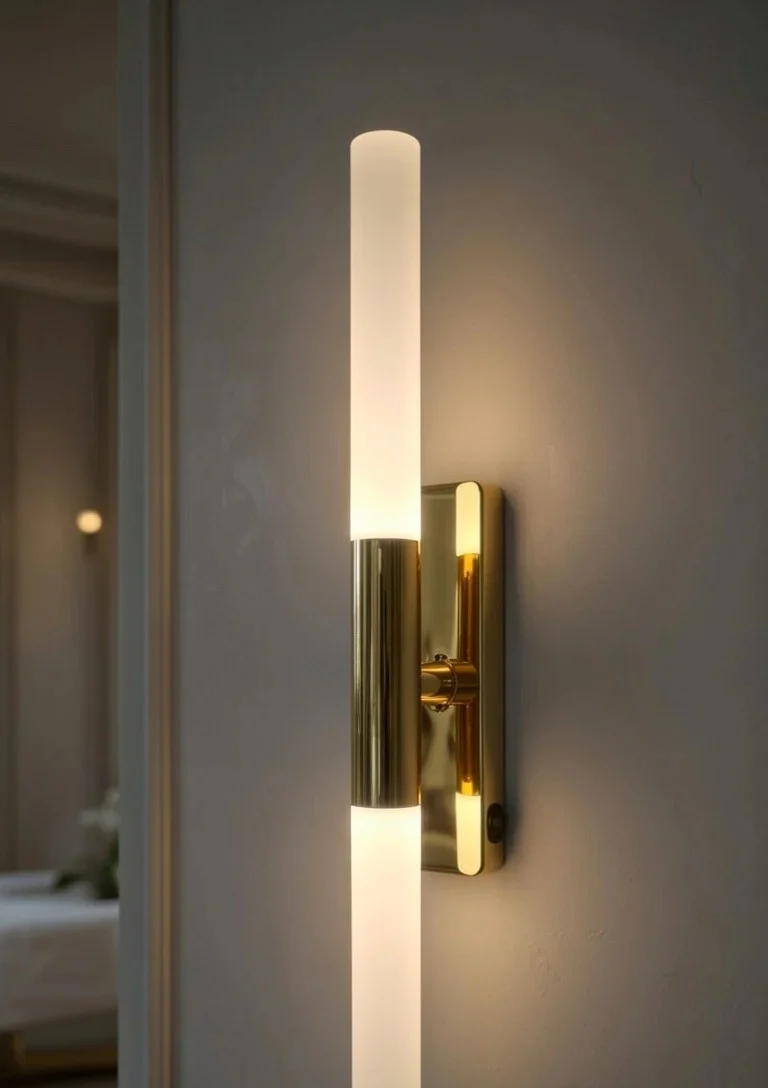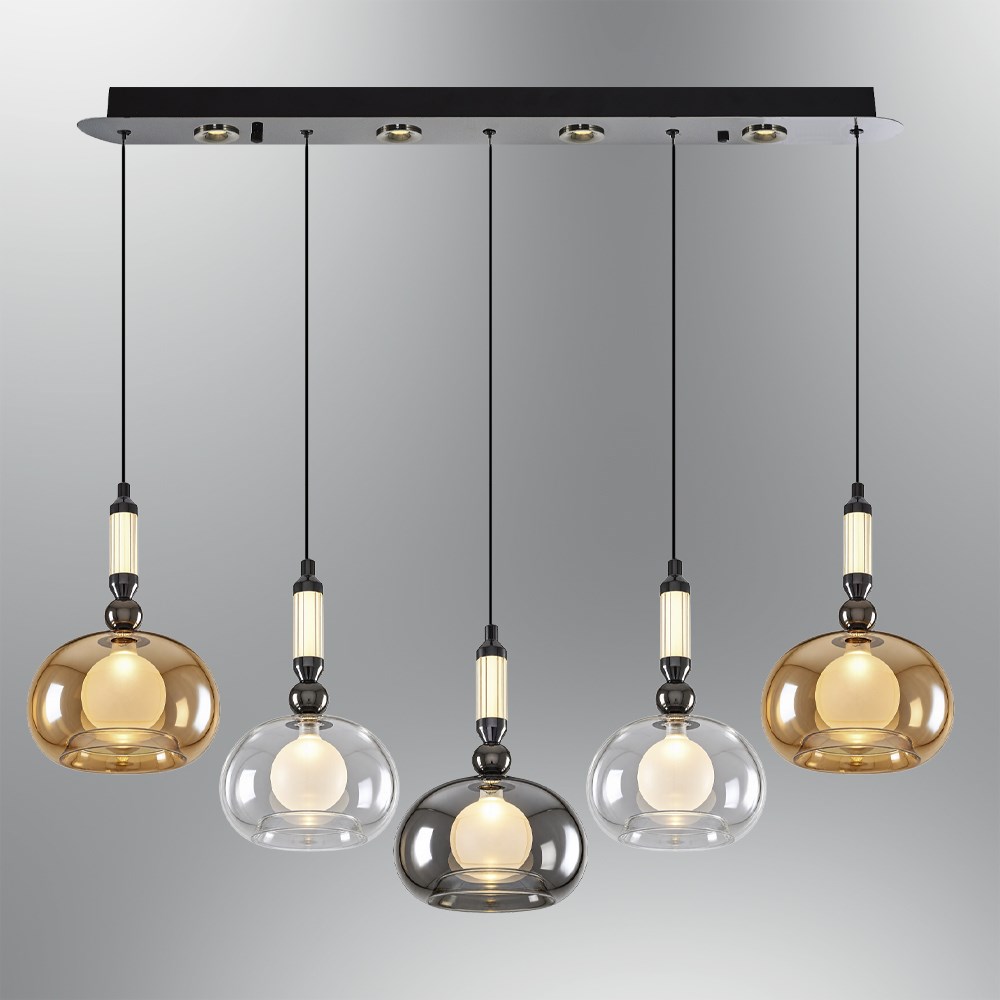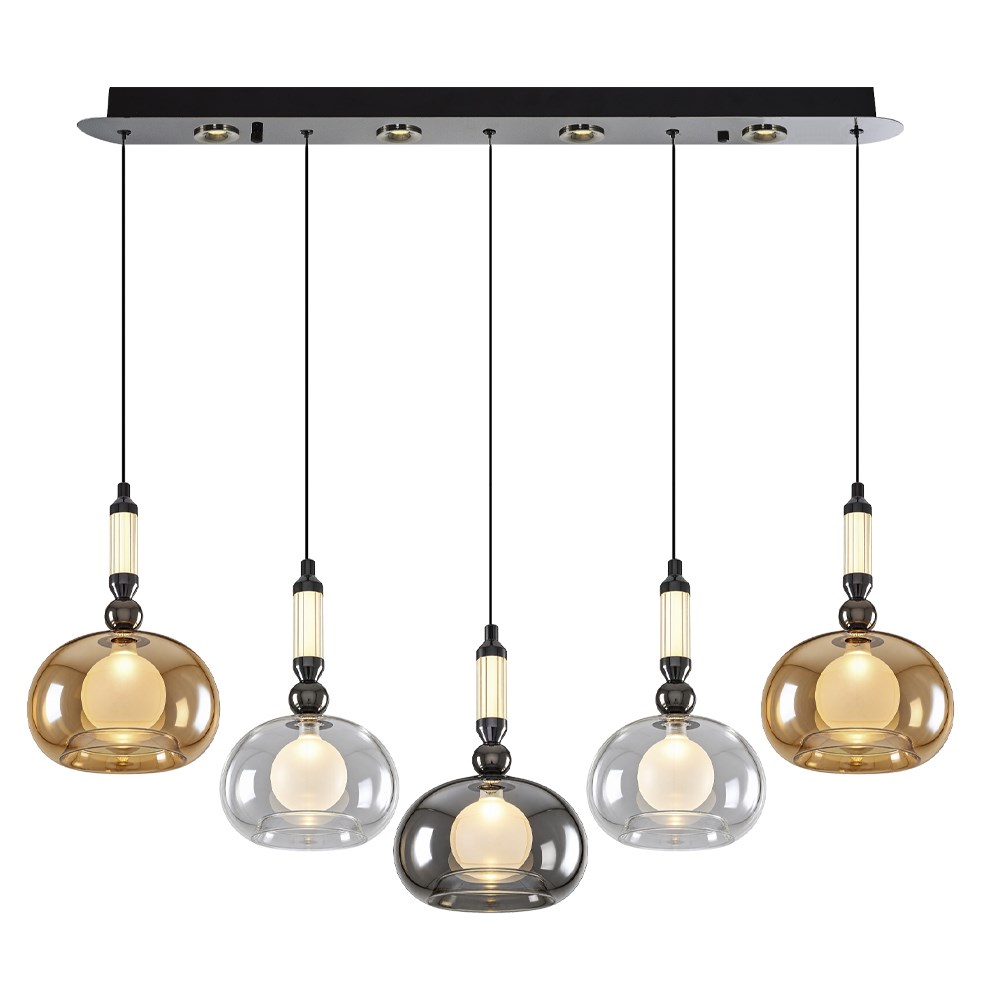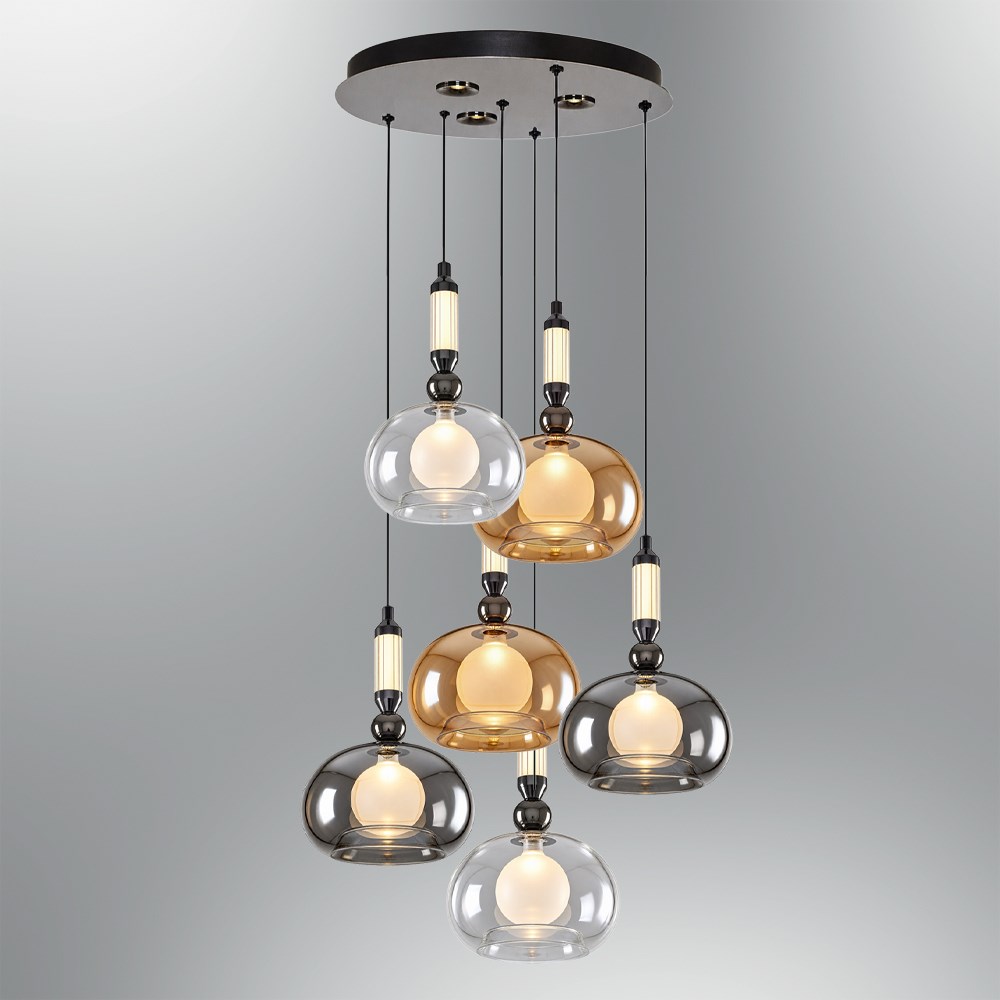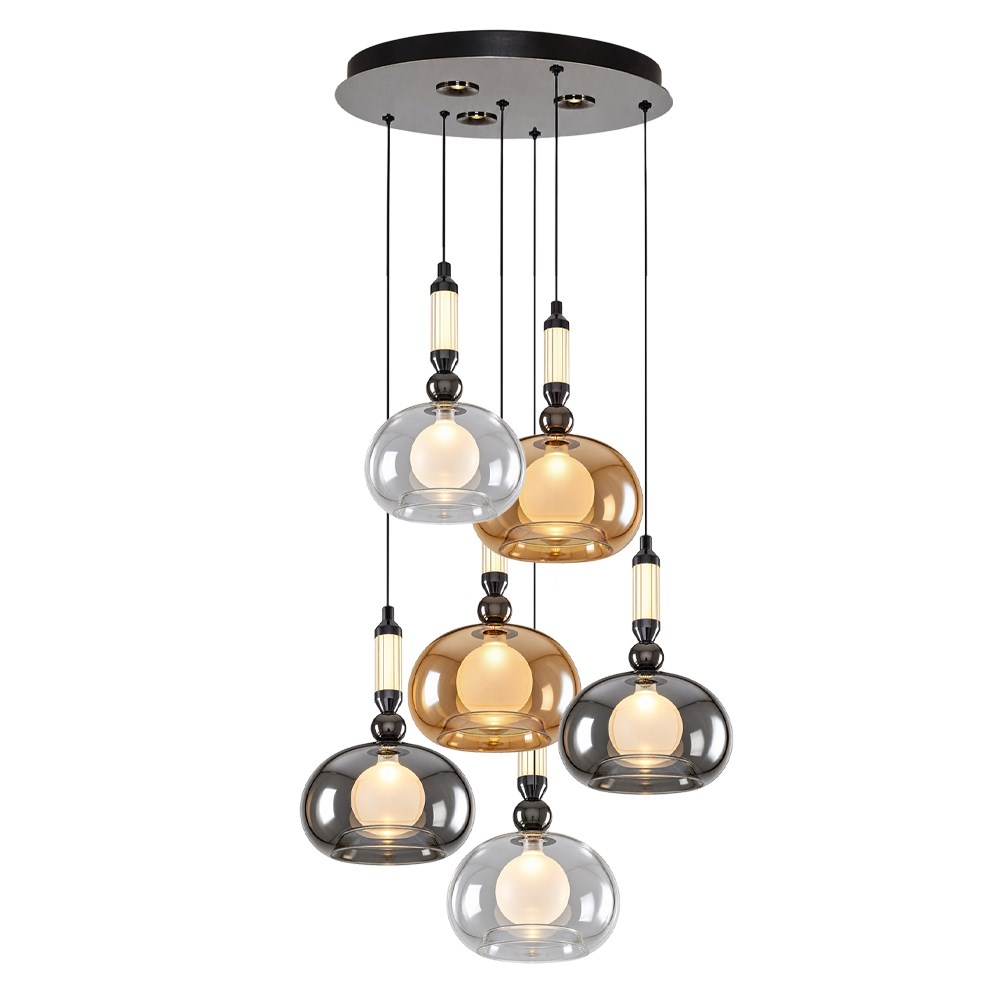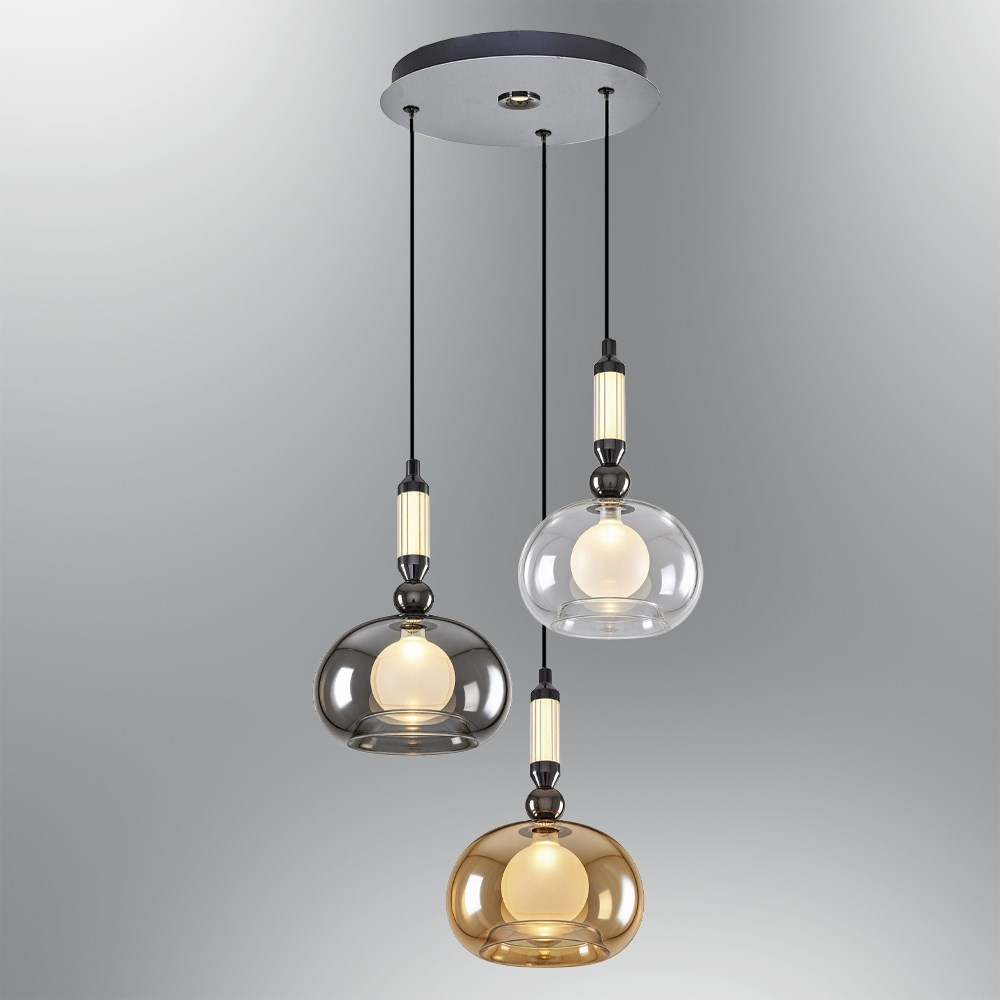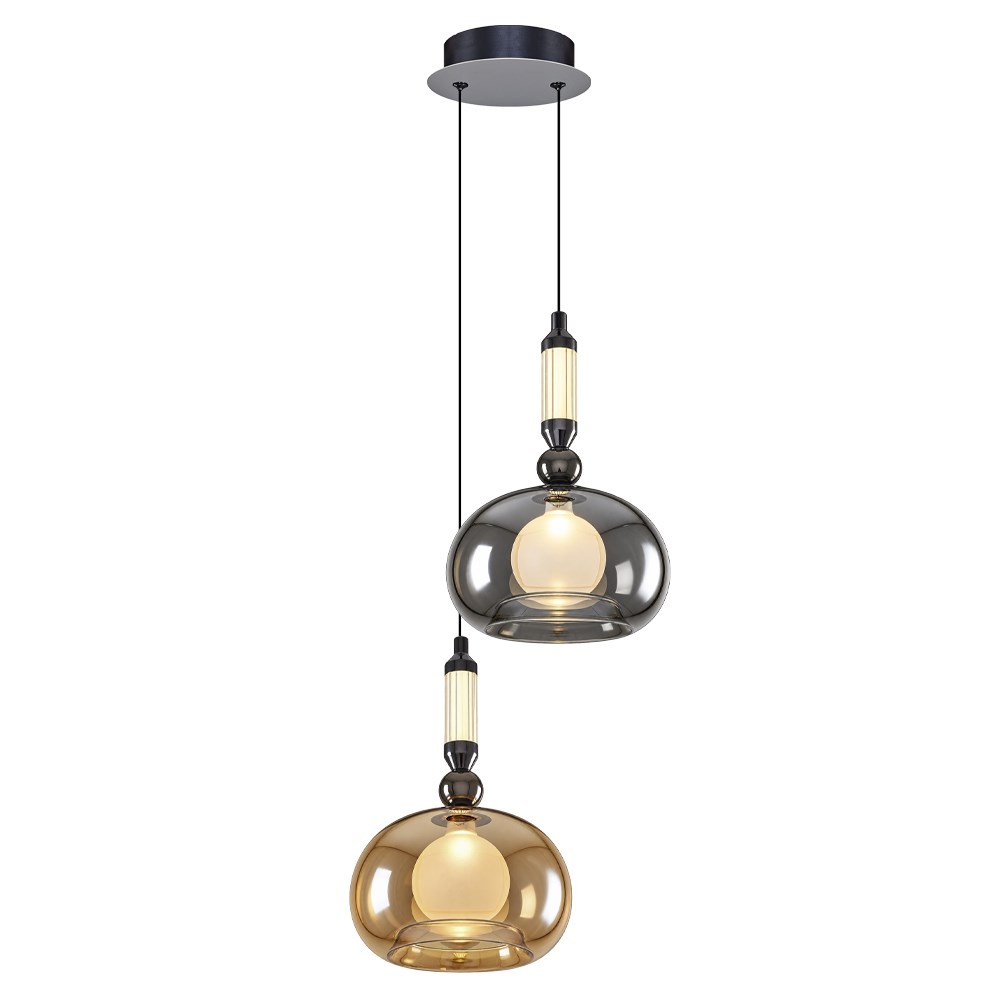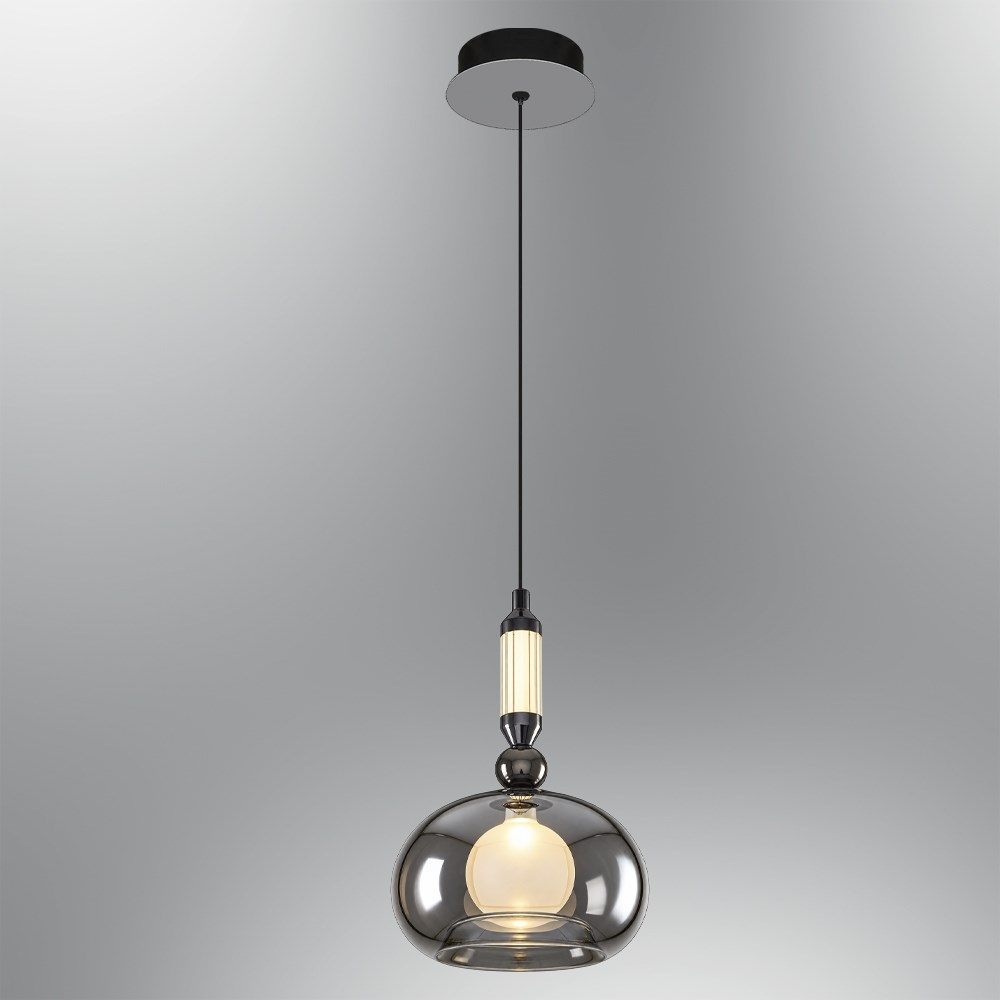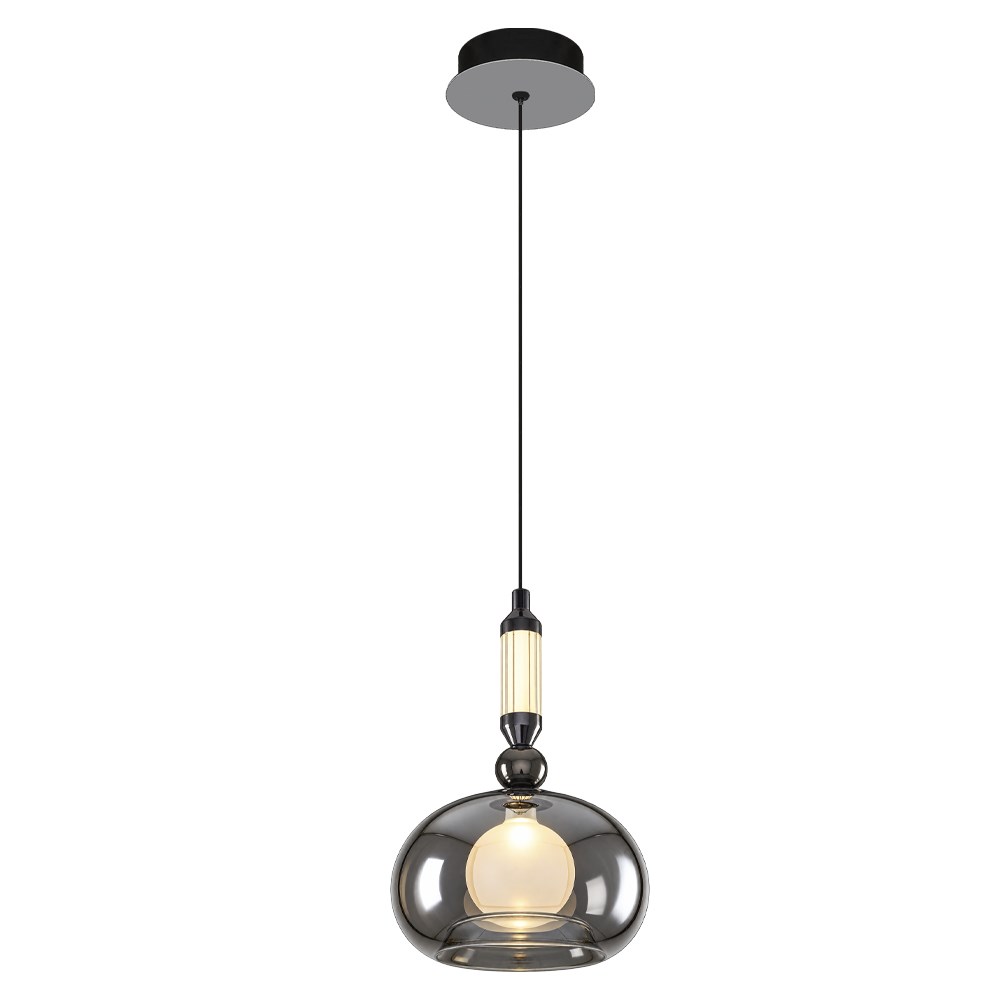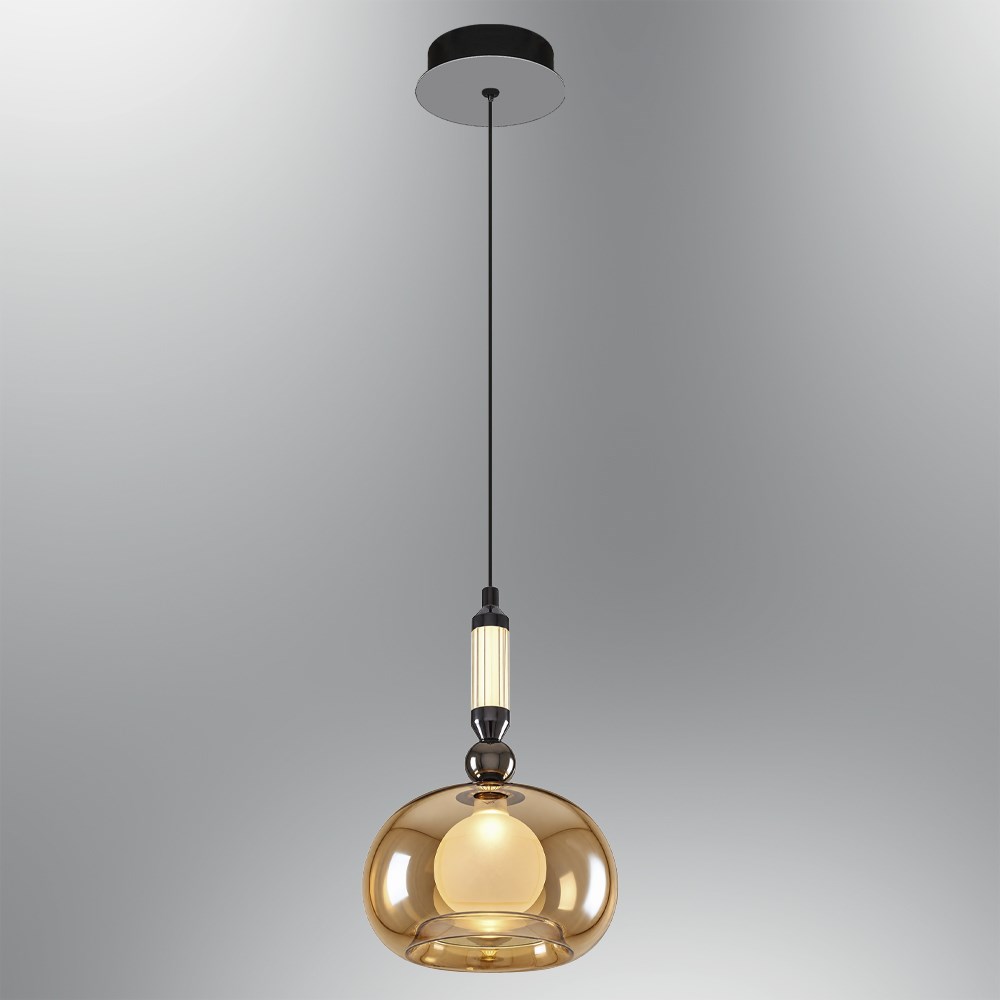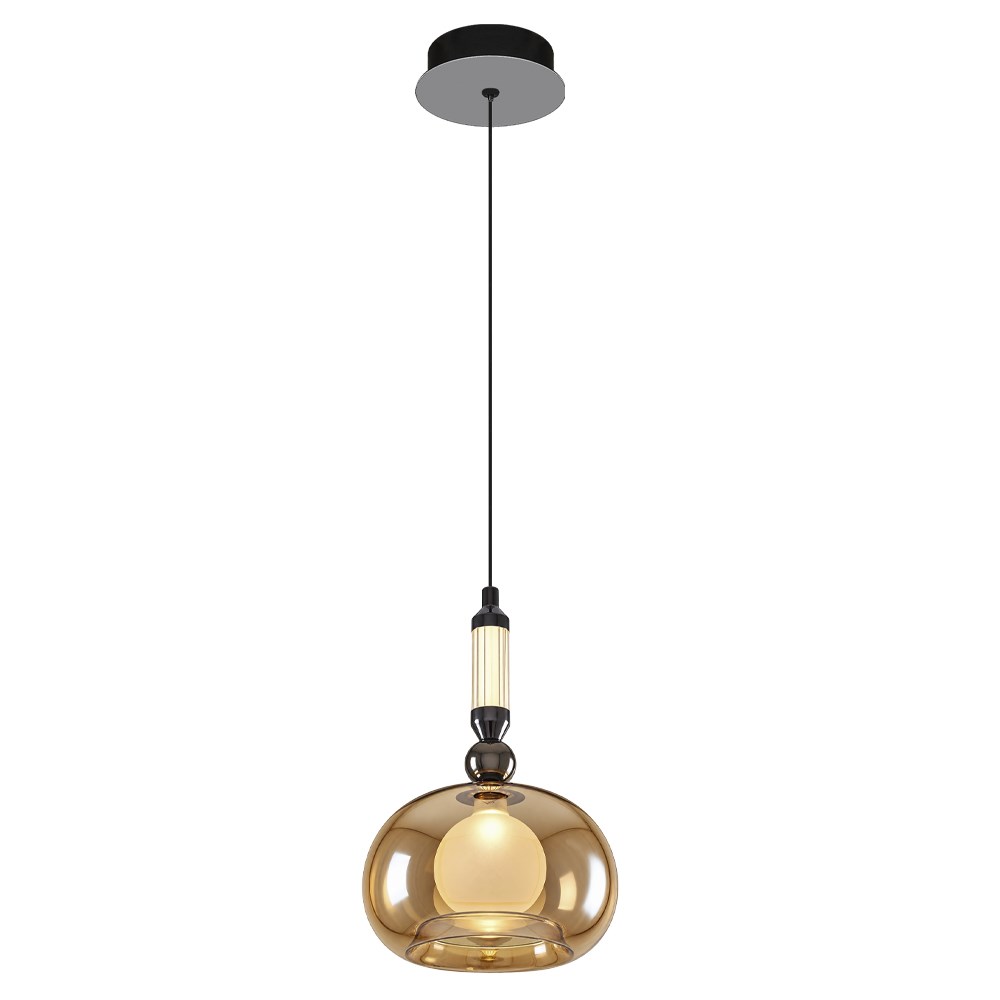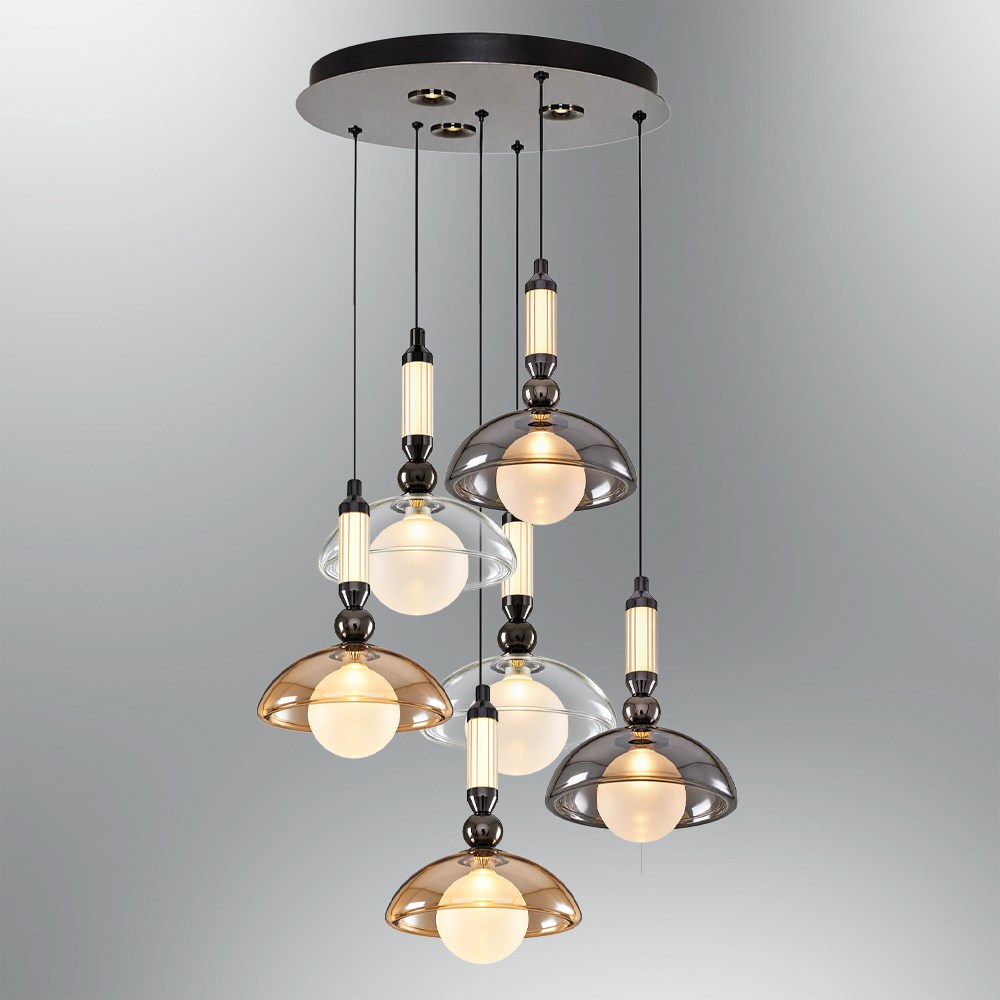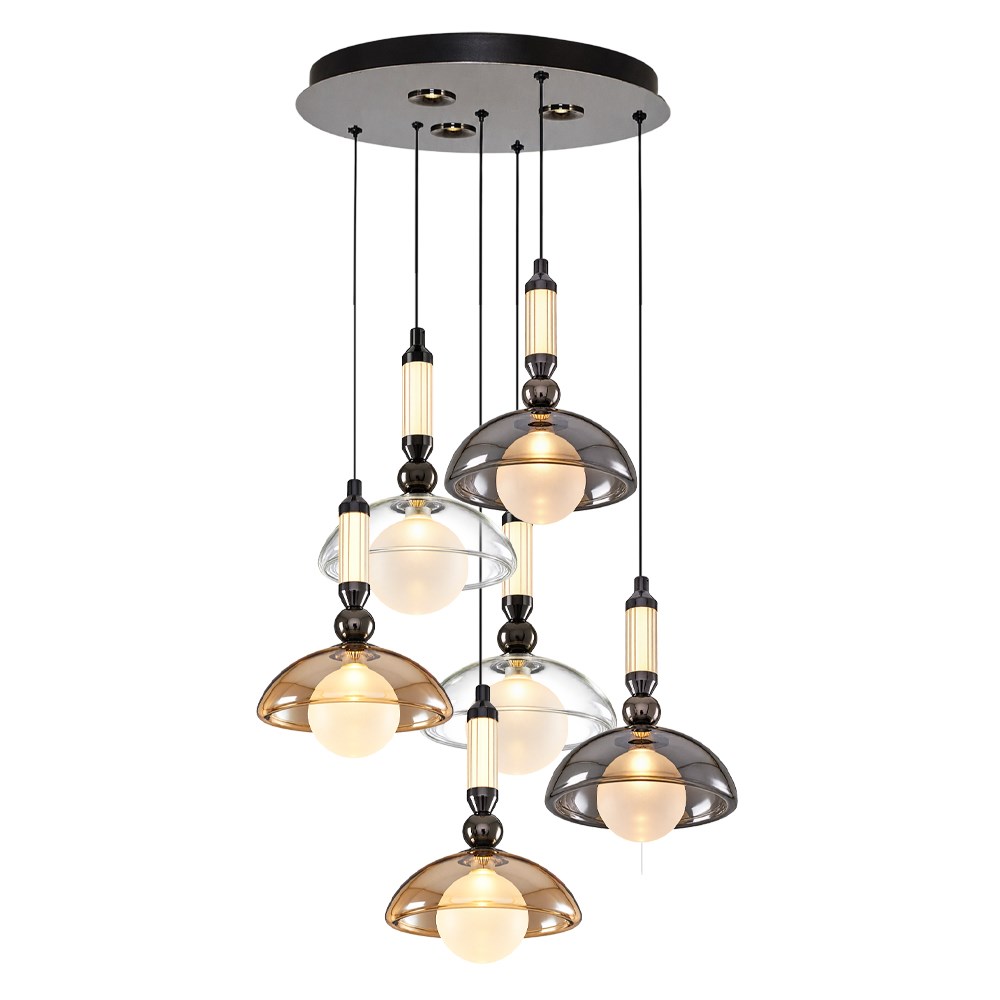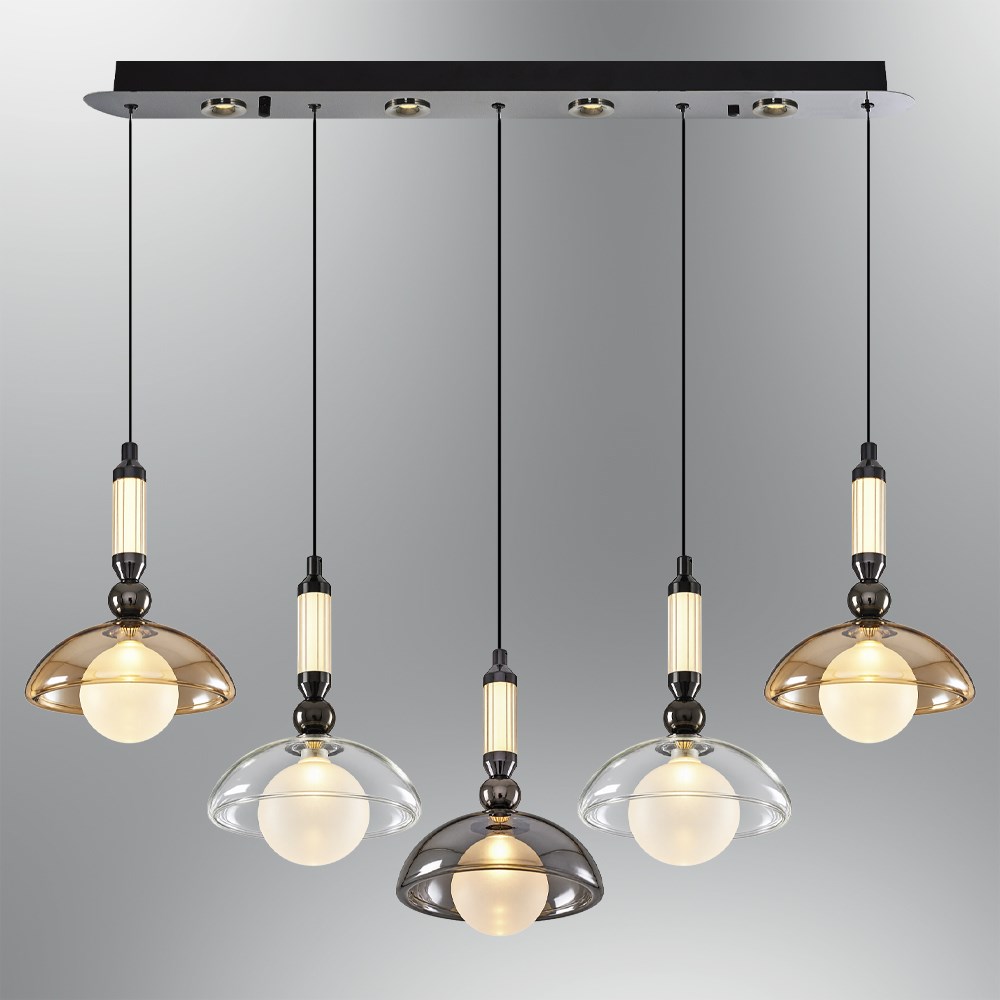
Living room and lounge lighting is more than just a light source; it's a critical element that defines the spirit and functionality of a space. An ideal lighting plan is created by combining general, task, and accent lighting in a layered approach, rather than relying on a single central lamp. This approach allows you to create a flexible and inviting atmosphere for different activities in your room. With the right color temperature and dimmable features, you can design a comfortable and stylish living area.
Why Should Living Room Lighting Be Layered?
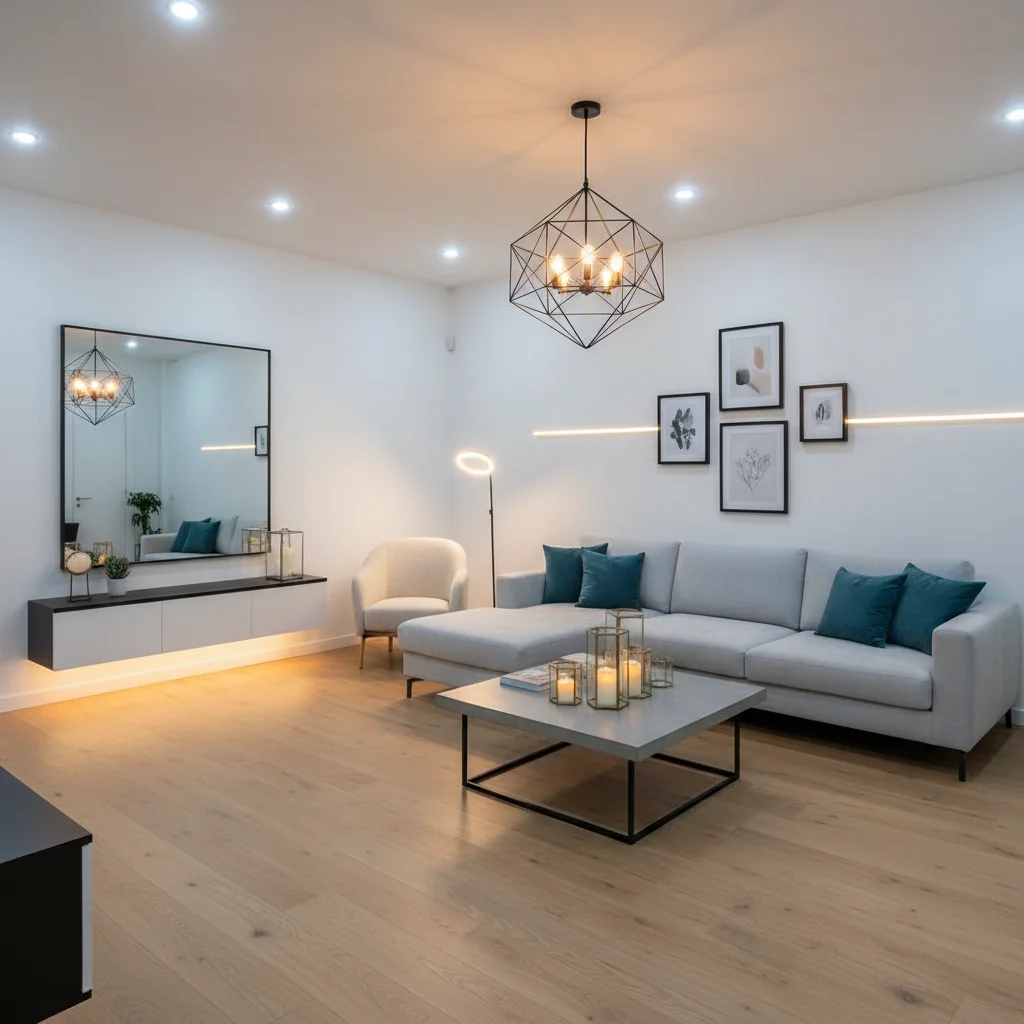
In multi-purpose areas like living rooms and lounges, a single light source is insufficient to meet all needs. Layered lighting offers the flexibility to transform the space according to different scenarios. This approach uses general lighting to illuminate the entire room evenly, while task lighting highlights specific activity areas (like a reading nook), and accent lighting emphasizes architectural details or artworks.
Layered lighting is not just an aesthetic choice but also a functional necessity. For example, a dim atmosphere is desired when watching a movie, while reading a book requires more intense and focused light. Therefore, combining different light sources is key to ensuring maximum comfort and efficiency in your living spaces. Proper planning of each layer reveals the depth and character of the space.
What Solutions Should Be Used for General Lighting?
General lighting aims to illuminate the entire living room or lounge evenly and comfortably. Ceiling lighting solutions typically stand out in this layer. Cove lighting integrated into suspended ceilings, using hidden LED strips, emits a soft and homogeneous light, adding a modern touch to the space. This type of cove lighting preserves the ceiling height while offering glare-free brightness.
Spotlights are also a popular choice for general lighting. Adjustable spotlights, in particular, offer the ability to focus light in the desired direction. Recessed spotlights provide a minimalist look while meeting the room's general lighting needs. Spotlights emitting 3000K warm white light are generally preferred to create a warm and inviting atmosphere. This combination provides both stylish and functional general lighting.
How Is Task Lighting Integrated into the Space?
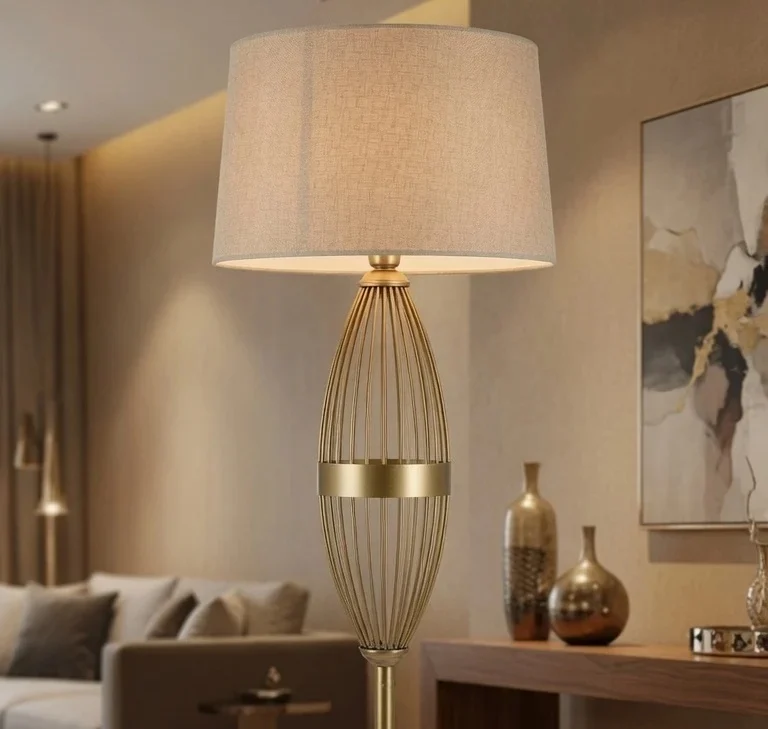
Task lighting is designed to provide sufficient light for performing a specific activity. In living rooms and lounges, this is typically used for activities such as reading, crafting, or working. Floor lamps used in reading nooks or table lamps placed next to sofas offer direct, focused light, reducing eye strain.
The adjustability of such lighting fixtures provides a significant advantage. The ability to change the direction and intensity of the light allows the user to customize the environment according to their needs. Warm light sources, typically in the 2700K-3000K range, are preferred to offer a comfortable experience even during prolonged use. Task lighting meets not only the aesthetic but also the practical needs of the space.
How to Add Character to a Space with Accent Lighting?
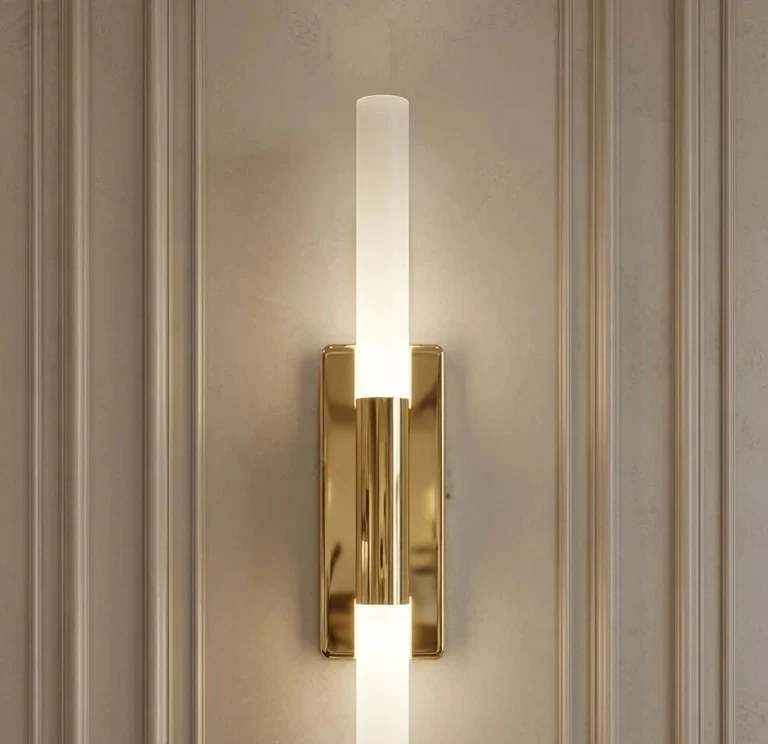
Accent lighting is used to highlight specific features, artworks, architectural details, or decorative objects in a room. This could be a special picture light illuminating a painting, small spotlights emphasizing a sculpture within a niche, or uplighting illuminating a plant. Accent lighting adds depth to the space and creates focal points, increasing visual interest.
This type of lighting is usually provided by narrow-beam light sources, aiming for the light to fall only on the area to be emphasized. Dimmable accent lights offer the ability to precisely adjust the desired effect. Accent lighting works as a complement to general and task lighting, adding a sophisticated and personalized touch to the living room or lounge.
Why Are Correct Color Temperature and Dimmability Important?
In lighting, color temperature expresses the hue of light, ranging from yellow to blue, in Kelvin (K). For living rooms and lounges, warm white lights between 2700K and 3000K are generally recommended. Lights in this range create a warm, inviting, and relaxing atmosphere. Cool white lights (4000K and above), while often preferred in more functional areas or modern office environments, can create an unsettling effect in living spaces.
Dimmable (adjustable light intensity) lighting fixtures offer the flexibility to instantly change the atmosphere of a space. You can dim the lights to create a cinematic ambiance while watching a movie, provide a brighter setting when entertaining guests, or opt for soft lighting while simply relaxing. This feature not only provides energy efficiency but also allows you to personalize the lighting according to different moods and needs. Considering dimmable options across all lighting layers enhances the comfort of your living space.
What Are the Lighting Solutions for Special Areas?
Special areas within the living room and lounge have their unique lighting needs. For example, TV wall lighting should reduce screen glare while preventing eye strain. Cove LED strips placed behind the TV or subtle spotlights used on the sides provide a soft background light, improving the viewing experience. This should generally be indirect and dim lighting.
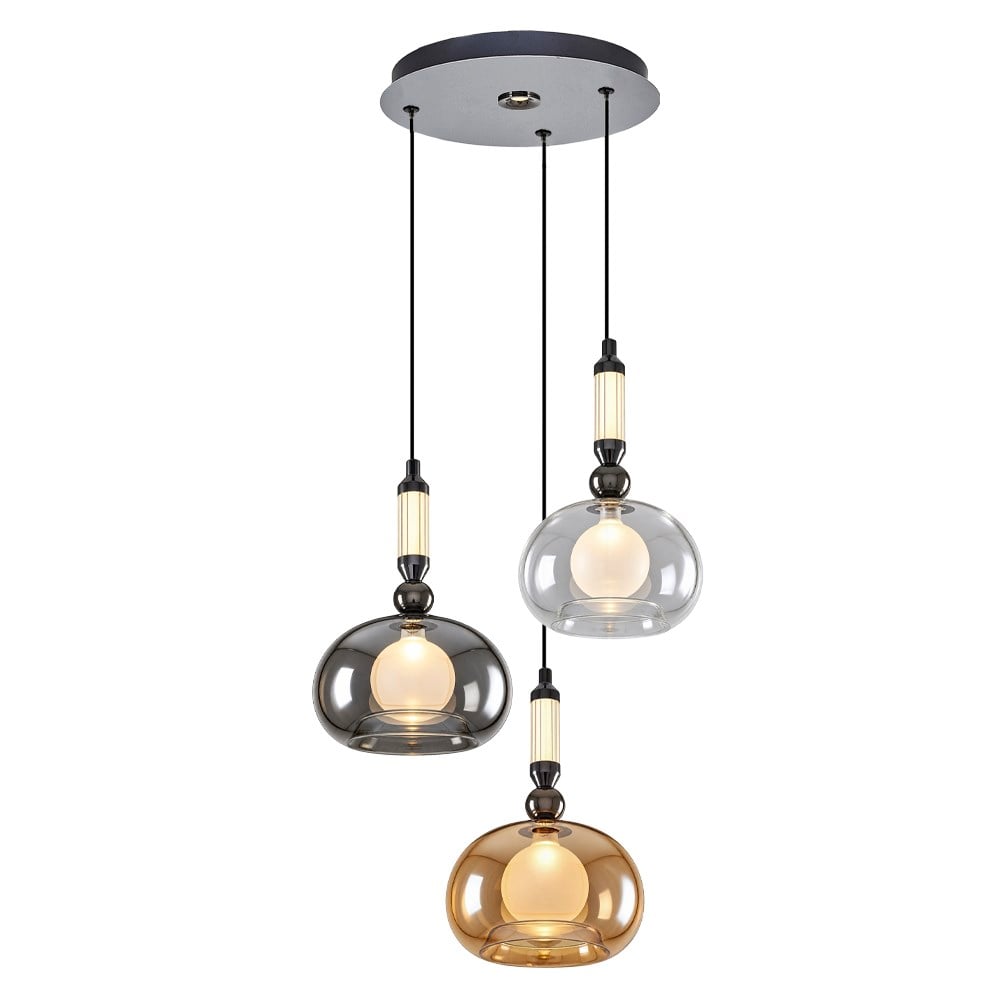
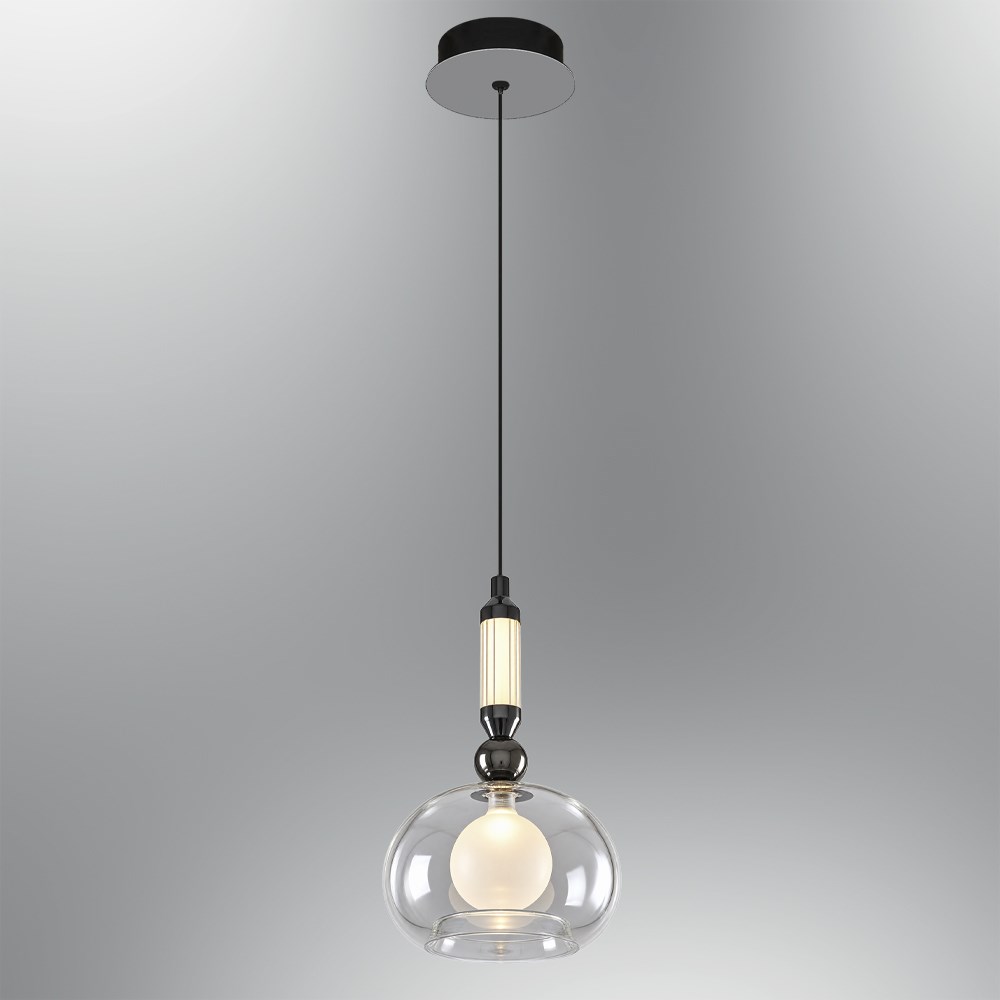
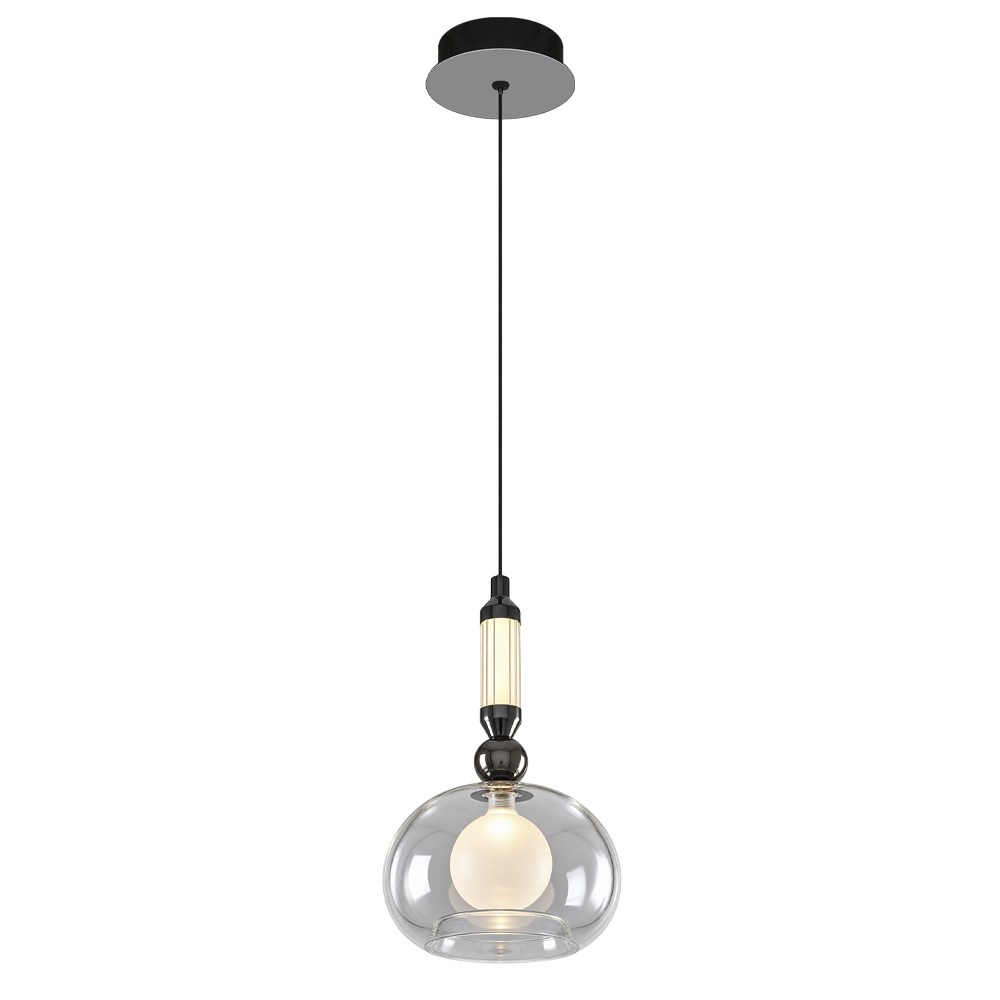
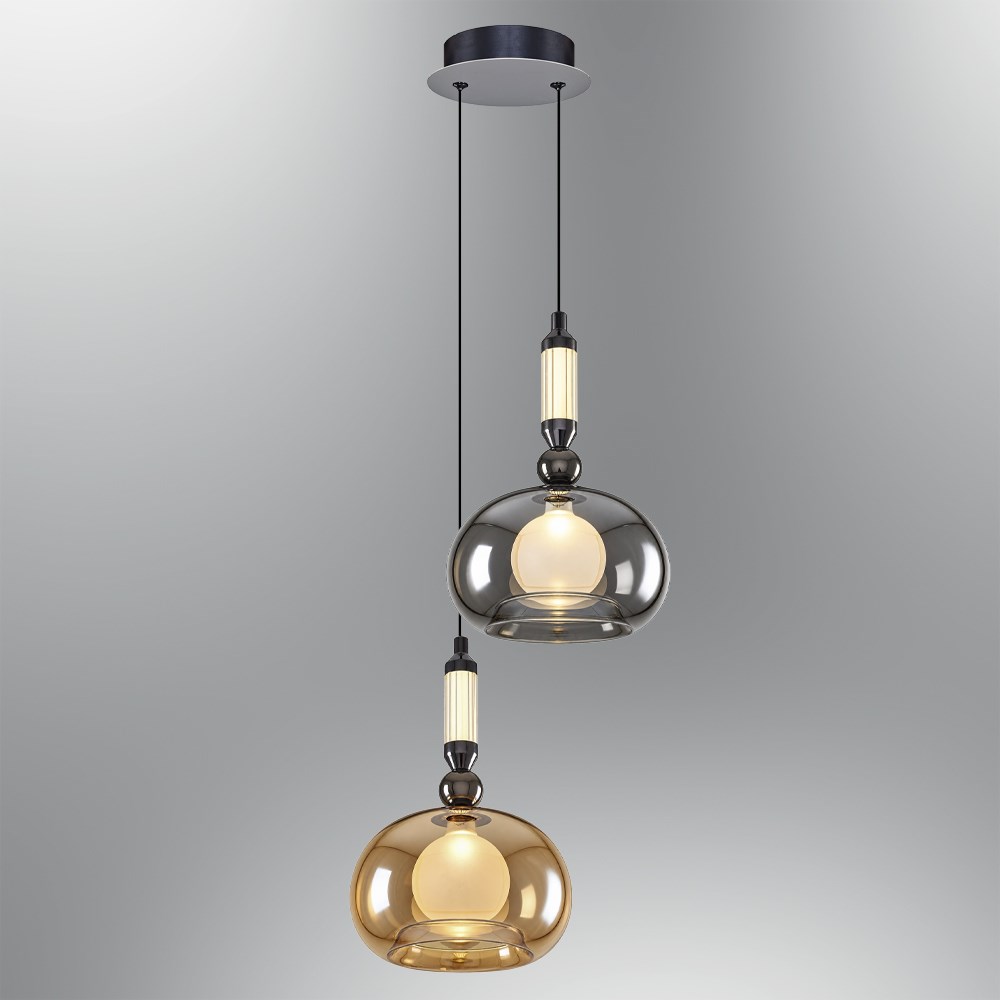
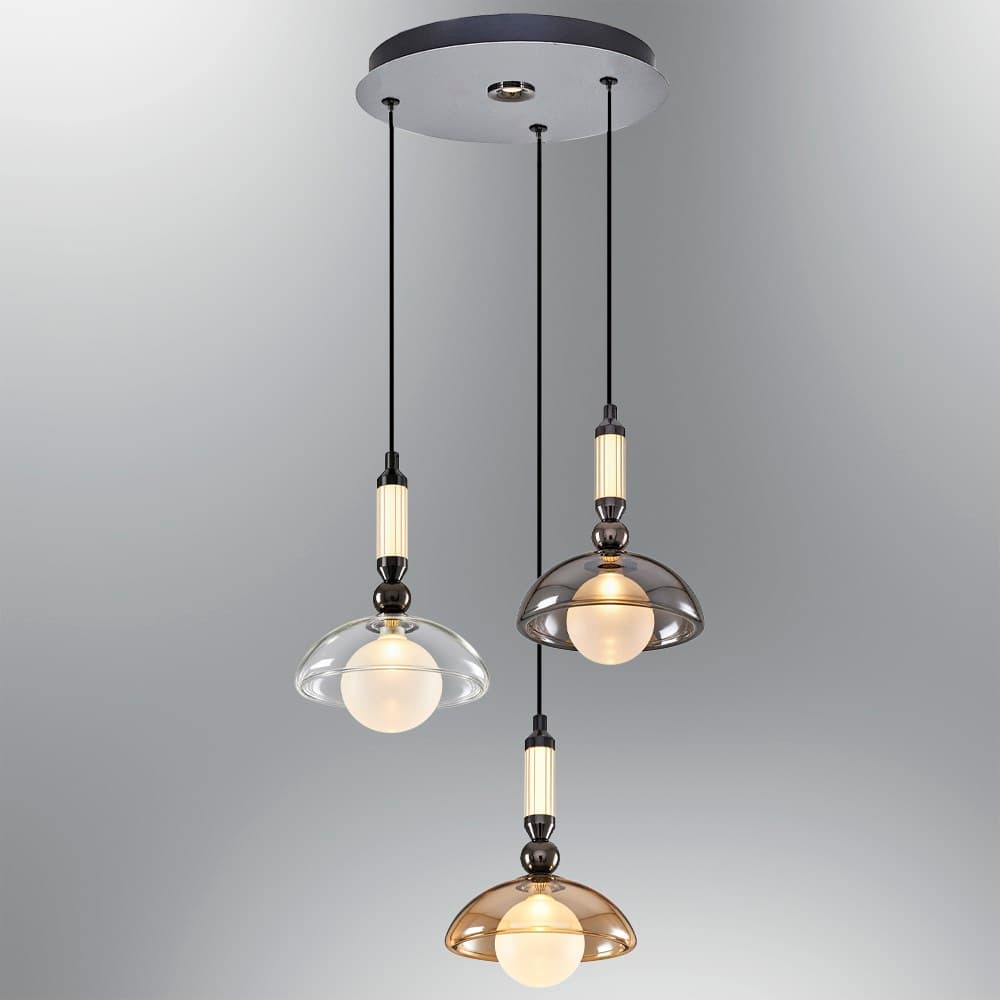
If the dining area is part of the living room, a pendant lamp hung over the table offers both an aesthetic and functional solution. The height of the pendant should be adjusted to adequately illuminate the table without obstructing the view of those seated opposite. Dimmable pendants that emit warm light are generally preferred to create an intimate and inviting atmosphere during meals. These special area lighting solutions reinforce the identity of different sections of the space.
How to Avoid Common Lighting Mistakes?
One of the most common mistakes in living room and lounge lighting is relying on a single central ceiling light for the entire room. This leads to shadows in the corners of the room and a generally flat, lifeless lighting environment. A single light source does not offer enough flexibility for different activities and limits the potential of the space. To avoid this mistake, it is essential to adopt the principle of layered lighting.
Another common mistake is using light sources with the wrong color temperature. Especially in living spaces, opting for cool white lights (4000K and above) can make the space appear sterile and cold. This is not suitable for an environment intended for relaxation and socializing. Always choosing warm white (2700K-3000K) light sources will add an inviting and comfortable ambiance to your room. Furthermore, using non-dimmable fixtures is also a significant mistake that limits flexibility.
How to Create a Living Room Lighting Plan Step-by-Step?
**1. Define the Space and Needs:** The first step is to clarify the size of your living room or lounge, its furniture arrangement, and the main activities you will perform in this area (reading, watching TV, entertaining guests, etc.). Determine which areas need more light or which areas should be highlighted.
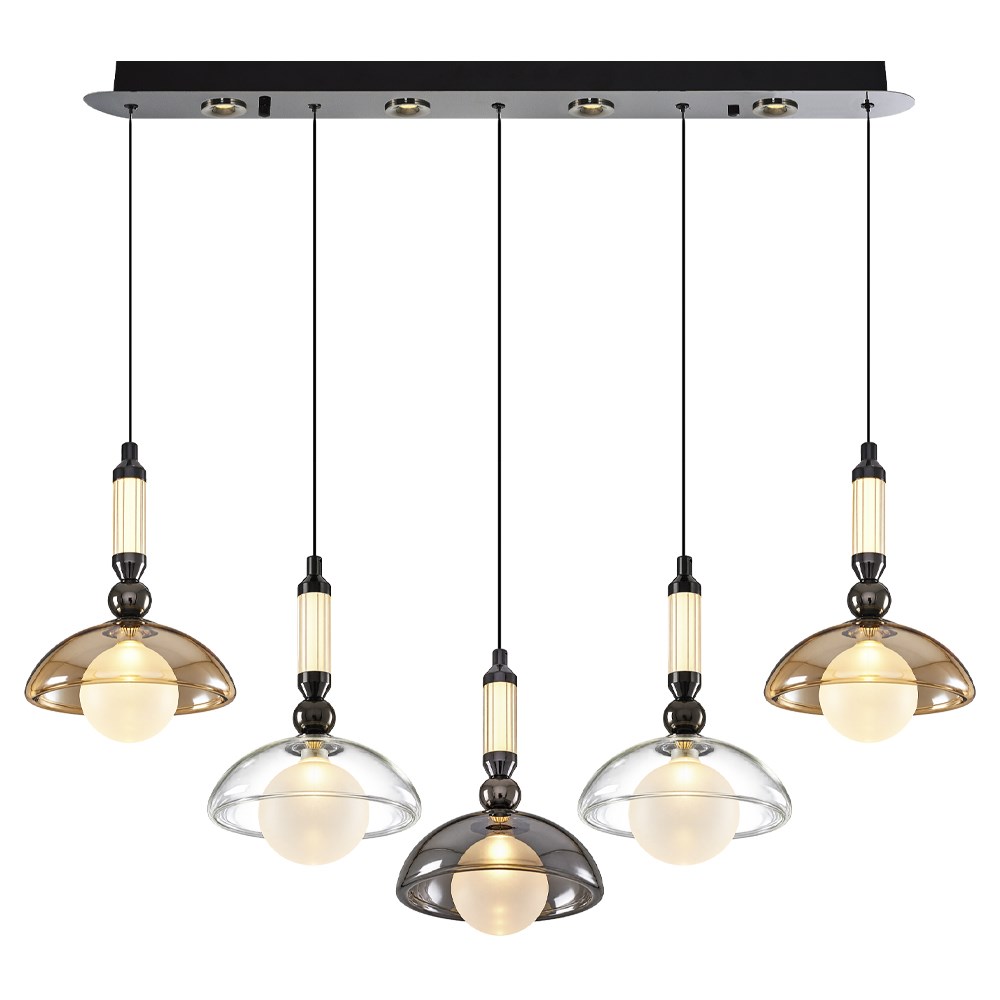
**2. Plan Layered Lighting:** For general lighting, choose main sources such as ceiling spotlights, cove lighting, or an elegant chandelier. Position fixtures like reading floor lamps or table lamps for task lighting. Finally, add accent lighting (picture lights, niche spotlights) to highlight artworks or architectural details. Ensure that each layer is harmonious with the others.
**3. Consider Color Temperature and Dimmability:** For all light sources, opt for warm white lights in the 2700K-3000K range. Additionally, have the flexibility to create different atmospheres by using dimmable fixtures wherever possible. Plan switch and outlet placements according to these features. For all your lighting needs, you can explore our wide range of products in our store and discover the most suitable solutions for your living space.
Related guides: What is Linear Lighting, and Where is it Used?, What is a Magnetic Track Lighting System?, LED Strip Selection Guide: How to Choose the Right LED Strip?. For turnkey implementation for your project, you can review our lighting services page.