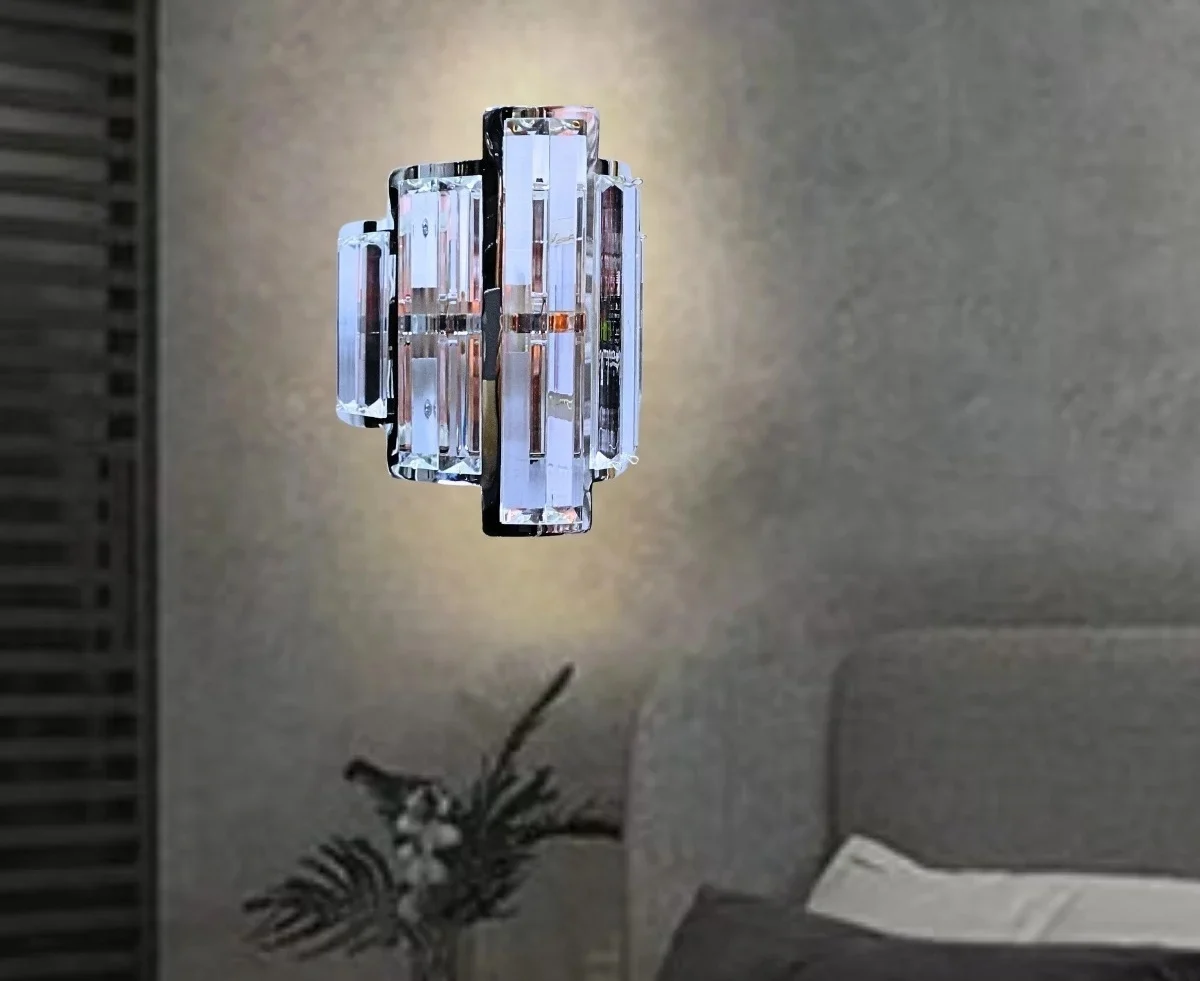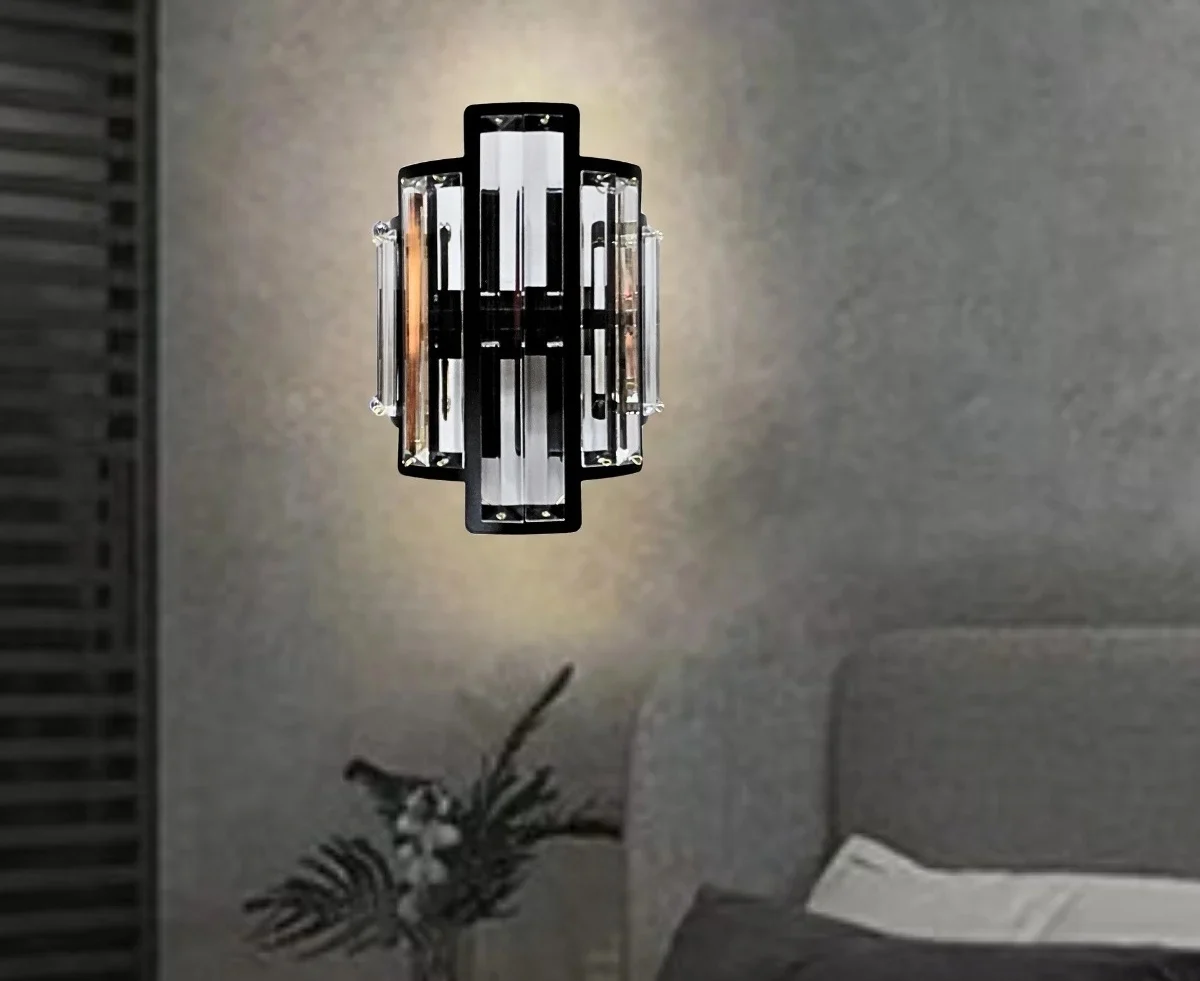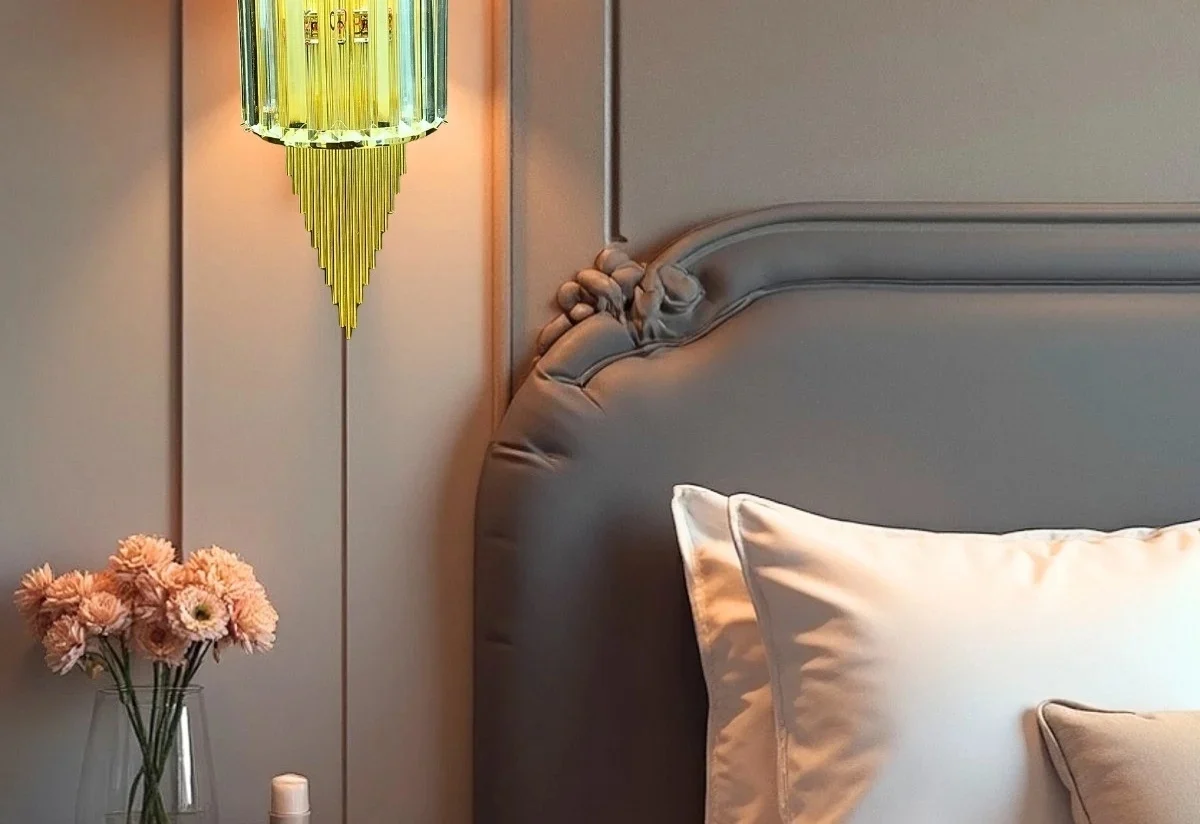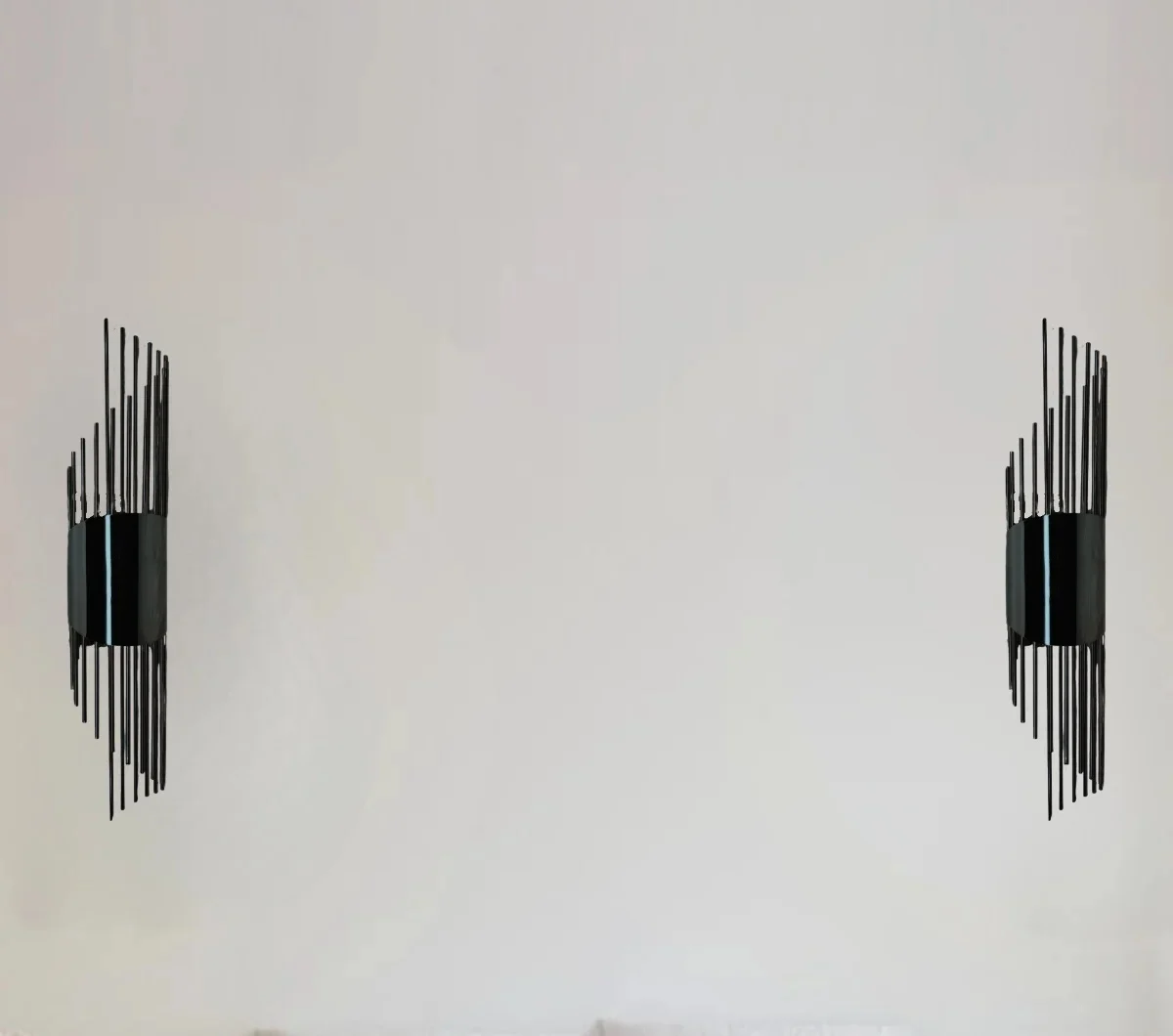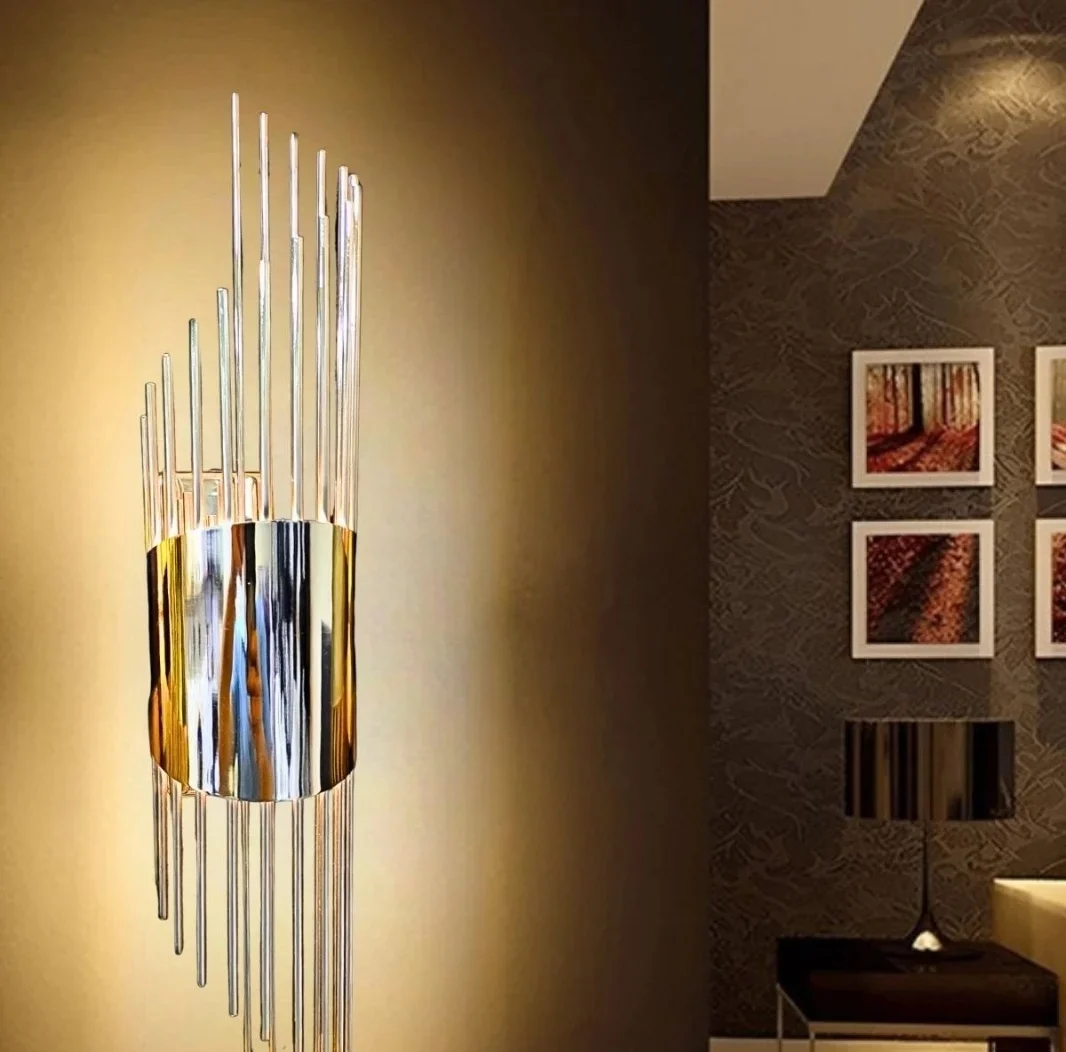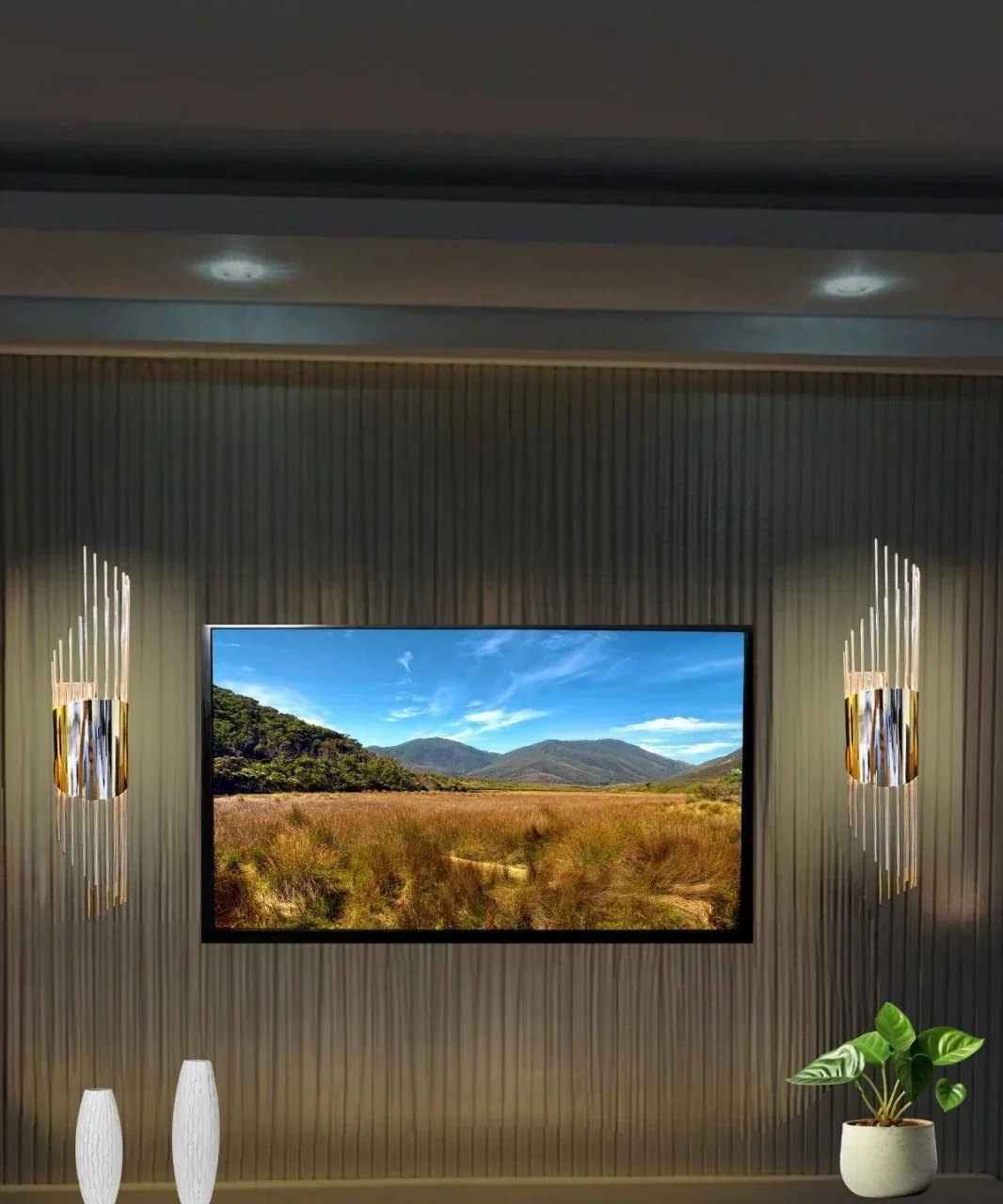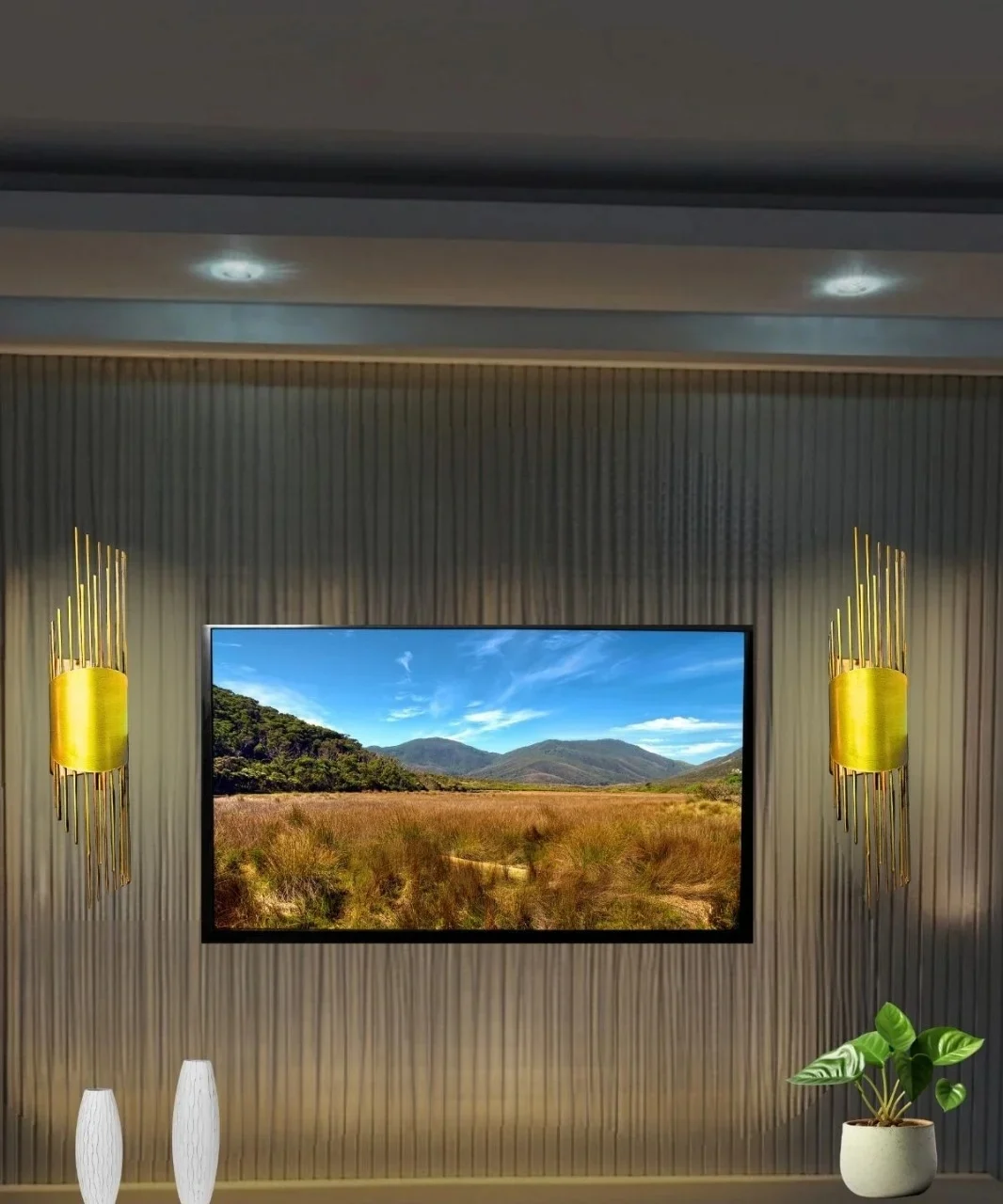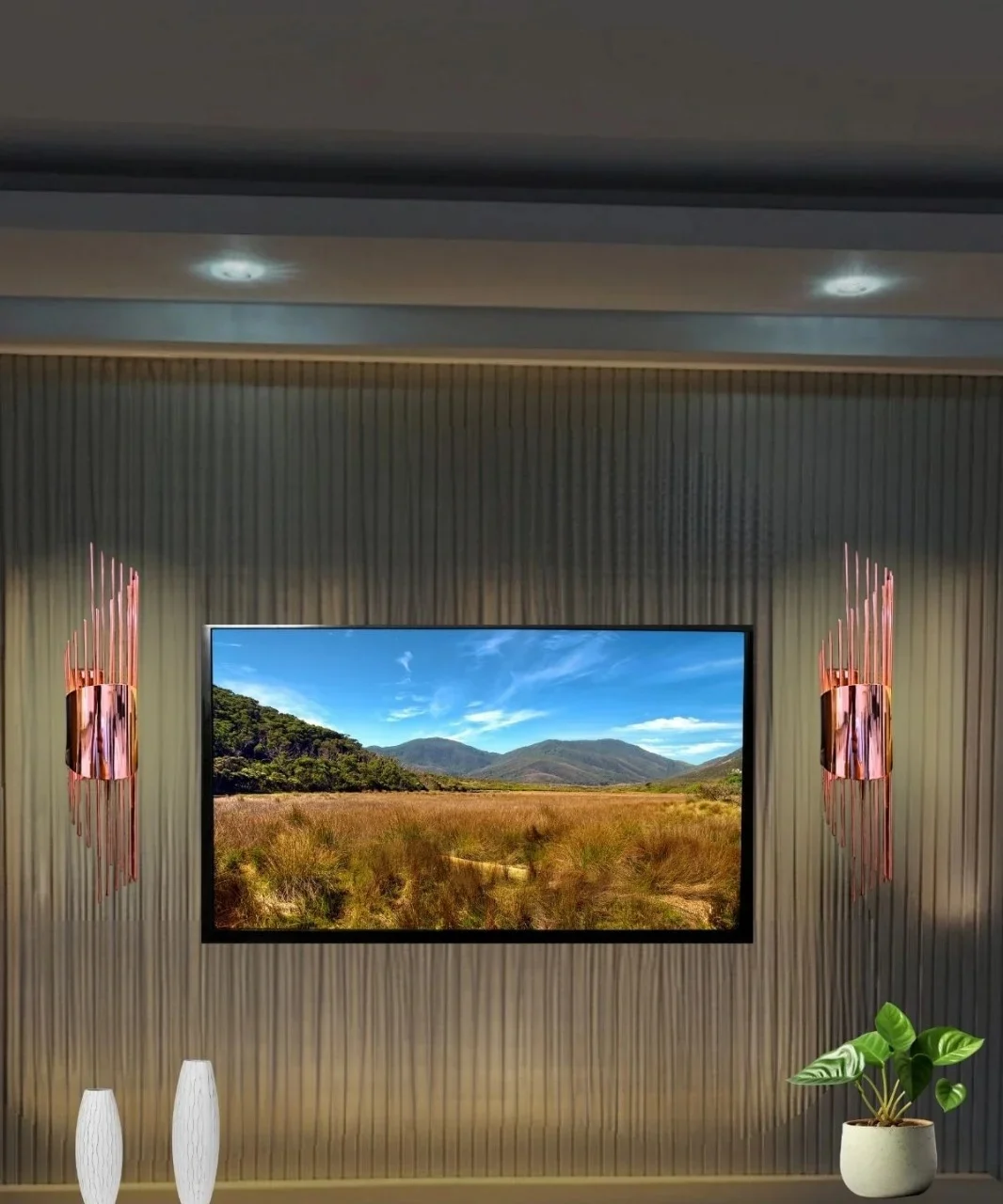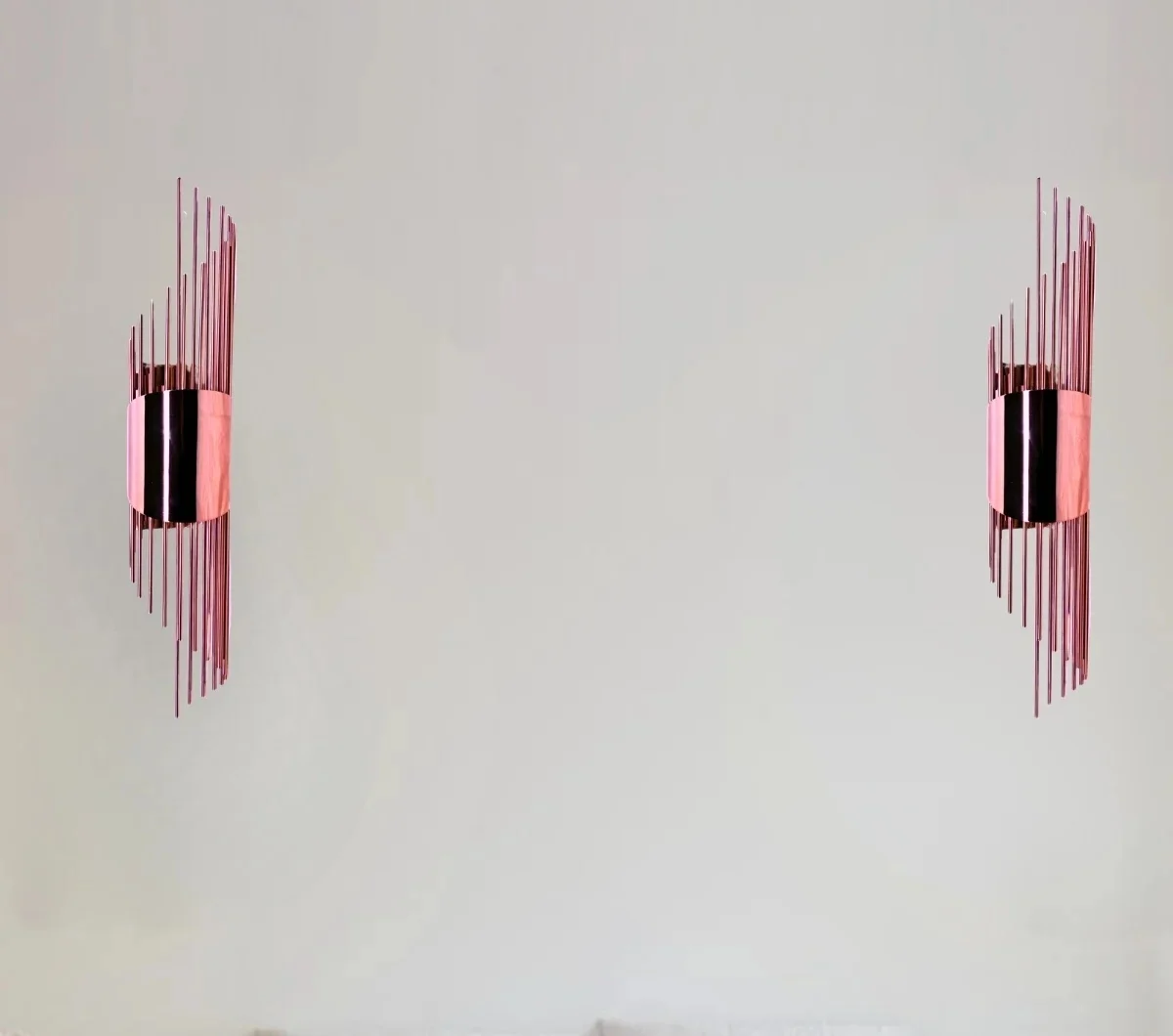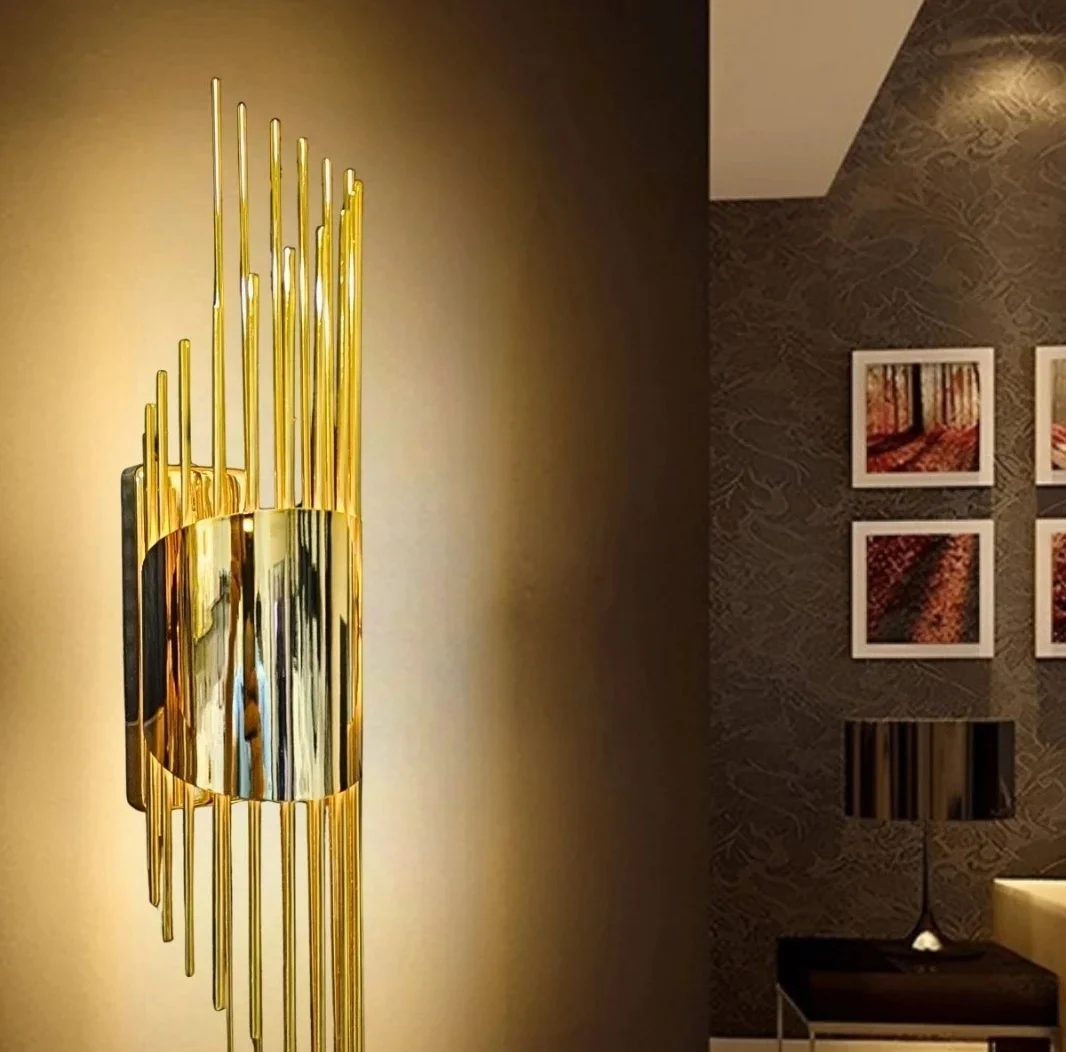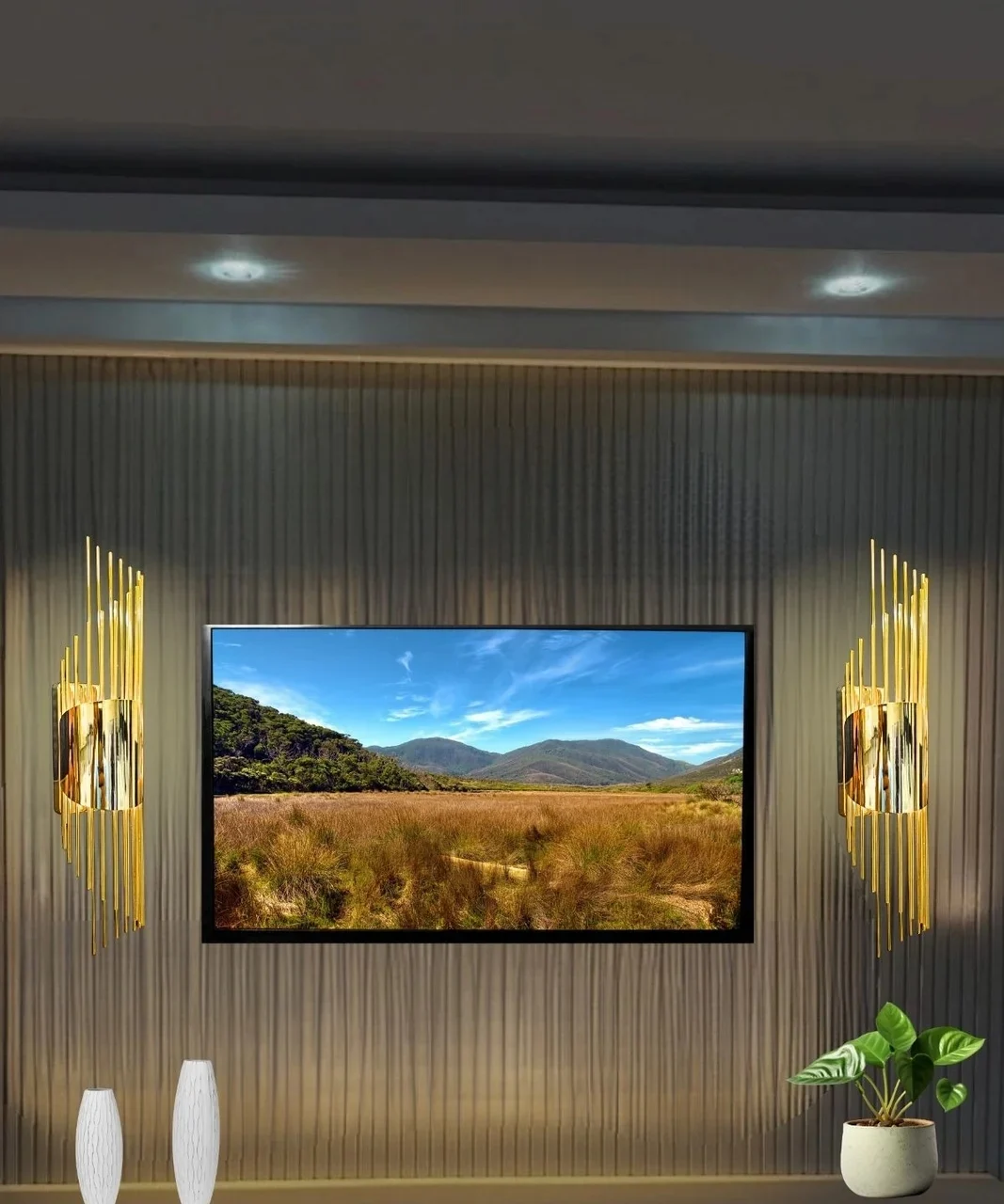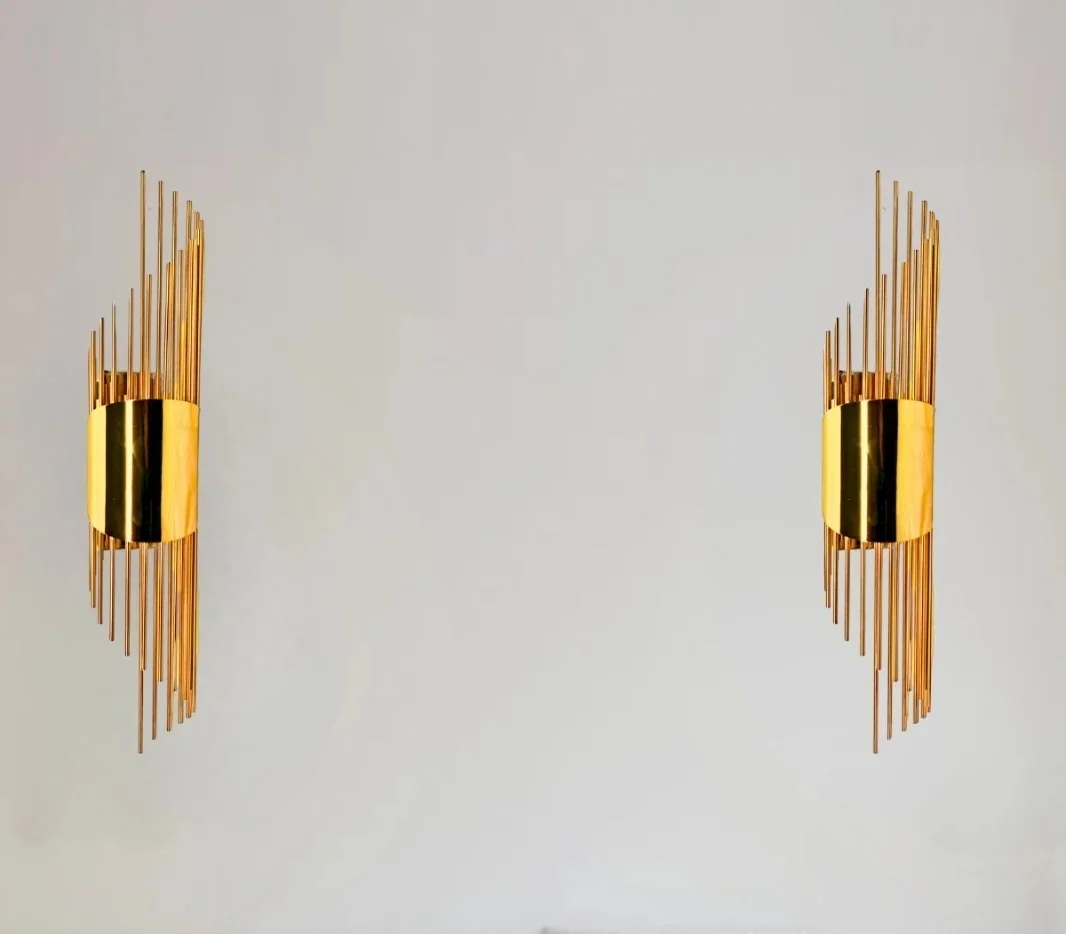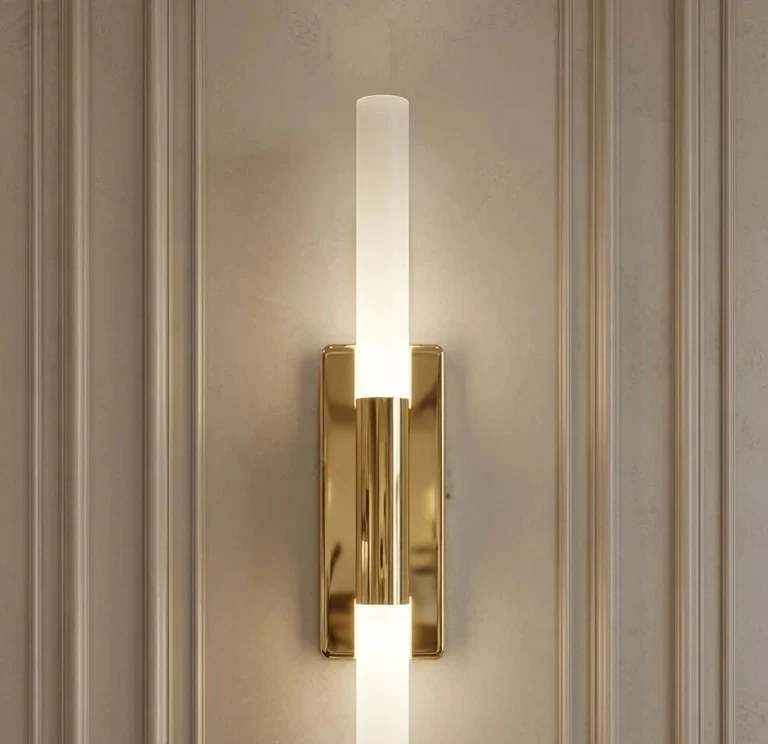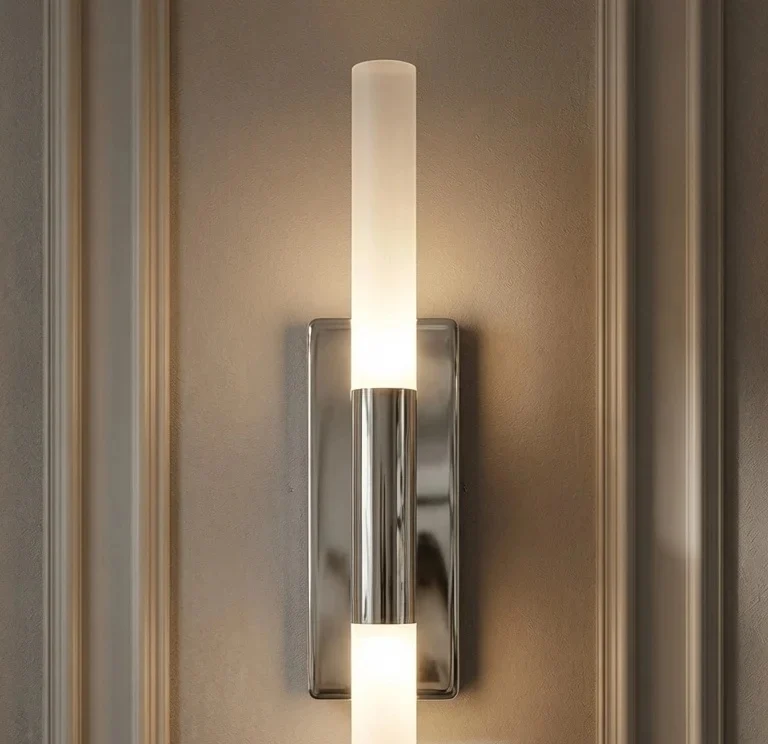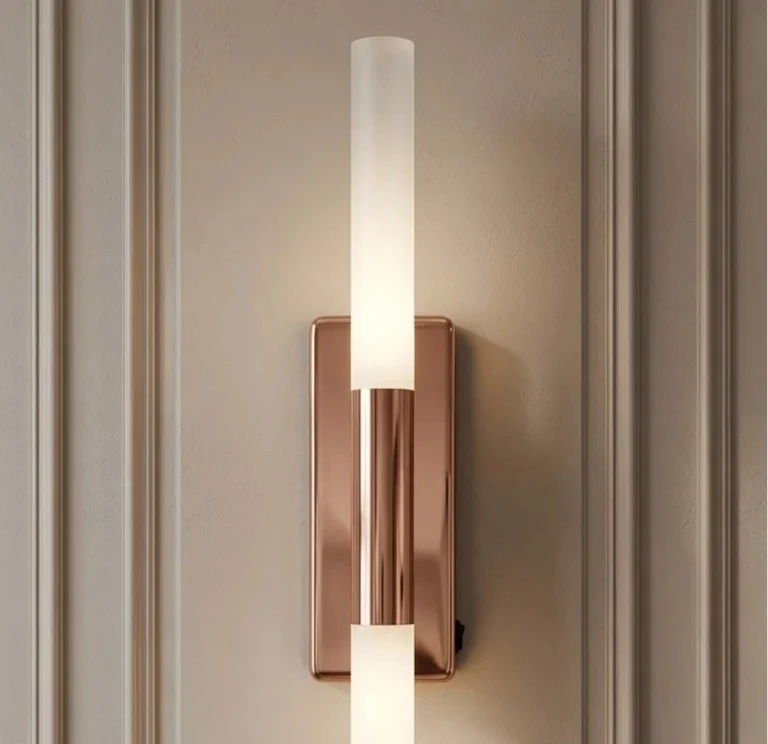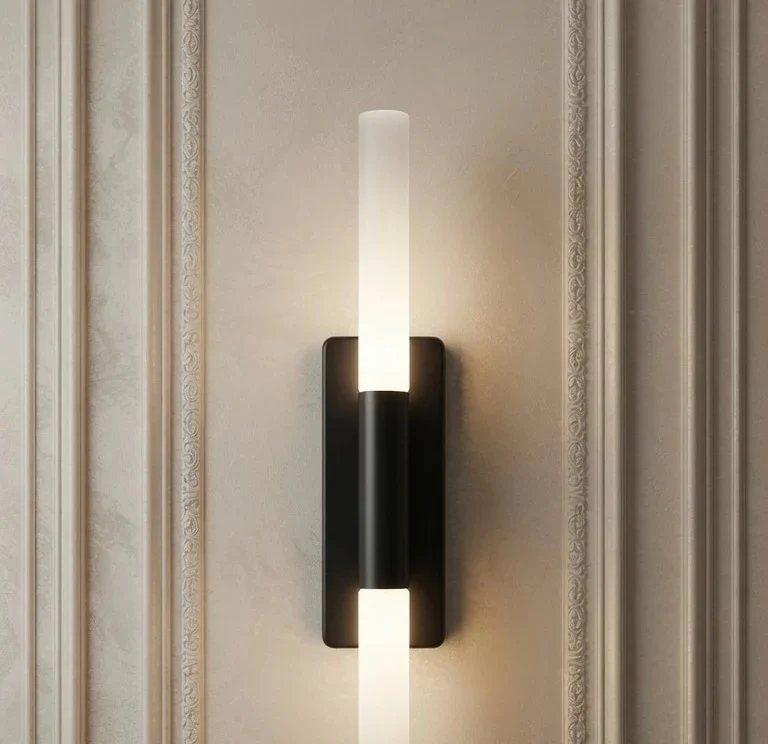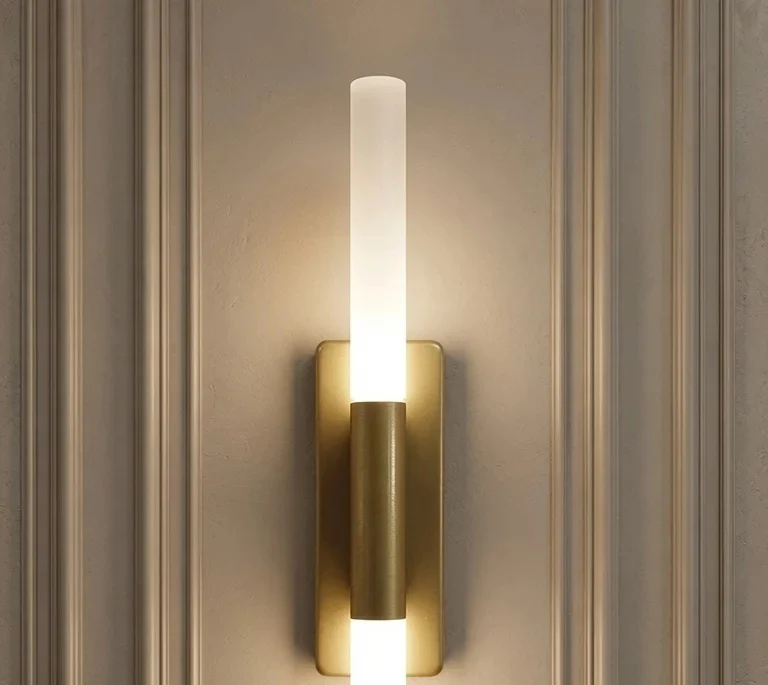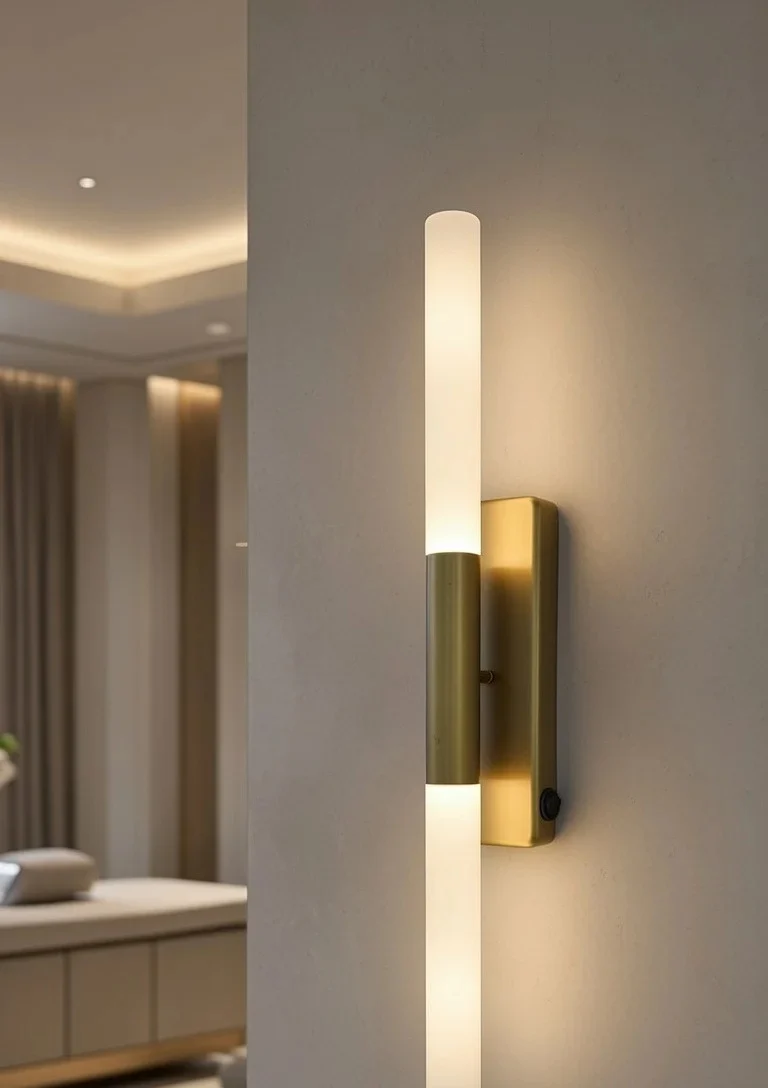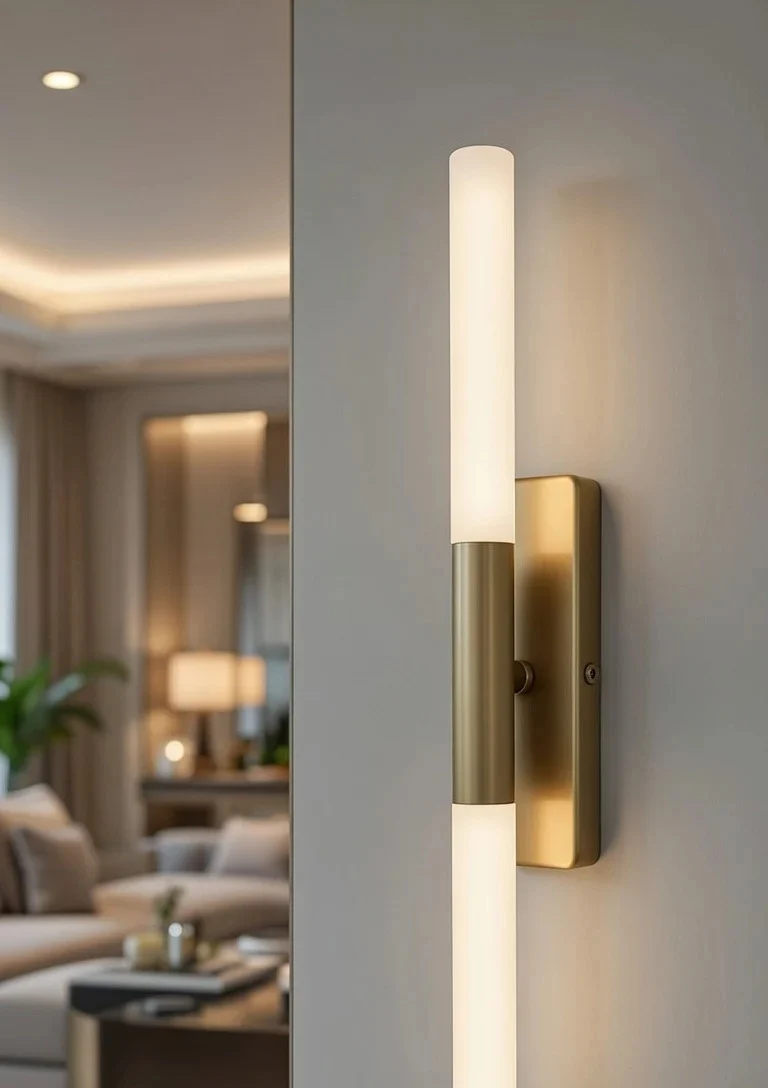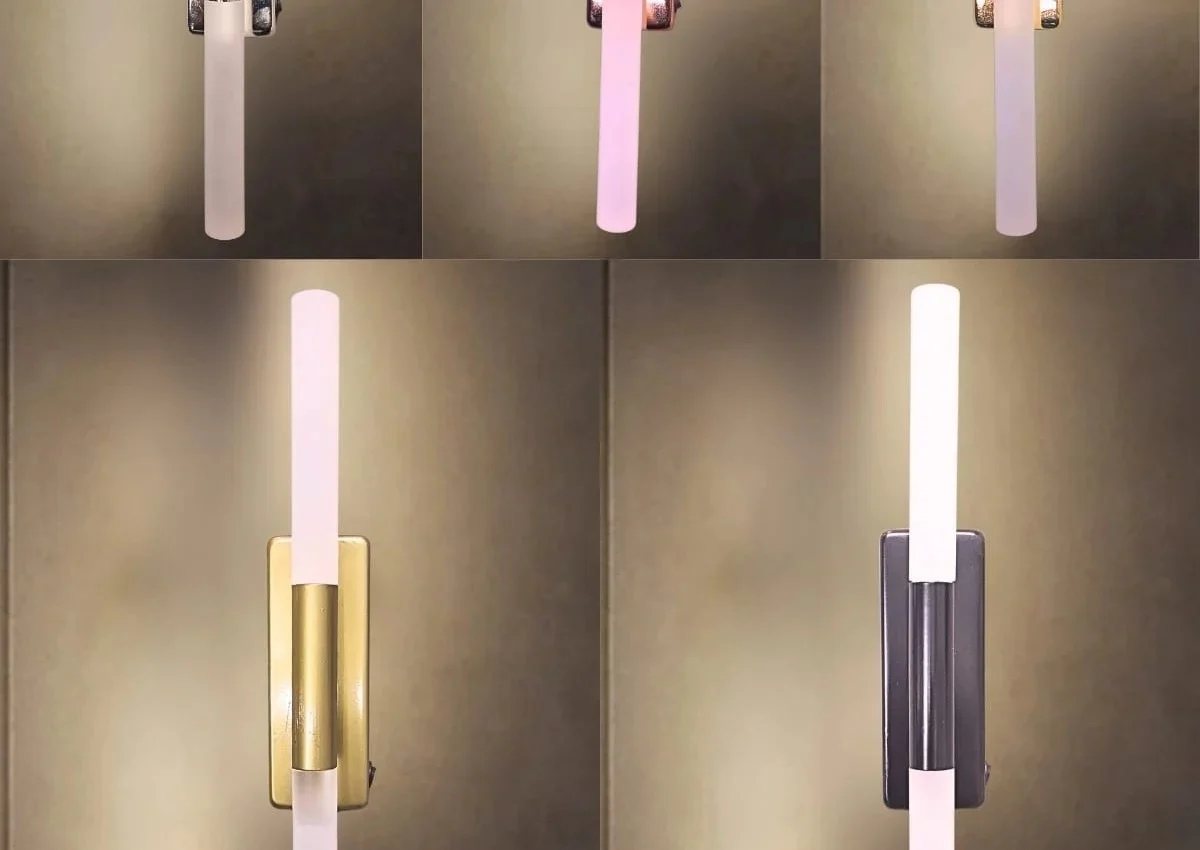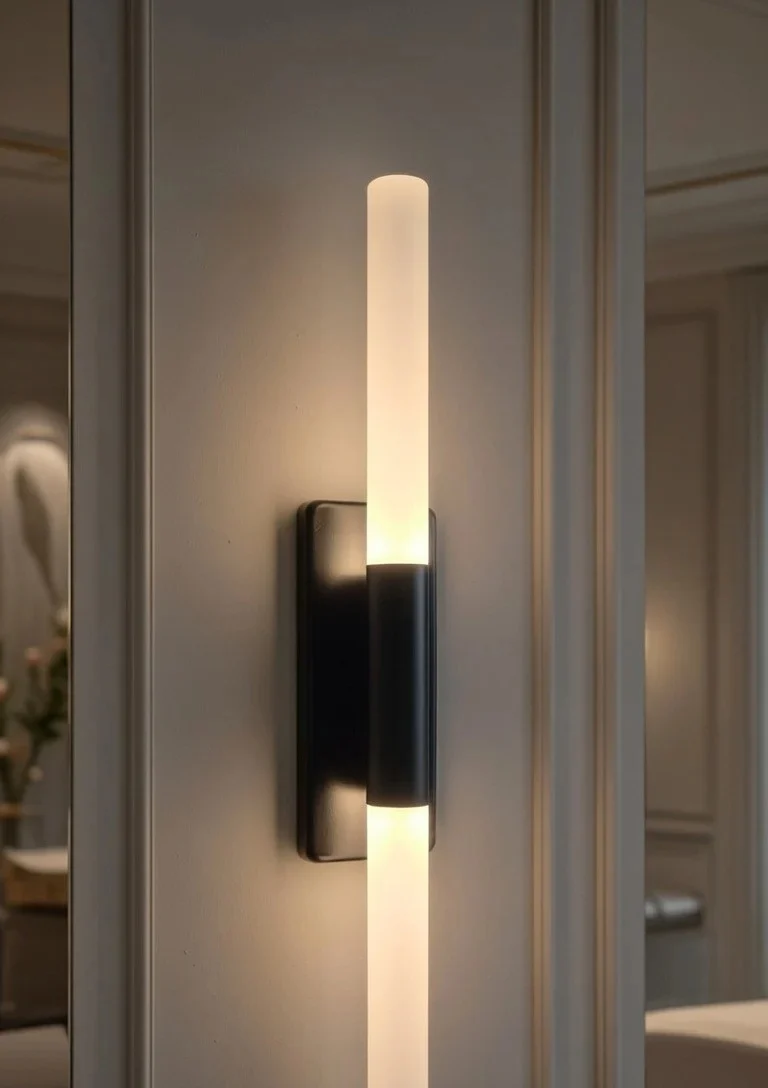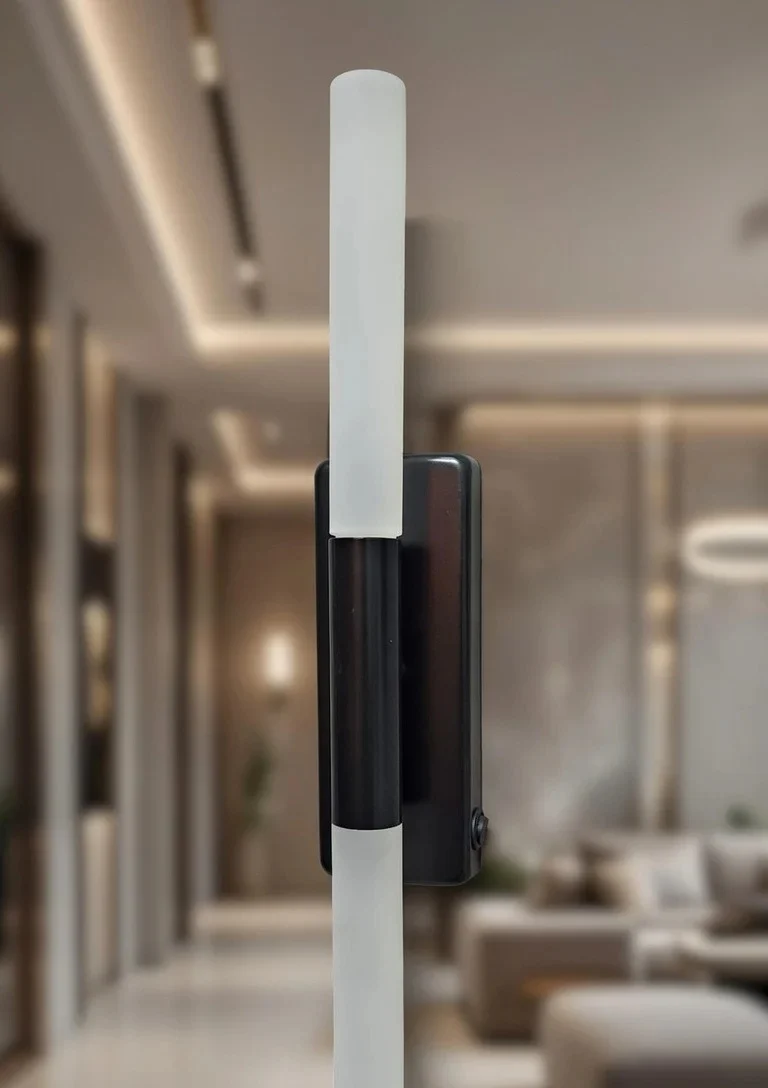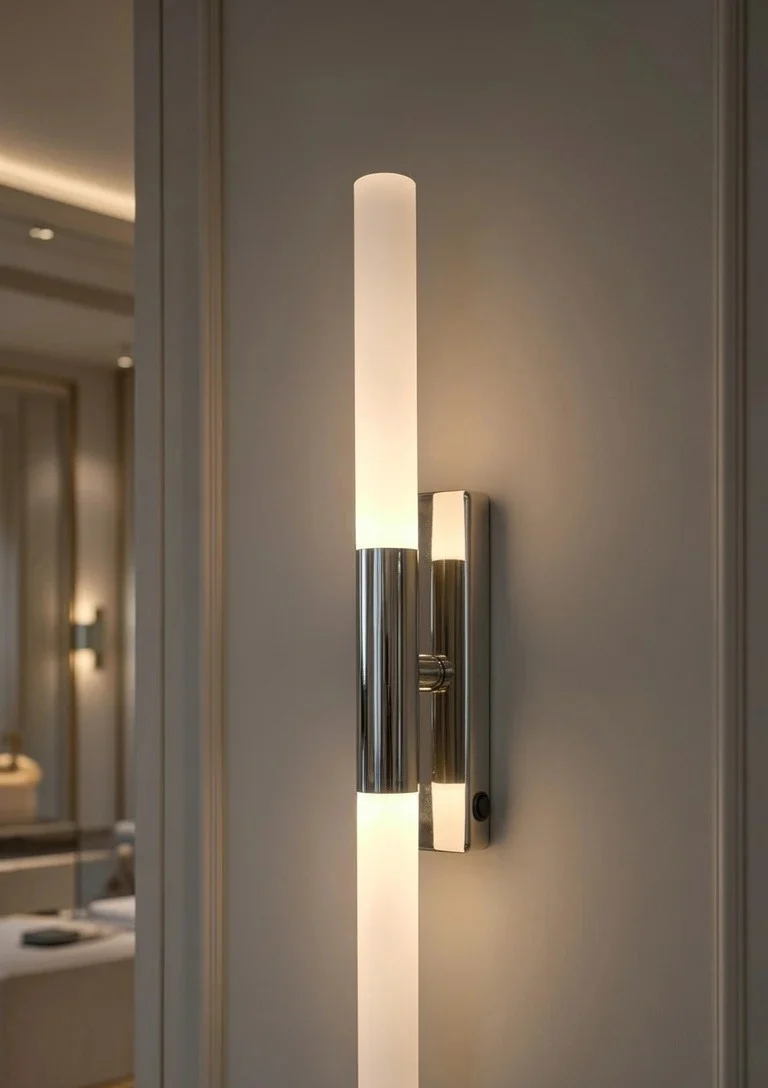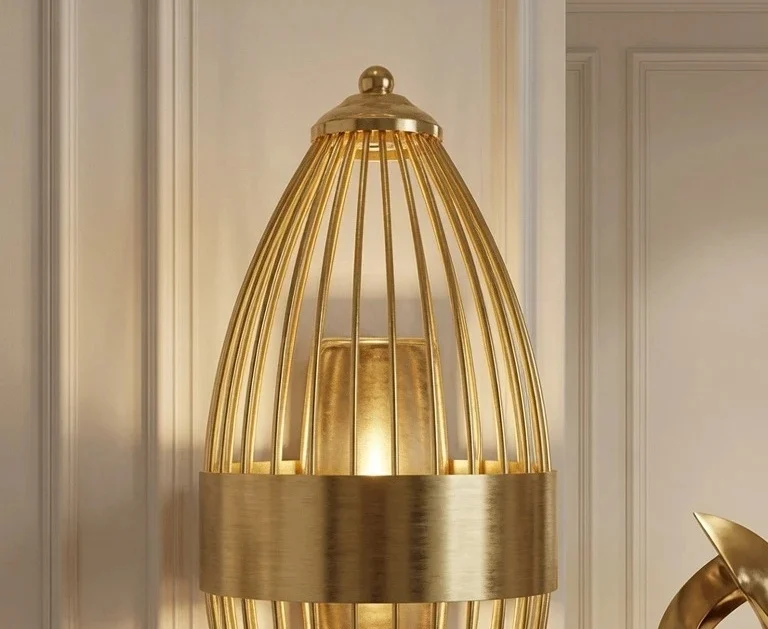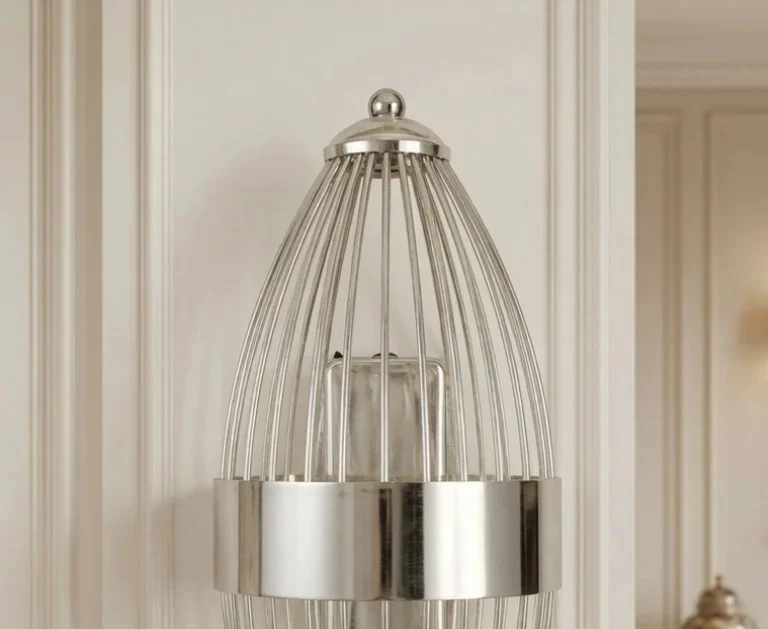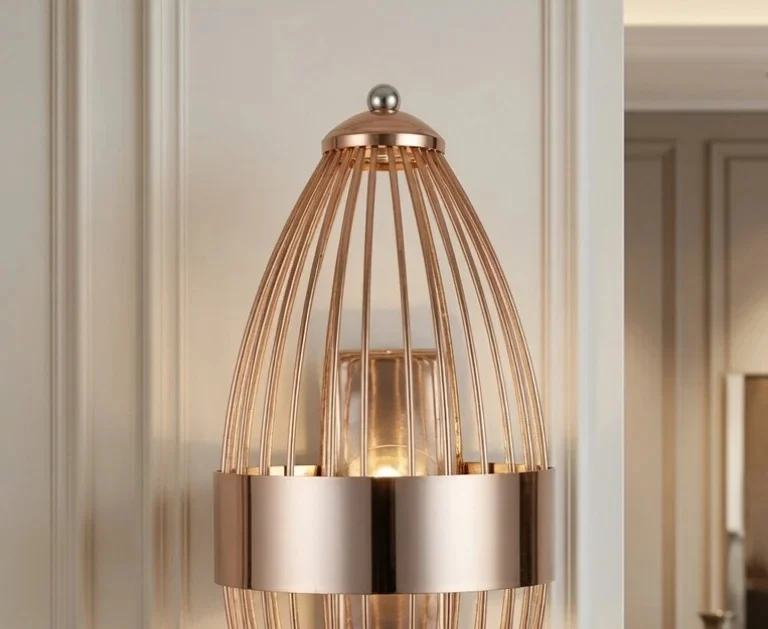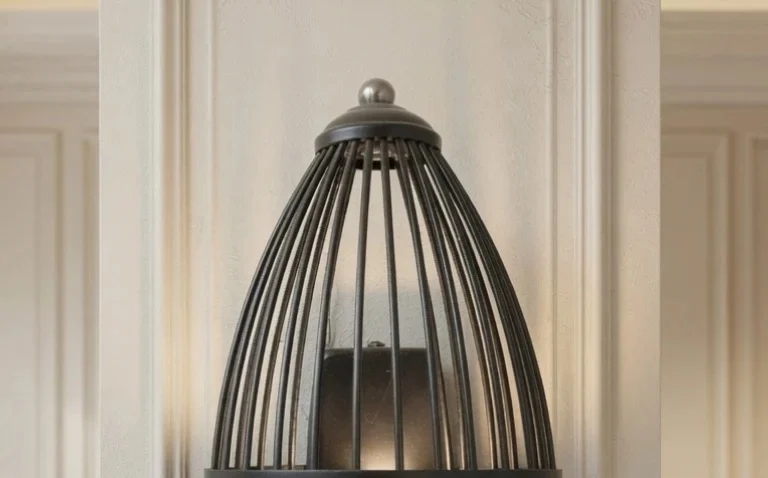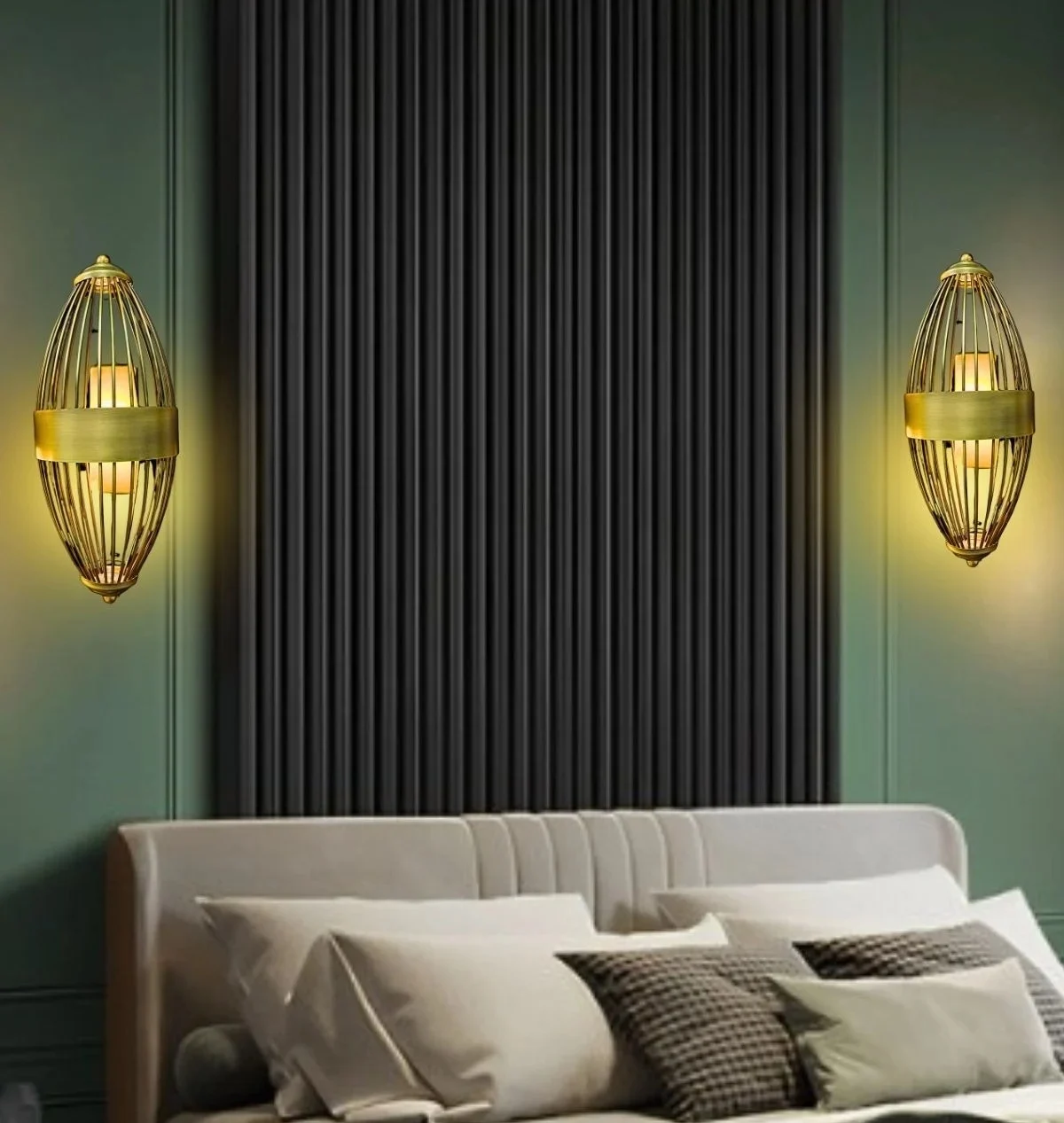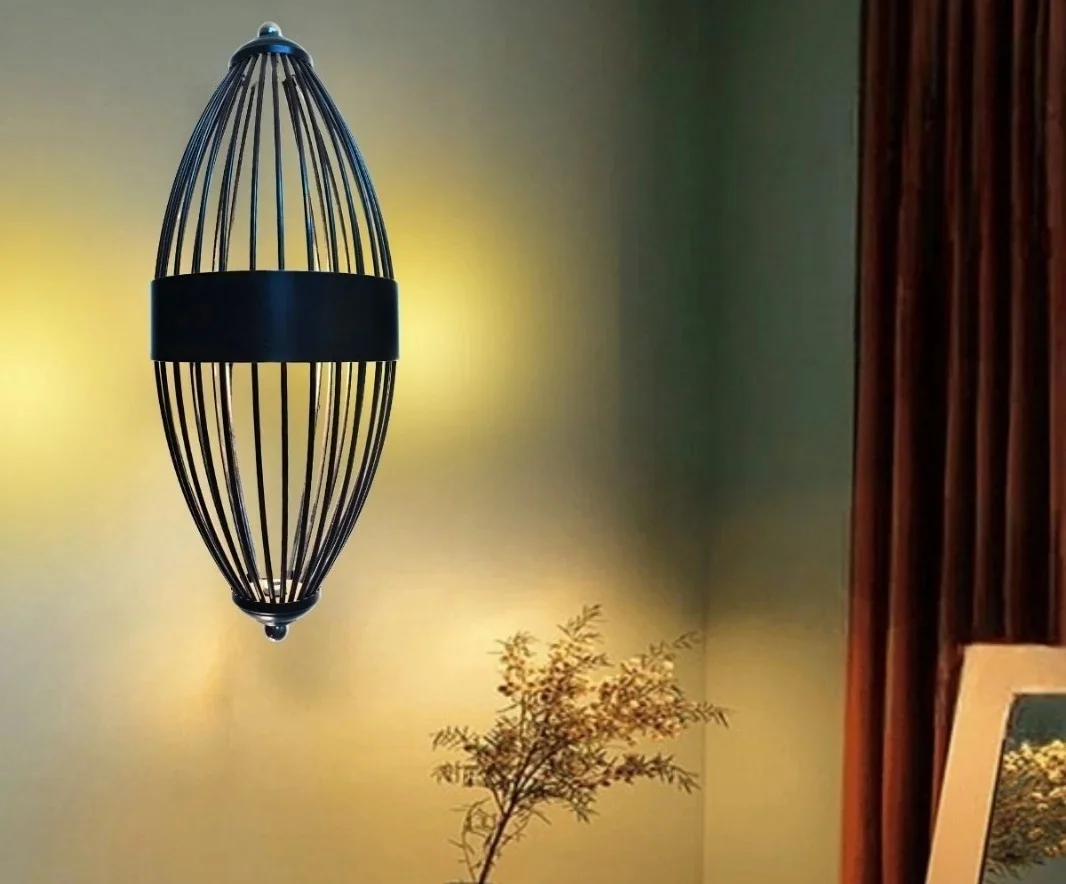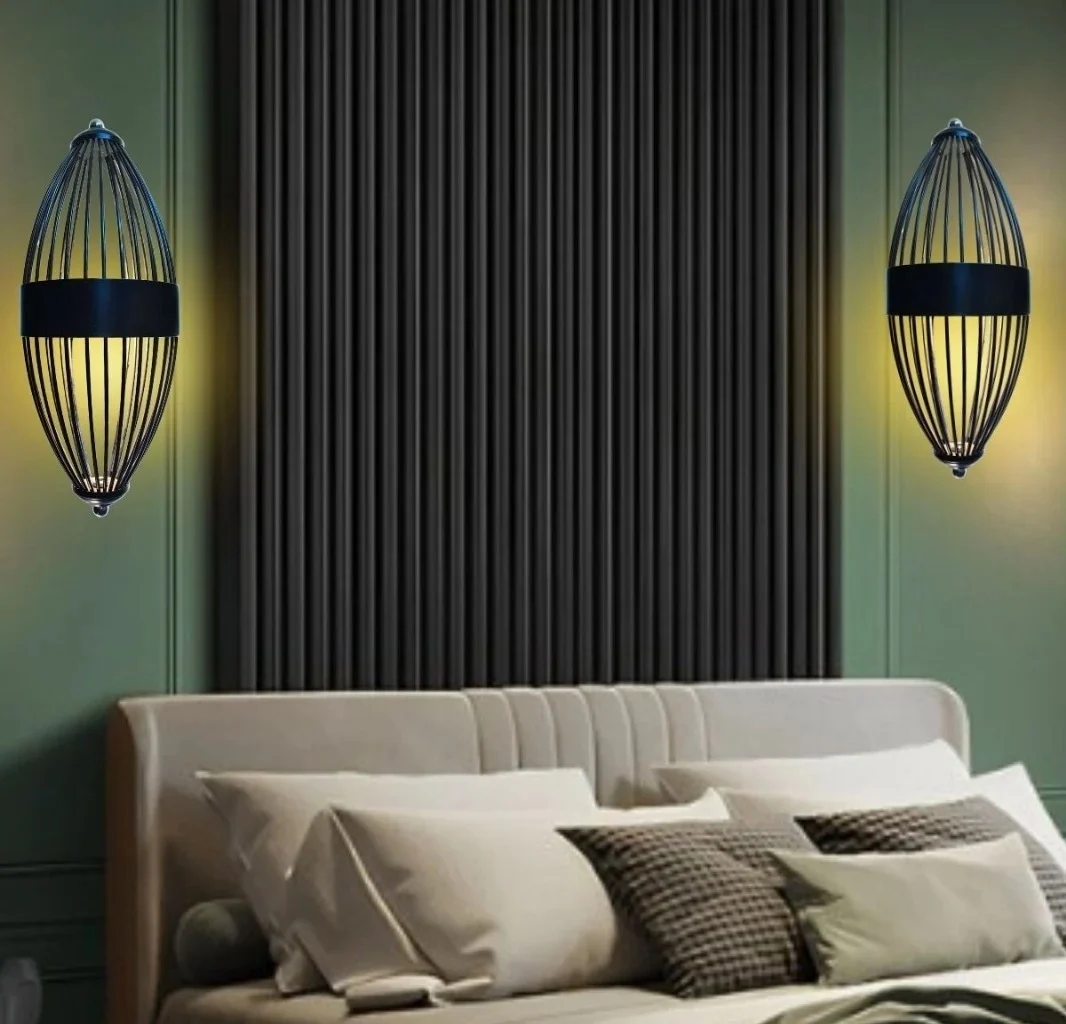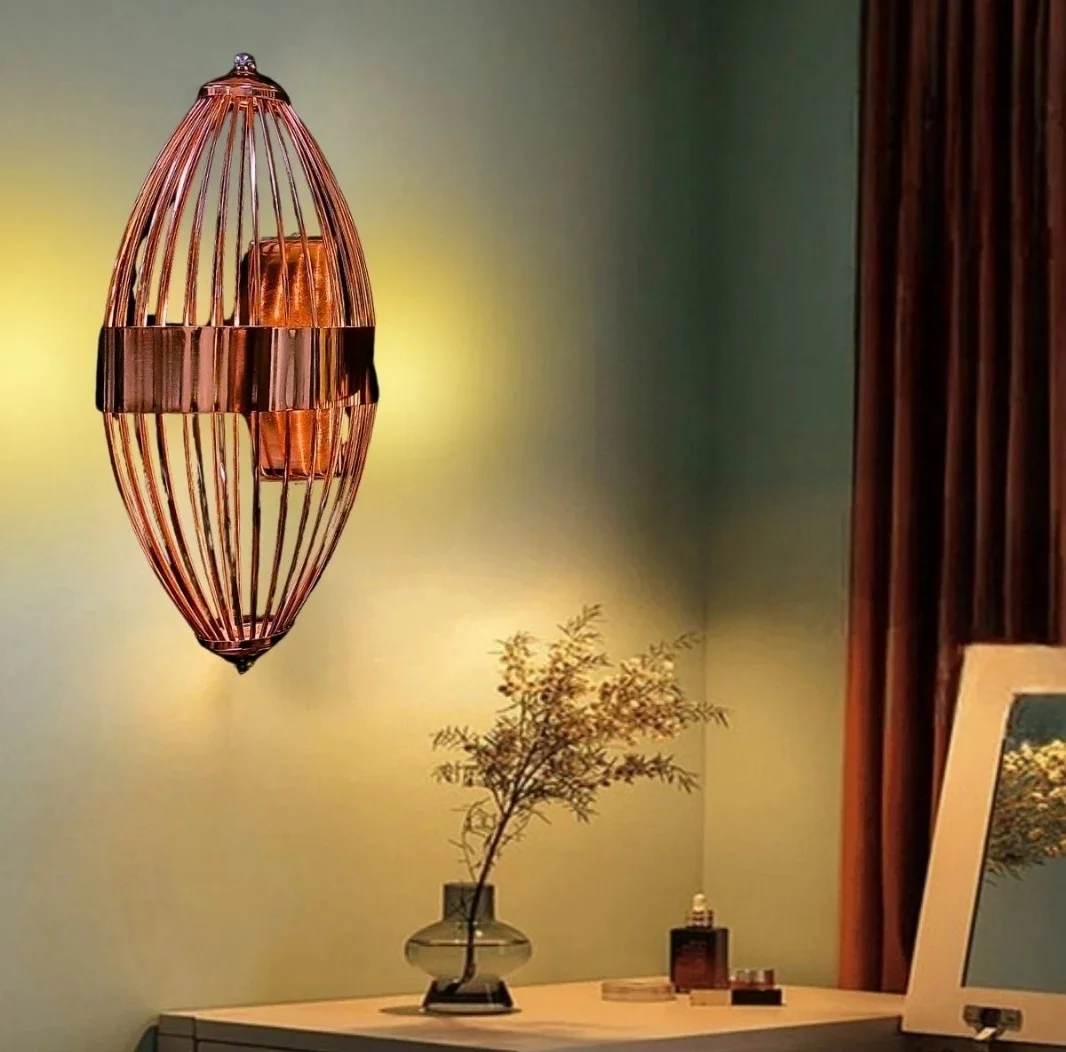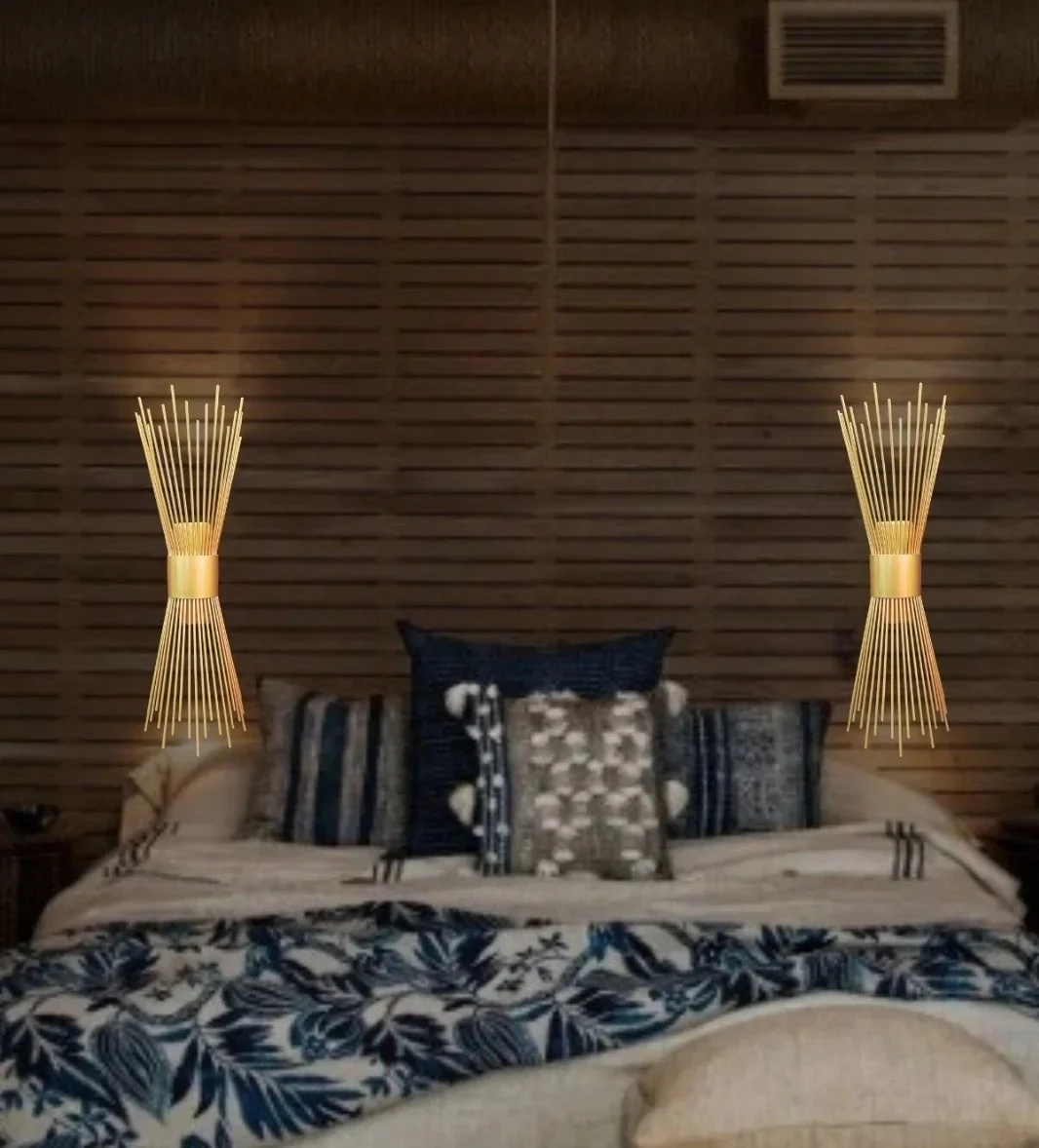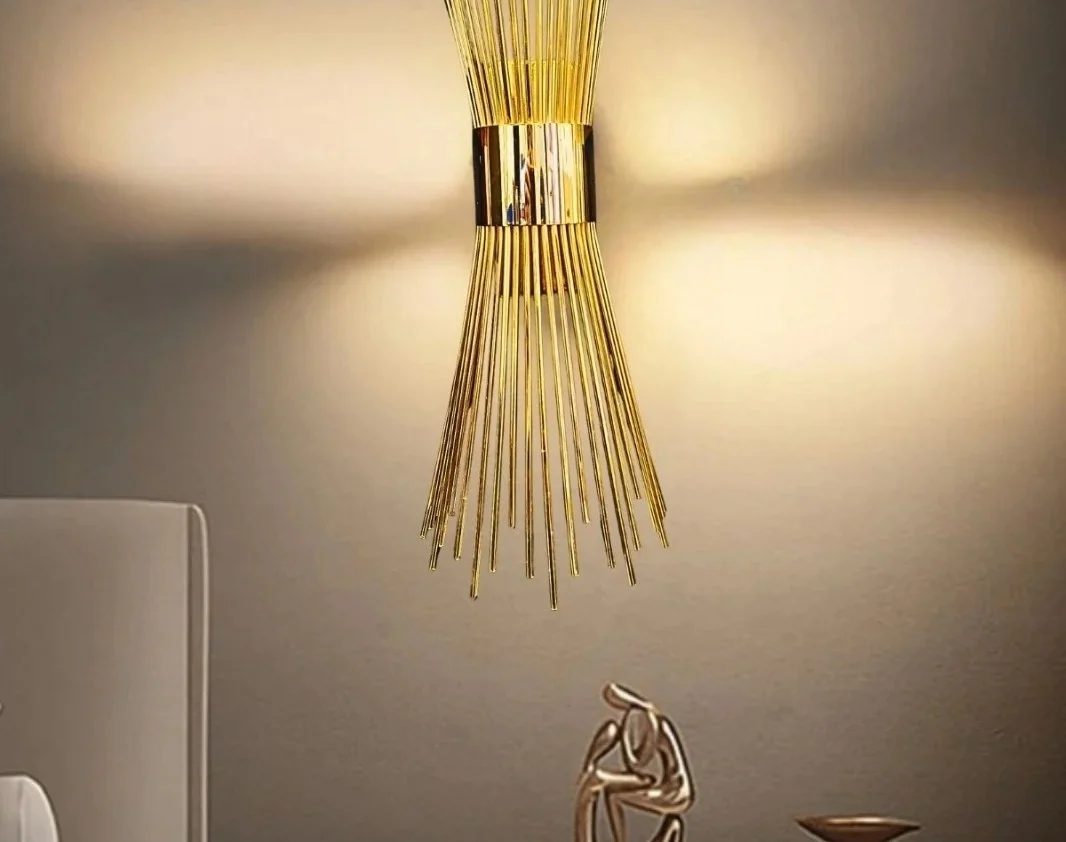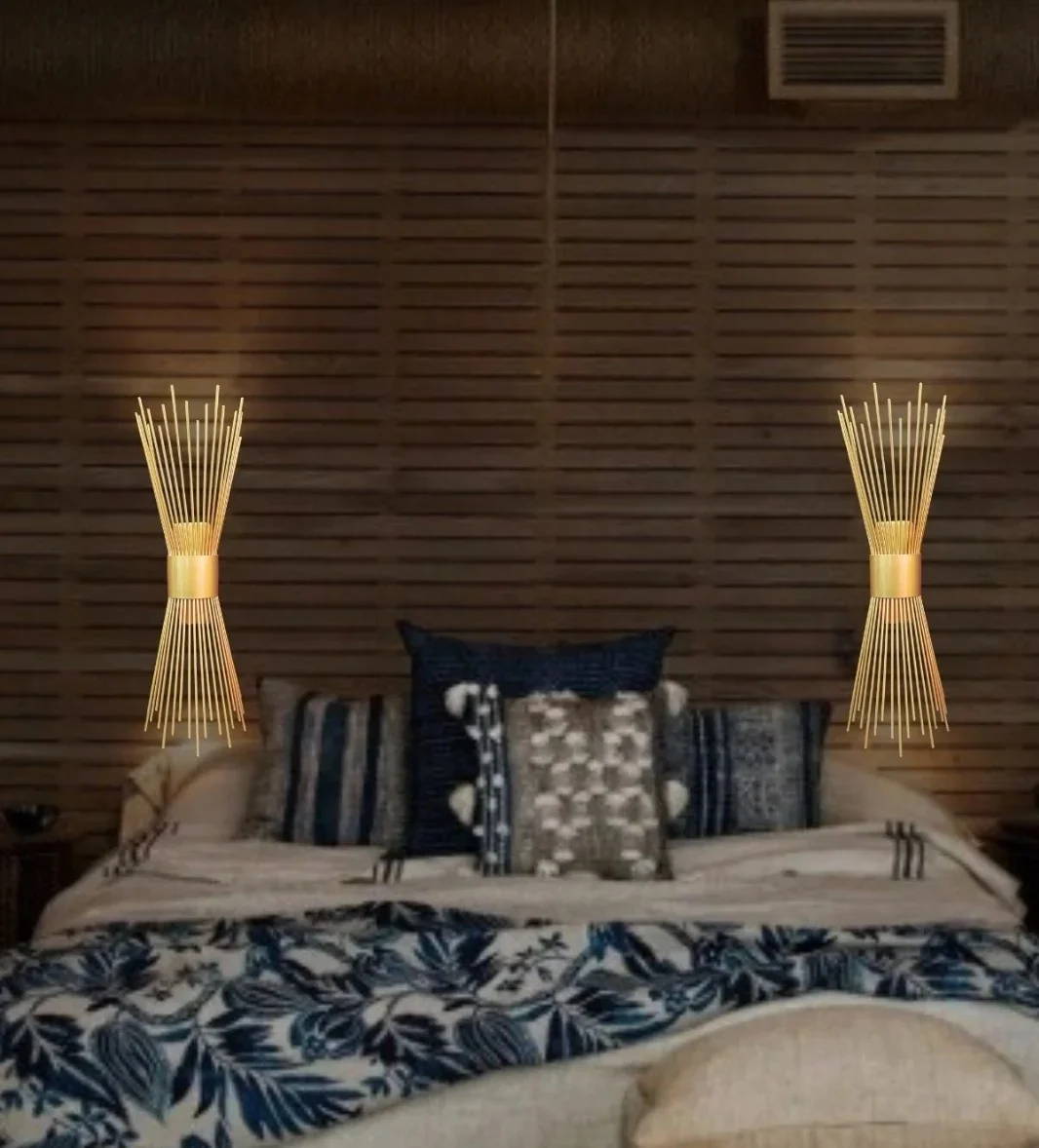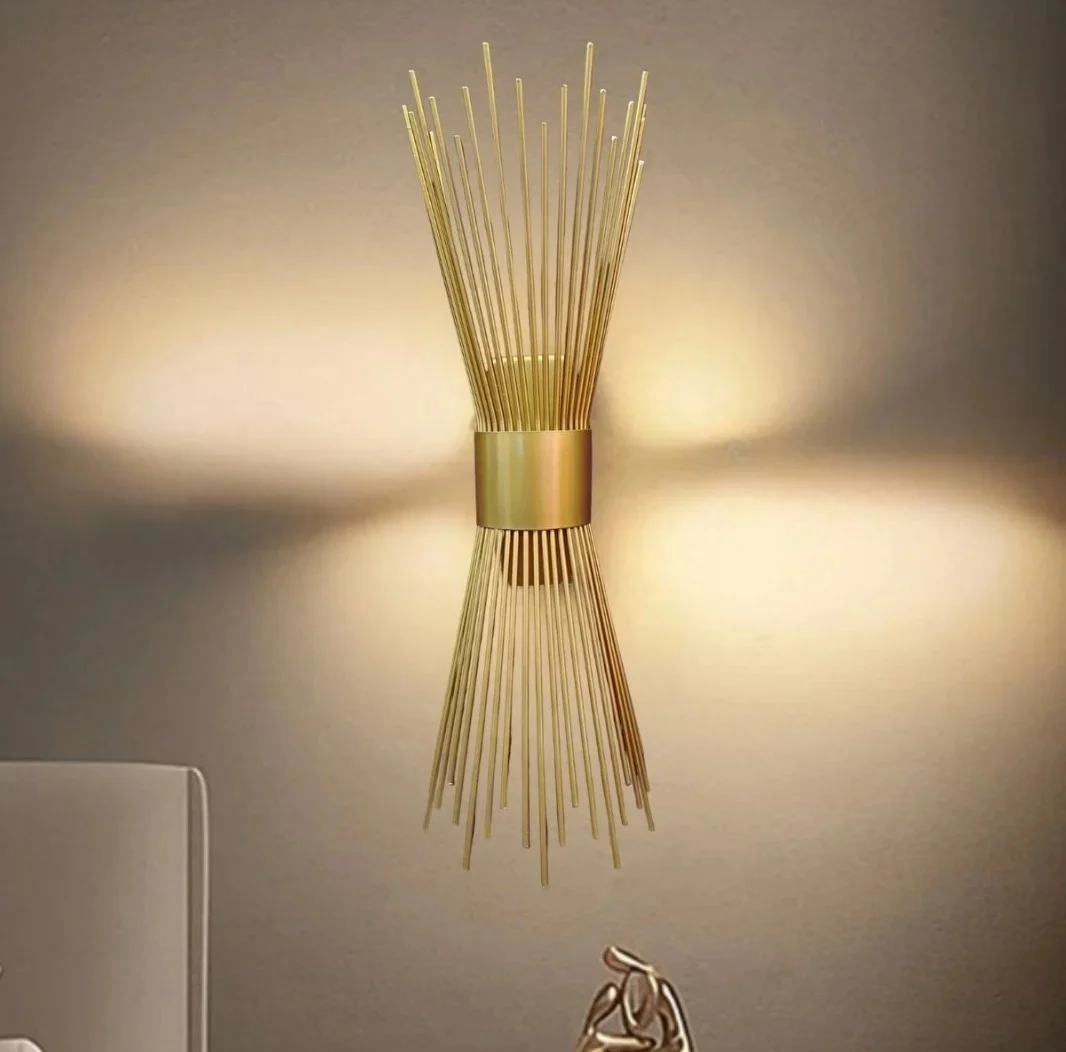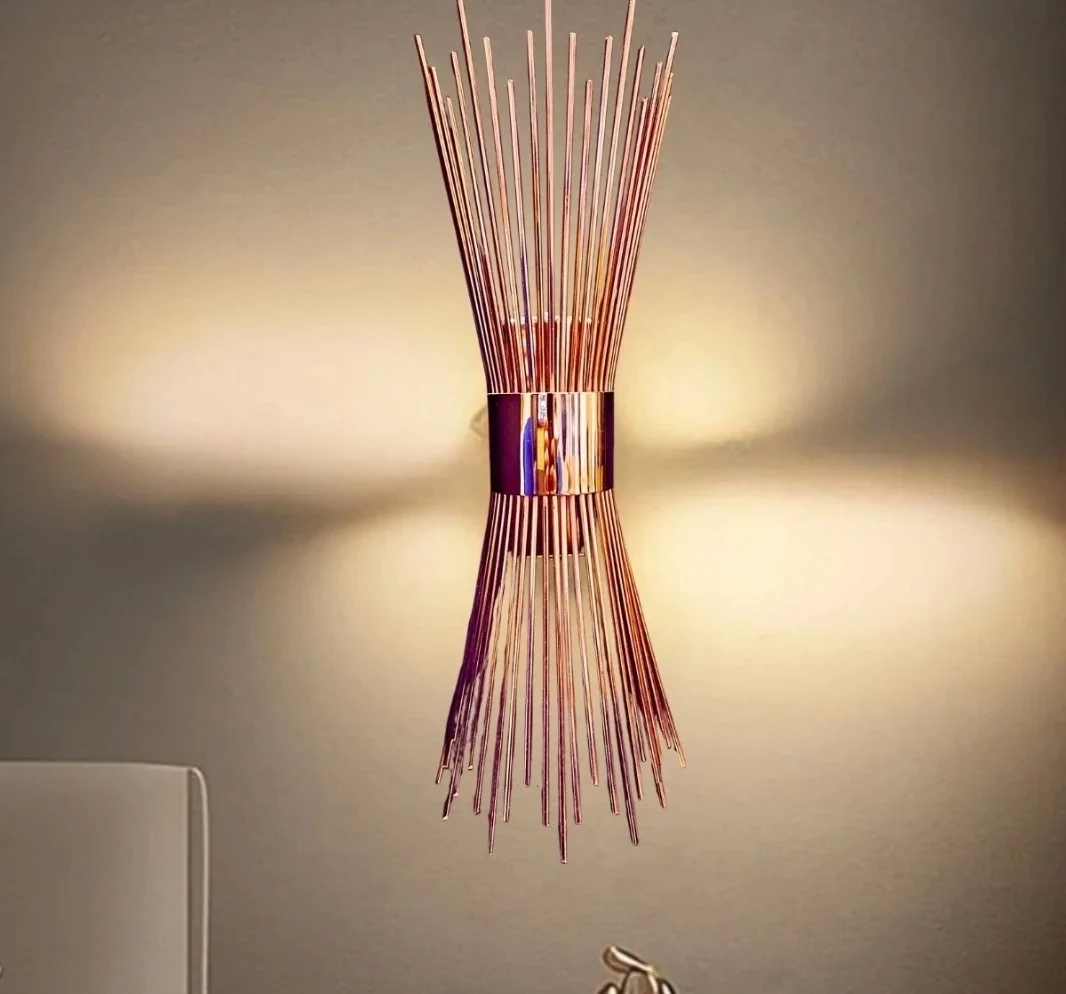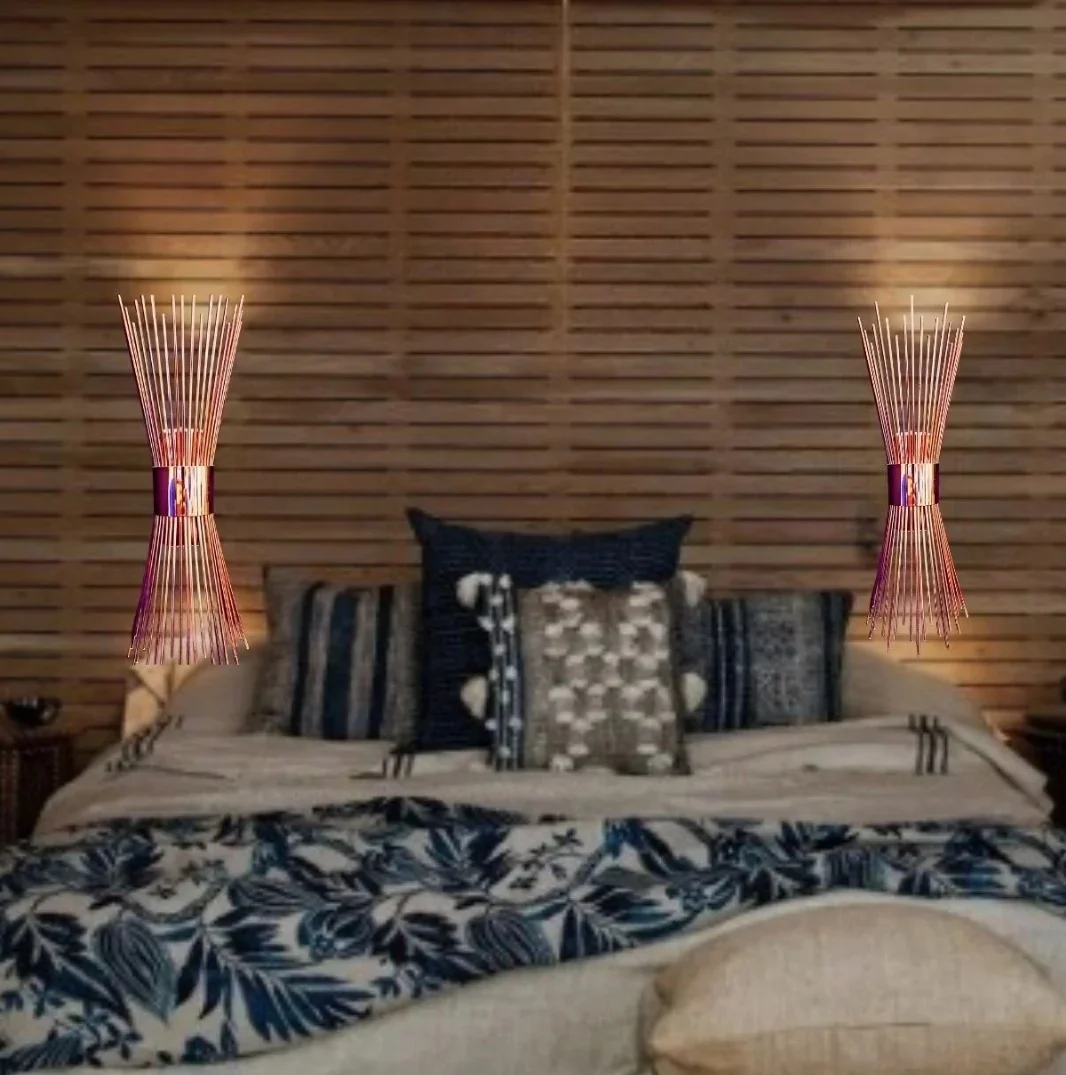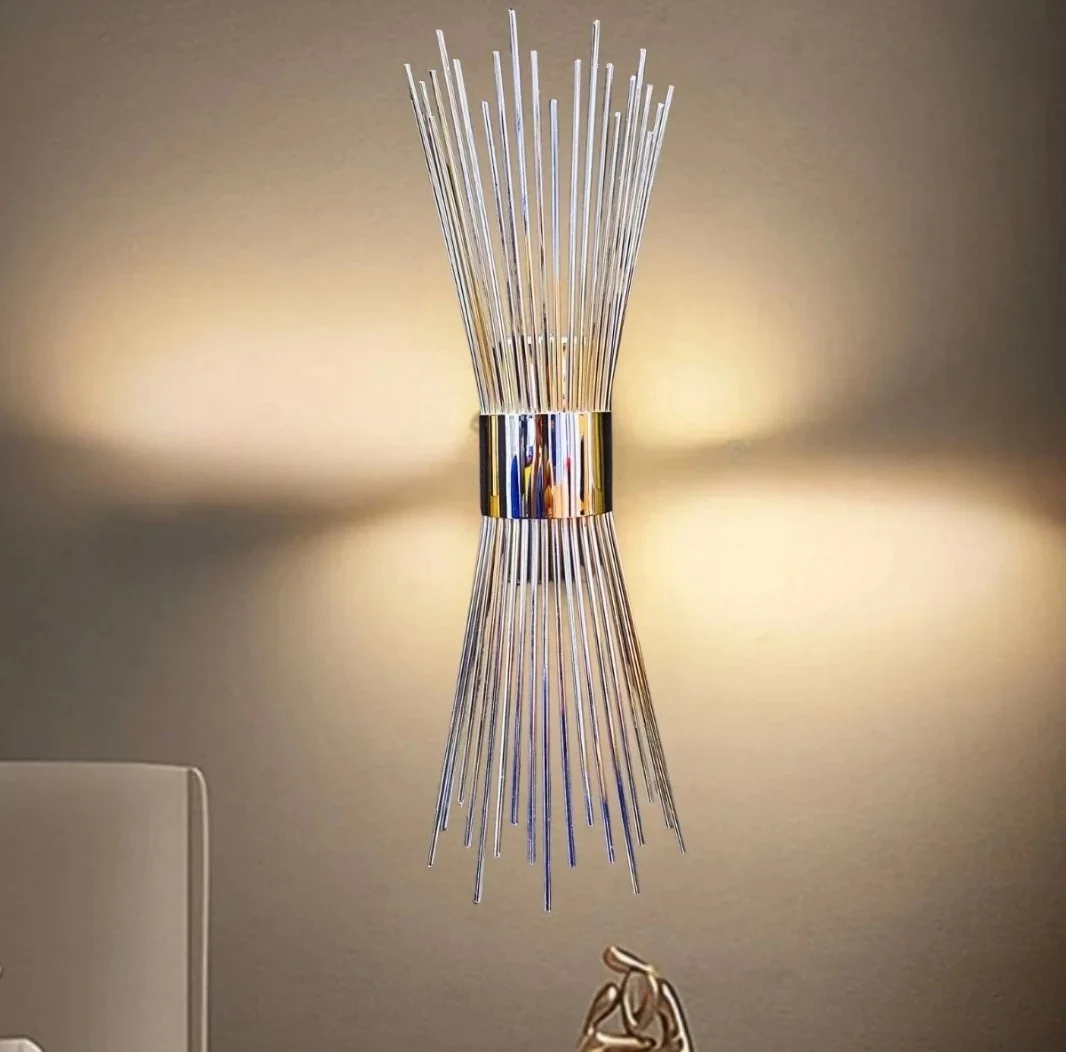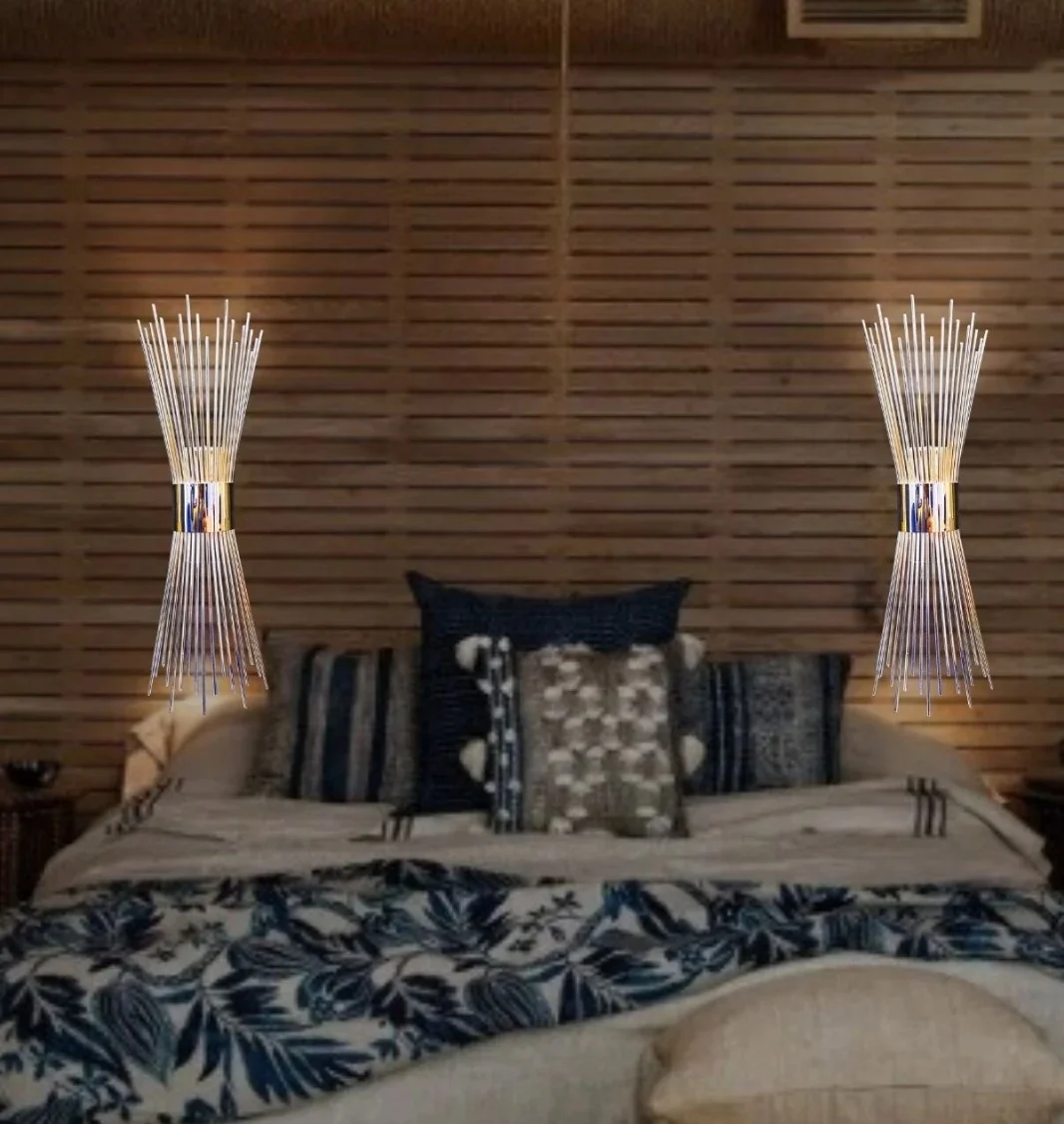

A battery-powered wall sconce is the most practical way to add light to a wall with no electrical outlet. Instead of opening the plaster, running cable and repainting afterwards, the fixture is fixed directly where it is wanted. These sections cover how it works, when it is the right choice, and how to make the batteries last longer.
How does a battery-powered sconce work?
In battery sconces the light source is an LED module that gives high output from a low current. Power comes from a battery compartment in the body or from a rechargeable cell. The switch may be on the body, or the model may be touch-operated or remote-controlled.
The essential difference from a wired fixture is that light output is limited by the energy budget. That is not a shortcoming but a design choice: the aim is not to light the whole room but to make a particular point visible.
When is a battery-powered sconce the right choice?
Battery models are strongest where running cable would cost out of all proportion to the result.
- Rented homes: often the only workable answer where the wall cannot be altered permanently.
- Finished interiors: no need to cut into a freshly painted wall.
- Alcoves and shelving: accent light where the wiring never reached.
- Stairs and hallways: low output is enough for night-time wayfinding.
- Children's rooms: safer, as there is no socket or trailing cable.
- Temporary arrangements: portable for celebrations, guests or seasonal decoration.
What determines battery life?
Battery life cannot be given as a single figure; daily running time, the brightness level chosen, the battery type and the ambient temperature all play a part. A stair sconce that runs for a few minutes a night and a reading light left on all evening will give very different results from the same cell.
The most effective way to extend life is to use the fixture only when it is genuinely needed. Motion-sensing or remote-controlled models help here. Using rechargeable cells rather than alkaline batteries reduces both cost and waste over time.
How is a battery-powered sconce installed?
Installation is markedly simpler than with wired models and in most cases needs no electrical knowledge. Even so, the order matters for a neat and lasting result.
- Mark the position: test by hand where you want the light to fall.
- Clean the surface: dust and grease weaken adhesion on adhesive mounts.
- Check the level: a fixture mounted crooked spreads its light crooked too.
- Fix it: screws suit heavier bodies, adhesive pads suit light ones.
- Insert the batteries the right way round and close the cover fully.
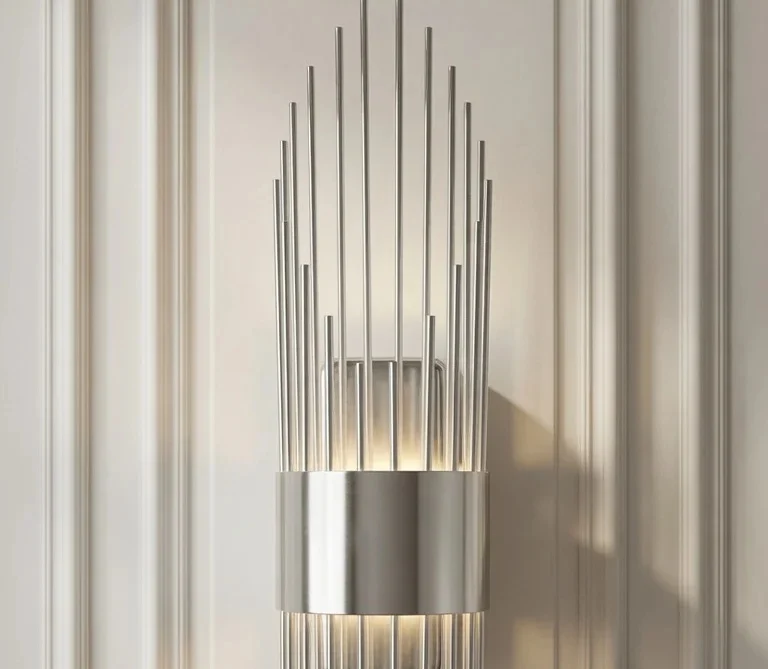
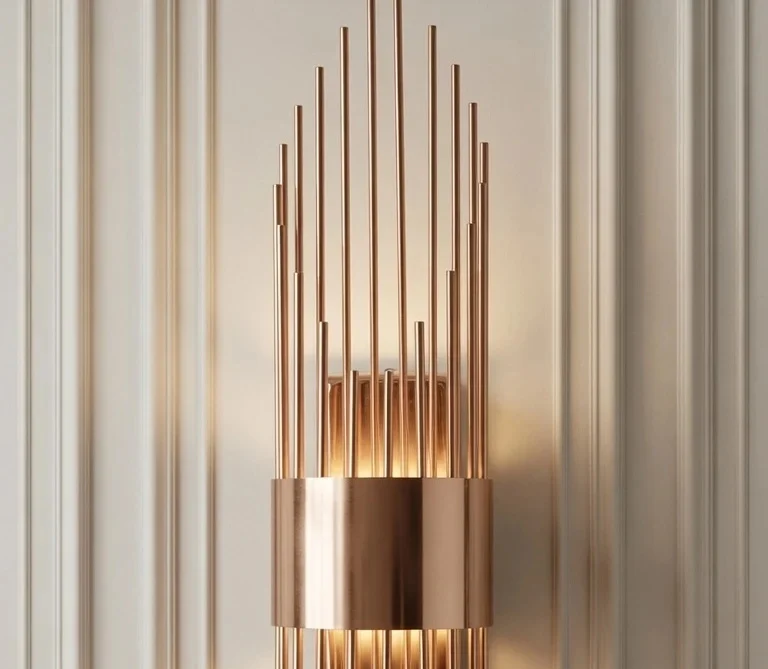
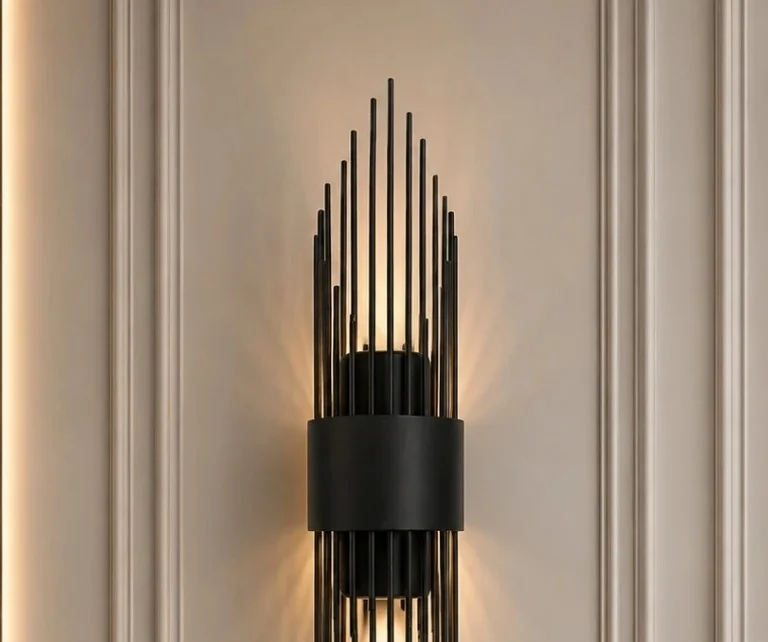
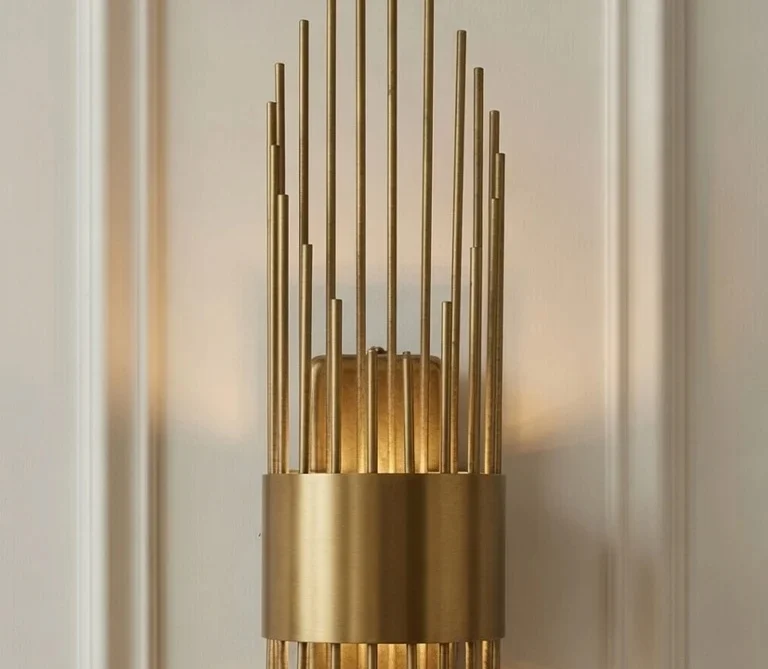
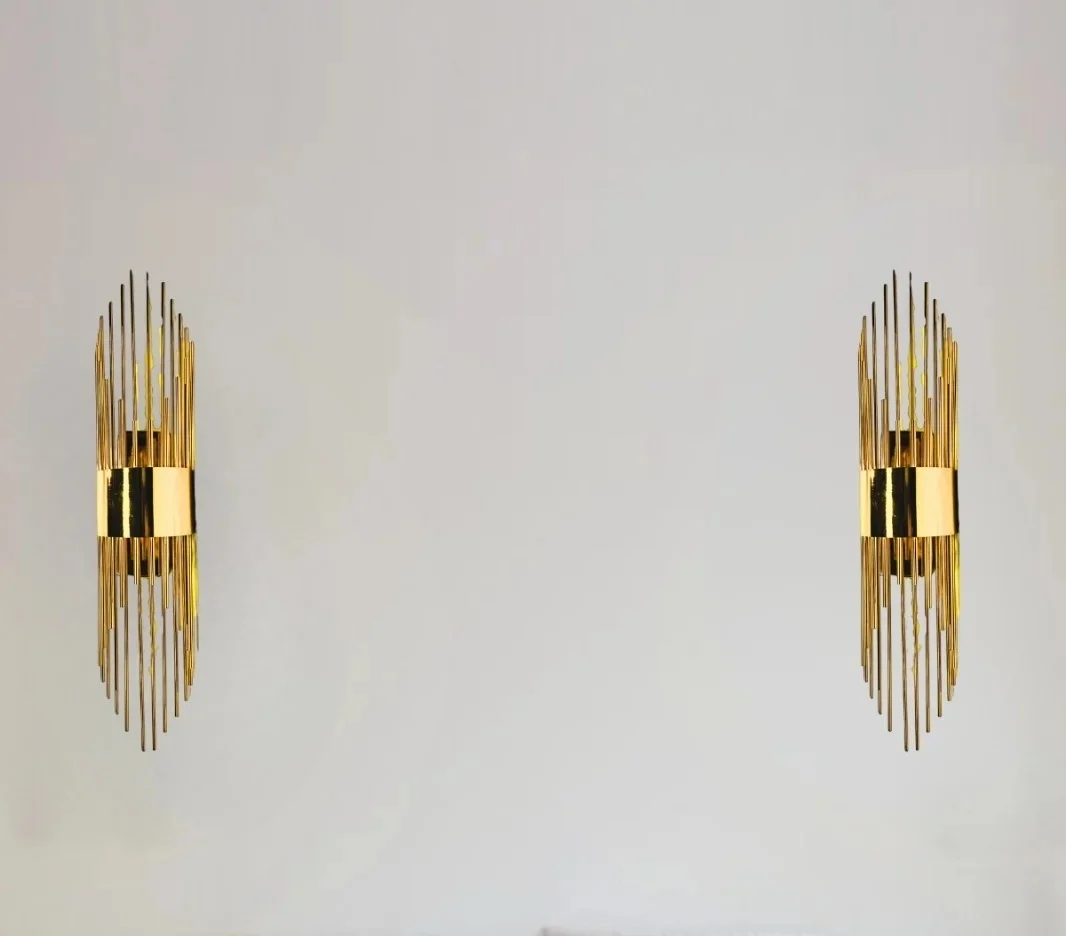
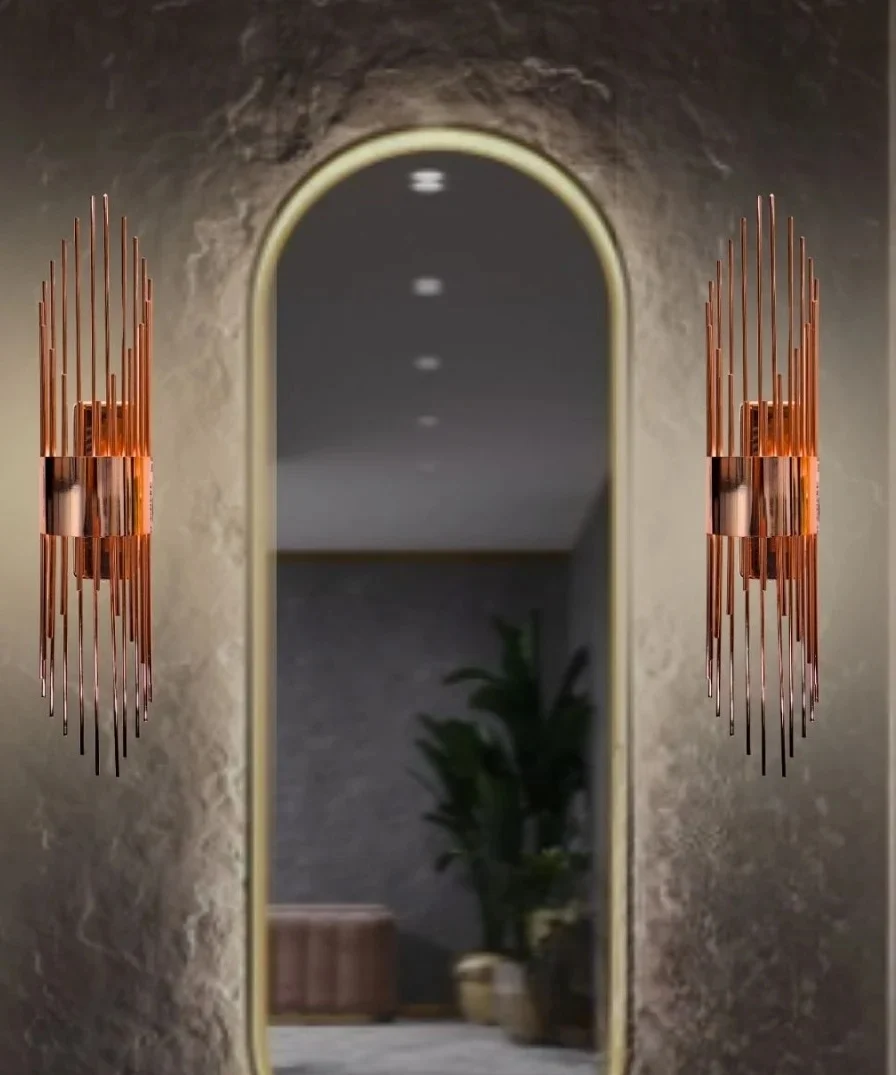
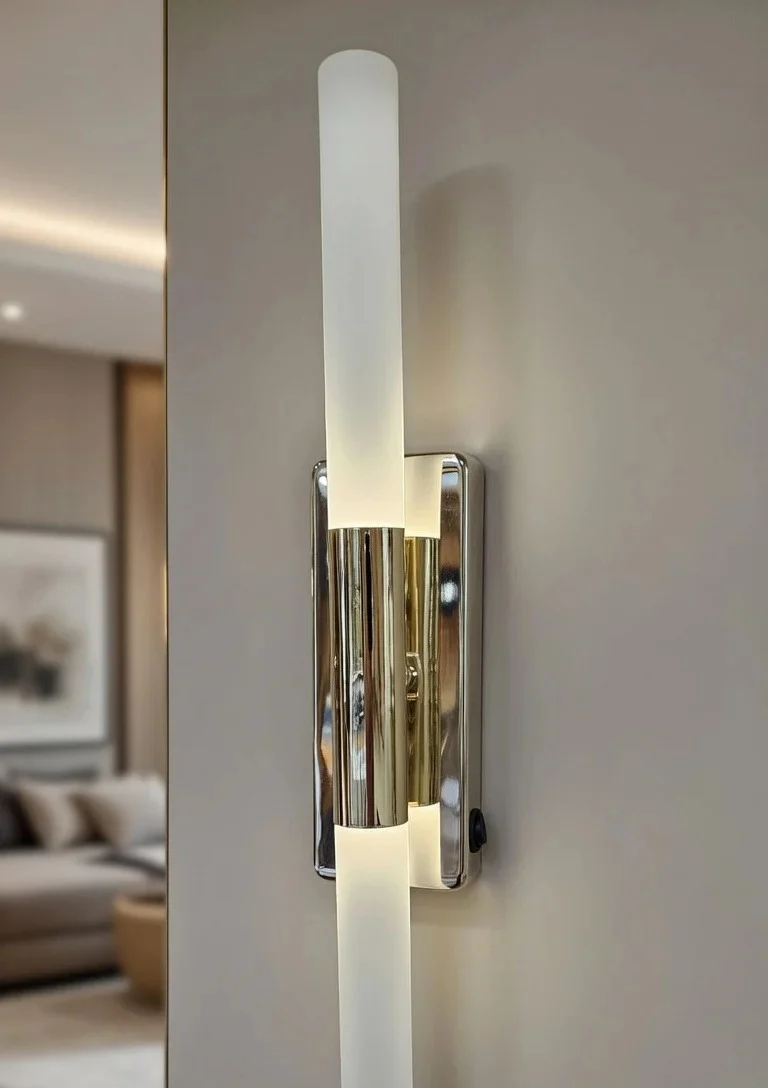
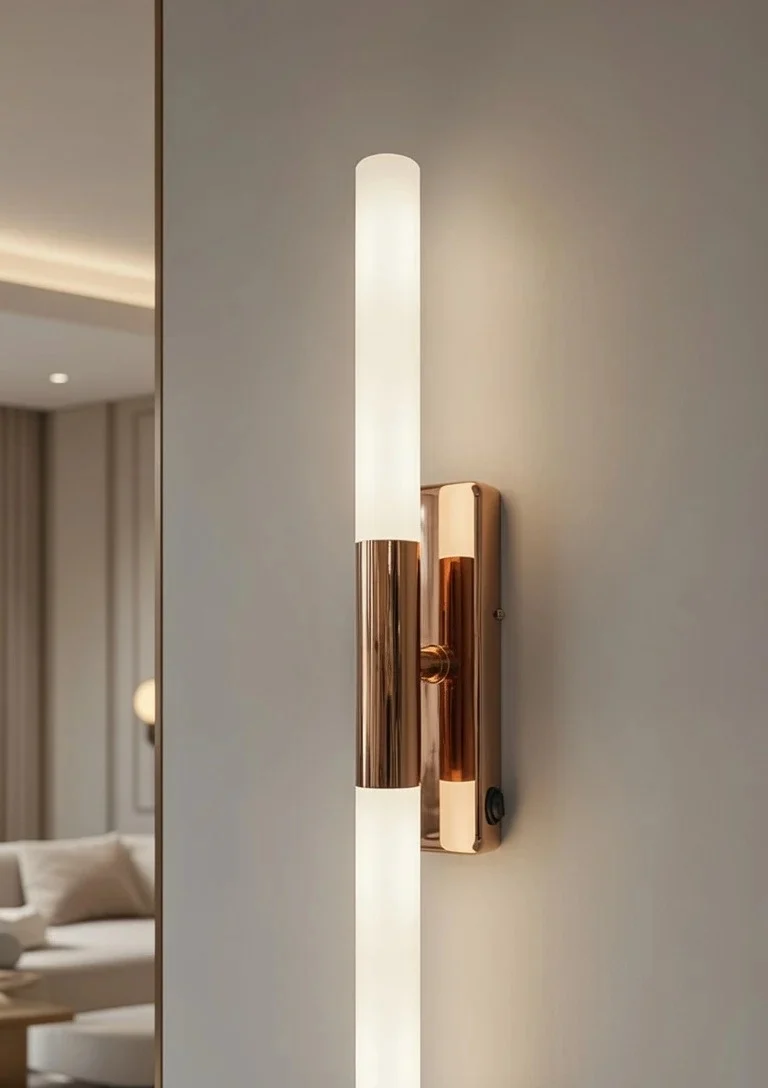
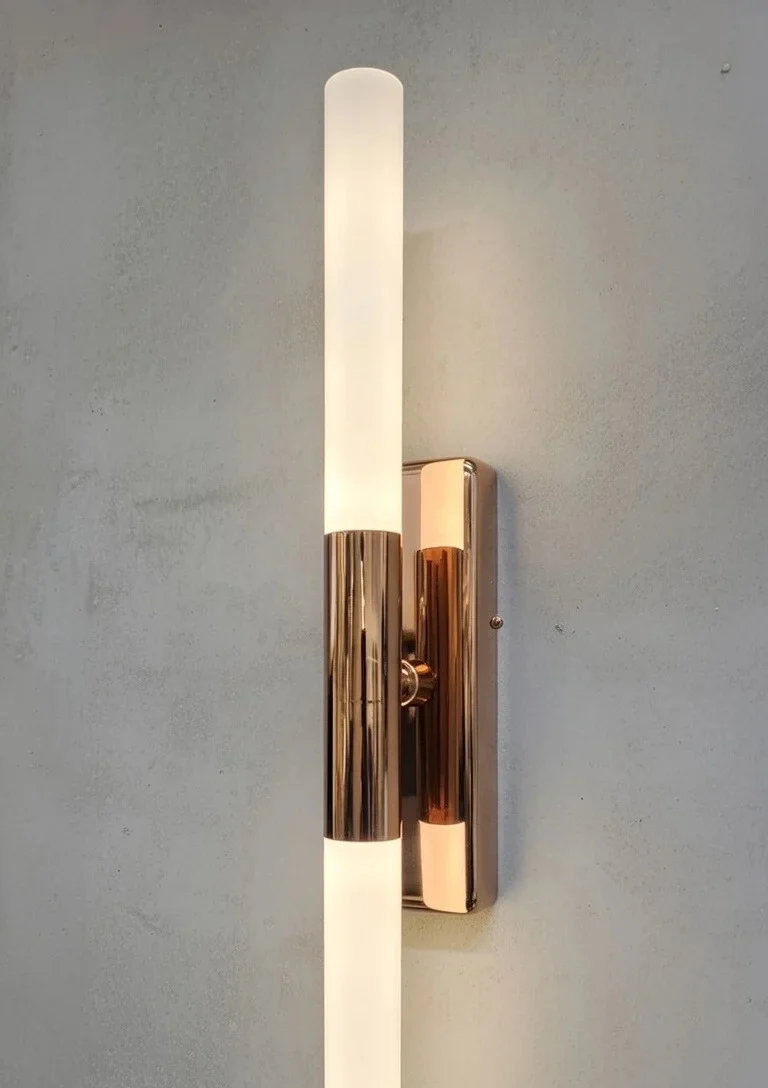
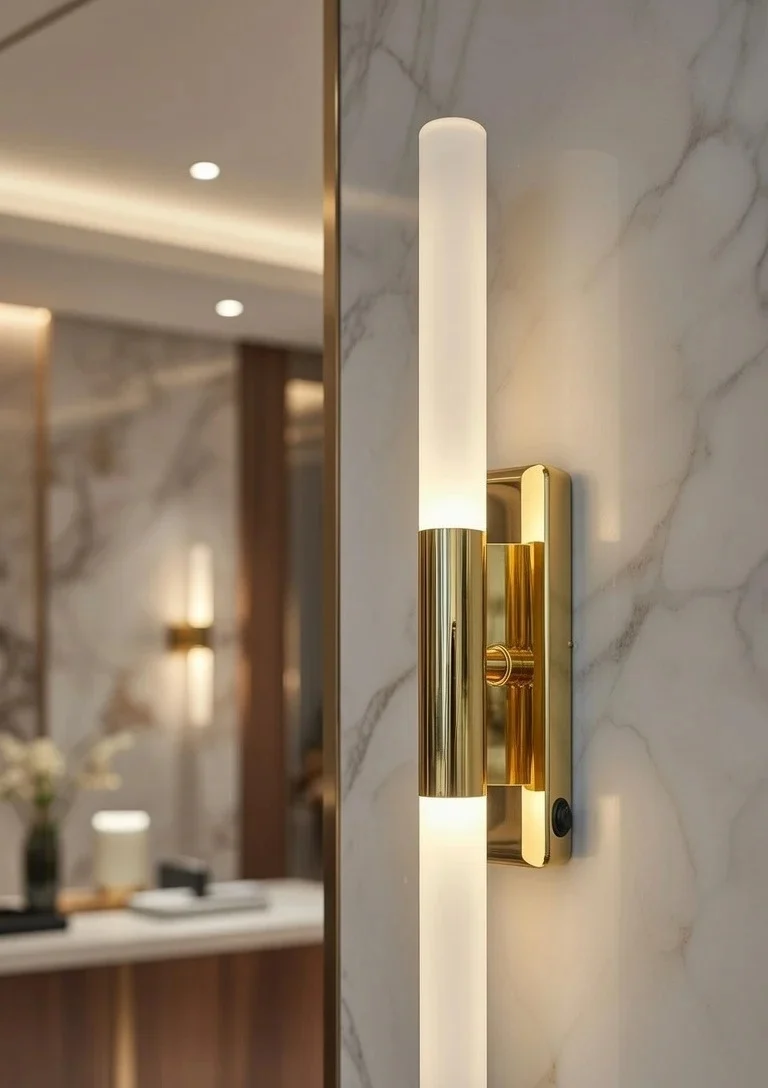
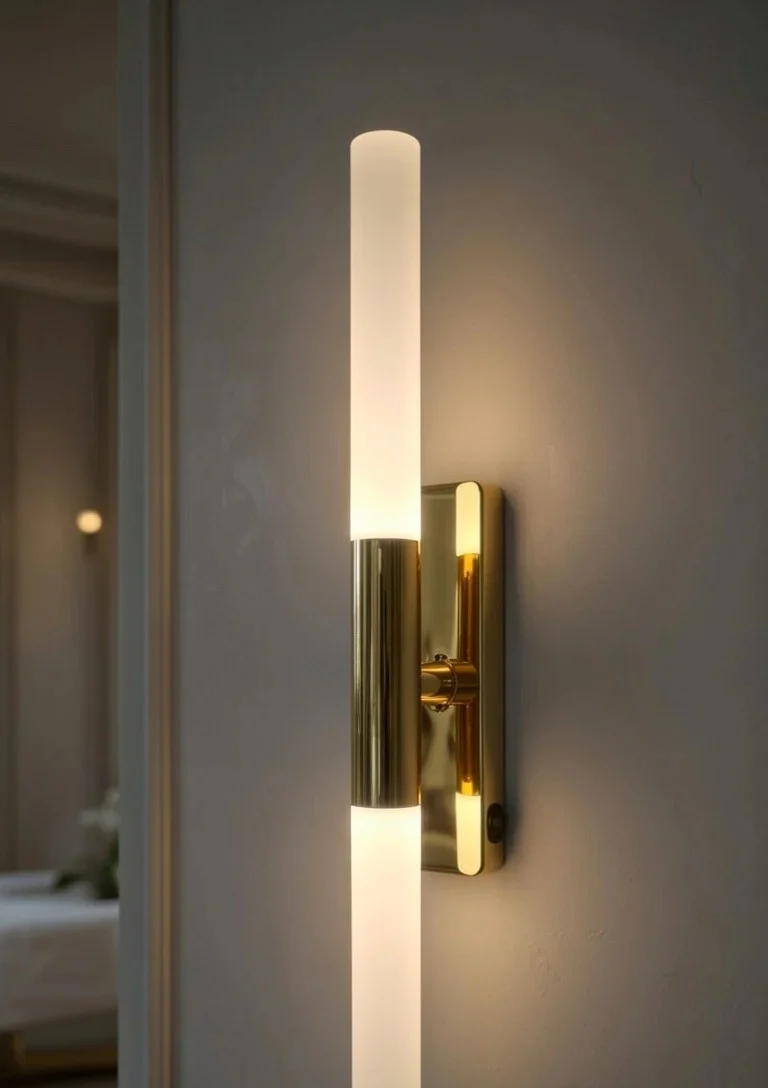
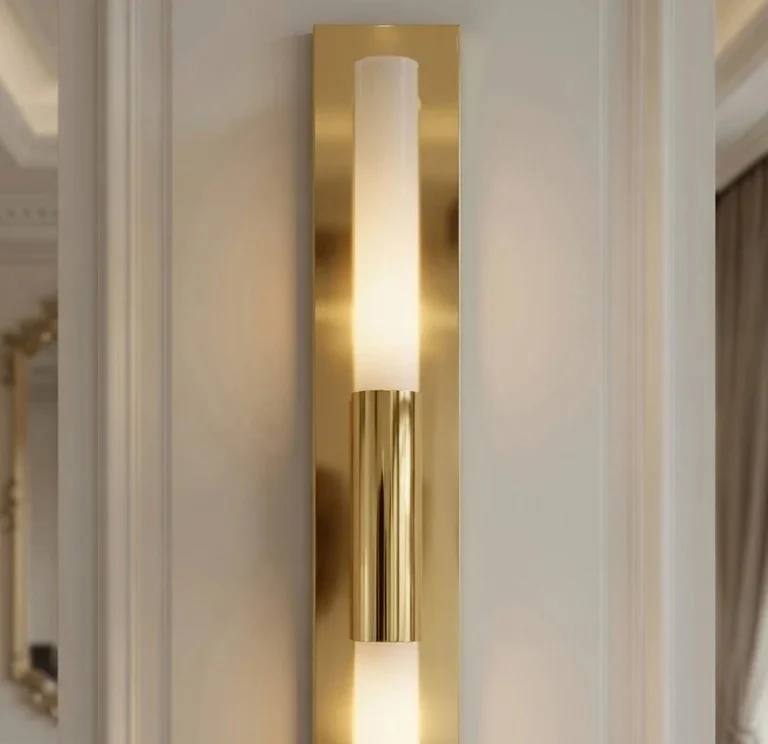
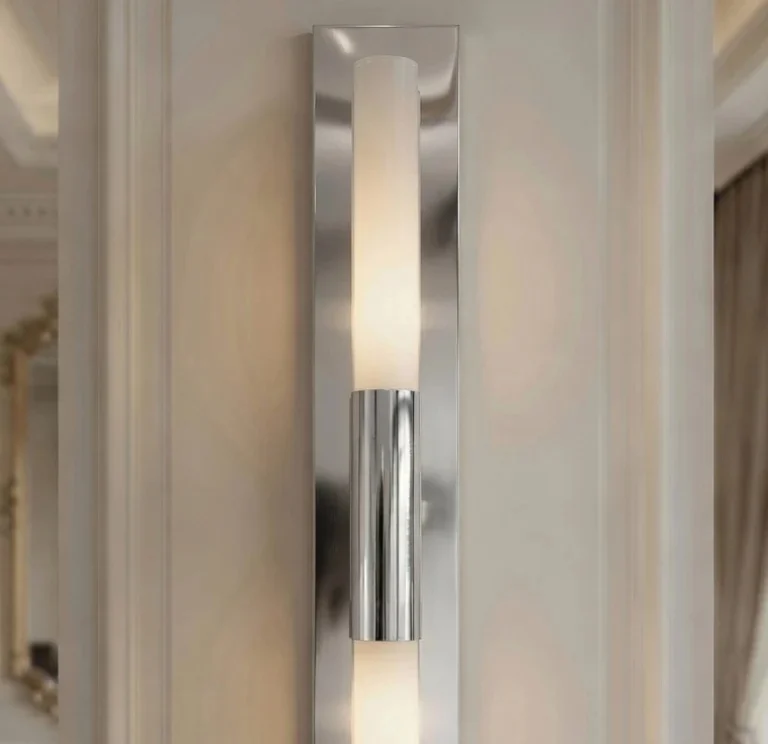
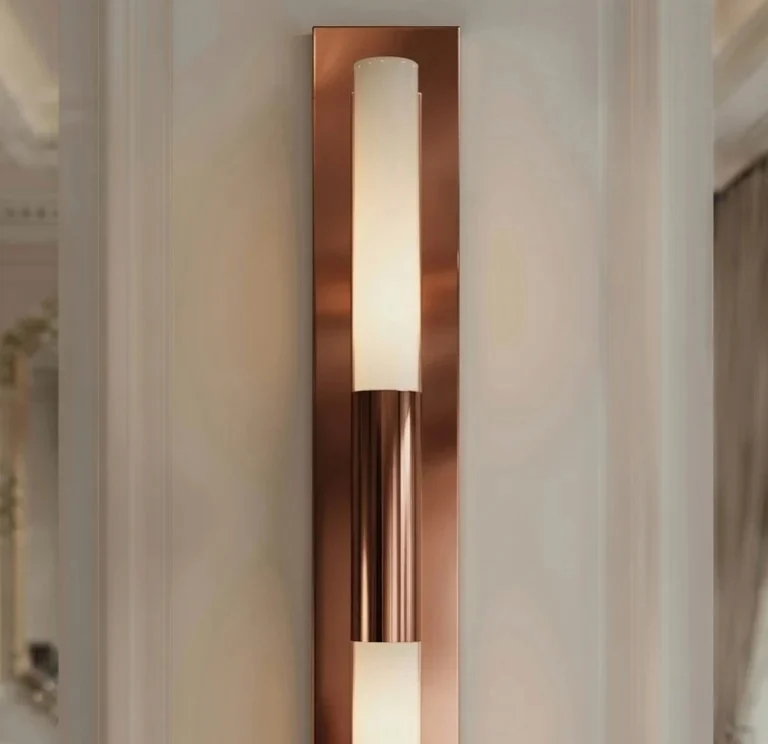
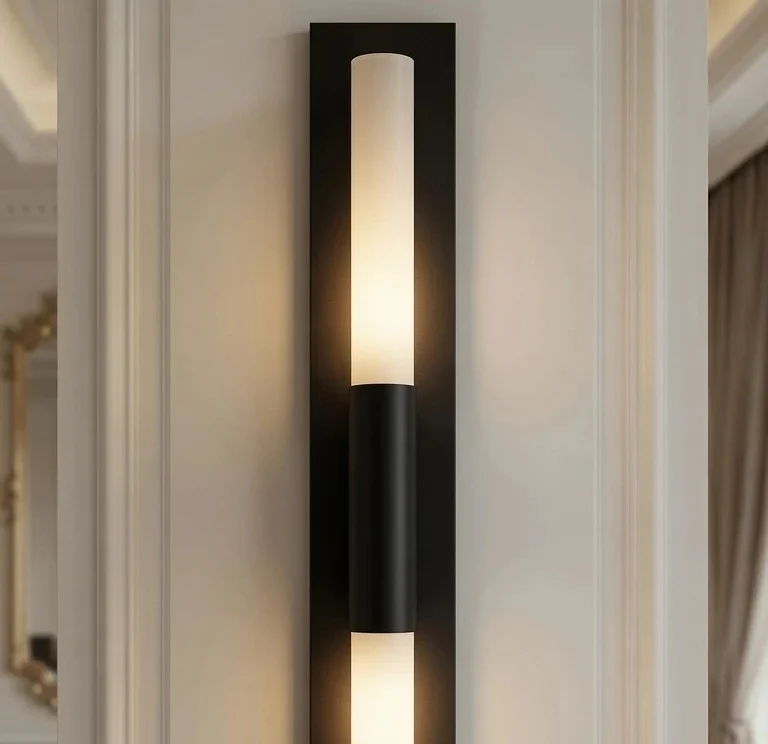
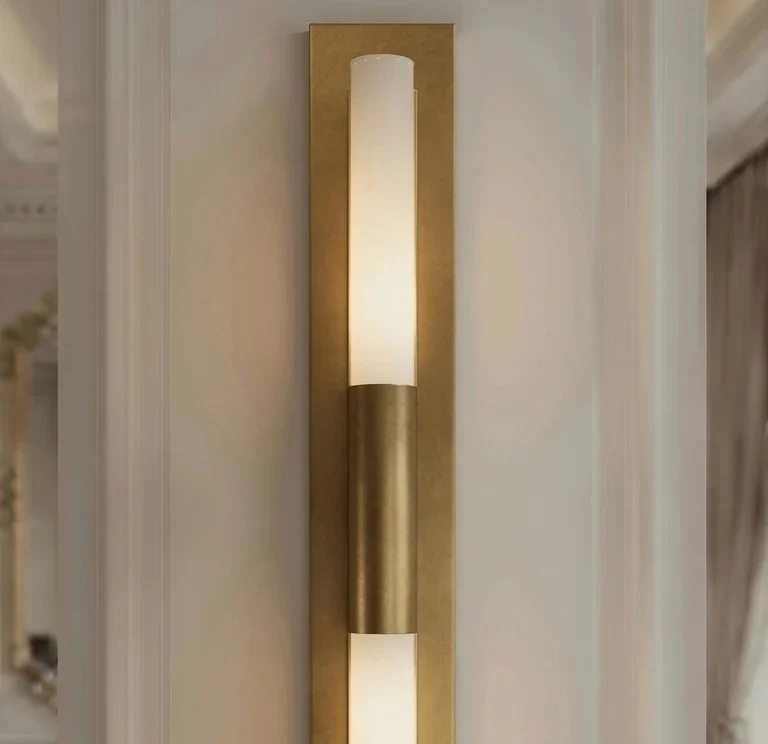
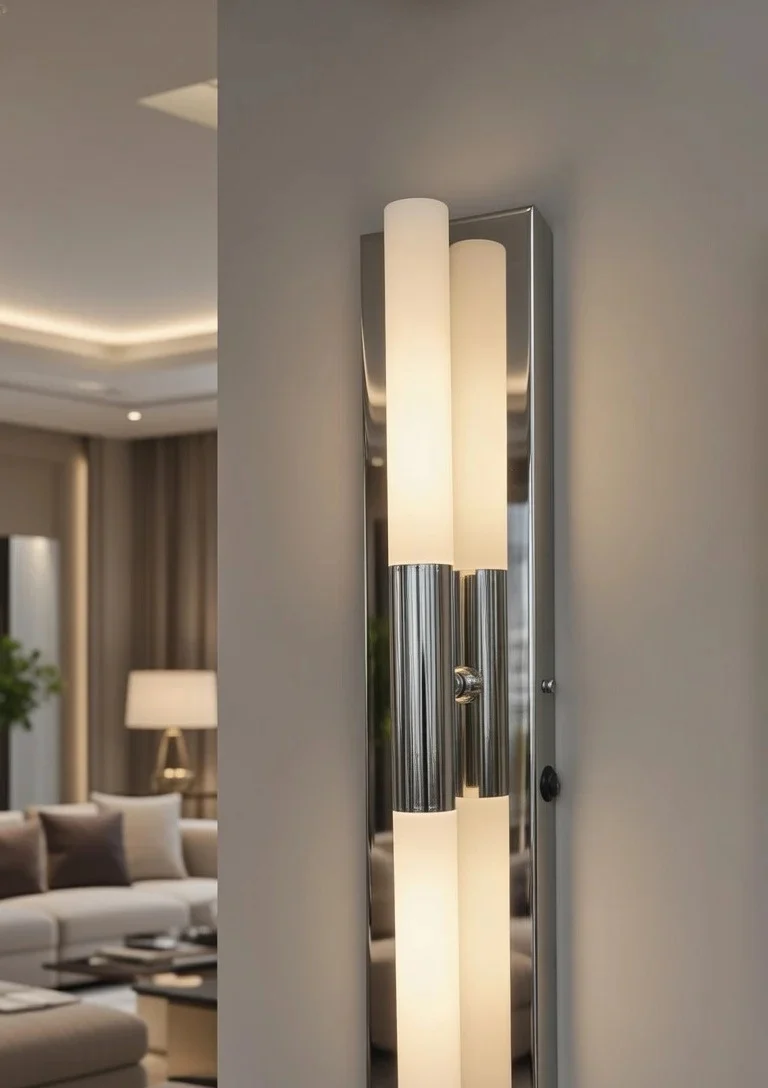
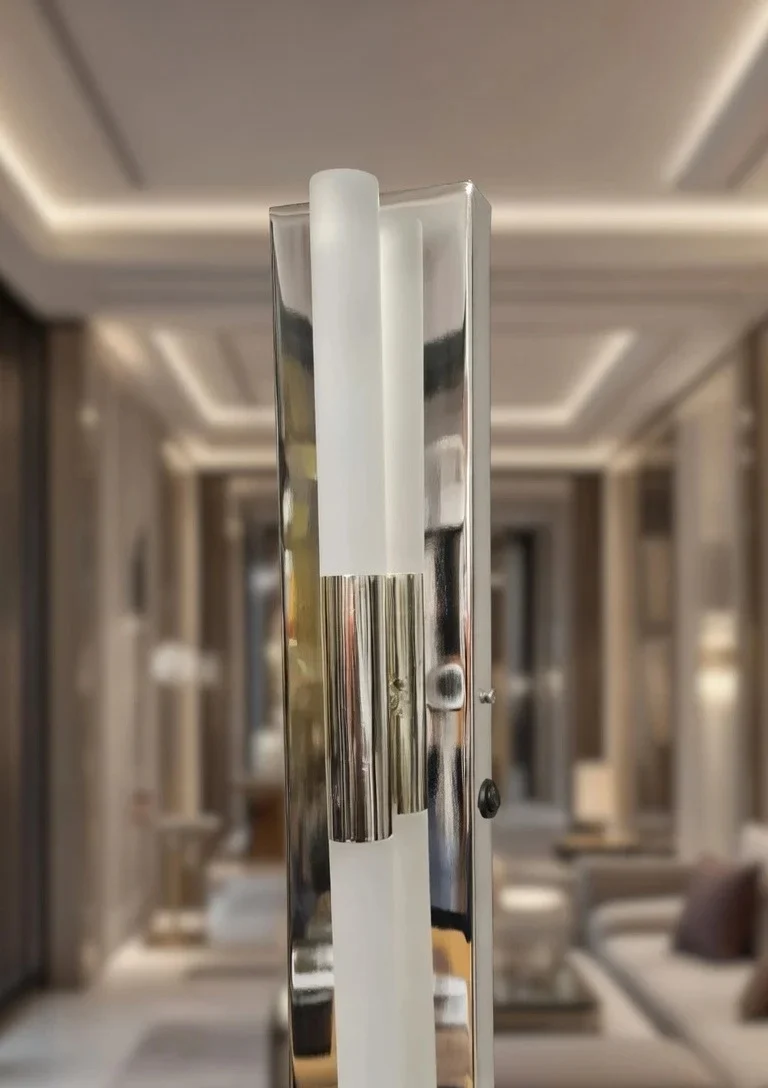
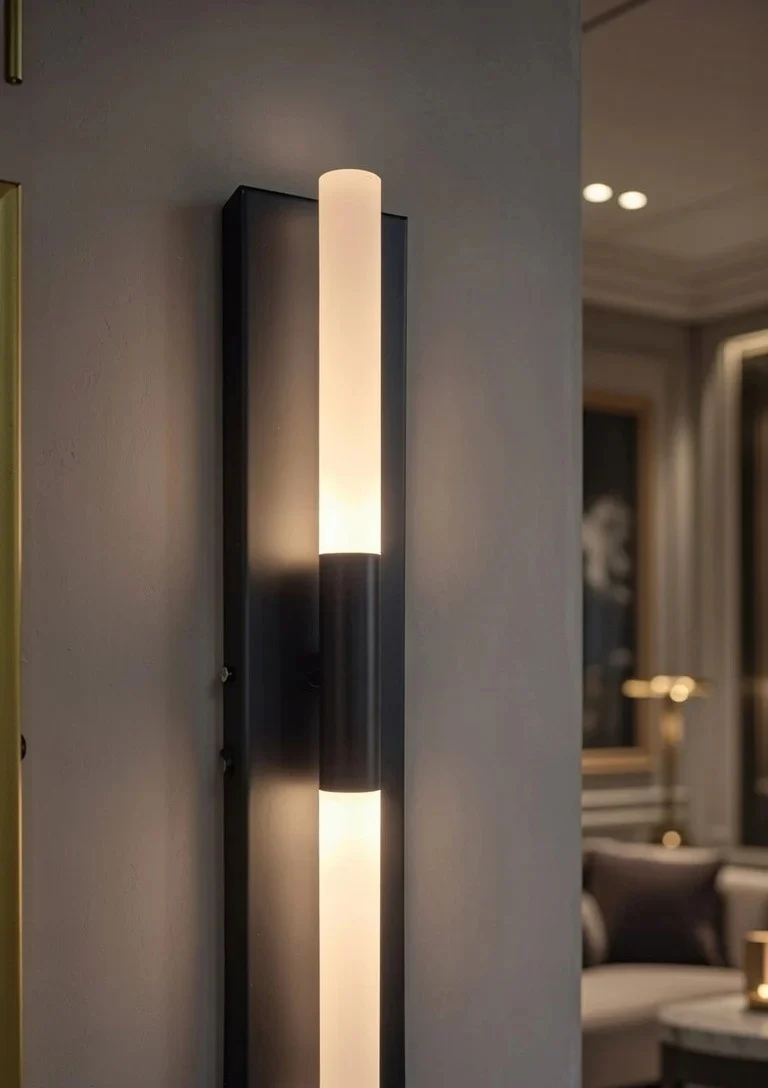
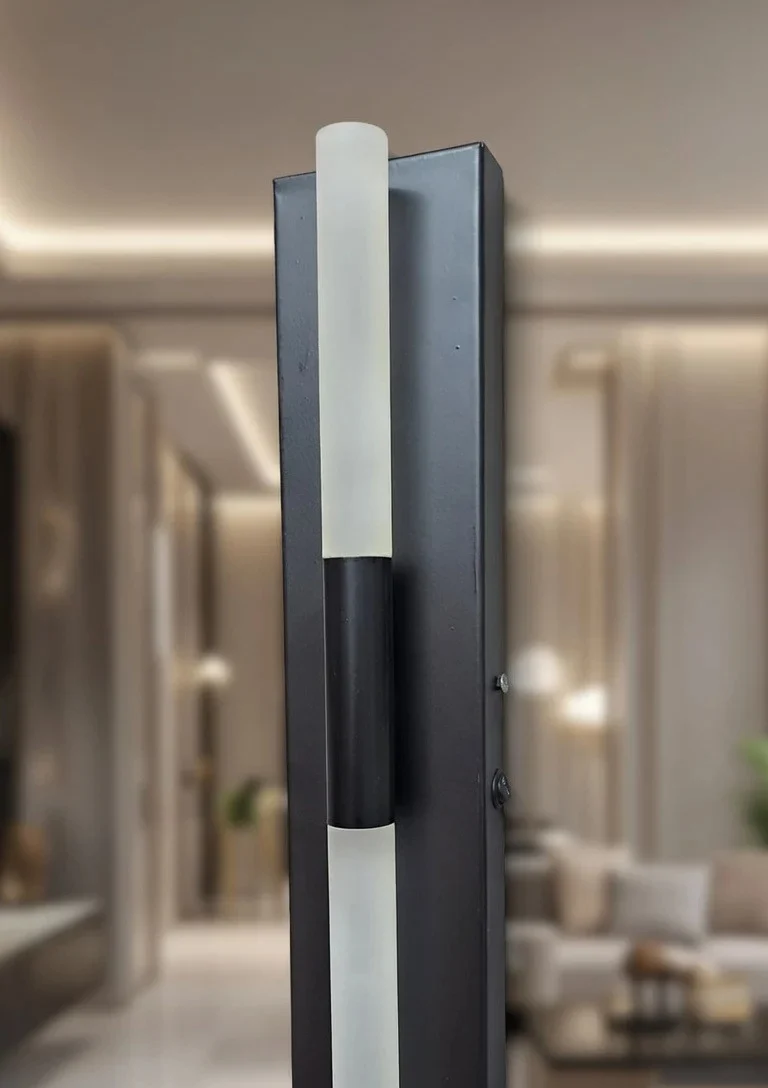
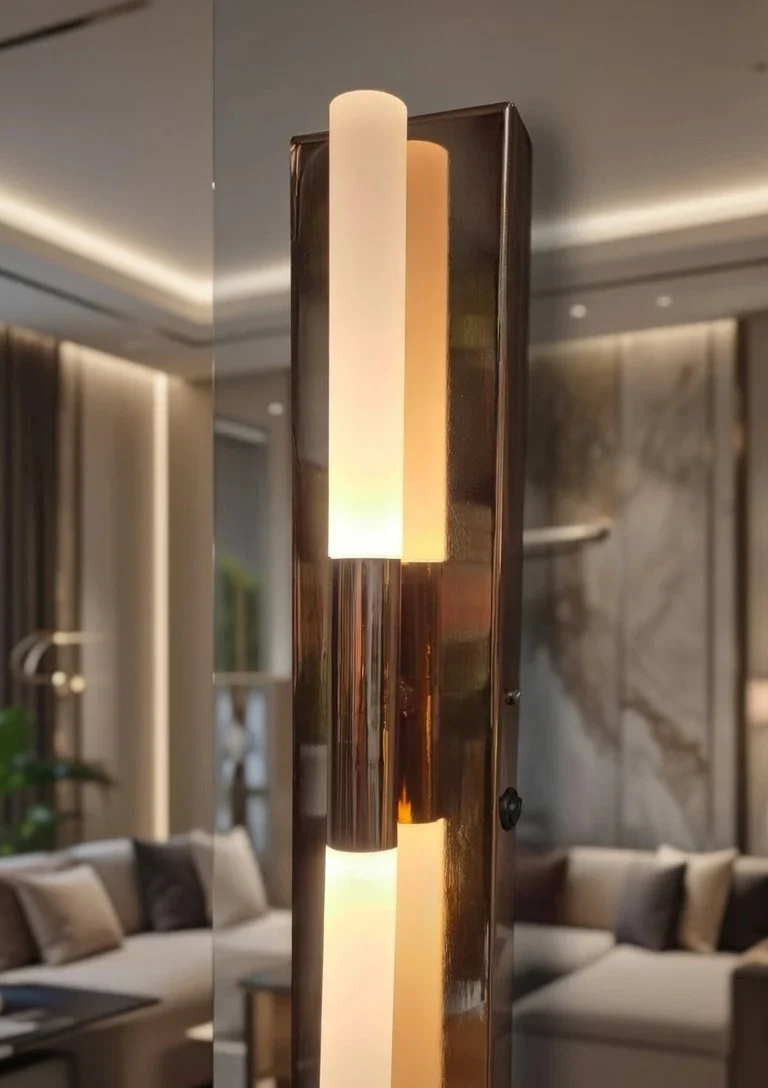
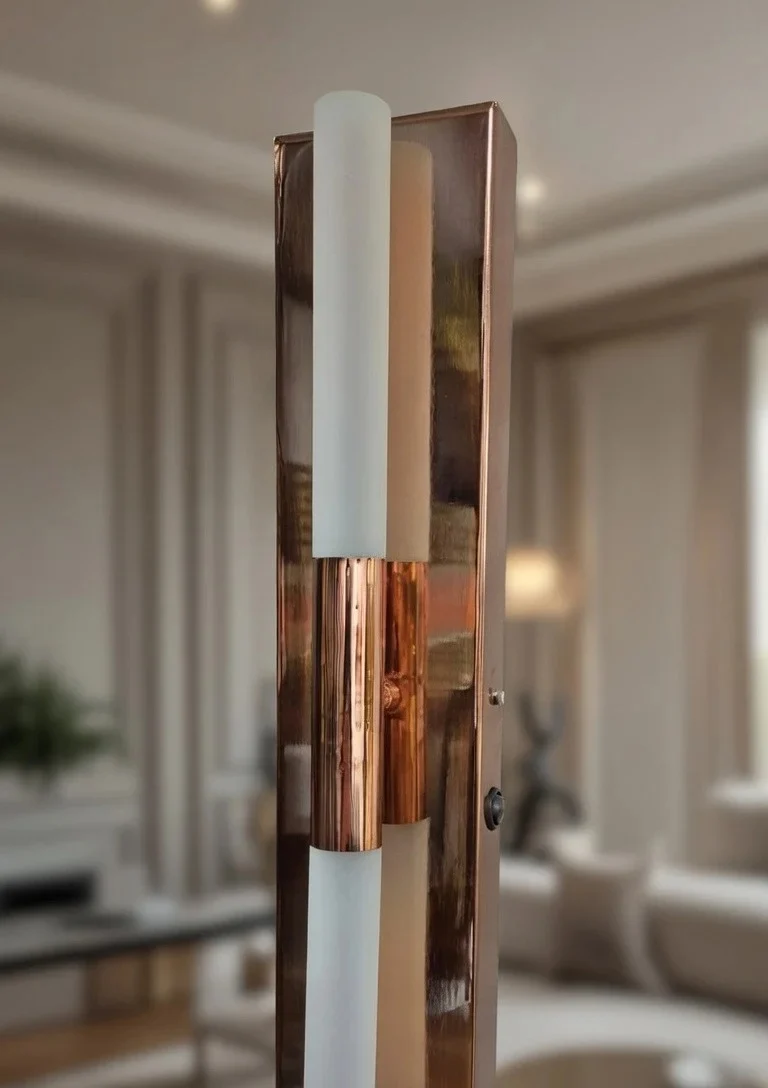
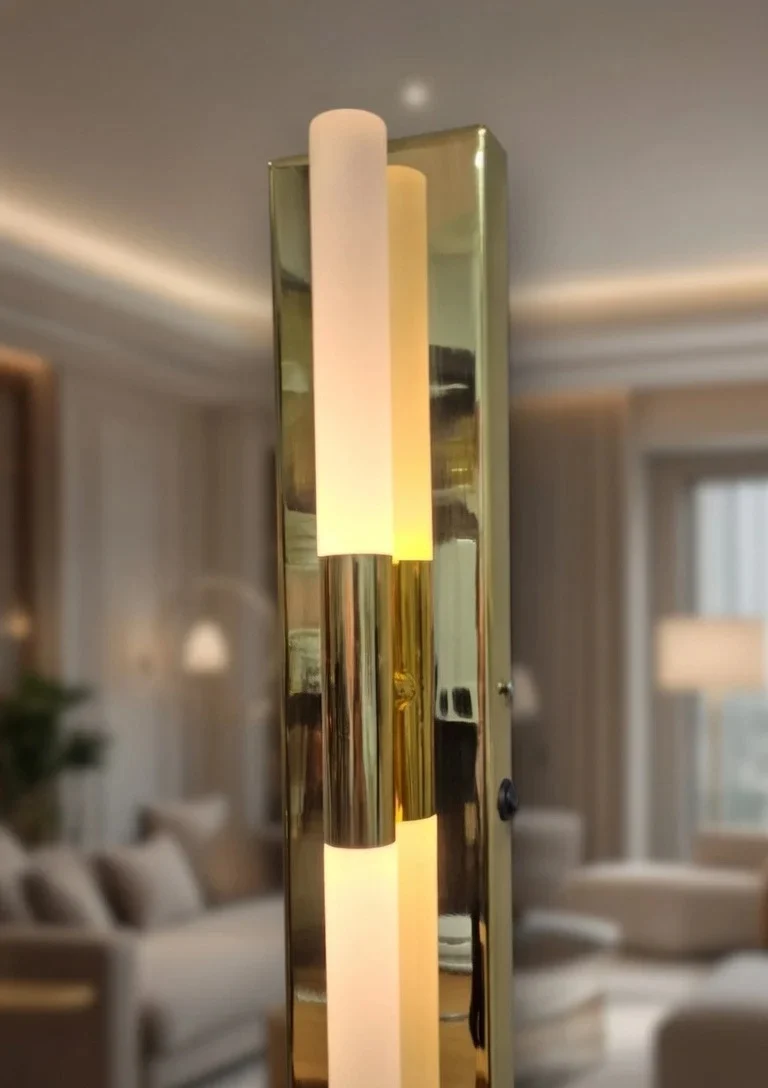
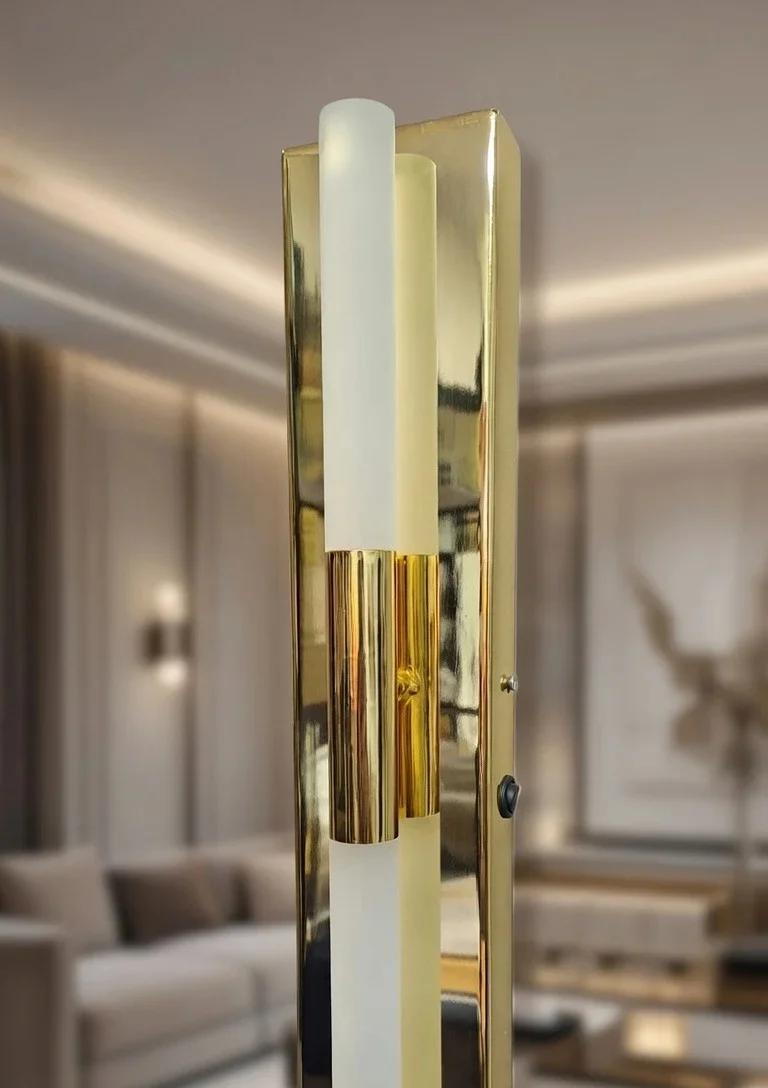
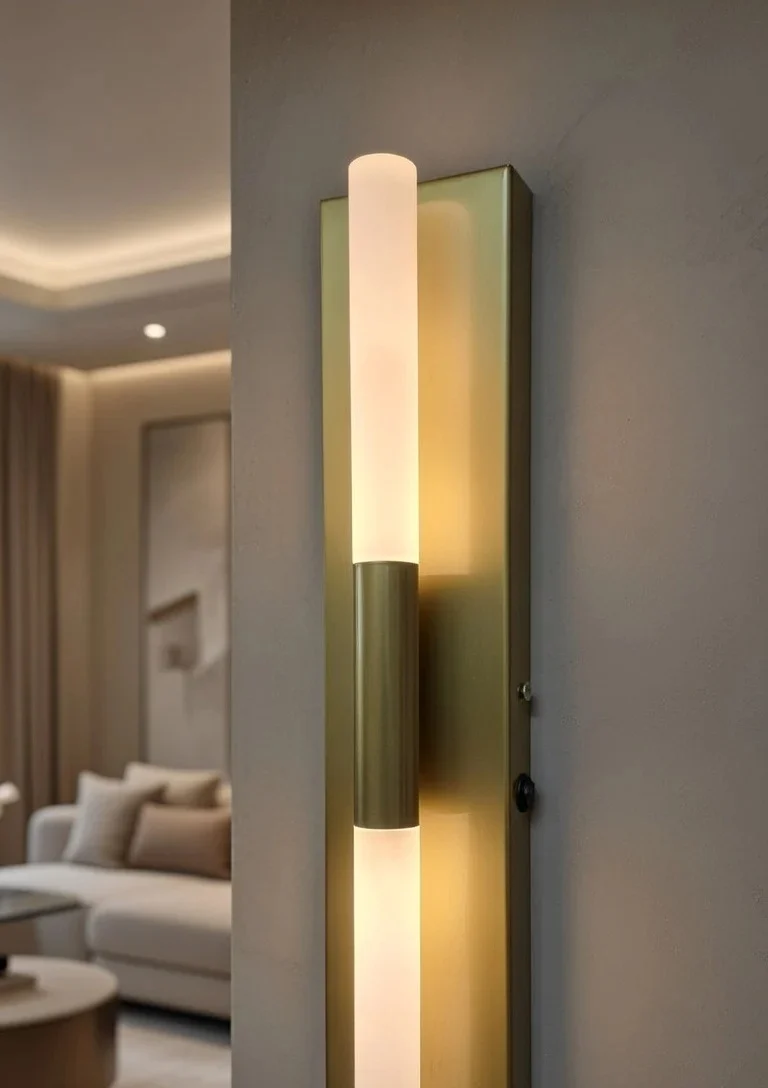
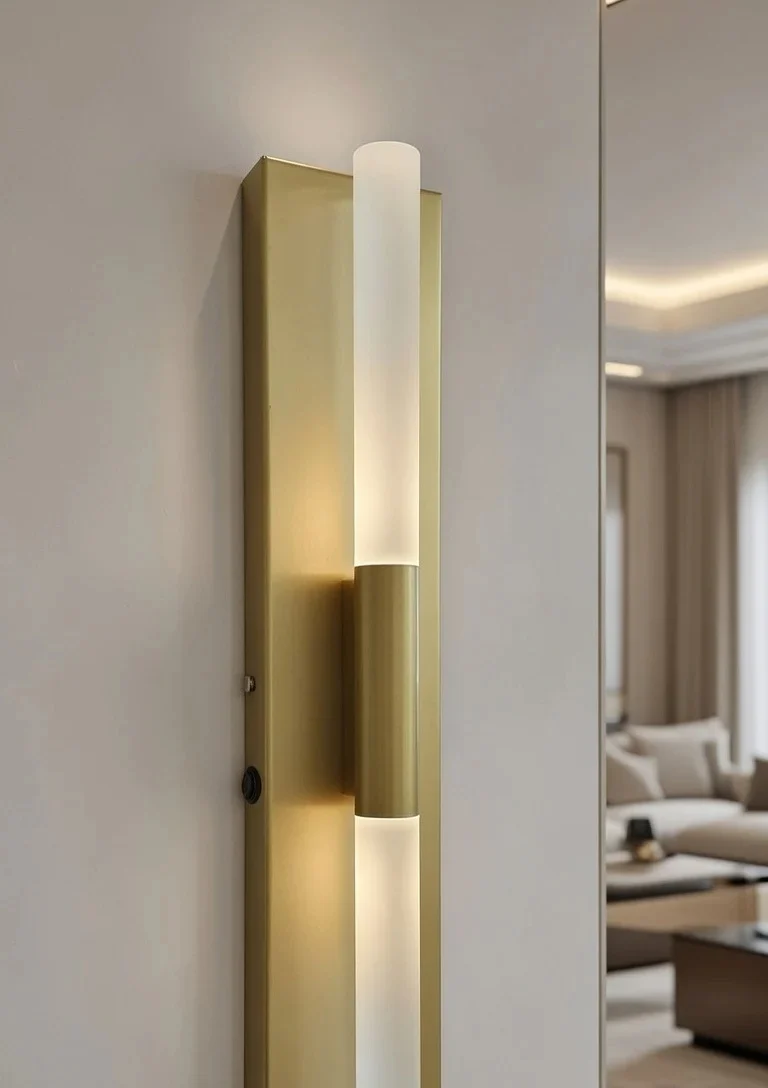
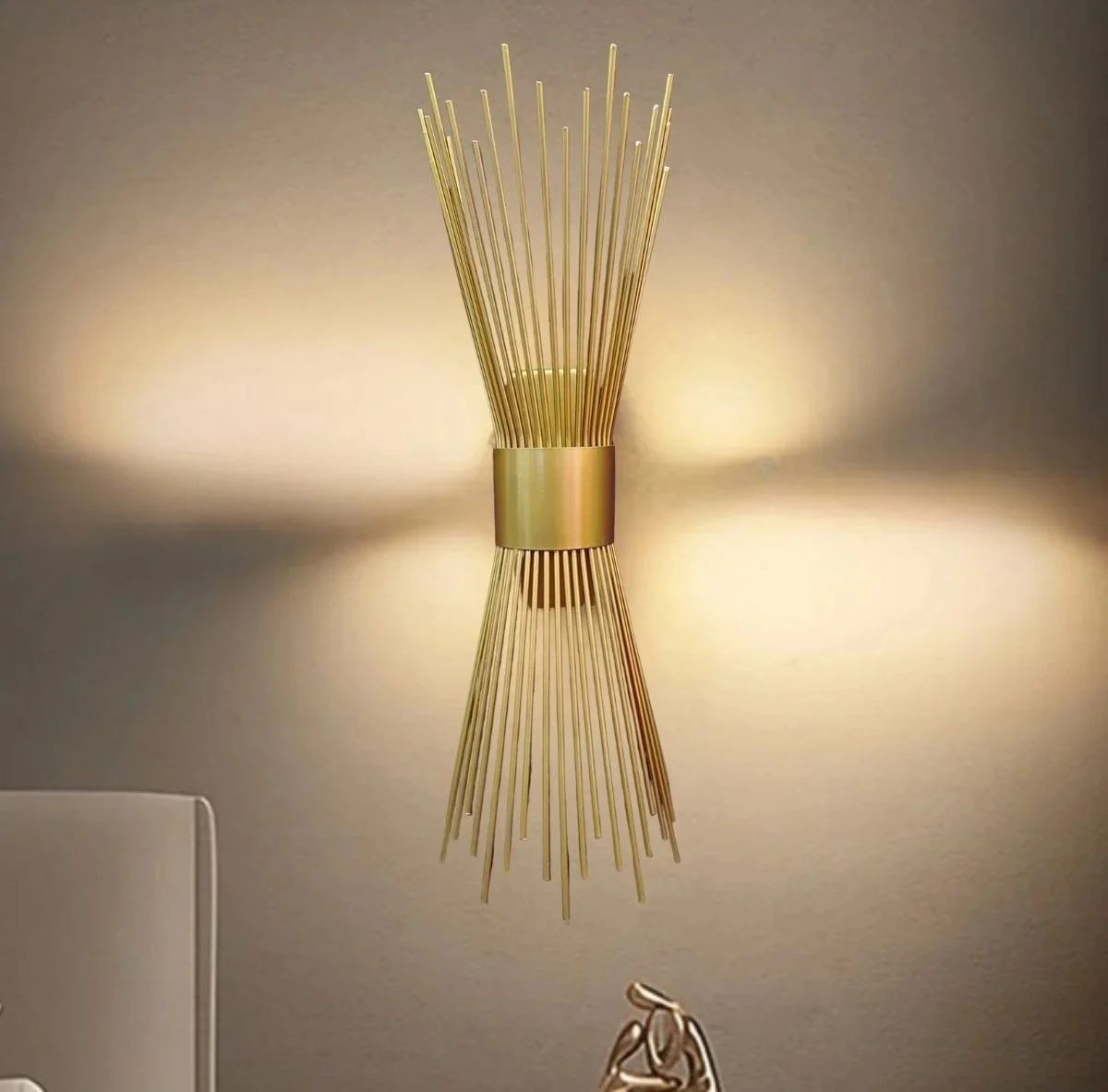
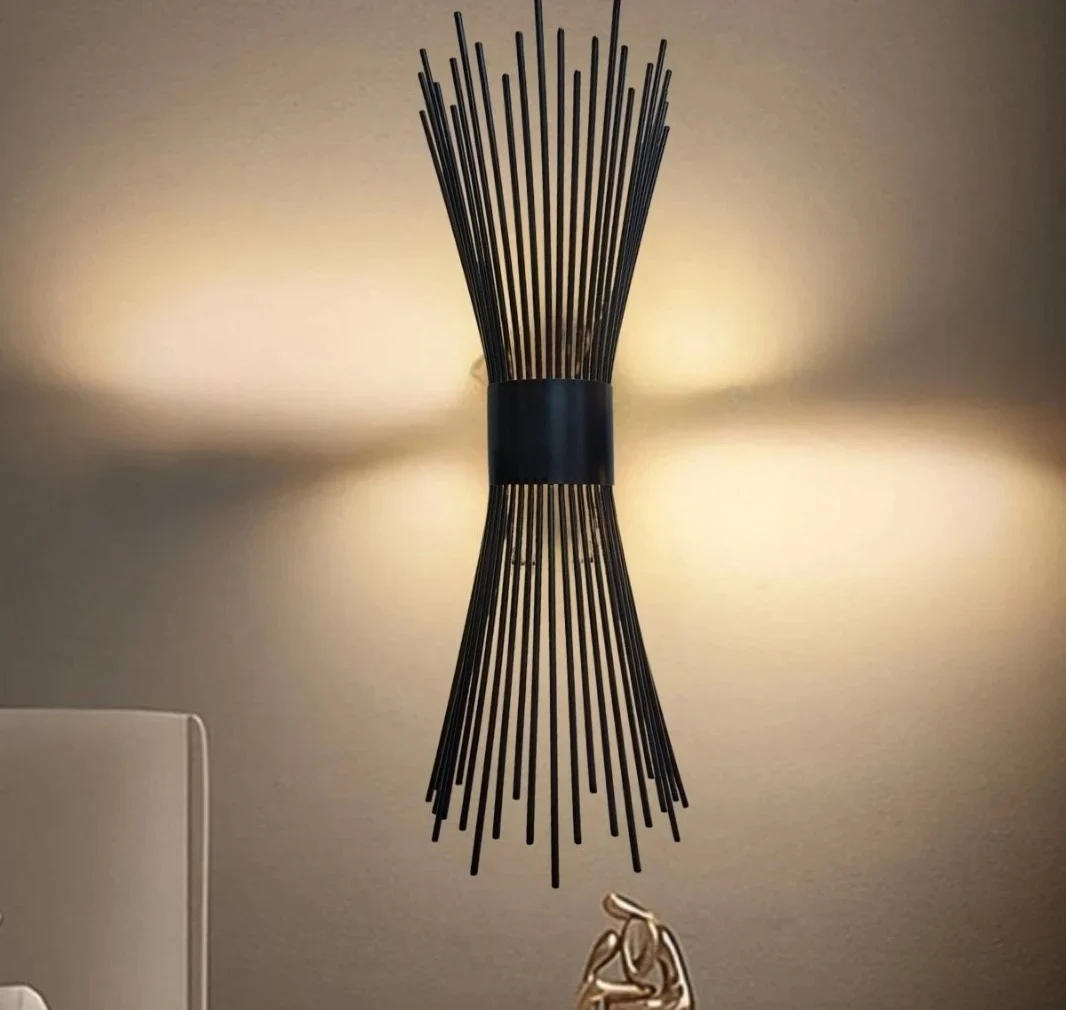
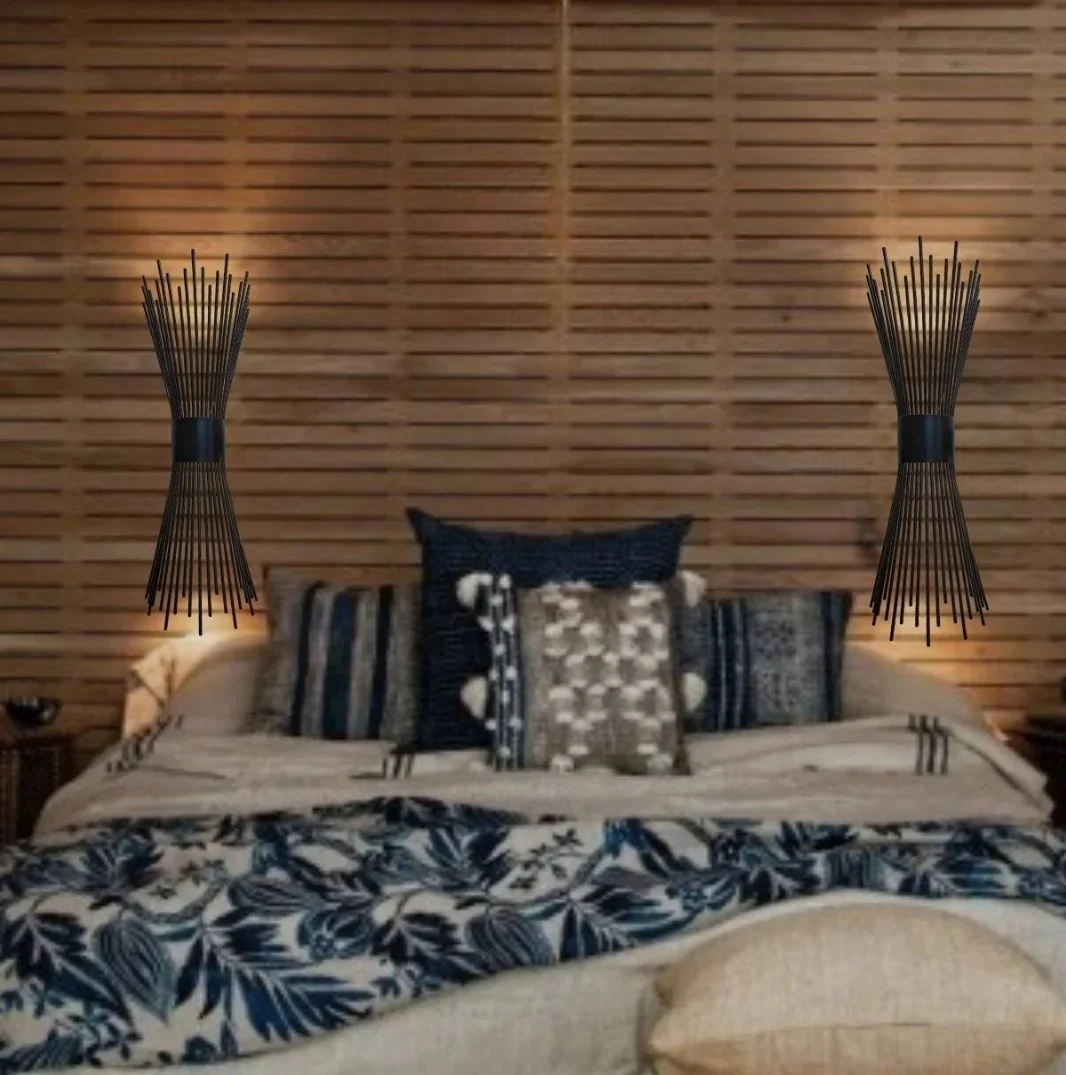
- Slim Wall Sconce — Battery & Mains, Minimal Profile
How do you judge light quality on a battery sconce?
On battery models the character of the light matters as much as its output. A small LED seen directly creates an uncomfortable bright point even at low power, so bodies with an opal or acrylic diffuser are easier on the eyes.
Colour temperature is the second criterion. Warm tones give a brightness at night that does not disturb the transition to sleep, while more neutral tones are preferred in front of a mirror or at a work corner where detail matters. Keeping the tone consistent between fixtures in the same room keeps the space looking tidy.
The third criterion is beam angle. A narrow beam leaves a sharp shaft of light on the wall and suits accent use; wider models give a softer, broader brightness and feel more natural in circulation areas.
How do you maintain a battery-powered sconce?
Maintenance comes down to two things: the batteries and the surface. Removing the cells from a fixture that will not be used for a long time prevents leakage and the corrosion that can build up around the contacts.
On the surface, the diffuser is what matters: one that has collected dust visibly reduces the output, and the fixture starts to look as though the battery has run down. A dry or slightly damp cloth is usually enough; cleaners containing solvents can dull an acrylic surface.
How do battery and wired sconces compare?
The two types are not alternatives to one another but answers to different problems. The decision starts with whether there is wiring in the wall and ends with the light output you expect.
Battery-powered versus wired wall sconces
| Criterion | Battery-powered | Wired |
|---|---|---|
| Wiring needed | None | Cable inside the wall |
| Installation | Screwed or adhered | Requires an electrical connection |
| Rented homes | Suitable | Usually not suitable |
| Light output | Accent and wayfinding level | Can reach ambient lighting |
| Continuous use | Limited by battery life | Unlimited |
| Maintenance | Battery change or recharge | Bulb change on holder models |
| Relocating | Easy | Needs new wiring |
Related guides: What Is a Wall Sconce? Types, Uses and How to Choose, Wall Sconce Mounting Height: A Room-by-Room Guide. For your project you can review for product options see cordless sconce collection or for turnkey installation see our bedroom lighting solutions.