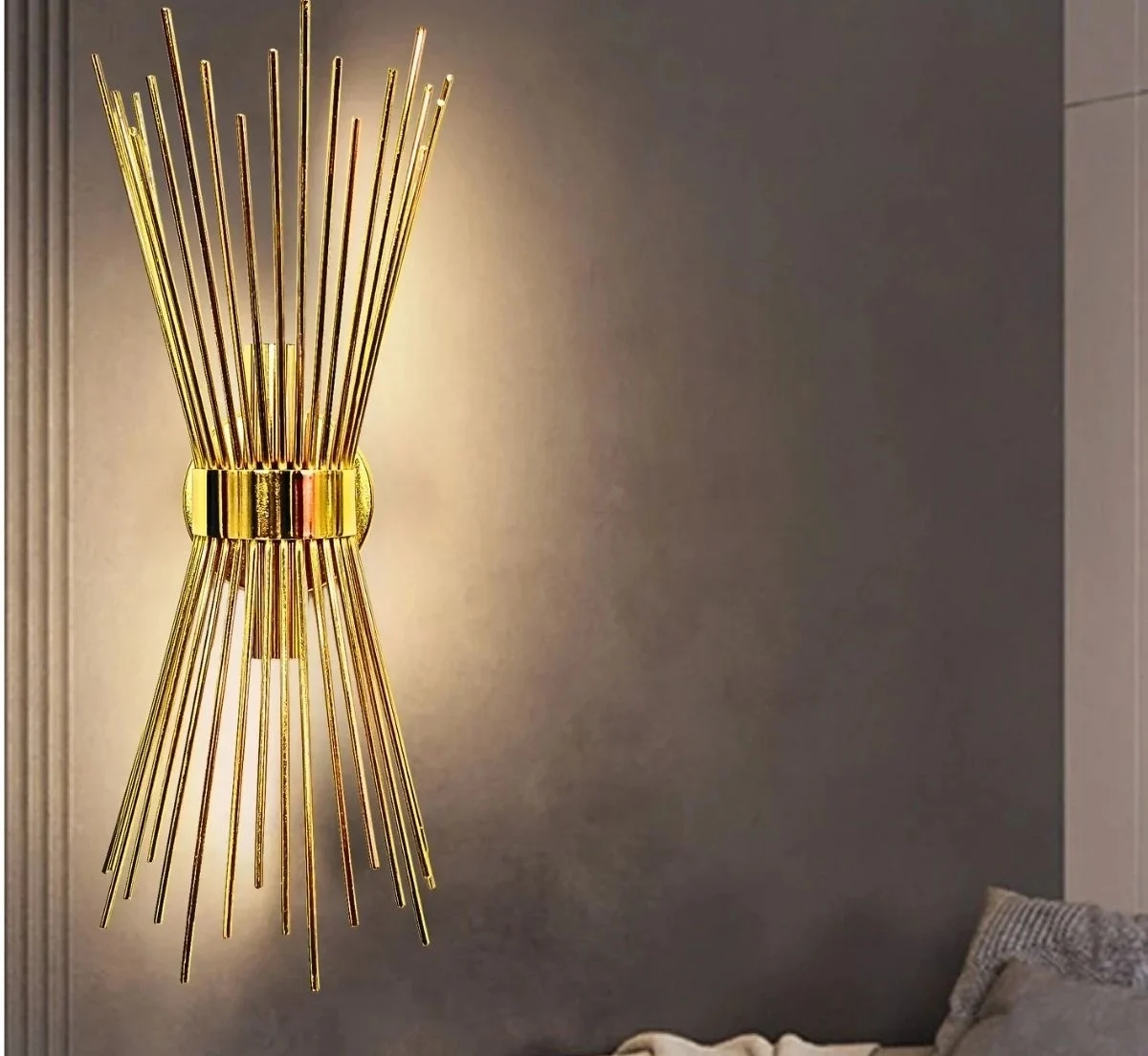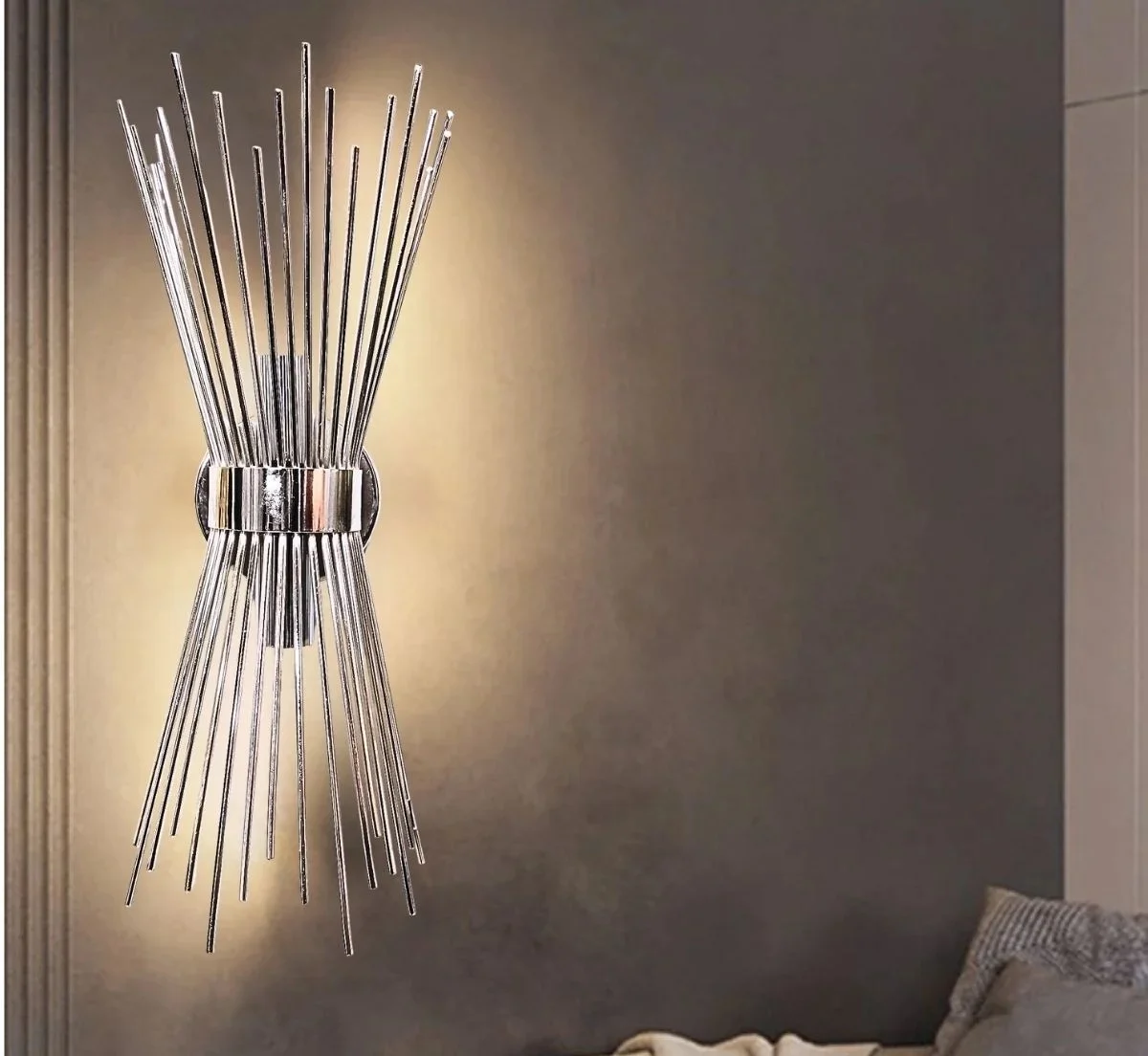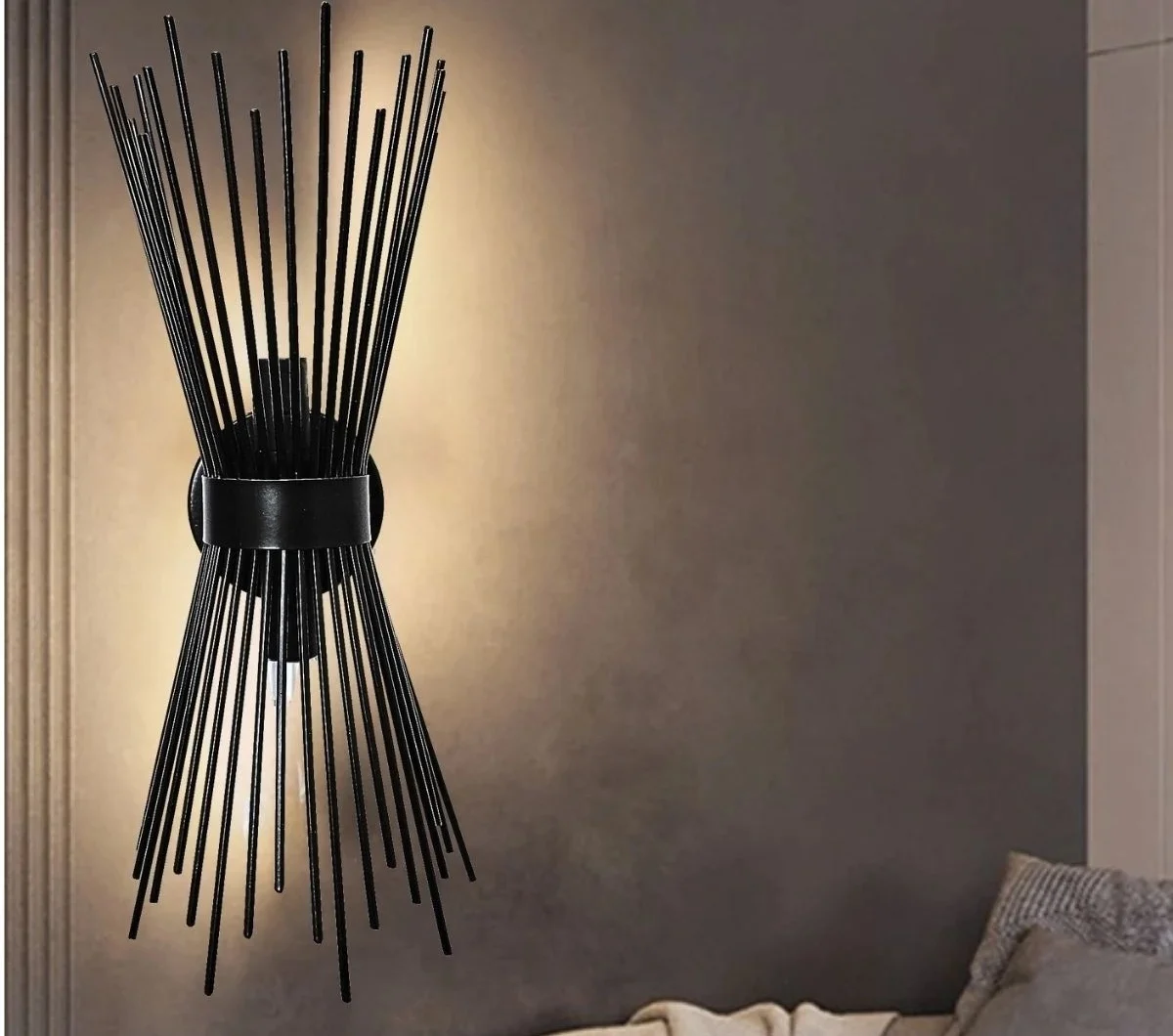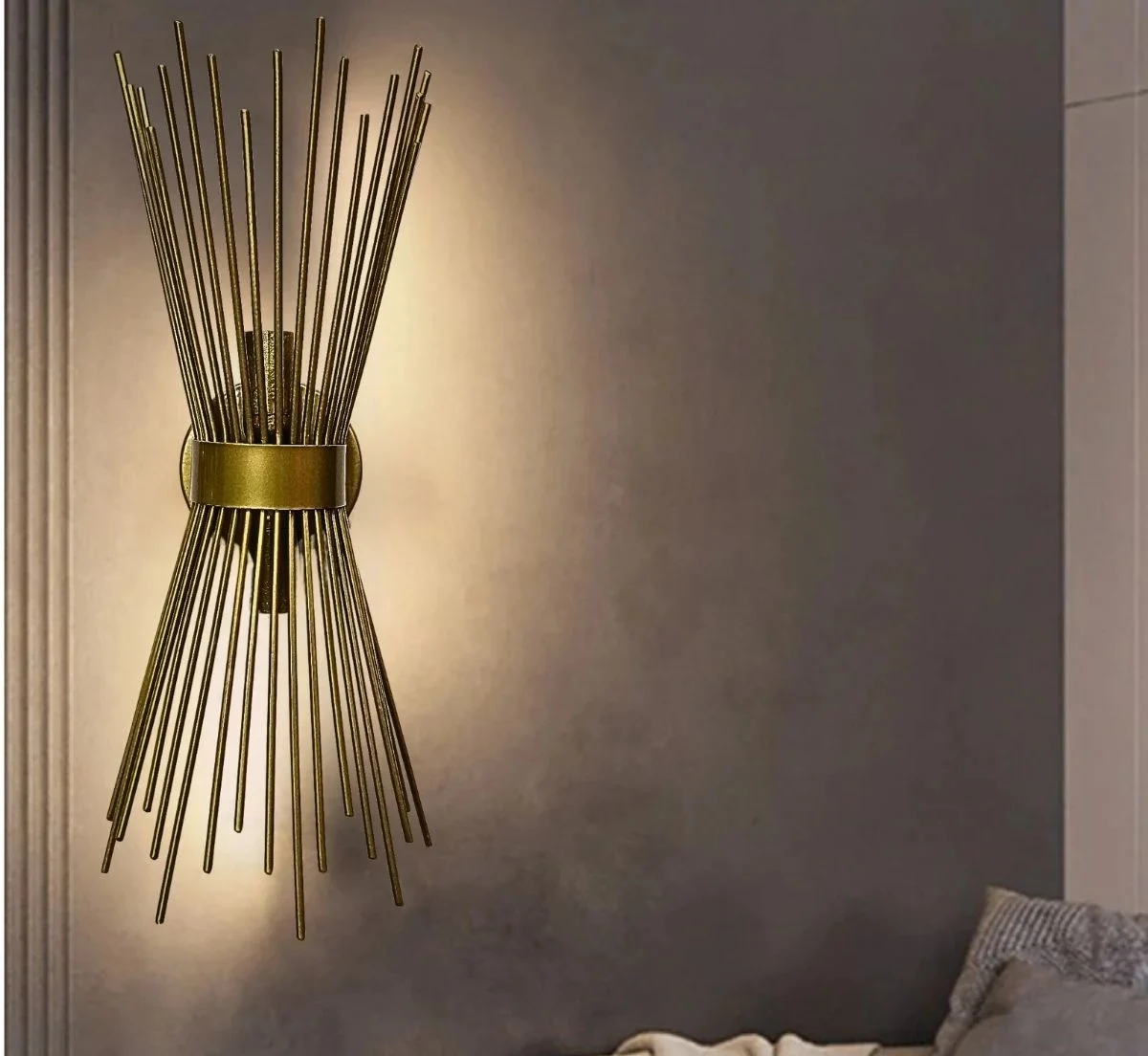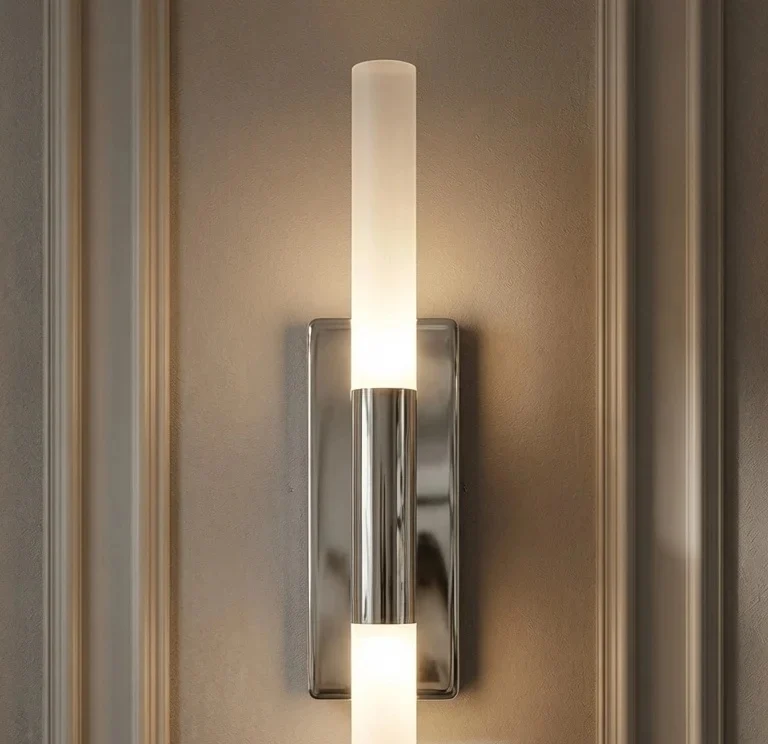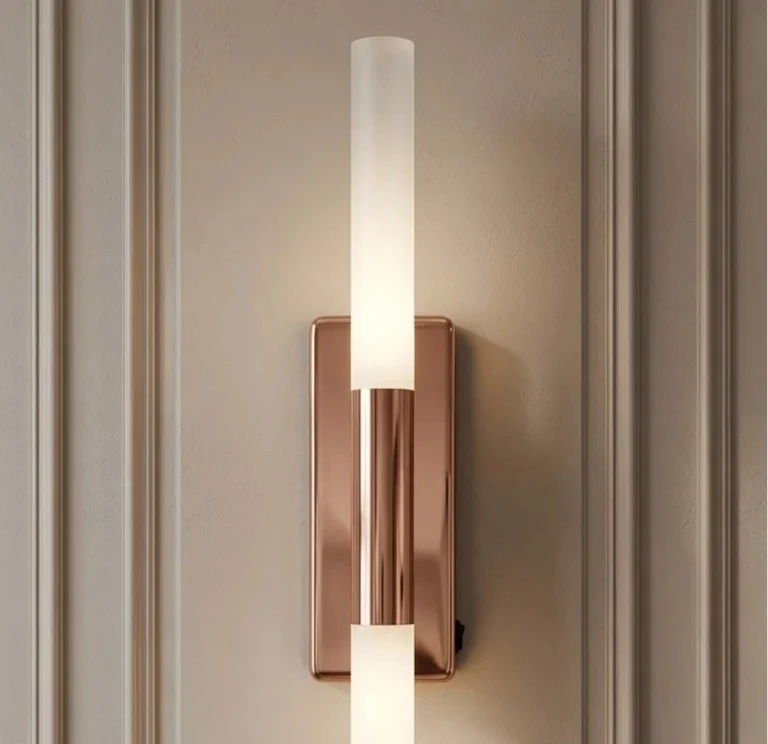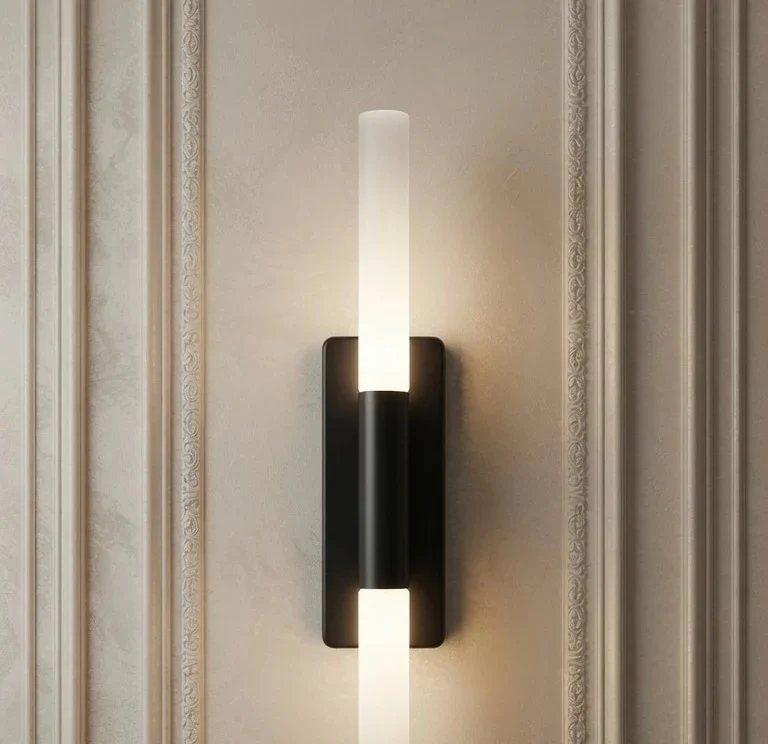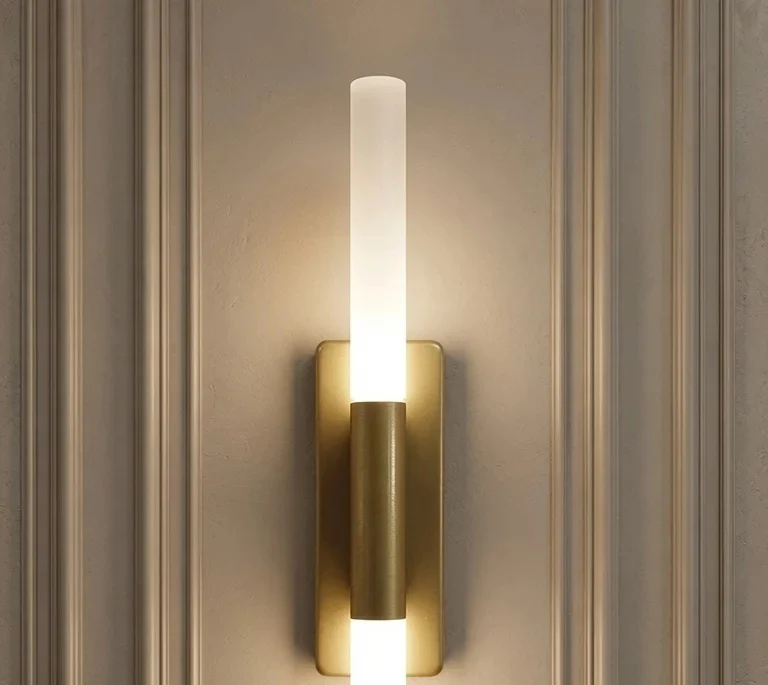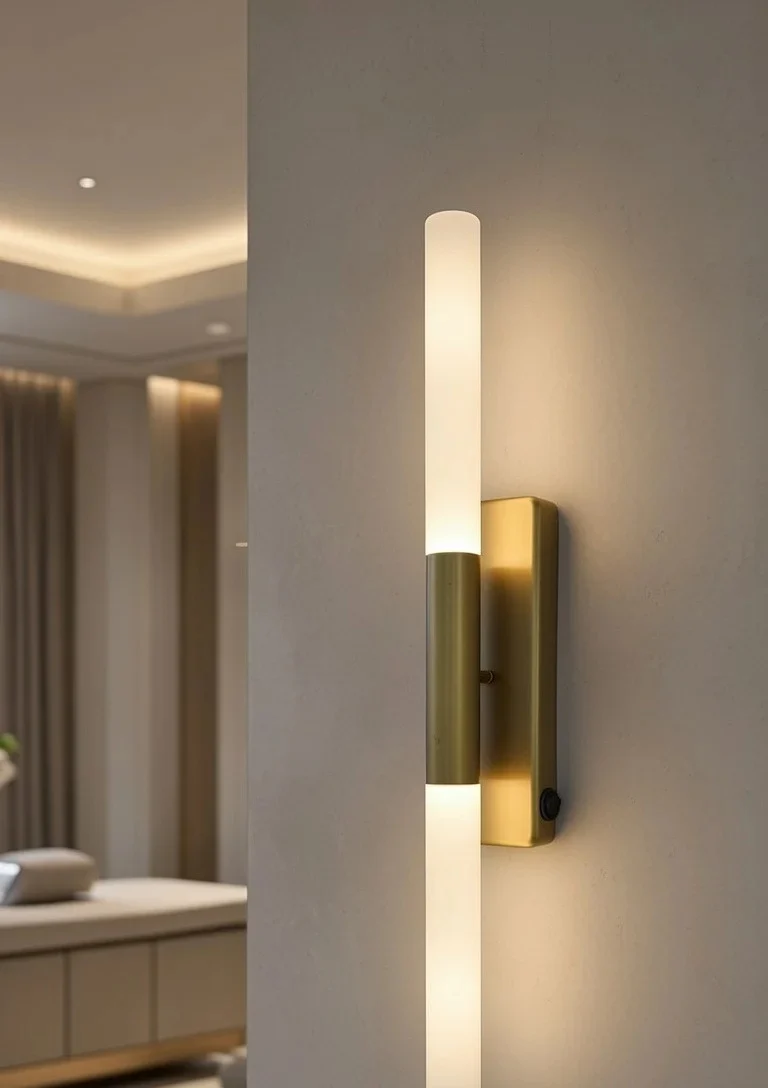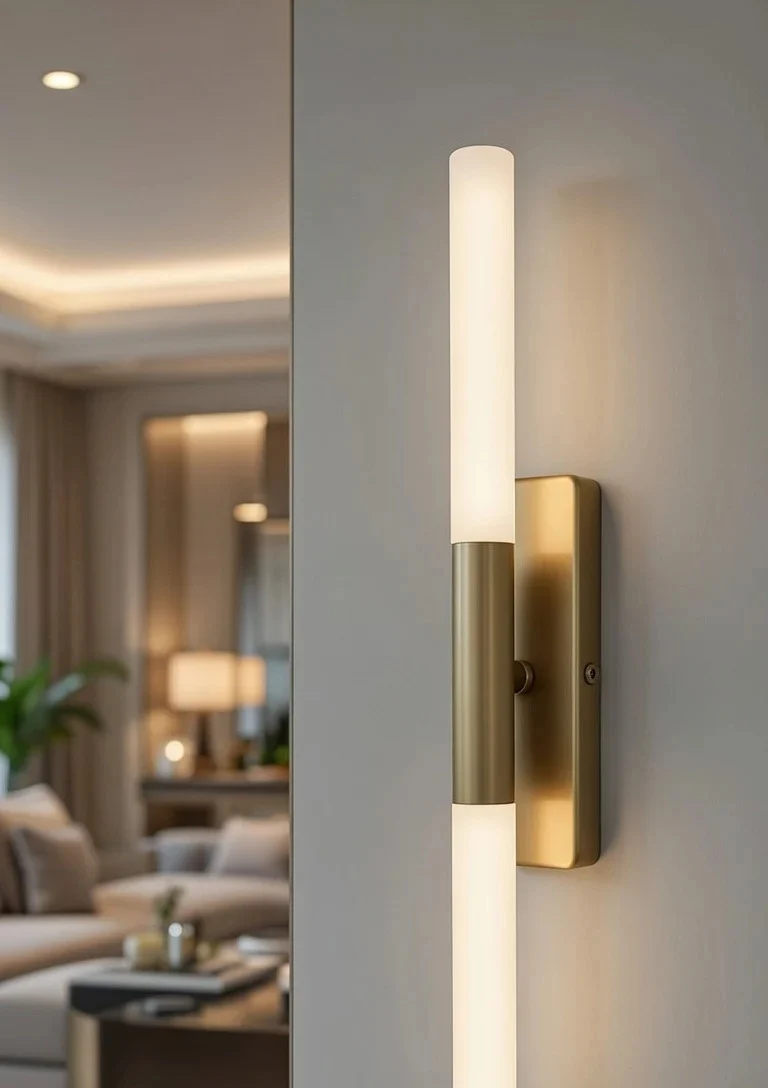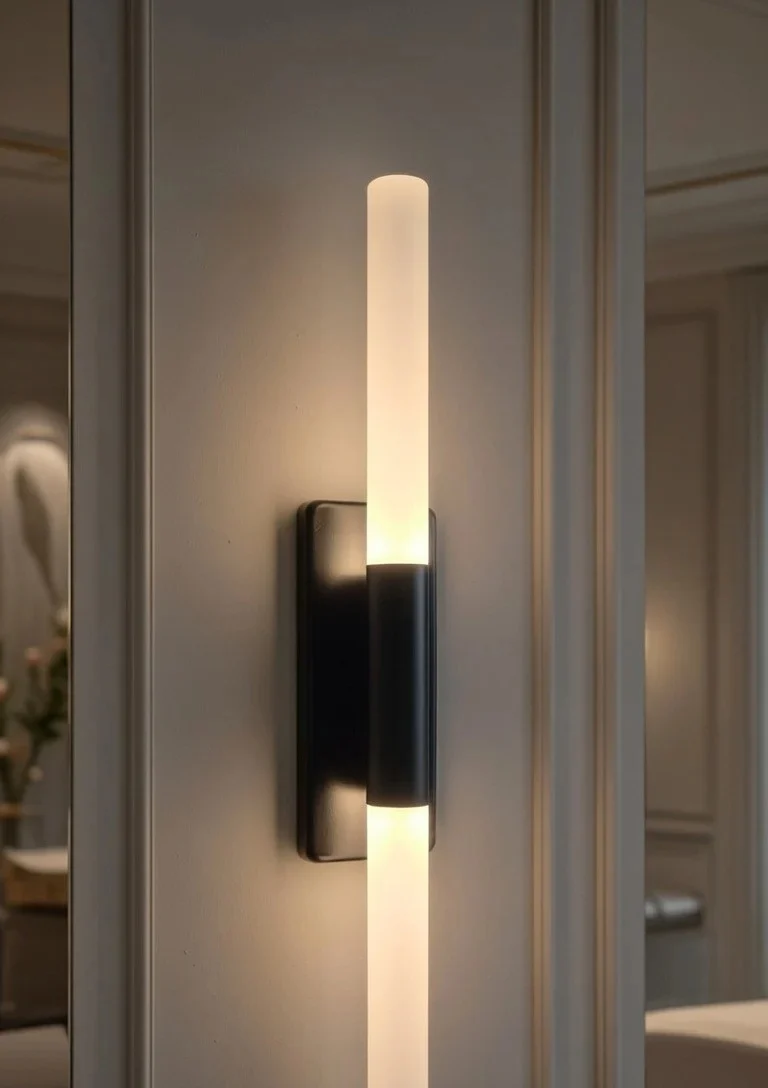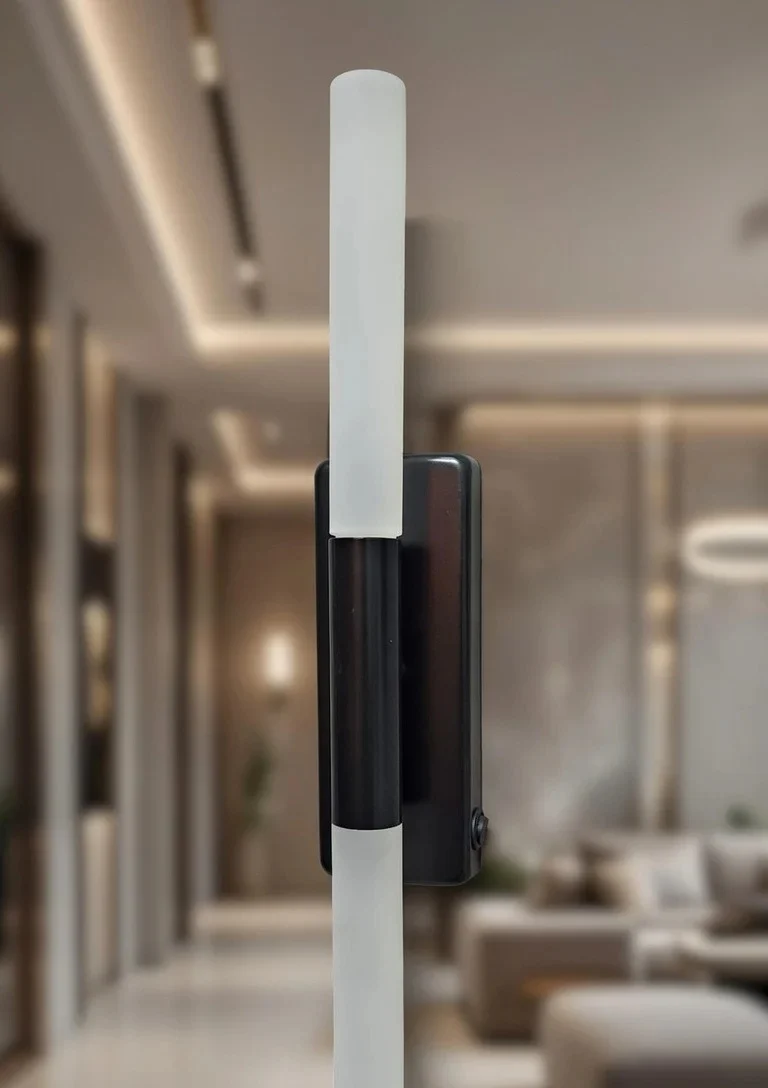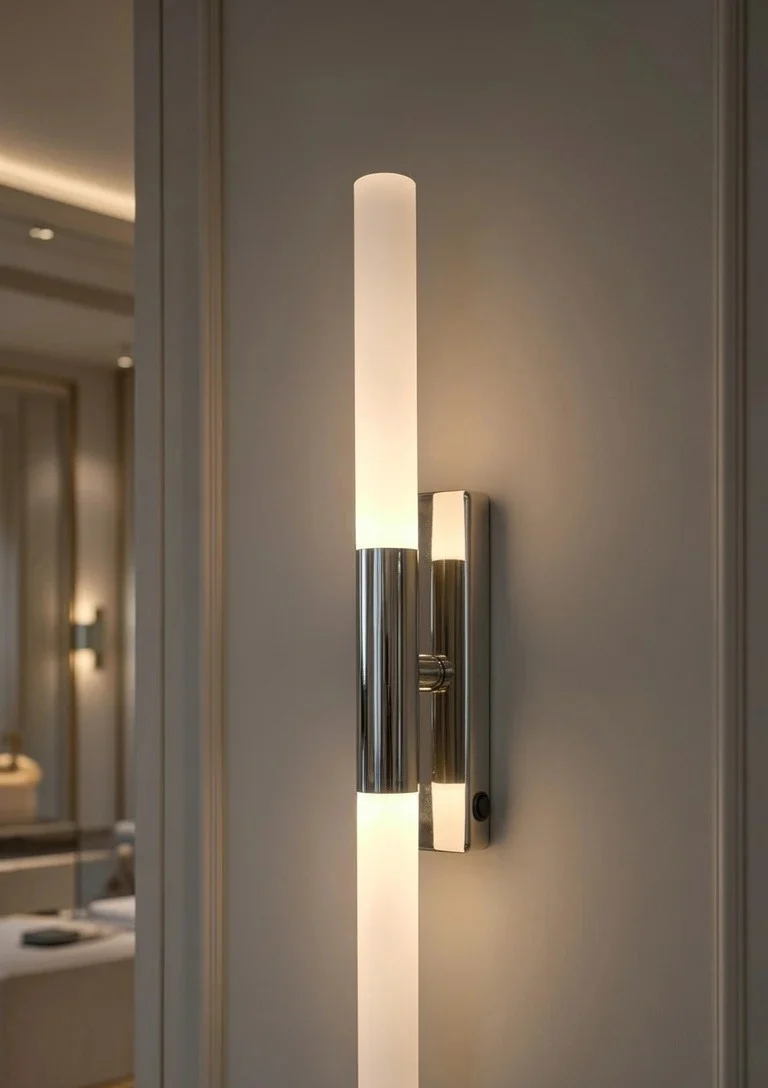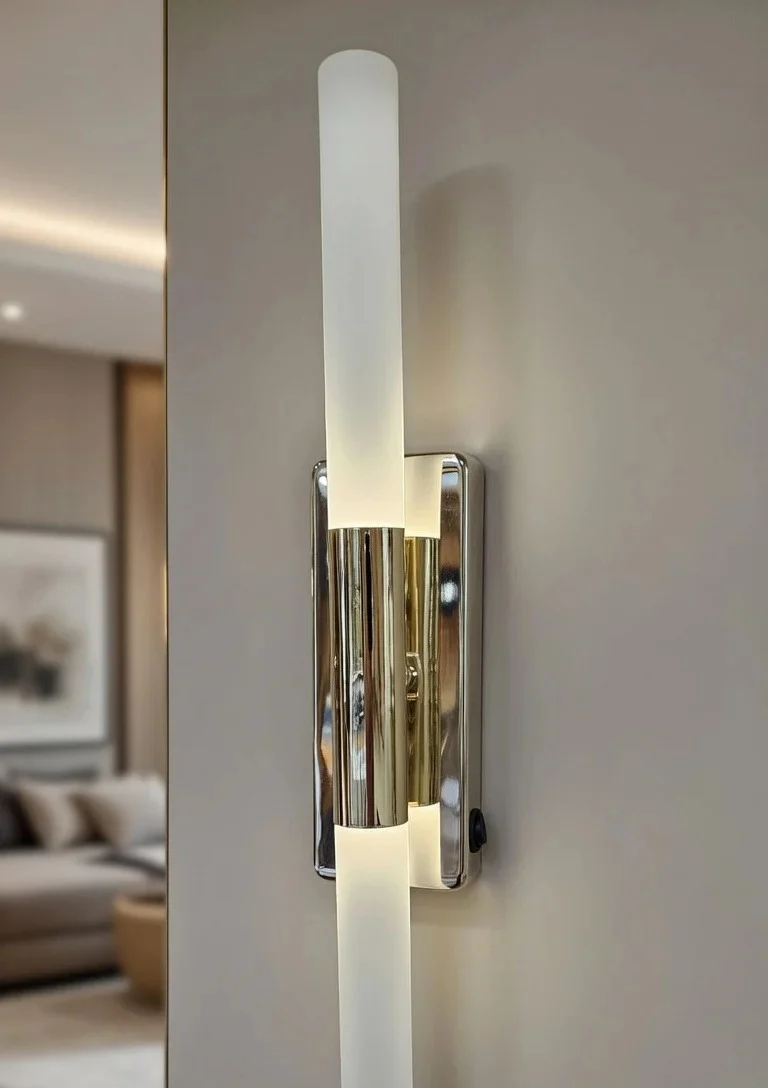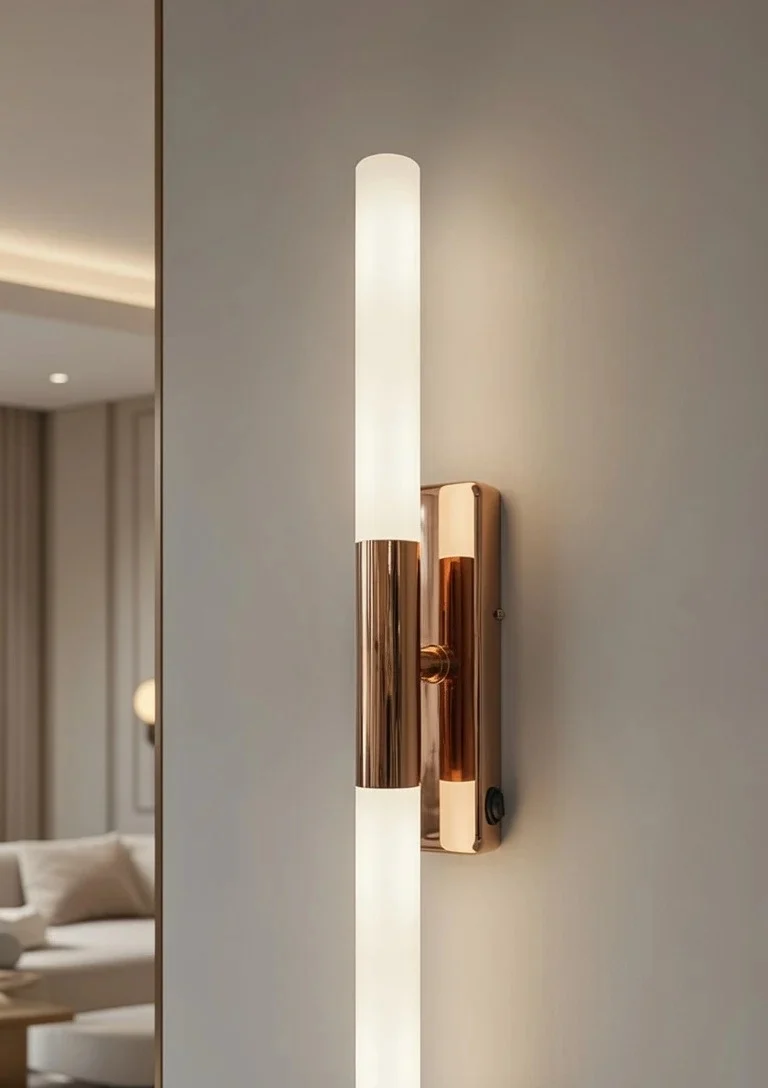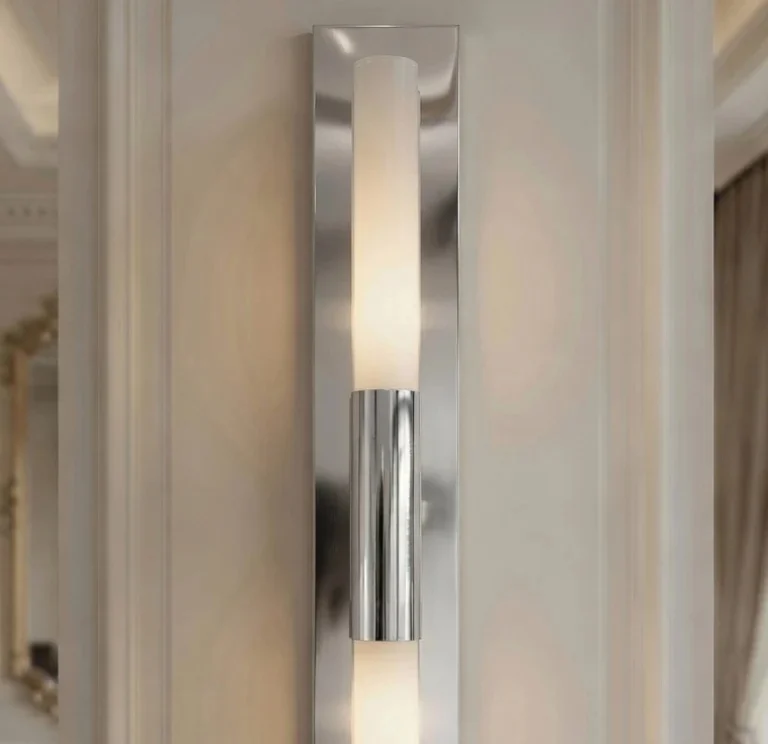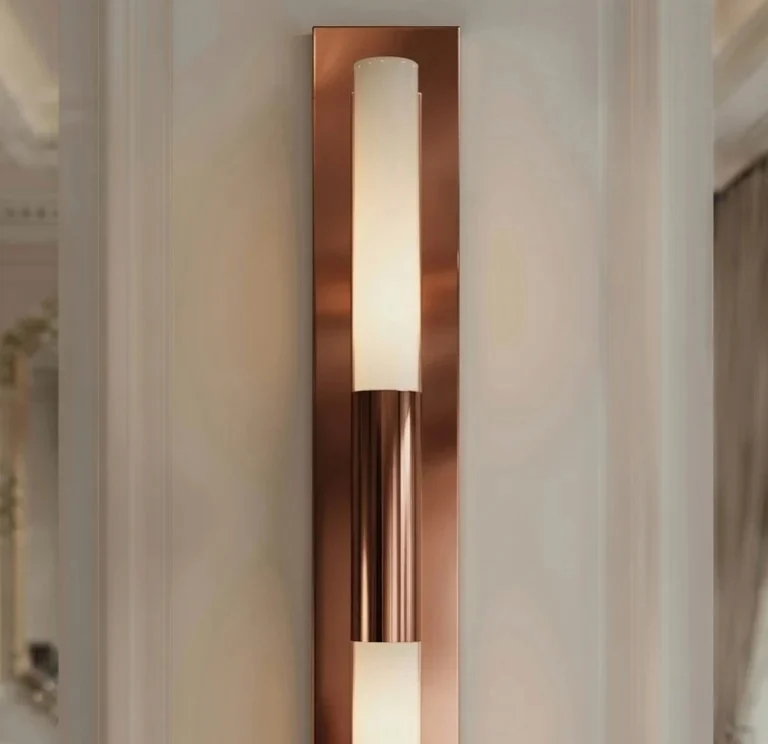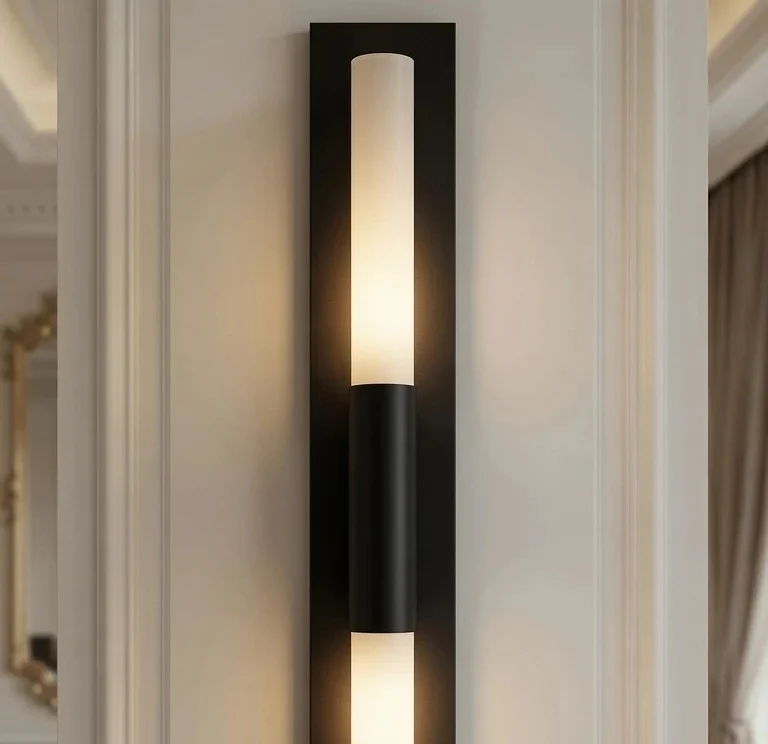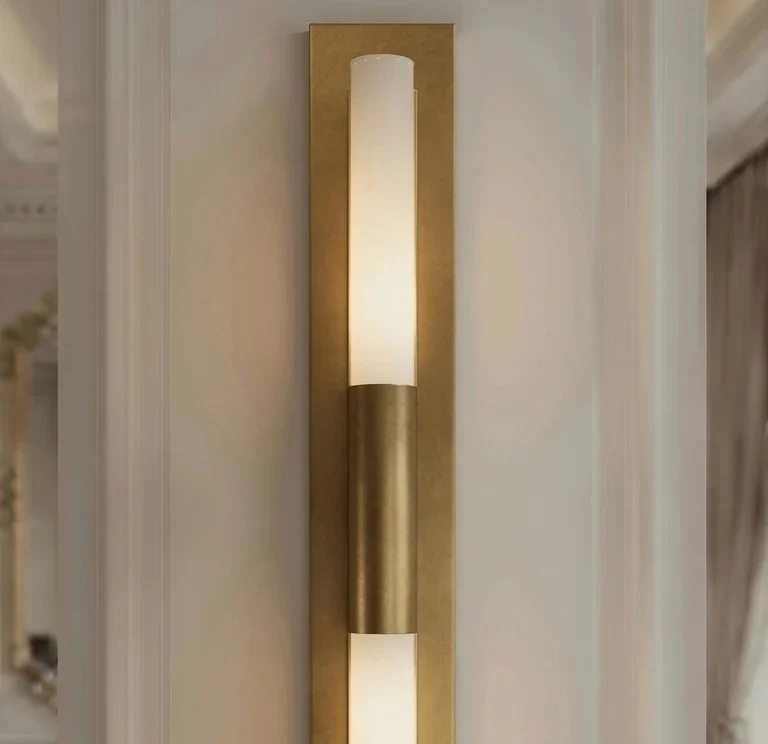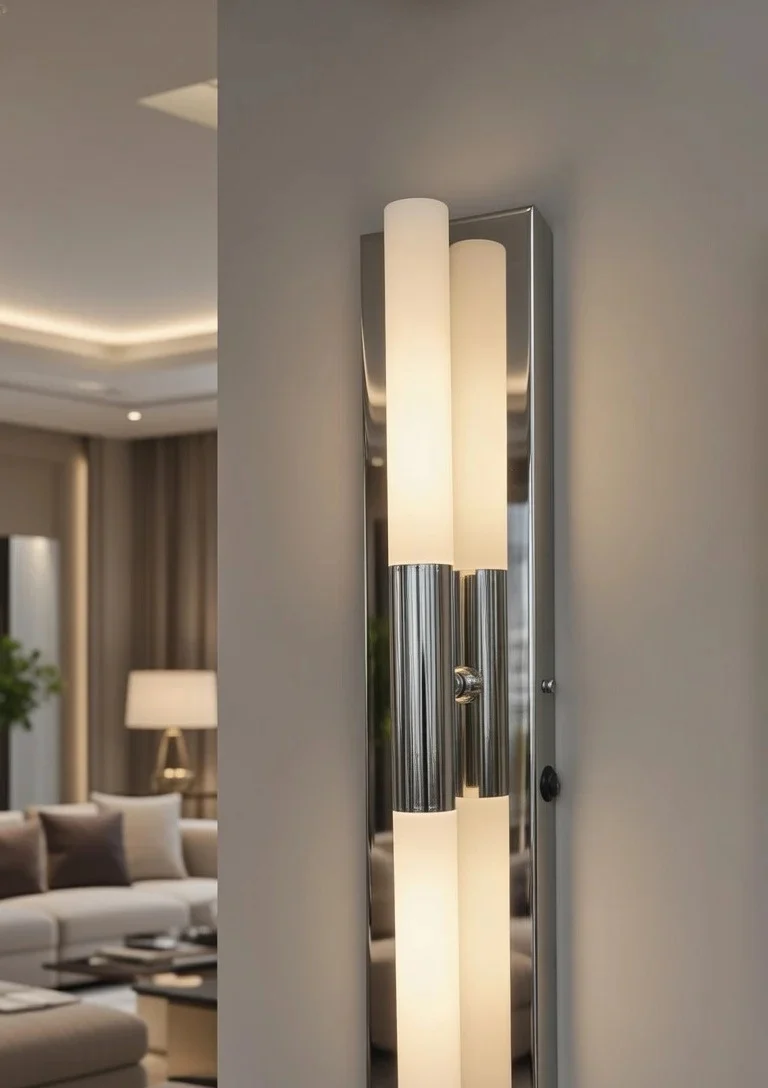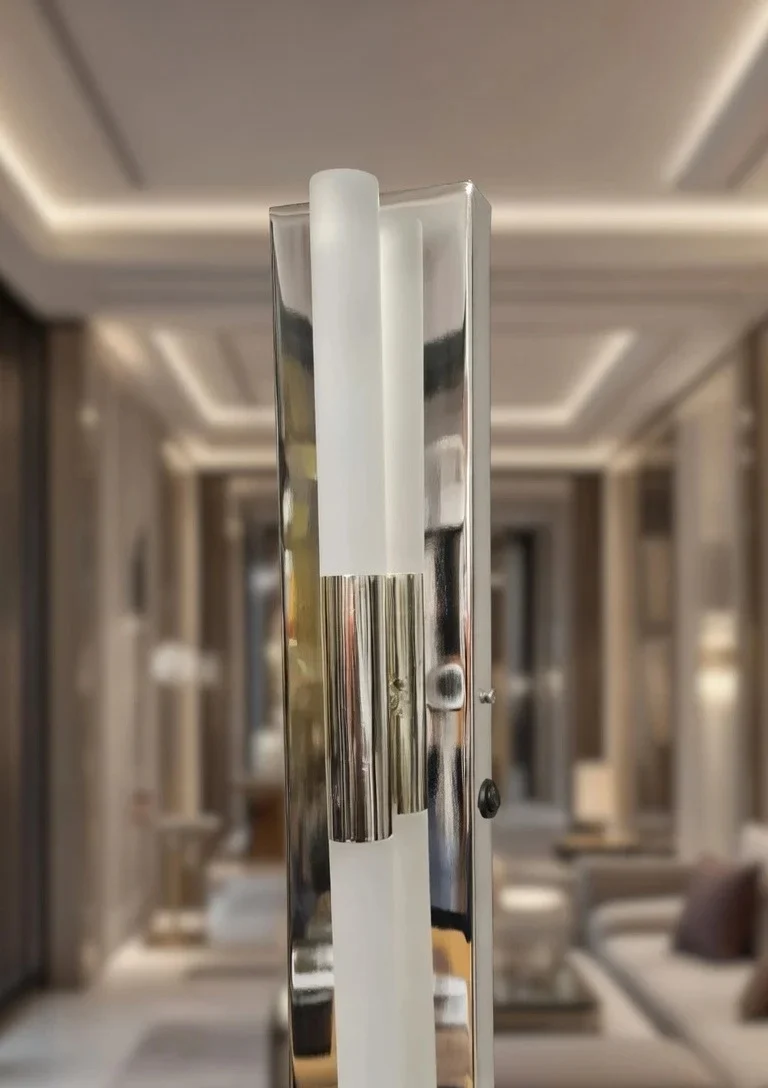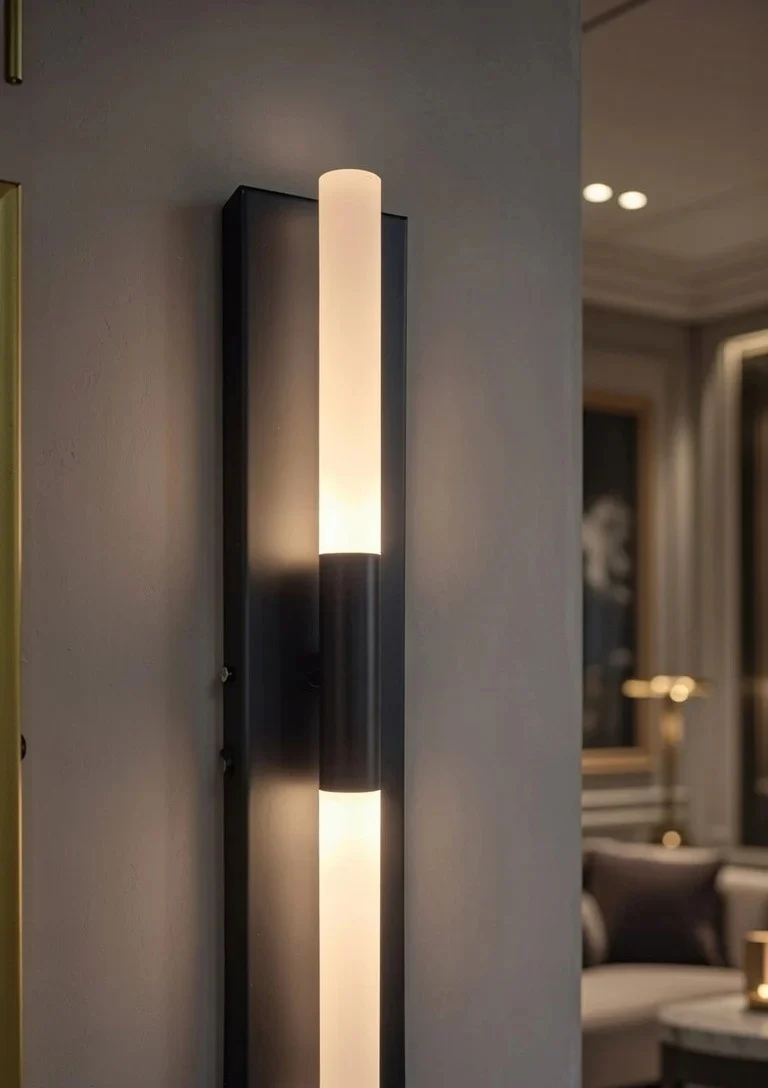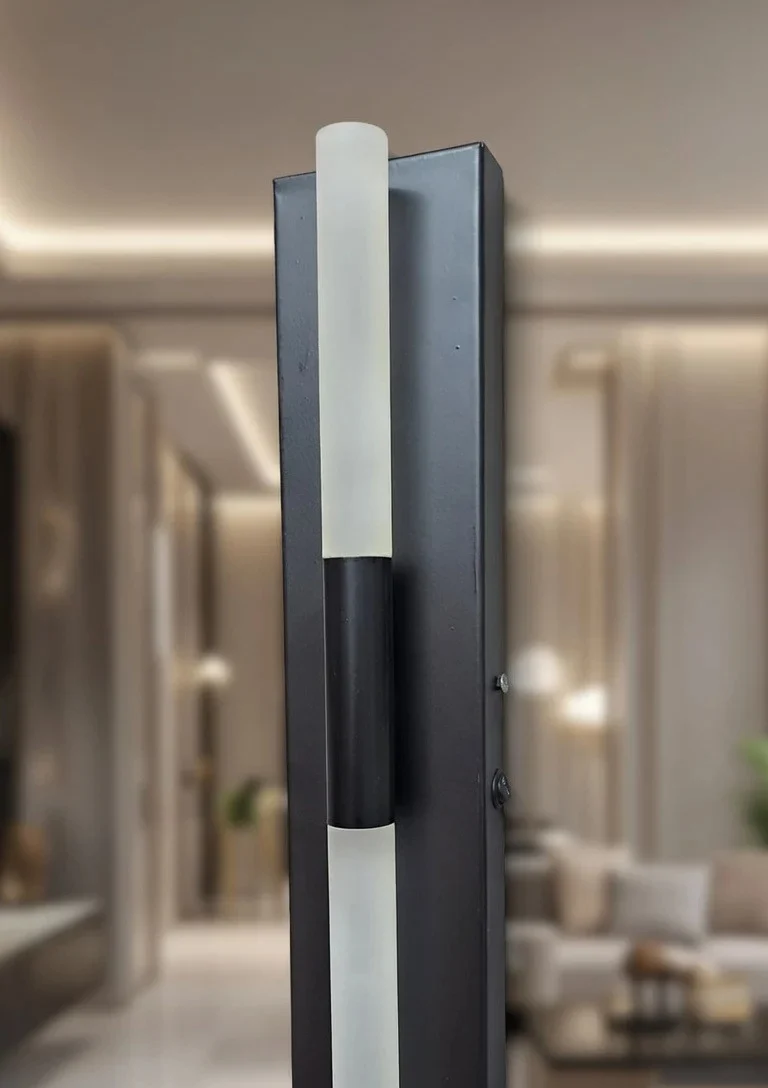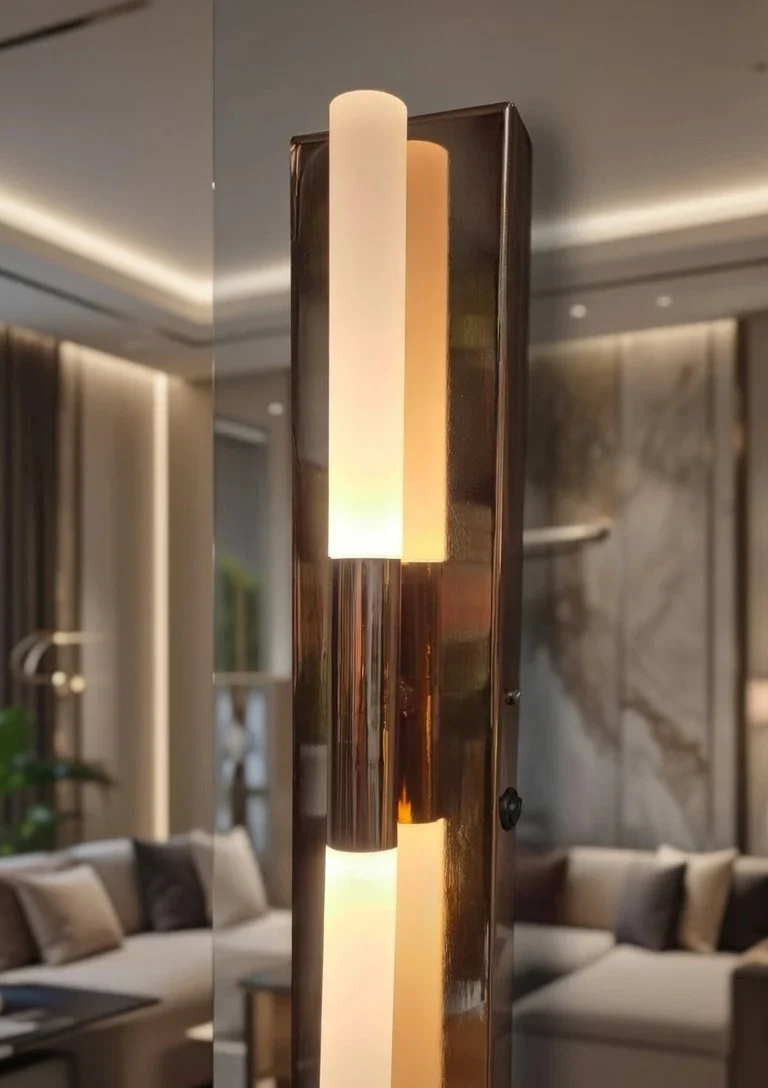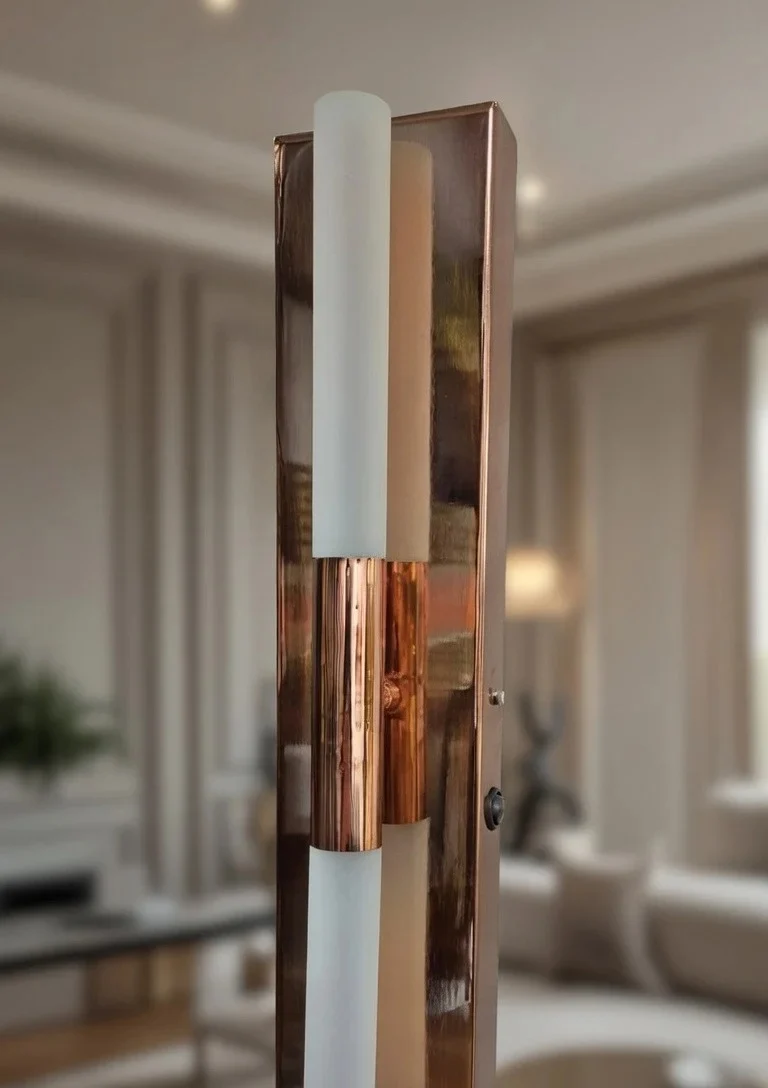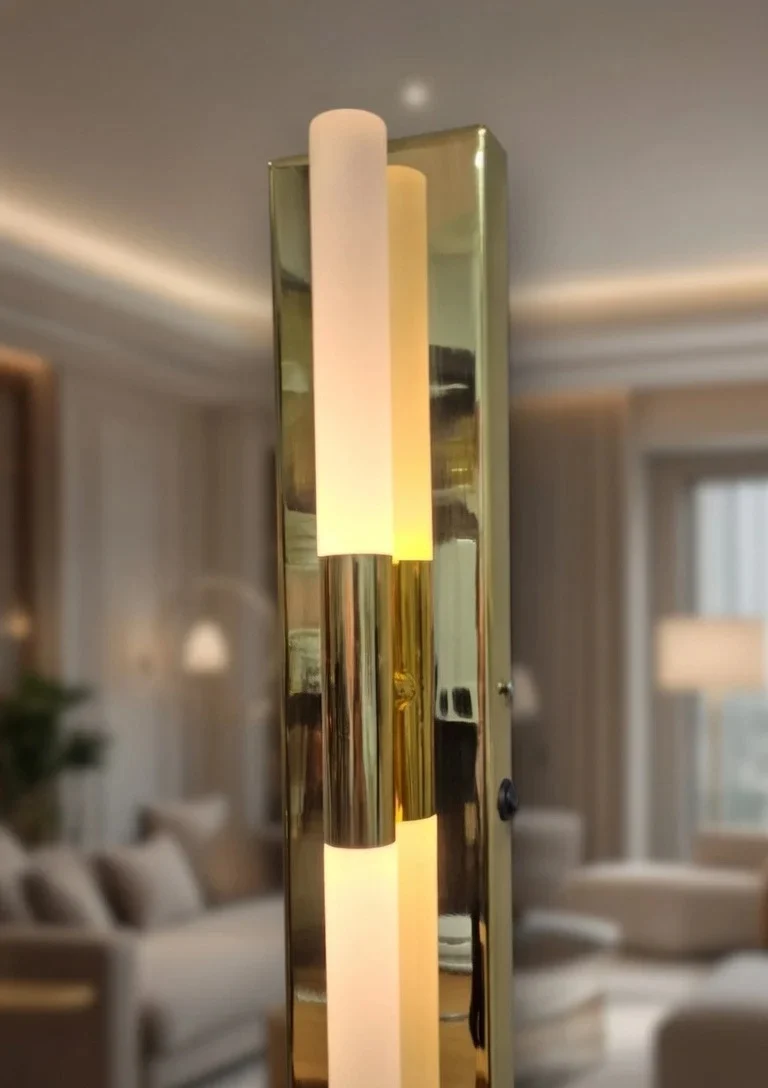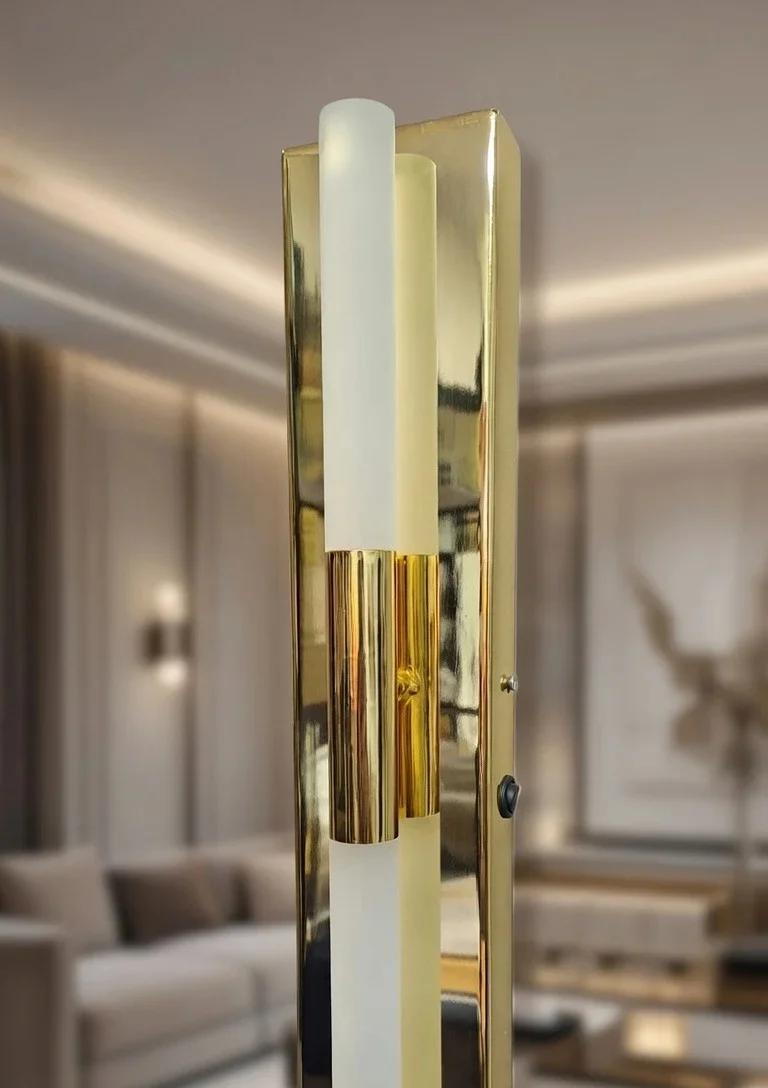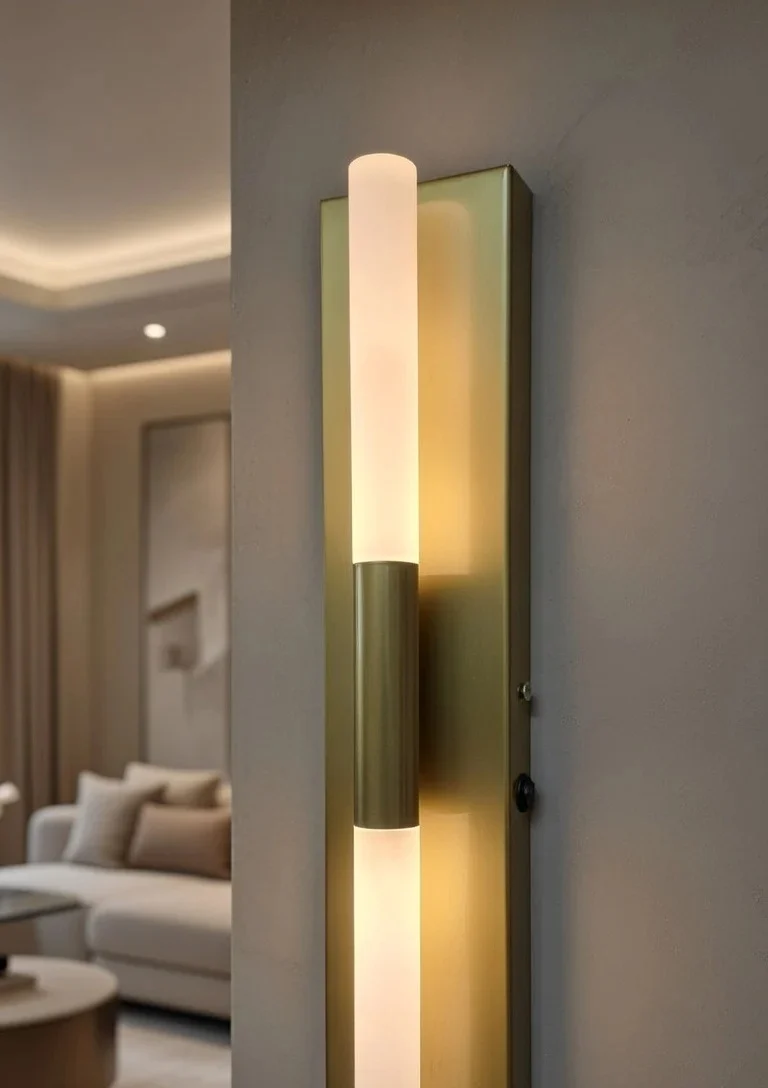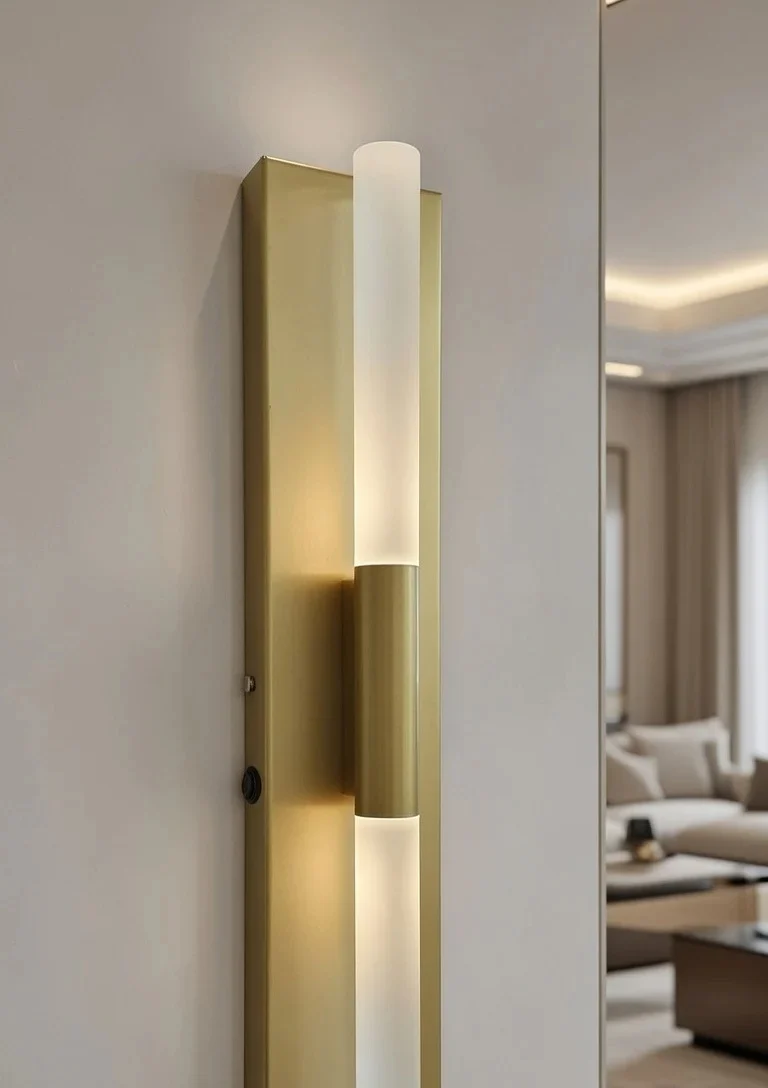

A wall sconce is a fixture fixed to the wall, generally used to highlight an area or to support the ceiling light. A single ceiling fixture lights the room from above and leaves shadows along the walls; a sconce fills that gap and makes the space look deeper. The sections below cover sconce types, which one works in which room, and the technical points to review before choosing.
What does a wall sconce do, and why isn't a ceiling light enough on its own?
Lighting design has three layers: ambient lighting makes the whole room visible, task lighting supports a specific activity such as reading or working, and accent lighting brings a texture, a picture or a wall forward. A single ceiling fixture only covers the first layer.
A sconce works in the second and third layers. It provides directional light for reading at the bedside, marks the walking line in a hallway, and makes a living room look wider through the light it throws on the wall. Having more than one light source in a room is also easier on the eyes: strong light from a single point raises contrast and causes fatigue.
What types of wall sconces are there?
Sconces are most usefully grouped by light direction, power source and body material. Light direction determines the effect in the room, the power source determines how easy installation is, and the material sets the character of the space.
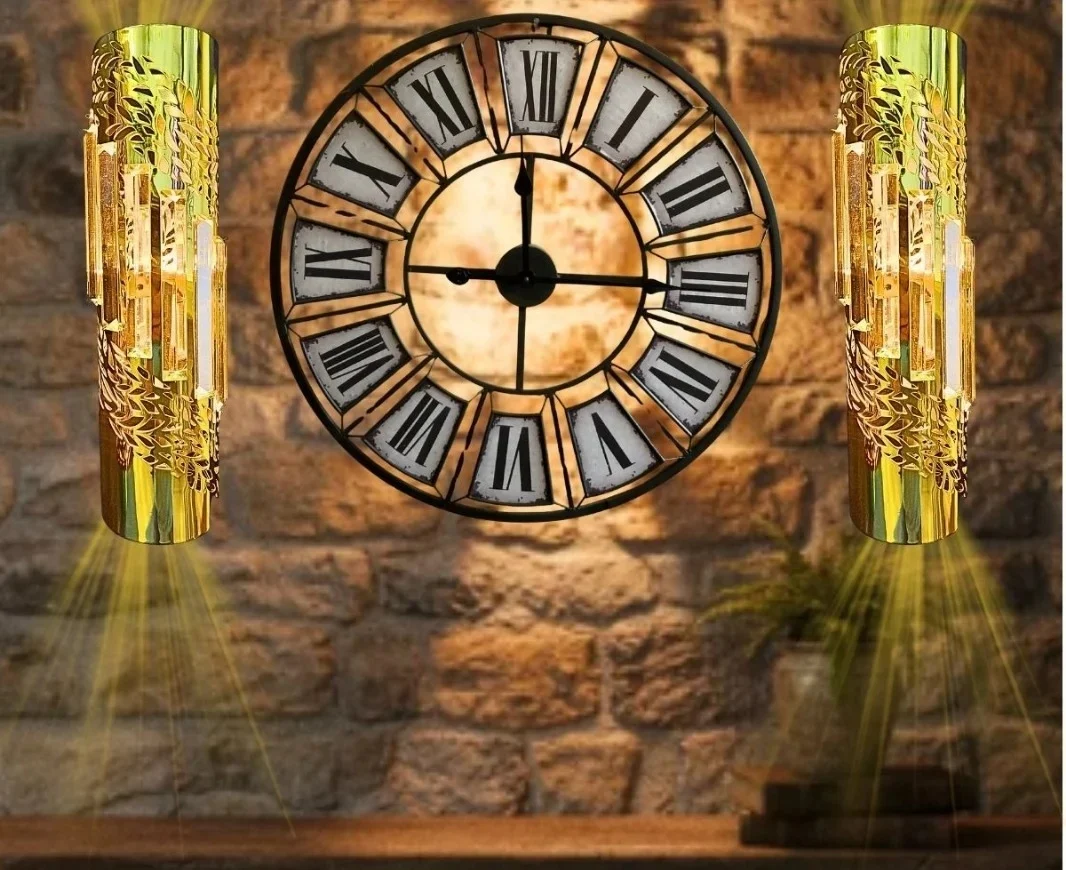
- Uplight: throws light onto the ceiling for soft, indirect brightness; makes the ceiling look higher.
- Downlight: sends light towards the floor; suitable for walking lines and reading.
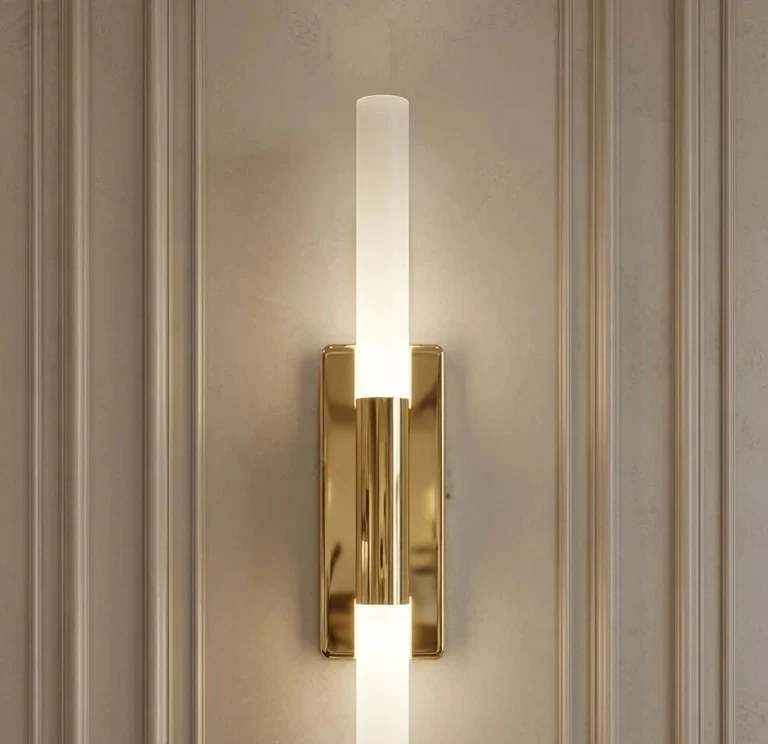
- Two-way: casts light both up and down, creating a symmetrical beam on the wall.
- Diffused (opal/acrylic): spreads the light and reduces glare; well suited to bedrooms and children's rooms.
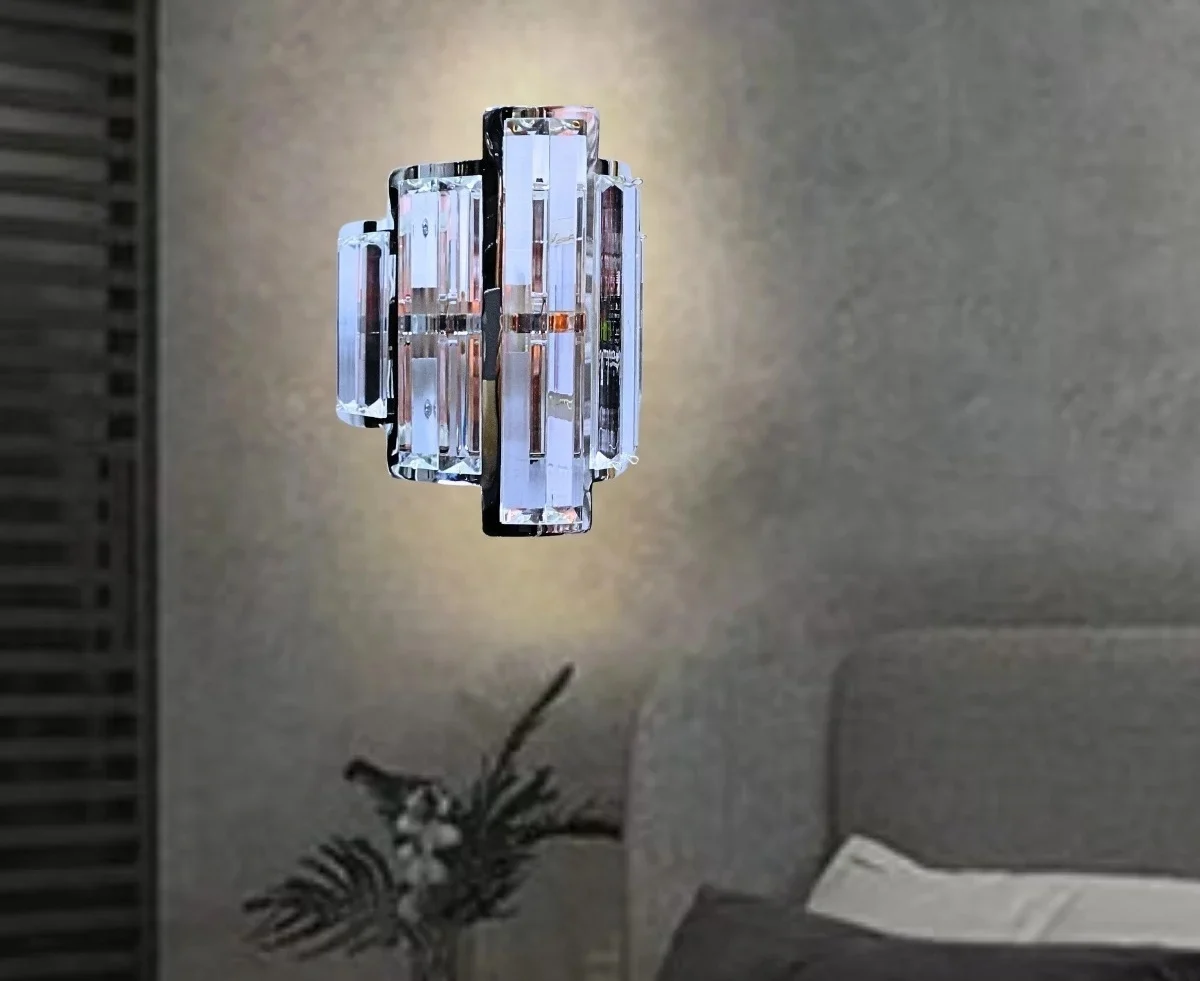
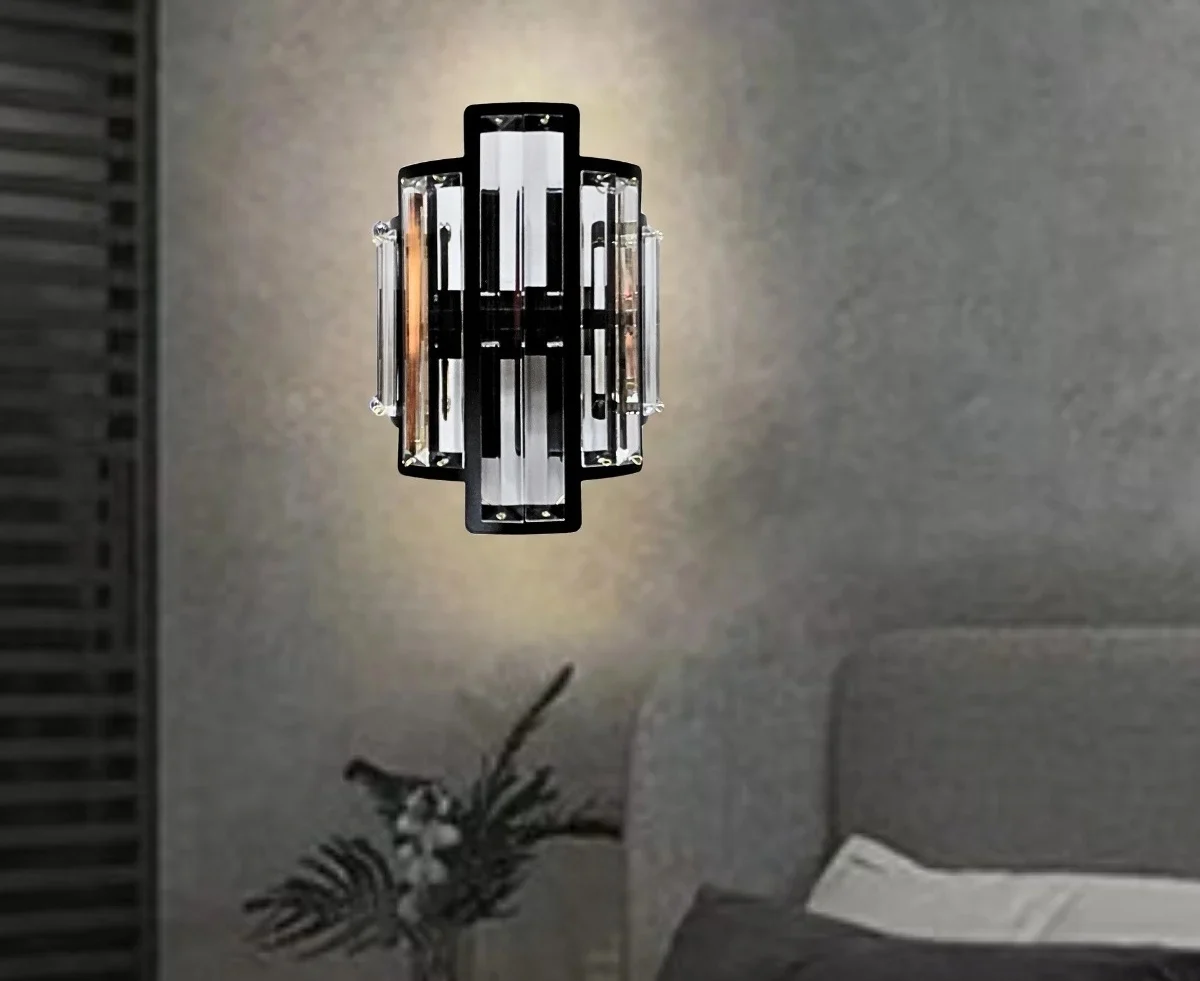
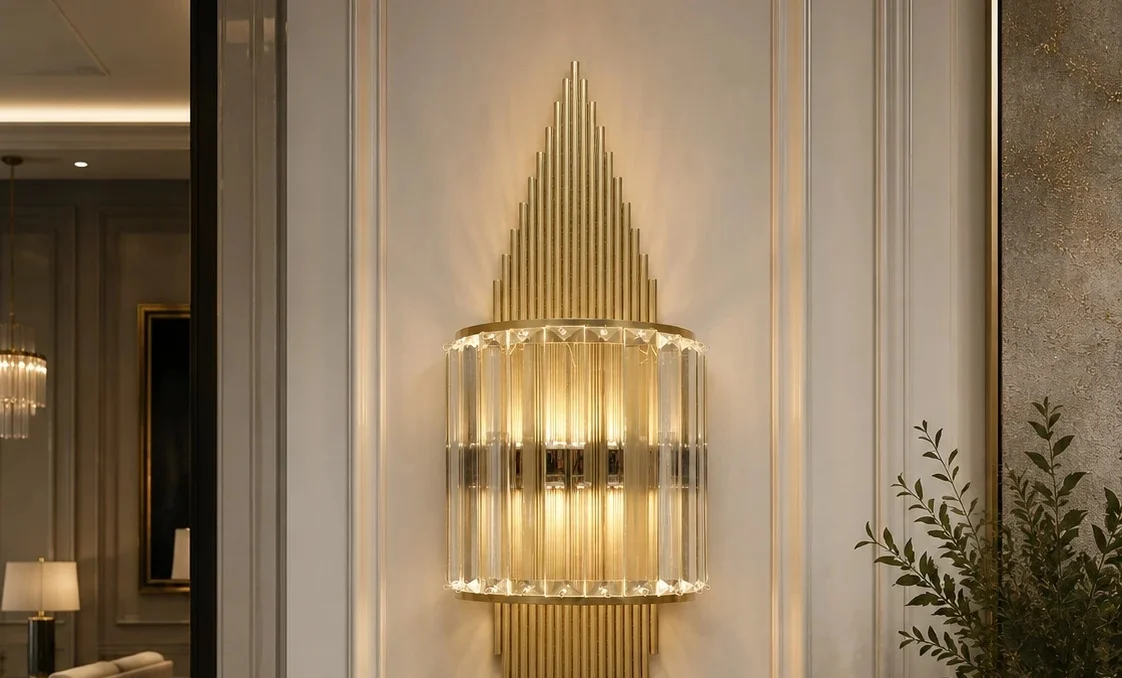
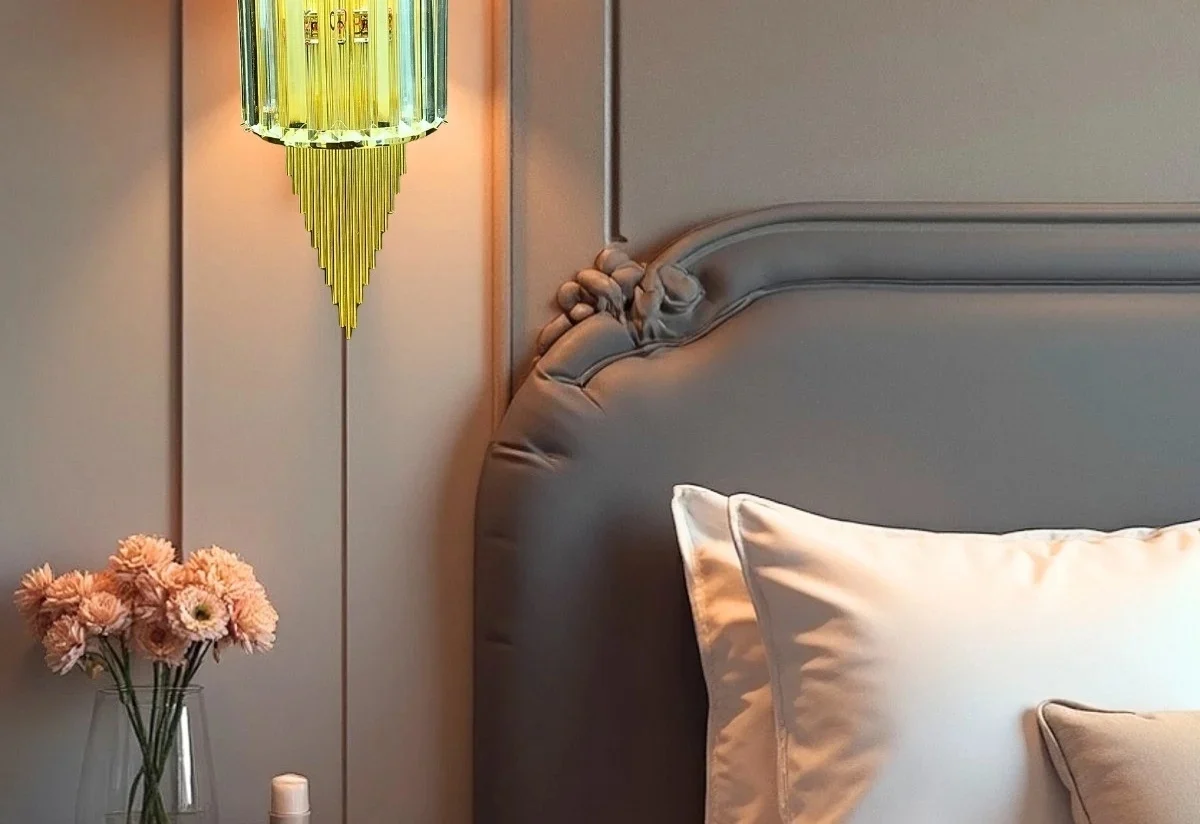
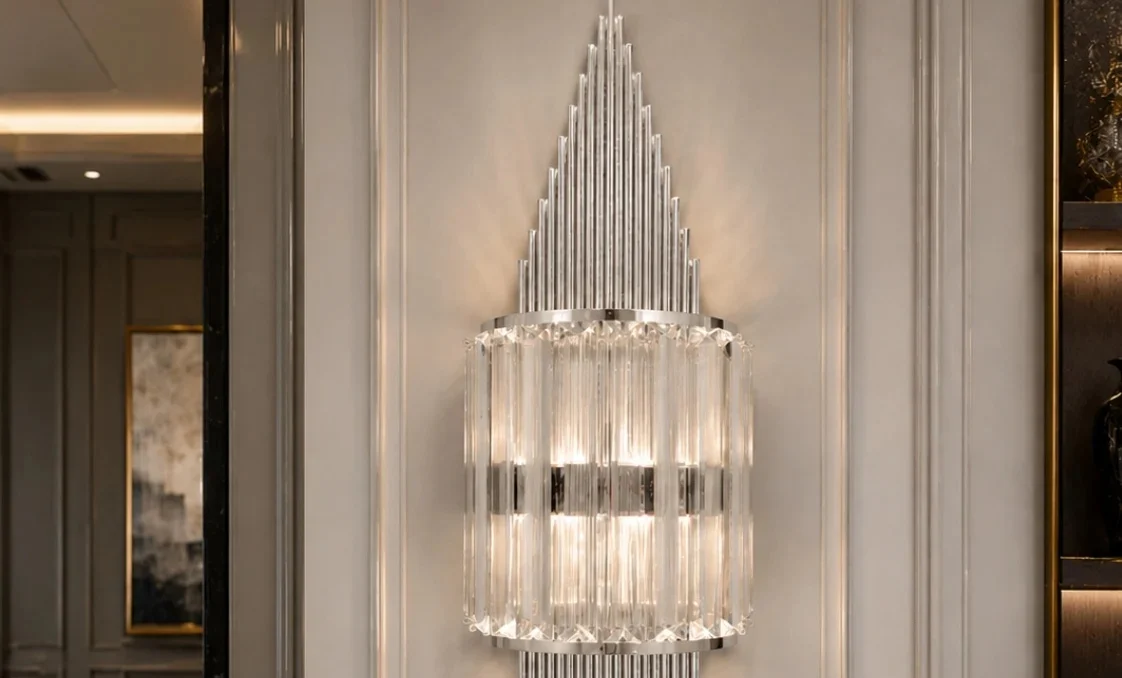
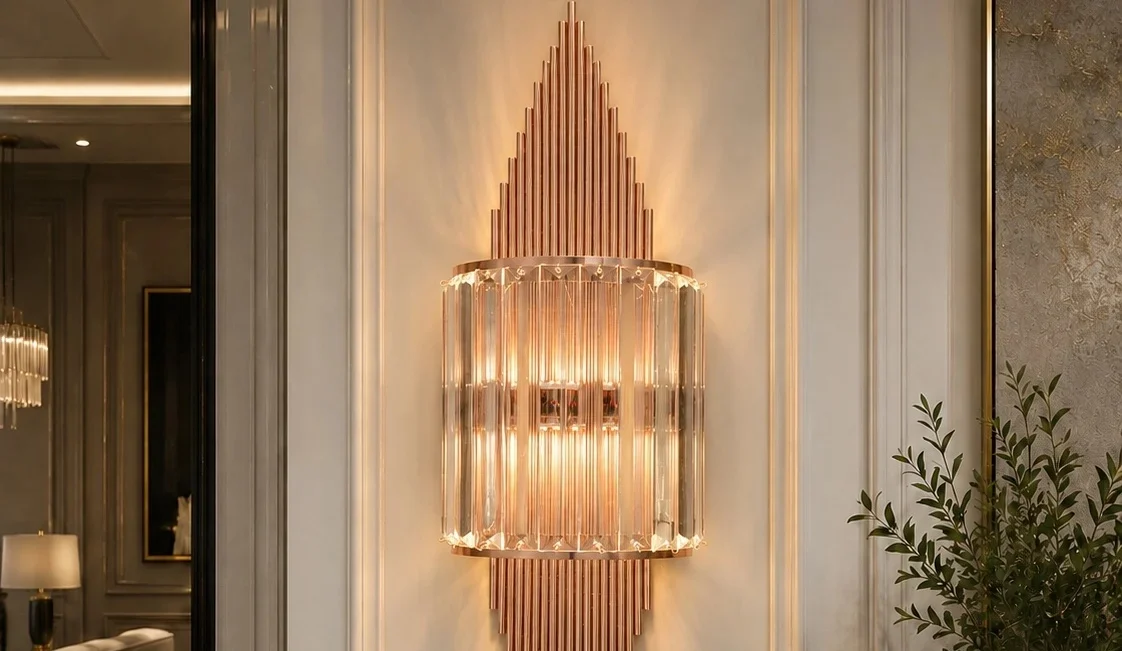
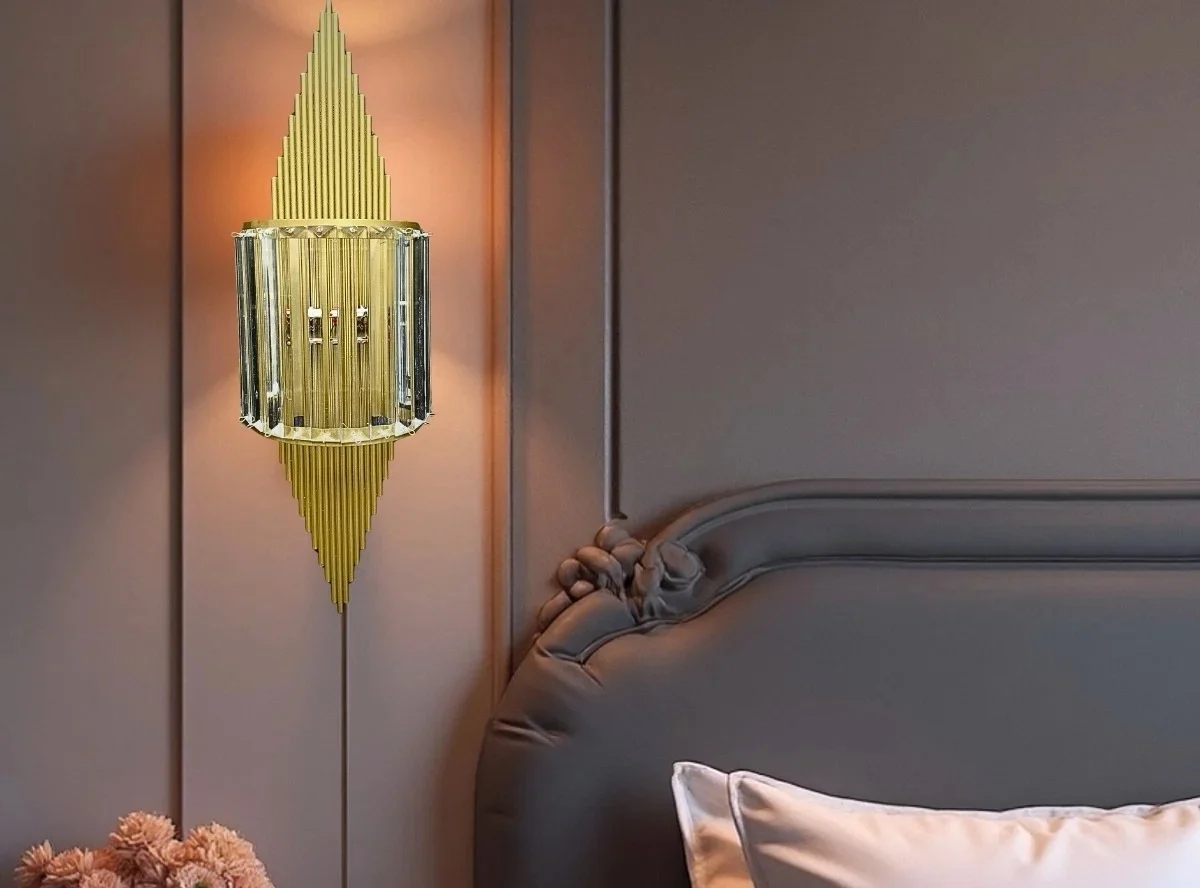
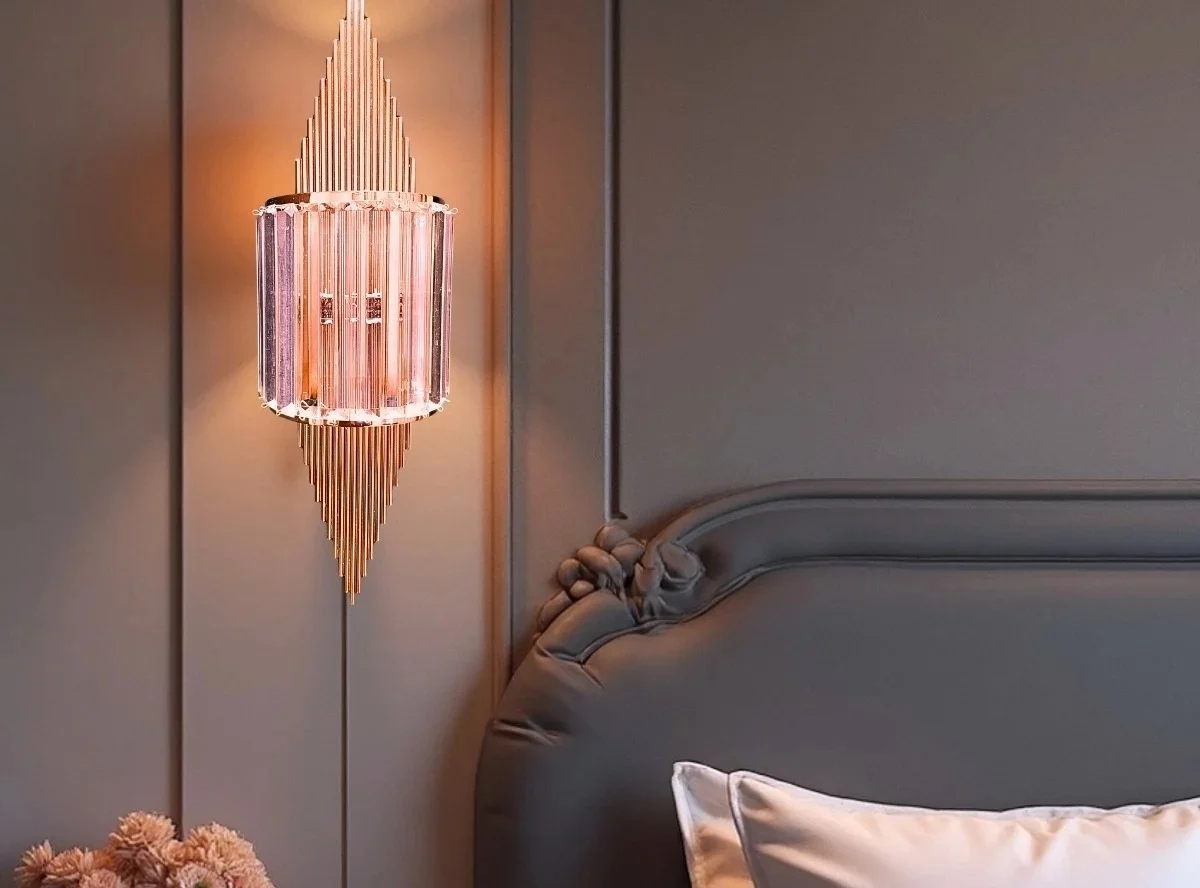
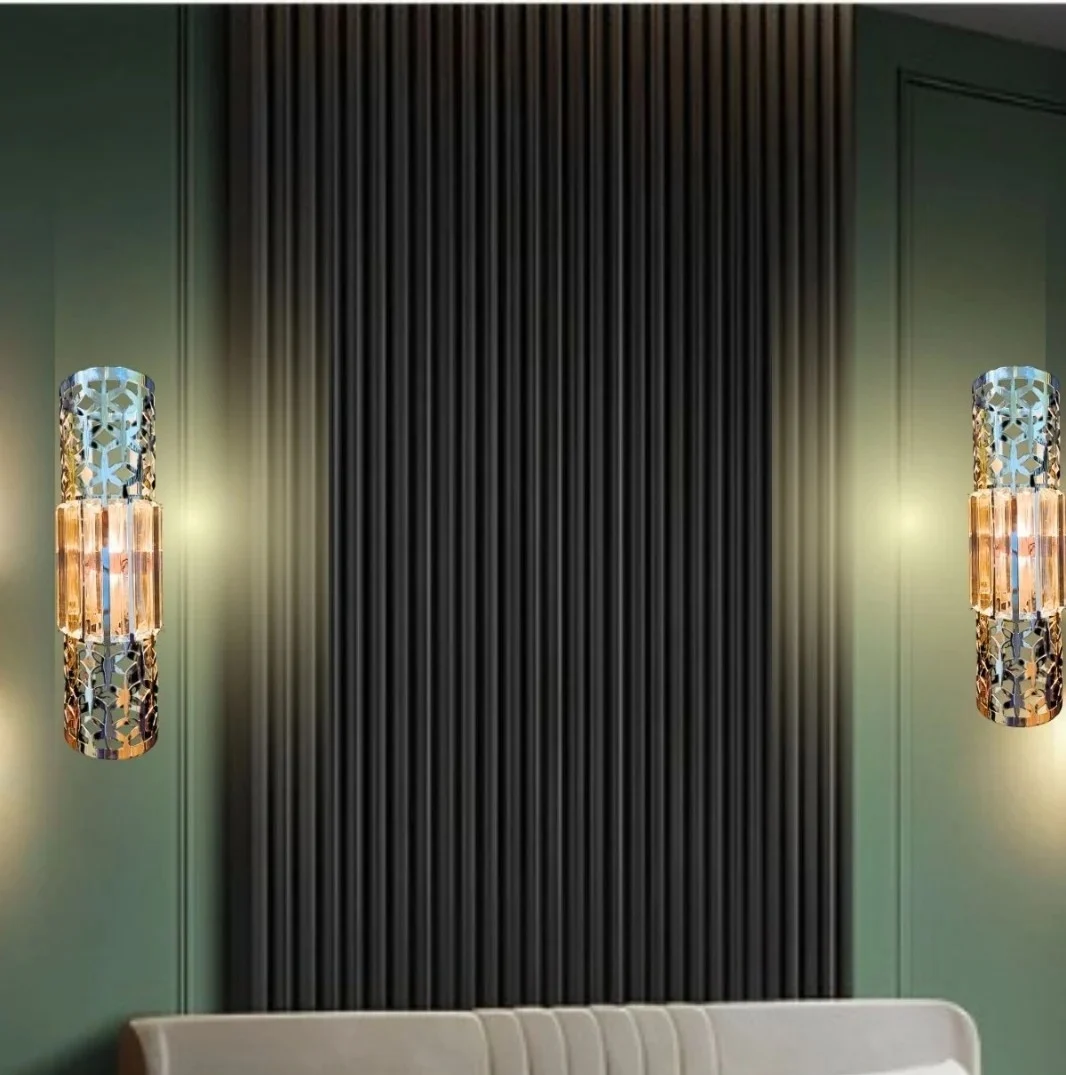
- Crystal and cut glass: refracts light and casts a pattern on the wall; strong decorative effect in living rooms and entrance halls.
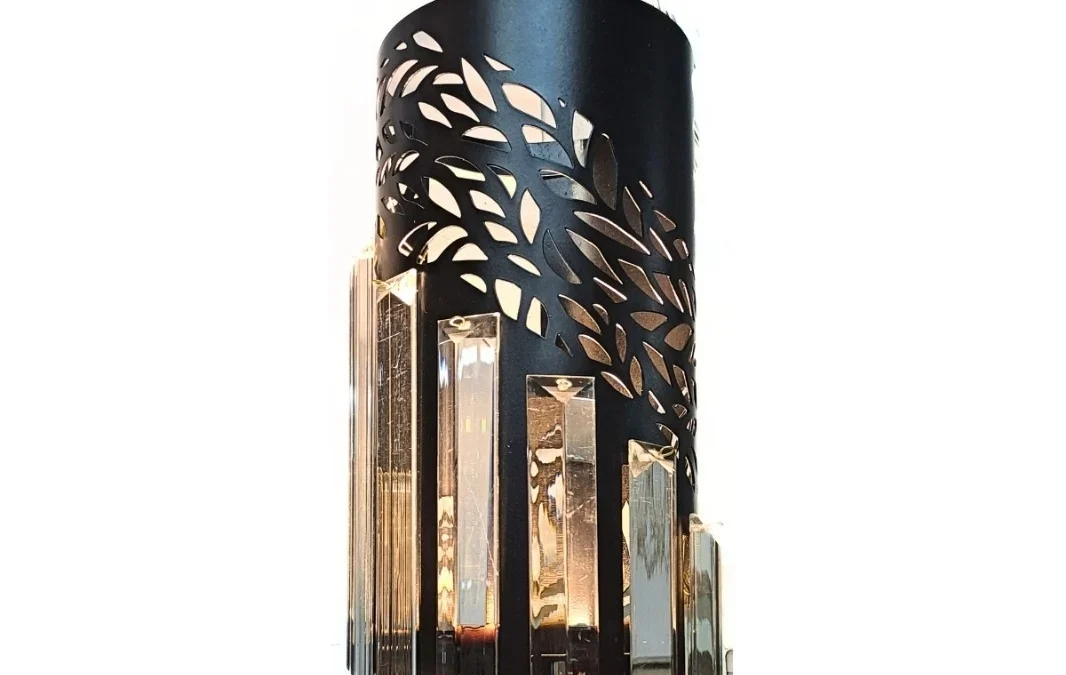
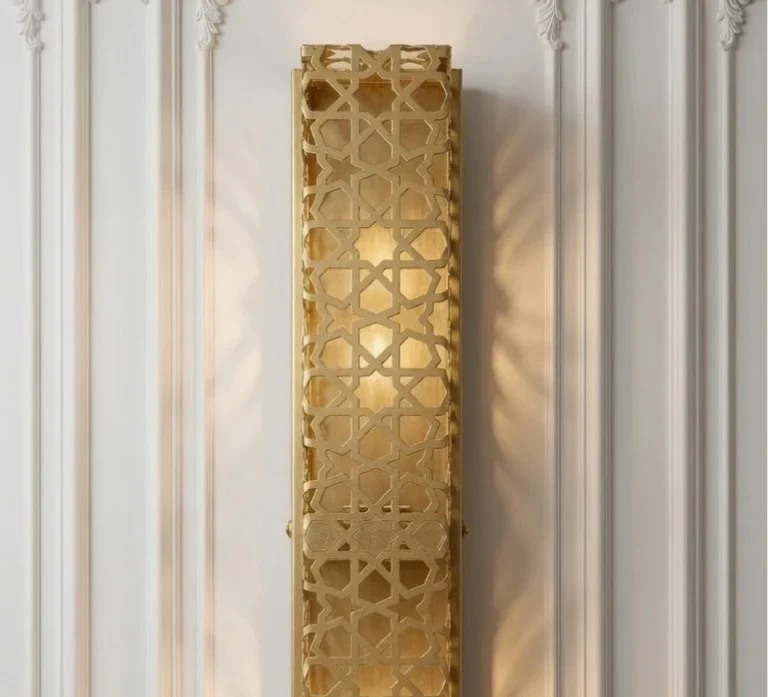
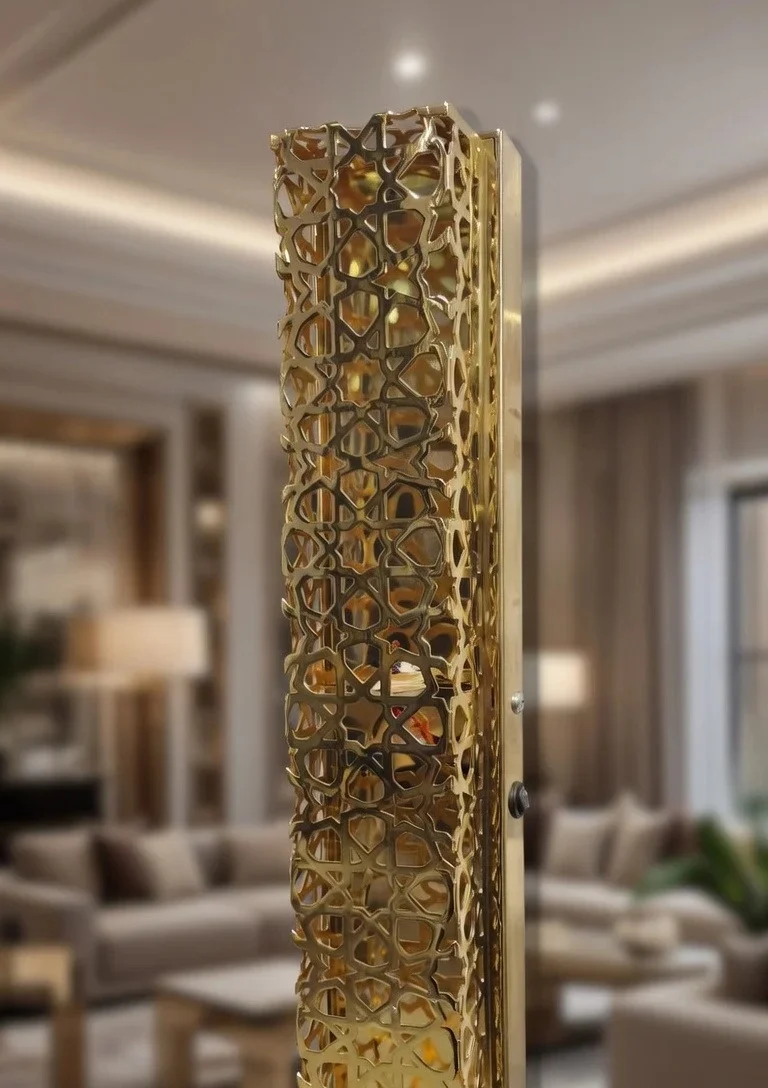
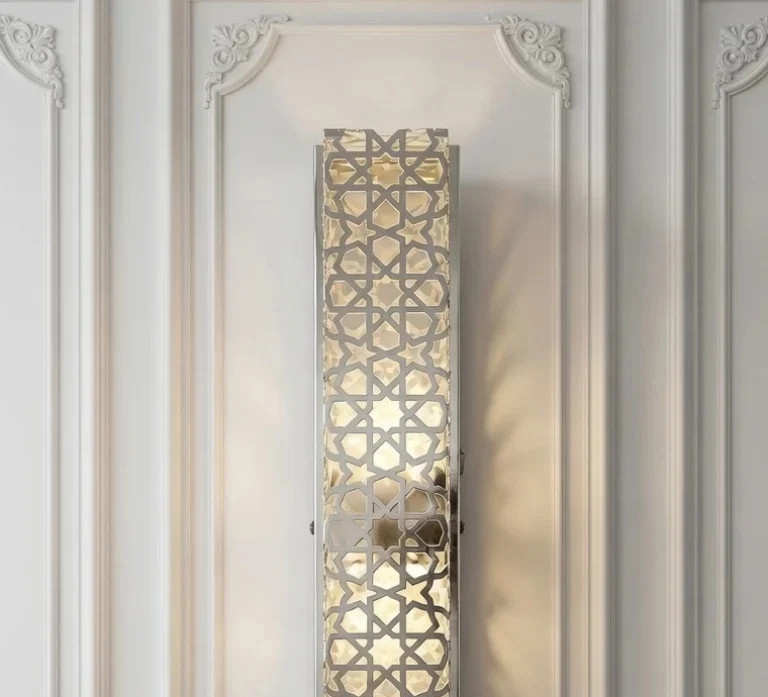
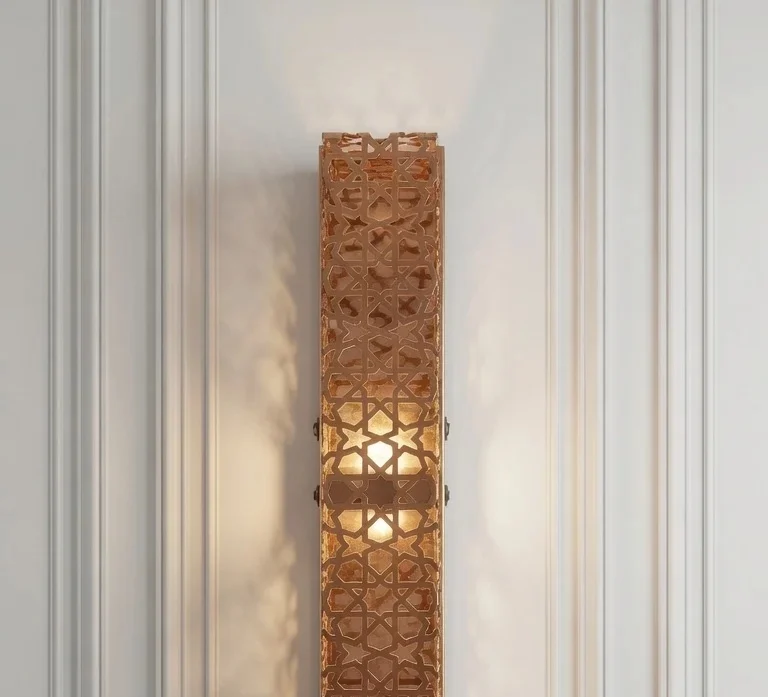
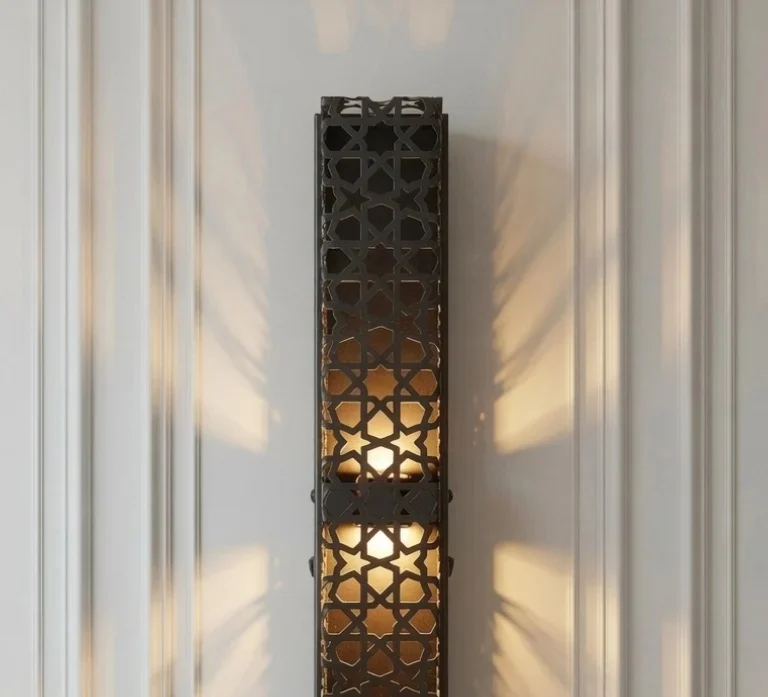
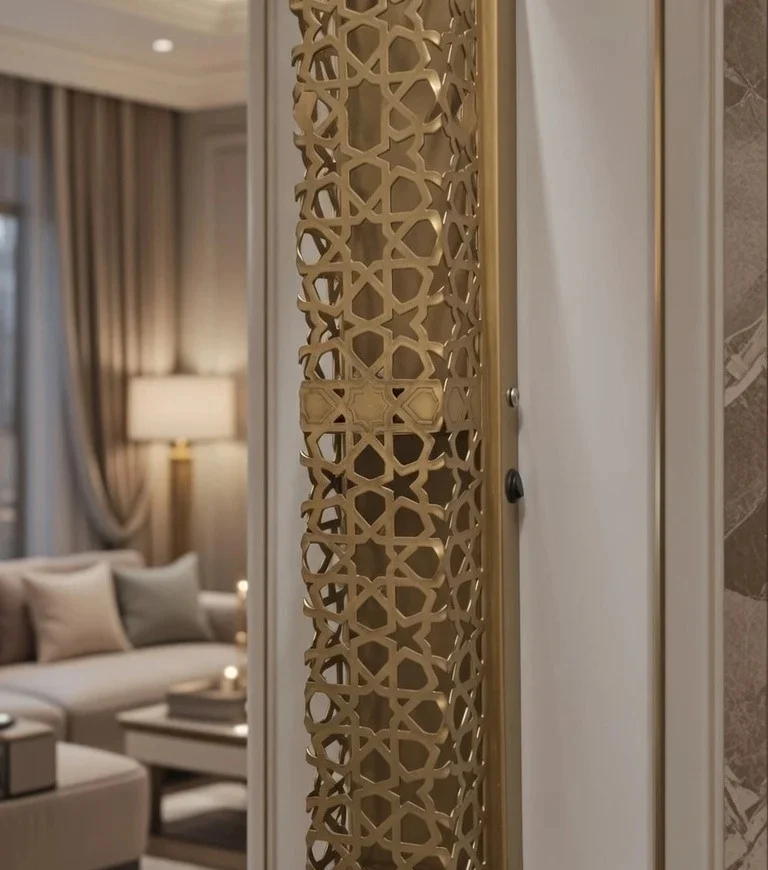
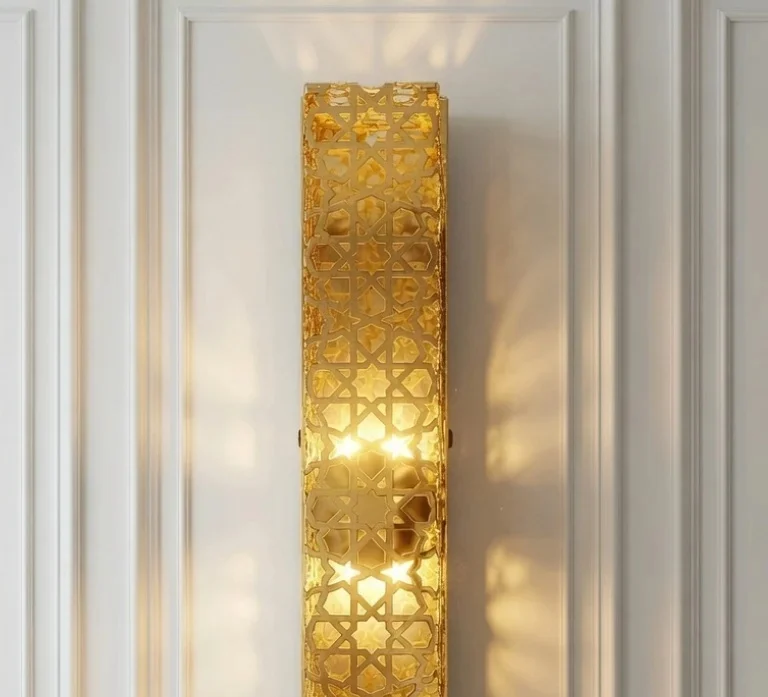
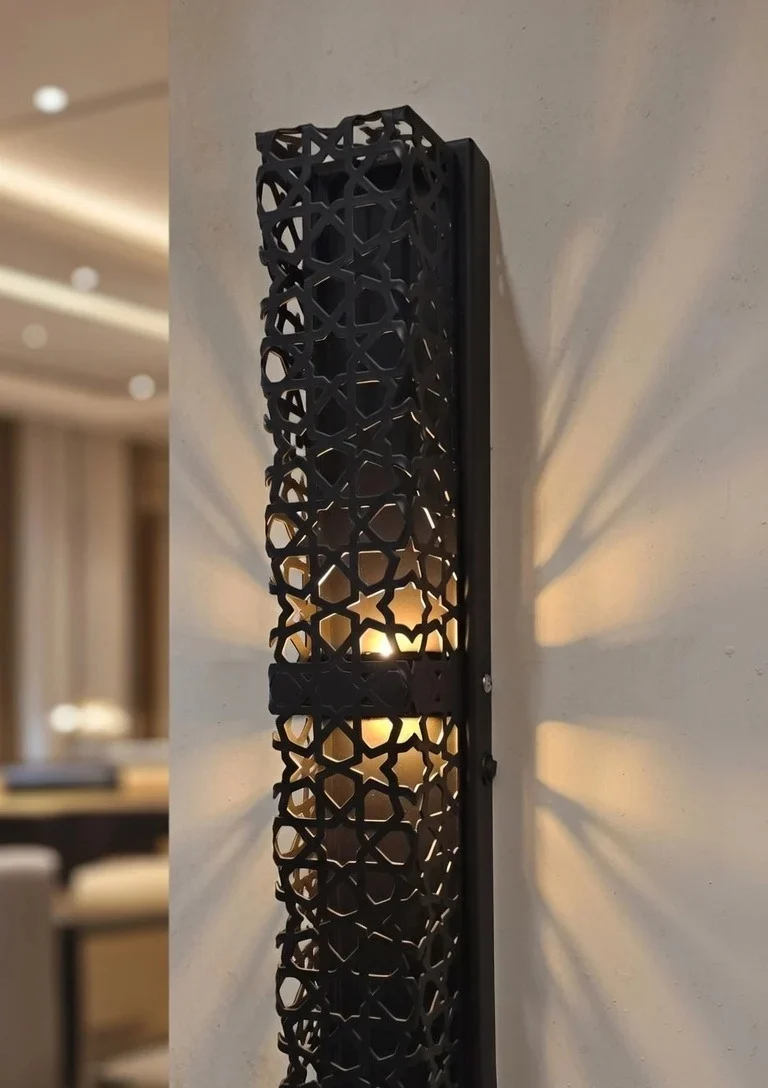
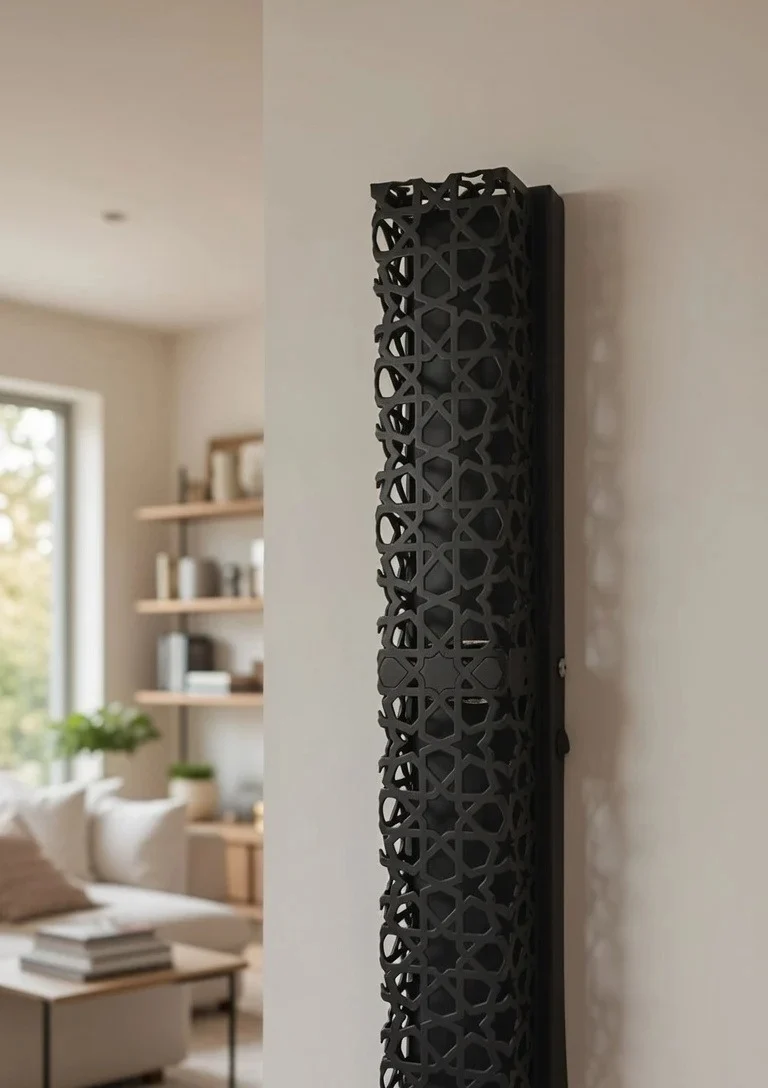
- Laser-cut patterned metal: light passing through the openings leaves a motif on the wall.
- Battery-powered (cordless): needs no wiring, is screwed or adhered wherever it is wanted.
Should you choose a wired or a battery-powered sconce?
Wired sconces connect to the electrical wiring inside the wall and run continuously; there is no brightness limit, and they can be controlled from a switch or a smart plug. On the other hand, fitting a sconce to a wall with no cable outlet means opening the plaster, running cable and redoing the paint.
Battery-powered sconces remove that cost entirely. In a rented home, in a finished interior, or in an alcove the wiring never reached, this is often the only practical answer. In exchange, batteries need replacing and the light output is lower than on wired models; battery sconces should therefore be treated as accent and wayfinding light rather than ambient lighting.
Which sconce suits which room?
The right choice changes with the function of the space. The same fixture can be comfortable in a bedroom and inadequate over a work surface.
- Living room: two-way or crystal models, positioned so they do not reflect on the television wall.
- Bedroom: downlight or diffused models at the bedside, with the switch reachable from the bed.
- Hallway: low-output downlights at equal intervals to mark the walking line.
- Staircase: stepped models that reveal the tread line, valuable for safety at night.
- Bathroom and mirror: symmetrical placement on both sides of the mirror for shadow-free light; moisture protection matters.
- Children's room: unbreakable body and a soft diffuser; battery models are safer as they need no socket.
Which technical details should you check?
Appearance is only part of the decision. Two fixtures that look alike can behave very differently.
Colour temperature is given in Kelvin (K): lower values are closer to yellow, higher values closer to white. Warm tones are generally preferred in living areas, more neutral tones for work surfaces and mirrors. Light output is measured in lumens (lm), not watts; watts only show the energy consumed.
- Lamp holder: E14 and E27 are the common screw fittings, and a replaceable bulb keeps you flexible for the life of the fixture.
- Integrated LED: built into the fixture, allowing slimmer bodies; the light source cannot be replaced.
- Colour temperature: warm / neutral / cool — keep it consistent between fixtures in the same room.
- Body depth: a fixture that projects far from the wall is a hazard in a narrow hallway.
- Mounting hole spacing: it has to match the existing cable outlet.
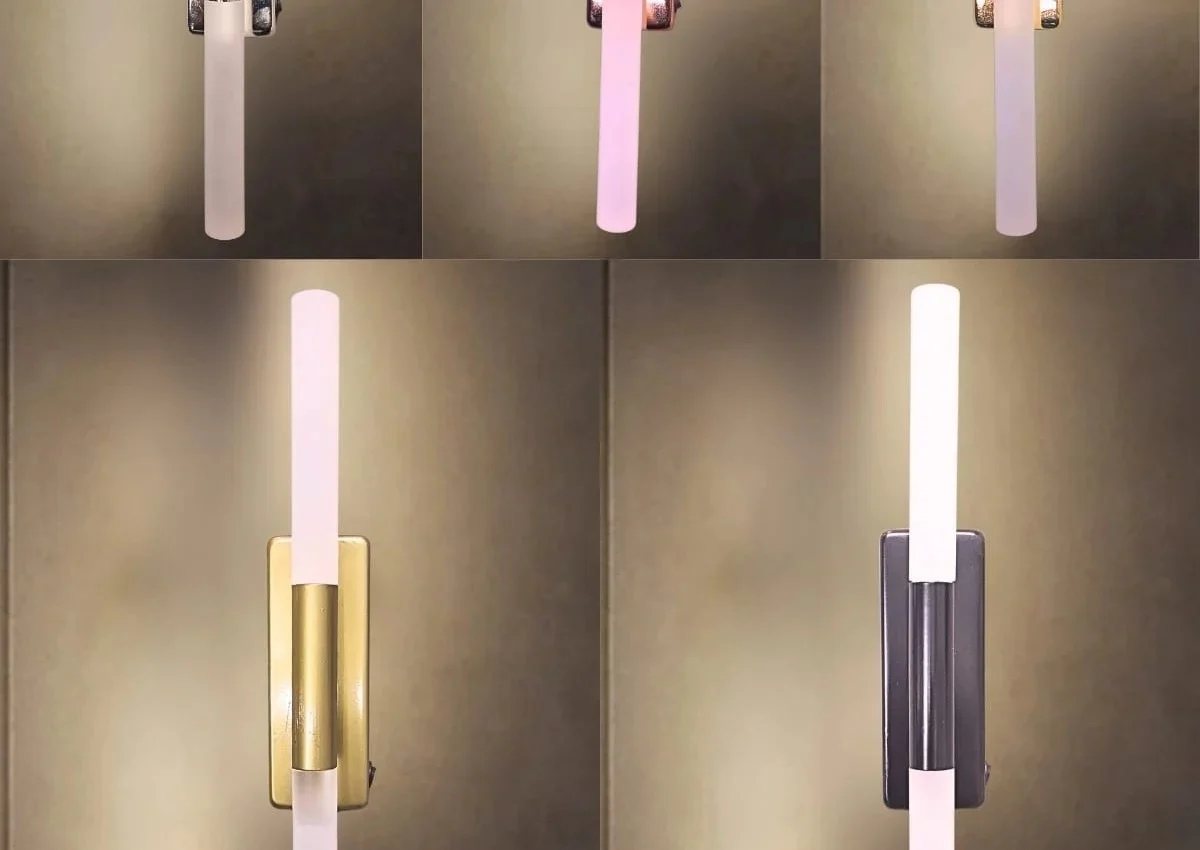
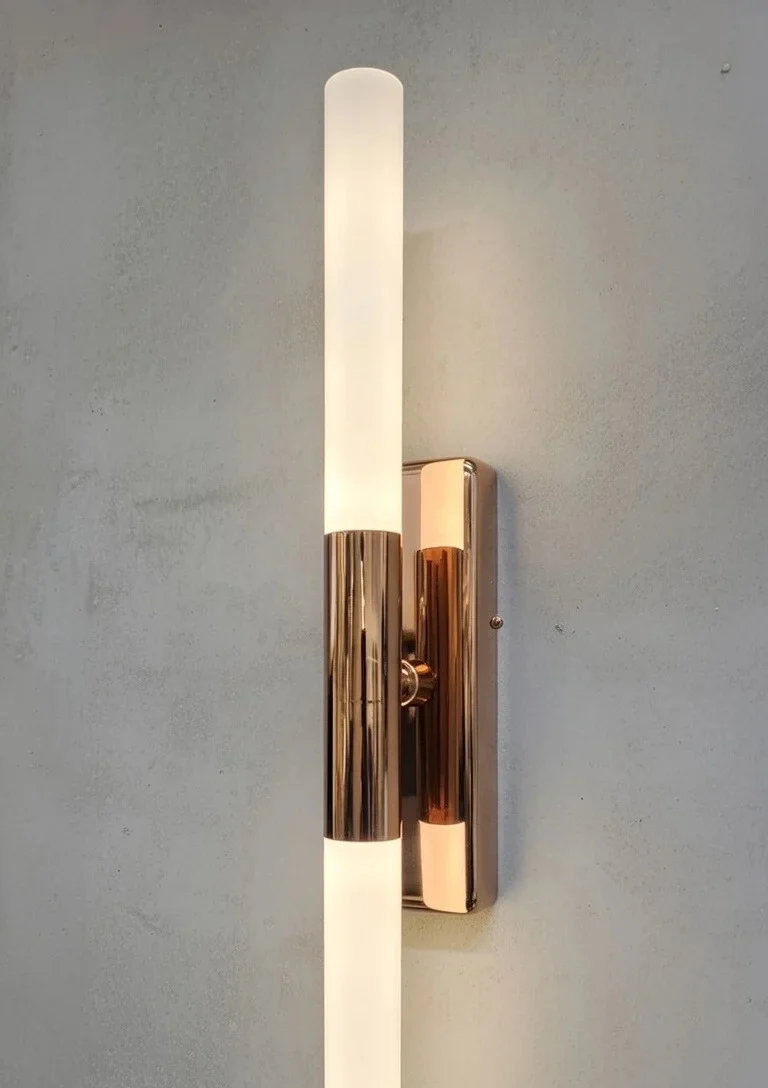
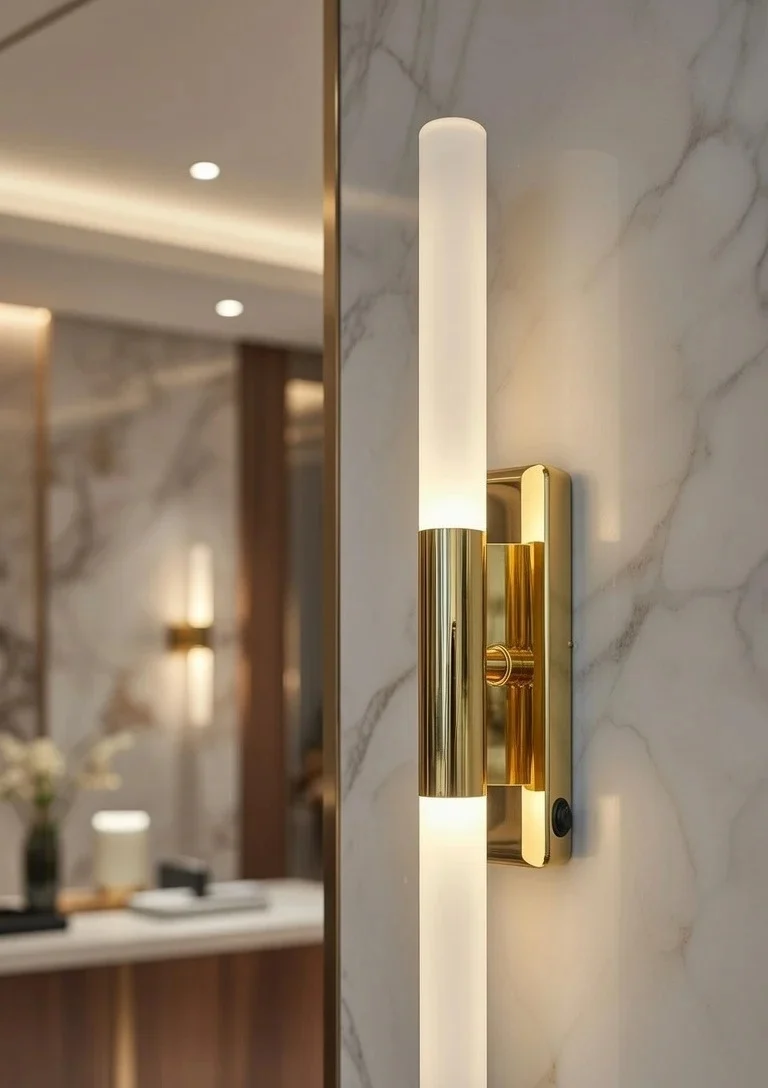
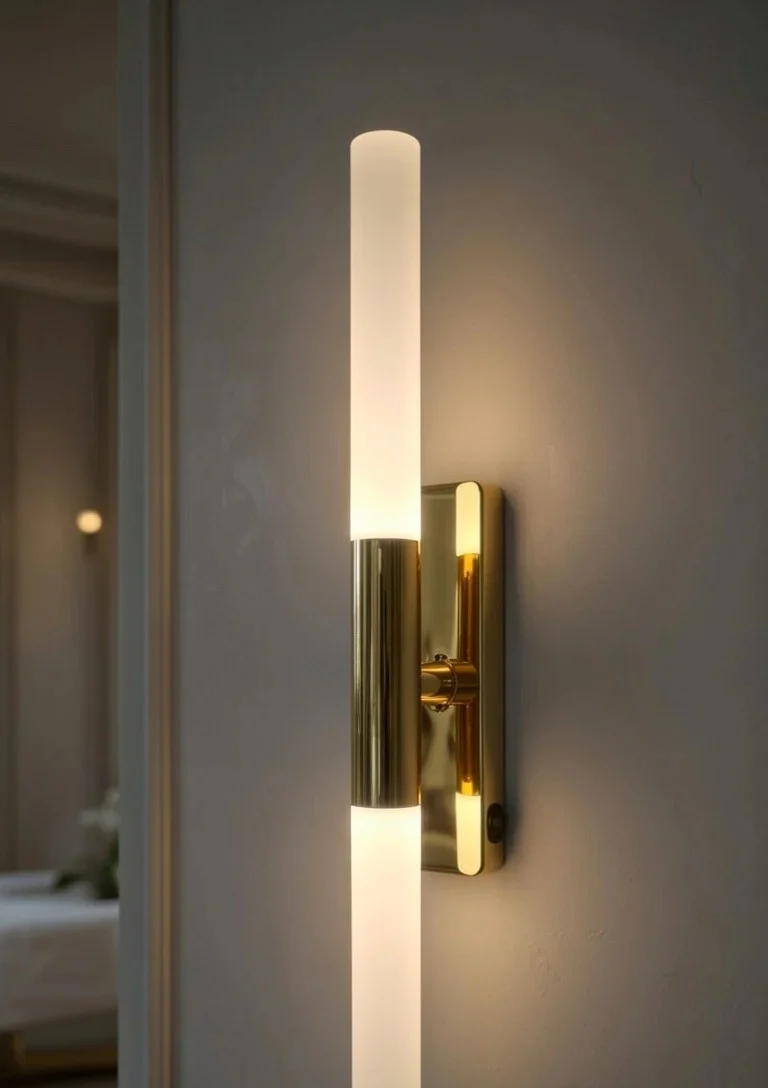
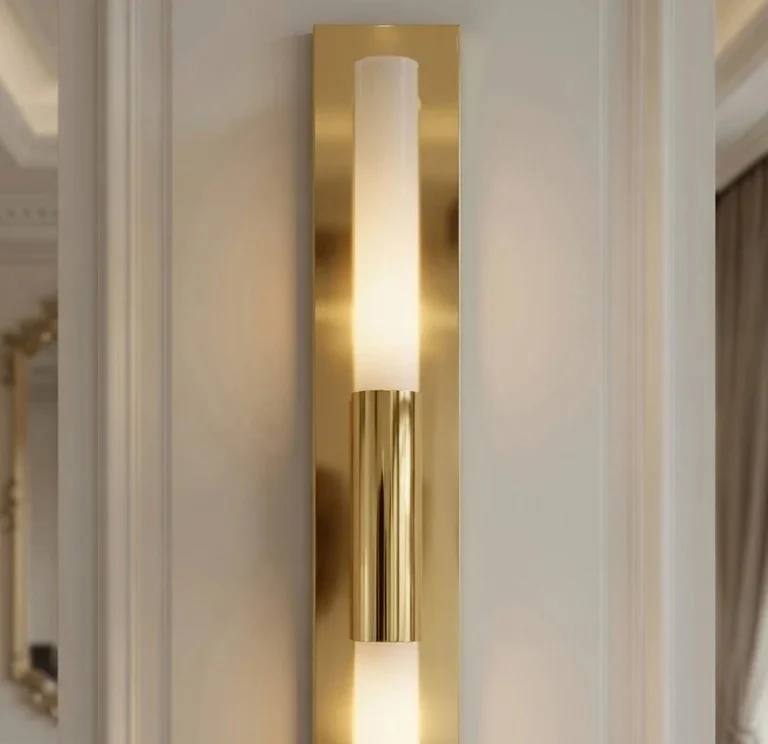
- Slim Wall Sconce — Battery & Mains, Minimal Profile
What are the most common placement mistakes?
The most frequent mistake is treating sconces purely as decorative objects and not considering where the light will fall. A fixture without a diffuser, just above eye level, shines directly into the eyes of anyone seated.
The second common mistake is asymmetry. One-sided placement around a mirror or a bed leaves half the face in shadow. The third is mixing colour temperatures: when warm and cool light sit side by side on the same wall, the room looks unkempt.
Related guides: Wall Sconce Mounting Height: A Room-by-Room Guide, What Is a Battery-Powered Wall Sconce? A Cordless Lighting Guide. For your project you can review for product options see wall sconce collection or for turnkey installation see our lighting solutions.