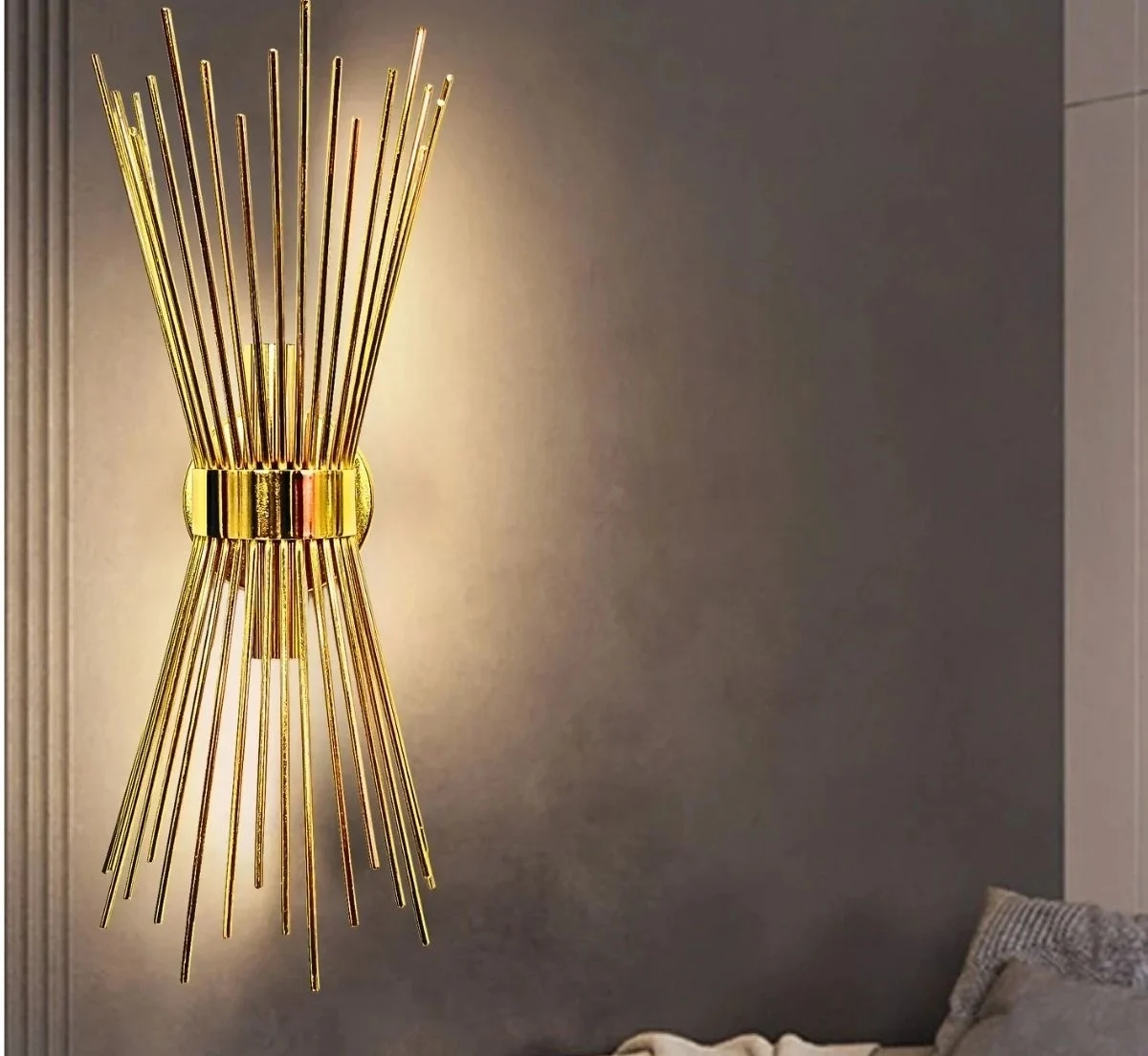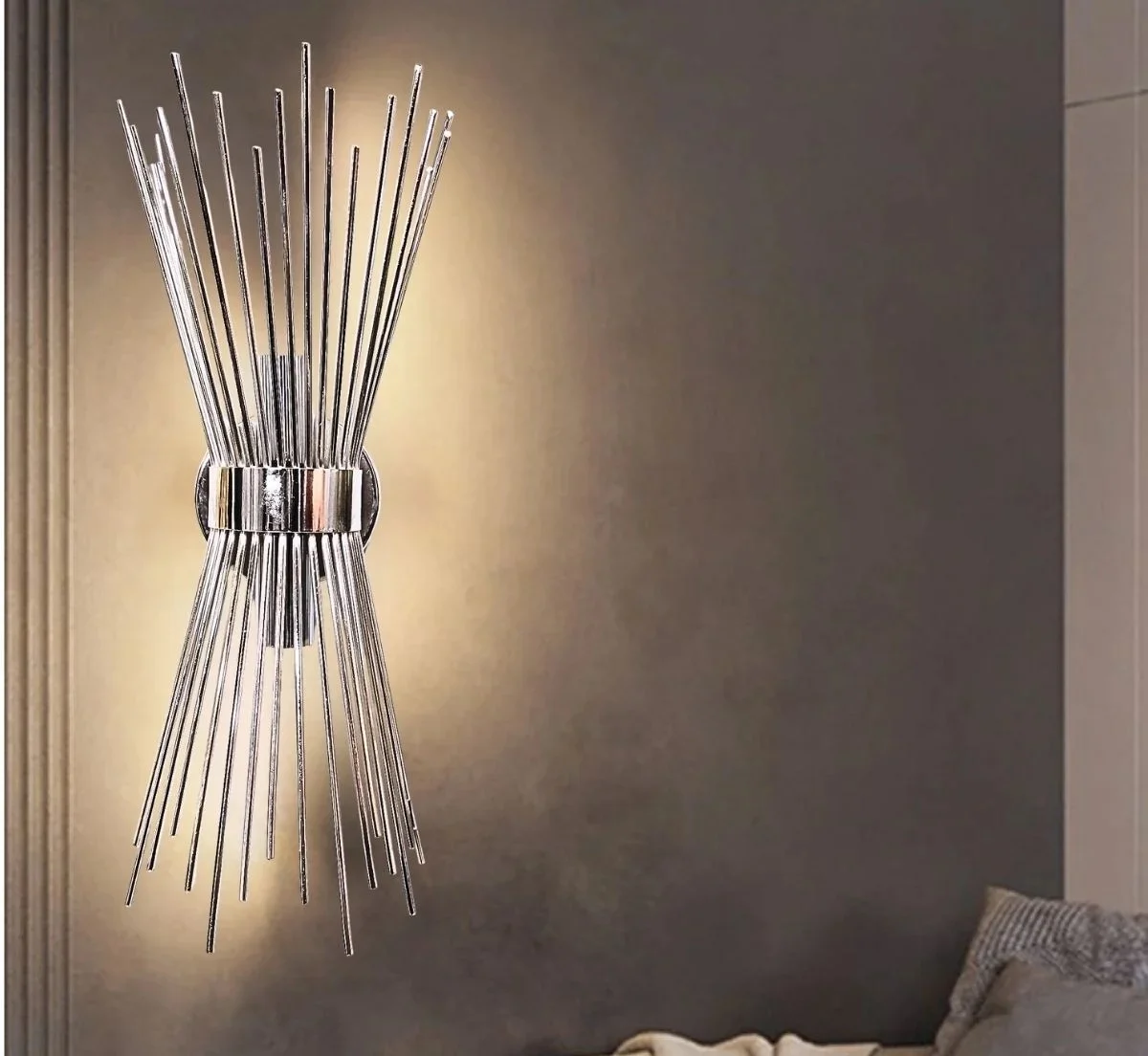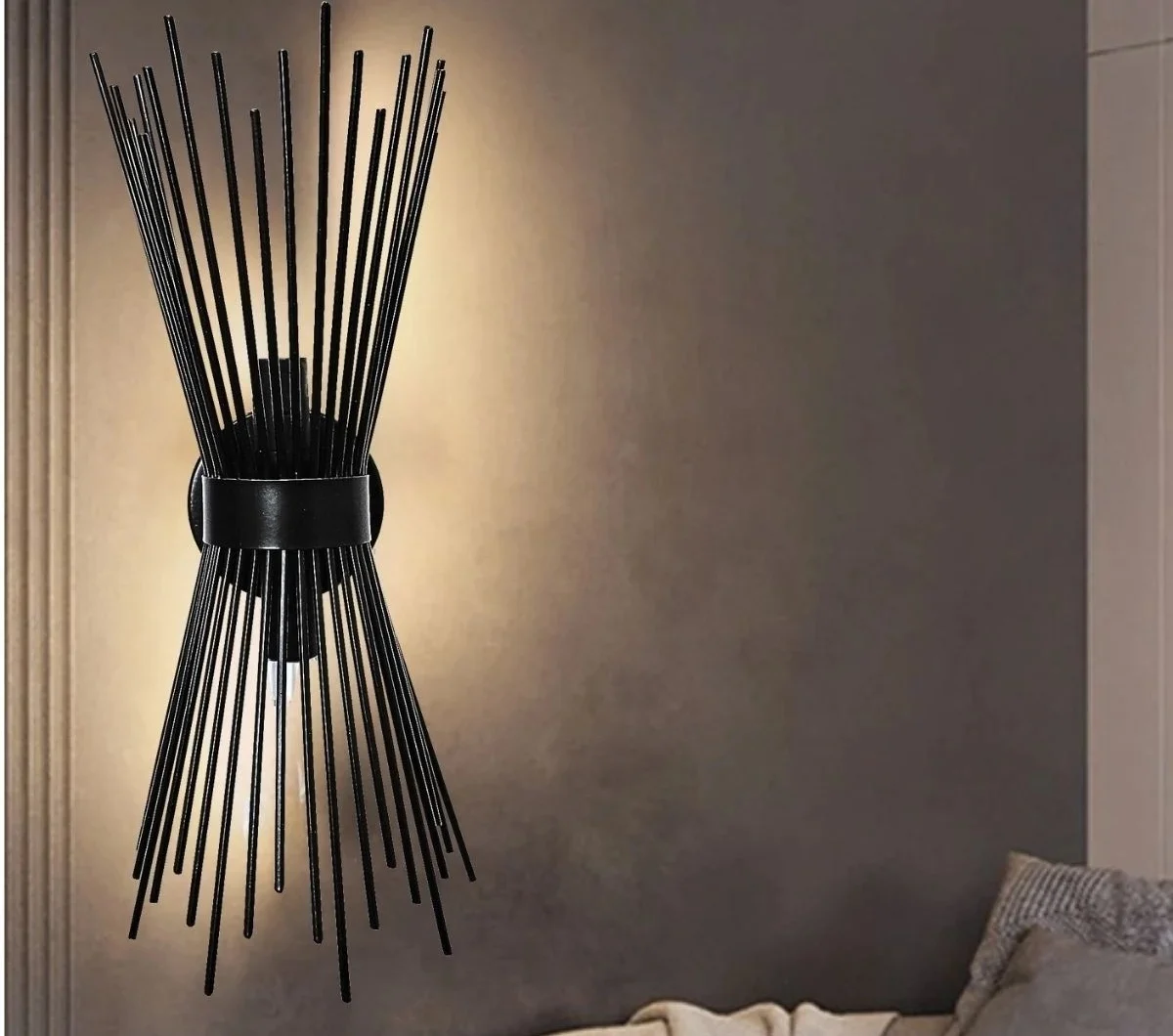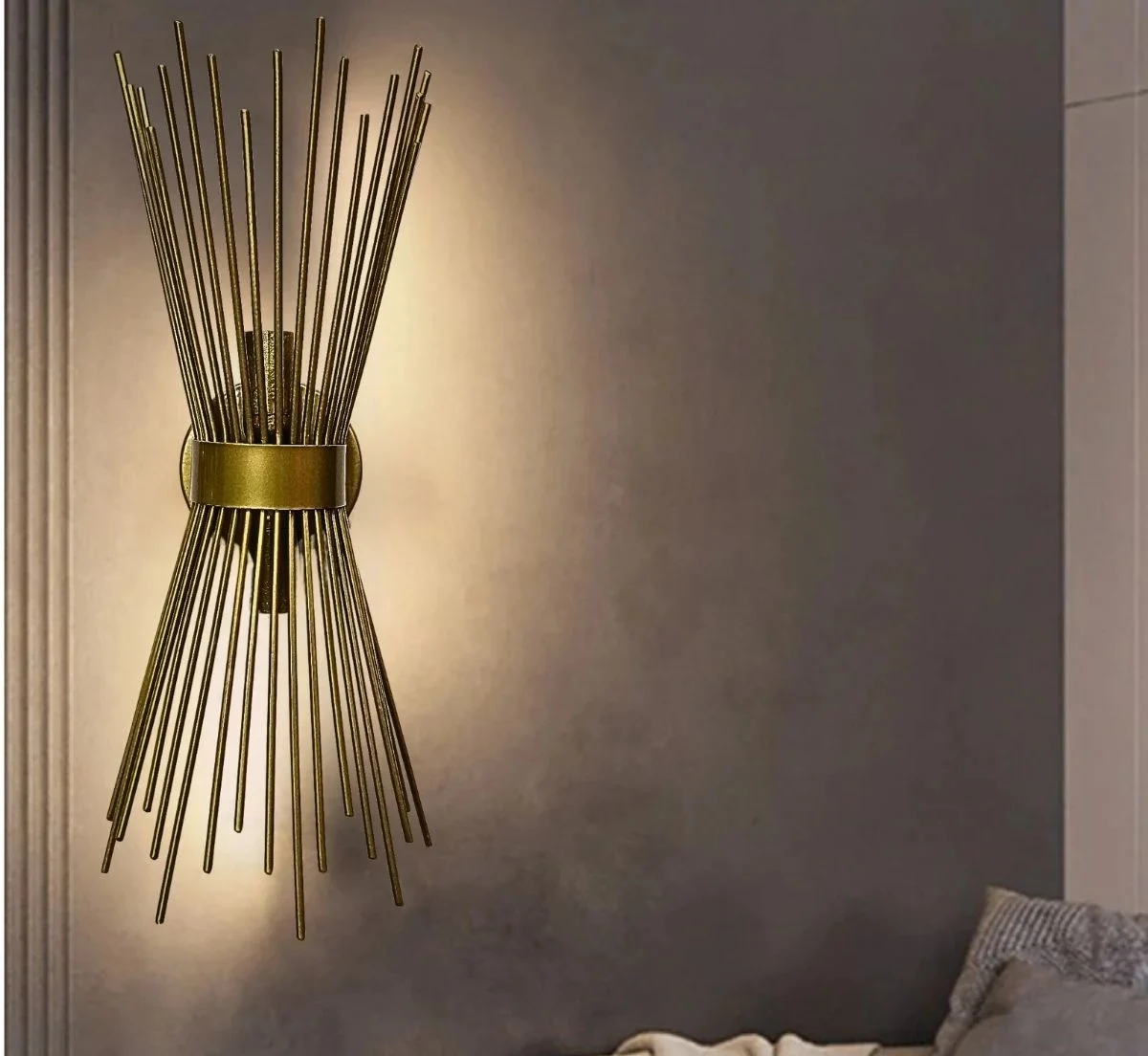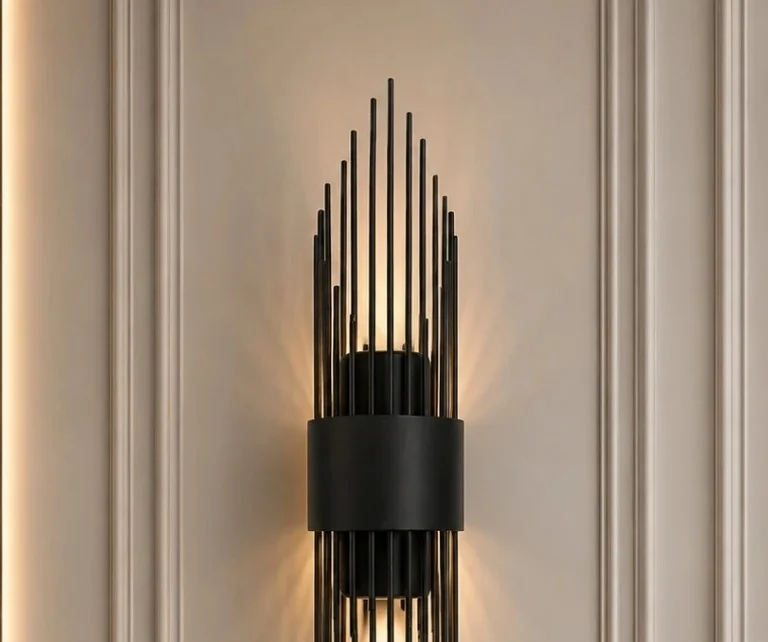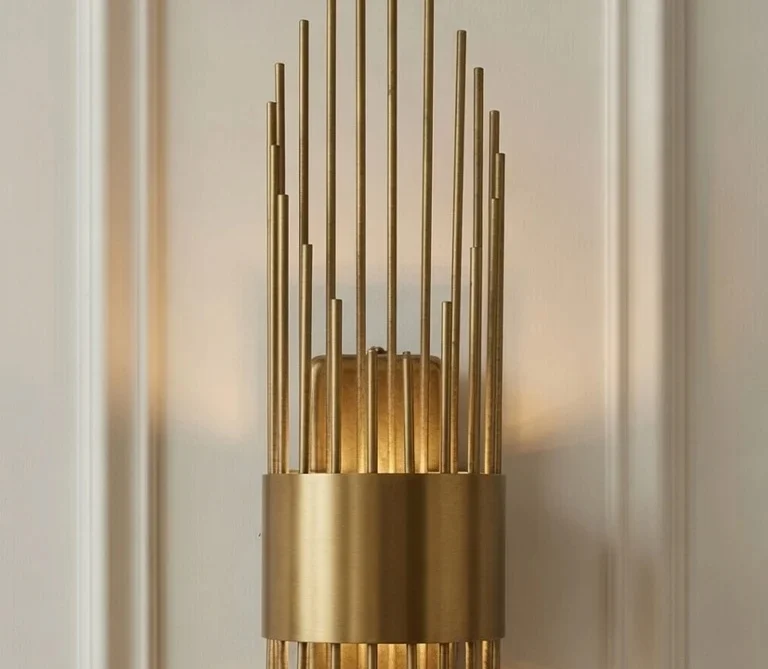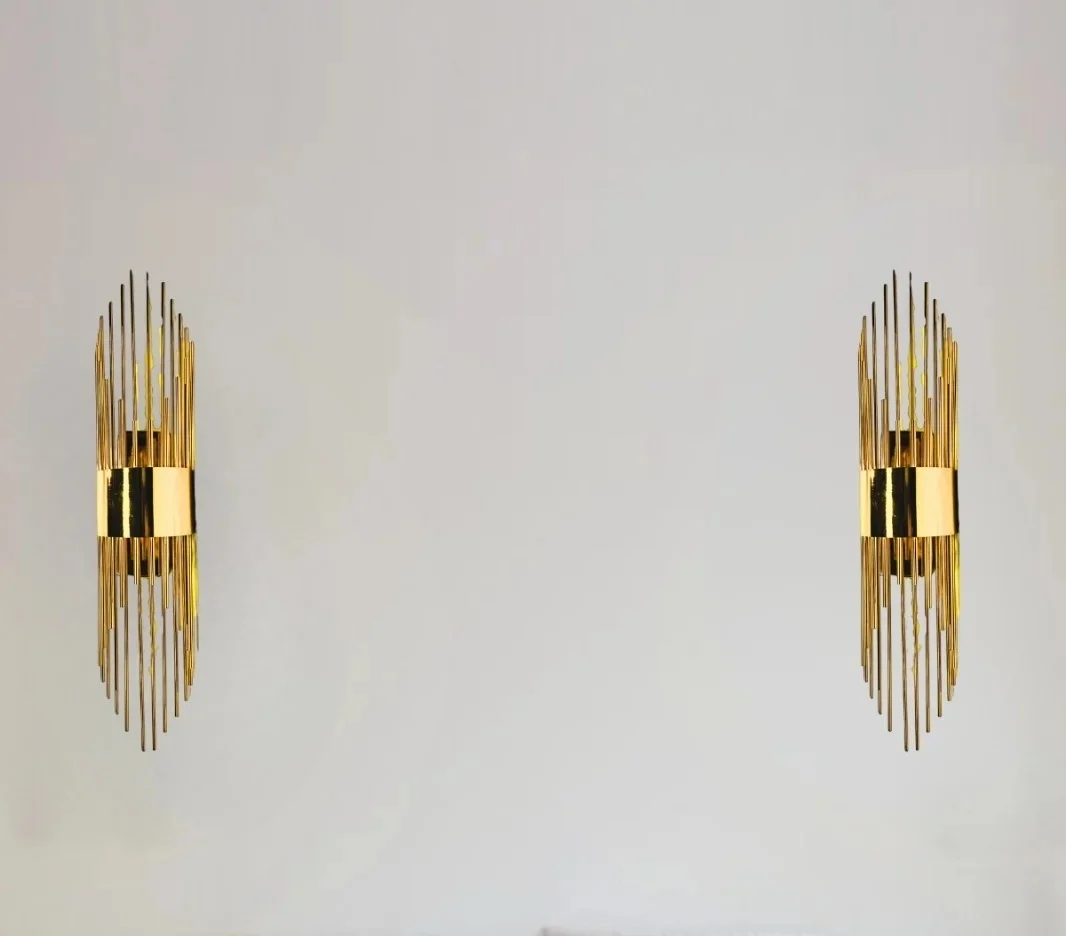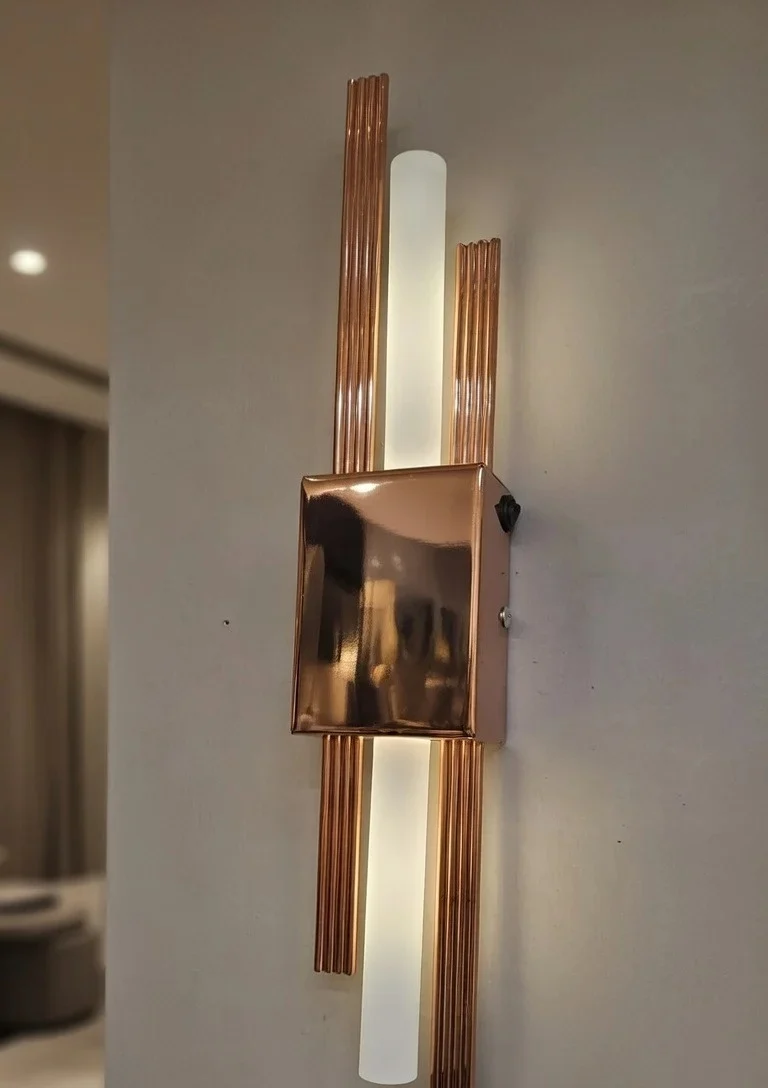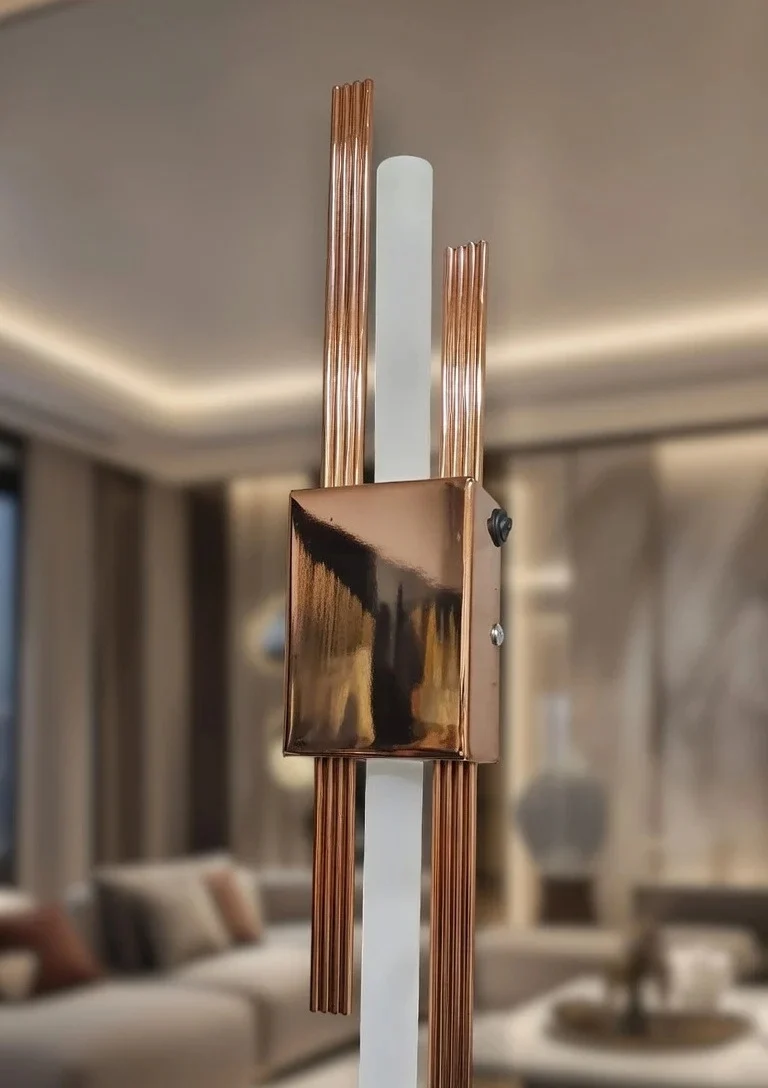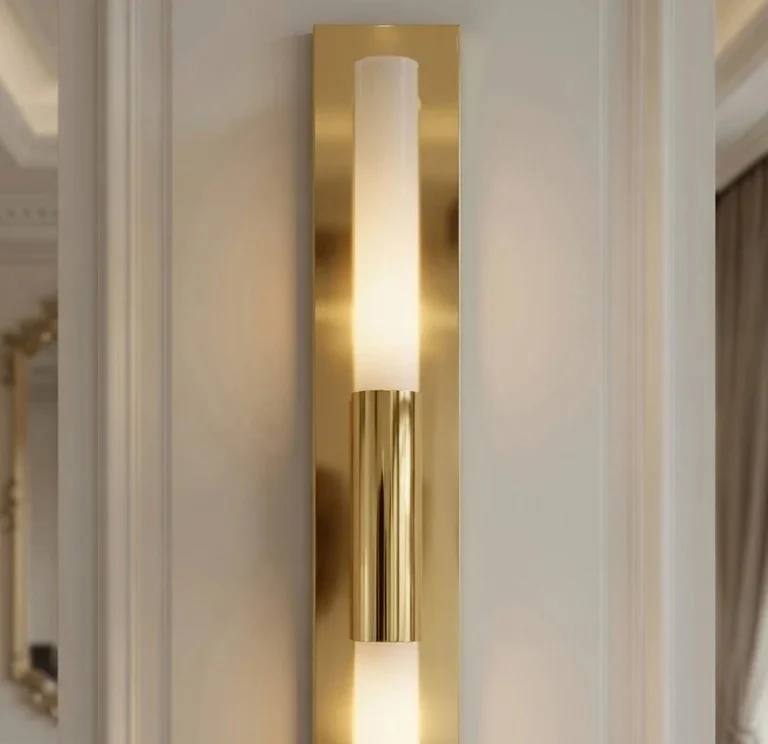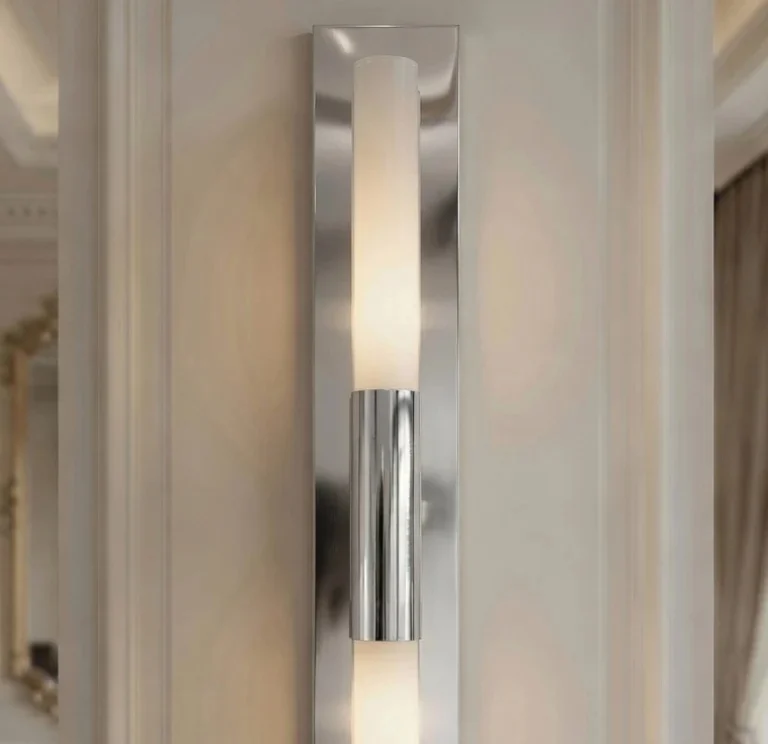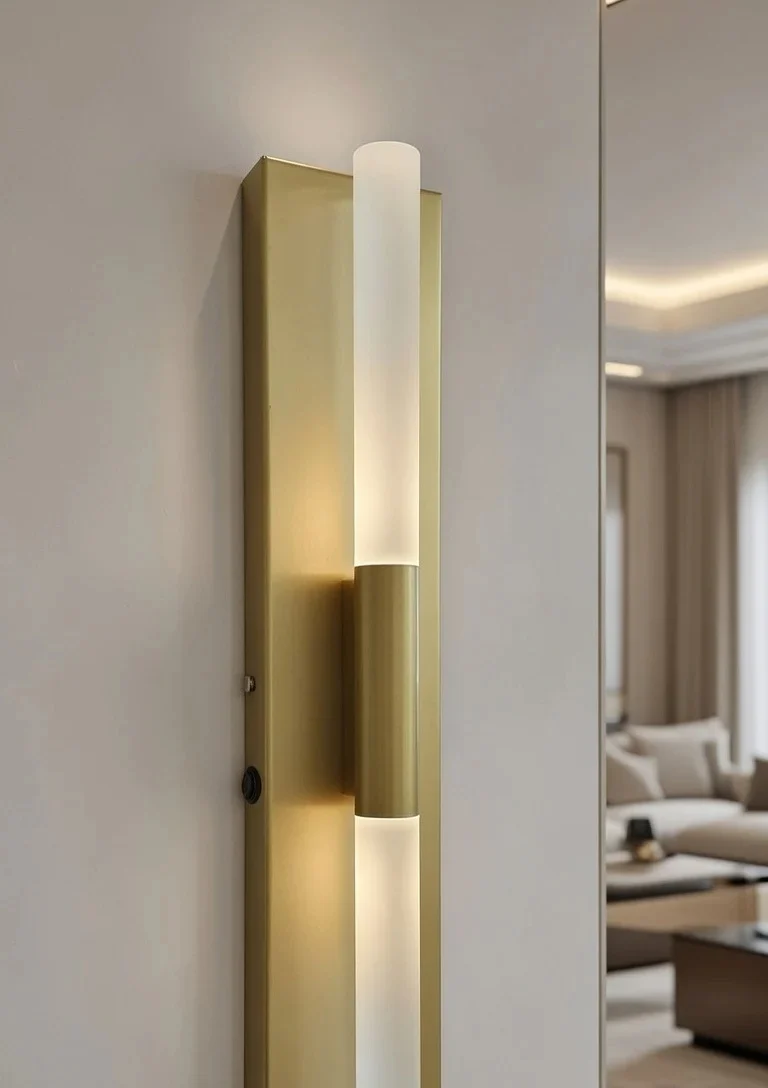

There is no single correct number for wall sconce height; the right measurement depends on what happens in front of that wall. A bedside where someone reads sitting up and a hallway that is simply walked through do not take the same height. Below you will find the common ranges room by room, the factors that set the measurement, and the mistakes made most often.
What three factors set the mounting height?
The first is eye level. When a fixture without a diffuser sits at eye level, the light source is seen directly and causes glare. For a standing adult, eye level is generally in the 150-165 cm range; seated, that value drops noticeably. The seating layout in a living room and the bed height in a bedroom are therefore the starting points.
The second is the direction of the light. An uplight can be mounted lower because it throws light onto the ceiling. A downlight at the same height creates a narrow, sharp pool on the floor.
The third is ceiling height. A measurement that looks right under a standard ceiling can look cramped near the bottom of a wall in a high-ceilinged room. Raising the fixture slightly restores the proportion.
What are the mounting heights room by room?
The table below summarises the ranges in common use. These are starting values rather than a binding standard; the final measurement should be adjusted to the conditions of the room.
Where should a bedside sconce go?
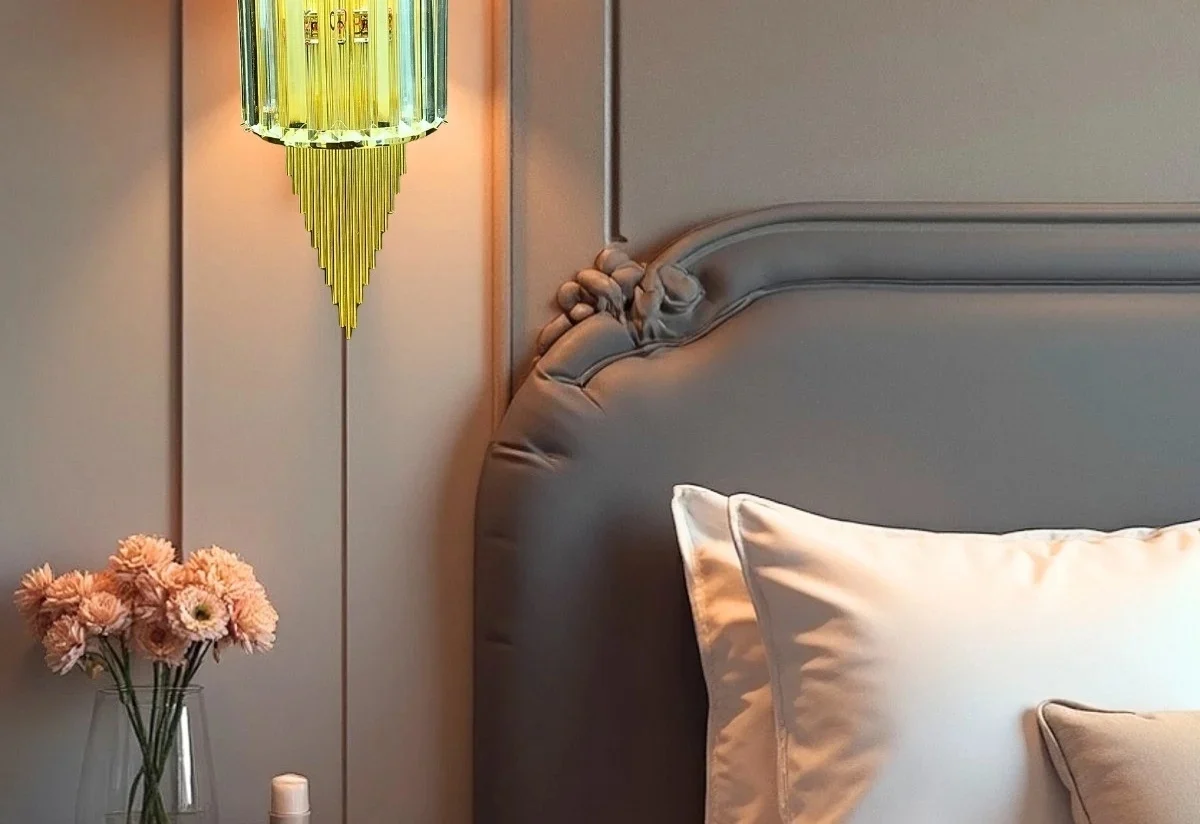
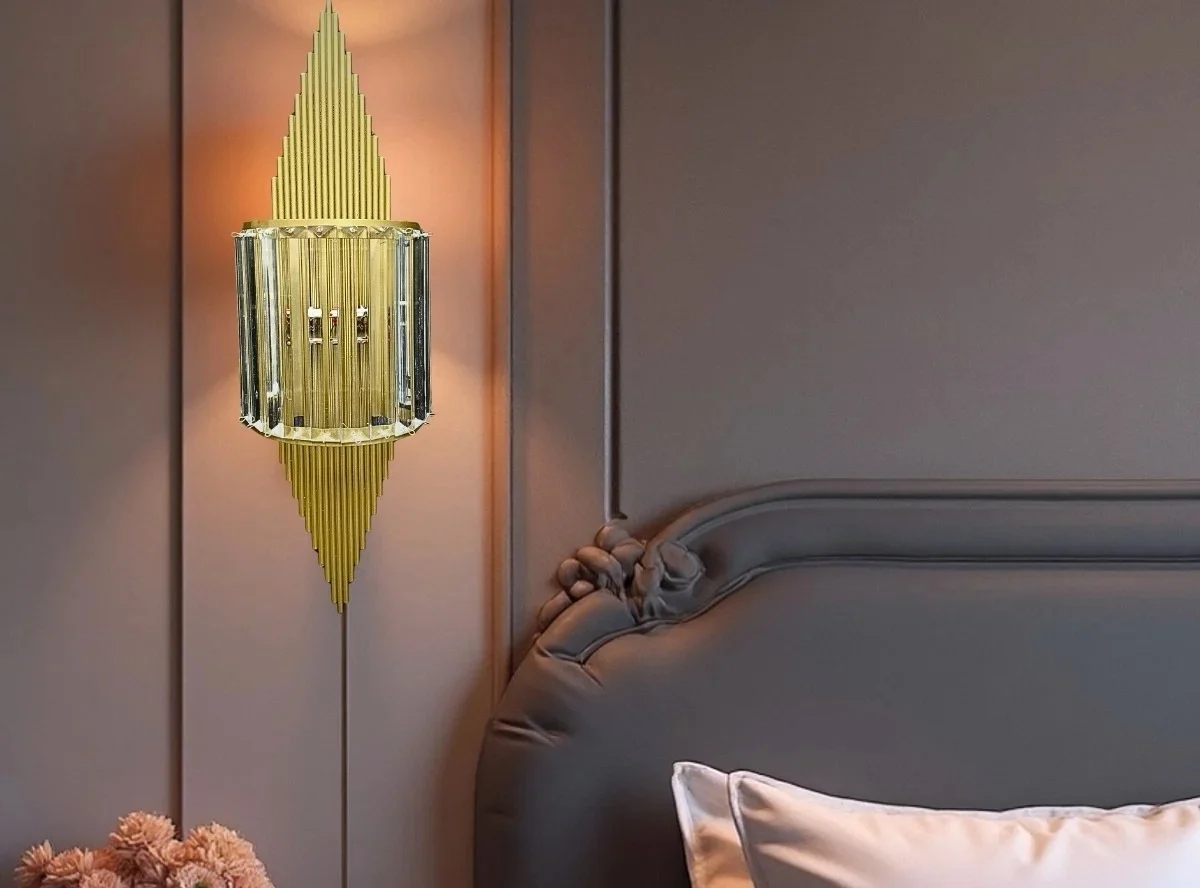
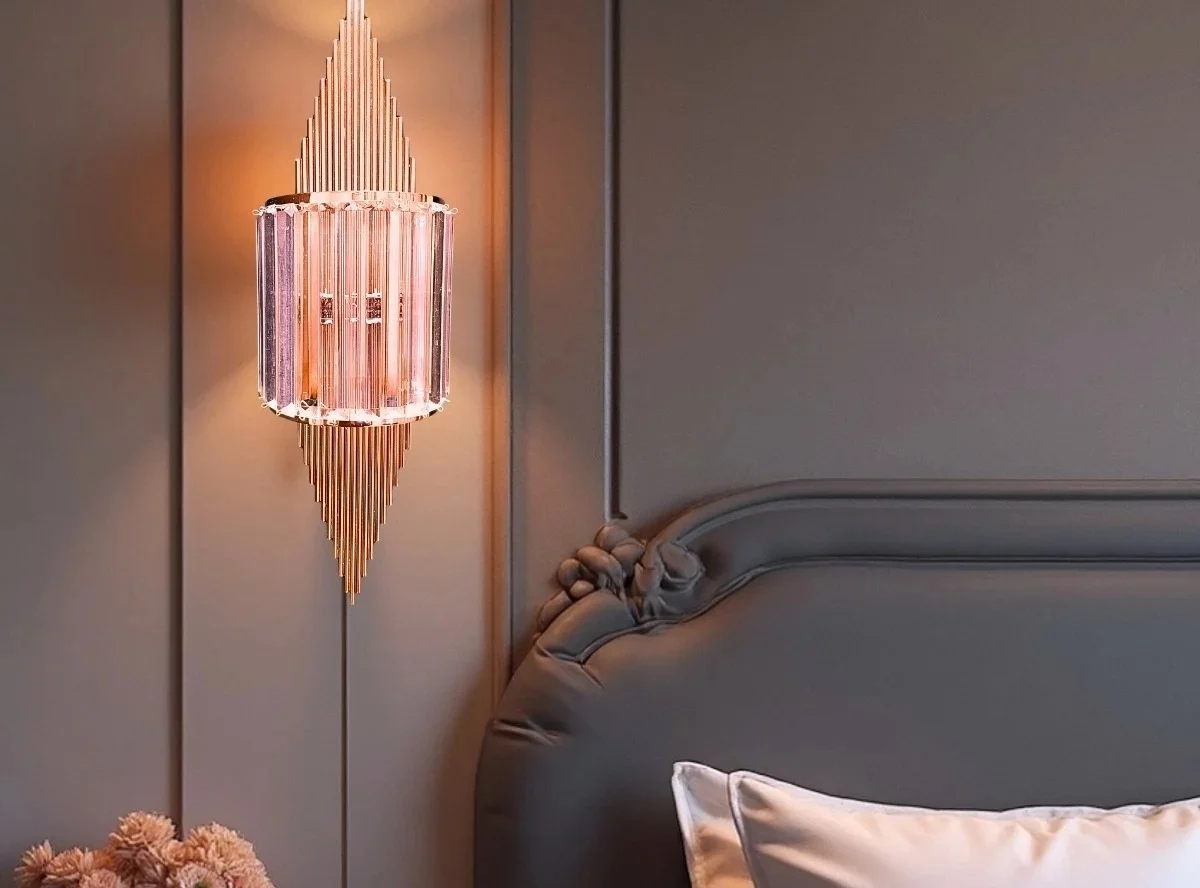
The job of a bedside sconce is to give enough directional light to read by and to make switching on the ceiling light unnecessary at night. The measurement is therefore taken from the top surface of the bed rather than the floor: roughly 120-150 cm above bed level is common practice.
In double beds it matters that the two fixtures are symmetrical and that each has its own switch; a pair on a single switch removes the option of reading without waking the other person. The switch also has to be reachable from the bed.
How high should mirror and bathroom sconces be?
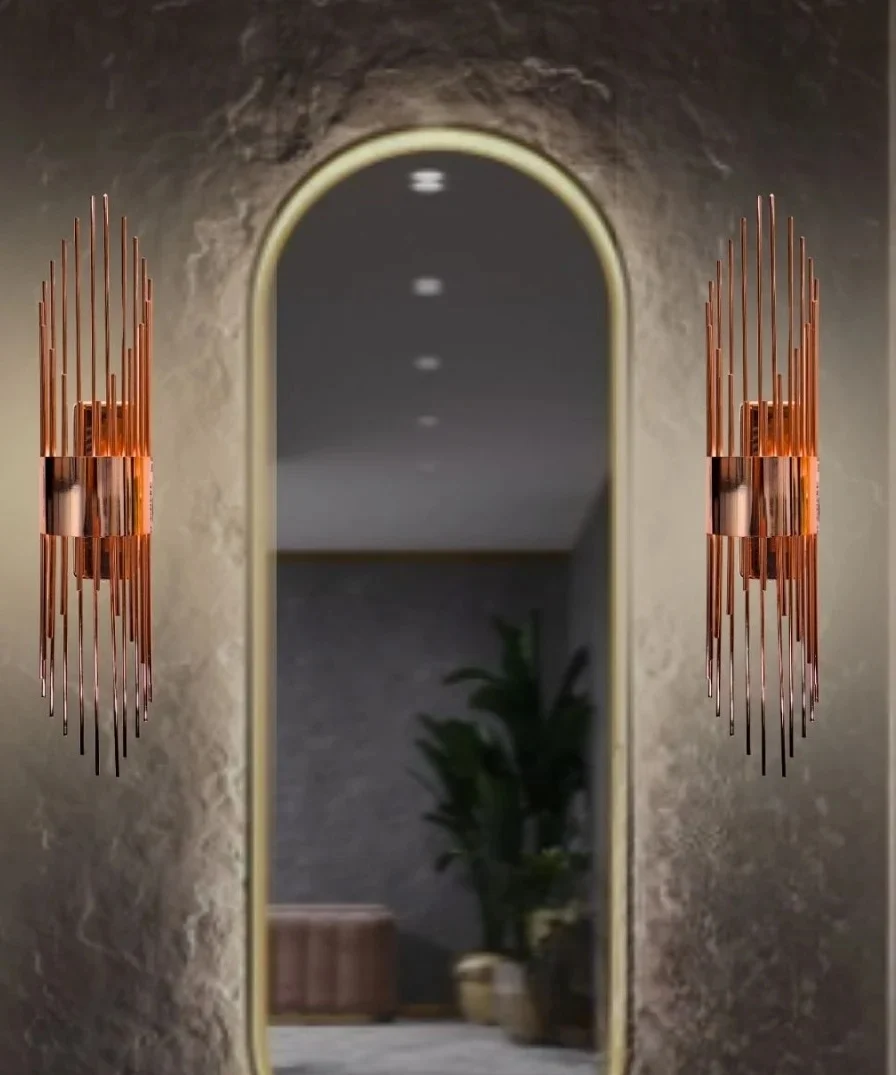
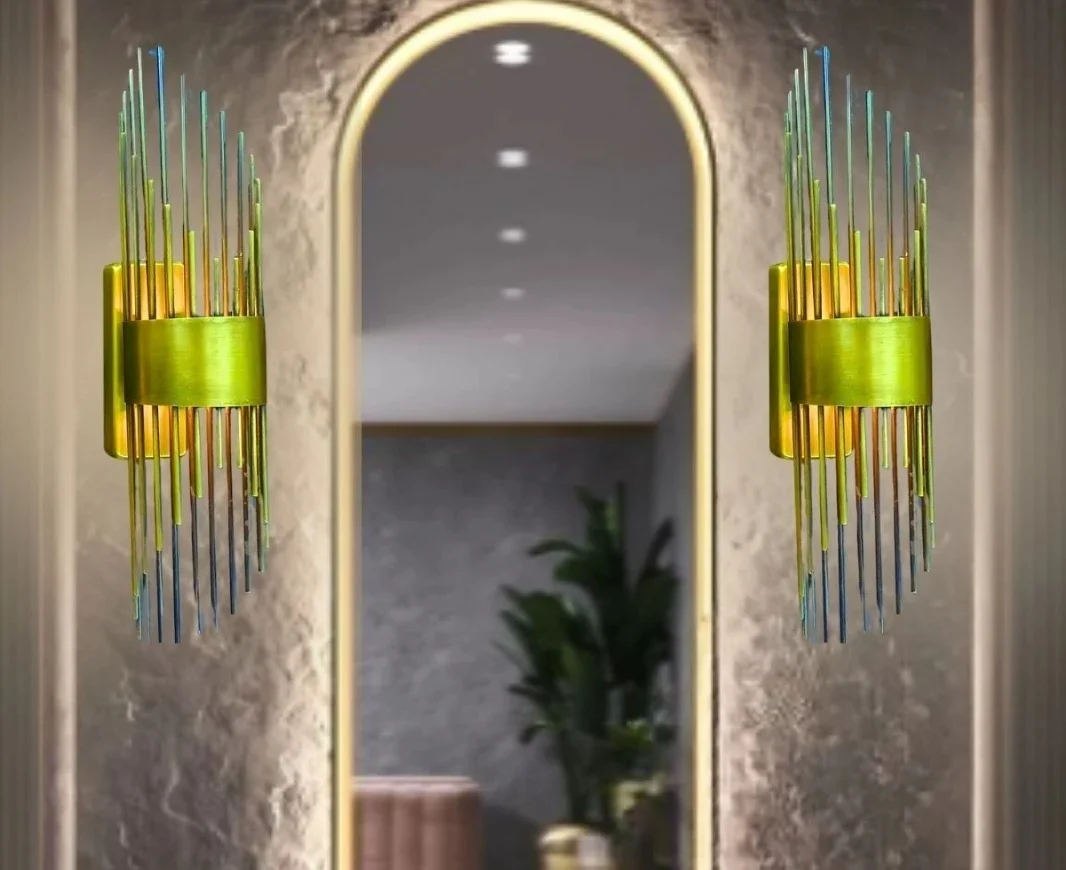
Around a mirror the aim is to light the face without shadows. A single fixture above leaves the nose and under-eye area in shadow, so symmetrical placement on both sides of the mirror is preferred. About 180 cm from the floor, or just above eye level, is the common application.
In wet rooms the protection rating matters as much as the height. Near the splash zone, a fixture protected against moisture and splashing must be used. Placement in a bathroom is therefore a safety decision, not only an aesthetic one.
How do you plan hallway and staircase placement?
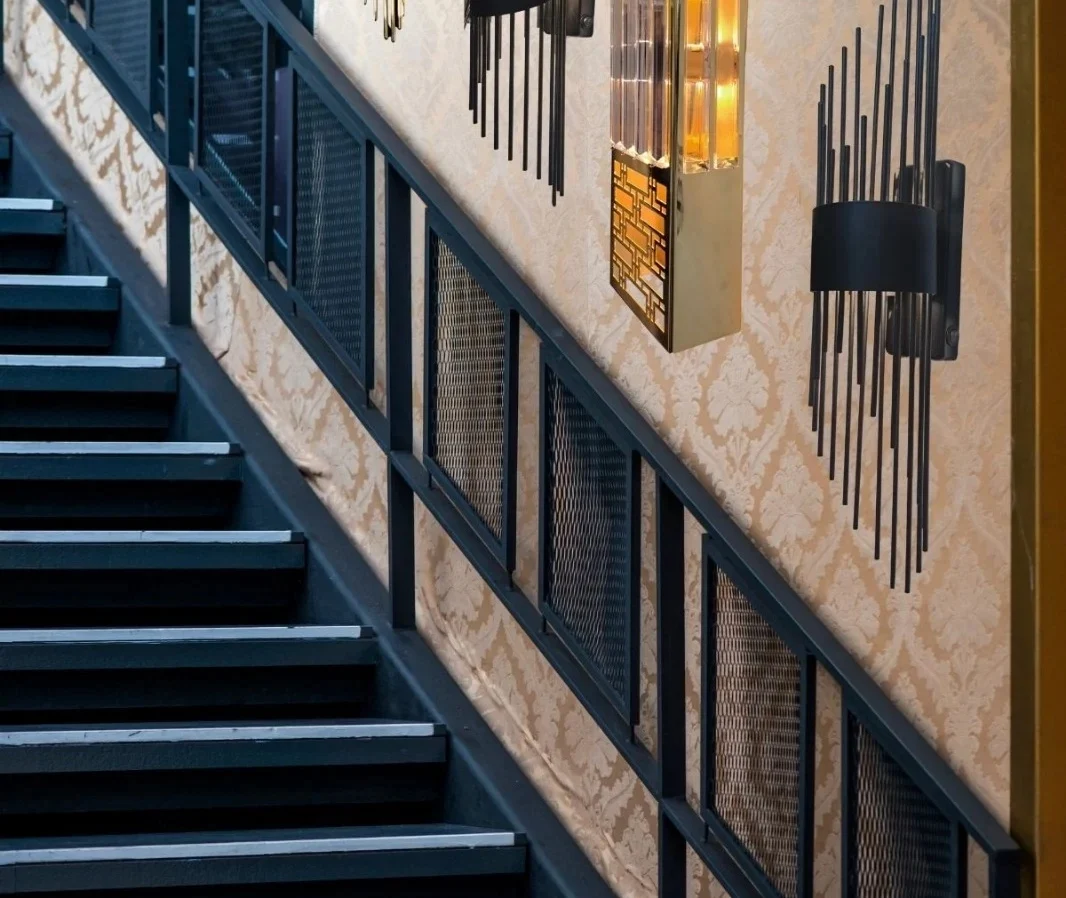
In hallways sconces are usually set in the 165-180 cm range at equal intervals. The interval follows the beam angle of the fixture: no dark gap should remain between the pools of light. In narrow hallways body depth also matters, as a fixture projecting far from the wall is easy to walk into.
On a staircase safety comes first. A stepped arrangement that reveals the tread surface and the riser line reduces the risk of a fall at night. Getting light onto the step matters more than whether the fixture itself is visible.
Common placement mistakes
The most frequent mistake is taking the measurement from the wall rather than from the furniture. A height that looks right from the floor can become useless once a console or a bed stands in front of it.
- One-sided mirror lighting: half the face stays in shadow.
- A fixture without a diffuser at eye level: direct glare.
- Intervals that are too wide in a hallway: dark zones between pools of light.
- A switch that cannot be reached: the bedside sconce loses its purpose.
- Mixed colour temperatures on the same wall: the room looks disordered.
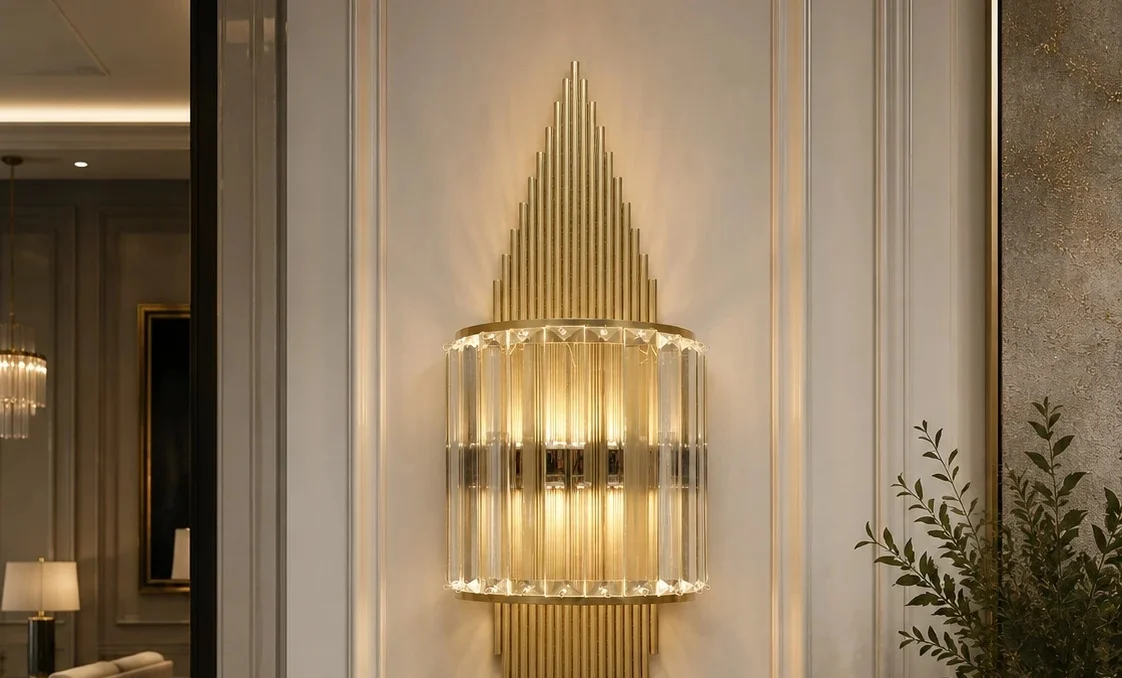
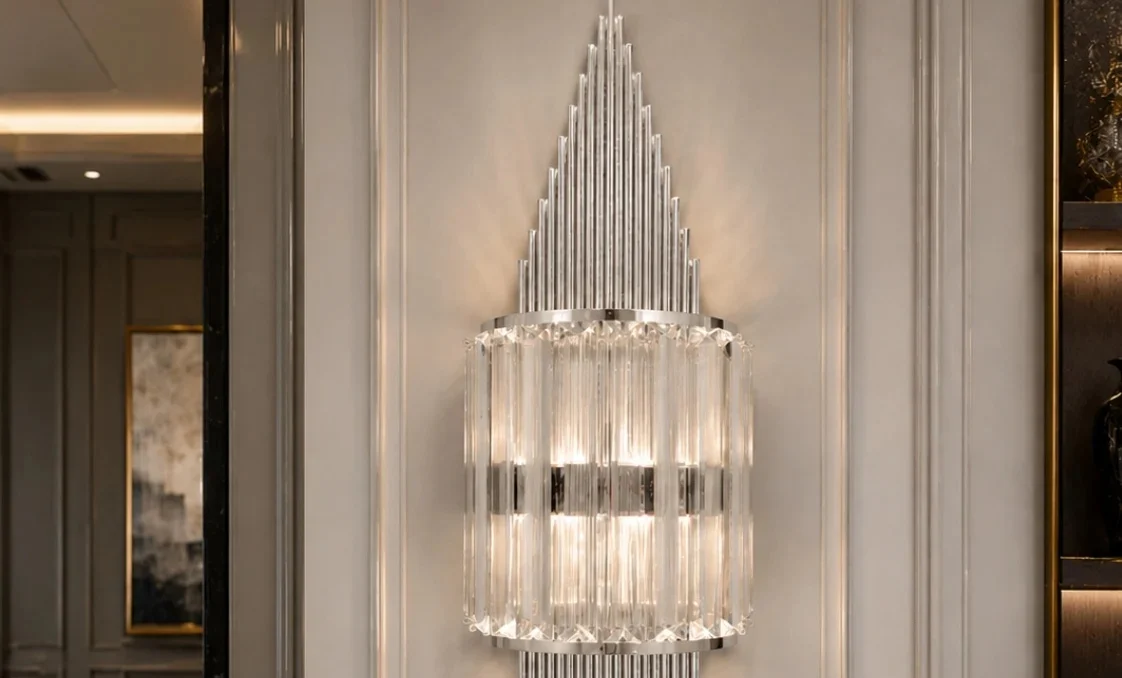
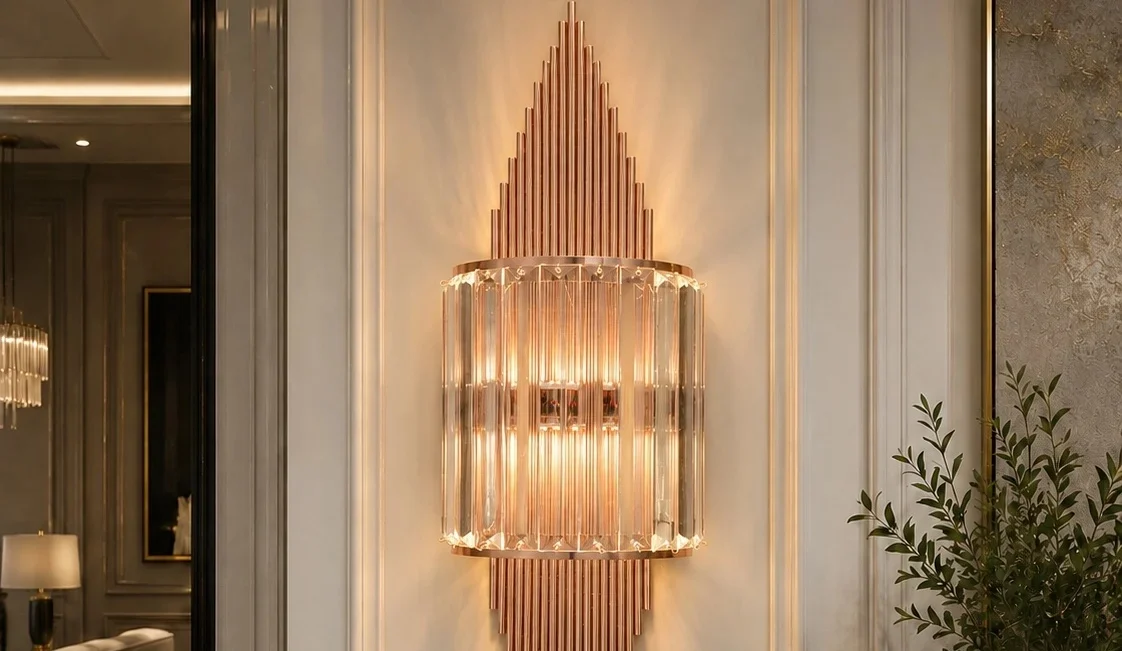
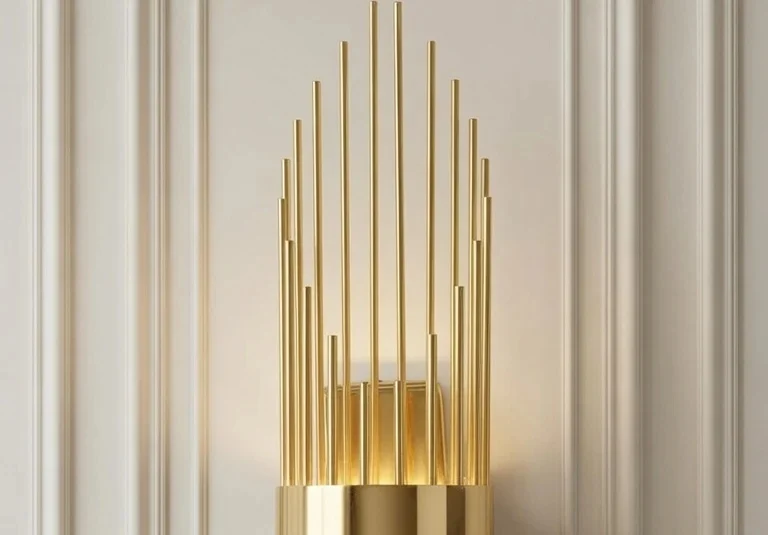
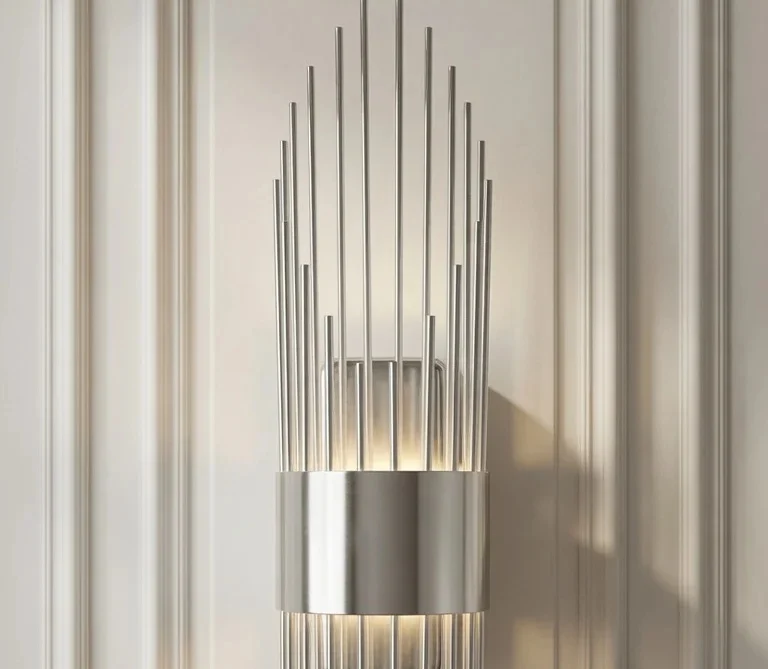
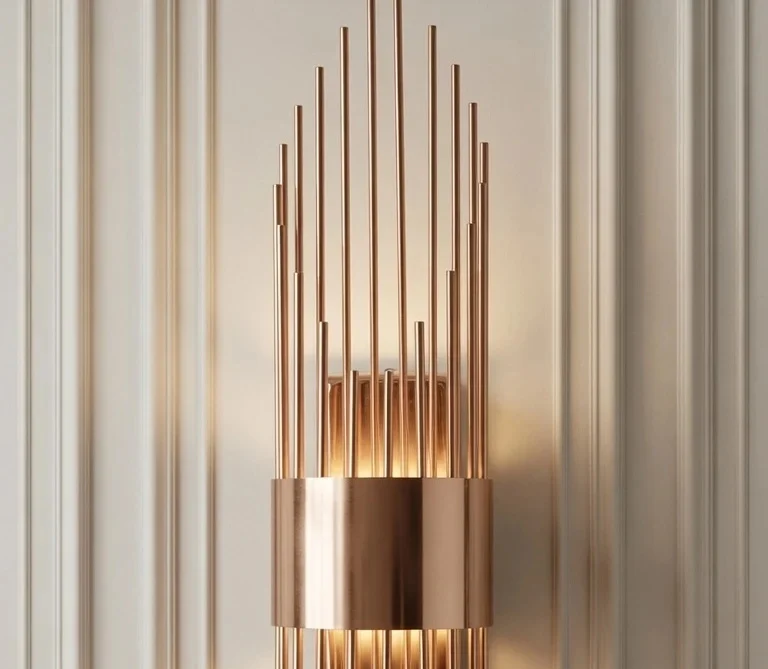
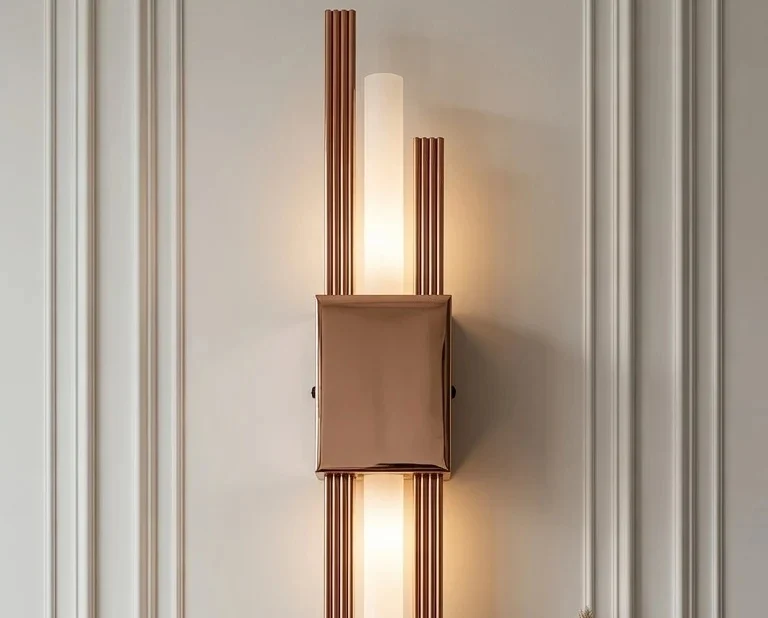
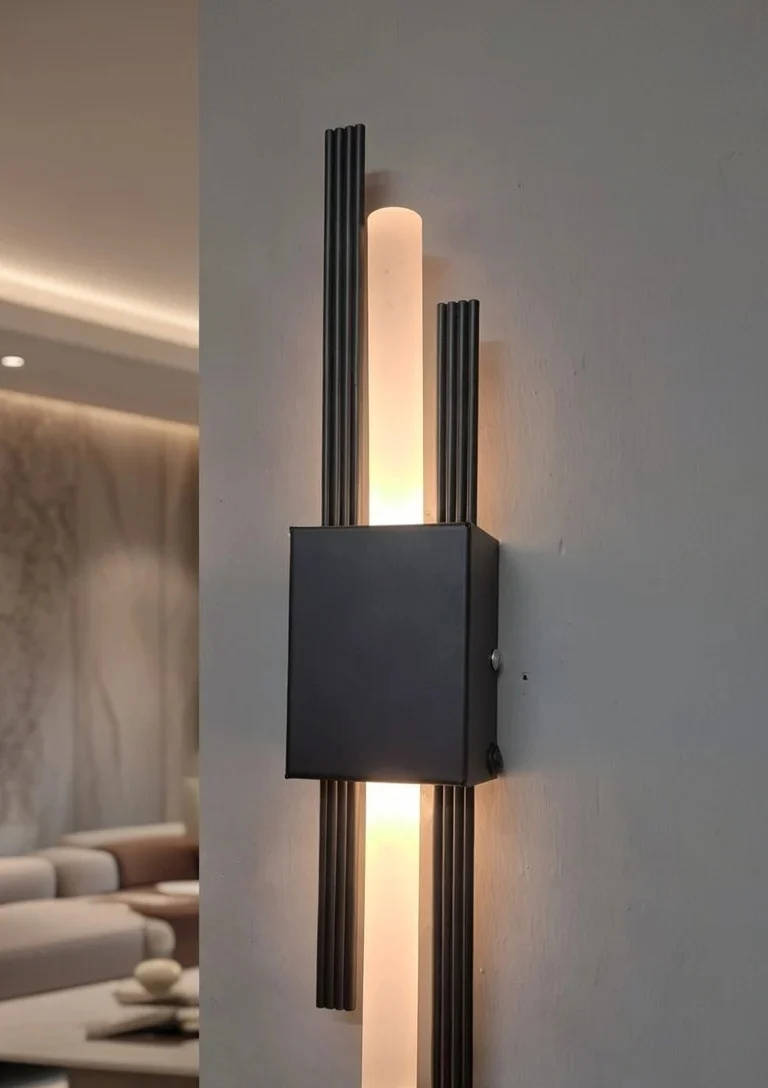
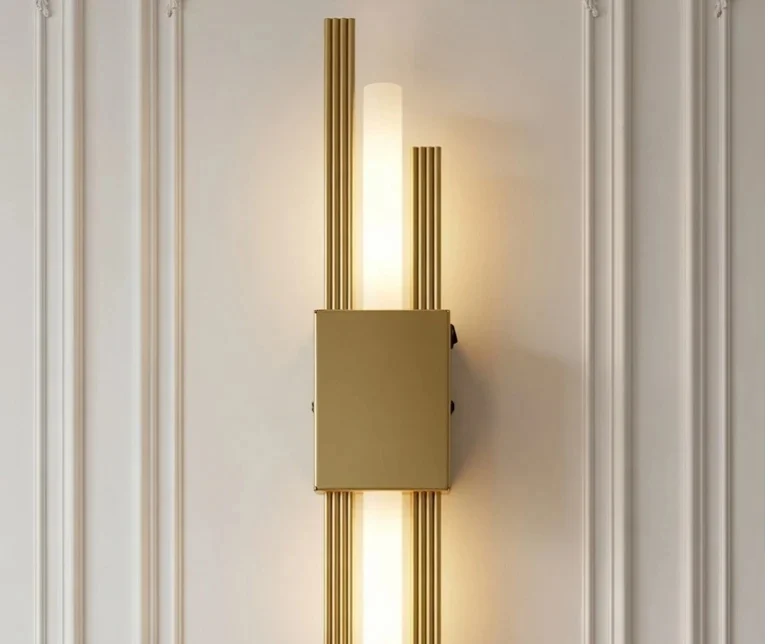
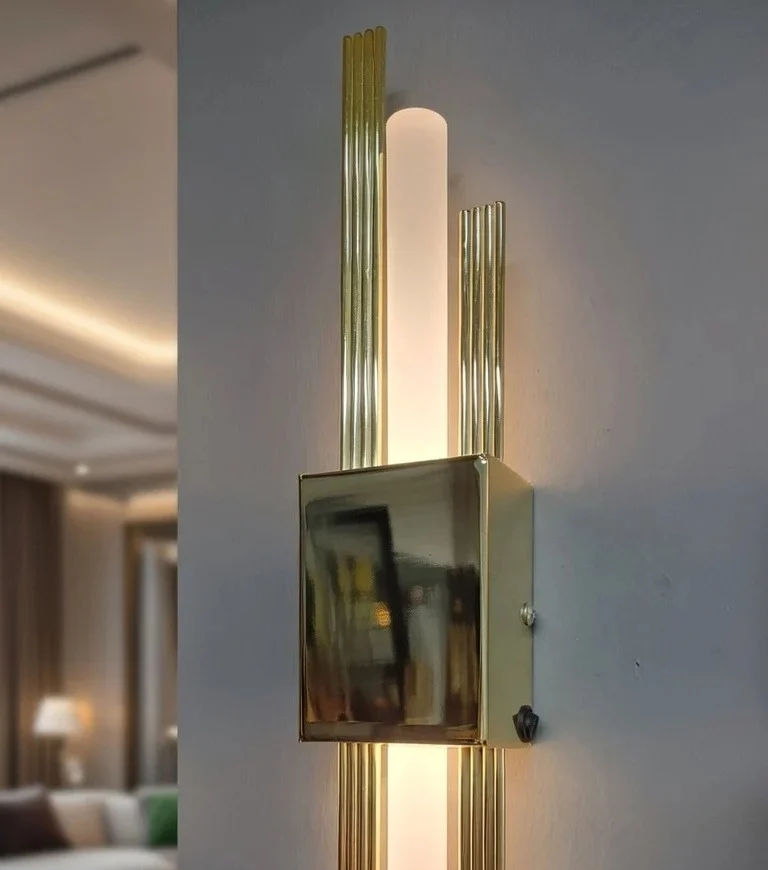
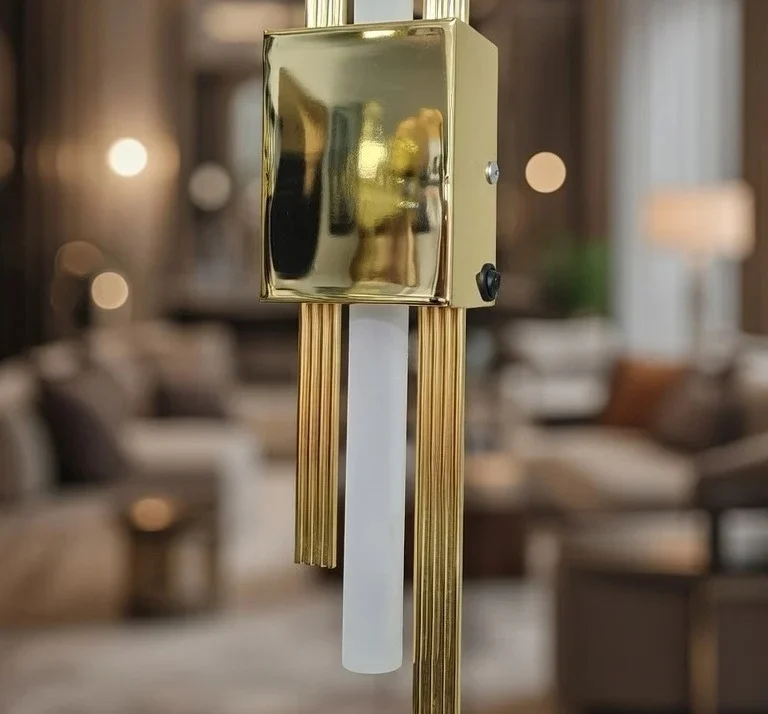
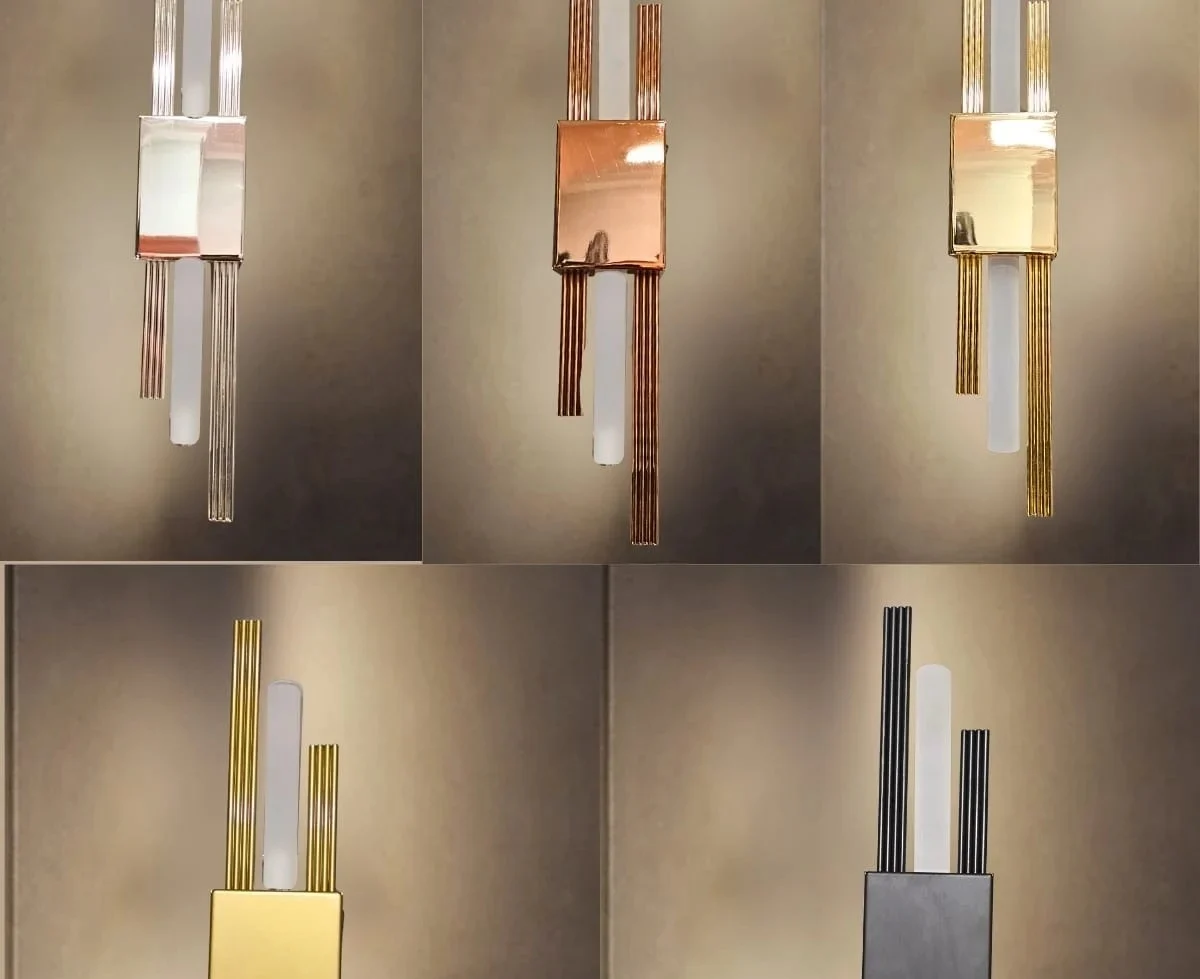
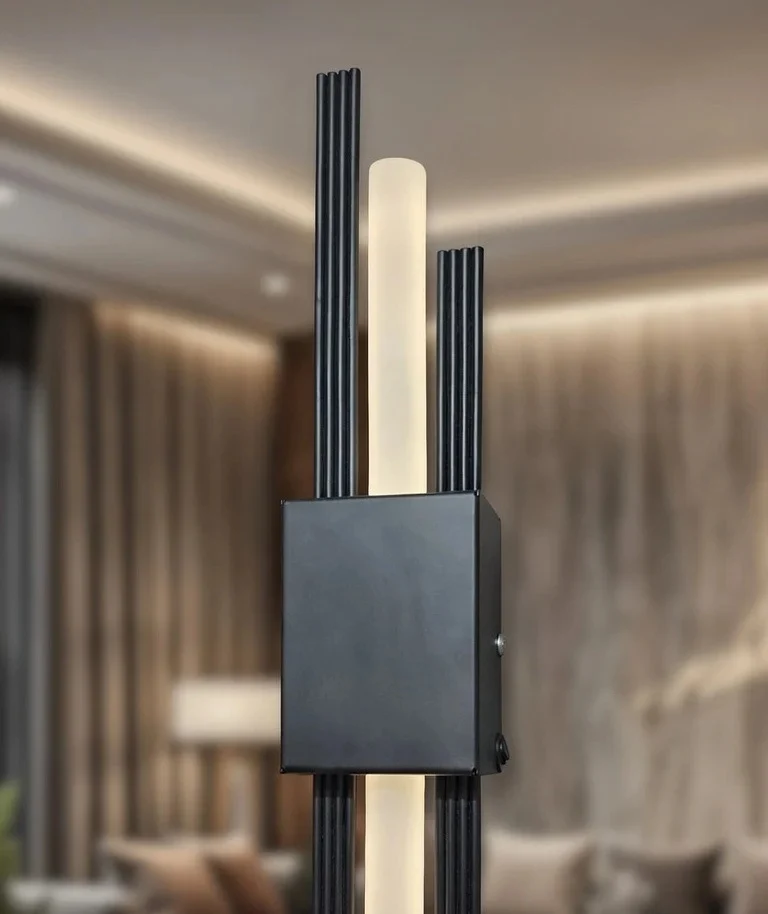
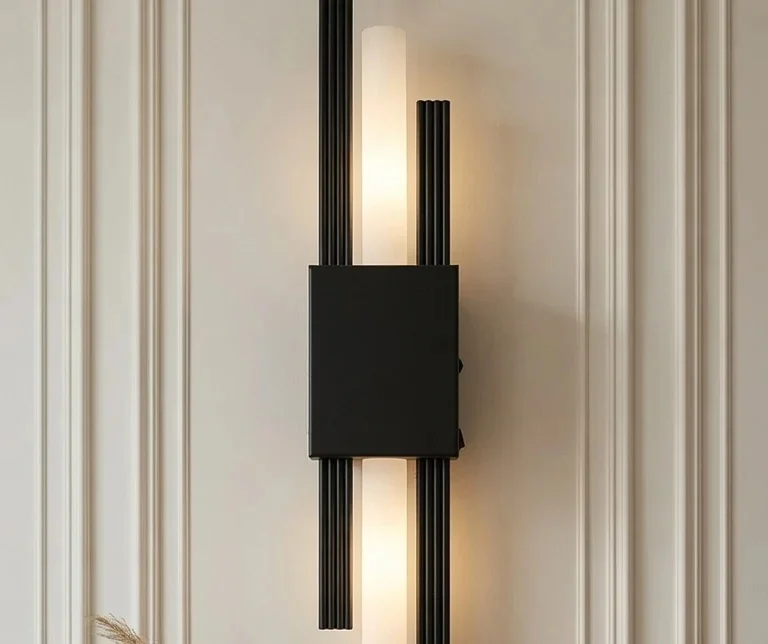
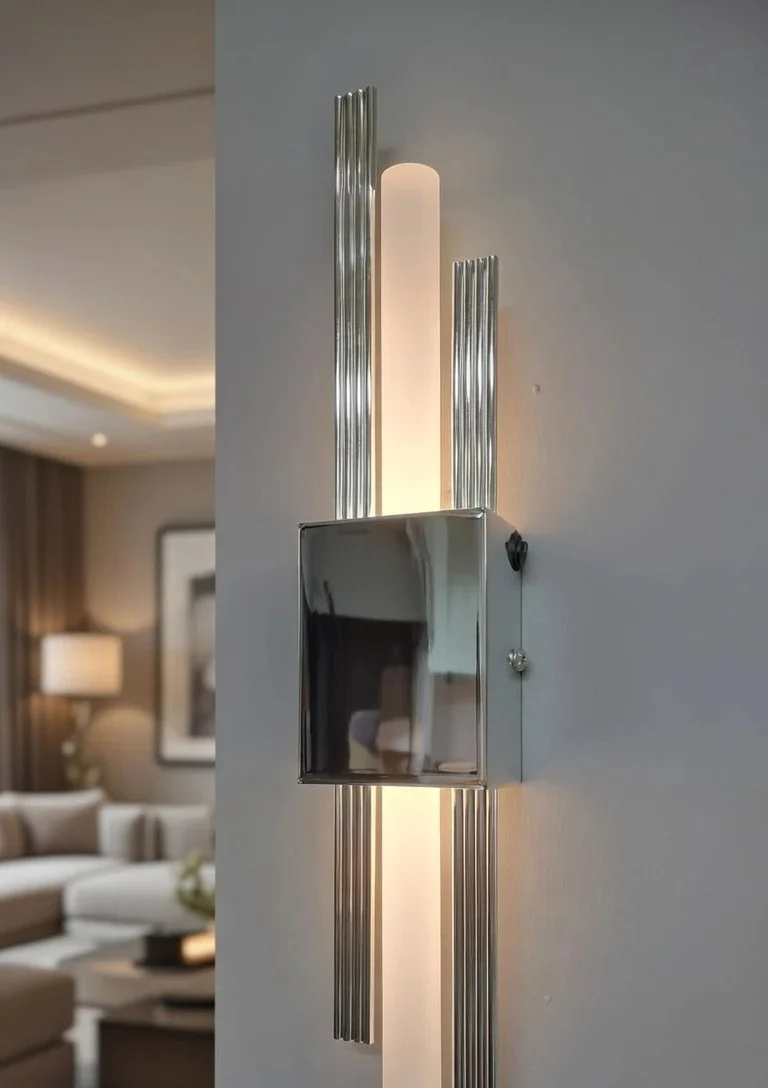
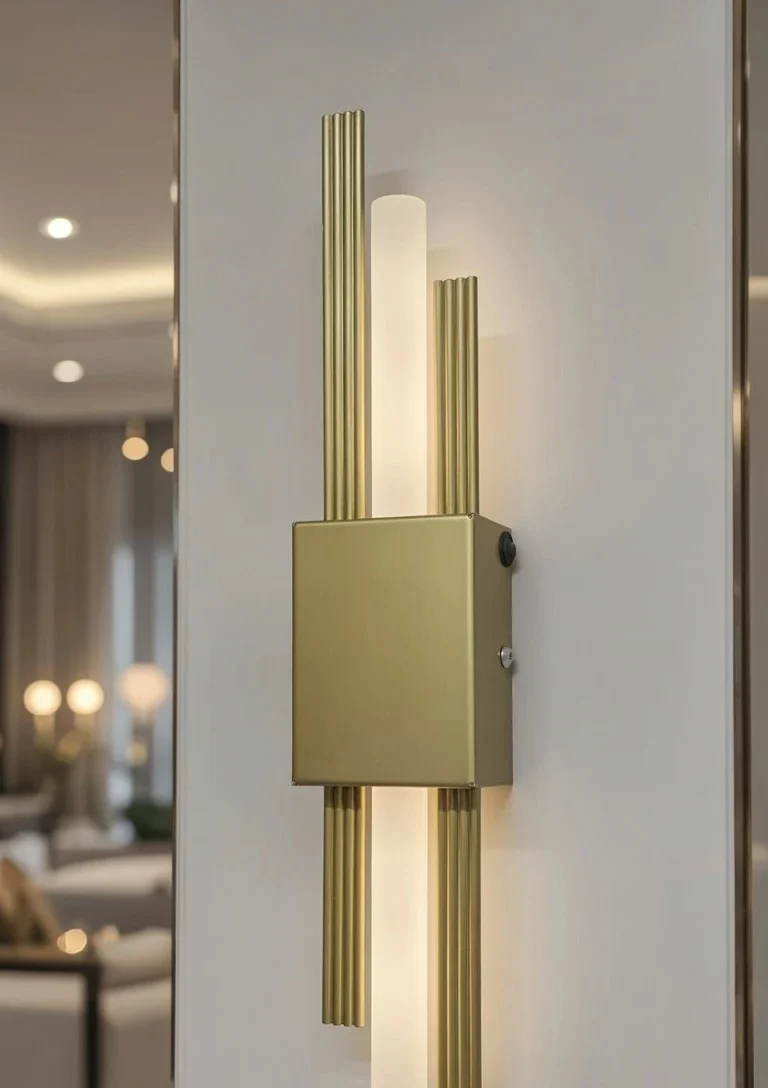
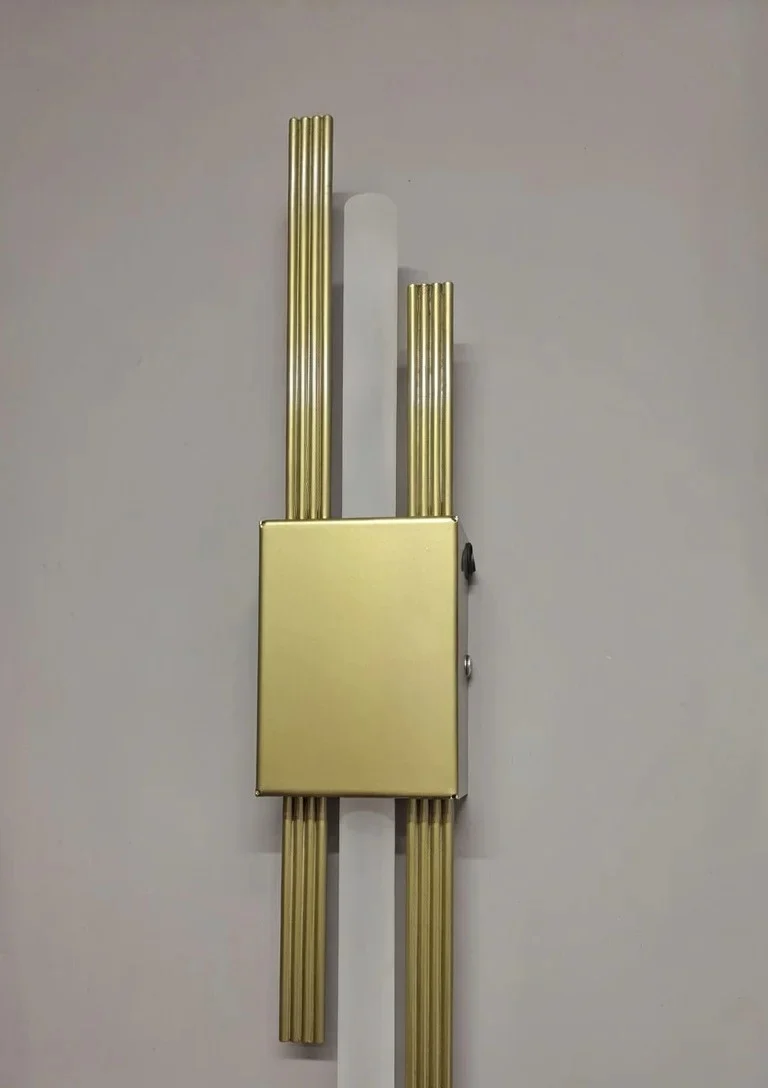
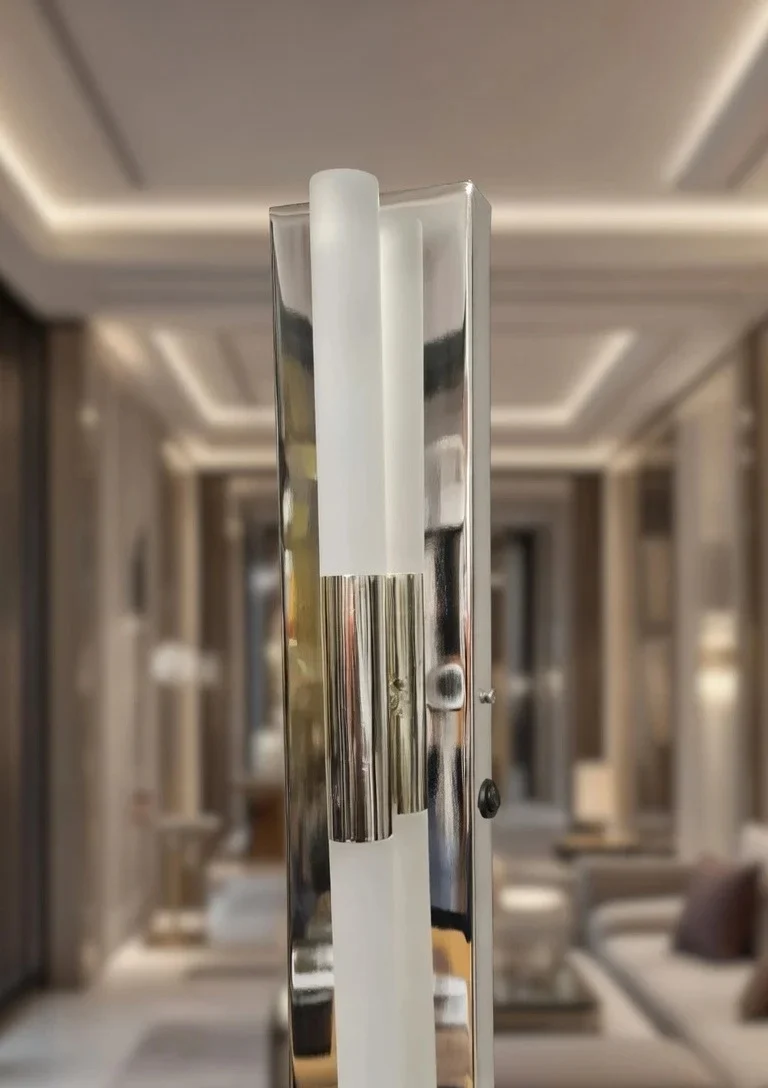
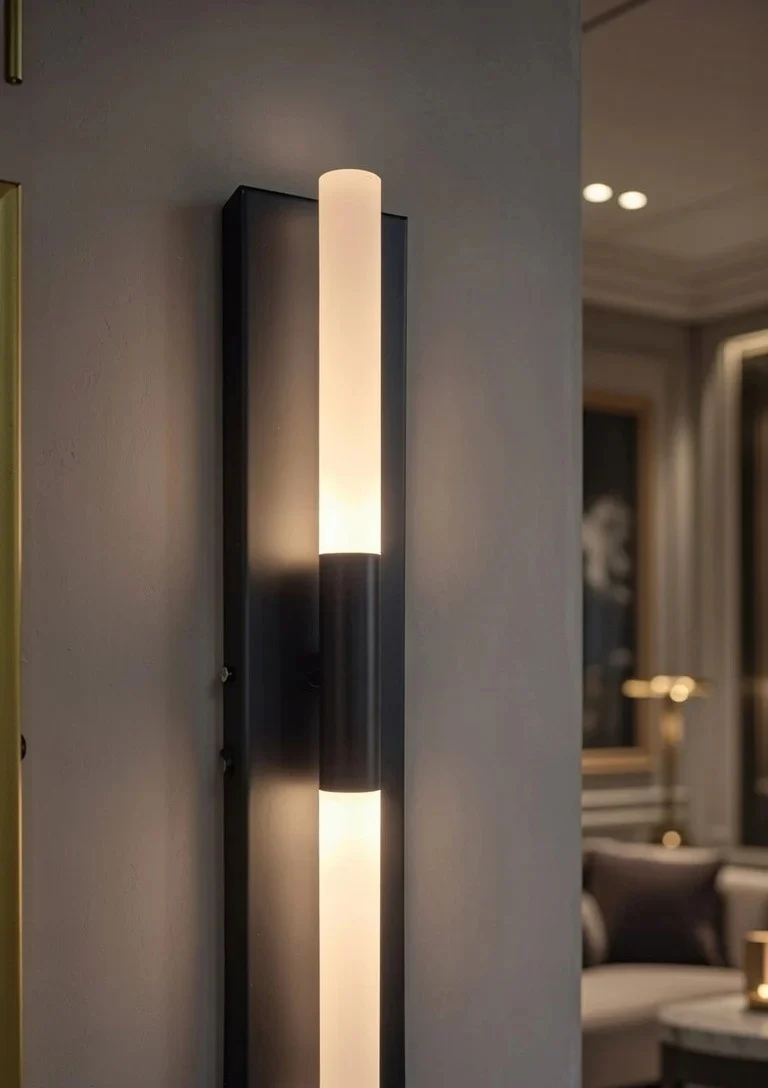
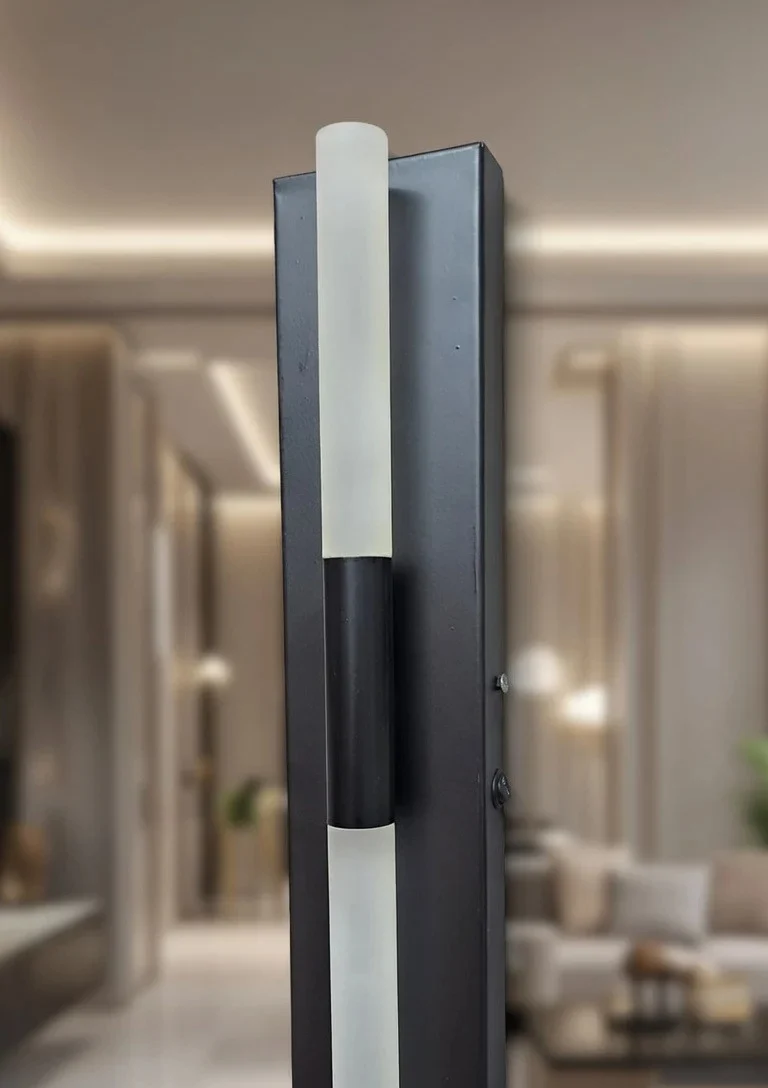
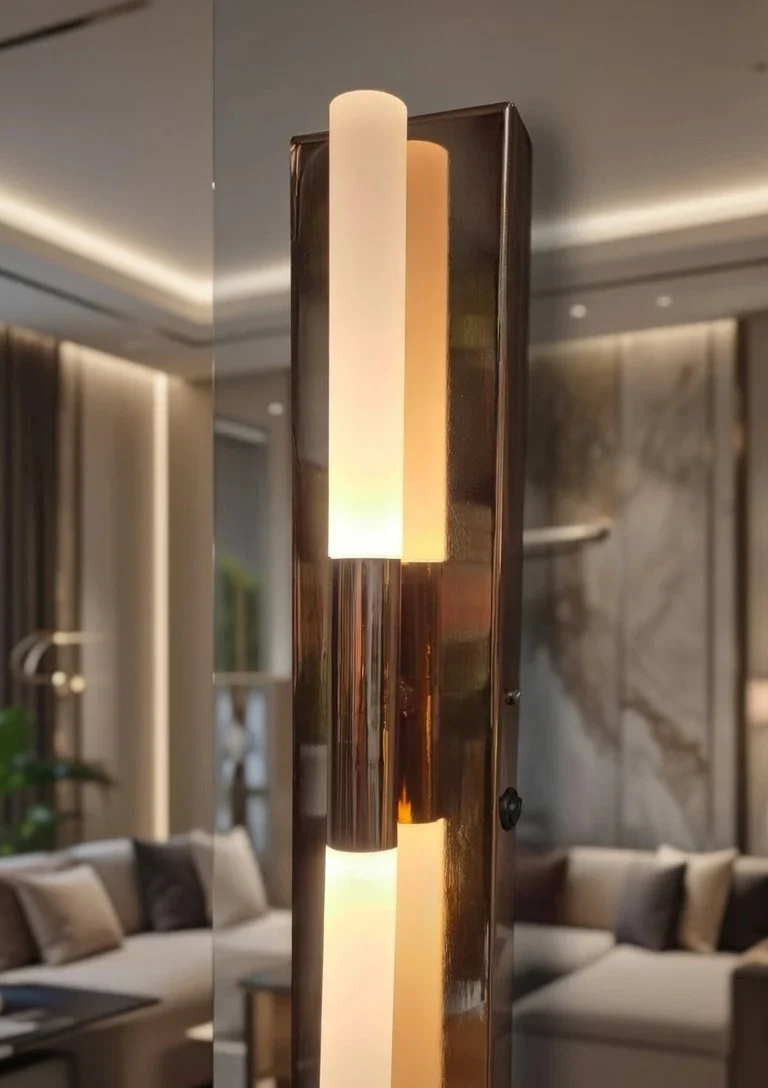
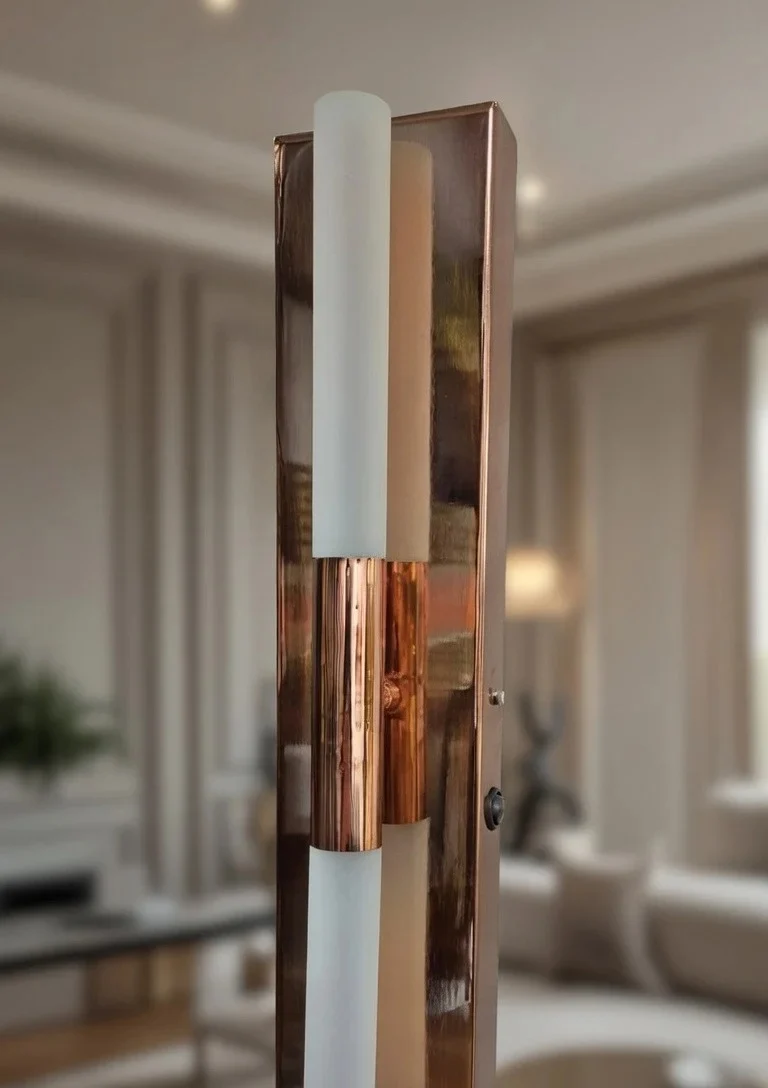
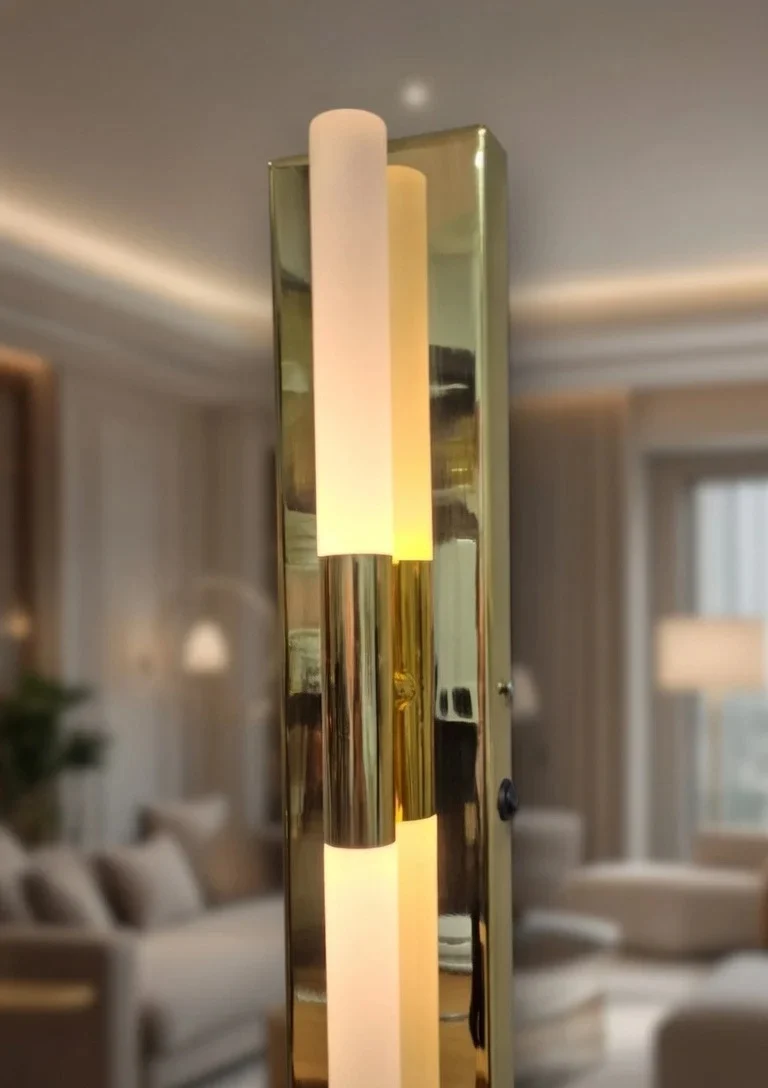
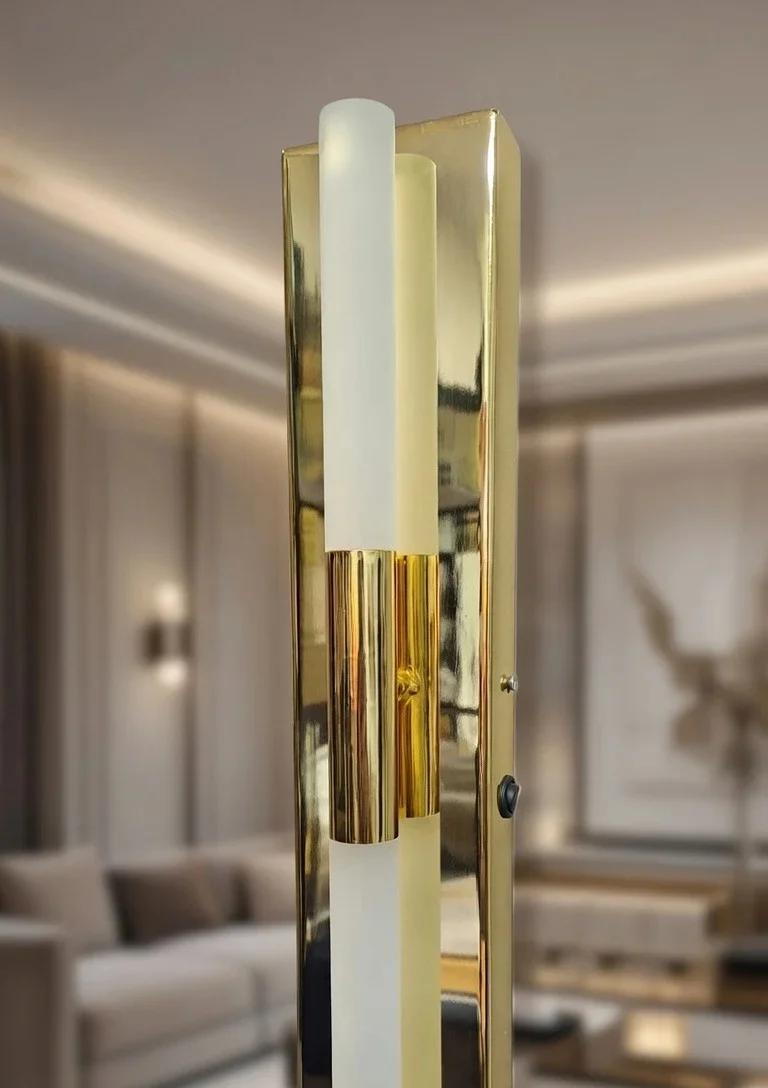
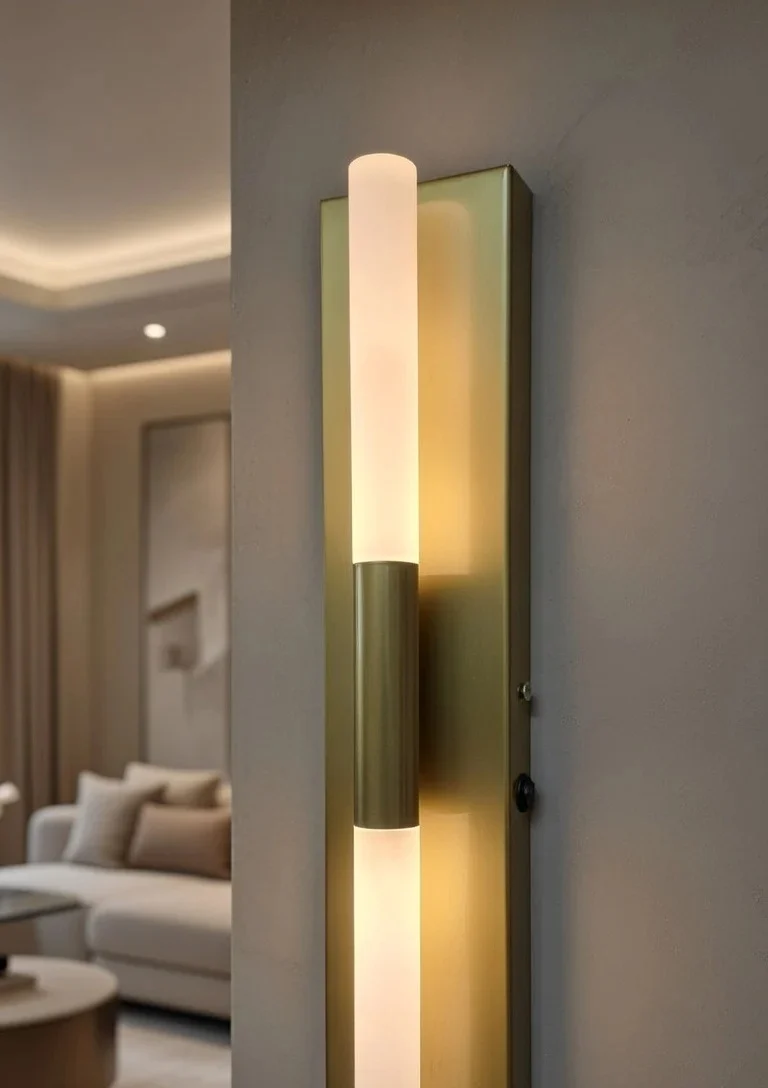
- Stairway Wall Sconce — Battery & Mains, Stepped Rods
Wall sconce mounting height by room
| Space | Common height | Measured from | Watch out for |
|---|---|---|---|
| Living room | 150-180 cm | Floor | Should not sit at seated eye level |
| Bedside | 120-150 cm | Top of the bed | A separate switch for each side |
| Mirror / bathroom | about 180 cm | Floor | Symmetrical pair + moisture protection |
| Hallway | 165-180 cm | Floor | Equal intervals, slim body |
| Staircase | Tread line | Step surface | Light must reach the step |
| Entrance door | about 200 cm | Floor | Outdoor protection rating |
Related guides: What Is a Wall Sconce? Types, Uses and How to Choose, What Is a Battery-Powered Wall Sconce? A Cordless Lighting Guide. For your project you can review for product options see wall sconce collection or for turnkey installation see our hallway lighting solutions.