Choosing Circuit Breakers and Residual Current Devices
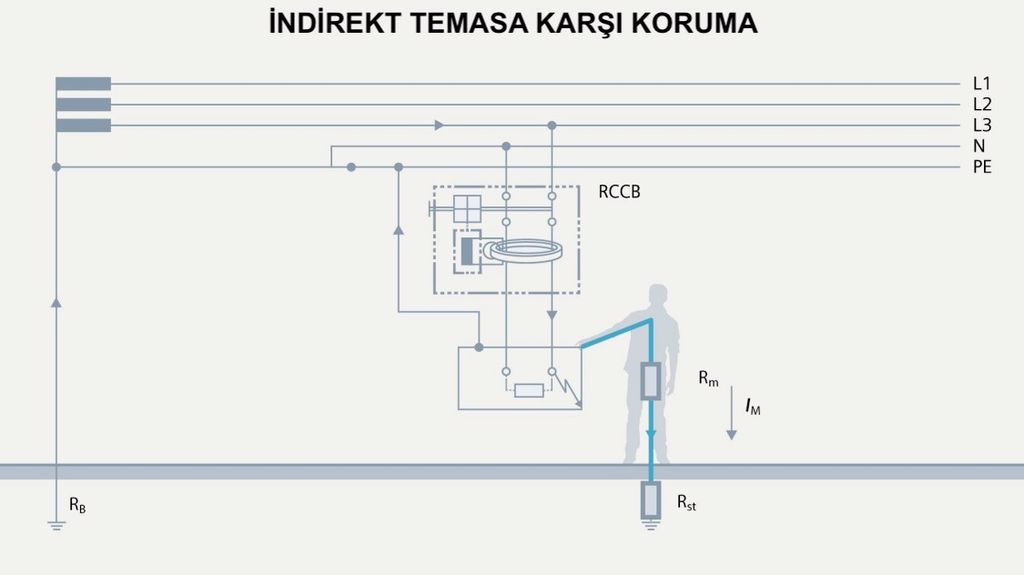
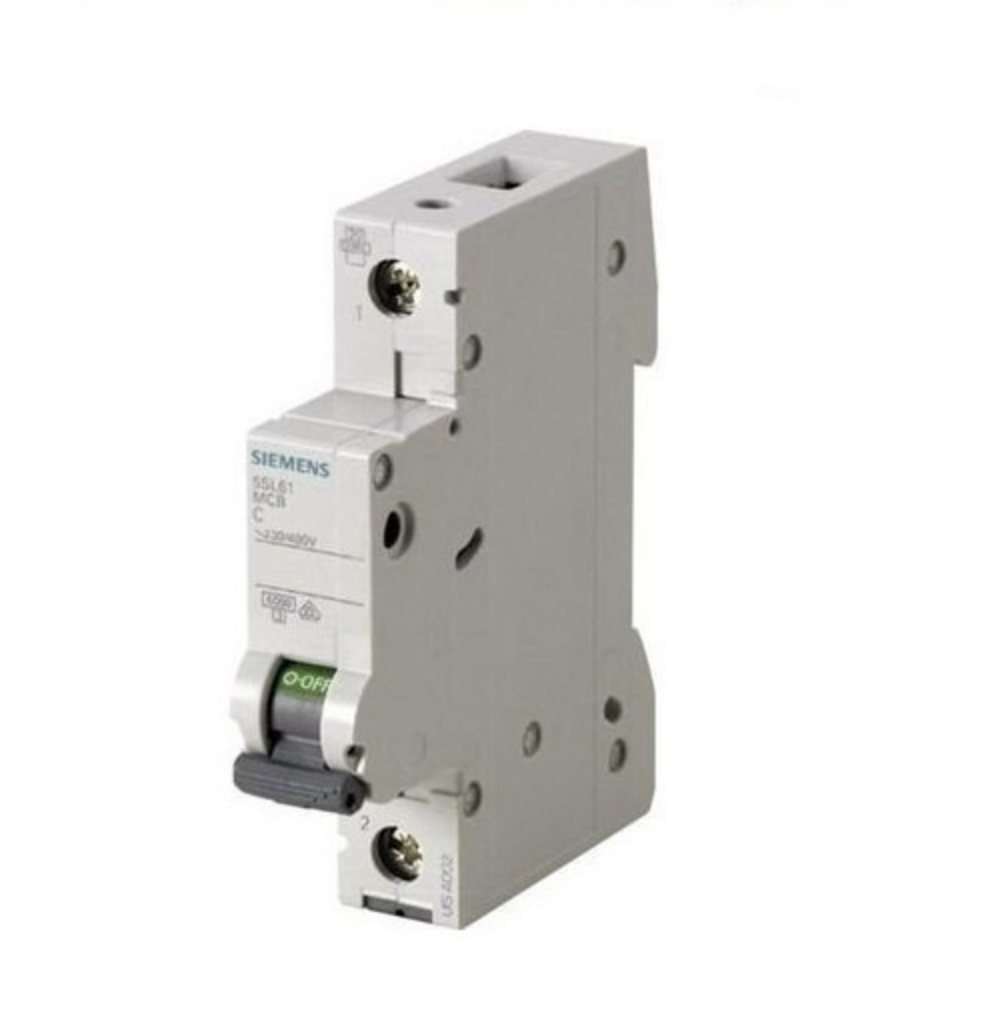
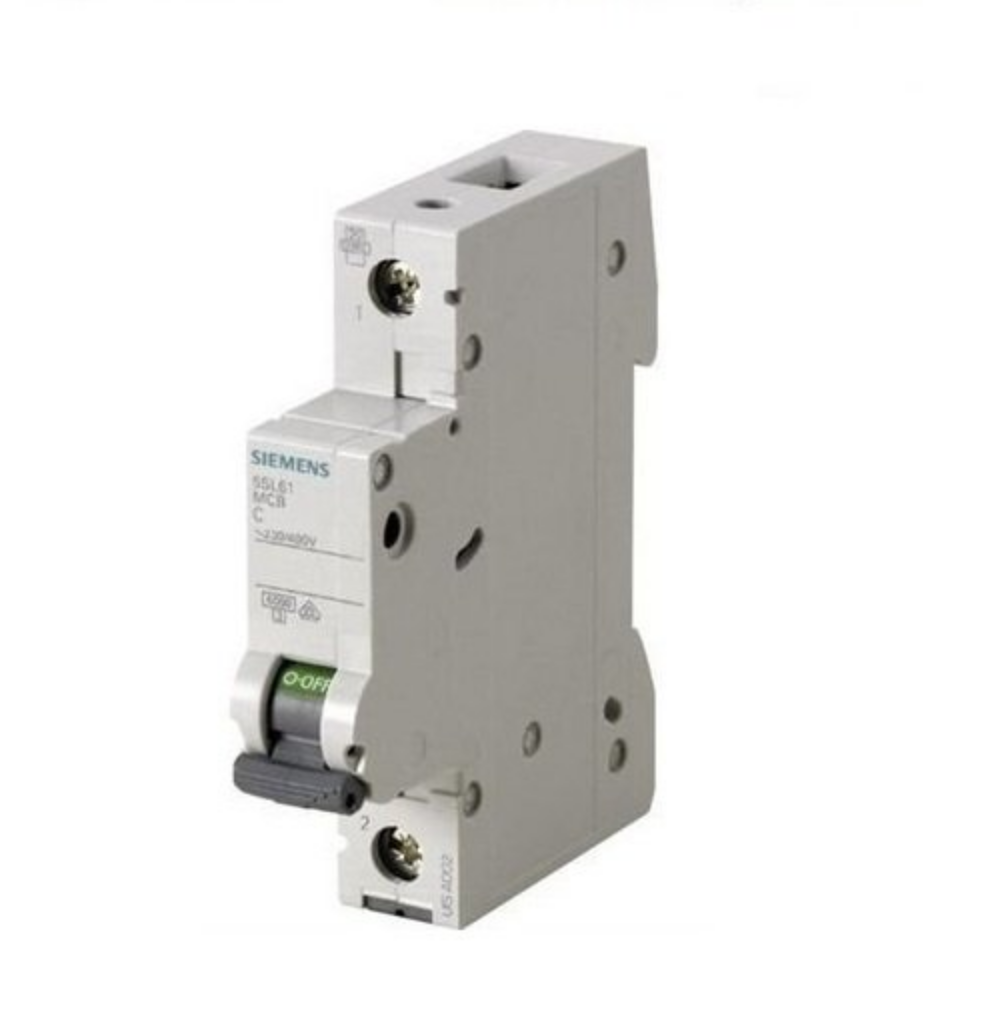
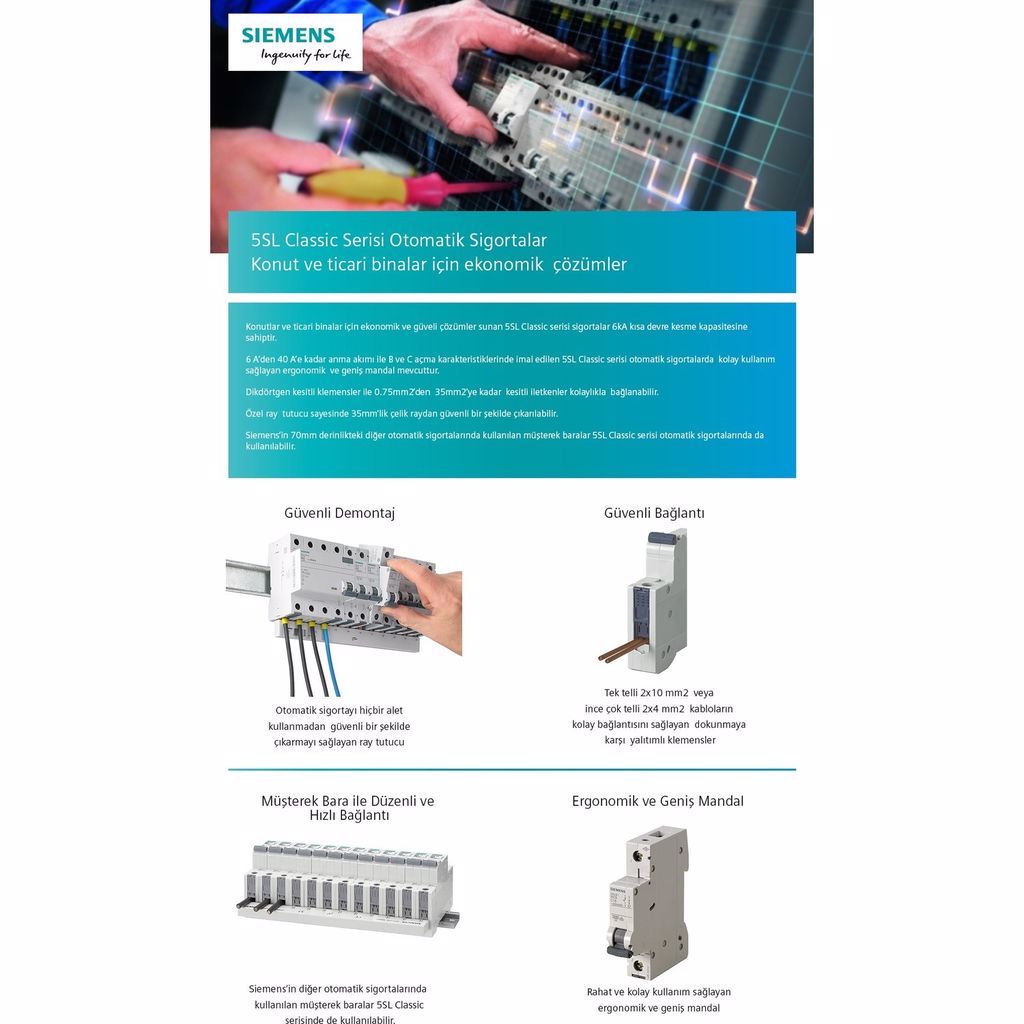
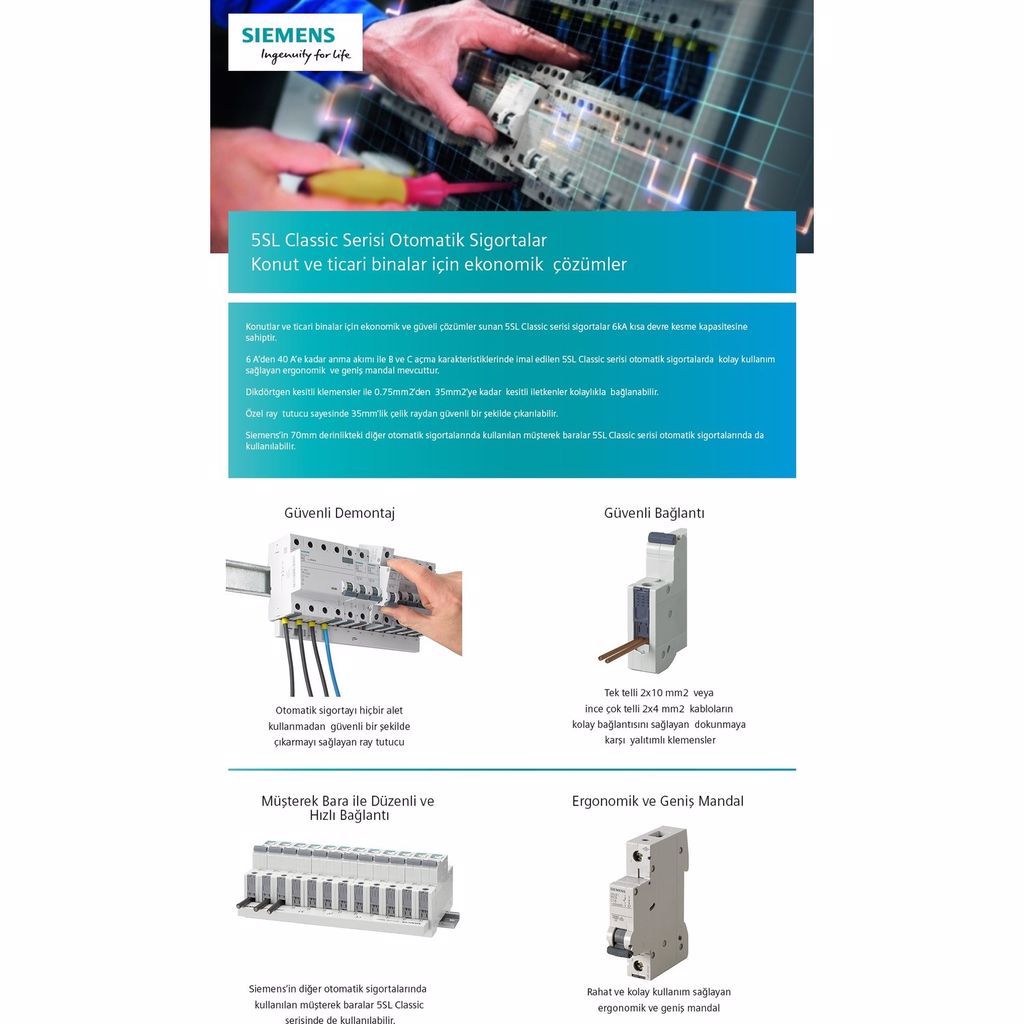
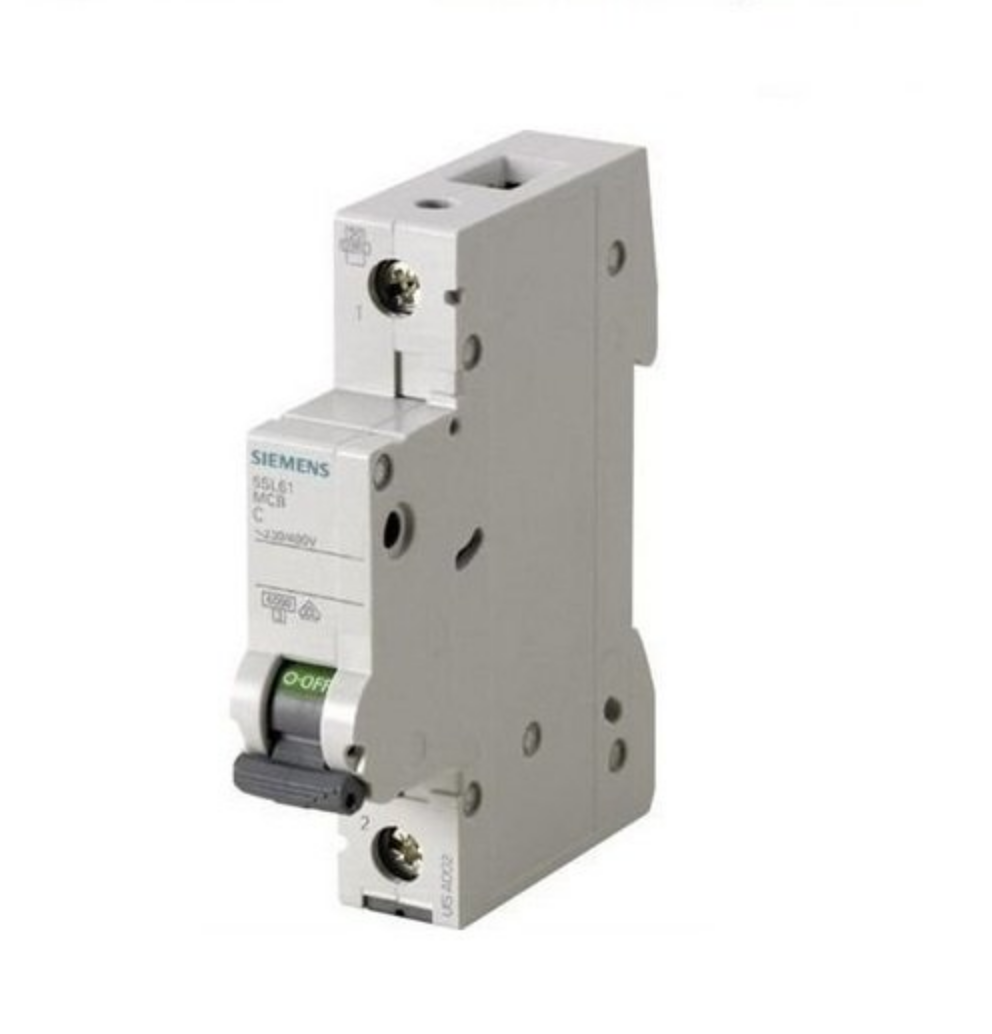
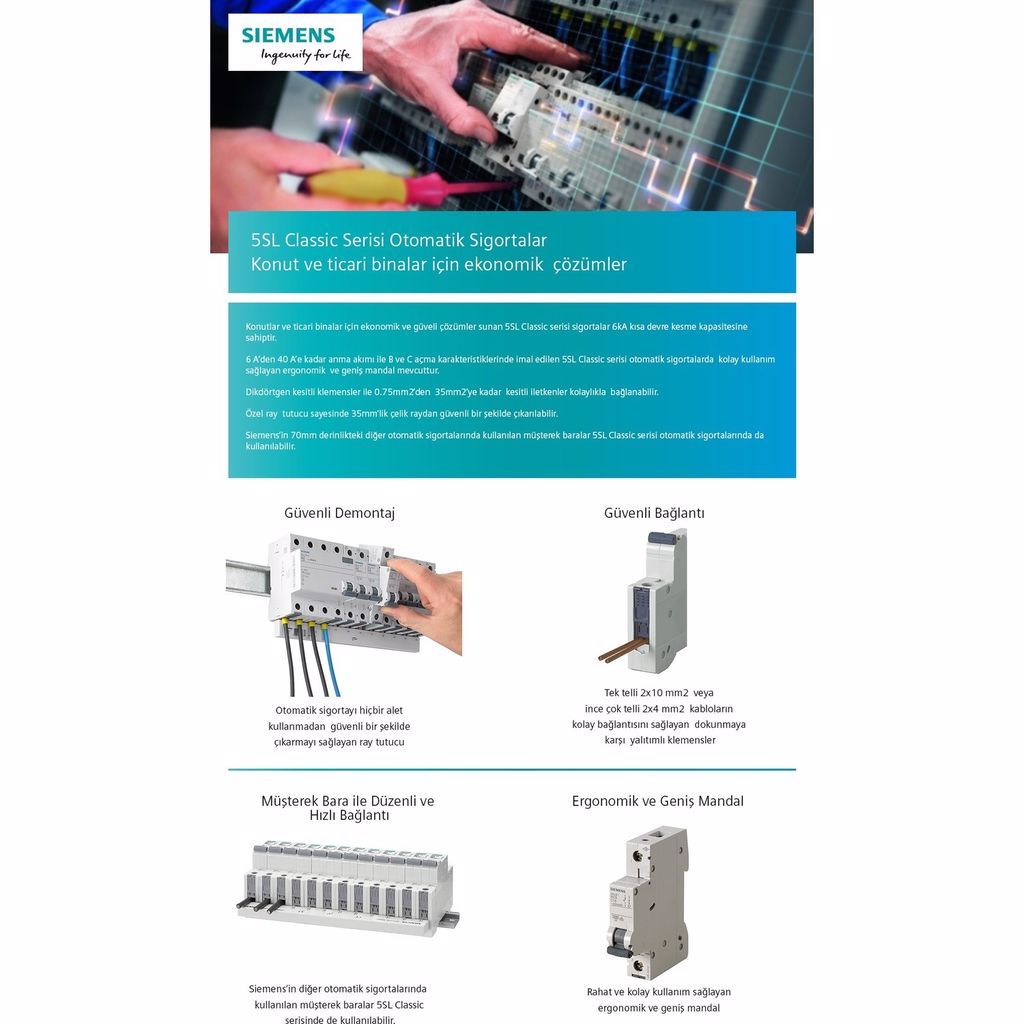
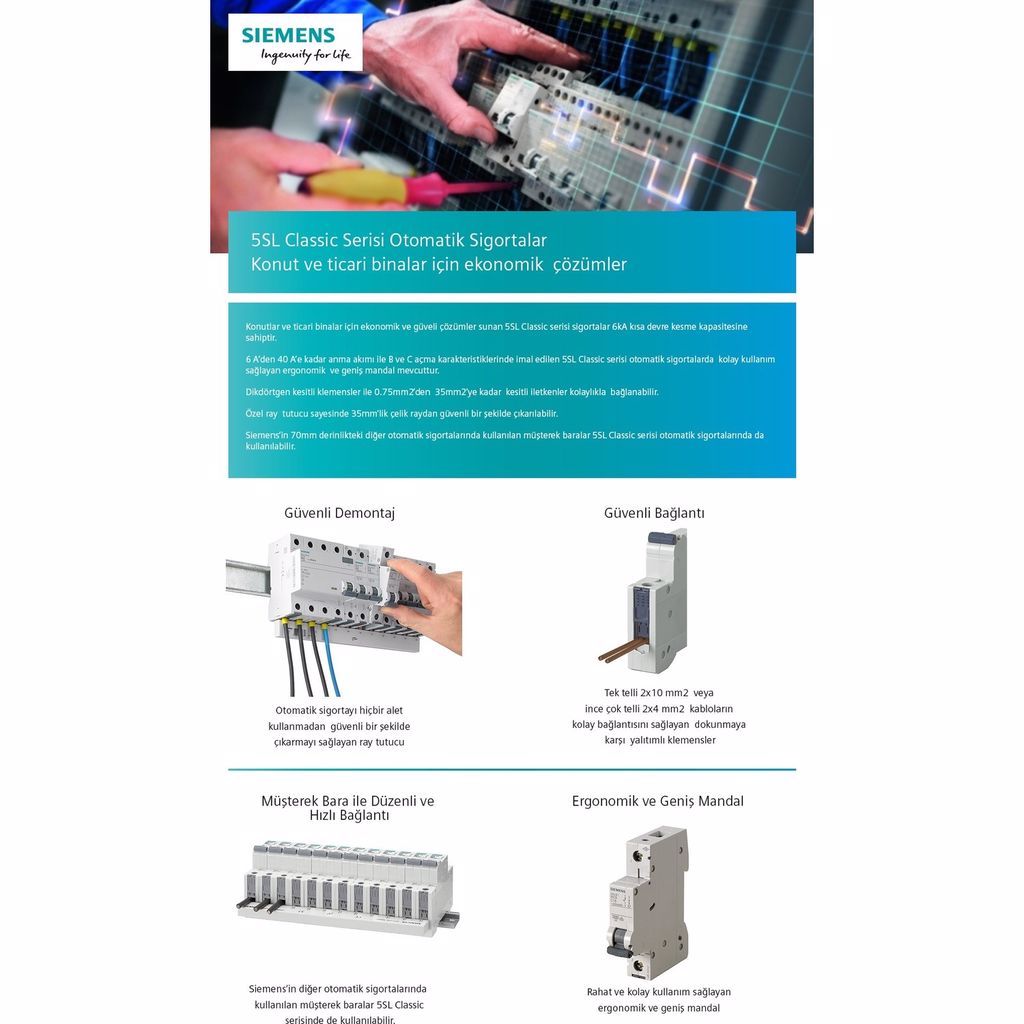
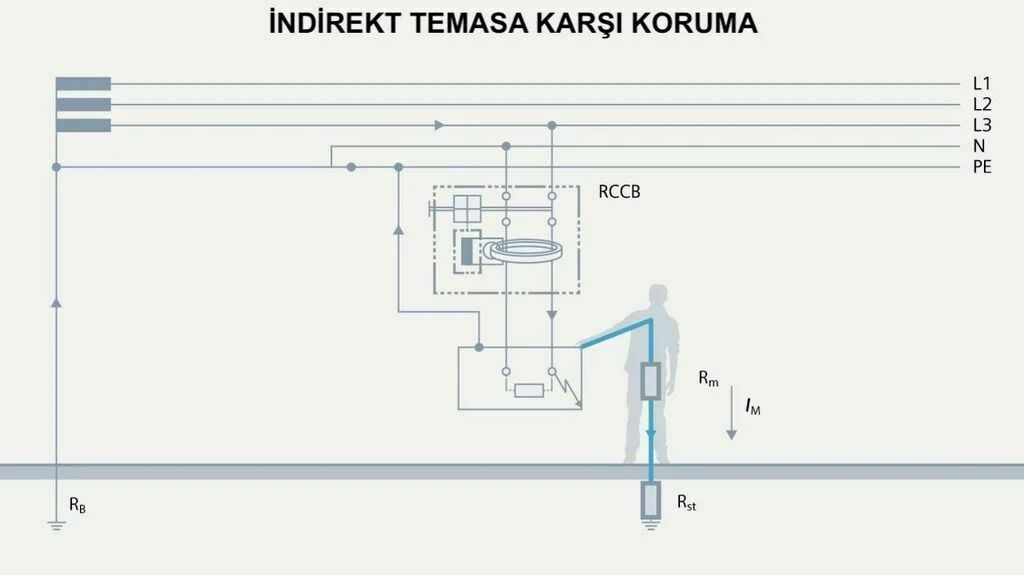
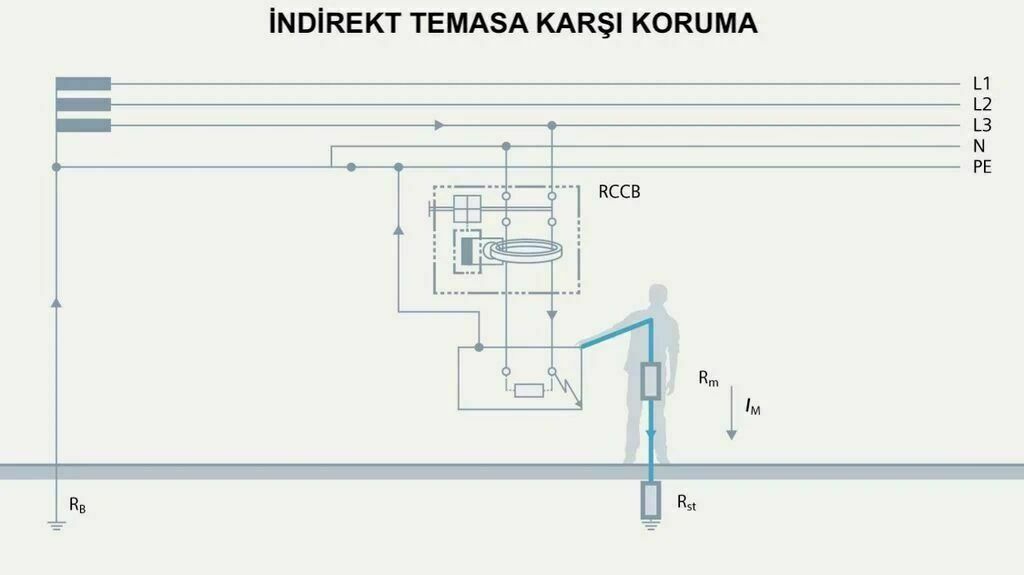
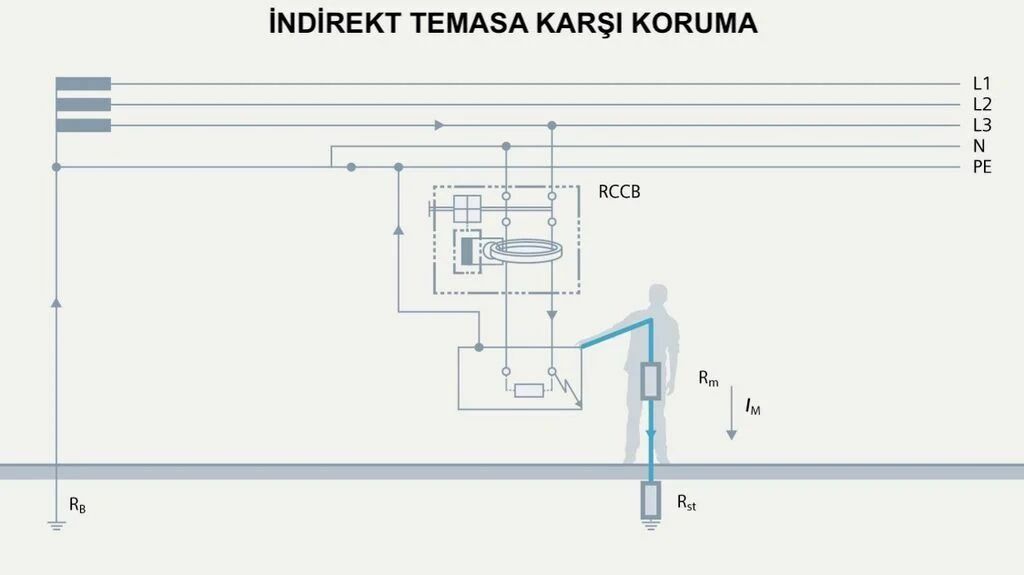
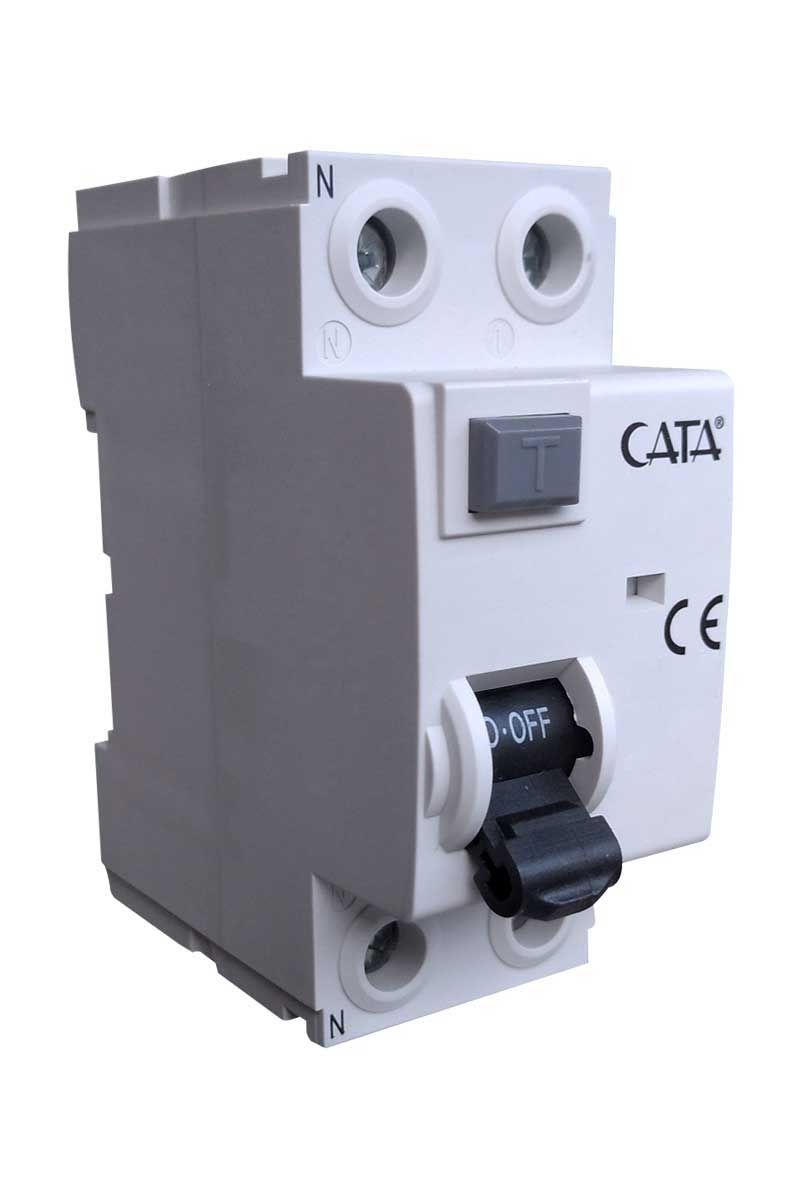
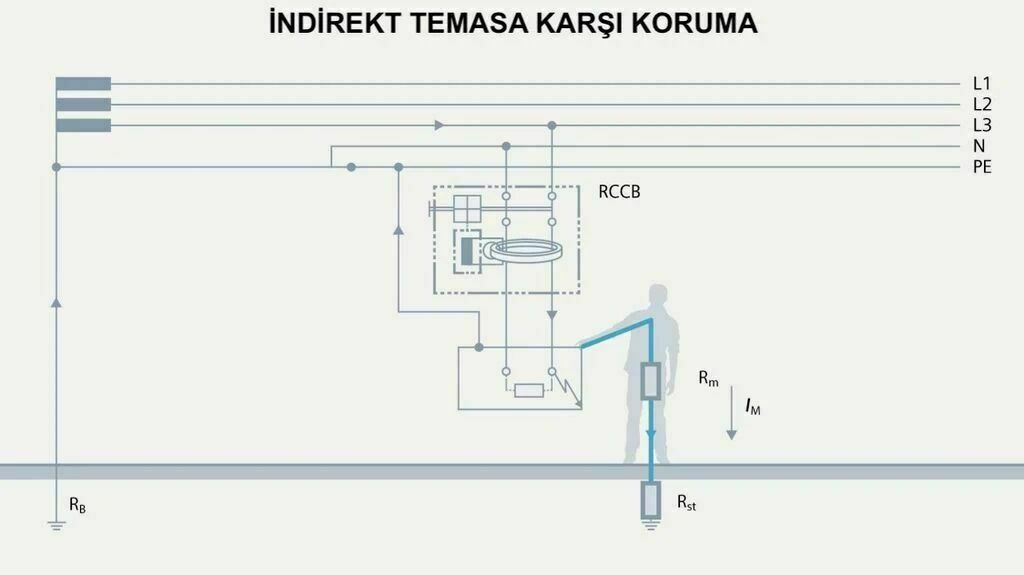
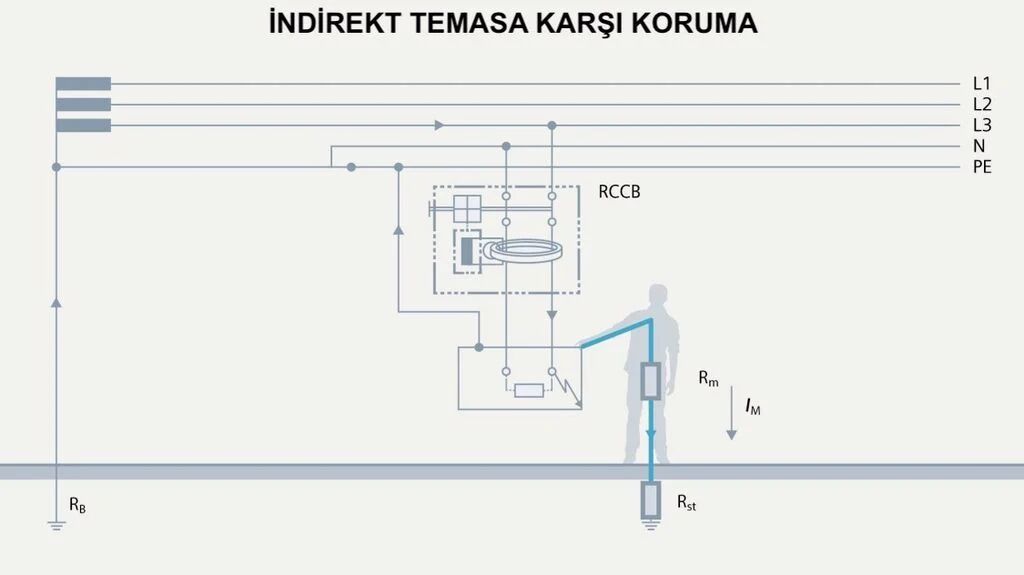
An electrical panel has two separate protection tasks. A circuit breaker protects cables and appliances against overcurrent and short circuit. A residual current device disconnects the circuit when current leaks between phase and earth — and that leak may pass through a human body. The two products do not replace each other; they are used together in an installation.
Rated current
The rated current (A) of the circuit breaker must not exceed the current the protected cable can carry. In homes, 10 A circuit breakers are usually used for lighting circuits and 16 A for socket circuits; the correct value is set by an electrician according to the cable cross-section and the load on the circuit.
Type B or type C?
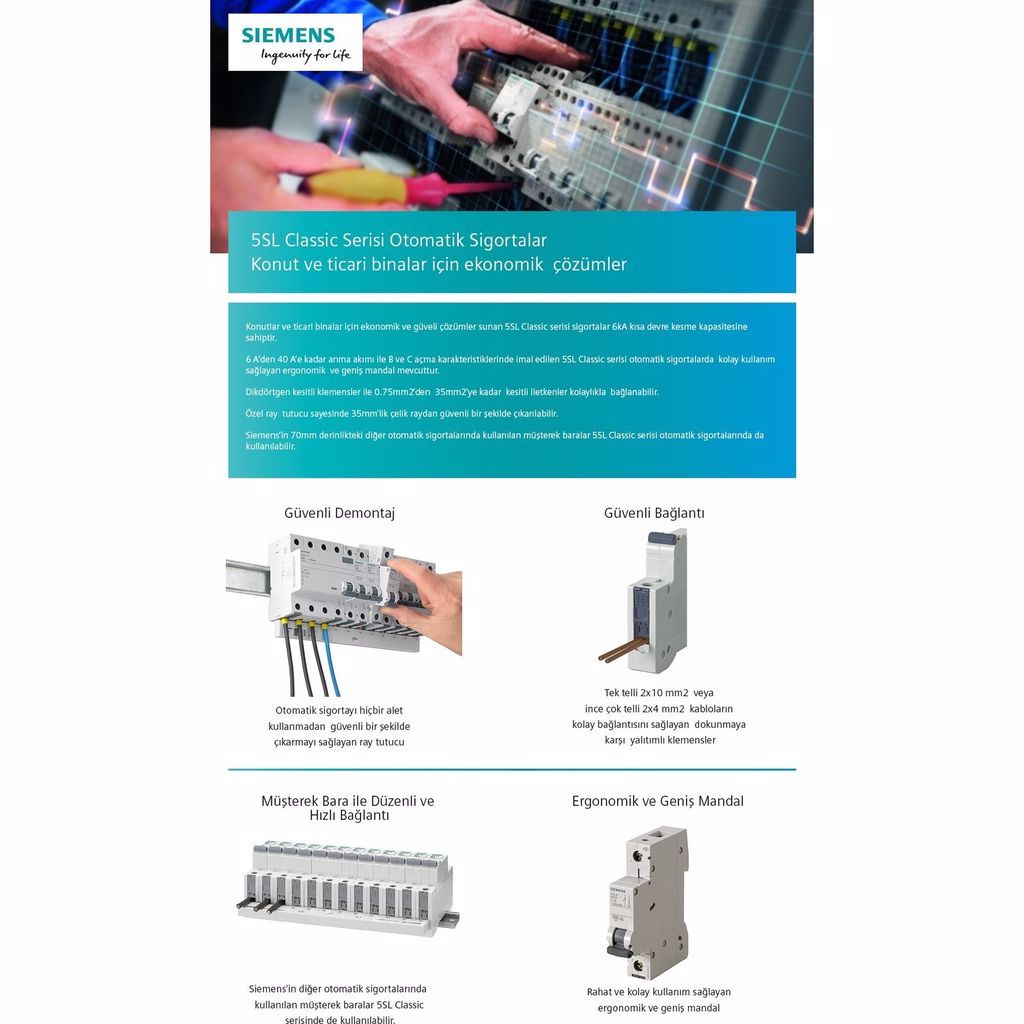
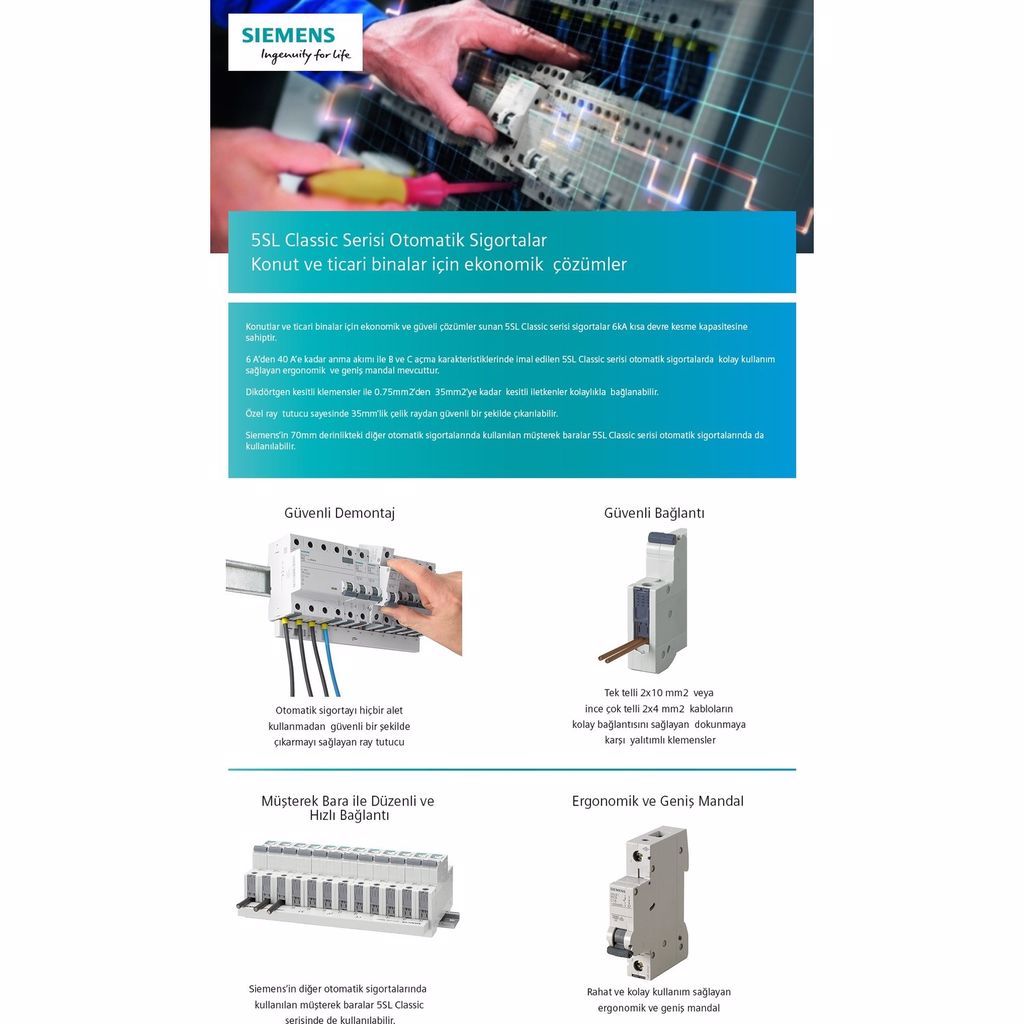
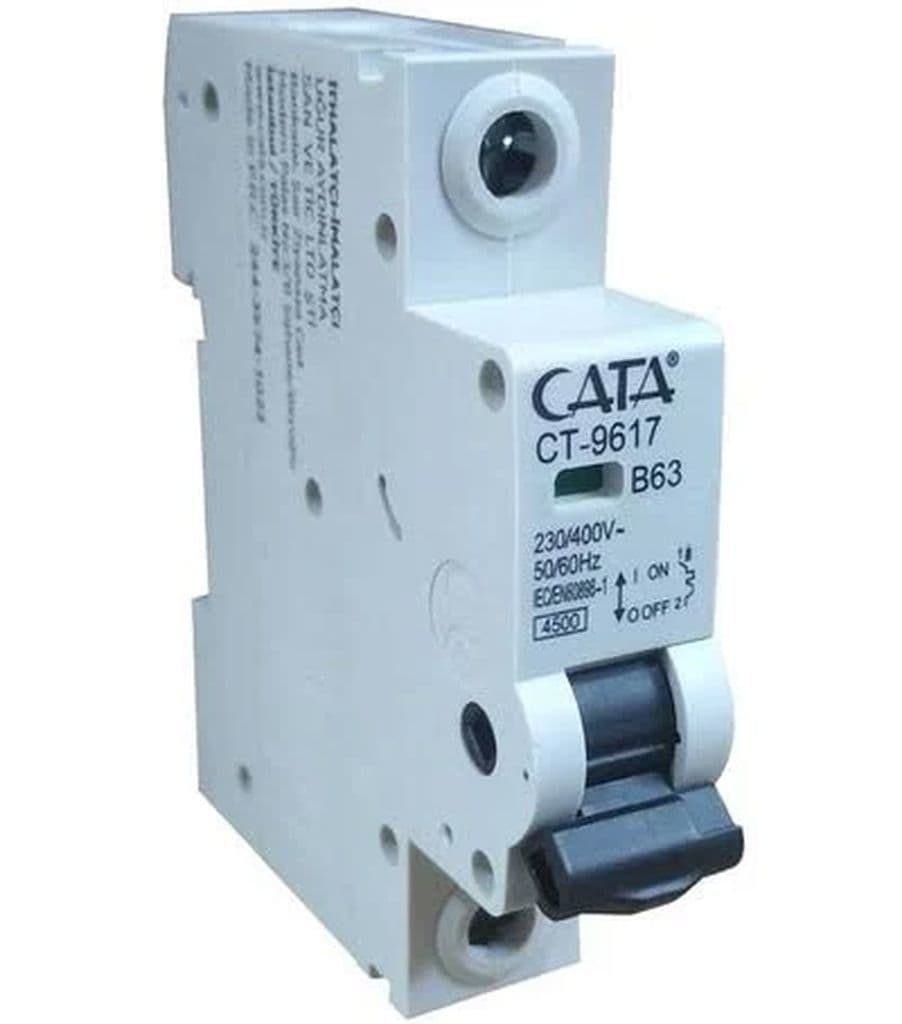
The tripping curve shows how the circuit breaker reacts to short current peaks. A type B circuit breaker trips instantly at 3 to 5 times its rated current and is used for lighting and socket circuits in homes and offices. A type C circuit breaker trips at 5 to 10 times and prevents nuisance tripping in circuits with loads that have a high inrush current, such as motors, compressors and transformers.
Number of poles
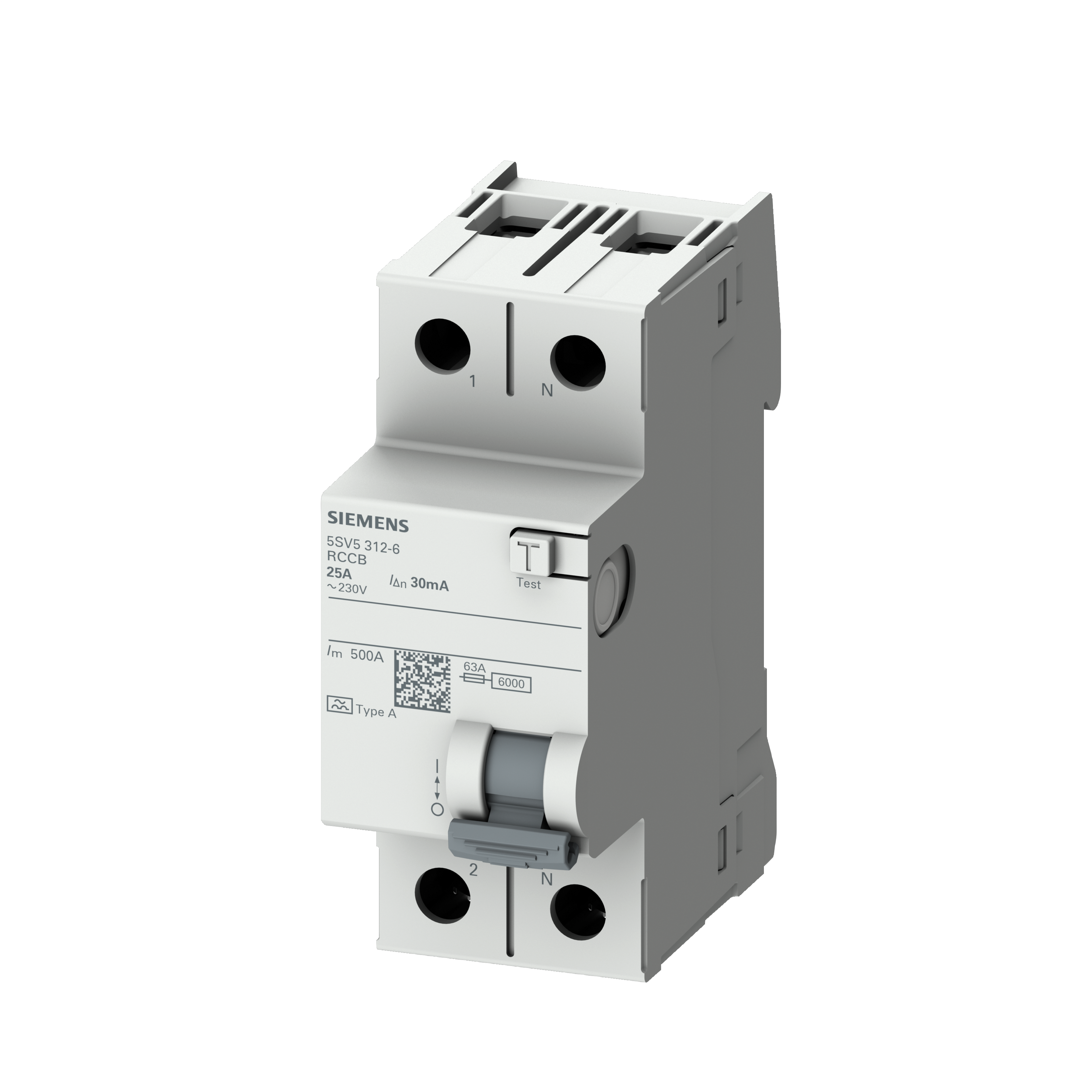
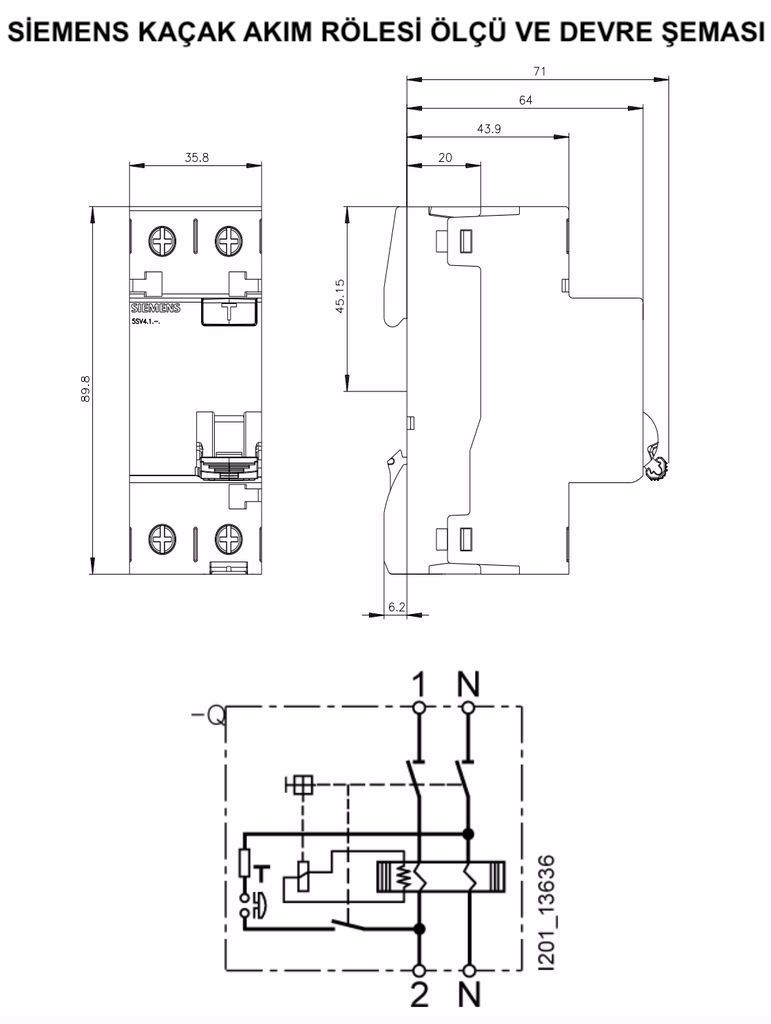
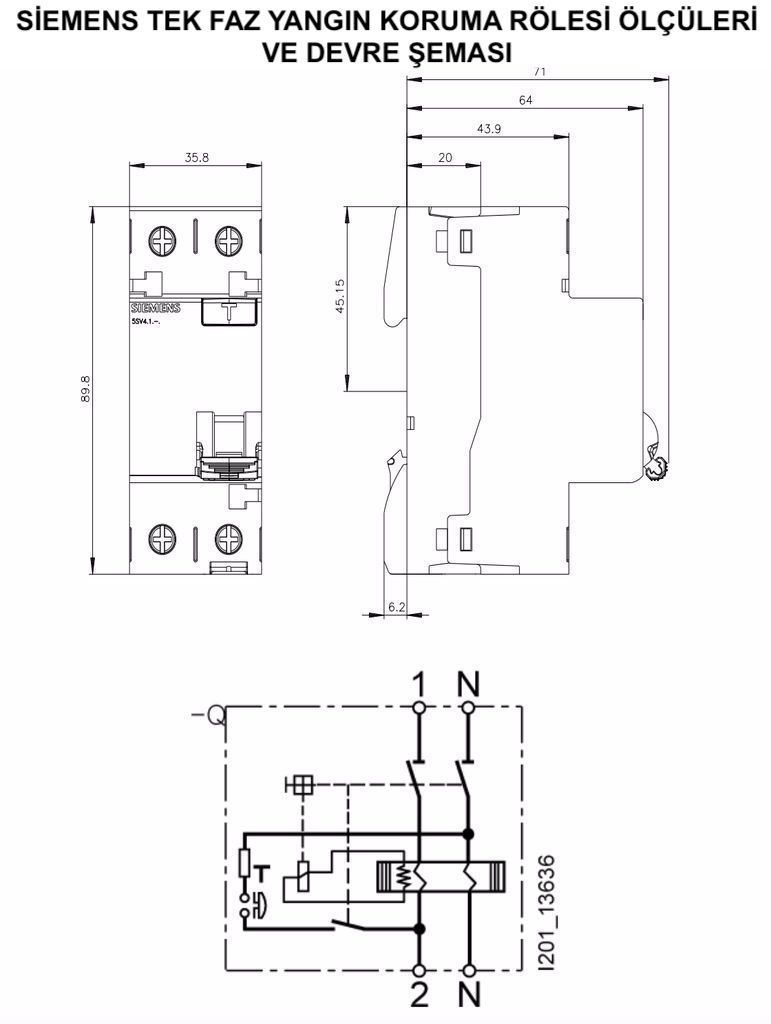
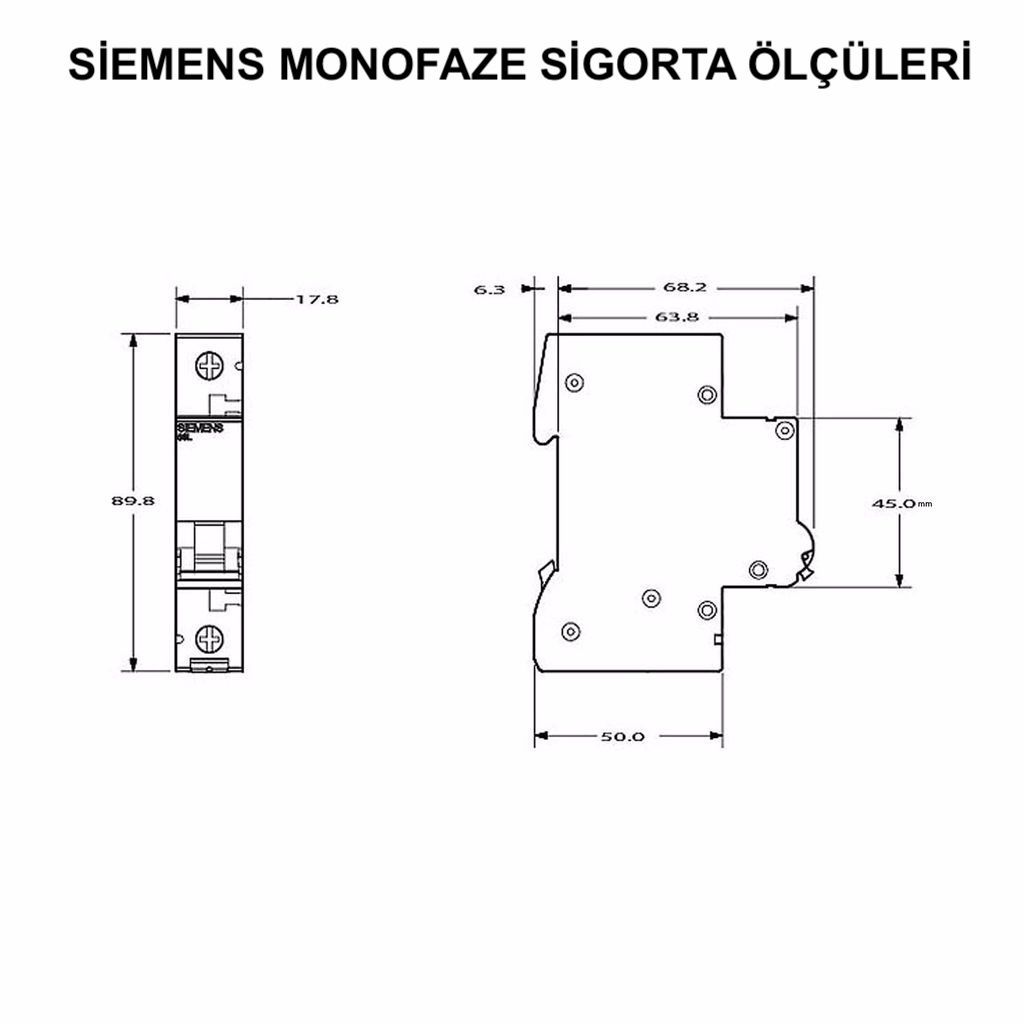
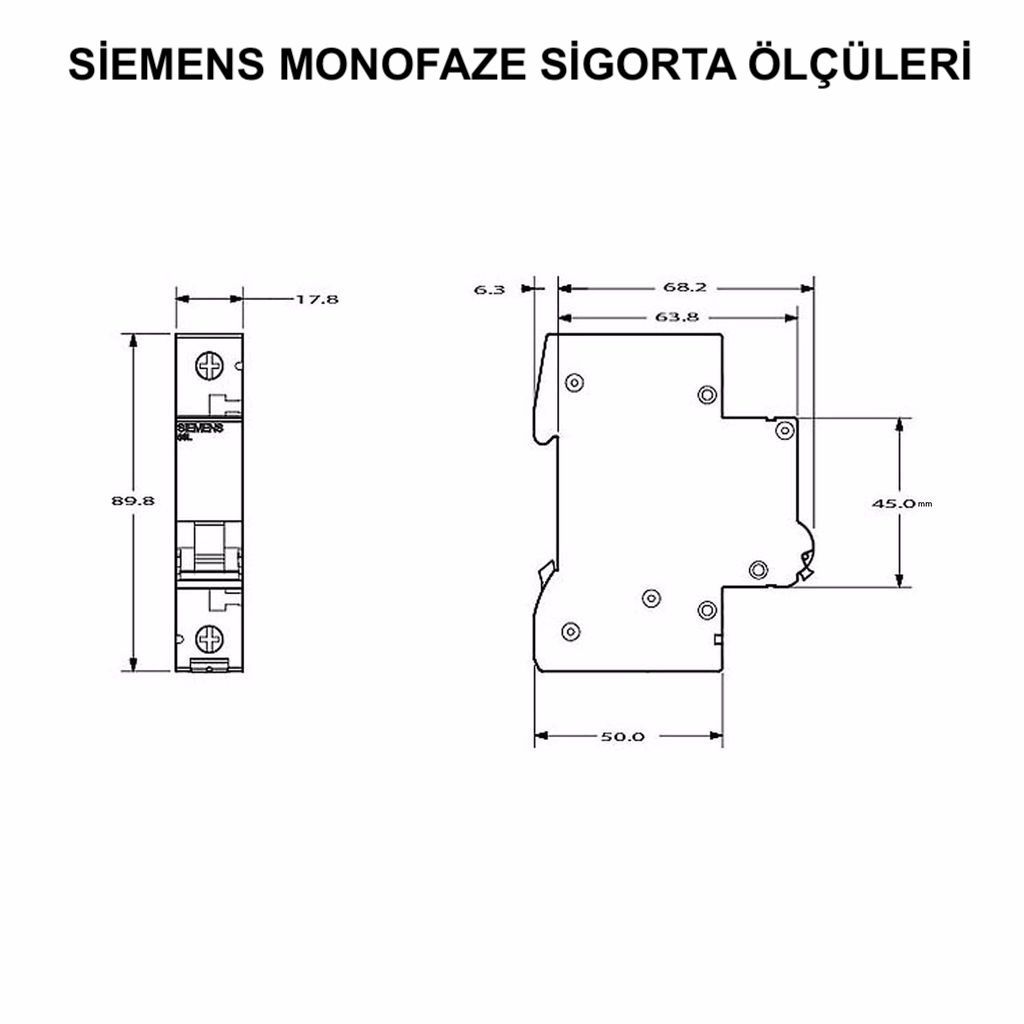
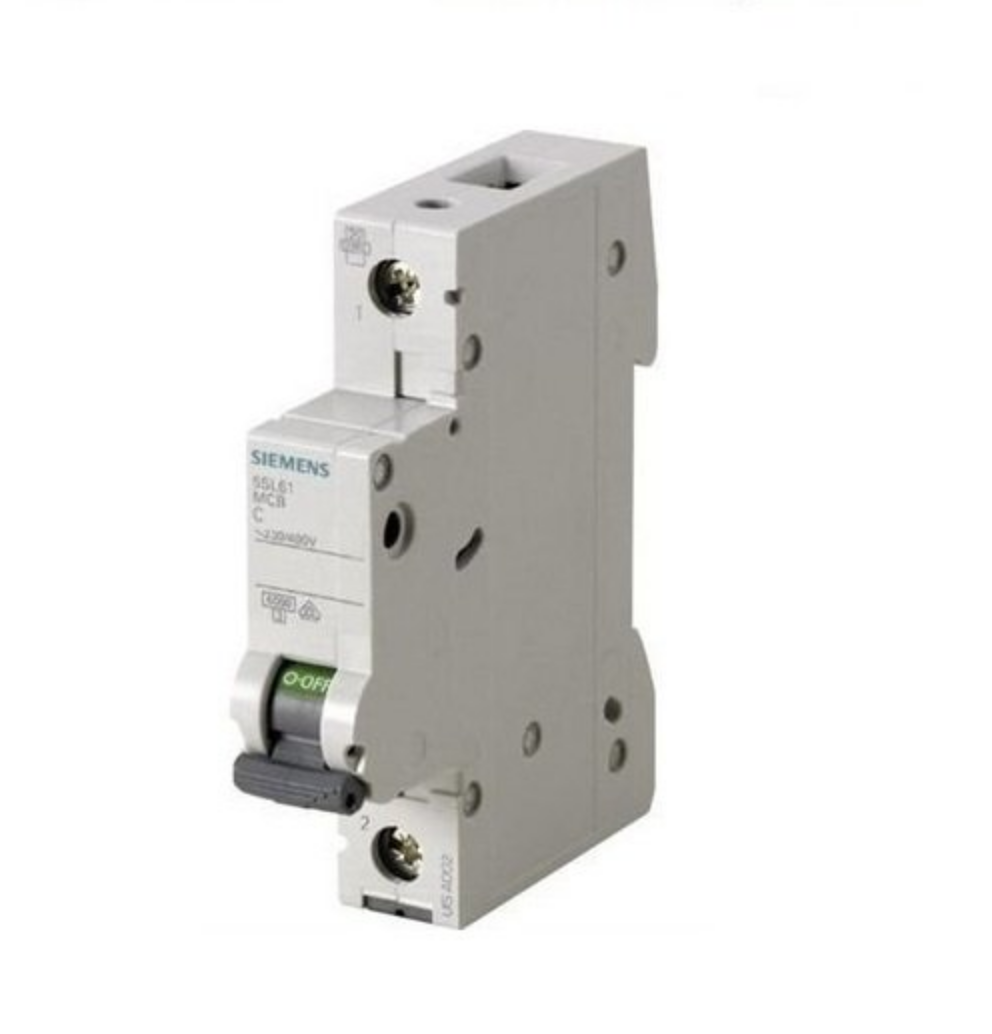
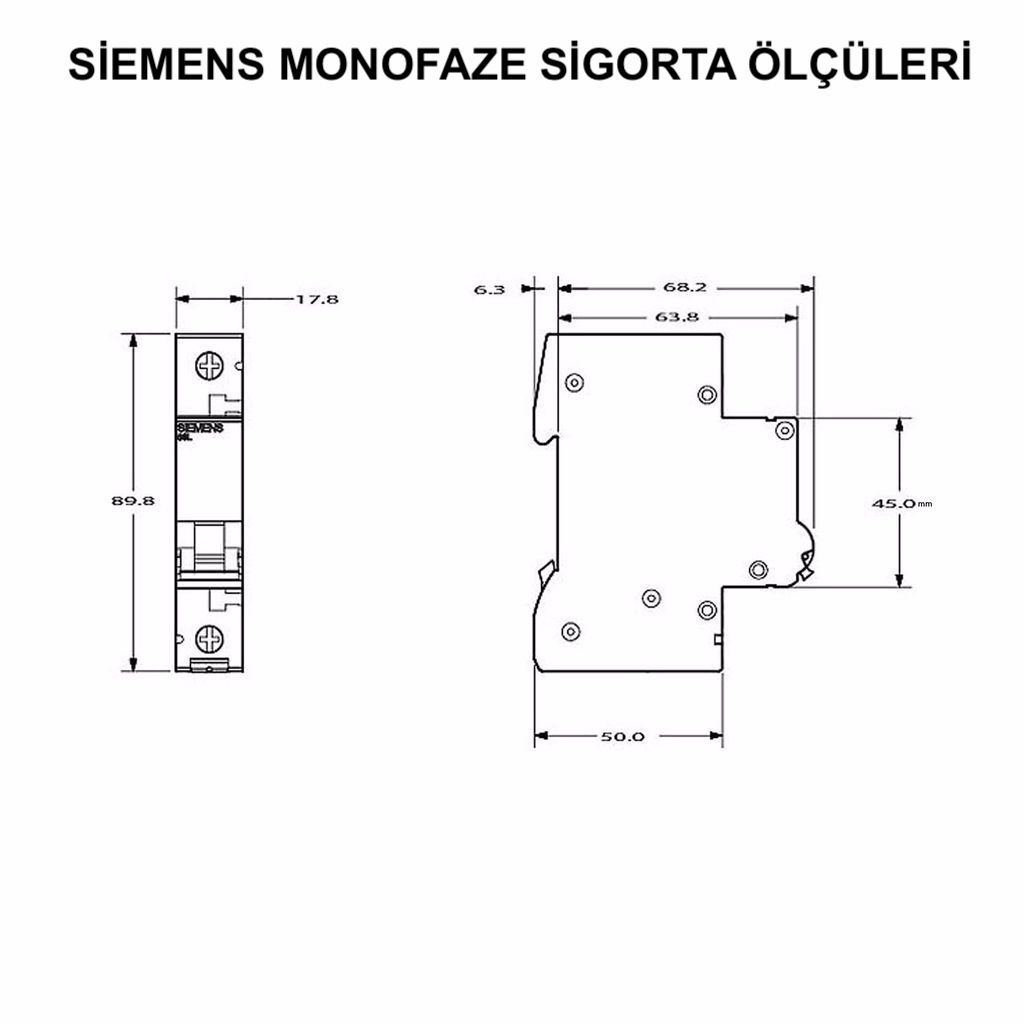
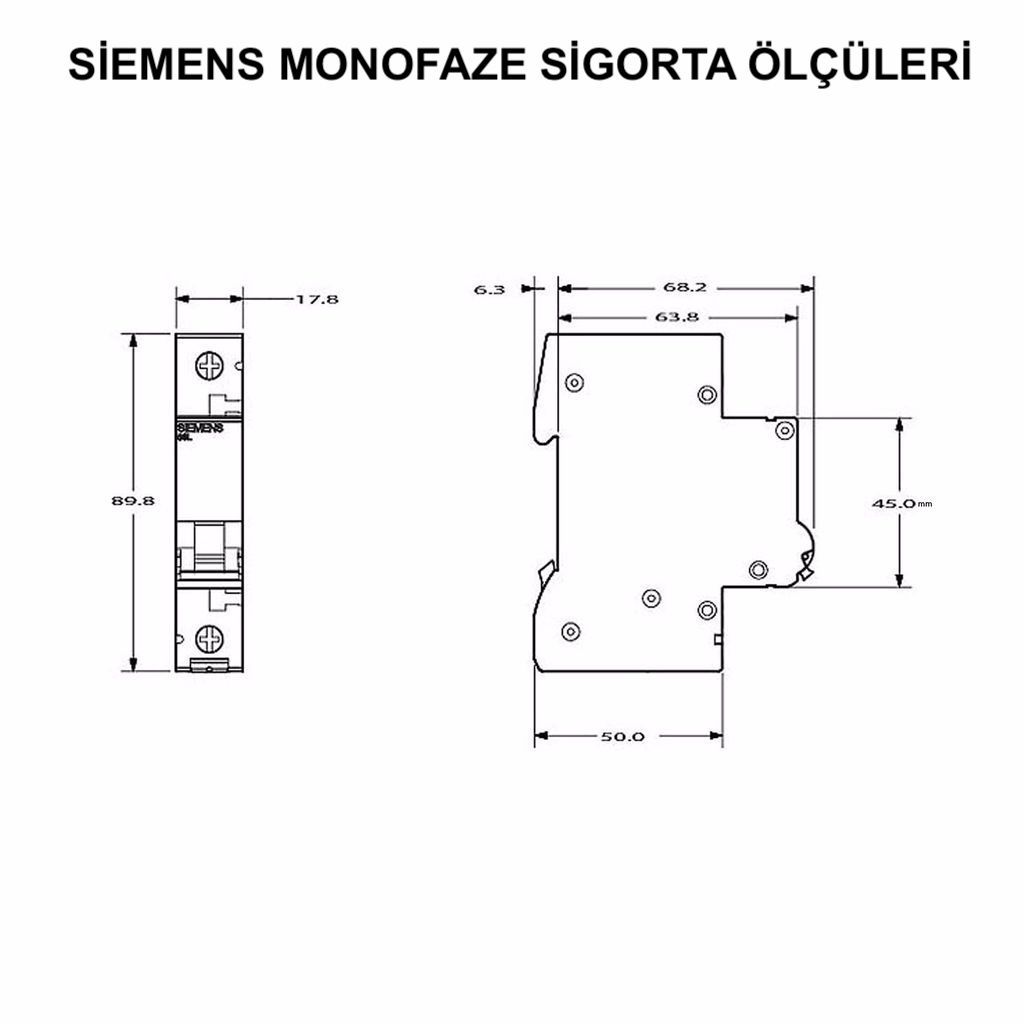
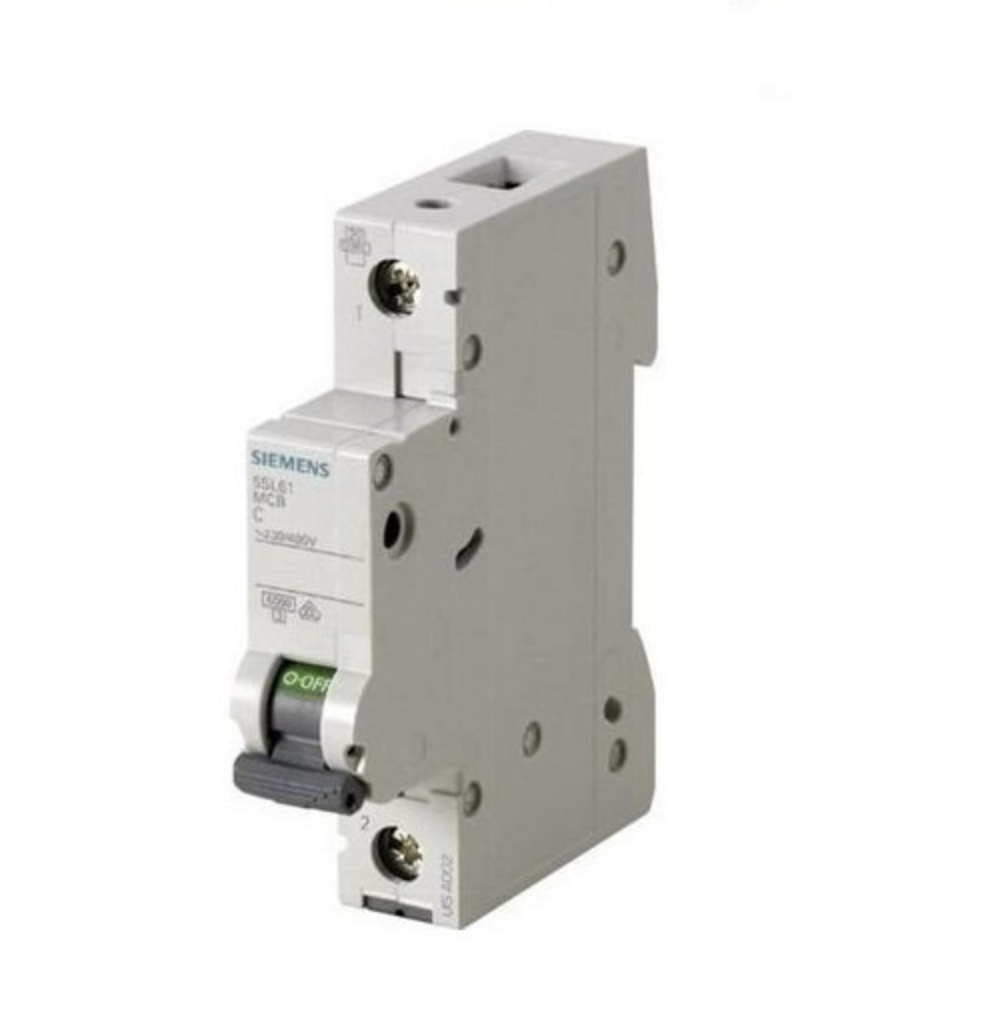
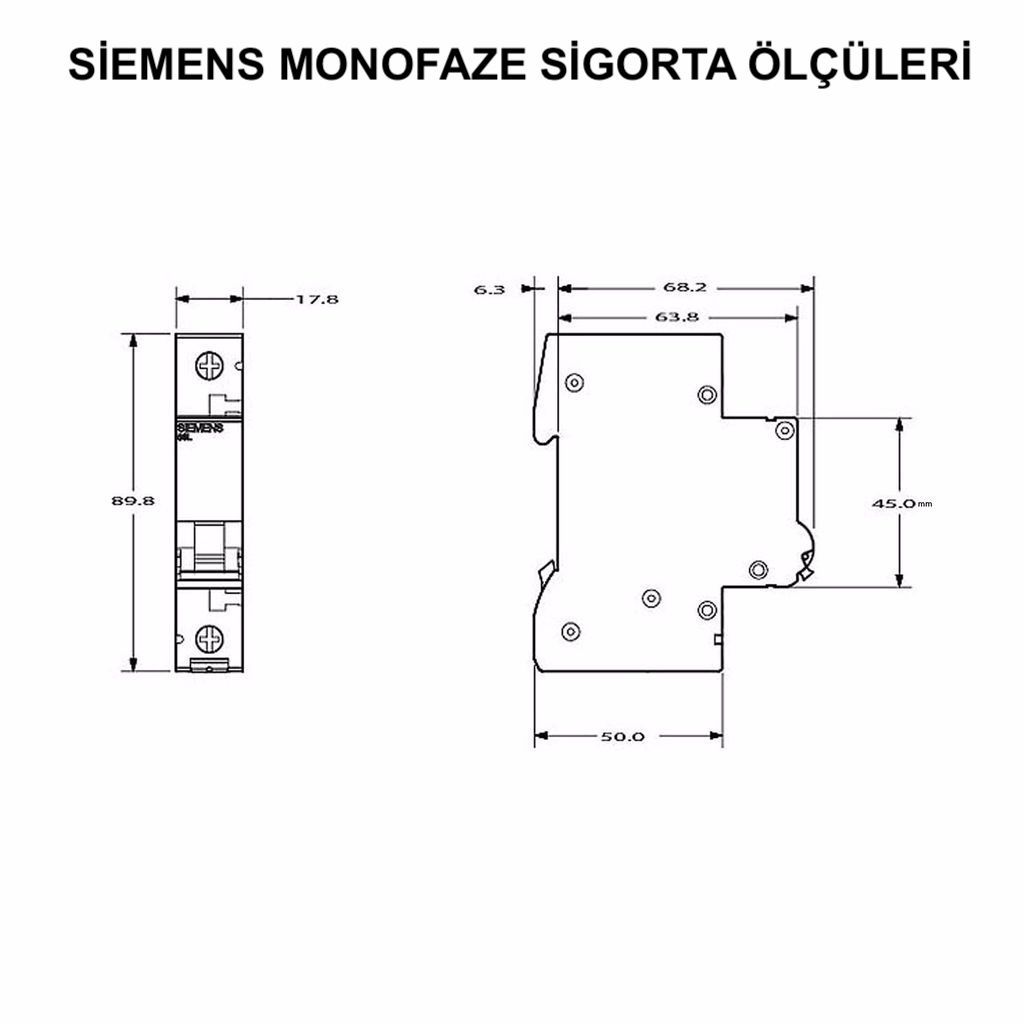
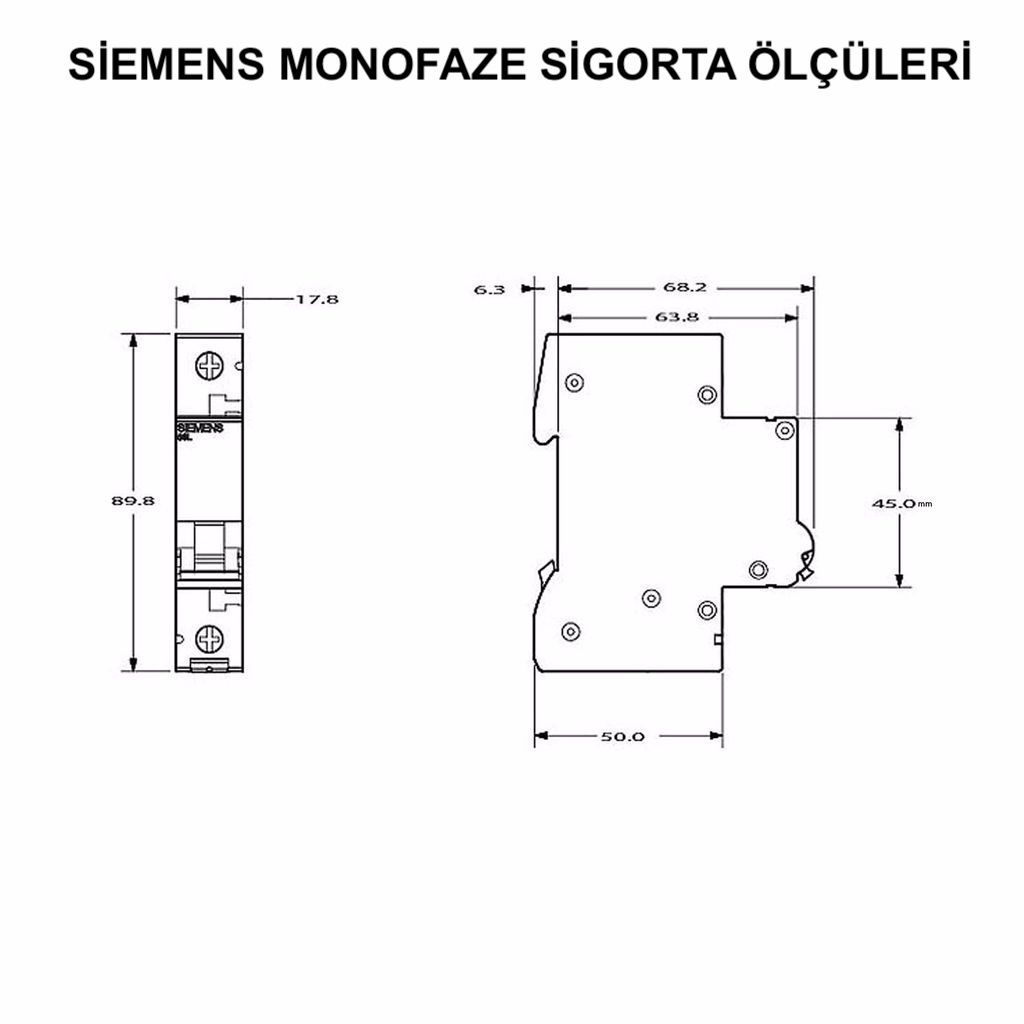
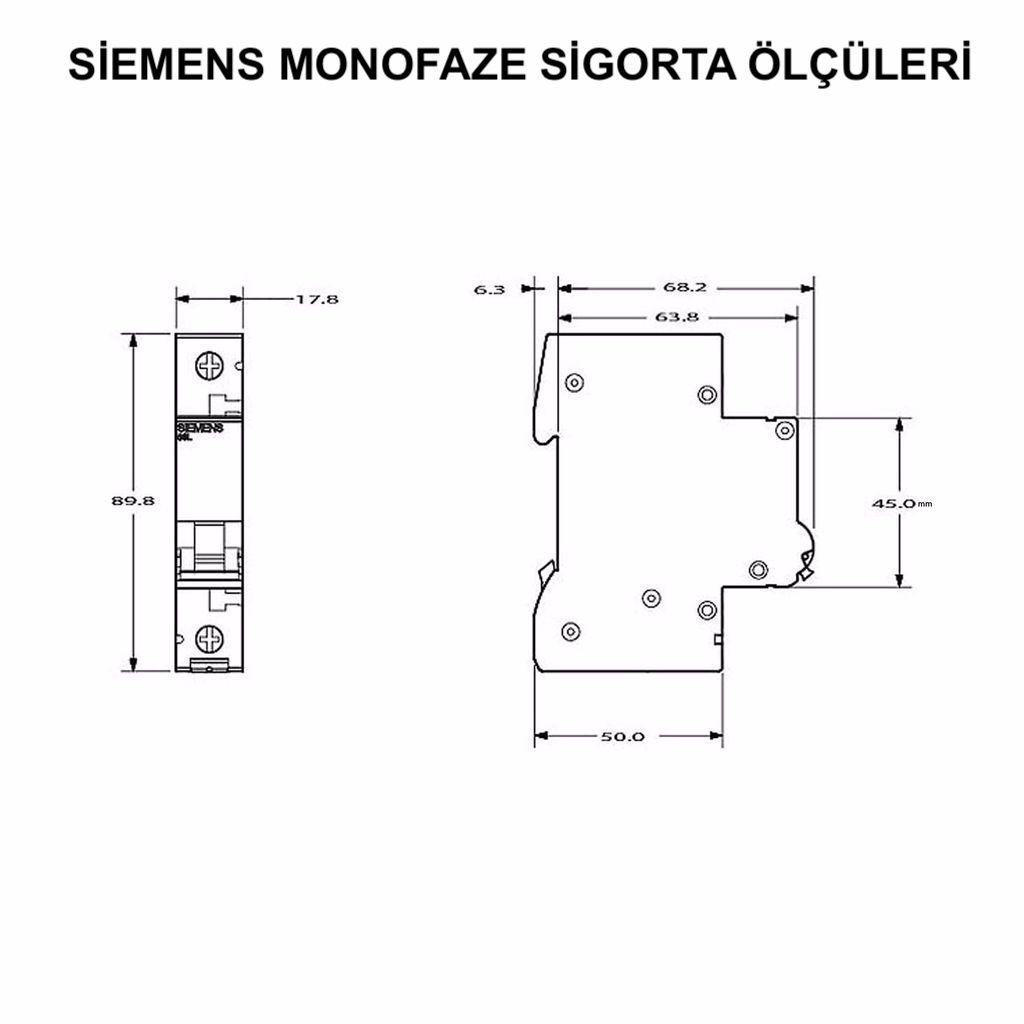
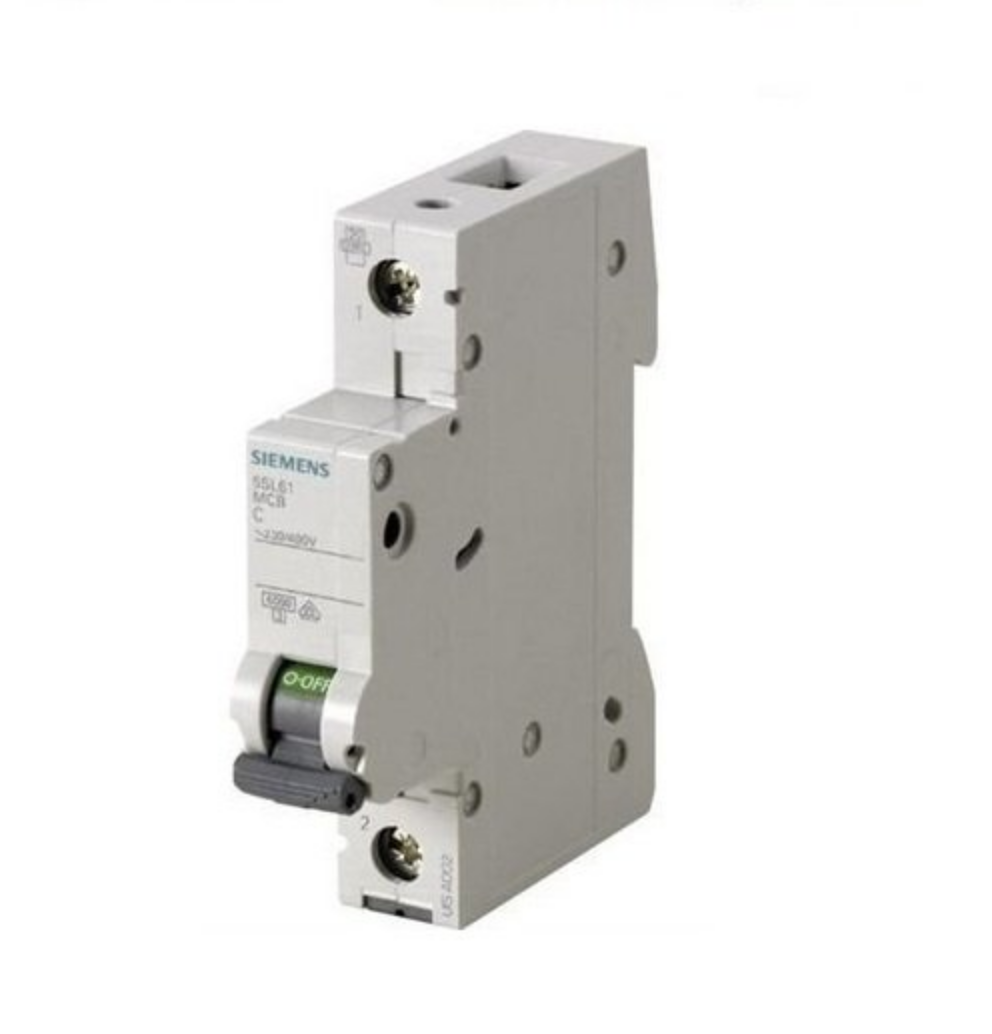
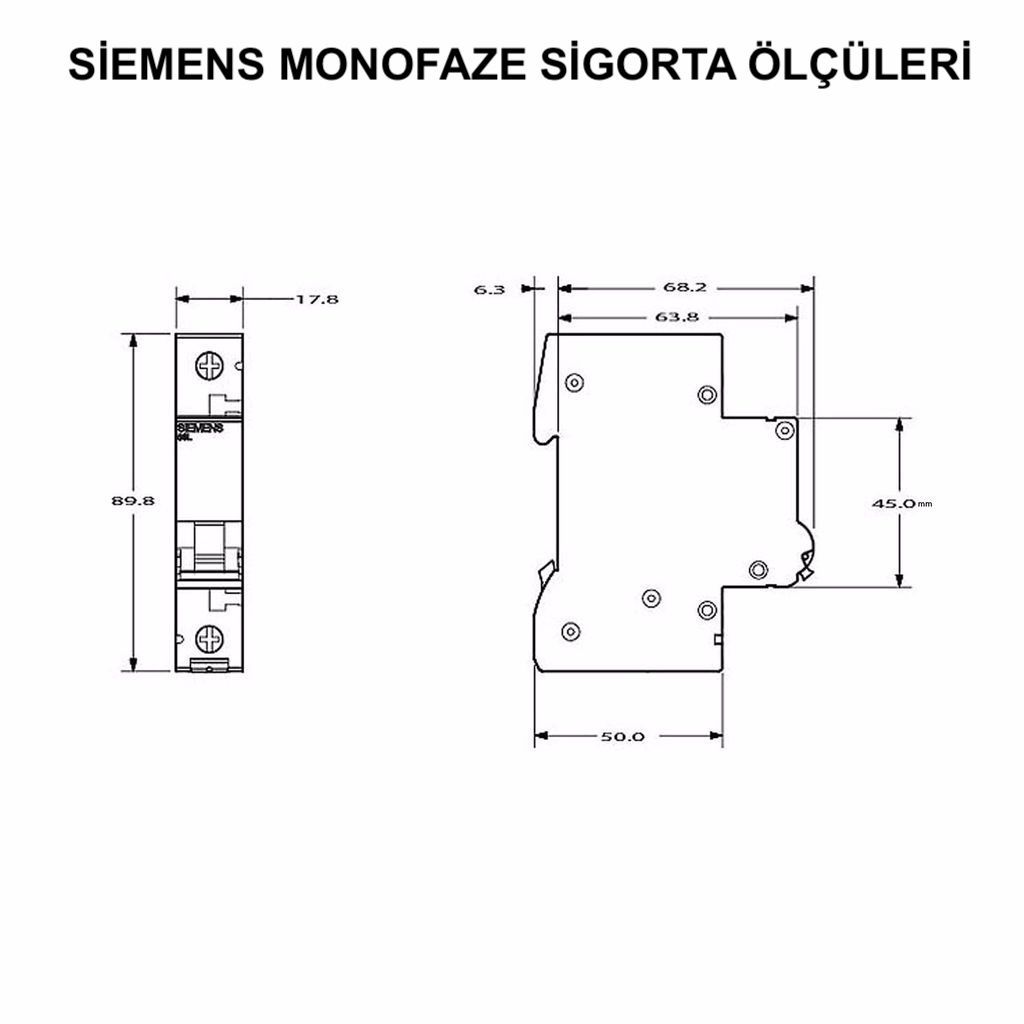
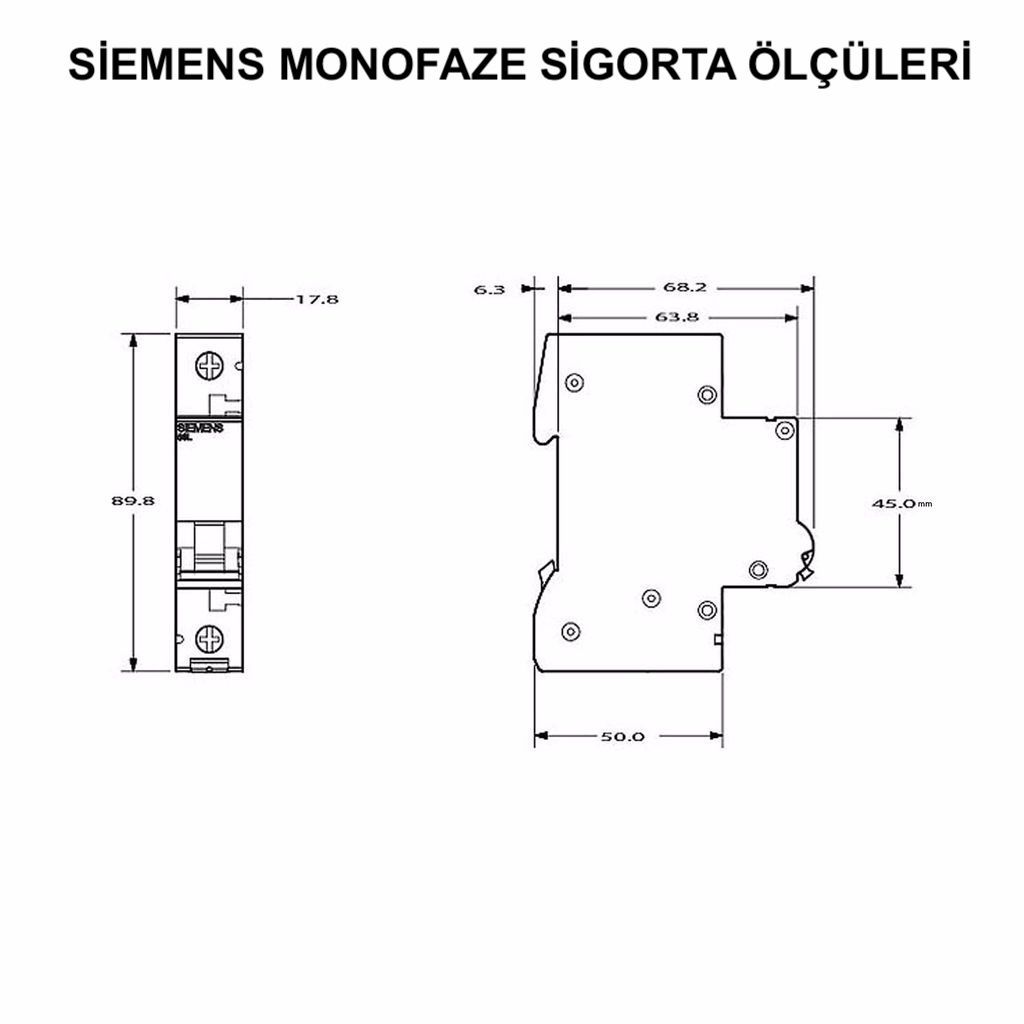
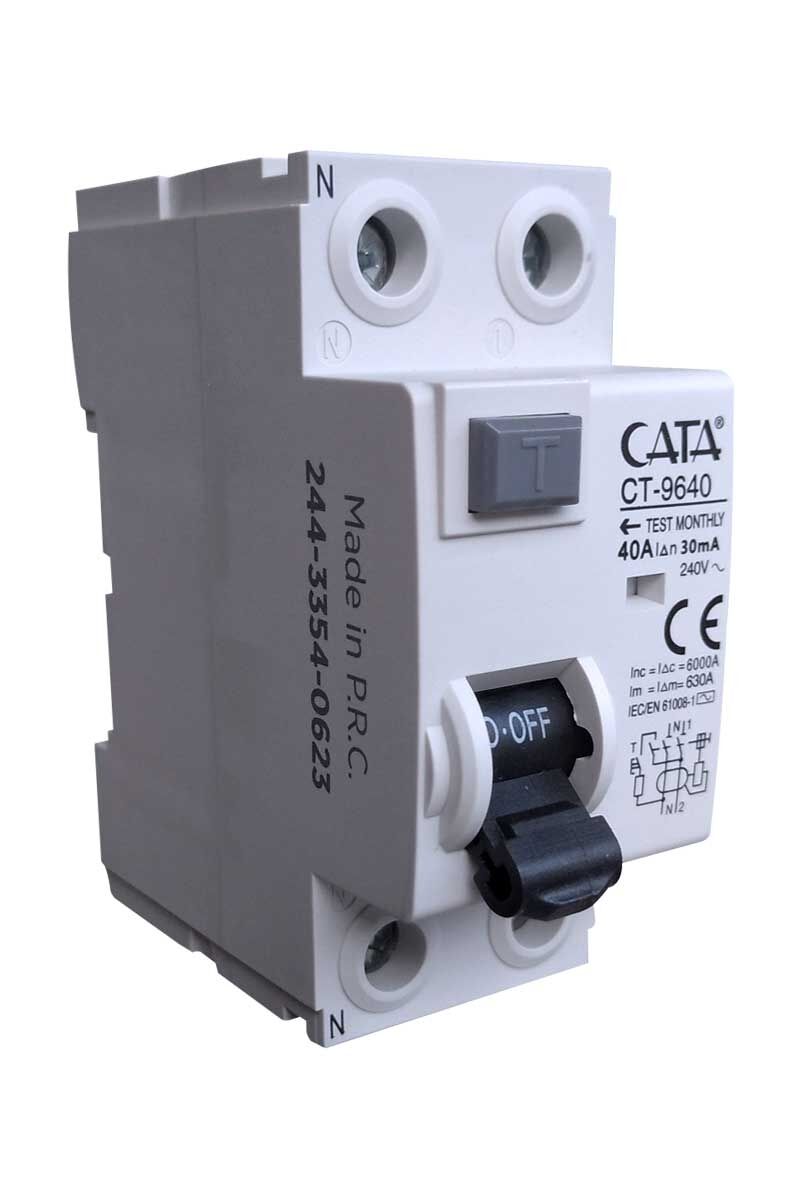
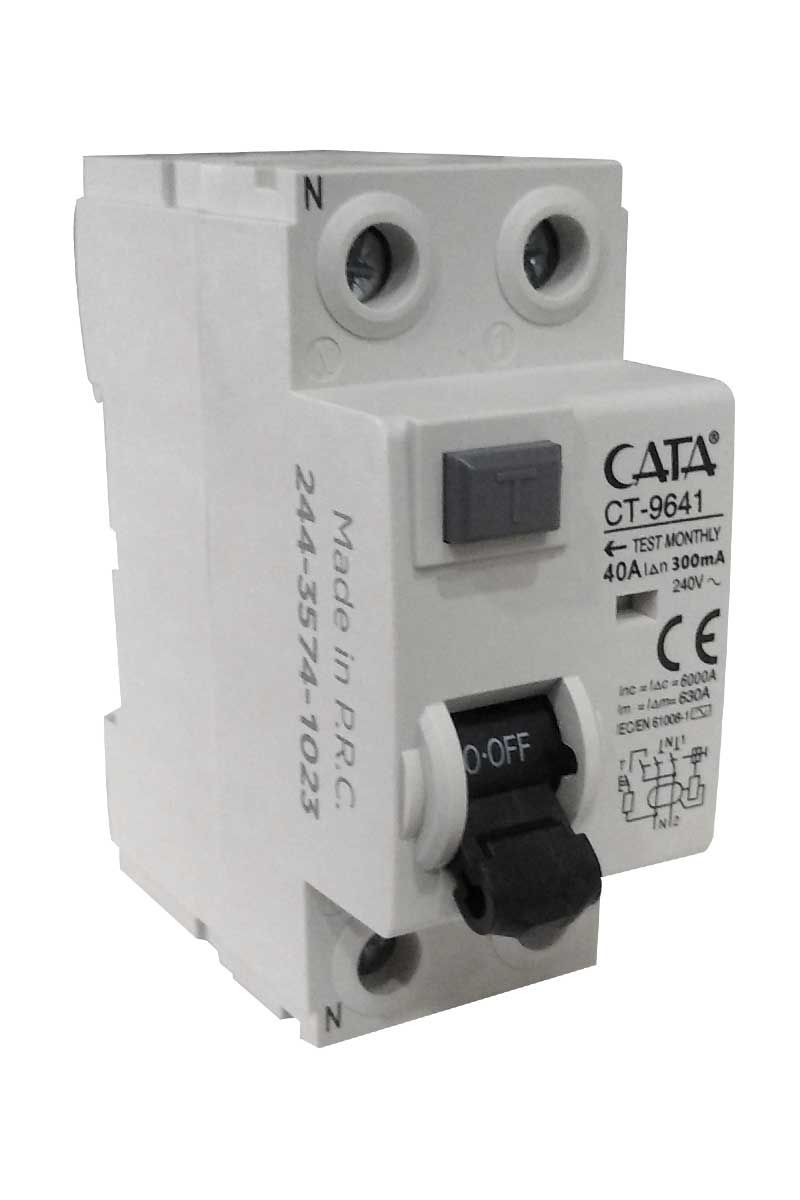
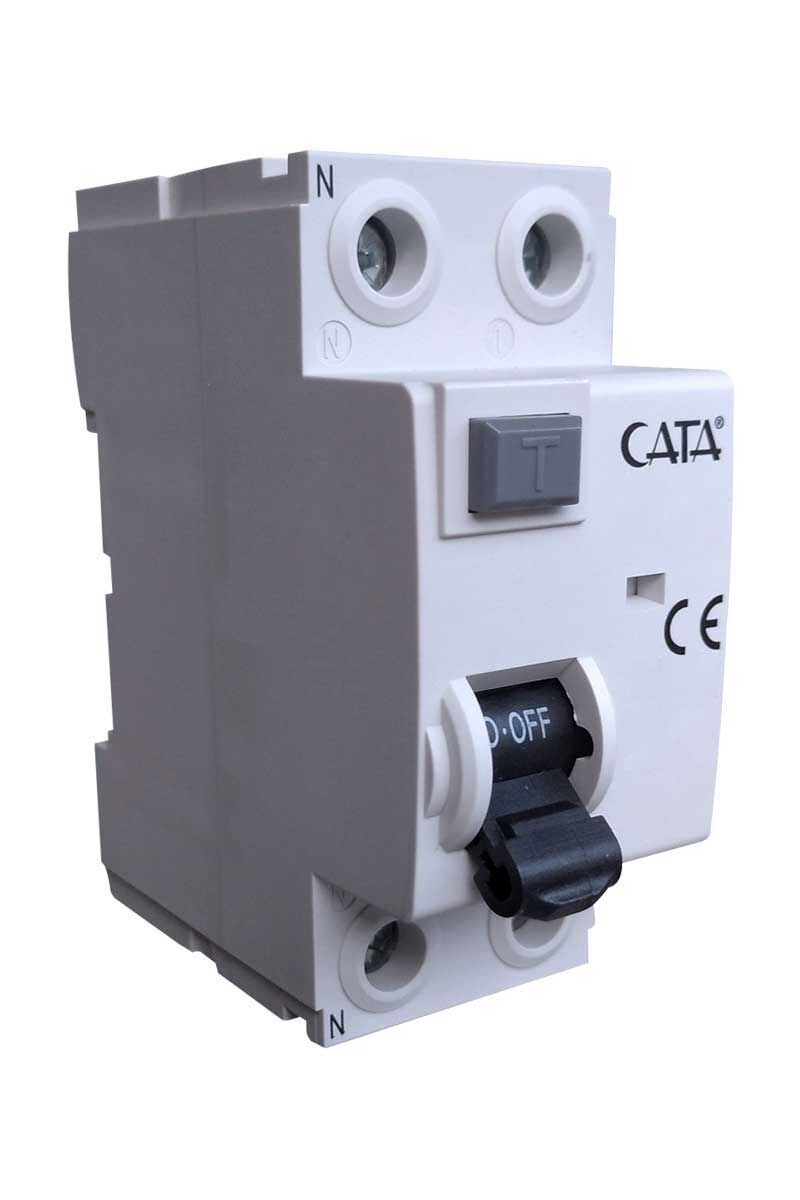
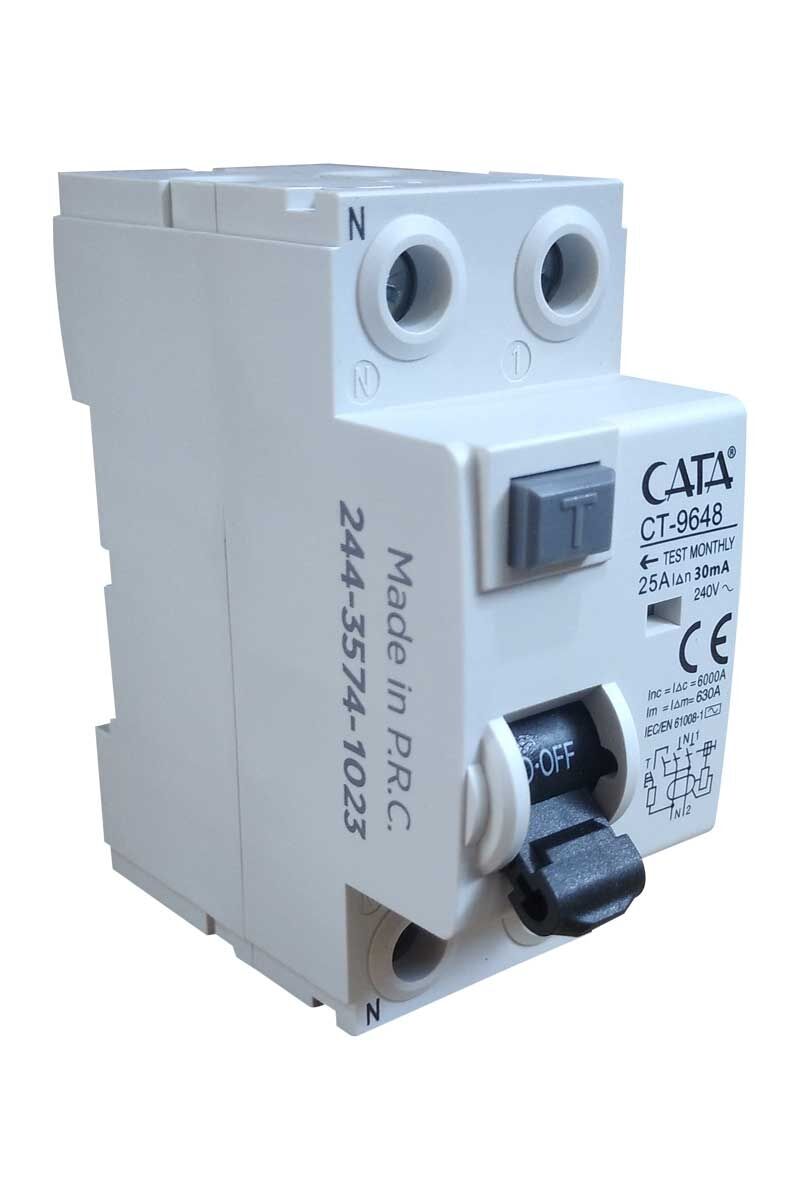
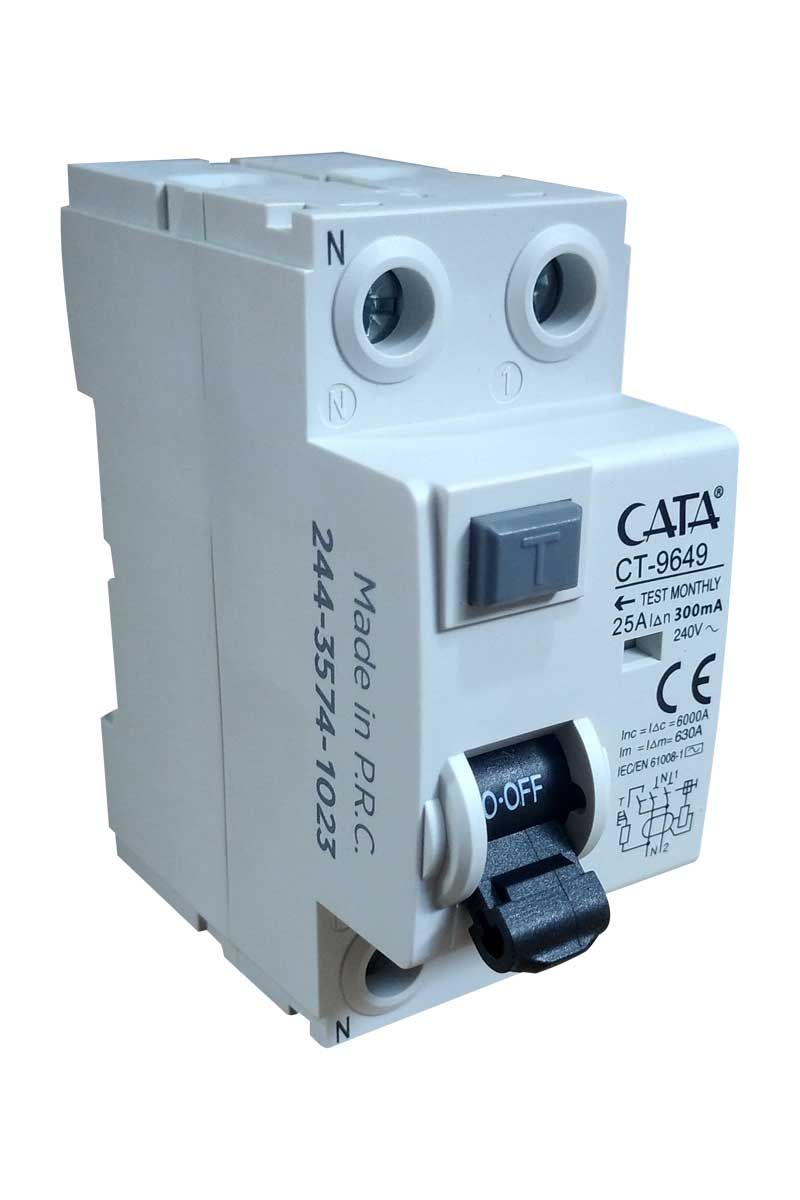
1-pole circuit breakers are used in single-phase circuits and 3-pole circuit breakers in three-phase circuits. For residual current devices, 2-pole models are for single-phase and 4-pole models for three-phase installations.
Breaking capacity (kA)
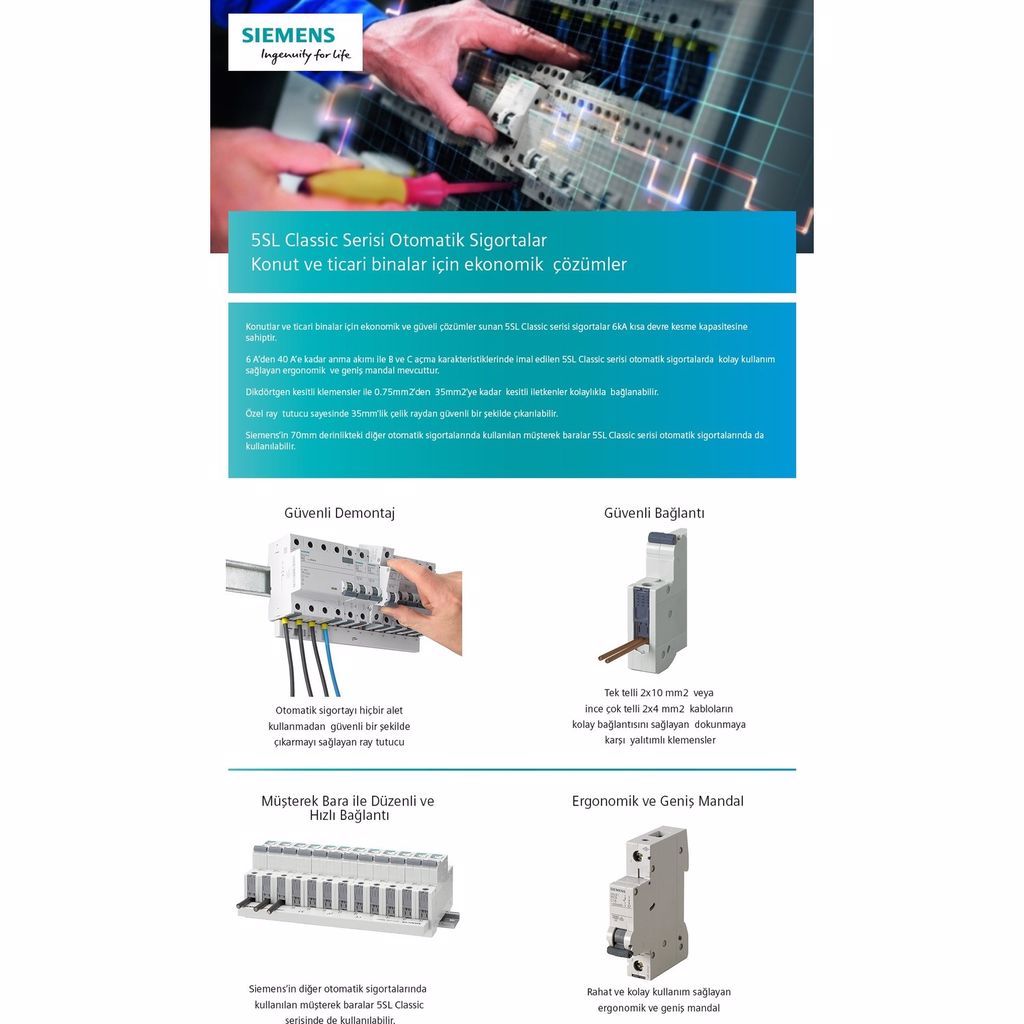
Breaking capacity is the highest short-circuit current the circuit breaker can safely interrupt. It must not be lower than the prospective short-circuit current at the point where it is installed; 4.5 kA and 6 kA are common in residential installations.
30 mA and 300 mA
A residual current device with 30 mA sensitivity is used to protect people against electric shock. A fire protection residual current device with 300 mA sensitivity protects the whole installation against the fire risk that insulation faults can cause; on its own it is not enough to protect people.
Buying by the case
Products can be bought individually or by the case. The case option suits panel building and larger installation jobs; a single unit suits renewing one circuit.
Installation
Circuit breakers and residual current devices are fitted in the electrical panel. Installation and connection must be carried out by a qualified electrician after the power has been switched off. When replacing a circuit breaker or residual current device, the new one must have the same rated current, number of poles and tripping curve (for an RCD, the same sensitivity) as the old one.