
Wall Sconces
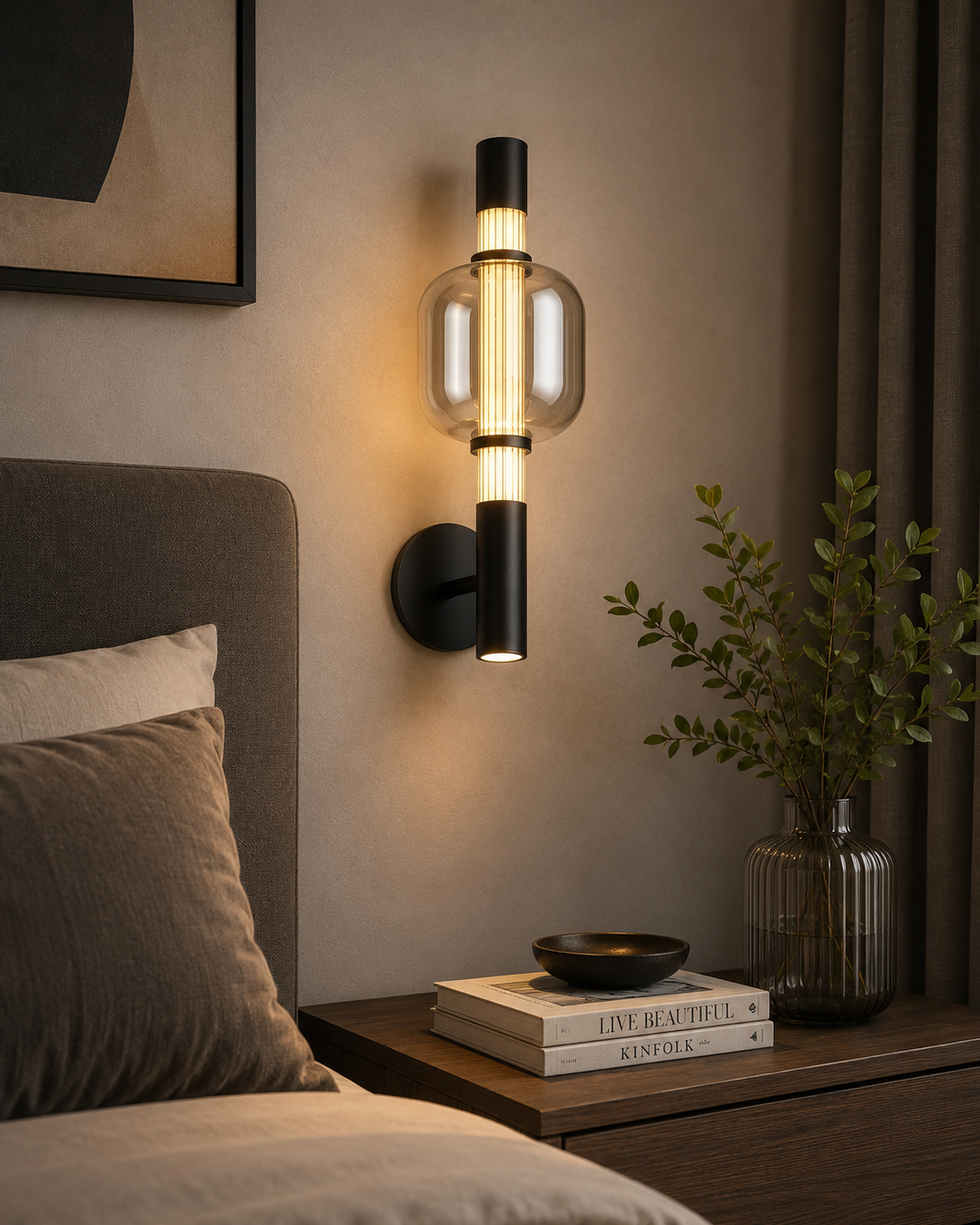
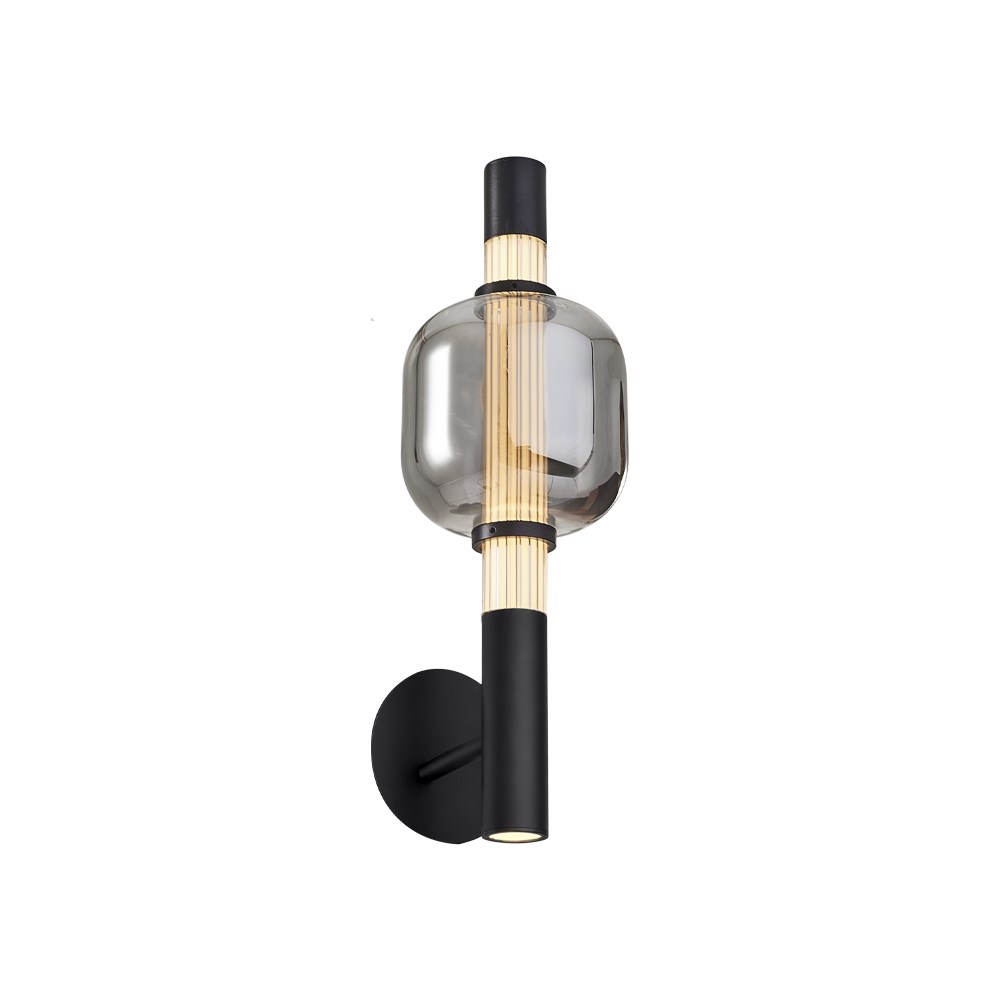
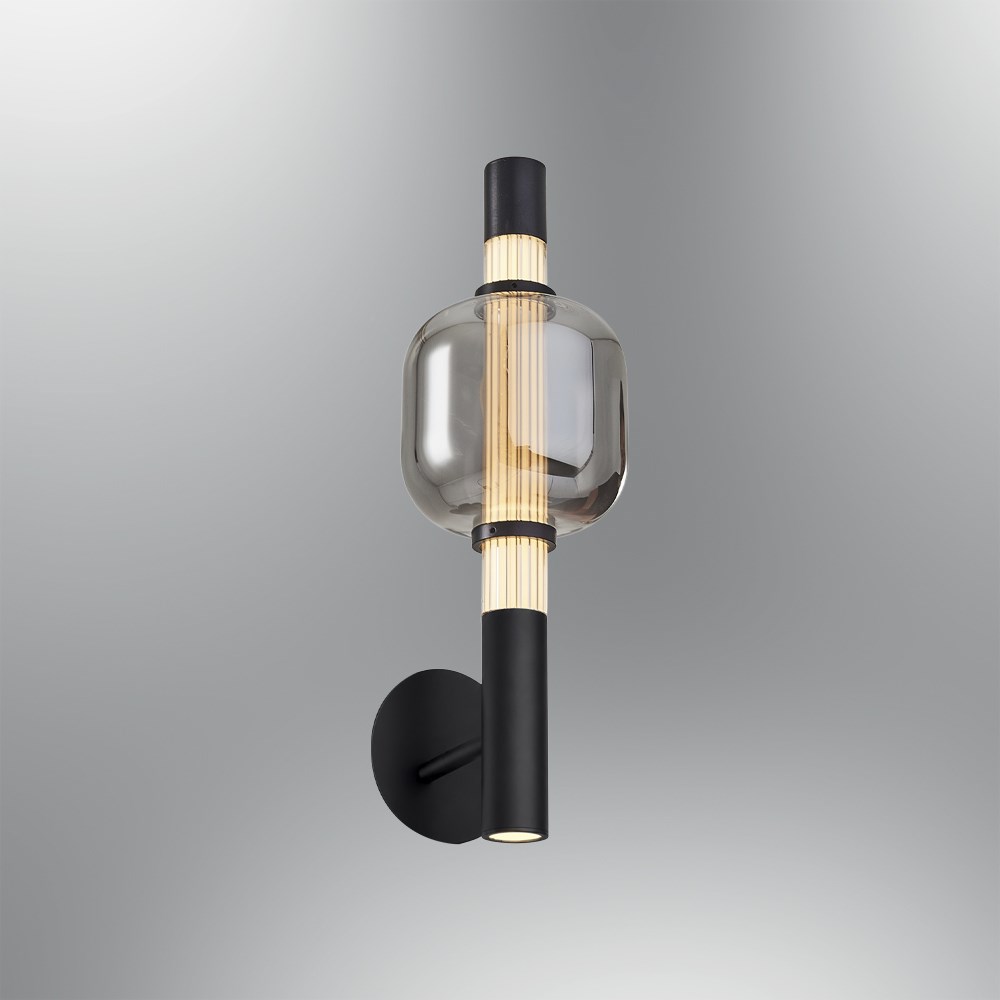
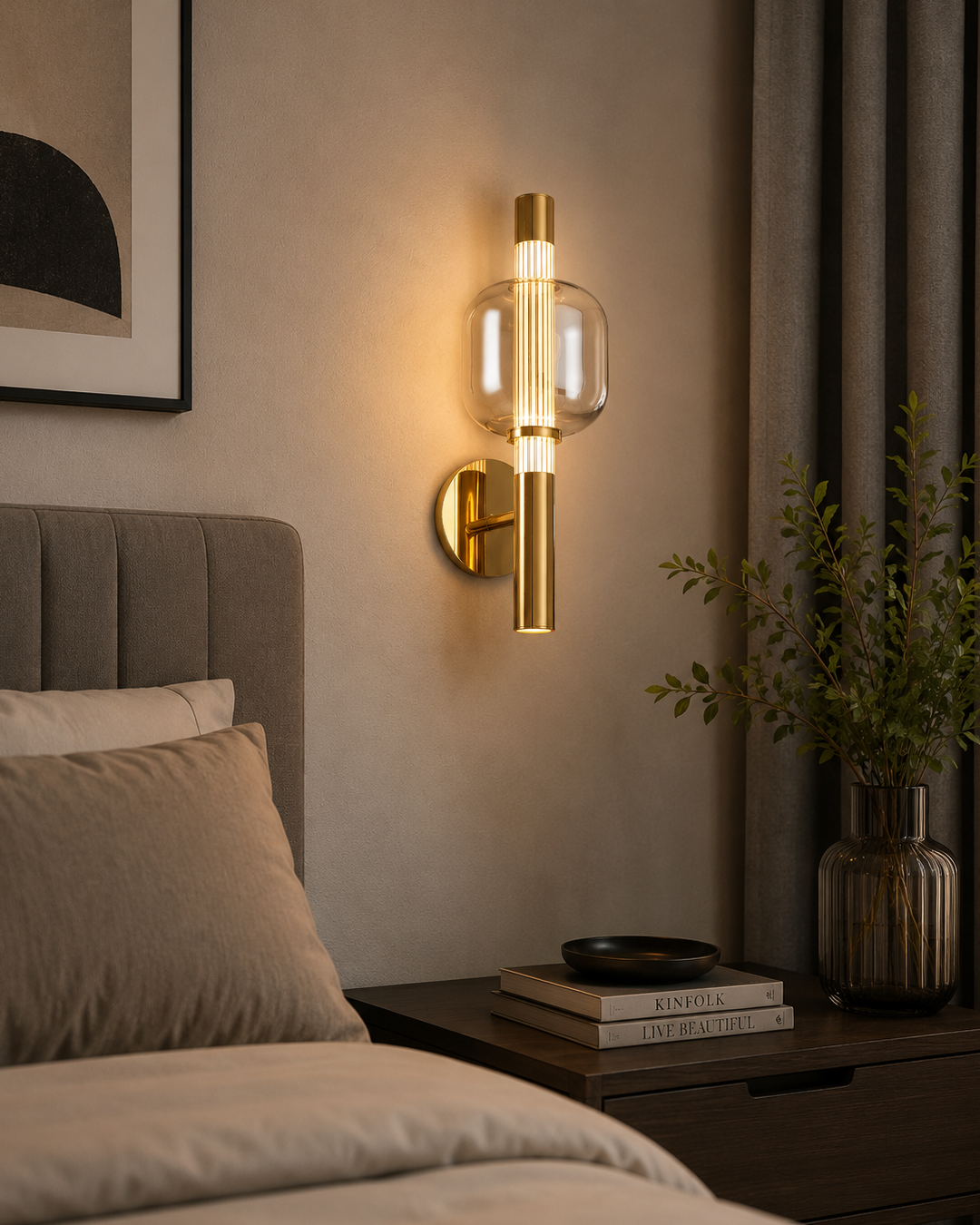
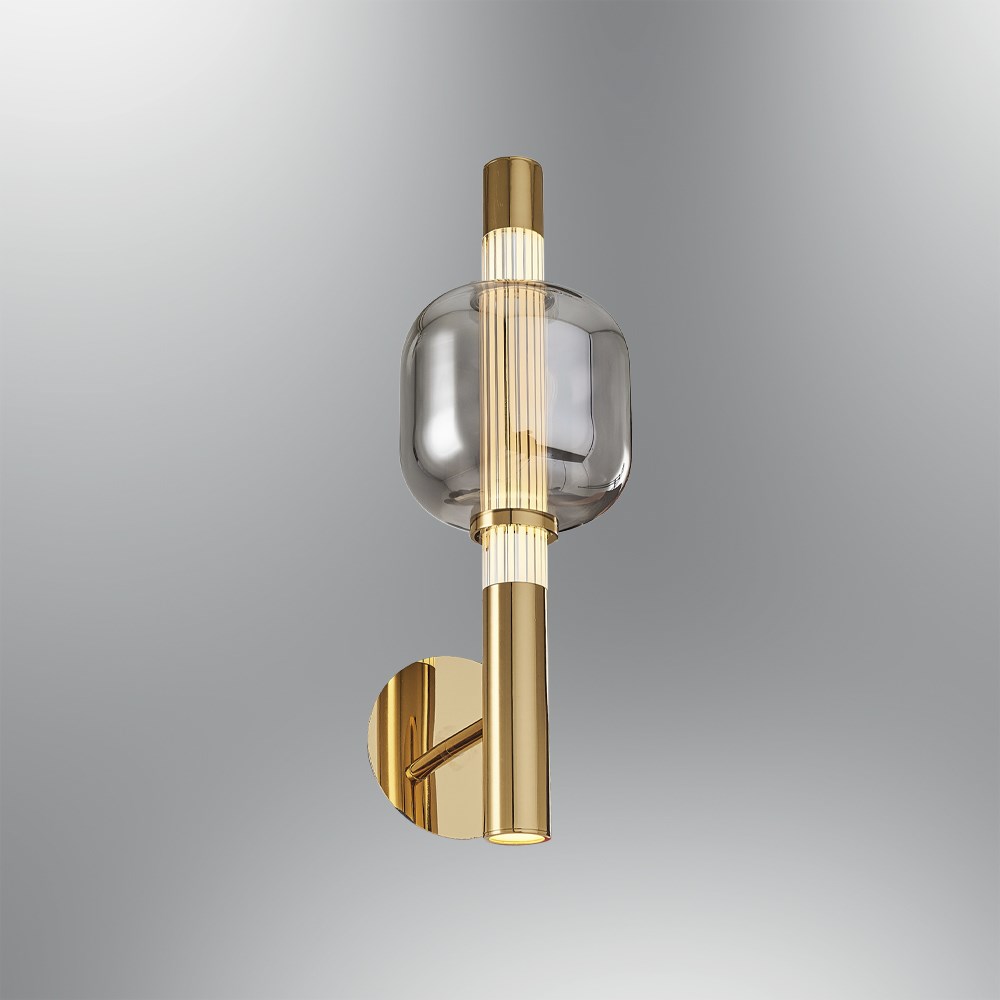
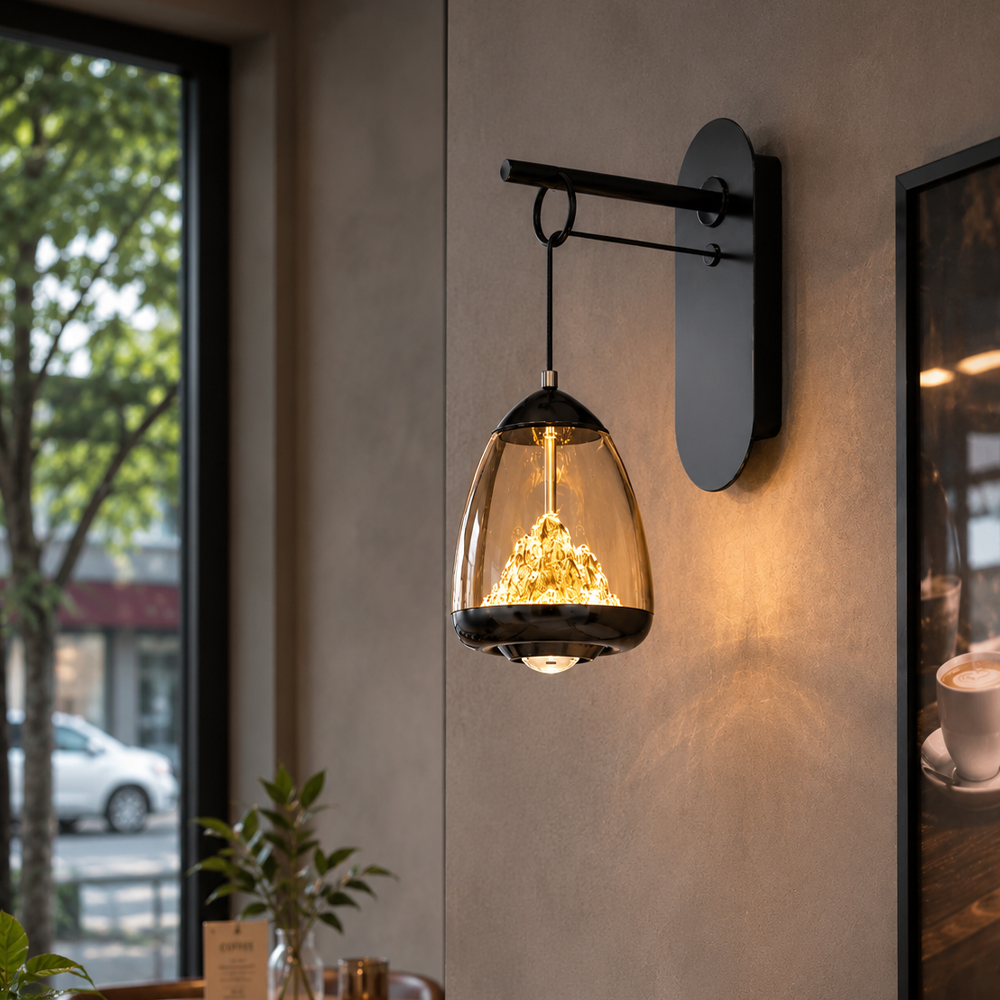
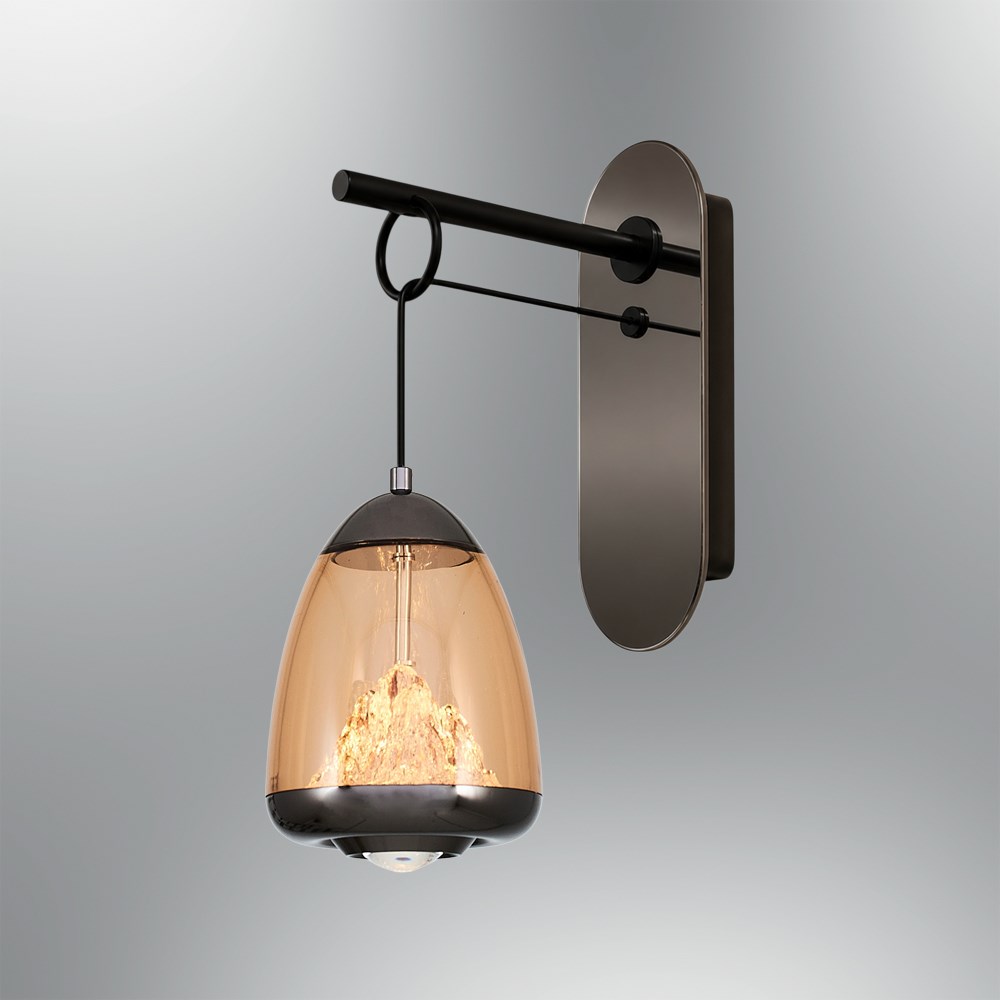
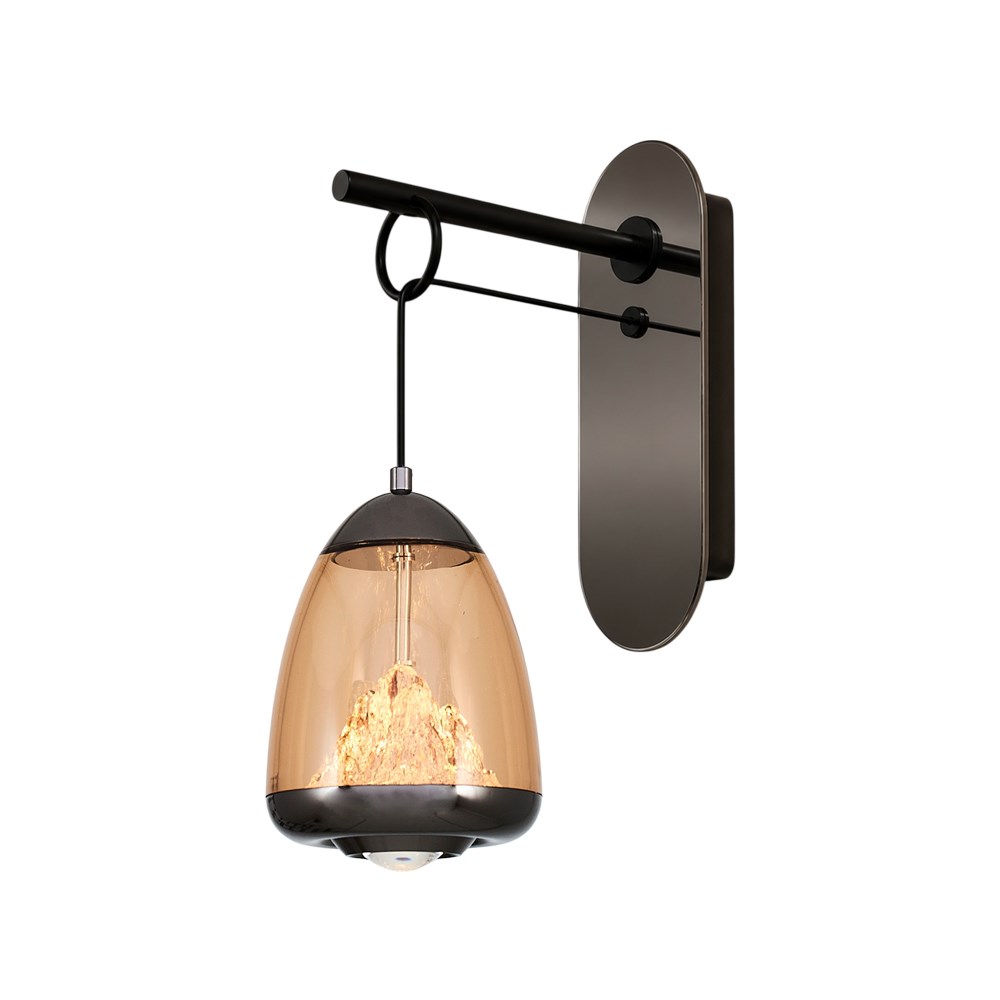
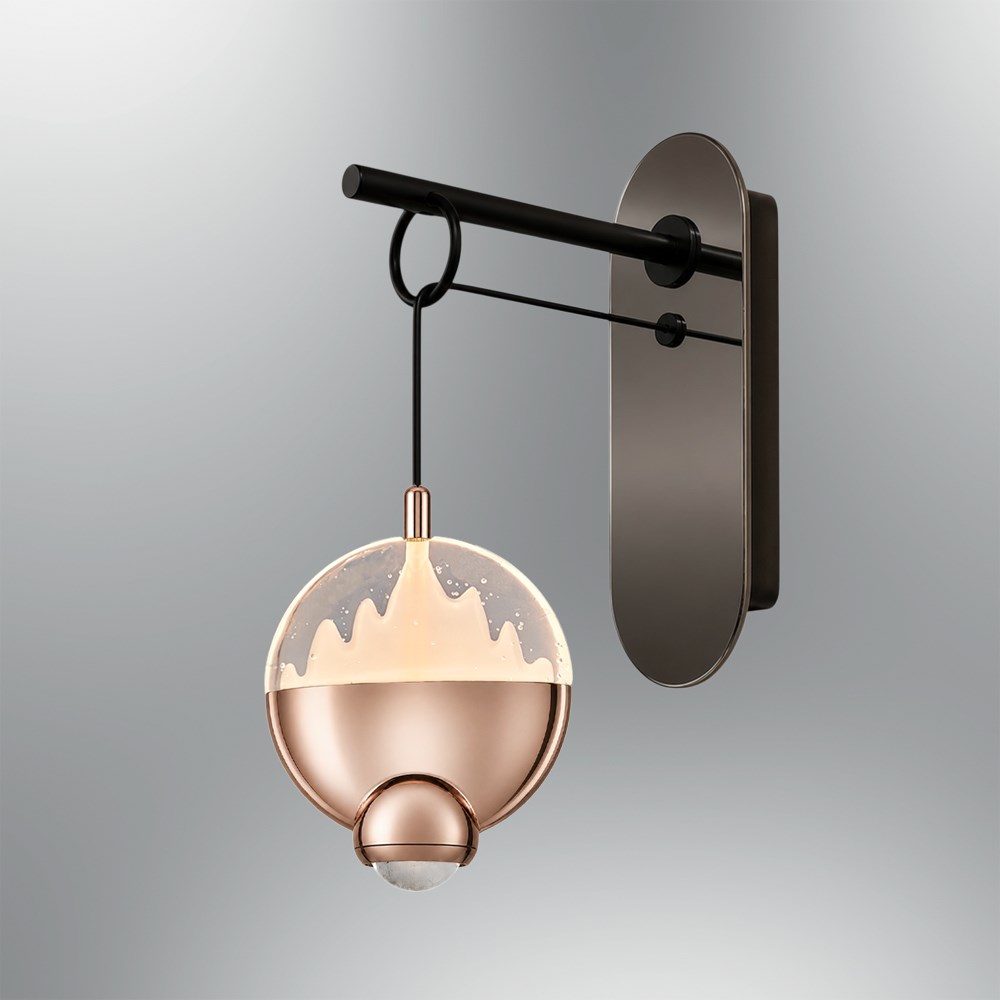
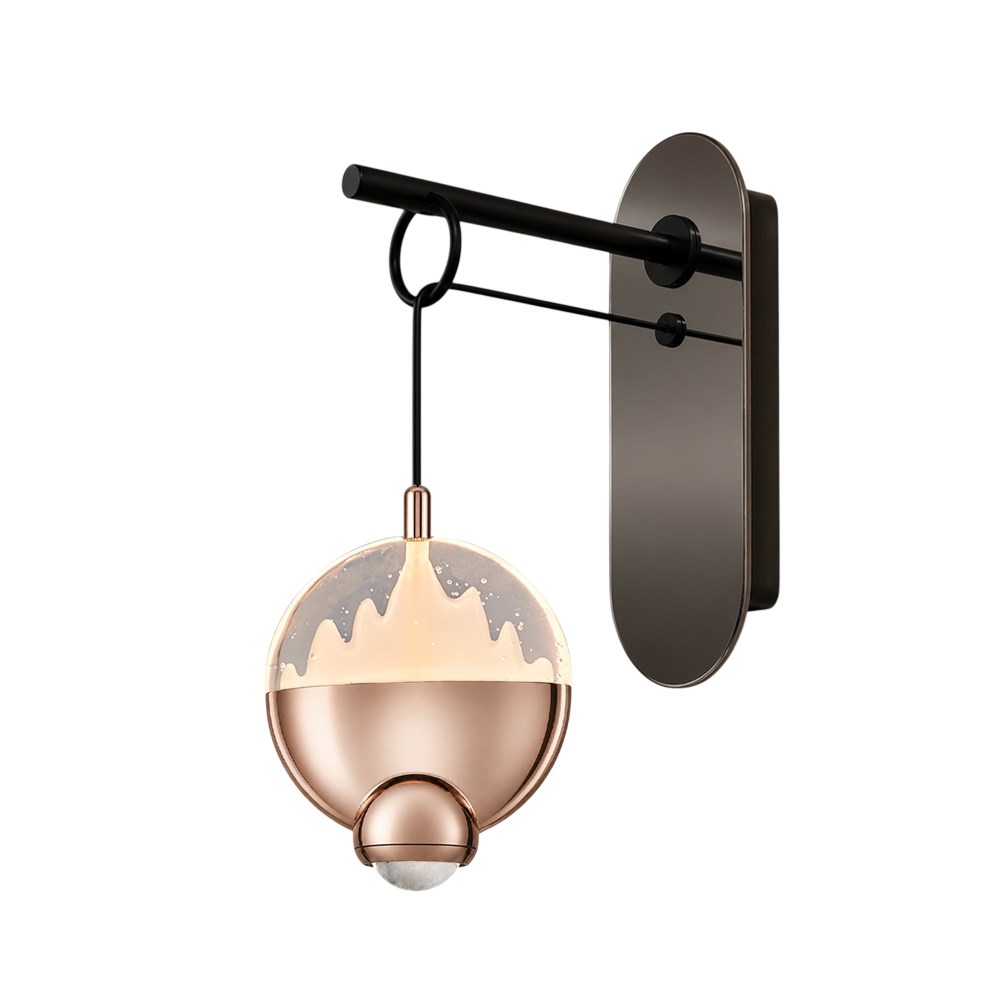
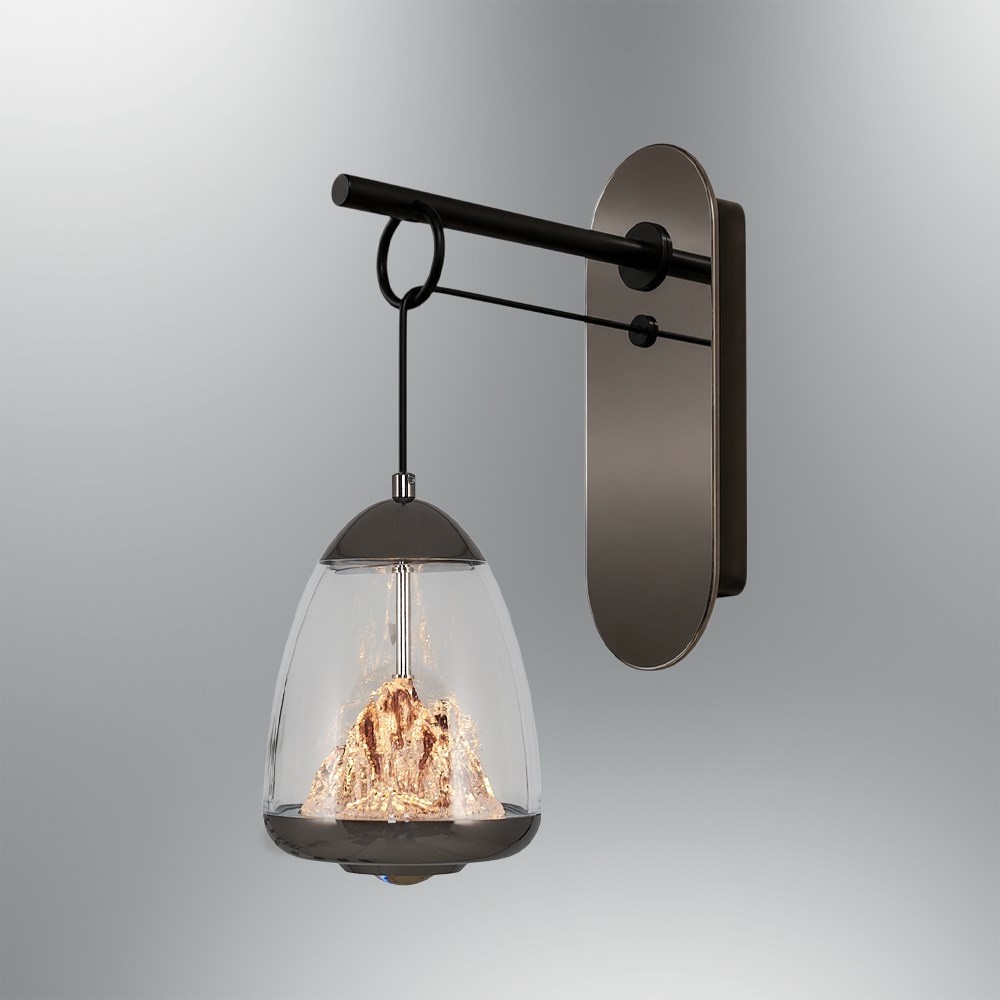
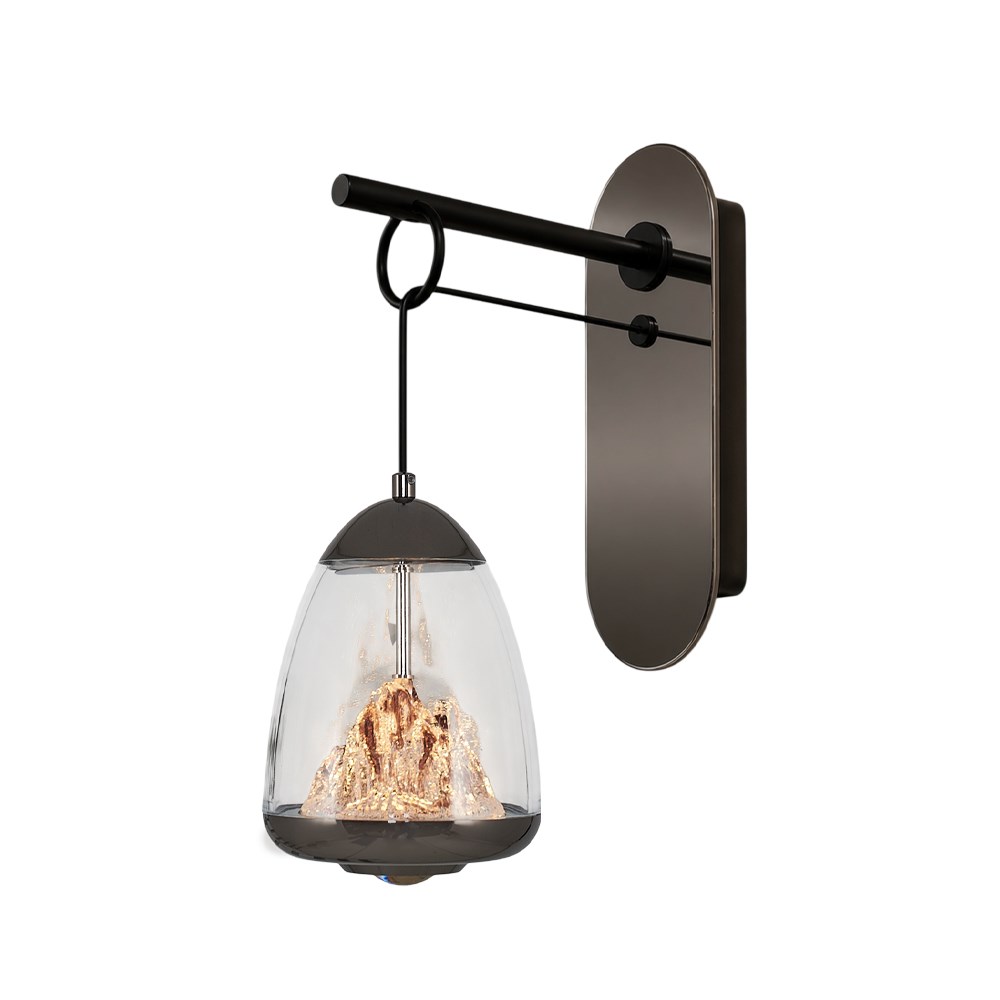
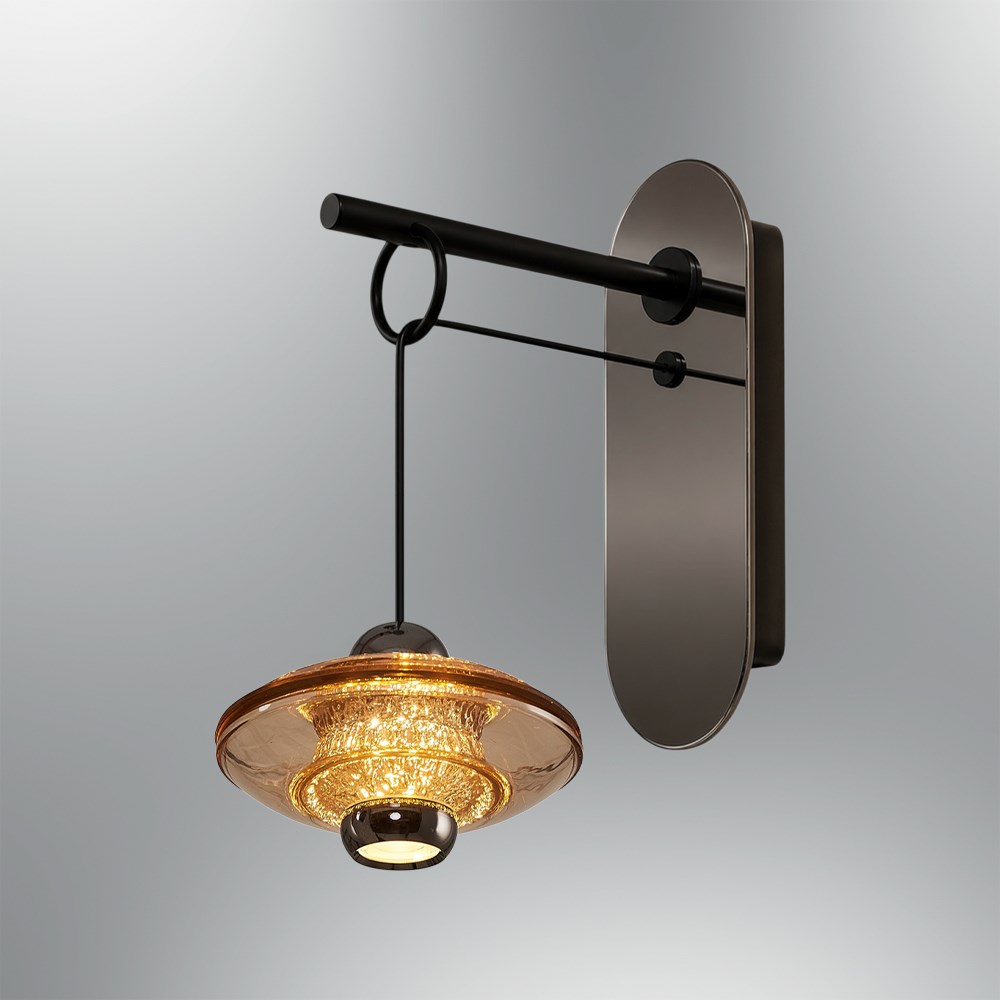
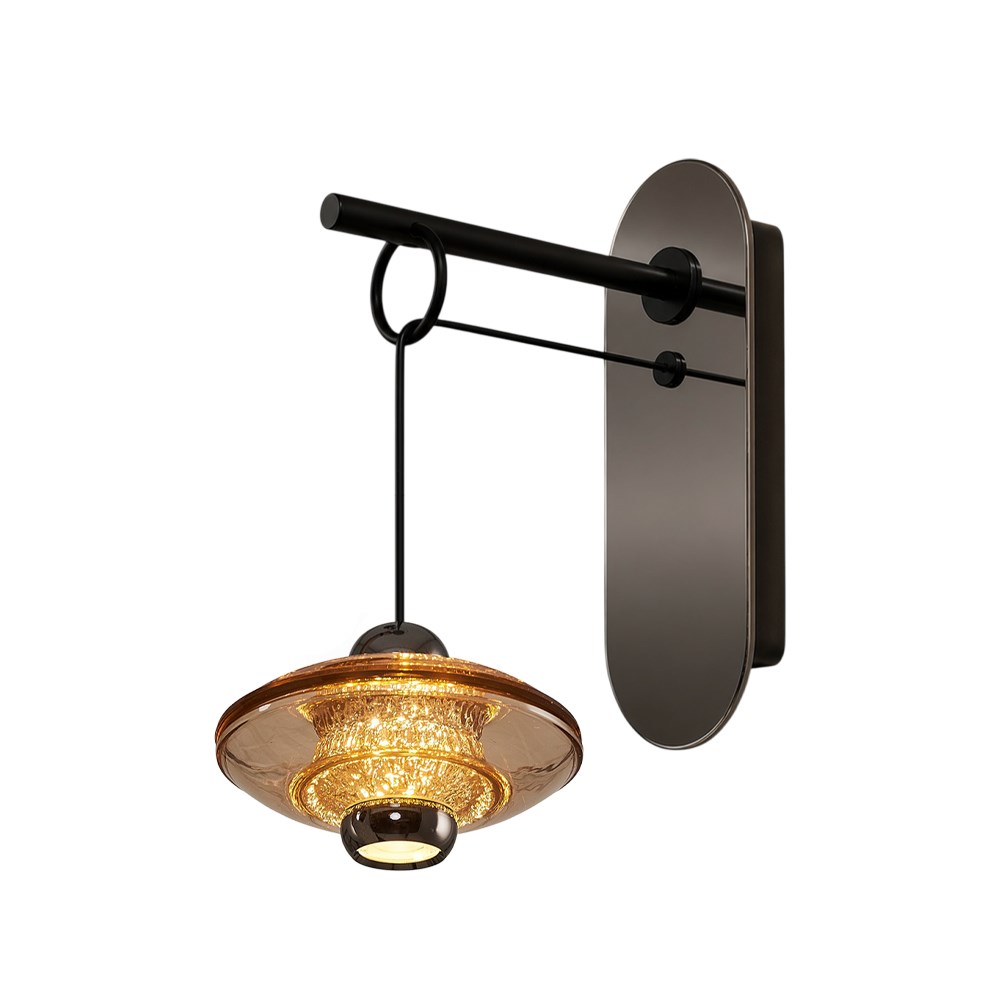
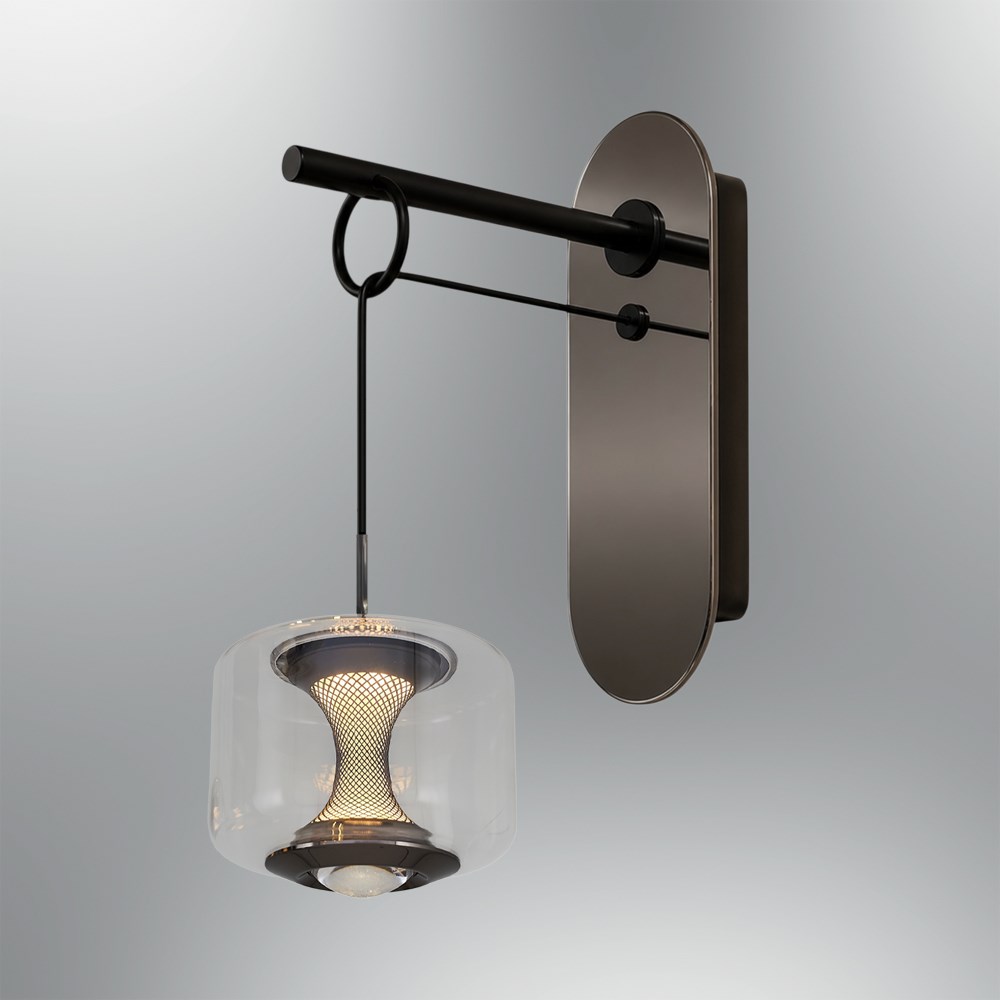
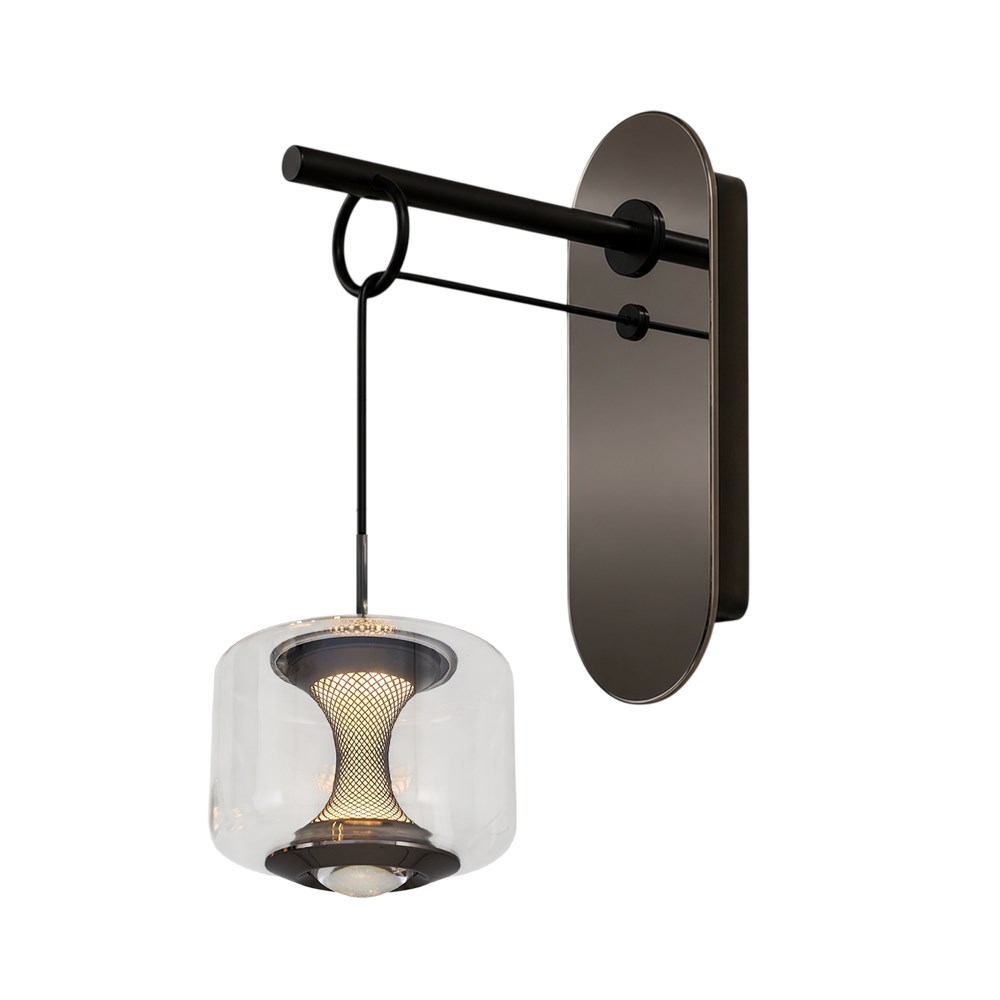
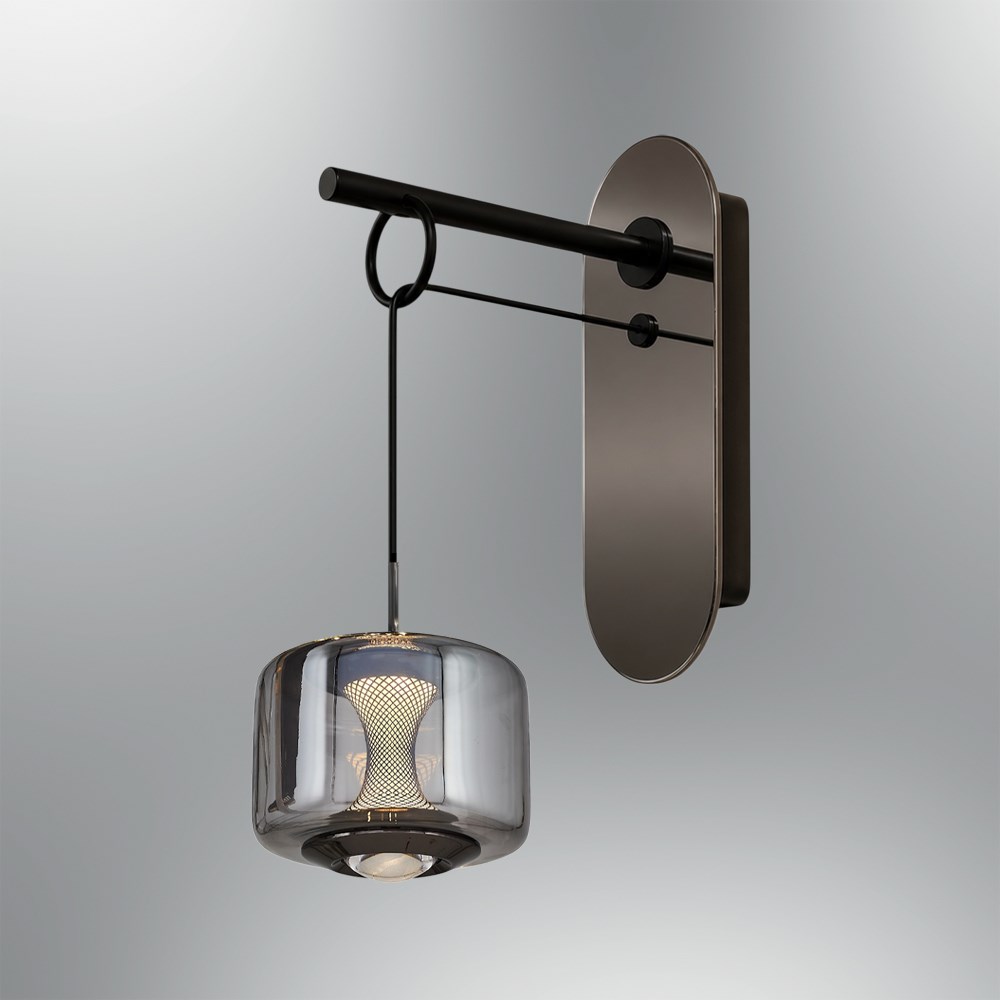
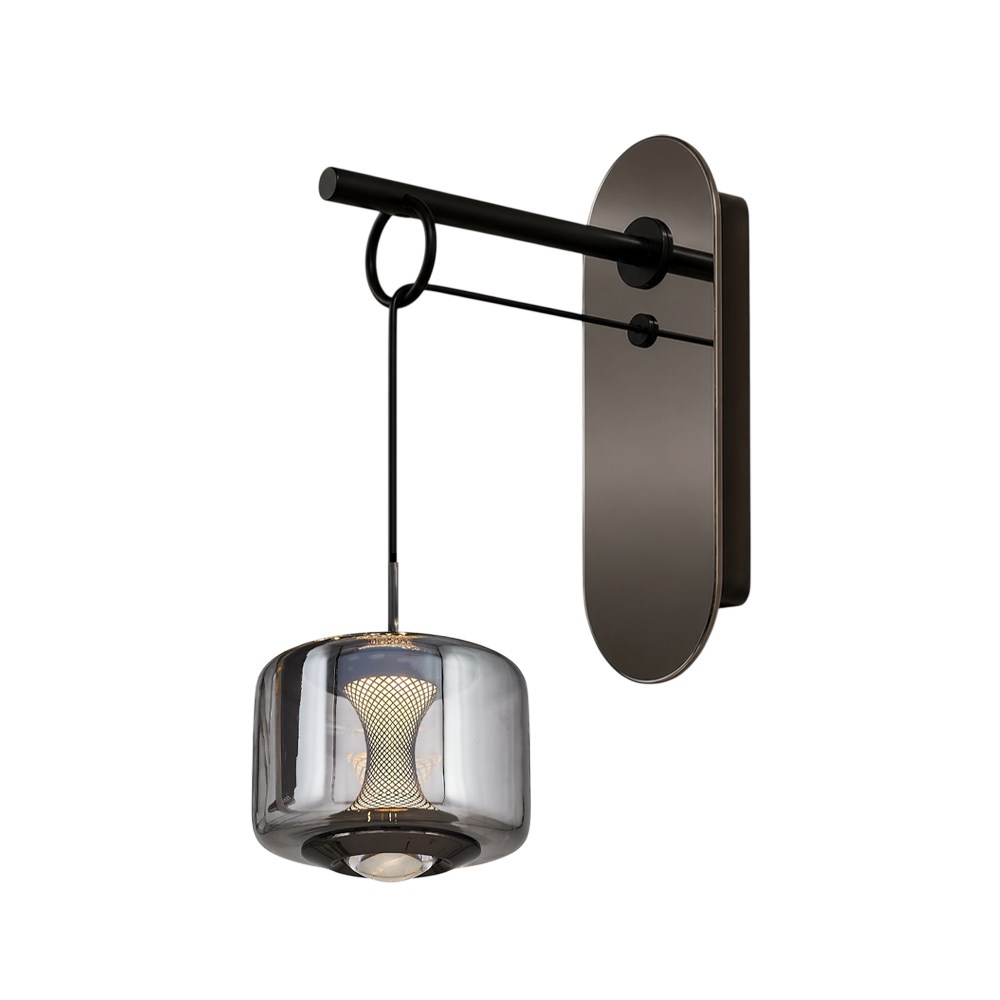
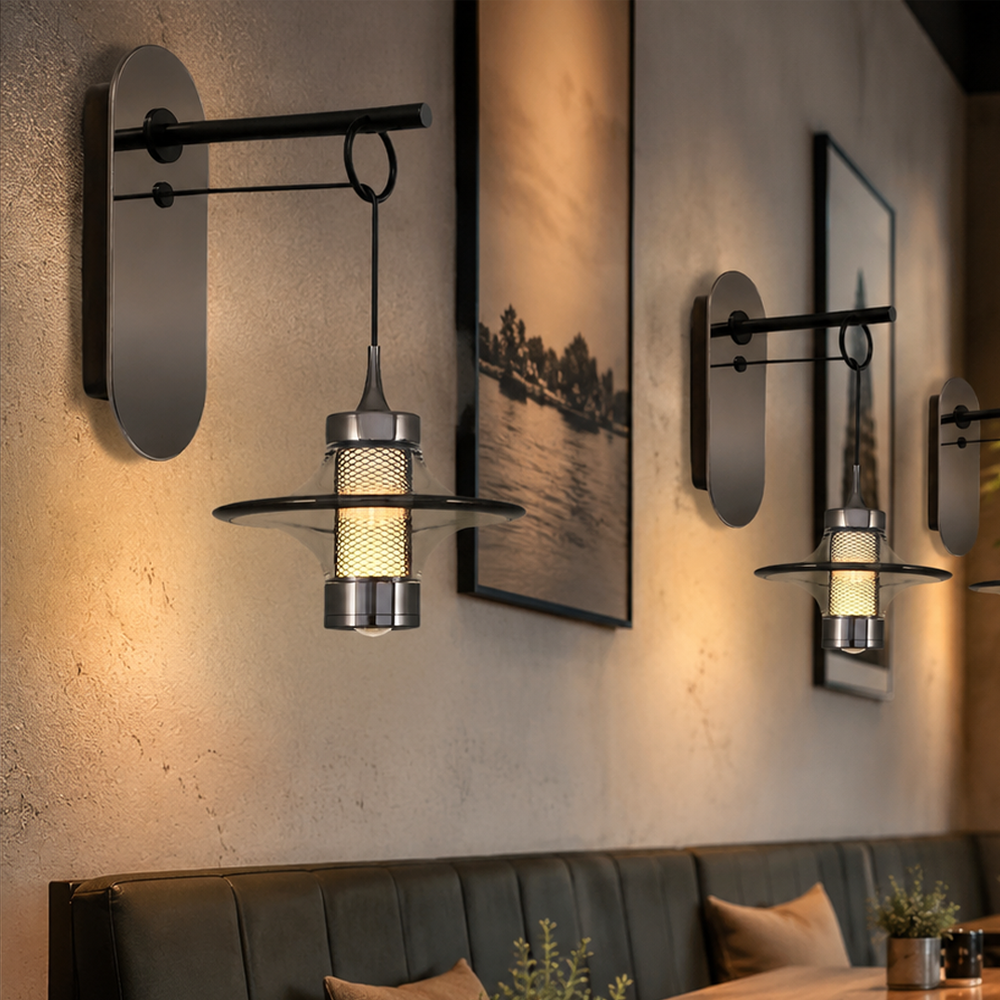
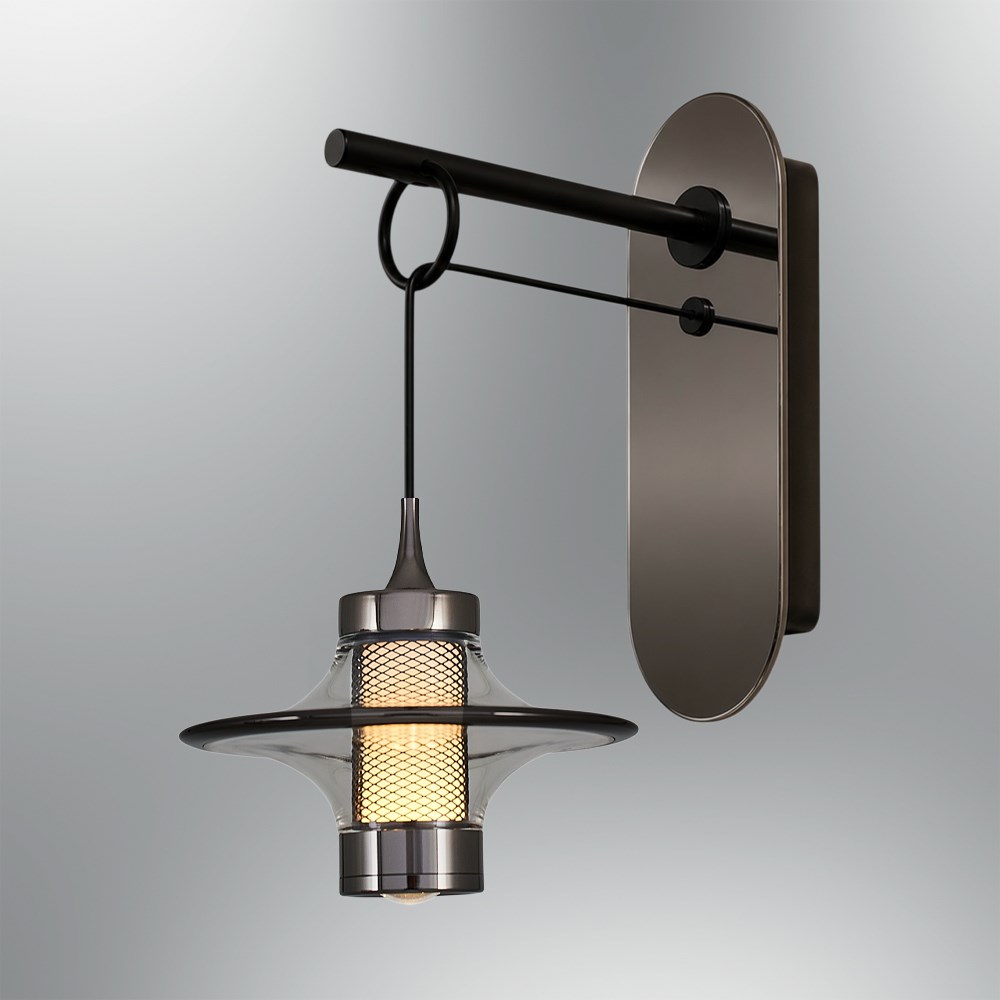
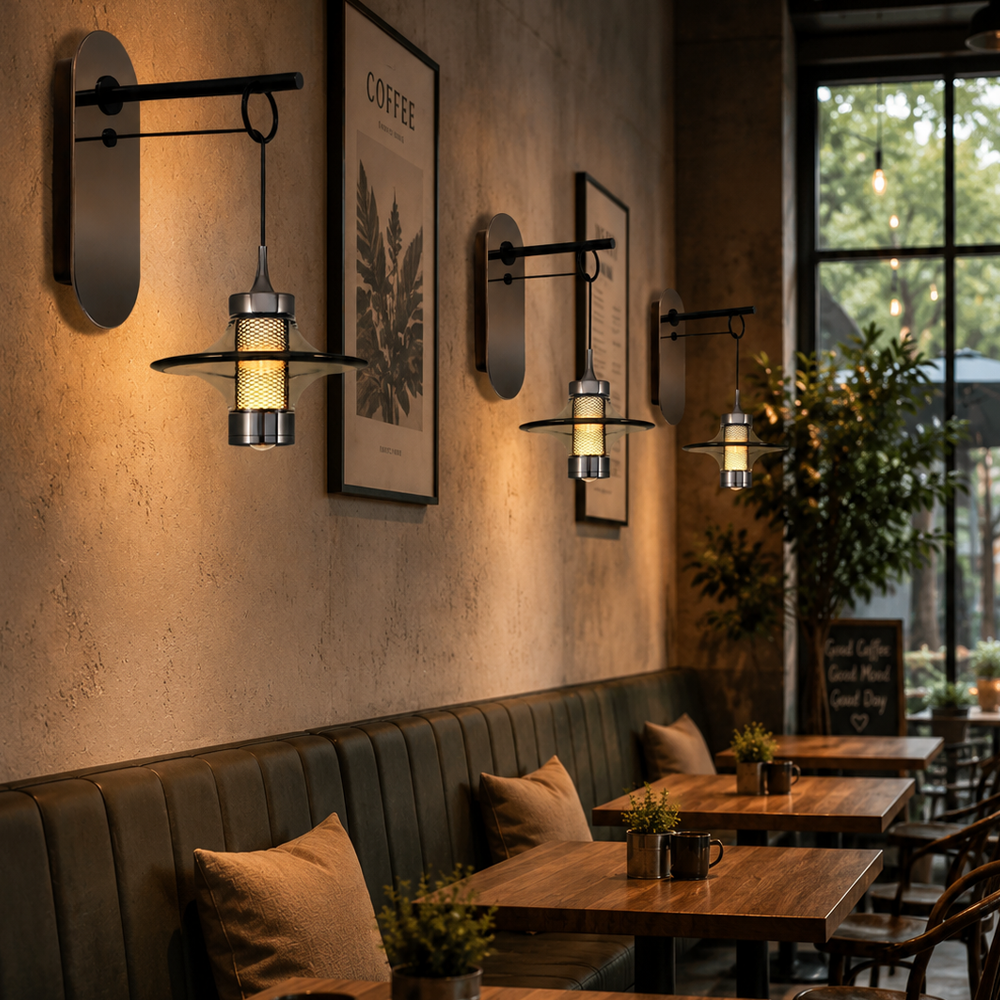
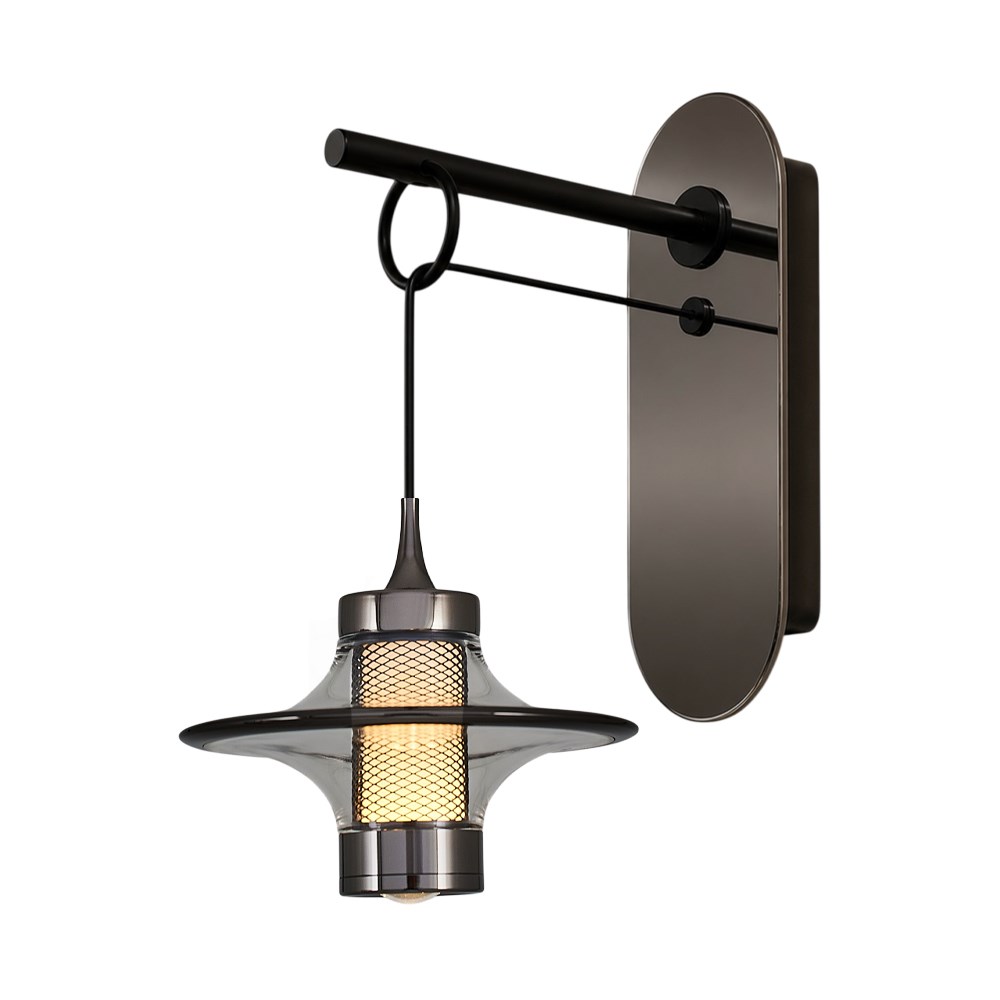
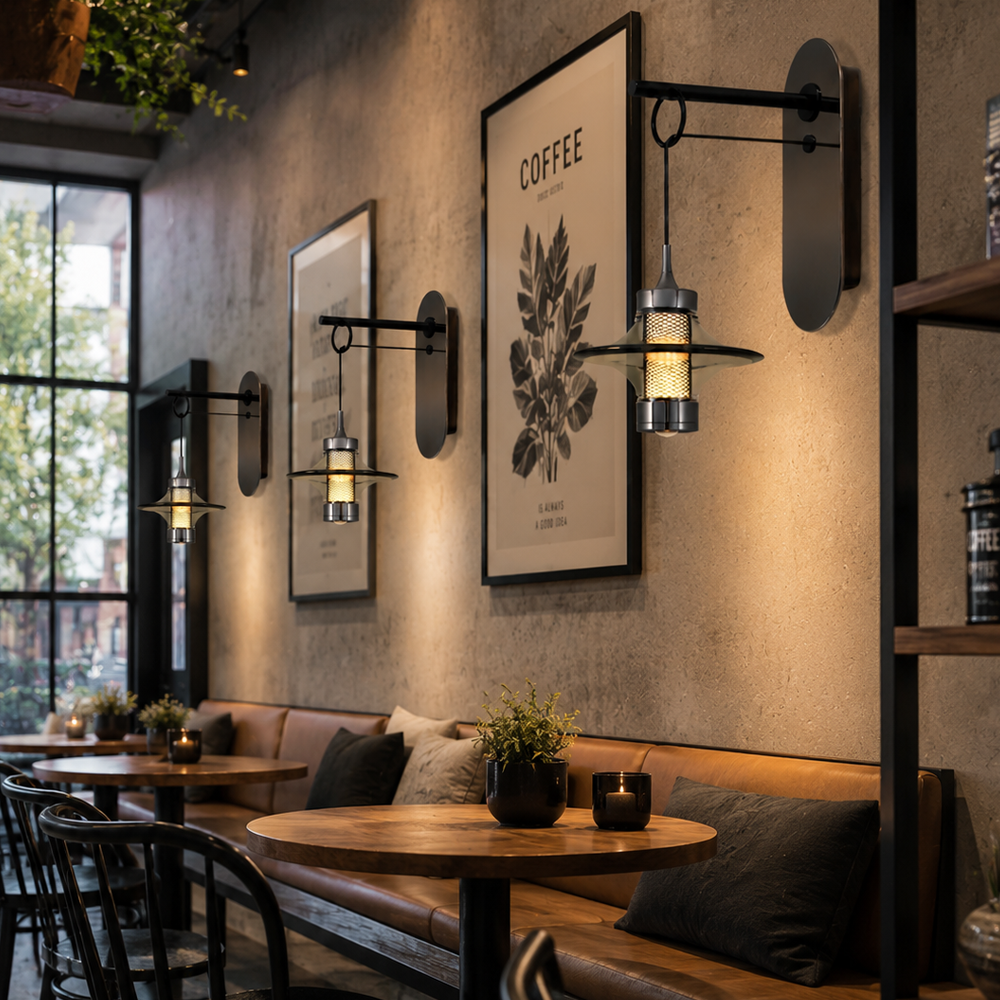
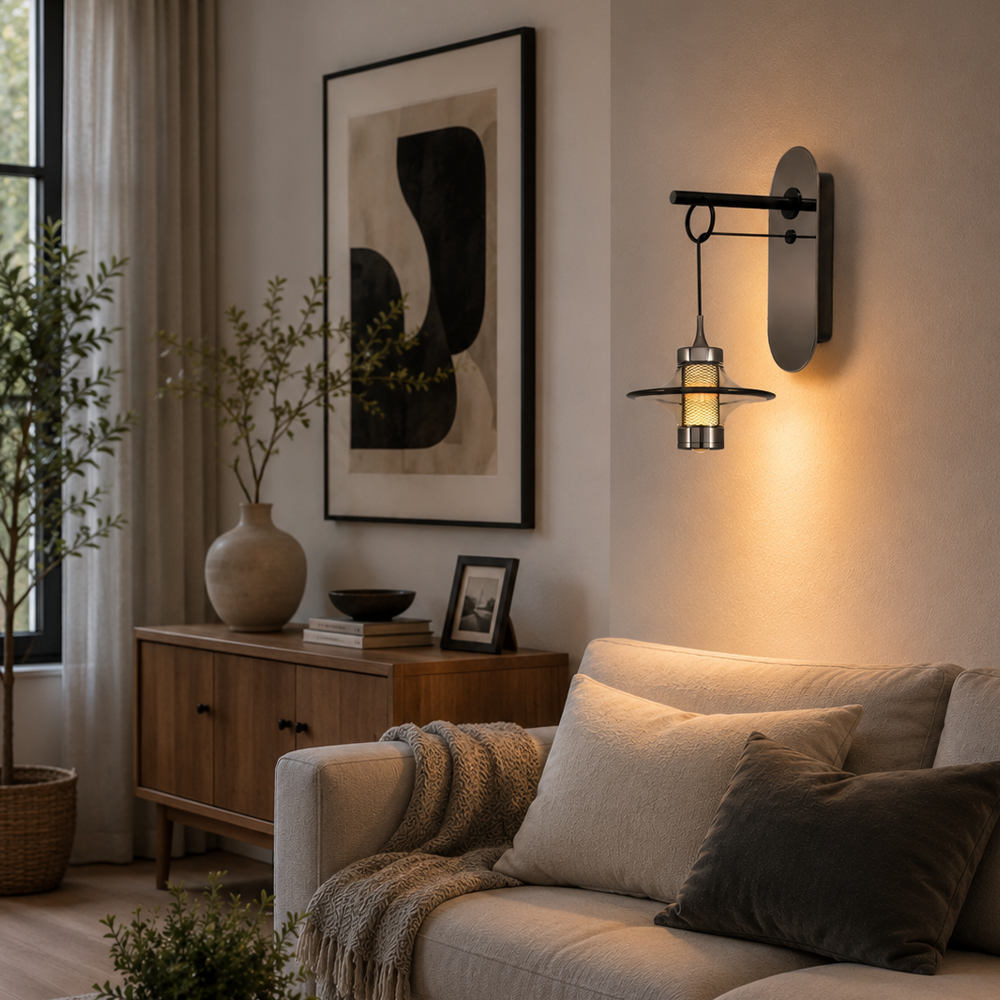
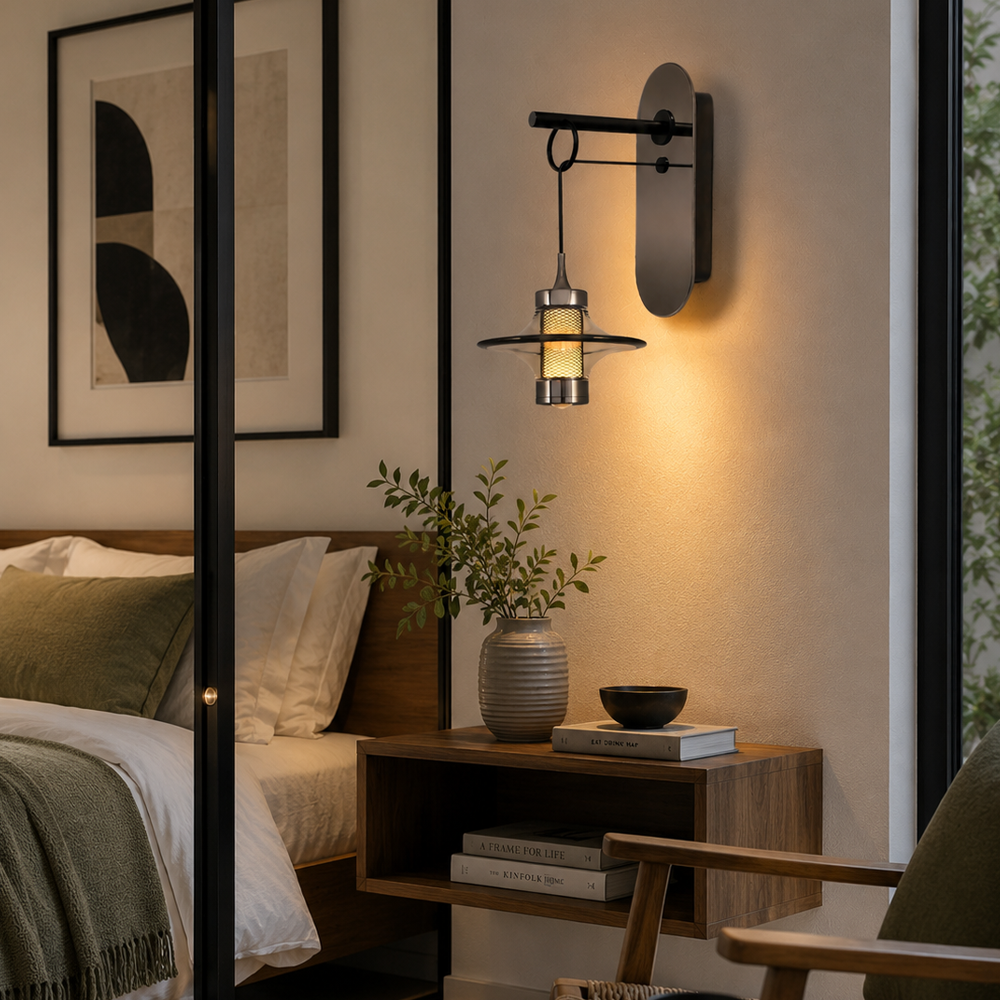
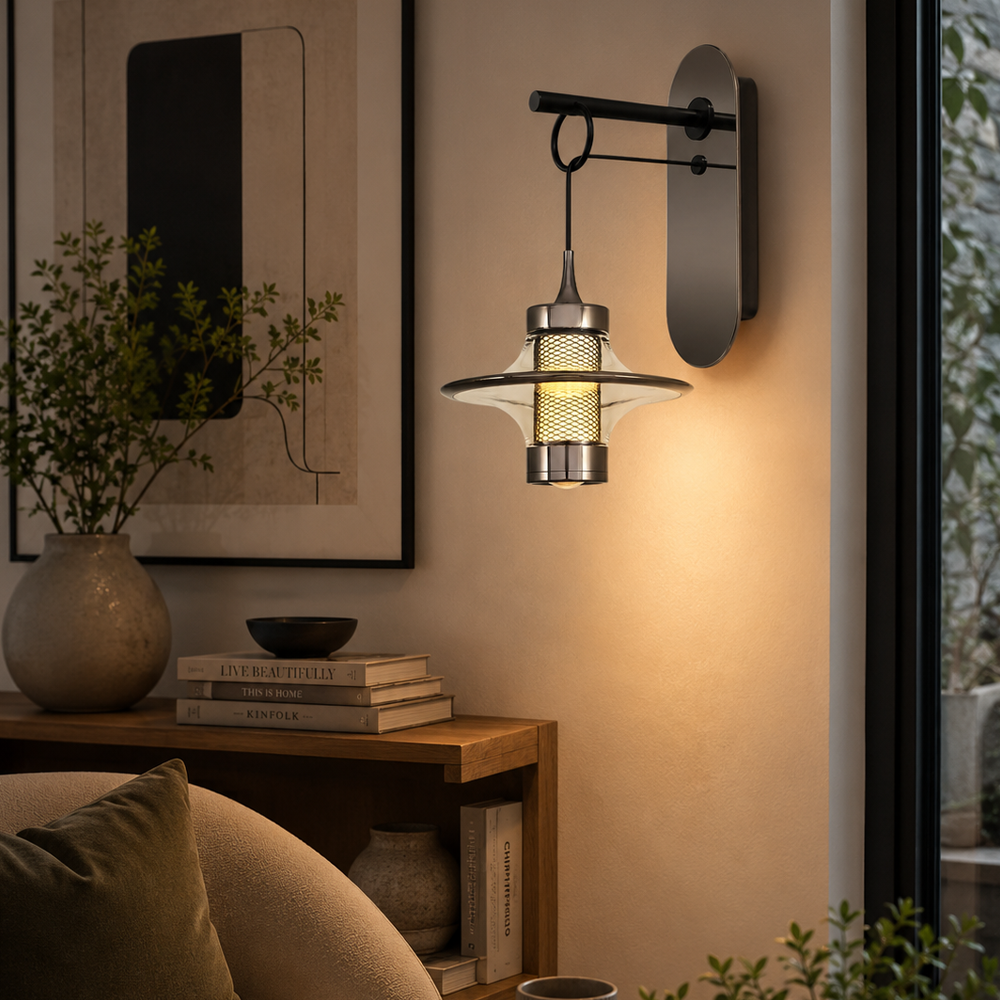
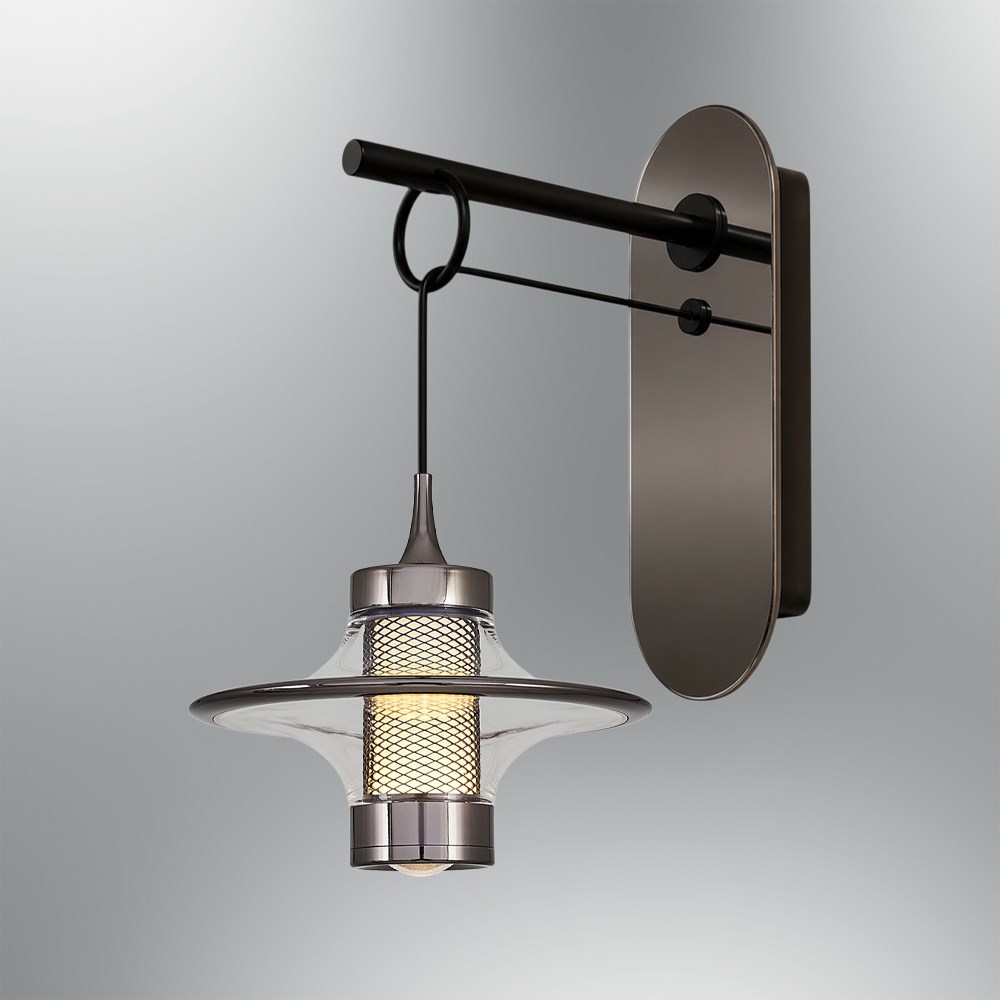
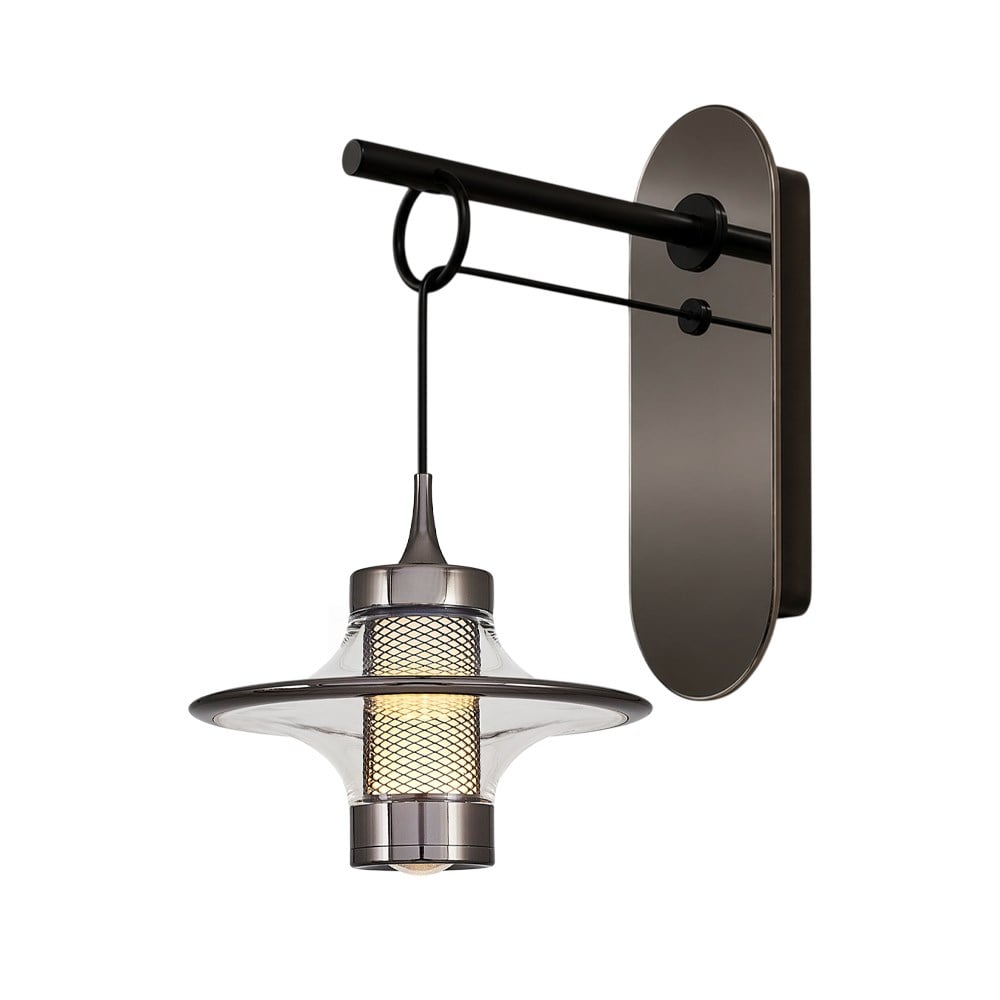
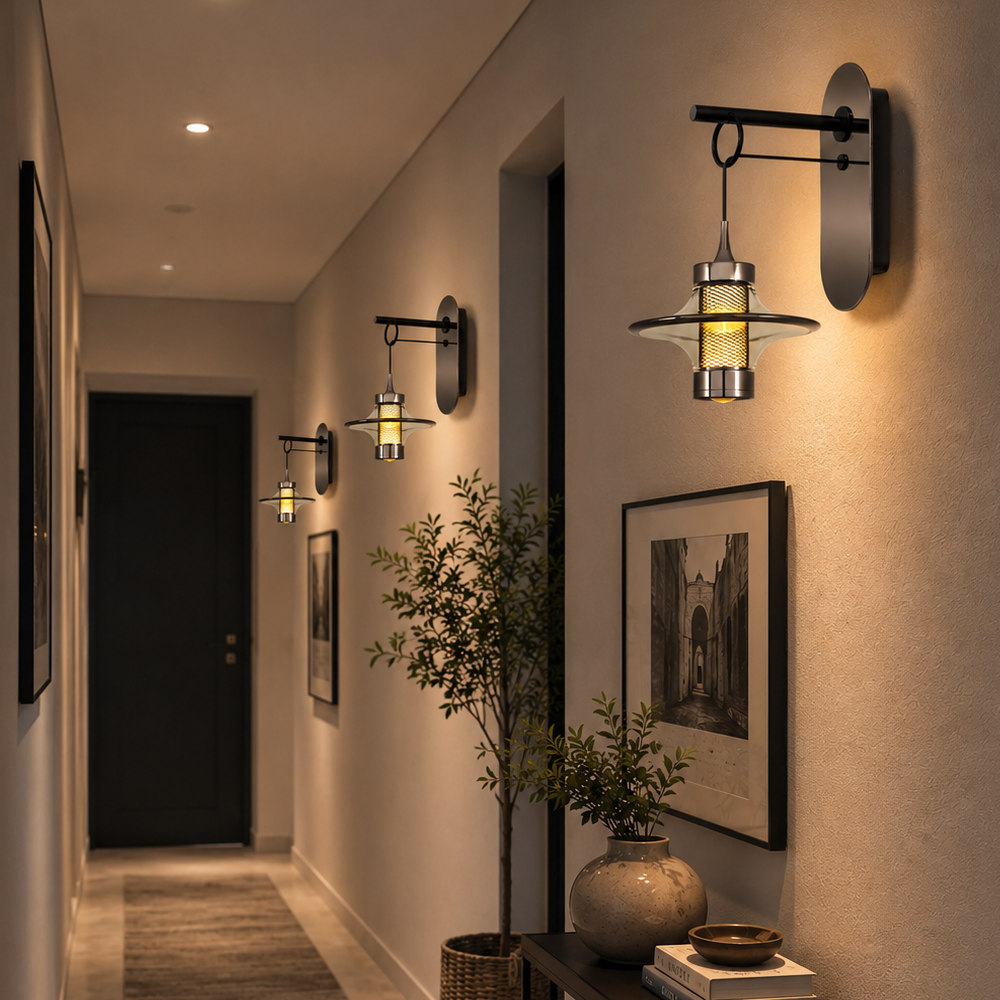
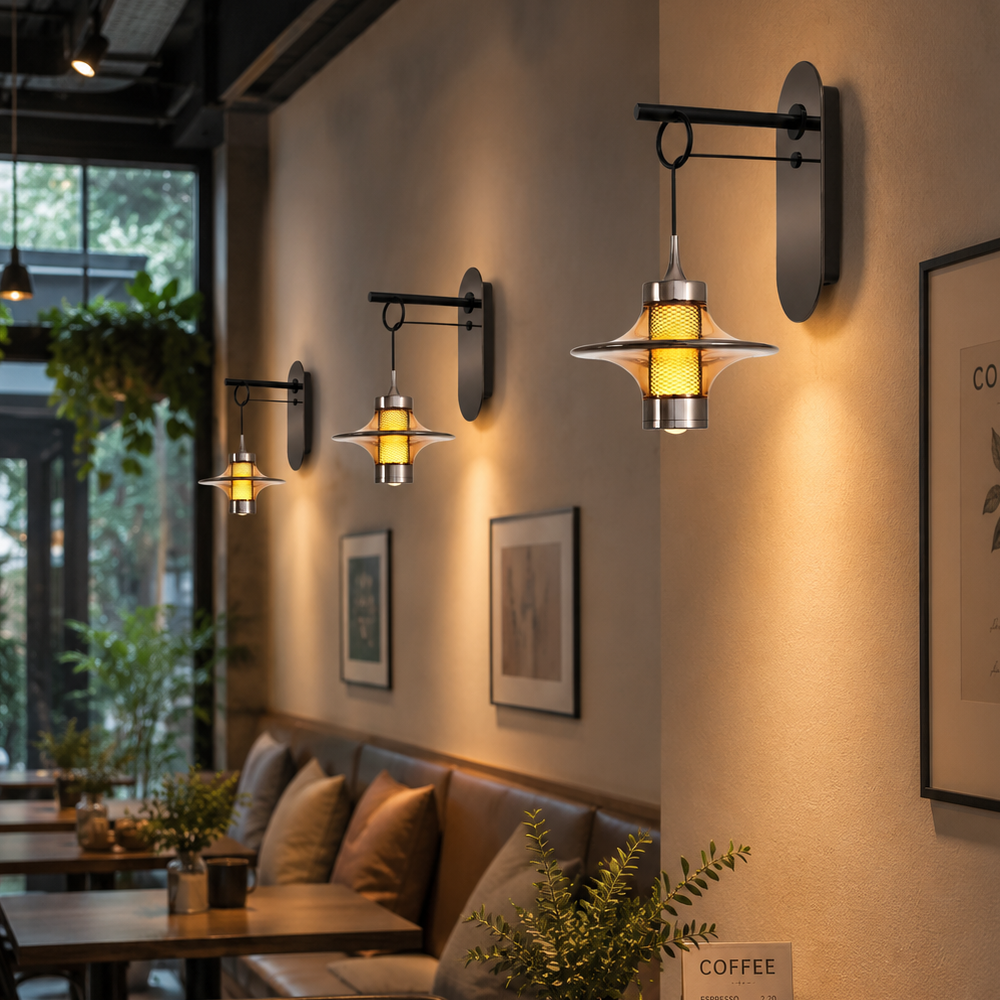
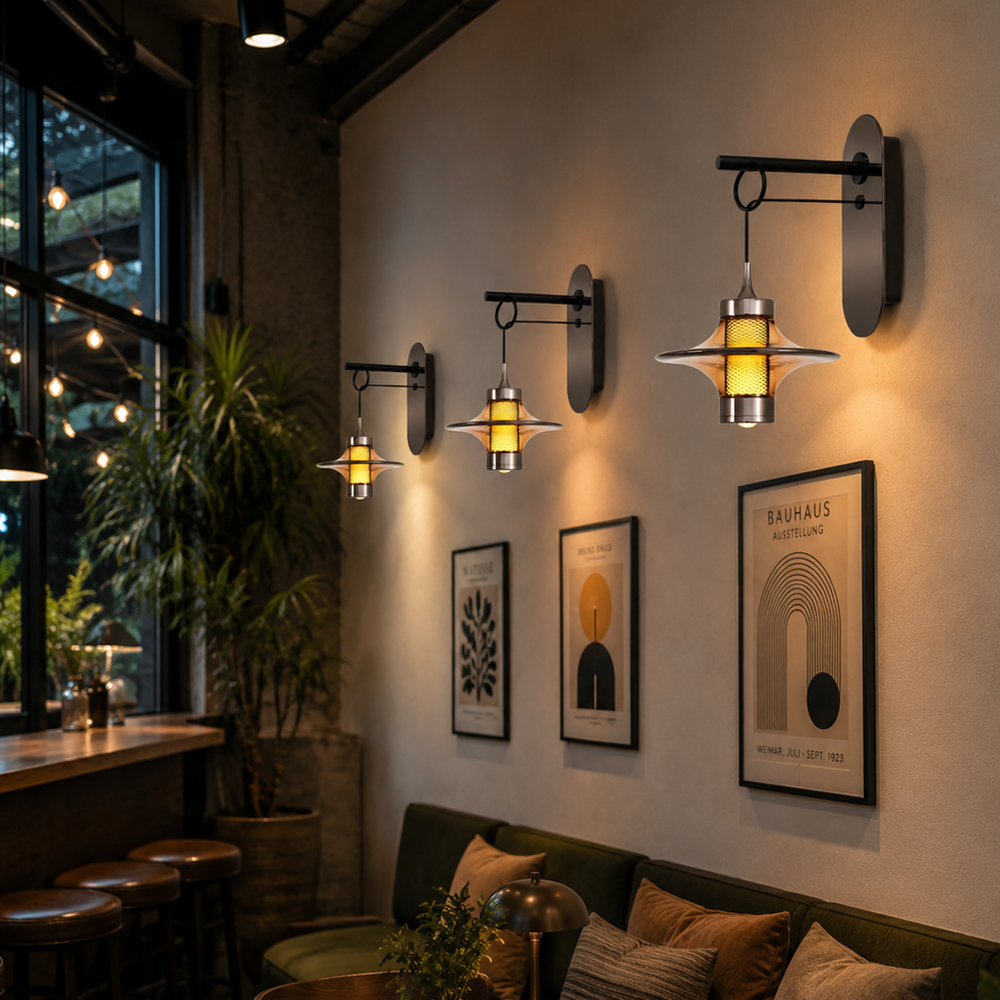
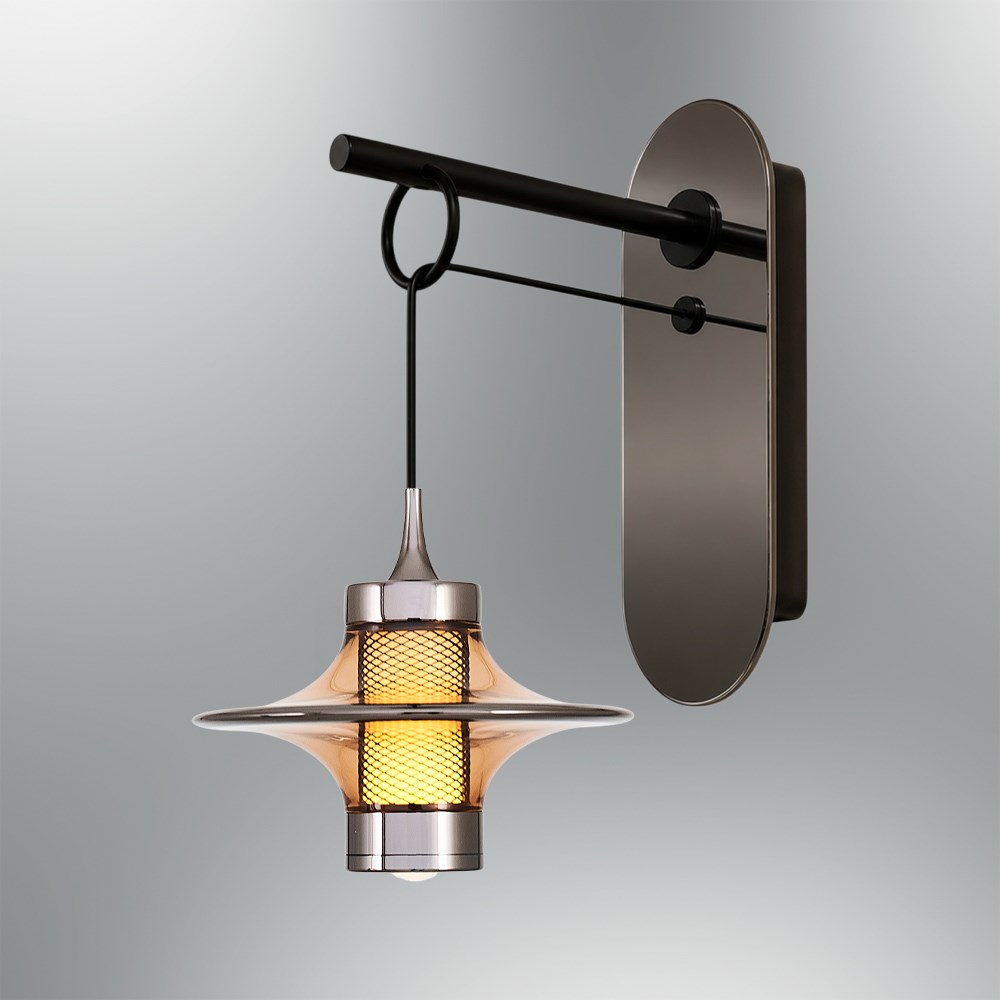
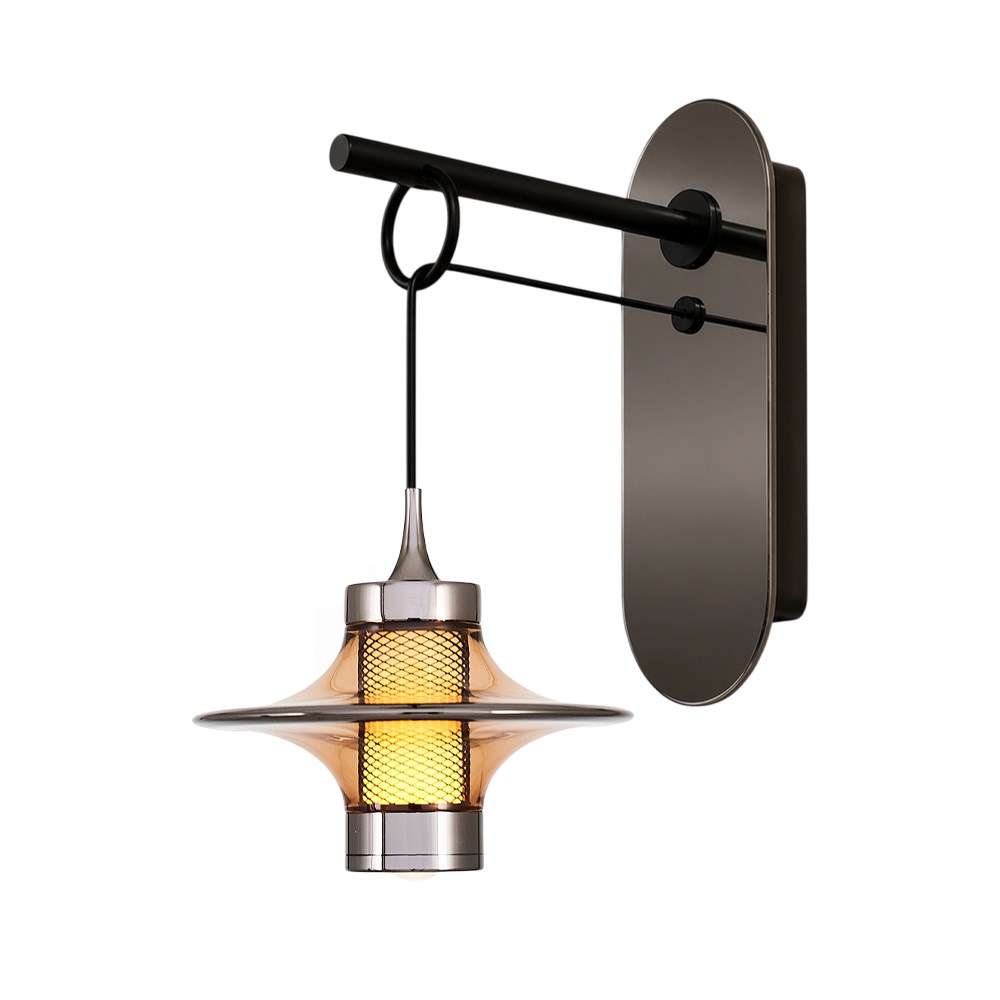
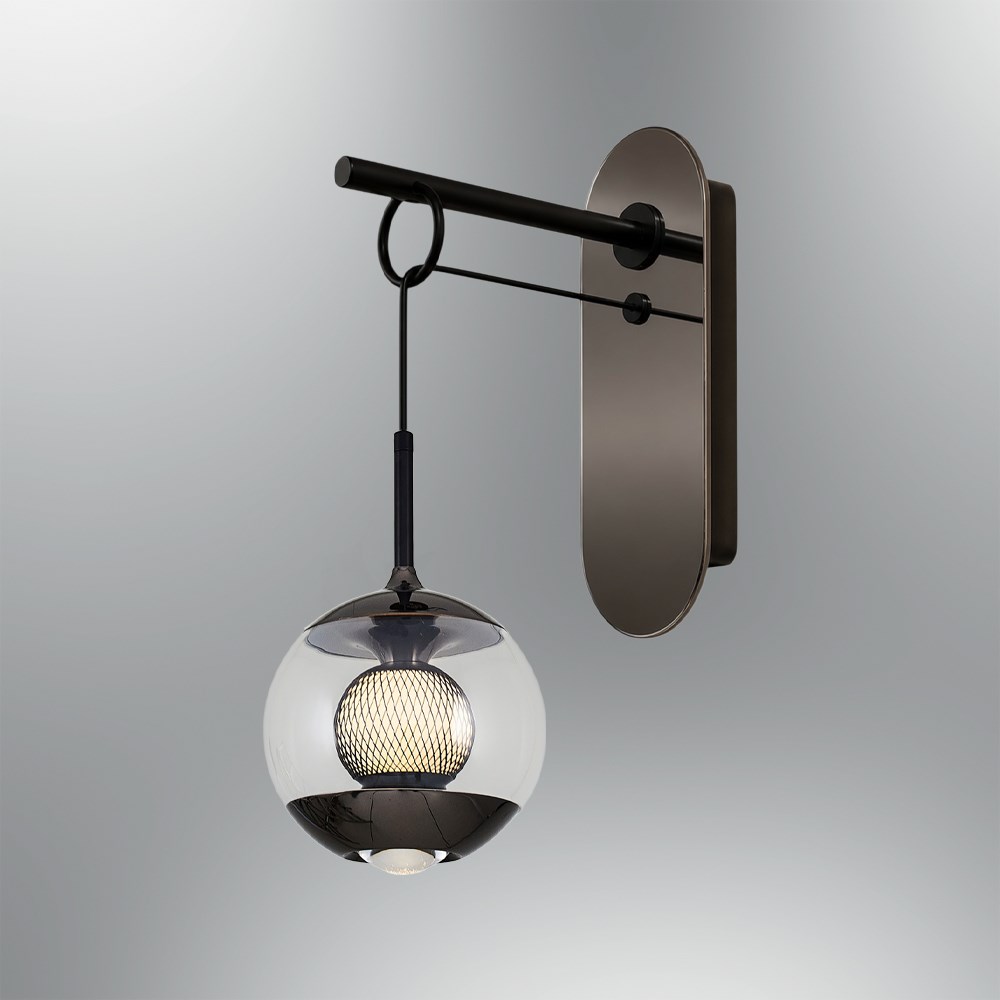
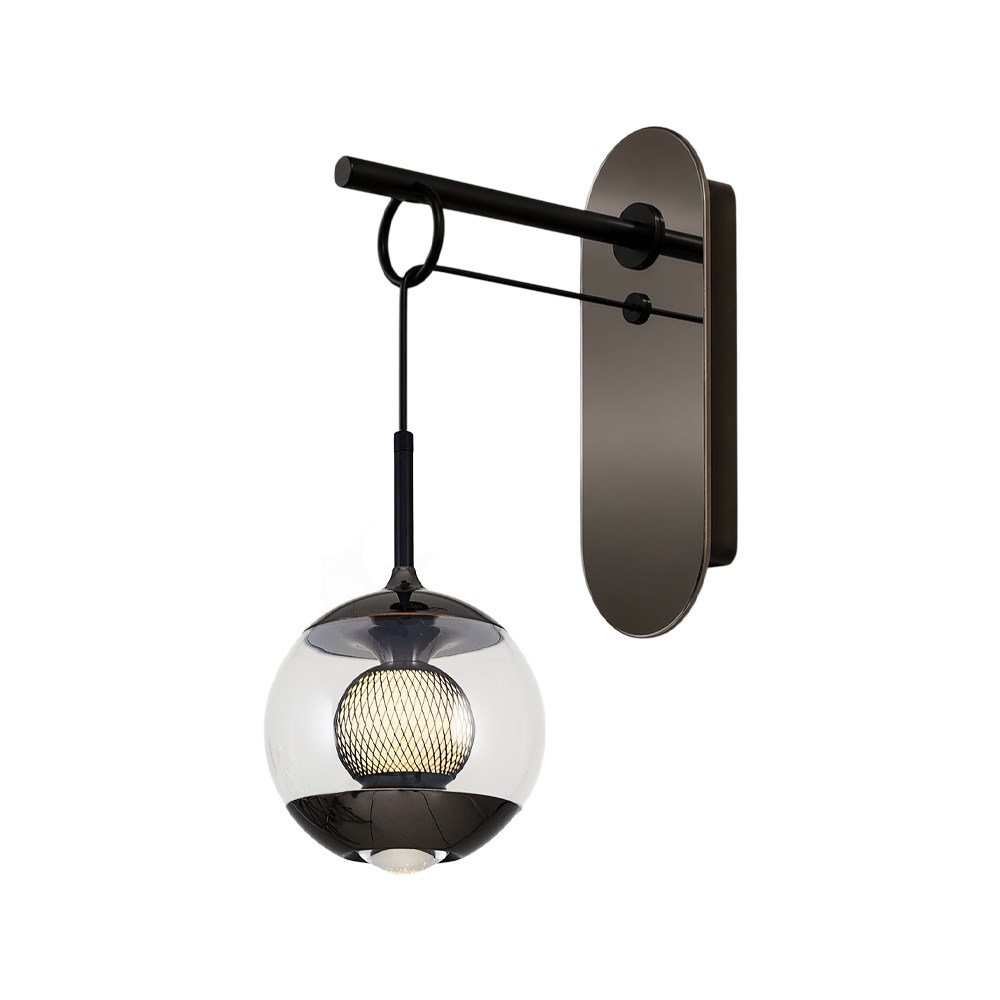
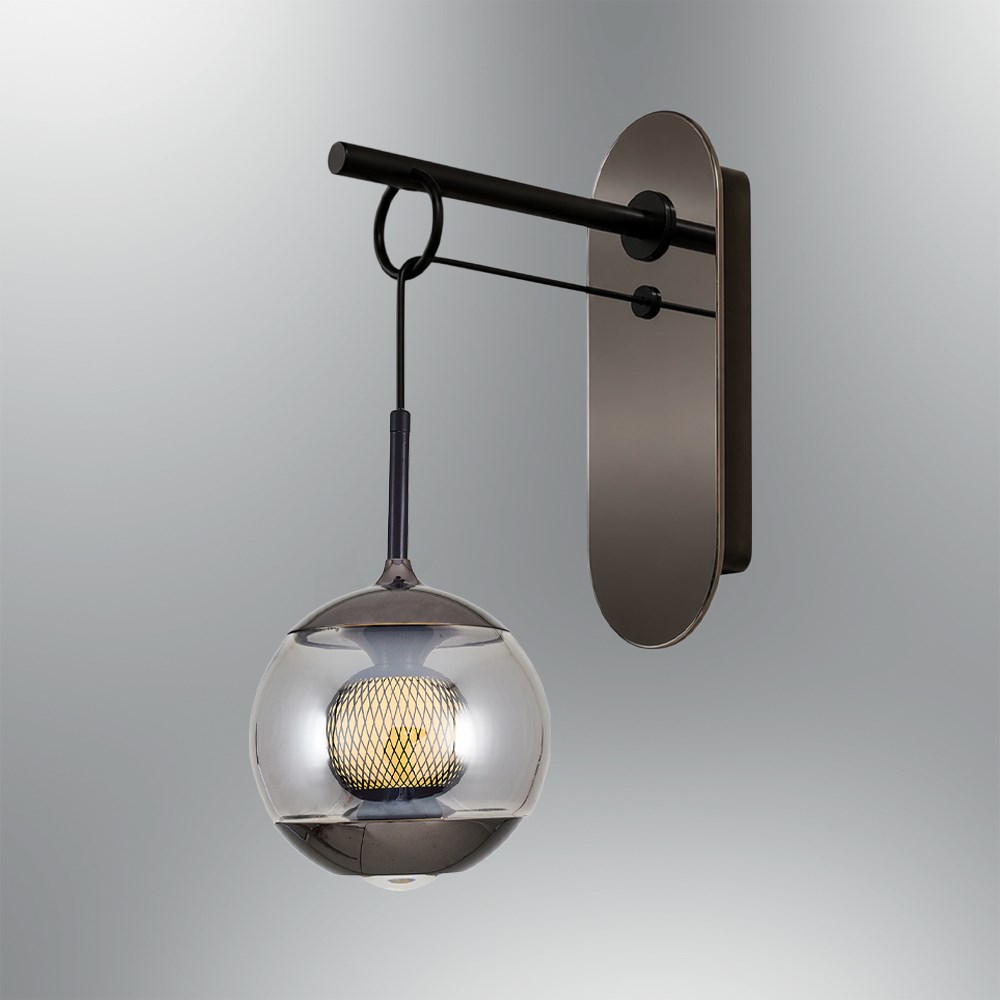
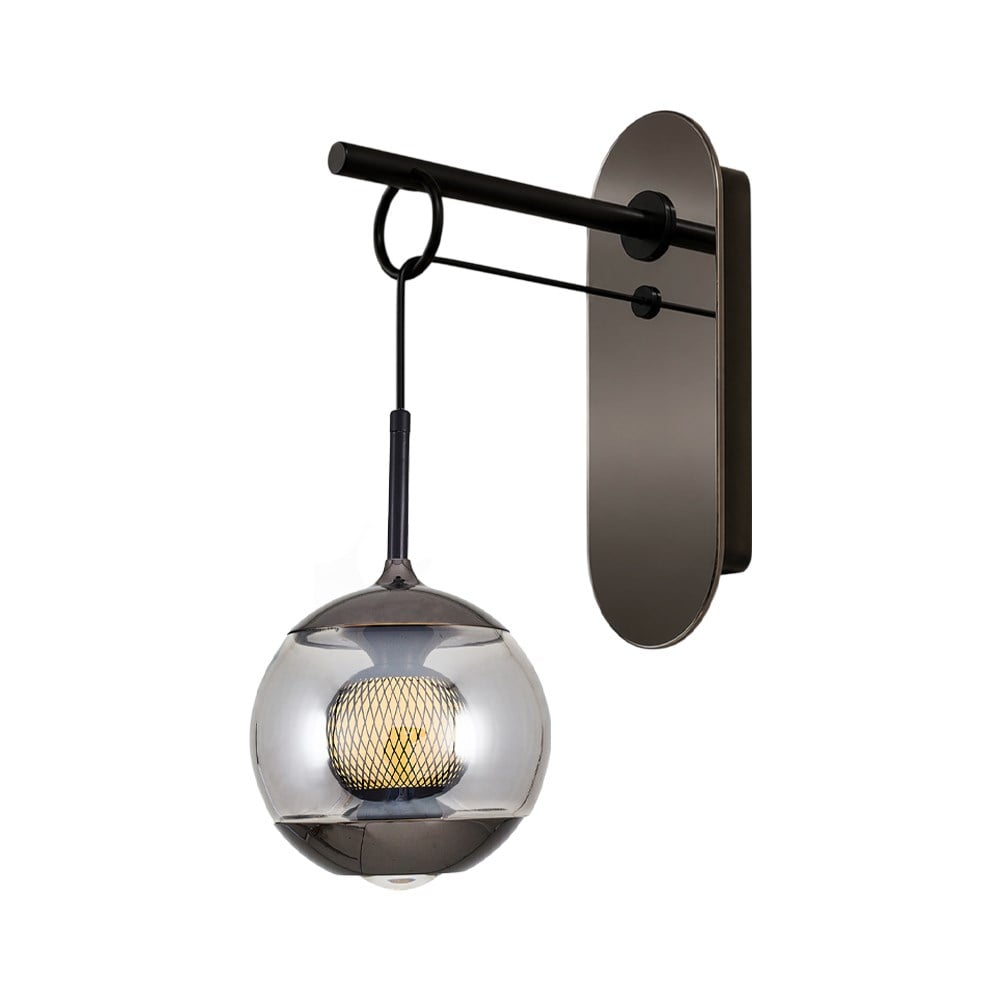
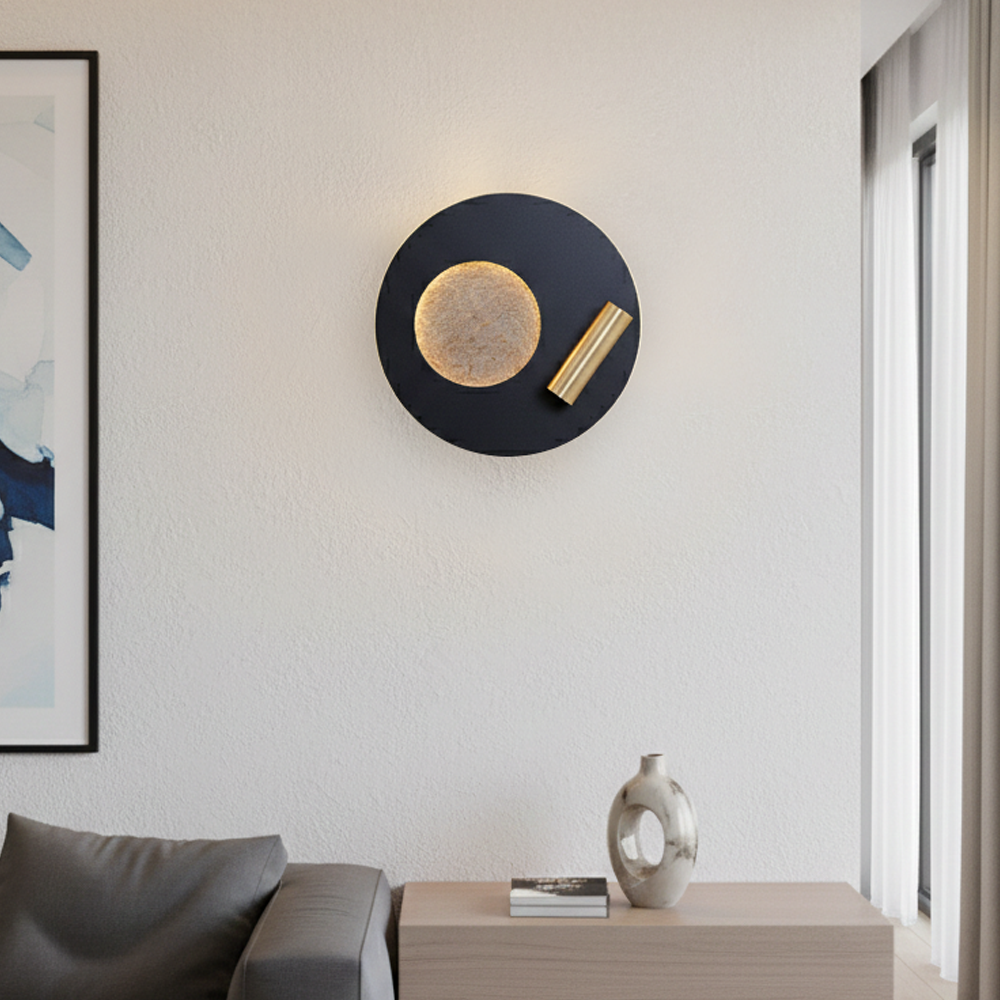
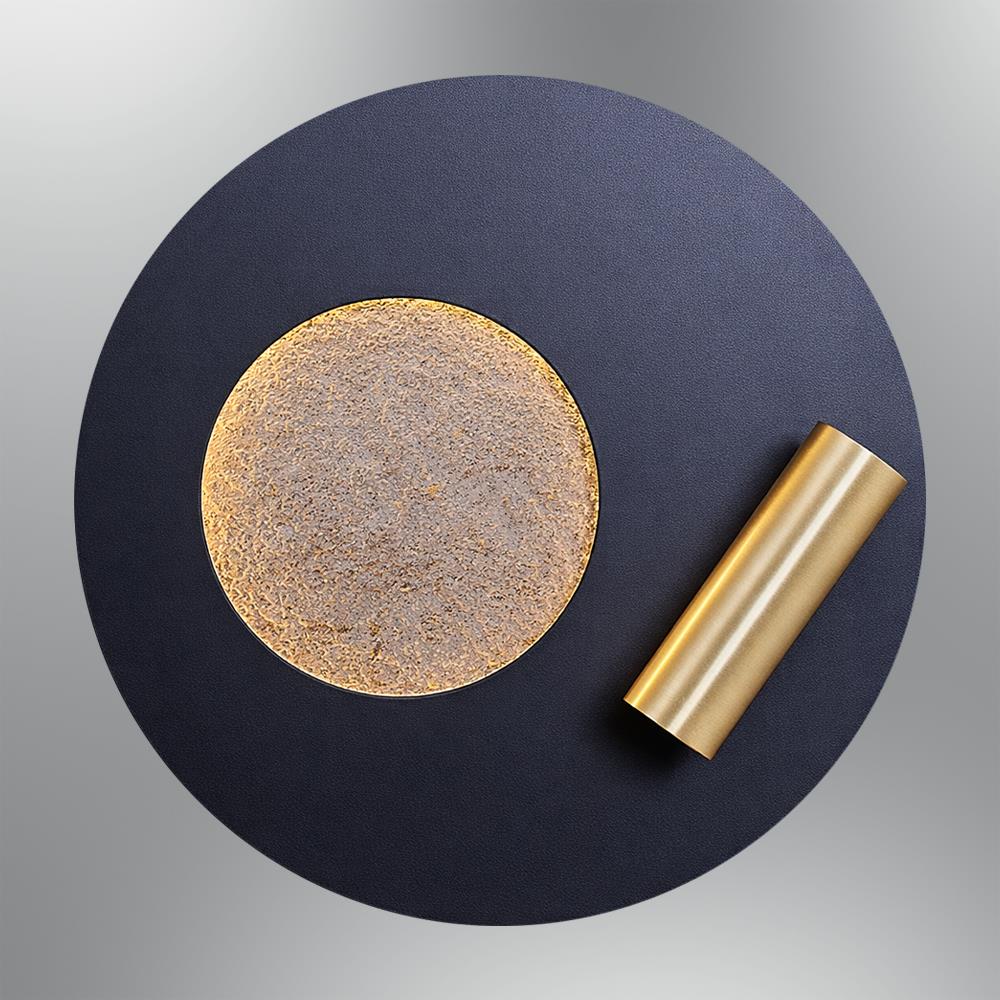
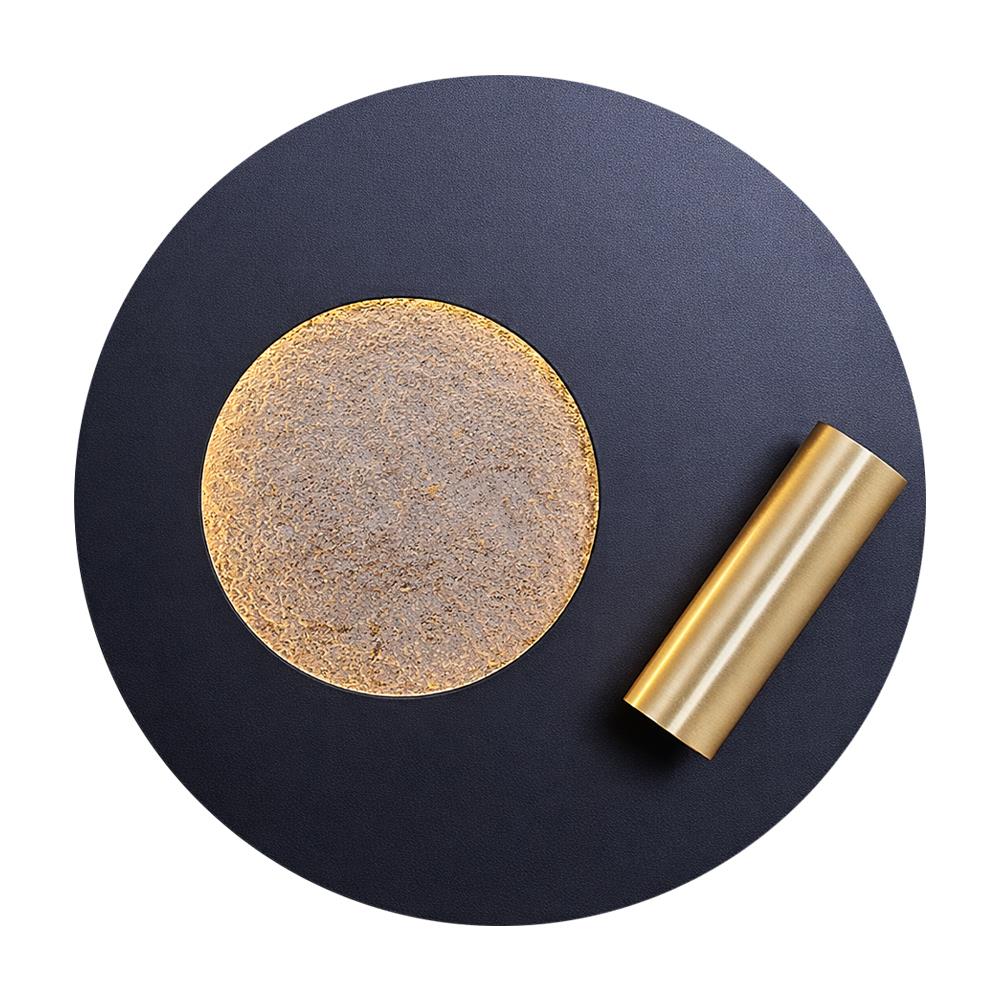
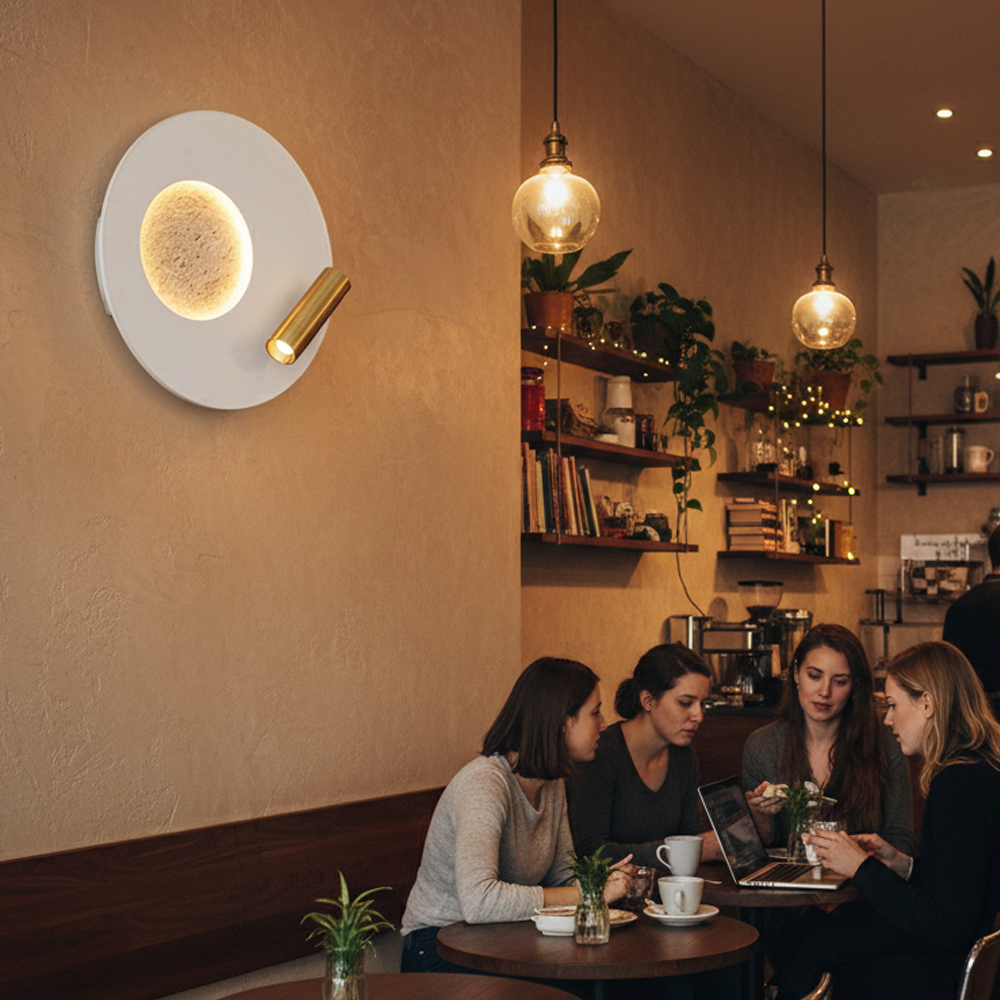
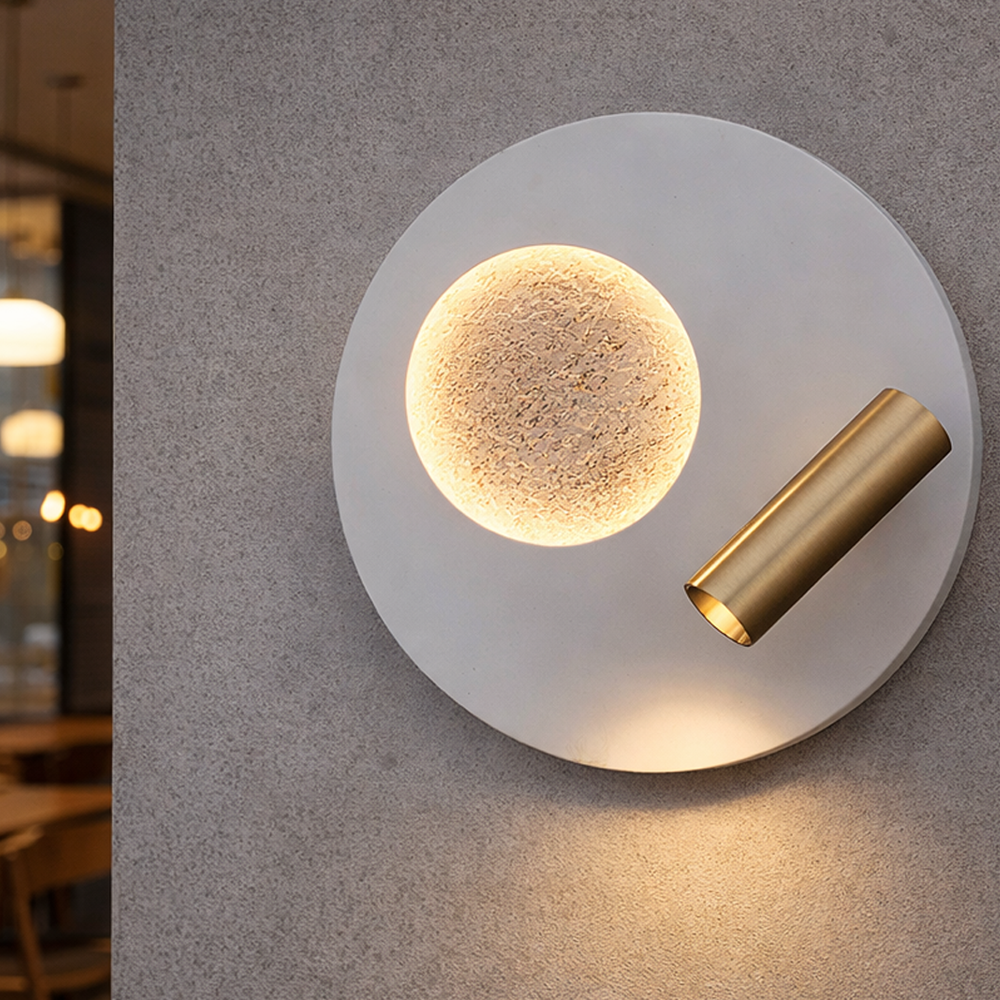
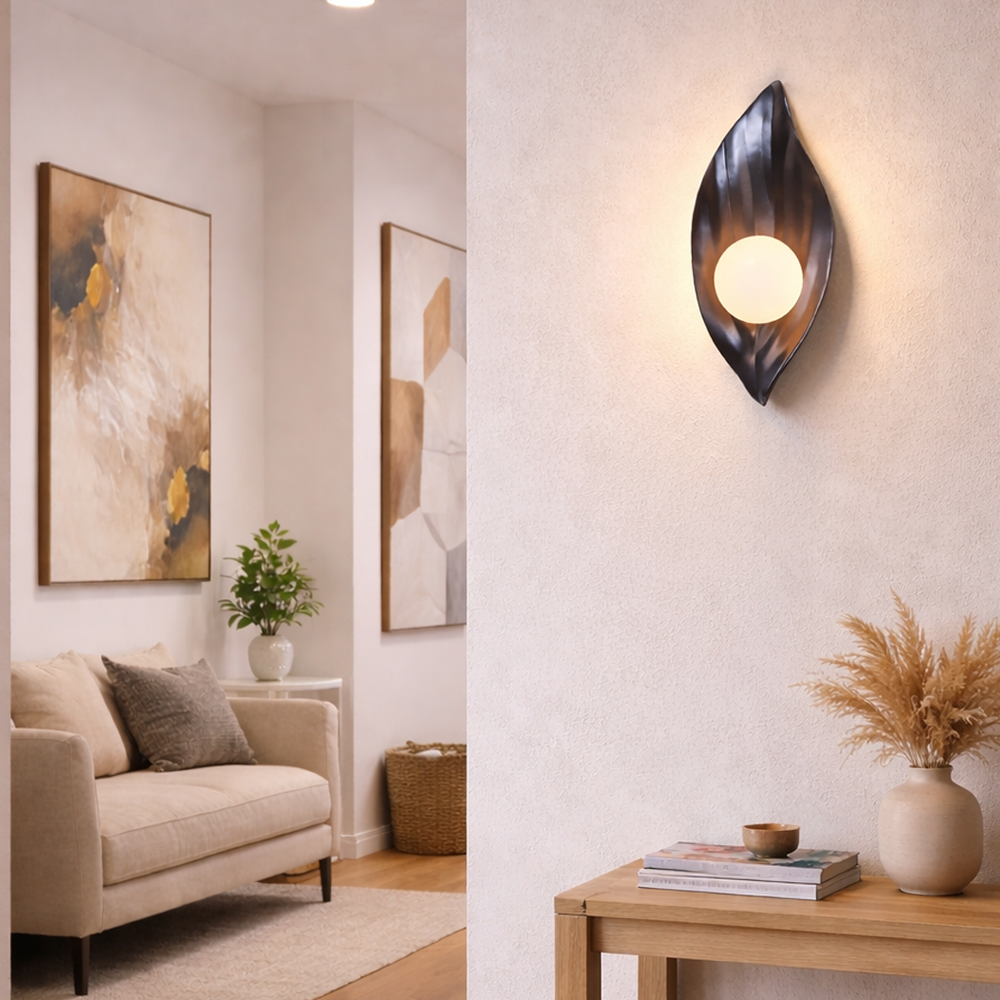
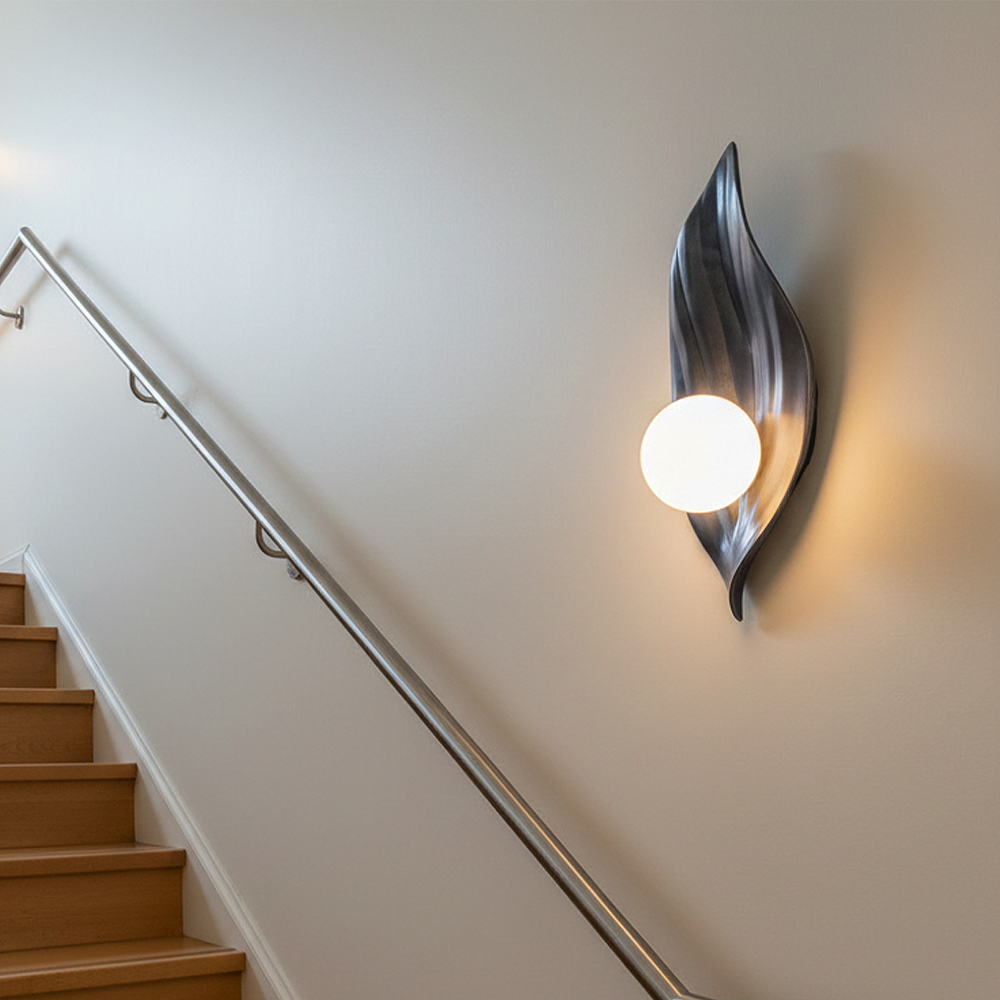
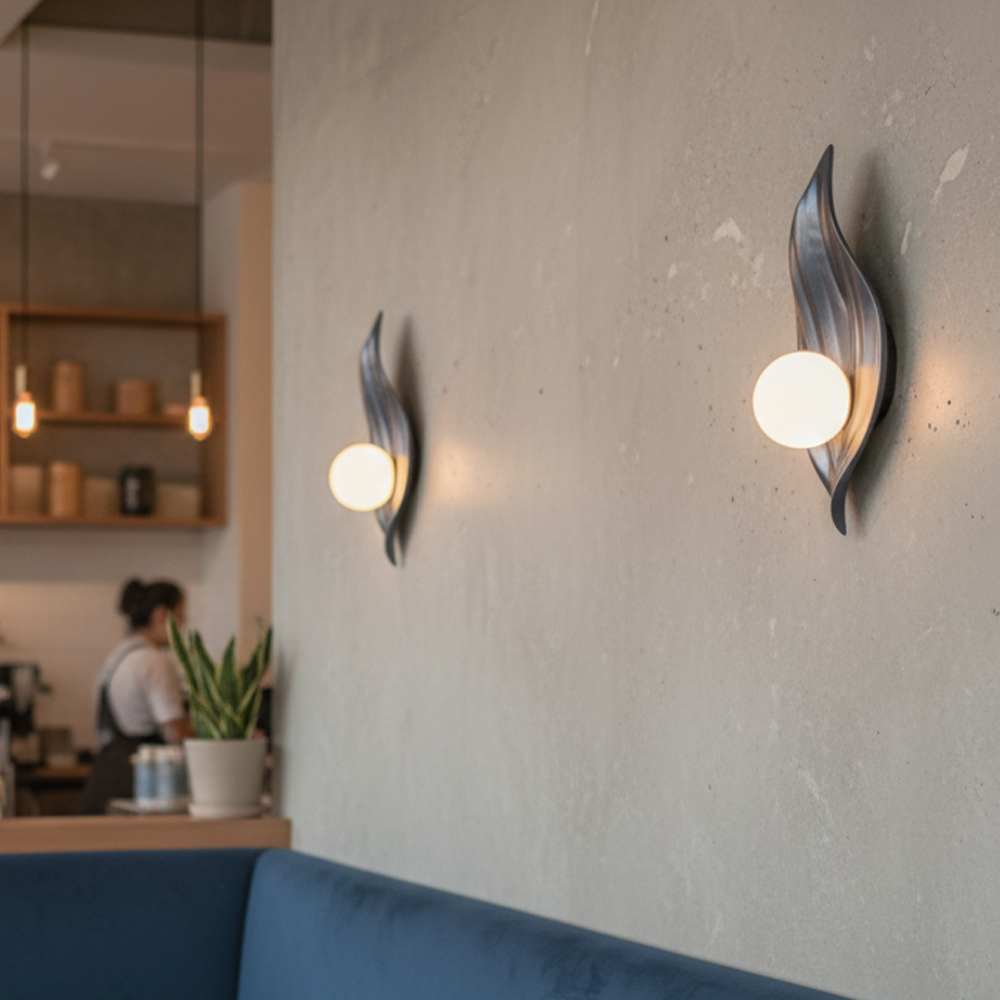
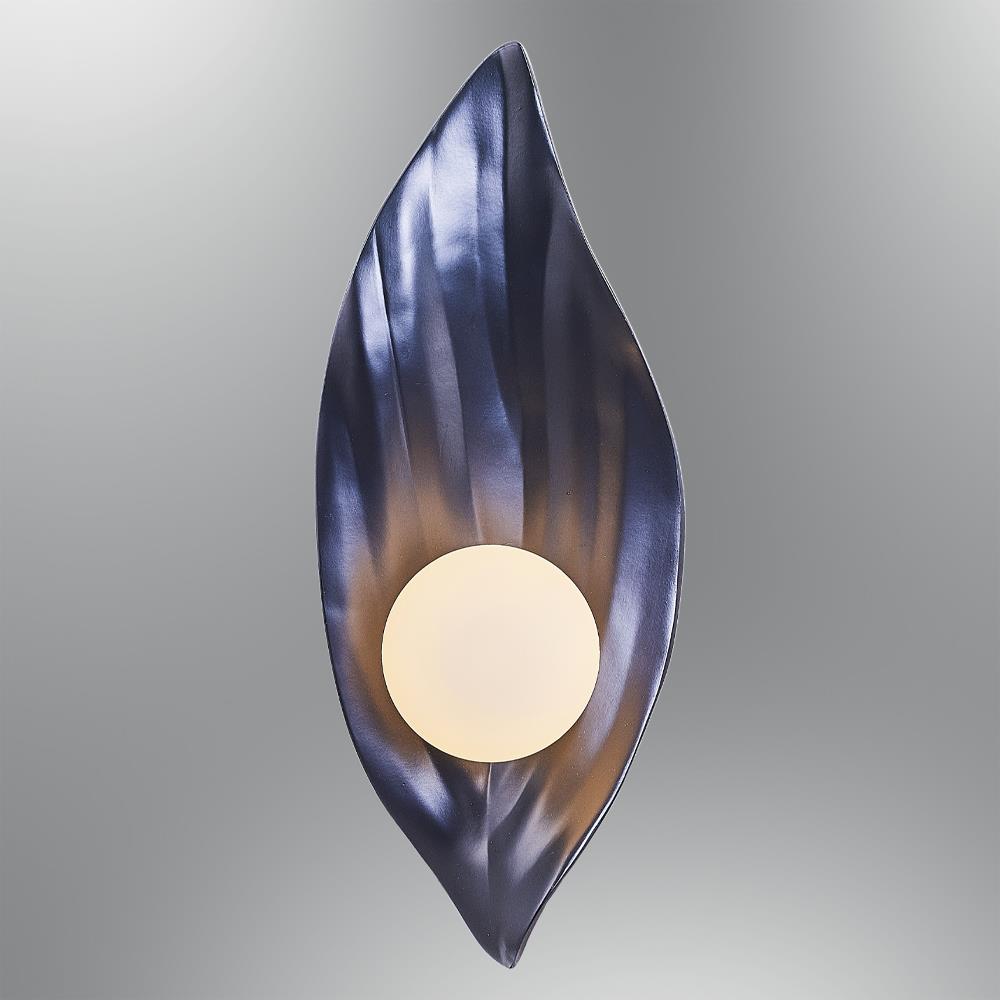
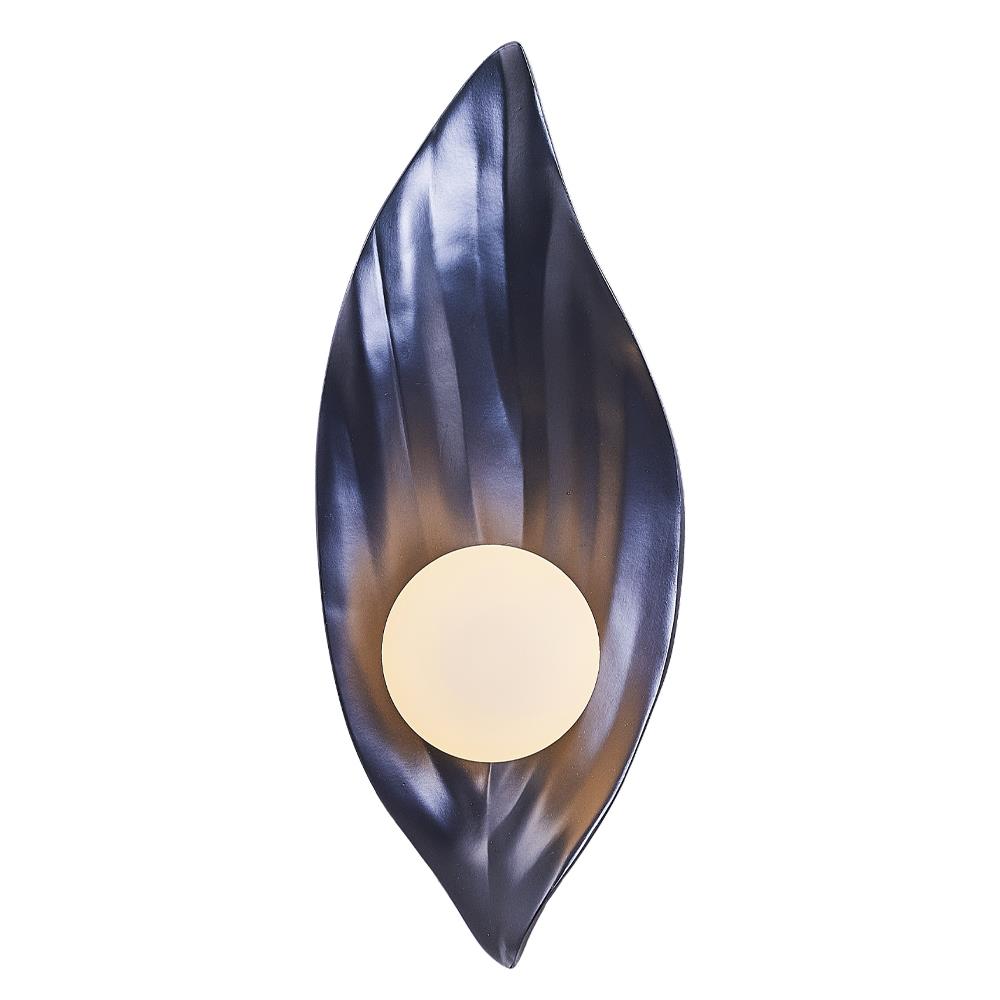
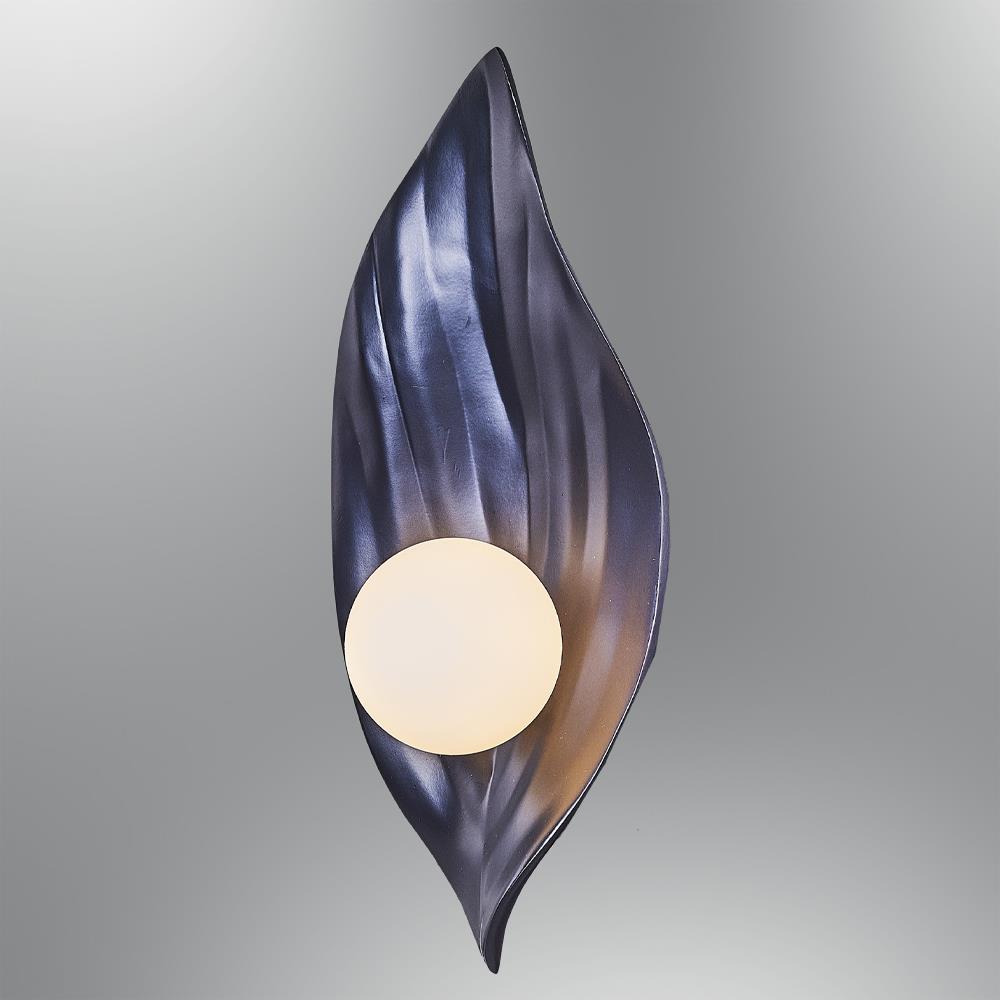
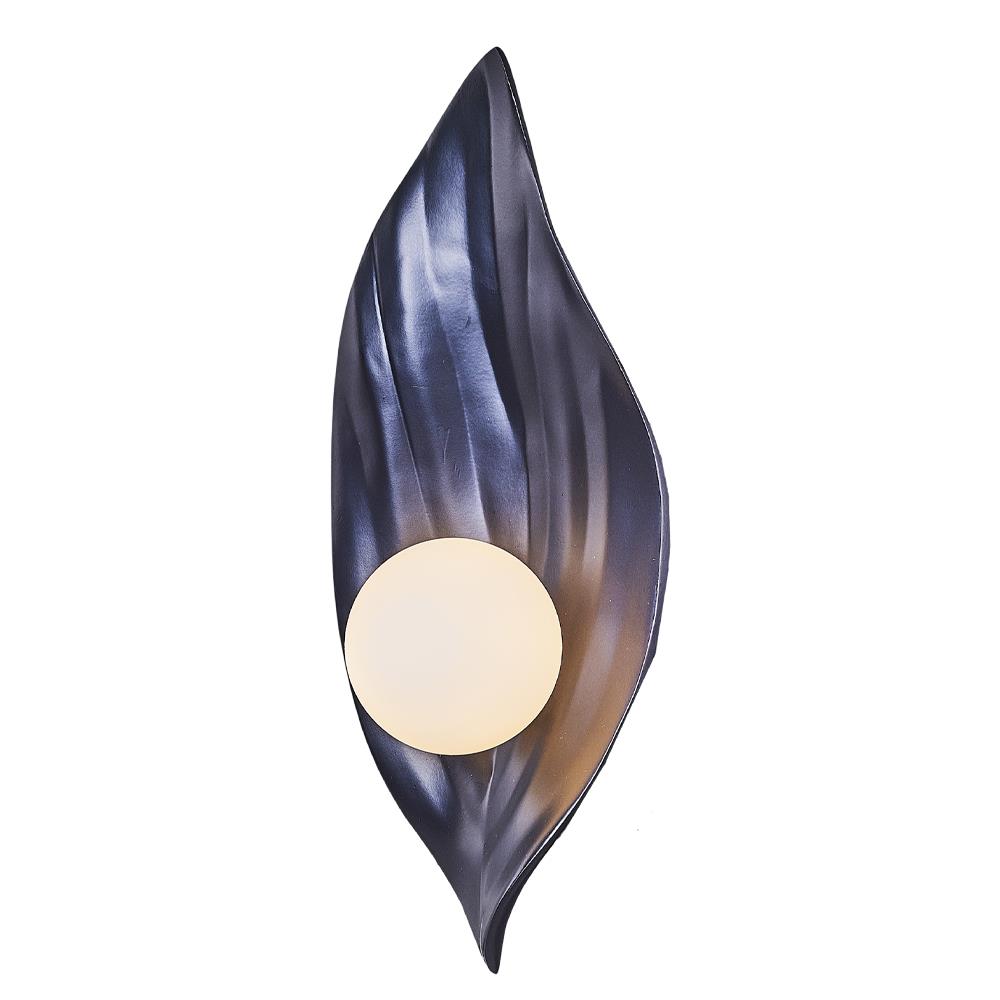
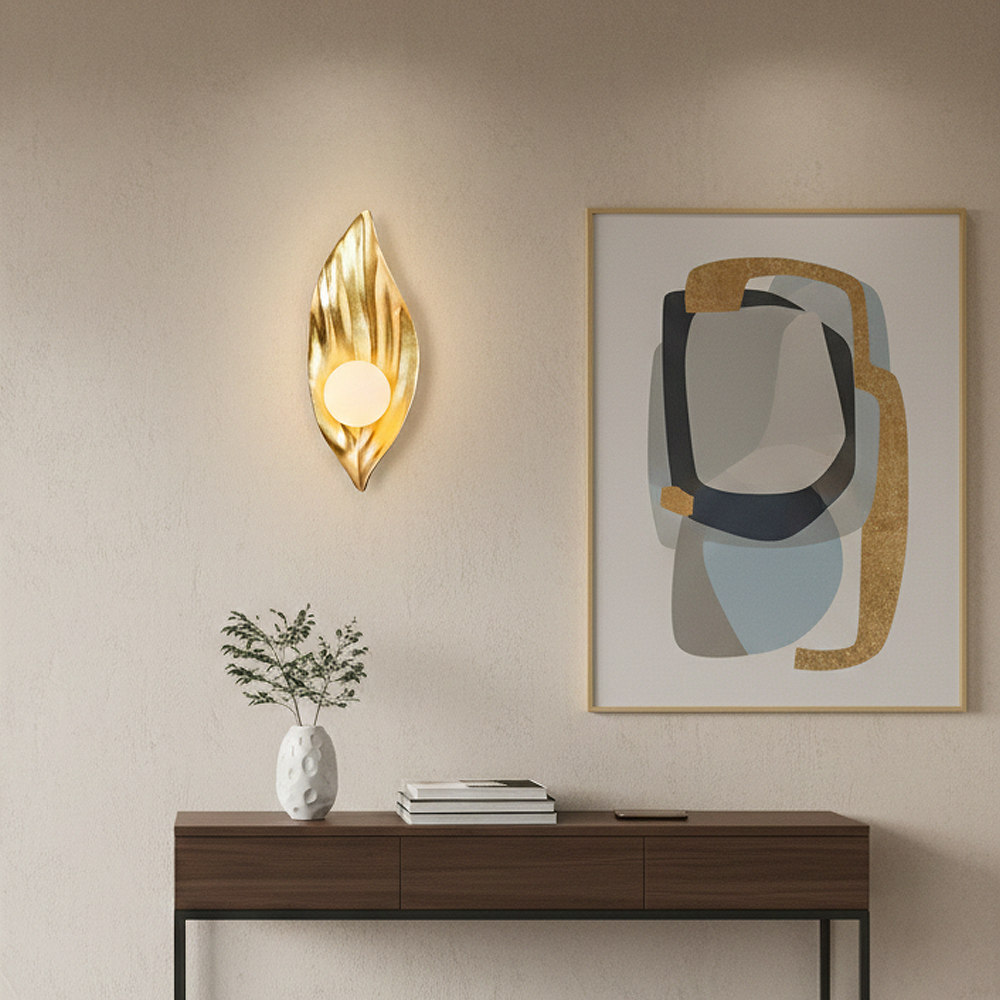
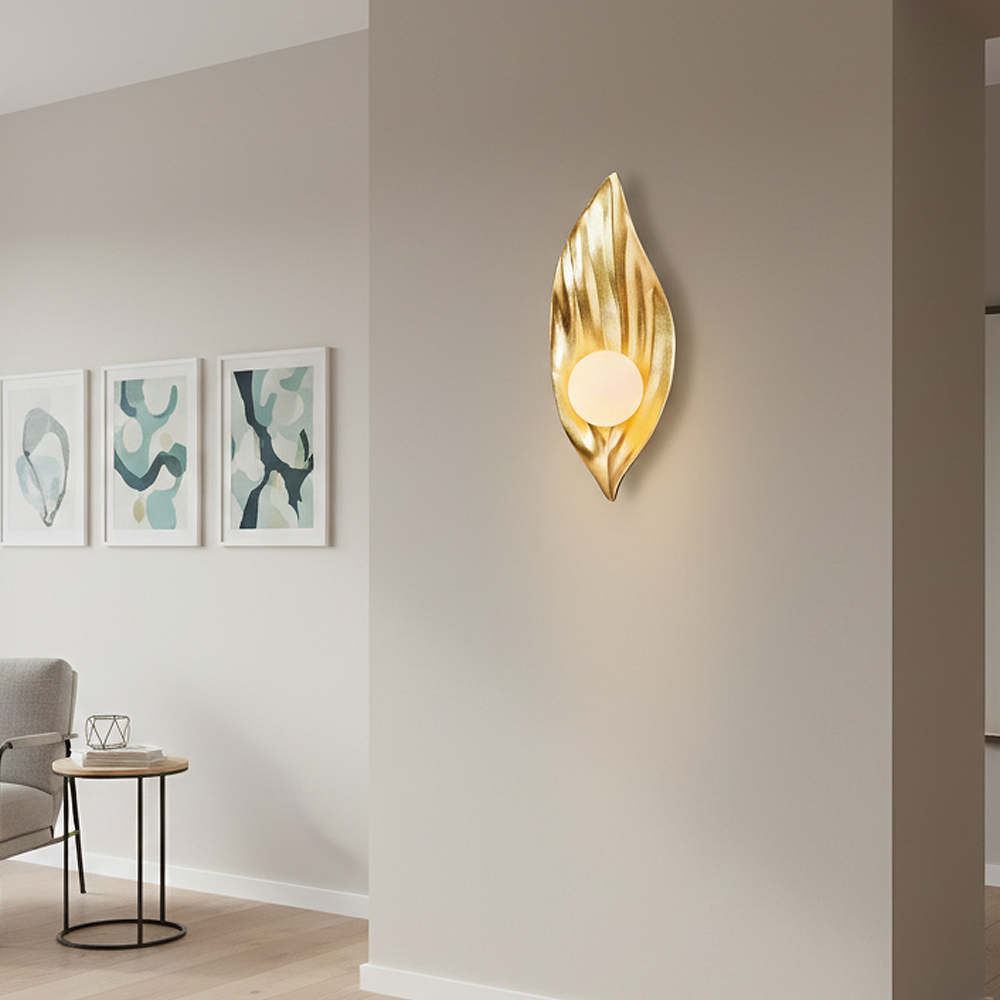
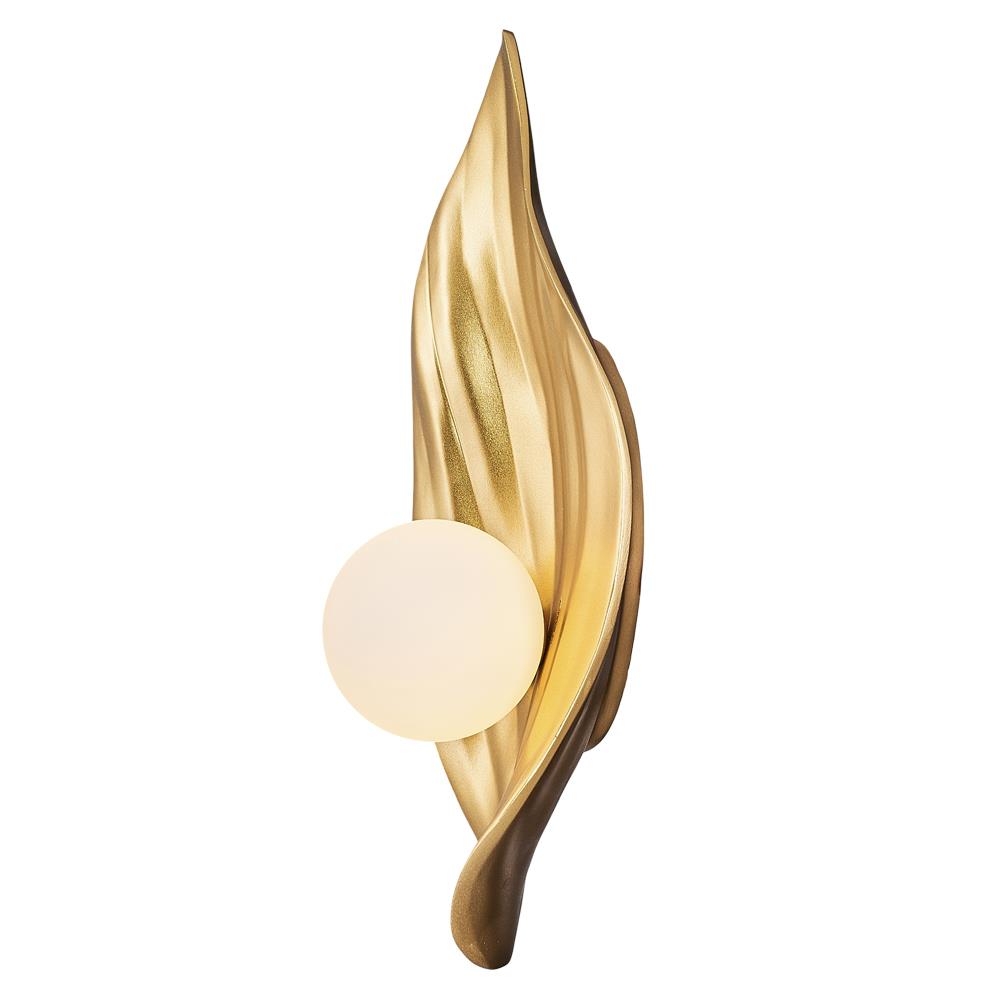
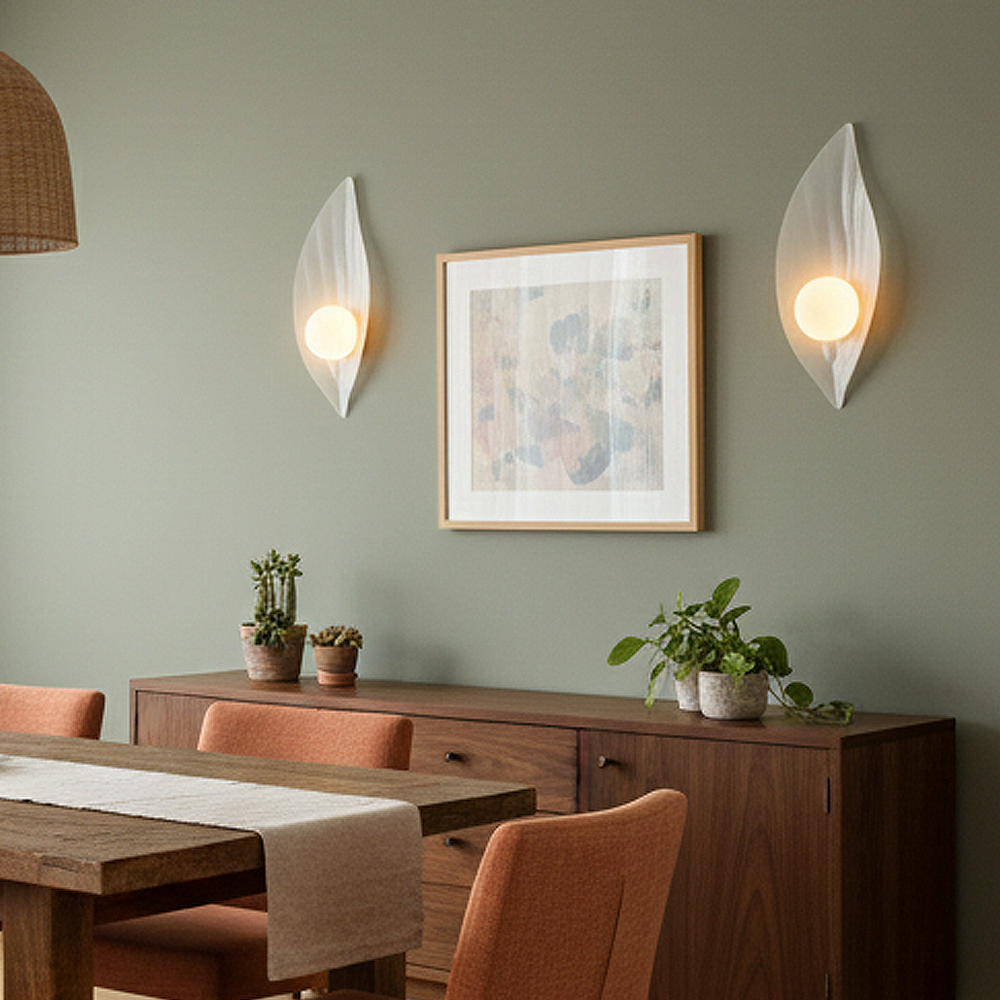
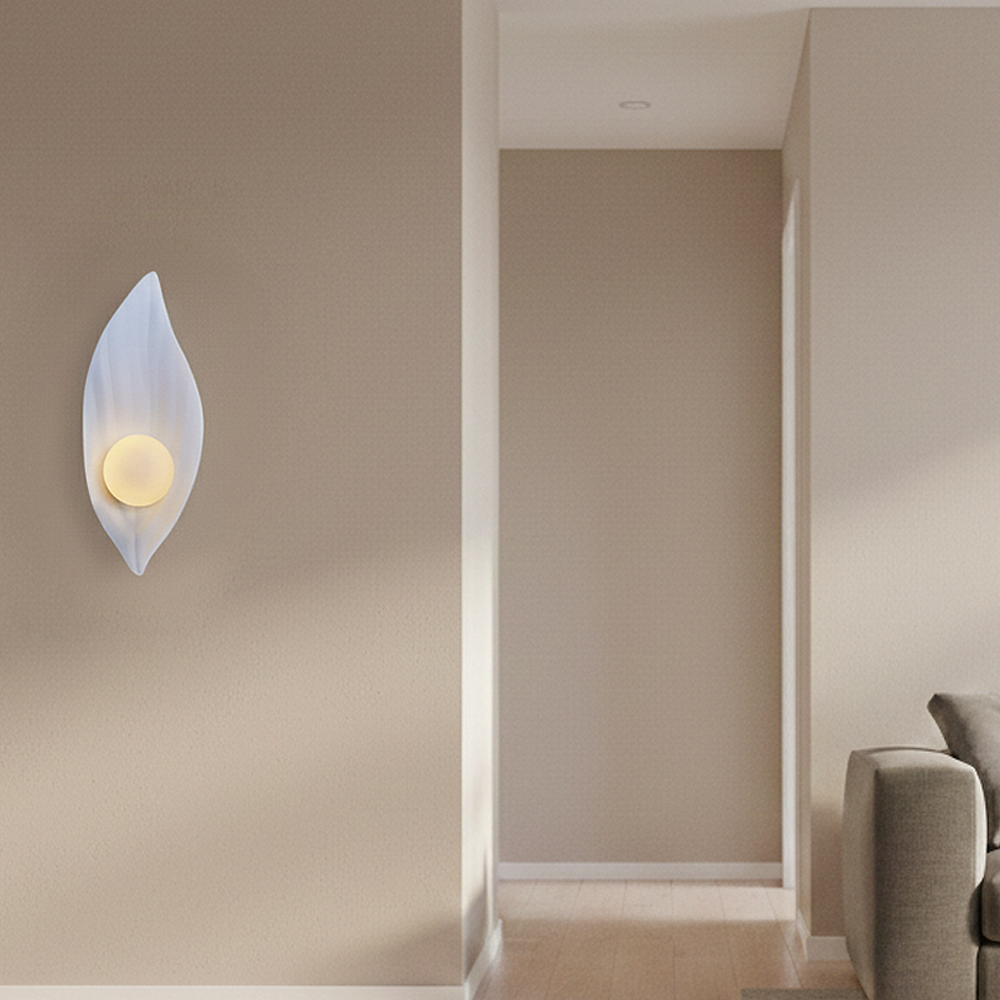
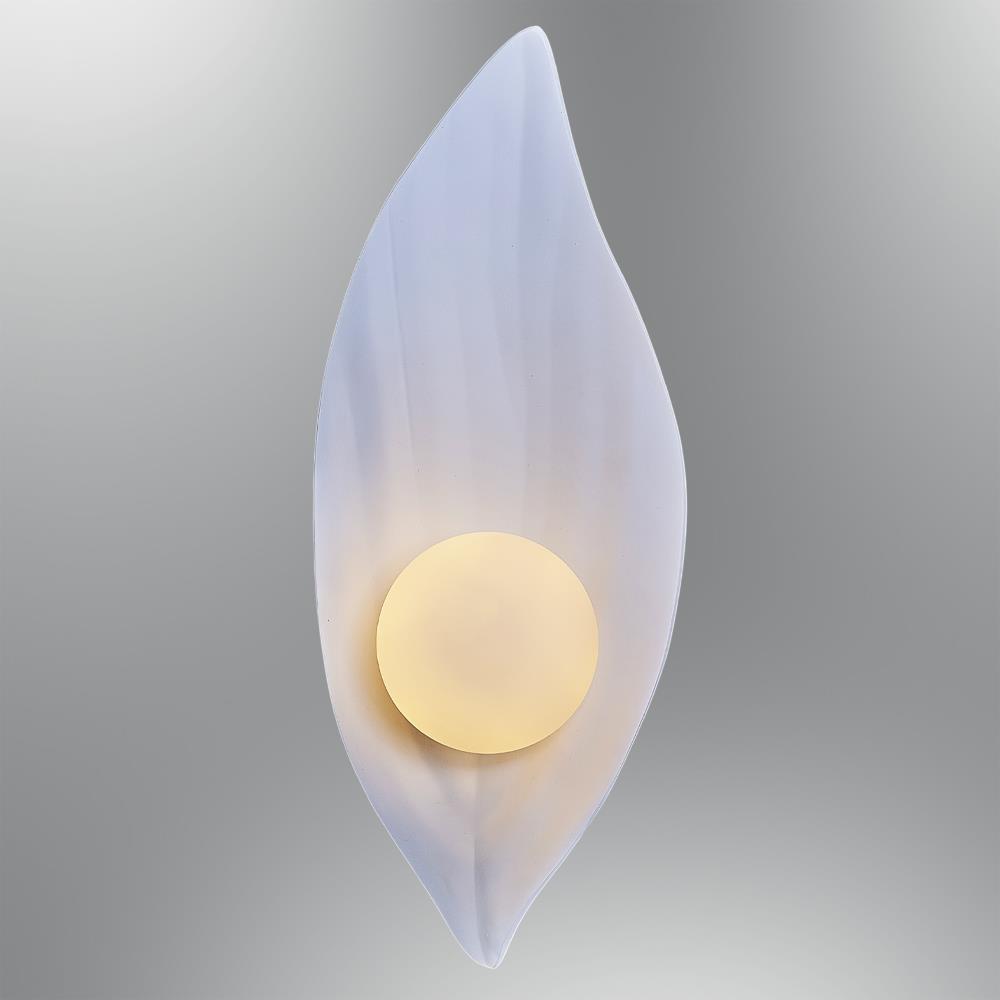
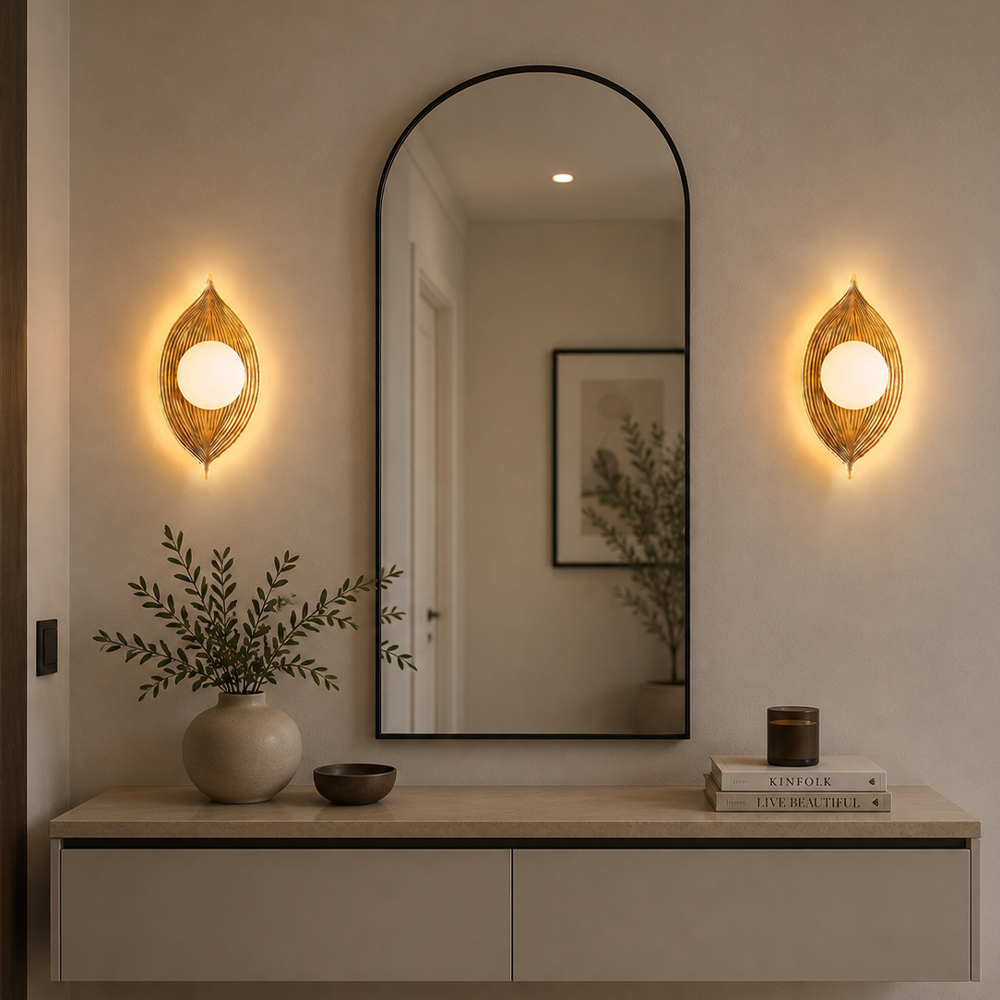
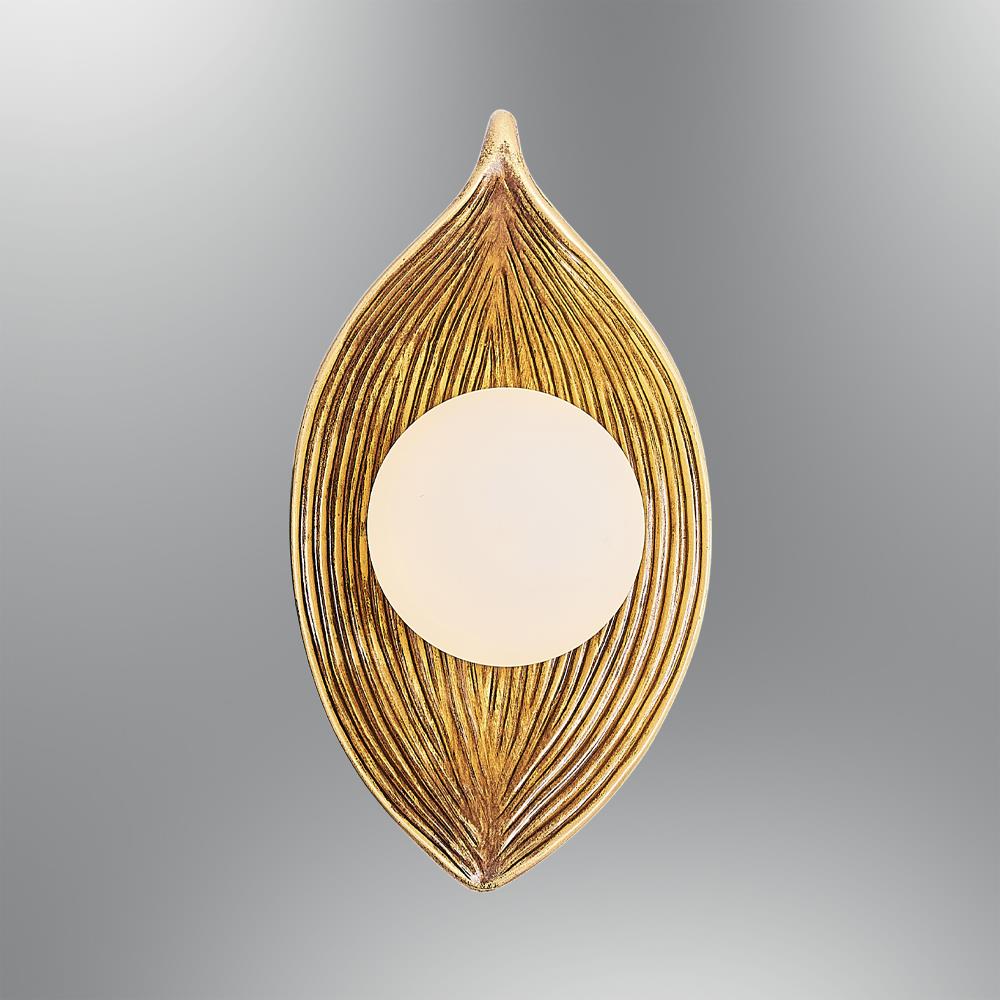
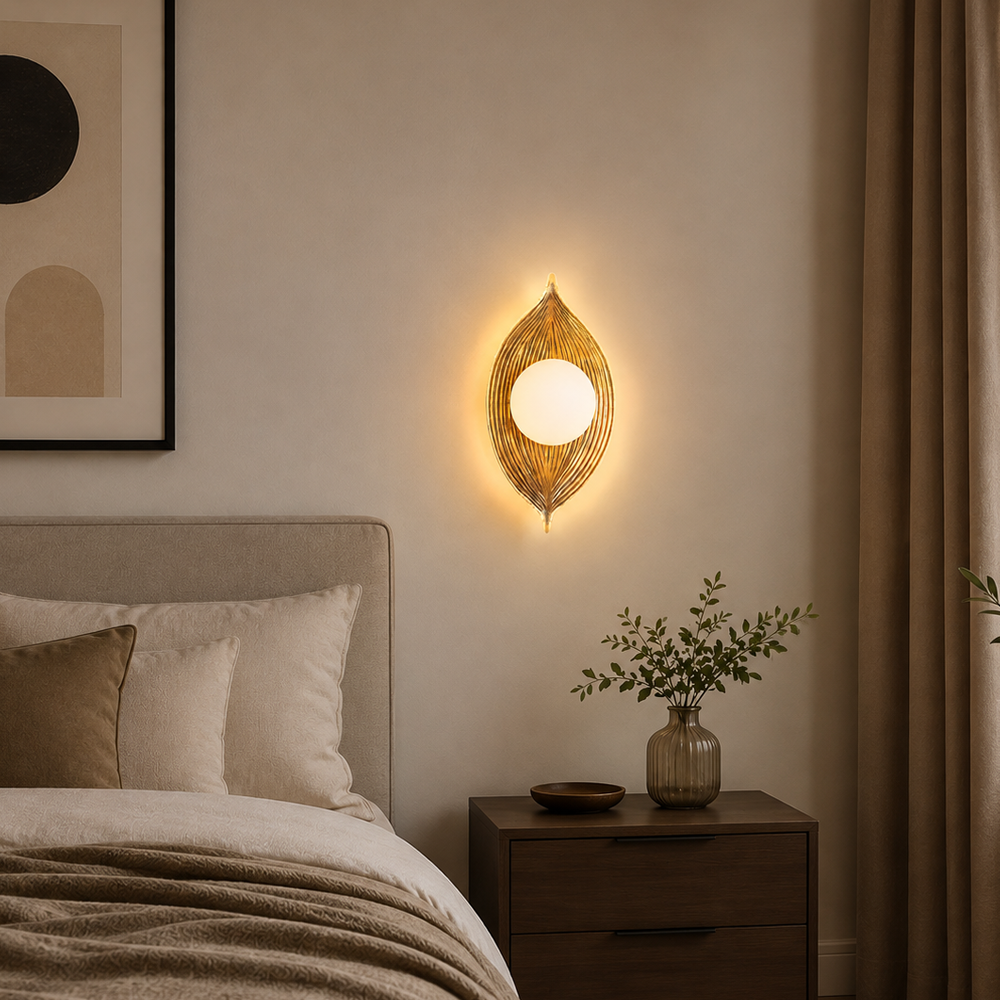
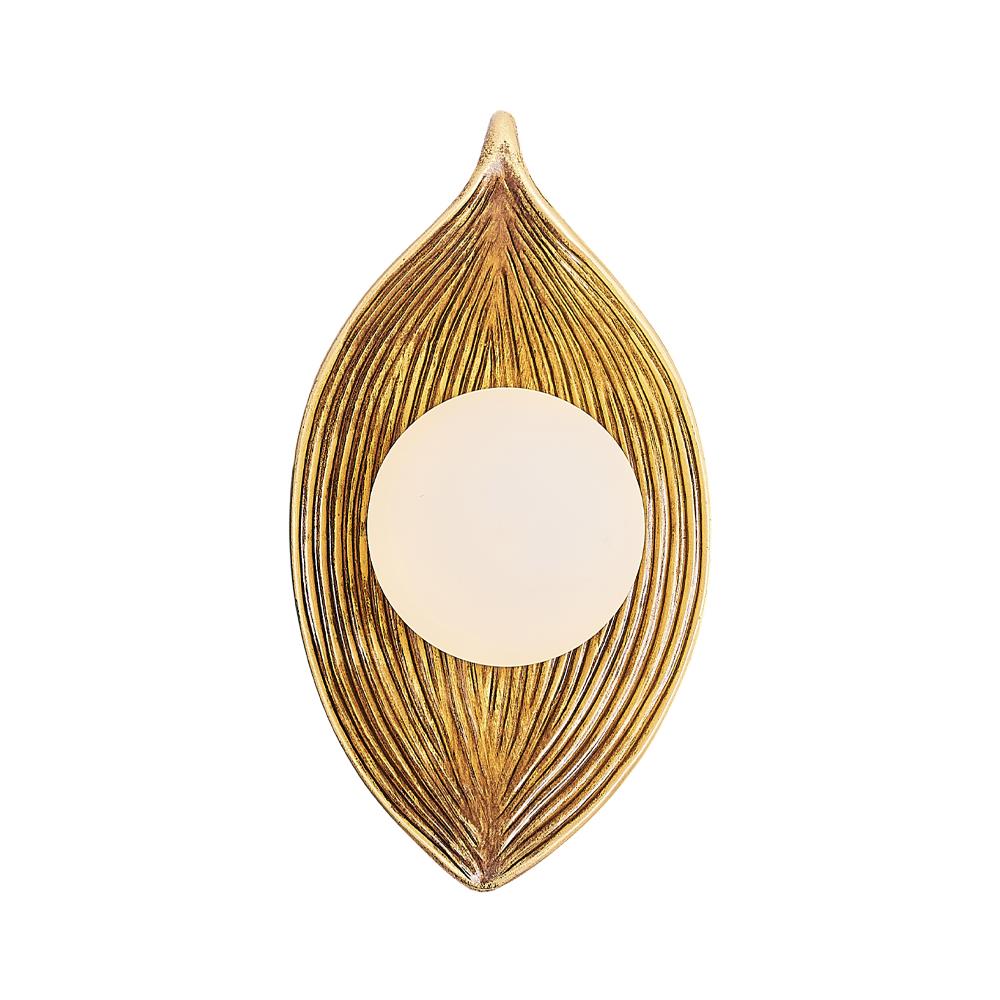
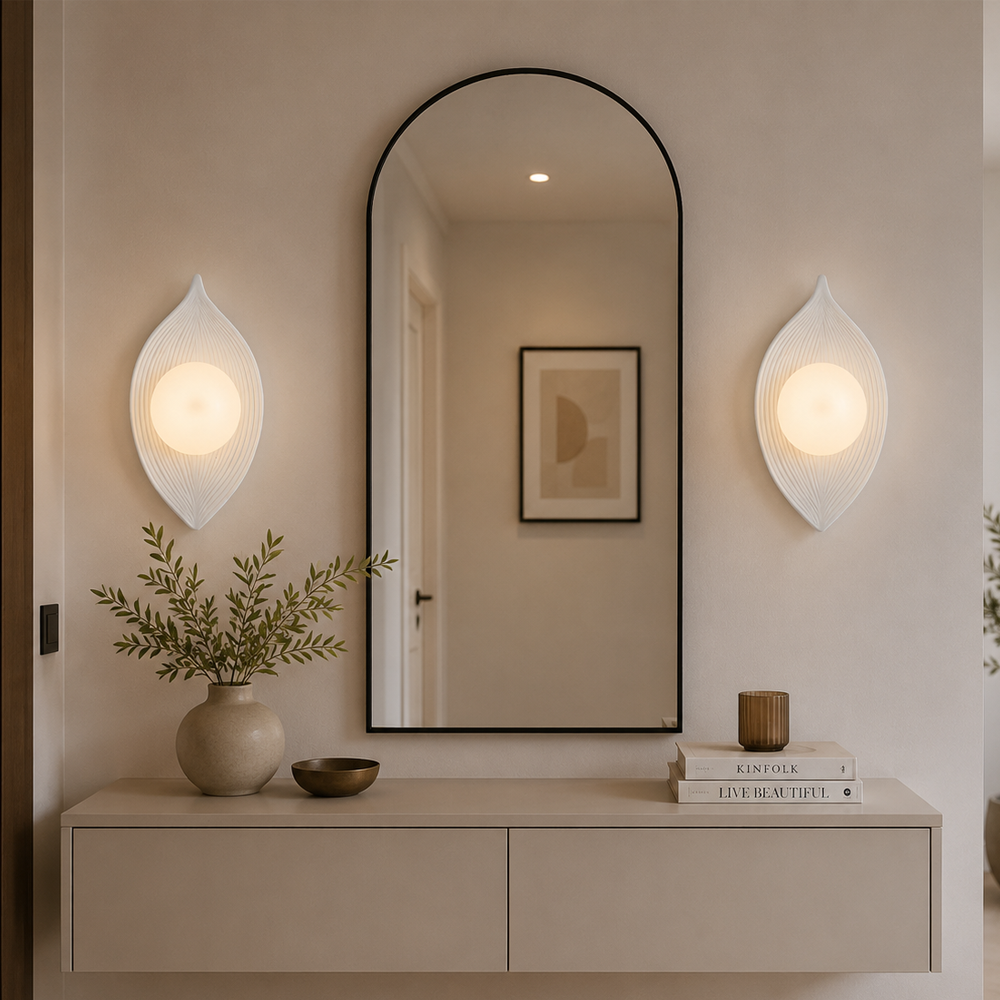
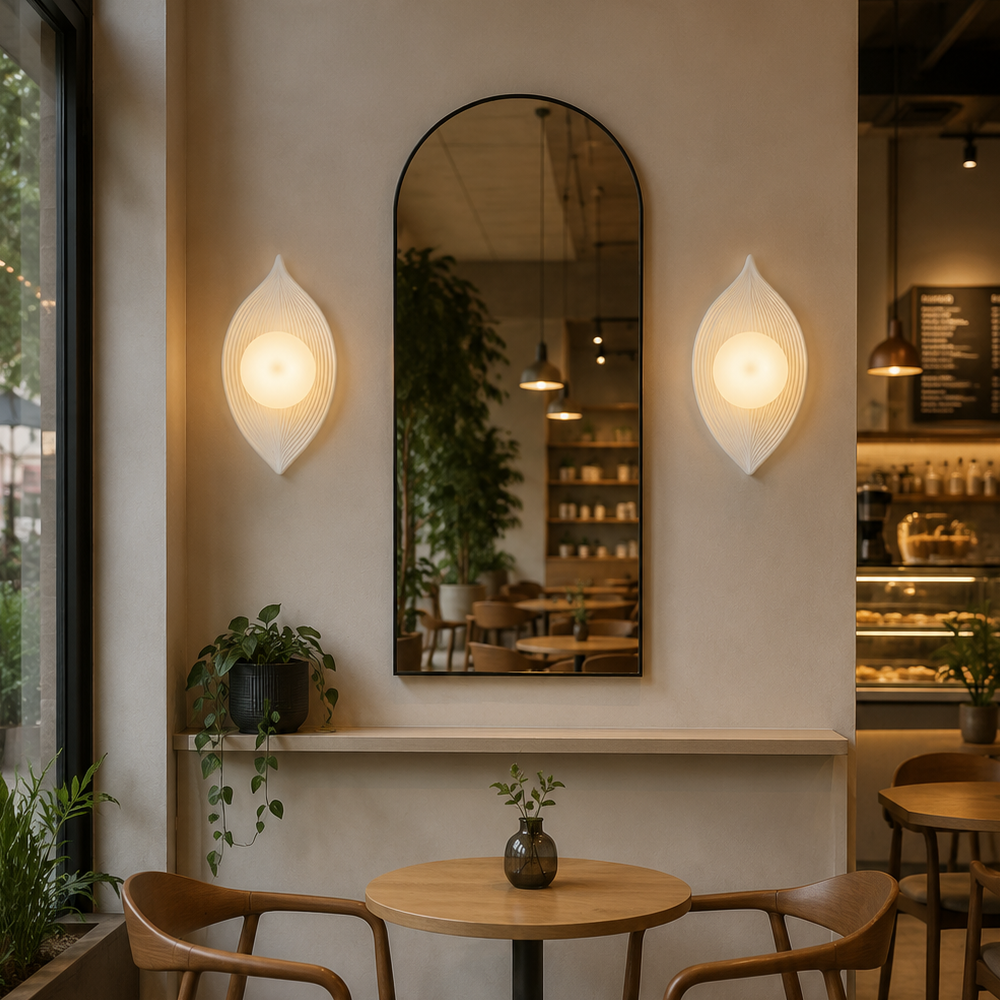
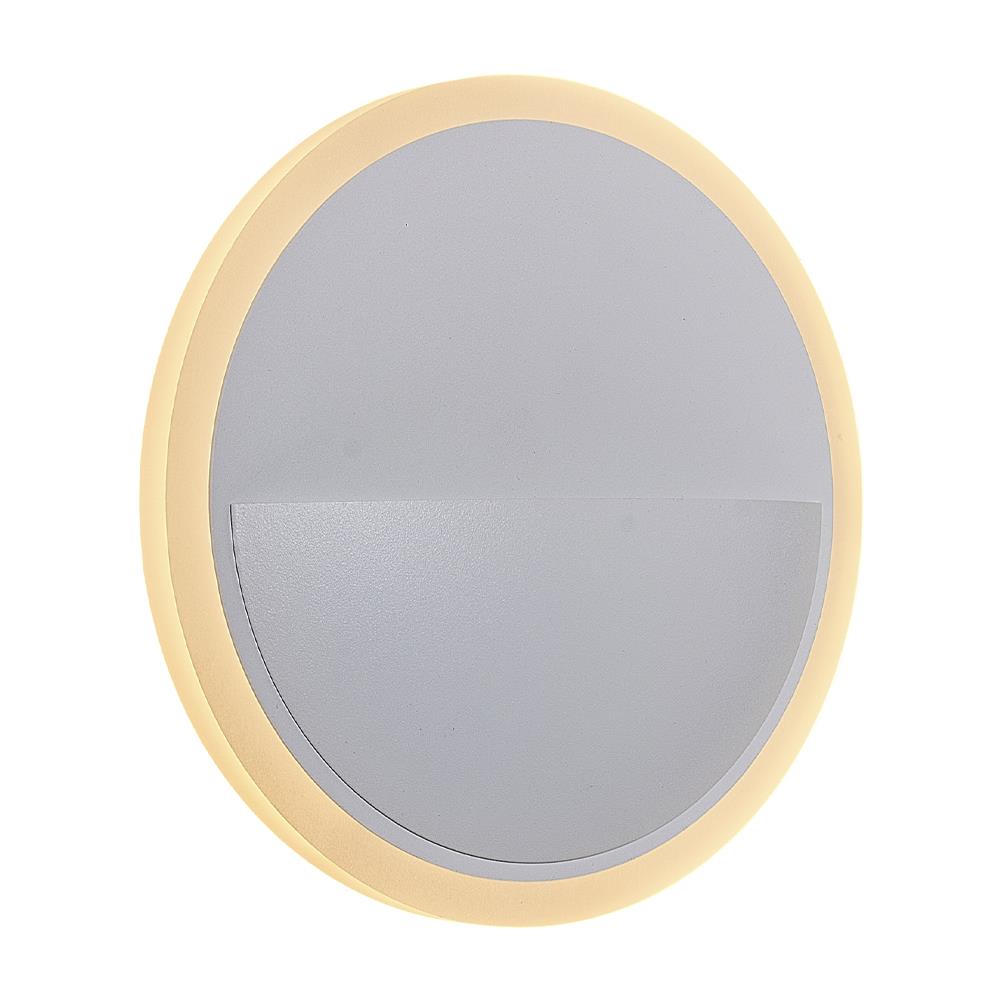
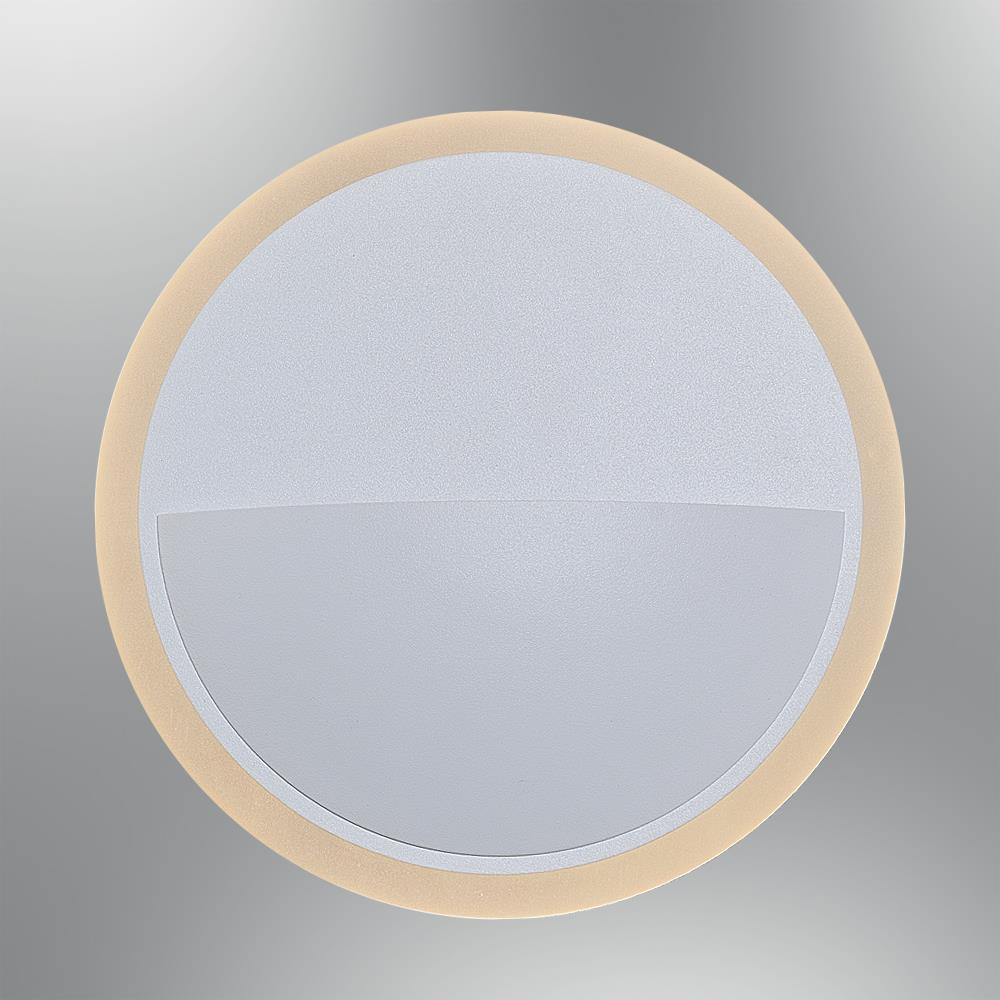
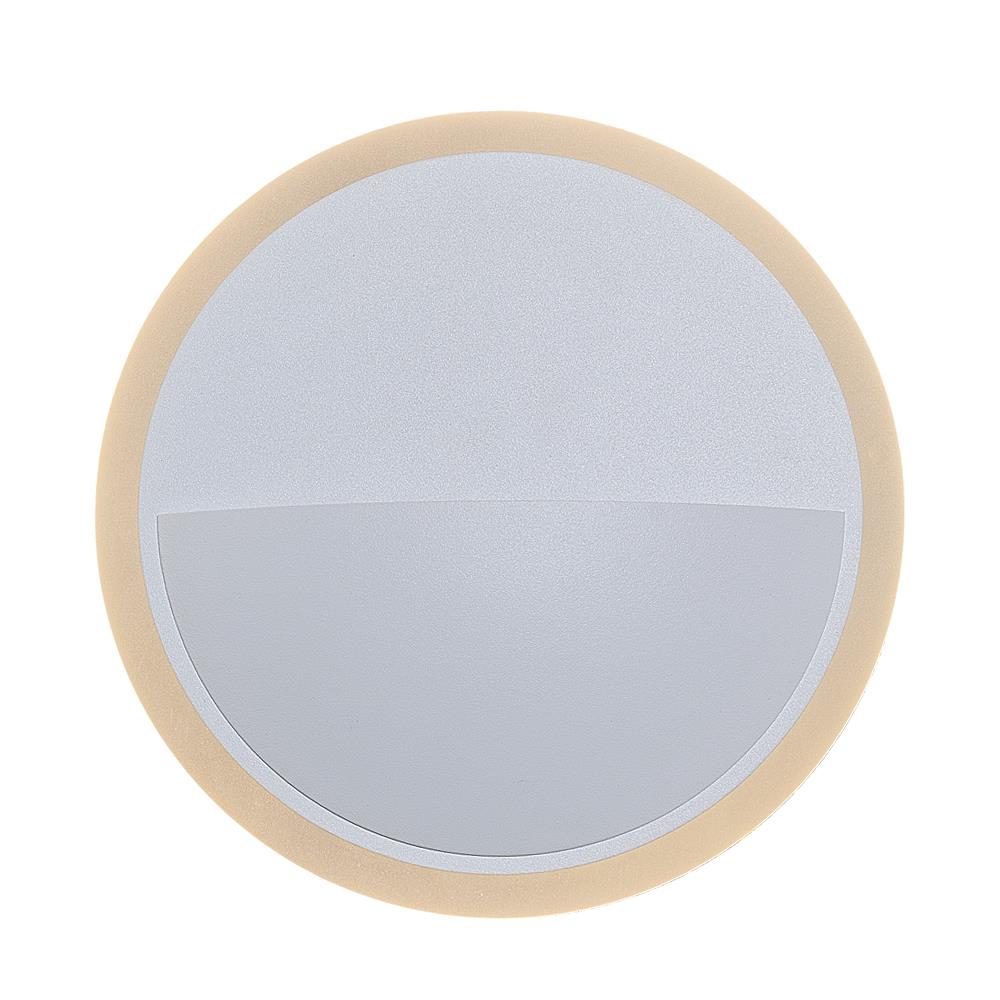
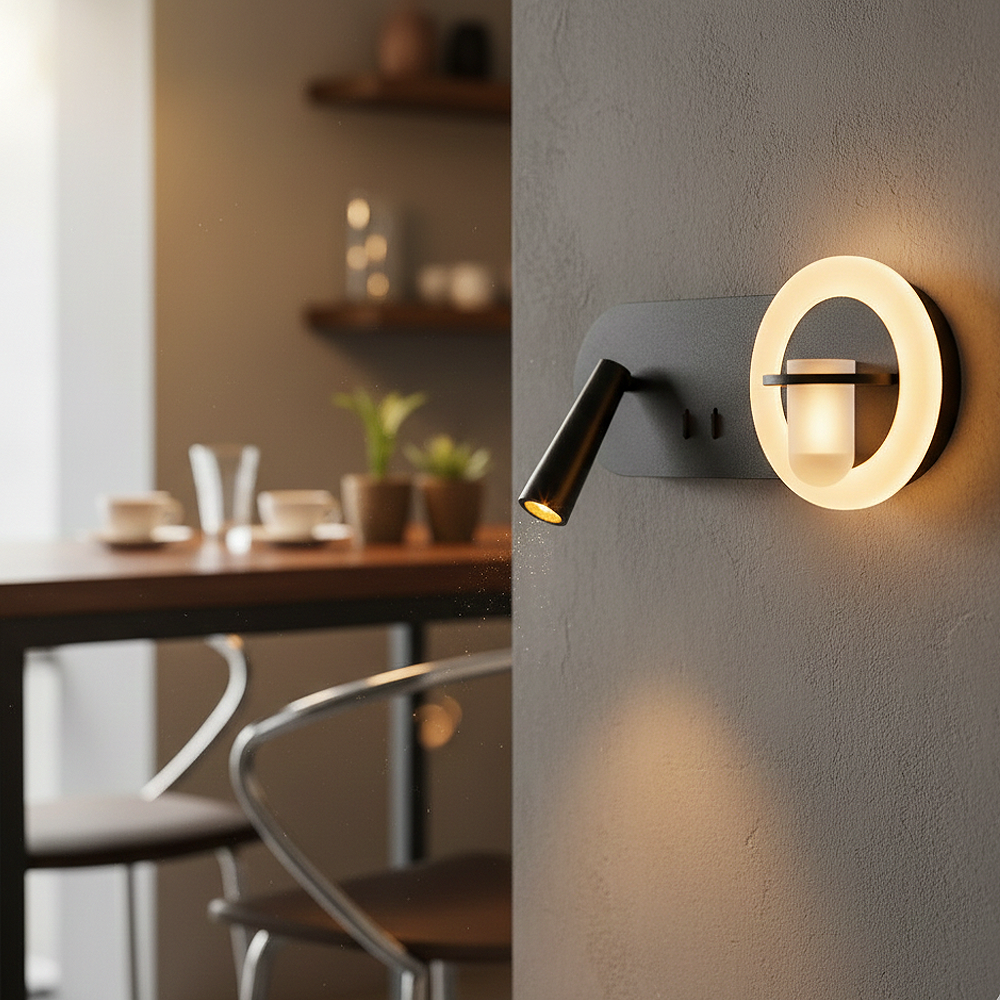
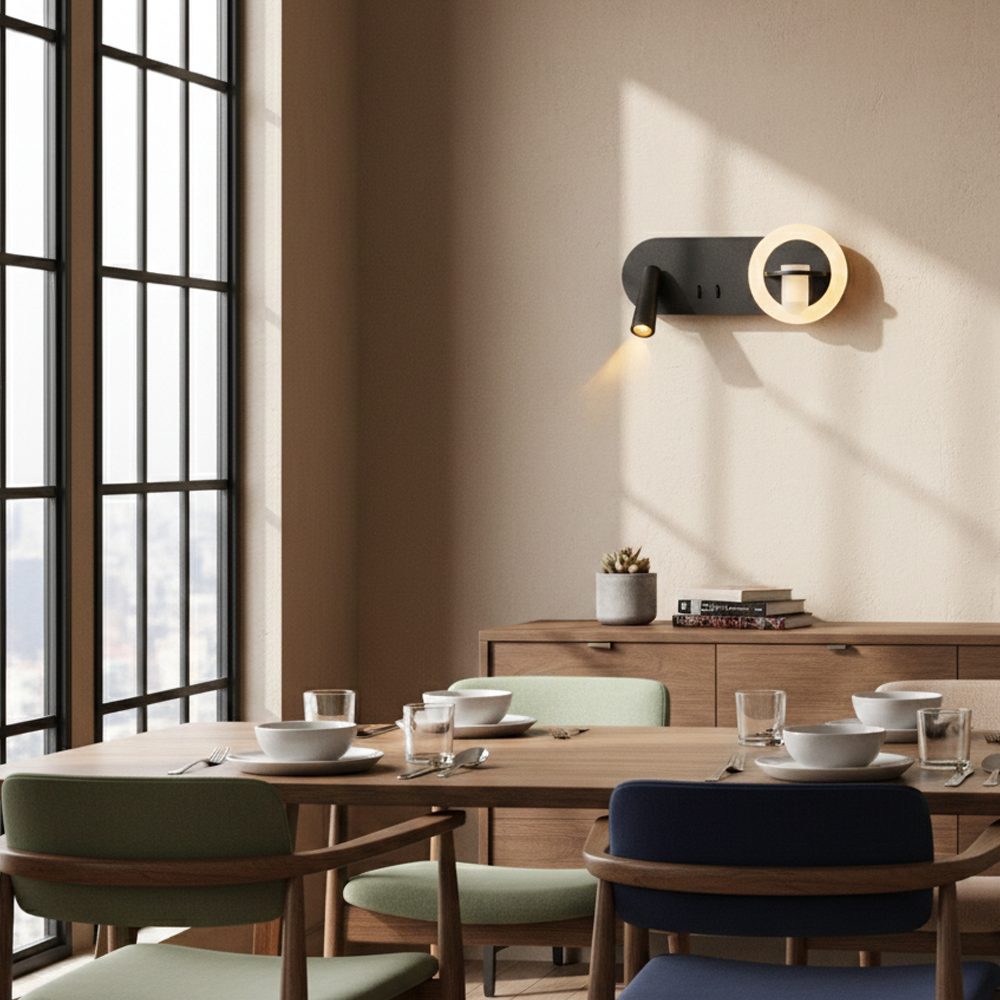
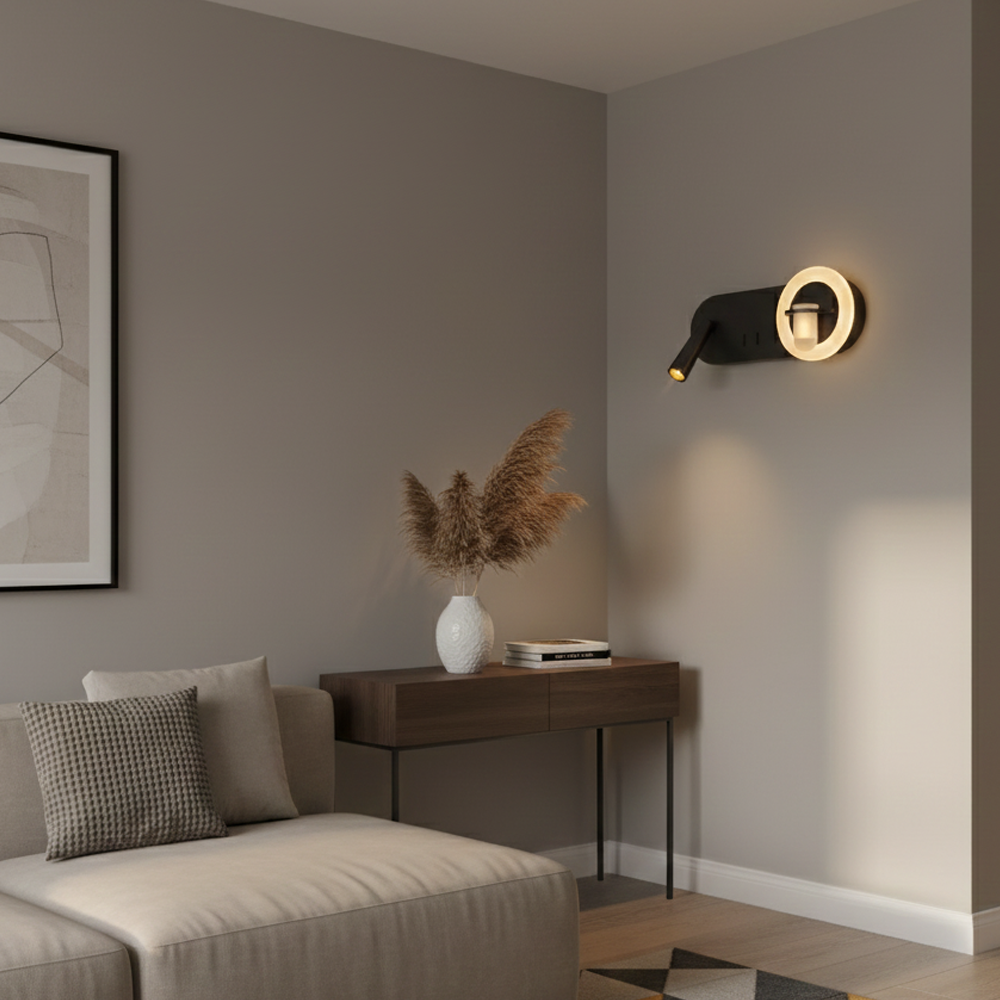
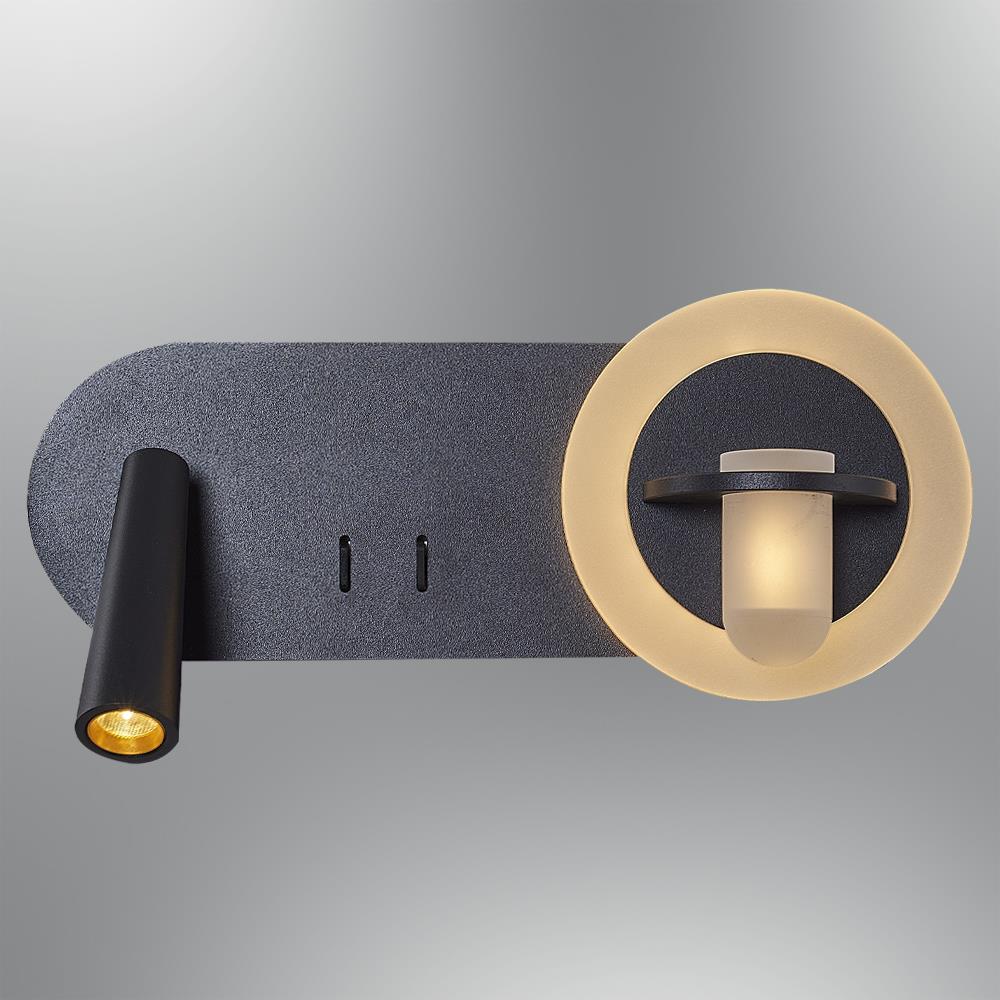
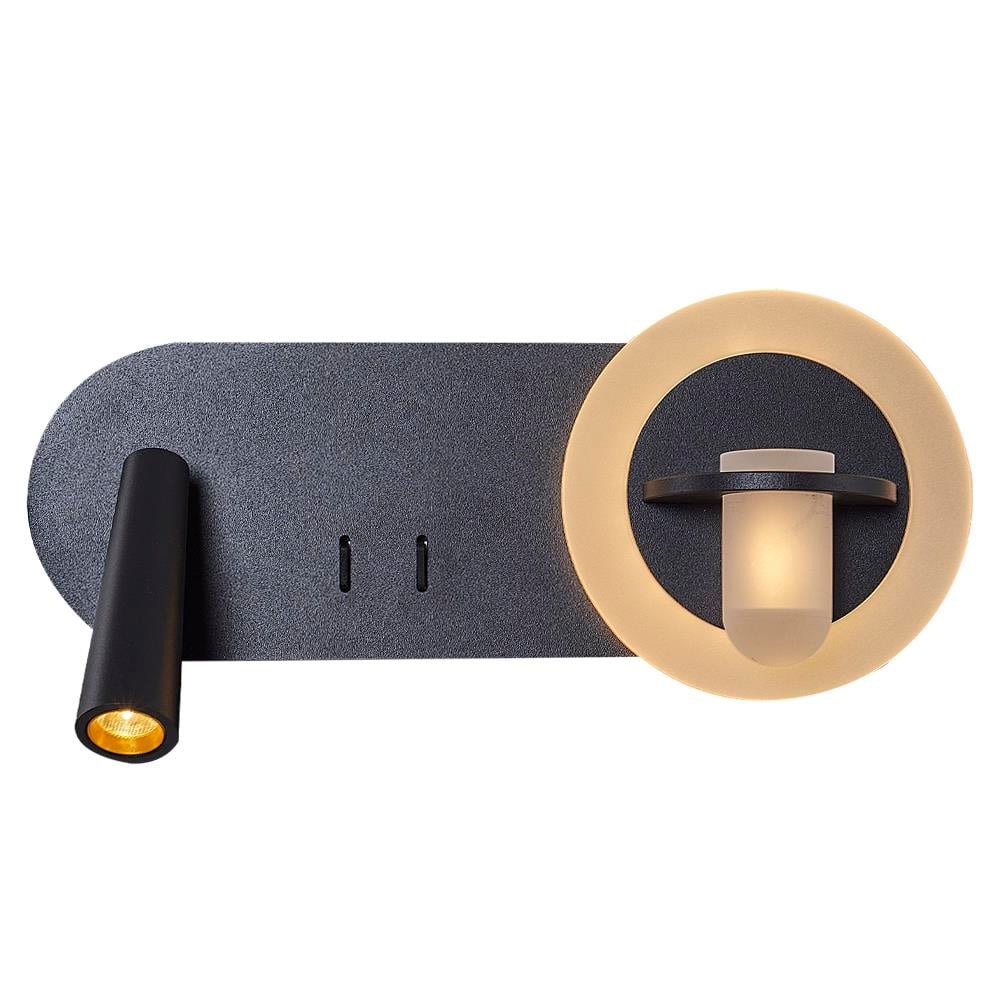
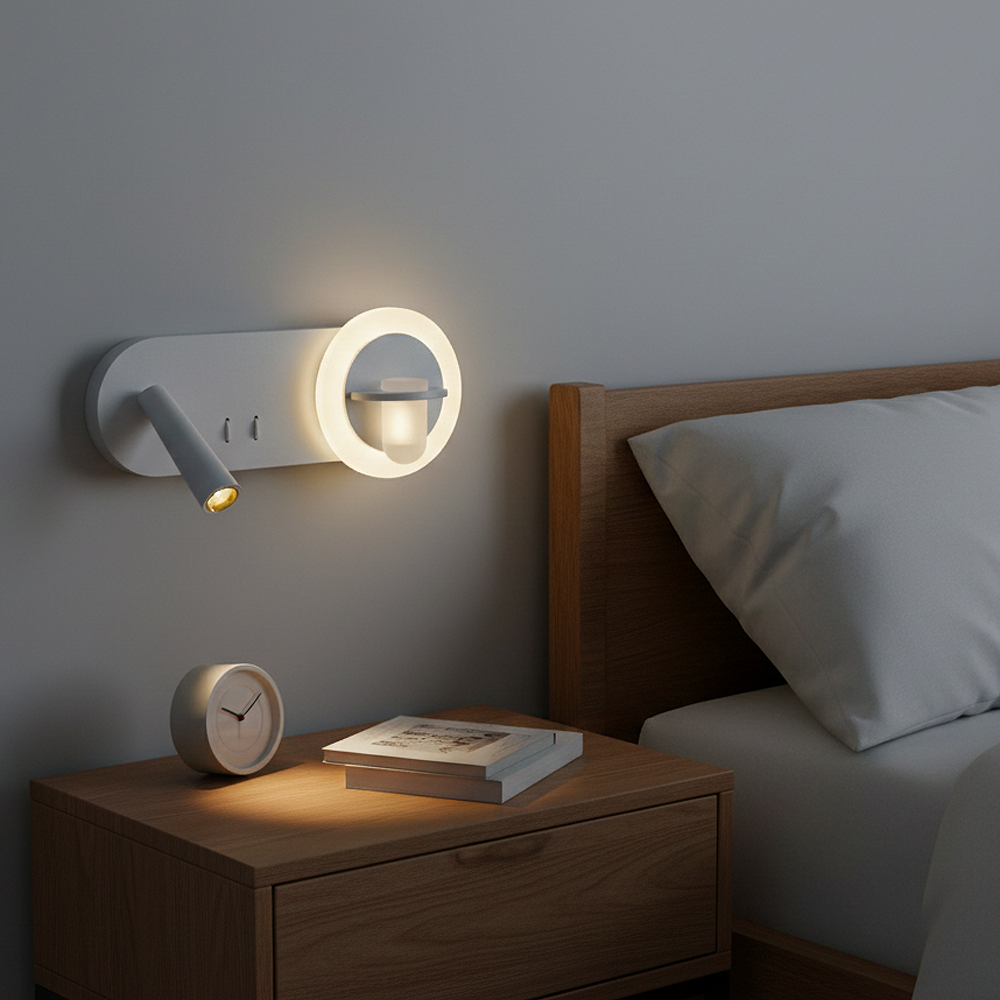
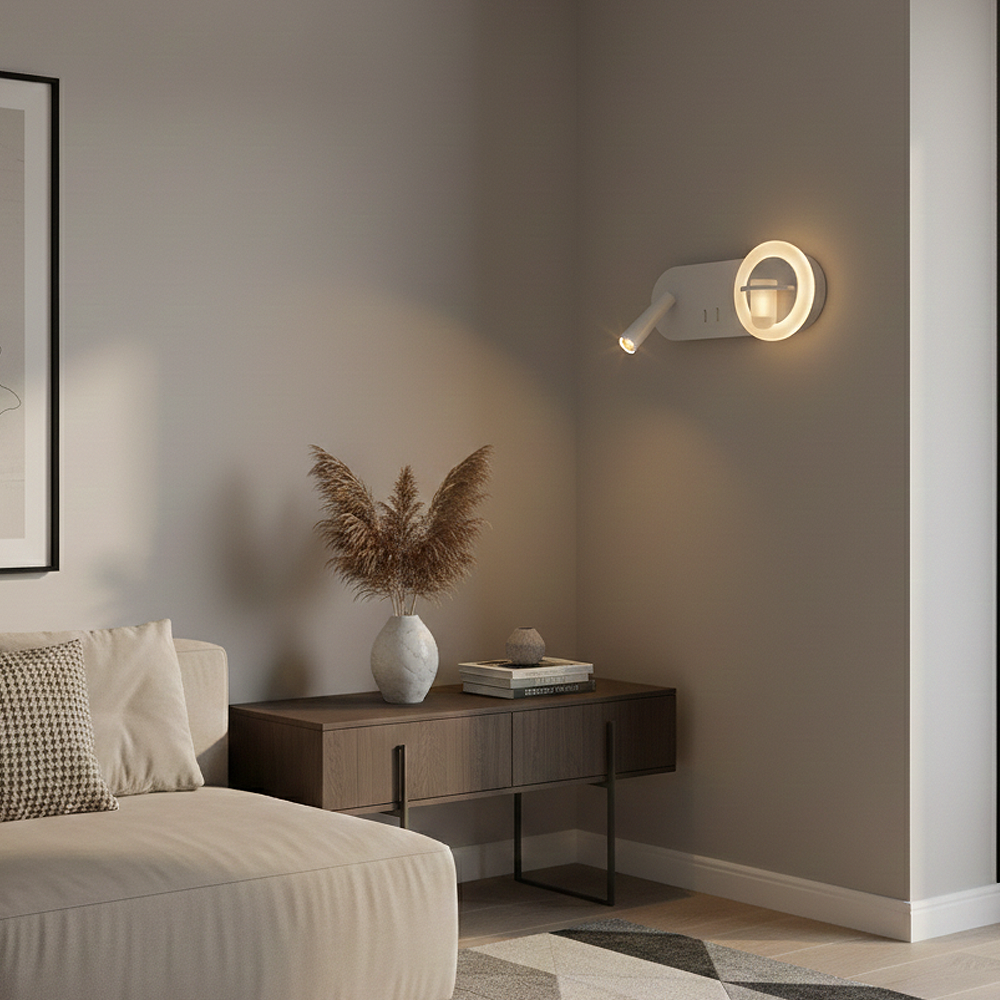
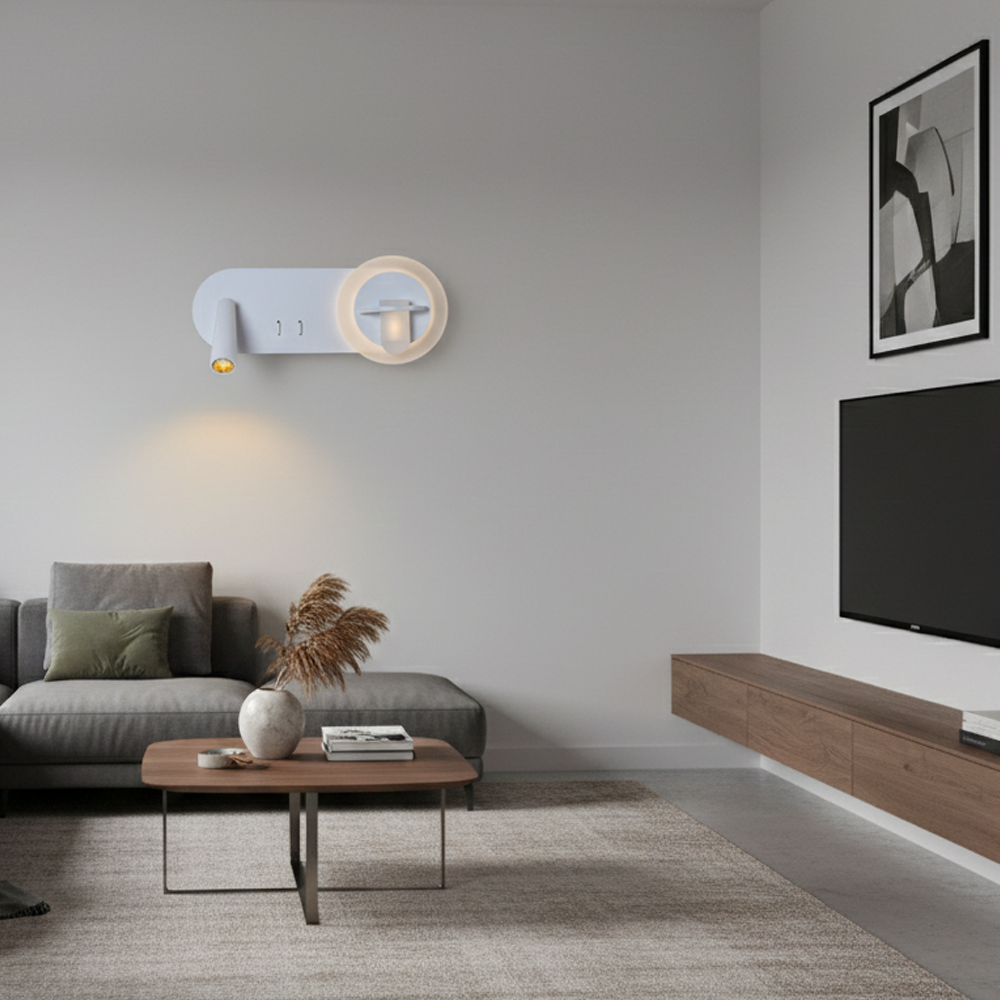
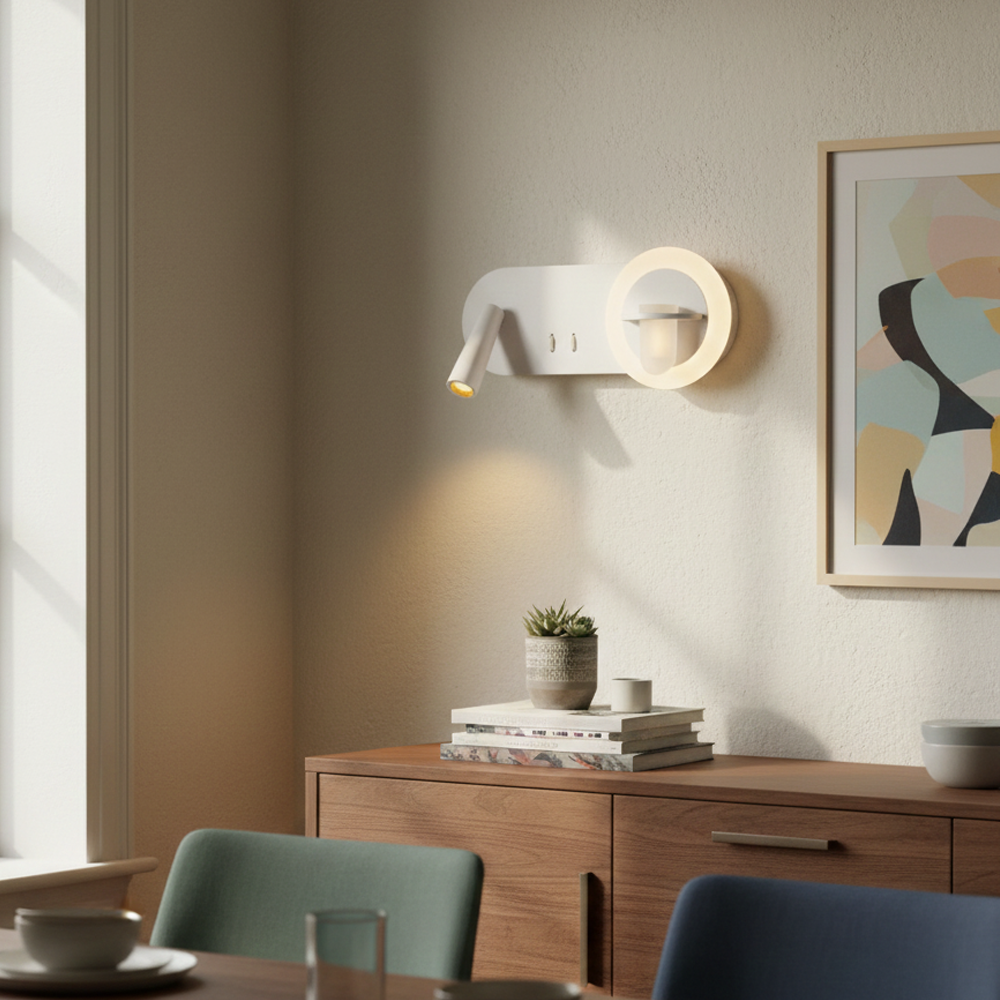
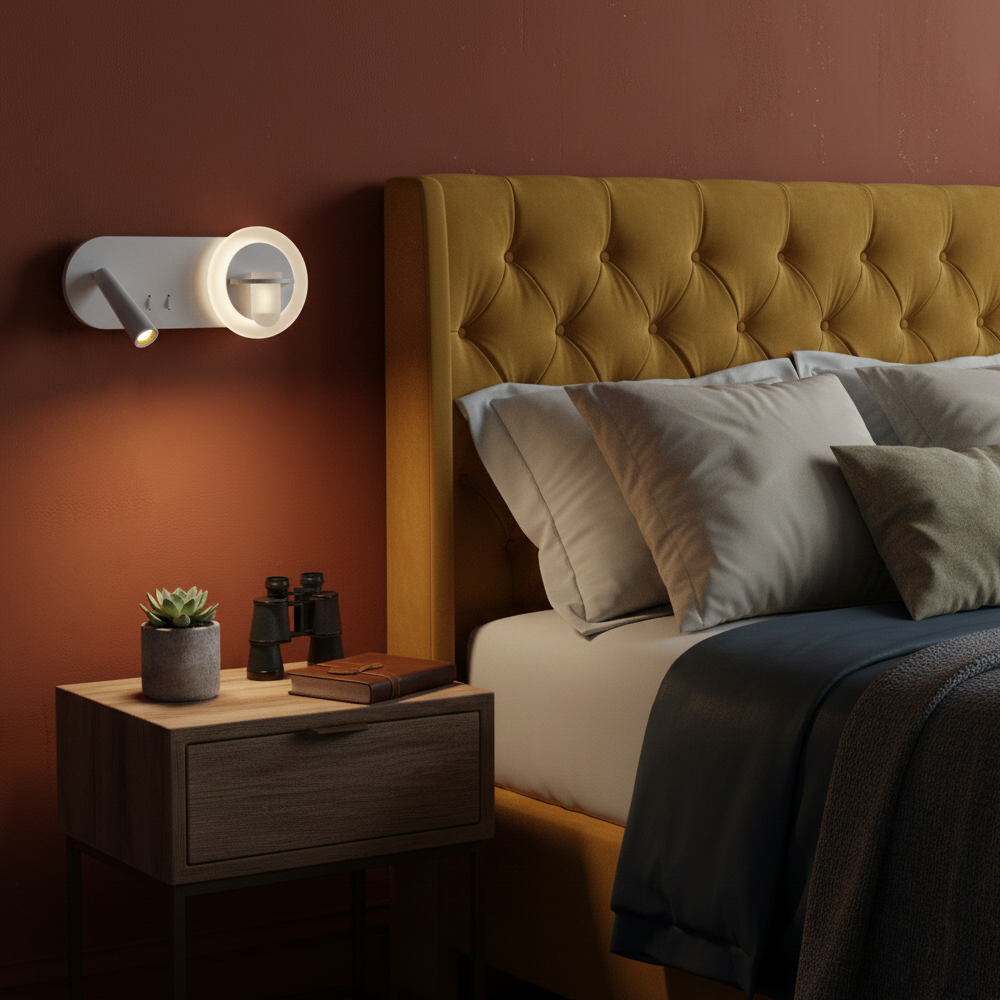
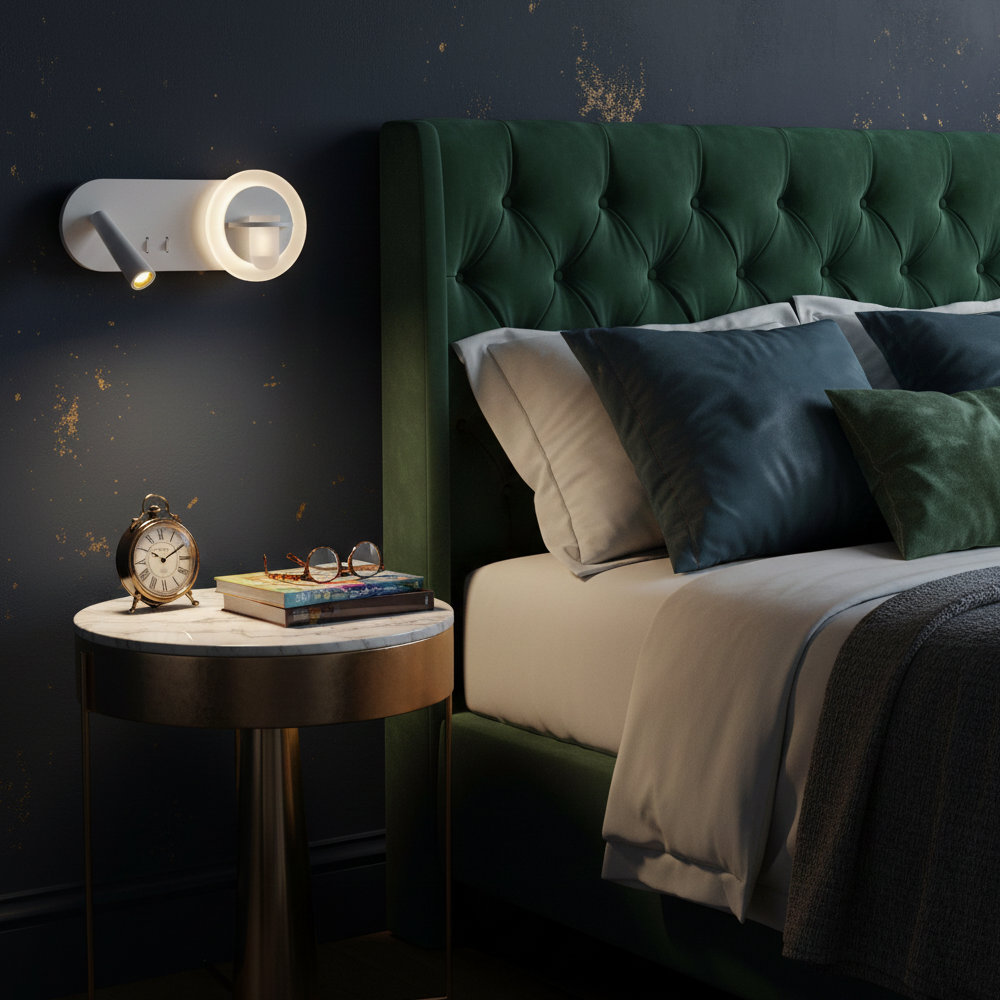
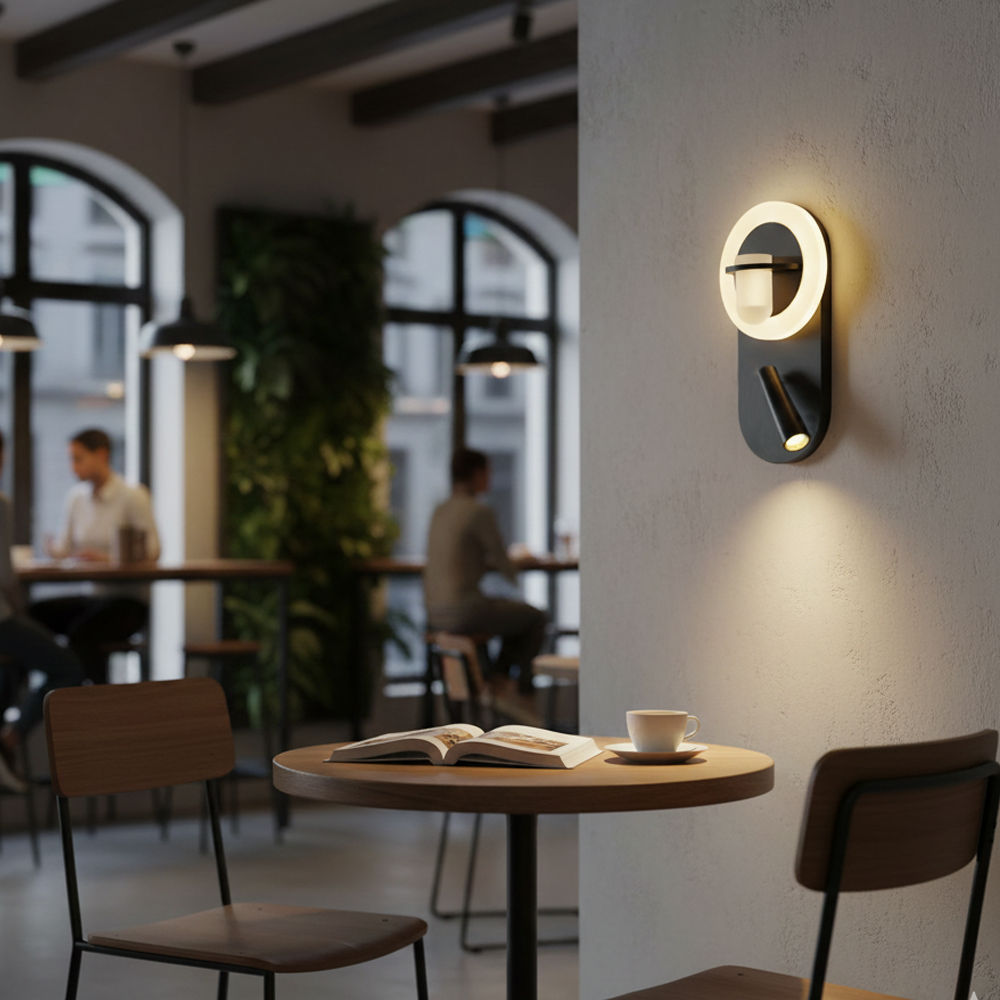
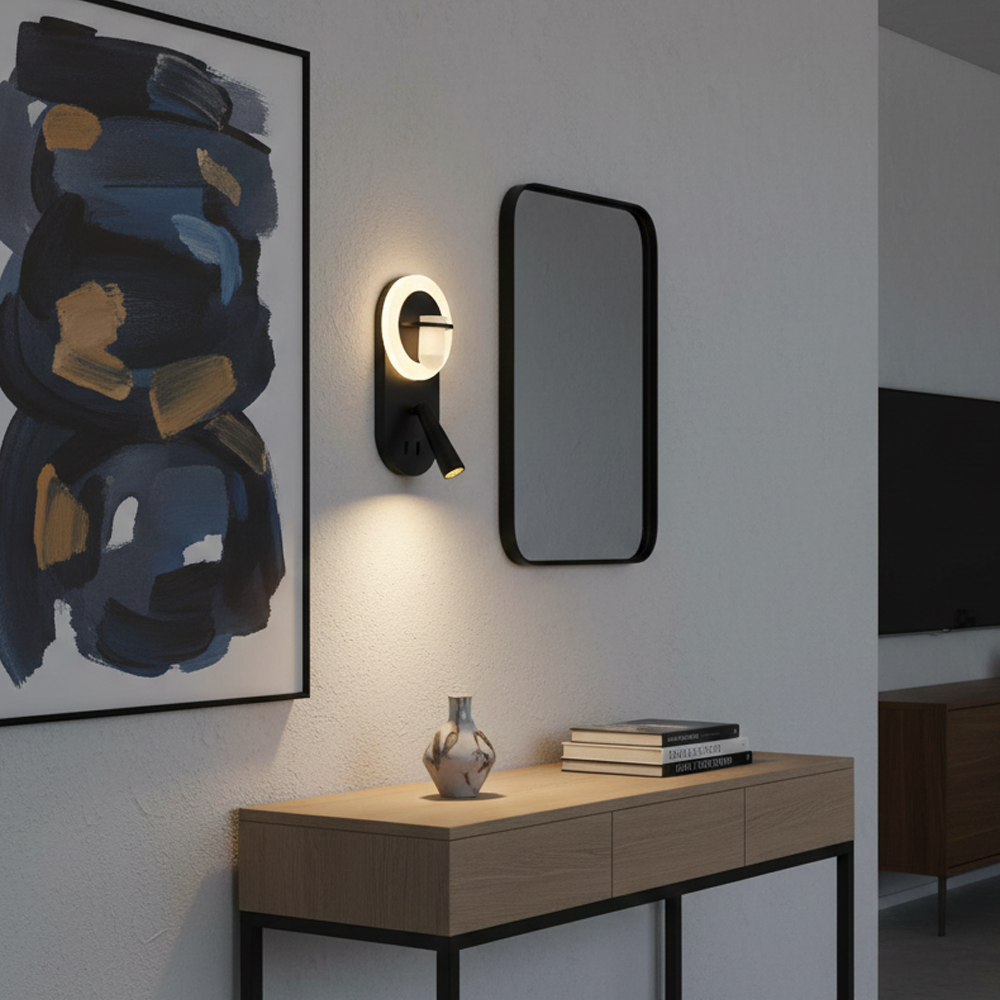
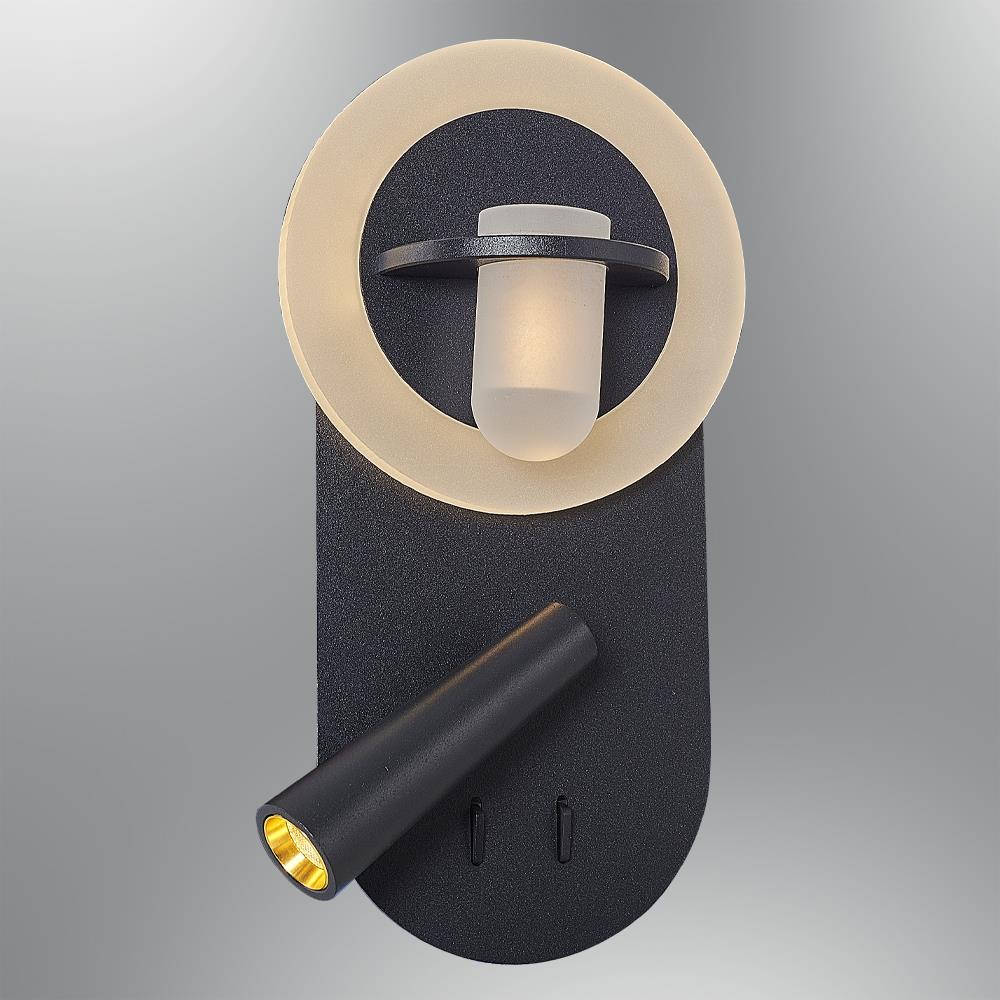
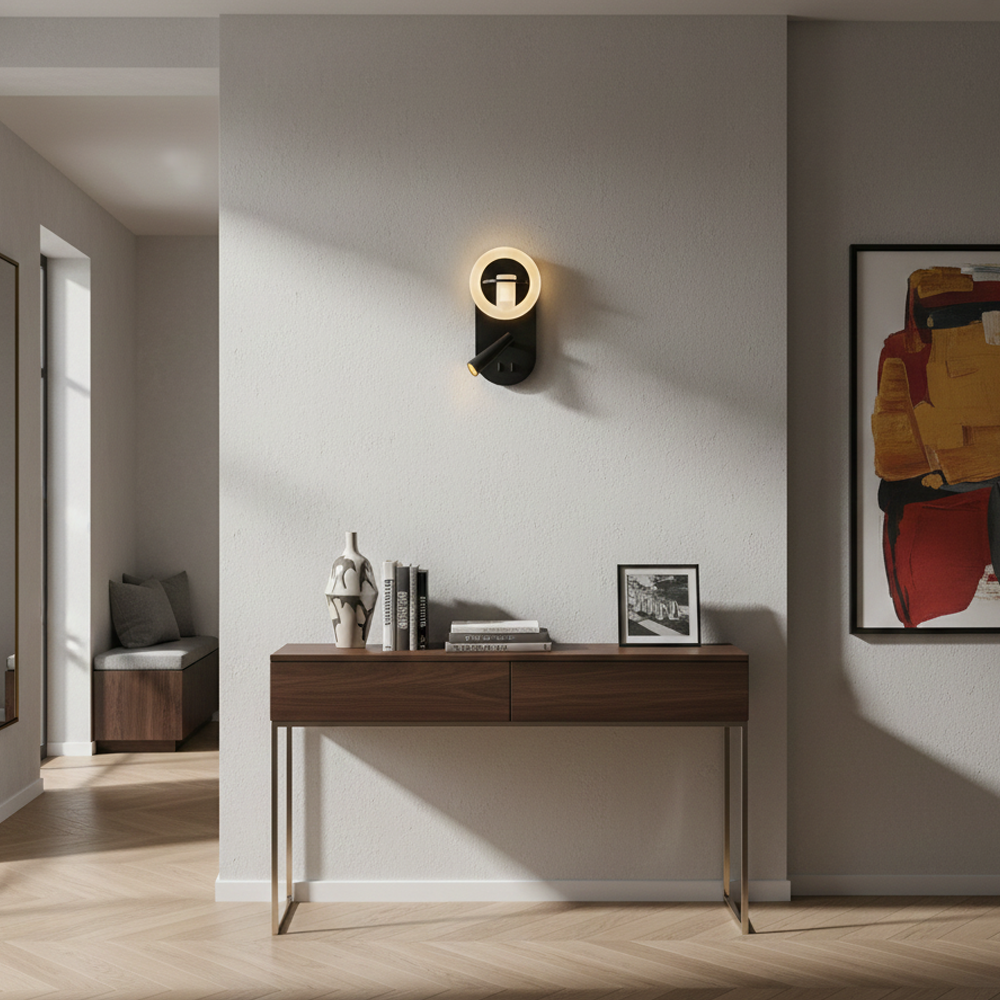
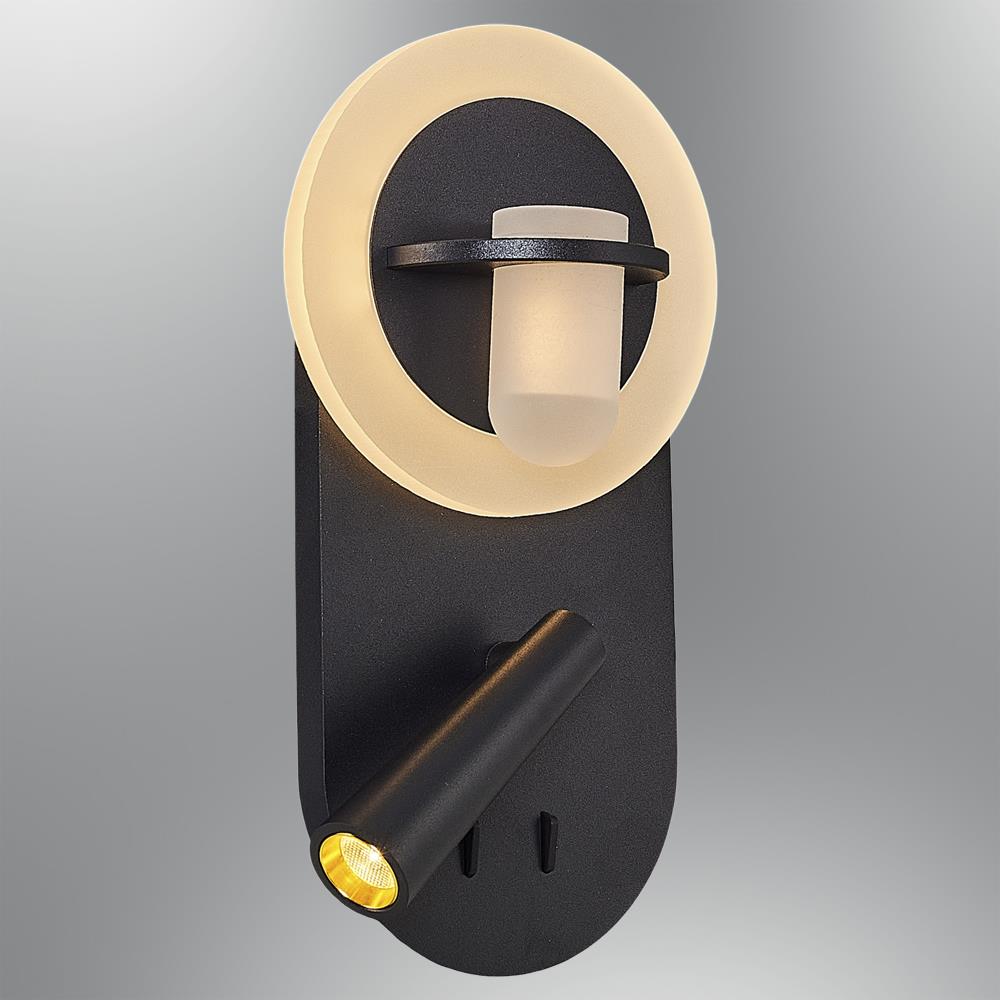
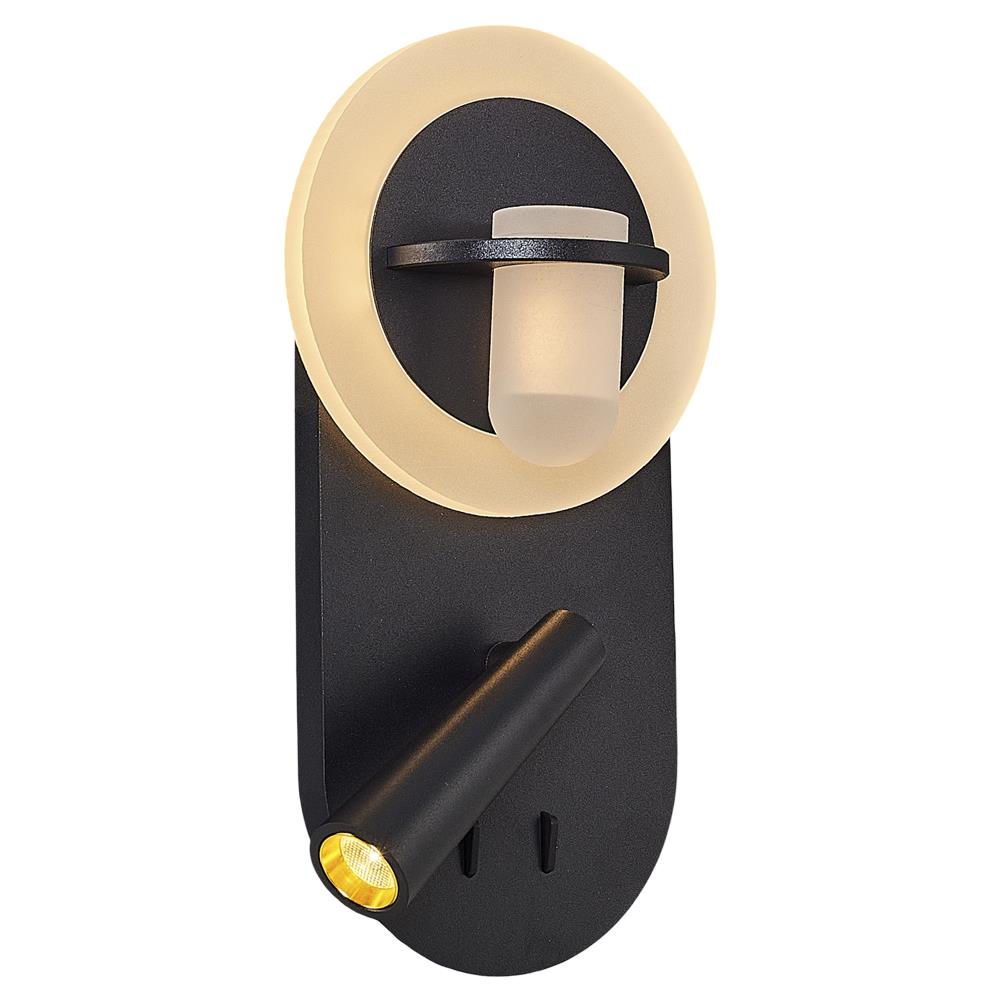
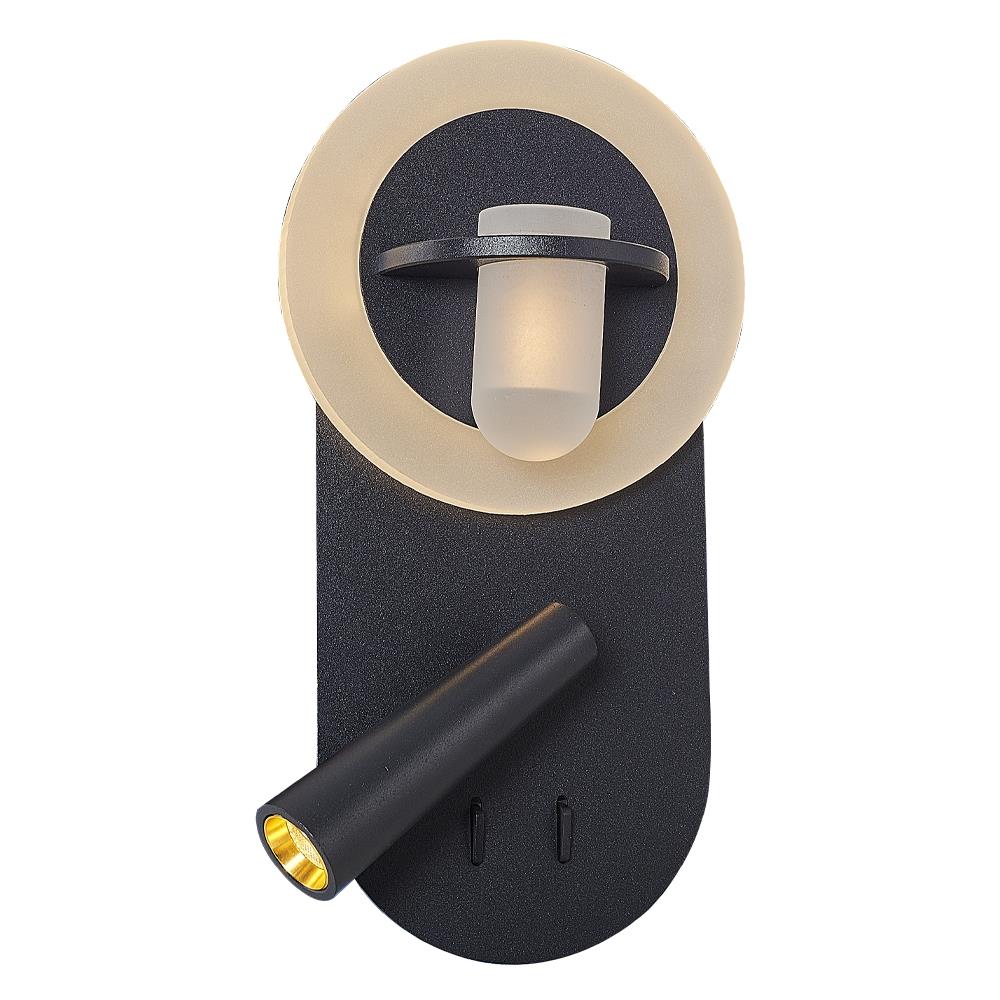
Wall sconces are the fastest way to turn a room's light from flat into layered. A single ceiling fitting lights a room evenly but without character; a sconce adds shadow, pattern and depth to the wall. Use them beside a bed, flanking a television wall, repeated down a hallway for rhythm, or following the line of a staircase. Most models in the collection are up-and-down: light leaves the body above and below and forms a symmetrical beam on the wall. The battery versions need no cable at all — if there is no sconce outlet in your wall, if you rent, or if you would rather not touch a finished wall, you hang the fitting with two plugs and screws and start using it. There are three material families: metal rod models (Starburst, Cascade, Stairway, Cage) throw linear pattern; crystal and glass models (Crown, Diamond, Stacked, Arch, Anatolian) refract light into sparkle; opal and minimal models (Slim, Opal Tube) give a calm, shadow-free band.
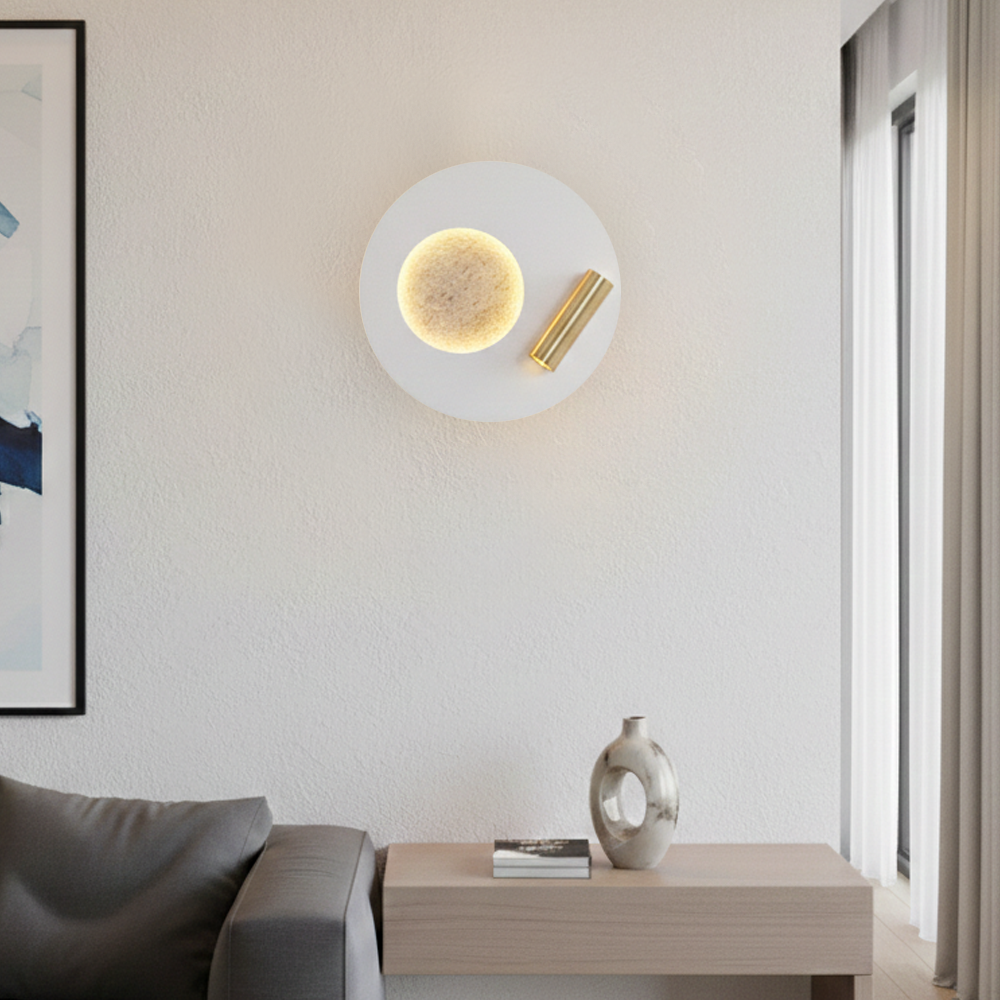
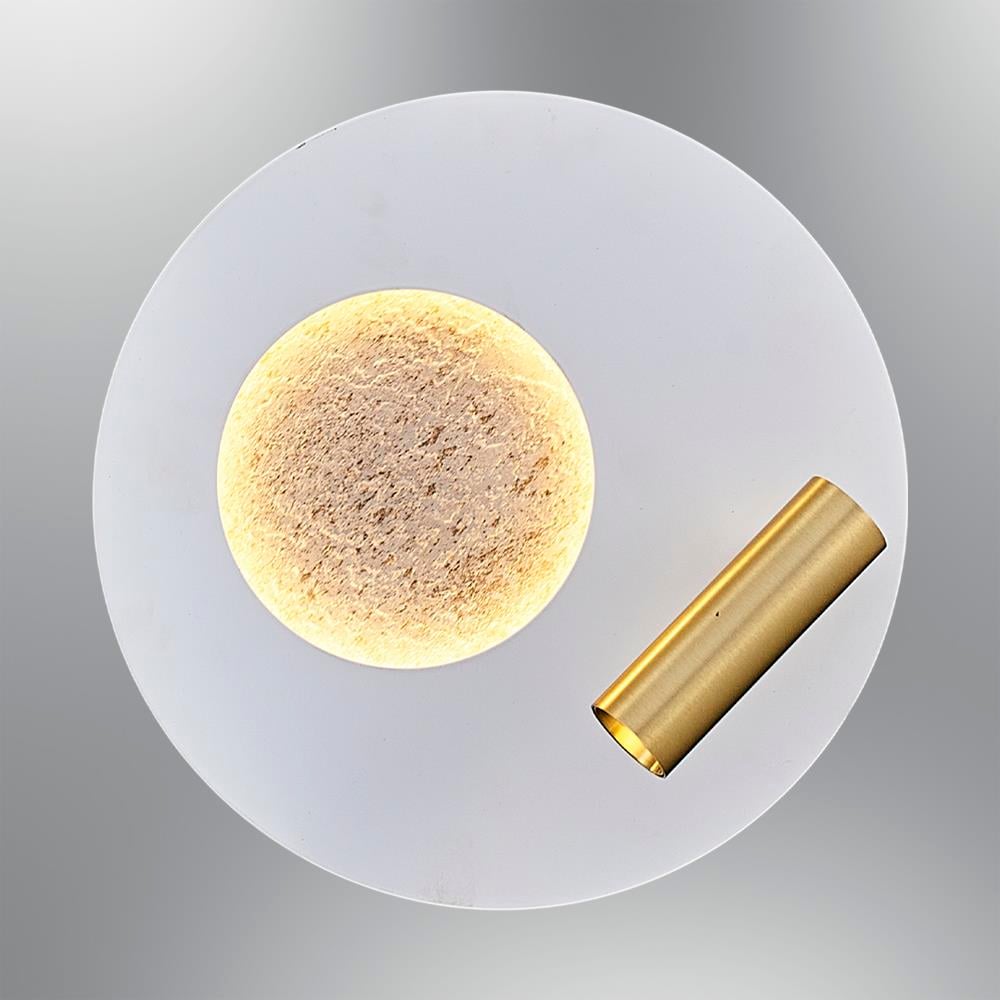
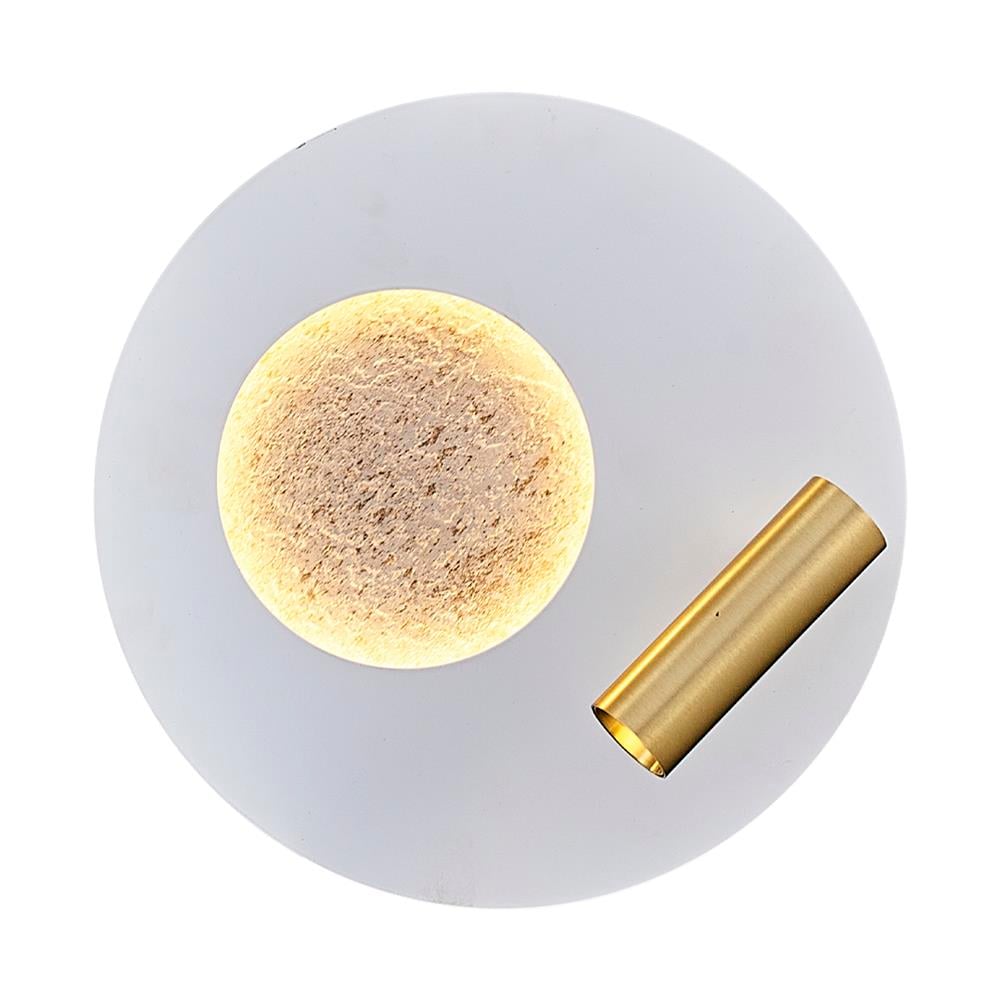
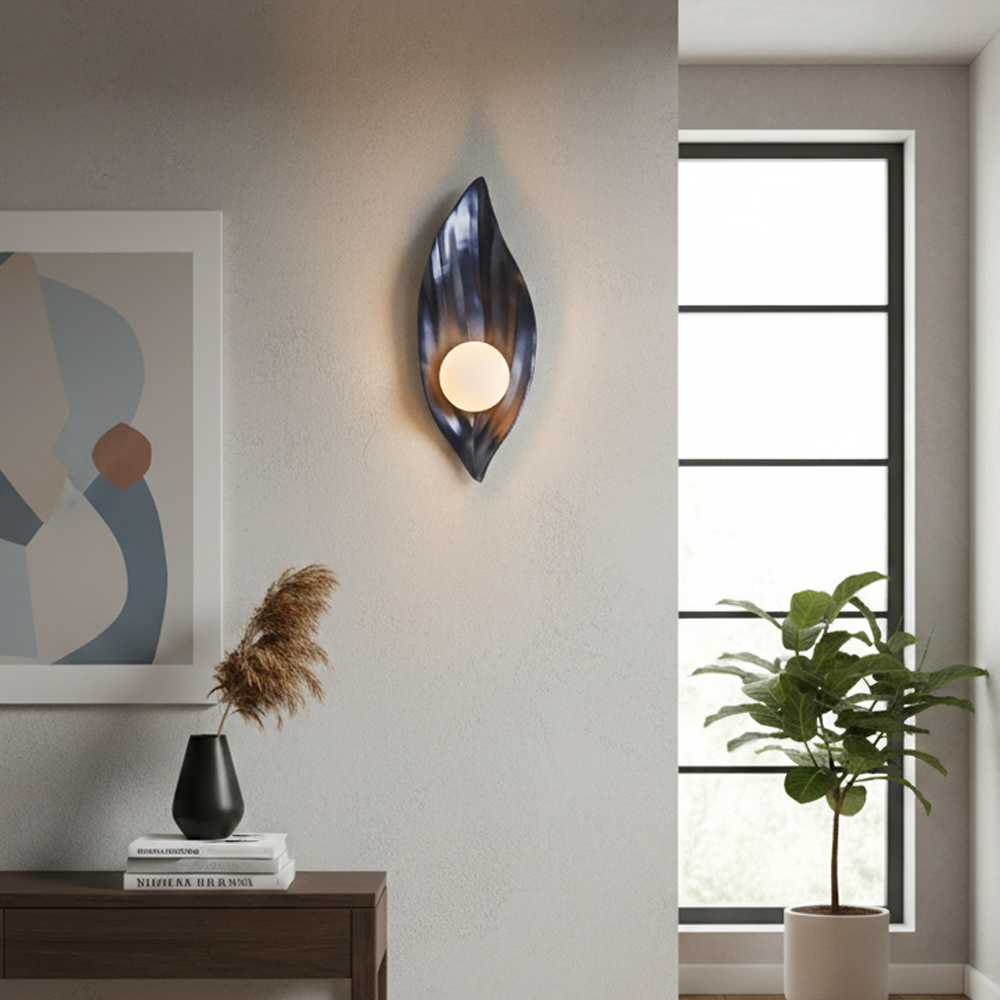
Related Categories
Frequently Asked Questions
At what height is a wall sconce mounted?
On a corridor or living-room wall, keeping the centre 180–200 cm above the floor prevents the light from reaching the eye directly; at a bedside, shoulder height is taken as the reference for reading.
What can I do if I cannot run a cable?
Battery-powered sconce models need no cable and are fitted without damaging the wall.
Can I buy one from the same series as my chandelier?
Many series produce the chandelier, sconce and table lamp in the same design language; you can compare matching models under the chandelier heading.
Related Guides

LED Sky Panels: What Are the Different Sizes and Mounting Options?
~10 min read
Circadian Rhythm and Human-Centric Lighting: Effects on Our Health and the Role of Sky Panels
~9 min read
The New Formula for Productivity in Modern Offices: Biophilic Lighting and LED Sky Panels
~7 min read