
By Room
Bathroom Lighting
If your face is in shadow at the mirror, the light is coming from the wrong place — it is not short of power.
Two rules set bathroom lighting apart from every other room. The first is the mirror: light coming only from the ceiling strikes your face from above and casts shadows under the eyes, under the nose and under the chin — the worst possible condition for shaving or applying make-up. Mirror lighting should come from the sides, at face level. The second is the wet zone rule: a bathroom is divided into zones, and a fitting to be used near the shower or bath MUST carry the protection rating against water and moisture that its zone requires. This is not a matter of preference but of electrical safety.
- The right direction for mirror light
- From the side
- Protection rule in a wet room
- By zone
- Standard panel module
- 60×60 cm
- Product warranty
- 24 Months
Key features
Unperforated surface
The panel's light-transmitting face is unperforated; it leaves no recesses for moisture and steam to gather in.
No suspended ceiling needed
Surface-mounted models fix to the existing ceiling.
Wide-surface illumination
Because the light is spread from a large surface, the hard shadows of a point source are reduced.
Colour temperature to choose
In the mirror zone a neutral light that makes colours easier to tell apart can be preferred.
Products for this service
Explore products →
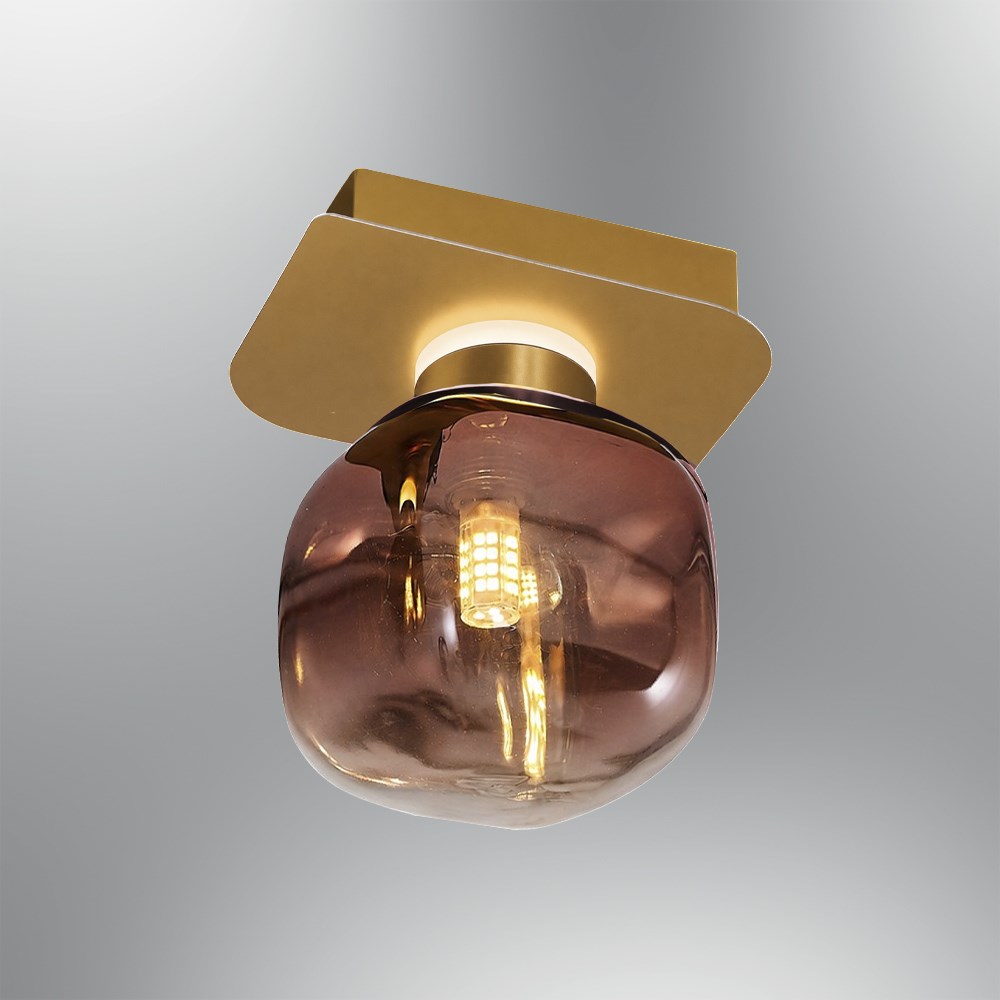
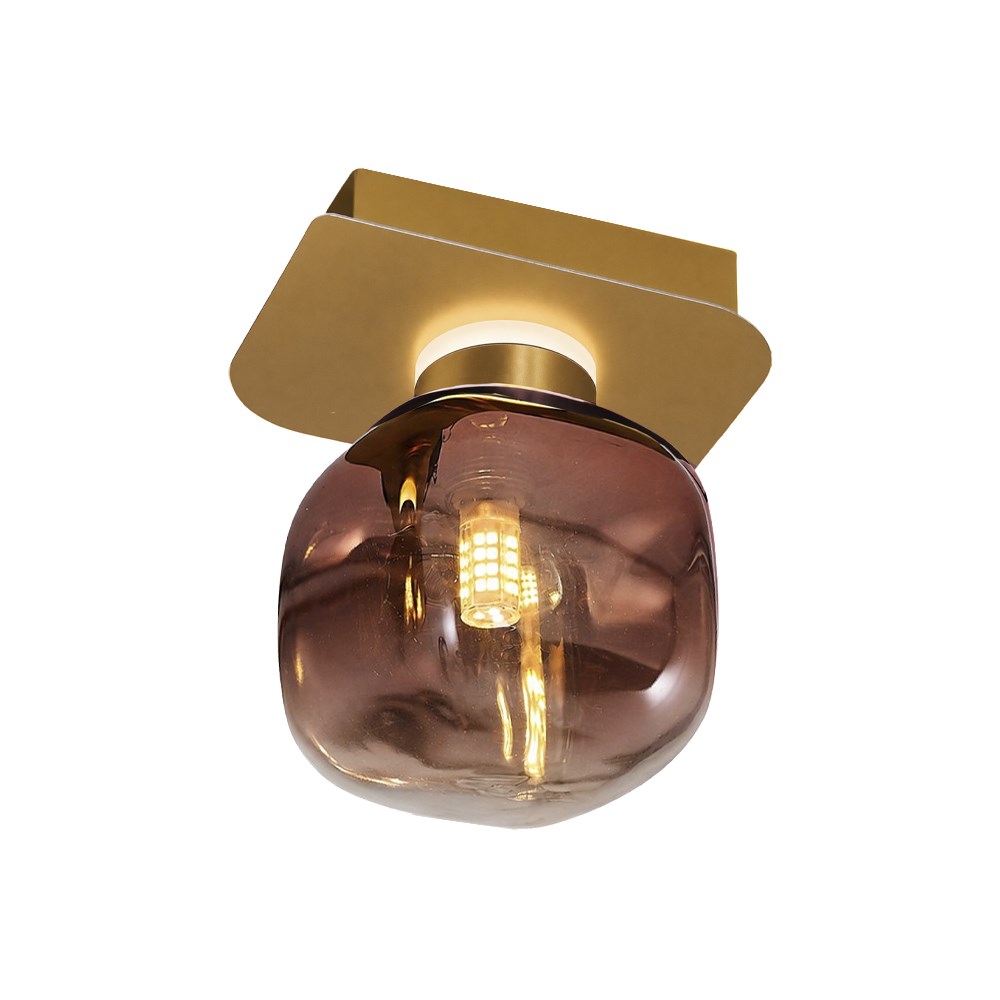
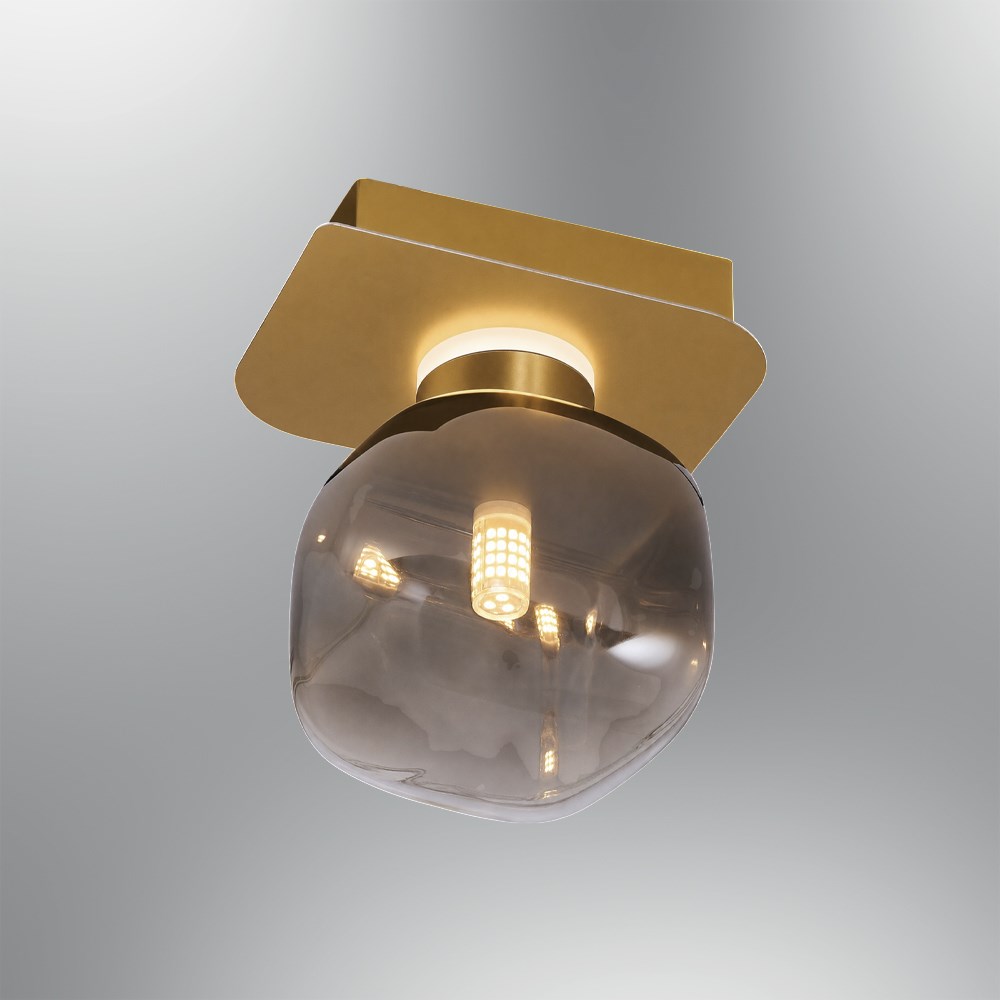
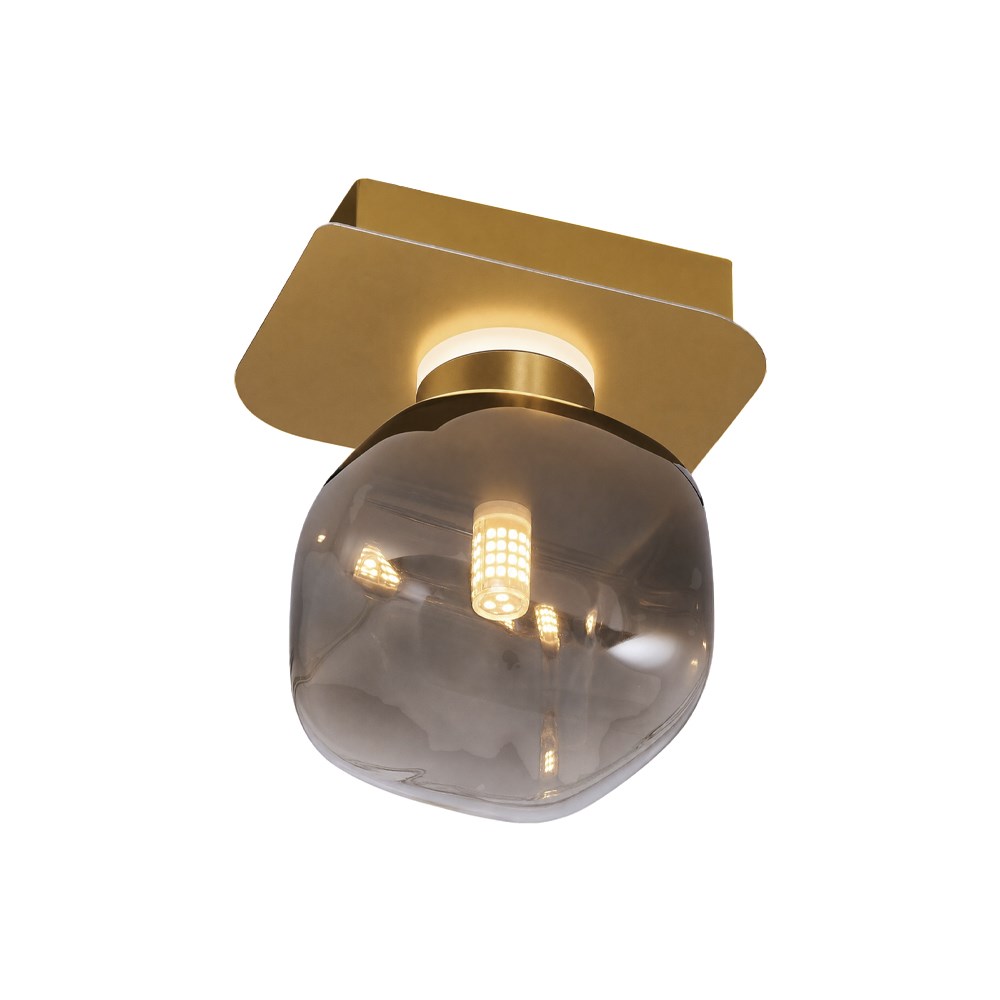
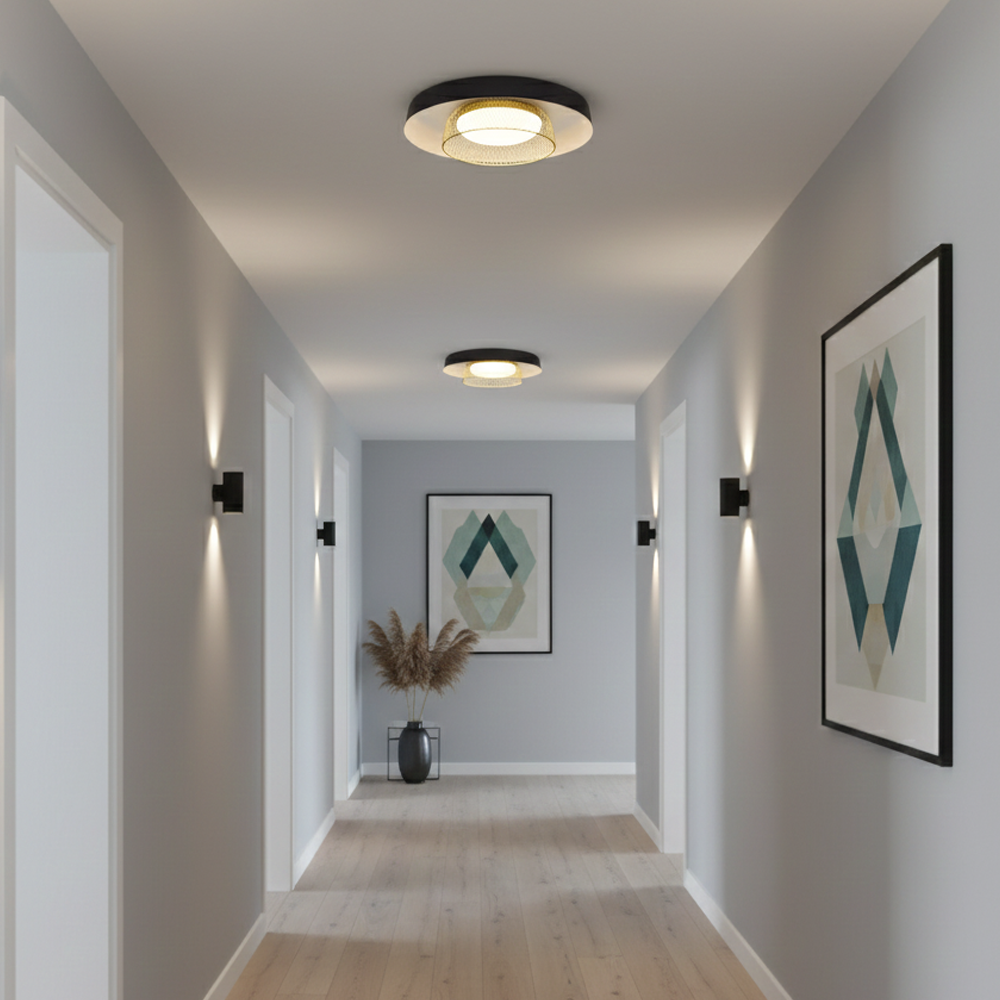
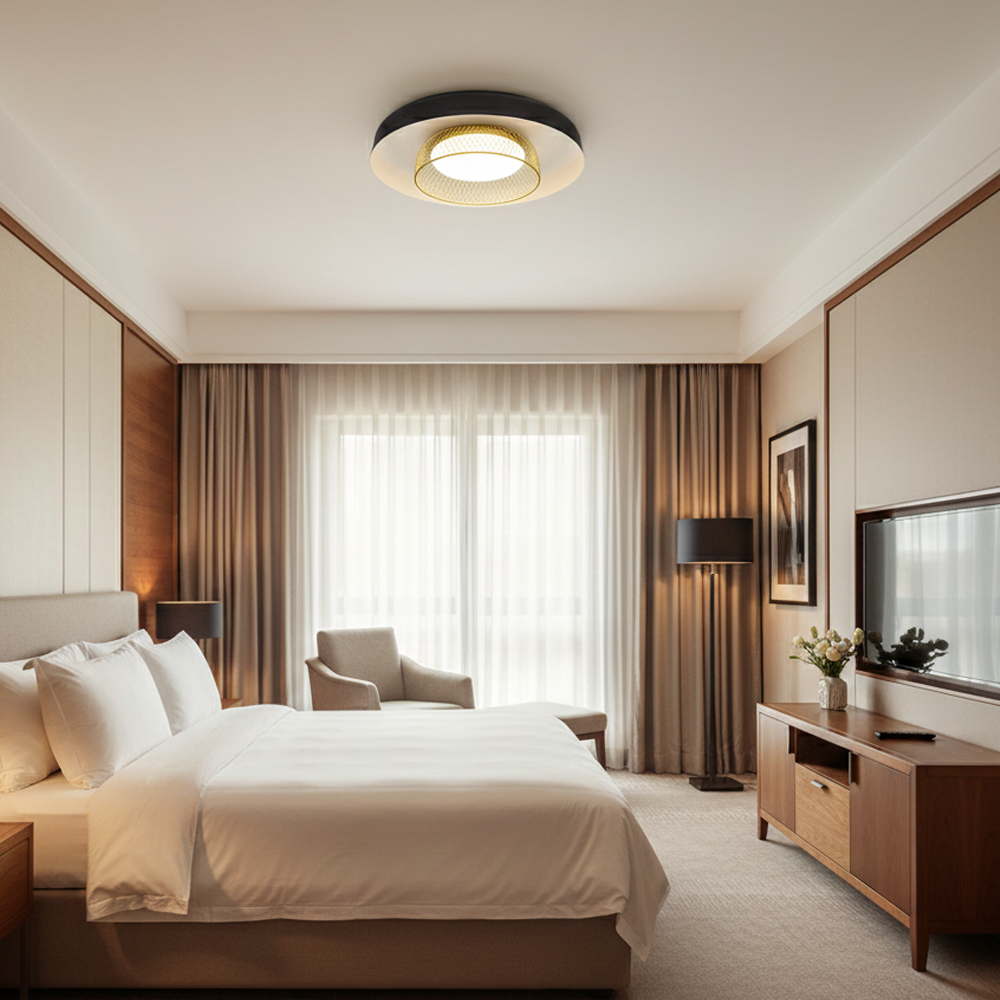
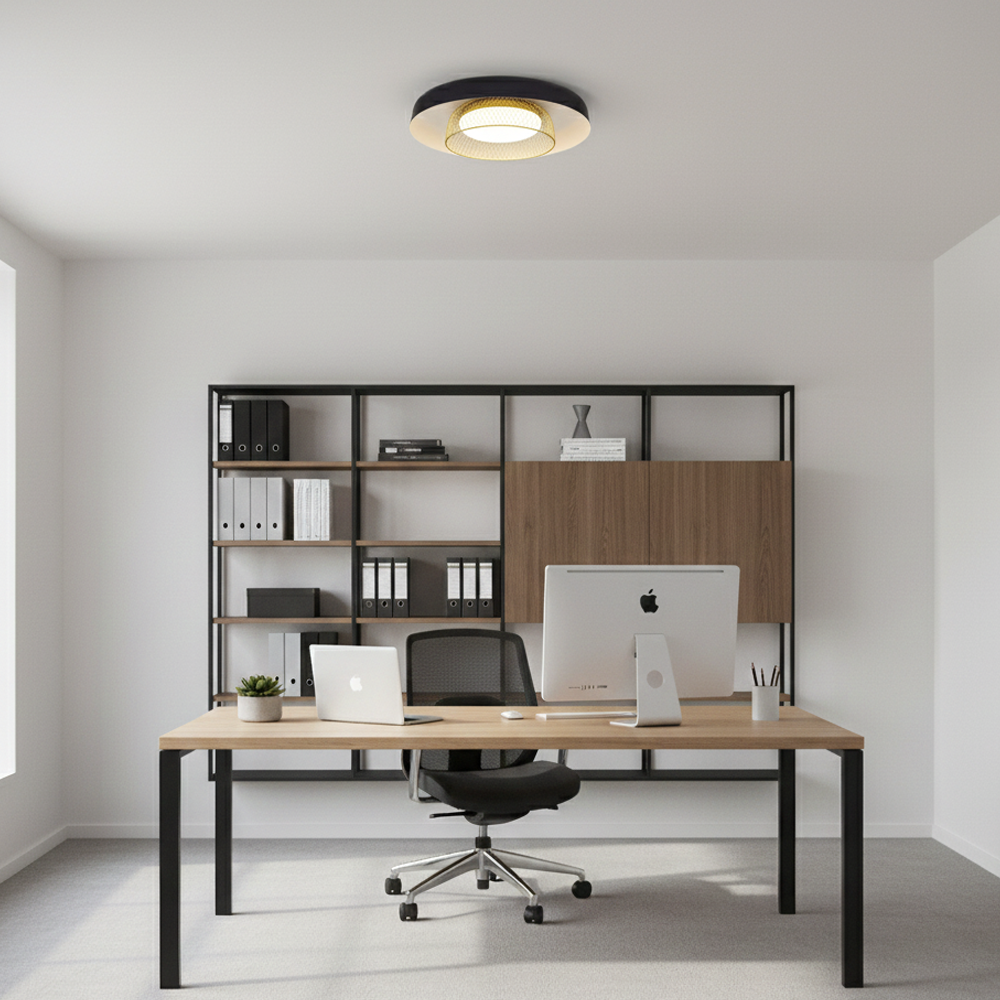
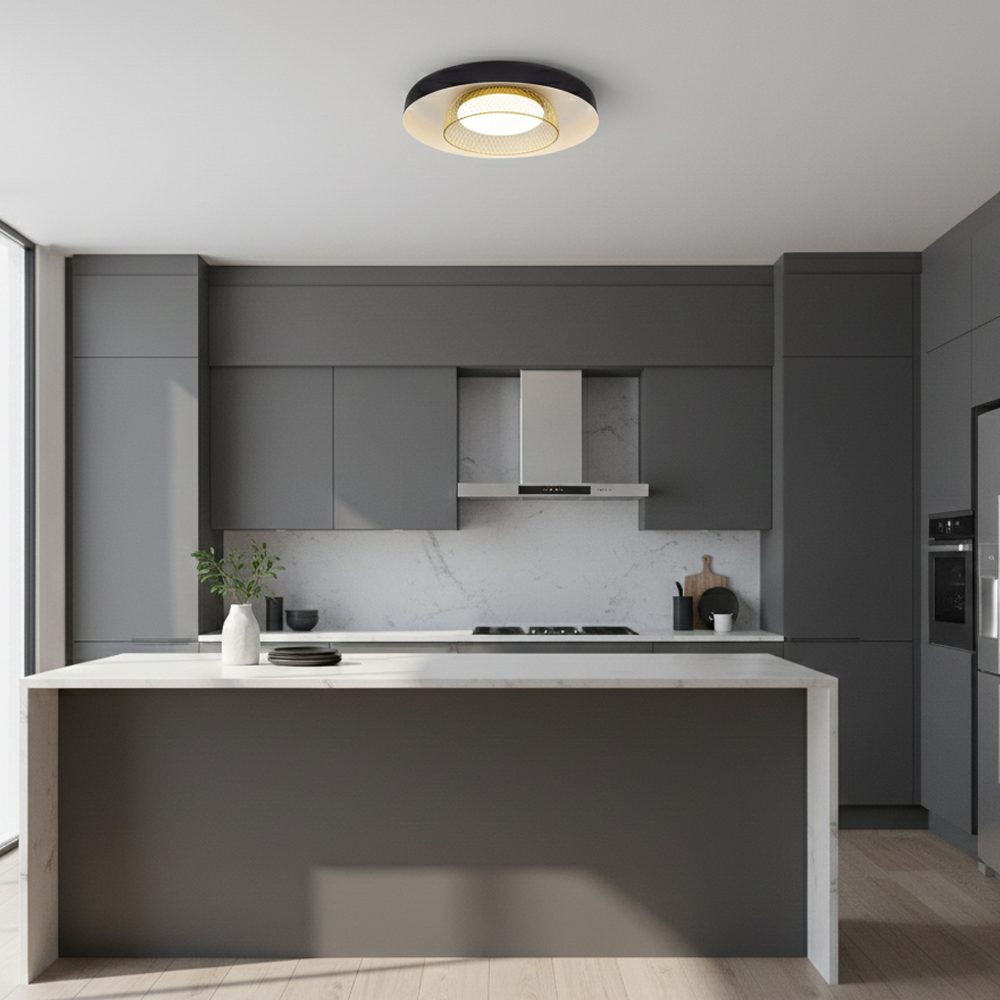
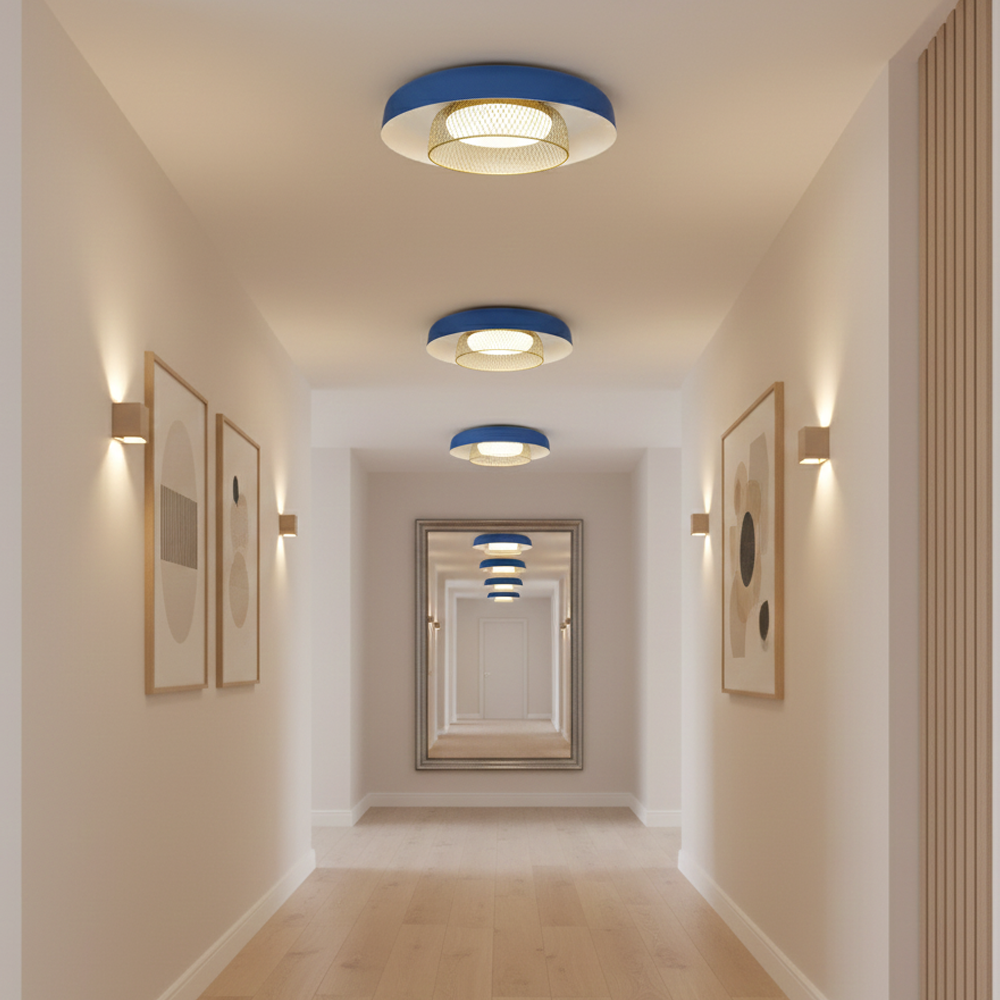
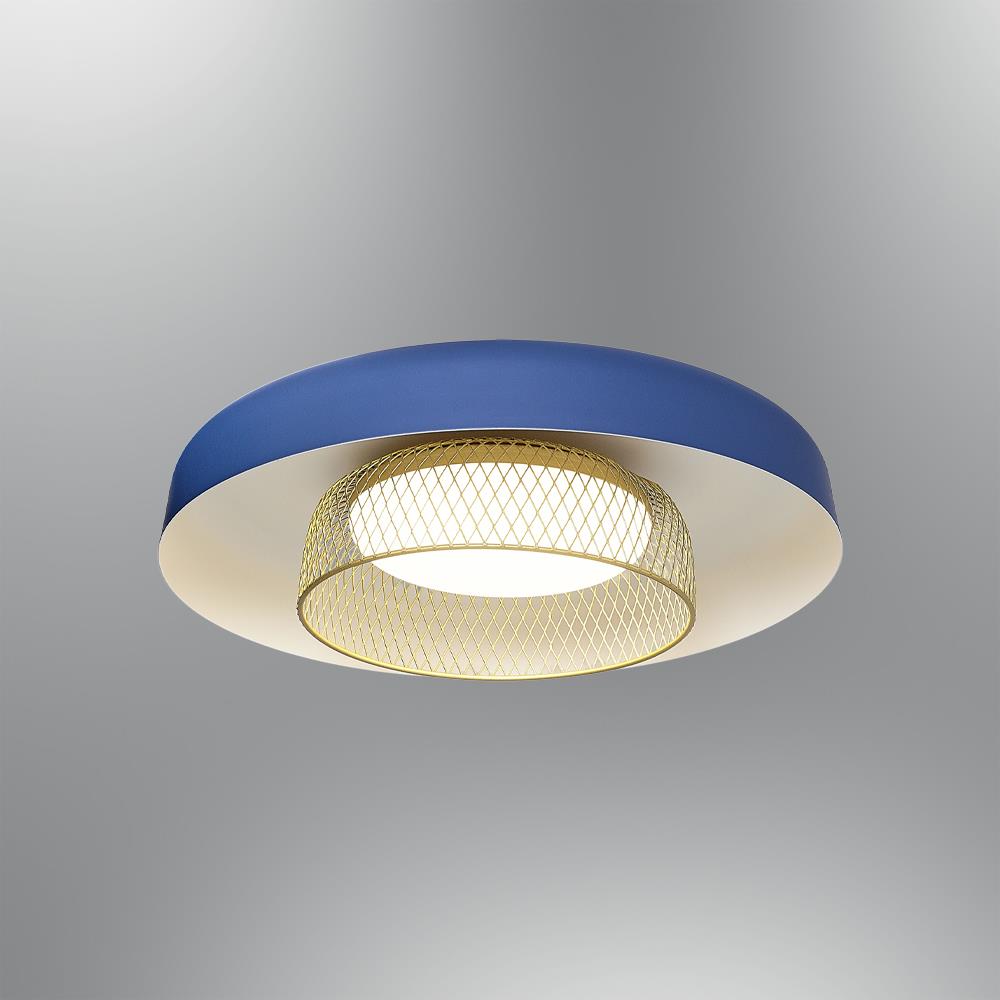



The shadow problem at the mirror, and its solution
Light coming from the ceiling strikes the face from above. The eye socket, the nose and the chin naturally cast shadow; the result is that the lower half of the face stays dark in the mirror. Patches missed while shaving and transitions that never quite work in make-up mostly come from this.
The correct answer is to bring the light to face level, on both sides of the mirror. Light arriving from two sides fills the shadow reciprocally. Even a single strip above the mirror is better than the ceiling fitting on its own, though it is not as effective as side lighting.
General ceiling lighting does not replace that layer; it is needed as well, to pull the whole bathroom together.
Wet zones — a safety matter
A bathroom is divided into zones according to the distance from the water source. The inside of the shower tray and the bath, together with their immediate surroundings, calls for the most protected fitting; the area around the basin, a middle level; and the dry zone near the door can be handled with the lowest protection.
So the first question when choosing a fitting for a bathroom is not aesthetic: 'which zone will it be installed in, and does it carry the protection rating that zone requires?' Installing a fitting that does not meet it in a wet zone is an electrical safety risk.
We recommend settling with us which solution suits the specific position in your bathroom, with our products in front of you; the zone rule varies by product and should not be left to guesswork.
Colour temperature and moisture
In the mirror zone colours have to be told apart correctly; neutral white light shows skin tone and colours as they are.
A bathroom is a space that produces a lot of steam. If ventilation is inadequate, moisture affects not only the fitting but the ceiling surface as well; on absorbent surfaces, blistering and staining appear. Before choosing lighting, make sure the ventilation works.
Shower steam gathering at the ceiling, and the direction of ventilation
The steam produced by hot shower water is lighter than the air around it and gathers in the upper layer of the room. The ceiling, meanwhile, is in most bathrooms the coldest surface in the room, because it adjoins an external wall, the roof or an unheated space; when the steam touches that surface it turns back into liquid. That condensation appears on the ceiling first is therefore no coincidence.
The position of the extract grille in the ceiling determines how far the steam travels before it leaves. If the grille is close to the shower zone, the steam is taken at source; if it is on the door side, that same steam crosses the whole ceiling first and only then goes out. In addition, to draw air out of a room, air must be able to enter it from outside: if the door fits tightly and there is no gap beneath it, the fan turns but the air change weakens.
The texture of the ceiling surface changes the cleaning burden directly. On surfaces with recesses, perforations or joints, the mark left by steam settles into the recess and does not come off in one pass; a flat, unperforated surface wipes down with a damp cloth, and there is no need to take the fitting apart for it. You see the same relationship between steam and ceiling surface while cooking, on the kitchen ceiling.
Surface, reflection and depth perception in a small bathroom
In a narrow, elongated bathroom the eye reads a difference in brightness as distance. If the end of the ceiling near the door is bright while the far end stays dim, the space looks shorter than it is. When the lit surface continues along the ceiling, the eye finds the limit later and the same square metres are perceived as more open; that is a result of how the light is distributed, not of the paint colour.
In a bathroom most surfaces are glossy: tiles, the mirror, glass and chrome fittings. Light from a small source forms a sharp glare point on those surfaces, and standing in front of the mirror you can catch it directly in the eye. The larger the area the light leaves from, the more that same reflection is spread out and the less it gathers into a single point.
On the layout side the measure is simple: the standard module is 60×60 cm and a single panel takes up 0.36 m² of ceiling. In a narrow bathroom, running the panels in a single row along the long axis gives a more coherent result; in a bathroom closer to a square, bringing them together into one composition does. To find how many modules you need, divide the area you want to cover by 0.36 m².
The right order of work in a bathroom refit
Lighting is among the items that must be settled before the ceiling is closed. The cable route and the supply point for the fitting cannot be changed comfortably once the surface is closed; changing them means opening it again. So the order of work is: strip out, run the water and electrical services, wall and floor finishes, ceiling, and finally fitting installation and commissioning.
The position of the fitting on the ceiling must be fixed before tiling starts, because what determines it is how the bathroom is used: the positions of the mirror, the vanity unit and the shower enclosure, and the direction the door opens, decide where the light will fall and which way the shadow will go. Making that decision in advance on a sketch costs far less than opening the ceiling afterwards.
In a bathroom with a finished ceiling, or one that will not be touched, the order reverses. The surface-mounted model needs no suspended ceiling, fixes straight to the existing ceiling and projects about 5 cm. If the ceiling is plasterboard, a reminder: the board does not carry load on its own, and the fitting must be fixed to the supporting framing. The supply is 220–240 V; and because the colour temperature — 4000K neutral white or 6500K cool white — is chosen at the time of order, we recommend settling that preference before placing it.
Task light in the shower and bath zone
In the shower, the direction of the light comes before its quantity. If the source is outside the enclosure and behind you, your shadow falls exactly where you are looking: on the floor of the tray and on the wall in front of you. The area you want to see while washing is left in your own body's shadow; that is not a brightness matter to be solved by changing the fitting, but a matter of geometry.
The frosted glass or curtain of the enclosure is the second factor. They let light through but scatter and weaken it; the inside of the enclosure stays noticeably dimmer than the spot where someone stands outside it, in the same room. As light intensity also falls with distance, the source's distance from the enclosure widens that difference. That is the reason to think of a separate task layer for the enclosure, on top of the general one.
In the parts of the ceiling your hand reaches with difficulty, how the fitting is secured matters as well: the clip-in framed model locks into the grid and does not fall, while the lay-in T24 model lifts by hand when needed. Which solution suits the area around the shower and bath, we will determine by assessing the position together.
What we need when you send dimensions and positions
To work out the right layout we first need the clear internal dimension of the ceiling: the two side lengths between opposite walls, and the ceiling height. Alongside that, state what the ceiling sits on — concrete, plasterboard, or a suspended ceiling already in place. What the supporting structure is directly changes the mounting method we will propose.
The second group of information is what is already fixed in the ceiling: the position of the existing fitting outlet, which wall the switch is on, and where the ventilation grille sits in the ceiling. Those three points are the data the panel composition has to work around and, if they are not marked on the sketch, the layout has to be worked out from scratch.
The third is the pattern of use. A simple hand-drawn sketch showing the positions of the mirror, the basin, the shower or bath, the cabinet and the door is enough; if you add a photograph taken towards the ceiling, you will not need to describe the existing situation separately. Finally, writing down your preferred mounting type and colour temperature lets the proposal come out in a single round.
Who is it for?
Homeowners
Planning mirror light and general lighting together in a bathroom refit.
Tenants
Solutions that come down and travel, leaving no permanent mark.
Hotels and businesses
Ceiling lighting that is simple to clean, with an unperforated surface.
Frequently asked questions
Why is my face in shadow in the bathroom mirror?+
If light comes only from the ceiling it strikes the face from above; the eye socket, nose and chin cast shadow. When mirror lighting is at face level and on both sides of the mirror, those shadows fill each other reciprocally.
Can any fitting be installed in a bathroom?+
No. A bathroom is divided into zones by distance from the water source, and each zone requires a particular degree of protection against water and moisture. The fitting must carry the rating that matches the zone it will be installed in; this is not an aesthetic preference but a rule of electrical safety.
Above the mirror or beside it?+
Side lighting is better because it fills the shadow reciprocally. A strip placed above the mirror is better than the ceiling fitting, but it is not as effective as side light.
Which colour temperature suits a bathroom?+
In the mirror zone a neutral white light that shows colours faithfully is preferred; skin tone and colour transitions appear as they are.
When should I switch the ventilation off after a shower?+
Steam does not leave the room by itself the moment the water is turned off. If you switch the fan off as the shower ends, the moisture left suspended in the air heads for the cold surfaces. A practical indicator is the mirror: being glass, it is the surface that shows a change in temperature fastest, and leaving the ventilation running until the mist on it has cleared completely shows that the room's moisture really has been taken out.
If the ventilation grille is in the centre of the ceiling, how are the panels laid out?+
The grille is taken as fixed and the composition is arranged around it. Because the panels are modular, it is possible to leave the opening that coincides with the grille empty and shift the run, or to choose a layout that leaves the grille at the edge of the composition. As covering the grille directly reduces airflow, the layout is resolved to suit the grille, not the other way round.
I am renting and cannot make permanent changes to the bathroom ceiling. Do I have an option?+
You do. The surface-mounted model does not require a suspended ceiling to be built and fixes straight to the existing one. Because the product comes down and travels, you can take it with you when you leave and no permanent mark is left on the ceiling. You change the look of the bathroom without permanently altering the property; and the product's 24-month warranty stays with you.
Should the mirror light and the ceiling light be on the same switch?+
Controlling them separately adds flexibility in use: entering the bathroom at night you switch on only the general layer, and while shaving or applying make-up you bring in the mirror layer as well. If both are on a single switch they always come on together. If you mark that split on the sketch as a number of switches, we will work out the layout accordingly.
Should I measure before or after tiling?+
Either works, as long as you tell us which. The rough dimension before finishing and the clear dimension after are not the same: because tiling takes up space on both opposing walls, the room narrows a little on both axes once tiled. If you give us the rough dimension, say so, and we will work out the layout allowing for the finish thickness; if it is not stated, we take the dimension as the finished surface.
Let's determine the right zone and fitting for your bathroom together
Share your bathroom dimensions and the position the fitting will go in; we will make the choice together in line with the zone rule.
🌍 Installation and shipping worldwide