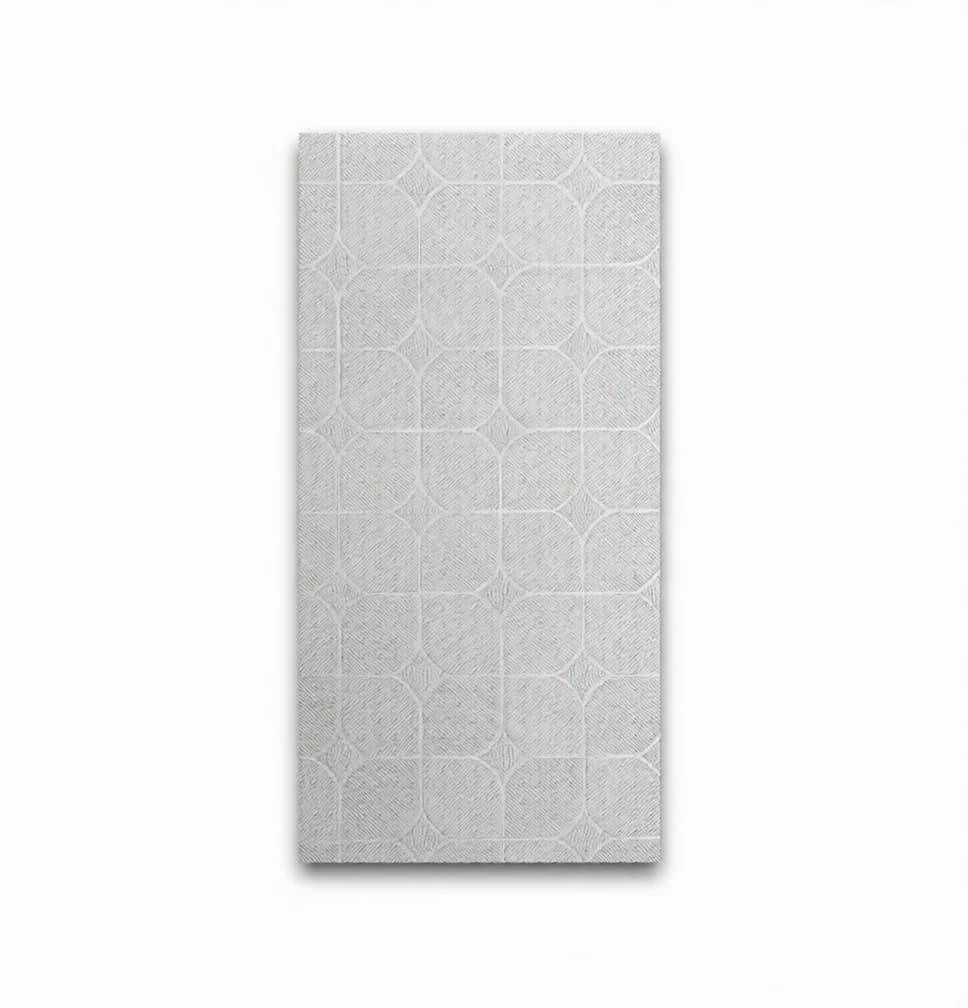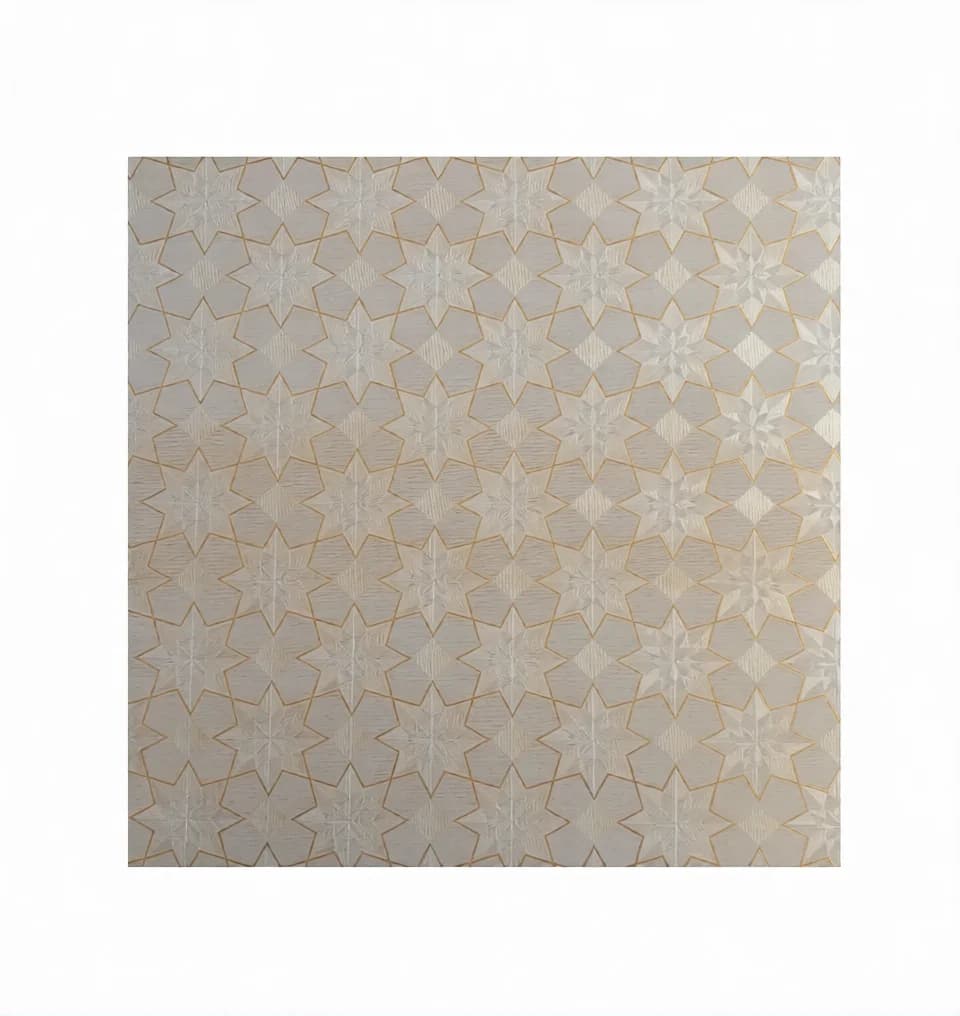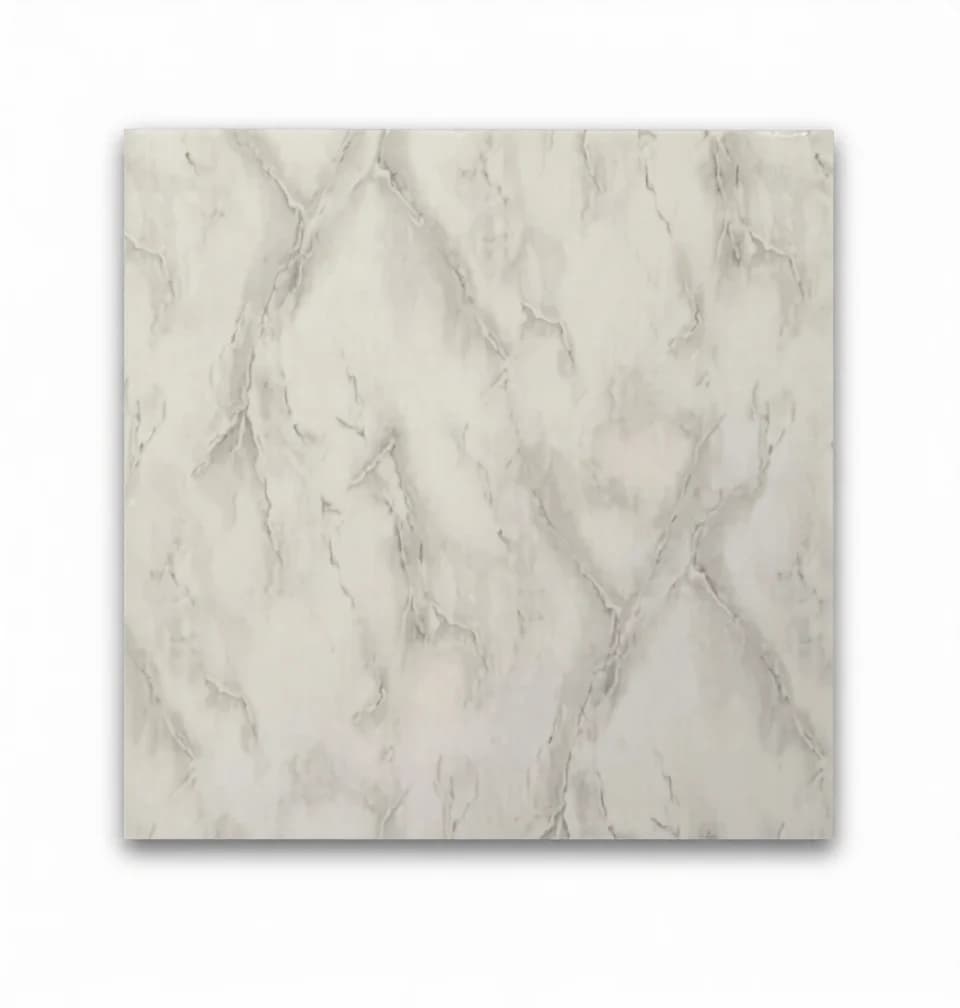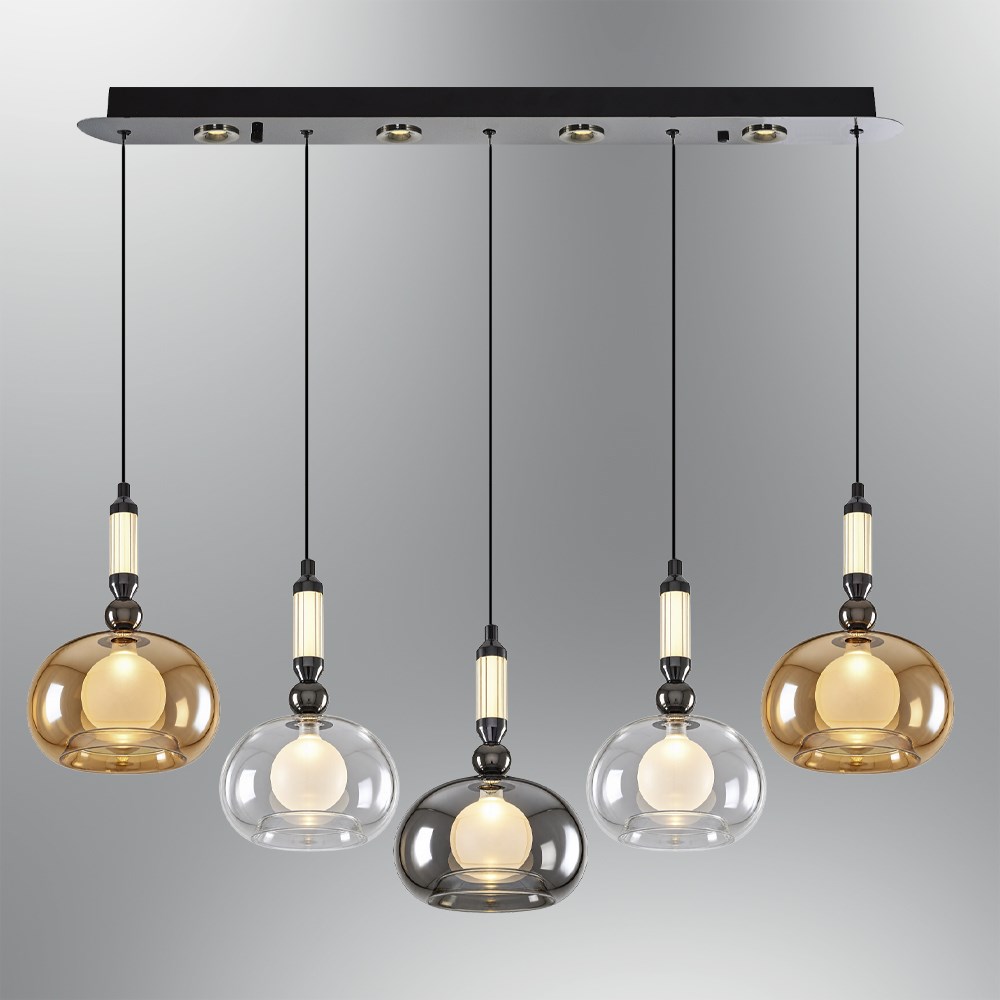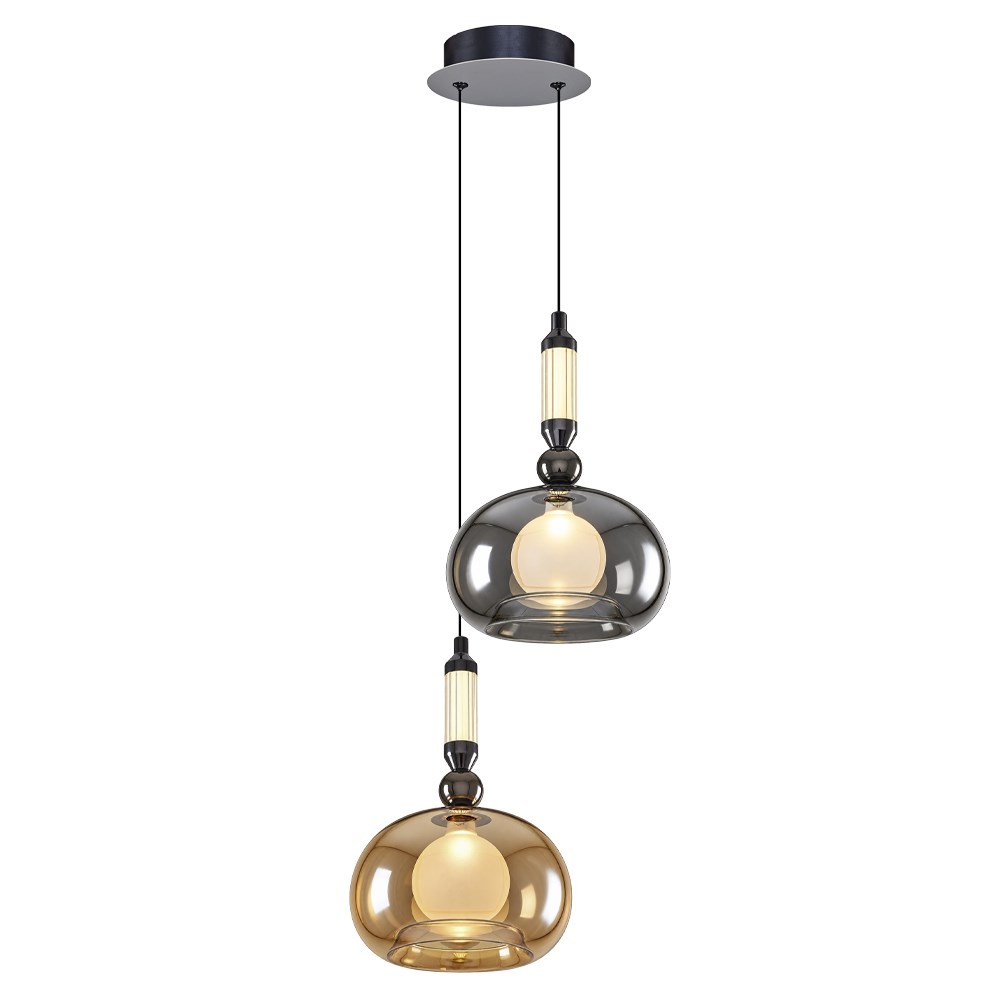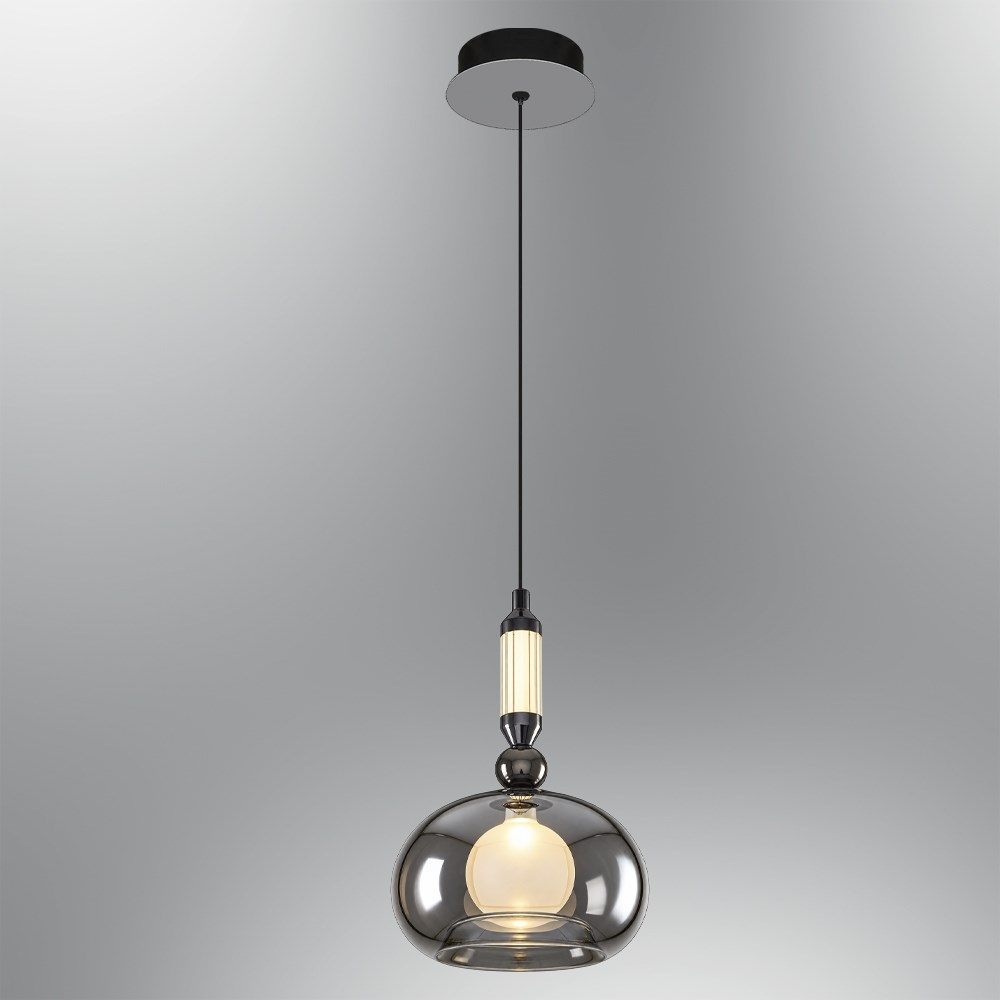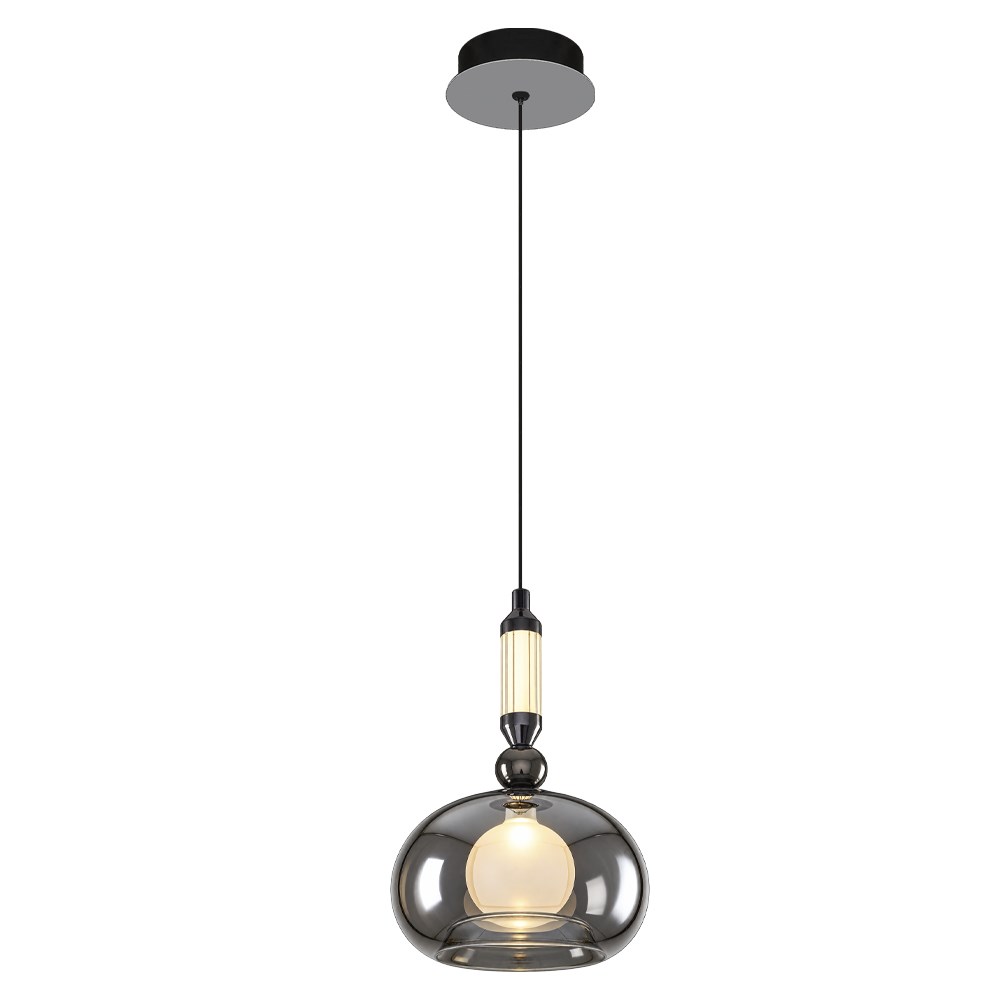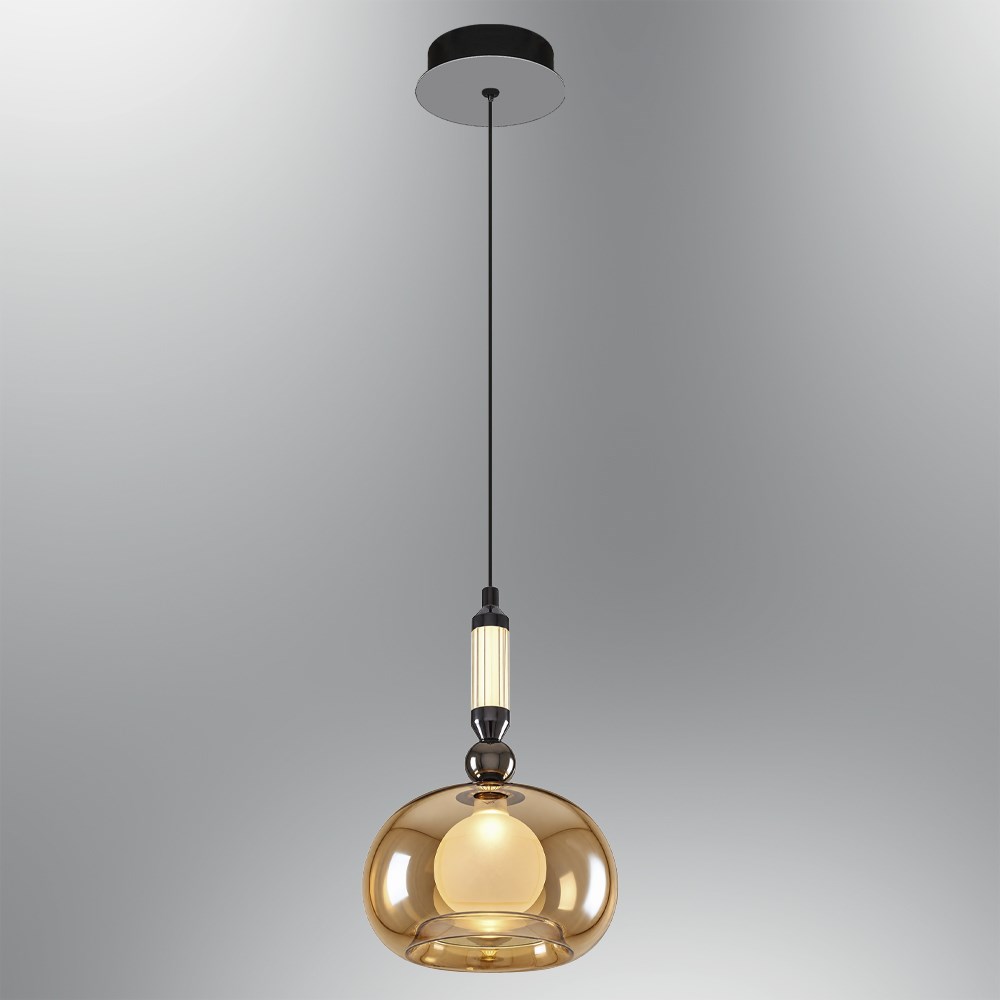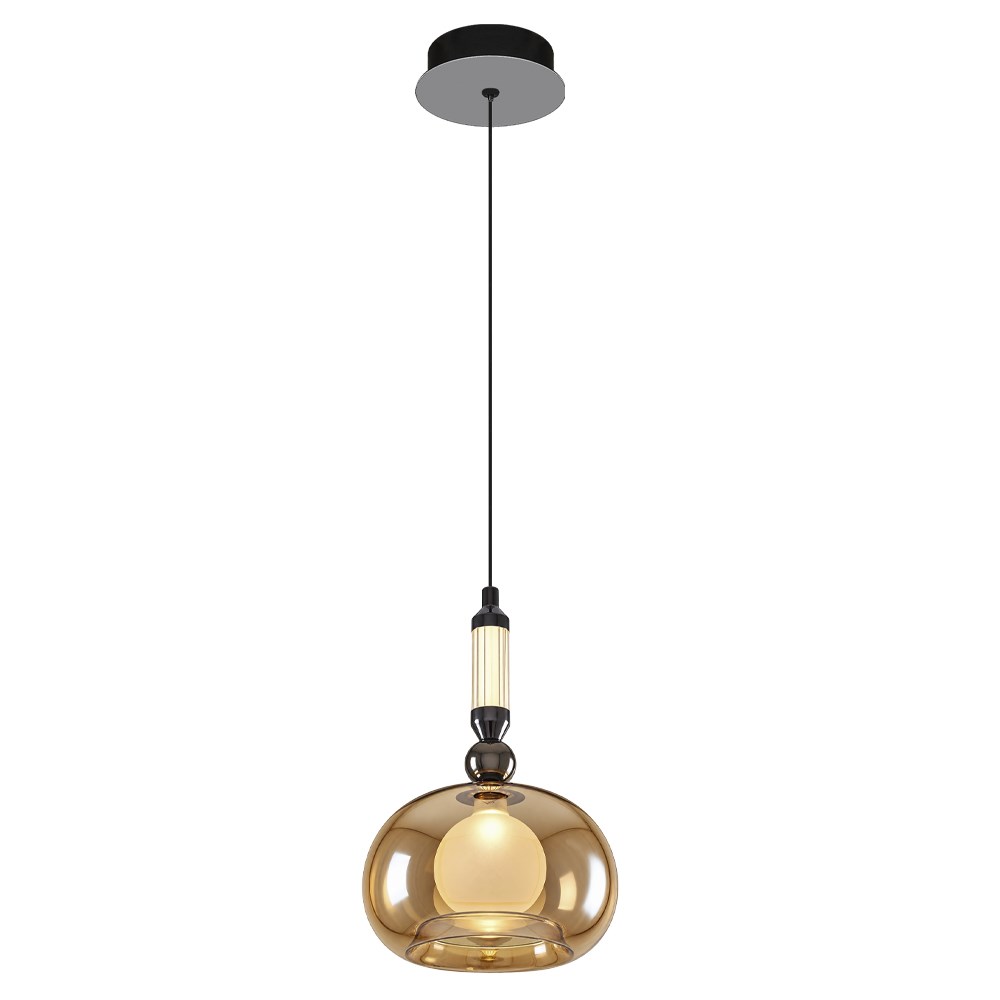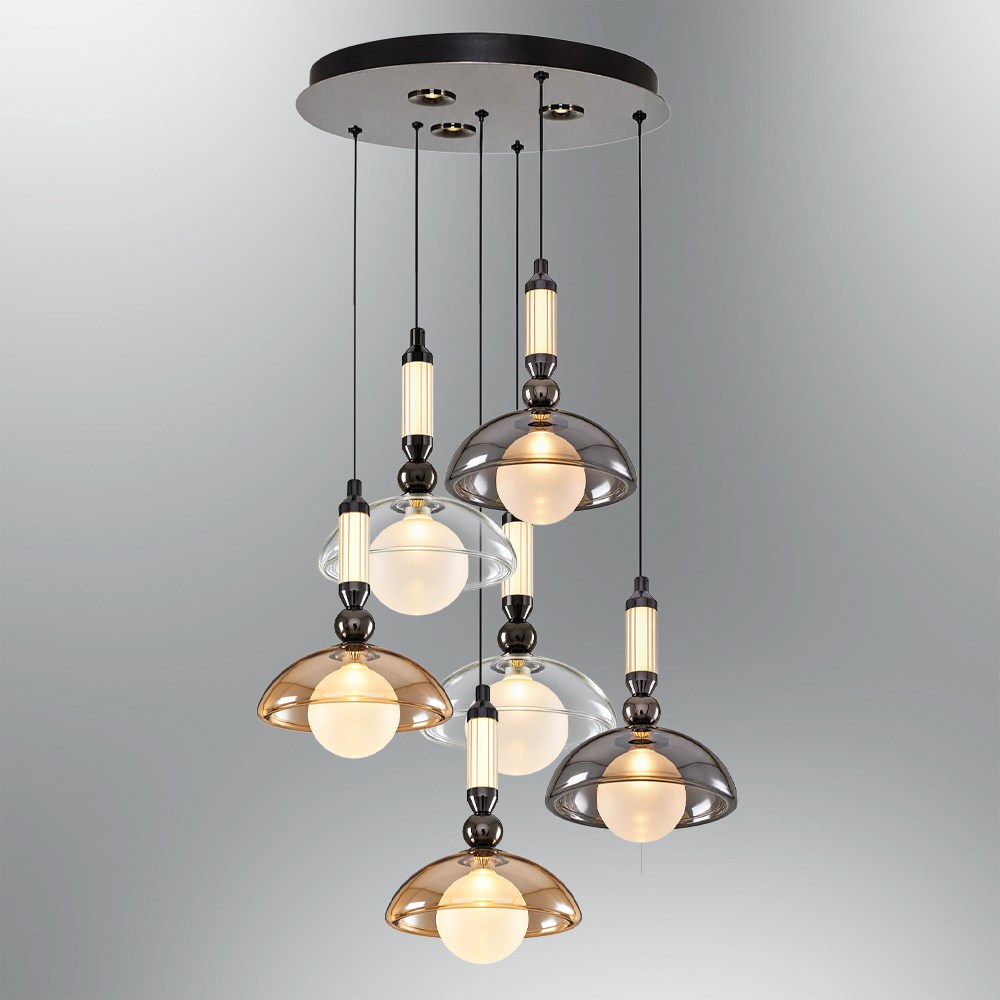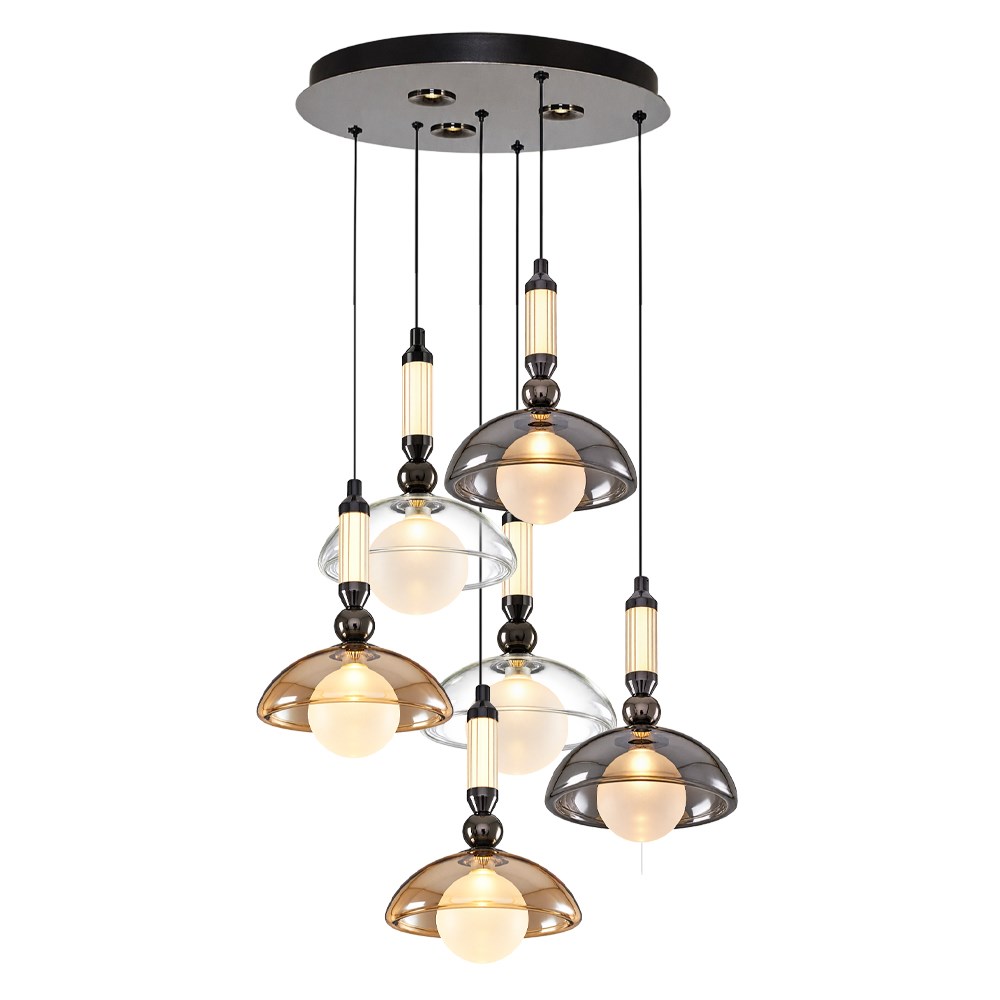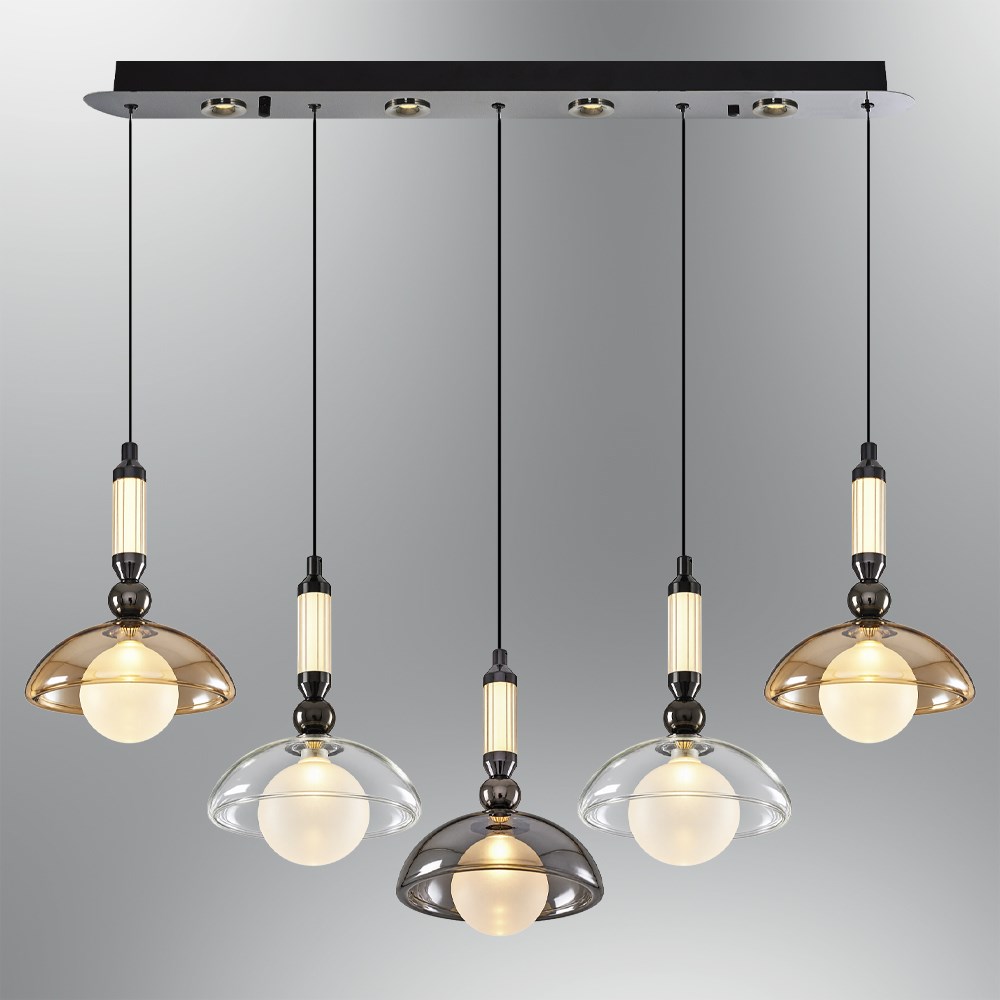
The ceiling of a cafe or restaurant is not merely a cover; it's a powerful design element that reflects the venue's soul, determines sound quality, and shapes the overall customer experience. The right ceiling choice enhances your guests' comfort while meeting your business's aesthetic and functional needs.
What Atmosphere Do Open Industrial Ceilings and Acoustic Baffles Offer?
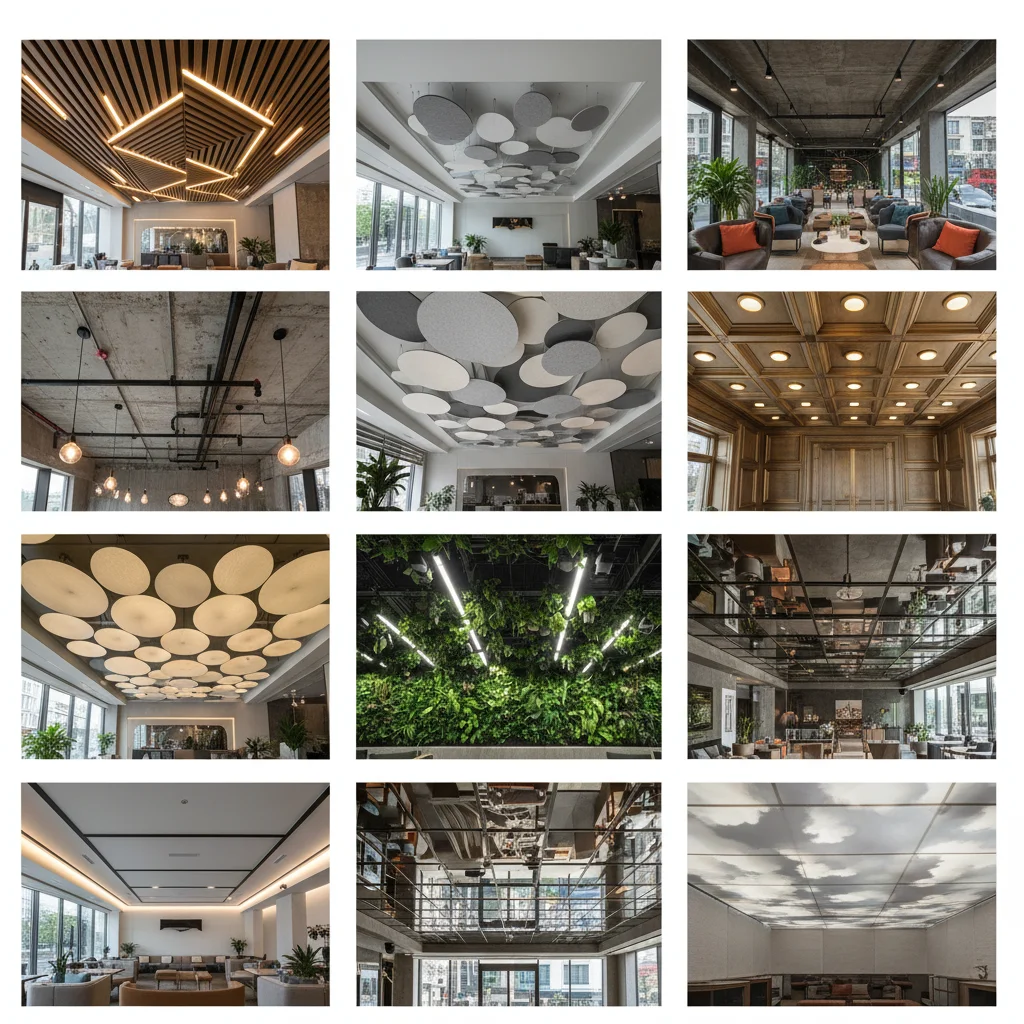
Open industrial ceilings offer a raw, modern, and urban aesthetic, strengthening the venue's character. Leaving installations and ventilation ducts exposed creates a dynamic feel, especially in spaces with high ceilings and an airy ambiance. This design is ideal for businesses seeking a contemporary and unique identity.
Industrial ceilings often feature hard surfaces, tending to increase reverberation. This is where acoustic baffles come in. These panels, suspended from the ceiling, absorb sound waves, reducing echo and significantly improving speech intelligibility and overall acoustic comfort. Your customers can converse more comfortably and are less affected by noise.
Open ceilings provide easy access to installations, simplifying maintenance and repair processes. However, regular cleaning of visible pipes and ducts is crucial to maintain their aesthetic appearance. Acoustic baffles are typically made from lightweight materials and are relatively easy to install, offering an advantage in terms of operational practicality.
What Depth Do Cove-Lit Suspended Ceilings Add to a Space?
Cove-lit suspended ceilings bring a sophisticated, modern, and serene atmosphere to spaces. LED strips concealed along ceiling edges or between different levels provide soft, indirect lighting, reducing eye strain and creating a warm ambiance. This design is often preferred in more intimate or luxurious settings.
Suspended ceiling systems can contribute to sound insulation by creating a void between the ceiling and the main structure. Furthermore, acoustic insulation materials can be integrated behind gypsum board or similar panels to increase sound absorption. This reduces external noise while controlling reverberation of internal sounds, thereby enhancing customer comfort.
Cove lighting offers a cleaner aesthetic by concealing fixtures. Access to panels for maintenance is generally easy, but the hidden nature of lighting elements may require a bit more care when bulb replacement or repair is needed. Flat surfaces provide ease of cleaning.
How Do Glossy Stretch Ceilings Change the Perception of a Space?
High-gloss stretch ceilings, with their mirror-like surfaces, add a modern, spacious, and luxurious feel to spaces. Their light-reflecting properties make a room appear taller and more expansive, especially in areas with low ceilings. These ceilings can offer impressive visual displays when combined with dynamic color-changing lighting.
Glossy stretch ceilings are generally sound-reflective surfaces and do not provide acoustic improvement on their own. However, sound absorption can be increased by using specially designed micro-perforated or acoustically enhanced stretch ceiling fabrics. Such solutions help control reverberation and improve speech intelligibility, supporting overall acoustic comfort.
Stretch ceilings, with their smooth and antistatic surfaces, do not attract dust and are easy to clean. They typically retain their original luster by being wiped with a special cloth and mild detergents. Installation is quick, and the space between the main ceiling and the stretch ceiling is ideal for concealing installations and lighting elements. However, contact with sharp objects should be avoided.
How Do Wood-Look Linear Ceilings Reflect Natural Warmth?
Wood-look linear ceilings add a natural, warm, and inviting atmosphere to spaces. Panels arranged lengthwise provide a sense of depth and movement. They can adapt to a wide range of styles, from modern and minimalist designs to rustic and traditional settings. Natural tones create a peaceful environment, helping guests relax.
While wood is not a natural sound absorber, sound absorption can be significantly increased by placing acoustic felt or similar materials between linear panels. Such ceilings break up sound waves, reducing reverberation and lowering noise levels, thereby offering a more comfortable environment for customers.
Wood-look linear panels are generally made from lightweight and durable materials. They are easy to clean, typically maintained by wiping with a damp cloth. The spaced arrangement of panels can provide partial access to installations and lighting elements, but full access may require the removal of some panels.
What Flexibility Do Magnetic Track Lighting Systems Provide in Design?
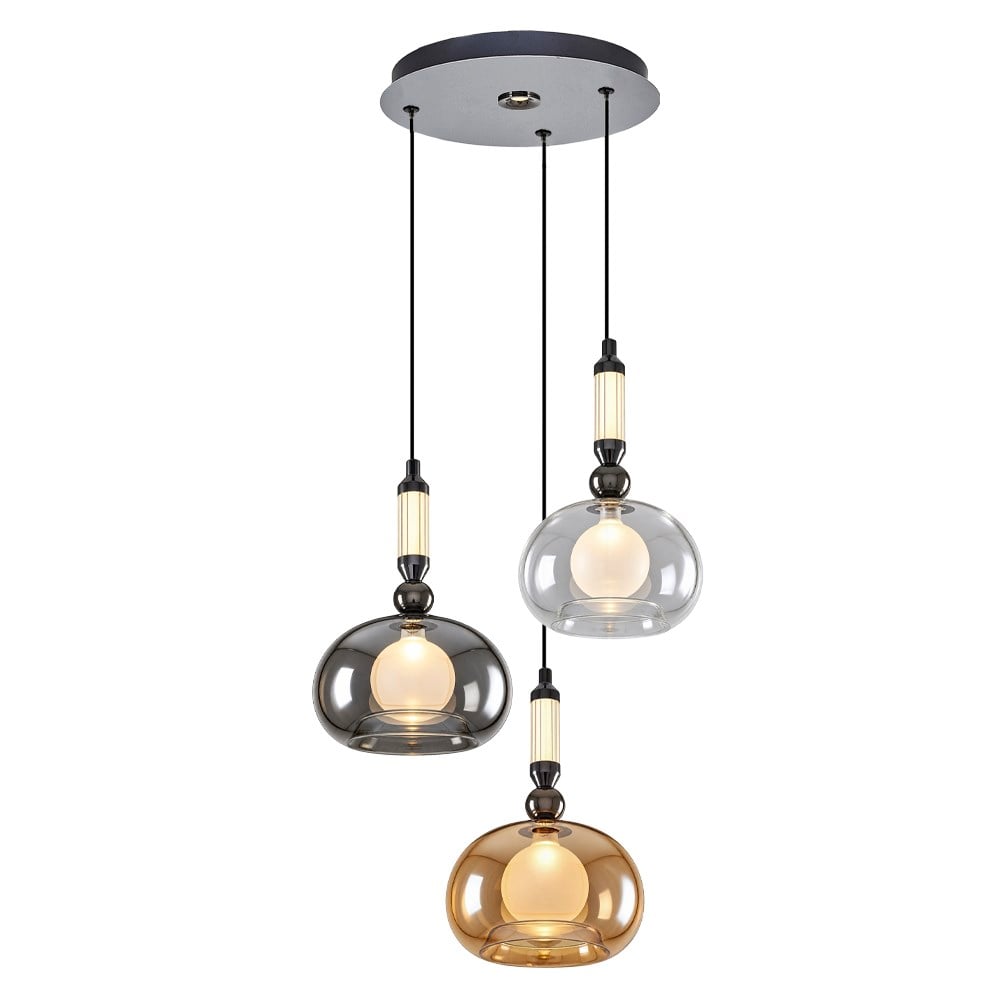
Magnetic track lighting systems offer a modern and dynamic lighting solution. These systems, which allow various types of fixtures (spotlights, linear lights, pendants, etc.) to be easily moved along the track, provide the flexibility to instantly change the atmosphere of a space. They are ideal for exhibition areas, boutique cafes, or restaurants where a variable ambiance is desired.
Magnetic track systems do not directly provide acoustic improvement. However, as these systems are often integrated with suspended ceiling or open ceiling designs, they can be used in conjunction with acoustic panels or baffles to enhance the overall acoustic performance of the ceiling. Integrating the tracks into the ceiling surface does not prevent the ceiling from being covered with acoustic materials.
The greatest advantage of these systems is the quick and easy ability to change the position and type of lighting elements. This offers great convenience when the layout of the space changes or when different lighting scenarios are required for various events. Maintenance and cleaning are simple thanks to easily removable fixtures.
How Do Cornice Applications Bring Back Classic Elegance?
Cornice/coving adds a classic, elegant, and traditional touch to spaces. Detailed patterns, rosettes, and cornices lend depth and character to ceilings, creating a sophisticated ambiance. It is particularly favored in historic buildings, restaurants embracing a classic decor style, or boutique cafes, offering a timeless aesthetic.
As coving is typically a gypsum-based material, it does not offer significant acoustic properties on its own. However, since it is applied to the main structure of the ceiling, it does not negatively impact the ceiling's overall sound insulation or acoustic performance. For acoustic improvement, it may need to be supplemented with other elements such as wall panels or furniture.
Cornice/coving applications are generally durable and long-lasting. Cleaning involves dusting and wiping with a lightly damp cloth. However, detailed patterns may be more prone to dust accumulation. When maintenance and repair are needed, minor damages can be easily restored or fixed by specialists.
How Do Mirror and Glossy Surface Accents Expand a Space?
Mirror or high-gloss reflective surfaces used on ceilings give spaces a modern, airy, and luxurious feel. By reflecting light, they make the space appear brighter and more expansive. Especially in small or low-ceilinged areas, they create an optical illusion, enhancing the sense of depth and producing a striking visual effect.
Mirrors and glossy surfaces highly reflect sound waves, which can increase the reverberation time of a space and negatively affect acoustic comfort. Therefore, when using such ceiling accents, it is critical to incorporate sound-absorbing materials on walls, floors, or furniture. A balanced design yields successful results from both an aesthetic and acoustic perspective.
Mirrors and glossy surfaces can make dirt like fingerprints and dust more noticeable. Therefore, they require regular and careful cleaning. They can usually be easily cleaned with glass cleaners and microfiber cloths. Due to their weight and fragility, installation should be carried out by a professional team.
How Do Acoustic Clouds Combine Sound Comfort and Aesthetics?
Acoustic clouds offer a modern and artistic look, adding dynamic aesthetics to spaces. These panels, which can be designed in various shapes, sizes, and colors, add movement to the overall ceiling design and create an engaging focal point. They are particularly preferred in contemporary or minimalist-designed cafes and restaurants, giving the space a unique identity.
The primary purpose of acoustic clouds is to increase sound absorption, thereby reducing the reverberation time of a space. Produced from high-density acoustic materials, these panels effectively absorb sound waves, lowering noise levels and significantly improving speech intelligibility. This allows customers to converse more comfortably and generally enjoy a more pleasant experience.
Acoustic clouds are generally lightweight and easy to install. Maintenance and cleaning, while varying by material, are typically simple, involving dusting or wiping with a lightly damp cloth. They can be easily suspended from the main ceiling structure and do not obstruct access to underlying installations, offering operational convenience.
Related guides: How to Achieve Sound Insulation with Acoustic Suspended Ceilings?, What is a Suspended Ceiling? Types, Materials, and Areas of Use, 7 Factors Affecting Suspended Ceiling m² Price (2026 Guide). For turnkey application for your project, please review our space design services page.