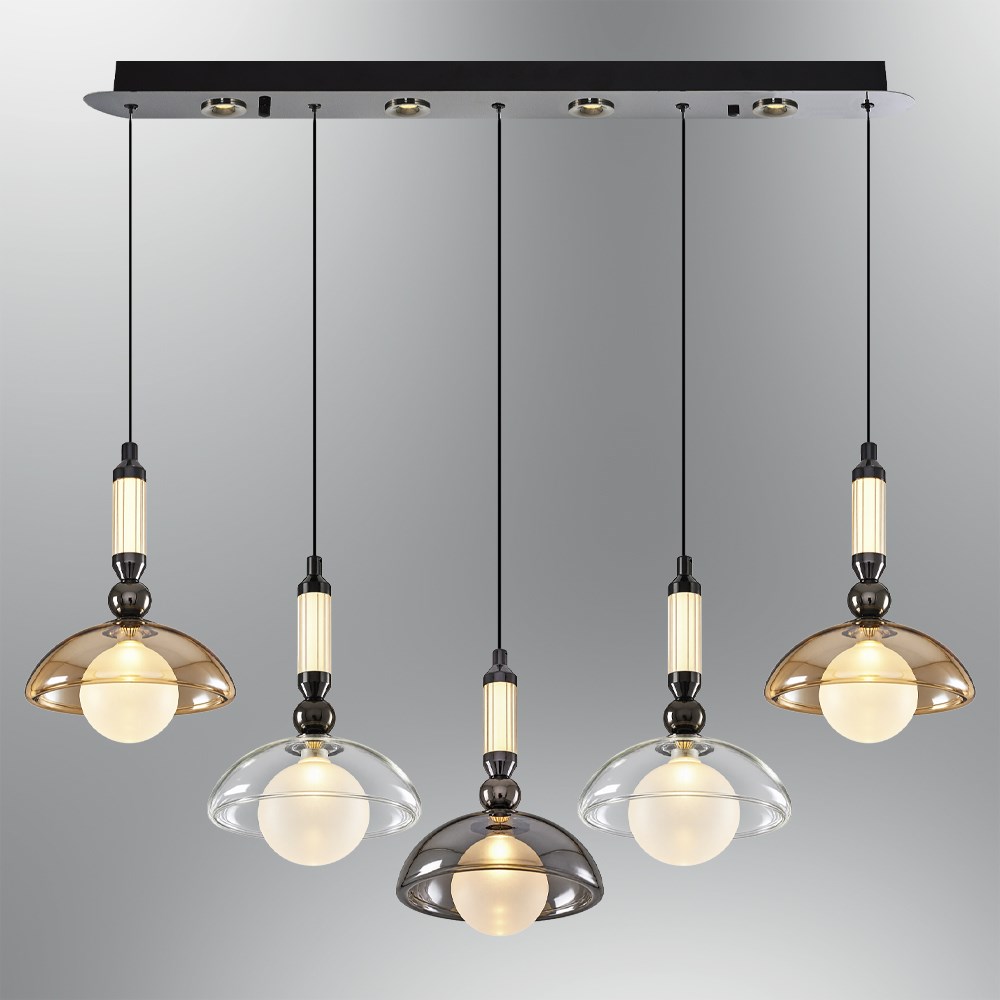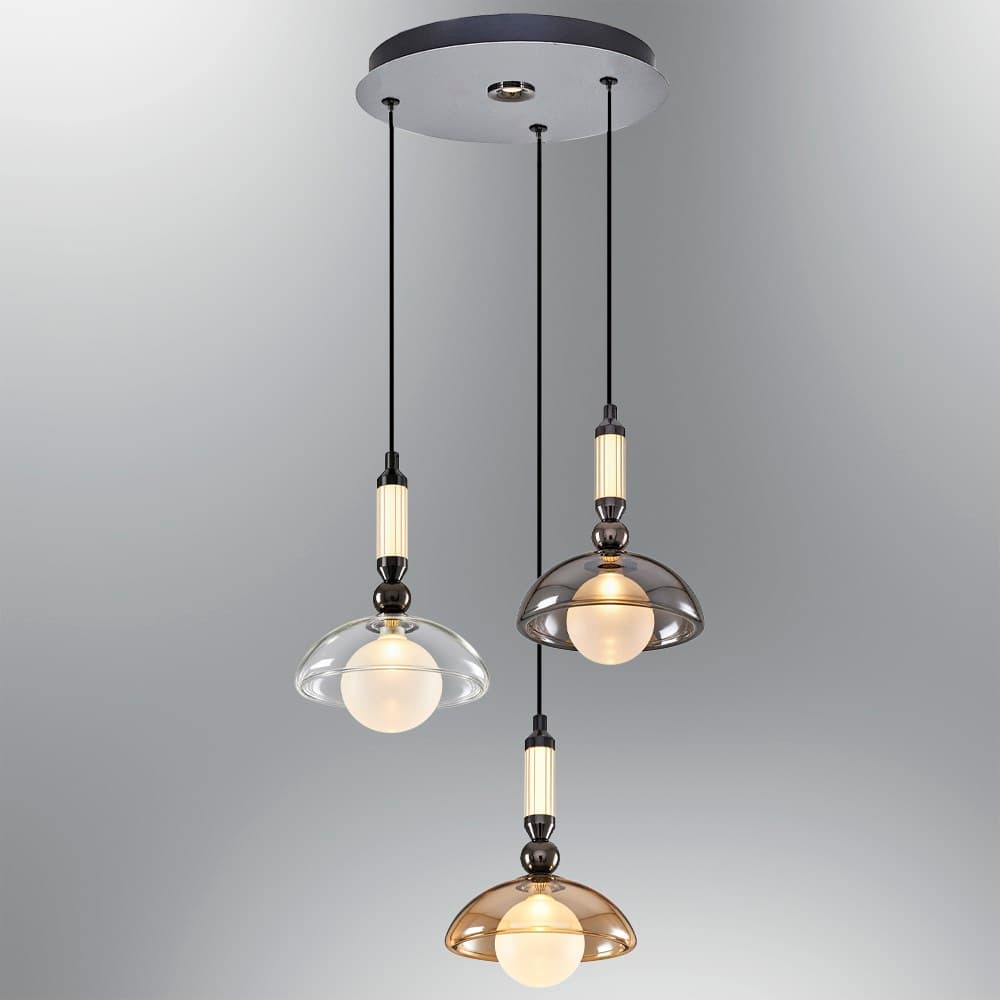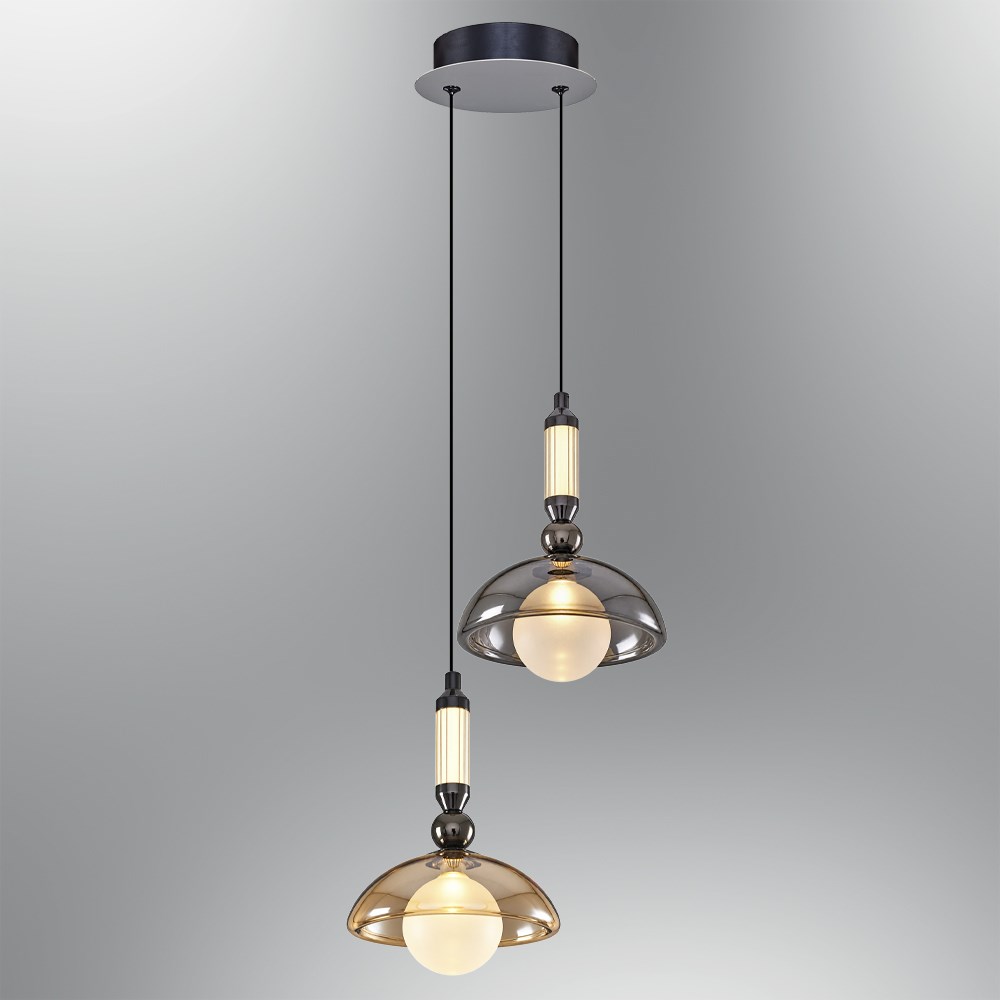
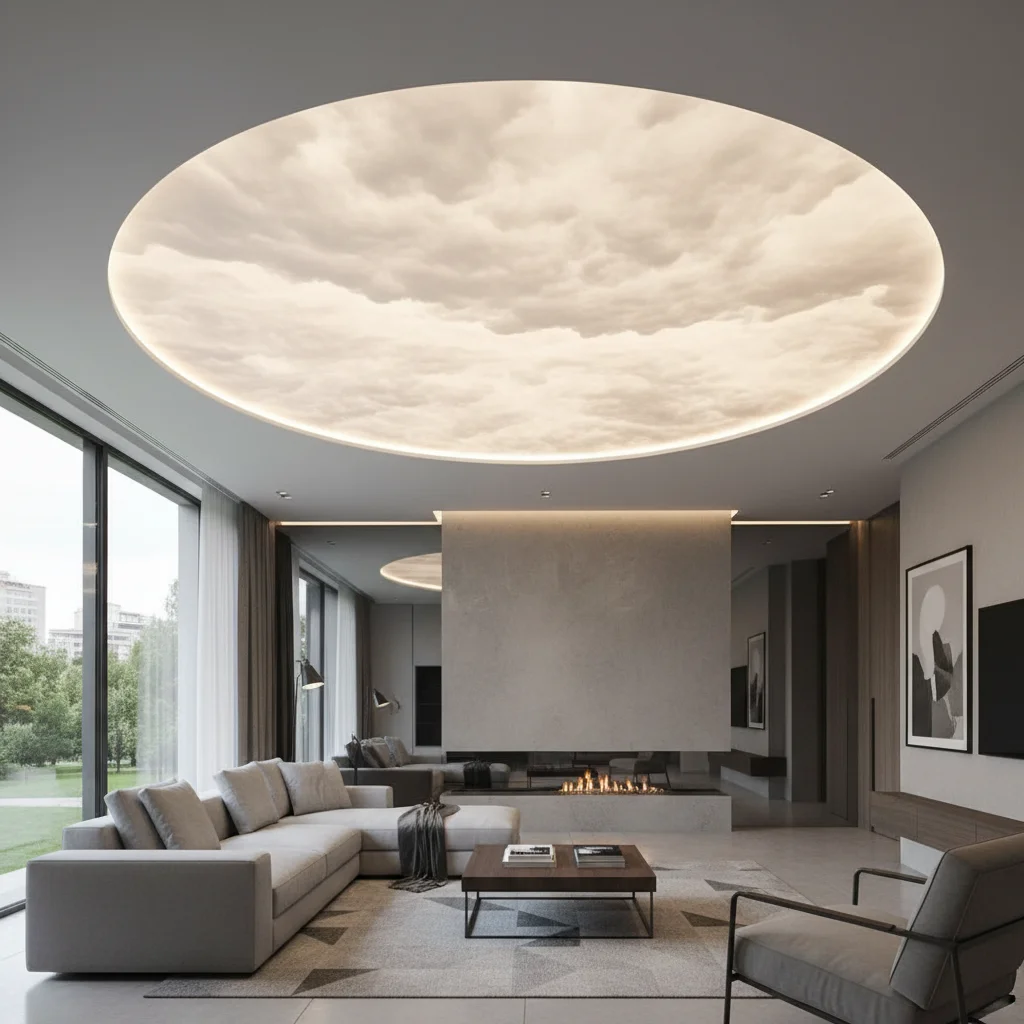
A stretch ceiling, consisting of a flexible PVC or fabric-based membrane stretched onto a special perimeter profile, is an indispensable element of contemporary interior design. Compared to traditional ceiling solutions, it adds a modern touch to spaces with its aesthetic versatility, quick installation, and practical advantages. These systems promise both visual appeal and long-lasting use, ushering in a new era in ceiling decoration.
What Exactly is a Stretch Ceiling and What Materials Are Used to Produce It?
A stretch ceiling is a modern ceiling covering system consisting of a flexible membrane stretched onto a frame mounted below the existing ceiling surface, on walls, or on special support profiles. This membrane is typically produced from high-quality polyvinyl chloride (PVC) or polyester fabric-based materials. The primary purpose of the system is to create a perfectly flat, aesthetic, and functional ceiling surface.
The PVC membranes used are typically 0.18 mm to 0.25 mm thick and can be easily shaped by heating due to their flexible structure. Fabric-based stretch ceilings, on the other hand, are generally made of polyester and offer a more matte finish compared to PVC. Both materials can possess antistatic and antibacterial properties and are usually produced in accordance with fire-retardant standards. These characteristics make stretch ceilings a preferred solution from both an aesthetic and hygienic perspective.
What Are the Main Types of Stretch Ceiling Systems?
Stretch ceilings are categorized into different types based on the visual effects they offer. "Glossy" or "lacquer" stretch ceilings create a mirror-like effect, adding depth and spaciousness to rooms due to their high reflectivity. "Matte" and "satin" surfaces, conversely, diffuse light more softly, offering a calmer and more natural atmosphere. Matte ceilings provide a non-reflective, homogeneous appearance, while satin ceilings give a silky touch with a slight sheen.
Among the design options, "printed" stretch ceilings stand out; these systems create personalized spaces by printing desired visuals (photos, patterns, logos) onto the membrane in high resolution. "Translucent" stretch ceilings, when used with backlighting, transform the entire ceiling surface into a homogeneous light source. "3D" stretch ceilings, on the other hand, offer architecturally striking effects by creating three-dimensional forms through special profiling and membrane shaping.
How is the Stretch Ceiling Installation Process Carried Out and How Long Does It Take?
Stretch ceiling installation is a process that requires specialized training and careful application. The first step involves fixing special mounting profiles, typically made of aluminum, around the perimeter of the ceiling. These profiles determine the final shape and height of the ceiling. Subsequently, the stretch ceiling membrane is brought to the application area and made flexible by heating it to approximately 50-70°C with the aid of a special heater (usually a heat gun).
Once the membrane is sufficiently flexible, it is carefully stretched and locked into the profile channels using special tools, starting from the corners. As it cools, the membrane tightens, creating a perfectly flat and smooth surface. This method is much faster than traditional gypsum board applications; typically, installation for a medium-sized room can range from a few hours to a day. This speed ensures that spaces are ready for use in a short amount of time.
What Are the Differences and Advantages of Stretch Ceilings Compared to Traditional Gypsum Board Ceilings?
Stretch ceilings offer many distinct advantages compared to traditional gypsum board ceilings. In terms of installation time, stretch ceilings are installed much faster and generate almost no construction waste or dust, whereas gypsum board applications can take days and cause significant mess. Stretch ceilings provide a smooth, monolithic surface, eliminating issues like cracking or yellowing; gypsum board, however, can show cracks at joint lines over time.
Functionally, stretch ceilings provide superior protection, especially against water damage; thanks to their flexible structure, they can collect and drain water, whereas gypsum board suffers permanent damage and can collapse when exposed to water. Furthermore, stretch ceilings can be dismantled and reinstalled, while gypsum board must be completely replaced if repairs or changes are needed. In terms of design flexibility, stretch ceilings offer a much wider range of visual options, such as glossy, printed, or translucent finishes, giving spaces a unique identity.
How Are Stretch Ceilings Integrated with Lighting and Decoration?
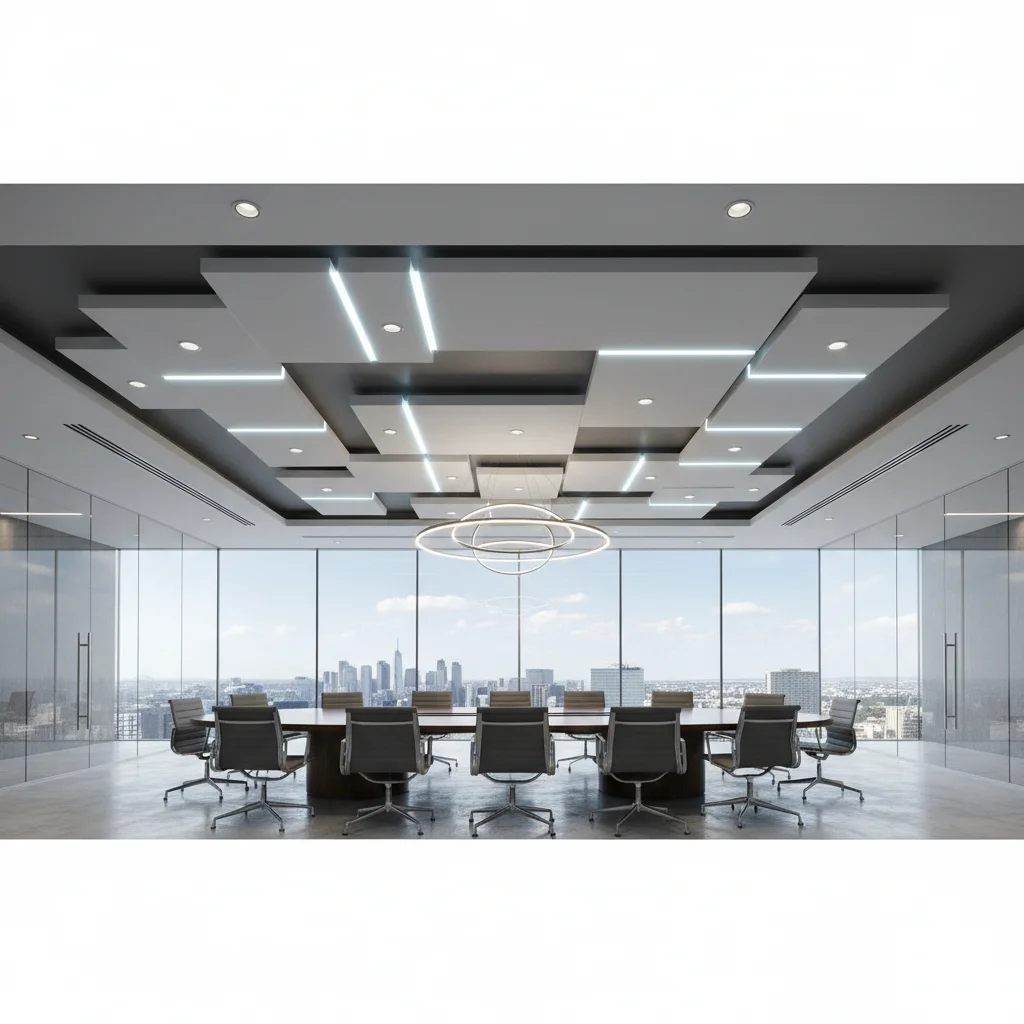
Stretch ceilings are in perfect harmony with modern lighting solutions and have the potential to transform the atmosphere of spaces. Particularly "translucent" membranes allow the entire surface to function as a homogeneous light source through LED panels or strips placed behind the ceiling. This creates impressive lighting scenarios that mimic natural daylight or can be adjusted to desired color tones.
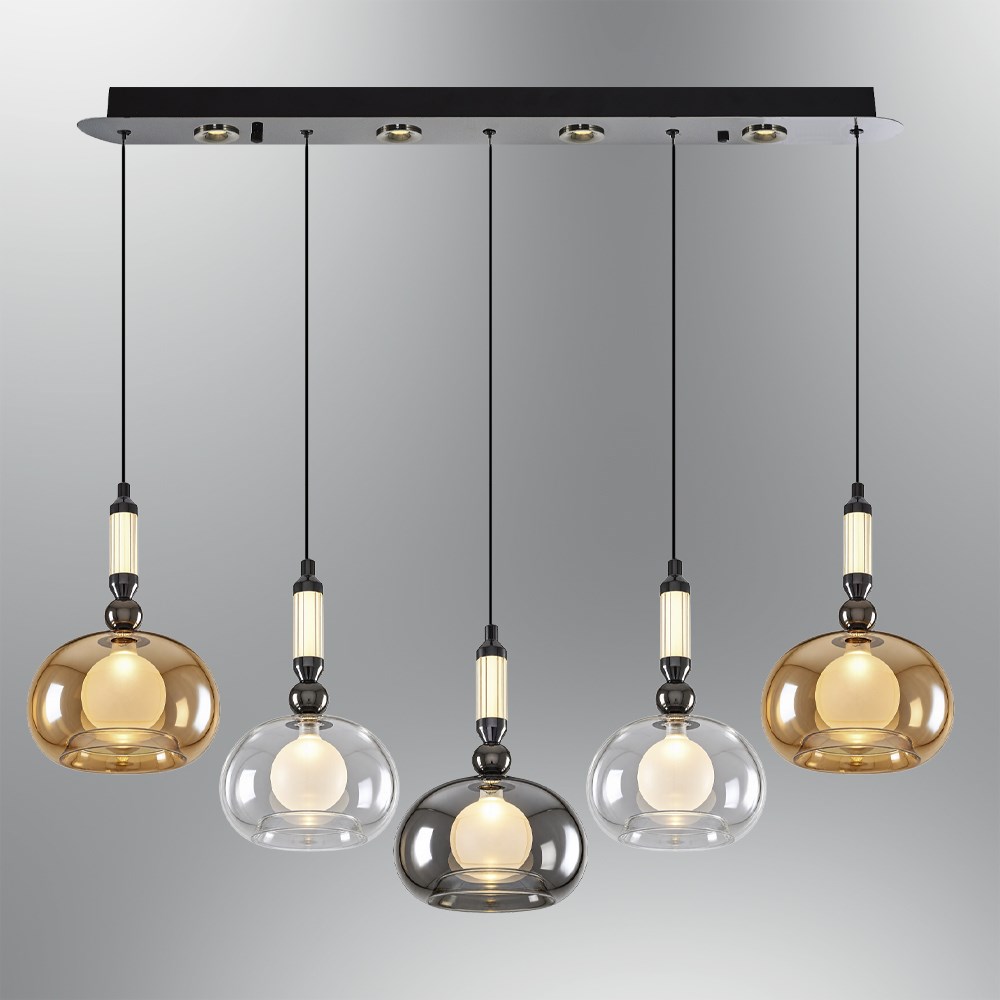
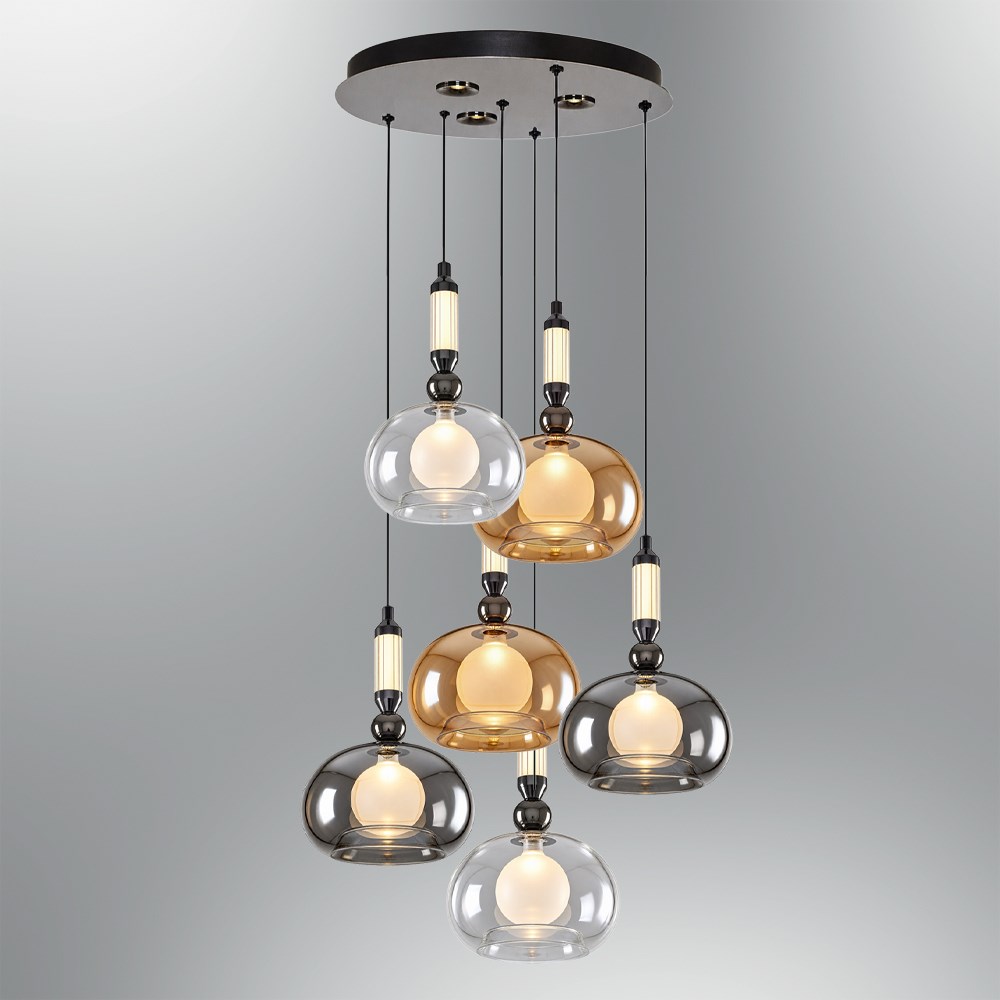
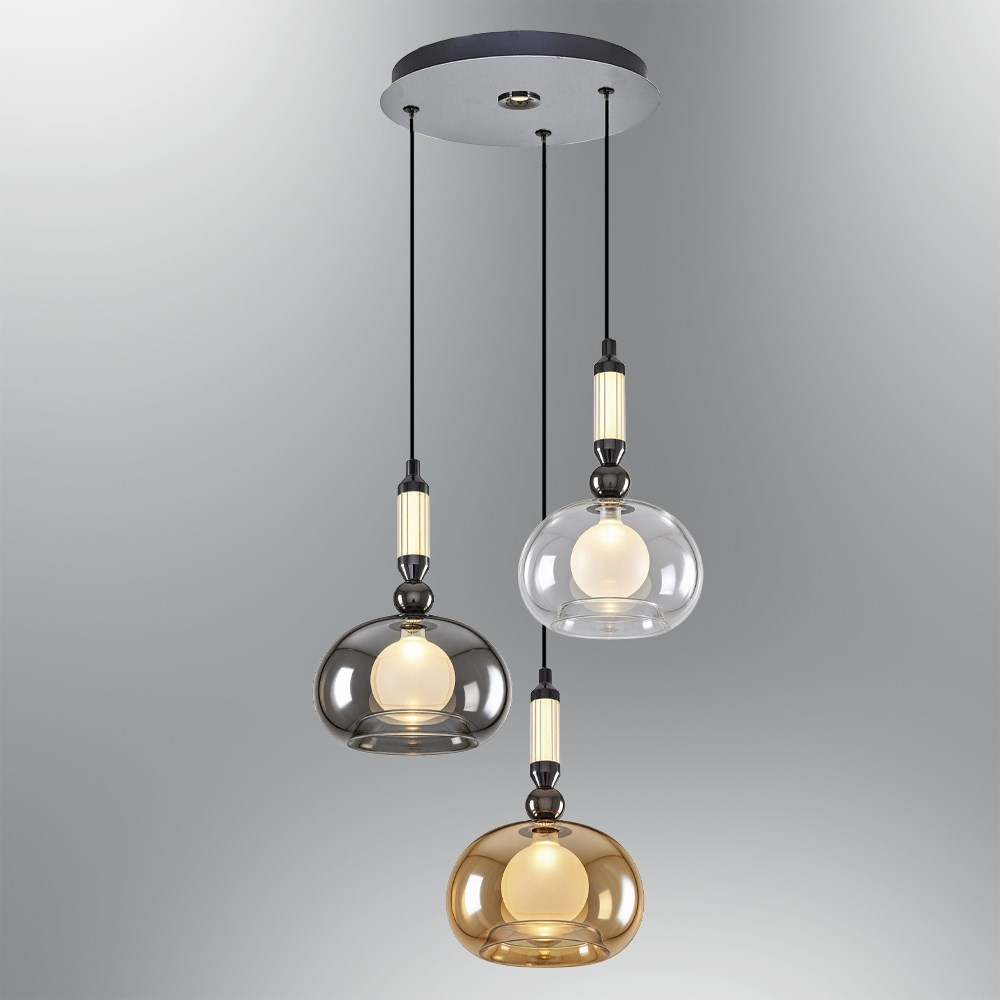
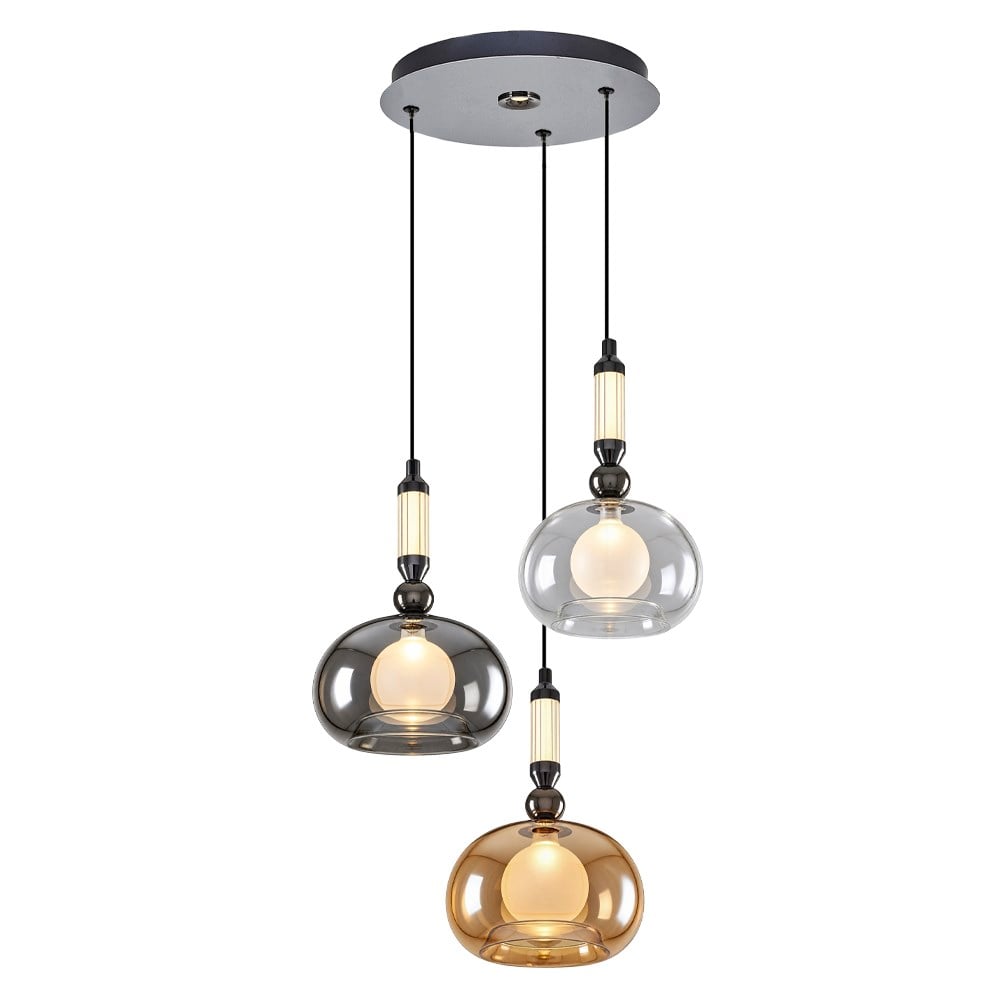
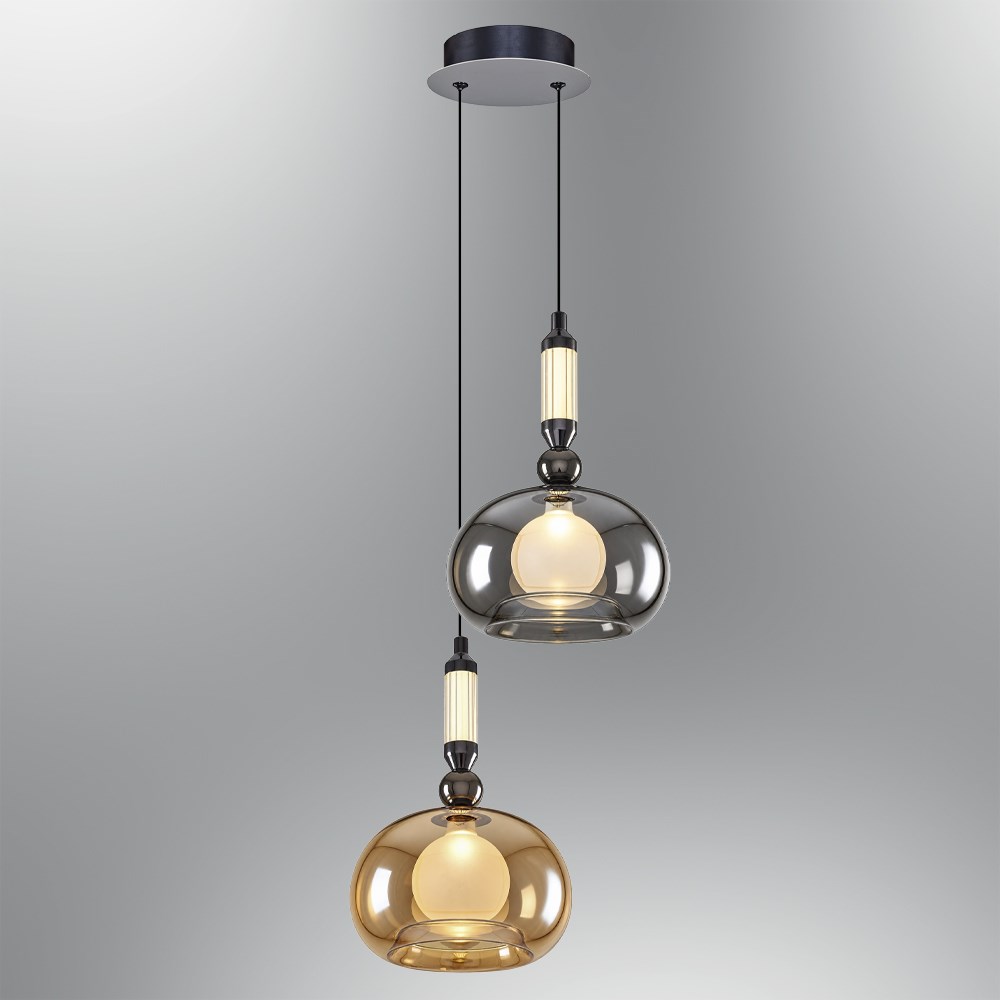
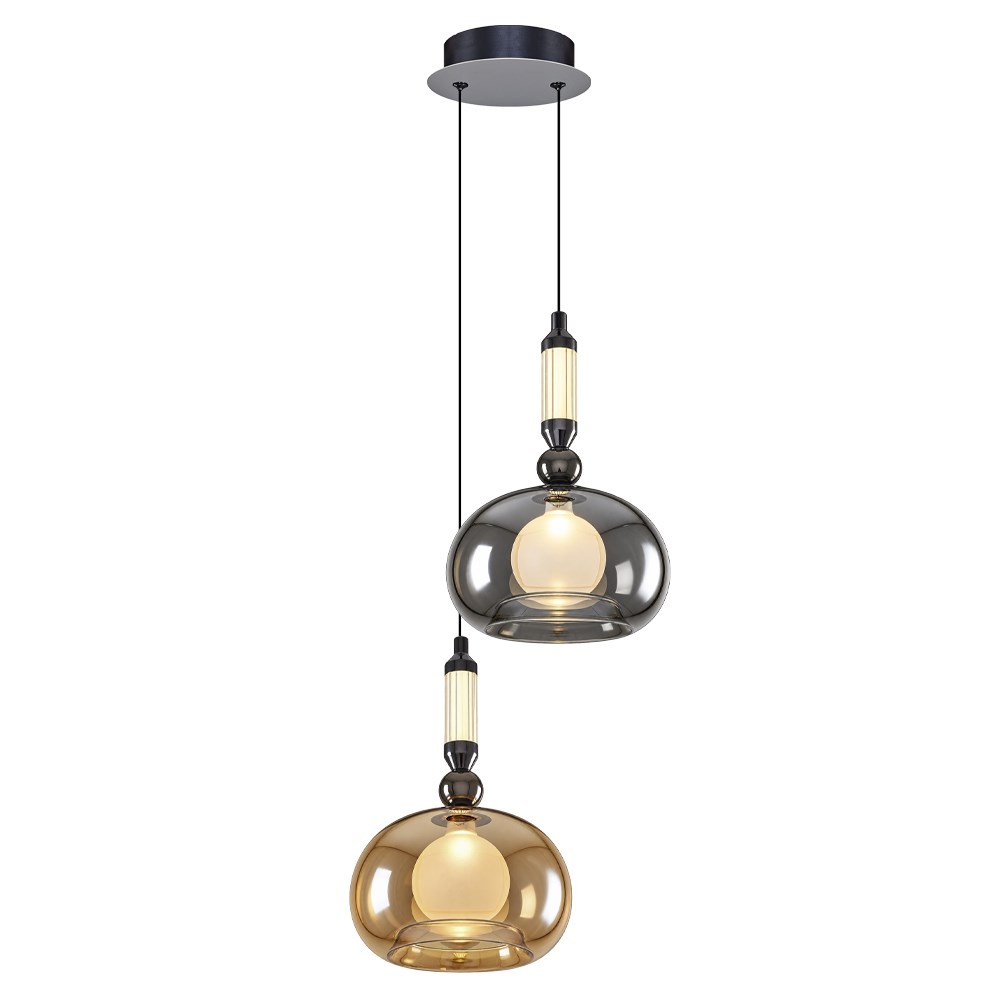
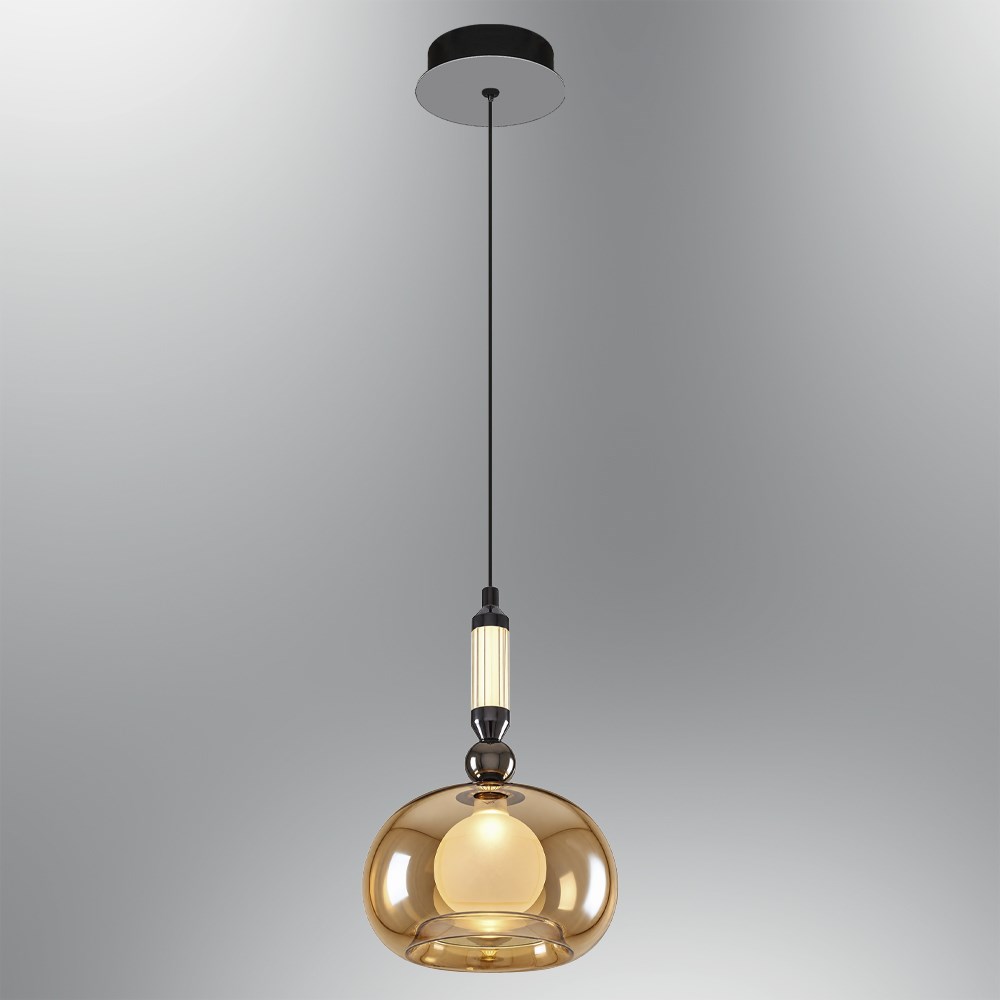
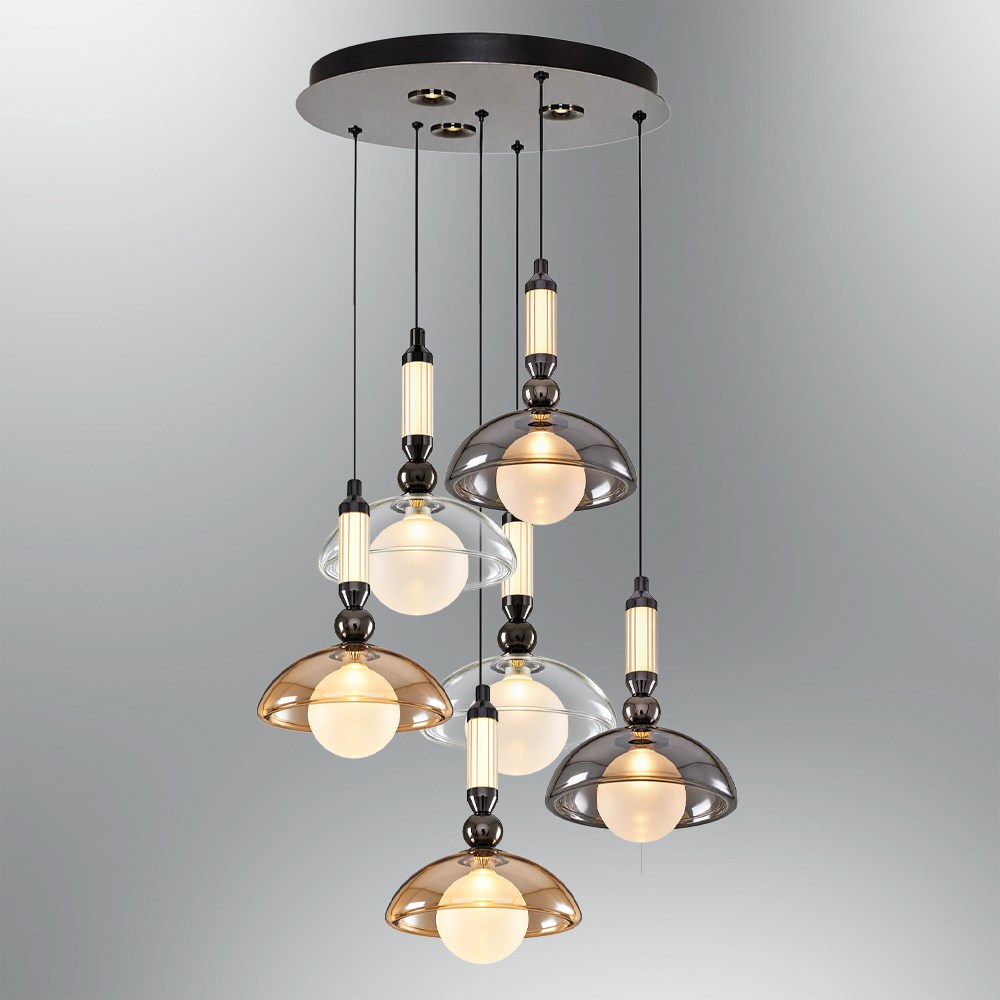
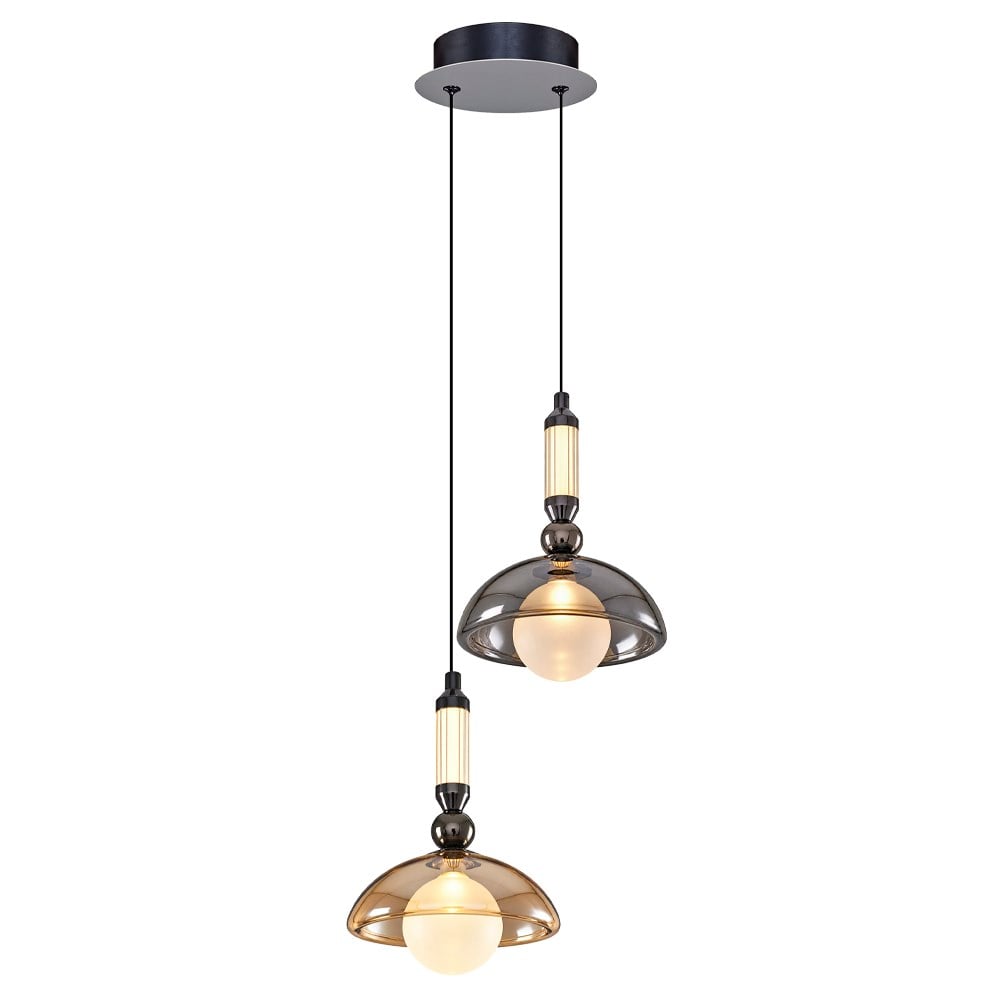
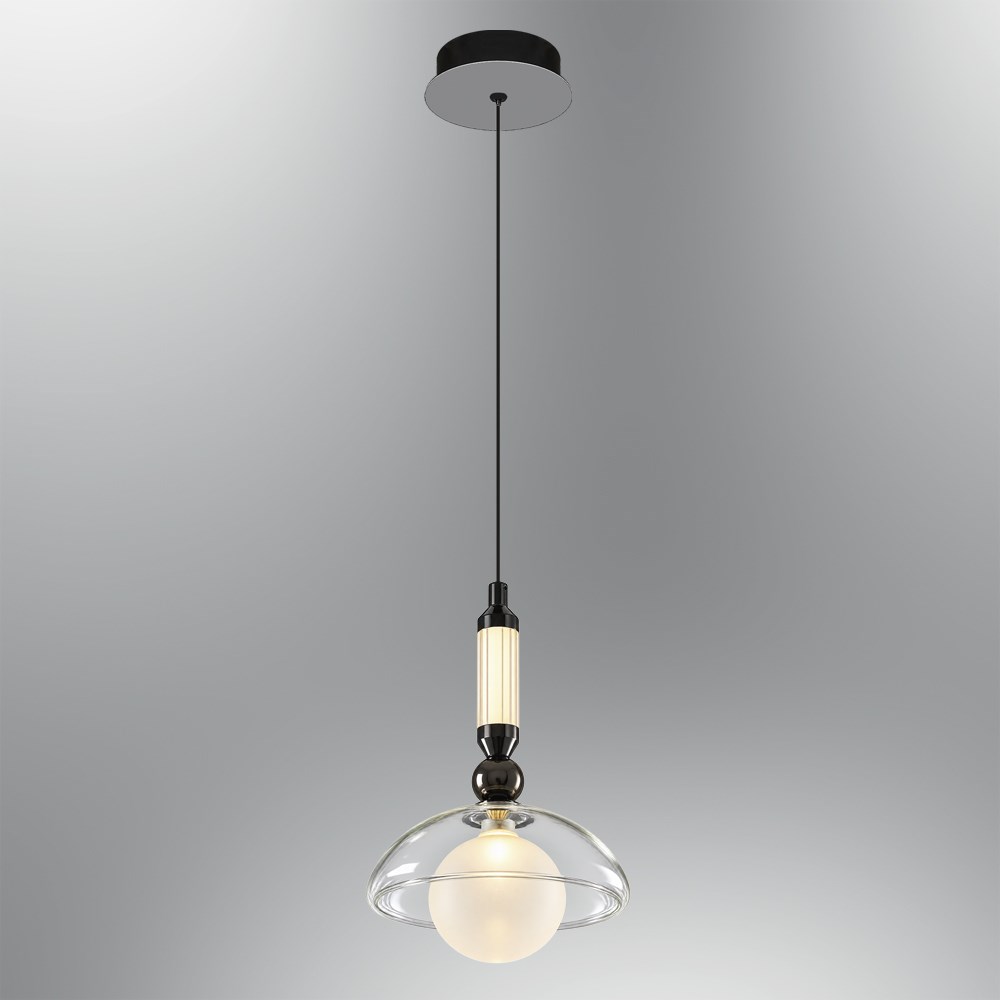
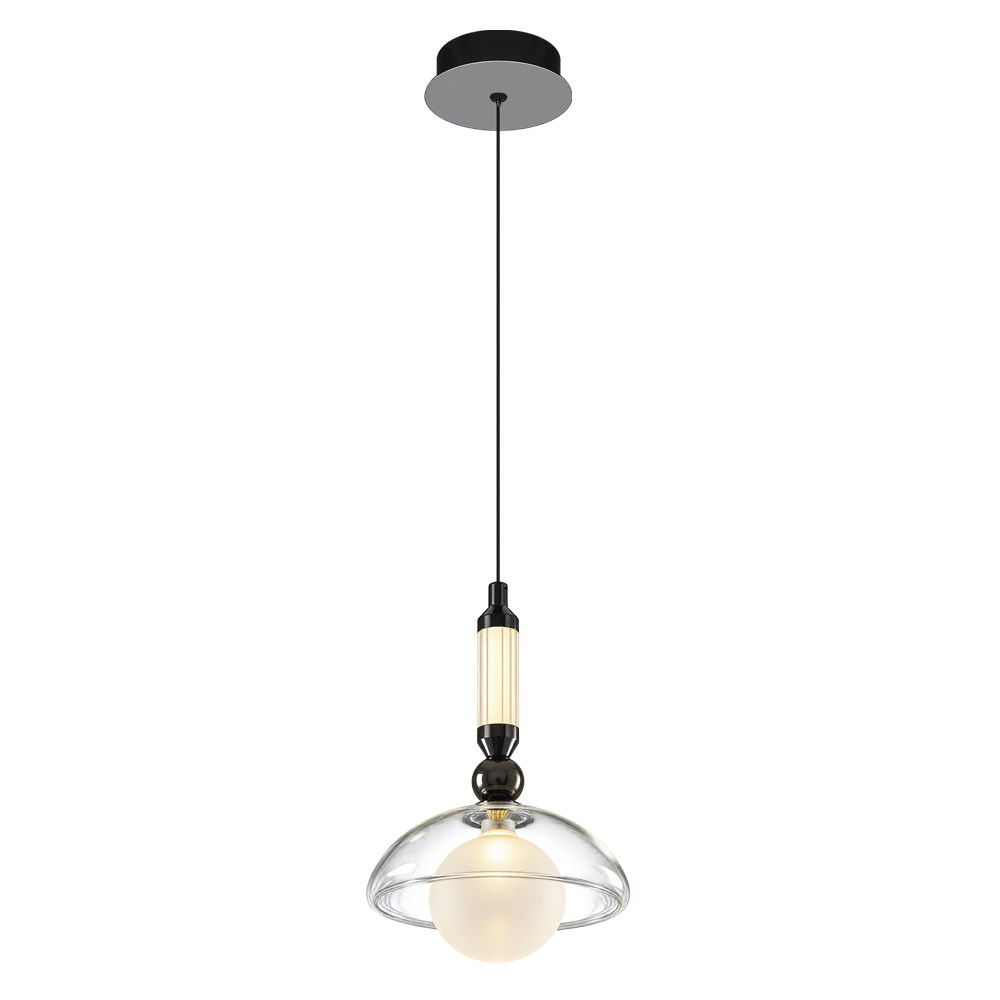
Cove lighting systems are integrated into the edges or special niches of the stretch ceiling, adding an indirect and soft ambiance to the space. Spotlights, chandeliers, or fiber optic lighting elements can also be easily mounted on the stretch ceiling surface. These integrations ensure that the ceiling is not just a covering but also a central part of the decoration and lighting, thereby adding depth and character to spaces.
How Durable Are Stretch Ceilings Against Water Damage?
One of the most significant and practical advantages of stretch ceilings is their high resistance to water damage. Particularly PVC-based membranes, thanks to their flexible and waterproof structure, can successfully contain water leaks or pipe bursts from upper floors. The membrane flexes under the weight, holding the accumulated water like a pool, and preventing damage to items or furniture on lower floors.
In the event of water damage, professional teams can carefully open a corner of the membrane to safely drain the accumulated water. After the water is removed, the membrane is usually heated to restore its original tension and form, thus preserving the ceiling's aesthetics and functionality. This feature makes stretch ceilings an extremely reliable solution, especially for areas prone to water risk like bathrooms and kitchens, and for commercial buildings.
In Which Areas Are Stretch Ceiling Systems Suitable for Use?
The versatility of stretch ceilings makes them ideal for a wide range of applications. In residential settings, they offer a modern and aesthetic appearance in every area, from living rooms to bedrooms, bathrooms to kitchens. Especially in spaces with low ceilings, glossy stretch ceilings have the potential to make the room appear higher and more spacious with their reflective surfaces.
In commercial areas, they are frequently preferred for hotel lobbies and rooms, restaurants, shops, offices, exhibition halls, and even humid environments like swimming pools. Thanks to their hygienic properties and easy-to-clean structure, they can also be used in healthcare facilities. Printed or 3D stretch ceilings serve as an effective decorative element in special projects that reflect corporate identity or create a specific ambiance.
Why Should Stretch Ceiling Installation Be Performed by a Professional Team?
Stretch ceiling installation is far from a simple DIY project and must be carried out by a professional team for a successful outcome. The application involves steps requiring expertise, such as special heating equipment, precise measuring tools, and correct membrane stretching techniques. Incorrect heating or stretching can lead to damage to the membrane, a wavy surface, or improper profile seating.
Professional teams select the most appropriate profile system for the ceiling's structure, seamlessly integrate lighting, and provide solutions for potential technical issues. Furthermore, they offer warranty and service support for any post-installation concerns. Expert application guarantees that your stretch ceiling will maintain its aesthetic and functional properties for many years. For a high-quality stretch ceiling solution, you can contact our expert team at our store.
Related guides: How to Maintain and Clean a Stretch Ceiling?, What is a Mirror Ceiling, Where is it Used?, What is a 3D Wall Panel, How is it Mounted?. For a turnkey application for your project, please review our stretch ceiling service page.