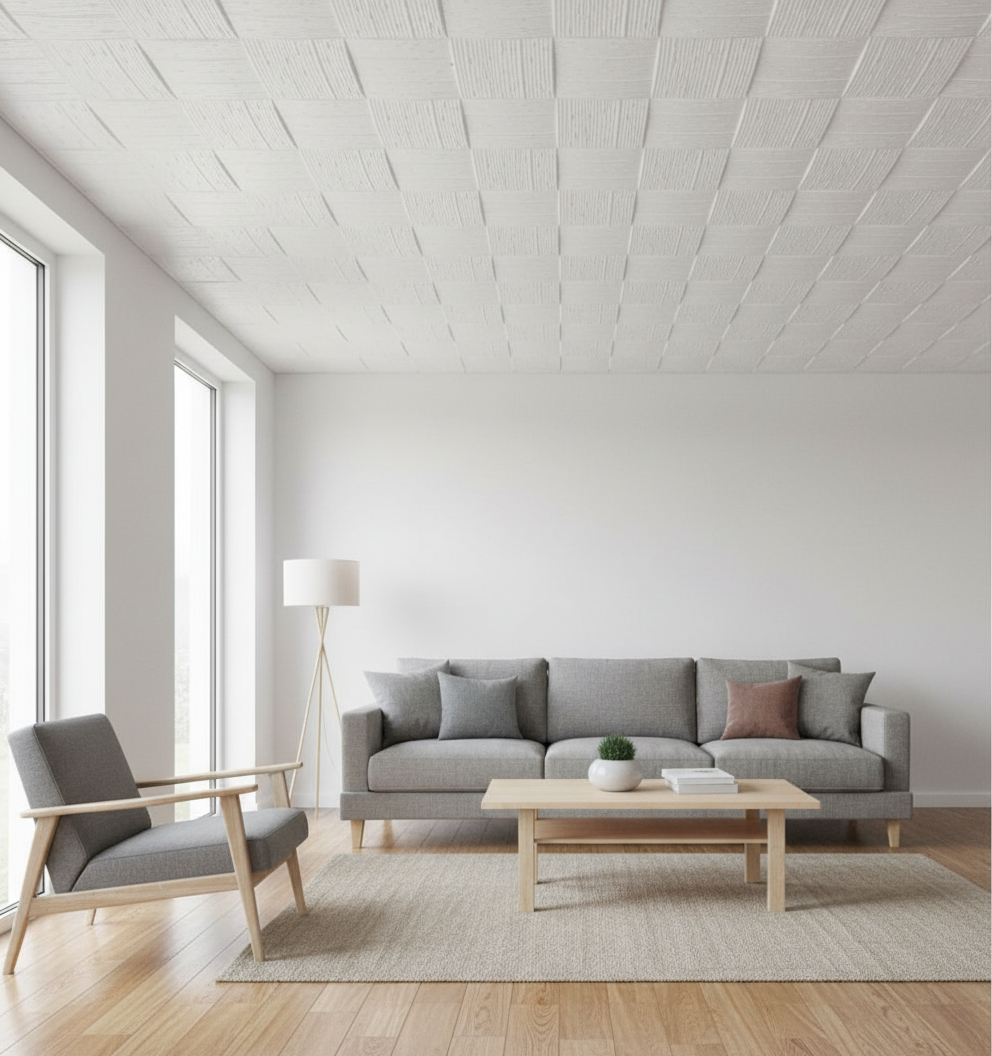
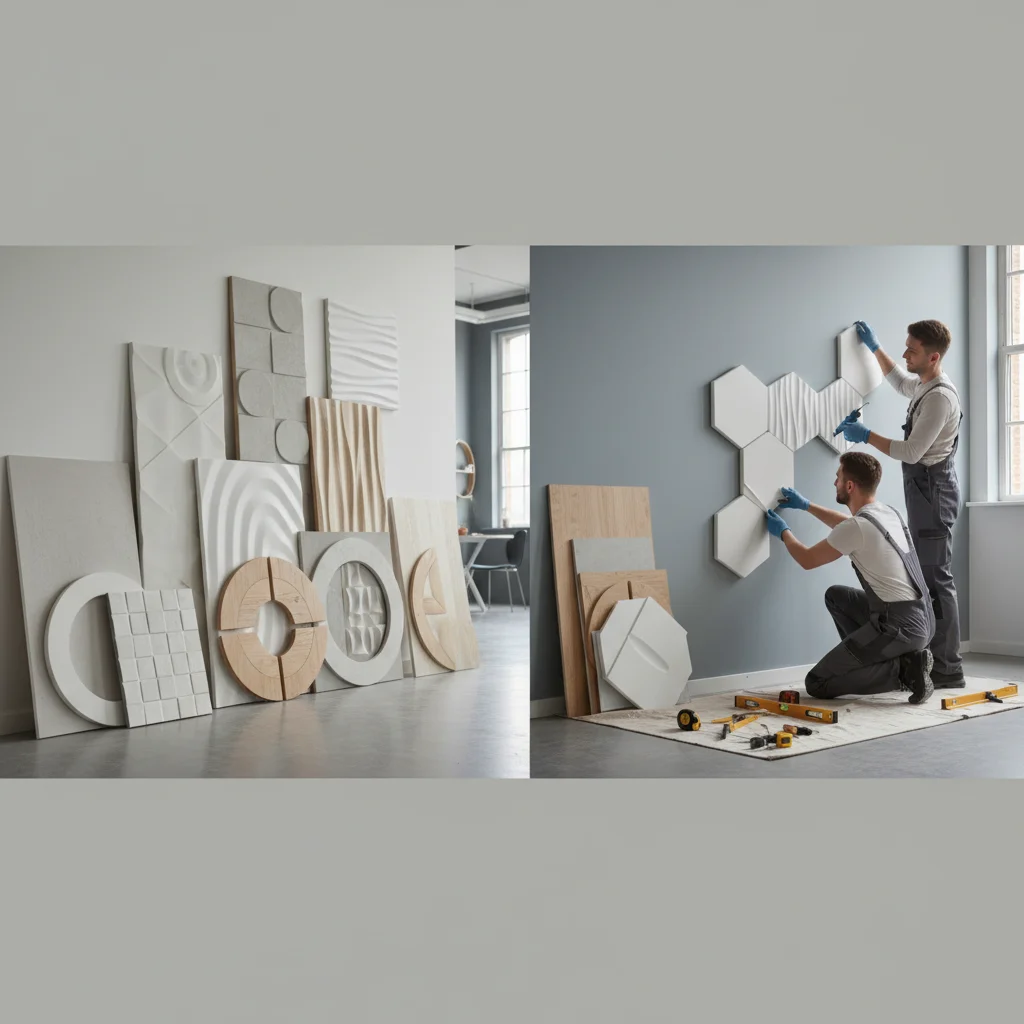
3D wall panels are decorative surfaces designed to add a three-dimensional aesthetic and a modern touch to living spaces and commercial areas. Thanks to their embossed patterns, they create plays of light and shadow, adding depth to a space and transforming ordinary walls into striking focal points. Their installation can generally be done easily with proper preparation and suitable techniques.
What Exactly Are 3D Wall Panels and What Do They Add to Spaces?
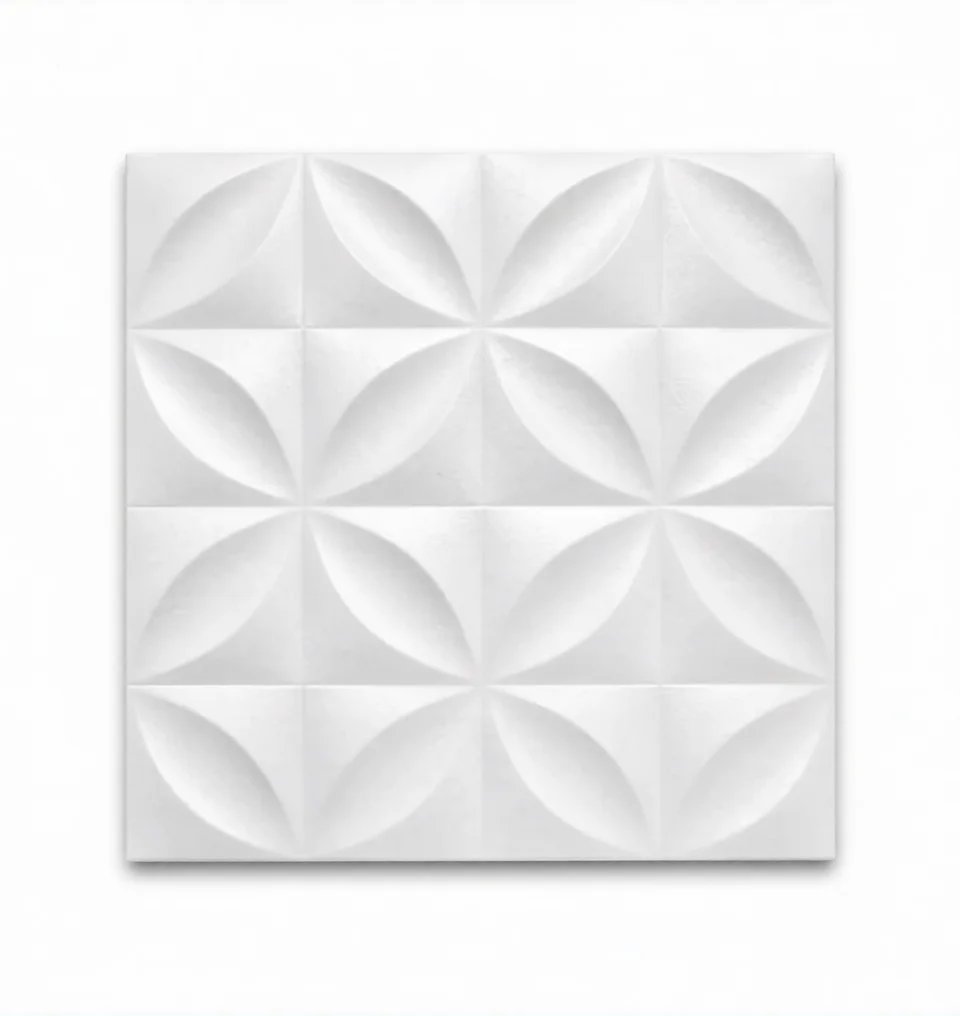
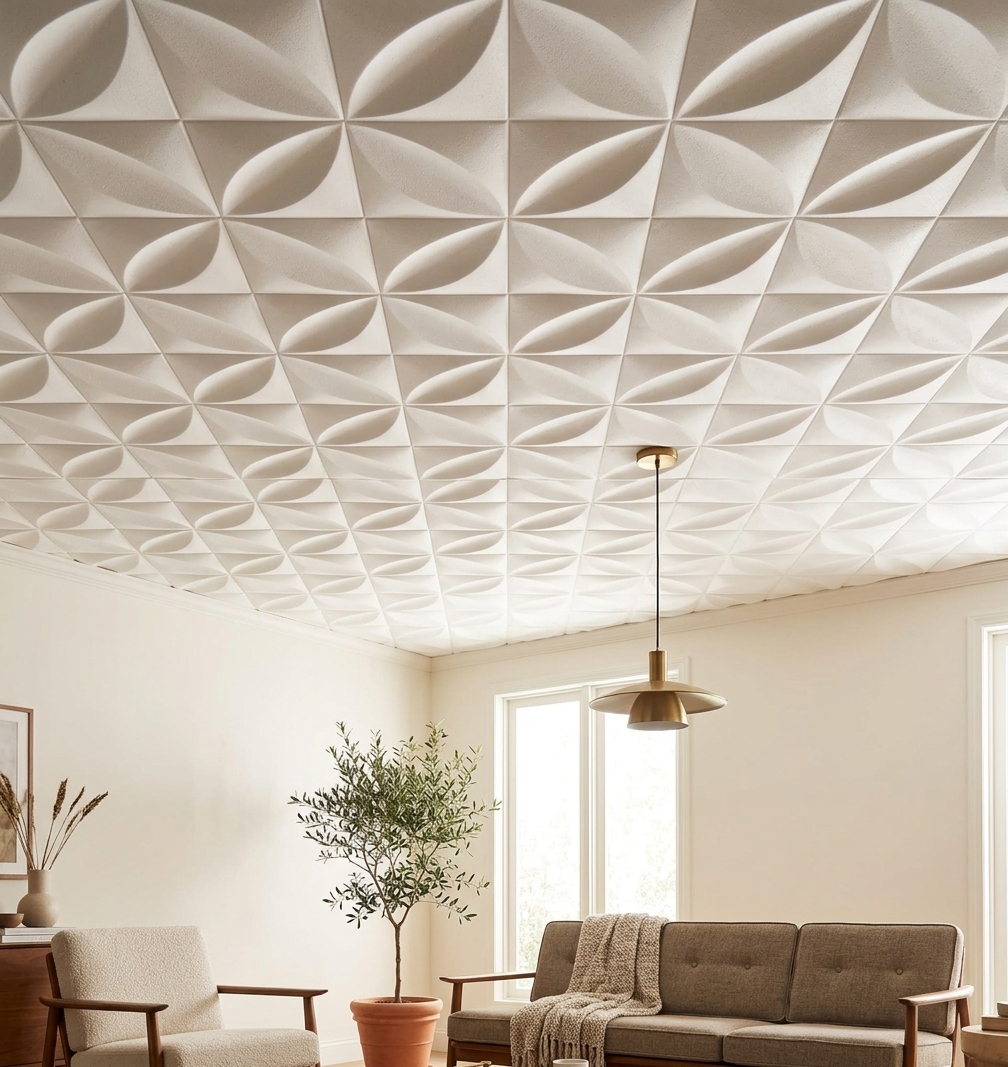
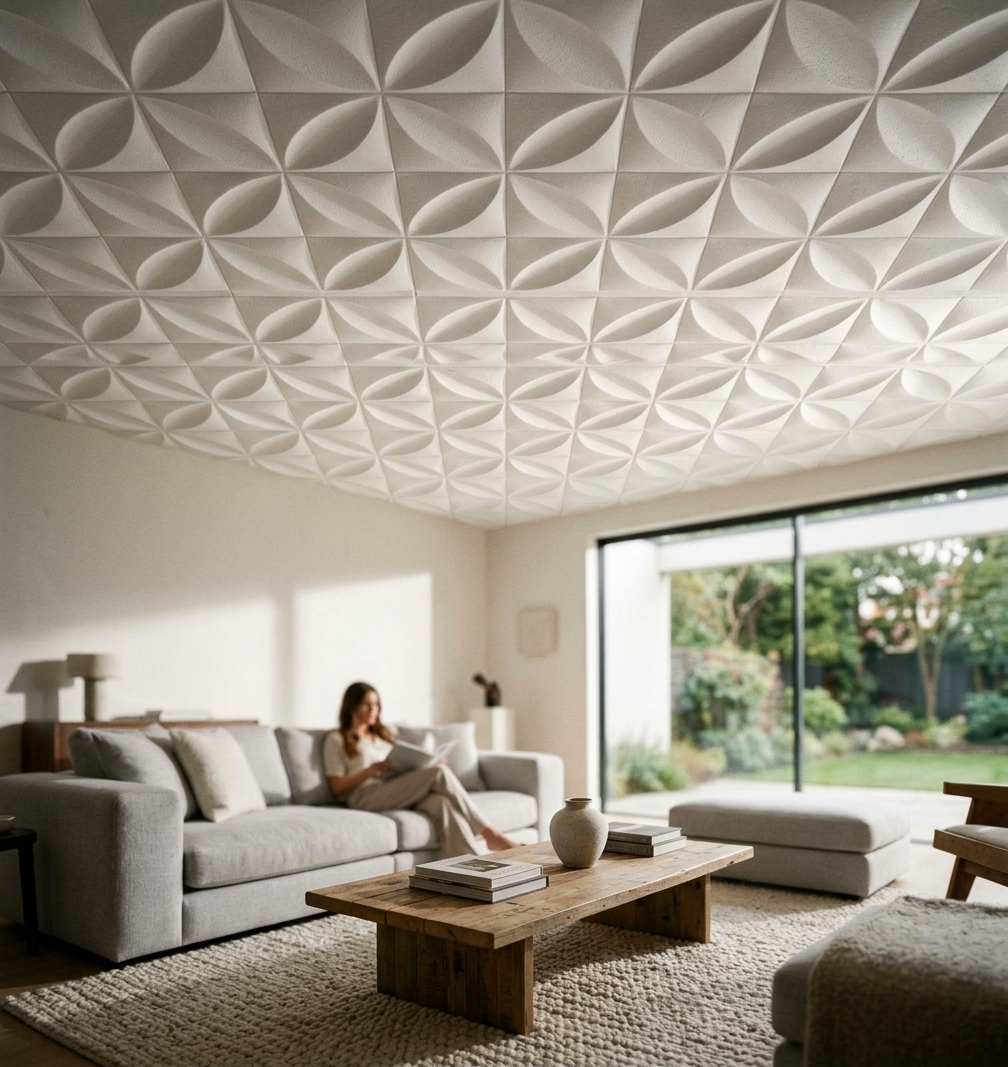
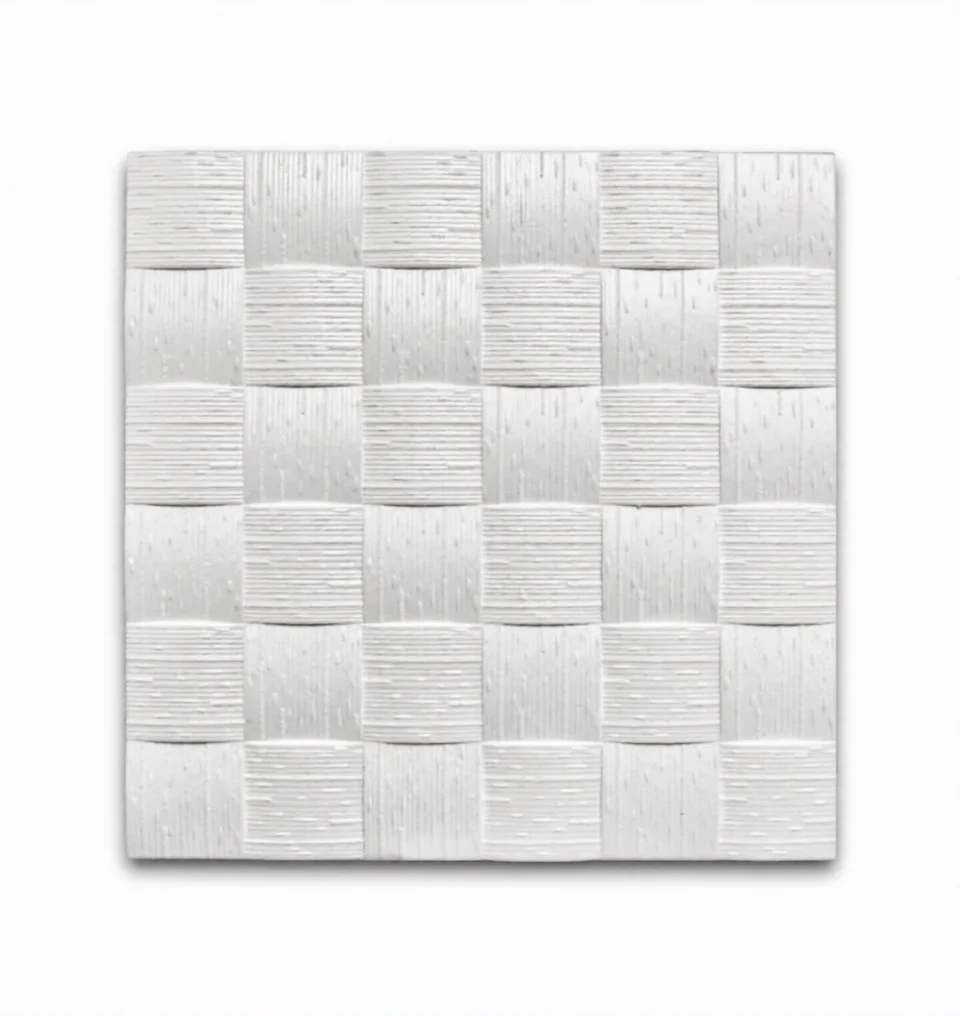
3D wall panels are decorative cladding materials with embossed patterns that add depth and texture to standard wall surfaces. They are typically produced in modular sizes such as 30x30 cm, 50x50 cm, or 60x60 cm, and are joined side-by-side to create a seamless surface. These panels interact with light to create dynamic plays of shadow, adding a lively and vibrant atmosphere to a space instead of a static appearance.
Their greatest value to spaces is their ability to instantly transform an ordinary wall into a focal point, an "accent wall." They offer a wide variety of patterns and materials that can adapt to many decoration styles, including modern, minimalist, industrial, or traditional. This allows you to achieve a unique and aesthetic touch in your living or commercial spaces, reflecting your personal taste.
Beyond aesthetics, some panels (especially PET felt types) offer acoustic improvements, reducing reverberation and enhancing sound comfort. They also provide practical benefits such as concealing minor imperfections on the wall surface and elevating the overall ambiance of the space.
What Materials Are 3D Wall Panels Made From?
**PVC (Polyvinyl Chloride) Panels:** Known for being lightweight, flexible, and highly water-resistant. Their easy-to-clean nature makes them suitable for humid areas like kitchens and bathrooms. They are generally available in self-adhesive or standard adhesive-required types, offering a wide range of colors and patterns. They are typically a cost-effective option in terms of price/performance.
**MDF (Medium-Density Fiberboard) and Laminate Panels:** These wood-based panels have a robust and durable structure. Their surfaces are typically reinforced with laminate coating to make them resistant to scratches and abrasion. They offer customization options with their paintable features. Being heavier, they may require stronger adhesives or screwing methods for installation. Models imitating natural wood textures or featuring modern geometric patterns are available.
**Gypsum Panels:** Produced from gypsum, a completely natural material, these panels stand out with their non-combustible property and eco-friendly structure. They are generally offered in white and can be painted to any desired color. They are heavier than other panels and may require more skill for installation. A flawless surface can be achieved with joint filler, making them ideal for luxurious and artistic projects.
**Bamboo-Fiber Panels:** Produced from recycled bamboo fibers, these panels are an excellent option for environmentally conscious users. They have a lightweight, durable, and breathable structure. They typically come in natural beige tones and can be easily painted. While their moisture resistance is not as high as PVC, they are suitable for indoor use and offer a natural texture.
**PET Felt (Acoustic) Panels:** Produced from felt material obtained from recycled PET bottles, these panels are primarily used for sound insulation and acoustic regulation. In addition to being lightweight, their sound-absorbing properties reduce reverberation and improve the sound quality of the space. They are ideal for modern offices, studios, or home cinema rooms. With a wide range of colors and a soft texture, they also function as a decorative element.
What Preparations Should Be Made Before Starting 3D Wall Panel Installation?
**Surface Preparation:** Before starting the installation process, it is critical to ensure that the wall surface is clean, dry, and smooth. Dust, dirt, oil, or loose paint residues on the wall should be completely removed with a brush or a damp cloth. If there are signs of moisture or mold on the wall, these issues must be resolved before the panels are installed. Otherwise, the adhesive performance of the panels may be negatively affected, leading to long-term problems.
**Surface Leveling and Repair:** Cracks, holes, or large imperfections on the wall surface should be filled with gypsum or putty and sanded to achieve a completely flat surface. This step should not be skipped to ensure the panels fit perfectly and present an aesthetic appearance. Even contact of the adhesive on the back of the panels with the entire surface is essential for a strong bond. Even small surface differences can prevent the panel from seating properly.
**Measurement and Planning:** The width and height of the application area must be measured accurately. How the panels will be placed on the wall, areas requiring cutting, and the starting point should be planned in advance. It is generally preferred to start from the center of the wall to achieve a symmetrical look. This planning prevents material waste and speeds up the installation process. A utility knife, saw, or special cutting tools should be prepared for necessary cuts.
How to Fix 3D Wall Panels to the Wall: Adhesive and Screw Options
**Choosing the Right Adhesive:** Selecting the correct adhesive is of great importance, depending on the material of the 3D wall panels and the characteristics of the wall surface. Silicone-based, polyurethane-based, or acrylic-based construction adhesives are commonly used. While lighter and more flexible adhesives are usually sufficient for PVC and bamboo-fiber panels, high-strength, strong-grip adhesives should be preferred for heavier panels such as MDF and gypsum. The drying time and application instructions of the adhesive must be read carefully.
**Adhesive Application:** The adhesive is usually applied to the back surface of the panels either in dots (at corners and center) or in strips. Overuse of adhesive should be avoided, as excess can squeeze out from the edges of the panels, creating an unesthetic appearance. After applying the adhesive, the panel is carefully placed on the wall and held with constant pressure for a few seconds to ensure adhesion.
**Screwing Method (For MDF/Laminate Panels):** Especially for thicker and heavier panels like MDF or laminate, screwing can be preferred in addition to adhesive. This ensures a more robust and permanent fixation of the panels. Screws are usually concealed within the panel's pattern or at the joints to maintain aesthetic integrity. Pre-drilling is recommended during the screwing process to prevent the panel from cracking. This method provides additional security, especially in high-traffic areas or where extra load will be placed on the panels.
How to Align Panels and Conceal Joints for a Professional Finish?
**Alignment and Starting Point:** Correct alignment of the panels is one of the most crucial steps for a professional look. Generally, installation begins from the center of the wall or a prominent corner. A spirit level and plumb bob should be used to ensure the first panel is perfectly straight, both horizontally and vertically. This initial panel will serve as a reference point for all subsequent panels. After each panel is placed, it should be checked again with a spirit level, and minor adjustments made if necessary.
**Minimizing Joint Gaps:** Leaving the smallest possible joint gaps between panels ensures a seamless and integrated appearance. Most 3D panels are designed to fit perfectly at their edges. However, especially with gypsum panels or panels to be painted, very small gaps may remain. These gaps should be filled with an appropriate joint filler or gypsum putty, and excess material cleaned before it dries. This process makes the panels appear as a single surface.
**Corner and Edge Finishes:** Special attention should be paid to wall corners and the edges where panels terminate. Precise cutting of panels or the use of appropriate corner profiles in internal and external corners ensures neat and aesthetic finishes. Some panels come with special edge trim pieces. If the panels are to be painted, sanding should be done to ensure the joint filler and finishes are smooth. These details directly affect the overall quality of the project.
Can 3D Wall Panels Be Painted, and How Should They Be Maintained?
**Paint Compatibility:** Not all 3D wall panels are paintable. Gypsum, MDF, and bamboo-fiber panels, in particular, are generally designed to be painted and can easily be transformed into the desired color. For these panels, water-based interior paints are usually preferred; matte, semi-matte, or glossy finishes can be used. PVC and PET felt panels, on the other hand, are typically self-colored or patterned and do not require painting. If you wish to paint PVC panels, special plastic primer and paint may be necessary, otherwise, the paint may not adhere to the surface.
**Cleaning and Maintenance:** Cleaning methods vary depending on the panel material. PVC panels, being water-resistant, can be easily wiped with a damp cloth or mild soapy water. MDF and gypsum panels are more sensitive to moisture; therefore, they should be wiped with a dry or slightly damp cloth, avoiding excessive wetness. Bamboo-fiber panels are also generally cleaned with a dry or slightly damp cloth. PET felt panels can be dusted using the soft brush attachment of a vacuum cleaner or wiped with a lightly damp cloth. Abrasive cleaners or stiff brushes should be avoided.
**Moisture Sensitivity:** MDF and gypsum-based panels, in particular, can deform or lose their structural integrity when exposed to high humidity. Therefore, the use of such panels is not recommended in excessively humid environments like bathrooms or outdoors. PVC and PET felt panels are more resistant to moisture and offer a safer option for these types of areas. It is important to follow the manufacturer's maintenance and usage instructions for the longevity of the panels.
In Which Areas of Your Home Do 3D Wall Panels Make a Difference?
**Behind the TV Unit:** 3D panels applied to the wall behind the TV unit in living rooms or lounges enhance the focal point of the space. They offer a modern aesthetic alongside the television itself, making the viewing experience more enjoyable. When combined with lighting, the embossed texture of the panels becomes even more pronounced, adding a sophisticated atmosphere to the room. This application is particularly popular in homes adopting minimalist or modern decor styles.
**Headboard Wall:** 3D panels applied to the wall behind the headboard in bedrooms add a luxurious and comfortable touch to the room. They instantly elevate the overall atmosphere of the bedroom, creating a relaxing and stylish environment. Soft-textured or natural-patterned panels, in particular, add warmth to the bedroom, while geometric patterns lend a modern feel. This application is ideal for those who wish to bring hotel room elegance into their home.
**Entryways and Hallways:** 3D wall panels used in the entrance of your home or in long hallways enhance the first impression that captivates your guests. Although these areas are often overlooked, they can be enlivened with 3D panels, transforming them into striking transition spaces that complement the overall aesthetic of the home. They add depth to narrow corridors while creating a modern and inviting welcome area in entryways.
**Office and Reception Areas:** In commercial spaces, especially reception areas, meeting rooms, or waiting lounges in offices, 3D wall panels can achieve a modern and professional look that reflects corporate identity. PET felt panels, in addition to their aesthetic contributions, can improve the efficiency of the work environment by providing sound insulation. These panels are an effective tool for reinforcing a brand's modern and innovative image.
Why Choose Us to Transform Your Spaces with 3D Wall Panels?
When you want to add depth, texture, and a unique aesthetic to your spaces, choosing the right 3D wall panel and getting professional support is paramount. We offer high-quality 3D wall panel solutions suitable for every taste and budget with our wide product range. From PVC to gypsum, bamboo-fiber to acoustic PET felt, we are here to help you turn your dream wall decoration into reality with various material and pattern options.
Our products are carefully selected to meet the highest standards in terms of durability and aesthetics. Furthermore, by providing detailed information and application tips on installation processes, we ensure you have a seamless experience, whether you choose to install them yourself or opt for professional support. Our expert team is ready to guide you through every stage of your project and offer the most suitable solutions.
Don't wait any longer to elevate your spaces from the ordinary and create a modern, impressive atmosphere. Visit our website or contact our store to explore our 3D wall panel collection. With our quality products, competitive prices, and customer-focused service approach, we are the right address to make a difference in your wall decoration. Get one step closer to your dream space and bring your walls to life!
Related guides: What is a Stretch Ceiling, How is it Made? Advantages, How to Maintain and Clean a Stretch Ceiling?, What is a Mirror Ceiling, Where is it Used?. For turnkey application for your project, you can review our decoration services page.