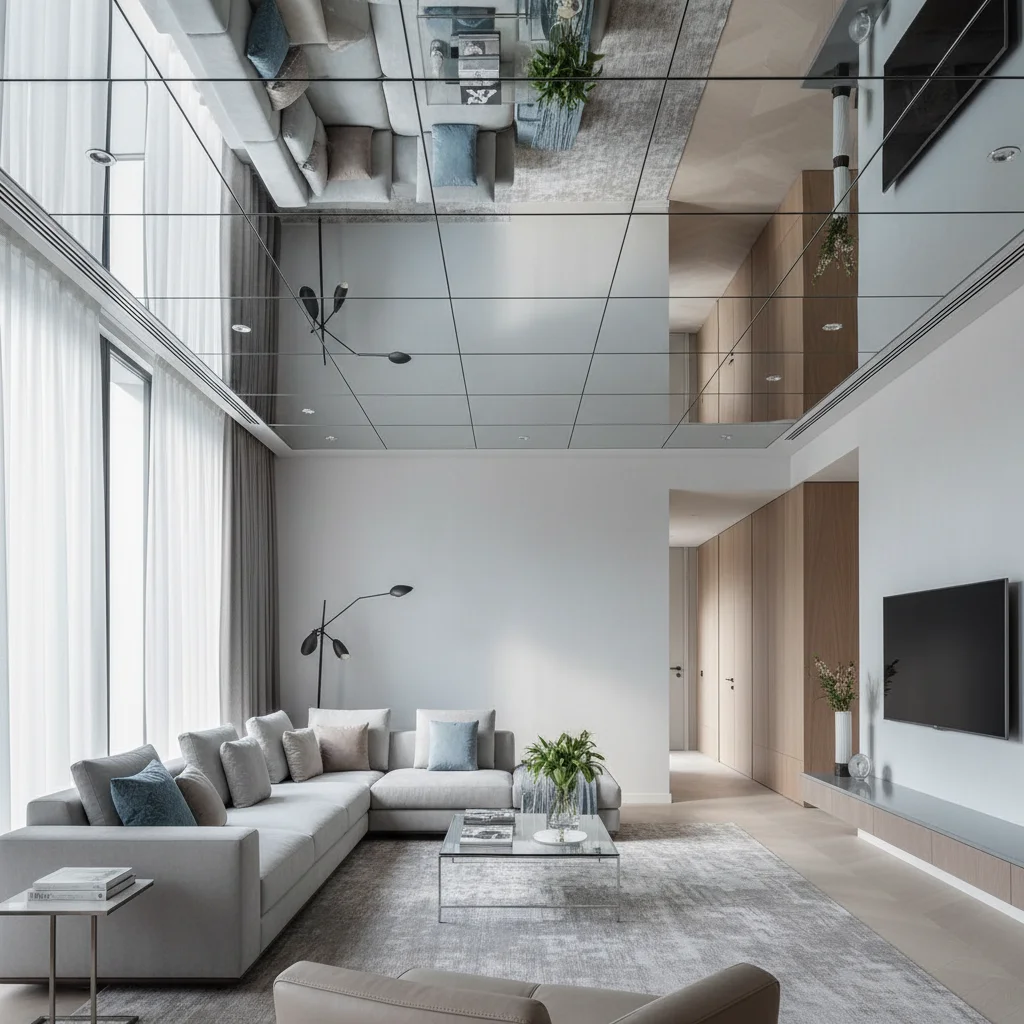
A mirror ceiling is a modern decorative solution that adds optical depth and spaciousness to interiors, enhances brightness by reflecting light, and offers an aesthetic sense of luxury. It provides various application options, from real mirror panels to high-gloss stretch ceiling membranes. This innovative ceiling type is ideal for transforming small or dark areas, bringing together aesthetics and functionality with a contemporary touch to your living and working spaces.
What is a Mirror Ceiling and What Does it Add to Spaces?
A mirror ceiling is a ceiling system covered with highly reflective materials. These systems are used to increase the perceived size of a space, amplify light by diffusing natural or artificial illumination, and add a modern, luxurious touch to the overall aesthetic. Unlike traditional ceilings, mirror ceilings lend a dynamic appearance to a space.
There are three main types of mirror ceilings: real glass mirror panels, high-gloss stretch ceiling membranes, and mirror-effect acrylic panels. Each type offers solutions suited to different aesthetic expectations, safety requirements, and budgets. The choice varies depending on the space's intended use, size, and desired reflection quality.
What are the Types of Mirror Ceilings and What are Their Differences?
Real glass mirror panels offer the highest reflection quality and bring the traditional mirror aesthetic to the ceiling. Typically 3-6 mm thick, they reflect a sharp and clear image. However, due to their weight and risk of breakage, their installation requires special attention and they are generally preferred for smaller areas or specific decorative accents.
High-gloss stretch ceiling membranes are produced from PVC or similar flexible material and are installed by stretching them onto a special profile system. These membranes offer a high-gloss, mirror-like surface but do not provide as sharp a reflection as glass mirrors. Their lightweight nature, ease of installation, and ability to cover large areas in a single piece make them a popular option. Furthermore, their waterproof and flexible structure makes them resistant to cracks.
Mirror-effect acrylic panels stand out for their lightness and resistance to breakage. While they offer a safer alternative to glass mirrors, their reflection quality is generally lower than glass mirrors, and they may be more prone to scratching over time. They are particularly suitable for areas where safety is a priority, such as children's rooms or gyms.
What Benefits Do Mirror Ceilings Offer to Spaces?
Mirror ceilings are one of the most effective ways to visually add depth and spaciousness to interiors. Thanks to their reflective surfaces, they optically increase ceiling height and make narrow areas feel more expansive. This offers a significant advantage, especially in confined spaces such as apartments, corridors, or small offices.
Due to their light-reflecting capabilities, mirror ceilings help diffuse natural and artificial light over a wider area. This makes the space appear brighter and more energetic, potentially contributing to reduced energy consumption. Furthermore, the reflected light invigorates the overall atmosphere of the space and creates a more inviting environment.
Aesthetically, mirror ceilings offer a modern and luxurious appearance. They add a sophisticated touch to the space, enhancing the quality of the overall decor. Especially in spaces embracing a minimalist or contemporary design philosophy, mirror ceilings become a focal point, creating an impressive visual impact.
In Which Spaces Are Mirror Ceilings Used Effectively?
Small and narrow spaces are where mirror ceilings are most efficiently utilized. For instance, entrance halls of apartments, corridors, or small bathrooms gain a much wider and more spacious appearance thanks to mirror ceilings. The reflective surfaces create the illusion that walls are further away.
In commercial areas, mirror ceilings are a powerful tool to enhance a brand's prestige and a space's attractiveness. In places like shops, boutiques, restaurants, bars, and hotel lobbies, mirror ceilings draw customers' attention by highlighting products or interior decor. They are also frequently preferred in spa centers and beauty salons where a sense of luxury is desired.
In residential settings, they can be used as a decorative element in living rooms, dining rooms, or bedrooms. Especially in modern or Art Deco style interiors, mirror ceilings add a unique character to the space, while creating a captivating atmosphere when combined with ceiling lighting.
What Should Be Considered During Mirror Ceiling Installation?
One of the most crucial elements in mirror ceiling installation is reflection management. The ceiling's position and the objects it will reflect must be planned in advance to ensure that the reflected images are aesthetic and not distracting. Especially in areas where intense reflection is undesirable, more matte or frosted mirror-effect surfaces can be chosen, or the reflection angle should be carefully adjusted.
Safety is a critical factor, especially when using real glass mirror panels. Considering the weight and breakage risk of glass mirrors, a robust mounting system and professional installation are essential. Stretch ceiling membranes or acrylic panels offer safer alternatives due to their lightness and resistance to breakage, providing an advantage particularly in earthquake-prone regions or homes with children.
During installation, the ceiling must be even and smooth. While stretch ceiling membranes can conceal minor imperfections, a perfectly flat surface is required for the installation of glass mirror panels. Furthermore, the ceiling's load-bearing capacity must be suitable for the weight of the chosen mirror ceiling type. Professional site assessment and installation services are indispensable for a long-lasting and safe result.
How Should Lighting Be Combined with Mirror Ceilings?
Mirror ceilings, when combined with lighting, can dramatically transform a space's atmosphere. One of the most effective combinations involves cove lighting LED strips integrated into or placed around the mirror ceiling. This provides soft, indirect light emanating from the ceiling, adding depth to the space and softening the sharpness of reflections.
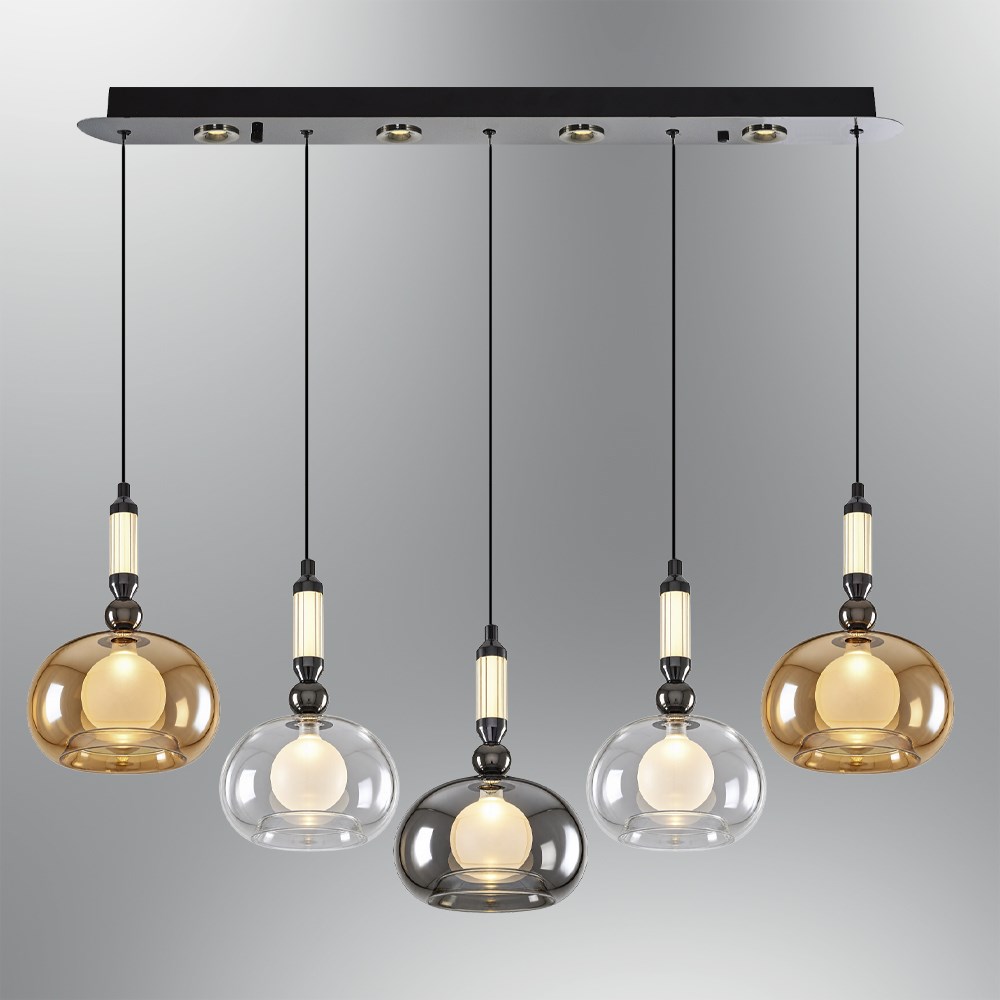
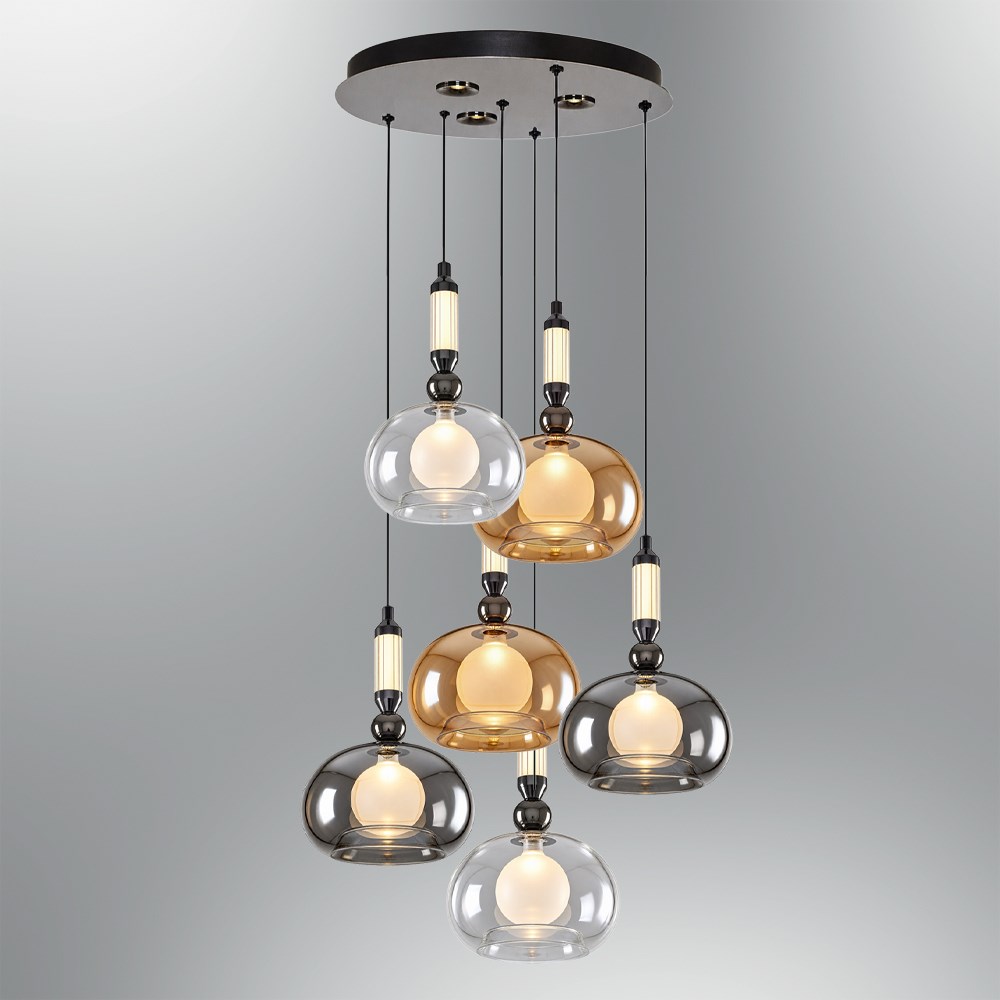
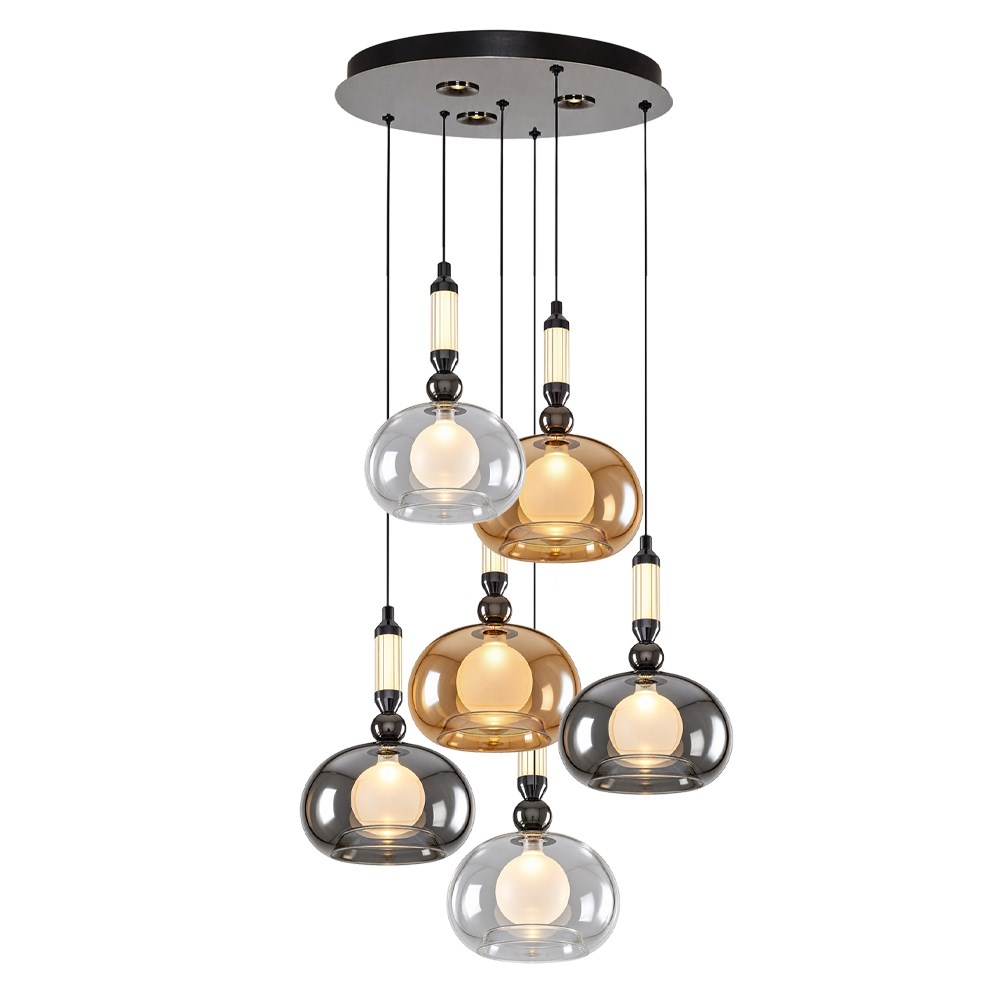
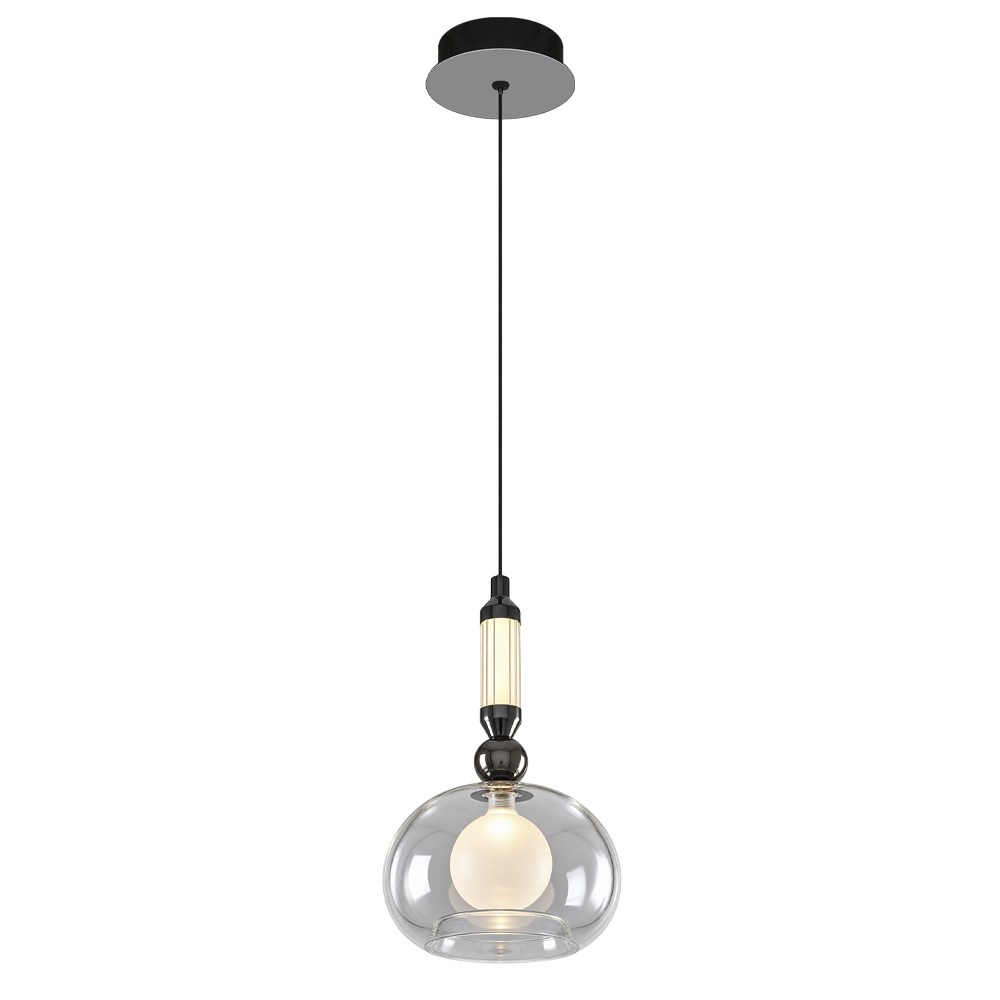
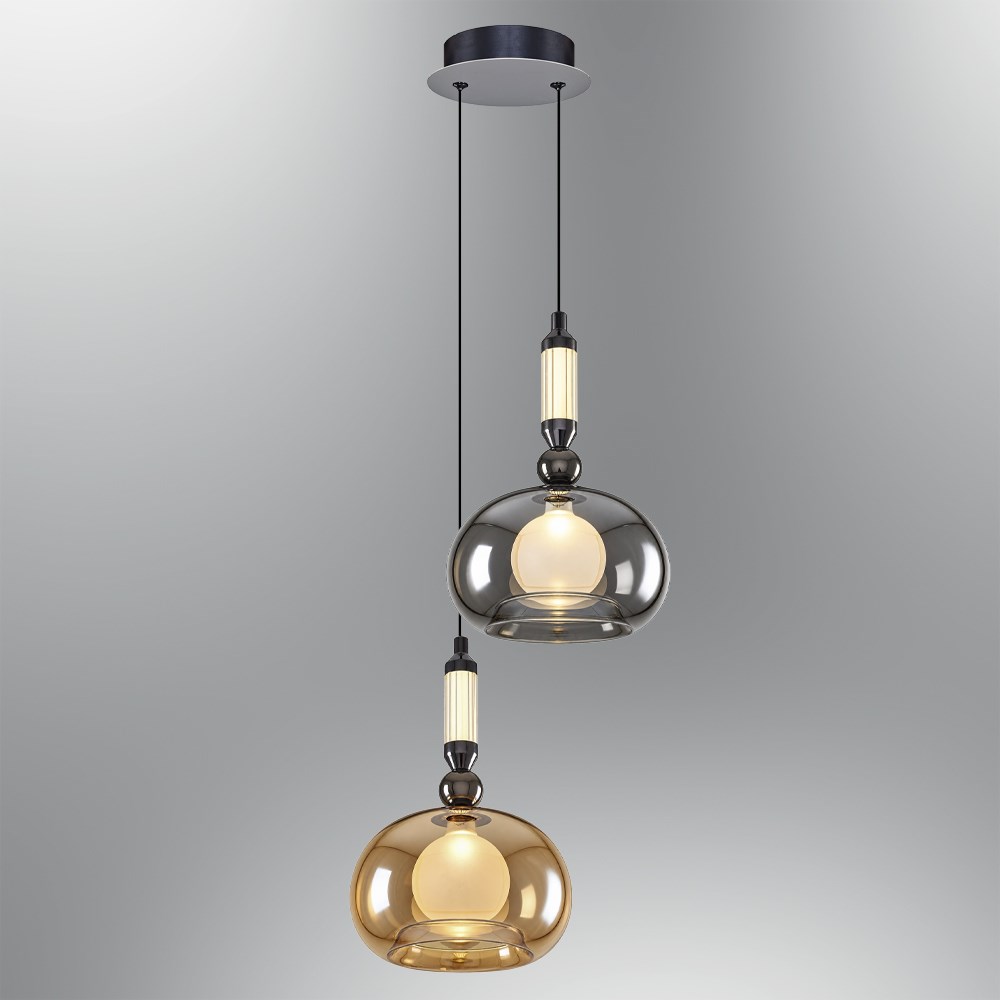
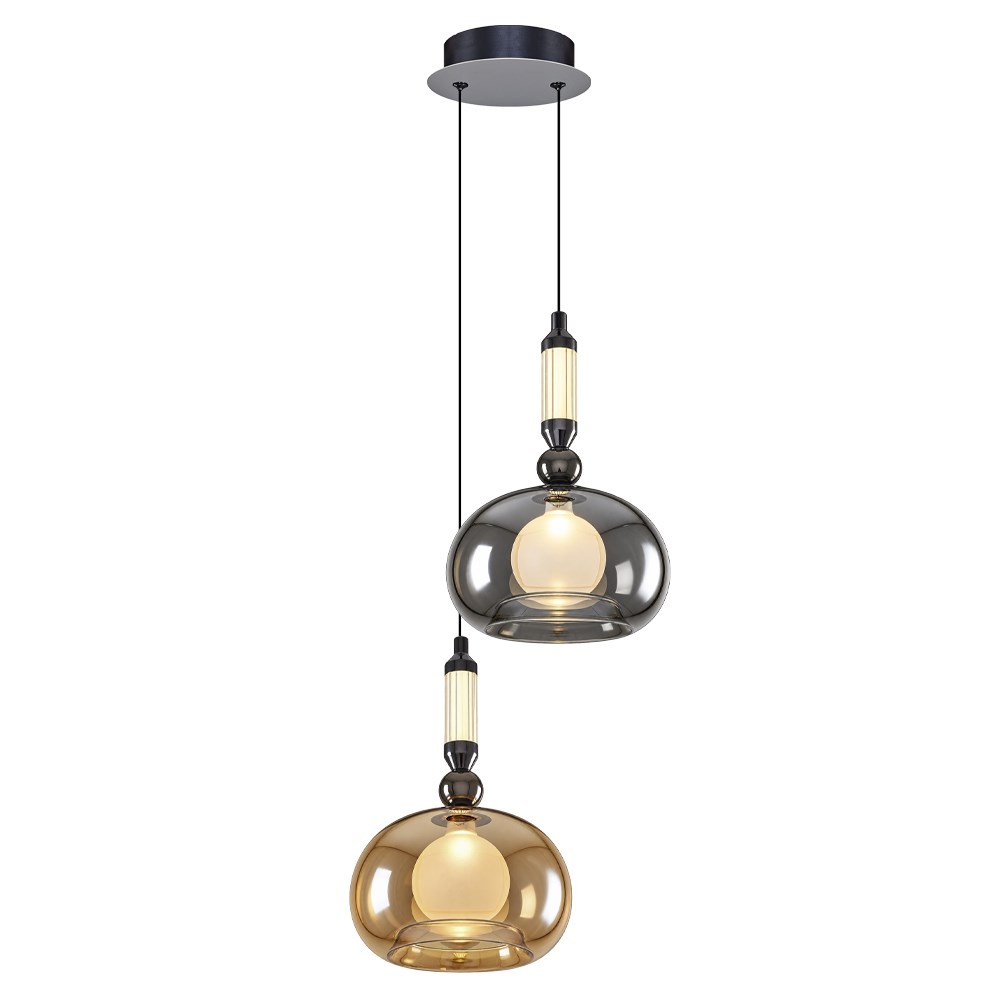
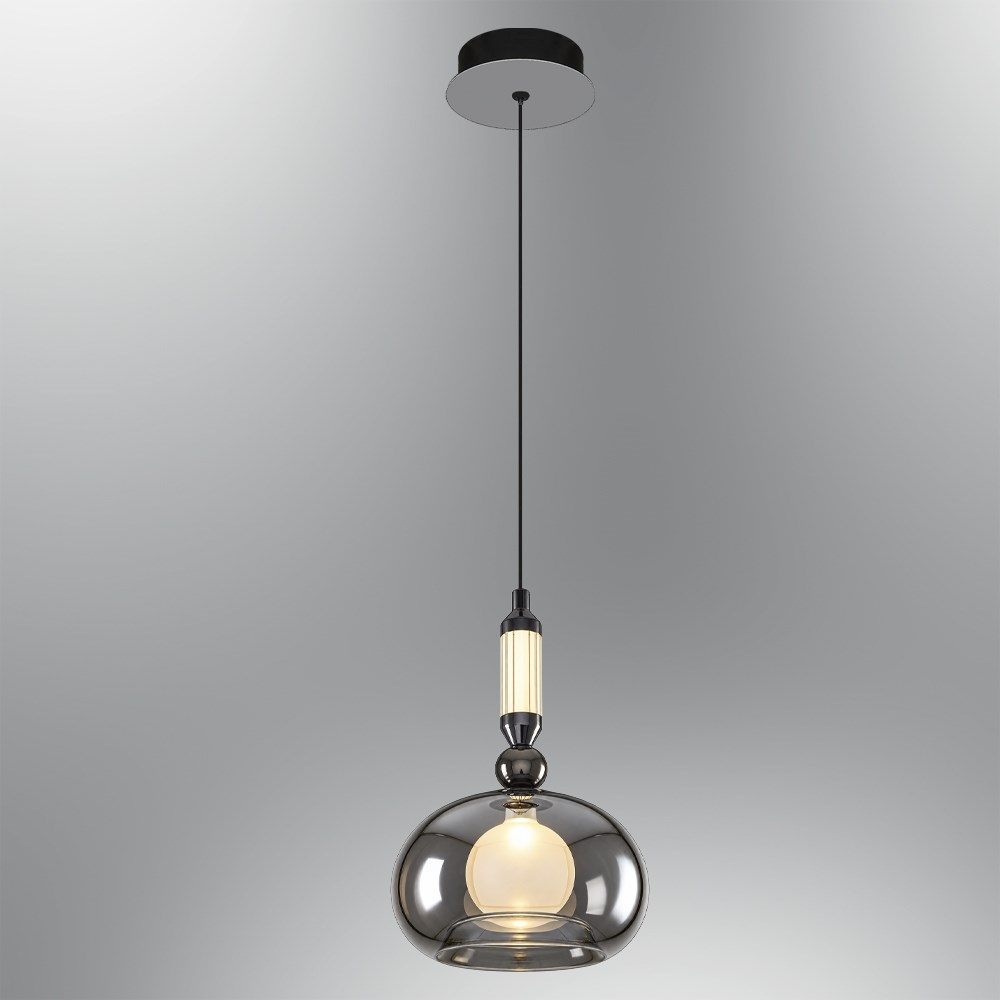
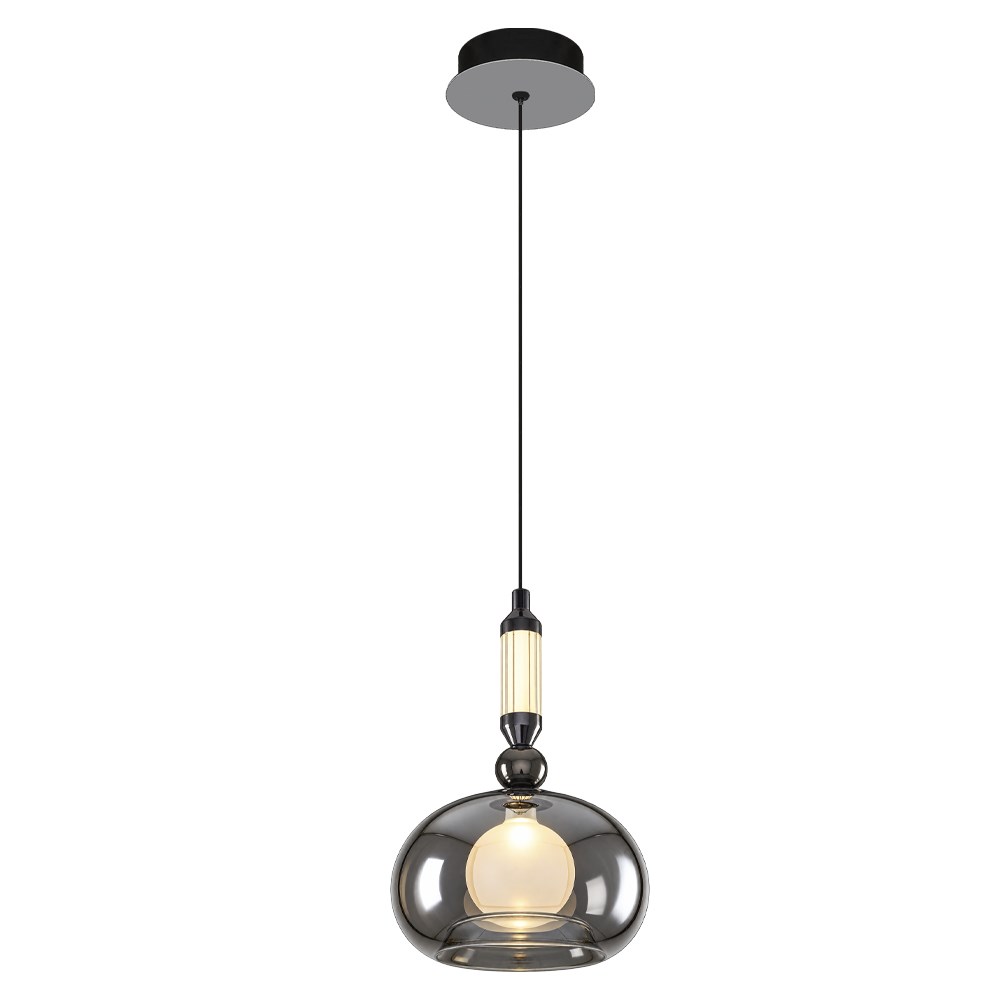
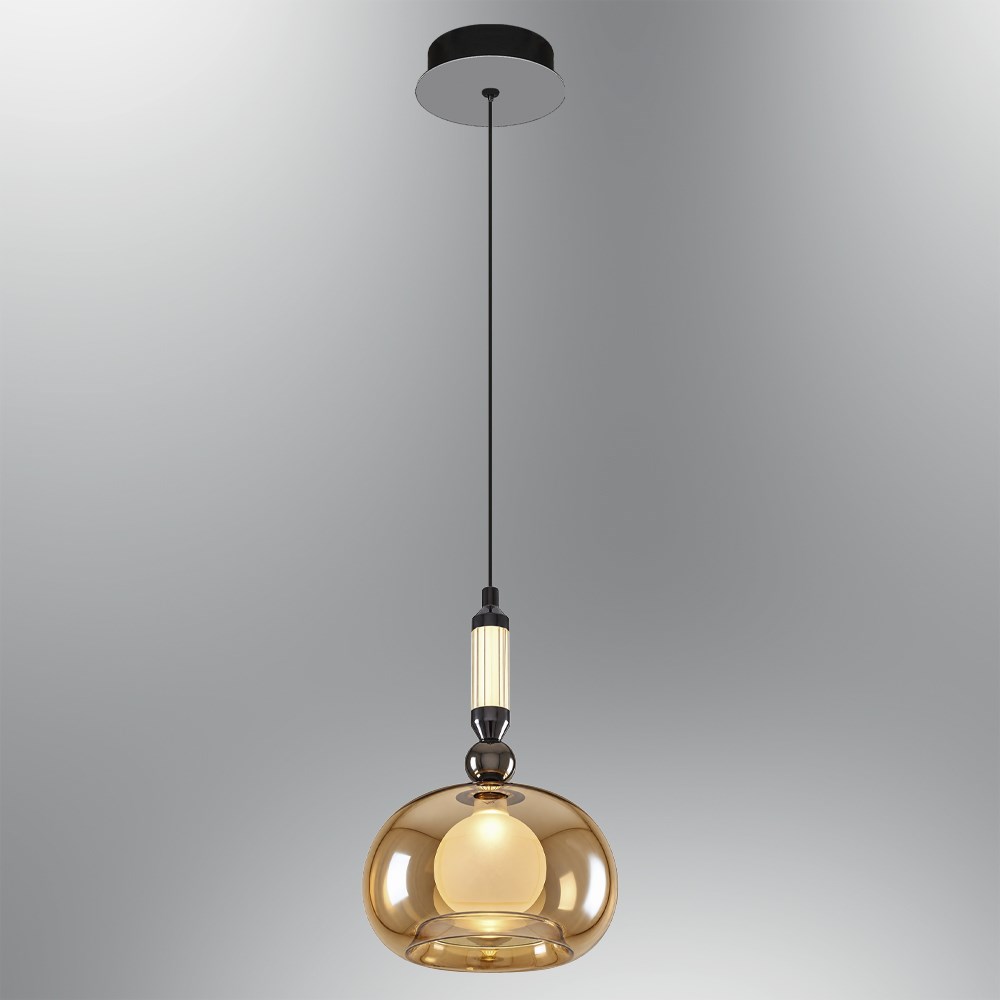
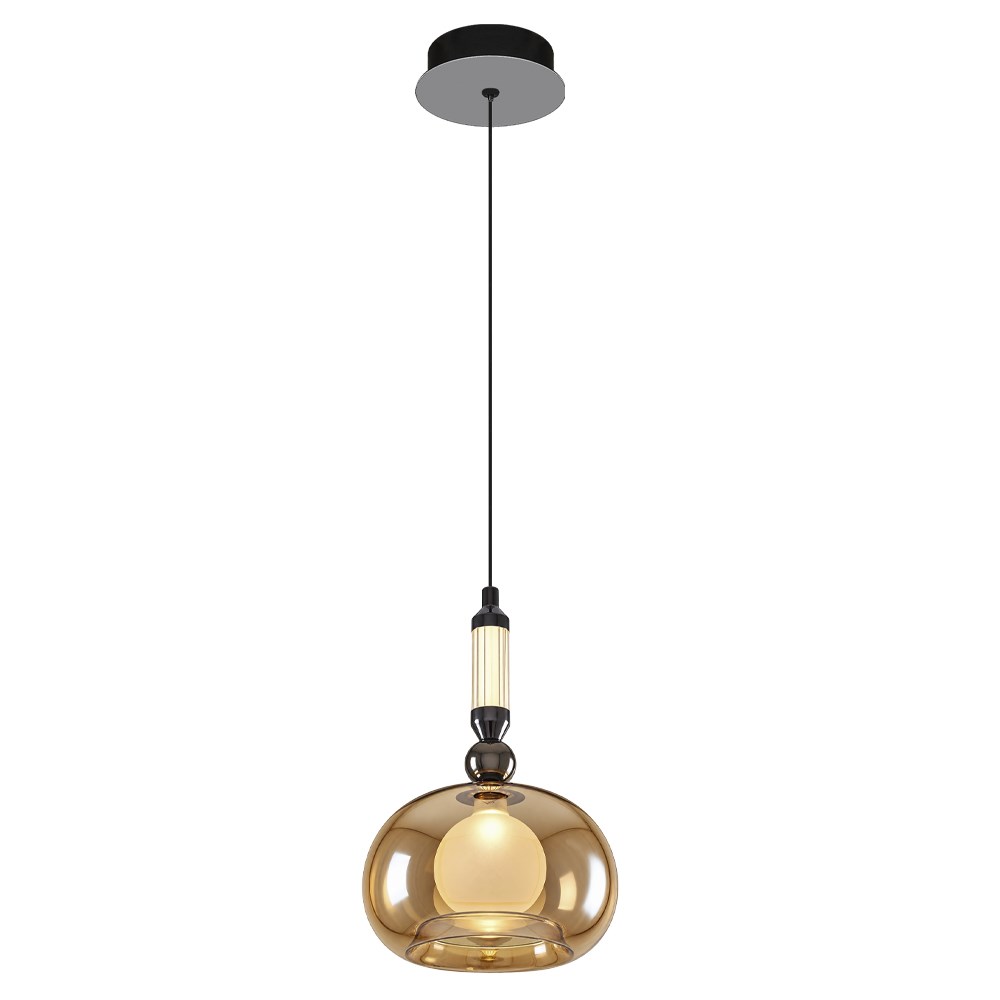
Spotlights or pendant lamps multiply light thanks to the mirror ceiling's reflective surface, creating a brighter and more dynamic environment. However, direct and intense light sources reflecting off the mirror surface can be dazzling. Therefore, the angle and intensity of light sources should be carefully adjusted, and diffused or indirect lighting is generally preferred.
Colored LED lighting, when combined with mirror ceilings, can add different ambiances to a space. Especially in entertainment venues or youth rooms, color-changing lights reflecting off the mirror surface offer a captivating and dynamic visual spectacle. When choosing lighting, the overall purpose of the space and the desired atmosphere should be considered.
Which Mirror Ceiling Type is Suitable for Which Space?
Real glass mirror panels, due to their high reflection quality and luxurious appearance, are generally ideal for prestigious and low-traffic areas such as boutique stores, hotel lobbies, living rooms, or dining rooms in luxury residences. They can be preferred in spaces seeking a clear reflection and without weight restrictions.
High-gloss stretch ceiling membranes are versatile due to their lightness, flexibility, and ability to cover large surfaces in a single piece. They have a wide range of applications in both commercial and residential projects, including stores, restaurants, bars, gyms, swimming pools (due to moisture resistance), and modern offices. While their reflection quality may not be as sharp as glass, they offer significant advantages in terms of overall aesthetics and practicality.
Mirror-effect acrylic panels are suitable for areas where safety and lightness are paramount. They can be preferred in places with a high risk of breakage or where frequent removal and reinstallation are necessary, such as children's rooms, play areas, gyms, or temporary exhibition spaces. Although reflection quality may be compromised, durability and ease of installation are significant advantages.
Mirror Ceiling Maintenance and Tips for Long-Lasting Use?
Regular and proper maintenance is essential to preserve the long-lasting and aesthetic appearance of mirror ceilings. Real glass mirror panels can be easily cleaned with glass cleaners and microfiber cloths. Care should be taken to avoid scratches, and abrasive cleaning materials should be avoided.
For stretch ceiling membranes, specially formulated cleaners or just water and a soft cloth should be used. Harsh chemical cleaners can damage the membrane surface. Wipe with gentle movements to avoid disturbing the surface tension. As they typically have antistatic properties, their dust retention rate is low.
Mirror-effect acrylic panels may be more prone to scratching than glass mirrors. Therefore, soft cloths and cleaners suitable for acrylic surfaces should be preferred during cleaning. For all three types, protecting them from falling objects or sharp impacts will extend the ceiling's lifespan. You can find the highest quality products and professional installation services for all mirror ceiling solutions in our store.
Related guides: What is a Stretch Ceiling, How is it Made? Advantages, How to Maintain and Clean a Stretch Ceiling?, What is a 3D Wall Panel, How is it Installed?. For a turnkey application for your project, please review our mirror ceiling service page.