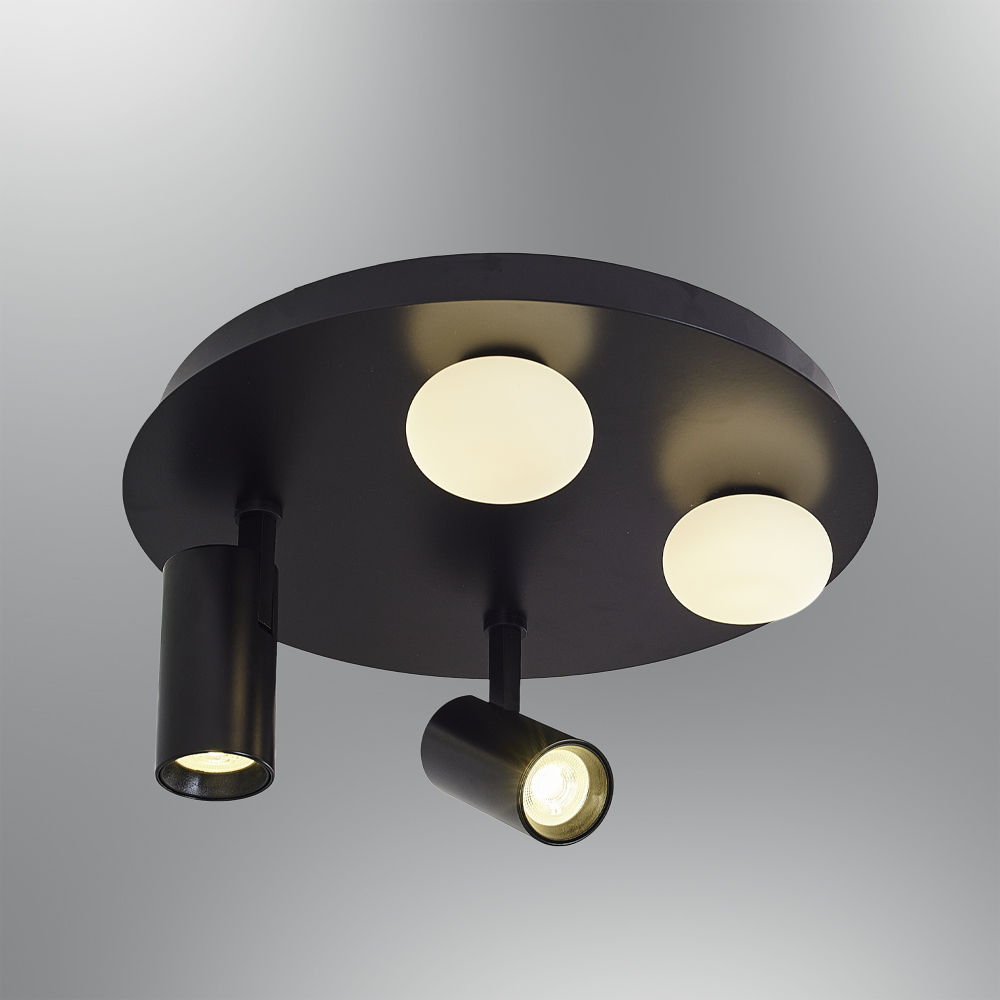
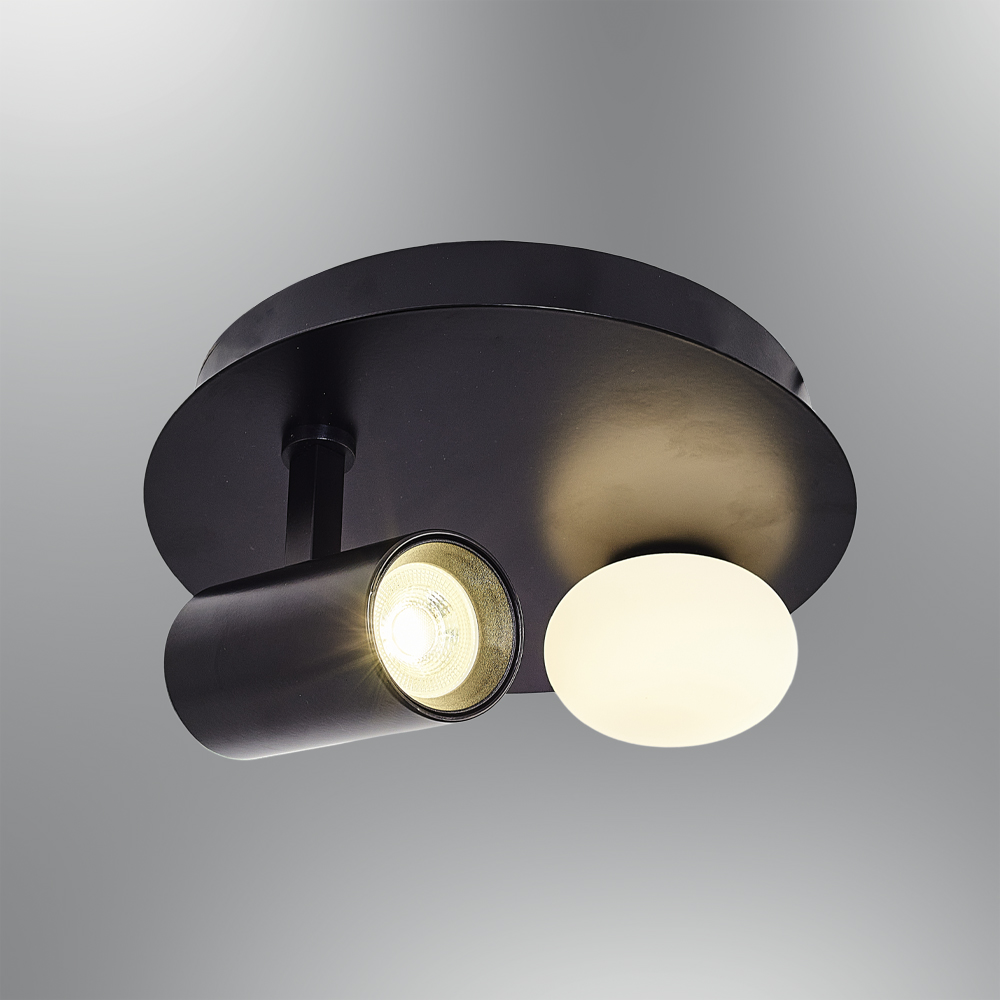
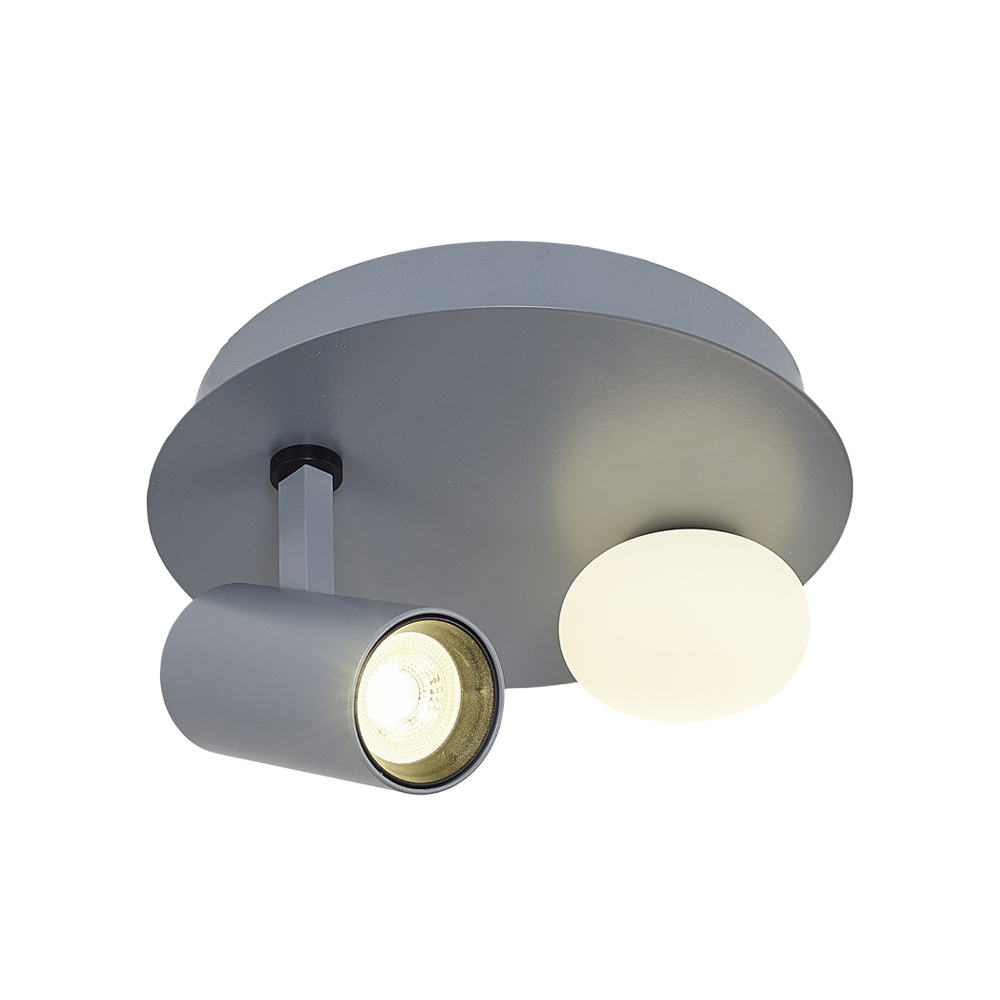
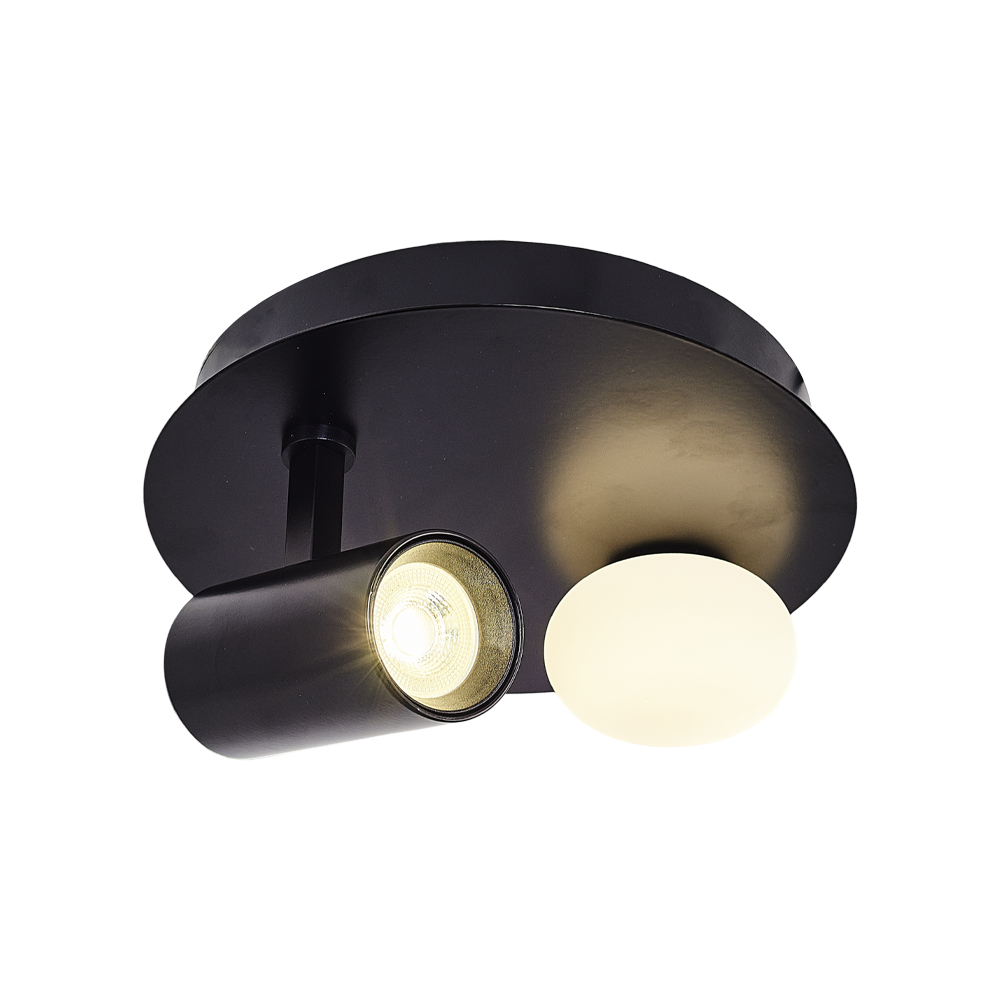
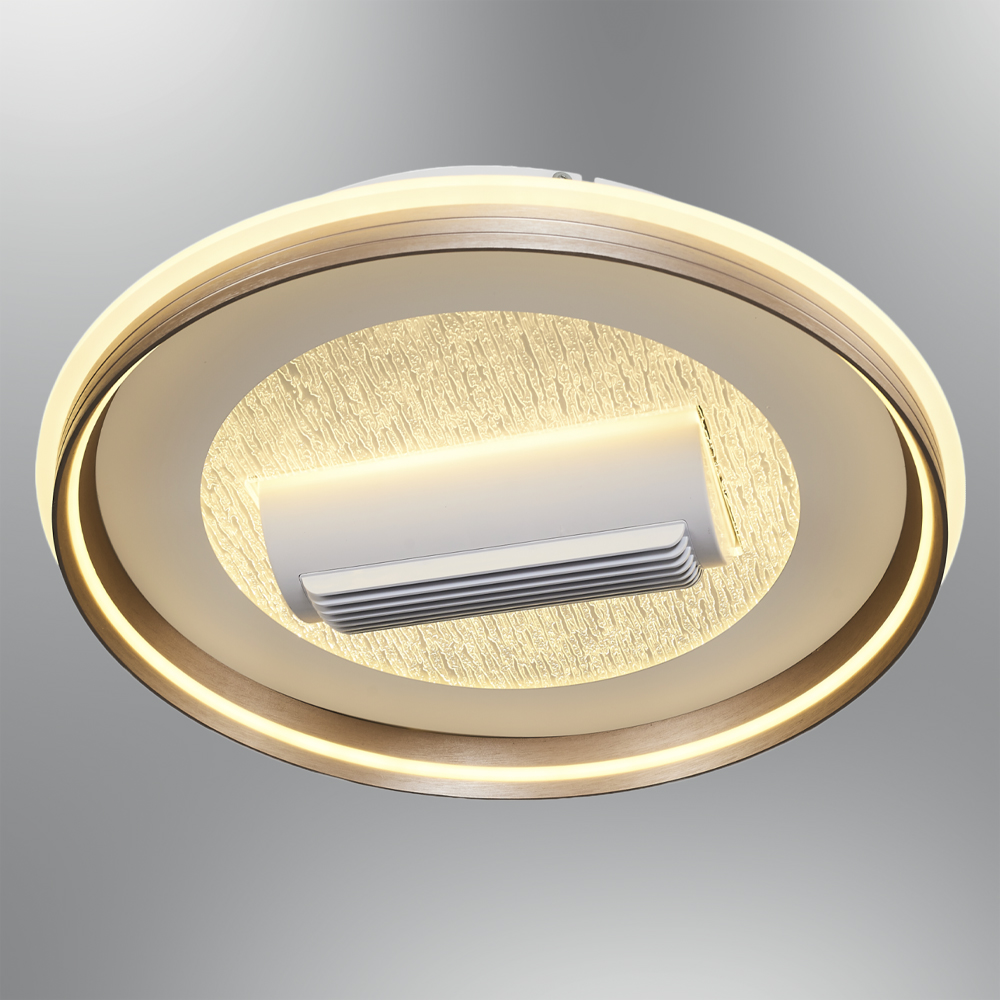
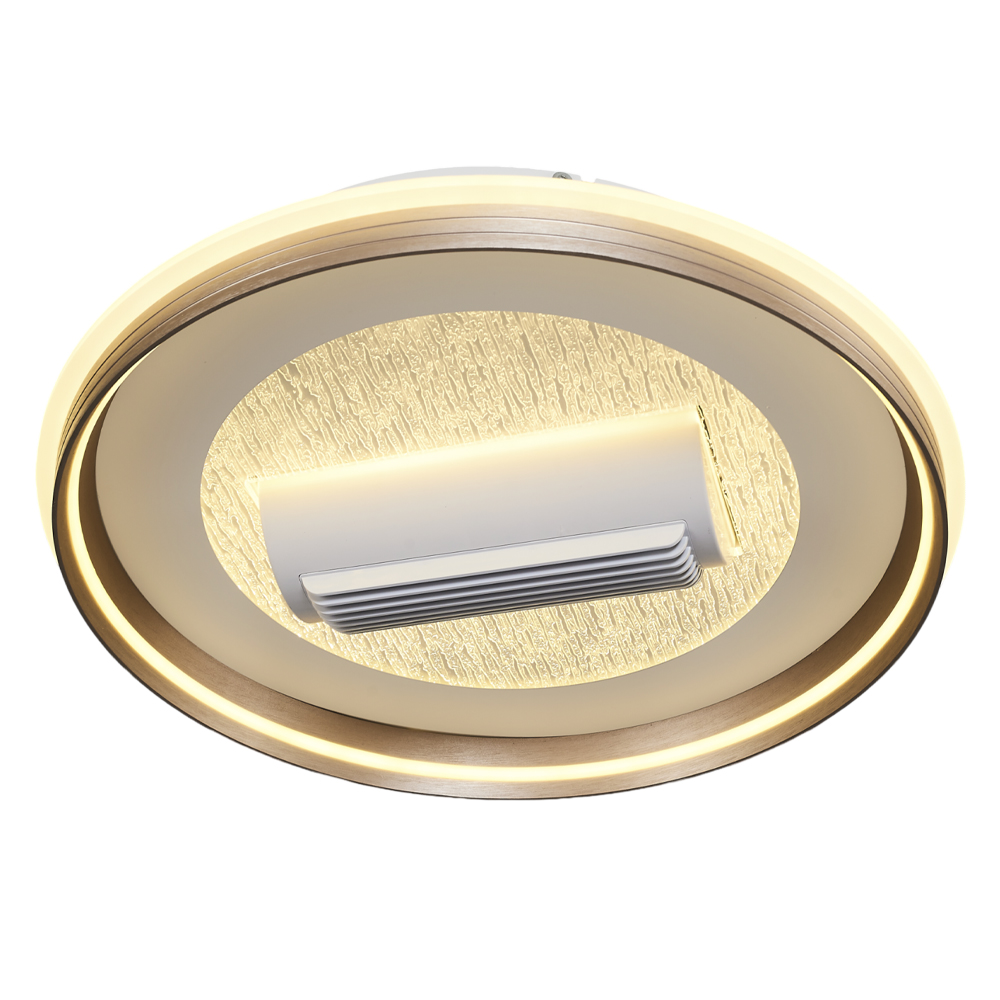
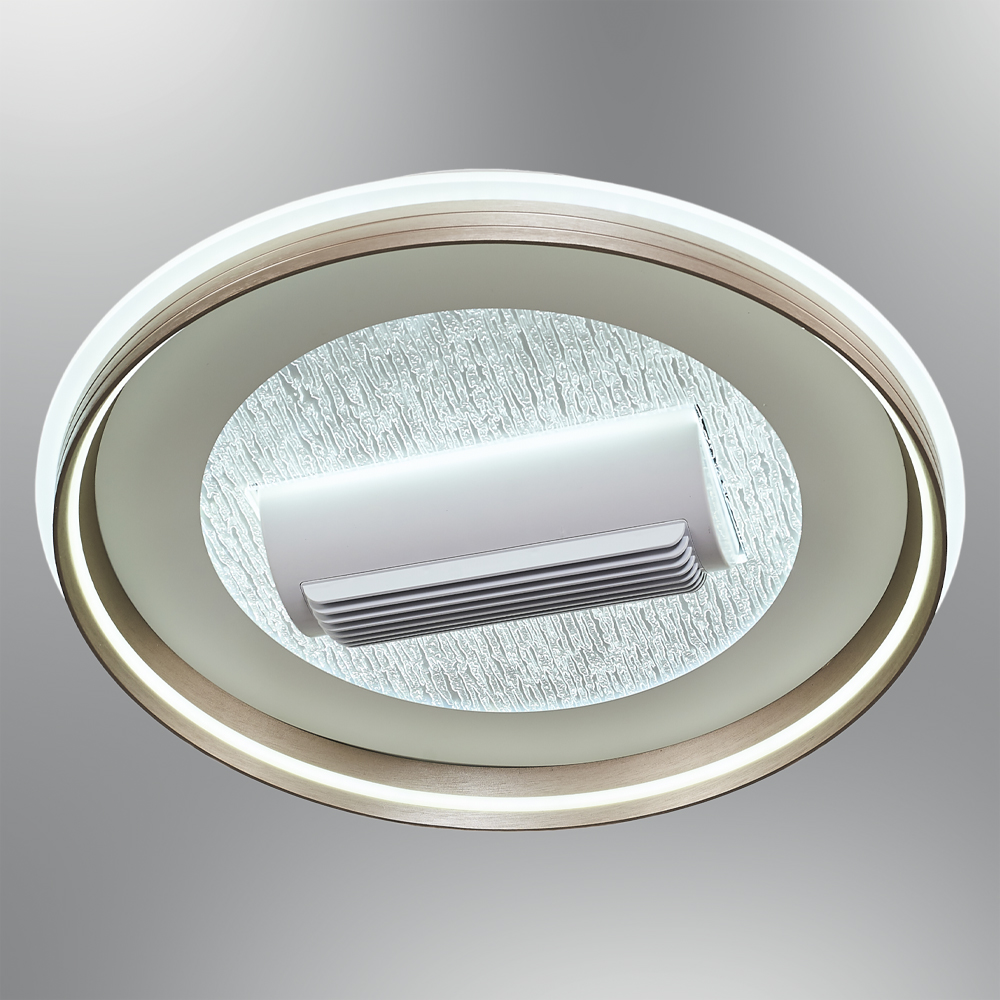
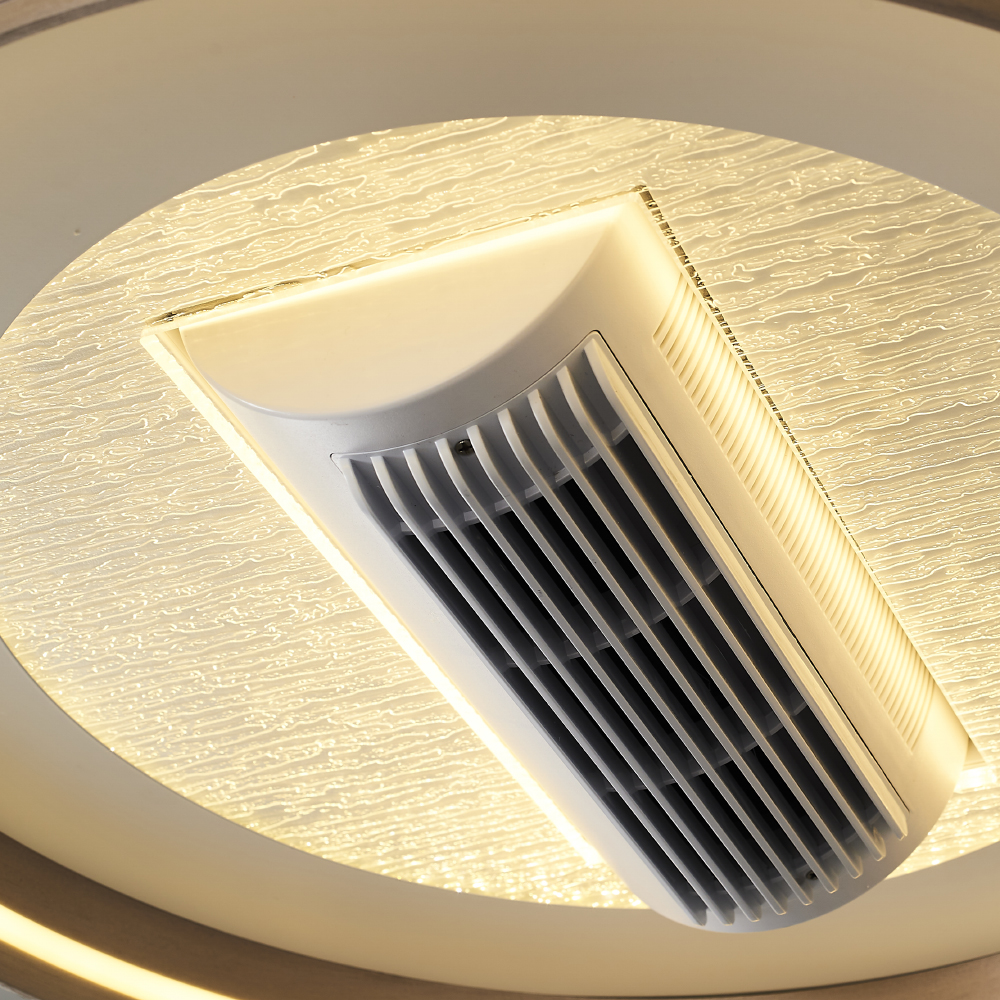
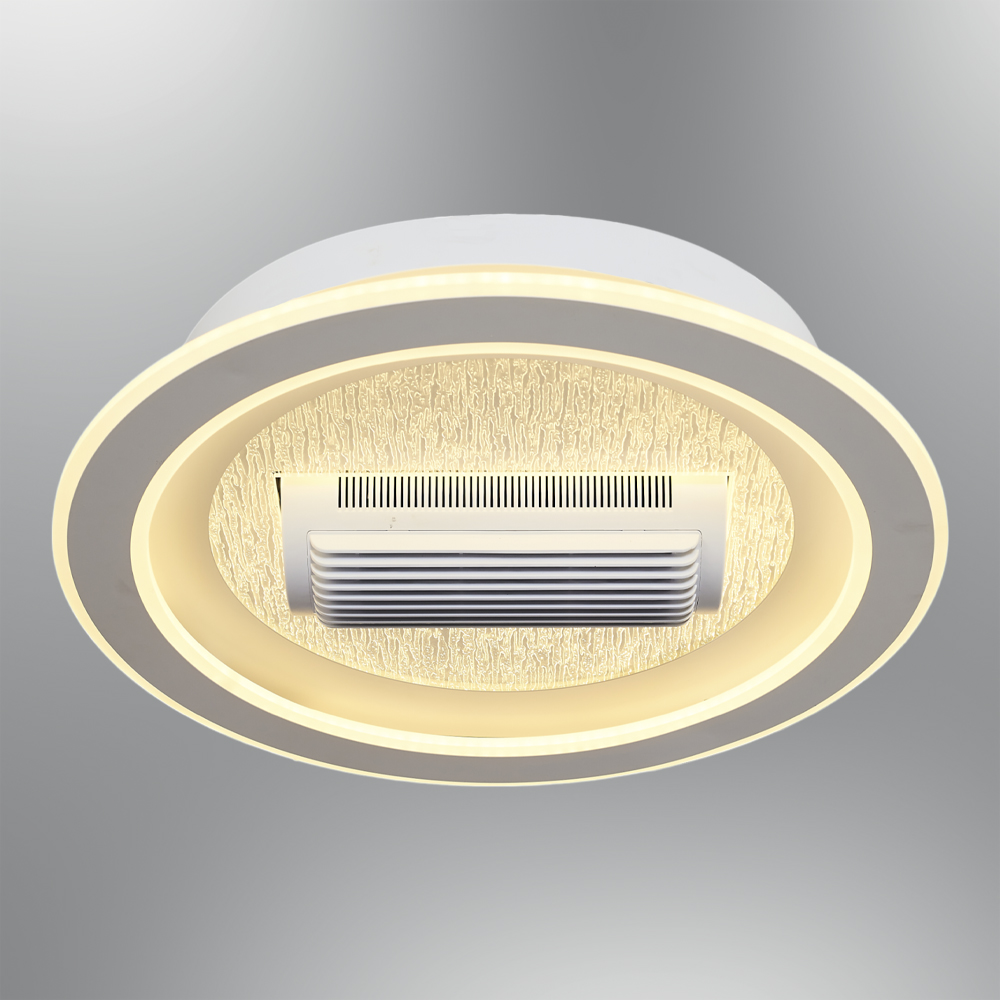
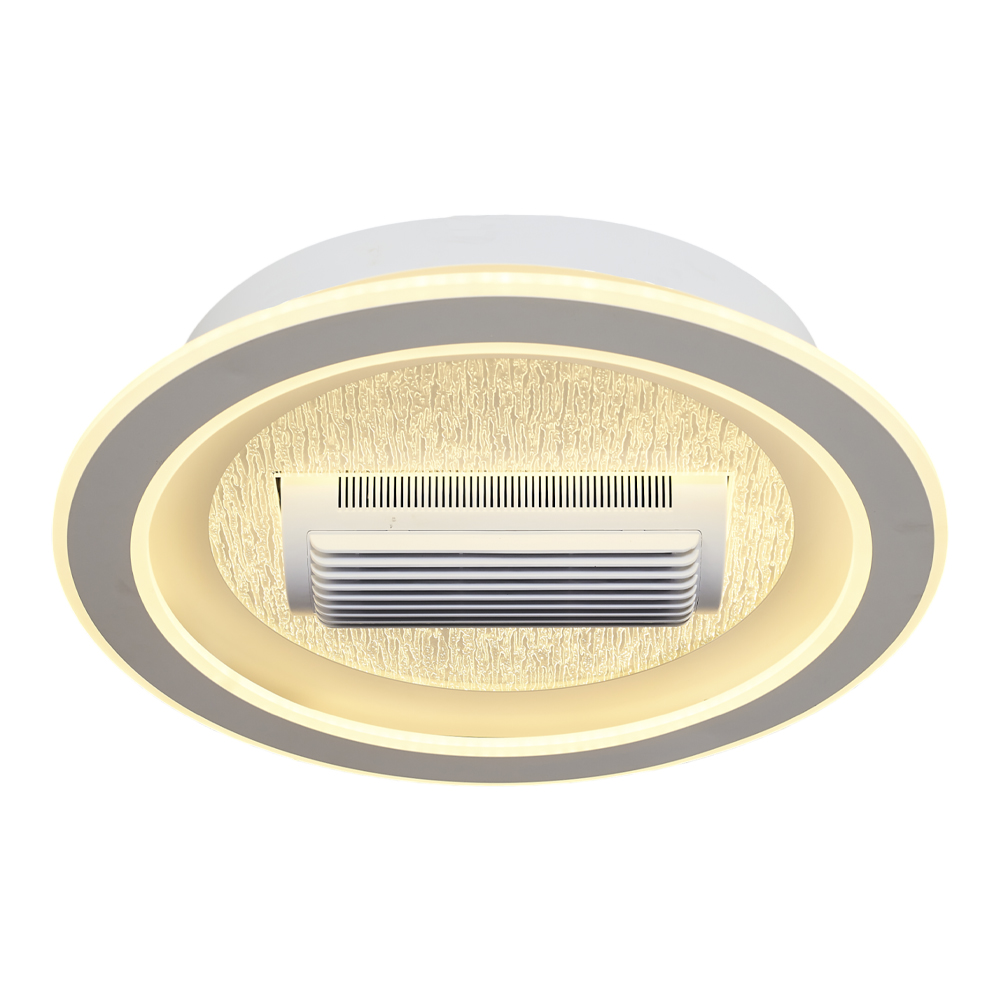
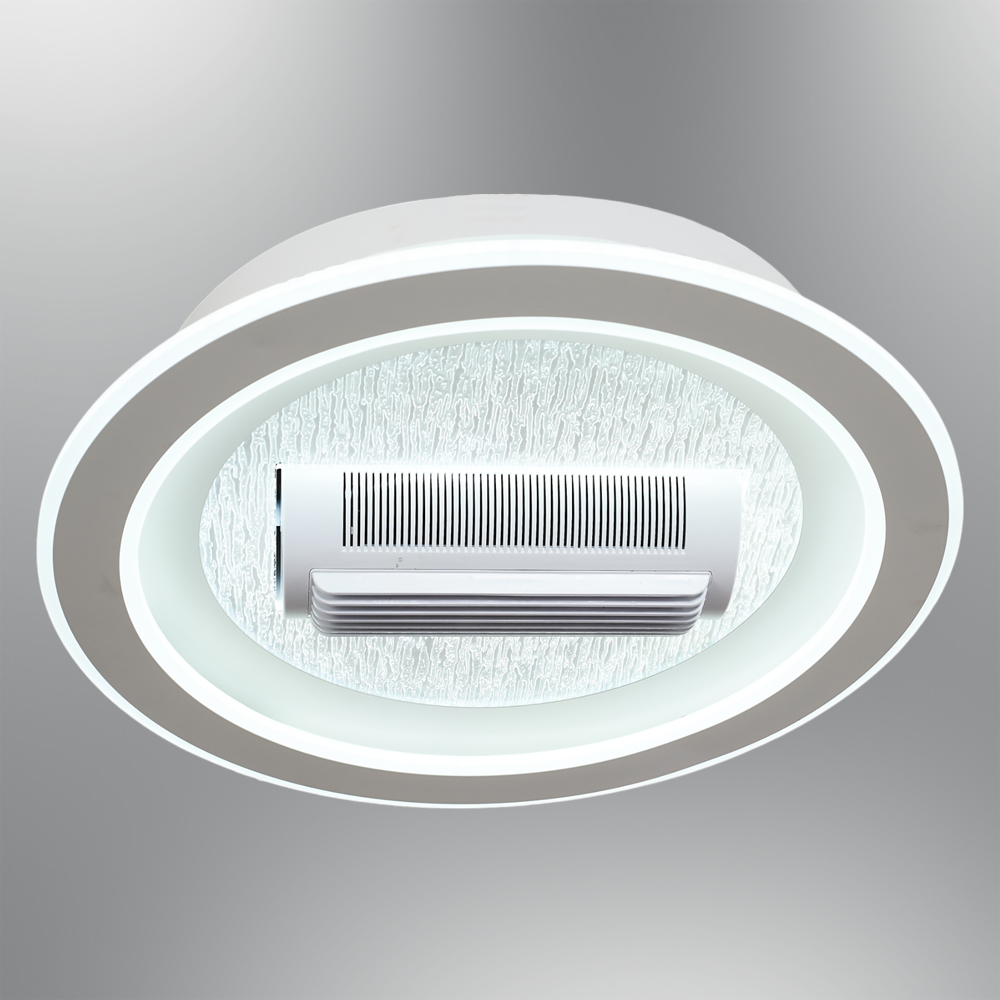
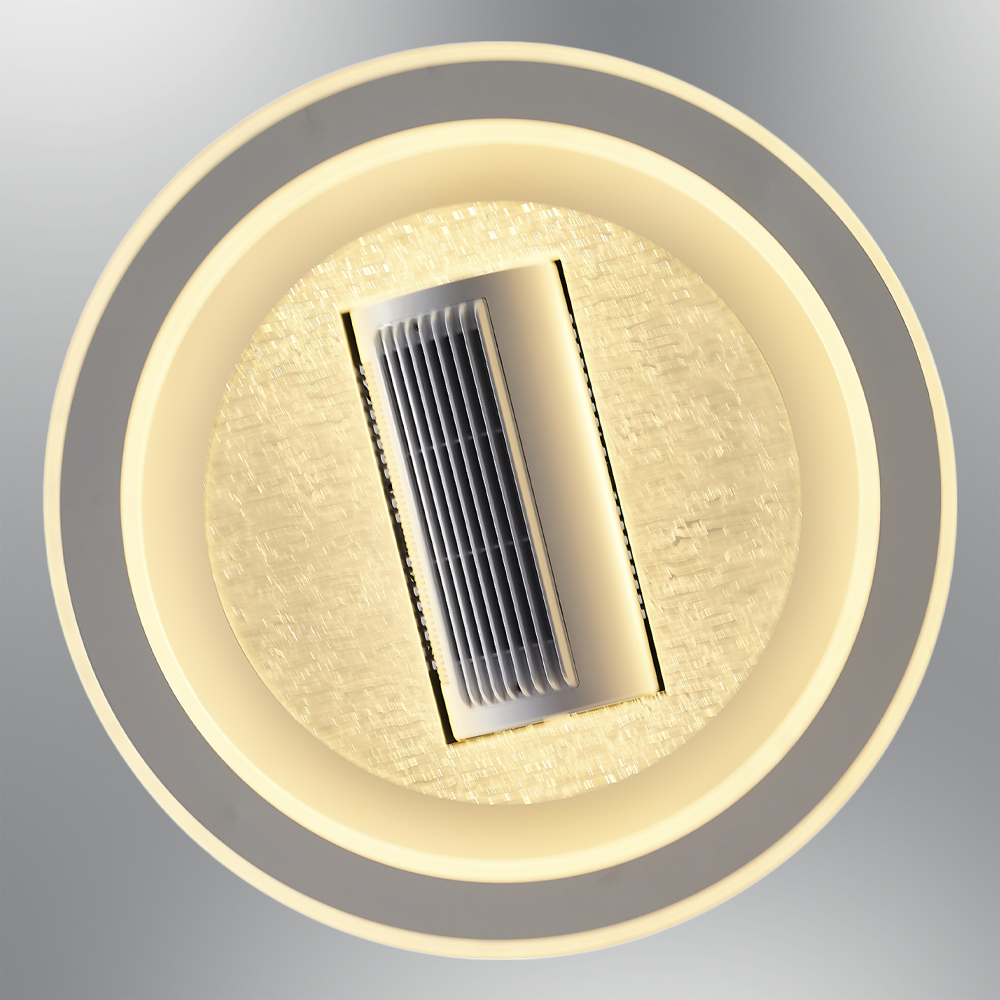
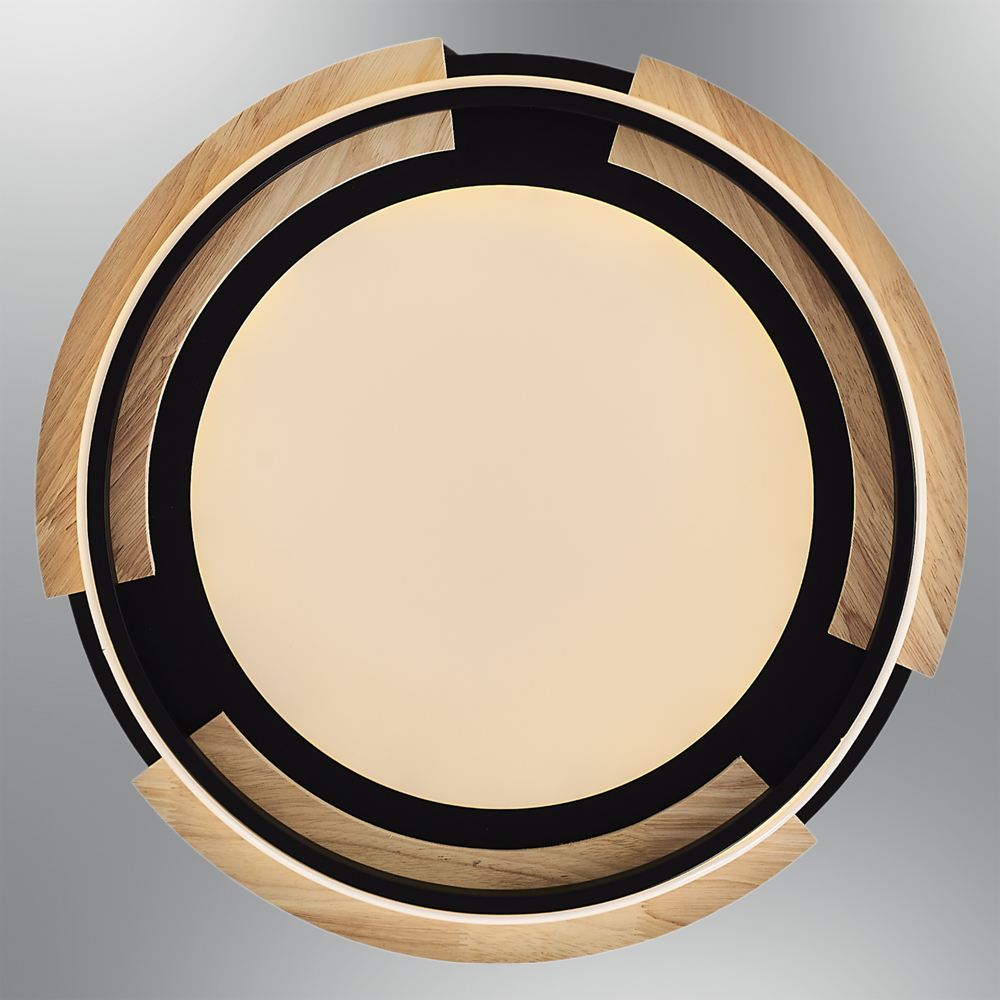
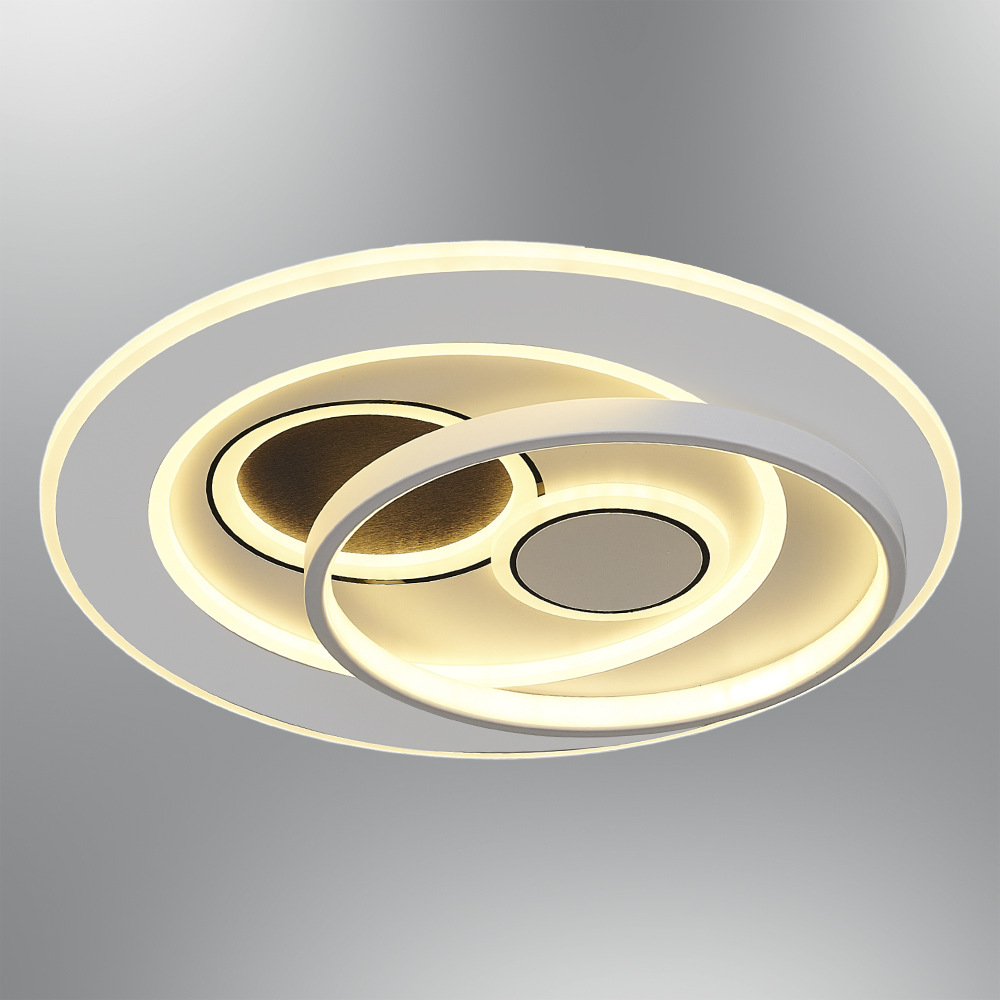
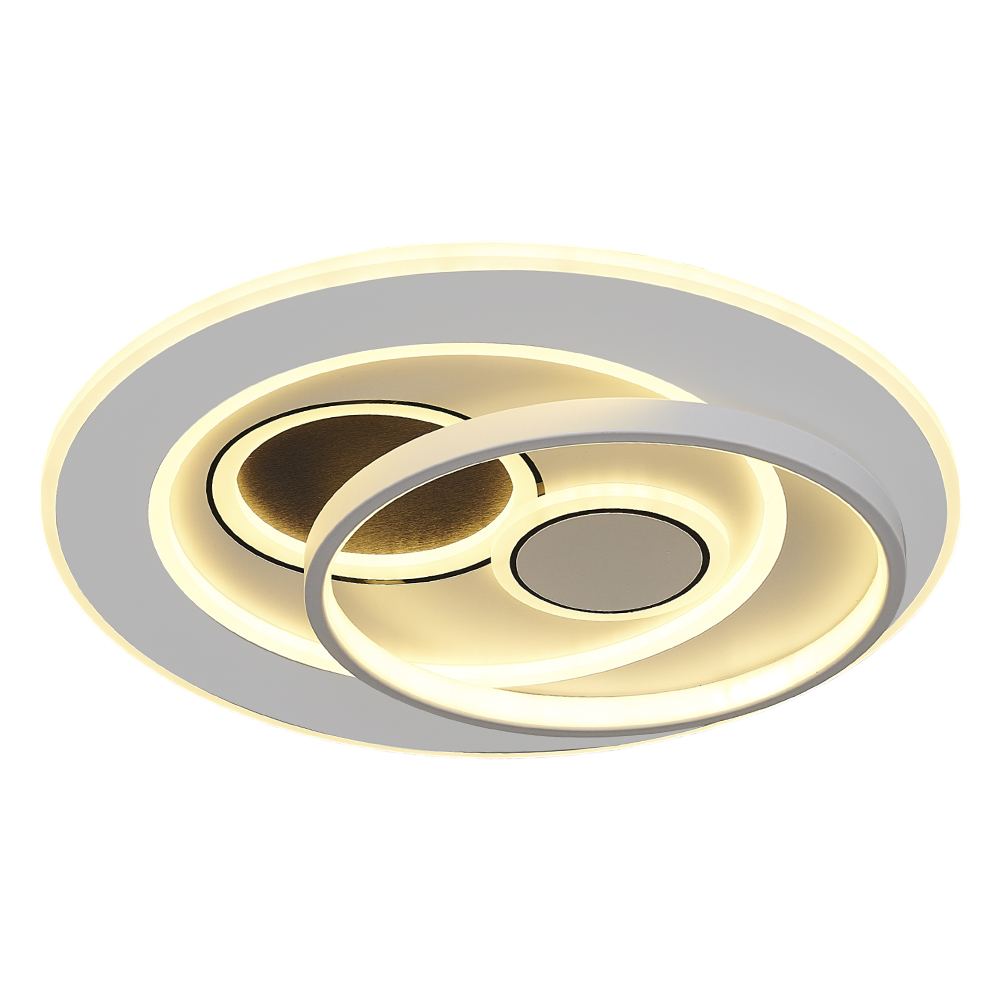
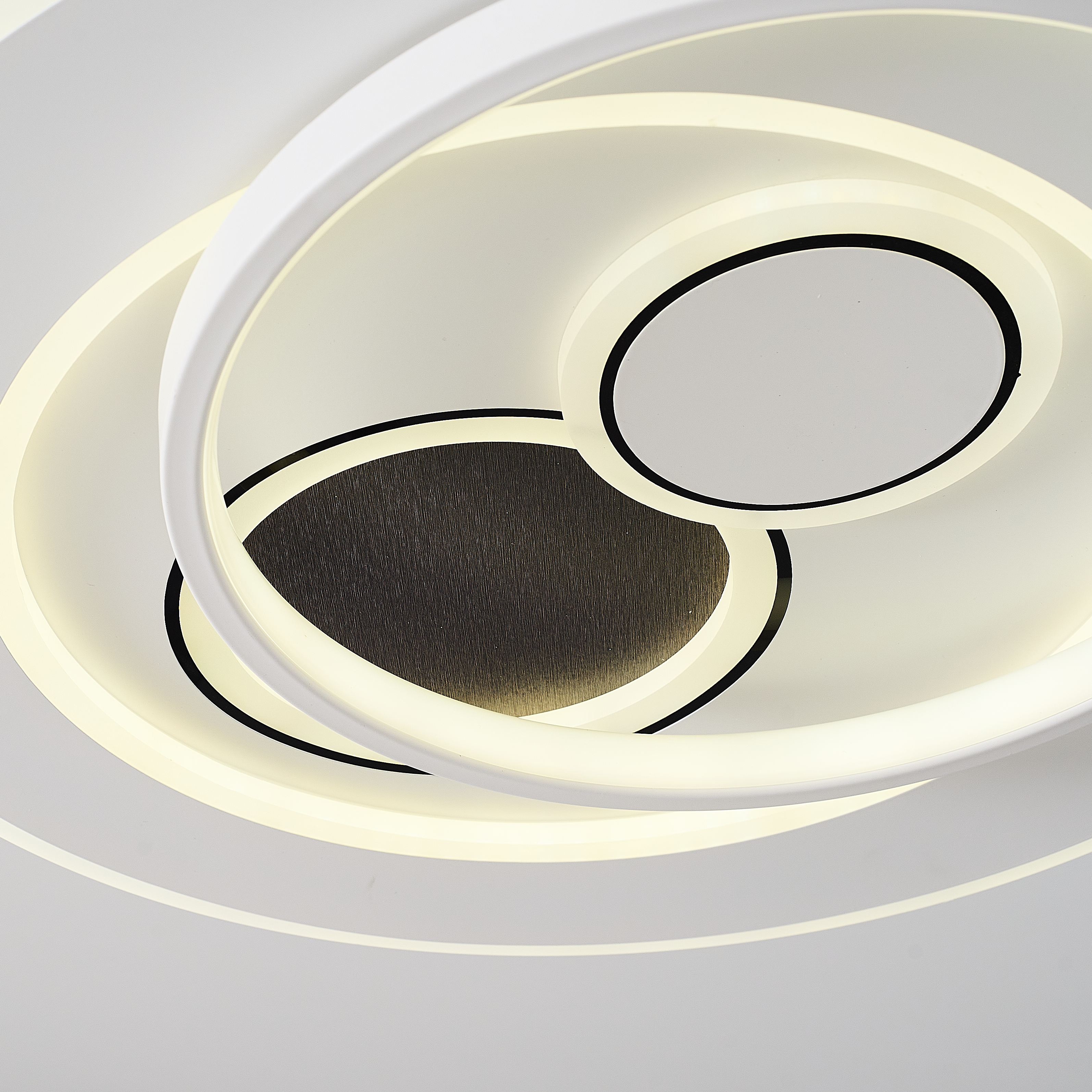
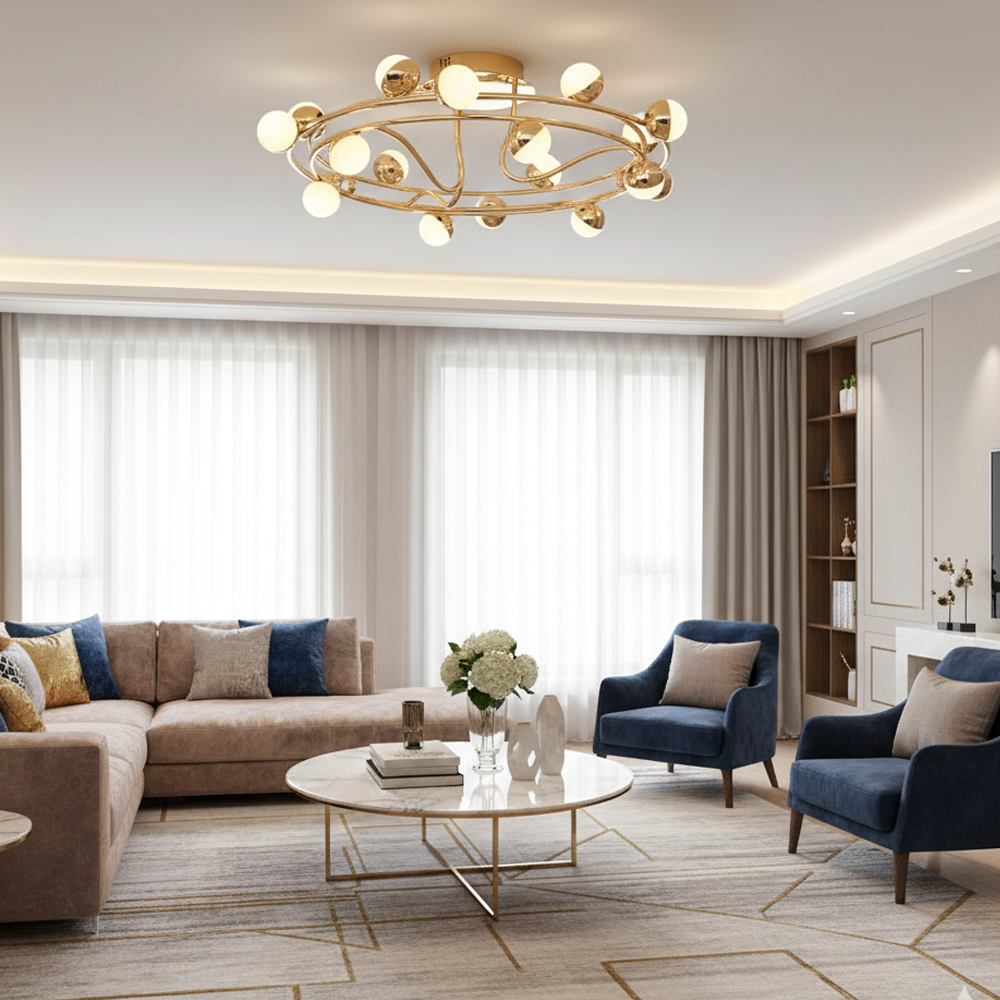
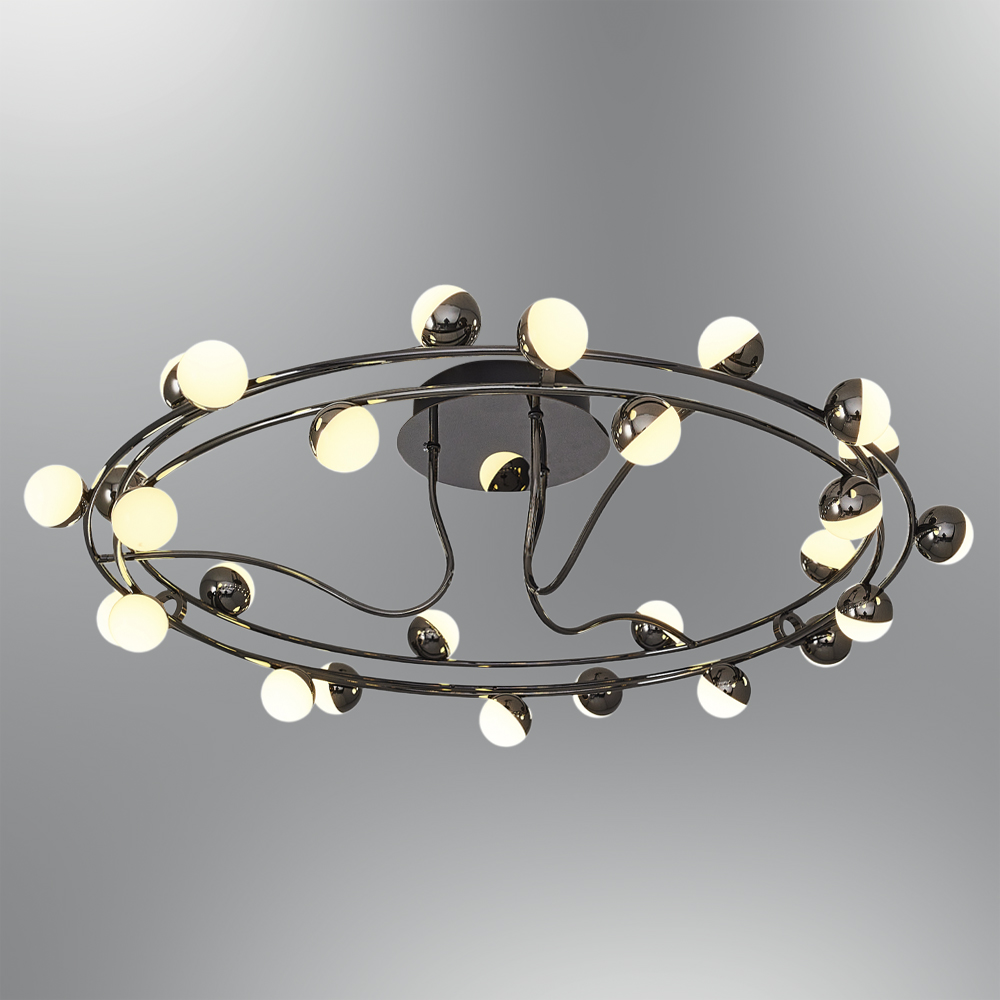
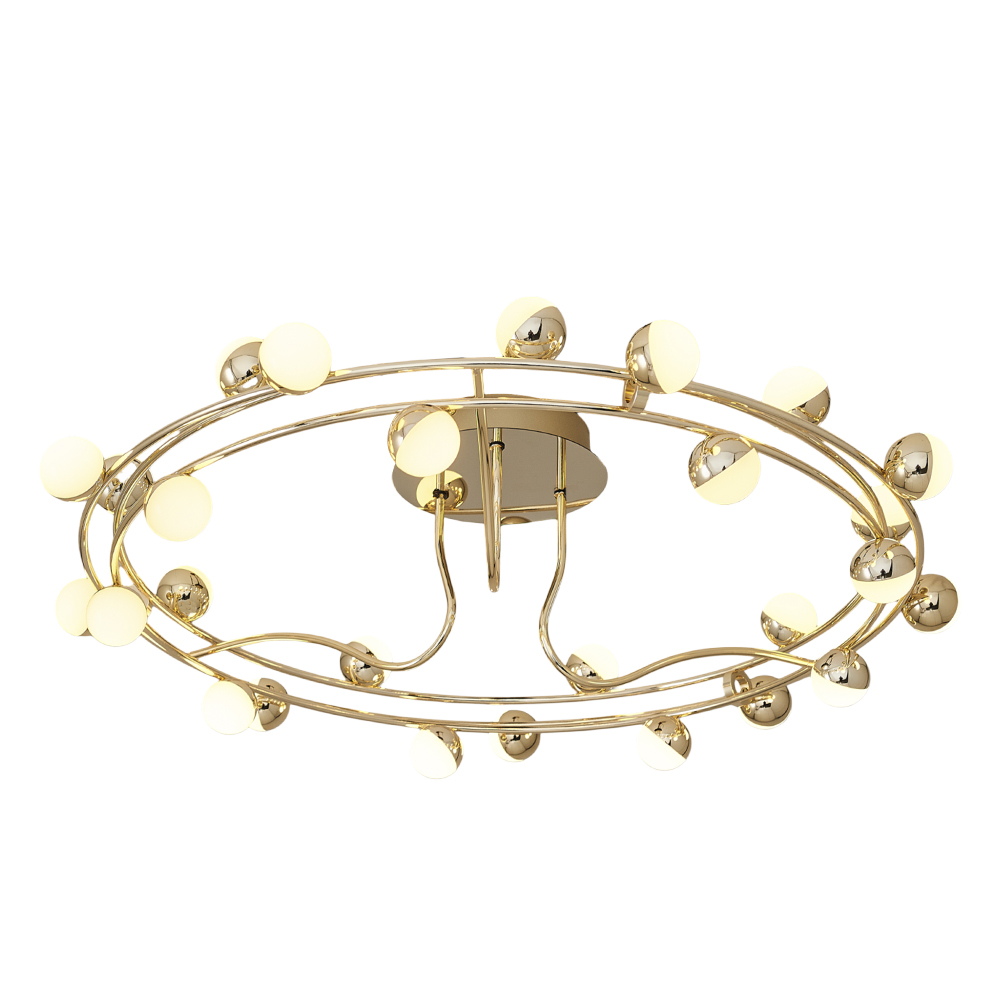
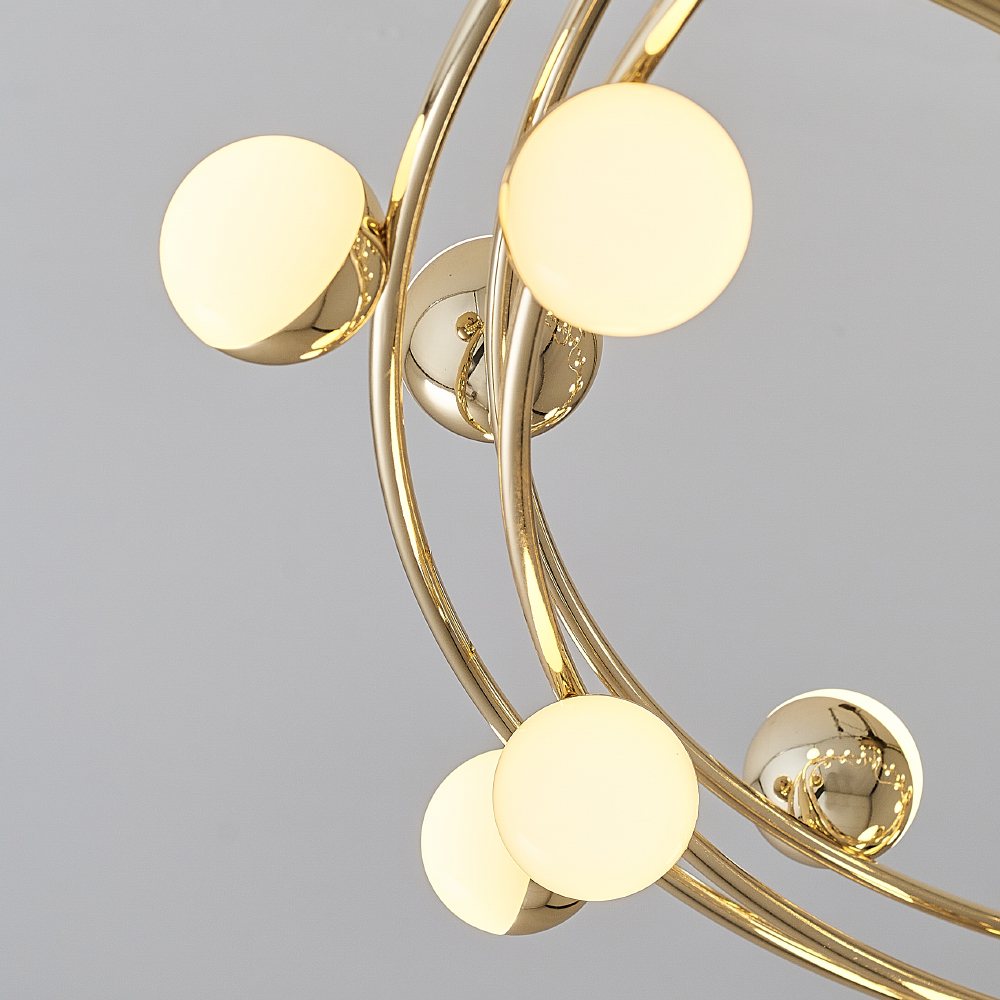
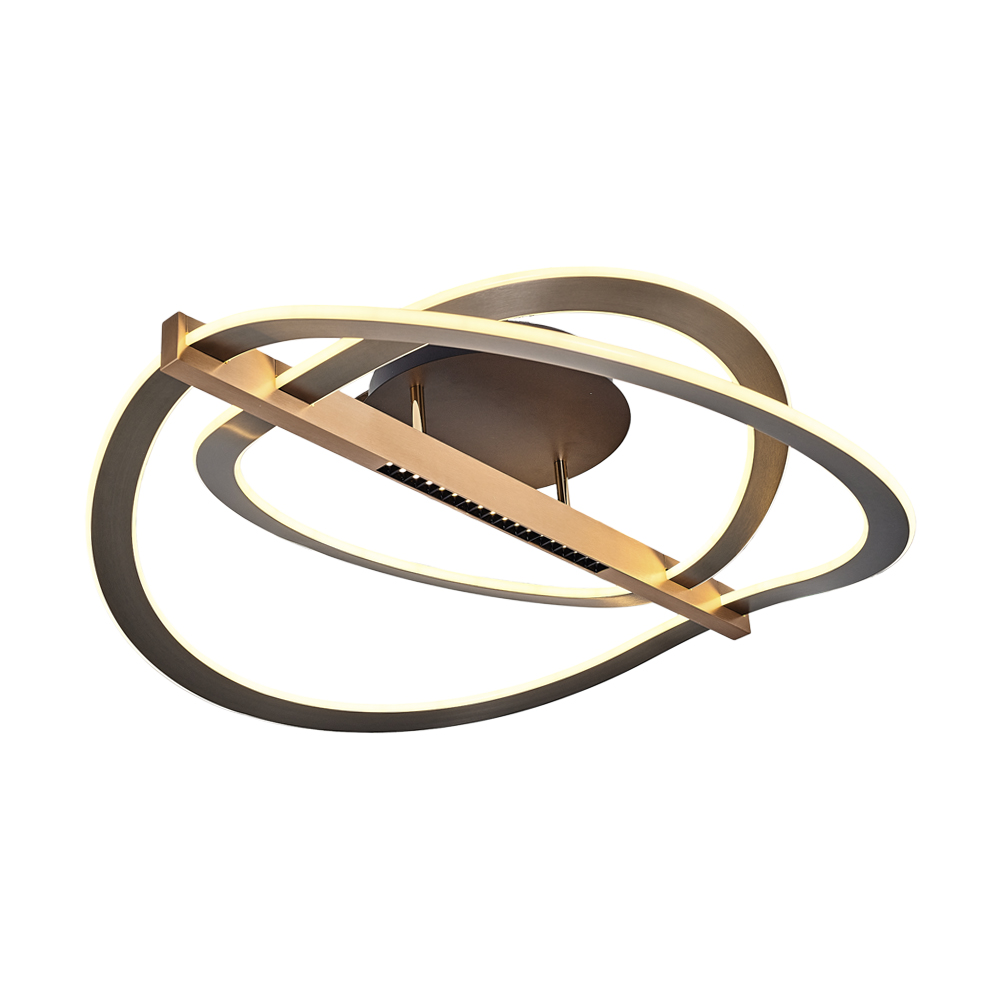
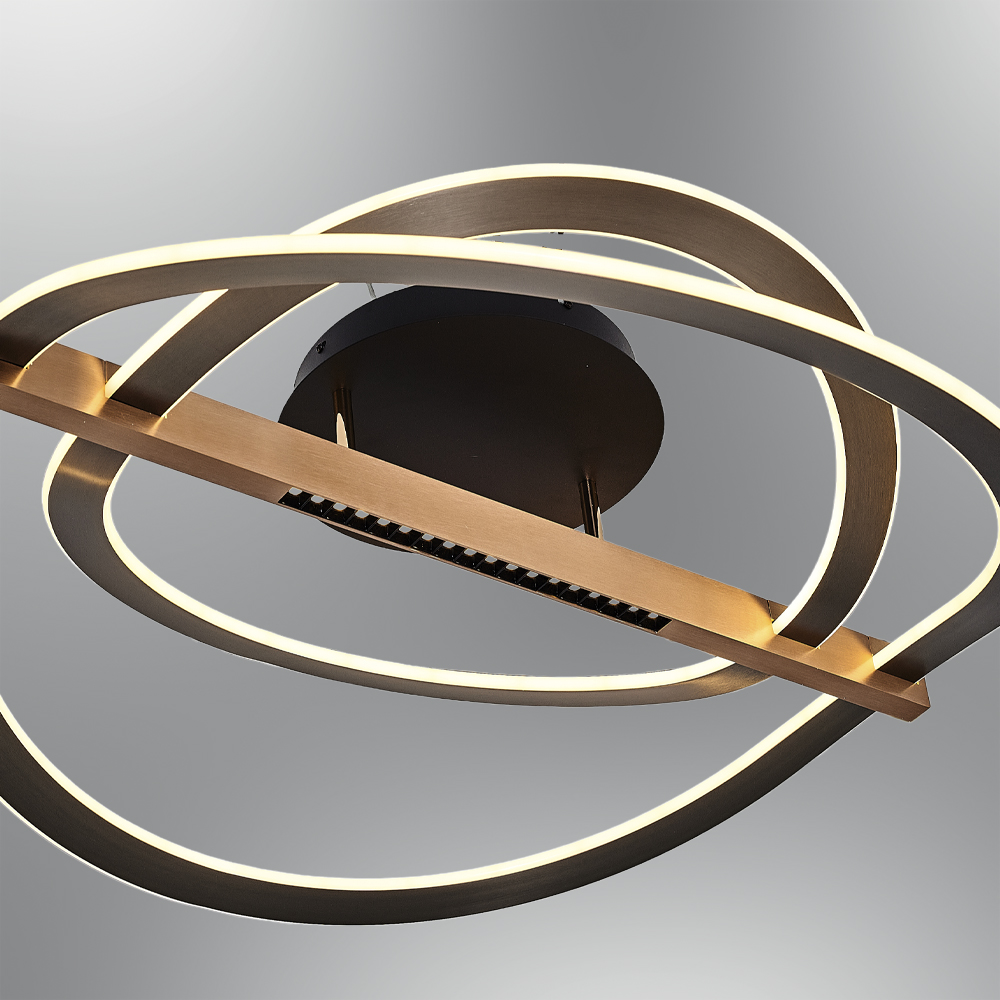
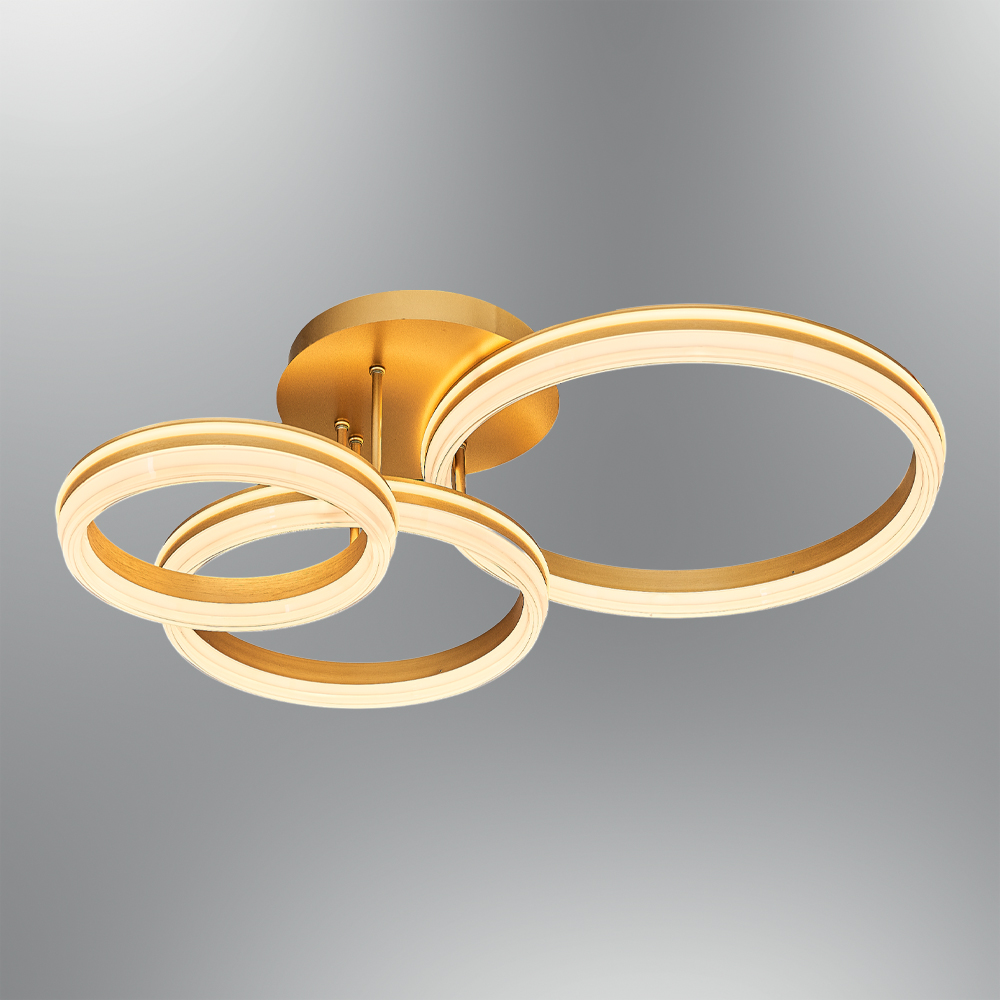
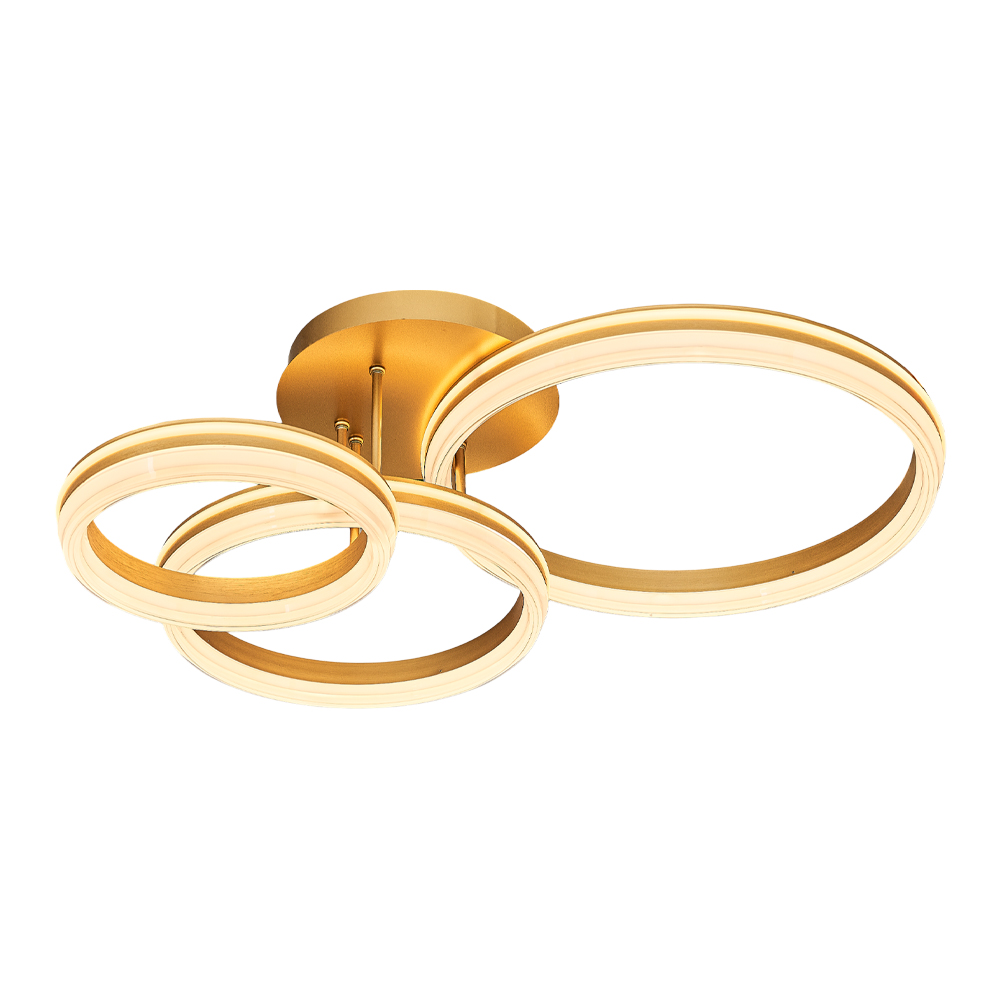
Open a New Dimension in Your Rooms with a Printed LED Ceiling Light
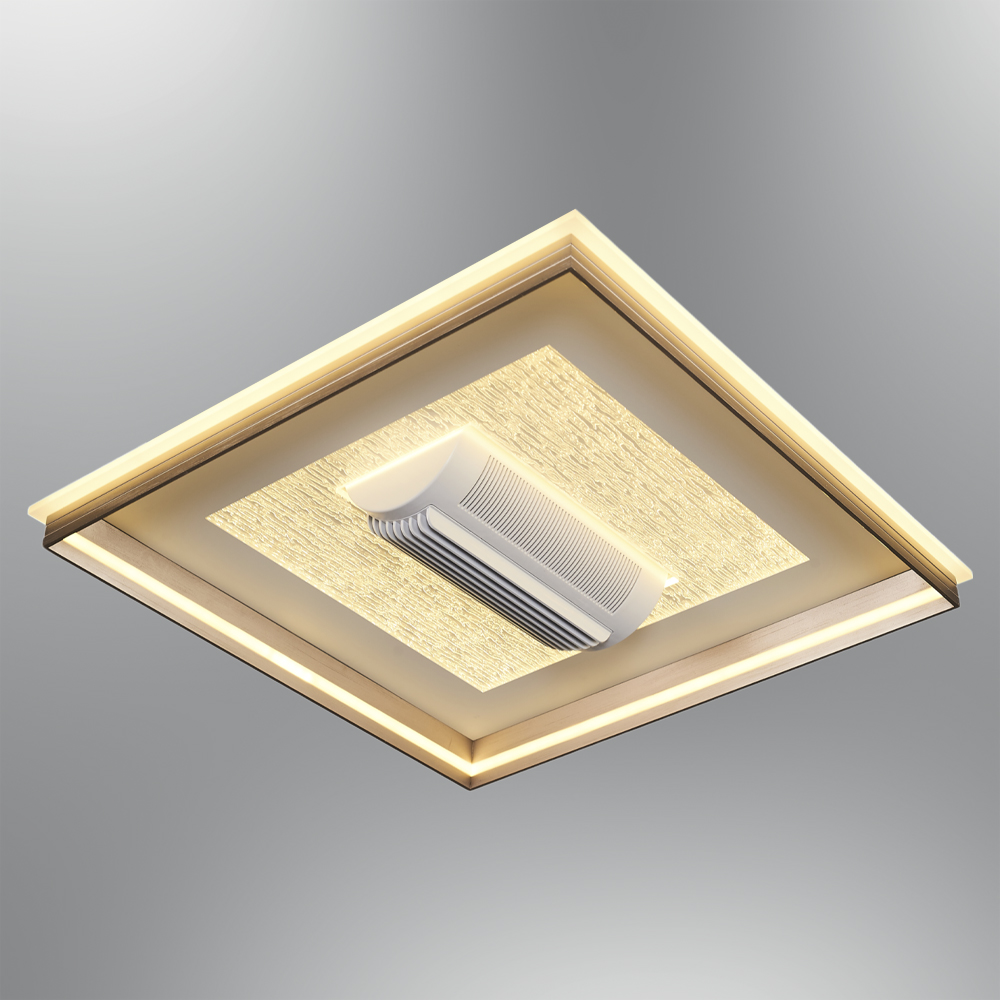
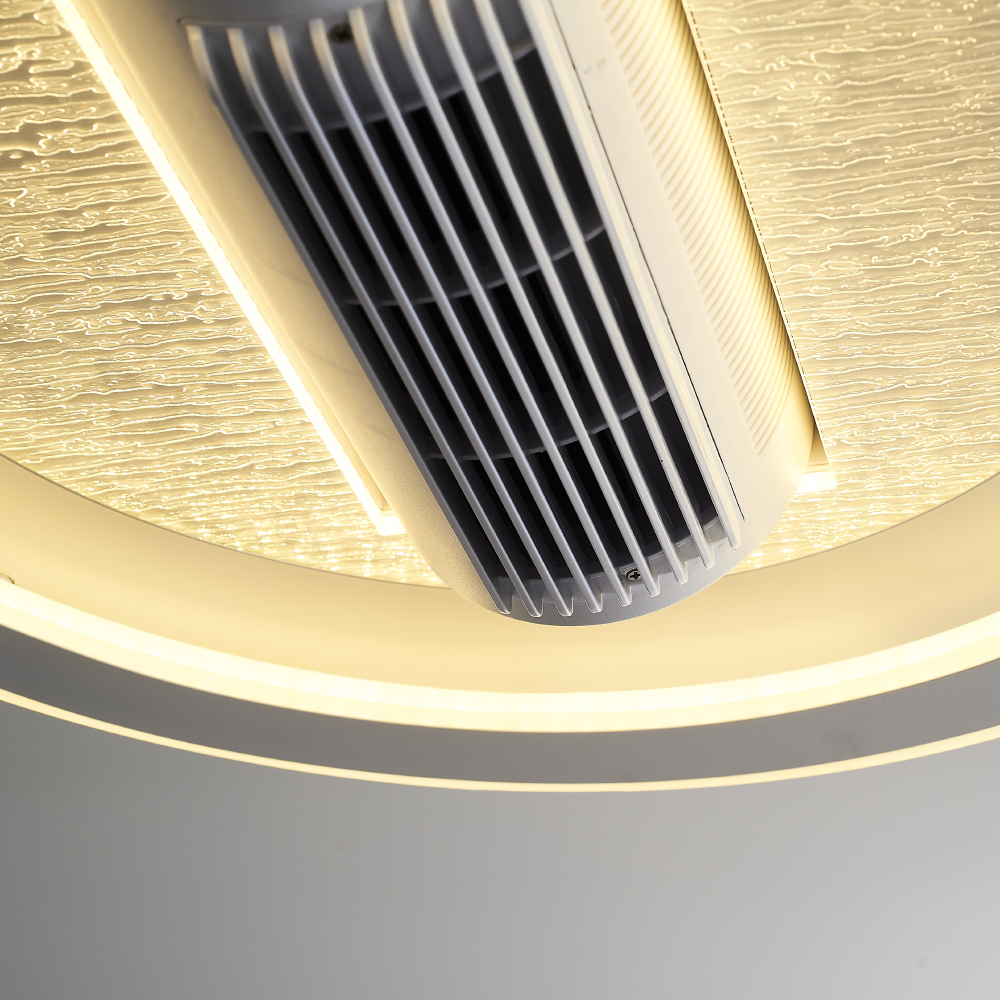
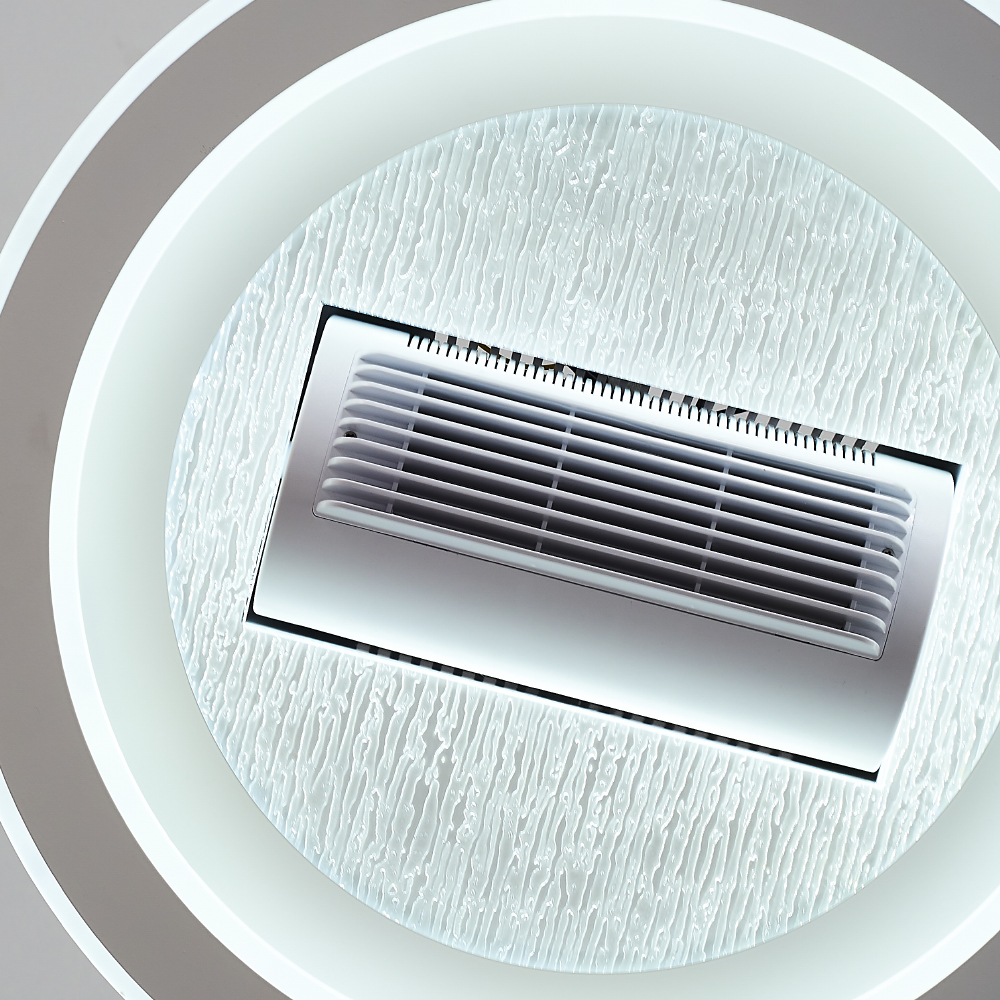
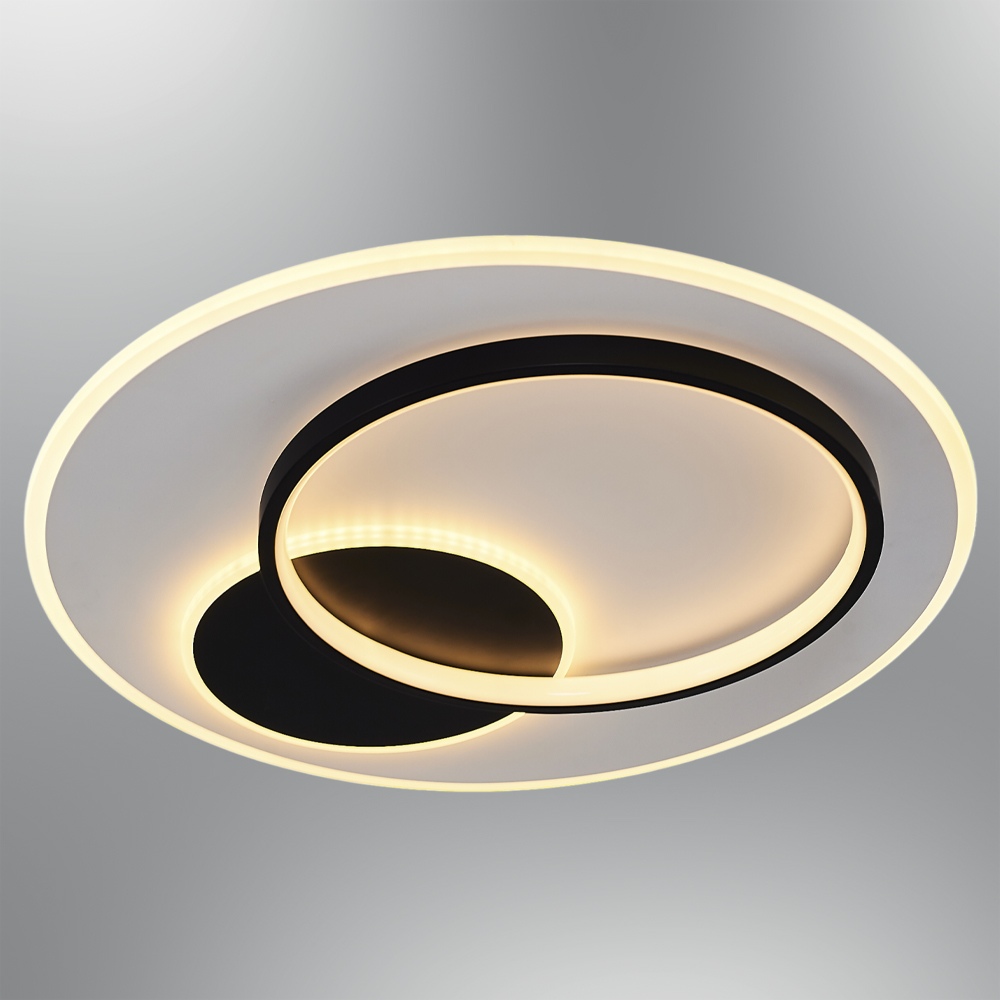
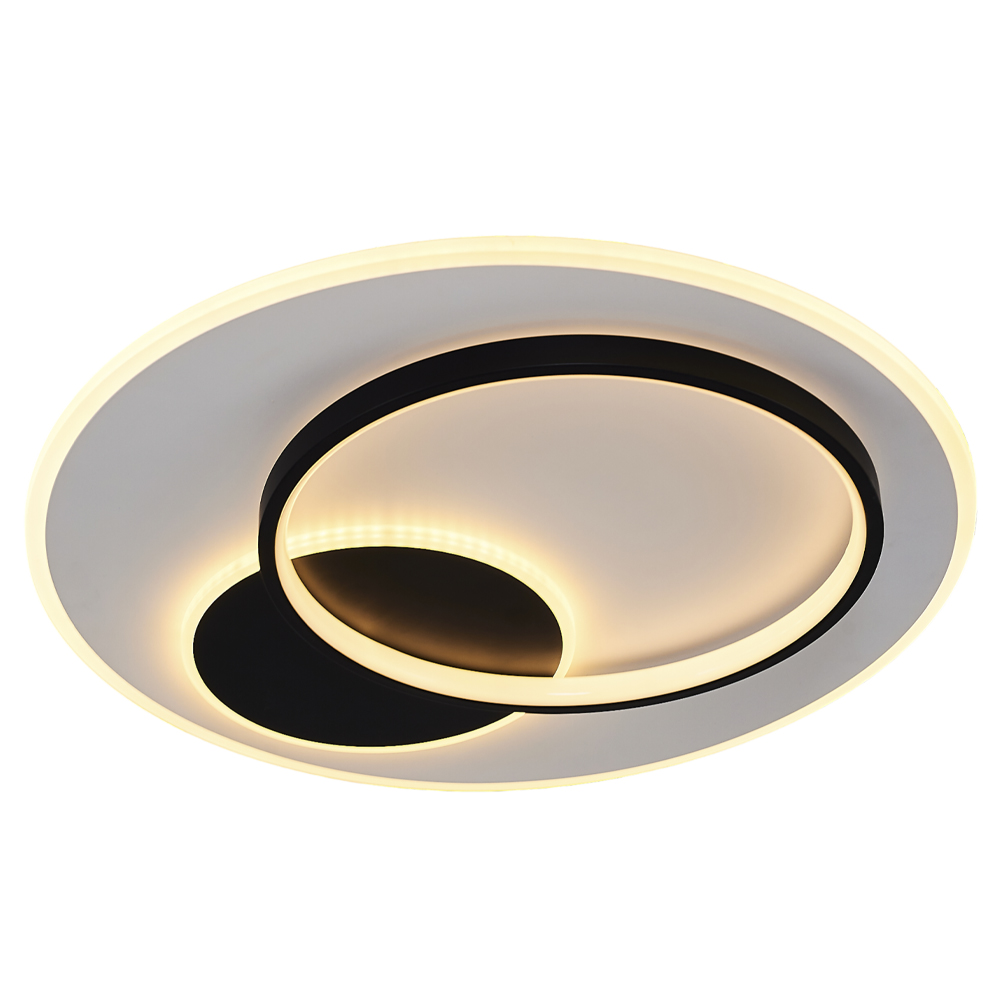
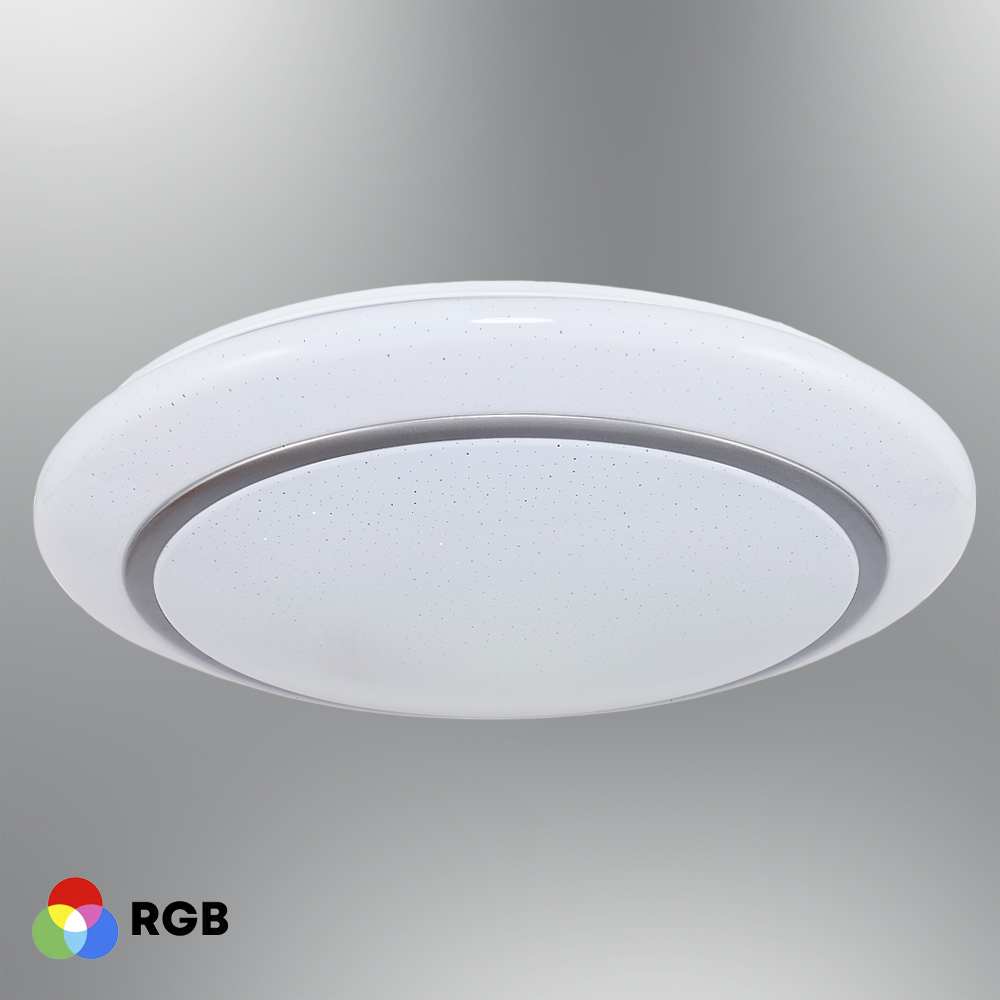
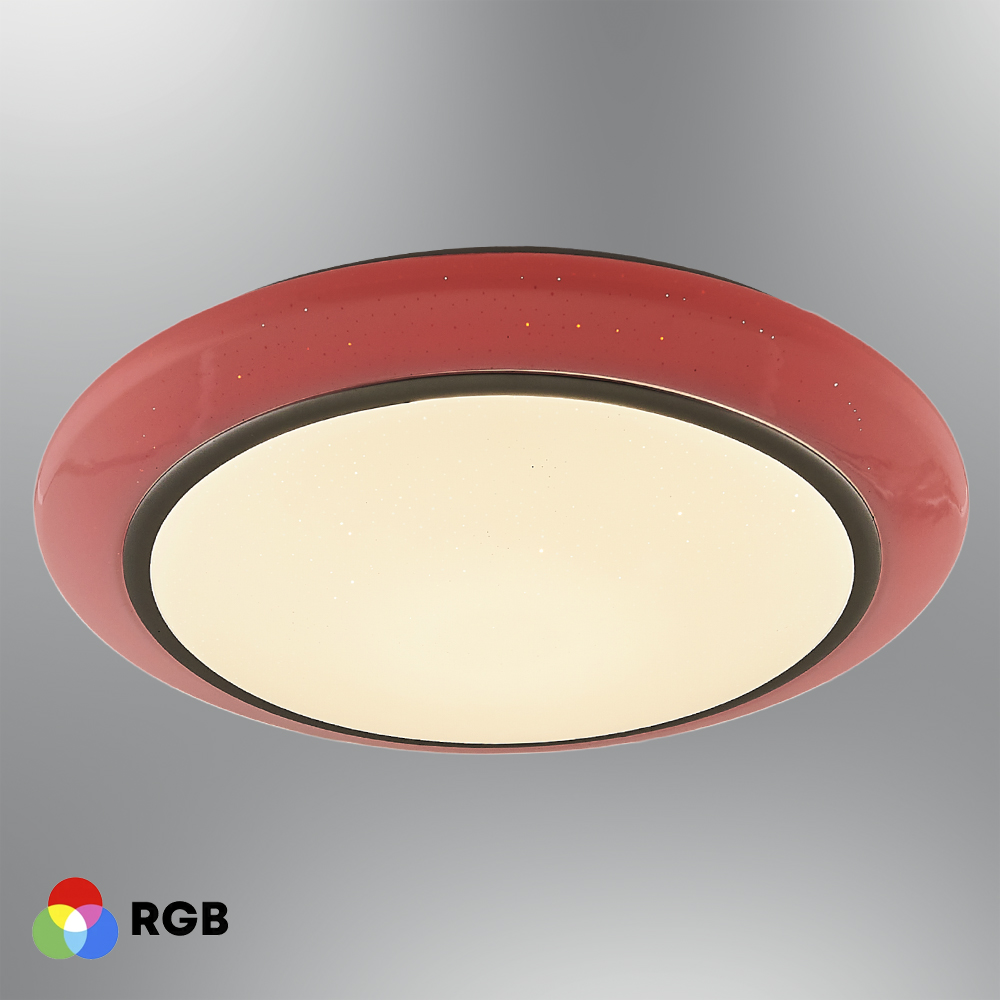
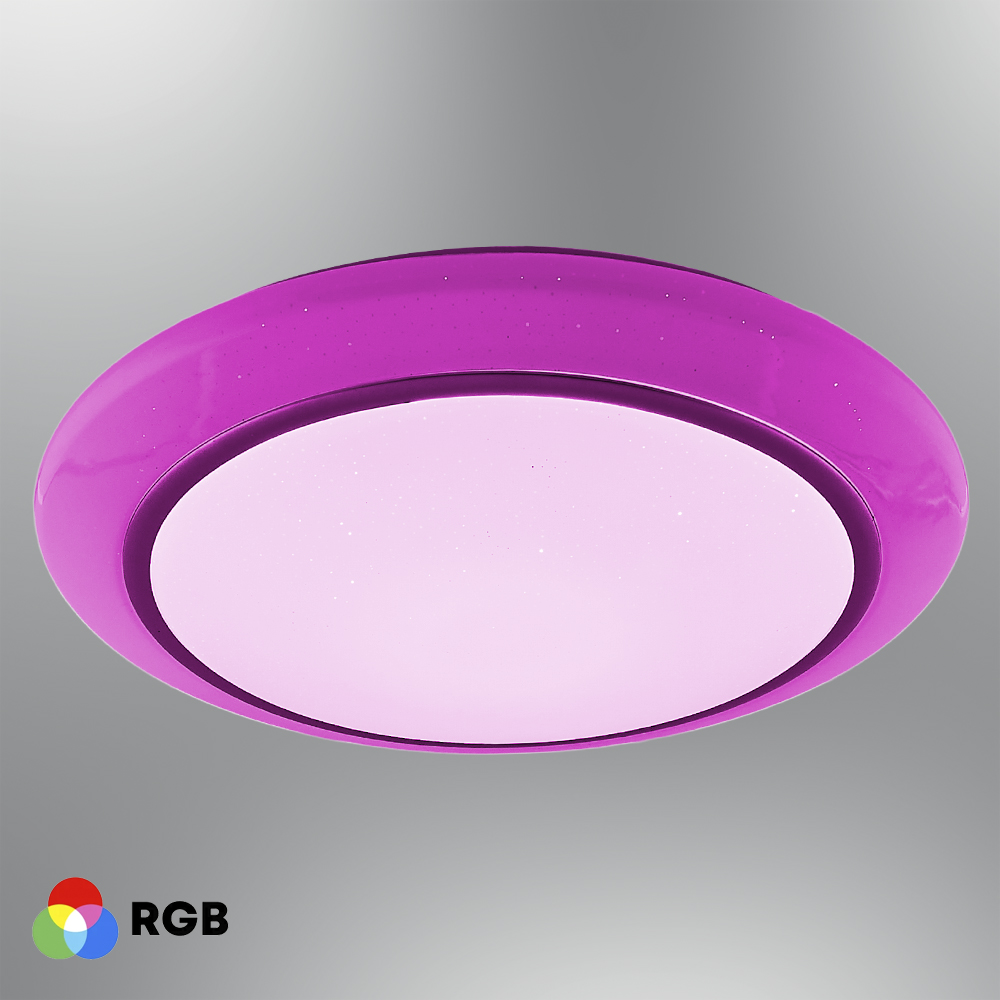
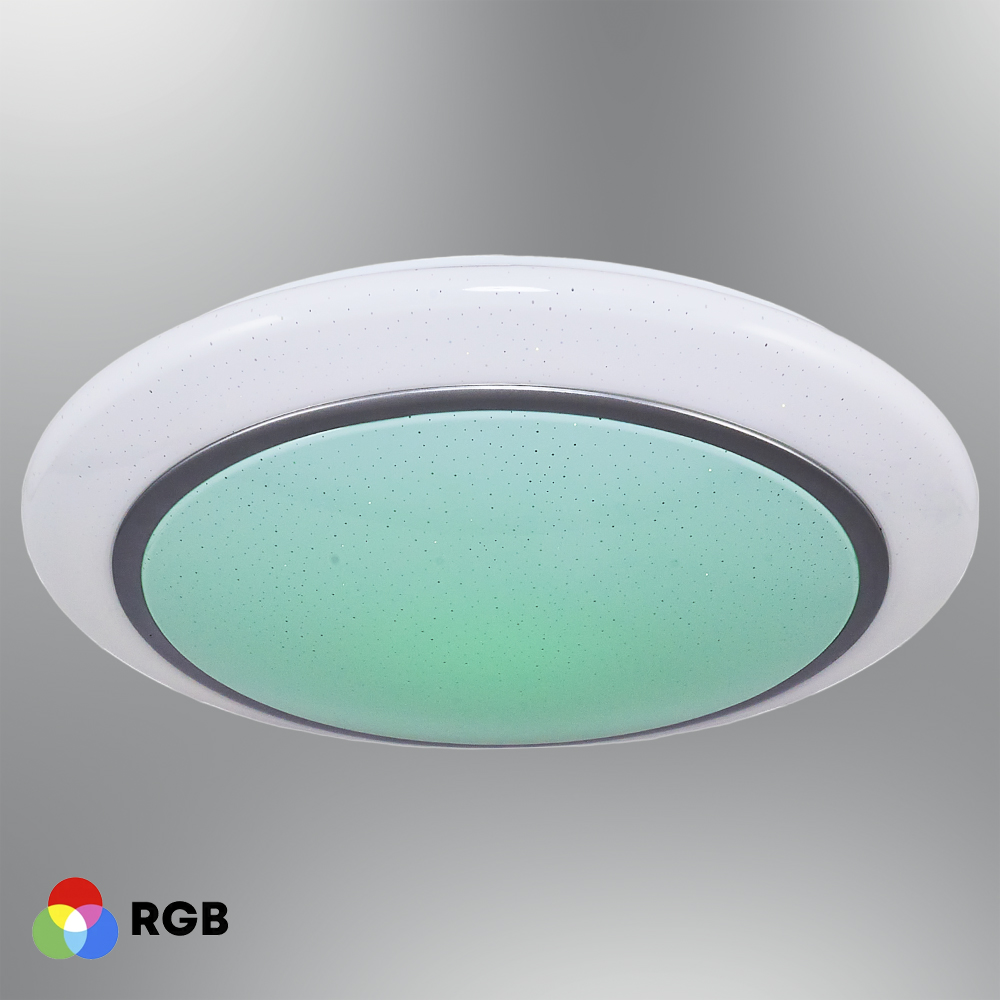
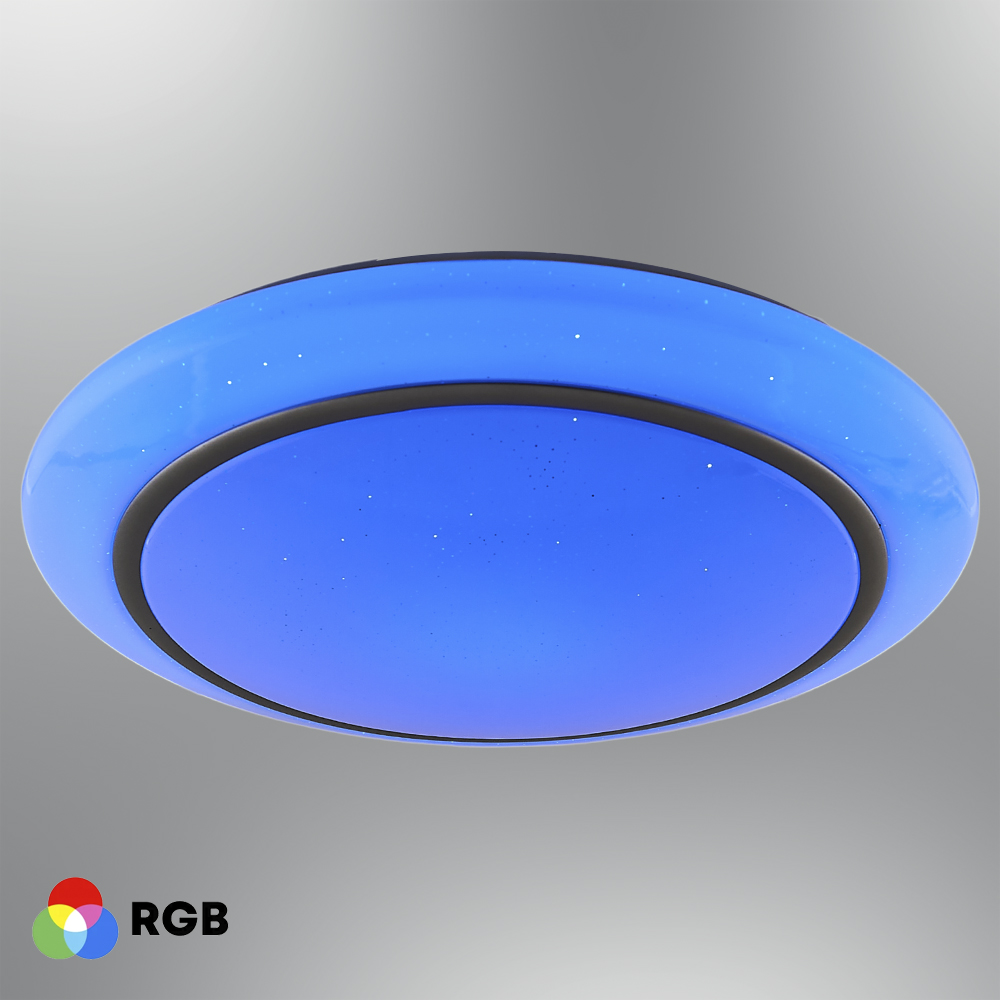
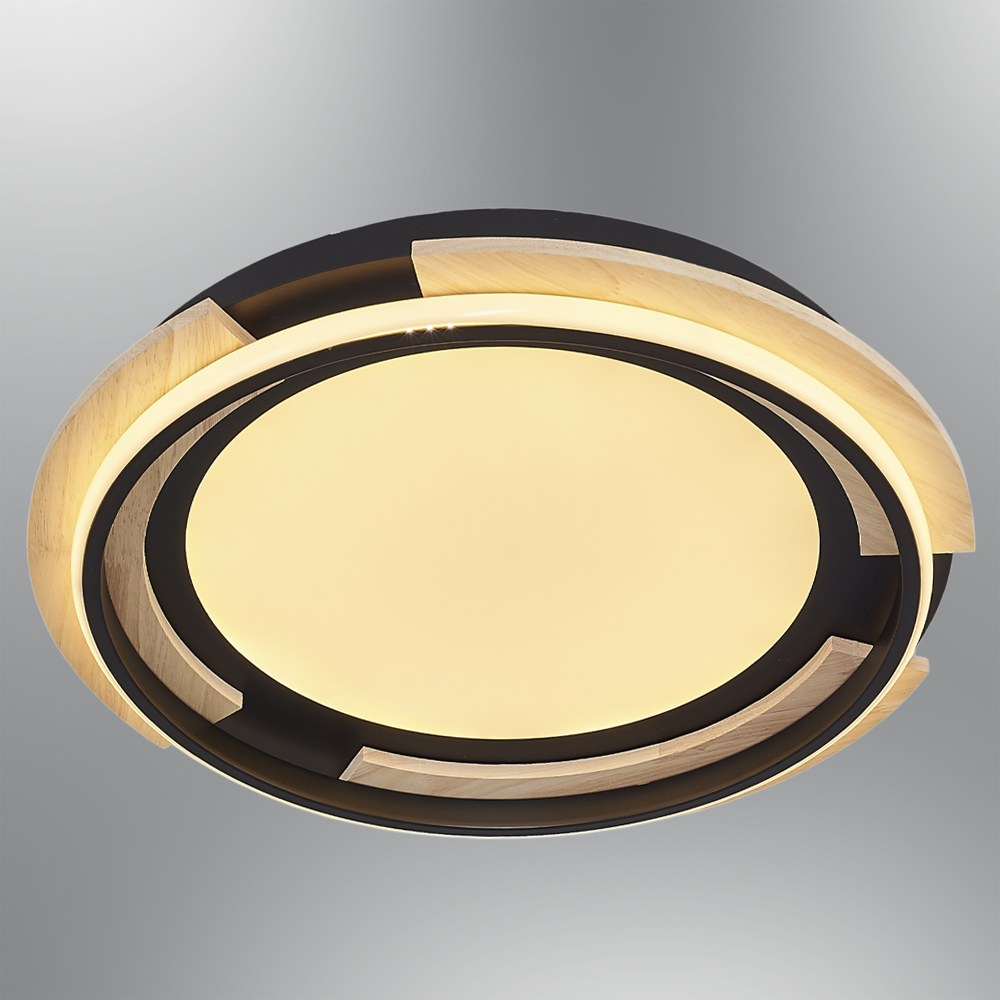
Where conventional lighting only pushes back the dark, a new generation of printed LED ceiling lights adds depth, character and a finished look to a room. Fixed straight to the ceiling, these fittings change the feel of a space without a suspended ceiling or any plasterboard work. Thanks to the high-resolution image on the surface, switching the light on reveals a landscape or a sky effect — lighting and decoration in a single body.
What to Consider When Choosing a Ceiling Light
When you choose the ceiling light that suits your room, these criteria are worth weighing:
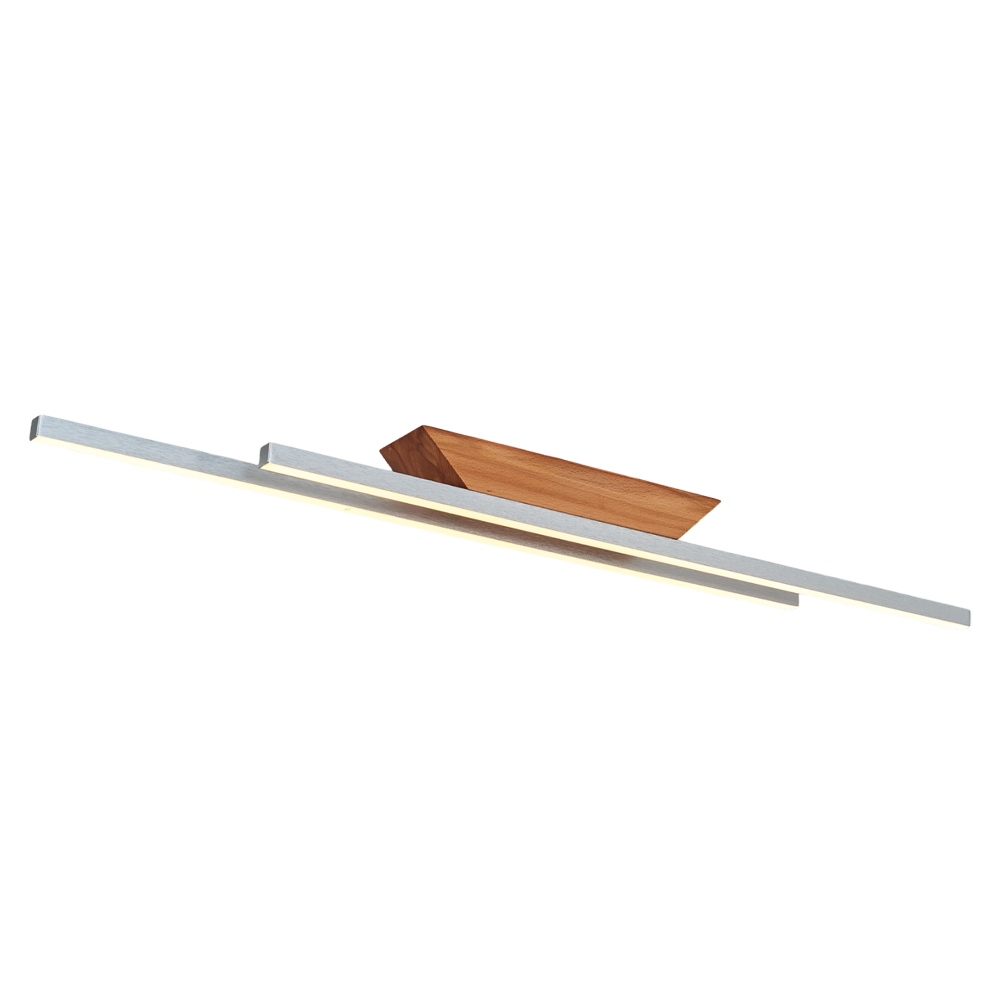
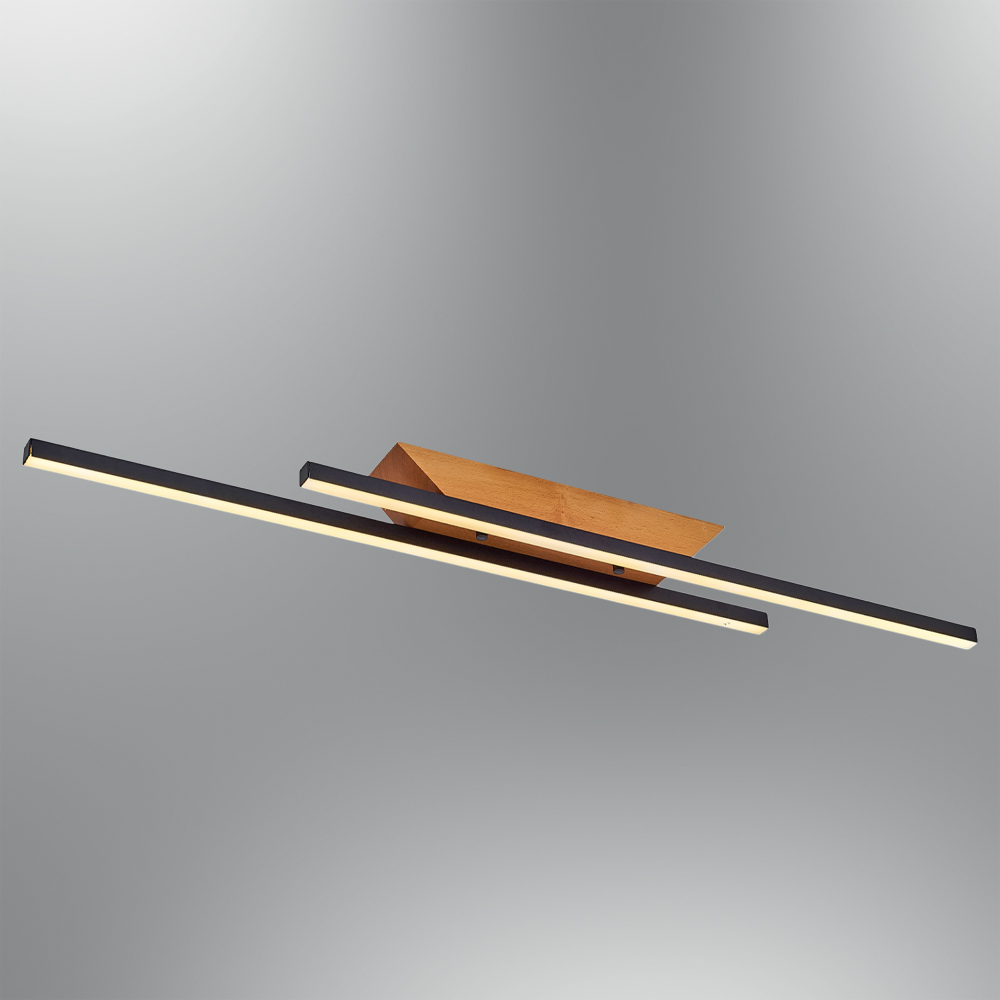
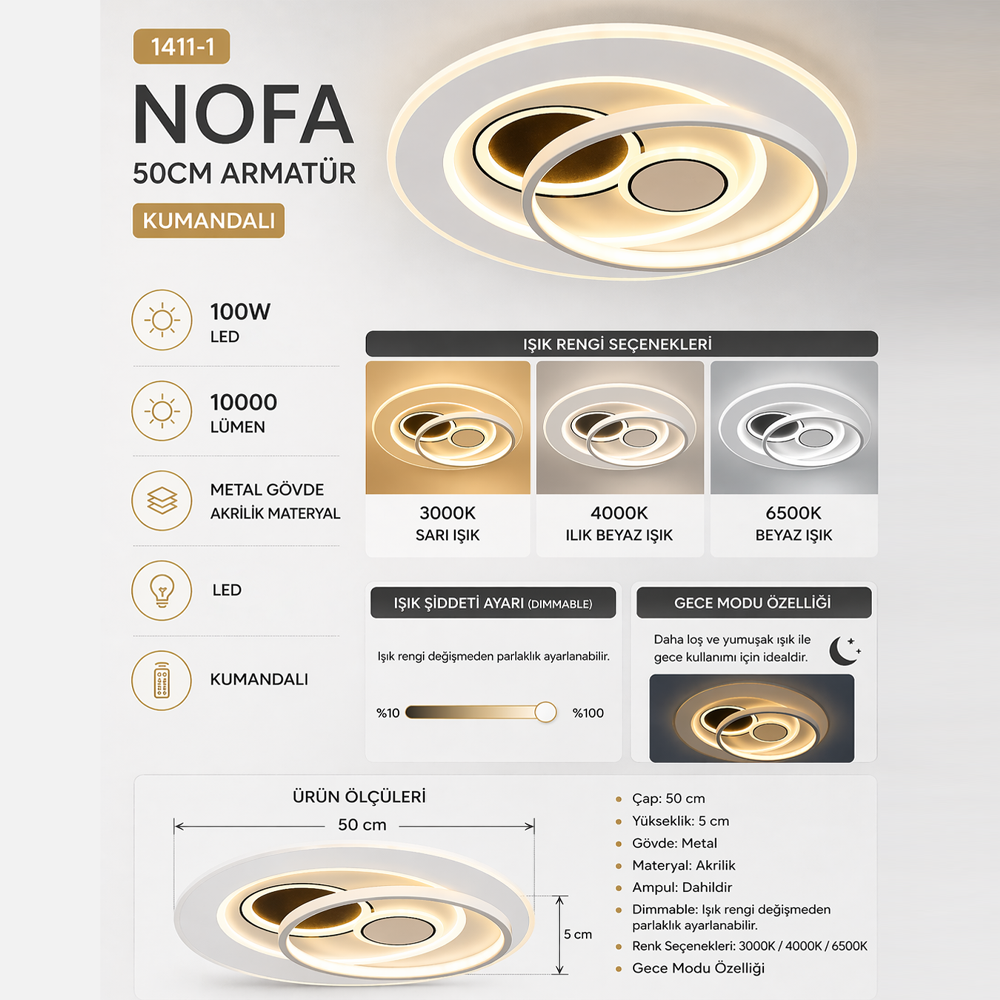
- Ceiling height: slim designs that project only about 5 cm from the ceiling remove the pressed-down feeling in rooms with a low ceiling and make the space read wider.
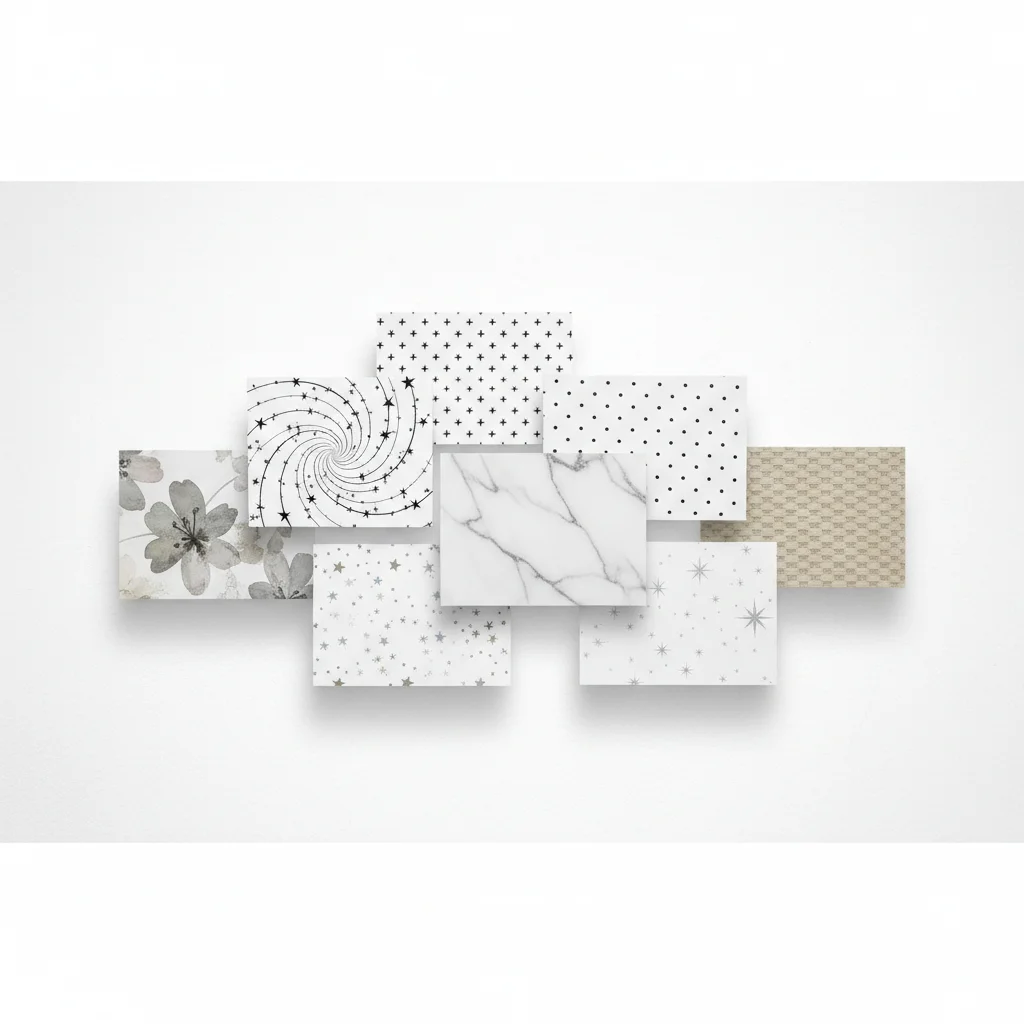
- Choice of image: restful cloud or sky themes suit bedrooms; playful figures work in children's rooms, while minimal geometric patterns are ideal for offices and hallways.
- Output and evenness: check whether the fitting spreads light evenly across the whole surface. Good LED chips give clean illumination without shadowing behind the image.
Who It Suits — and Who It Does Not (An Honest Comparison)
Printed LED ceiling lights are ideal for anyone who wants a modern touch at home without heavy building work. They are a particularly good alternative for tenants, because they can be taken down easily and moved to the next home. However, for anyone looking for the elegance of a classic crystal chandelier, or planning dim, spot-focused lighting, these even, wide-angle fittings may not be the right choice.
Frequently Asked Questions
Can a printed LED ceiling light be removed when moving house?
Yes. Because these fittings are screwed directly to the ceiling, they can be taken down easily when you move and carried to your new home undamaged. This is not a permanent installation like a suspended ceiling.
Does the printed image fade over time or block the light?
No. The high-resolution printing technology is resistant to heat and light, and it is produced with a transmission level chosen so that it does not prevent the light from spreading evenly through the room.
Why a Ceiling Light in a Low Room?
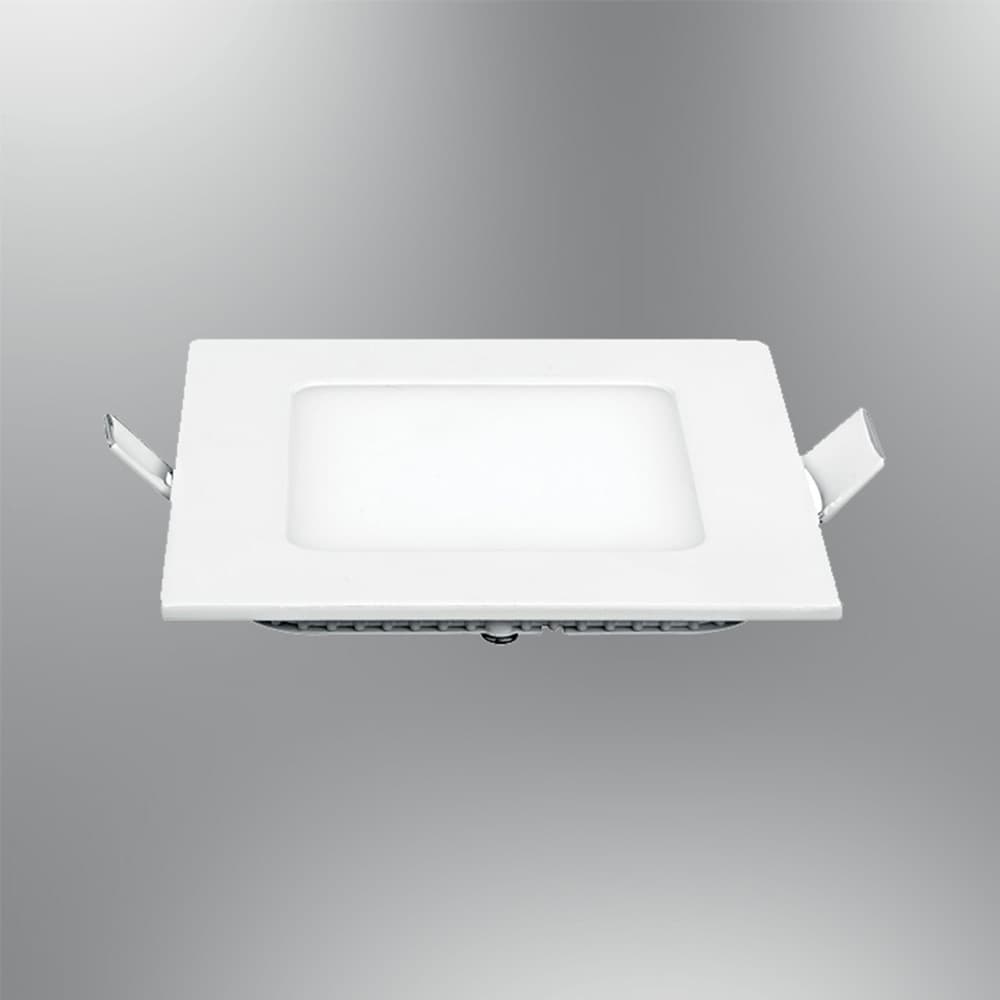
Because it is mounted flush to the ceiling, a ceiling light takes up no room below it. At standard and low ceiling heights of 240–260 cm, a pendant both drops low enough to be in the way and visually lowers the room; a flush ceiling light removes both problems at once. That is why it is the most common choice in corridors, hallways, kitchens and children's rooms.
- Size: chosen against the shorter wall of the room; in a small hallway a wide fitting covers the ceiling and looks oppressive.
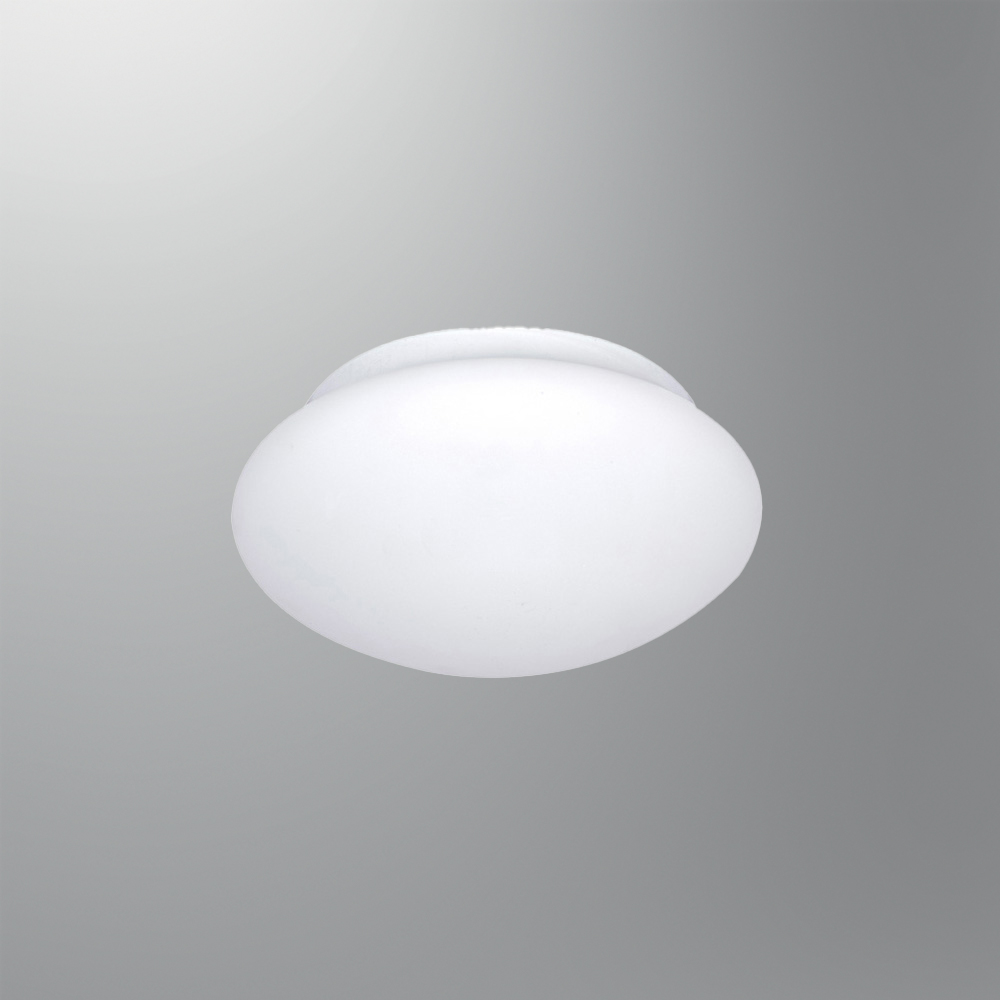
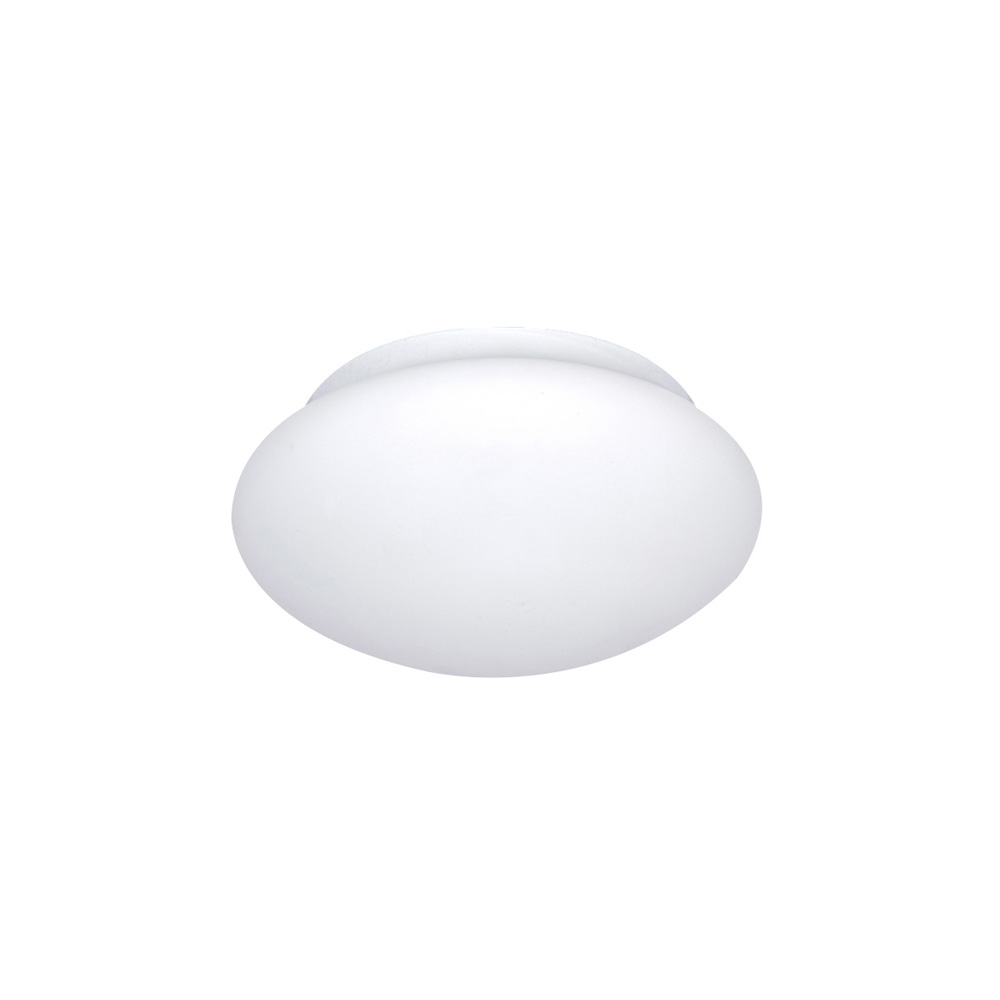
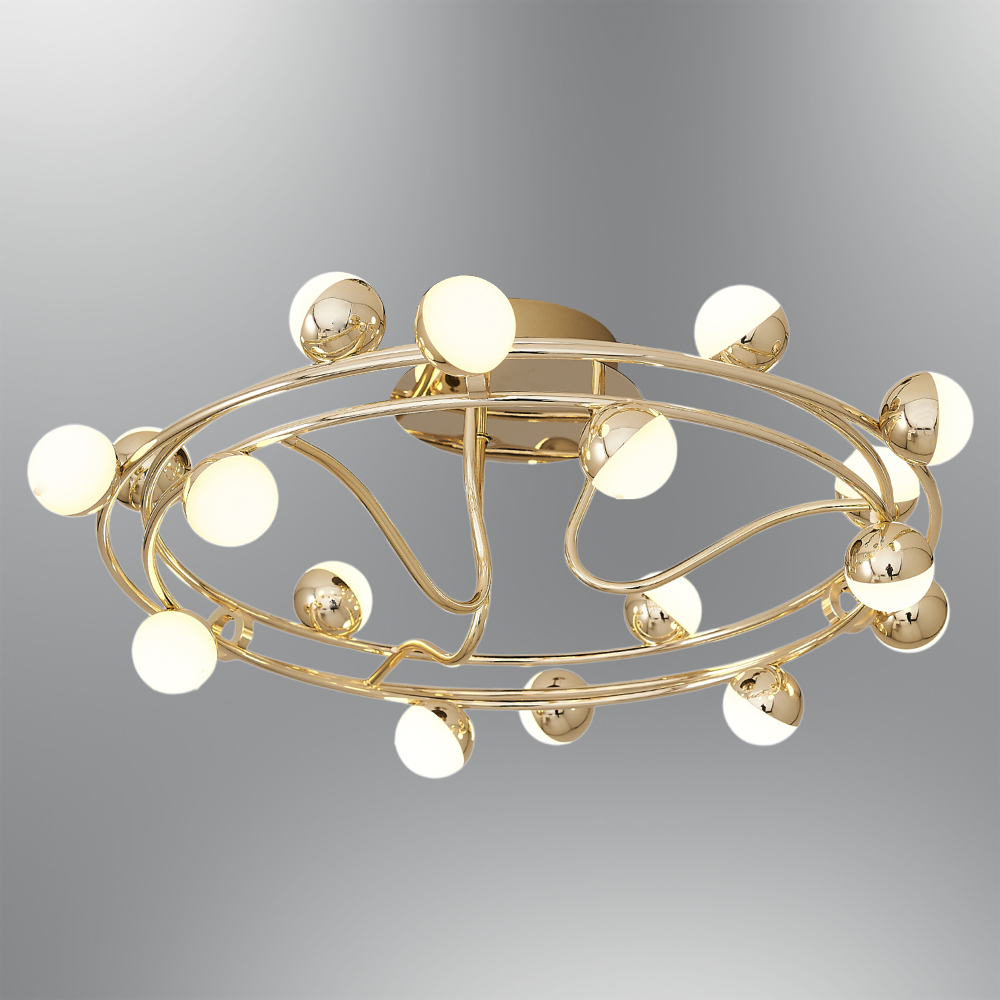
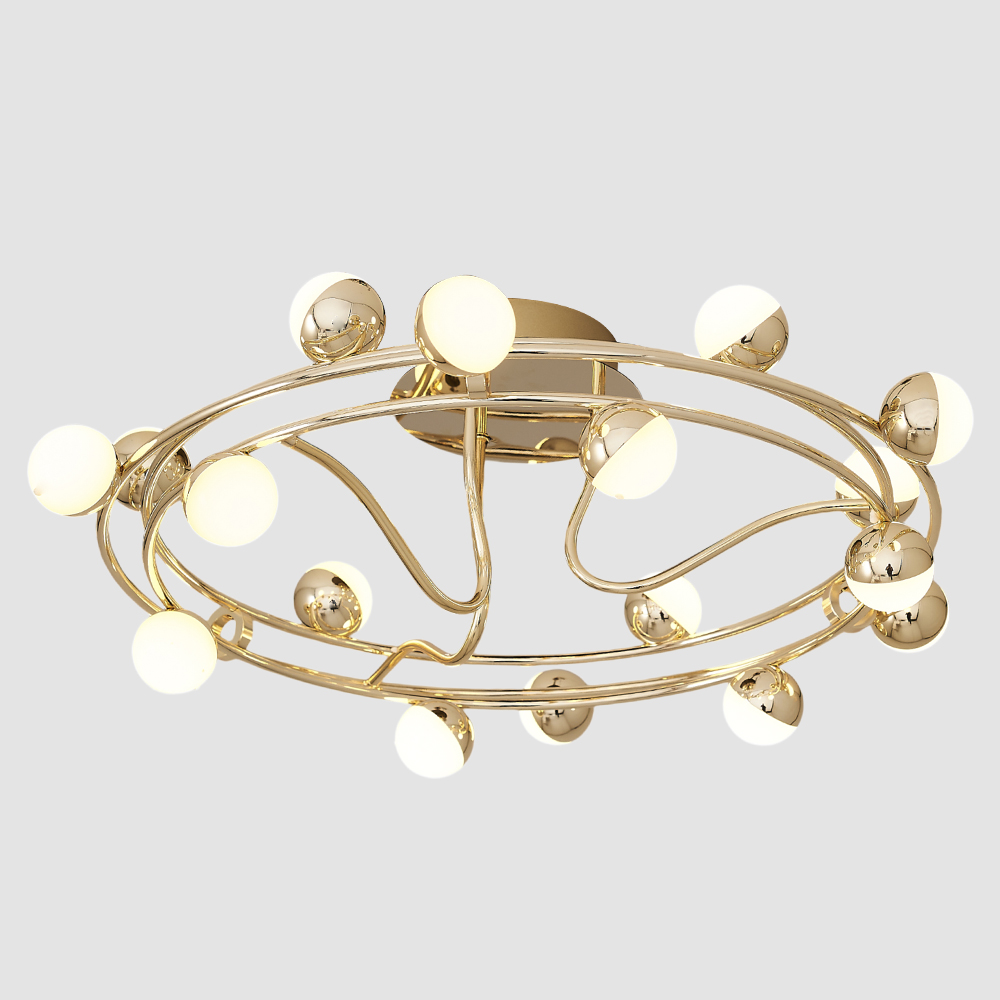
- Distribution: models with an opal diffuser spread the light and soften shadows; clear models give a brighter but harder light.
- Dimmability: the deciding feature for anyone who wants to use the same fitting both as general lighting and as a night light.
Budget
Our 128 models with a published price run from 53 EUR to 1238 EUR, with a median of 247 EUR. Plain technical fittings sit at the lower end of the range and large decorative models at the upper end.