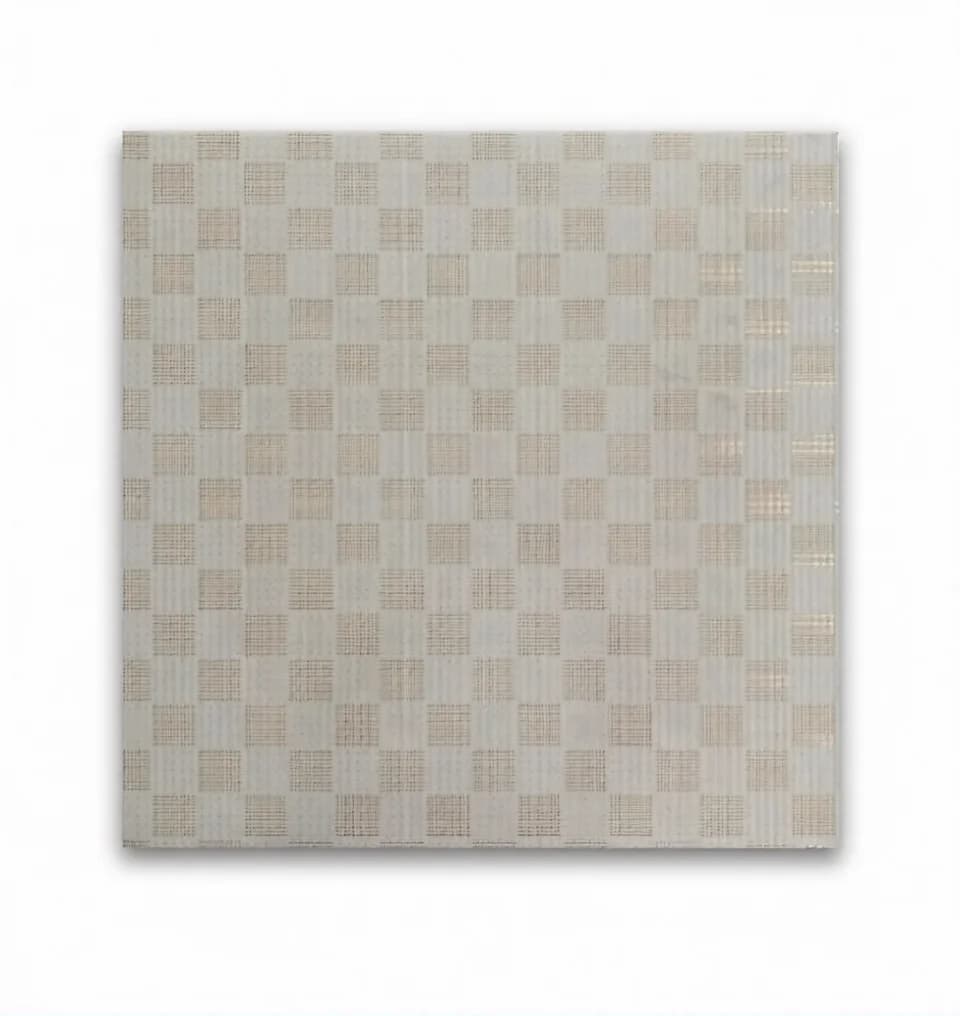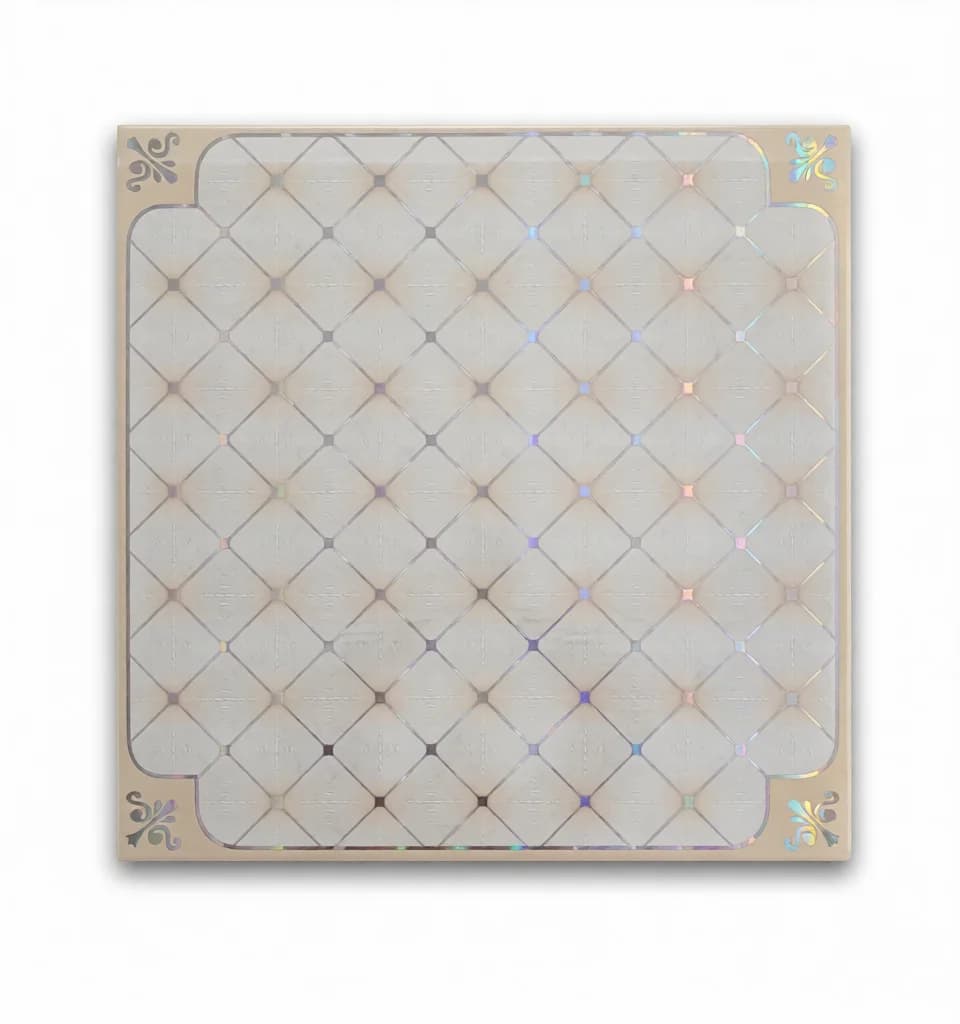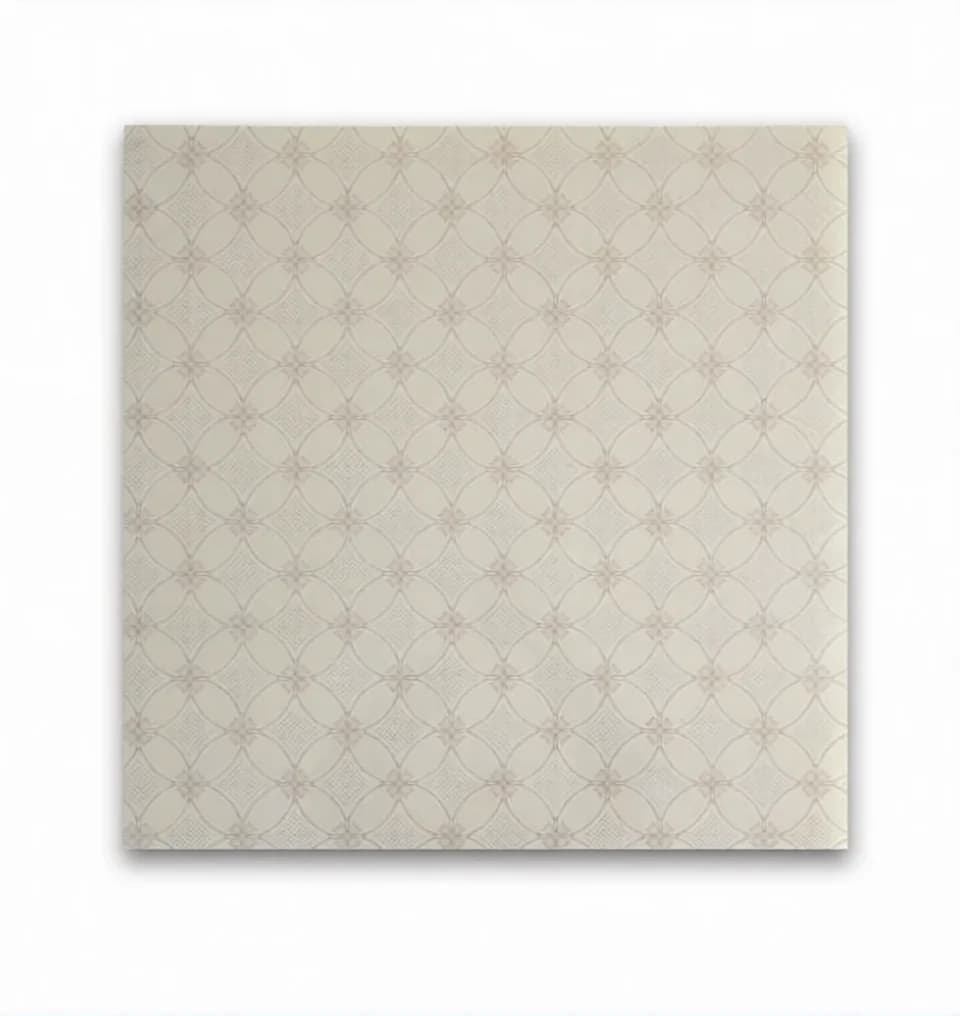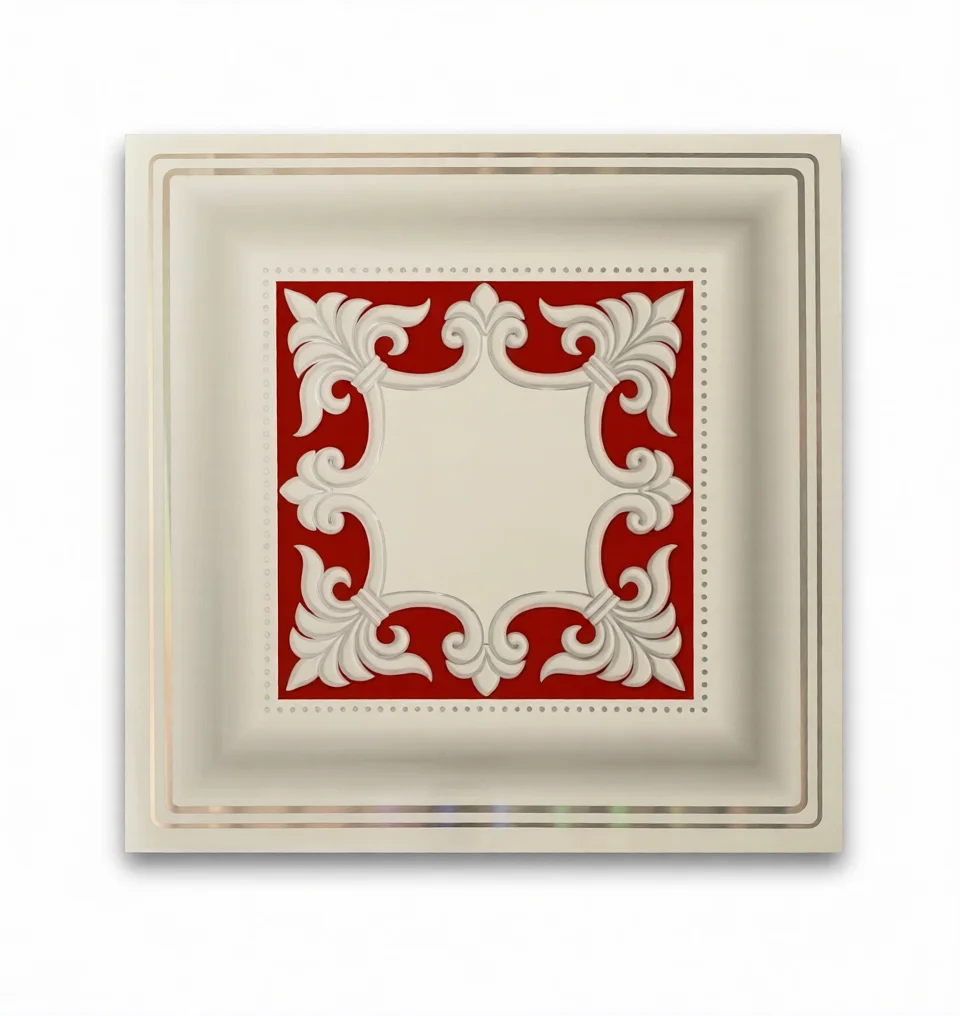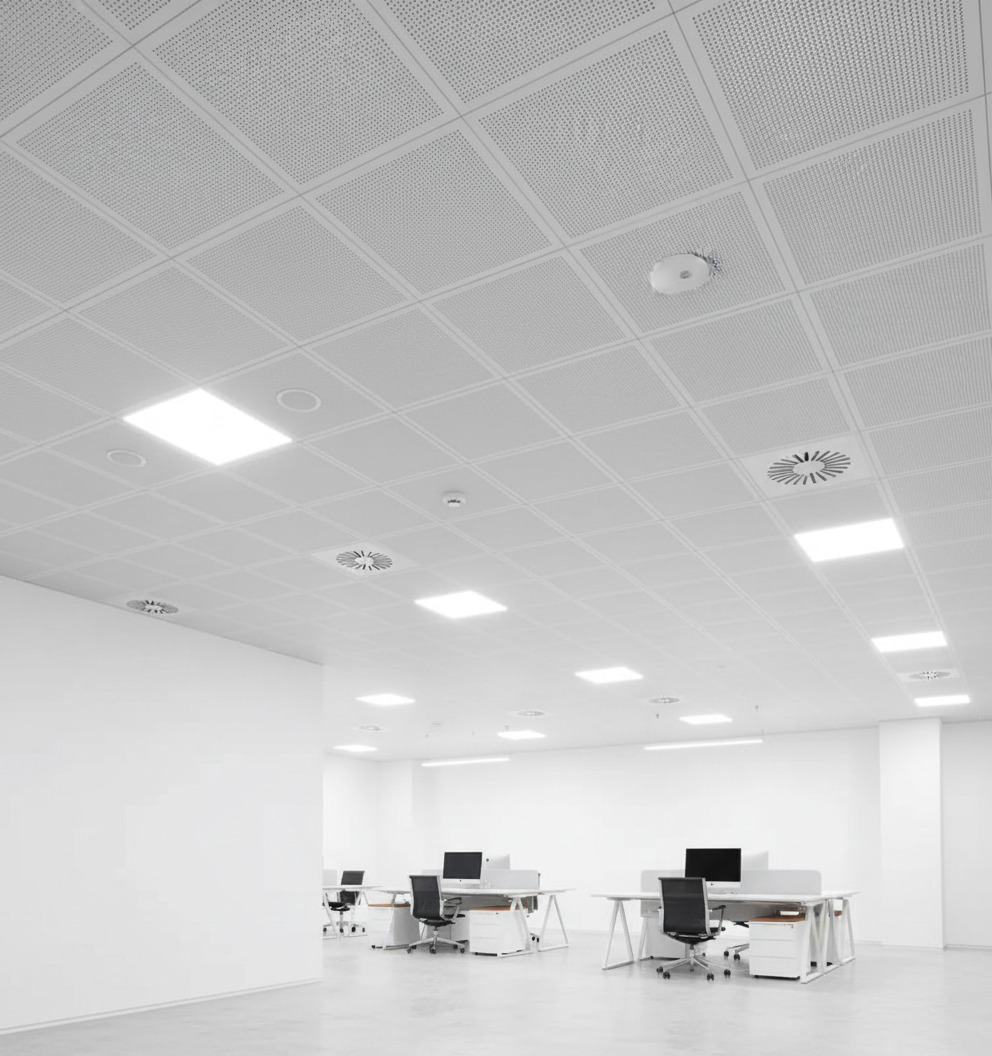
Ceiling renovation projects are often perceived as costly, time-consuming, and complex. Traditional gypsum board or plaster applications can be intimidating due to dust, dirt, and lengthy labor requirements. However, thanks to the innovative solutions offered by modern interior design, an alternative exists that completely changes this perception, allowing you to effortlessly and affordably beautify your ceilings: self-adhesive PVC ceiling panels.
These practical and aesthetic products promise a quick and stylish transformation across a wide range of spaces, from your living areas to commercial establishments. While standing out with their ease of installation, they also adapt to every taste and decoration style with their rich selection of models and patterns. In this comprehensive guide, we will delve into what self-adhesive PVC ceiling panels are, the numerous advantages they offer, the varieties available on the market, and step-by-step application processes. This way, you will discover the secrets to giving your ceilings a brand new look.
1. What Are Self-Adhesive PVC Ceiling Panels?
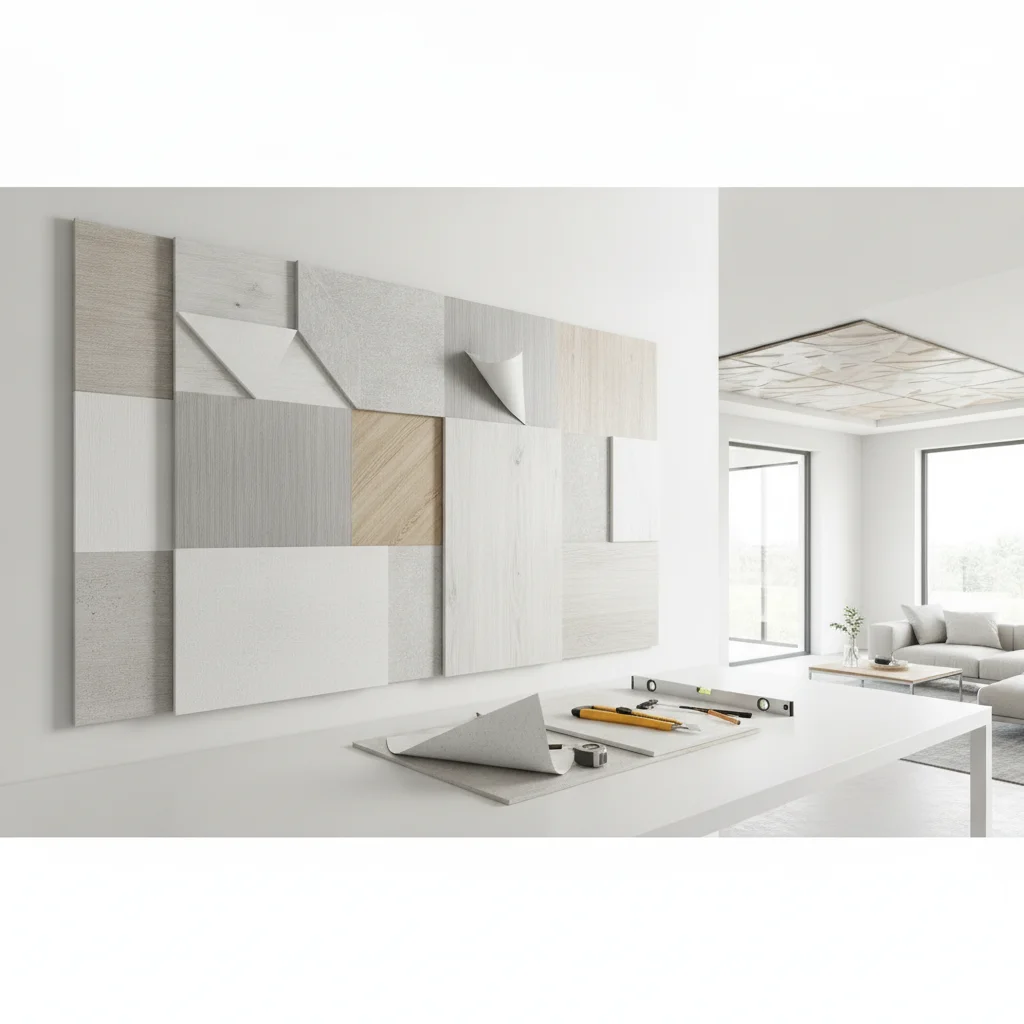
Self-adhesive PVC ceiling panels, as the name suggests, are ceiling covering products made from a lightweight and durable plastic material called polyvinyl chloride (PVC). The most distinctive and transformative feature of these panels is the presence of a high-strength, special adhesive layer on their back surface. This adhesive layer is typically covered with an easily removable protective film or paper. When this protective layer is removed during installation, the panel adheres strongly and directly to the ceiling surface.
The inherent properties of PVC, such as lightness and resistance to water and moisture, make these panels ideal for ceiling coverings. These panels typically consist of several layers: a PVC core, a decorative patterned film applied over it (imitating wood, stone, marble, etc.), and the self-adhesive layer with a protective film at the very back. This structure provides the panels with both an aesthetic appearance and long-lasting durability.
2. Why Choose Self-Adhesive PVC Ceiling Panels? (Advantages)
Self-adhesive PVC ceiling panels offer a range of significant advantages compared to traditional ceiling covering methods. These benefits make them an attractive option for both individual users and commercial businesses:
- 1. Easy and Quick Installation: Perhaps the greatest advantage is their incredibly easy installation. "Peel and Stick" principle, these panels require no special tool knowledge or professional craftsmanship. With minimal preparation, most people can renovate their ceiling quickly on their own. This saves on labor costs and accelerates the project.
- 2. Cost-Effective Solution: They are highly economical in terms of both material costs and labor expenses. Being more affordable compared to traditional ceiling covering materials (gypsum board, wood paneling, etc.), they are ideal for those seeking a budget-friendly renovation.
- 3. Wide Range of Designs and Models: Self-adhesive PVC ceiling panels offer limitless options to suit your decoration style and taste. From wood patterns to natural stone and marble appearances, modern geometric shapes to plain and simple colors, and even three-dimensional (3D) effect models, hundreds of different choices are available. This variety has the potential to transform the atmosphere of any interior space.
- 4. Durability and Longevity: Due to the nature of PVC, they are highly resistant to water, moisture, and impacts. This feature offers ideal use, especially in humid environments like bathrooms and kitchens. The likelihood of issues such as fading, cracking, or peeling over time is low.
- 5. Easy Maintenance and Hygiene: The surface of the panels is typically smooth and non-porous, which makes it difficult for dirt and stains to adhere. They can be easily wiped clean with a damp cloth. Furthermore, some models may have anti-bacterial properties, preventing the formation of mold and mildew, thus offering a more hygienic environment.
- 6. Lightweight: Being much lighter than traditional ceiling coverings, they do not impose an extra load on the ceiling structure. This is a significant advantage, especially in older buildings or spaces with sensitive support systems.
- 7. Concealing Aesthetic Flaws: You can easily conceal aesthetic flaws such as cracks, stains, color differences, or minor imperfections on your existing ceiling with self-adhesive panels. This saves you from costly and laborious surface preparation work.
- 8. Contribution to Heat and Sound Insulation: Although not primary insulation materials, when properly installed, they can contribute to the room's heat and sound insulation to some extent. This effect can be noticeable, especially in thin and single-layered ceilings.
3. Types and Models of Self-Adhesive PVC Ceiling Panels
One of the main reasons for the popularity of self-adhesive PVC ceiling panels is the astonishing variety of models and patterns available on the market. It is possible to find an option suitable for every taste and budget:
- 1. Varieties Based on Visual Textures:
- Wood Patterned PVC Ceiling Panels: They mimic the warmth and elegance of natural wood. Models with grain patterns and tones of different tree types like oak, pine, walnut, and maple are available. They perfectly complement rustic, country, or modern Scandinavian style decorations.
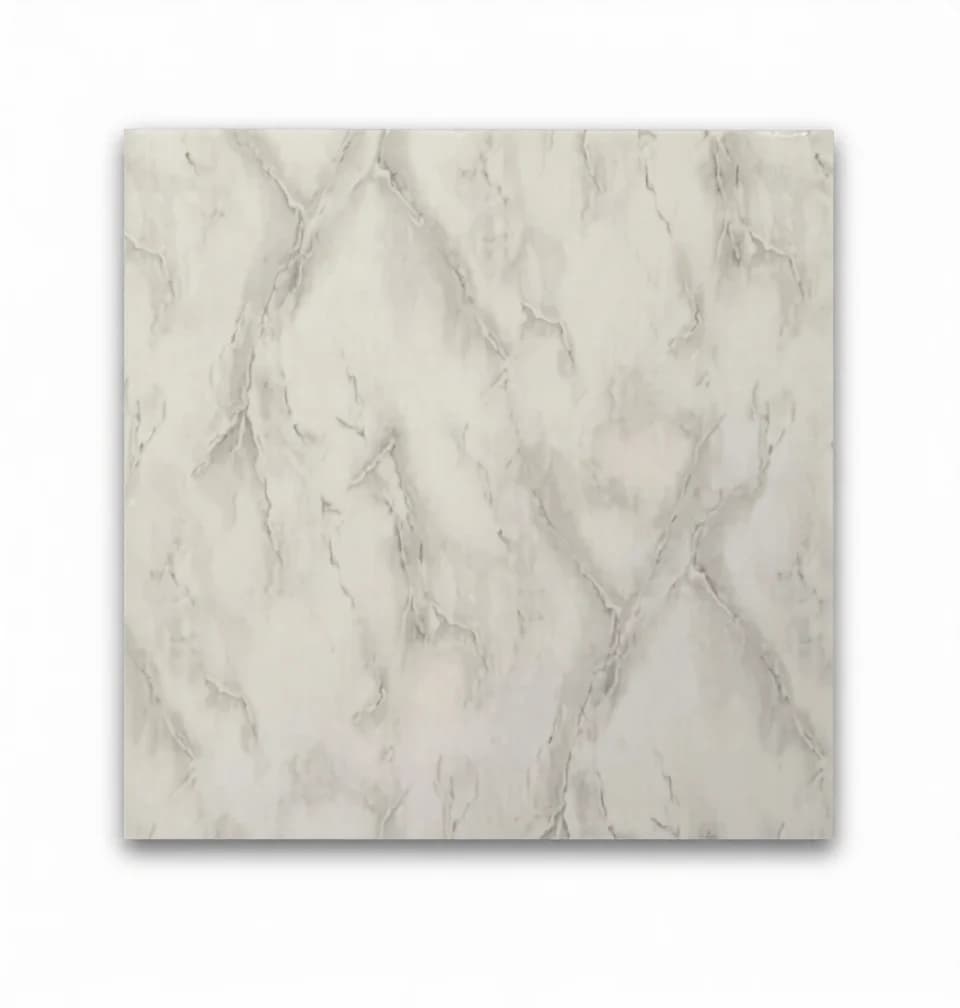
- Stone and Marble Patterned PVC Ceiling Panels: Ideal for those seeking a luxurious and sophisticated look. They successfully imitate the appearances of natural stones such as granite, travertine, marble, and basalt. They are frequently preferred in bathrooms and kitchens.
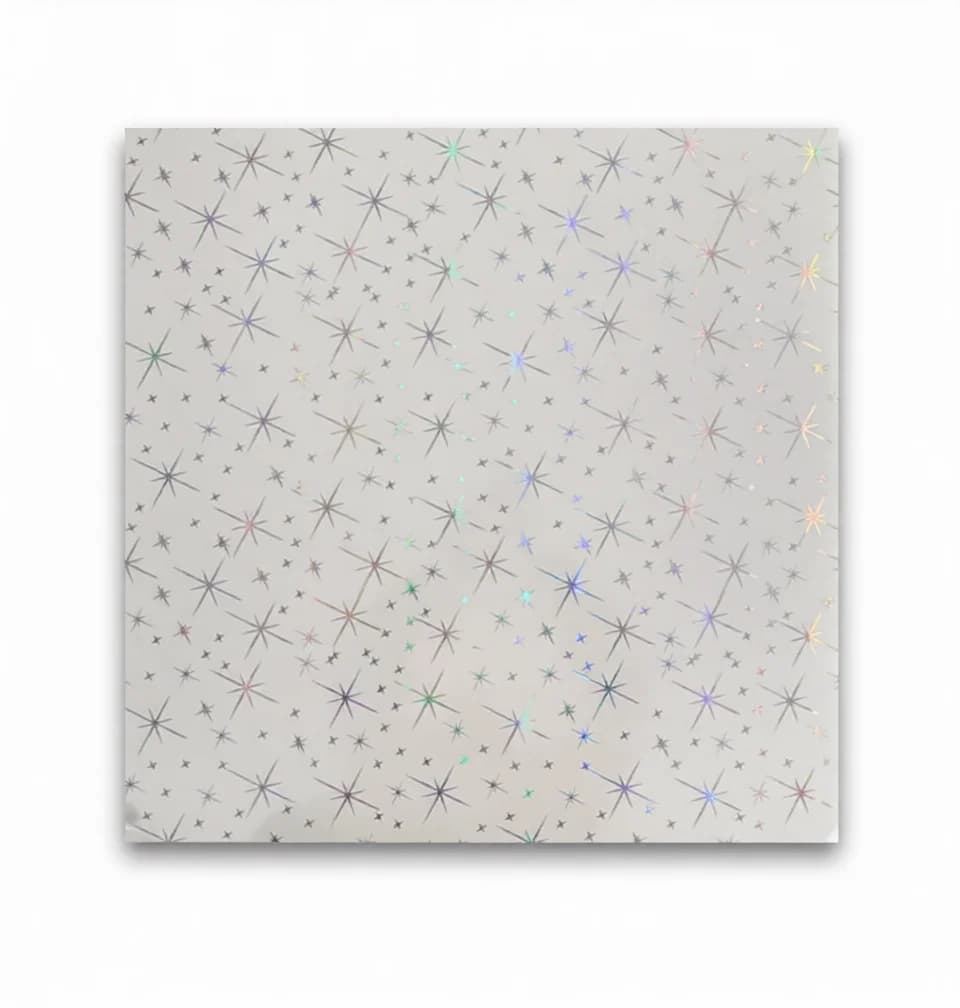
- Metallic and Industrial Designs: Suitable for modern, contemporary, or industrial style spaces. They add a dynamic atmosphere to rooms with copper, silver, gold, or rusted metal effects.
- Solid Color and Minimalist Panels: Plain and simple colors like white, beige, and gray add a fresh, spacious, and minimalist feel to spaces. They are ideal for those who want to focus on the rest of the decor.
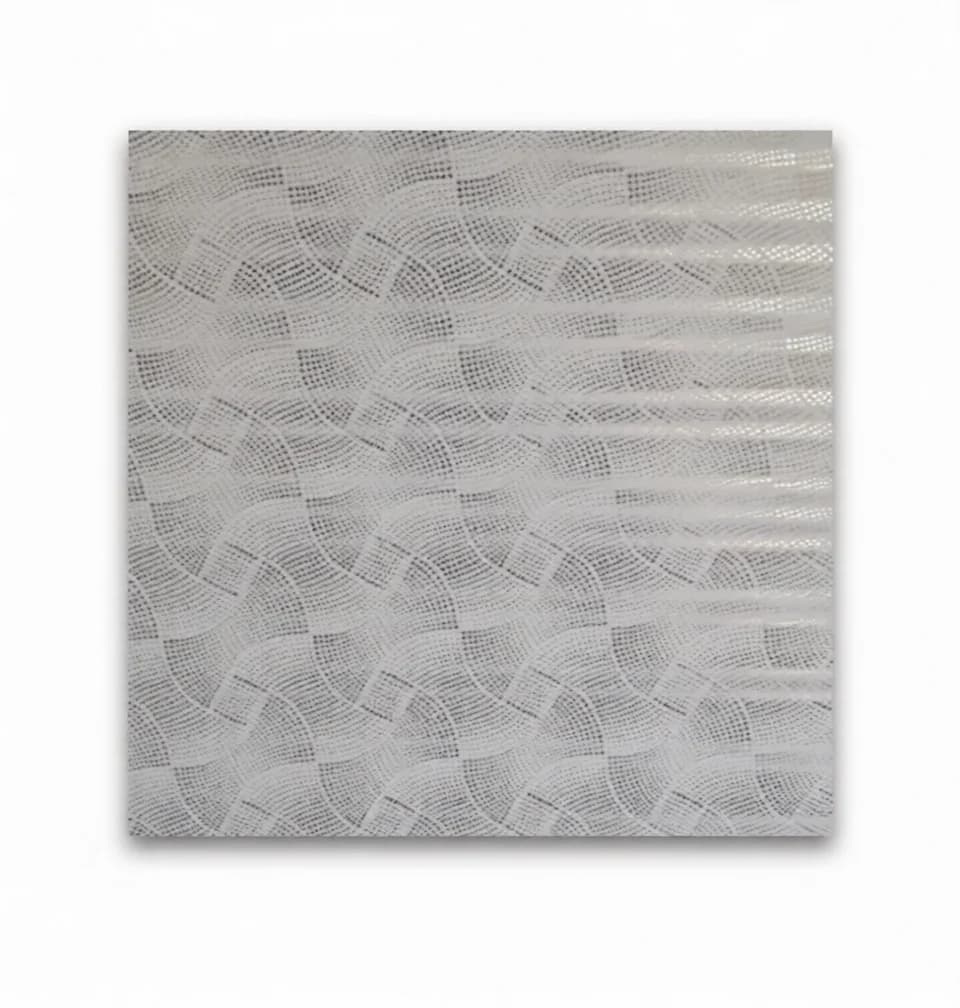
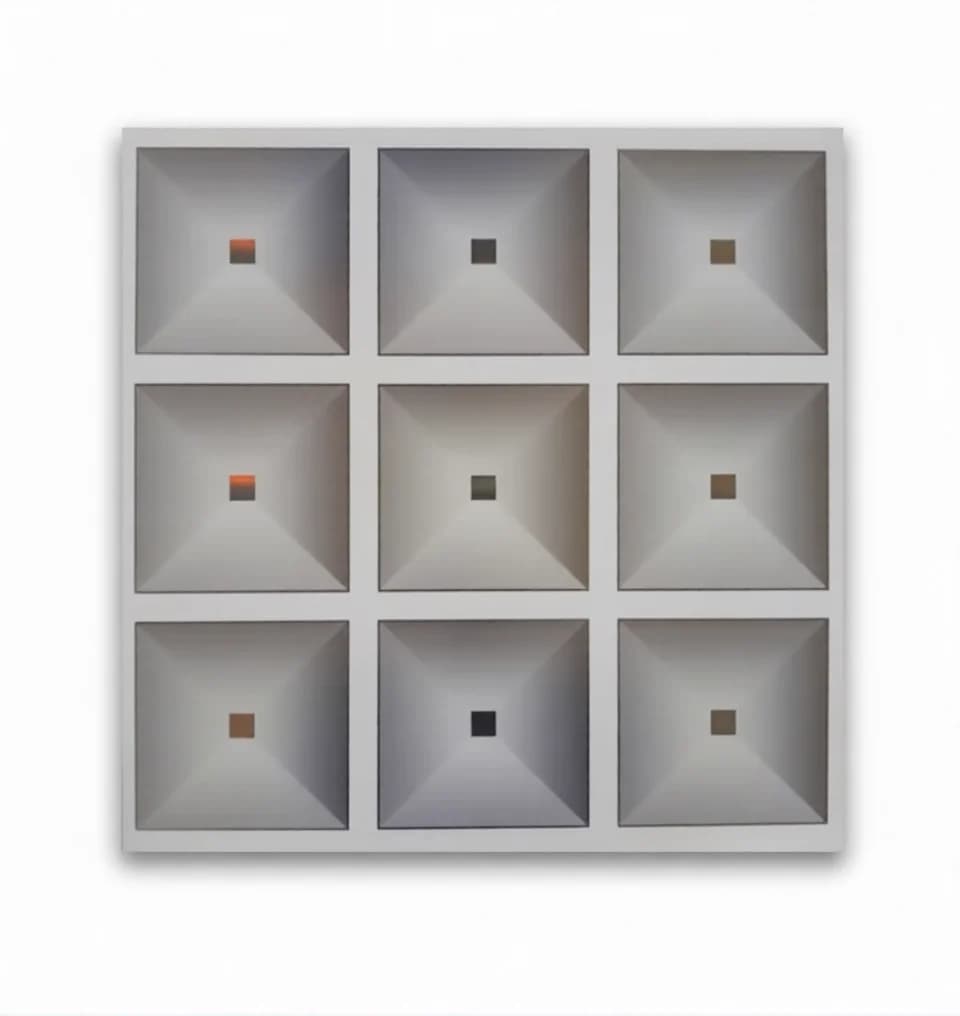
- 3D Effect Panels: These models feature embossed or geometric patterns that add depth and dimension to ceilings. They create a striking focal point in modern and avant-garde decorations.
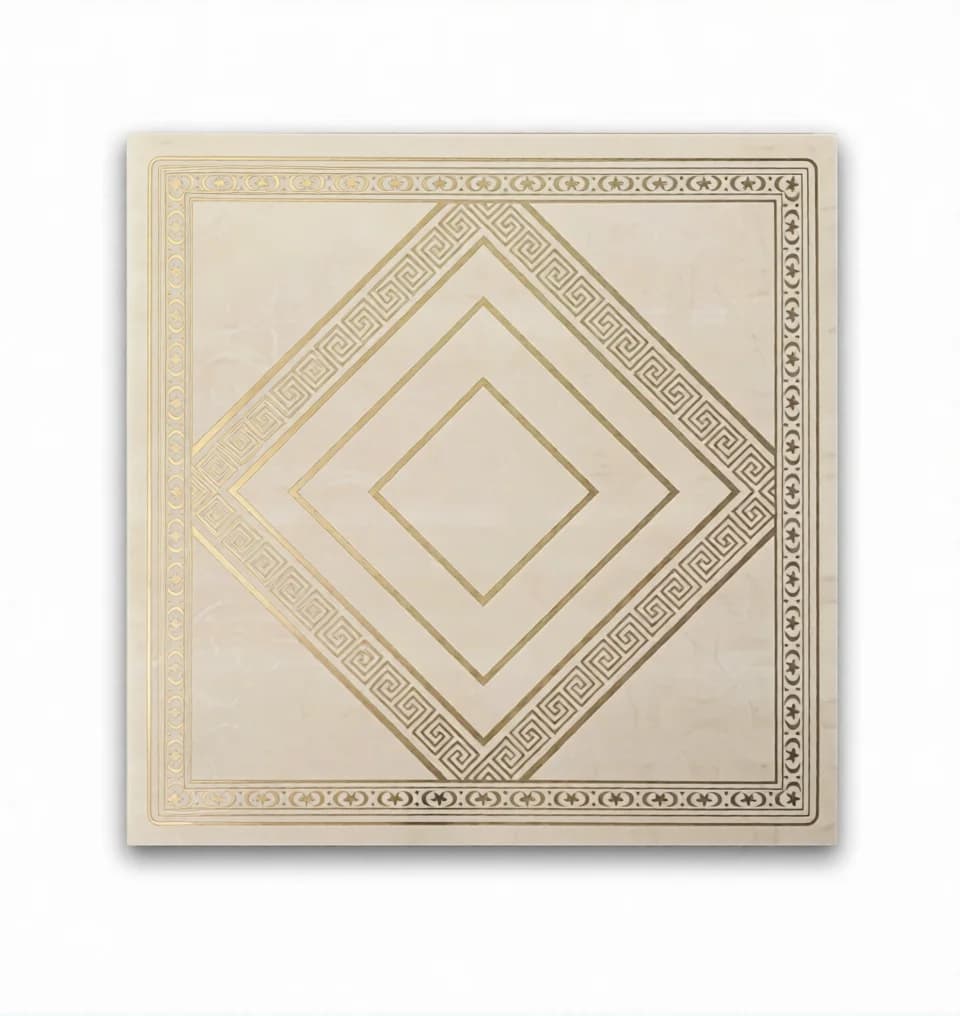
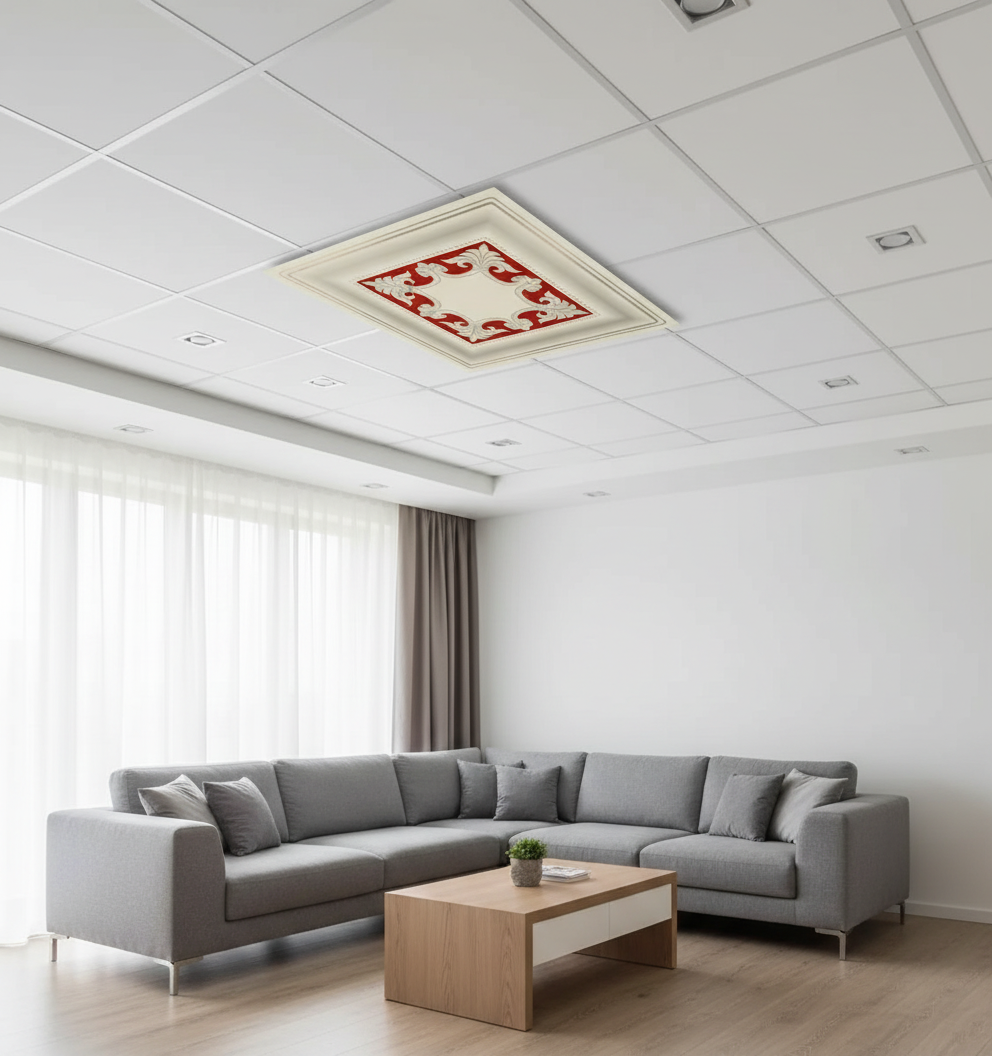
- Decorative Patterned Panels: Panels featuring geometric shapes, floral motifs, abstract designs, or custom patterns add a unique and artistic touch to spaces.
- 2. Varieties Based on Size and Shape:
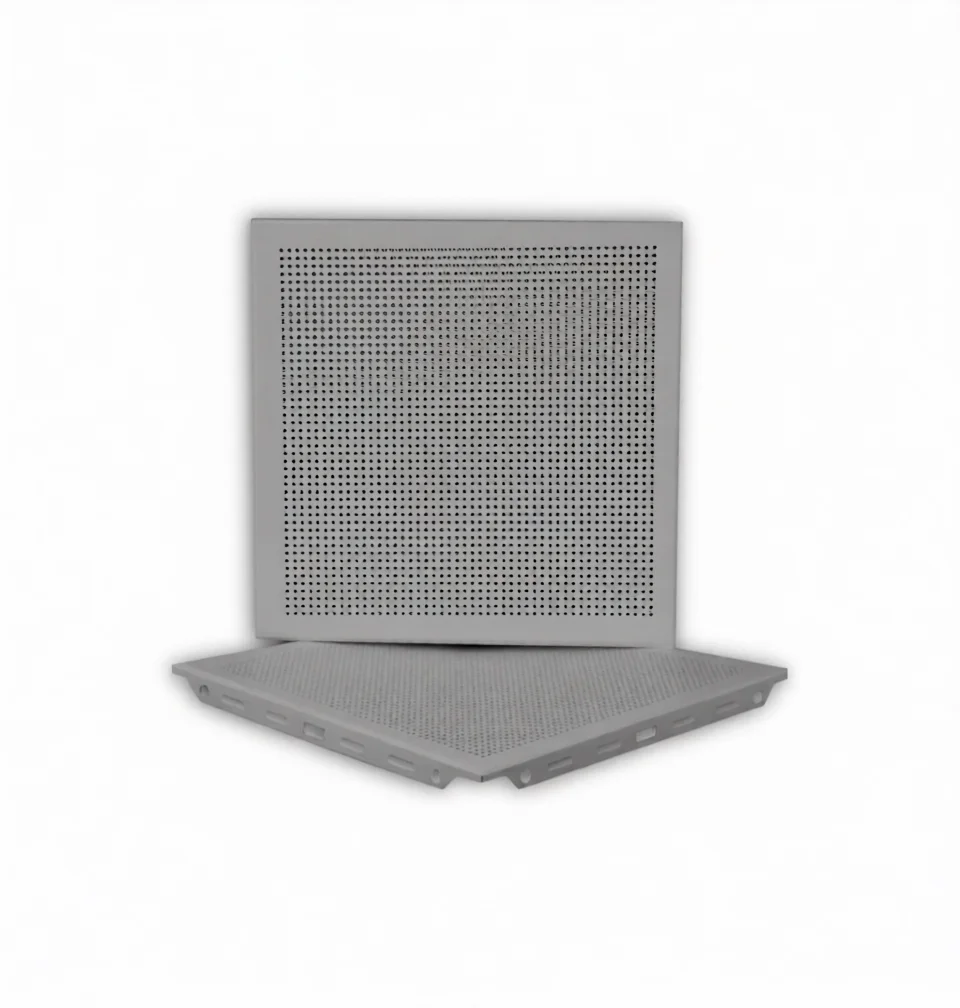
- Square Panels: This is the most common format. They typically come in standard sizes (e.g., 50x50 cm, 60x60 cm) and offer the possibility of symmetrical installation.
- Rectangular Panels (Planks): With their longer and narrower structure, they bring the effect of wood paneling or parquet flooring to the ceiling. They can create a pleasant look, especially in long and narrow areas like corridors.
When making your selection, considering the overall decoration style of the space, lighting, wall colors, and furniture will help you achieve a harmonious and aesthetic result.
4. How to Install Self-Adhesive PVC Ceiling Panels? (Step-by-Step Installation Guide)
The installation of self-adhesive PVC ceiling panels is quite simple, but certain steps must be followed for correct application. Here is a step-by-step installation guide:
Required Materials:
- Self-adhesive PVC ceiling panels
- Utility knife or box cutter
- Metal or plastic ruler / Square
- Measuring tape
- Pencil
- Cleaning cloth and detergent (for surface cleaning)
- Ladder
- Rubber roller or spatula (to secure panels and remove air bubbles)
- Primer if necessary (for damp or absorbent surfaces)
Preparation Phase:
- Surface Cleaning: The ceiling surface must be completely clean, dry, grease-free, and dust-free. Grease, dirt, or moisture can reduce the effectiveness of the adhesive. Old paint residues or peeling wallpaper should be removed.
- Surface Smoothness: It is important for the ceiling to be as smooth as possible. Large cracks or holes should be filled with gypsum or putty and sanded beforehand. Small imperfections can be concealed by the panels, but excessive roughness can affect adhesion.
- Primer Application (If Necessary): On very old, dusty, damp, or excessively absorbent ceiling surfaces, applying a suitable primer (primer paint) can be beneficial for better adhesive grip. Ensure the primer is completely dry.
- Acclimatize Panels to Room Temperature: Leave the panels in the room where they will be installed for at least 24 hours before application. This allows the panels to acclimatize to room temperature and prevents issues caused by expansion/contraction.
- Installation Planning:
- Find the center of the ceiling and mark it with a pencil. Starting the first panel from here usually ensures a symmetrical appearance.
- Determine the pattern direction of the panels. Laying all panels in the same direction or to form a specific pattern is aesthetically important.
- Ensure that the final pieces remaining at the edges are not too narrow. If necessary, you can start the first row slightly inward to balance the edge pieces.
Installation Steps:
- Placing the First Panel: Start from your chosen starting point (usually the center of the ceiling or the center of a prominent wall). Carefully remove the protective film from the back of the first panel. Align the panel with the ceiling surface and gently press it into place.
- Adhering and Air Removal: After sticking the panel to the ceiling surface, apply even pressure from end to end across the panel's surface using a rubber roller or spatula. This process ensures the adhesive fully bonds to the surface and removes any air bubbles. Take care to leave no air bubbles.
- Applying Subsequent Panels: After applying the first panel, continue to stick the other panels side-by-side or row by row using the same method. If the panels have an interlocking system (tongue-and-groove), lock the panels together using these systems. Otherwise, align the panels tightly next to each other, ensuring no gaps remain.
- Corner and Edge Cuts: You will need to cut the panels when you reach wall edges or encounter obstacles such as ceiling fixtures or pipes.
- Bring the panel to the ceiling edge and measure the distance to the wall.
- Transfer the measurement to the panel and draw a line with a pencil using a ruler.
- Carefully cut along the drawn line with a utility knife or box cutter. You can make multiple passes to facilitate the cut.
- Stick the cut piece into place and secure it again with the roller.
- Cuts for Electrical Fixtures and Pipes: Be especially careful when making cuts for chandeliers, spotlights, or pipe penetrations. Align the fixture or pipe with the panel, draw around it with a pencil, and cut 1-2 mm inside the drawn line to create a gap. This gap will allow the fixture or pipe to fit perfectly and conceal the edges.
Final Checks: After adhering all panels, perform a final check to ensure that each panel is fully bonded to the ceiling surface and that no gaps remain at the edges. If necessary, apply pressure to the edges of the panels again.
5. Application Areas for Self-Adhesive PVC Ceiling Panels
Self-adhesive PVC ceiling panels have a very wide range of applications thanks to their practicality and aesthetic versatility:
- Homes:
- Kitchens and Bathrooms: Thanks to their water and moisture resistance, they are an ideal solution in these high-humidity areas. They prevent mold and mildew formation.
- Living Rooms and Bedrooms: Can be used to add a different dimension to decor, creating a modern or rustic ambiance. Especially 3D effect panels can become a focal point of the room.
- Hallways and Entrances: Wood-patterned panels can be preferred to add warmth and character to entry areas.
- Children's Rooms: Thanks to their easy-to-clean and durable structure, they are a practical solution for children's rooms.
- Basements and Storage Rooms: Can be used in areas where dampness is an issue to protect the ceiling and make it more aesthetic.
- Commercial Spaces:
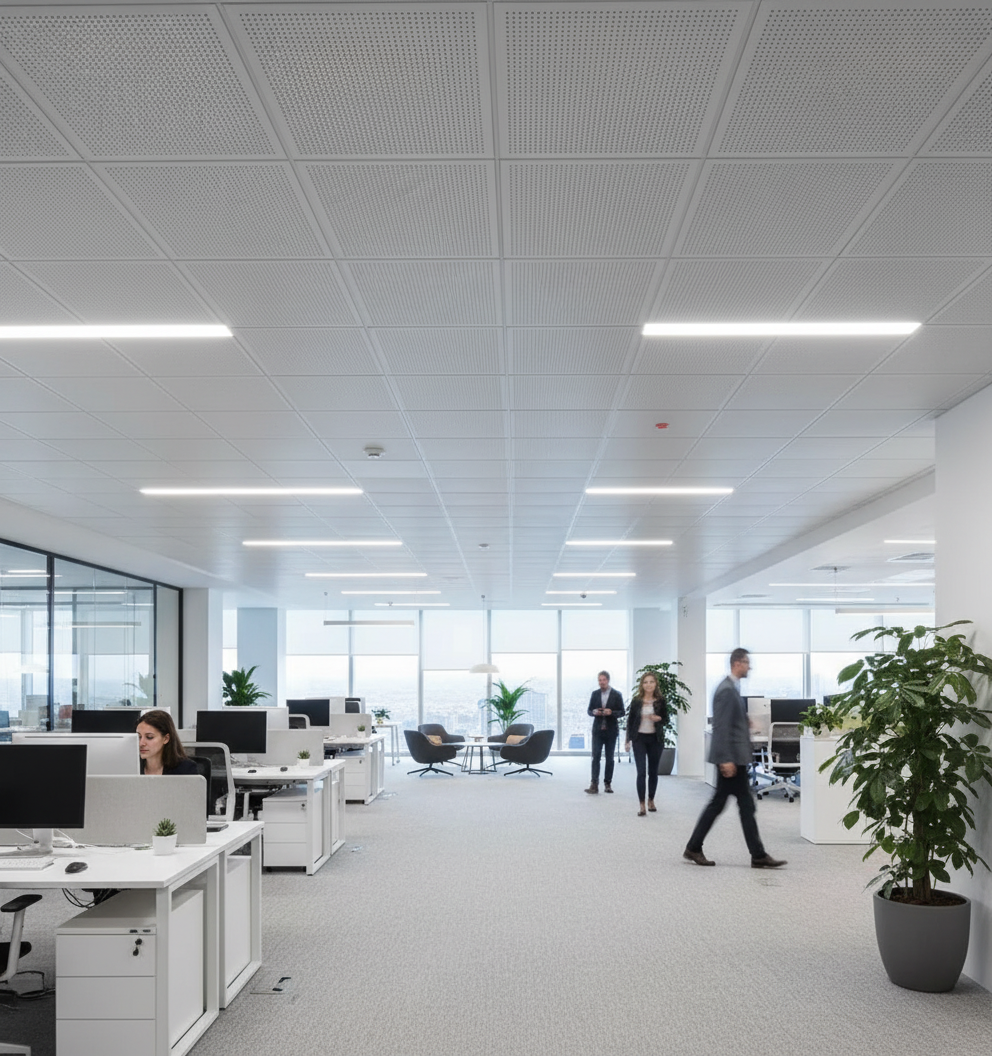
- Offices: Plain colored or lightly patterned panels can be preferred to create a modern, minimalist, or corporate look.
- Stores and Boutiques: Used to create stylish and eye-catching ceiling designs that support product display.
- Cafes and Restaurants: Unique designs can be created with wood, stone, or specially patterned panels to enhance the ambiance and offer customers a pleasant experience.
- Beauty Salons and Spa Centers: Thanks to their hygienic and aesthetic appearance, they help create relaxing and stylish environments.
6. What to Consider When Choosing Self-Adhesive PVC Ceiling Panels?
Choosing the right PVC ceiling panel model is crucial for a long-lasting and satisfying result. Here's what you should consider:
- 1. Quality and Brand: Products of varying qualities are available on the market. Opting for reliable and well-known brands provides more guaranteed results in terms of adhesive strength, material thickness, and durability.
- 2. Room Purpose and Humidity Level: Especially for humid areas like bathrooms or kitchens, choosing models specified as extra water and moisture resistant will extend the lifespan of the panels.
- 3. Decoration Style and Color Harmony: Consider your space's overall decoration style (modern, classic, rustic, minimalist, etc.) and wall colors to choose a harmonious pattern and color. The ceiling should complement the room's overall ambiance.
- 4. Model and Pattern Variety: When choosing among visual textures like wood, stone, plain, or 3D, also consider the size of the space and ceiling height. Large patterns look better in spacious areas, while simpler patterns can create a sense of openness in smaller rooms.
- 5. Fire Resistance: Especially in commercial spaces or areas subject to specific regulations, it is important to choose products with fire resistance certification.
- 6. Warranty and Certifications: Checking whether the product has a warranty and compliance documents for environmental and health standards (e.g., REACH compliance) ensures you make a safe and healthy choice.
- 7. Price/Performance Balance: After determining your budget, instead of opting for the cheapest product, strive to choose the one that offers the best balance in terms of quality, durability, and aesthetics.
Conclusion
Self-adhesive PVC ceiling panel models bring a brand new perspective to ceiling renovation projects. Thanks to their easy installation, wide range of designs, durability, and affordable costs, they have become one of the smartest ways to quickly, practically, and stylishly transform your living and working spaces. Whether you want to conceal a worn-out ceiling in your home or add a modern touch to your commercial space, self-adhesive PVC ceiling panels offer countless solutions to meet your needs. With proper planning and selection, you can enjoy easily beautifying your ceilings and instantly add value to your spaces.